Trump Triumphal Arch Blocked in Court for Months
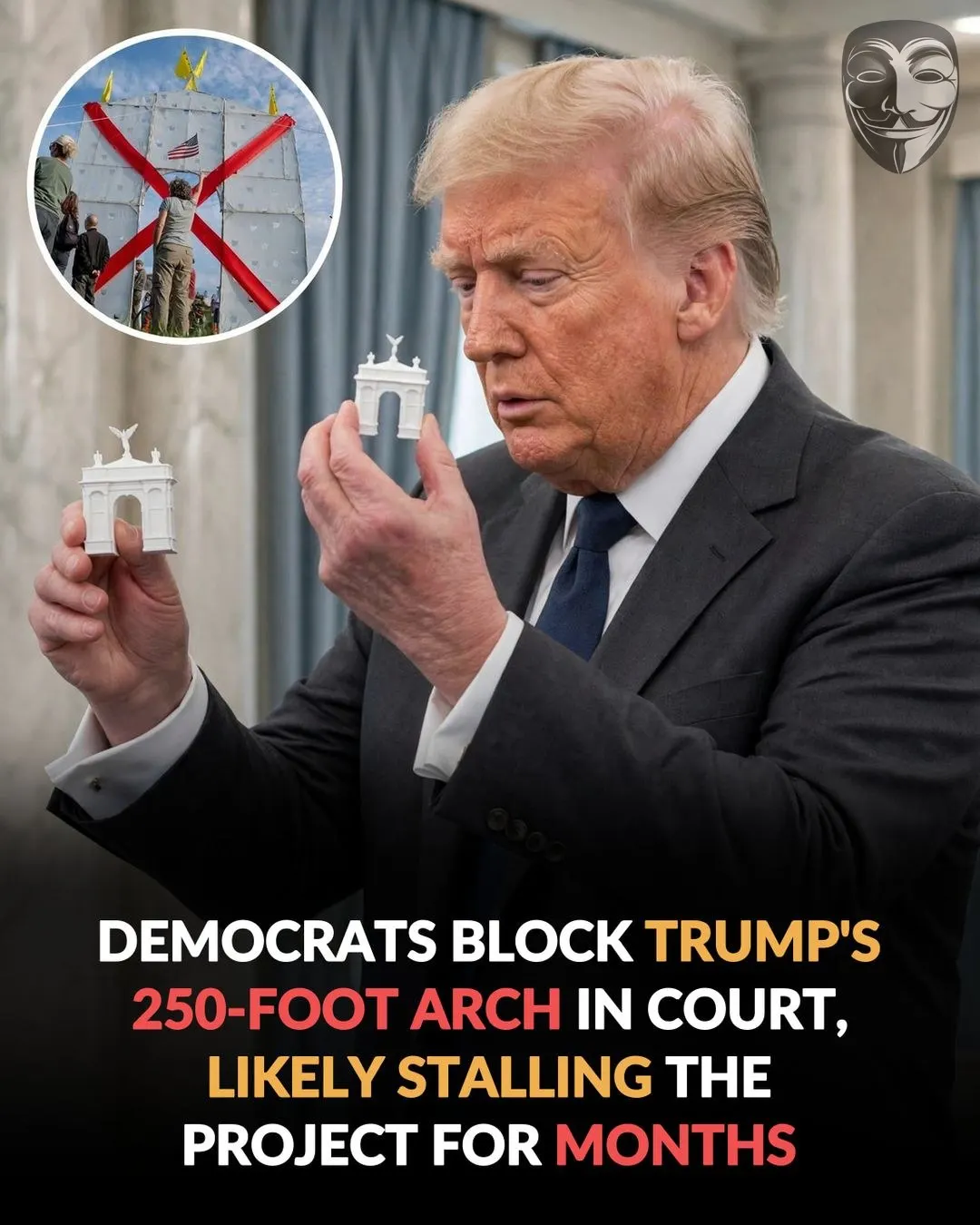
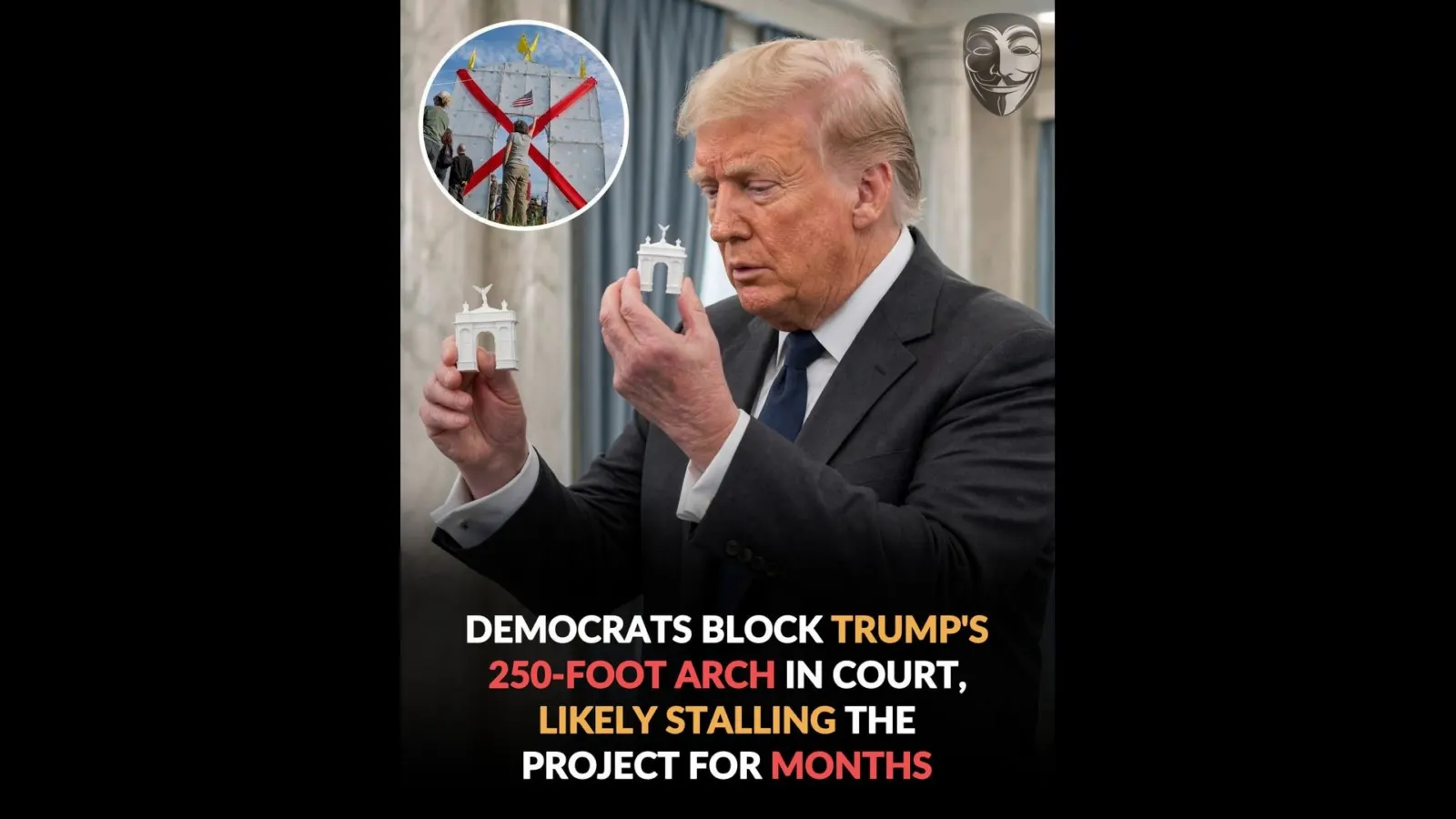
Trump triumphal arch construction has been halted indefinitely after a federal judge blocked the 250-foot project near Arlington National Cemetery. Judge Leonie Brinkema granted the request to stop work while the case plays out, a hold with no end date that could last for the life of the lawsuit. She said she could not see any way the government wins on the merits, and she said federal law has been significantly violated in the scramble to build it. The order is the second court ruling against the project in a matter of days.
In the slides ahead we look at the 1925 law at the heart of the case, the drone defense claim the judge rejected, the tall cranes near the Reagan National flight paths, and the traffic worries for commuters between Virginia and Washington. We also look at what Judge Tanya Chutkan ordered in Washington, what the Justice Department plans next, and why the arch has become such a fierce public fight. For the court record so far, read the earlier ruling on the arch.
References:
Associated Press: Federal Judge Indefinitely Blocks Construction of Trump’s 250-Foot Arch
Washington Signal: Two Federal Judges Block Trump’s Proposed 250-Foot Arch Near Arlington Cemetery
DroneXL: Judge Blocks Trump’s Arch, Calls Its Drone Defense Claim Not Credible
Opera News: What Happens to Trump’s Triumphal Arch After Two Judges Block Construction
A Judge Calls the Plan a Rush Job
Judge Leonie Brinkema did not hold back when she ruled on the arch. She called the whole effort a rush job, and she said she could not see any way the government wins on the merits. She also said federal law has been significantly violated in the scramble to build it. Her words were blunt, and they set the tone for a ruling that could freeze construction for months. The judge made clear that speed is no excuse when a project of this size moves ahead without a solid legal base. Read more in the Virginia injunction.
The Trump Triumphal Arch and the 1925 Law
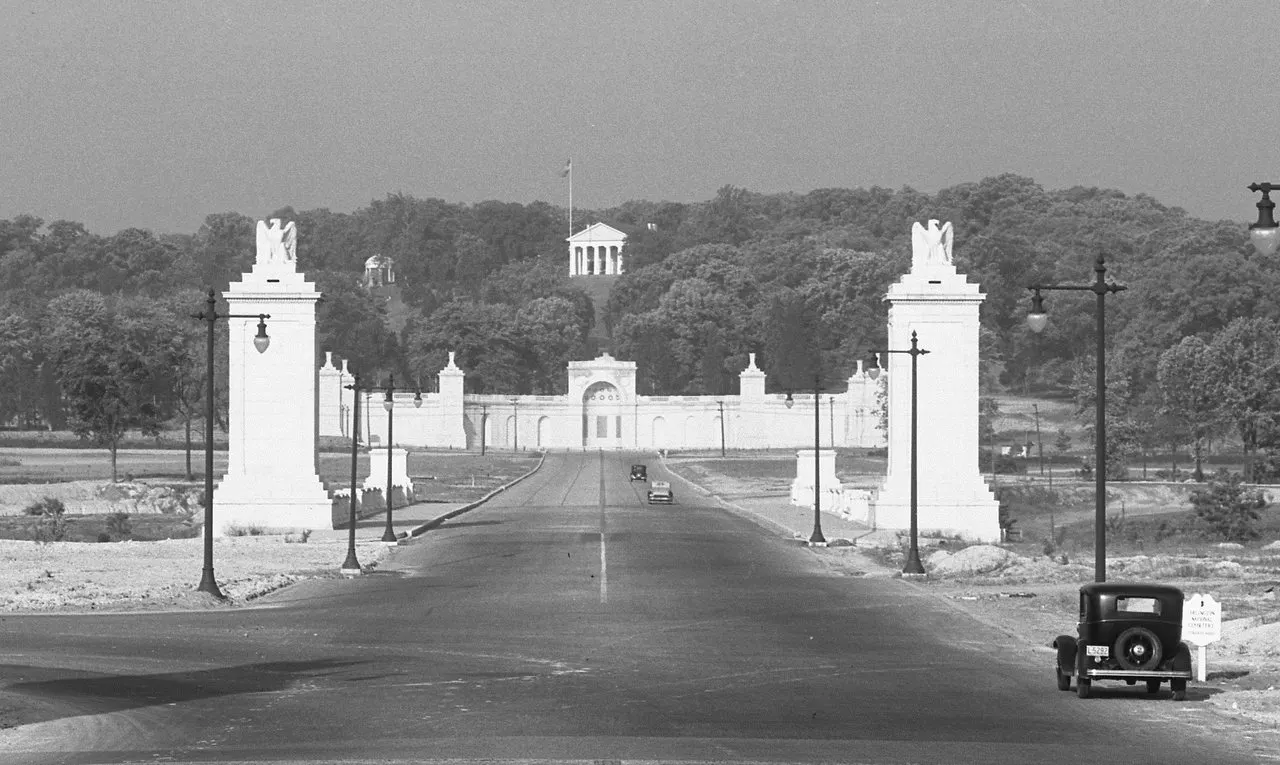
At the center of the case is a law from 1925. The government says that law, which authorized two columns on Memorial Circle, somehow covers a 250-foot arch that was never part of the plan. Judge Brinkema called that argument absolutely fascinating, and she said it hurts the government’s credibility with the courts. She noted that the law is older than the airport next door, which makes the stretch even harder to accept. A century-old permission for columns is a thin base for a giant new monument. See the second ruling.
Two Columns That Were Never Built
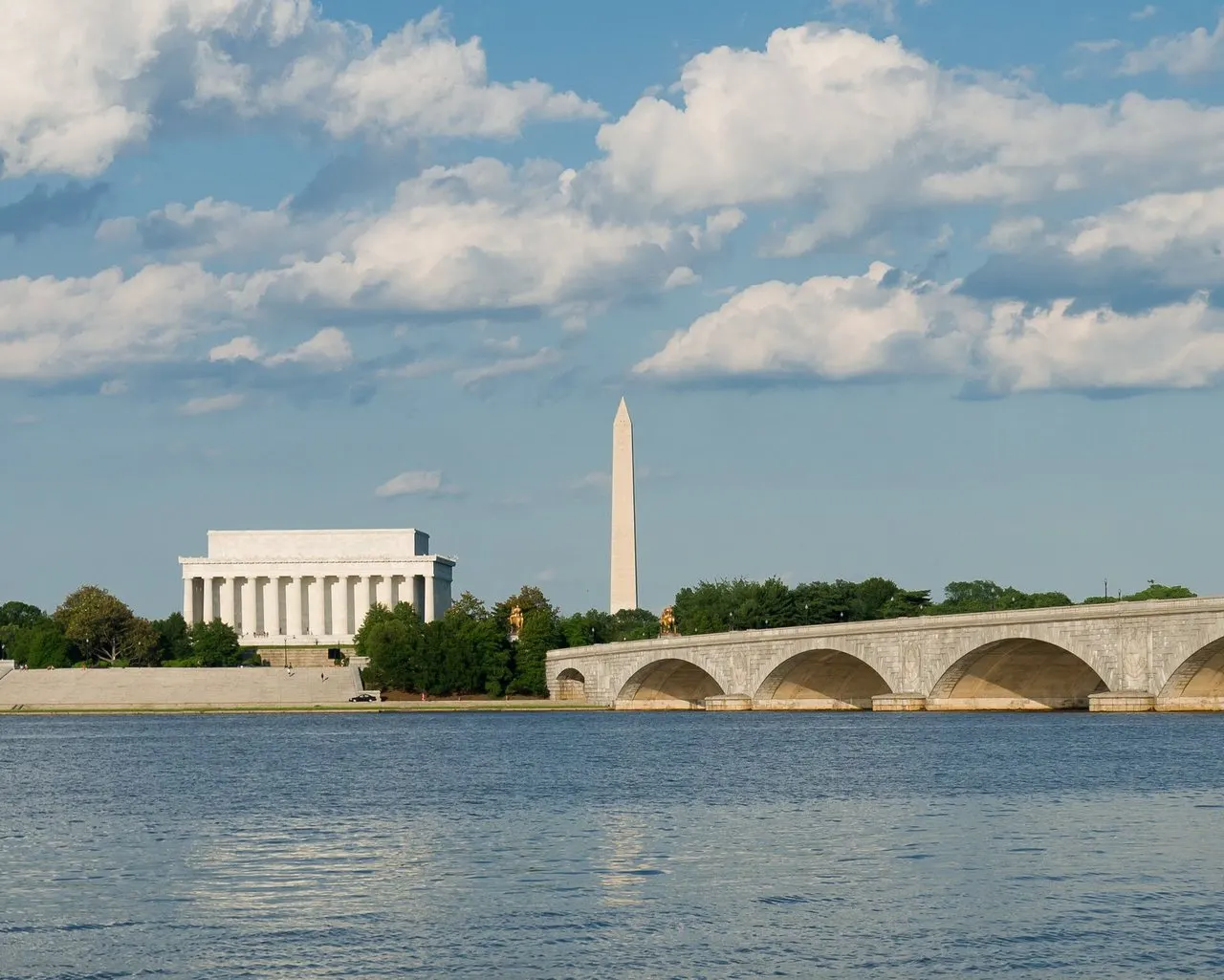
The 1925 law did not authorize an arch at all. It authorized two columns on Memorial Circle near Arlington National Cemetery, and those columns were never built. That detail matters, because the government is now asking a court to read a broad new power into a narrow old law. The judge was not persuaded, and her ruling shows how hard it is to stretch a hundred-year-old text to fit a modern project. Old laws still matter, but they cannot be rewritten by wishful reading. Learn more in the earlier ruling on the arch.
A Hold With No End Date
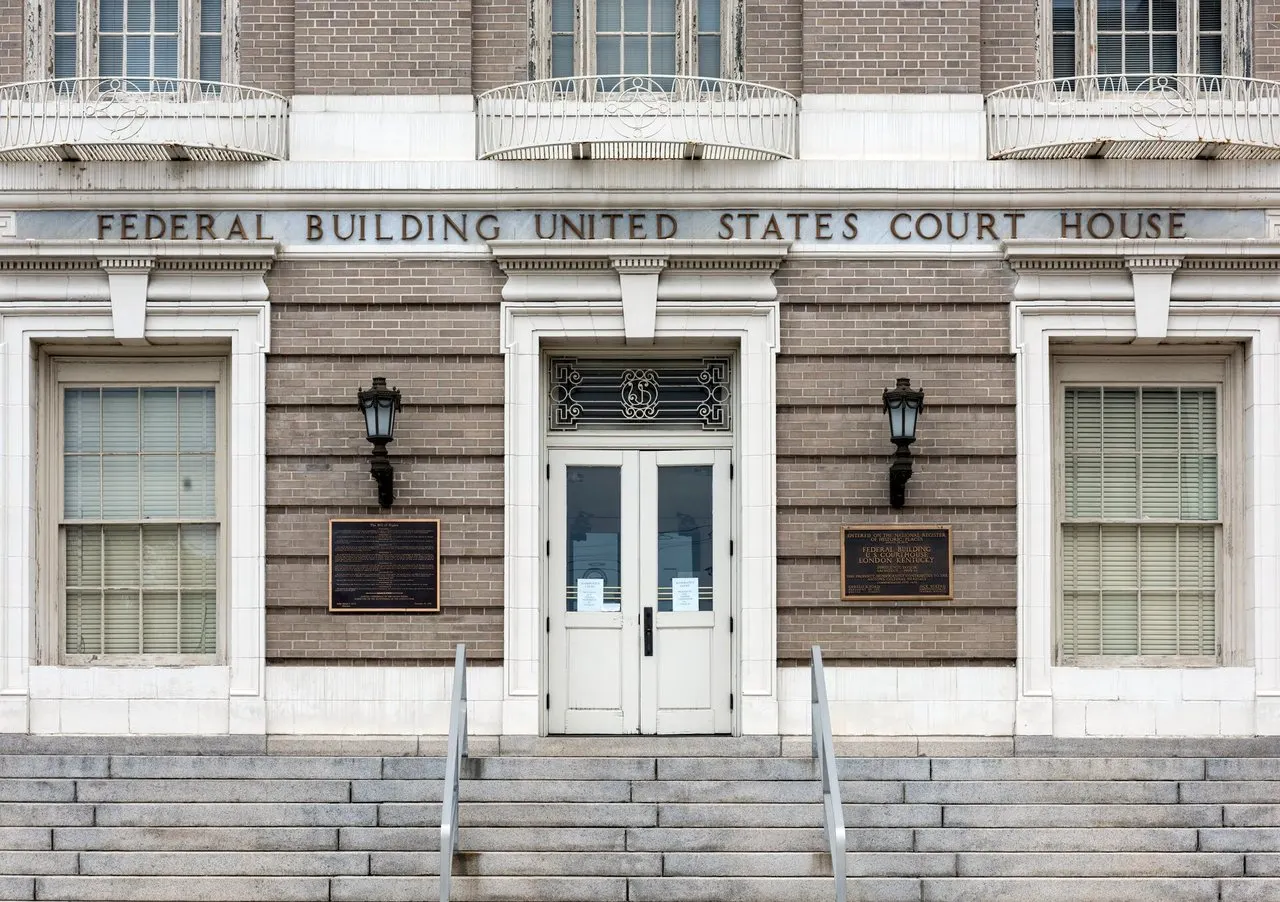
This is not a two-week timeout. The judge granted a hold that lasts while the case plays out, with no fixed end date, and it could stay in place for the life of the lawsuit. That means months of delay at least, and perhaps much longer if the case moves slowly through the courts. For a project that was being rushed, the pause changes everything, because crews cannot build while the legal fight goes on. Time is now on the side of the people who brought the case. Read the second court order.
Strong Words From the Bench
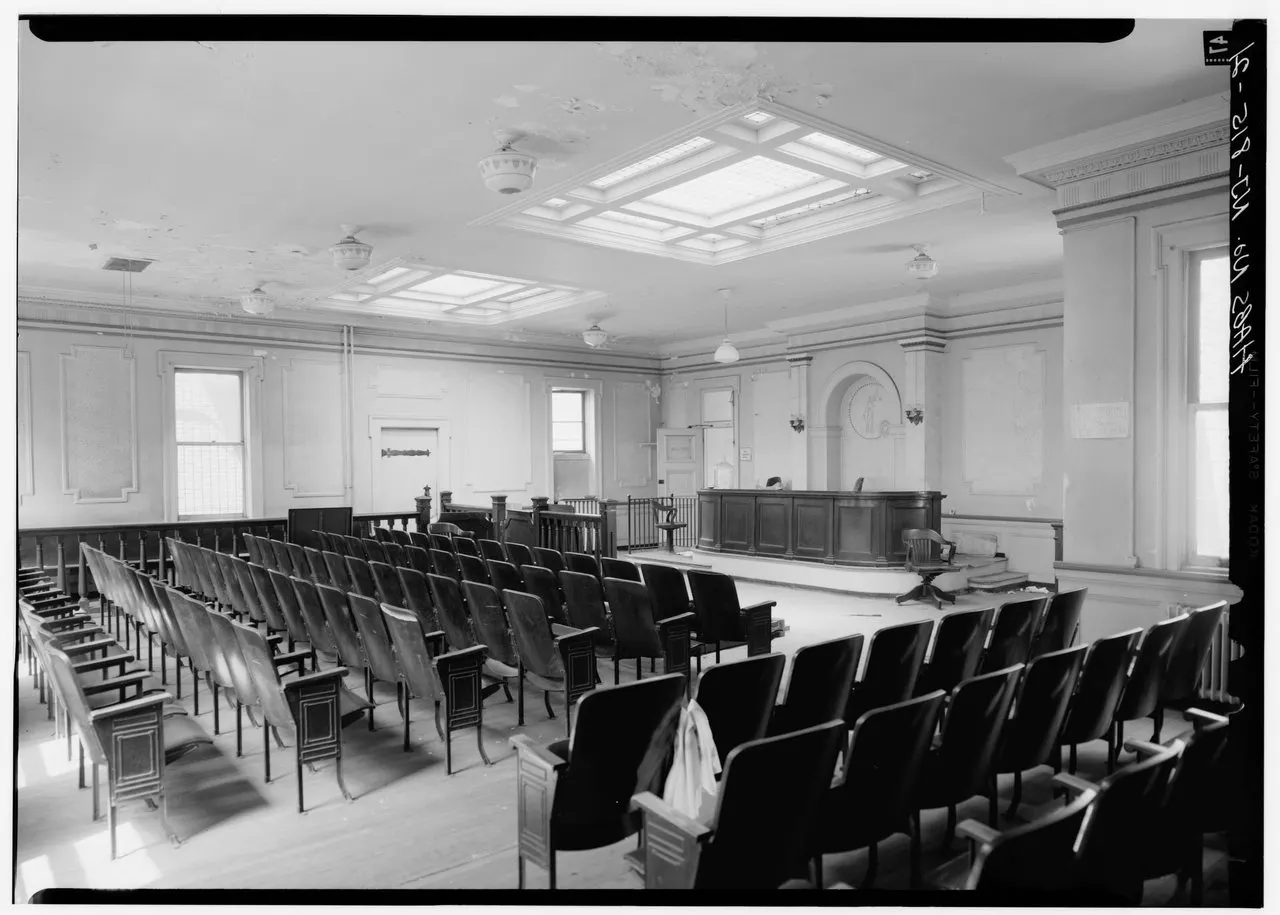
Judges often speak in careful language, but Brinkema was direct. She said federal law has been significantly violated, and she told the Justice Department lawyer that the 1925 argument hurts your credibility with the courts. Those are not the words of a judge who thinks the case is close. They show a court that sees a project pushed forward without the legal steps the law requires. When a judge questions credibility, it can shape how every later ruling in the case is received. See Cheney’s message to her colleagues.
The Trump Triumphal Arch Drone Claim Falls Flat
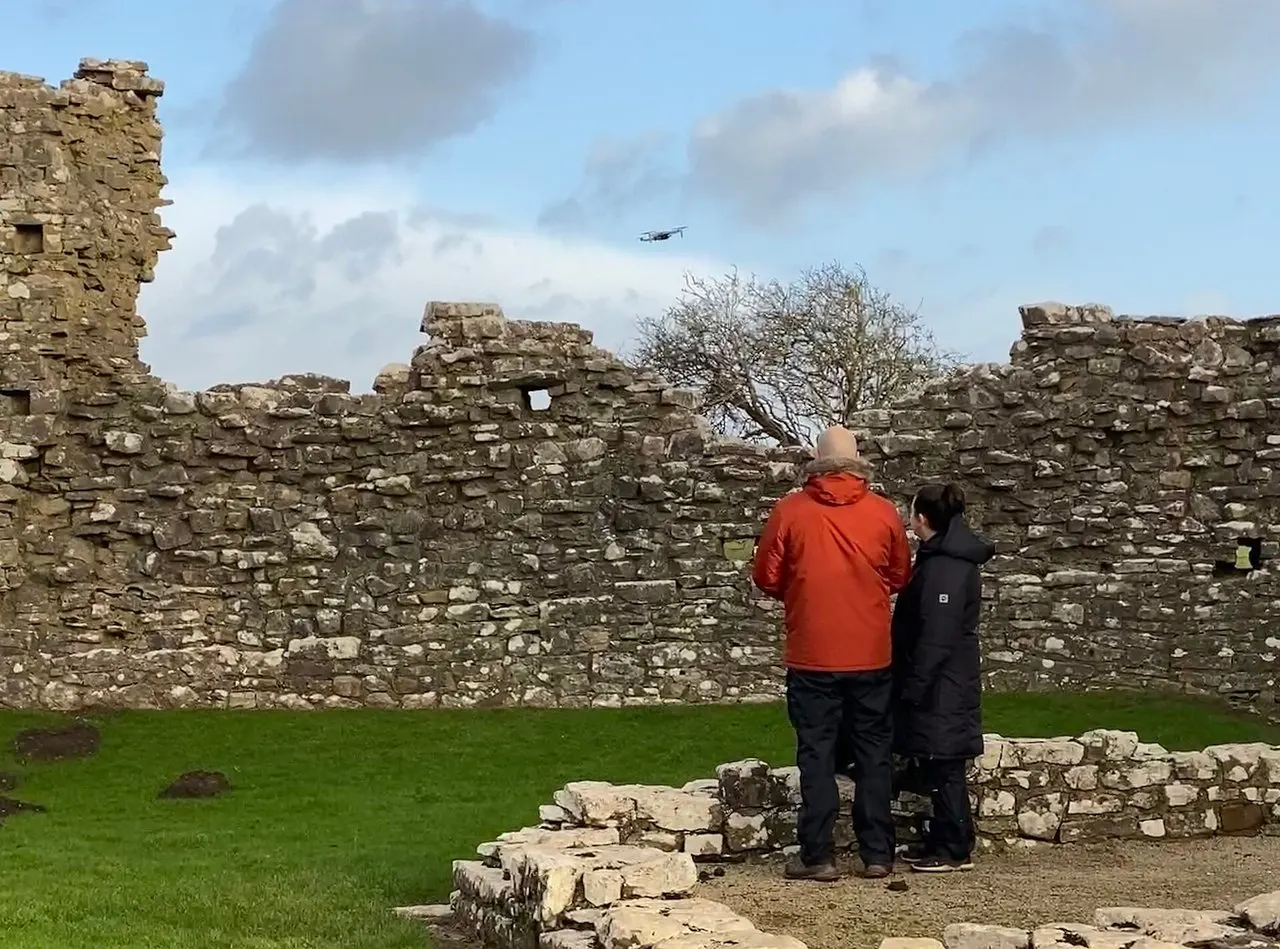
Trump has said the arch will double as a military complex for drones and snipers, while also serving as a tourist attraction. Judge Brinkema said that combination does not make any sense, and she questioned whether the defense claim was credible at all. A monument that welcomes crowds and a base that watches the skies are hard to combine in one structure. The ruling treats the drone claim as an excuse rather than a reason, and it weakens the case for building fast. Read former Justice Department lawyers.
320-Foot Cranes Near the Flight Paths
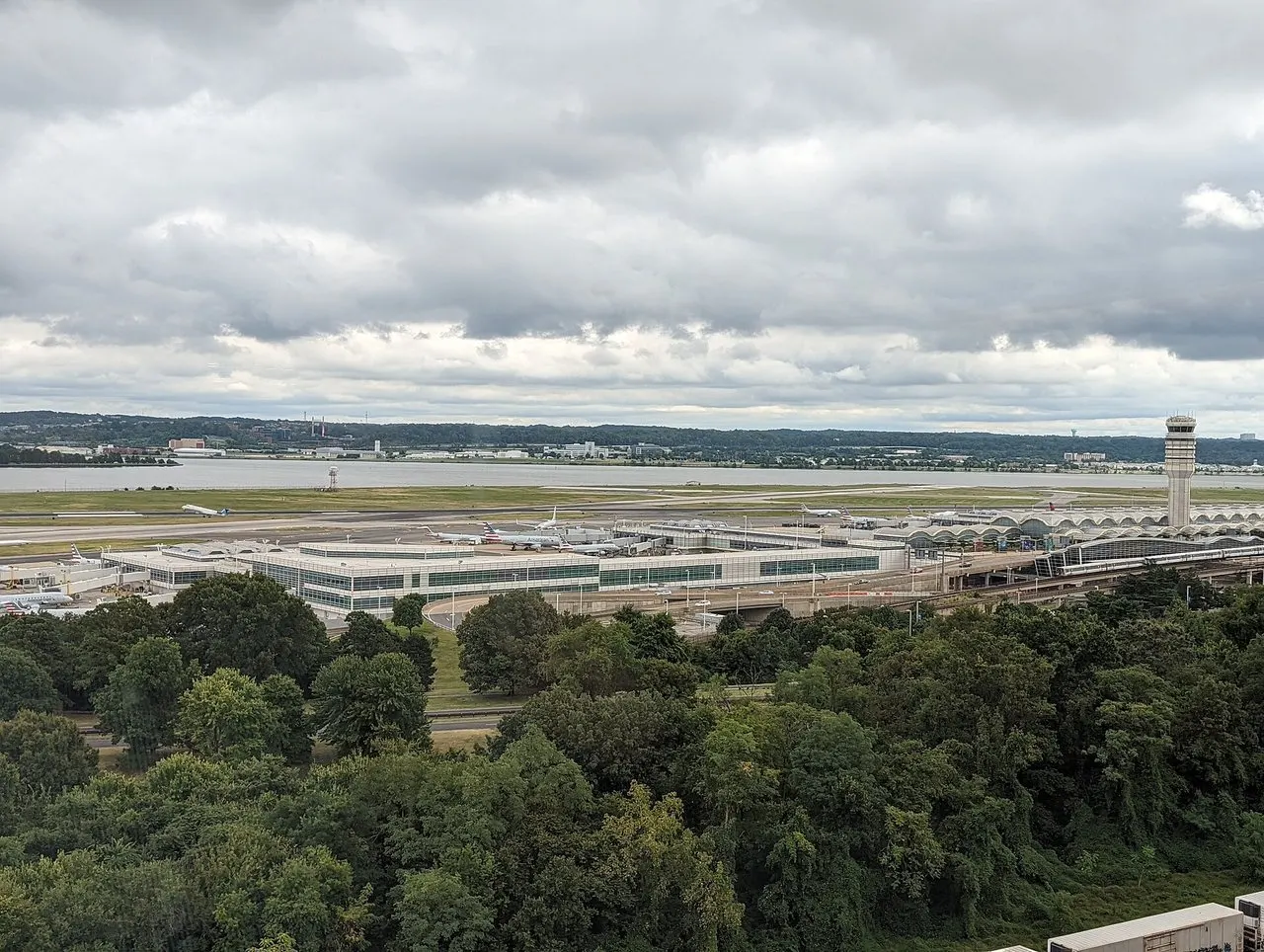
The judge also flagged the 320-foot cranes sitting near the flight paths for Reagan National Airport. Tall cranes beside a busy airport raise clear safety questions, and the court did not hide its concern. Planes land and take off close to the site, so anything that rises hundreds of feet into the air needs close review. The crane issue shows how many parts of the project were moving at once, with too little checking. Safety near an airport is not a detail that can wait until later. See a record Air Force One flight.
Traffic Trouble for Virginia Commuters

Beyond the airport, the judge raised the traffic mess for everyone commuting between Virginia and Washington. Memorial Circle already carries heavy traffic, and a major building site would add trucks, lane closures, and delays to roads that thousands of people use each day. Commuters do not get a say in a rush job, but they would feel its effects every morning and evening. A project that ignores daily life around it invites the kind of pushback this one has received. Read the seabed auction.
A Trump Triumphal Arch Without Congressional Approval
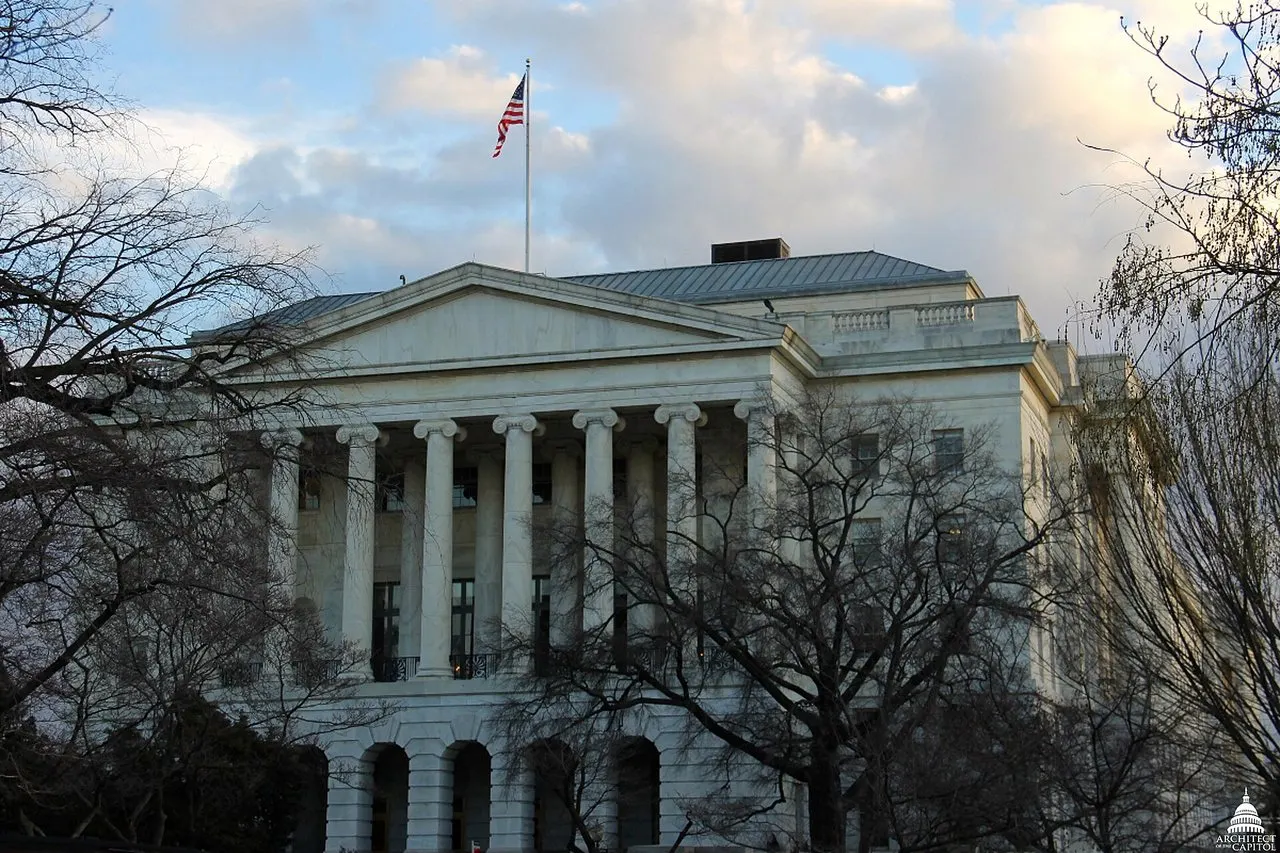
In one sentence, the judge summed up the whole case. This is a project without congressional approval, she said, and that simple fact may decide its fate. Big public works on federal land usually need Congress to sign off, and the arch moved ahead without that step. The ruling puts the question plainly before the courts and the public, and it asks whether one branch of government can build a giant monument on its own. That is the fight now. See Miller’s first speech.
Judge Chutkan Freezes Work Through December 3
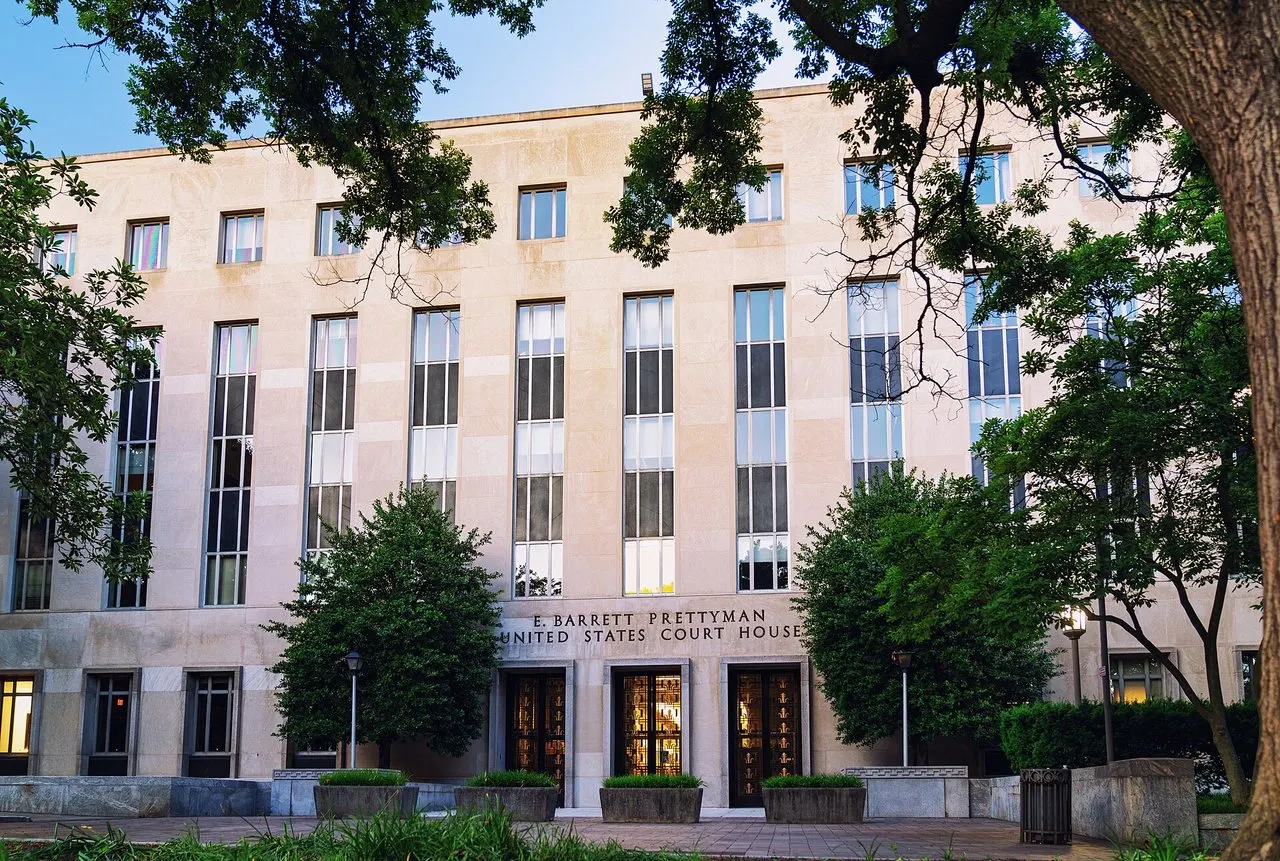
Brinkema was not the first judge to stop the work. Judge Tanya Chutkan in Washington had already frozen construction through December 3, giving the courts time to look at the case before more ground was broken. Her order set the stage for Brinkema’s broader hold, and together the two rulings have now blocked the project twice. Two different judges in two different courts reached the same worry, and that pattern will be hard for the government to dismiss on appeal. Read the Peltola case.
The Justice Department Plans an Appeal
The Justice Department says it will appeal, so the fight is far from over. An appeal asks a higher court to look at the rulings and decide whether the judges got the law right. Appeals take time, and the arch cannot rise while the hold stays in place. The government must now explain why a 1925 law about columns should cover a 250-foot arch, and why a project without congressional approval should go ahead anyway. That is a steep climb. See the lavish banquet.
Democrats Block the Trump Triumphal Arch Again
This is the second time Democrats have blocked the arch in court, and the second ruling may matter even more than the first. The first freeze bought time, but the new order could last for the life of the lawsuit, which means months of delay and a real chance the project never recovers. Supporters of the arch call it a tribute, while its critics call it a vanity project that skipped the rules. The courts have now sided with the critics twice. Read Clinton’s claim.
Arlington National Cemetery and Memorial Circle
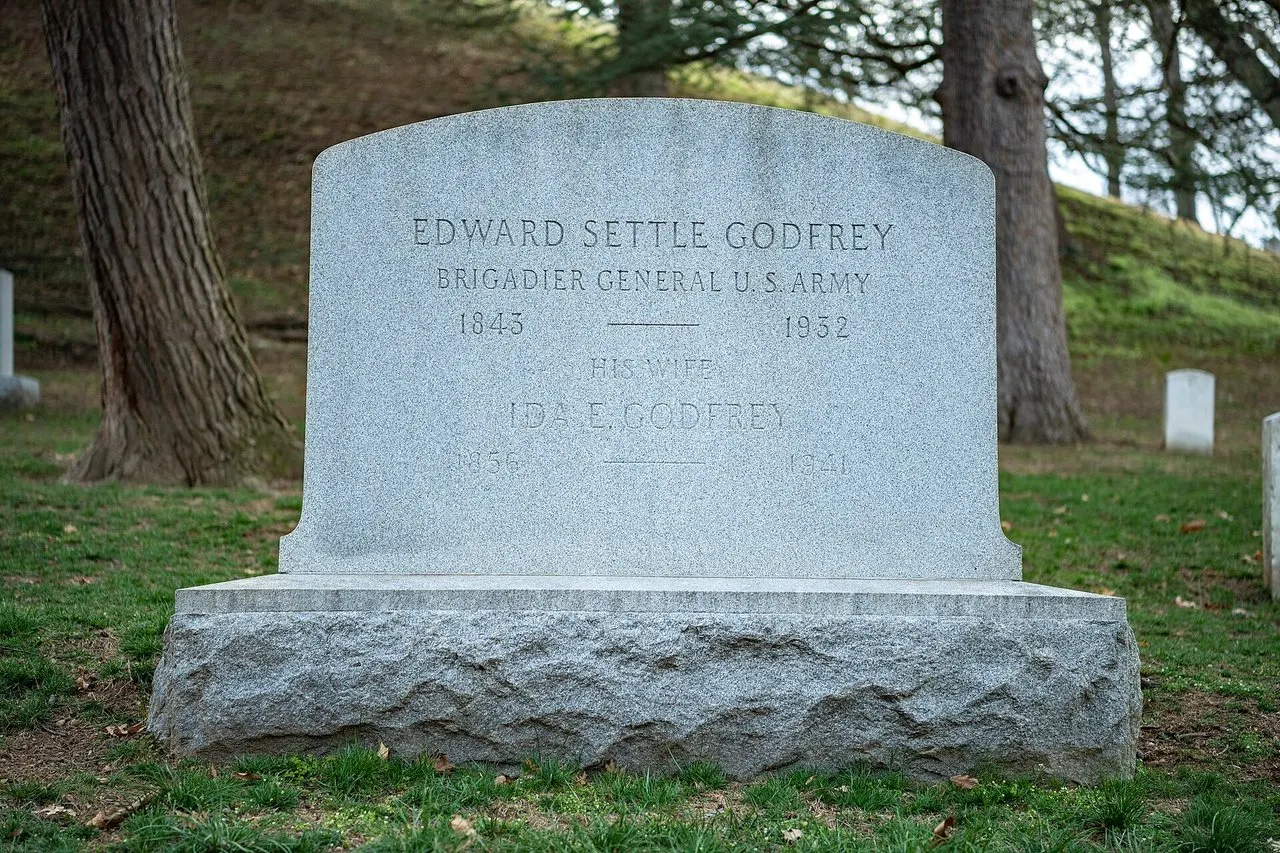
The site is what makes this fight so sensitive. The arch would rise near Arlington National Cemetery, where fallen service members rest, and beside Memorial Circle, a place tied to national memory. Building a giant new monument there is not like building on empty land, because the ground already carries deep meaning for millions of people. That is why the choice of site has drawn so much attention, and why the courts are looking closely at every step. See Fetterman’s stand.
What a Triumphal Arch Is Meant to Honor
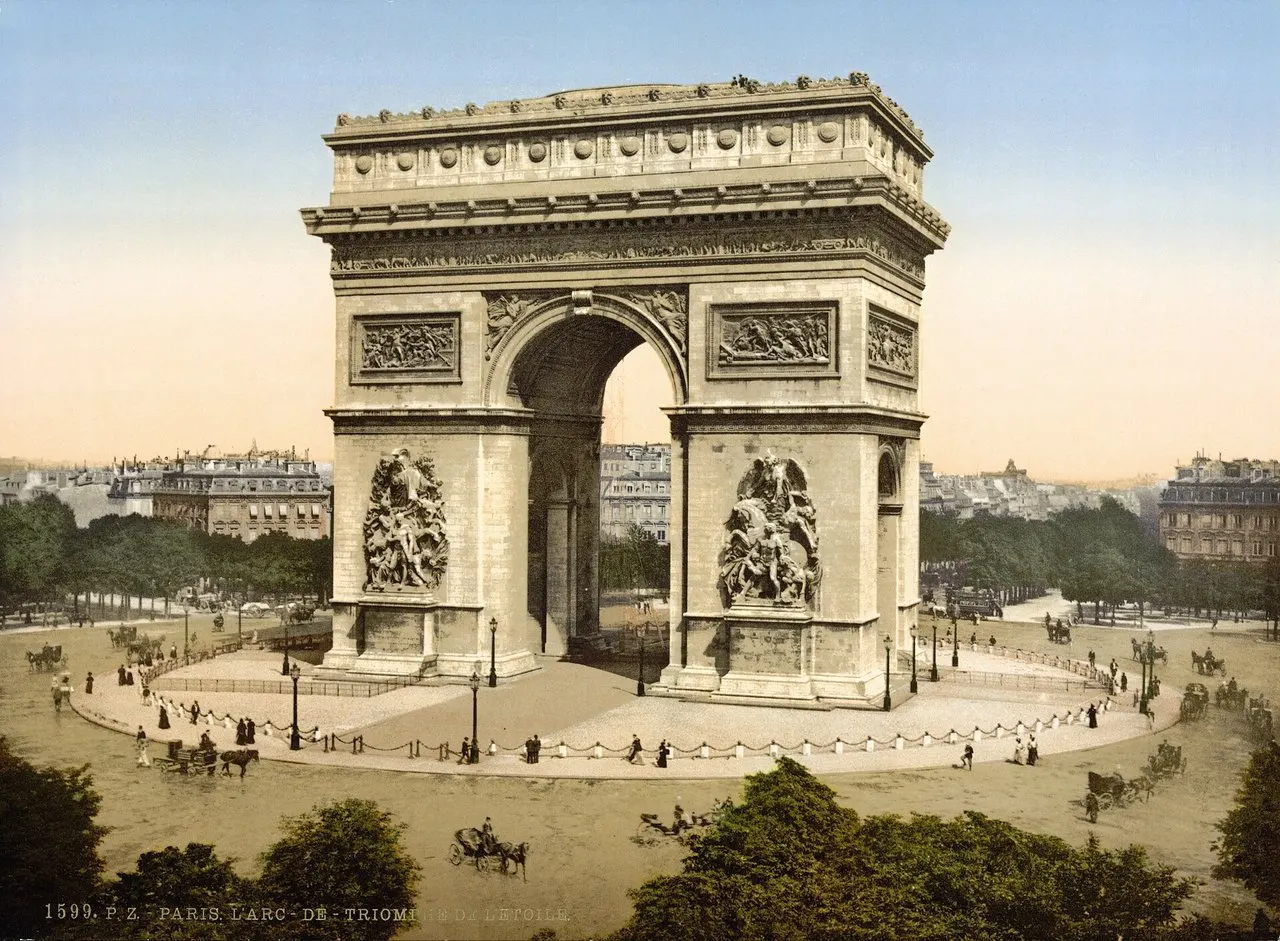
Triumphal arches have a long history. Cities have built them for centuries to mark victories and honor those who served, and the Arc de Triomphe in Paris is the most famous example in the world. A great arch can inspire people, but it also needs a clear purpose and a place that fits its meaning. The question in this case is not whether arches are beautiful, but whether this arch, in this place, was approved the right way. History favors patience. Read the handshake with Putin and Xi.
The Trump Triumphal Arch as Tourist Attraction
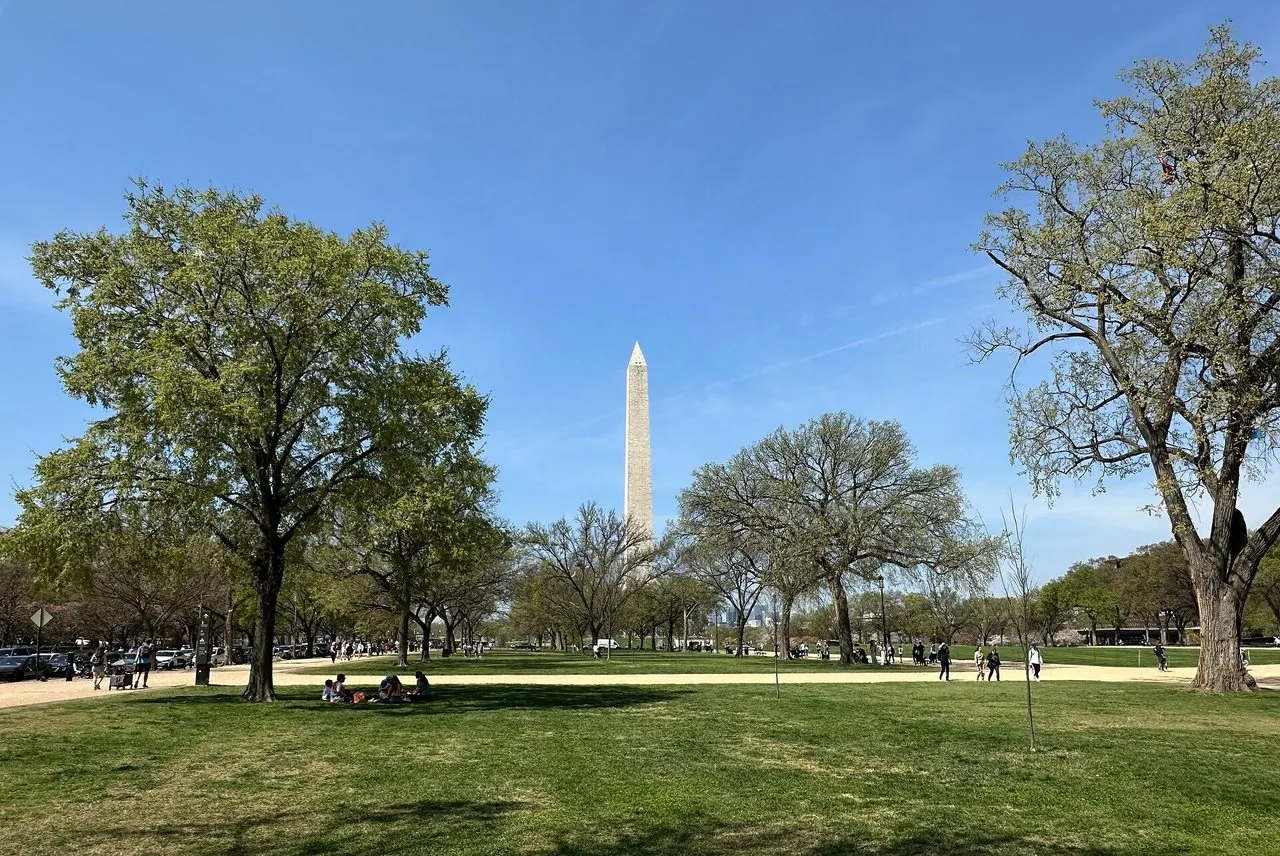
The arch is also supposed to be a tourist attraction, a place where visitors can come and look out over the capital. Washington already draws millions of visitors each year to its monuments and memorials, and a new landmark could add to that pull. But a tourist site that is also claimed as a military complex sends a mixed message, and the judge noticed the clash. Visitors want beauty and calm, not drones and snipers overhead. See Rubio’s old promise.
How Judges Decide Whether to Halt a Project
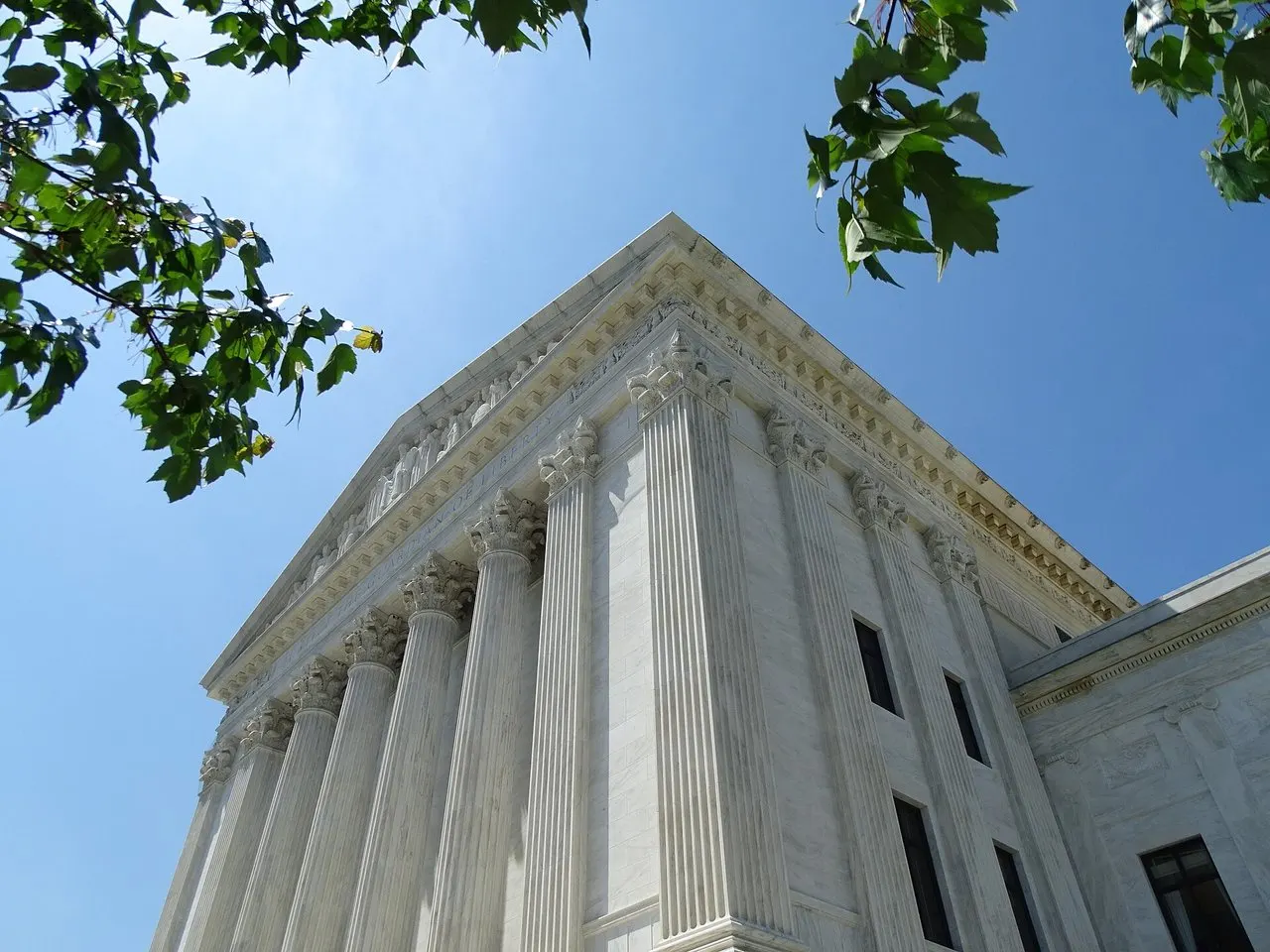
When a court is asked to stop a project, the judge looks at the likely harm, the strength of the legal case, and the public interest. If the government seems likely to lose and the harm of building is hard to undo, a judge can freeze the work while the case is heard. That is what happened here, and the rulings show that courts take the balance seriously. An injunction is not a final verdict, but it is a strong sign of where the case is heading. Read the summit jokes.
What Happens While the Case Plays Out
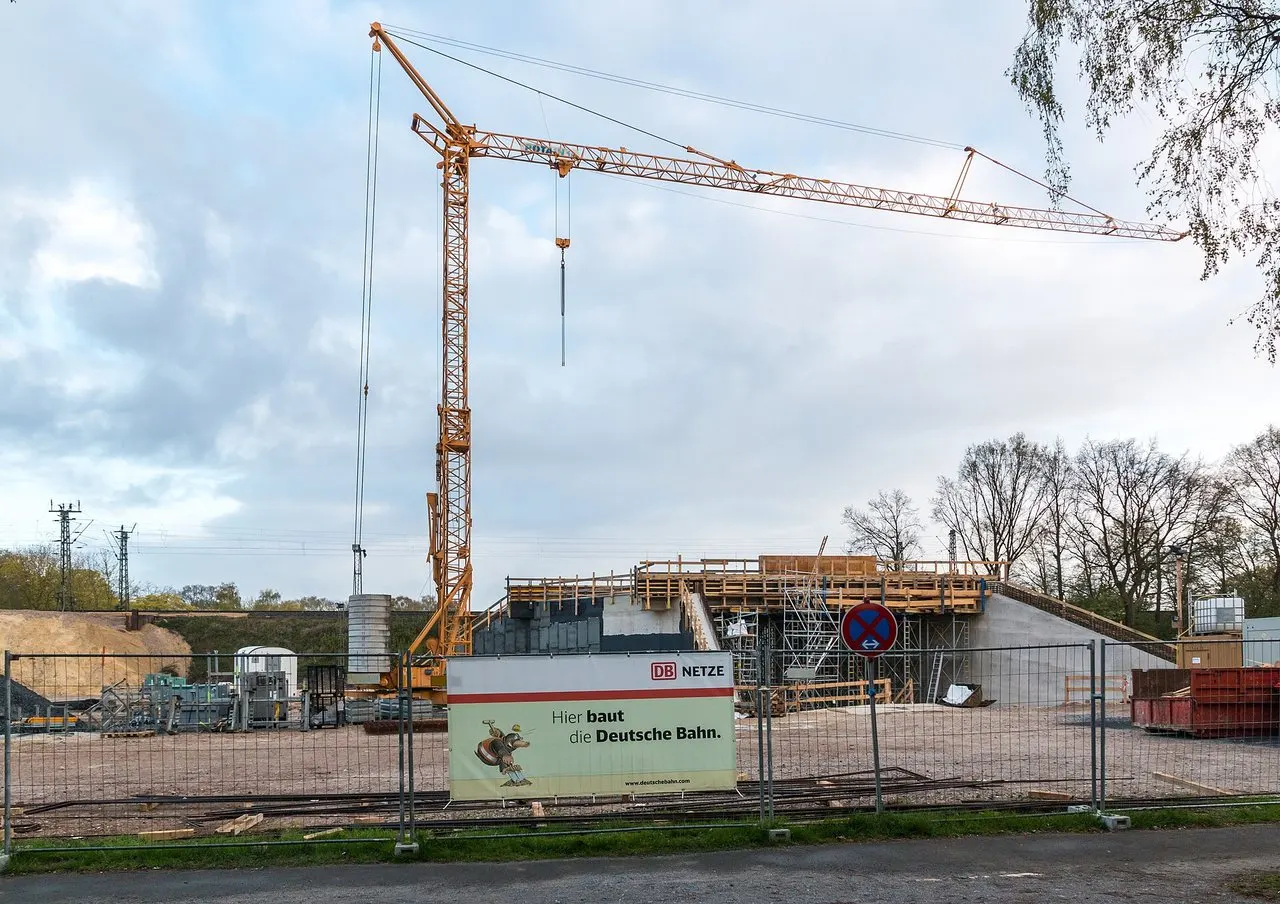
With the hold in place, the arch site stays quiet while lawyers argue. The appeal will move through the courts, and each side will file briefs that test the 1925 law, the drone claim, and the lack of congressional approval. Months could pass before a higher court rules, and the project could change shape or fade away in that time. For now, the cranes are still, the legal papers are moving, and the public is watching closely. See the White House shake-up.
Memorial Circle and the Road to Arlington
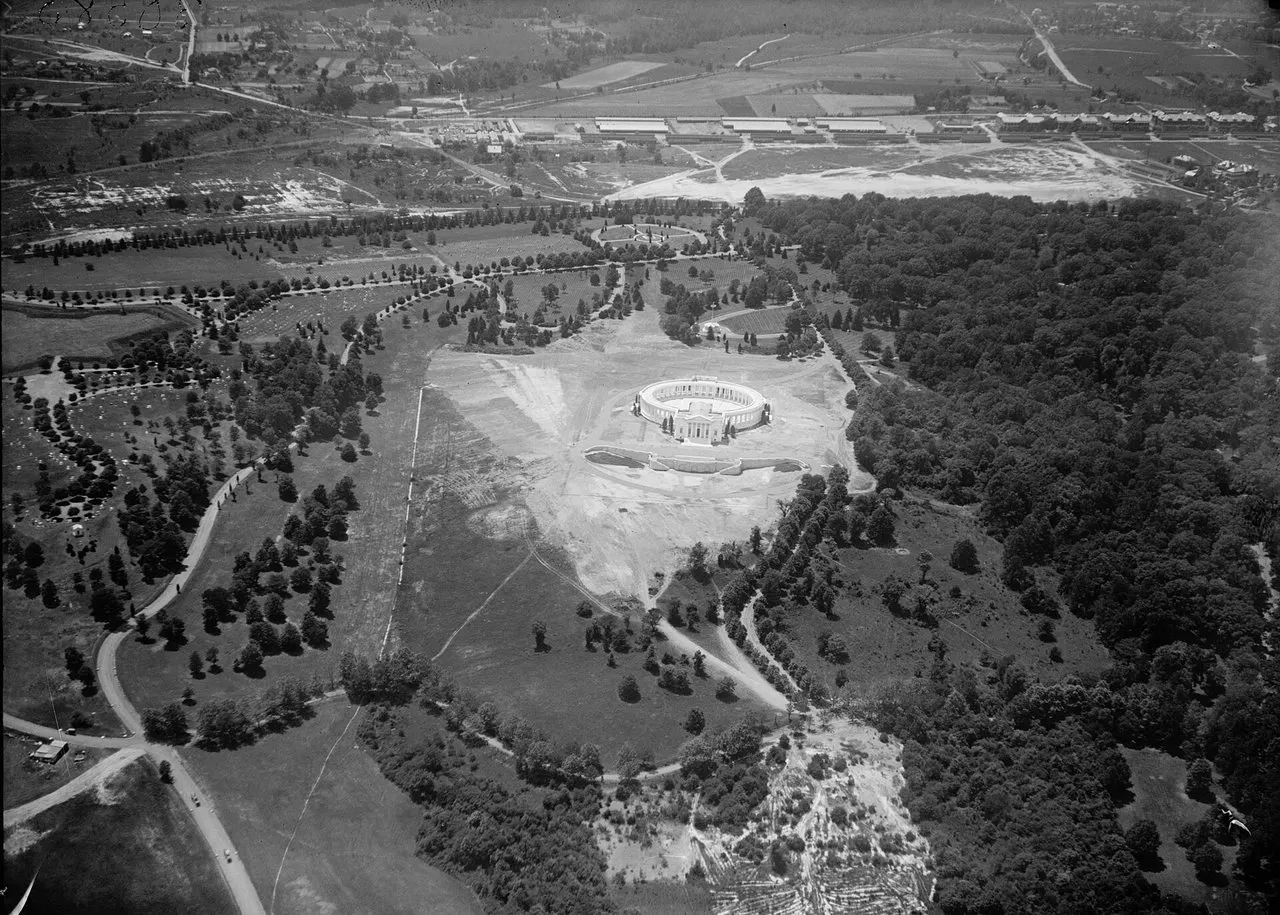
Memorial Circle sits at the Virginia end of Memorial Bridge, where the road from Washington meets the grounds of Arlington National Cemetery. The circle and the bridge were built to honor those who served, and the area has long been a place of quiet respect. Drivers pass through it every day on their way between the capital and Virginia, and visitors stop to take in the view across the river. A 250-foot arch would change that view for good. Read the YMCA dance for Trump and Xi.
Why the Trump Triumphal Arch Ruling Matters
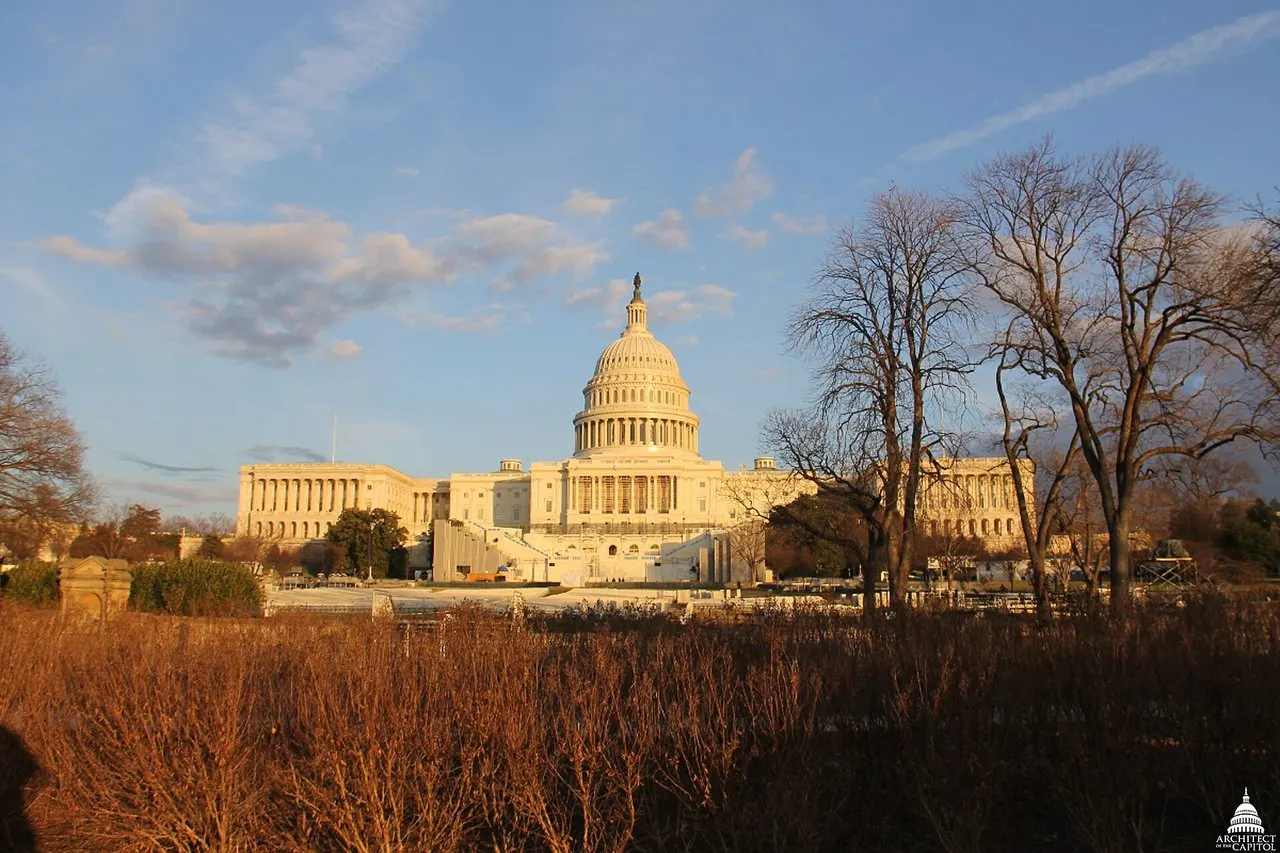
This ruling matters beyond one arch. It is a reminder that even the biggest projects must follow the law, win approval where approval is needed, and respect the places they touch. When courts step in, they are not just ruling on concrete and steel, but on how power is used and who gets to decide. The arch may still rise one day, but only if its builders can show a legal path that the courts accept. That is how the system is meant to work. See the refusal to back a shutdown.
What Should Happen to the Trump Triumphal Arch Next?
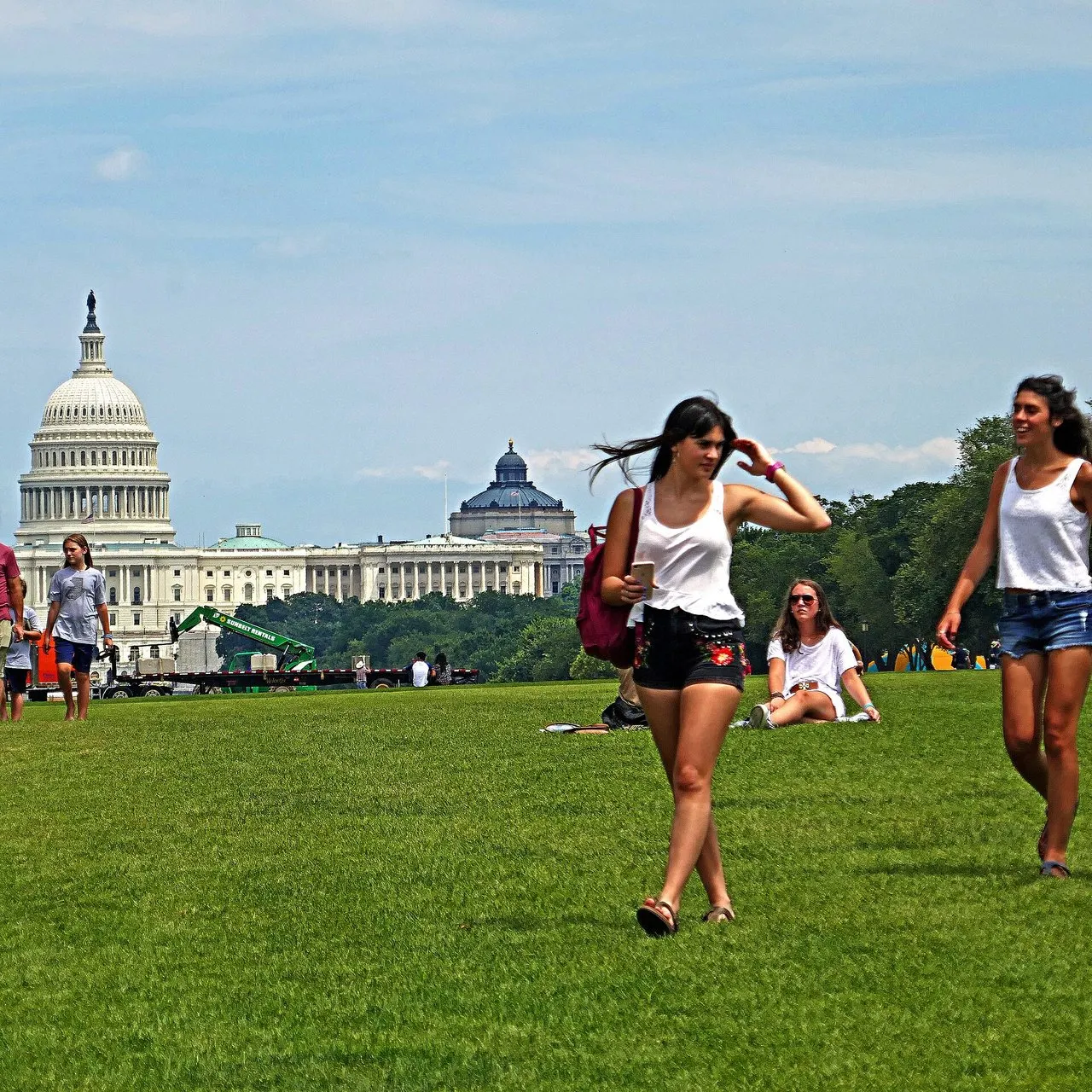
Now the question turns to you. Should the arch be built after all, with proper approval and a fair review, or should the project be set aside for good? Would you visit a 250-foot arch near Arlington, or do you think the site should stay as it is? Share your thoughts in the comments and tell us what you would ask the judges, the builders, or the people who brought this case. Your view is part of the story now, so join the conversation below. Read the gangster remark.