Nuclear Weapons Ban: Xi Jinping Calls for a Nuclear-Free World
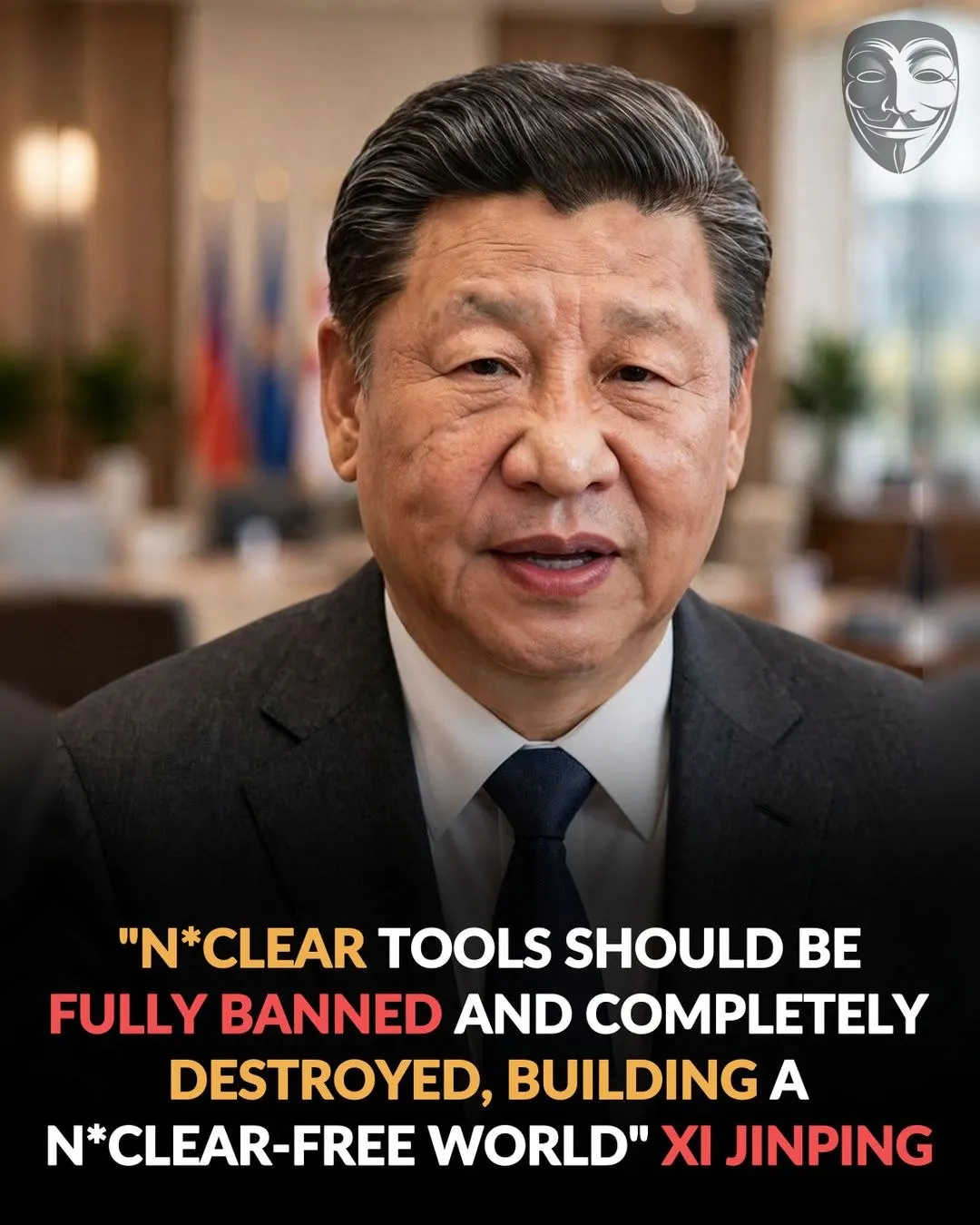
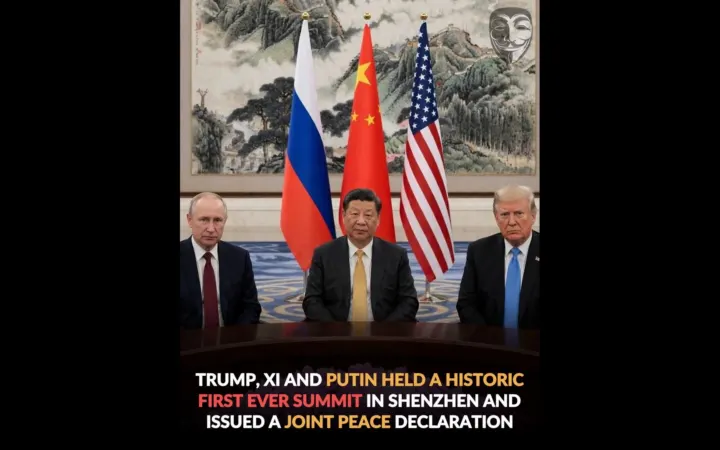
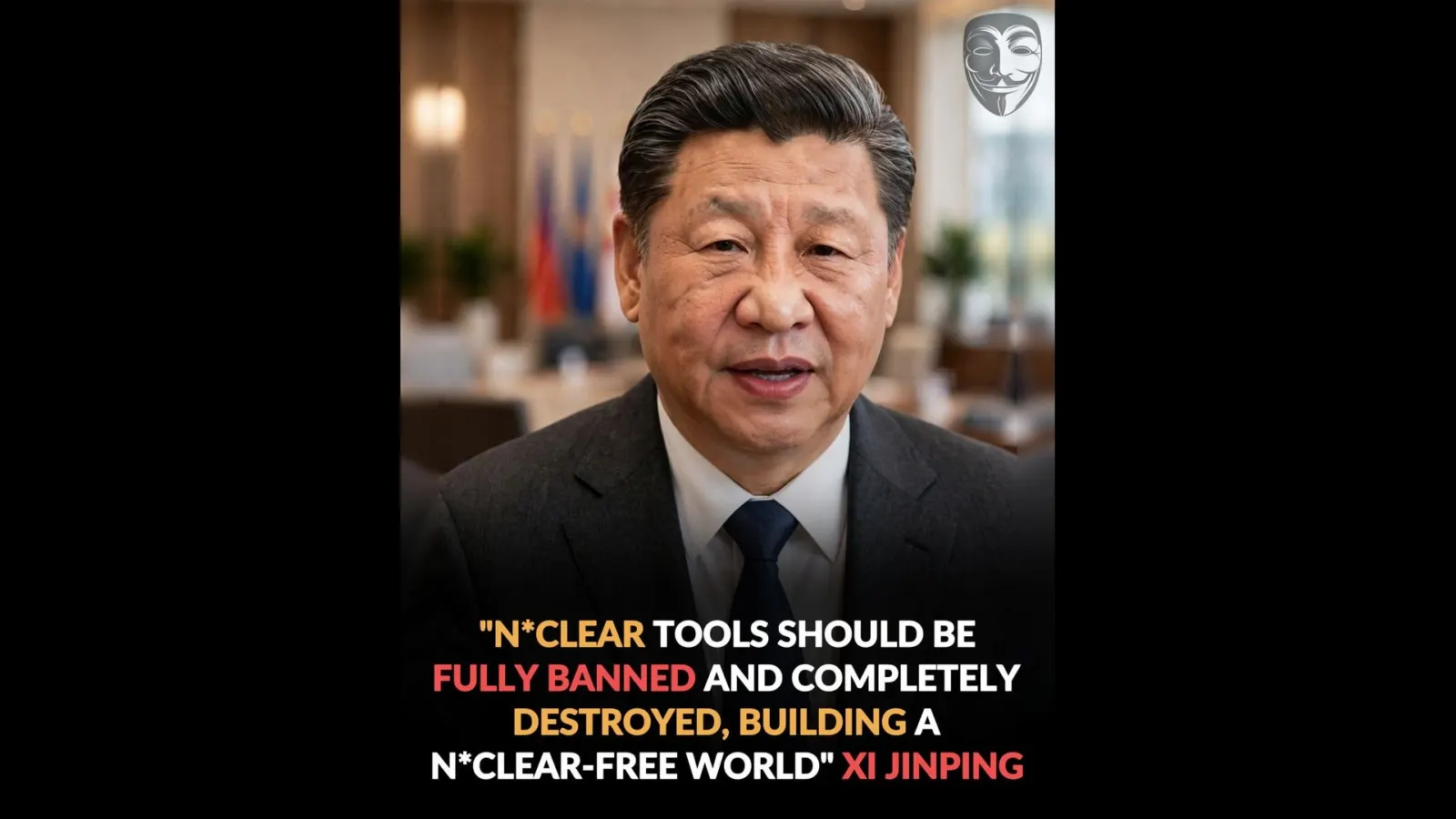
Nuclear weapons ban was the message Chinese President Xi Jinping carried into a historic trilateral summit in Shenzhen, China, on Thursday. Xi chaired the meeting with United States President Donald Trump and Russian President Vladimir Putin on the sidelines of APEC, and the talks lasted about eighty minutes. Xi said nuclear weapons should be comprehensively banned and thoroughly destroyed, building a nuclear-free world. He called the weapons the sword of Damocles hanging over humanity. Trump opened the talks by calling the meeting historic and telling the room that they were making history.
The meeting produced a four point peace declaration in which all three leaders reaffirmed that a nuclear war cannot be won and must never be fought. The leaders also pledged to hold dialogue on reducing nuclear risks and preventing proliferation. The declaration did not address the wars in Ukraine or Iran, though Trump said he and Xi agreed the Strait of Hormuz must stay open and that Iran should not acquire nuclear weapons. Read our report on the peace declaration.
References:
Portside: Xi Jinping Calls for Complete Ban and Destruction of N*clear Tools, With Ultimate Goal of N*clear-Free World
Daily Advent: N*clear Tools Must Be Destroyed, Xi Makes Bold Appeal at Historic Summit With Trump, Putin
The Daily Consensus: Trump Meets Xi and Putin in Historic Trilateral Talks
Odnako: The historic trilateral meeting between Trump, Xi and Putin in Shenzhen
Xi Jinping Opens the Nuclear Weapons Ban Summit in Shenzhen
Xi Jinping chaired the summit in Shenzhen, a major city in southern China, and he spoke just as the meeting began. His remarks were reported by Xinhua, China’s state news agency. Xi said nuclear weapons should be comprehensively banned and thoroughly destroyed, and he described the goal as building a nuclear-free world. The setting mattered because the three leaders hold the world’s three largest nuclear arsenals. Read our report on the peace declaration.
Trump Calls the Meeting on a Nuclear Weapons Ban Historic
Donald Trump opened the talks by calling the meeting historic, telling the room that they were making history. Trump noted that the three countries hold the world’s three largest nuclear arsenals, which gave the meeting a weight that few summits carry. The American president has met both Xi and Putin before, but bringing all three leaders to one table was new. His words set the tone for a short meeting with large ambitions. See our coverage of Trump calling Putin his friend.
Putin Joins the Three Leaders at the Table
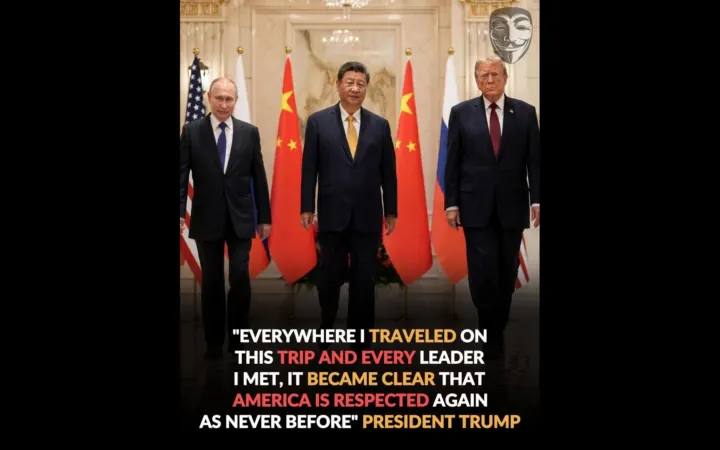
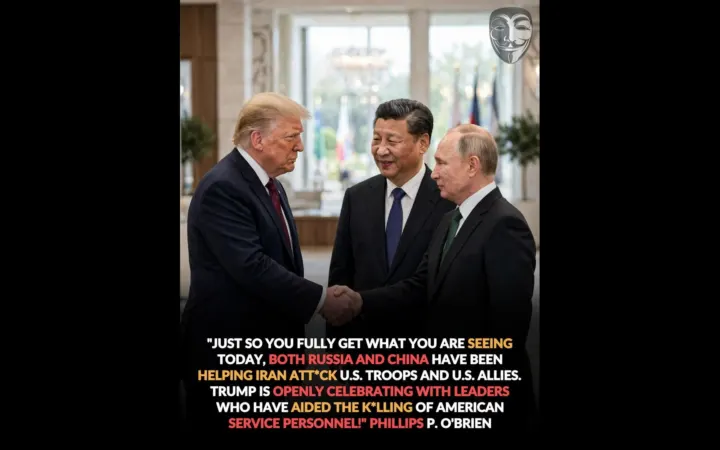
Vladimir Putin took his seat as the third leader at the Shenzhen table, completing a trio that spans much of the globe. Russia holds one of the world’s largest nuclear arsenals, so any serious talk about reducing nuclear risks needs Moscow in the room. Putin listened as Xi laid out the call for a total ban and as Trump called the meeting historic. The image of the three leaders together was itself a rare sight. Read our story on Trump calling Putin his friend.
Shenzhen Hosts the Nuclear Weapons Ban Talks

Shenzhen is a fast growing city in southern China, close to Hong Kong, and it gave the summit a modern backdrop. The meeting was held on the sidelines of APEC, the Asia-Pacific Economic Cooperation forum, which brought leaders from around the region to China. Shenzhen’s rise from a small fishing town to a major technology hub mirrors China’s own growth. Hosting the talks there put the city in front of the world. See our report on the peace declaration.
Eighty Minutes That Produced a Nuclear Weapons Ban Declaration
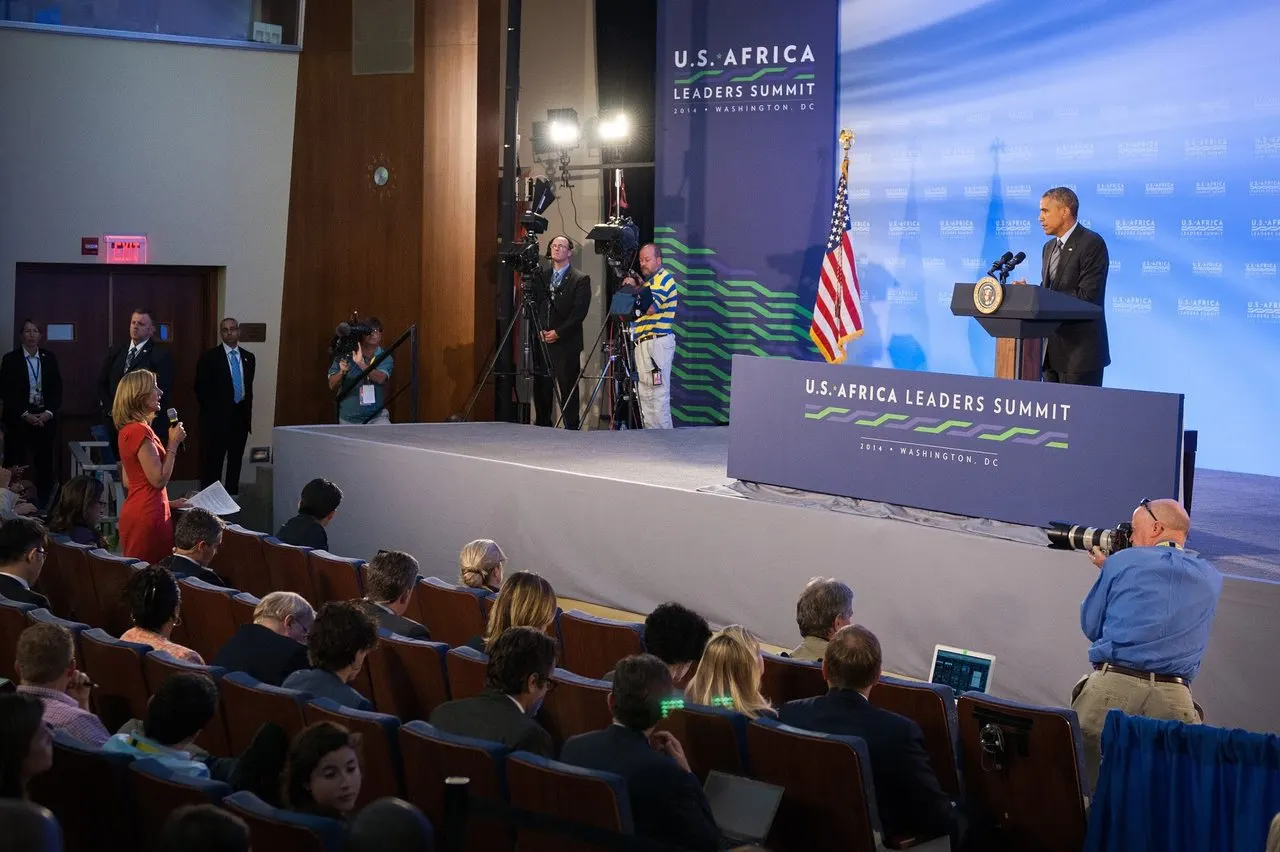
The meeting lasted about eighty minutes, a short time for leaders of three great powers. Yet in that time the three men agreed on a four point peace declaration that set out shared principles. Short summits can still matter when the people in the room hold the power to act. The declaration gave the world a written record of what was agreed in Shenzhen. It also gave diplomats a text to build on in the weeks ahead. Read our story on the trilateral triumph in Shenzhen.
A Nuclear War Cannot Be Won and Must Never Be Fought
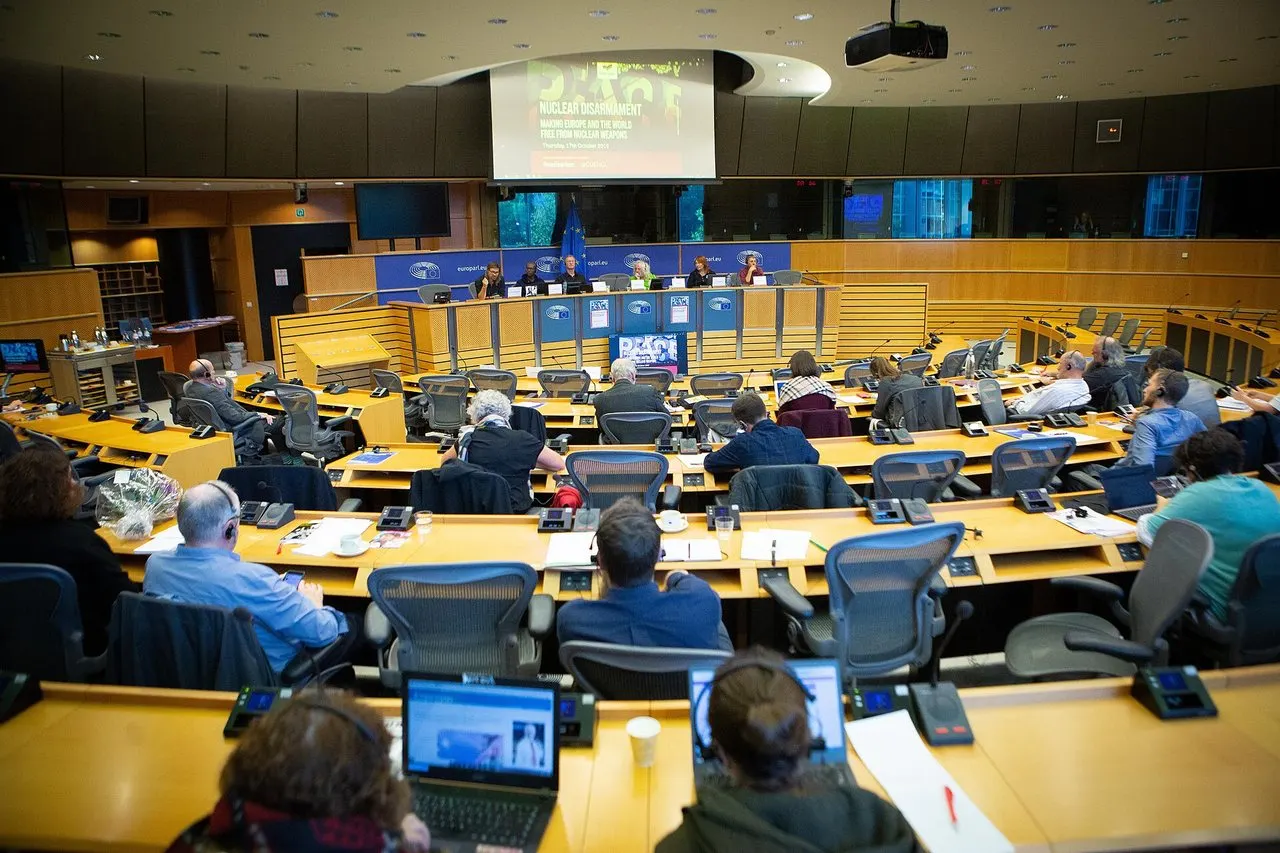
The heart of the declaration is a simple line that all three leaders endorsed. They reaffirmed that a nuclear war cannot be won and must never be fought. The same words have been used by the leaders of nuclear armed states before, because they capture a shared fear. No country can win a war fought with weapons that destroy whole cities. Repeating the line together in Shenzhen gave it fresh force. See our report on the peace declaration.
The Sword of Damocles Hanging Over Humanity
Xi described nuclear weapons as the sword of Damocles hanging over humanity, a vivid image from an old Greek tale. In the story, a sword hangs by a single hair above a man seated on a throne, a picture of danger that never goes away. Xi used the image to say that the threat of nuclear weapons hangs over every person on earth. His words were meant to make the danger feel personal, not abstract. Read our story on Xi Jinping’s call to ban nuclear weapons.
Four Points Behind the Nuclear Weapons Ban Declaration
The peace declaration had four points, and each one pointed toward calmer relations between the three powers. The leaders reaffirmed that a nuclear war cannot be won and must never be fought. They pledged to hold dialogue on reducing nuclear risks and preventing proliferation. A short list of points can be easier to keep than a long treaty, and it leaves room for talks to continue. The four points are now the public record of the day. See our report on the peace declaration.
Dialogue on a Nuclear Weapons Ban and Reducing Risks
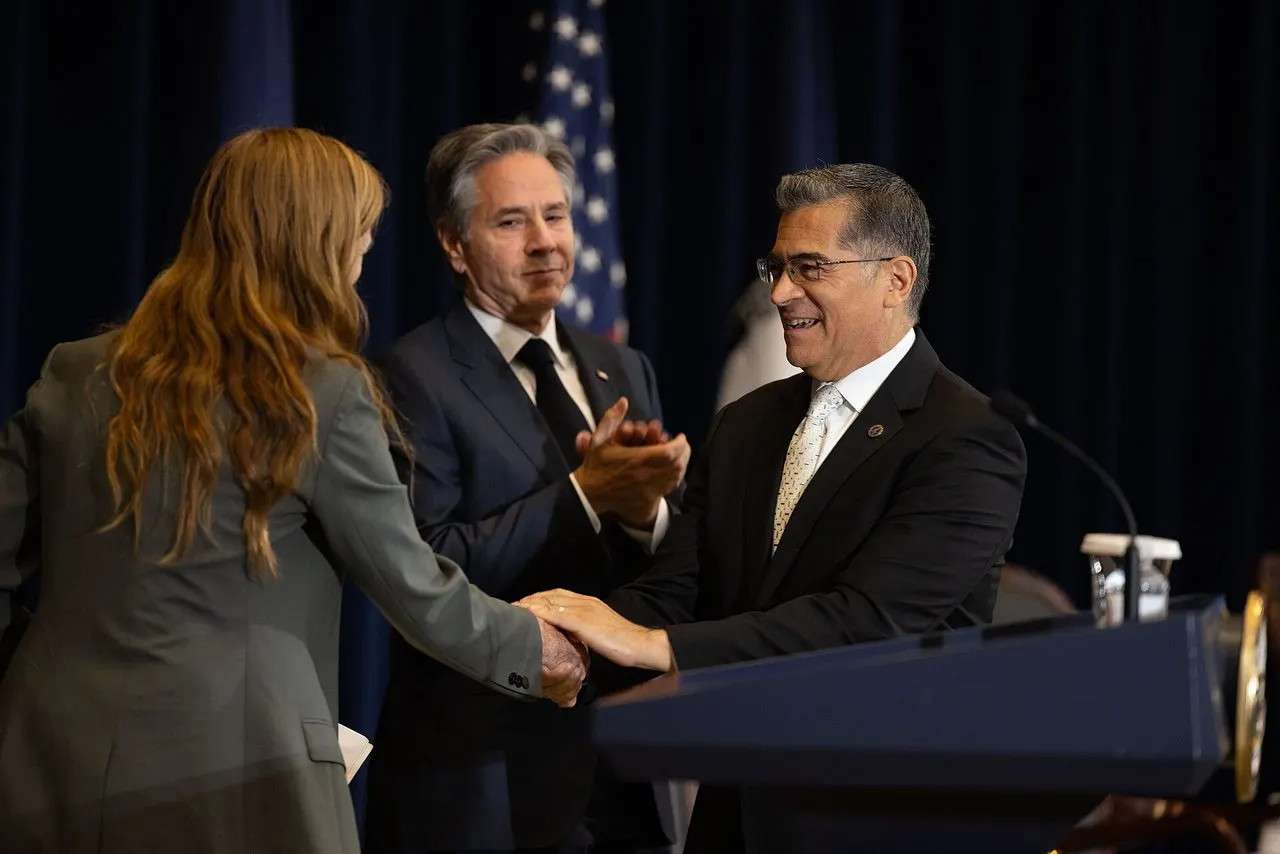
Beyond the declaration, the three leaders pledged to hold dialogue on reducing nuclear risks. Dialogue means regular talks between officials, experts and military officers, so that misunderstandings do not turn into crises. History shows that hotlines and steady contact have helped nuclear powers avoid the worst outcomes. The pledge is a promise to keep talking, even when relations are strained. It may prove to be the most practical result of the day. Read our report on the peace declaration.
The Strait of Hormuz Must Stay Open
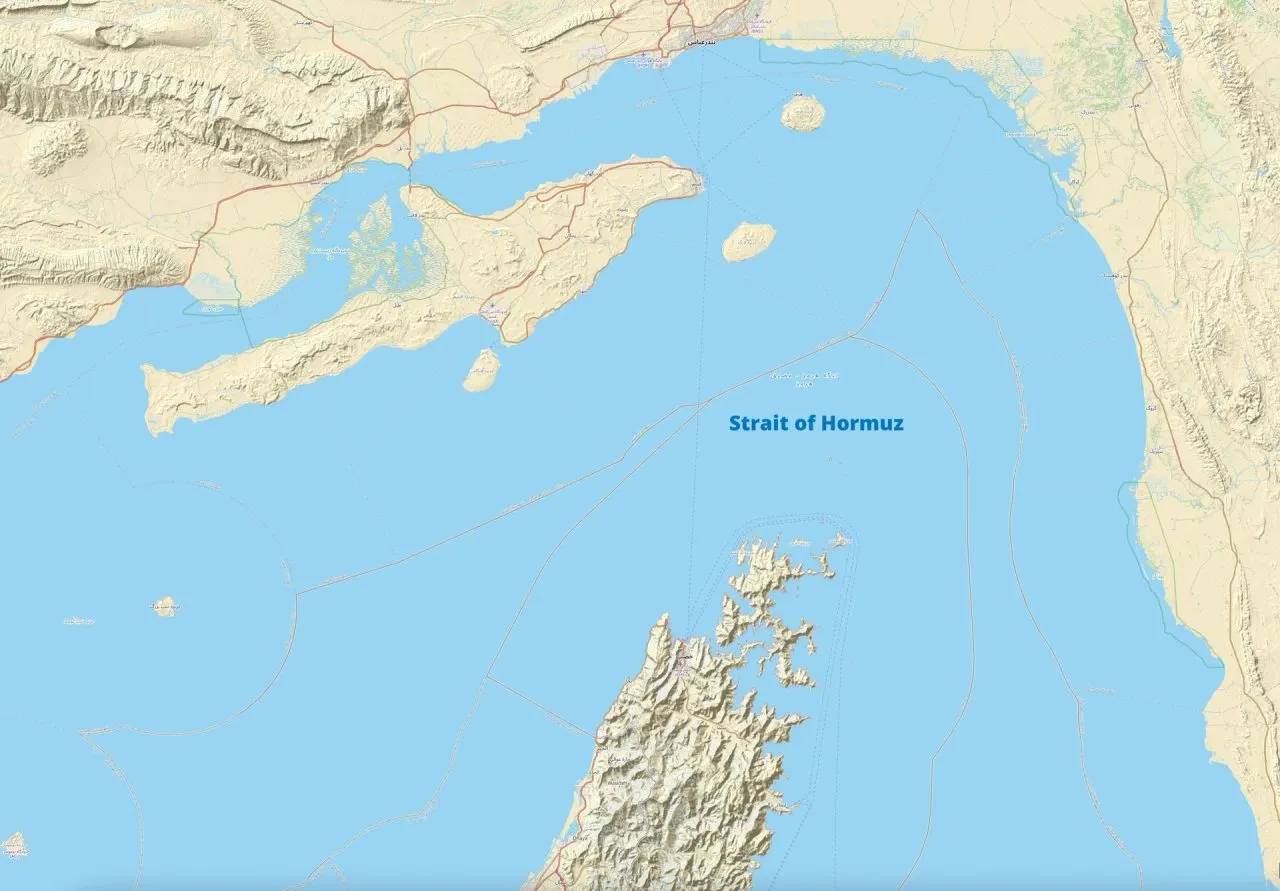
Trump said separately that he and Xi agreed the Strait of Hormuz must stay open. The strait is a narrow passage between the Persian Gulf and the open sea, and a large share of the world’s oil passes through it. If the strait closed, energy prices could rise fast and shipping would suffer. The agreement shows that the two leaders found common ground beyond the nuclear talks. Keeping the strait open matters to economies far from the region. See our story on Trump calling Putin his friend.
Iran Must Not Acquire Nuclear Weapons
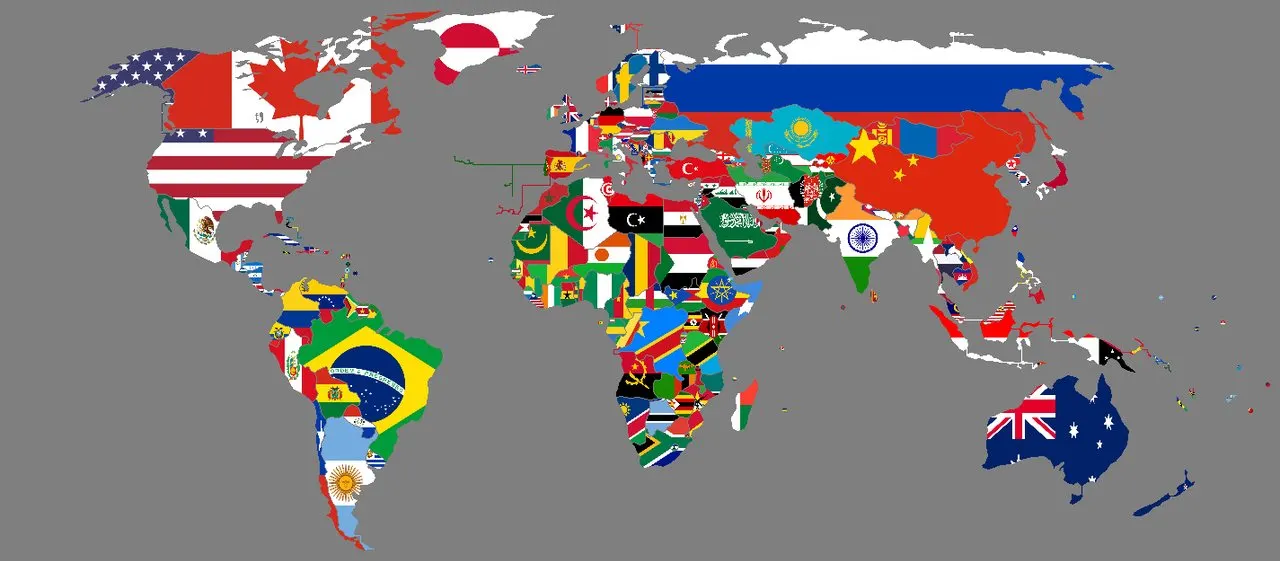
Trump also said he and Xi agreed that Iran should not be allowed to acquire nuclear weapons. The point was not part of the four point declaration, but it came up in the talks around it. Preventing proliferation, the spread of nuclear weapons to more countries, was one of the pledges in the declaration itself. Iran has long been at the center of that debate, and the agreement of Washington and Beijing carries weight. The message to Tehran was clear and joint. Read our report on intelligence shared with Iran.
China Has Backed a Nuclear Weapons Ban Since 1964
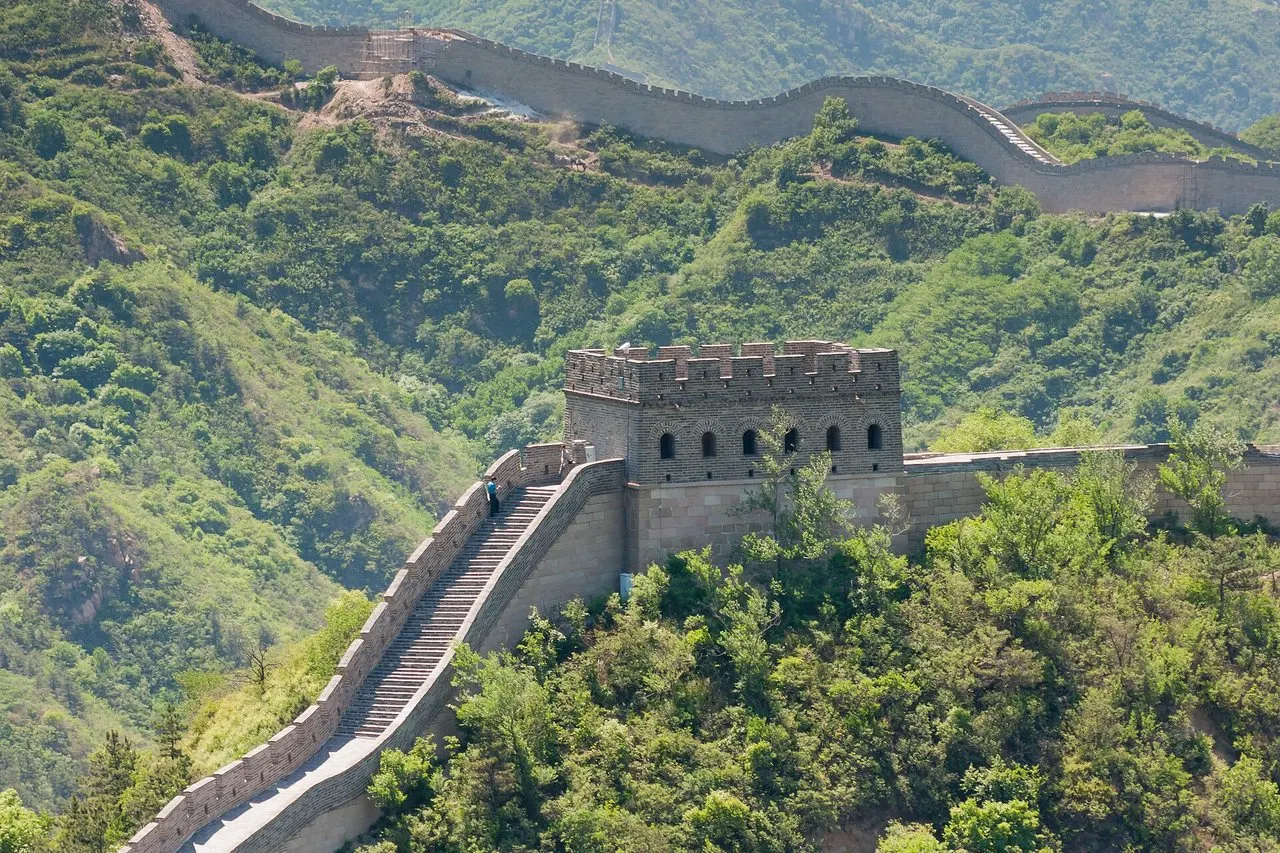
China’s position is not new, and that history matters. A Chinese government white paper from November 2025 states that Beijing has called for the complete prohibition of nuclear weapons since it first acquired them in 1964. That was the same year China adopted a no-first-use pledge, promising never to be the first to use nuclear weapons. Few countries have held a single position for so long. The Shenzhen call repeats a stance that is now more than sixty years old. See our story on Xi Jinping’s call to ban nuclear weapons.
A No-First-Use Pledge From the Start
When China first acquired nuclear weapons in 1964, it also adopted a no-first-use pledge. The pledge means China promises not to use nuclear weapons first in any conflict, and it has repeated that promise many times since. Supporters say such pledges lower the risk of a sudden escalation. Critics ask whether pledges hold in a real crisis. Either way, the pledge is a central part of how China presents its nuclear policy to the world. Read our story on Xi Jinping’s call to ban nuclear weapons.
The Three Largest Arsenals and the Nuclear Weapons Ban
Trump noted that China, the United States and Russia hold the world’s three largest nuclear arsenals. Together the three countries hold the vast majority of all nuclear weapons on earth. That is why a meeting of just these three leaders can matter so much for global safety. If the three largest holders agree to reduce risks, the whole world becomes safer. If they disagree, the danger grows for everyone. See our coverage of Trump calling Putin his friend.
What the Declaration Did Not Address
The declaration did not address the wars in Ukraine or Iran, and that silence was noticed. Many readers hoped the three leaders would speak about those conflicts, since all three countries are tied to them in different ways. Instead the leaders kept the focus narrow, on nuclear risks and the promise of dialogue. A narrow agreement can be a first step, but it leaves hard questions open. The next meetings will show whether the talks widen. Read our story on Zelensky’s silent response.
The World Reacts to the Nuclear Weapons Ban Call
News of the Shenzhen meeting spread fast, and reactions came from capitals, commentators and comedians alike. Some praised the three leaders for sitting down together, while others warned that warm words are not the same as real change. In Washington, critics of the meeting called it an embarrassment, and supporters called it a triumph. The mix of praise and doubt is normal after any big summit. The test will be what happens next. See our report on the reaction in Washington.
The Nuclear Weapons Ban and the United Nations

The idea of a world without nuclear weapons has long been discussed at the United Nations, where most countries have no nuclear arms of their own. The United Nations was founded after the Second World War to keep the peace, and its members have debated disarmament for decades. A call from the three largest nuclear powers carries a different weight than a resolution alone. If Beijing, Washington and Moscow act together, the United Nations can follow with wider support. Read our story on Carney’s words to Putin.
Why a Nuclear-Free World Matters for Families

Behind the talk of arsenals and declarations are ordinary families who want their children to grow up safe. Parents everywhere worry about the same things, good schools, safe streets and a peaceful future. Nuclear weapons threaten all of that at once, which is why the call from Shenzhen struck a chord beyond politics. A nuclear-free world is not only a goal for diplomats, it is a hope for every family. The youngest generation has the most to gain. See our story on the banquet in Shenzhen.
Nuclear Power Is Not the Same as Nuclear Weapons
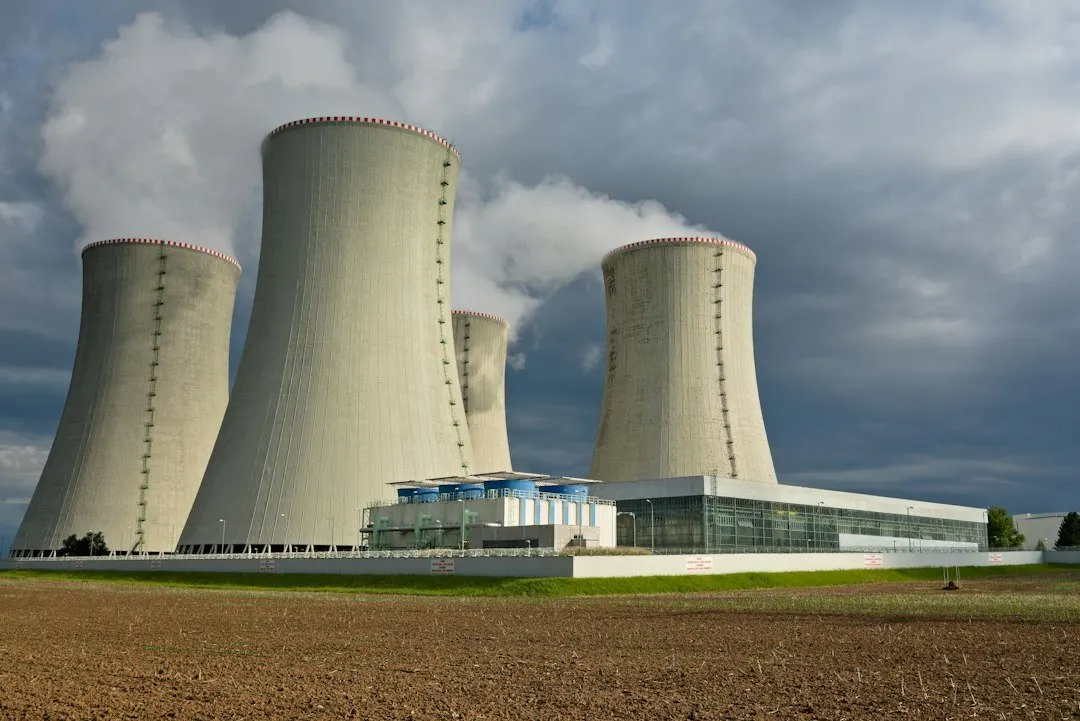
It helps to separate two uses of the same science. Nuclear power plants make electricity, and many countries use them to light homes and run hospitals. Nuclear weapons are built to destroy, and the Shenzhen declaration is about the weapons, not the power plants. People sometimes confuse the two, but the leaders were clear about which one they discussed. A world without nuclear weapons could still use nuclear energy for peaceful ends. Read our story on Xi Jinping’s call to ban nuclear weapons.
The Long Road to a Nuclear Weapons Ban

A total ban will not happen in a single meeting, and the leaders did not pretend otherwise. Treaties take years to negotiate, and destroying arsenals takes even longer, with careful checks at every step. The olive branch has long stood as a symbol of peace, and it reminds us that the work is slow but worth doing. Shenzhen was a starting point, not a finish line. The dialogue the leaders promised is where the hard work begins. See our story on the banquet in Shenzhen.
A Morning in Shenzhen, a Message for the World

The summit began on a Thursday morning, with the three leaders gathering as the day started in Shenzhen. Mornings at summits are often quiet, with flags, handshakes and cameras before the real talks begin behind closed doors. By the time the sun was high, the leaders had already made history in the eyes of many watchers. A short meeting in the morning can shape the news for days. The message from that morning is still being discussed around the world. Read our story on the speech that took Trump apart.
How Summits Like This One Are Organized

A summit of three leaders takes months of planning, with teams working on schedules, security and seating plans. Diplomats agree on the agenda in advance, so the leaders can focus on the big decisions. Interpreters, note takers and press officers all play a part, often unseen. When the cameras leave, the staff keep working on the words of the declaration. The smooth running of the Shenzhen meeting was the result of that hidden work. See our story on the long flight to the APEC summit.
The Banquet and the Lighter Moments

Summits are not only about formal talks, and the Shenzhen visit included a lavish banquet for the leaders. At the banquet, China staged a dance for Trump and Xi that drew wide attention online. Such moments may seem light, but they help leaders build a personal rapport that can matter in hard talks. A shared meal can soften a difficult negotiation. The banquet showed a warmer side of a serious week. Read our story on the banquet in Shenzhen.
What Happens Next for the Nuclear Weapons Ban

The declaration promised dialogue, and the next step is for officials from the three countries to meet and set a schedule. They will need to agree on what reducing risks means in practice, from hotlines to limits on new weapons. Other countries will watch closely, and some will ask to join the talks. Progress may be slow, and setbacks are likely, but the door is now open. The world will judge the summit by what follows it. See our story on Zelensky’s silent response.
What Do You Think of the Nuclear Weapons Ban?

Xi Jinping called for a total ban on nuclear weapons, Trump called the meeting historic, and Putin sat at the table with them. Now the question belongs to readers. Do you think the three leaders will follow through on their promise of dialogue, or will the declaration fade like so many summit statements before it? Share your thoughts in the comments below and tell us what you would ask the three leaders if you could. Read our story on Kimmel’s jokes about the summit.