
Hidden Grief Healing Begins When Hearts Speak the Truth

Hidden grief healing begins when a brave face softens and the truth finds words. Grief can feel like living two lives at once, smiling at work and with friends while the heart quietly carries a pain that never fully leaves. Experts say there is no set timeline for grief, and healing does not mean forgetting the person who was lost. It means carrying love forward, finding meaning again, and feeling the pain instead of hiding it. For more on love that endures through loss, read a love story that lasted through loss.
In the slides ahead, we look at what grief does to the body and the mind, why honest talk helps, and which small daily habits can bring steady comfort. You will find simple ideas for rest, walking, writing, prayer, music and time with people who listen without judging. Nothing here asks you to move on or to hurry. Each slide offers one gentle step toward a life where sorrow and love can sit side by side. Take what helps, leave the rest, and return to these pages whenever the road feels long.
References:
Psychology Today: From Grief to Acceptance: How to Find Healing After Loss
Psychology Today: Grief Isn’t Only About De*th
Psychology Today: Unresolved Grief
NIH News in Health: Navigating Grief
Hidden Grief Healing Behind a Brave Face

Many grieving people become skilled at looking fine. They smile at the office and answer every question with a cheerful word, while inside they feel hollow and tired. This brave face can keep help away because no one sees the need. Friends may assume all is well and stop asking how they truly feel. Admitting the truth takes courage, and it starts with one honest sentence to one safe person. Read about a woman of faith who speaks boldly about her beliefs for reminders that honesty can ease a heavy heart.
Living Two Lives at Once

Grief can split a life in two. In public, a grieving person may work and chat as if nothing happened, while in private the same person sits by a window and feels the loss again. This double life is common and exhausting, because keeping up the act takes energy that grief has already drained. It helps to name the split out loud and let one trusted person see both sides. Read about two zoo animals whose story touched many hearts for a gentle reminder that care comes in many forms.
Hidden Grief Healing Has No Set Timeline

There is no calendar for grief, and no date by which a person should feel better. Some days feel lighter, then a song or a birthday brings the pain back in full force. Experts say this back and forth is normal, not a sign of failure. Healing moves in waves, and each wave can teach something new. Trust your own rhythm instead of comparing your pace to others. Take comfort from a prince who vowed to serve his country again, two stories of steady purpose.
Healing Does Not Mean Forgetting

Healing does not mean forgetting the person you lost, and it never should. The love you shared stays part of who you are, and memories can remain vivid even as the sharp pain softens. Looking at old photos, telling stories and keeping small traditions can keep that bond alive in a healthy way. Some light a candle on special days, while others cook a favorite meal. Try strange vintage bakes that really work for a warm kitchen project, and read about an actor who spoke with love for his country to remember how love can shape a life.
Hidden Grief Healing Means Carrying Love Forward

Hidden grief healing means learning to carry love forward instead of leaving it behind. The person you lost shaped your values, your humor and the way you see the world, and those gifts travel with you. You might honor them by helping a neighbor or living with the kindness they showed. This kind of carrying is not a burden. It is a quiet way to keep a good life growing from a painful loss. Find courage in an actress who moved forward with gratitude, reminders that steady hearts can move forward.
Finding Meaning Again After Loss

Finding meaning again does not happen in one big moment. It grows from small choices, like planting a garden, joining a cause, or learning a skill your loved one enjoyed. Meaning can also come from helping someone else through a hard time, because your own pain has taught you how to listen. Some find it in faith, others in art or service, and none is better than the rest. Consider a senator who refused to back another shutdown, two examples of people who kept going with purpose.
Hidden Grief Healing Starts With Feeling the Pain
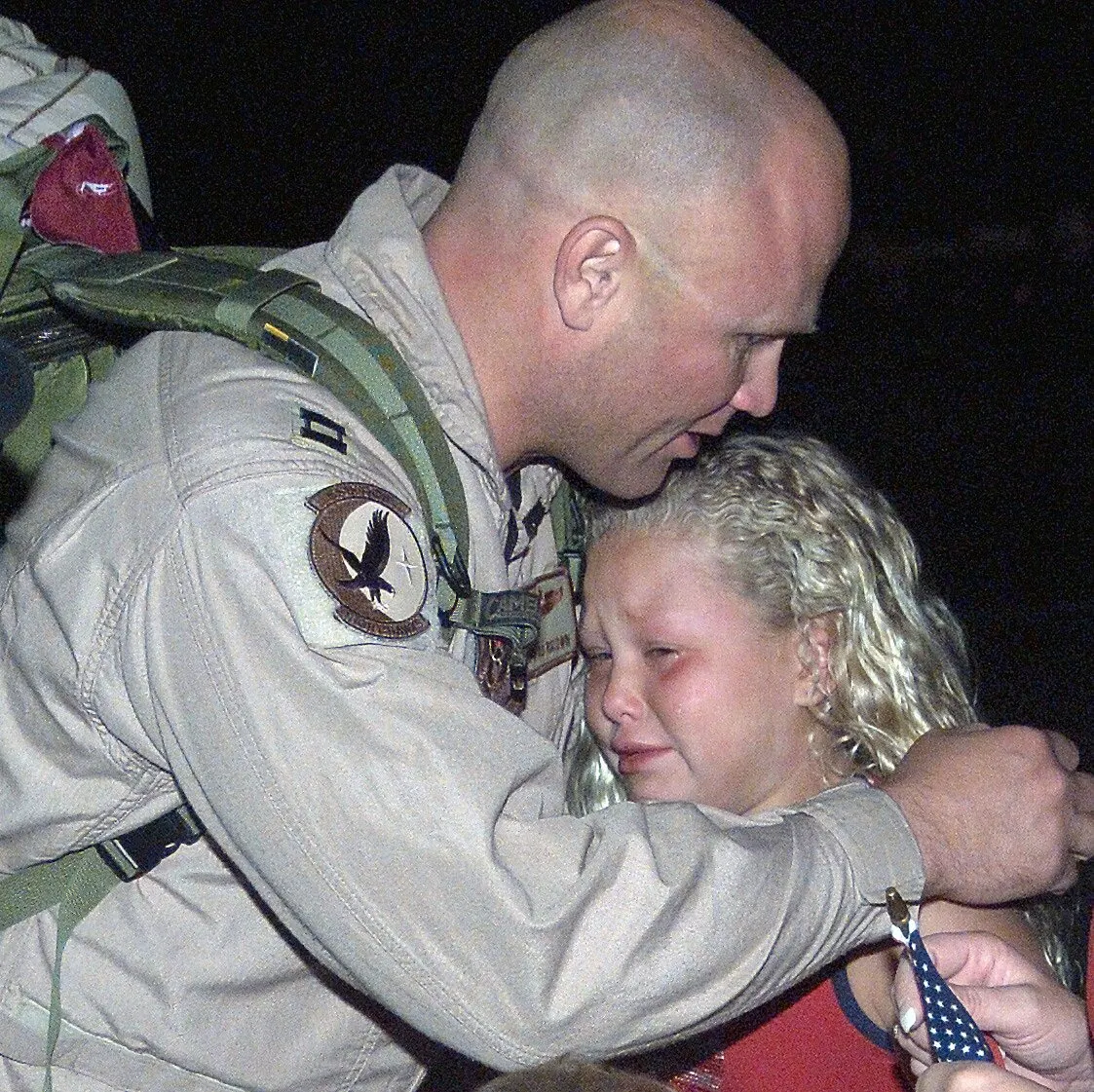
Hidden grief healing starts when you stop pushing feelings away and let them come. Tears, anger, guilt and even laughter can arrive in the same hour, and none of them means you are doing grief wrong. Named feelings lose some power, while buried feelings often return louder later. A quiet walk, a long cry, or an honest talk can all help the heart release what it holds. Learn from a family who spoke up for their father’s legacy, both stories of people who spoke hard truths aloud.
Why Talking About Loss Helps

Talking about loss helps, even when the words come out messy. Saying a loved one’s name aloud keeps their memory warm, and telling the story again and again can slowly make it easier to carry. Good listeners do not need to fix anything. They only need to stay and let silence sit without fear. If friends seem unsure what to say, you can guide them by sharing what helps and what hurts. Read about a meeting between world leaders in China for a reminder that honest words can bridge wide gaps.
Hidden Grief Healing Grows in Good Company

Healing grows in good company, and a support group can be a gentle place to find it. Sitting with people who have felt the same ache can bring relief, because no one there needs an explanation for tears or for quiet days. Groups share practical tips too, like how to handle holidays or hard questions from children. If a group feels too big at first, try one meeting and leave early. Take strength from two mothers who held their families together as you find your own circle.
Writing Down What the Heart Holds

Writing down what the heart holds can lighten it. A journal does not judge, and it keeps your words safe until you are ready to share them. You might write letters to the person you lost or note one good moment from each day. Over weeks, the pages can show how far you have come, even when it does not feel like progress. Try a pup whose guilty look made everyone smile when you need a lighter page, and remember two zoo animals whose story touched many hearts as proof that small daily notes can hold big feelings.
Walking Gently Through Sorrow

Walking gently through sorrow can help the body as much as the mind. A slow walk among trees gives the heart fresh air and a steady rhythm, asking nothing more than one step at a time. Many say their clearest thoughts come on a path, away from phones and noise. You do not need a long hike. Ten quiet minutes near home can loosen the tight feeling in the chest. Be inspired by a medical breakthrough that could change many lives, reminders that small steady steps lead somewhere good.
Hidden Grief Healing Needs Rest and Sleep

Healing needs rest and sleep, yet grief often steals both. Many people lie awake replaying memories or wake early with a heavy chest, and the tiredness can make every feeling sharper. A simple evening routine can help, like dimming lights, putting the phone away, and keeping the same bedtime each night. If sleep stays broken for weeks, a doctor can offer gentle help. Do not feel weak for needing rest. Read about a first lady who kept a small staff and passed key laws for calm ideas that can fill a slow evening.
What Grief Does to the Body

Grief lives in the body as well as the heart. It can bring headaches, a tight chest, poor sleep, lost appetite and a tiredness that rest does not fix. These signs are common, and they are the body asking for care. Gentle movement, regular meals and fresh air can ease the strain, even when they feel like chores. If chest pain or breath trouble appears, see a doctor promptly. Find comfort in an actor who spoke with love for his country as you give your body the kindness it needs.
Anniversaries and Days That Hurt

Anniversaries and days that hurt can catch anyone off guard. Birthdays, holidays and the date of the loss can bring back the first sharp grief, even years later. Planning ahead can soften the blow, so mark the day with a ritual that feels right, like visiting a loved place, lighting a candle, or cooking a favorite meal. Tell a friend the date is coming so you are not alone with it. Lean on a senator who asked two simple questions for examples of facing hard days with clear eyes.
Hidden Grief Healing for Children Too
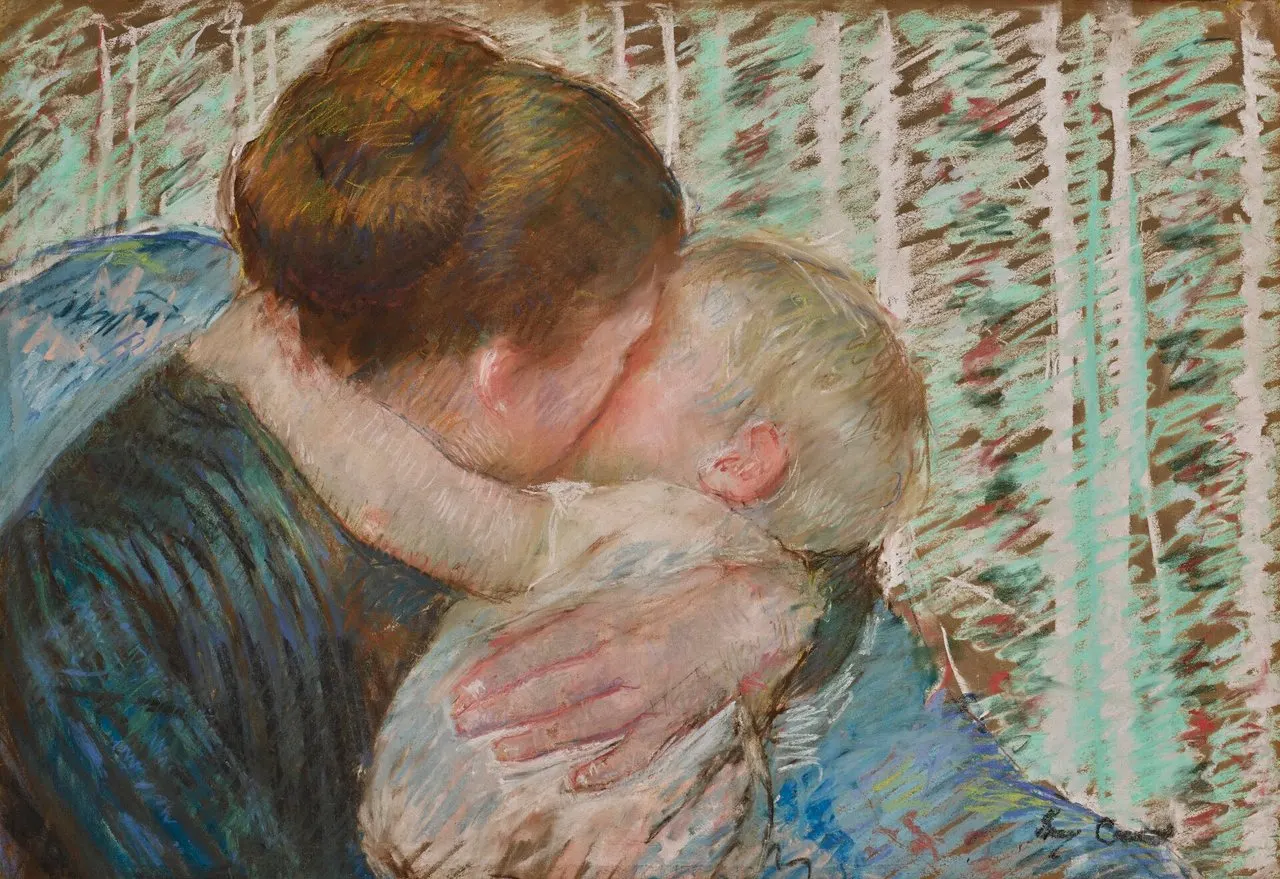
Hidden grief healing matters for children too, and they grieve in their own way. A child may ask the same question many times, play quietly, or seem fine one hour and tearful the next. Honest, simple words help more than silence, and it is fine to say you do not know. Keep routines steady, let them draw or play out feelings, and answer questions as they come. Seek guidance from a senator who stood firm on his promise when you need words for a hard talk with a young heart.
Grief at Work and the Brave Face

Grief at work is hard because the job goes on while the heart is broken. Deadlines, meetings and small talk can feel strange when the world has changed, and some days the brave face slips. It helps to tell one trusted colleague or manager what you need, like a quieter task or a short break. Many workplaces allow bereavement leave or a slower schedule, so ask what is offered. Read about a leader who called for unity among believers for a reminder that even busy people can pause with care.
Comfort on Four Legs

Comfort on four legs can be a real gift. A dog that rests its head on your knee or a cat that curls beside you asks for nothing and offers steady warmth. Pets give a reason to rise and walk when grief makes every task feel heavy. Stroking an animal can slow a racing heart and bring quiet peace. If you do not have a pet, a shelter visit can still help. Smile at a love story that lasted through loss while you enjoy the simple comfort of a loyal friend.
Faith, Prayer and Quiet Hope

Faith, prayer and quiet hope can steady a grieving heart. For many people, prayer is a place to speak honestly without fear, and a faith community can offer meals, visits and a listening ear. Rituals like lighting a candle or reading a loved passage can bring order to days that feel broken. If faith feels distant right now, that is common too, and doubt does not erase love. Draw strength from a woman of faith who speaks boldly about her beliefs as you find the quiet practices that bring you peace.
Hidden Grief Healing Through Music and Memory

Music can hold feelings that words cannot, and a song can carry memory with it. A favorite tune may bring tears, yet it can also bring back warm moments of dancing in a kitchen or singing on a long drive. Making a playlist of songs your loved one enjoyed can turn listening into a gentle ritual. Some people play music while they cook or walk, letting the melody carry them. Enjoy two zoo animals whose story touched many hearts as you let music keep good memories close.
Comfort Food and Old Recipes

Comfort food and old recipes can warm a grieving home. Cooking a dish your loved one made turns the kitchen into a place of memory, and the smell of bread can feel like a hug. Sharing the meal with family can turn a lonely evening into a small gathering. No fancy recipe is needed. A simple pot of soup and honest talk is enough. Try a prince who vowed to serve his country again for steady inspiration and a first lady who kept a small staff and passed key laws for a reminder that simple care feeds many people.
Helping Others While You Heal

Helping others while you heal can bring surprising strength. Volunteering at a food bank, visiting a lonely neighbor, or planting a community garden can turn pain into purpose. When you help someone else, you are reminded that you still have gifts to give, even while your own heart is sore. Start small, with one hour a week, and let the habit grow. Be inspired by strange vintage bakes that really work as you find a small way to serve.
Small Signs That Healing Has Begun

Small signs that healing has begun are easy to miss. You might laugh at a joke without guilt, sleep through the night, or look at a photo and smile instead of cry. A song that once hurt may feel warm again, and a morning may feel lighter than the one before. These moments do not mean the love is gone. They mean the heart is learning to hold sorrow and joy together. Take hope from an actress who moved forward with gratitude as you notice your own quiet progress.
Hidden Grief Healing Means Remembering Together
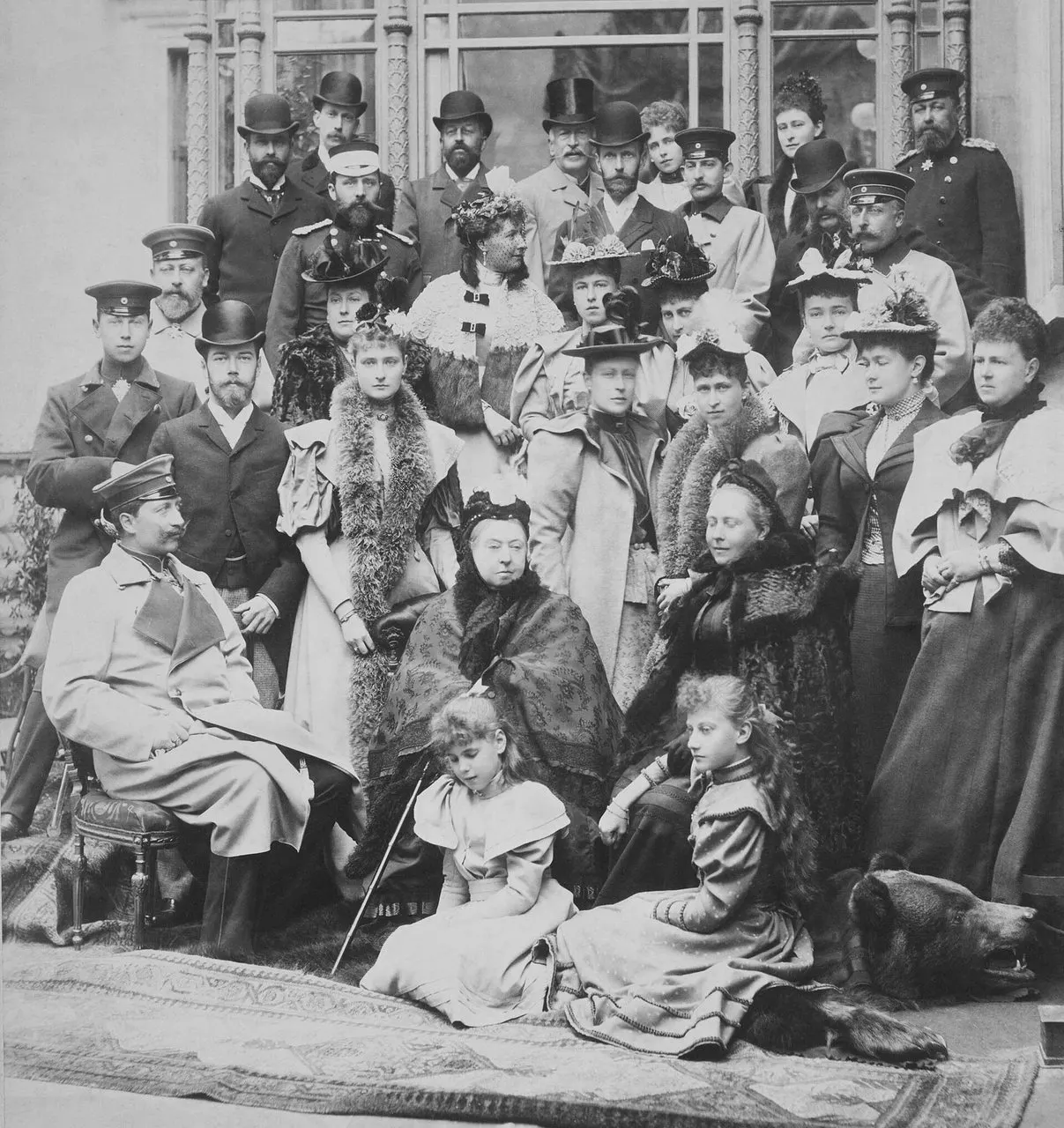
Remembering together makes shared memories lighter than lonely ones. Families can gather old photos, tell favorite stories and laugh at the funny moments that made a loved one special. A shared album or a regular meal in their honor can keep the bond strong across years and miles. Children who hear these stories grow up knowing where they came from. Lean on a senator who refused to back another shutdown for examples of people who kept showing up for what matters.
What Would You Tell a Grieving Friend

What would you tell a grieving friend today? Would you share a memory, offer a quiet walk, or simply sit beside them without words? The smallest kindness can matter most, because grief often feels lonely even in a crowd. Your own story of loss and healing could be the light someone else needs, so share it gently when the moment feels right. Tell us in the comments what helped you most. Read about a family who spoke up for their father’s legacy for more stories of courage and care.