Black Friday 1910: 300 Suffragettes Marched on Parliament
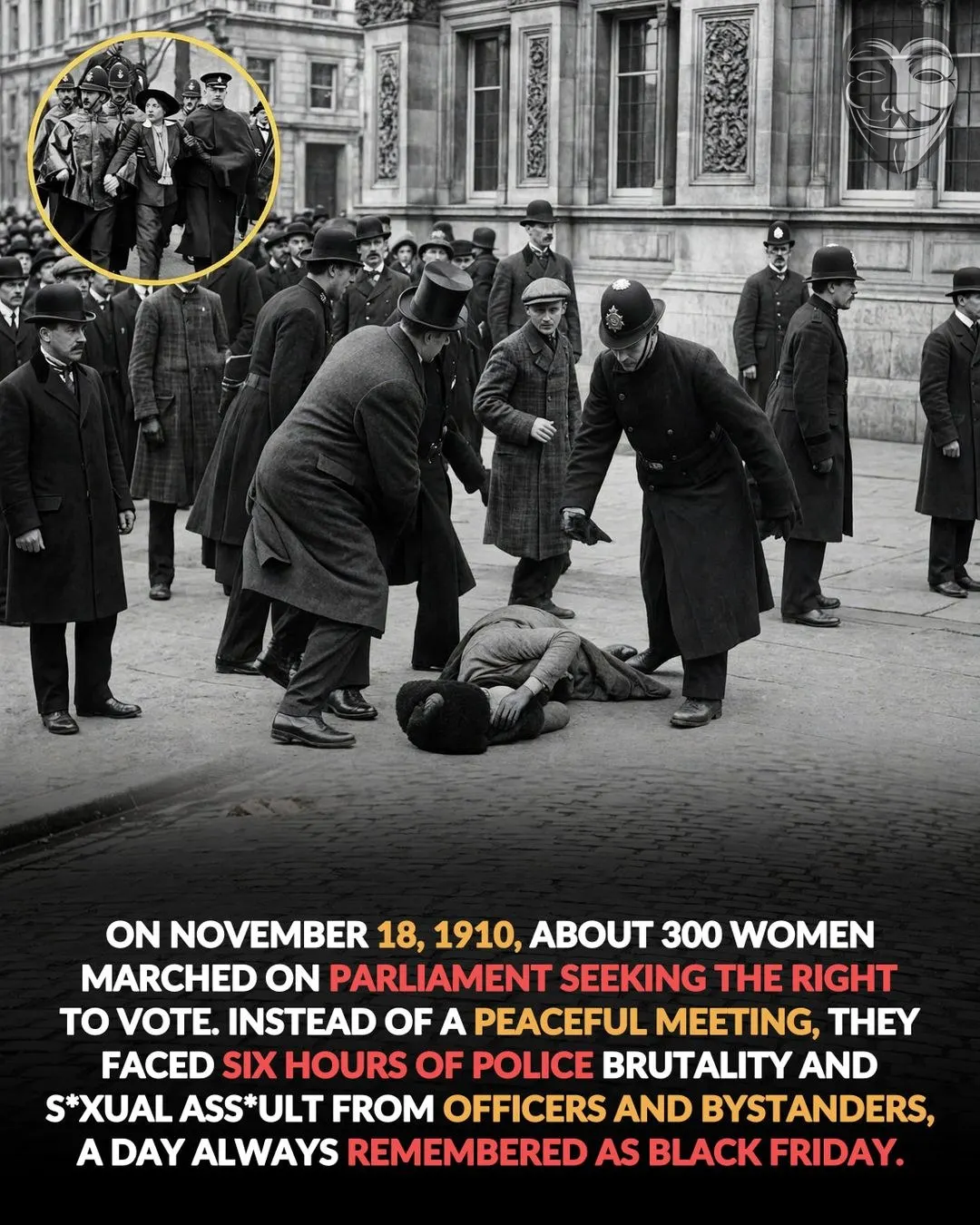
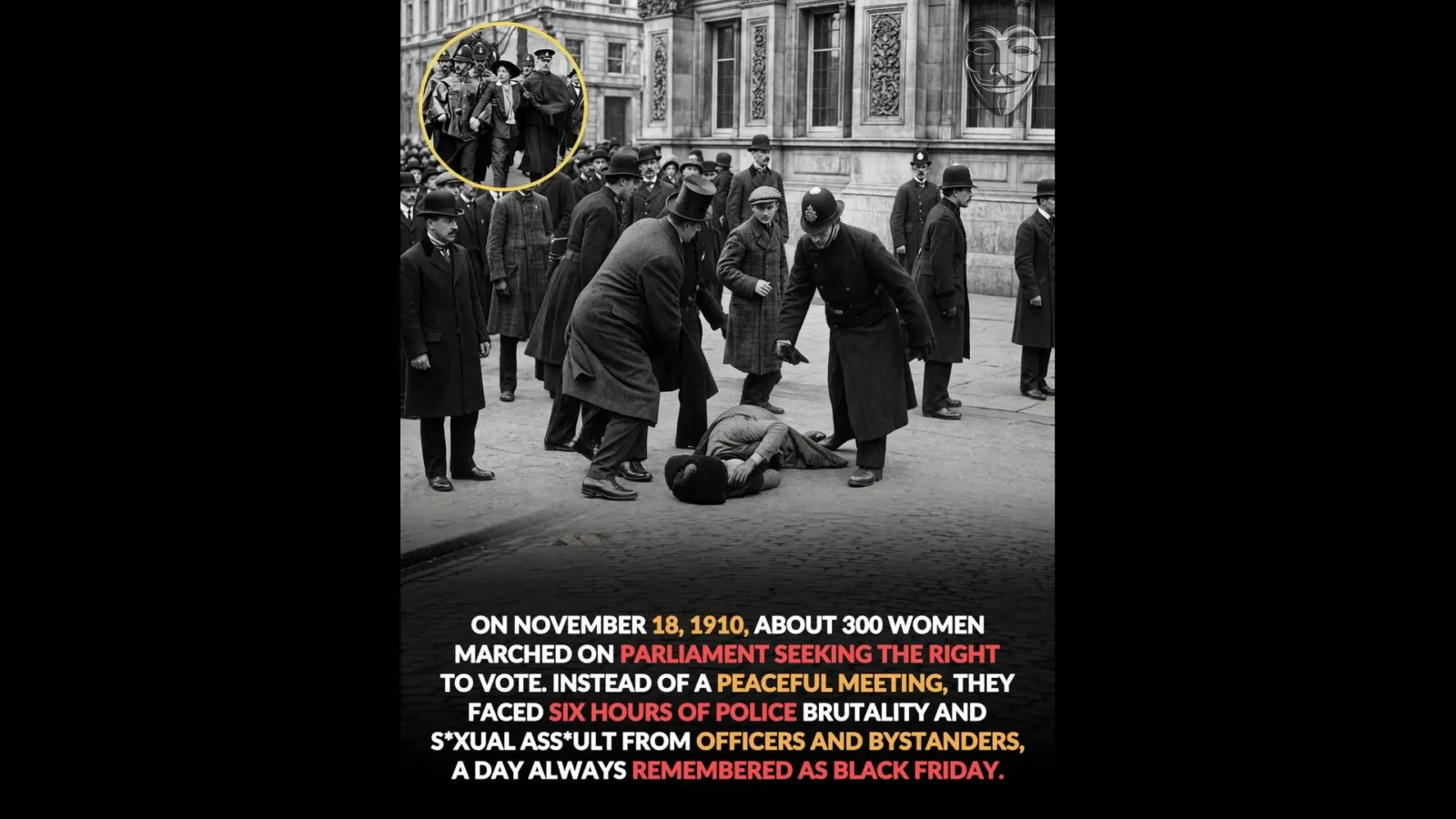
Black Friday 1910 began as a peaceful march by about 300 women who wanted the vote. The women belonged to the Women’s Social and Political Union, and they walked from Caxton Hall to the Houses of Parliament in London on November 18, 1910. They hoped to meet Prime Minister H. H. Asquith and ask him to move forward with the Conciliation Bill, a bill that would have given some women the right to vote. The government had shelved the bill, and the women felt they had been promised more than they had been given.
Instead of a meeting, the marchers met lines of police and hostile crowds outside Parliament. For nearly six hours the women were pushed, dragged and struck, and some said officers and men in the crowd had grabbed and assaulted them. More than 100 women were arrested, and many were hurt. The day became known as Black Friday, and the courage of those women helped show what they faced for asking for the vote. Read how 175 countries voted to end harm against women and girls and the United Nations vote to end violence against women and girls for more.
References:
Wikipedia: Black Friday (1910)
Tastes of History: Black Friday
Spartacus Educational: Black Friday (18 November 1910)
LSE History: Remembering the suffragettes: Black Friday
The March Began at Caxton Hall
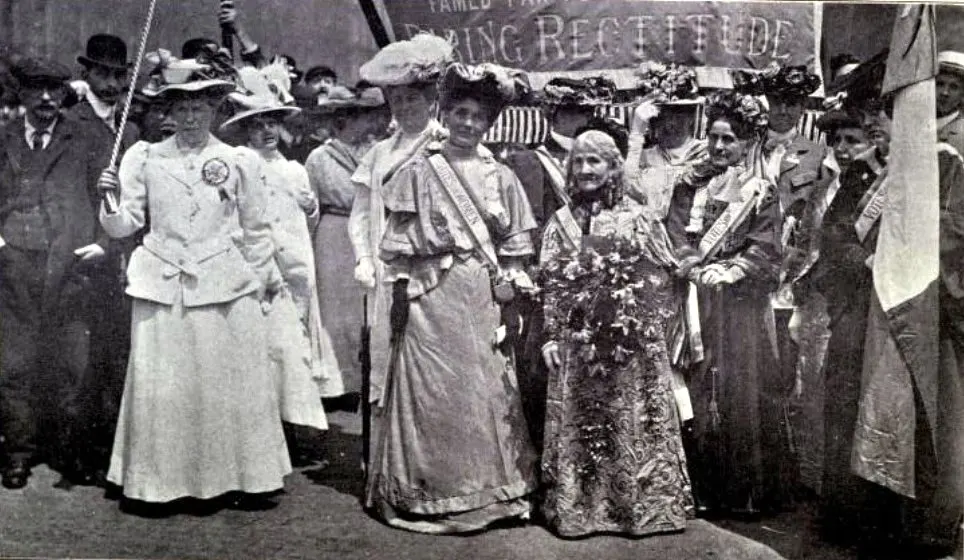
On that November morning, the women gathered at Caxton Hall in Westminster before they set off for Parliament. Caxton Hall was a meeting place the suffragettes knew well, and it stood close to the heart of British politics. From there the group of about 300 women walked toward the Houses of Parliament, carrying their demand in a calm and orderly way. They had asked for a meeting with the prime minister, and they expected to be heard. Read about a vote that tested how elections are checked and a prosecutor who faced a long unpaid leave in our other coverage.
The Conciliation Bill and the Vote They Wanted
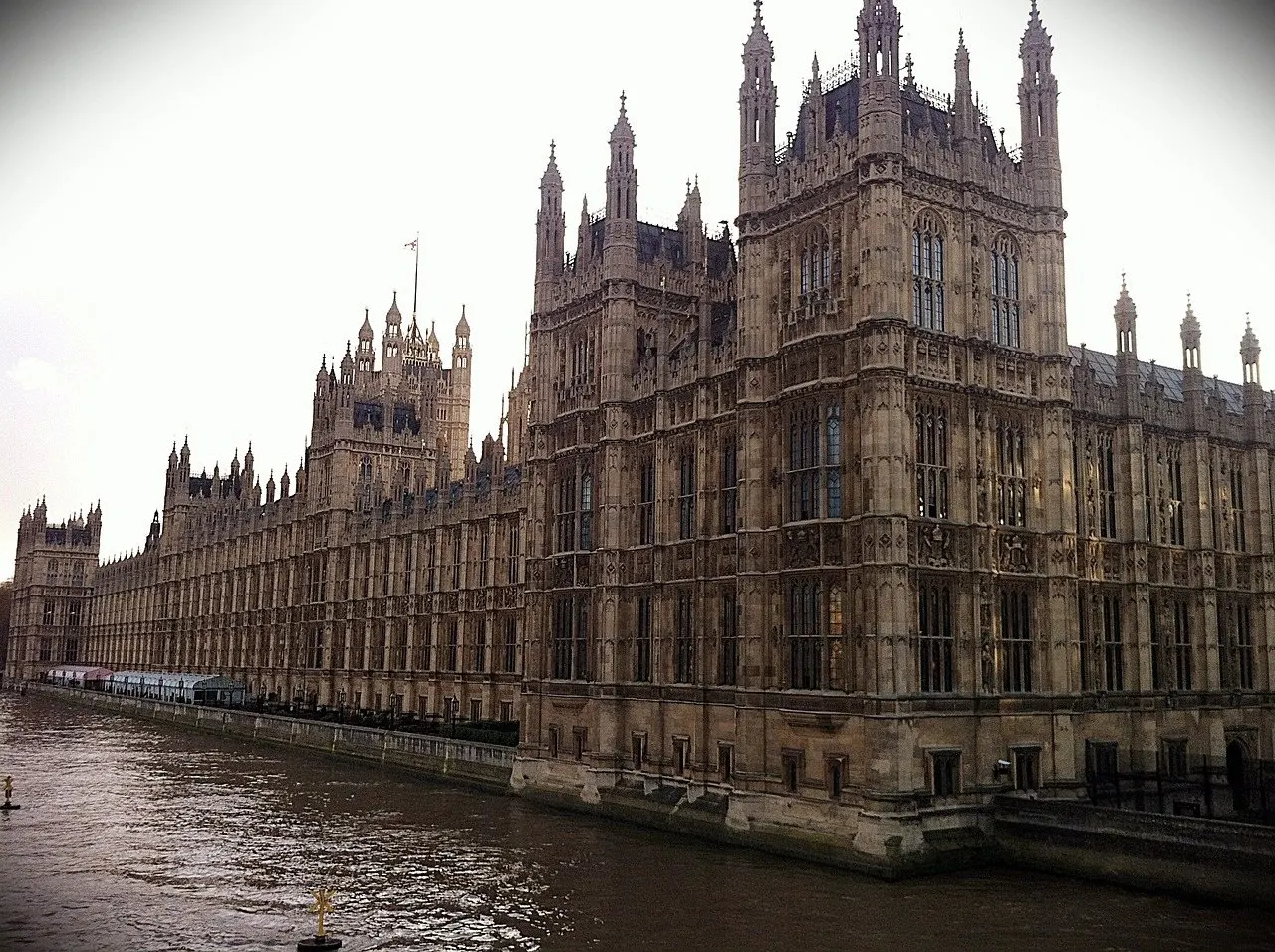
The Conciliation Bill sat at the center of that November day. The bill would have given the vote to some women, and its supporters in Parliament had worked hard to bring it forward. When the government shelved it, the women felt the promise had been broken. A bill like this one mattered because it was a real step toward the vote. The marchers wanted the bill debated and passed, not set aside. See how a president planned to patrol the capital and how Britain answered a ruling on forced removal for more on power and protest.
Prime Minister Asquith and a Promise Put Aside
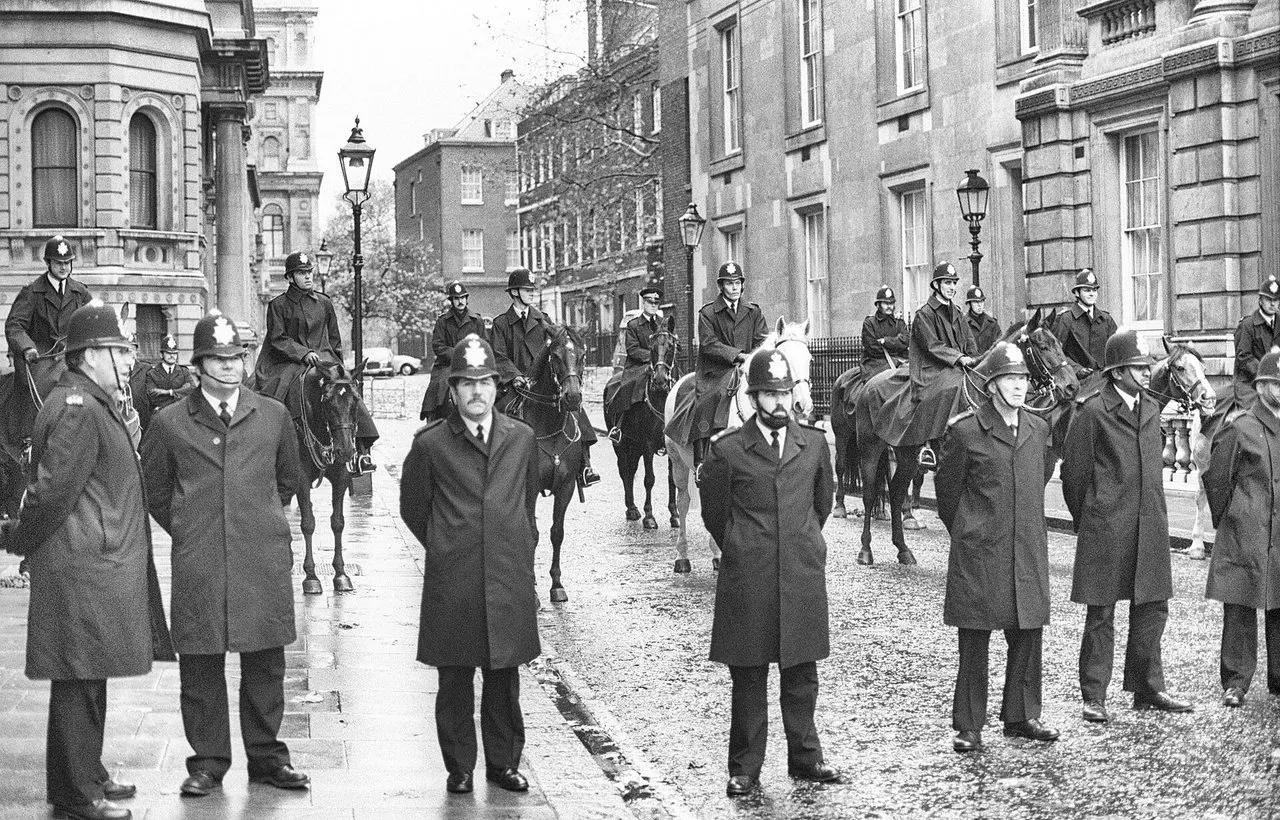
Prime Minister H. H. Asquith led the government that the women wanted to meet on the day of the march. Asquith had spoken about votes for women in the past, and many suffragettes believed he would act. When the Conciliation Bill was shelved, they felt his government had gone back on its word. The march was their way of asking him to meet them face to face and keep the promise. Read how a town meeting tried to stop an Islamic center and why some friendships break over politics in our coverage of public debate.
Black Friday 1910 and the Women’s Social and Political Union
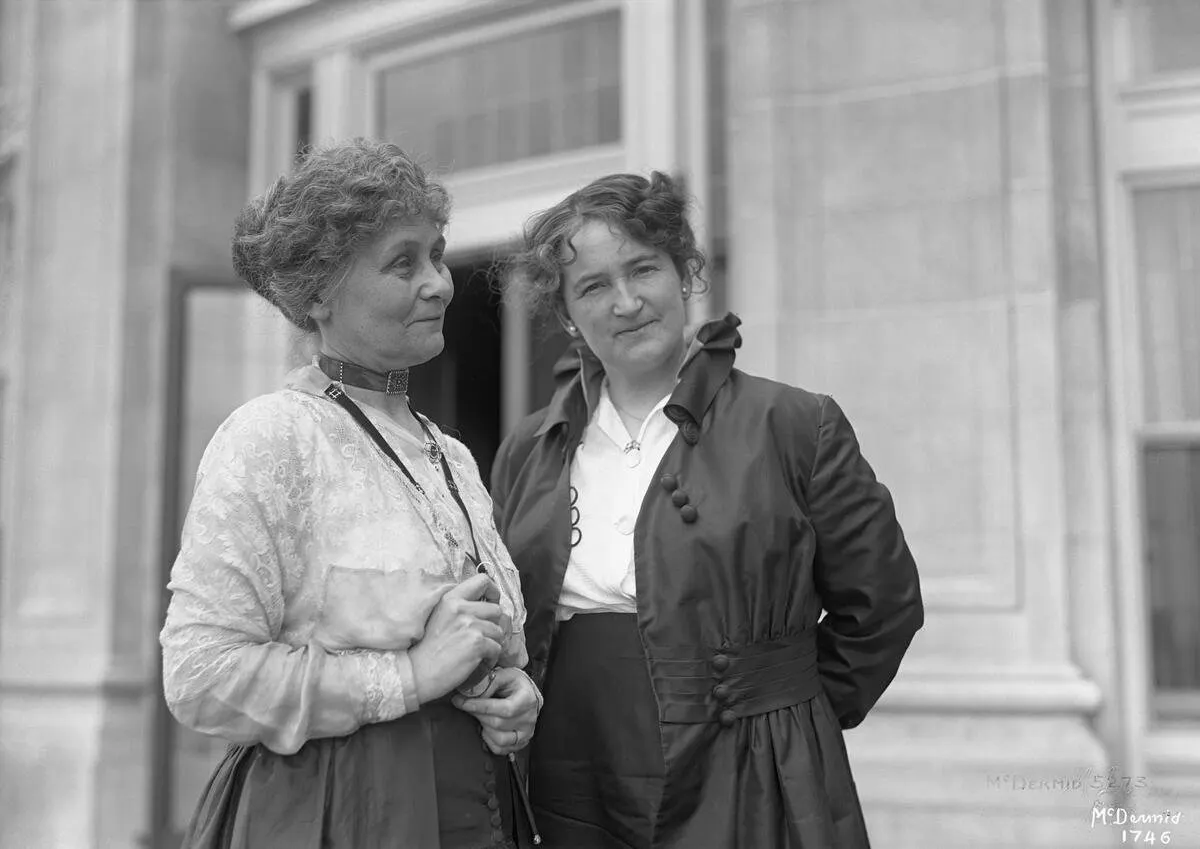
The Women’s Social and Political Union, known as the WSPU, organized the march that day. The group was led by Emmeline Pankhurst and her daughters, and it had grown famous for bold and direct action. Its members called themselves suffragettes, and they believed polite requests alone would never win the vote. The union gave ordinary women a way to act together, and its meetings drew crowds across the country. Learn how a mother was reunited with her family after release and what was promised in the first year of a new government in our other stories.
Six Hours Outside Parliament
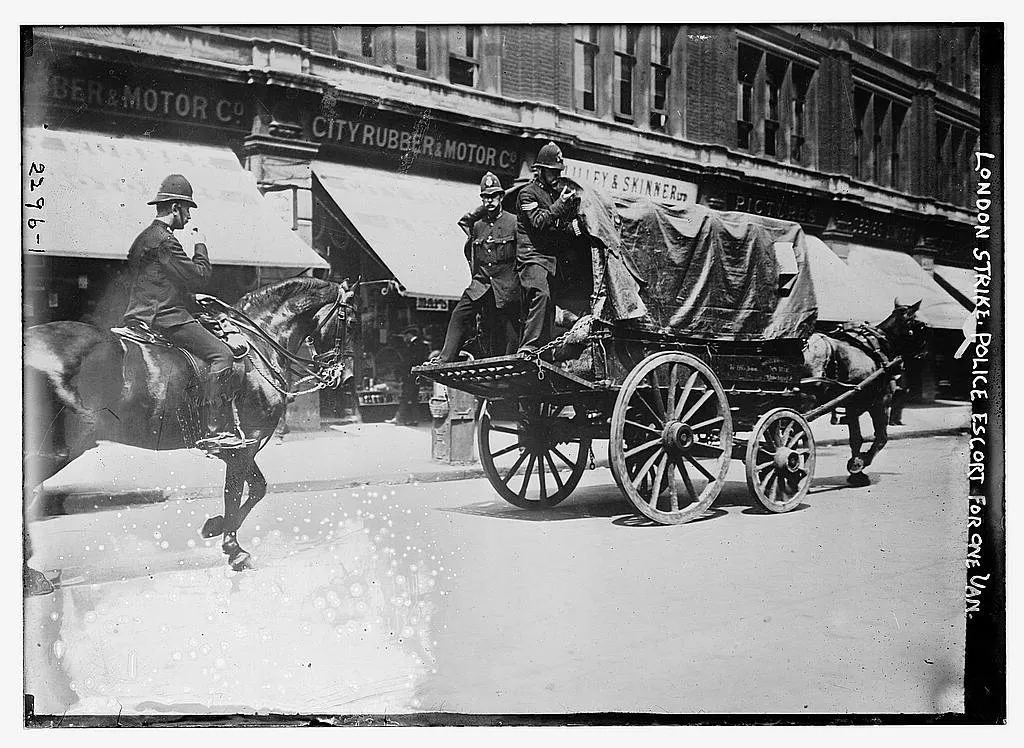
Outside Parliament, the marchers found their way blocked by lines of police and hostile crowds. For nearly six hours that day, the women were pushed, dragged and struck as they tried to reach the building. Some were thrown to the ground, and others were held back again and again. The police had been sent to keep order, but the day turned into a long and ugly scene on the streets of Westminster. Read a petition with 218 signatures forcing a House vote and promises of rent freezes and free childcare for more on public pressure.
More Than 100 Women Were Arrested
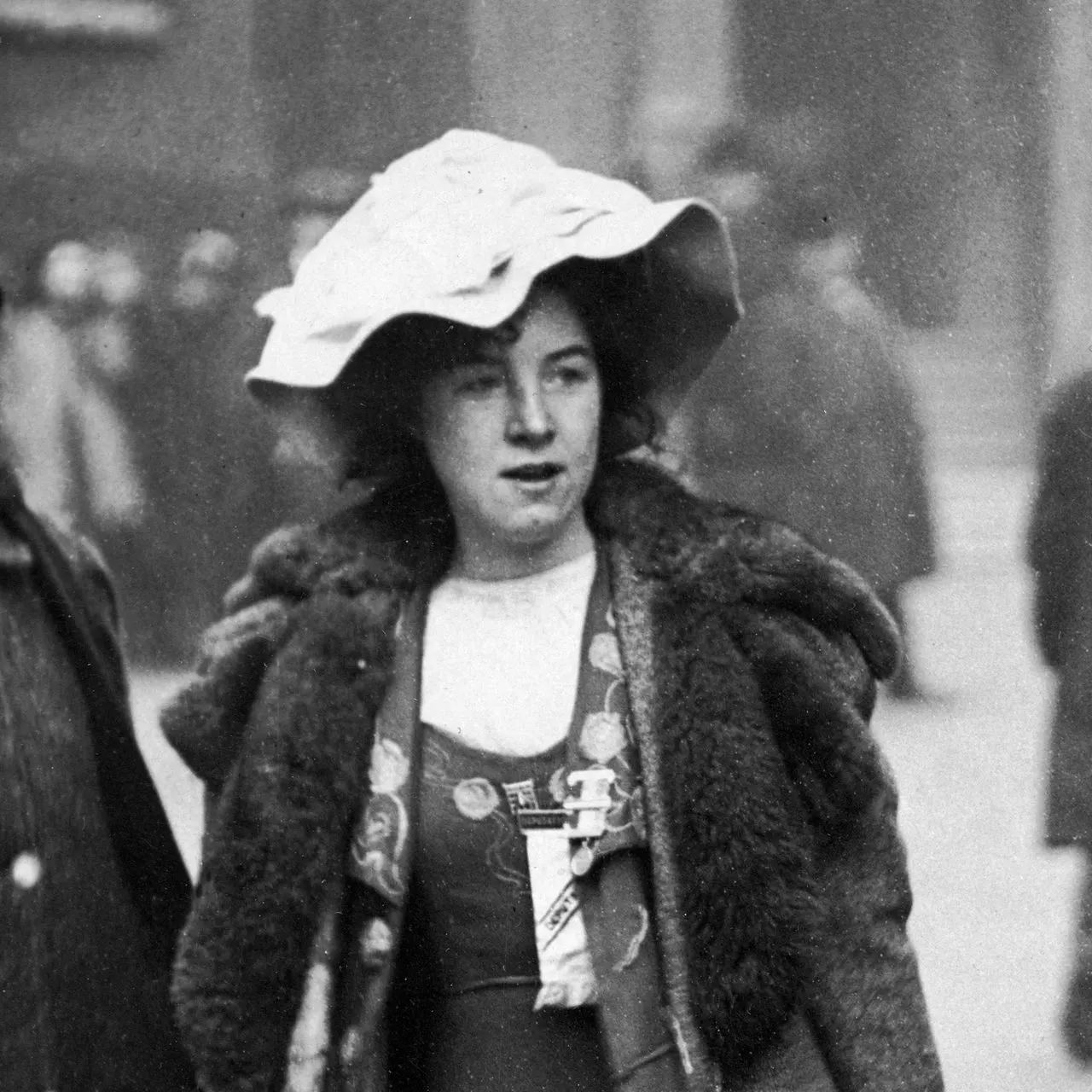
More than 100 women were arrested that day. Many were taken to police stations, and some were hurt badly enough to need care. The arrests showed how far the state would go to stop women from reaching Parliament. For the women, being arrested was part of the protest, and many of them had faced arrest before for the same cause. Their names were reported in the papers, and their families waited at home for news. See the United Nations vote to end violence against women and girls and a vote that tested how elections are checked for more.
Why the Day Became Known as Black Friday 1910
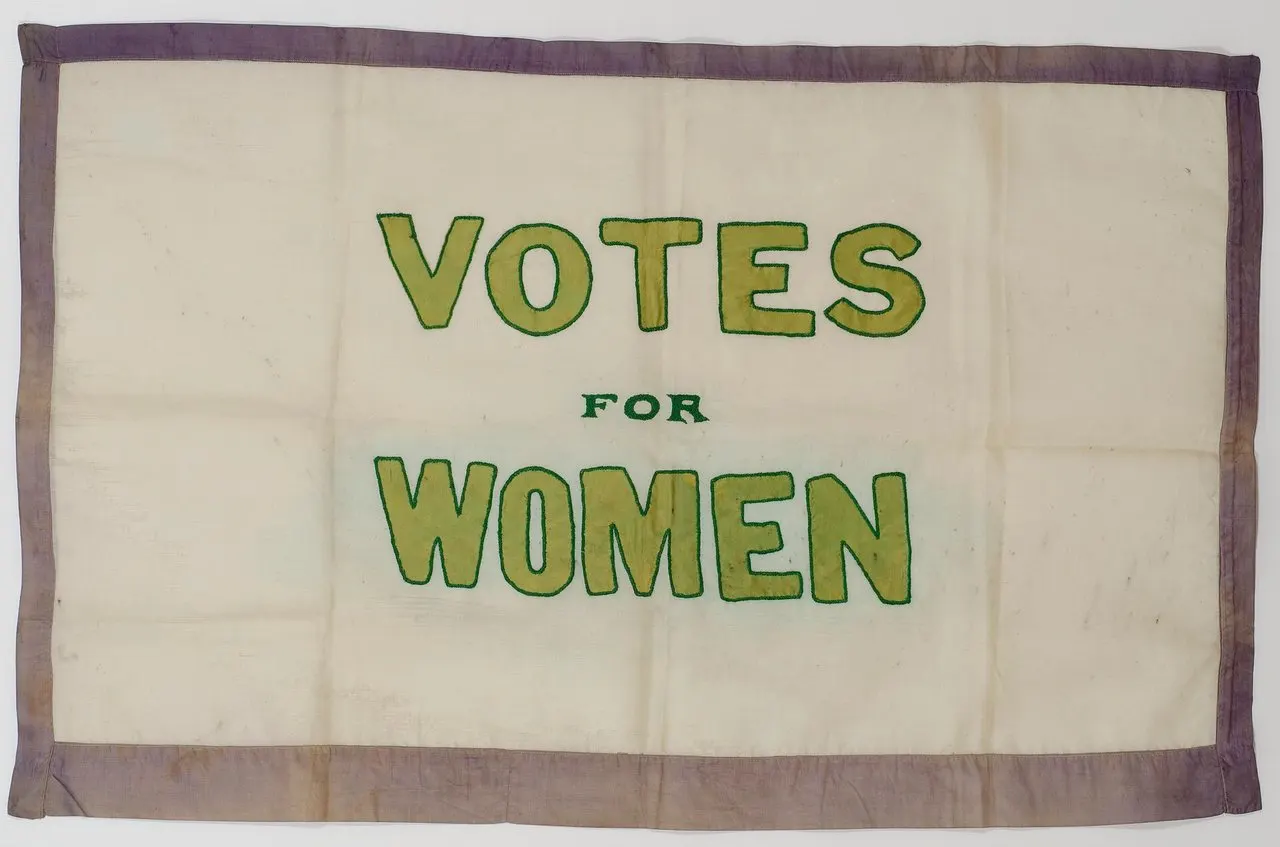
The name Black Friday came from the darkness of what happened that day. People used the name to mark a day of shame, when women were met with force in London. The name stuck, and it is still used today when people write about that day in 1910. A name like this one keeps a day in memory after the crowds have gone home. History gave them the name. Read how a president planned to patrol the capital and how a town meeting tried to stop an Islamic center for more on names and protests.
The Women Who Marched That Day
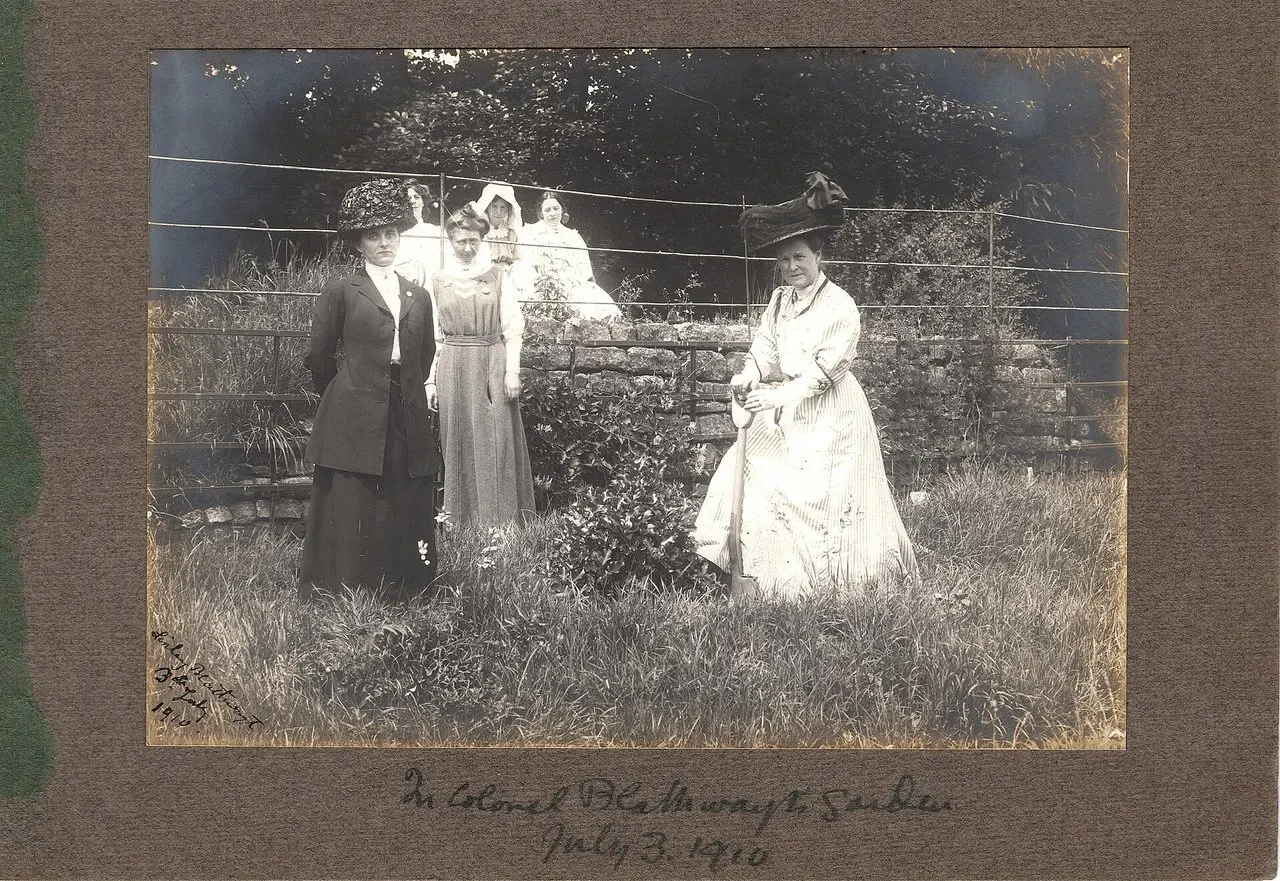
The women who marched came from many walks of life, and they ranged from young women to older women who had waited years for change. Many had already spent years in the suffrage cause, attending meetings and speaking up in public. They were not soldiers or politicians, but ordinary women who believed the vote belonged to them too. Their demand was simple and clear. They wanted a say in the laws that shaped their lives. Learn how 175 countries voted to end harm against women and girls and a prosecutor who faced a long unpaid leave in our other stories.
Black Friday 1910 in the Heart of London
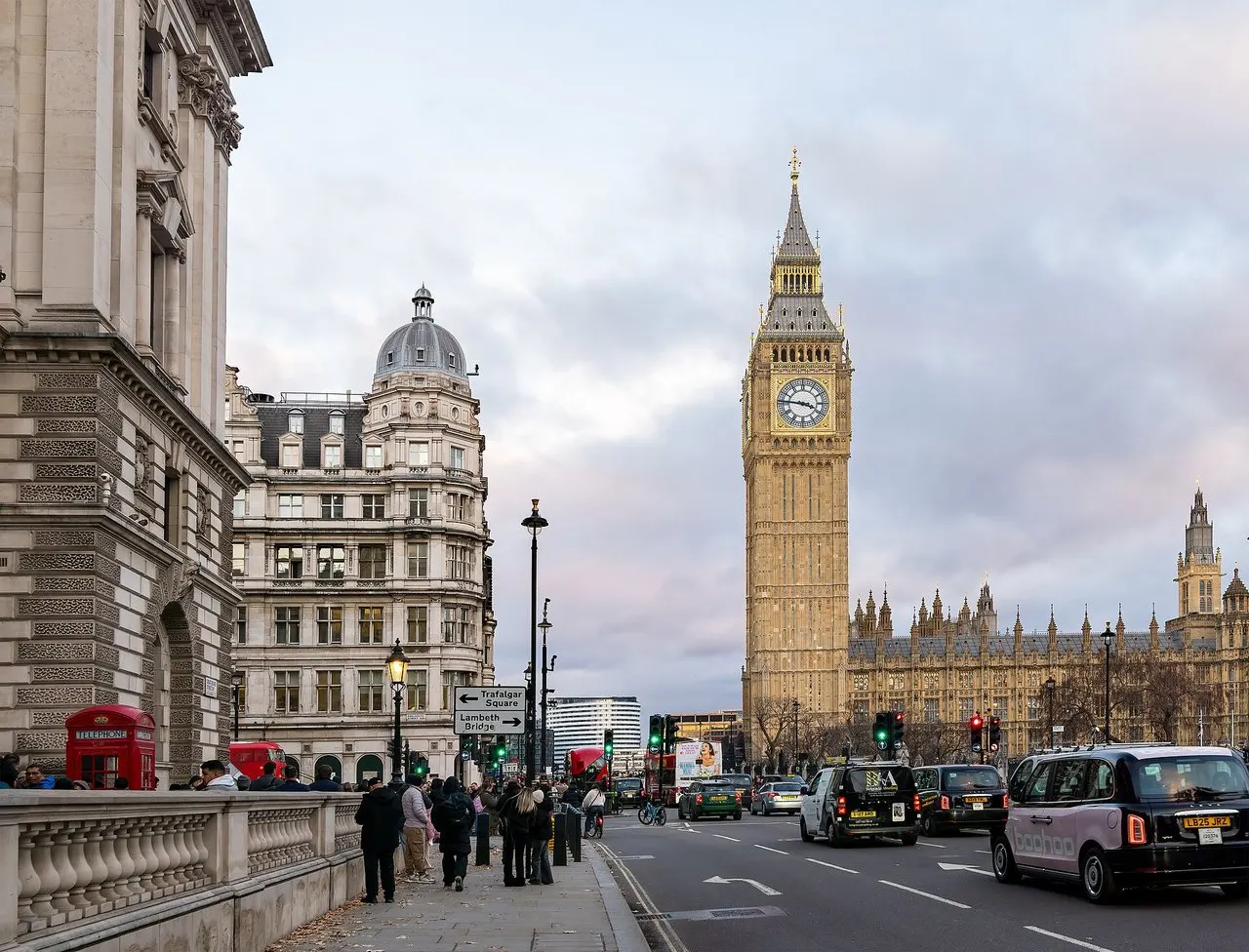
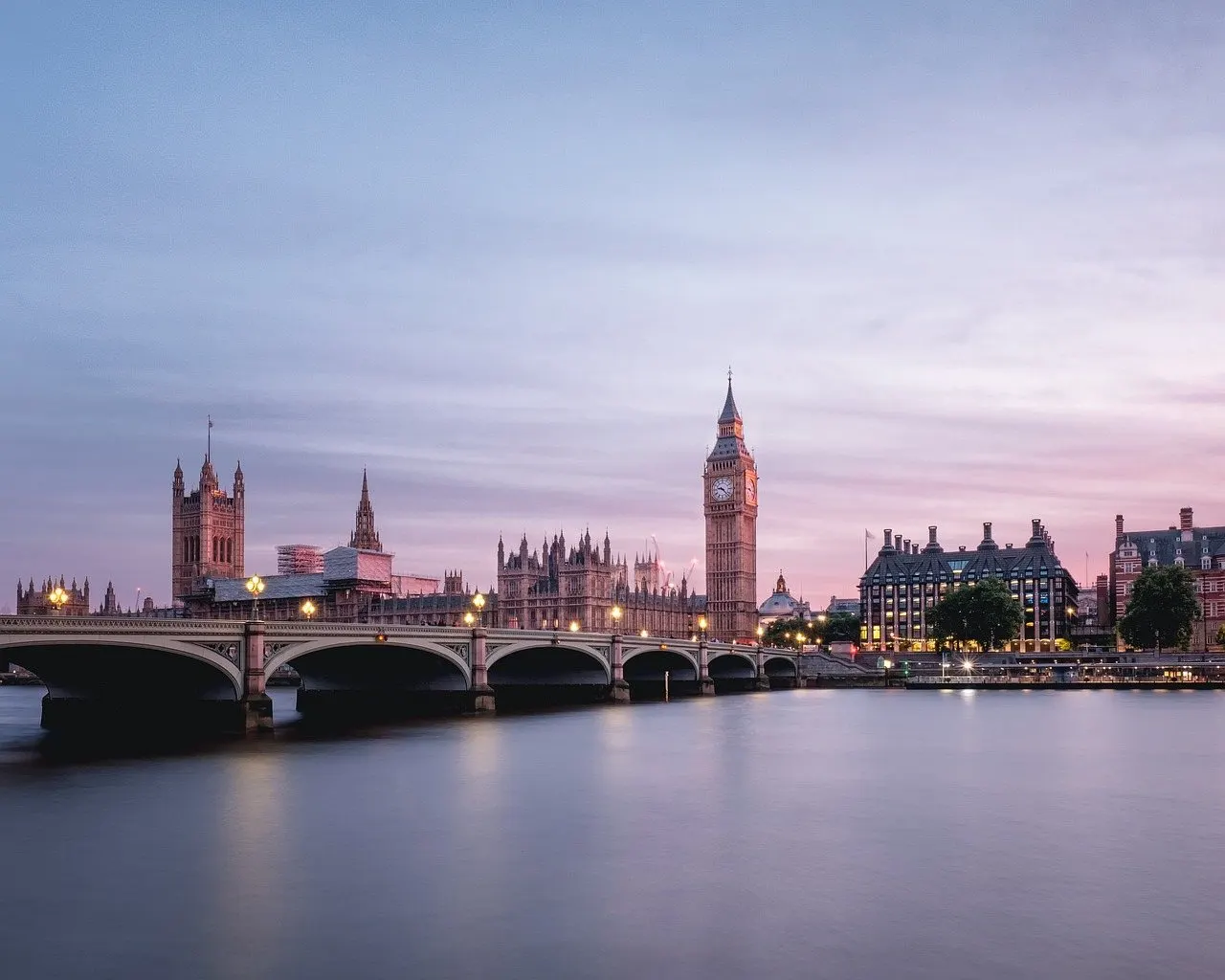
Parliament Square sits at the heart of British democracy, and it was the stage for the march. The square faces the Houses of Parliament and the clock tower known as Big Ben, and it has seen marches and protests for more than a hundred years. On that November day, the square filled with women, police and crowds, and the noise of the city faded behind the shouting. Passersby could see history being made. See how Britain answered a ruling on forced removal and why some friendships break over politics for more on the capital.
What the Papers Said the Next Morning
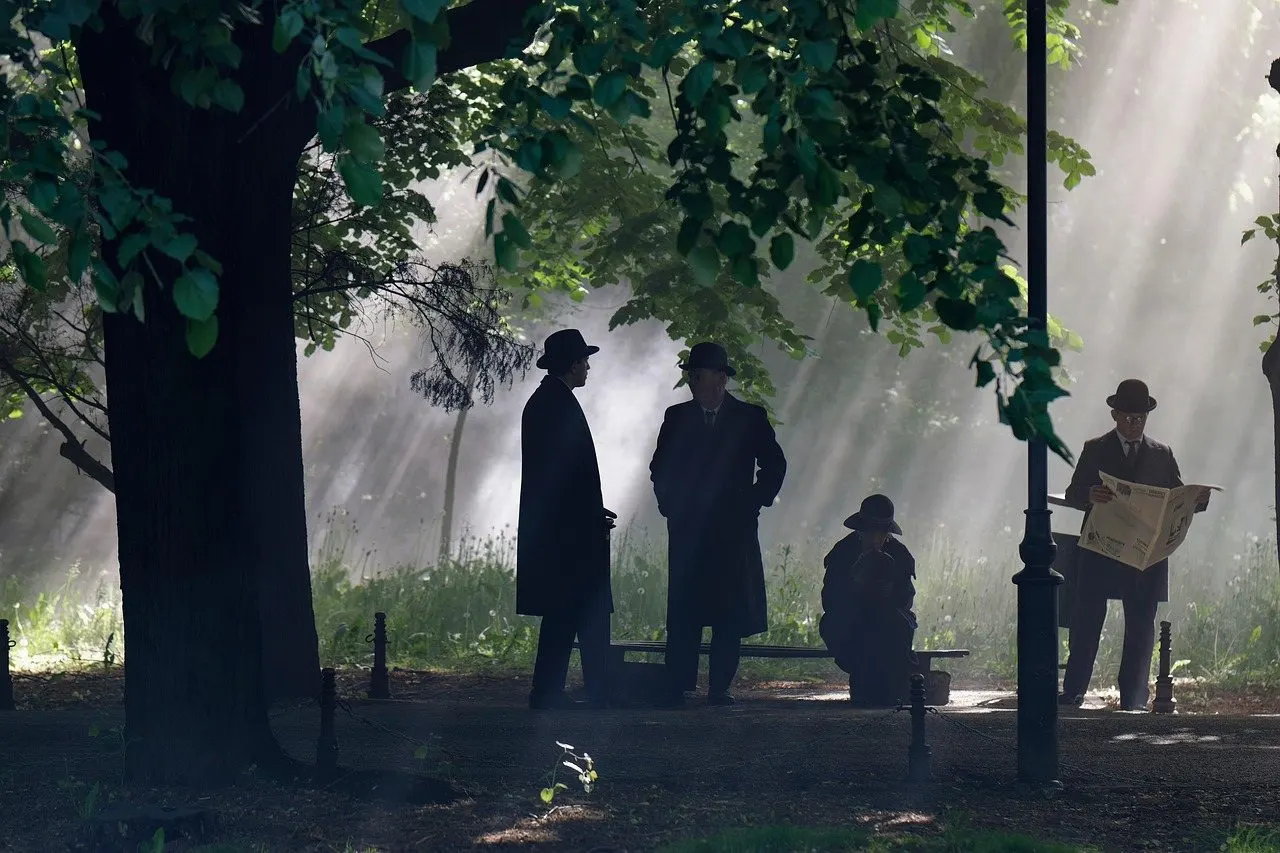
The next morning, newspapers across Britain carried the story of the march and the clashes outside Parliament. Some papers praised the courage of the women, while others blamed them for the trouble. Readers learned of the arrests and the long hours of pushing and shoving, and many were shocked by what they read. The press gave the day its lasting name, and the reports helped the whole country learn what had happened in London. Read how a mother was reunited with her family after release and a petition with 218 signatures forcing a House vote for more on public pressure.
The Suffrage Movement Before 1910
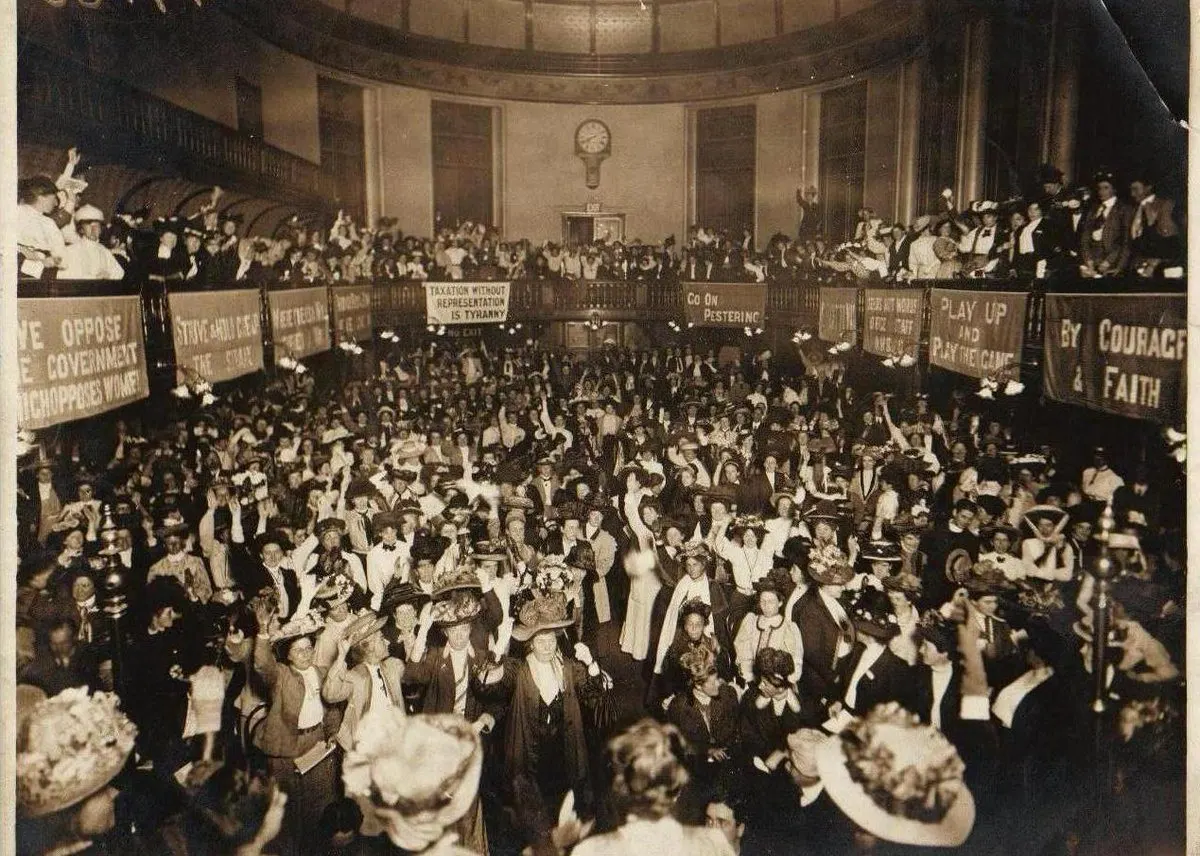
That November day did not come out of nowhere. For years before that day, women across Britain had been meeting, marching and asking for the vote. The suffrage movement had grown from small groups into a national cause, with meetings in halls like Caxton Hall and marches through London. Some women worked through peaceful campaigns, while the WSPU chose bolder action to force the issue. The march of 1910 was the next step in a fight. Learn what was promised in the first year of a new government and promises of rent freezes and free childcare in our other stories.
What Changed After Black Friday 1910
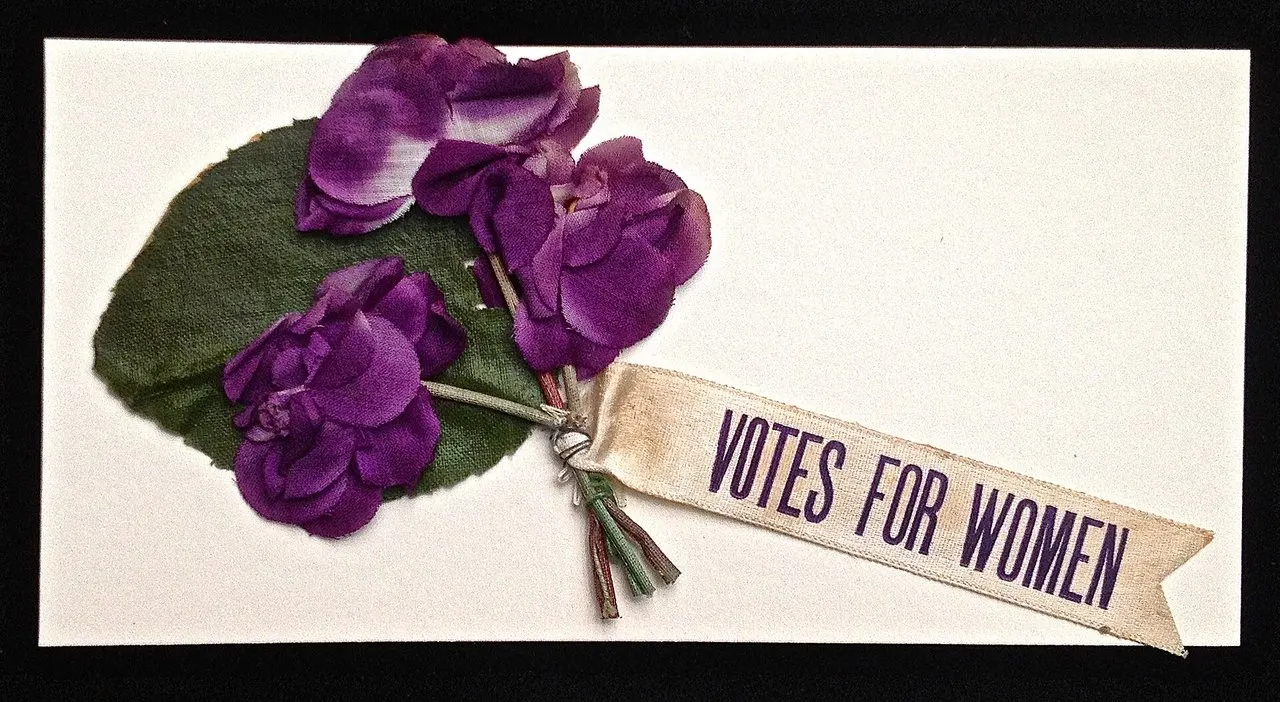
After that November day, the suffrage cause gained new attention across Britain. The reports of police violence shocked many people who had not followed the campaign before, and new supporters joined the movement. The WSPU kept up its protests, and the debate over votes for women grew louder in Parliament and in the press. Change did not come at once, but the day made it harder for the country to look away. Read the United Nations vote to end violence against women and girls and how a president planned to patrol the capital for more.
The Long Road to Votes for Women
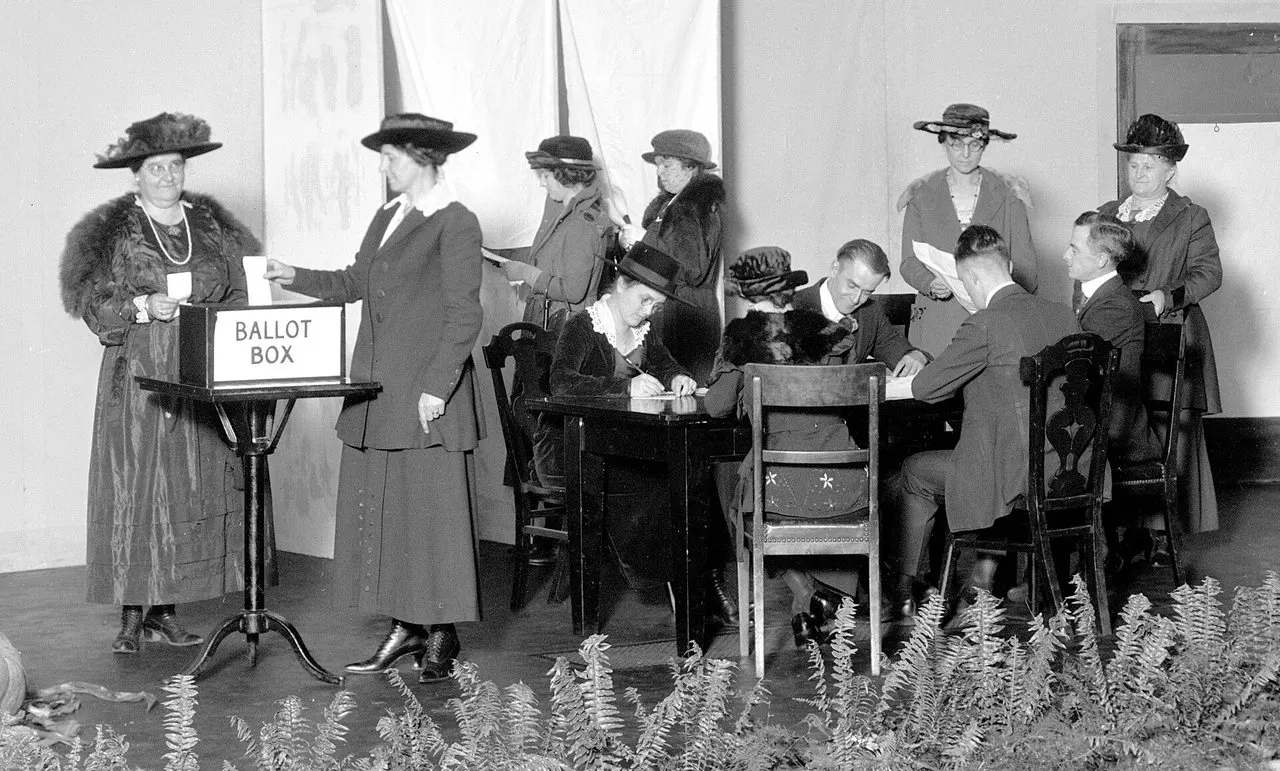
The road from that November day to the vote was long but the marchers helped start it. In 1918, Parliament passed a law giving the vote to some women over 30. Ten years later, in 1928, women won the vote on the same terms as men. The courage shown in 1910 was part of the push that made those laws possible, though not all of the marchers lived to cast a vote. See how 175 countries voted to end harm against women and girls and how Britain answered a ruling on forced removal for more on the right to vote.
Black Friday 1910 Is Remembered Today
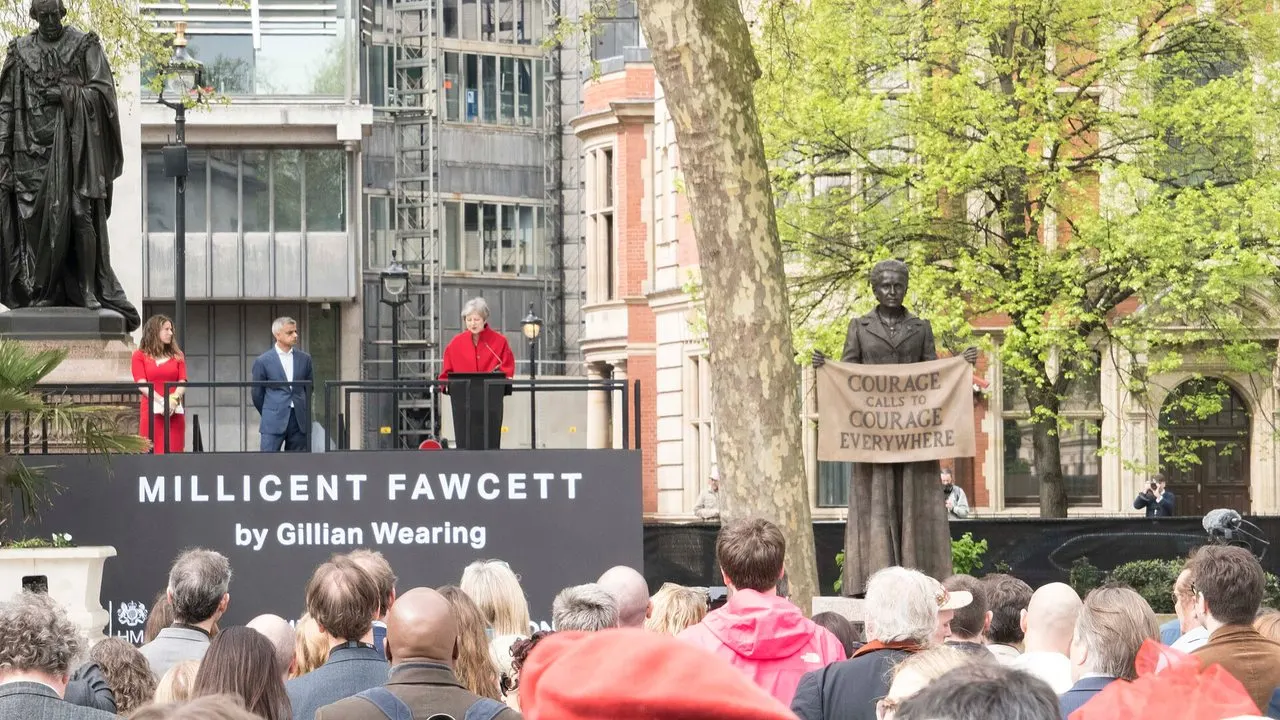
Today, the women of that November day are remembered in books, films and statues across London. A statue of Millicent Fawcett, a leader of the peaceful suffrage campaign, now stands in Parliament Square, close to where the marchers walked. Historians at the London School of Economics and other places keep the story alive, and school children learn about the day in class. The memory of the march reminds new generations what the vote cost. Read a vote that tested how elections are checked and how a town meeting tried to stop an Islamic center for more on rights and memory.
Why the Day Still Matters
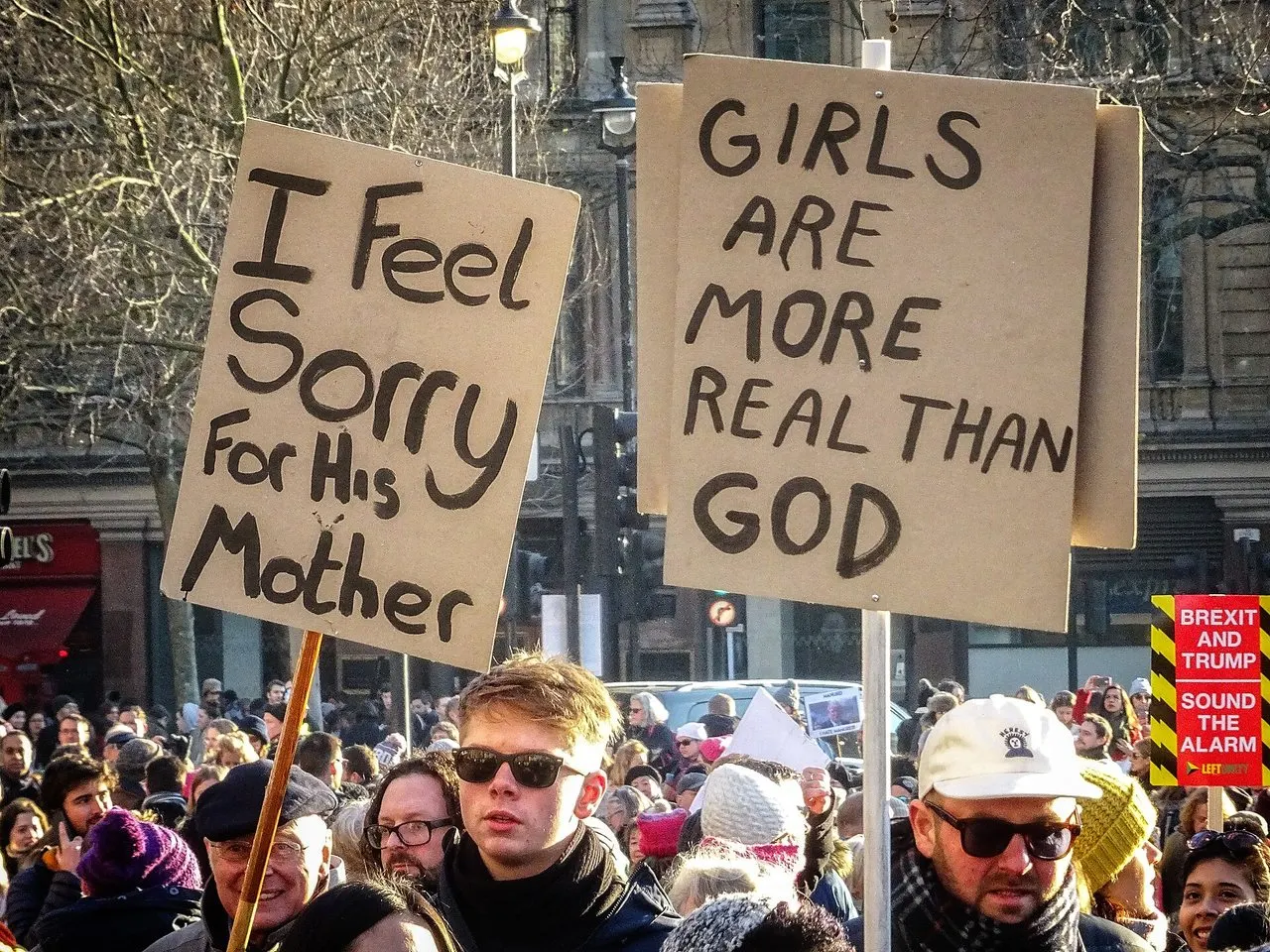
That November day still matters because the right to vote is precious, and women in many countries still fight for equal rights. The march showed that peaceful people asking for a fair hearing can face force, and that courage can still change minds. When women march today, they walk in the footsteps of the 300 who went to Parliament that November day. Their story asks each of us to value the vote and to use it. See a prosecutor who faced a long unpaid leave and why some friendships break over politics for more on rights today.
Ordinary Women Showed Courage on Black Friday 1910
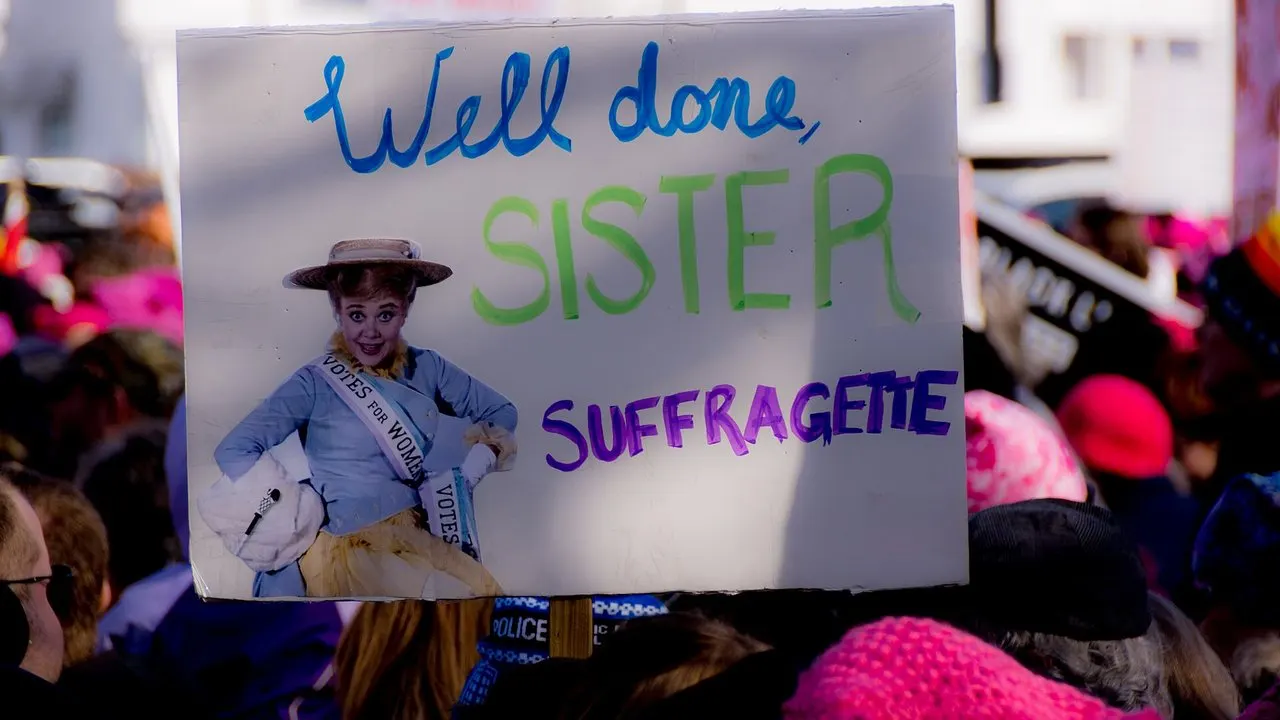
The women who marched that day were not famous, and most of their names are not in history books. They were ordinary women who stood on a November day and refused to turn back when the police blocked their path. That kind of courage does not need a title or a statue, but it deserves to be remembered. Their stand helped open the door for the women who came after them. Learn how a mother was reunited with her family after release and what was promised in the first year of a new government in our other stories.
What Would You Ask the Women Who Marched That Day
The women who marched that day walked to Parliament asking for the vote, and they paid a high price for asking. If you could sit down with one of them today, what would you ask first. Would you ask what kept them going through six hard hours, or what they would say to young women voting for the first time. Share your thoughts in the comments below and tell us what this story means to you. Read a petition with 218 signatures forcing a House vote and promises of rent freezes and free childcare while you think it over.