The Russell Brand Video Google Refused to Remove
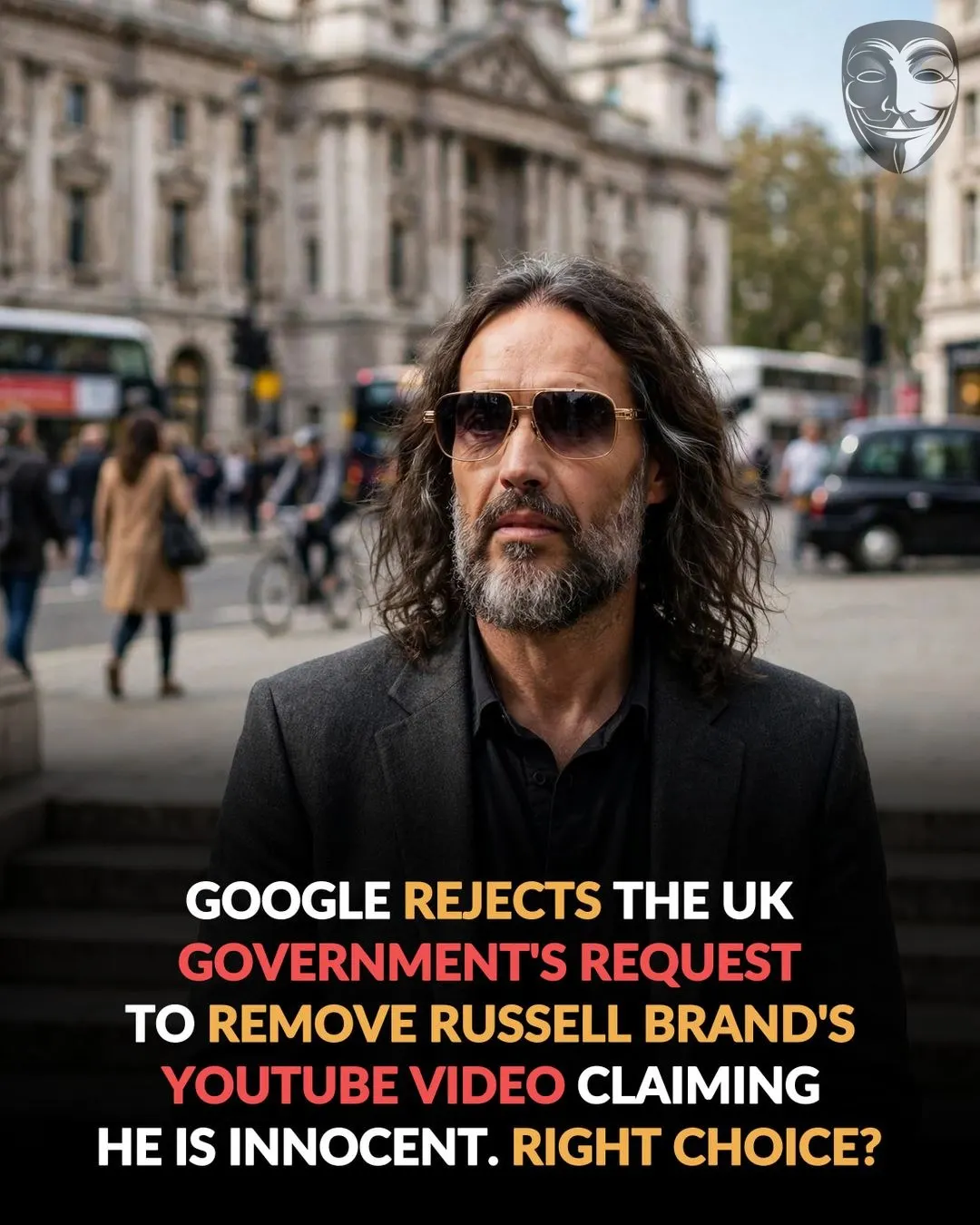
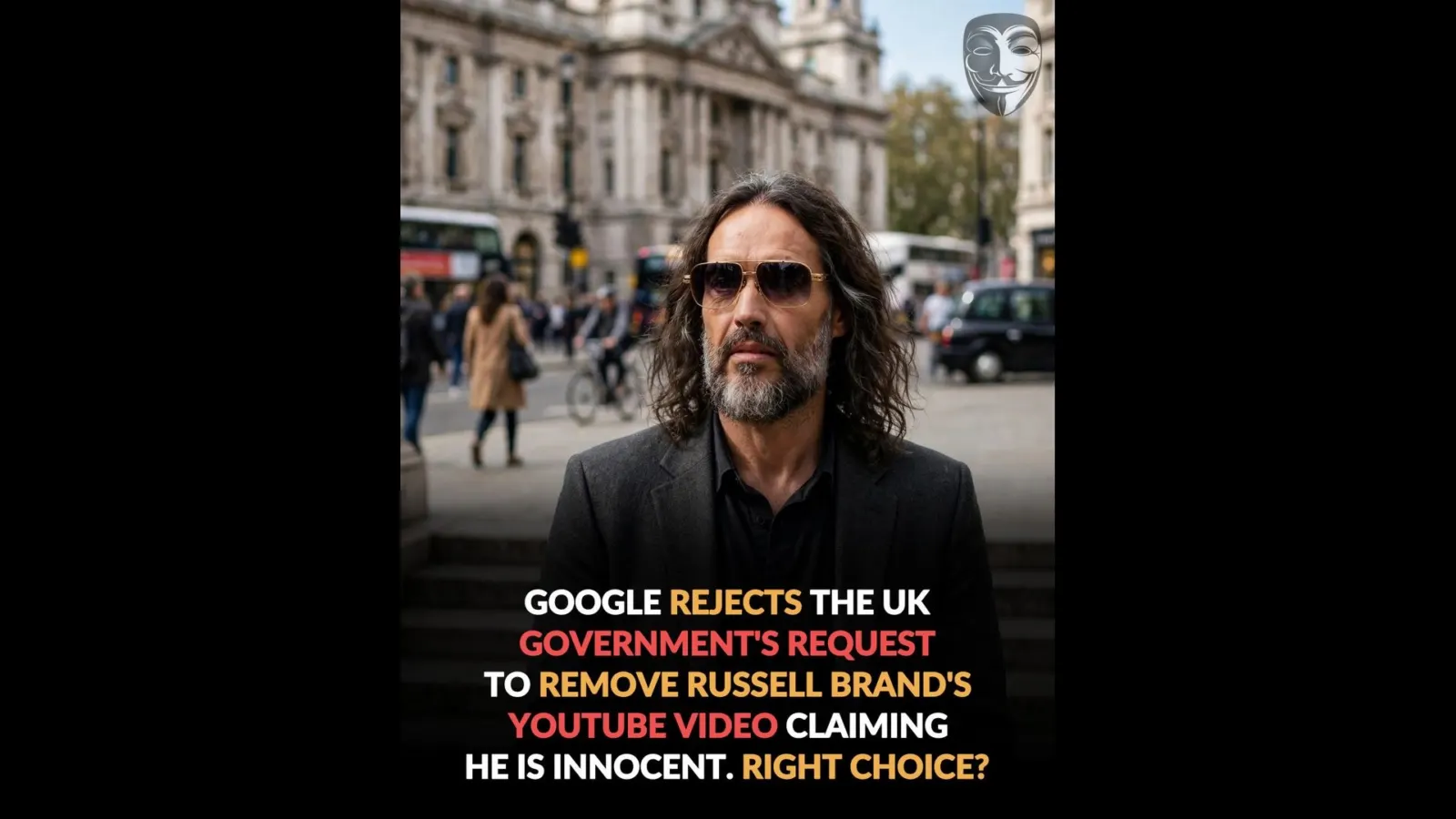
The Russell Brand video at the center of this story is still on YouTube tonight, even though the UK government asked Google to take it down. Russell Brand was sentenced to ten and a half years in prison on November 9, 2026, after a jury at Southwark Crown Court found him guilty of one count of rape and three counts of sexual assault. Days later, his wife Laura read out a handwritten message from him on their YouTube channel, in which he said he was not guilty and that something strange is happening.
The Prison Service asked Google to remove the video, saying it could cause further distress to the victims. Google said no, because the video did not break its rules, though the channel has not earned money on YouTube since September 2023. The government admits it has no power to force a removal, so the video stays up while the debate about free speech and protecting victims goes on. In the slides ahead we look at the case and the rules. Read about a tense hearing in Congress.
References:
BBC News: Google rejects request to remove Brand video – sources
BBC News: PM urges social media companies to ‘show some decency’ and take down Brand video
Glasgow Times: Google rejects Government’s request to remove Russell Brand video from YouTube
UK Fact Check: Google refuses to remove Russell Brand innocence video
Ten and a Half Years After the Southwark Trial
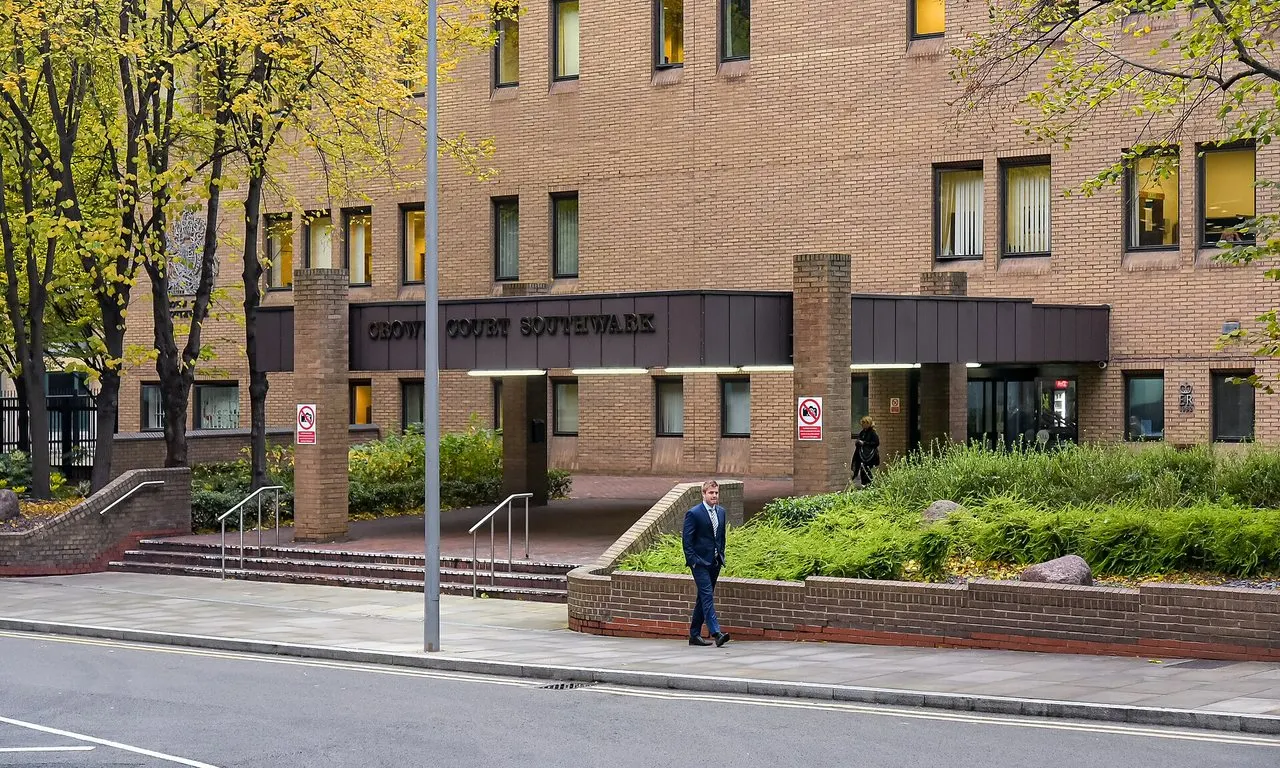
On November 9, 2026, Russell Brand was sentenced to ten and a half years in prison. A jury at Southwark Crown Court in London had found him guilty of one count of rape and three counts of sexual assault. The court heard the case over several weeks. For the victims, the sentence marked the end of a long legal process. For Brand, it marked the start of a long time behind bars. The case did not end there, because days later a new video appeared online. See Mitch McConnell leaving the Senate.
The Russell Brand Video His Wife Read Aloud
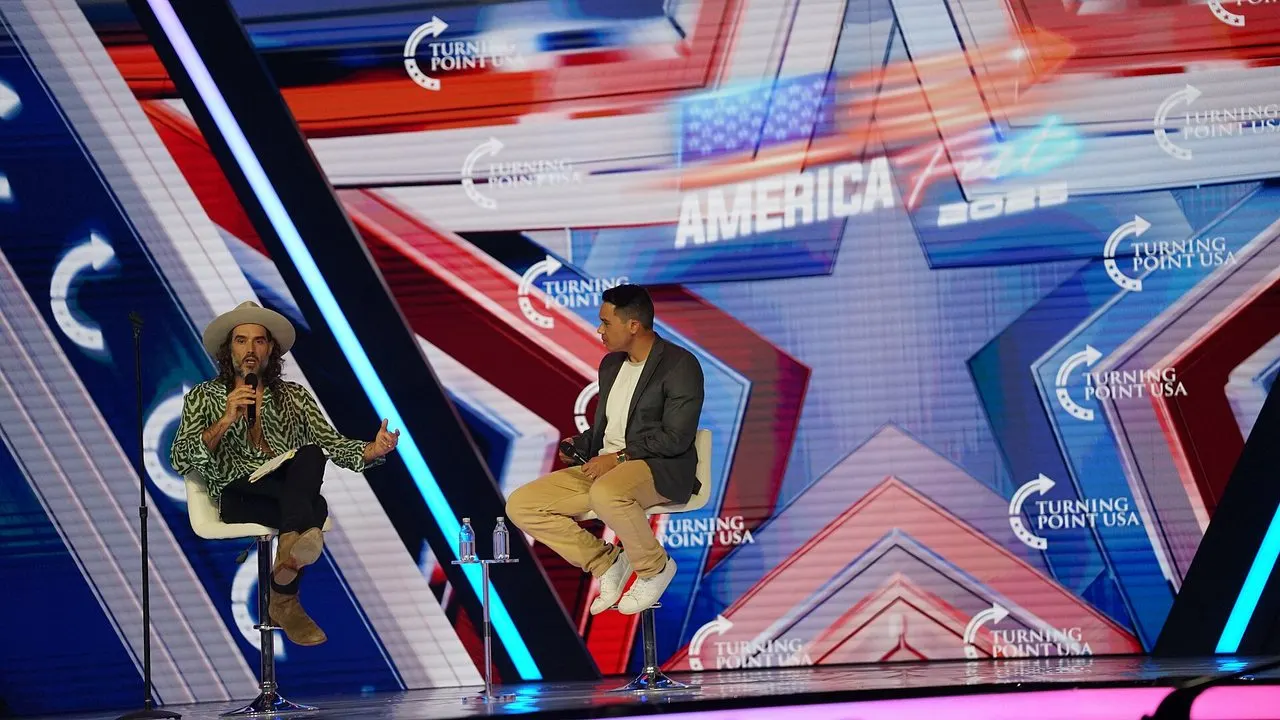
Days after the sentence, a new video appeared on the YouTube channel Brand shares with his wife Laura. In the clip, Laura read out a handwritten message from her husband. In the message, Brand said he was not guilty and that something strange is happening. The video spread quickly. The short clip said the jury got it wrong. The clip set off a fresh round of debate about the case, the verdict and the right to speak out after a conviction. See young people wishing for cash during an outage.
Why the Prison Service Asked for a Removal
The Prison Service asked Google to remove the video soon after it appeared. Officials said the clip could cause further distress to the victims of the case. Hearing Brand dispute the verdict in his own words could reopen wounds for the people who gave evidence in court. The request put Google in a hard spot, because the company had to weigh the feelings of victims against the rules that govern its platform. It was a request from a public body that runs prisons. Read a student reunited with her mother.
Google Said No to the Russell Brand Video
Google looked at the request about the Russell Brand video and said no. The company said the video did not break its rules, so there was no ground to take it down. The request came from the government itself. Google is a private company, and its rules decide what stays on YouTube, not a letter from an official. The decision meant the video would stay up for anyone to watch. It also set up a public clash between a tech giant and the state. Read President Trump’s trip to Asia.
The Russell Brand Video and the Money Ban
The channel has not been able to earn money on YouTube since September 2023. That came long before the trial. YouTube took away the money making tools after the first serious claims about Brand became public. The channel can still post videos, and people can still watch them, but ads do not run on the clips. For a creator with a large audience, that is a heavy penalty on its own. It shows that platforms can punish a channel without deleting it. Read a chief executive asked to return.
The Government Admits It Has No Power Here
Ministers admit the government has no power to force Google to remove the video. There is no law that lets the state order a platform to delete a clip just because officials dislike it. The government can ask, and it can speak out, but the final call stays with the company. That limit is important, because it stops the state from acting as a censor. The gap between asking and ordering is where this whole debate lives. Read the debate over whether lawmakers should resign.
The Prime Minister Urged Companies to Show Decency
The prime minister urged social media companies to show some decency and take down the video. His words were aimed at the platforms, not at the law. He was asking them to act on their own, because he believes the clip hurts the victims. The call put pressure on Google, but pressure is not the same as power. The company listened and still said no. The moment showed how leaders try to shape what platforms do, even when they cannot force them. Read a briefing that turned into a debate about fairness.
The Russell Brand Video and the Free Speech Test
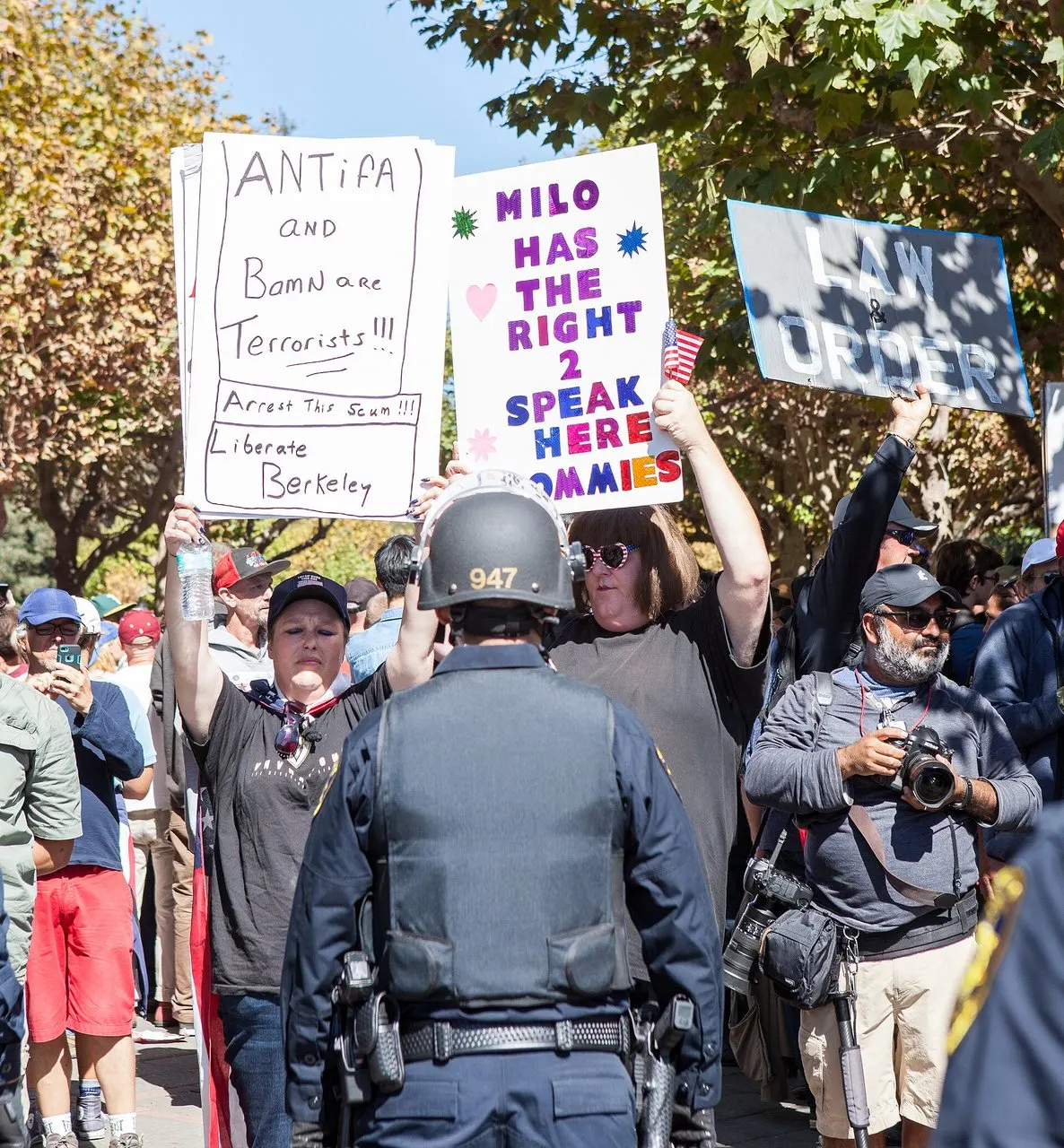
The real test of free speech is not whether we defend the views we like. It is whether we defend the principle when we strongly disagree with what is being said. The Russell Brand video is unpopular with many people, and the jury verdict stands. Yet the right to say he is innocent is part of the same freedom that protects every other voice. If governments can press platforms to remove content they find objectionable, that power will not stop at one video. Read when politics divides friends.
Protecting Victims Comes First for Many People

Many people put the victims first in this debate. They say a video in which a convicted man calls himself innocent can cause real pain to the people he harmed. Hearing that message spread online can feel like the trial never ended. Supporters of removal say protecting victims should matter more than a debate about free speech. They argue that a short clip can do lasting harm. That view is strong, and it is why the Prison Service made its request in the first place. Read a student reunited with her mother.
How the Russell Brand Video Spread Online
A video on a big YouTube channel can reach millions of people in a single day. Viewers share the link, news sites pick it up, and clips travel to other apps within hours. That speed is why the Russell Brand video became a national story so fast. Today, one upload can shape the public debate before officials have time to react. The reach of the platform is part of what makes the removal question so sharp. Read wrestlers who looked very different as teens.
The Russell Brand Video and the Man Behind It
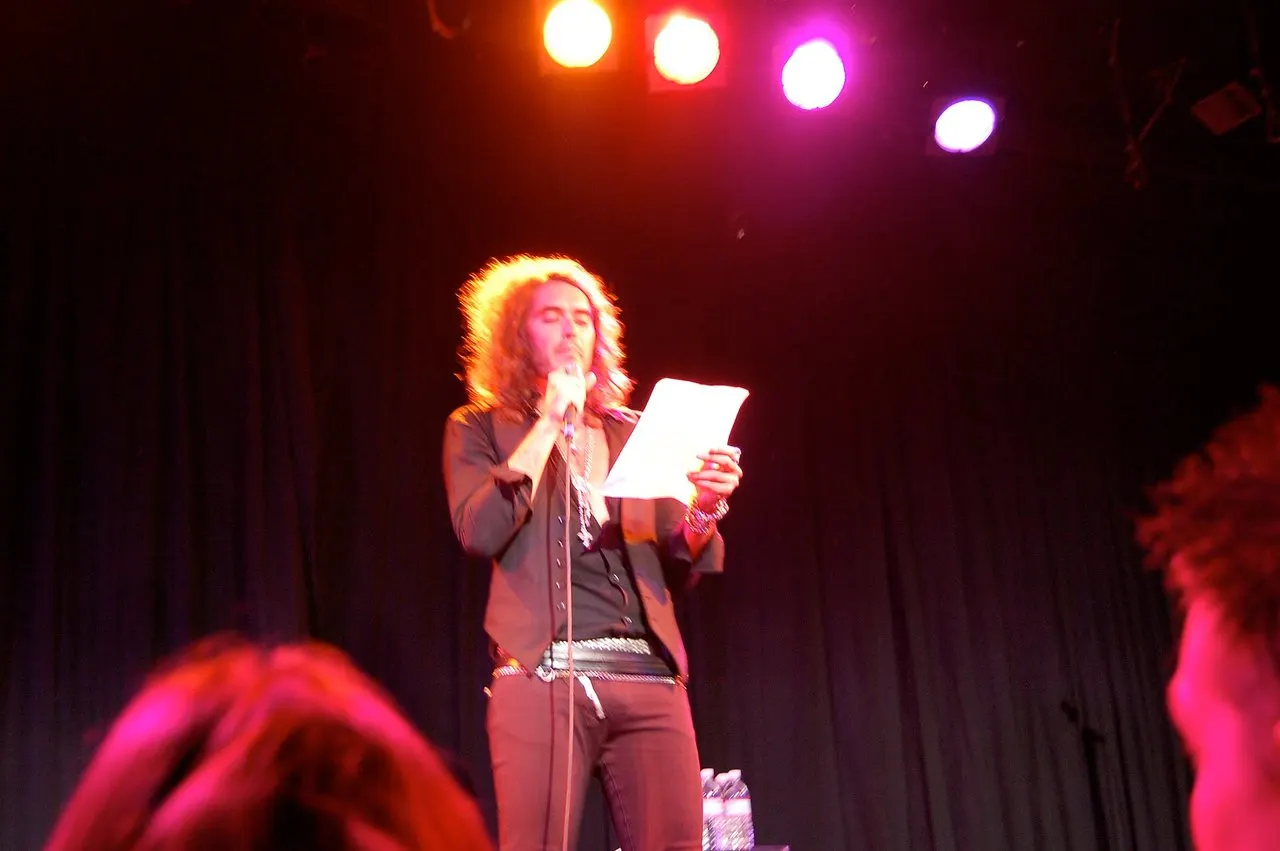
Russell Brand built his fame as a comedian, an actor and a television presenter before he became a YouTube creator. He hosted radio and television shows in Britain, appeared in films, and later built a large online audience with long talks and interviews. His channel mixes comedy, comment and interviews, and it grew into a major platform of its own. That history matters, because his audience did not appear overnight. It grew over years of work in public life. Read an actor remembered at 66.
Inside Southwark Crown Court
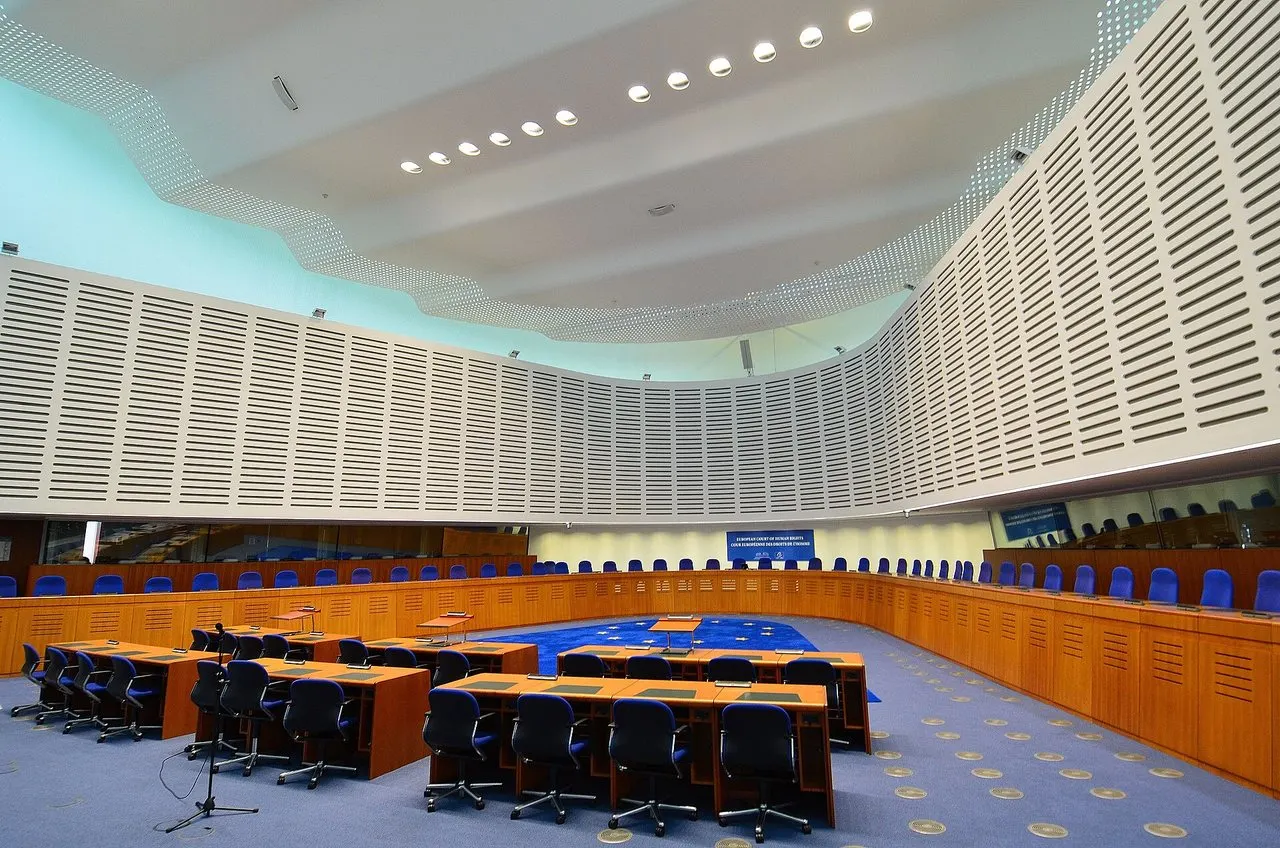
Southwark Crown Court sits in south London, near the River Thames. Crown Courts in England and Wales hear serious criminal cases, and a jury of ordinary people decides whether the accused is guilty. The court in Southwark has hosted many famous trials over the years. Inside, the judge guides the process, lawyers present the evidence, and the jury listens before it retires to decide. The building itself is plain, but the work inside shapes lives. Read the debate over legal fees in a high profile case.
Twelve Ordinary People Decide the Verdict
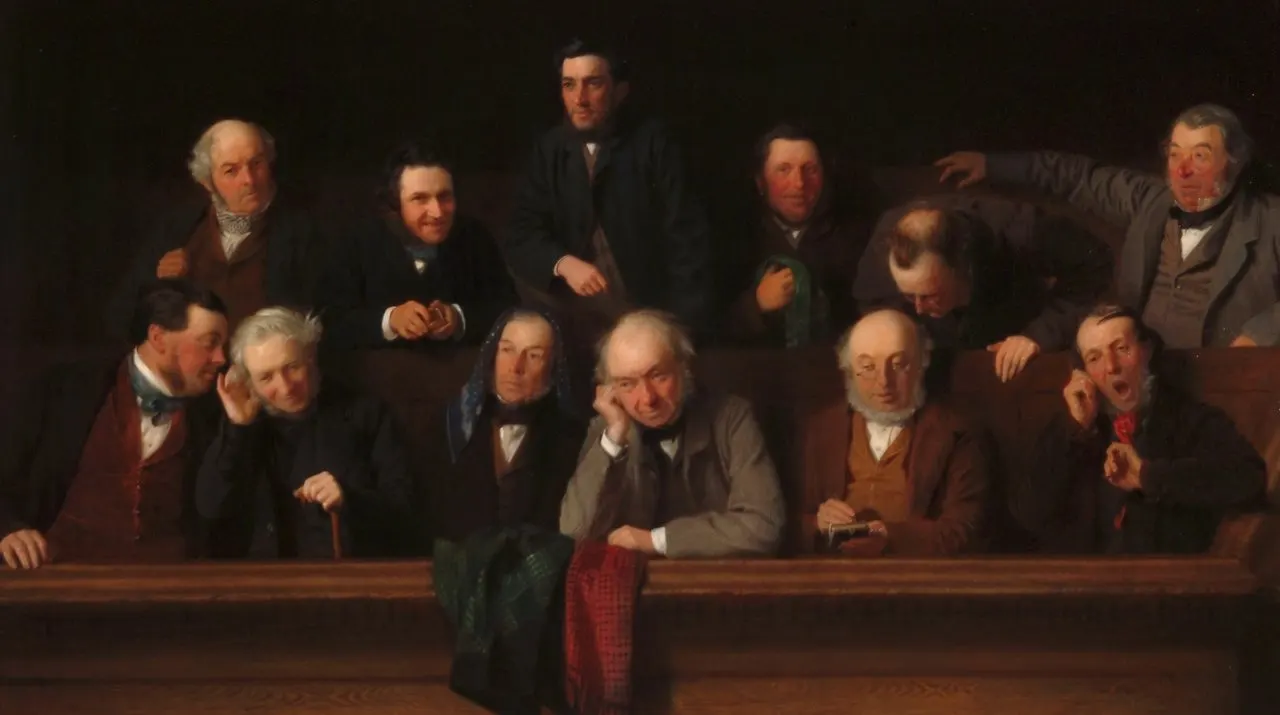
A jury in England and Wales is made up of twelve ordinary people chosen at random from the electoral roll. They must listen to all the evidence, follow the judge’s directions on the law, and reach a verdict together. Most verdicts must be agreed by at least ten of the twelve. The system trusts everyday citizens with the hardest decisions in the law. That trust is why the verdict in this case carries such weight. Read Mississippi’s first Black senator since Reconstruction.
Life Inside a British Prison

The Prison Service runs the prisons in England and Wales. Its job is to hold people safely, to keep order inside, and to prepare prisoners for release. It also speaks for the state when a case touches the people in its care. Its request to Google came from that role, because it deals with victims and families every day. Prisons are closed worlds, but what happens inside them often reaches the public through the courts and the press. Read a tiny lab grown pancreas.
How a Phone Can Carry a Message Around the World
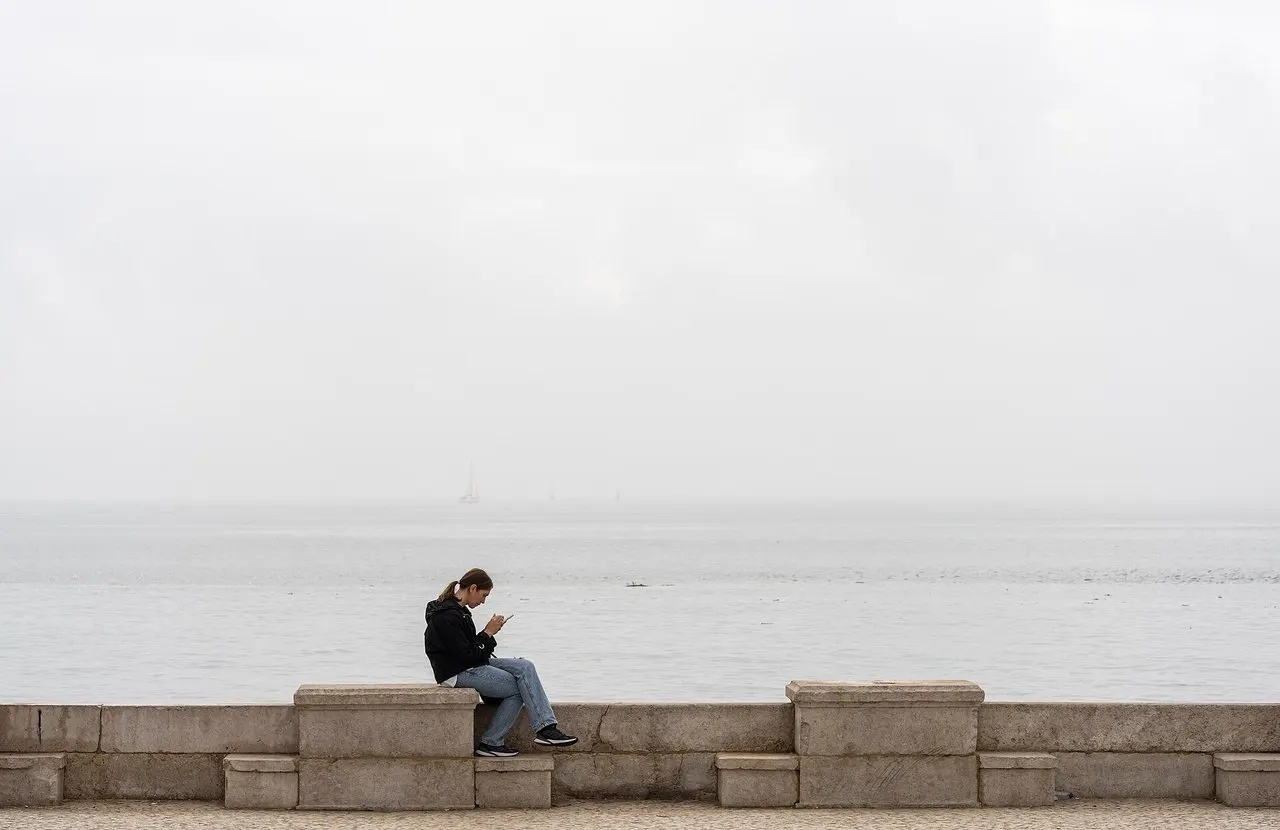
A phone in a pocket can carry a message to the whole world in minutes. That is how the Russell Brand video reached so many people so fast. A viewer watches, shares the link, and the clip jumps from one app to another. News sites then pick it up, and the story grows beyond the channel. A generation ago, a message from prison would have waited for a letter or a visit. Today, the phone in your hand is the fastest press in history. Read young people wishing for cash during an outage.
The Russell Brand Video and the Rules That Decide
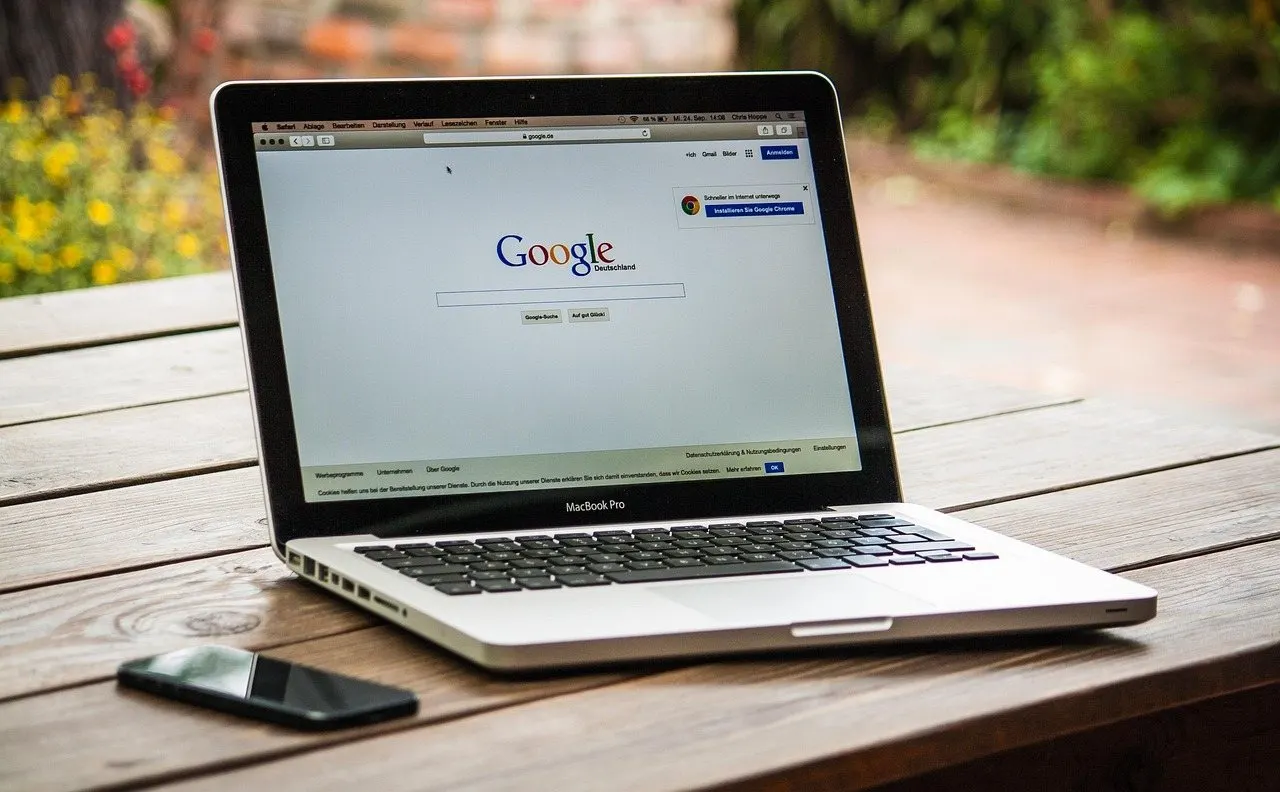
YouTube has written rules about what videos may stay up. The rules ban hate, threats, graphic harm and some false claims, but they do not ban a person from saying he is innocent. Google said the Russell Brand video did not break those rules, so it stays. The rules are written by the company, and its staff apply them case by case. The power to write the rules is the power to shape public speech. Read a briefing that turned into a debate about fairness.
The People Who Feel the Video Most

For the victims, the video is not a debate about ideas. It is a voice they know, speaking about a case that changed their lives. Every share and every view can feel like the harm is being repeated in public. Support groups say victims need time and quiet to heal, and a viral clip takes both away. The law can punish a crime, but it cannot stop a person from speaking after the trial. Read a student reunited with her mother.
London Reacts to a Story That Divides Opinion

In London, the story has divided opinion in homes, offices and pubs. Some people say the video should stay, because free speech must cover unpopular views. Others say it should go, because the victims have suffered enough. The debate crosses party lines and age groups, and it shows up in comments under every news story. Britain has a long habit of arguing about free speech in public. This case has given that old argument a new and urgent form. Read when politics divides friends.
Free Speech Law in Britain Is Not Like America
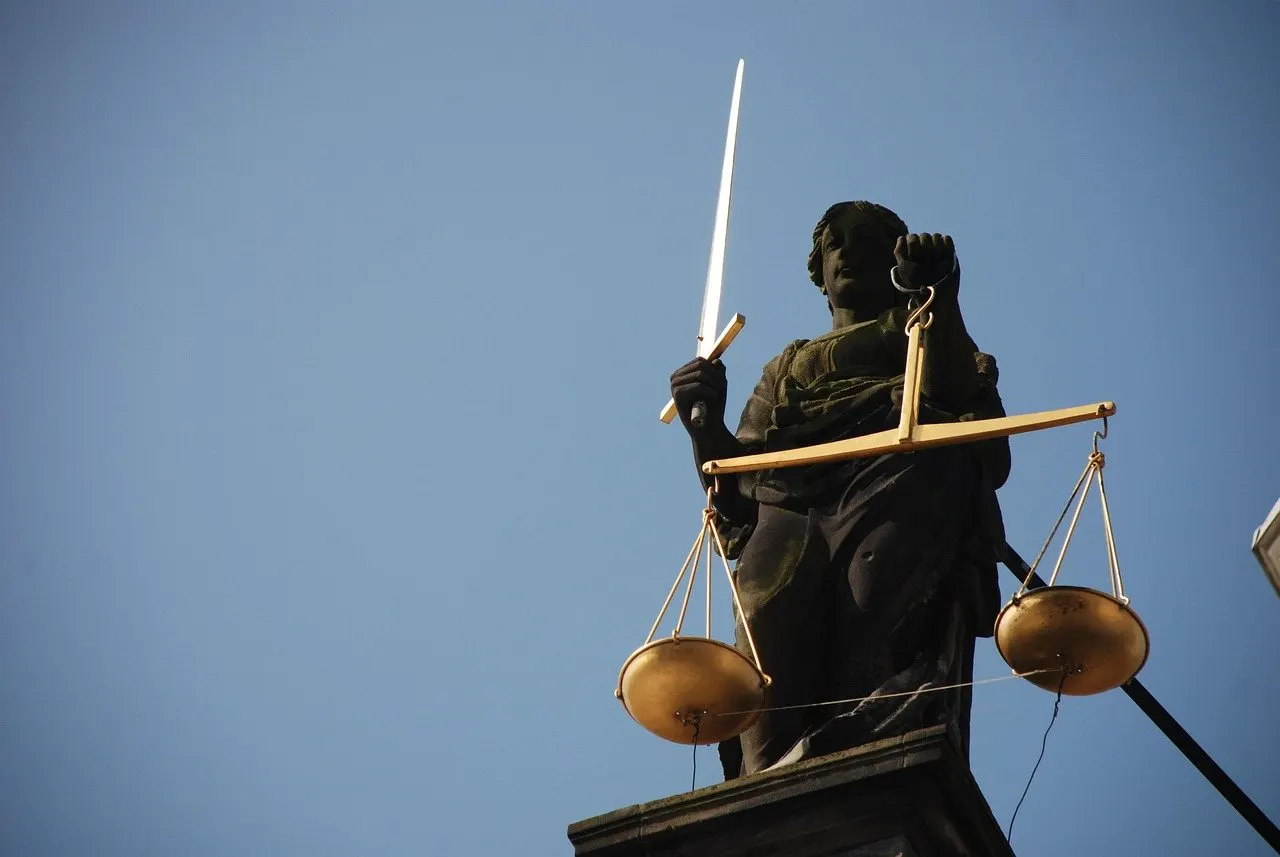
Britain has no First Amendment like the United States. Free speech in the UK is protected by Article 10 of the European Convention on Human Rights, but that right can be limited by law. Courts can weigh free speech against privacy, safety and the rights of others. In America, the state faces a much higher bar before it can limit speech. The difference matters here, because the UK government can ask a platform to act, yet it still cannot order a removal. Read the debate over whether lawmakers should resign.
The Russell Brand Video Stays Up for Now
For now, the video stays on YouTube, and anyone can watch it. Google has not changed its mind, and the government has not found a legal way to force a removal. The clip may stay up for months or years, and it will keep drawing views and comments. The story is not over, because the debate it started is still growing. The next move may come from the courts, the platforms or the public. Read strange vintage bakes that really work.
What Happens Next for Russell Brand
After a conviction, a person in England and Wales can ask for permission to appeal. An appeal does not rehear the whole trial. It asks a higher court whether the trial was fair and the verdict was safe. Lawyers must find a real legal ground, such as a mistake by the judge or new evidence. Appeals are hard to win, and many are refused at the first stage. The option exists in law. Read the debate over legal fees in a high profile case.
What the Russell Brand Video Means for Creators
For online creators, the case is a warning about who holds the power. A platform can take away the money, limit the reach, or remove a video, and the creator has little say. At the same time, a creator with a big audience can still reach millions even after losing the ads. The balance between a company, a creator and the state is still being worked out. This video shows that none of the three can fully control what the public sees. Read a workplace where leave is approved without questions.
Should Google Have Taken the Video Down
So what do you think? Should Google have taken the video down, or was it right to leave it up? The victims deserve care, and free speech deserves protection, and this case pulls those two duties in opposite directions. There is no easy answer, and that is why people are still arguing about it. Tell us where you stand in the comments below, and share this gallery with someone who cares about free speech. Read about when politics divides friends.