Rohingya Genocide Ruling: What the World Court Decided
The Rohingya genocide ruling arrived on November 19, 2026, when the International Court of Justice found Myanmar responsible for genocide against the Rohingya. The judges voted 9 to 6 in the case called The Gambia v. Myanmar, which looked at the military operations in northern Rakhine State in 2017. It was the first time the world court had found a whole country responsible for committing genocide, and the decision was watched around the world. You can read the world court ruling on the Rohingya case for the full background.
The court also ordered Myanmar to pay reparations to victims, to investigate and prosecute those responsible, and to let displaced Rohingya return home safely and with dignity. It also called for the restoration of their citizenship, which a law passed in 1982 had taken away. In the slides ahead we explain how the case reached the court, what the judges decided, and what may happen next for the families who are still waiting. See Britain’s response to the ruling for how other countries reacted.
References:
Source: International Commission of Jurists: Myanmar Landmark Genocide Judgment Must Lead to Real Accountability and Reparations for Rohingya Victims and Survivors
Source: Amnesty International UK: International Court of Justice Genocide Ruling on Myanmar Background and Next Steps
Source: Council on Foreign Relations: With Genocide Ruling Justice Finally Descends Upon Myanmar and the Rohingya
Source: Associated Press: Reactions From The Hague After Top UN Court Says Myanmar Committed Genocide Against the Rohingya
The Rohingya Genocide Ruling Arrives in The Hague
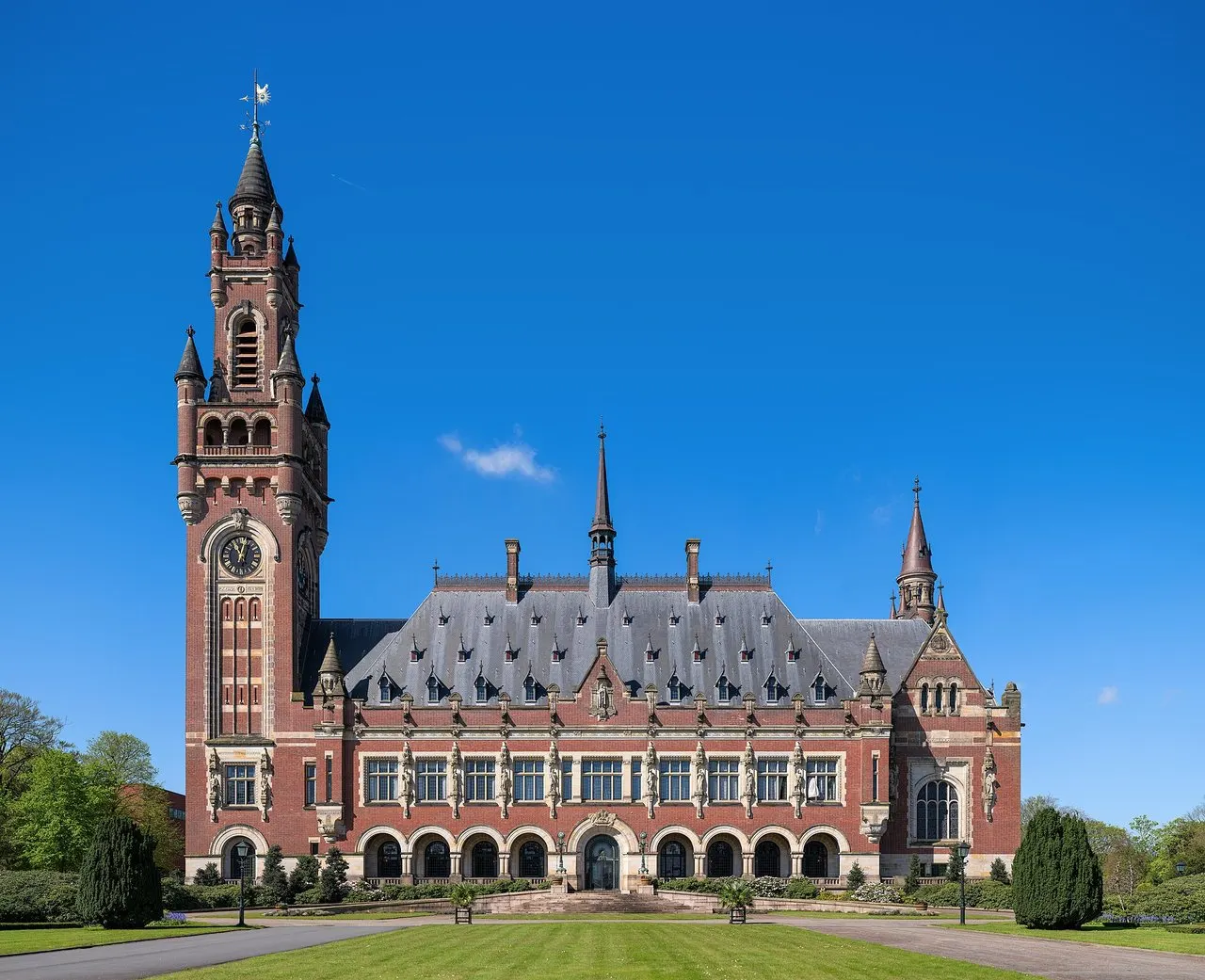
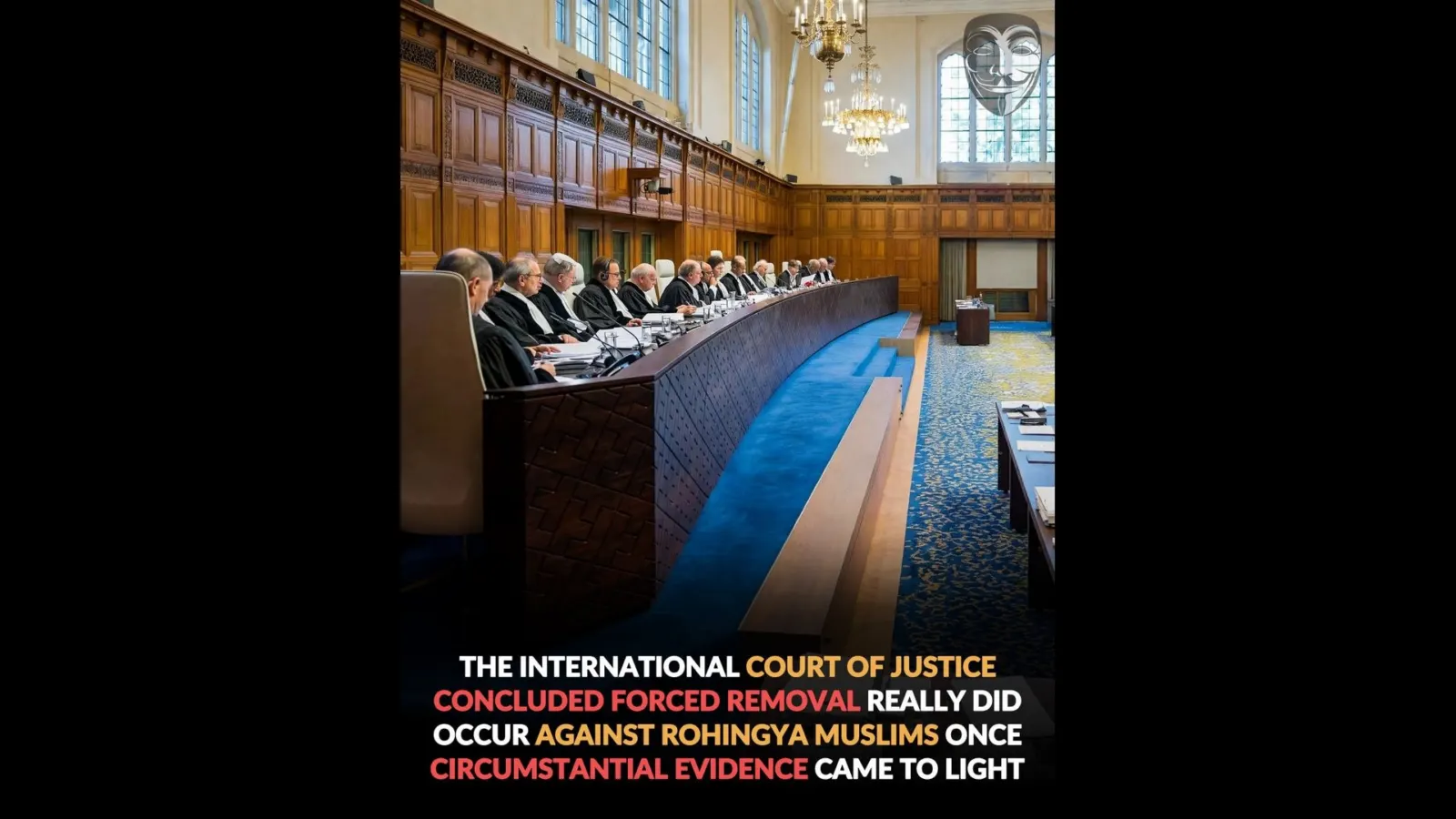
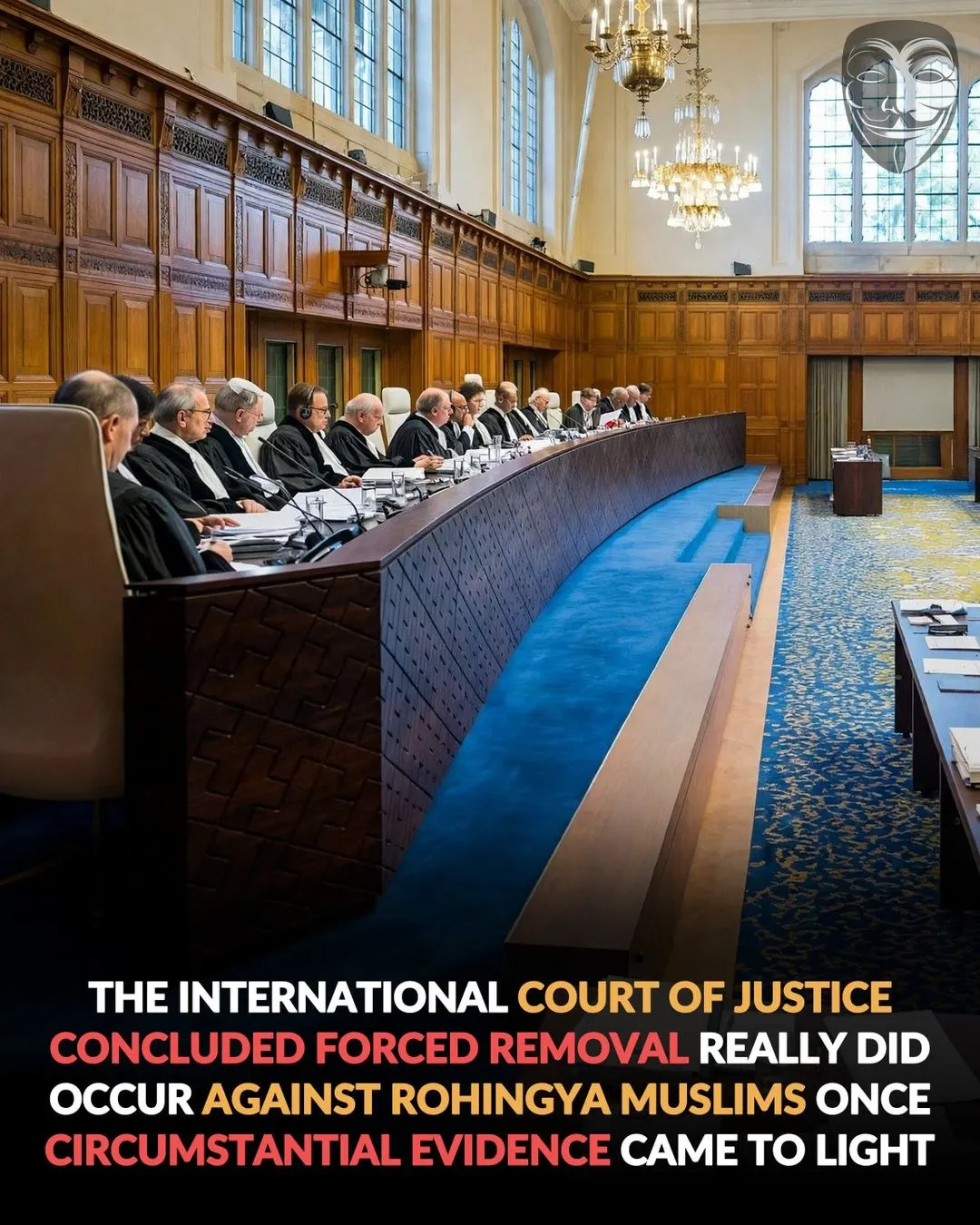
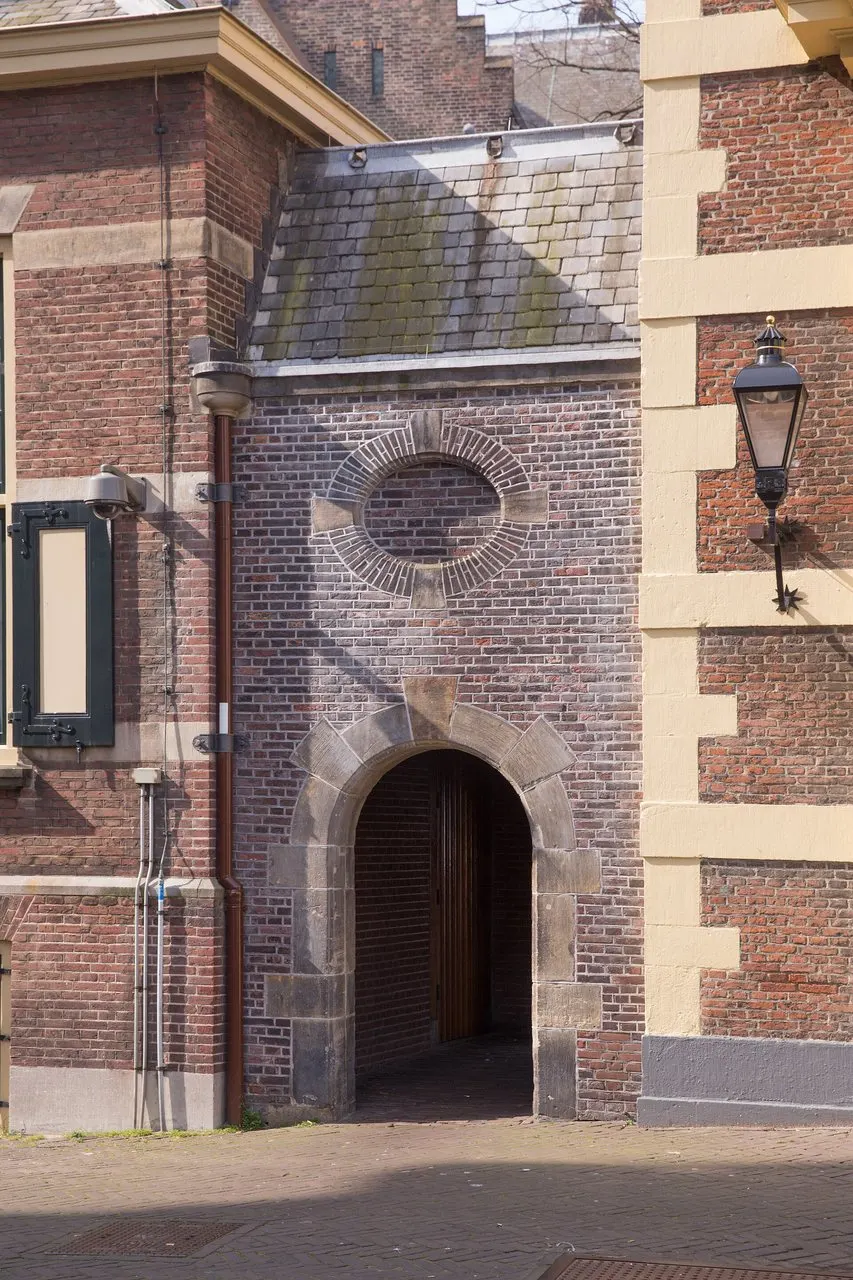
On November 19, 2026, the judges of the International Court of Justice gathered in the Great Hall of Justice at the Peace Palace in The Hague to read their decision. The court sits in the Netherlands, in a palace that opened in 1913 as a home for settling disputes between countries through law. Crowds of reporters and supporters waited outside for news, and the result traveled around the world within minutes. Read how the court reached its decision and a recent United Nations vote for more context on the day.
The Gambia Brought the Case for the Rohingya
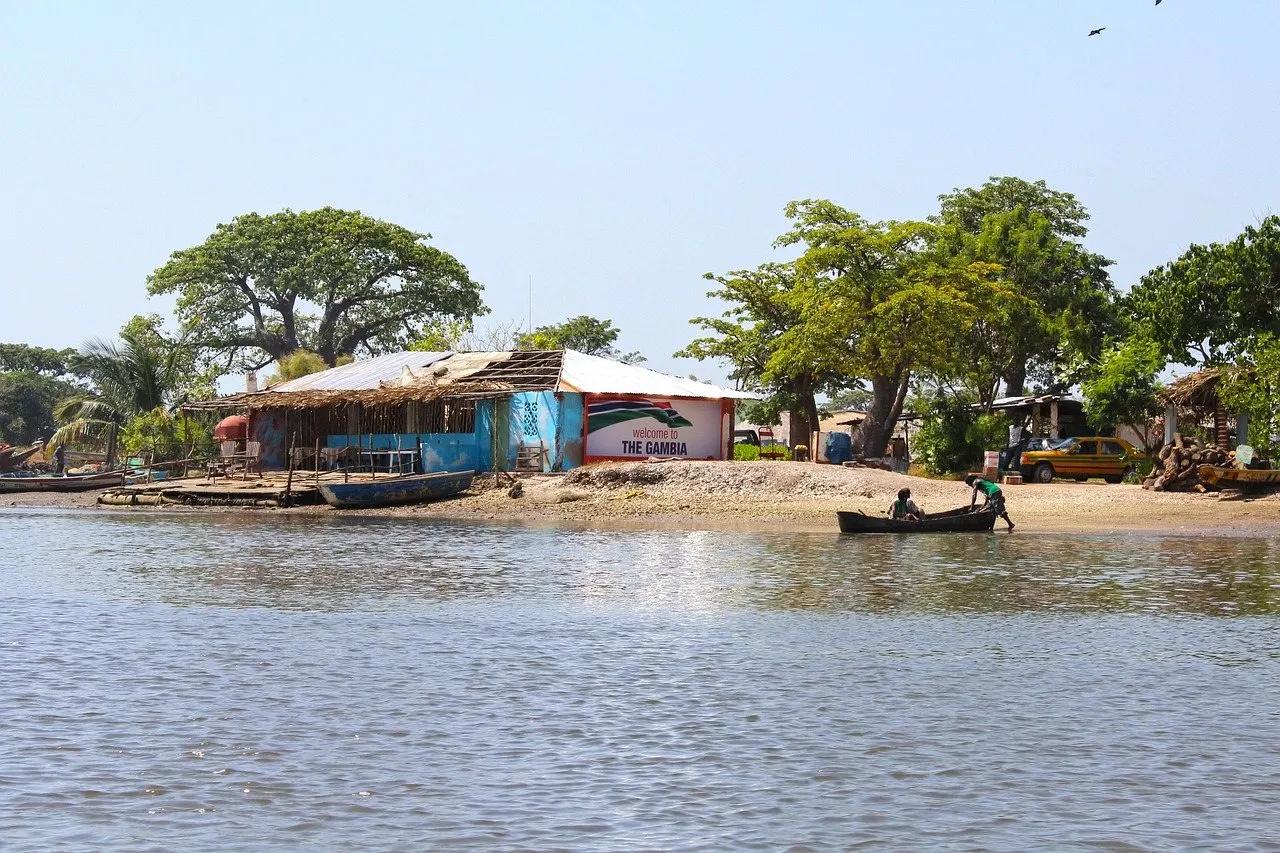
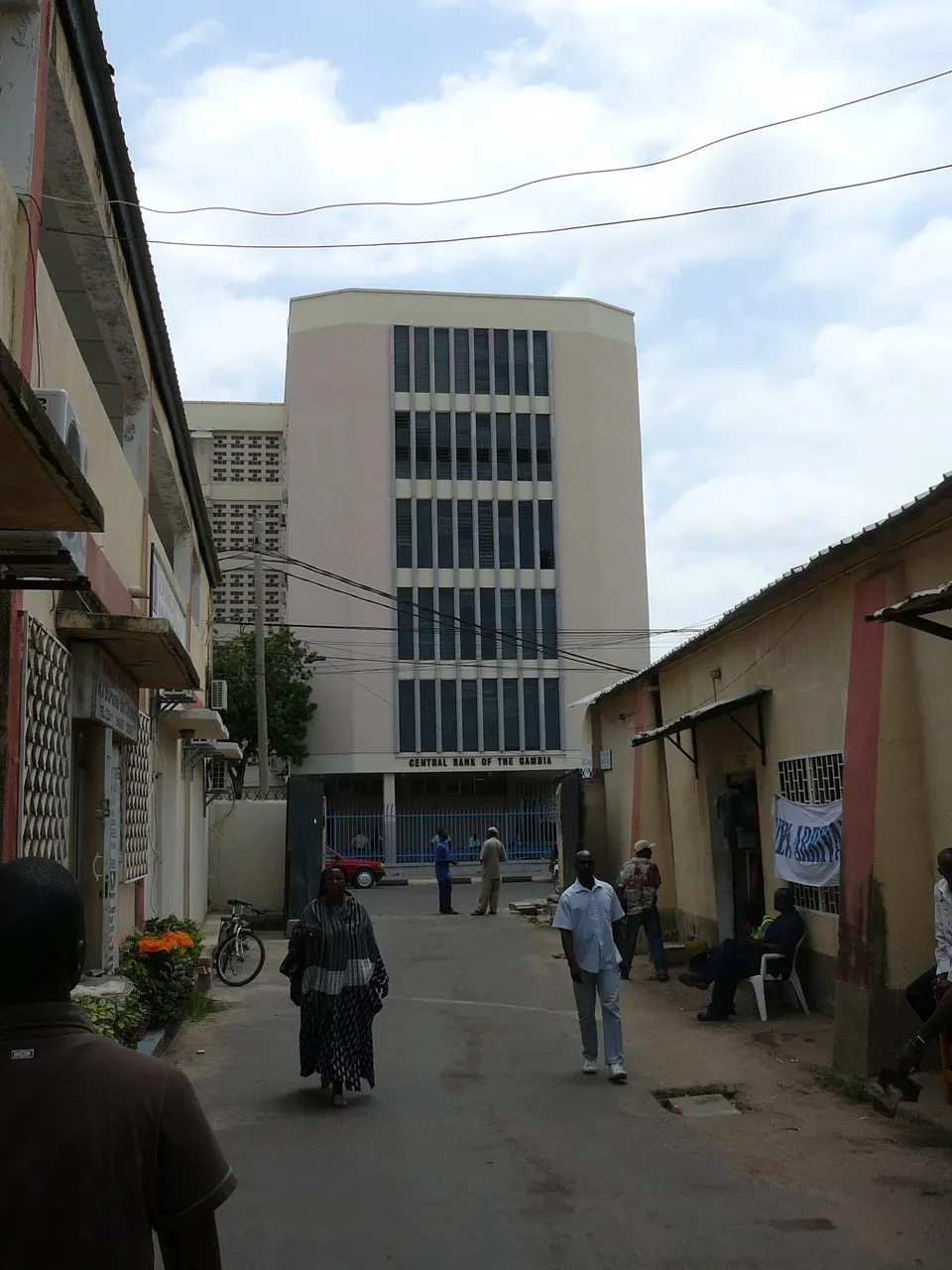
The case reached the court because The Gambia, a small country in West Africa, decided to act. Its government filed the case in 2019, arguing that Myanmar had broken the Genocide Convention, a treaty that almost every country in the world has signed. The Gambia’s justice minister, Abubacarr Tambadou, presented the case in person at The Hague. Learn how a senator put it that lady justice is blind and how a petition forced a House vote to see how others fight for fairness.
What Happened in Rakhine State in 2017
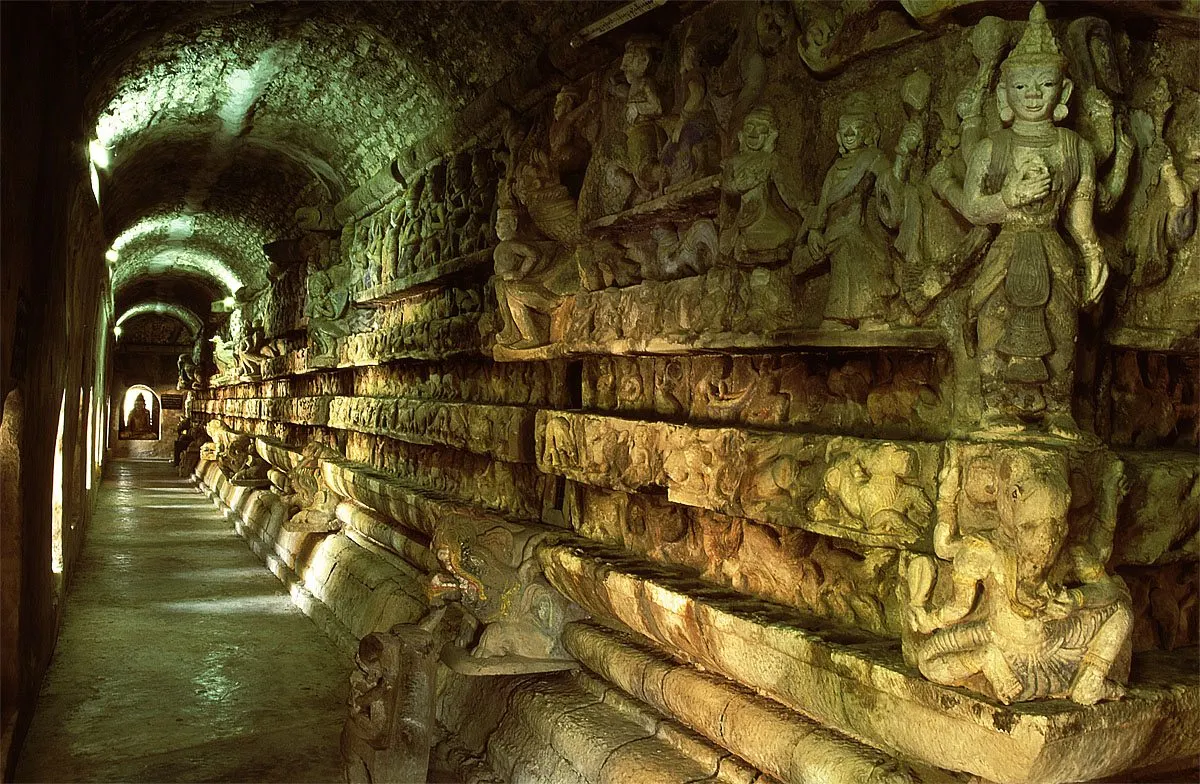
The case centered on the military operations that Myanmar carried out in northern Rakhine State in 2017. Rakhine State sits in western Myanmar, on the coast of the Bay of Bengal, and it is home to most Rohingya families. When the operations began, whole villages were emptied as people fled for their lives. Hundreds of thousands crossed into Bangladesh, and many have lived in crowded camps there ever since. See our report on the world court ruling and the story of a student reunited with her mother for more on families torn apart.
The Rohingya Genocide Ruling Is a First for the World Court
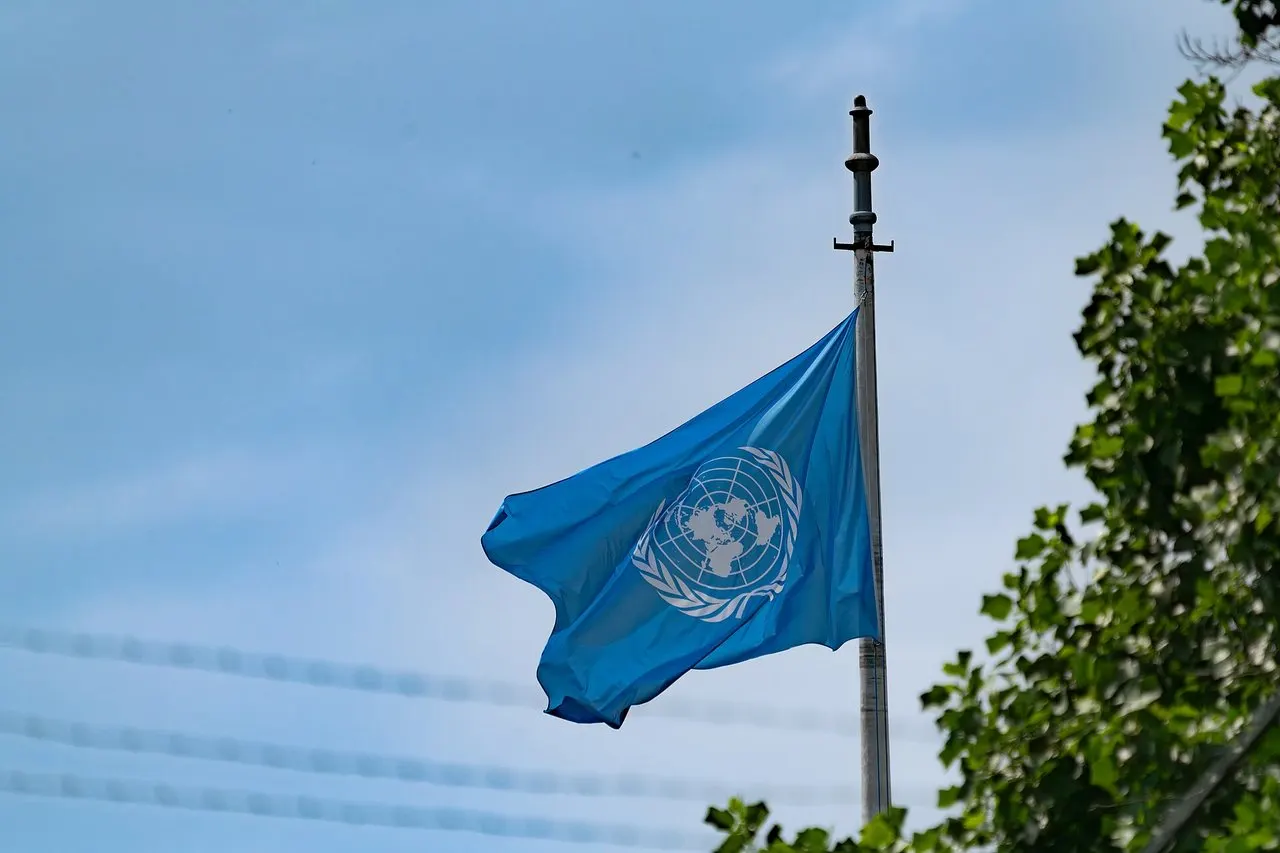
The Rohingya genocide ruling broke new ground because it was the first time the court had found a whole country responsible for committing genocide. The court is the main judicial arm of the United Nations, and its fifteen judges are chosen from countries around the world to serve nine year terms. Until this case, the court had never gone this far against a state. That is why lawyers and historians called the decision a landmark. Read how two justices clashed at the Supreme Court and a deal debate in Washington for more on courts making history.
The Rohingya Genocide Ruling Passed Nine to Six
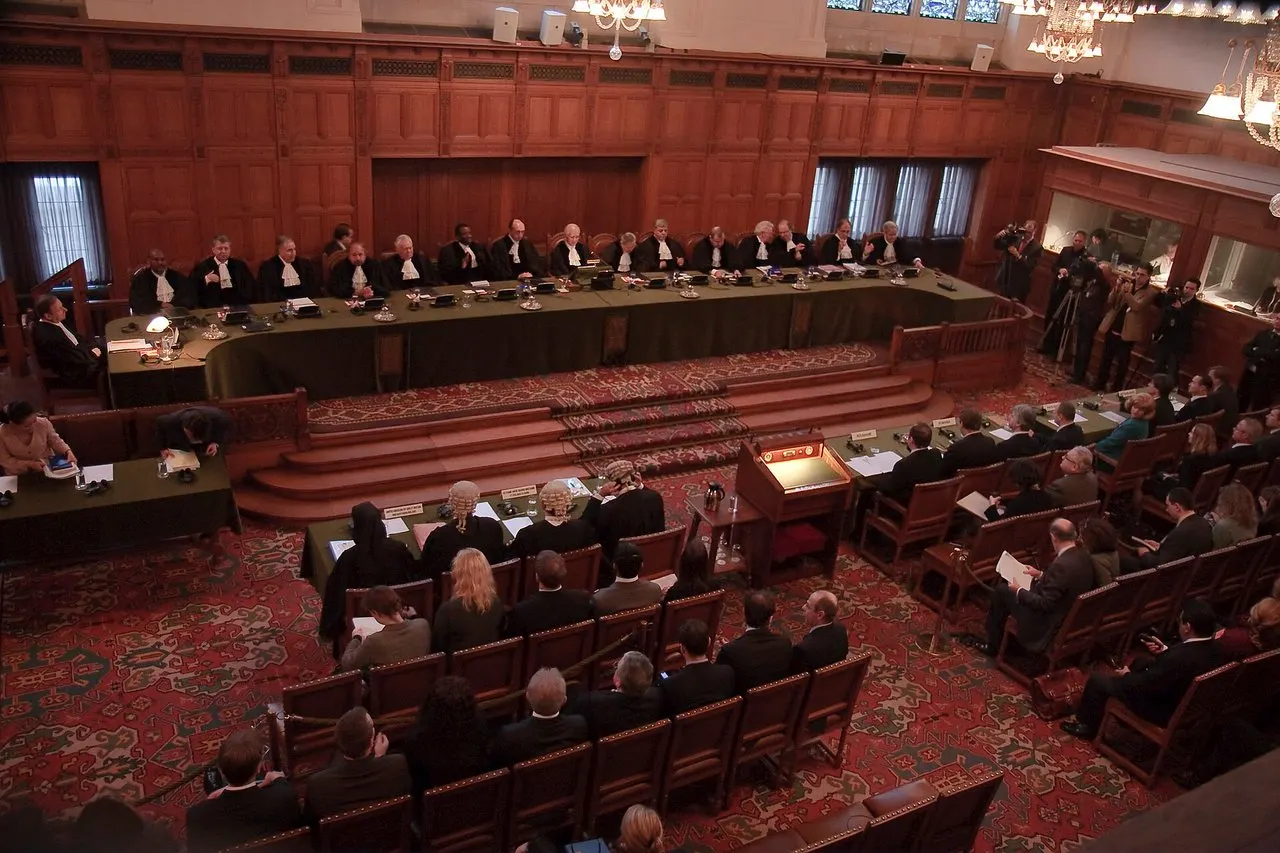
The judges voted 9 to 6, a close result that showed how hard the questions in this case were. The majority found that forced removal really did occur against Rohingya Muslims once the circumstantial evidence came to light. Six judges disagreed, which is normal in a court that asks fifteen people from different legal traditions to judge one of the gravest charges in international law. The split did not change the result. See a federal court ruling on tariffs and a debate about older leaders for more on close calls in public life.
What Reparations Could Mean for Victims
The court ordered Myanmar to provide reparations to victims, which means payment and support for the harm that was done. Reparations in cases like this can take many forms, from money for families who lost homes and loved ones to help rebuilding villages and lives. The exact amounts and programs will take time to work out, and the court will watch how Myanmar responds. For now, the order gives victims a legal right to ask for repair. Read Britain’s response to the ruling and a call to impeach a health chief for more on demands for action.
The Order to Investigate and Prosecute
The judges also ordered Myanmar to investigate and prosecute the people responsible for what happened in Rakhine State. That order matters because a ruling alone does not put anyone on trial. Investigators must gather evidence, name suspects, and bring them before a court, and that work can take years. Human rights groups say real trials are the only way to show that no one is above the law. See how a senator put it that lady justice is blind and a petition forcing a House vote for more on the long road to justice.
The Rohingya Genocide Ruling Orders a Safe Return Home
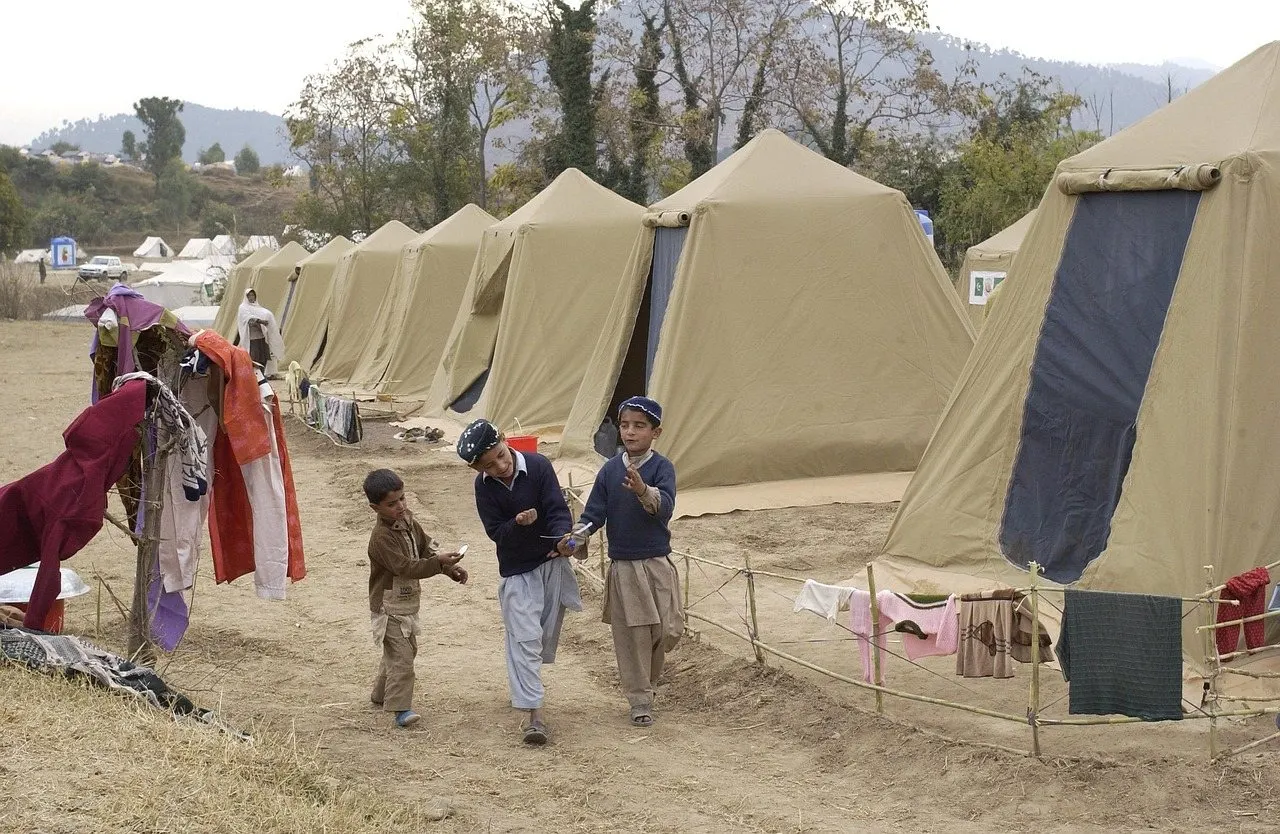
The ruling also ordered Myanmar to allow displaced Rohingya to return home safely and with dignity. More than a million Rohingya now live in crowded camps around Cox’s Bazar in Bangladesh, and many have waited there since 2017. A safe return means going back by choice, to homes that are still standing, in villages where they can live without fear. Aid groups say that promise will be tested in the months ahead. Read the story of a student reunited with her mother and a recent United Nations vote for more on coming home.
Citizenship Taken Away in 1982
The court also called for the restoration of Rohingya citizenship, which a law passed in 1982 had taken away. That law left hundreds of thousands of people stateless in their own homeland, without papers that prove who they are. Without citizenship, families struggle to send children to school, to travel, to work legally, and to take part in public life. Giving it back would be a big step toward a normal life. See a row over citizenship and a recent United Nations vote for more on the rights that papers protect.
Who the Rohingya Are
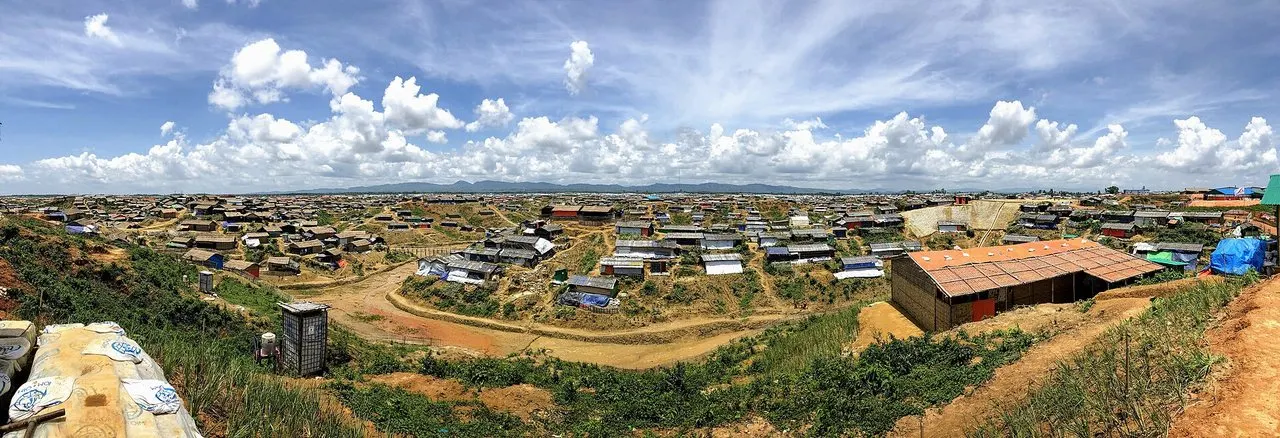
The Rohingya are a Muslim minority who have lived in Myanmar for generations, mostly in Rakhine State. They have their own language and culture, and their families have farmed and fished along the western coast for centuries. Yet Myanmar has long refused to recognize them as one of its peoples, and many were left without citizenship. Rights groups have called them one of the most persecuted minorities in the world. Learn how a senator put it that lady justice is blind and how two justices clashed at the Supreme Court for more on people fighting to be seen.
The Long Road to The Hague
The road to this decision was long. The Gambia filed its case in 2019, and in 2020 the court ordered Myanmar to take urgent steps to protect the Rohingya while the case moved forward. Myanmar’s leader at the time, Aung San Suu Kyi, traveled to The Hague in person to defend her country. Years of hearings and written arguments followed before the judges were ready to give a final answer. Read a deal debate in Washington and a federal court ruling on tariffs for more on cases that take years to settle.
The People at the Center of the Rohingya Genocide Ruling
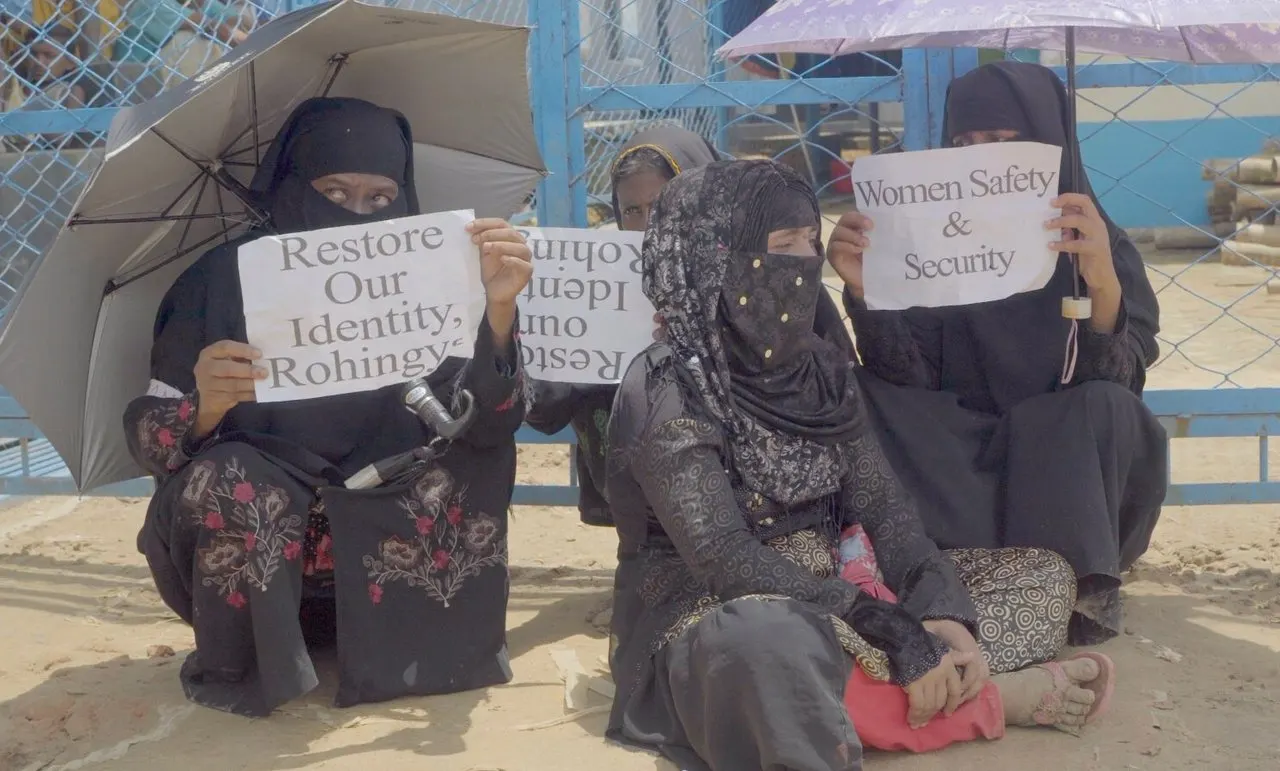
This ruling is about real people, not just laws and courts. Behind the case are mothers and fathers who lost homes, children who grew up in camps, and elders who still remember the villages they left behind. Many survivors gave evidence about what they saw and lived through, even when telling the story was painful. Their voices helped the judges see the human cost of the events in 2017. See Britain’s response to the ruling and a petition forcing a House vote for more on people who refuse to be silent.
Reactions From The Hague
News of the decision spread quickly from The Hague, and the Associated Press reported reactions from the court and beyond. Human rights groups welcomed the ruling and said it must now lead to real change for victims. Governments that had followed the case for years weighed in, and lawyers began to study what the judgment means for other cases. The reaction showed how closely the world had watched this court. Read a federal court ruling on tariffs and a row over citizenship for more on big decisions and their echoes.
What Accountability Groups Are Asking For
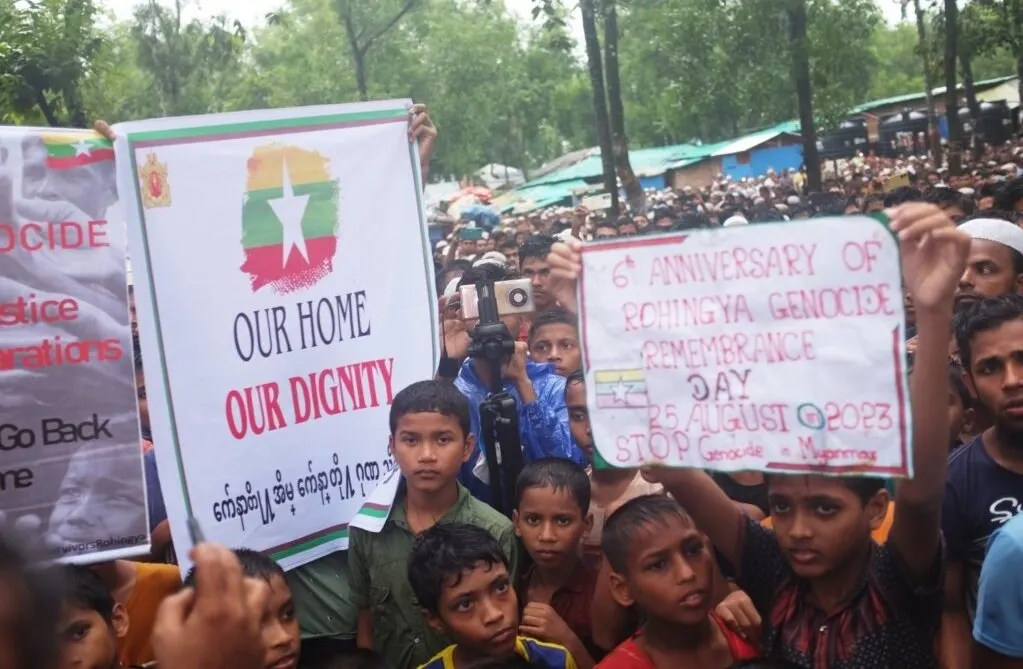
Rights groups say the judgment must lead to real accountability and reparations for Rohingya victims and survivors. That was the message from the International Commission of Jurists, which called on the world to turn the court’s words into action. Amnesty International set out the background of the case and the next steps that should follow. A ruling is only the start, and the test is what changes on the ground. See the story of a student reunited with her mother and a call to impeach a health chief for more on people who keep pressing for change.
What Happens Next for Myanmar
Now the focus turns to what Myanmar will do. The court has spoken, but the court has no police force of its own, so it depends on countries and the United Nations to press for compliance. Myanmar must report back on the steps it takes, and the case will stay in the public eye. For the Rohingya, the months ahead will show whether the ruling brings safety, papers, and a way home. Read a debate about older leaders and a deal debate in Washington for more on what happens after a big decision.
Why the Rohingya Genocide Ruling Matters Beyond Myanmar
The Rohingya genocide ruling matters far beyond Myanmar because it shows that a country can be held responsible for genocide by the world court. Other governments facing similar claims will study every page of the judgment, and victims in other places may take hope from it. As one report put it, justice finally descended upon Myanmar and the Rohingya. The decision may shape how the world handles such cases for years. See a row over citizenship and a debate about older leaders for more on rights that cross borders.
What Do You Think Justice Should Look Like Now?
The court has given its answer, but the story is far from over. Families are still waiting in camps, Myanmar must still act, and the world must still decide how hard to press for change. If you could ask the judges one question, what would it be, and what do you think justice should look like for the Rohingya now? Share your thoughts in the comments below, and keep reading a call to impeach a health chief and how two justices clashed at the Supreme Court.