The Micah Washington Lawsuit Seeks 20 Million Dollars
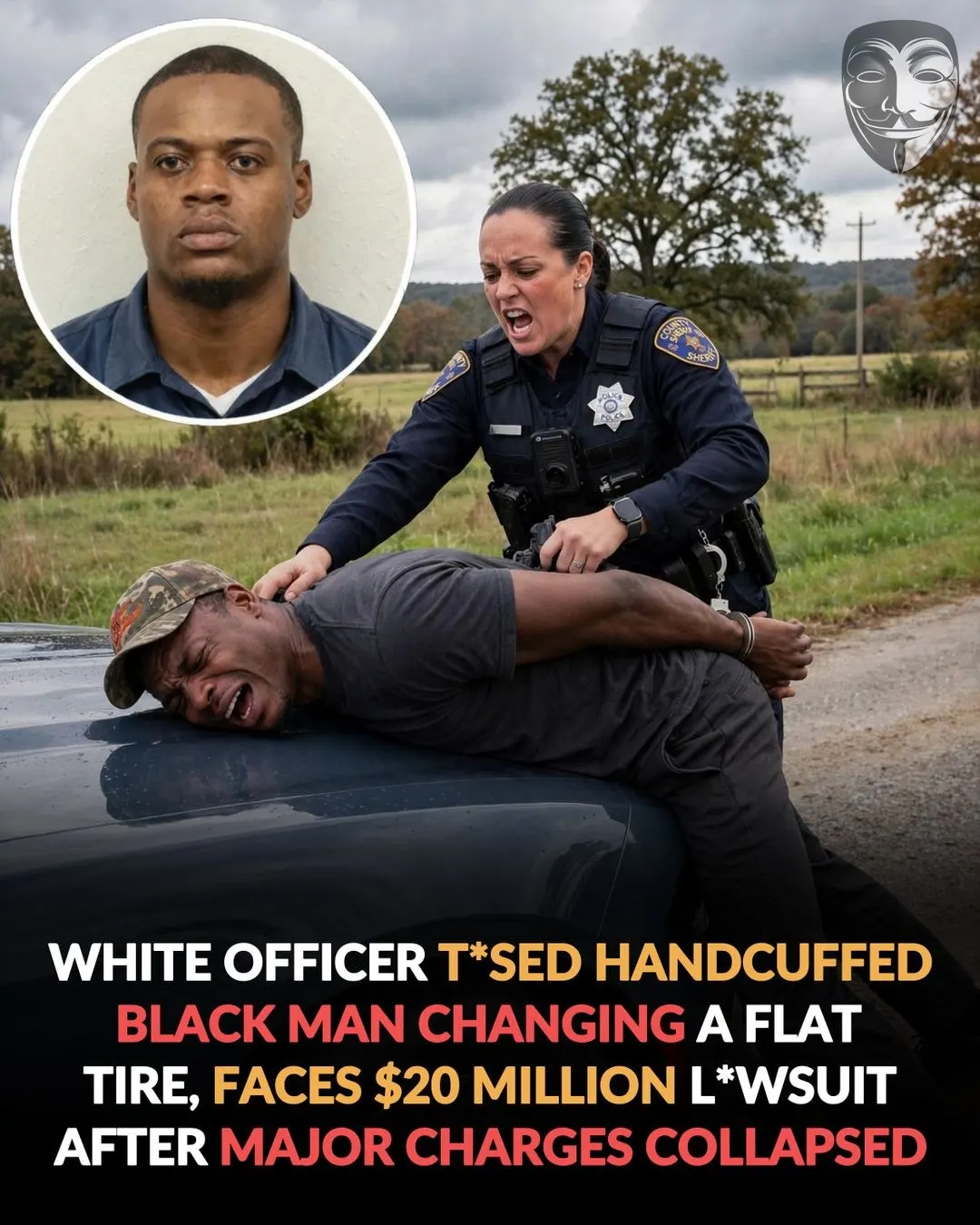
The Micah Washington lawsuit began on a quiet Alabama roadside on December 2, 2023, when a flat tire turned into a night that changed three lives. Micah Washington, then 24, was changing the tire on County Road 27 near Reform with his friend Jacorien Henry and his younger brother when Reform Police Officer Dana Elmore pulled up and asked for identification. Washington questioned why ID was needed for changing a tire, but he complied, and the stop still escalated into handcuffs, a patrol car hood, and a taser.
The charges that followed soon fell apart, one by one, until nothing was left of the case against him. In January 2025, Washington, Henry, and his brother’s next of kin filed a 20 million dollar federal lawsuit against the City of Reform and the Elmores, and it is still active in federal court today. In the slides ahead, we walk through what happened on that road. For another case that reached federal court, read about a federal case the Justice Department decided to drop.
References:
Black America Web: Police Taser L*wsuit Black Man Sues Alabama Cops For 20 Million Dollars
ABC 3340: Officer Identified in Viral Tasing Video City Awaits State Investigation
WVTM 13: Charges Dropped in Controversial Roadside Reform Arr*st
Reason: Alabama Cops Cooked Up Bogus Charges After Arresting Man They Tased While Handcuffed L*wsuit Says
A Flat Tire on County Road 27
On December 2, 2023, Micah Washington was dealing with a problem every driver knows well, a flat tire on County Road 27 near Reform, Alabama. His friend Jacorien Henry was with him, and his younger brother came over from a nearby relative’s home to help. They were not the subject of any reported call about crime. They were simply three young men fixing a tire near family, with no reason to expect trouble. Read about a family found at home after a frantic 911 call.
Officer Dana Elmore Pulled Up to the Scene
Reform Police Officer Dana Elmore pulled up while the three were still working on the tire. Nothing in the public account says anyone had called police about them. She approached Washington and ordered him to produce identification, turning a roadside repair into a police encounter in a matter of moments. A flat tire is a common sight on a rural road, and most drivers expect a passing officer to offer help or drive on. Read about a Kentucky police officer facing questions about his family.
A Simple Question About Identification
Washington asked why he needed to show ID for changing a tire, a fair question on a roadside where no crime had been reported. According to the federal complaint and his public account, he still complied with the order and handed over his identification. The question did not stop the encounter from growing tense. In a moment, a routine request became the start of an arrest. People often wonder what their rights are during a stop like this. See claims about crime after a large migrant crossing.
The Stop Quickly Escalated
What began as a flat tire and a request for ID escalated fast. Washington was tased, handcuffed, and moved to the hood of the patrol car, according to the complaint and his account. He has said an earlier tasing happened before the recorded part of the encounter began. The scene on a quiet county road had become a use of force case, with three young men caught in the middle of it and no crime reported against them. Read about a family tragedy during a 911 call.
Handcuffed on the Hood of the Patrol Car
Washington was placed face down on the hood of the patrol car while handcuffed, and the taser was used against his back while he cried out. That image, a handcuffed man on a car hood, is the one that stayed with everyone who saw the video. Being handcuffed is meant to bring a situation under control, yet the force continued after he was restrained. His younger brother watched it happen and kept filming. Read about a Kentucky police officer facing questions about his family.
The Taser Was Used on His Back
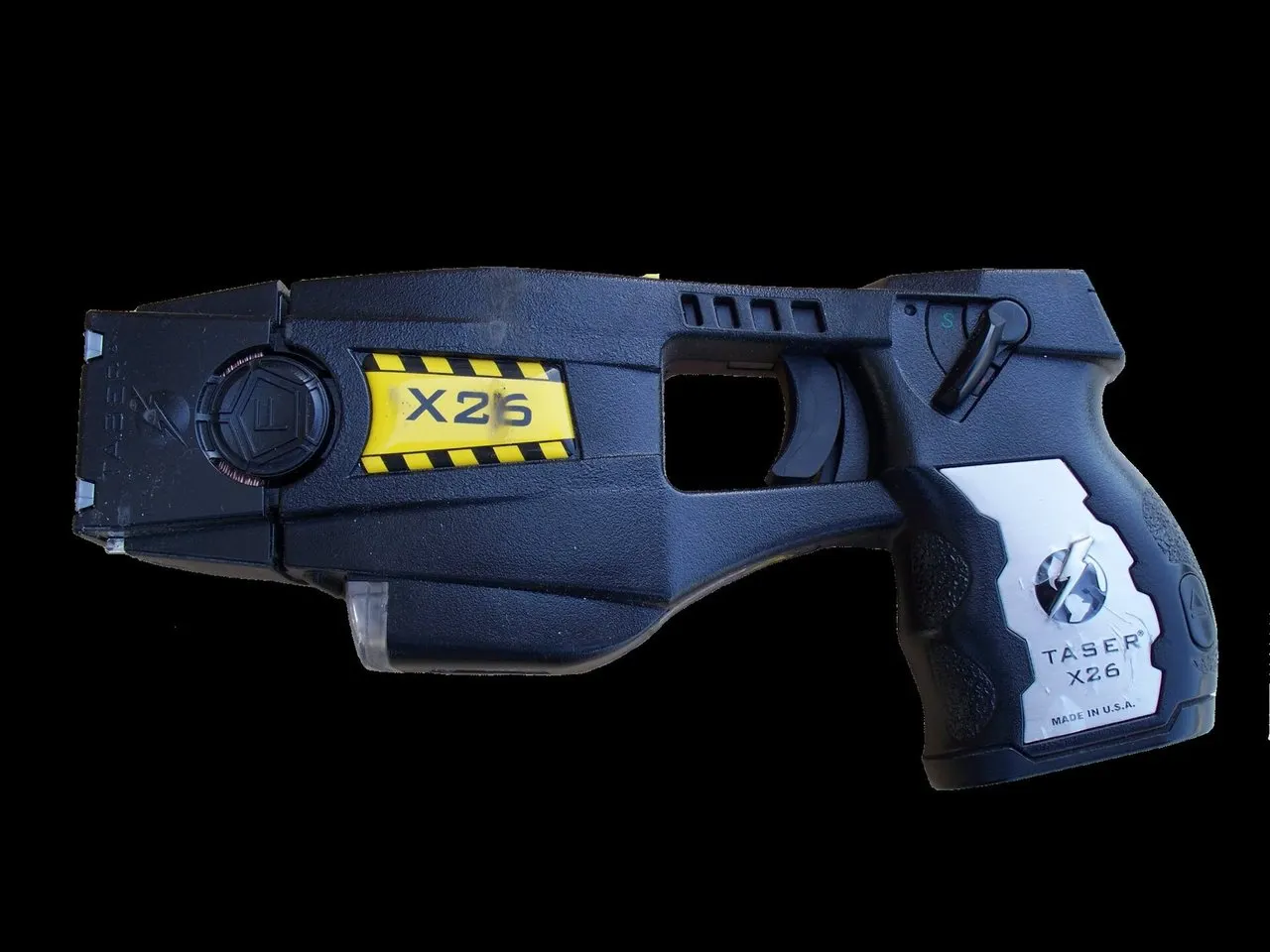
Cellphone video shows Elmore deploying a taser against Washington’s back while he lay handcuffed on the hood. He cried out as it happened. A taser is meant to subdue a person who is resisting, but Washington was already restrained when it was used. That timing is central to the lawsuit’s claim of excessive force. The video spread quickly across the country. Read a silent shrug that said more than words.
His Brother Filmed the Whole Encounter
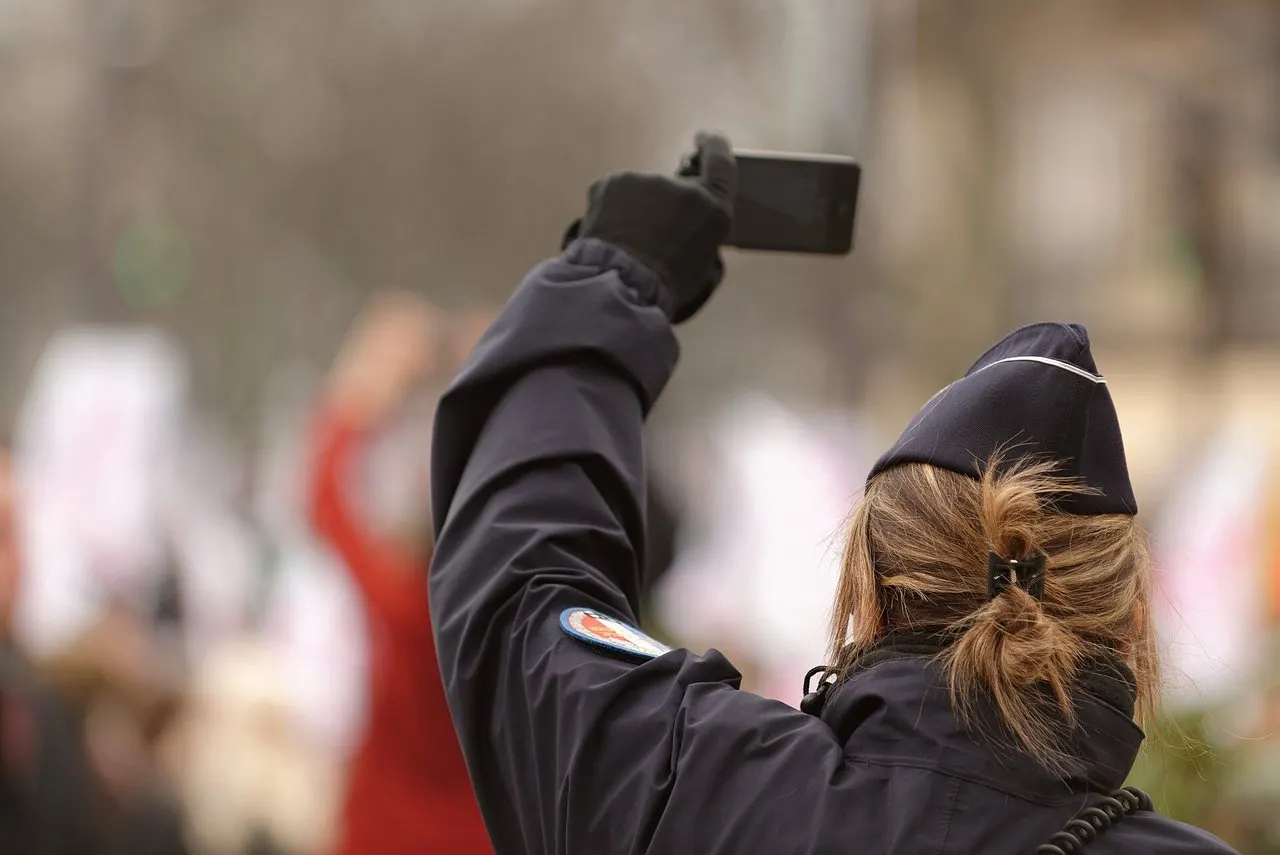
Washington’s younger brother, then a minor, filmed the encounter on his phone, and that video is the reason the world knows what happened on County Road 27. The footage was widely shared and reported by outlets including ABC 33/40 and AL.com. Without it, the stop might have remained a private dispute between a young man and an officer. Bystander video has changed many cases in recent years, giving courts and the public a record that words alone cannot match. Read about a family found at home after a frantic 911 call.
Taunting Words Caught on the Recording
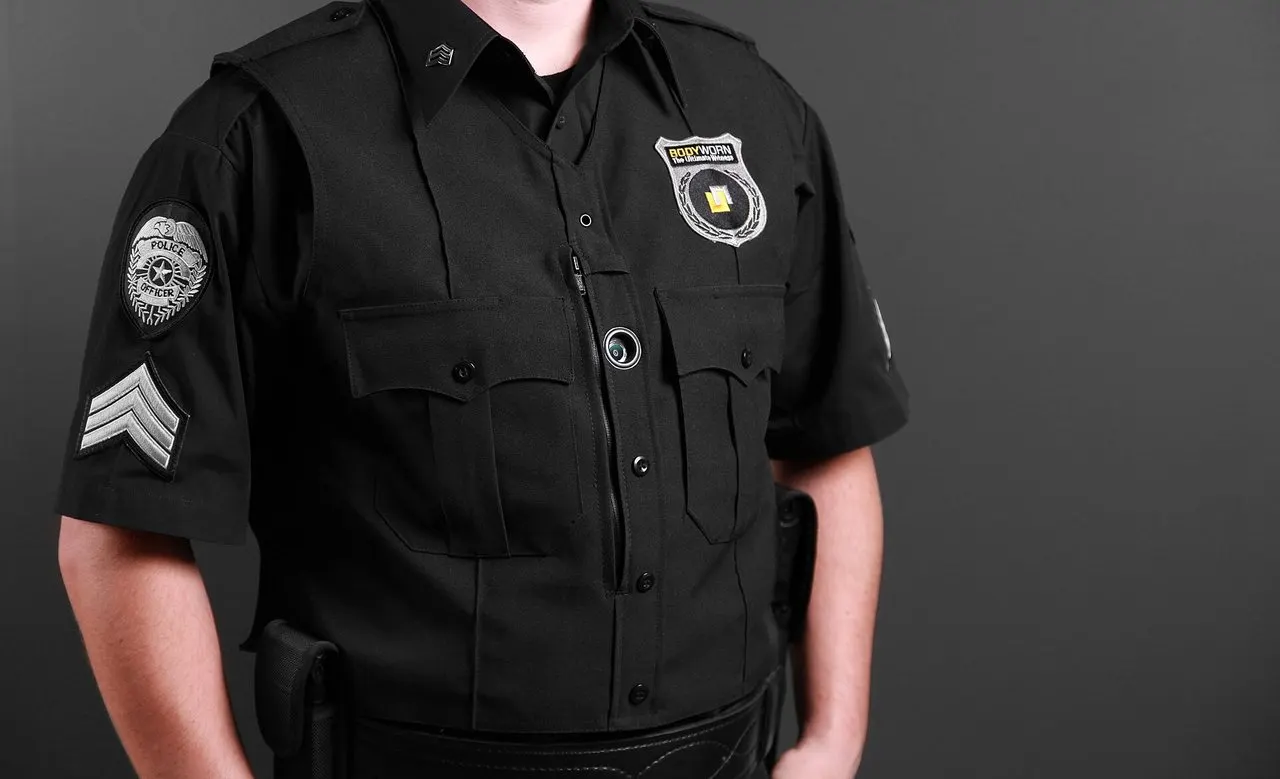
The audio on the video includes exchanges that shocked many listeners. Washington mentioned a firearm, which he said he was legally carrying and which officers recovered. The officer responded with taunting language, asking if he wanted it again and telling him to shut up. Words like that, caught on tape, carry weight in a courtroom because they suggest intent and state of mind. They also show how quickly respect can break down in a tense encounter. For other public clashes, see a clash over political spending.
A Firearm He Said He Carried Legally
During the encounter, Washington mentioned that he had a firearm, and he said he was legally carrying it. Officers recovered the weapon at the scene. That fact later became the basis for one of the most serious charges against him, that he was an ex-felon in possession of a firearm. But that charge rested on a claim about his record that turned out to be wrong, as the slides ahead explain. The gun itself was not the reason the stop began. Read about moving forward with gratitude.
Five Charges Were Filed That Day
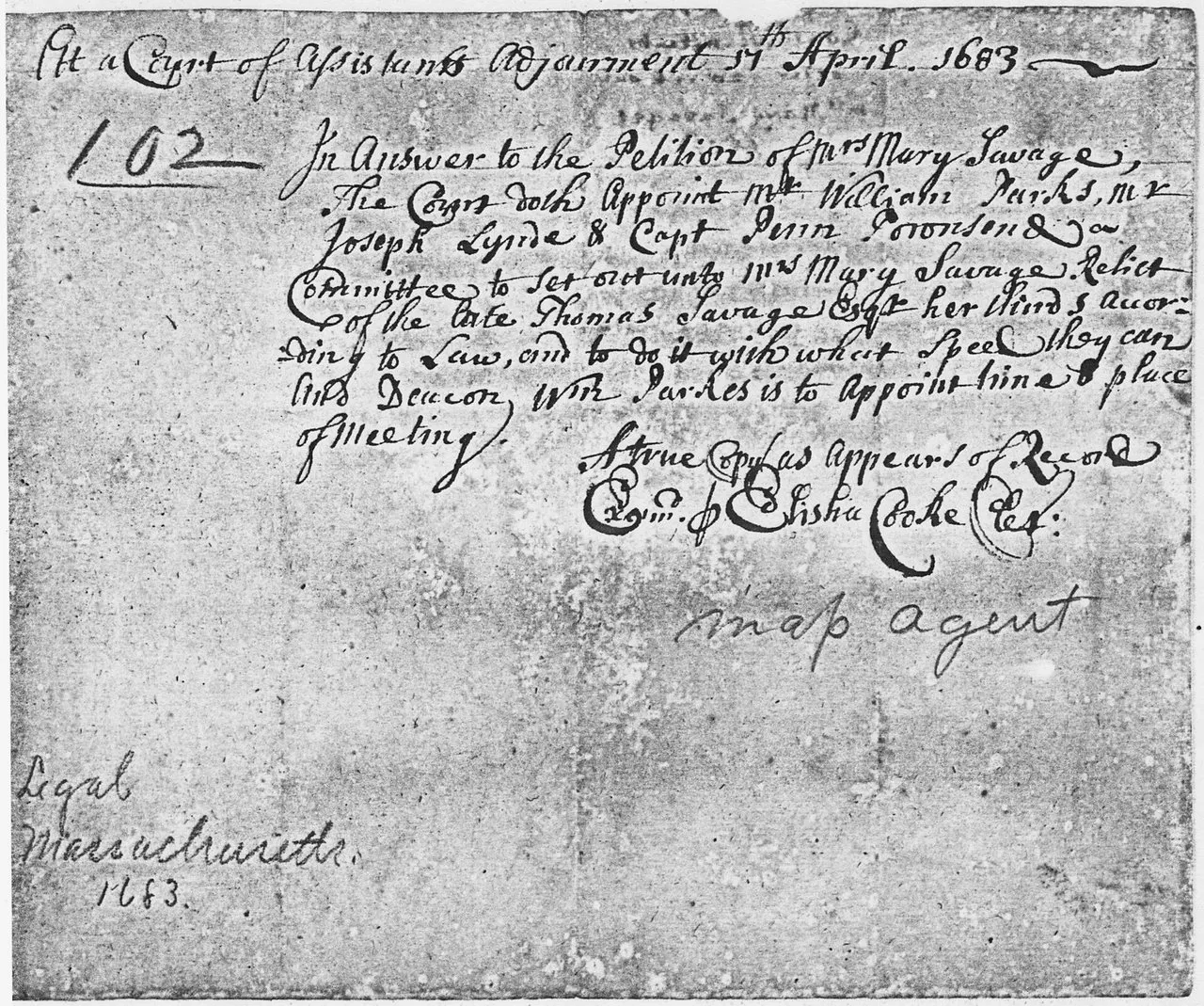
Washington was charged with obstructing governmental operations, resisting arrest, marijuana possession, being an ex-felon in possession of a firearm, and restricted substance trafficking of fentanyl. Five charges from a single flat tire stop is a heavy list, and the last two carried the most serious consequences. The charges painted a picture of a dangerous offender, yet the facts behind them began to crumble within weeks. Each charge is examined in the slides ahead. For other serious cases, read about a federal case the Justice Department decided to drop.
Bond Was Set at About 505,000 Dollars

Bond was set at about 505,000 dollars, a sum that kept Washington locked up while the charges were sorted out. For a 24-year-old changing a flat tire, that figure meant days behind bars. High bond is meant to make sure a person returns to court, but critics say it punishes people before they are found guilty of anything. Washington’s family faced the cost while prosecutors built a case that would soon fall apart. See a report on an undisclosed stake in a defense company.
The Most Serious Charge Involved Fentanyl

The most serious charge was restricted substance trafficking of fentanyl, a drug charge that carries severe penalties. It suggested Washington had been moving a dangerous drug, which made the high bond and the heavy charge list seem justified. But a trafficking charge needs proof, and that proof has to come from a laboratory. When the lab results came back, the story changed completely. The charge that looked the worst on paper was the first to collapse. Read a grandpa who found a child in the dark desert.
Lab Tests Failed to Confirm the Substance

The fentanyl count was dropped after lab tests failed to confirm that the substance was fentanyl at all. That is a basic failure of evidence. A charge that serious should rest on solid testing, and when the tests came back negative, prosecutors had no choice but to let it go. The collapse of the drug charge raised a hard question about why it had been filed at all. For other cases built on shaky claims, see a boy who took a lost phone to the police station.
He Was Not a Convicted Felon After All
The ex-felon in possession of a firearm charge was dismissed after it was shown that Washington was not a convicted felon. That charge had depended on a single fact about his past, and the fact was wrong. Once the record was checked, the charge had no foundation left. Two of the most serious charges were now gone, both built on claims that did not survive a closer look. The remaining charges would not last much longer either. Read about a silent shrug that said more than words.
The Remaining Charges Were Dismissed Too

With the fentanyl and firearm charges gone, the remaining charges were later dismissed as well. Obstructing governmental operations, resisting arrest, and marijuana possession all fell away, leaving Washington with no convictions from the night of the flat tire. A case that had begun with five charges and a 505,000 dollar bond ended with nothing. That outcome is what turned a criminal case into a civil rights lawsuit. For other cases that ended in court, see a president sitting down with a strongman leader.
The Micah Washington Lawsuit Was Filed in January 2025

The Micah Washington lawsuit was filed in January 2025, about a year after the night on County Road 27. Washington, Henry, and his brother’s next of kin brought a 20 million dollar federal civil rights lawsuit against the City of Reform and the Elmores. The filing marked a turn from defense to offense. Instead of answering charges, Washington was now asking a federal court to judge what happened to him. The case is still active. Read a Kentucky police officer facing questions about his family.
Three Plaintiffs Joined the Micah Washington Lawsuit

Three plaintiffs joined the lawsuit, and each one was there that night. Washington himself sued over what was done to him. His friend Jacorien Henry sued as well, having been part of the stop from the start. The next of kin of Washington’s younger brother sued on the brother’s behalf, since he was still a minor when it happened. Together, they tell one story from three points of view. Read about moving forward with gratitude, two stories about families speaking out.
The Micah Washington Lawsuit Names the City of Reform
The lawsuit names the City of Reform and the Elmores as defendants. Suing a city, not just an officer, is a key part of civil rights cases, because it asks whether the city’s training, supervision, or customs allowed the harm to happen. The Elmores are named in their roles tied to the stop and the charges that followed. A city lawsuit puts public money and public policy on the line. For other cases naming powerful defendants, see a young man sentenced in a case that drew national attention.
The Micah Washington Lawsuit Alleges Excessive Force
The lawsuit alleges excessive force, pointing to the taser used on a handcuffed man lying face down on a patrol car hood. Excessive force is the claim that an officer used more force than the situation required, and the video is the strongest evidence for it. Washington was already restrained when the taser was deployed, and he cried out as it happened. Courts weigh what the officer knew at the time against what the video shows. Read about a family found at home after a frantic 911 call.
The Micah Washington Lawsuit Alleges Malicious Prosecution
The lawsuit also alleges malicious prosecution, arguing that the charges were brought without good cause and with a wrongful purpose. The fentanyl count collapsed when lab tests failed to confirm the drug, and the firearm count fell when Washington turned out not to be a convicted felon. Those failures are the heart of this claim. A prosecution built on bad facts can ruin a person’s life even when it ends in dismissal. For other cases about justice, see a boy who took a lost phone to the police station.
The Micah Washington Lawsuit Alleges Wrongful Detention
The lawsuit further alleges wrongful detention, covering the time Washington spent locked up on a 505,000 dollar bond while the charges were sorted out. Every day behind bars costs a person work, family time, and freedom, and the lawsuit says those days were taken without a lawful basis. Wrongful detention claims ask the court to put a value on lost liberty. Together with the other claims, it seeks 20 million dollars in damages. Read claims about crime after a large migrant crossing.
The Micah Washington Lawsuit Is Still Active in Court
The lawsuit is still active in federal court, which means no final ruling has been made yet. Federal cases move slowly, with filings, hearings, and discovery stretching over months or years. Both sides will present evidence, and the video from that night will likely play a central role. For Washington and his family, the wait continues, but the case keeps the events of December 2, 2023, in front of a judge. Read a silent shrug that said more than words.
How Federal Civil Rights Cases Work
Federal civil rights lawsuits let people seek damages when they say government officials violated their constitutional rights. The plaintiff must show what happened, what right was violated, and how the official caused the harm. Cities can be held responsible when their policies or training played a part. These cases are hard to win and often take years, but they are one of the few ways ordinary people can challenge official power in court. For more on how courts work, read a clash over political spending.
Why Bystander Video Matters So Much

Bystander video has become one of the most powerful tools in police accountability cases. A phone in the right hands can record what no report can capture, the tone of voice, the order of events, and the exact moment force was used. In this case, a younger brother’s video showed the world what happened on a rural road in Alabama. Without it, the story might have stayed a dispute over words. The footage is now part of the public record. Read a remark that sparked a heated debate.
What Happens Next for the Case
What happens next depends on the federal court, where the case remains active. The parties may exchange evidence, argue motions, and appear before a judge. Many civil rights cases end in a settlement before trial, while others go to a jury. Either way, the outcome will matter beyond Reform, Alabama, because it will signal how seriously the courts take a flat tire stop that ended in a taser and a collapsed prosecution. Read about a family speaking out about a famous logo.
What Do You Think of the Micah Washington Lawsuit?
Micah Washington went out to change a flat tire and ended up handcuffed on a patrol car hood, charged with five crimes that all collapsed, and now asking a federal court for 20 million dollars. His story raises questions about force, about charges that fall apart, and about what justice looks like when the system gets it wrong. What do you think should happen next in this case? Share your thoughts in the comments below, and read a report on an undisclosed stake in a defense company for more stories.