The Pacific Seabed Lease That Sold 31.5 Million Acres
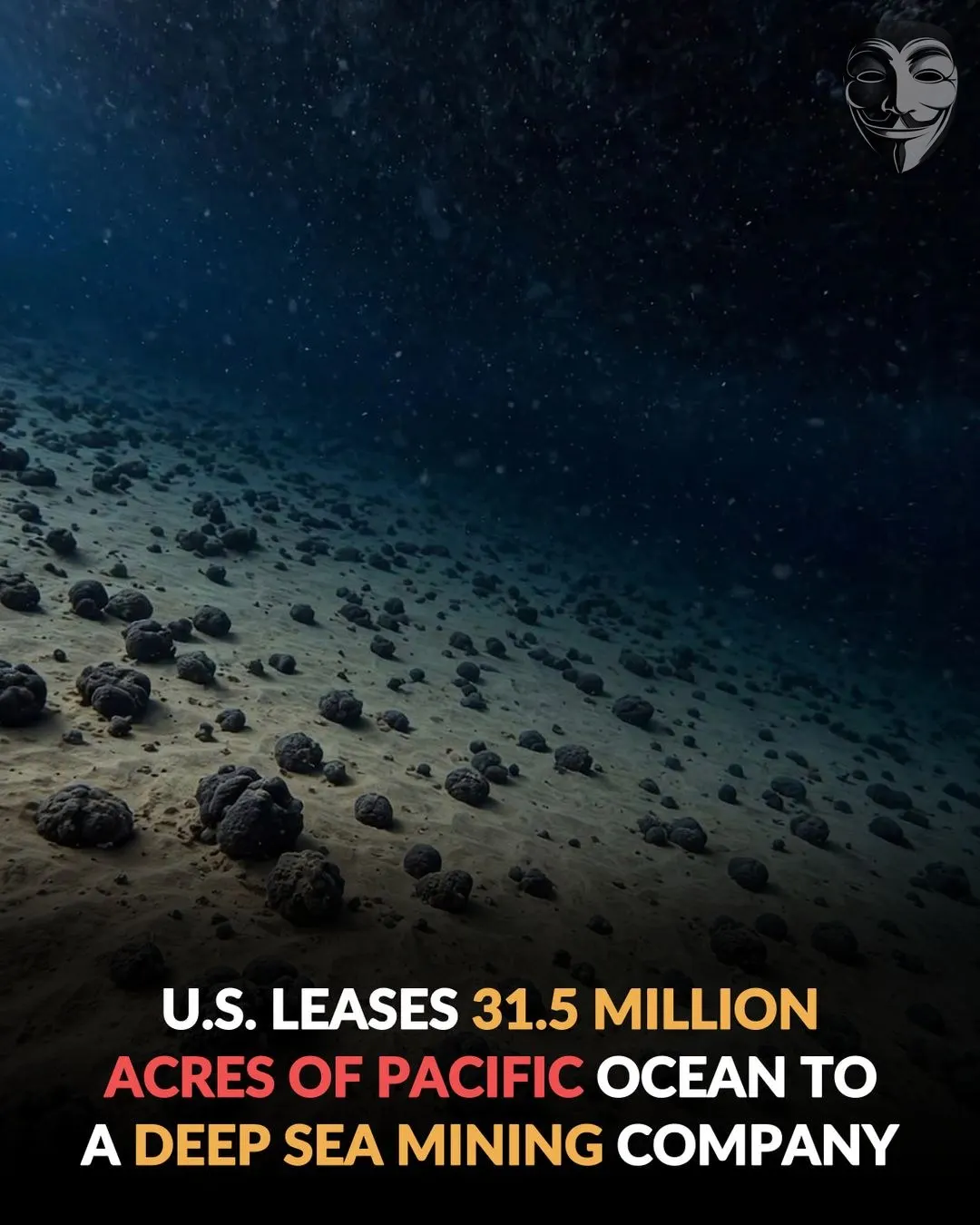
The Pacific seabed lease sold 31.5 million acres of ocean floor off American Samoa to a private company for six million dollars. The Trump administration held the sale on a Thursday, and it was the first sale of its kind in American history. Wetstone U.S. Ventures, a New York company, was the only bidder, and it won the right to map the seabed and carry out other early work. The lease does not yet allow actual mining of the ocean floor for metals and minerals. You can read more about the sale near American Samoa in our earlier report.
The sale went ahead only days after a federal judge in Hawaii ruled that the approval for the auction broke the law. Judge Jill Otake found that regulators had not weighed the possible harm to endangered species, as the Endangered Species Act requires. Earthjustice, one of the groups that brought the case, said it will use the law to try to void the leases. In the slides ahead we look at the company, the court fight and the ocean at the heart of it all. For context on other court fights, see another federal judge ruling and our wider coverage.
References:
New York Times: US Auctions 31.5 Million Acres of Pacific Ocean to Deep Sea Mining Company
New York Times: Federal Judge Rules Trump Plan for Seabed Mining Auction Violated the Law
Bloomberg Law: First Deep-Sea Mining Lease Sale Succumbs to Legal Challenge
Isla Public Media: Federal Government Holds American Samoa Seabed Mineral Lease Sale Despite Judges Ruling
A Six Million Dollar Deal for a Vast Stretch of Ocean
Wetstone U.S. Ventures paid six million dollars for the right to work across 31.5 million acres of Pacific seabed. That is a huge area, larger than many American states, in the waters off American Samoa in the South Pacific. The company was the only bidder, so no contest pushed the price higher, and the lease covers mapping and other early work. Critics ask whether the price is fair for such a vast public resource, as shown in questions about a defense stake.
Where American Samoa Sits in the Wide Pacific
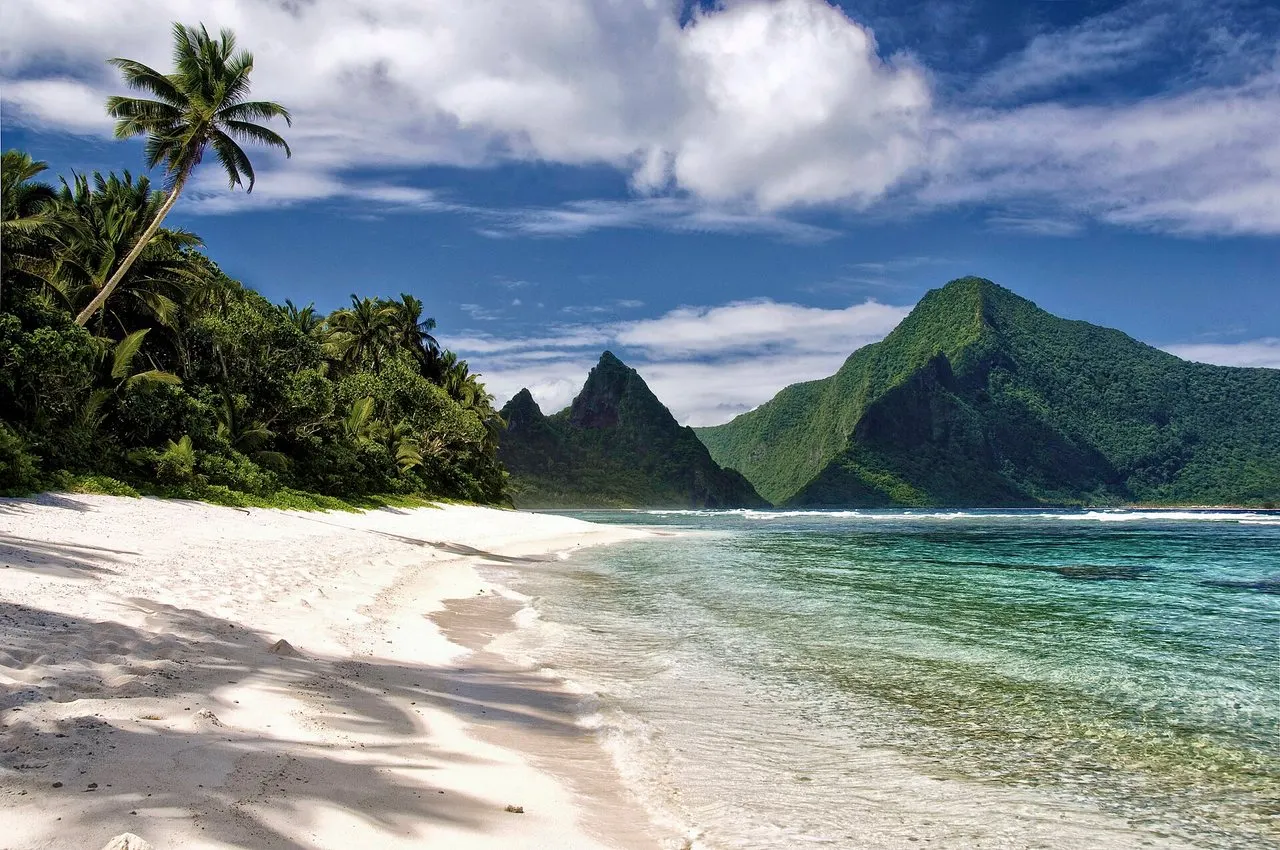
American Samoa is a United States territory of small islands in the South Pacific. The Pacific seabed lease covers ocean floor near these islands, in waters home to coral reefs and fish. Life there is closely tied to the sea, and many families fish its waters and depend on a healthy ocean. The islands sit near the Rose Atoll Marine National Monument, which shelters seabirds and marine life. Readers who love remote islands may like a grandfather’s desert rescue, and the questions here echo in a call for Americans to have more babies.
Judge Jill Otake Said the Auction Broke the Law

Judge Jill Otake, a federal judge in Hawaii, ruled that the approval for the auction violated the Endangered Species Act. She found that regulators did not consider the possible harm to endangered species before they approved the sale. The law requires the government to weigh that harm carefully when it acts in ways that could affect protected animals and plants. Courts have stepped in before, as in a second judge blocking a project, and judges often pause big plans when the process looks rushed, much like an earlier court order.
Earthjustice Vows to Fight to Void the Leases
Earthjustice, one of the groups that brought the case against the auction, said it will use the law to try to void the leases. The group argues that mining could damage some of the most untouched reaches of the ocean. Earthjustice has a long history of environmental cases, and its lawyers often argue that the government must follow its own rules. Ocean lovers often rally around causes like an actor’s love for pit bulls, and the legal fight will take time, as a message about holding on to hope reminds us.
What the Pacific Seabed Lease Actually Allows
The lease does not give Wetstone the right to mine the ocean floor right away. It covers mapping and other early work, so the company can survey the seabed and take samples. Actual mining of metals and minerals would need further approvals, and those steps have not happened yet. That distinction matters, because mapping is far less disruptive than digging up the ocean floor. Supporters say careful study is the right way to learn what lies below, as a bold claim about robots shows, and the next steps will be watched, like a plan to close Rikers Island.
Mapping the Ocean Floor Comes First
Before any mining can happen, someone has to map the seabed in detail. Survey ships use sound waves to build pictures of the ocean floor, and they send down cameras and sensors to see what lives there. The Pacific seabed lease gives Wetstone the chance to do that work across a huge area. Mapping sounds harmless, but scientists say even survey work can disturb sea life if it is done without care. Readers who follow big national stories may also like a silent moment in Berlin.
A First Sale of Its Kind in American Waters
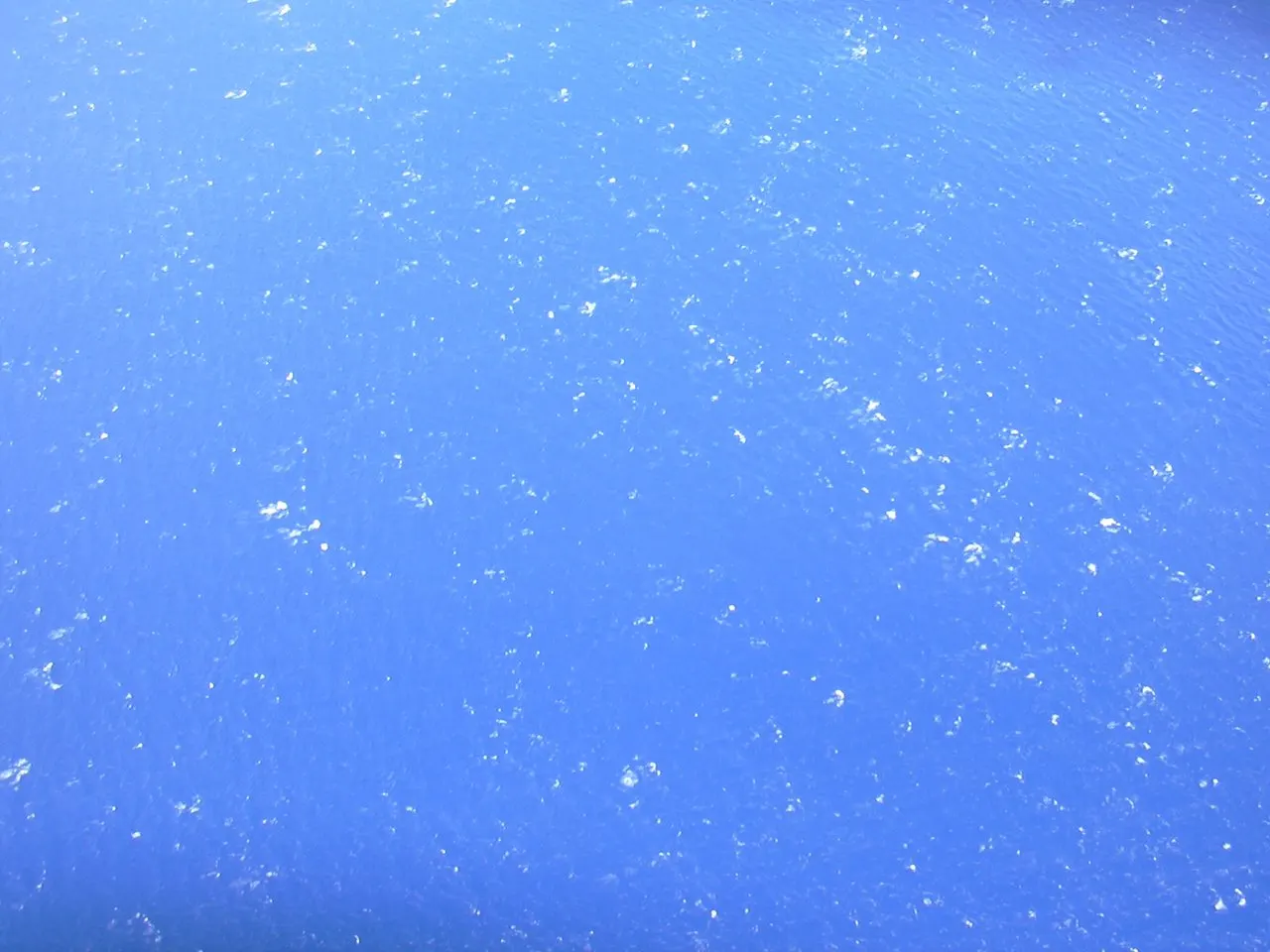
The Trump administration called this the first sale of its kind, and no earlier sale had opened Pacific seabed to a deep sea mining company. That makes the deal a test case, and what happens next could set a pattern for future sales. The administration has pushed to open more public resources to private use, and supporters say the country needs the minerals below. Critics say the rush to sell is the problem, and they point to the court ruling as proof. The story echoes in fights such as another federal judge ruling.
Wetstone U.S. Ventures, the Only Bidder
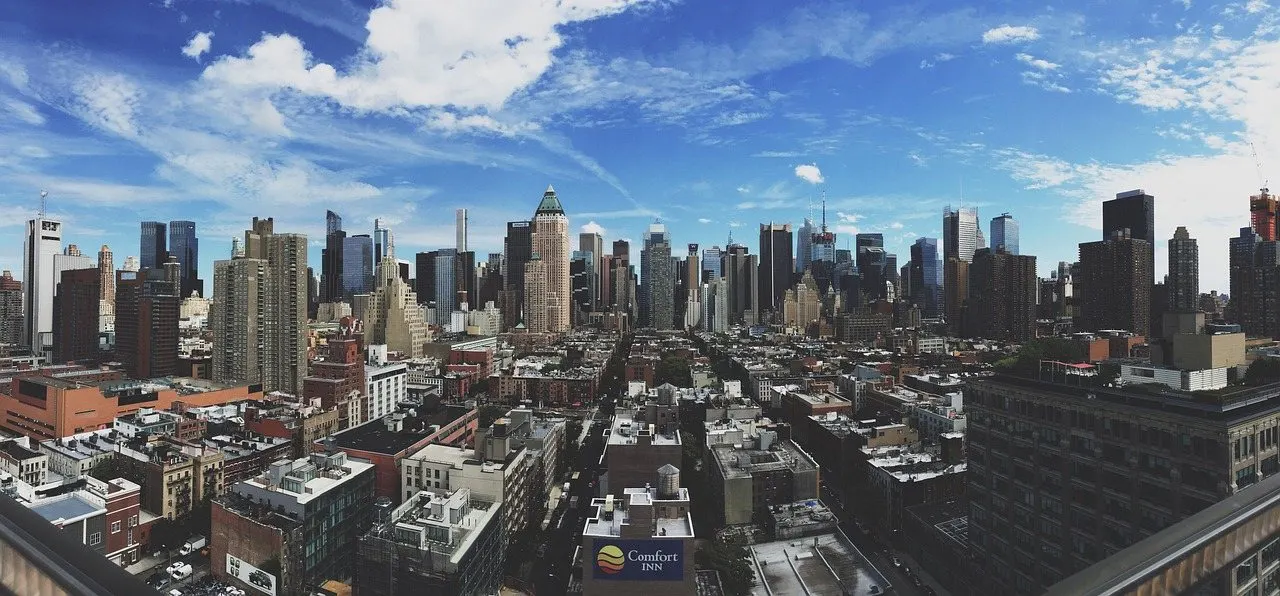
Wetstone U.S. Ventures, a company based in New York, was the only company to bid. When only one bidder shows up, the price stays low, and six million dollars won a vast area of seabed. Little is known in public about the company, and critics want to know who stands behind the deal. A single bidder sale can look like a bargain for the buyer and a poor deal for the public. Business stories often raise the same questions, as in questions about a defense stake, while a baseball pardon shows how one decision draws wide notice.
How Big Is 31.5 Million Acres of Ocean
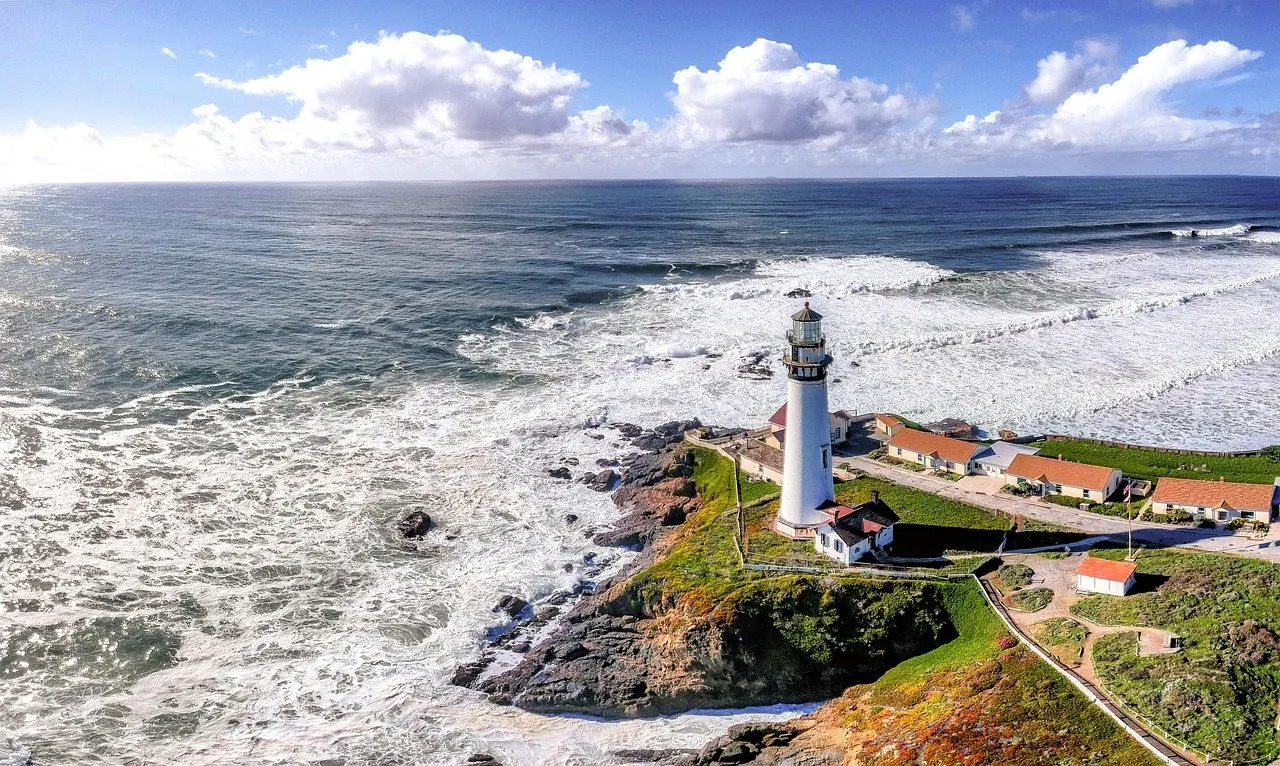
It is hard to picture 31.5 million acres, so it helps to compare it with land people know. The area is larger than the state of New York, and it is close to the size of Louisiana, which covers about 33 million acres. Spread across the Pacific, that is a vast stretch of seabed, far bigger than any city or county. The lease area sits in deep water, where sunlight does not reach and the pressure is immense. Big numbers often hide big stakes, as in a huge lottery jackpot.
Endangered Species at the Heart of the Case
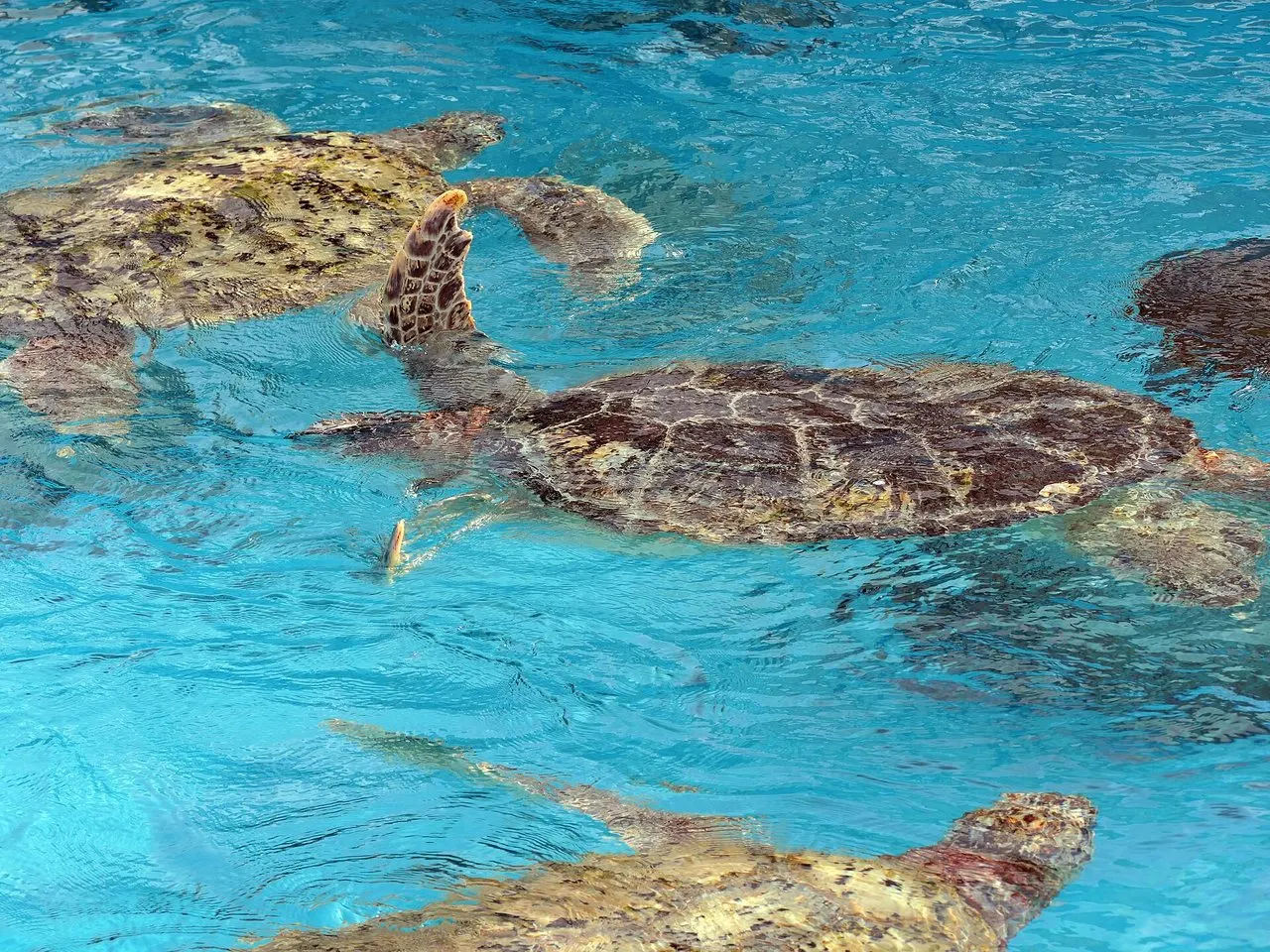
The Endangered Species Act sits at the heart of this fight. The law says the government must consider whether its actions could harm species at risk of dying out. Judge Otake ruled that regulators failed to do that before approving the auction. The waters off American Samoa are home to whales, sea turtles and seabirds, and some are protected by law. Mining could stir up sediment and damage habitats, and protecting animals has wide support, as stories like an actor’s love for pit bulls show. The courts will now weigh those risks, as they did in a landmark court decision.
Rose Atoll, a Protected Place Nearby
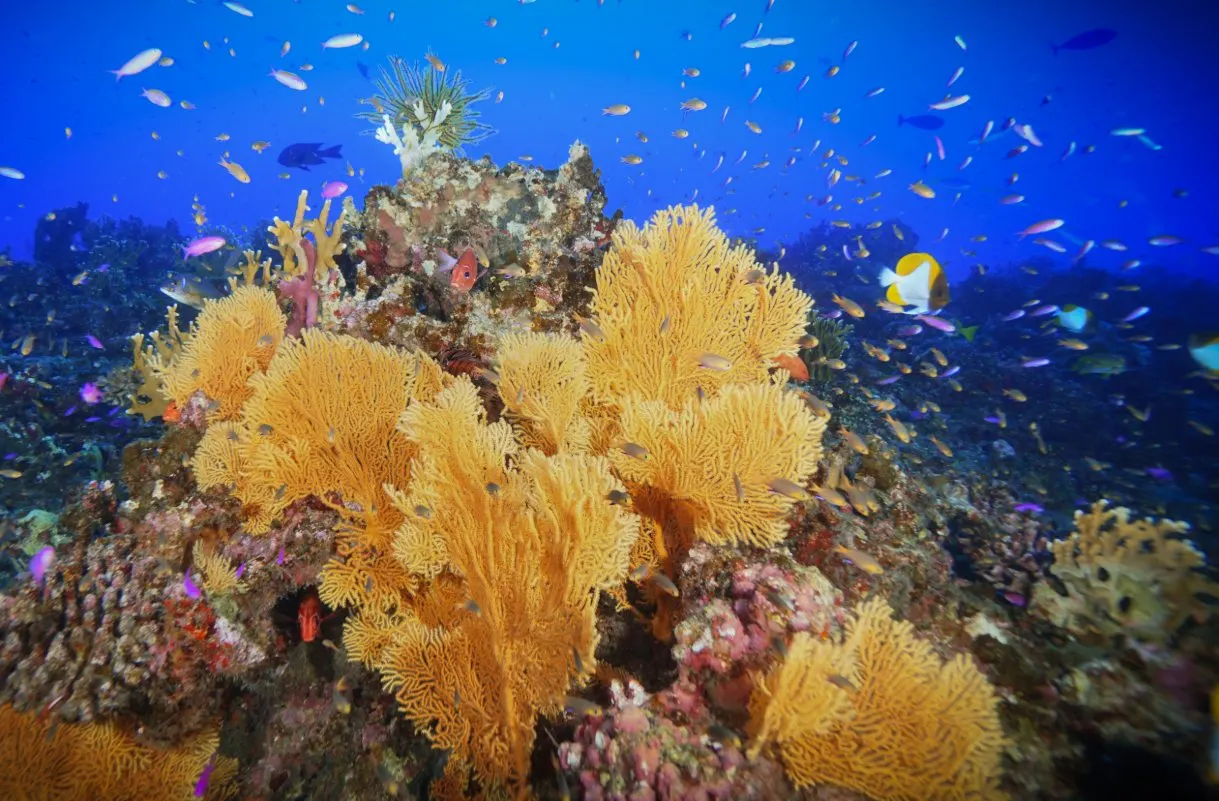
The Rose Atoll Marine National Monument lies near the leased waters, a remote protected place in the American Pacific. The monument shelters coral reefs, seabirds and sea life in waters that have seen little human impact. Earthjustice warned that mining could damage some of the ocean’s most untouched reaches near the monument. Protected areas are meant to be safe havens, and their neighbors matter, because water and sound do not stop at a line on a map. Readers who care about wild places may enjoy a reflection on what truly lasts.
The Pacific Seabed Lease Faces a Long Court Fight
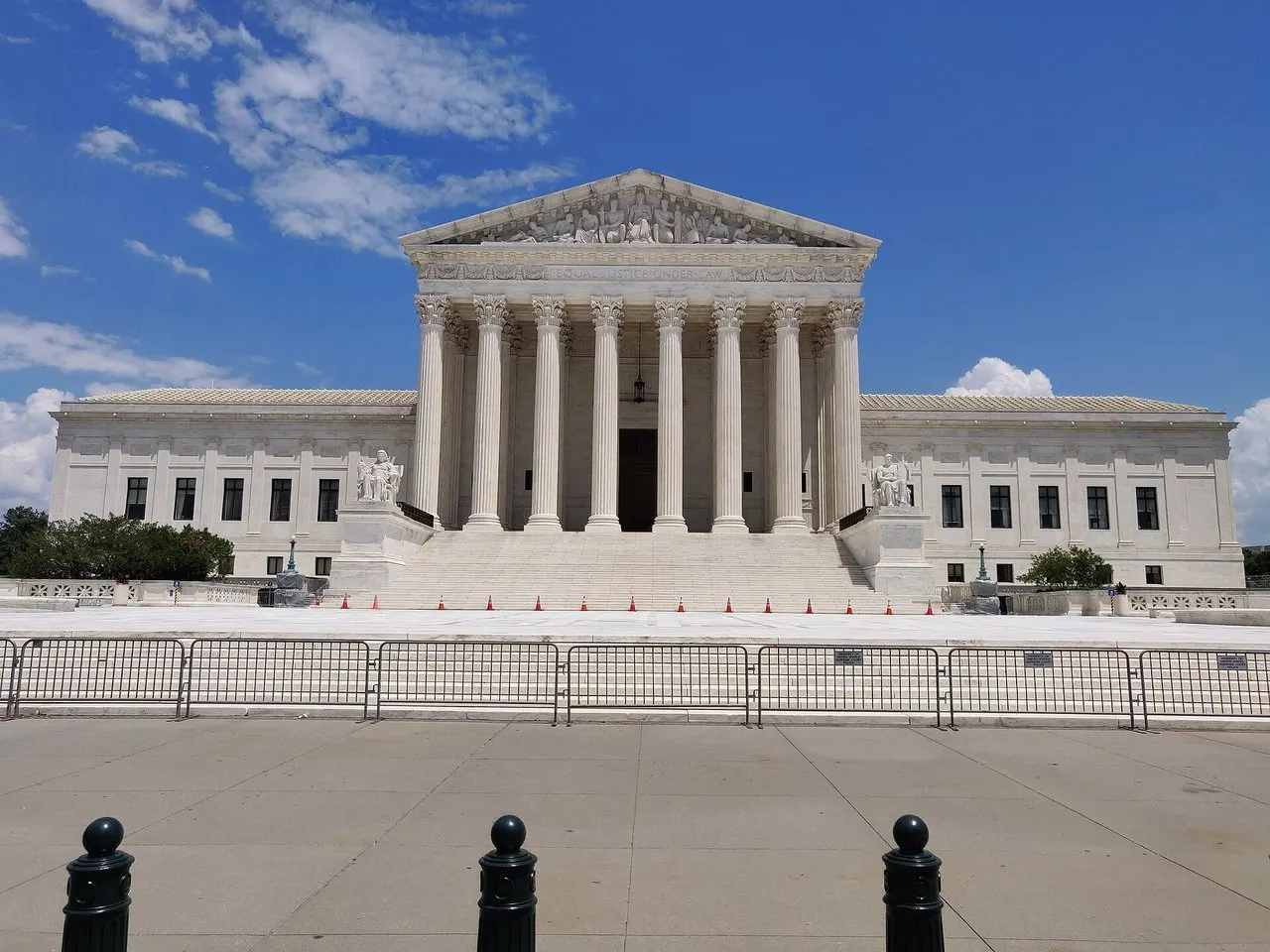
The legal fight over the Pacific seabed lease is far from over. Earthjustice has said it will ask the courts to void the leases, and Judge Otake’s ruling gives that case a strong start. Courts move slowly, and a case like this can take months or years, with appeals and hearings. In the meantime, the lease stays in place, and Wetstone can go ahead with its early work. Other court fights have changed big plans before, as in a second judge blocking a project, and judges often step in when the process looks rushed, much like an earlier court order.
How the Auction Worked With Only One Bidder

The auction for the Pacific seabed was unusual because only one company showed up to bid. Wetstone U.S. Ventures offered six million dollars, and with no rival bidder, there was no contest to push the price higher. Auctions work best when several buyers compete, and a single bidder sale raises questions about whether the public got a fair price. The government held the sale anyway, and the lease was granted. Big sales often draw wide attention, as in a rare Treasury bill sale, and the auction showed how new this market is, much like a lean White House office.
The Pacific Seabed Lease and the Minerals in Your Phone
The minerals on the ocean floor matter because they are used in batteries, phones and electric cars. The seabed holds lumps called polymetallic nodules, which contain metals such as nickel, cobalt and copper. Those metals help power electric car batteries and store energy from wind and sun. Supporters say the country needs a steady supply of these metals, and the ocean floor could provide it. The debate is really about how we power the future, and it echoes in stories such as a bold claim about robots, while leaders keep meeting, as in a historic summit in Shenzhen.
Storms and Swells in the Open Pacific
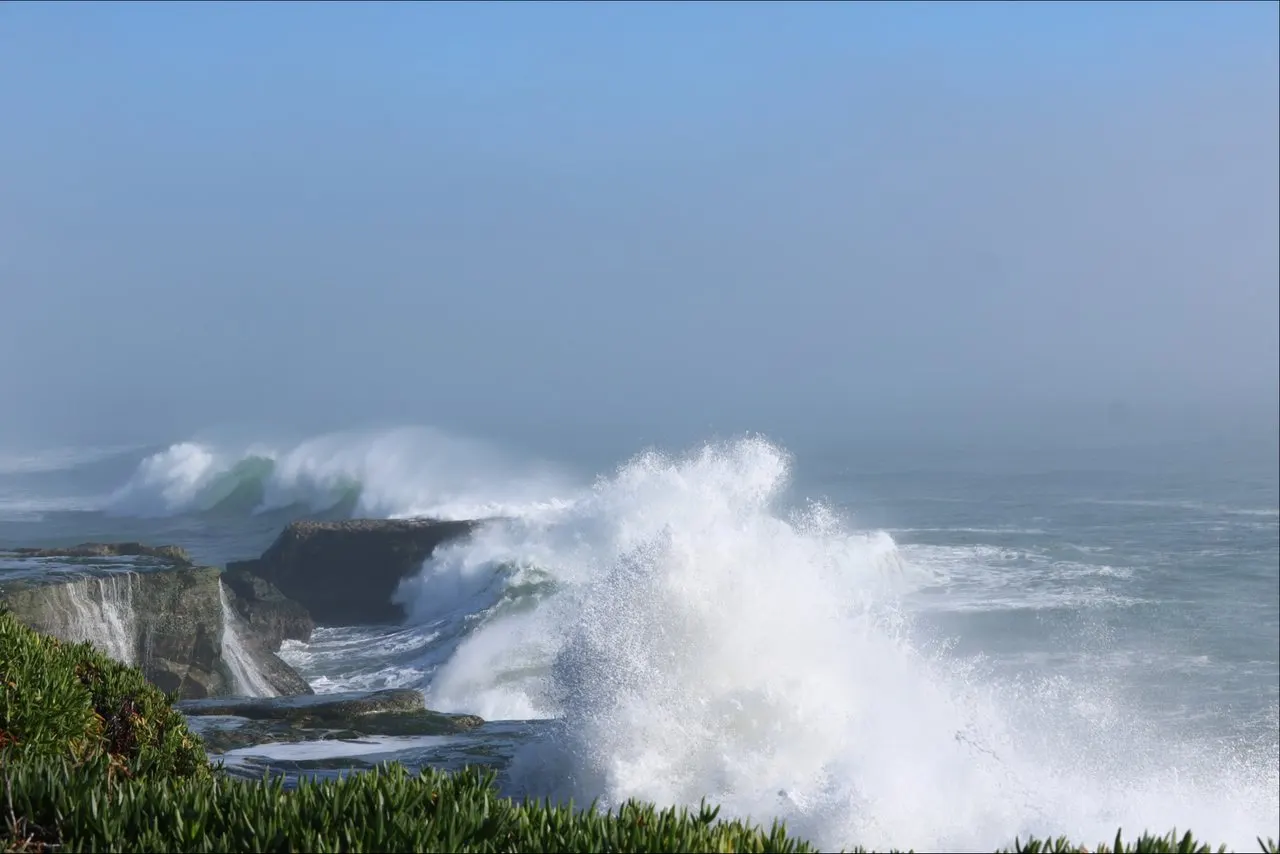
The Pacific Ocean is the largest ocean on Earth, and its surface can turn rough fast. Storm waves rise high, winds whip the water, and survey ships must work through weather that would keep most boats in port. The leased seabed lies far from land, where help is hours or days away and the sea sets the rules. That harsh setting is part of why mapping will take time and money. Big stories often turn on weather and timing, as in a gift to the Marine Band, and the sea does not hurry, as a warning about disappearing messages shows.
The Pacific Seabed Lease and the Clean Energy Debate
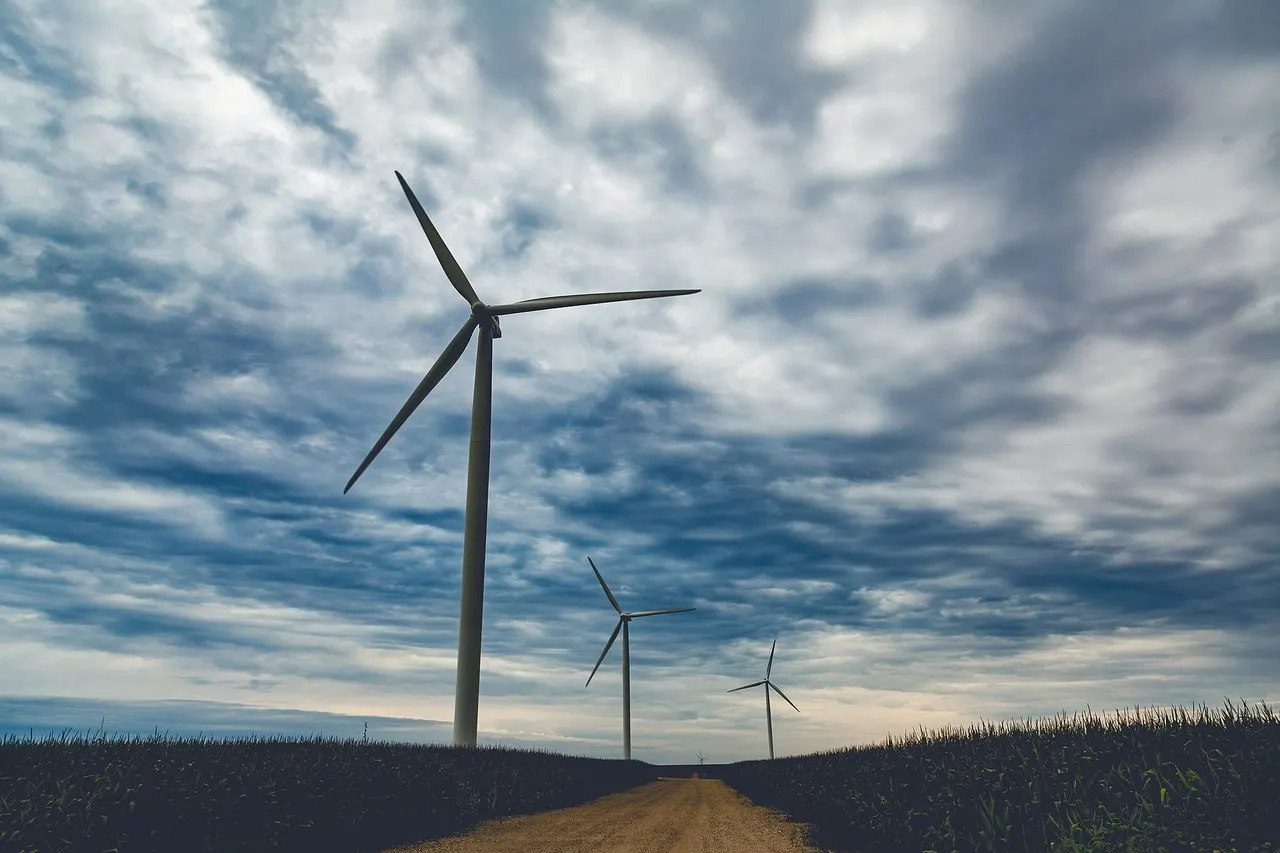
The clean energy debate sits behind the Pacific seabed lease, because its metals feed wind turbines, solar panels and batteries. Supporters say mining the seabed could help the world move away from oil and gas. Critics answer that green energy should not cost the ocean, and they point to wind and solar power as proof. Both sides claim to speak for the planet, which is why the argument is so sharp. The same tension shows up elsewhere, such as a plan to close a tax loophole, and Washington has often split over change, as a small first lady staff showed.
Hawaii, Where the Judge Heard the Case
Hawaii is where Judge Jill Otake heard the case against the auction. Hawaii sits in the middle of the Pacific, and its people have a deep bond with the ocean. The state has long fought to protect its seas, and its courts have often settled those fights. The ruling carried weight because it came from a judge who knows these waters and the law that guards them. Courts have shaped big stories before, as in another federal judge ruling, and leaders have faced hard questions, as in a warning to Republican colleagues.
The Pacific Seabed Lease and a Sunset Worth Protecting
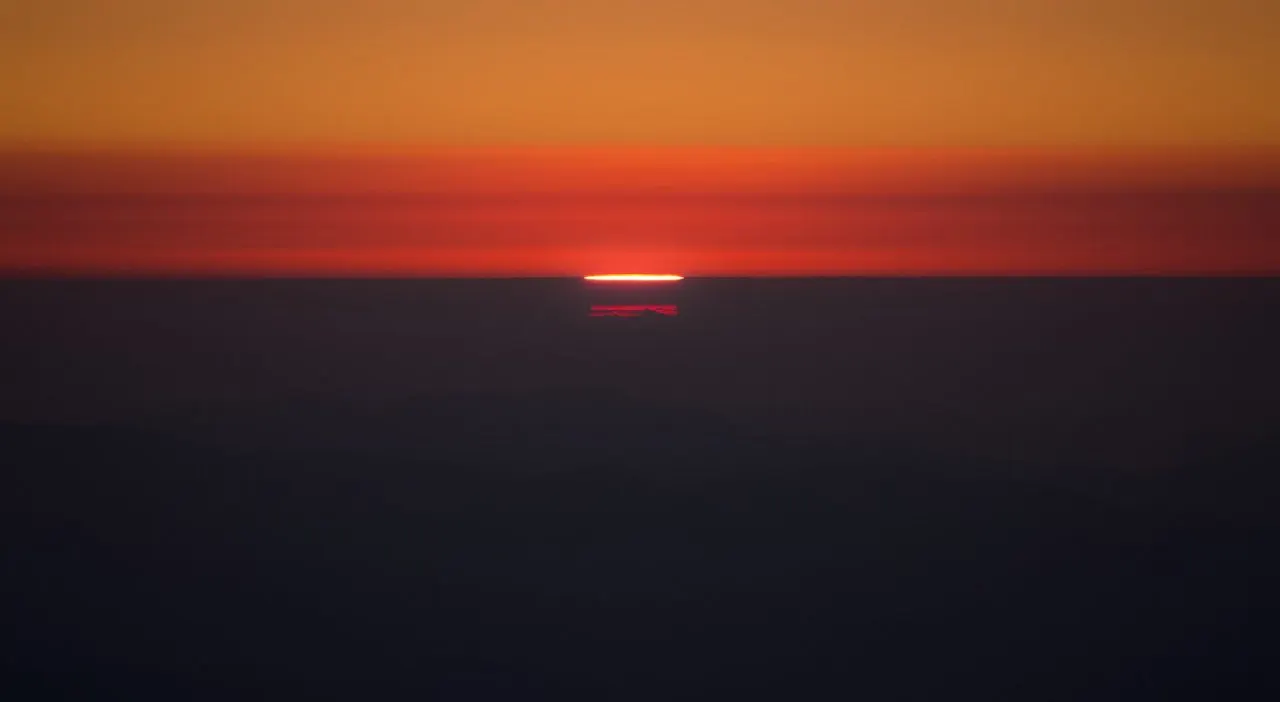
A sunset over the Pacific is one of the most loved sights in the world. The sea feeds families and shapes weather, and it holds life we have barely begun to study. The Pacific seabed lease puts a price on a small part of that world. Supporters say careful work can protect the sea while we learn what lies below. Critics say some places should stay untouched, because the seabed may take centuries to heal once disturbed. Those who care about what we pass on may enjoy a reflection on what truly lasts.
Island Families Who Live by the Sea
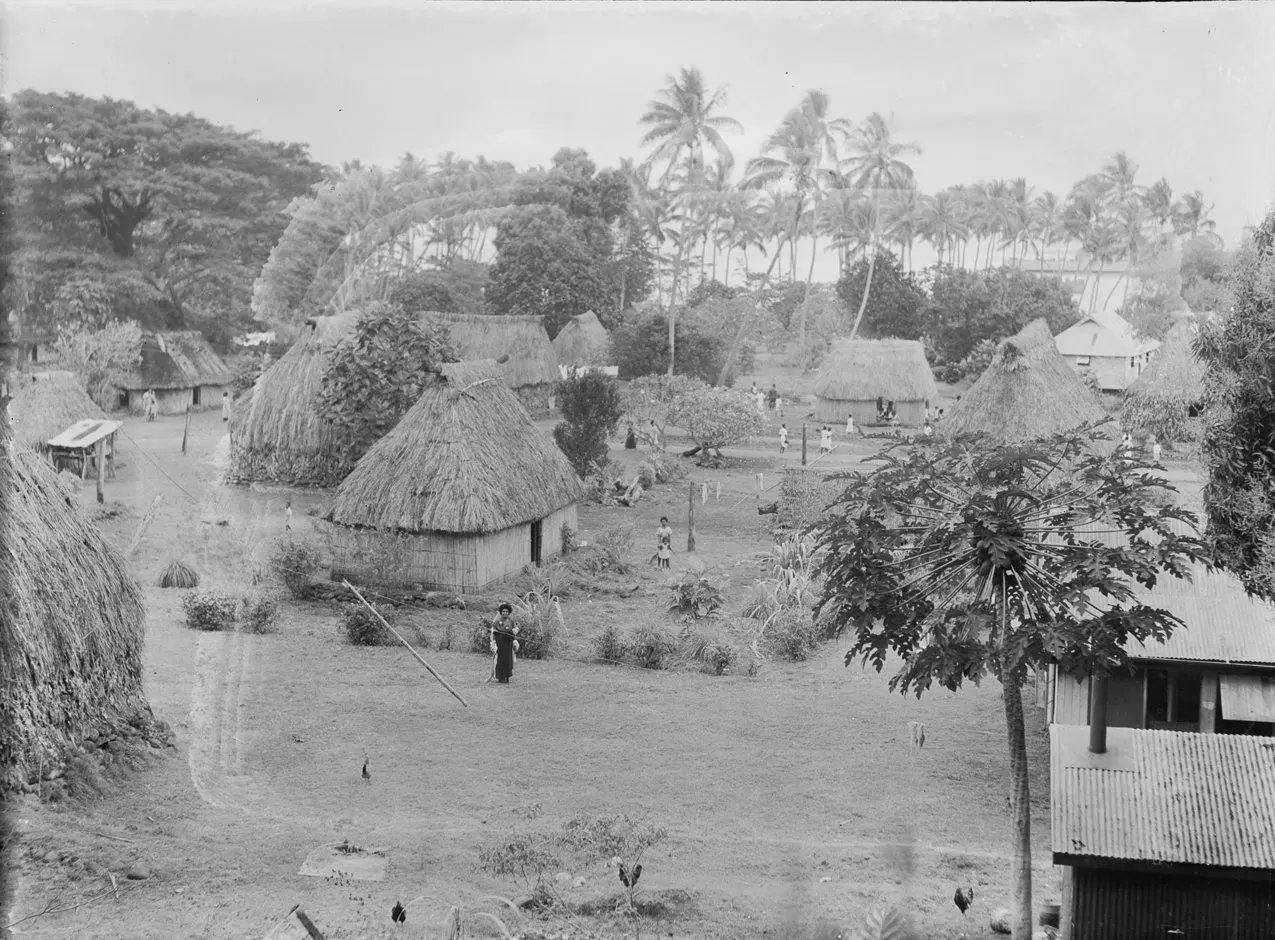
For families in American Samoa and across the Pacific islands, the sea is daily life. People fish its waters, swim in its lagoons, and gather food from reefs that have fed families for generations. Villages sit close to the shore, and tides and seasons shape work, school and celebration. A decision made in Washington about the seabed can feel close to home, because the ocean these families depend on is the same ocean in the lease. Island life has drawn attention before, as in a call for impeachment, and communities often stand together, as in a vow about meeting Putin.
The Pacific Seabed Lease and Life in the Dark Deep
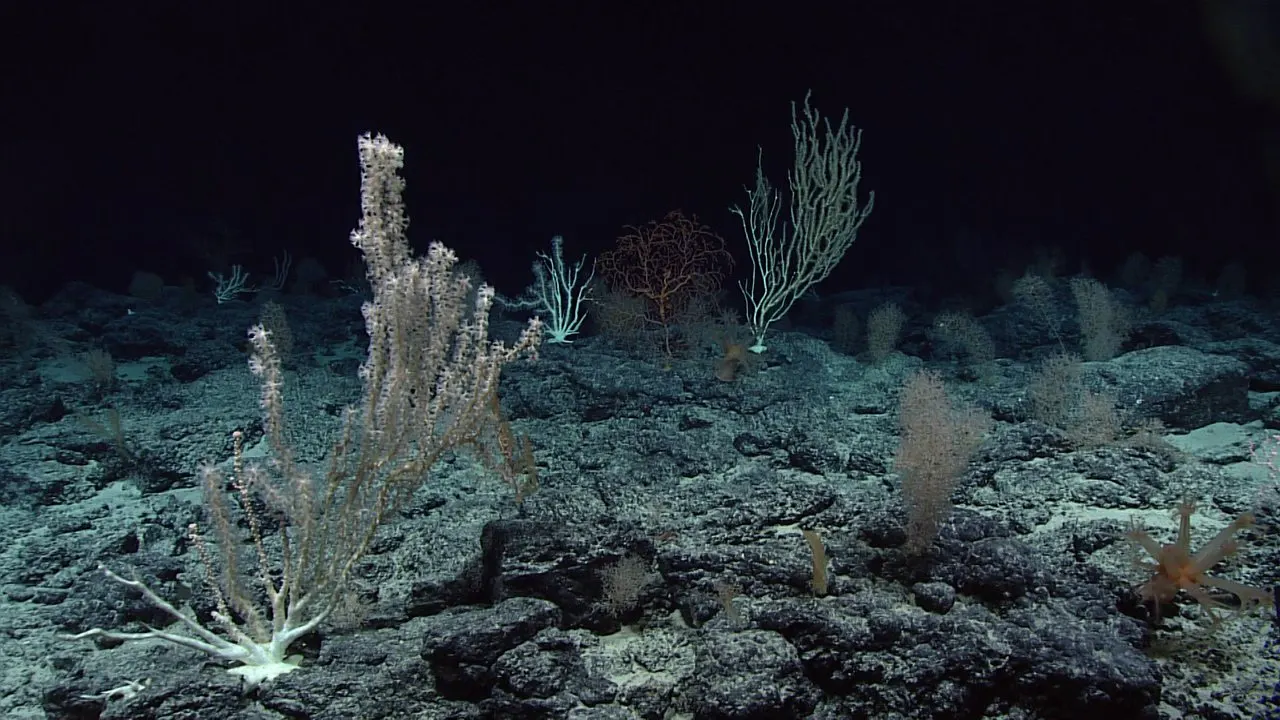
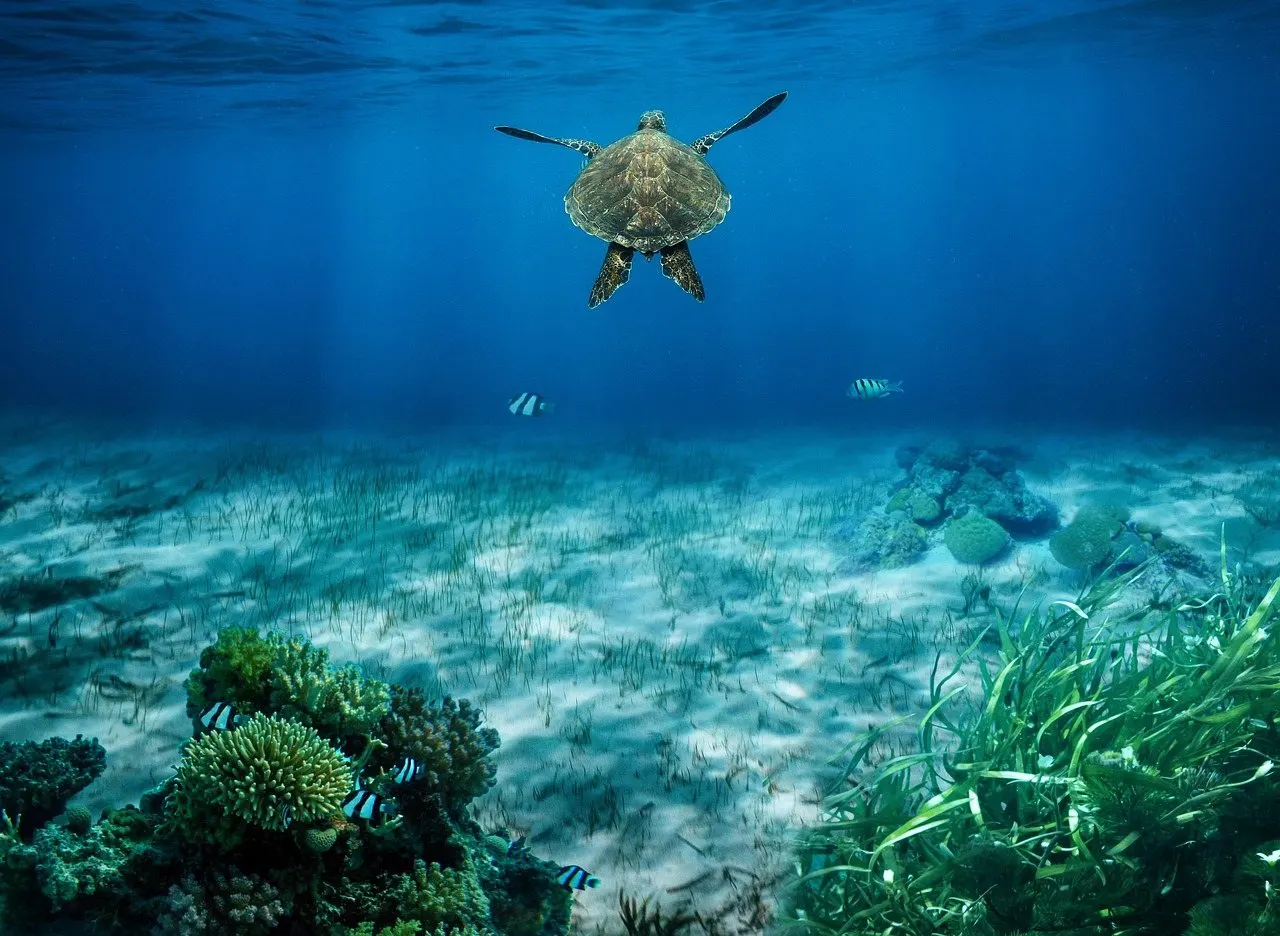
Far below the waves, where sunlight never reaches, life still thrives in the dark. Deep sea corals grow slowly on rocky ridges, and tiny creatures live in mud that has sat undisturbed for ages. Scientists say we have mapped only a small part of the ocean floor, and new species are found on nearly every deep voyage. The Pacific seabed lease covers waters where much of this life is unknown. Protecting animals has wide support, as stories like an actor’s love for pit bulls show. The courts will now weigh those risks, as they did in a landmark court decision.
Machines Built to Work on the Ocean Floor
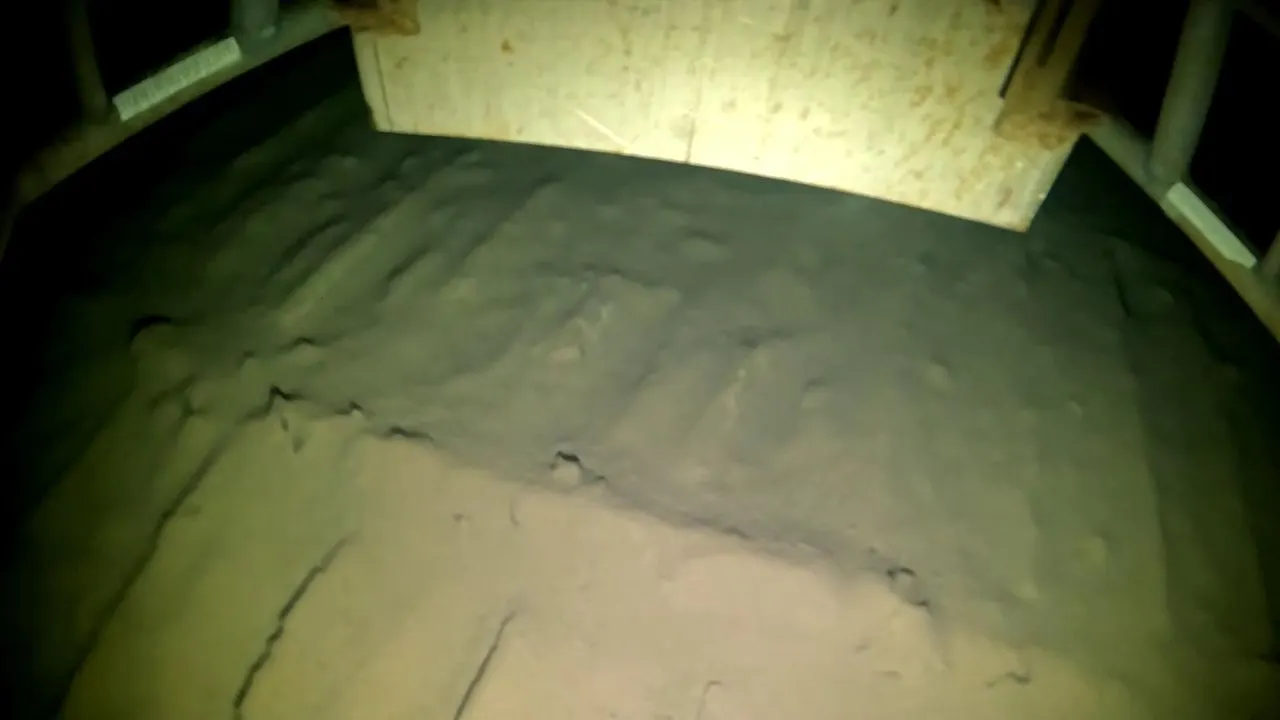
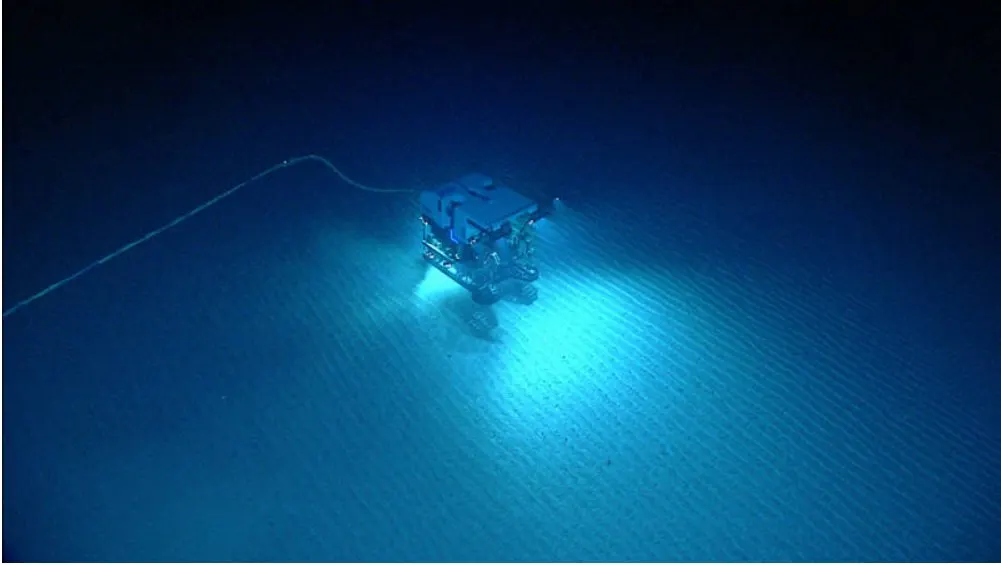
The machines that would work the seabed look more like robots than tractors. Remotely operated vehicles dive thousands of feet down, guided by crews above, and they use arms and cameras to pick up samples. Some machines collect the metal rich nodules that sit on the seabed. These robots can work in darkness and crushing pressure, but they stir up clouds of mud, and scientists worry about what that mud does to animals. Business stories raise the same questions, as in questions about a defense stake, while a call for more babies shows how one study can stir debate.
The Ships That Will Carry the Work
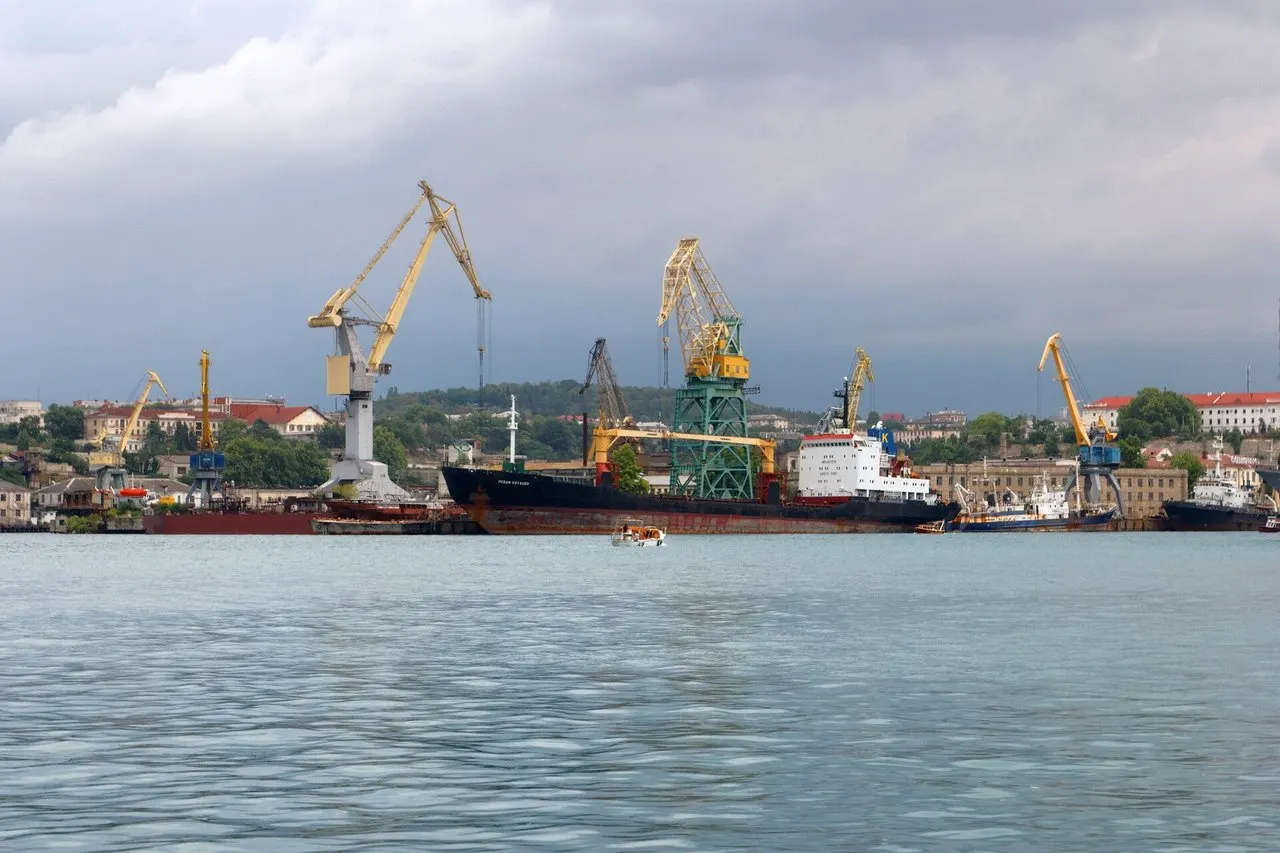
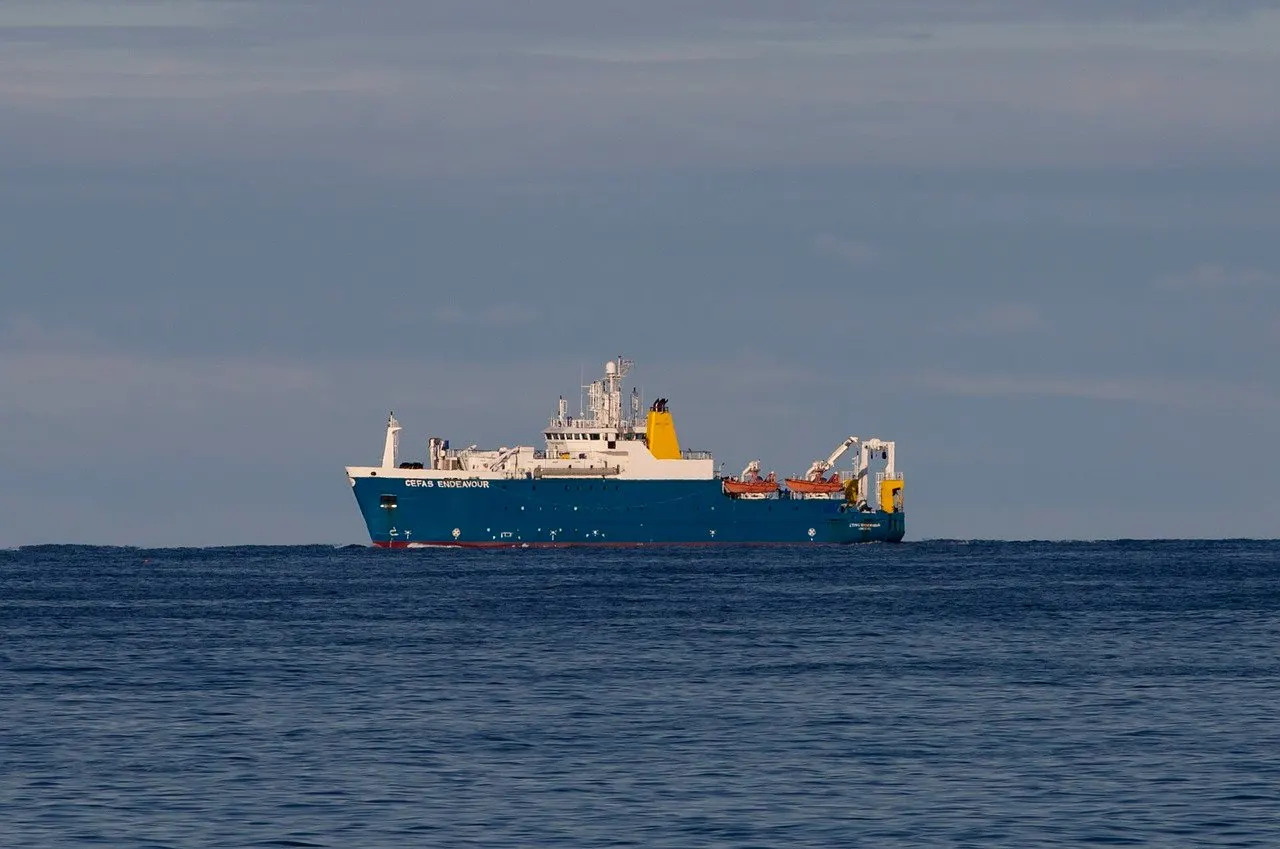
Survey ships and cargo vessels will carry the work of the lease, sailing out with crews. These ships are floating workplaces, with labs, cranes and cabins, and crews can stay at sea for weeks. The first voyages will map the seabed and take samples, and later trips could bring heavier machines. The ships leave a mark of their own, from engine noise to waste and fuel, and scientists say that mark must stay small. Big national stories often turn on quiet work far from shore, as in a silent moment in Berlin.
The Pacific Seabed Lease and the Nodules Below
The prize on the seabed is a crop of dark lumps called polymetallic nodules. Each nodule grew slowly over millions of years, gathering metals, and together they hold nickel, cobalt, copper and manganese. Mining companies see them as a rich harvest, because the nodules sit on the surface and need no deep digging. Scientists see them as homes, because tiny creatures live on them, and removing the nodules would take away the metals and the habitat. That trade is at the heart of the debate, as in a clash over spending.
What Should Happen to the Pacific Seabed Lease?

The Pacific seabed lease is now a fact, but its future is open. The courts may void it, the company may map and stop, or the work may grow into mining. Each path has supporters and critics, and each will shape the ocean for years. This story is about how we treat a world we barely know. We want to hear from you: do you think the lease should stand? Would you trust mining companies to protect the deep sea? Share your thoughts below, and keep reading a message about holding on to hope.