The Myanmar Rohingya Ruling That Made World Court History
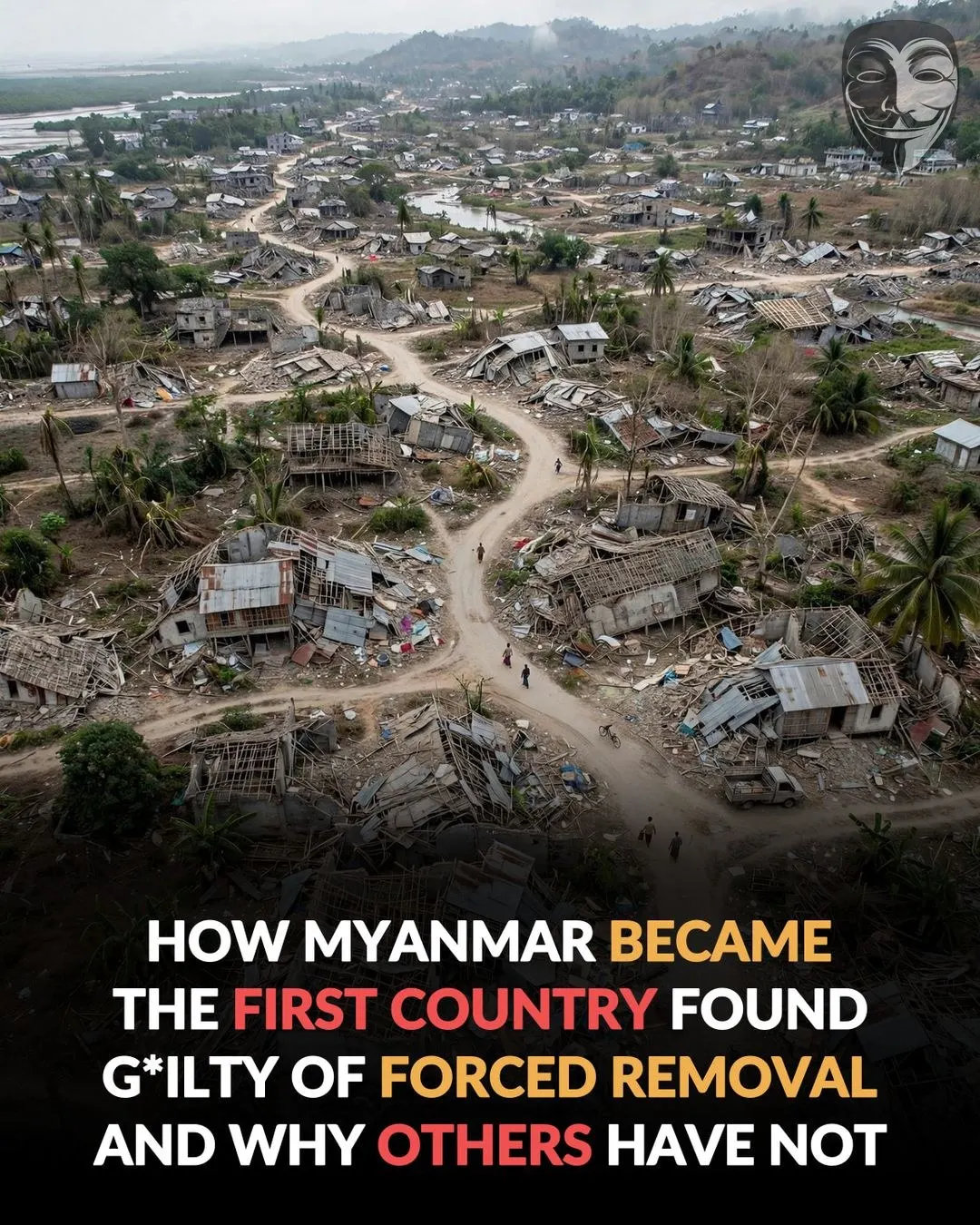
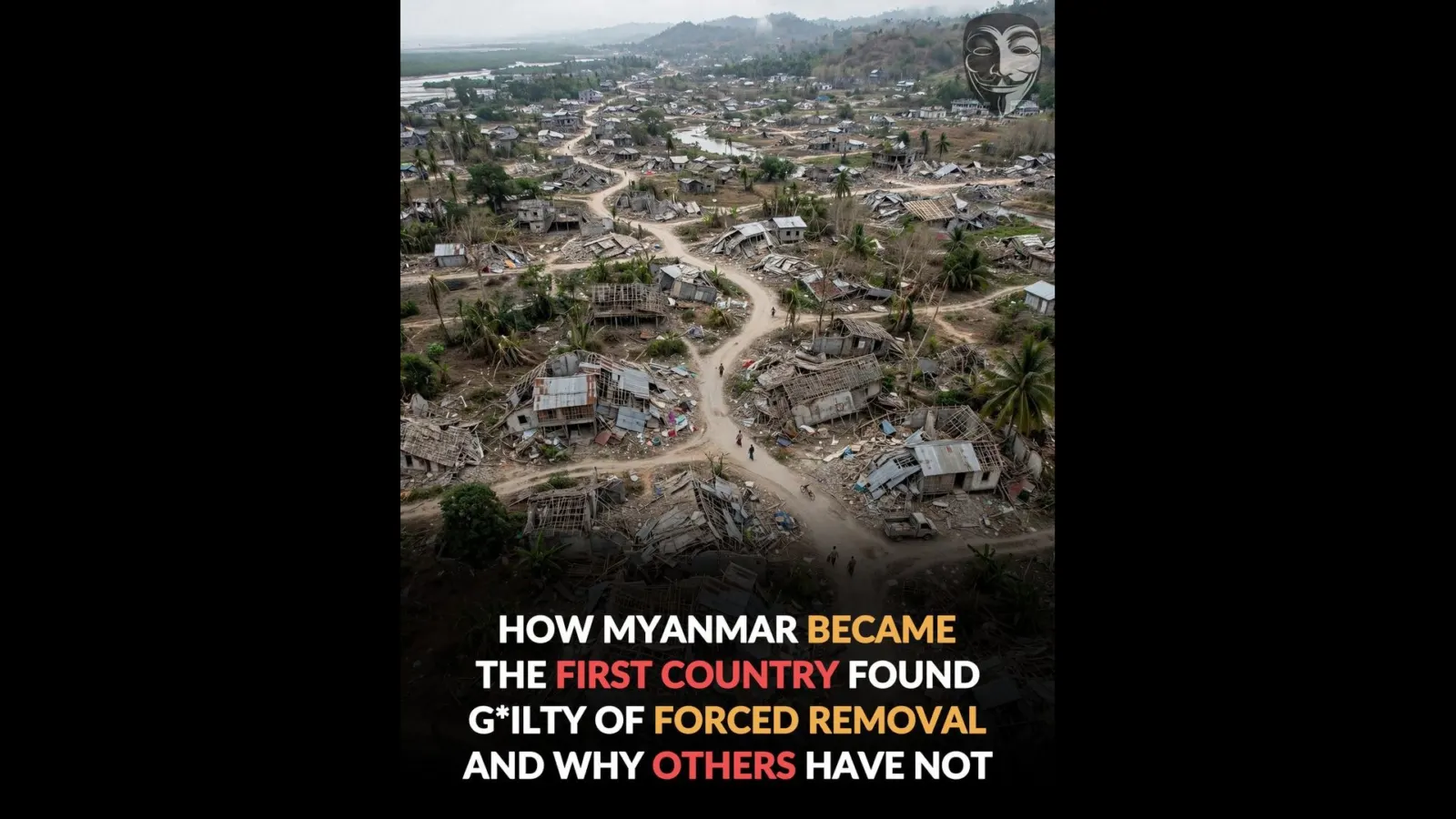
The Myanmar Rohingya ruling arrived on November 19, 2026, when the International Court of Justice held Myanmar responsible for forced removal against the Rohingya Muslim minority. It was the first time the world court had ever found a country responsible for that offense. The judges voted nine to six, and their decision followed years of hearings about the military clearance operations in Rakhine State in 2017. For the families who fled, the ruling was a long awaited moment of recognition, and you can read about a fierce debate over words about Gaza.
In the slides ahead we follow the case from the villages of Rakhine State to the courtroom in The Hague, and from the camps in Bangladesh to the question of what happens next. The court found that about 10,000 Rohingya were killed, hundreds of villages were burned, and hundreds of thousands of people were driven from their homes into Bangladesh. It ordered Myanmar to allow the Rohingya to return, restore their property, and pay compensation, but Myanmar has said it will not fully comply.
References:
Reuters: Myanmar says it will not fully comply with ICJ forced removal orders
Associated Press: World court rules Myanmar committed forced removal against Rohingya in landmark judgment
Al Jazeera: UN top court finds Myanmar guilty of forced removal against Rohingya
The Guardian: ICJ rules Myanmar committed forced removal in landmark judgment
The Myanmar Rohingya Ruling Came Down on November 19, 2026
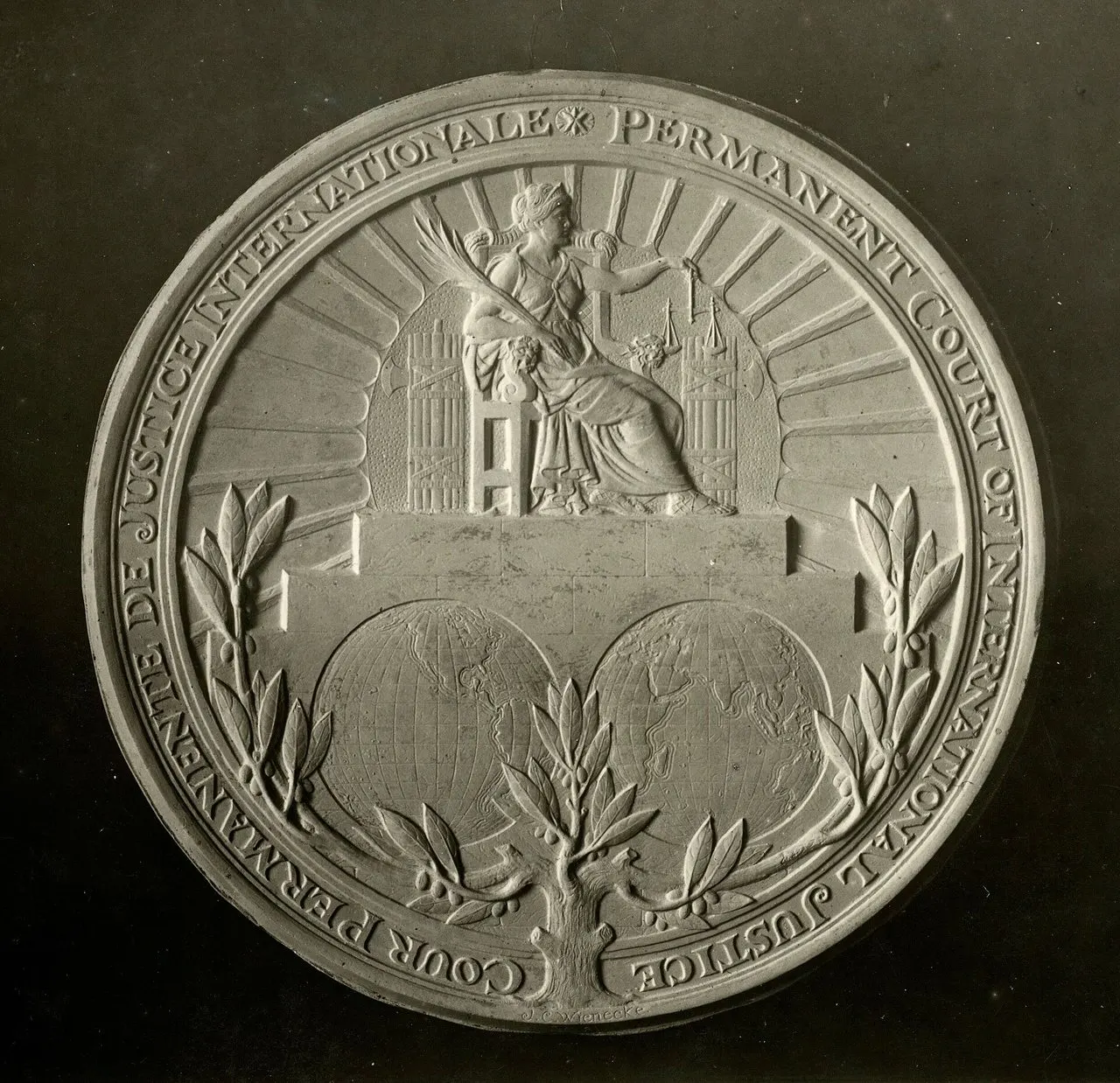
On November 19, 2026, the International Court of Justice delivered its judgment in The Hague. The court ruled that Myanmar committed forced removal against the Rohingya people during the 2017 clearance operations. The vote was nine to six, a clear majority but not a unanimous one. The date now stands as a landmark in international law, because no country had ever been found responsible for this offense before. For more on landmark court decisions, read about a robot that may outnumber people.
Who Are the Rohingya People
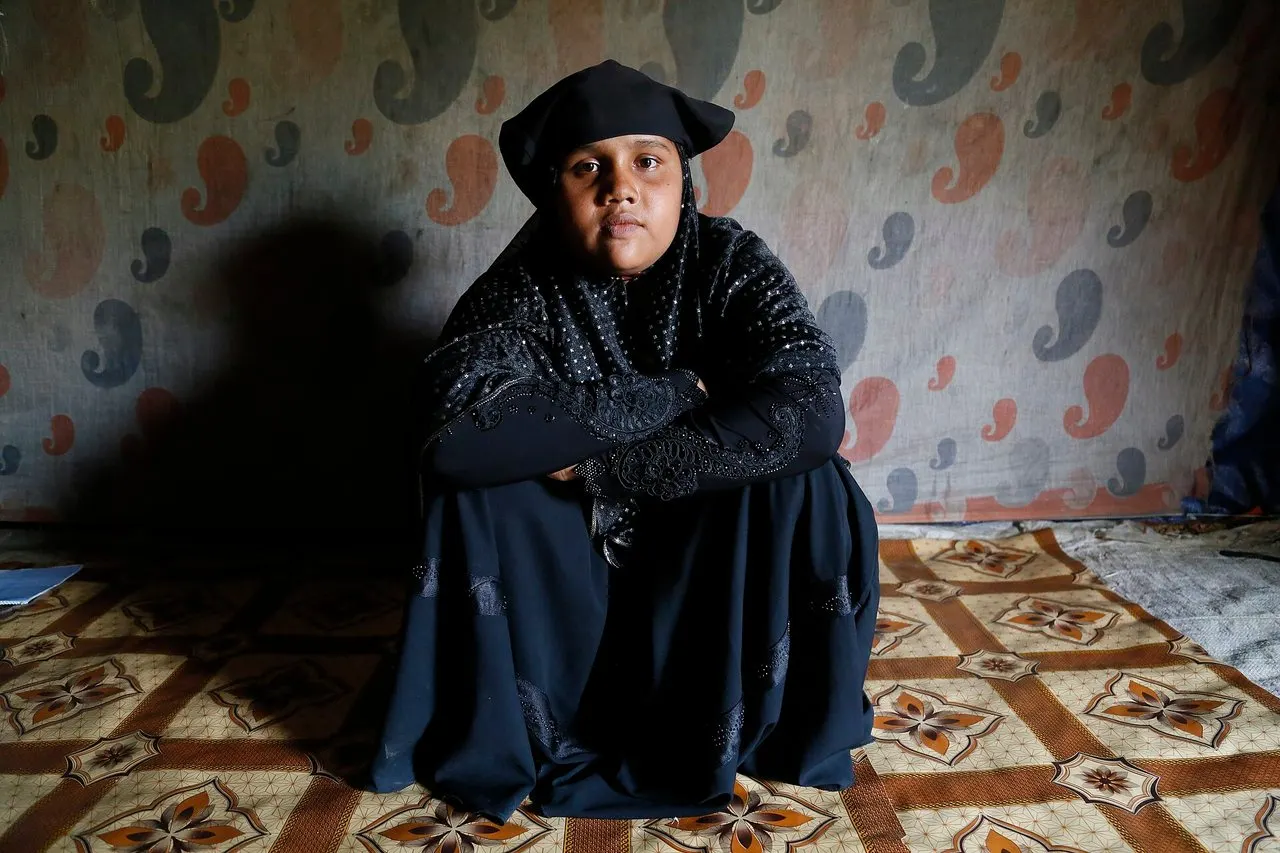
The Rohingya are a Muslim minority group who have lived in Rakhine State in western Myanmar for generations. Many of them have deep roots in the region, yet Myanmar has long denied most of them citizenship. Without citizenship, families struggled to travel freely, attend school, or find steady work. The United Nations has called the Rohingya one of the most persecuted minorities in the world. Their story is one of endurance, and you can read a mystery carved into ancient rock.
Rakhine State in 2017: The Operations the Court Judged
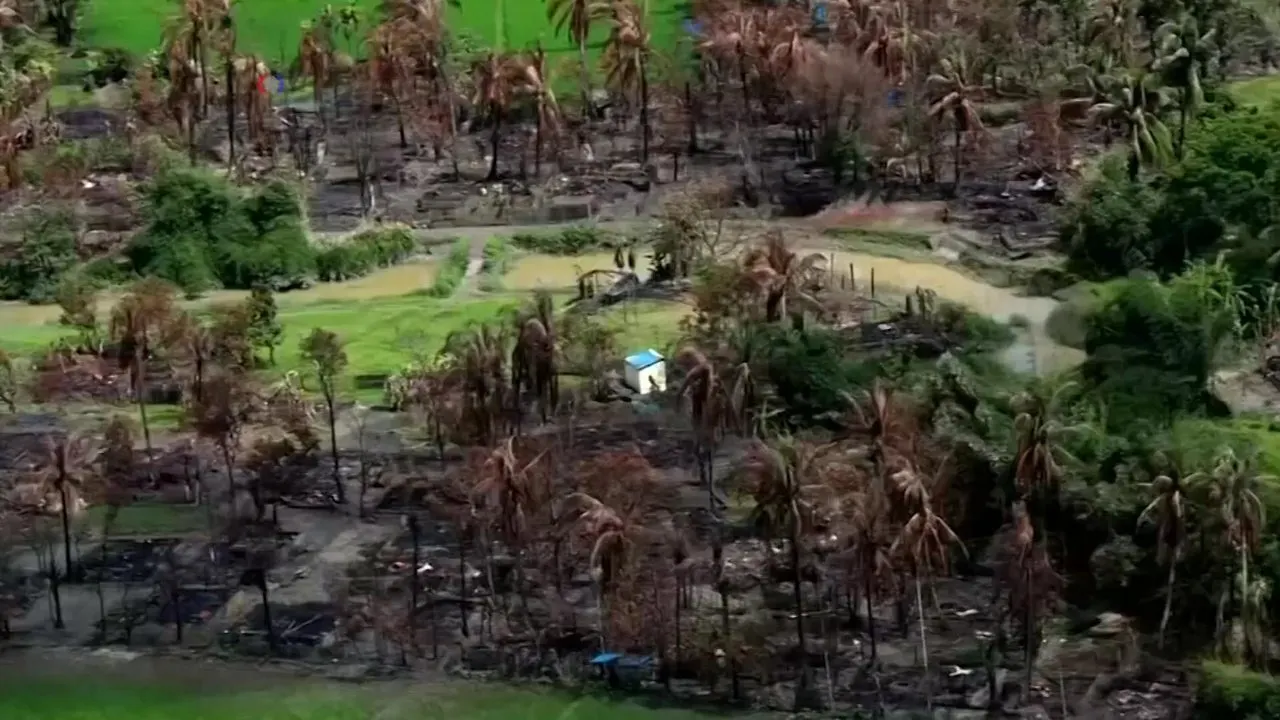
In 2017, Myanmar’s military carried out clearance operations across Rakhine State. The court found that these operations were aimed at destroying a substantial part of the Rohingya population. Soldiers moved through village after village, and families fled with whatever they could carry. The judges studied reports, testimony, and satellite images before reaching their decision. The scale of what happened in those months is what made the case so important, and you can read about a silent shrug that spoke volumes.
What Forced Removal Means in Plain Words
Forced removal is the term the court used for the offense, and it describes a deliberate effort to destroy a people in whole or in part. It is one of the most serious charges in international law, and proving it requires strong evidence of intent. The court looked at the pattern of killings, the burning of villages, and the mass flight across the border. Together, those facts told a clear story. You can also read about the secret to a long marriage.
How the Myanmar Rohingya Ruling Reached The Hague
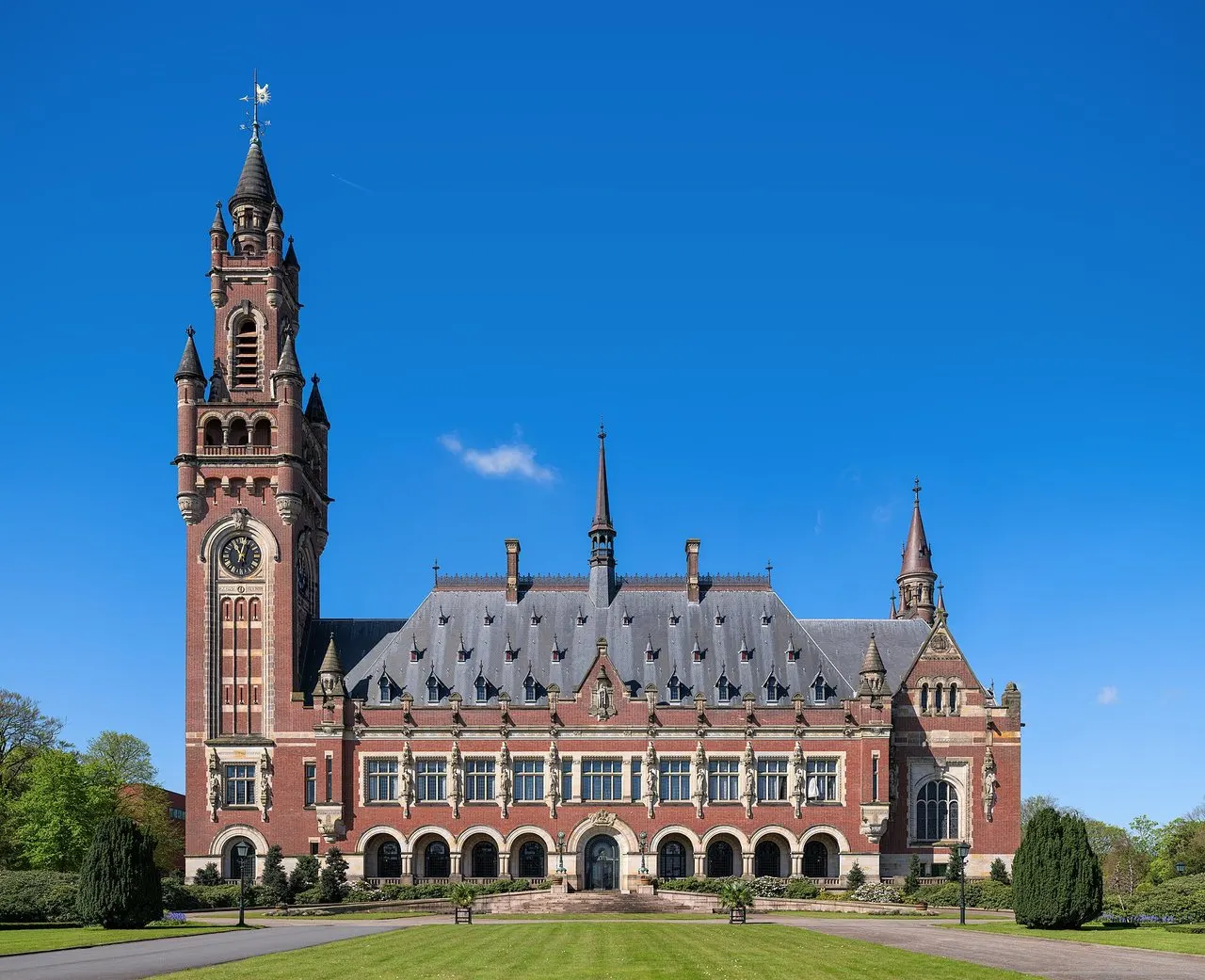
The ruling reached The Hague because The Gambia, a small West African nation, brought the case to the International Court of Justice. The Gambia argued that Myanmar had broken its duties under the international treaty that bans forced removal. The court agreed to hear the case, and years of written arguments and public hearings followed. It was a long road from the first filing to the final judgment. Read about what truly lasts after a long life.
The Gambia Took the Case to Court
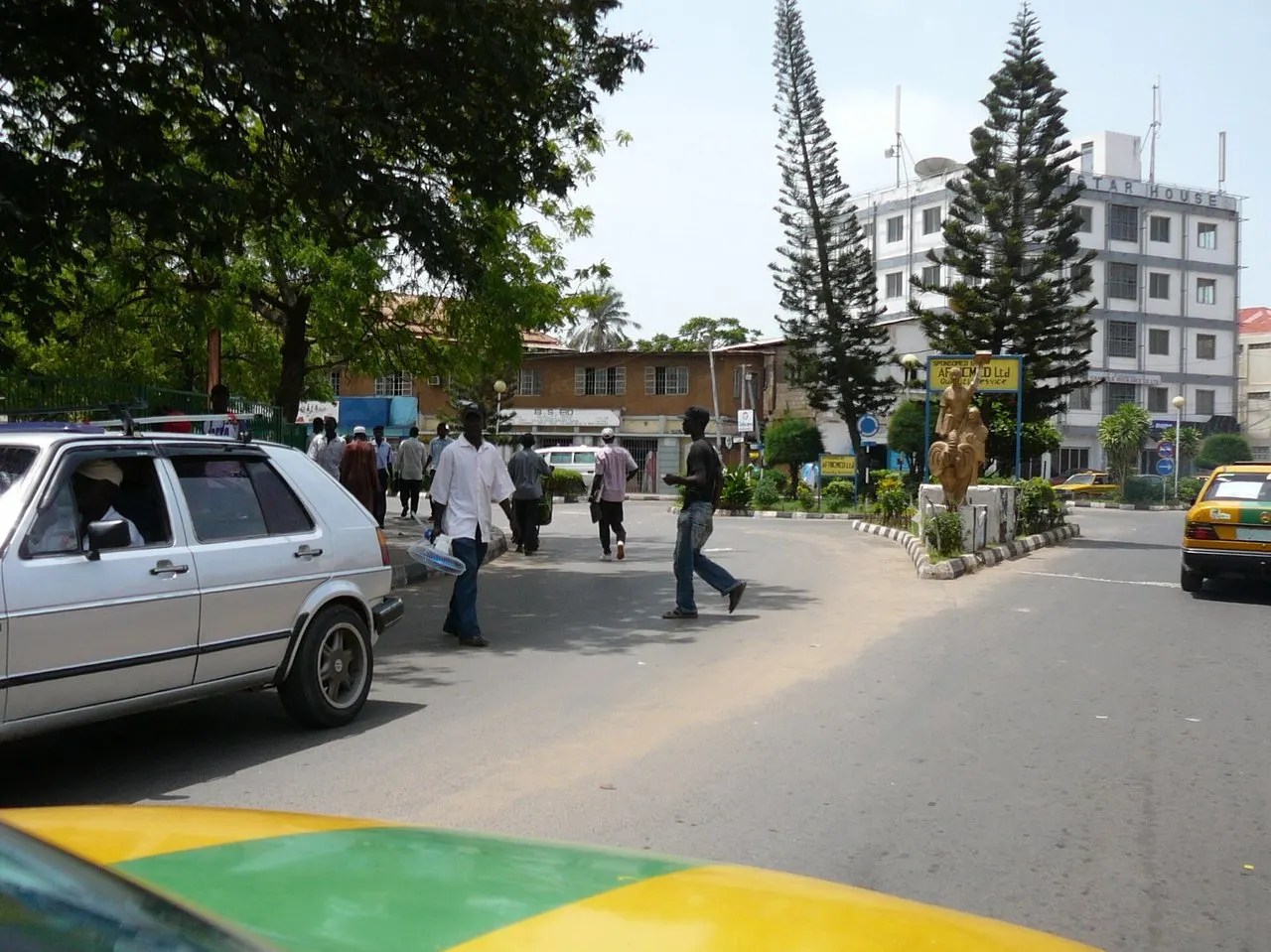
The Gambia is a small country on the west coast of Africa, far from Myanmar, yet it took on the case for the Rohingya people. Under international law, any country that has signed the treaty against forced removal can bring a case when it believes the treaty has been broken. The Gambia said it acted out of a duty to protect a vulnerable people. Its decision gave the Rohingya a voice in court. You can read about an eviction decided by a small share of votes.
Nine Judges to Six: Inside the Myanmar Rohingya Ruling
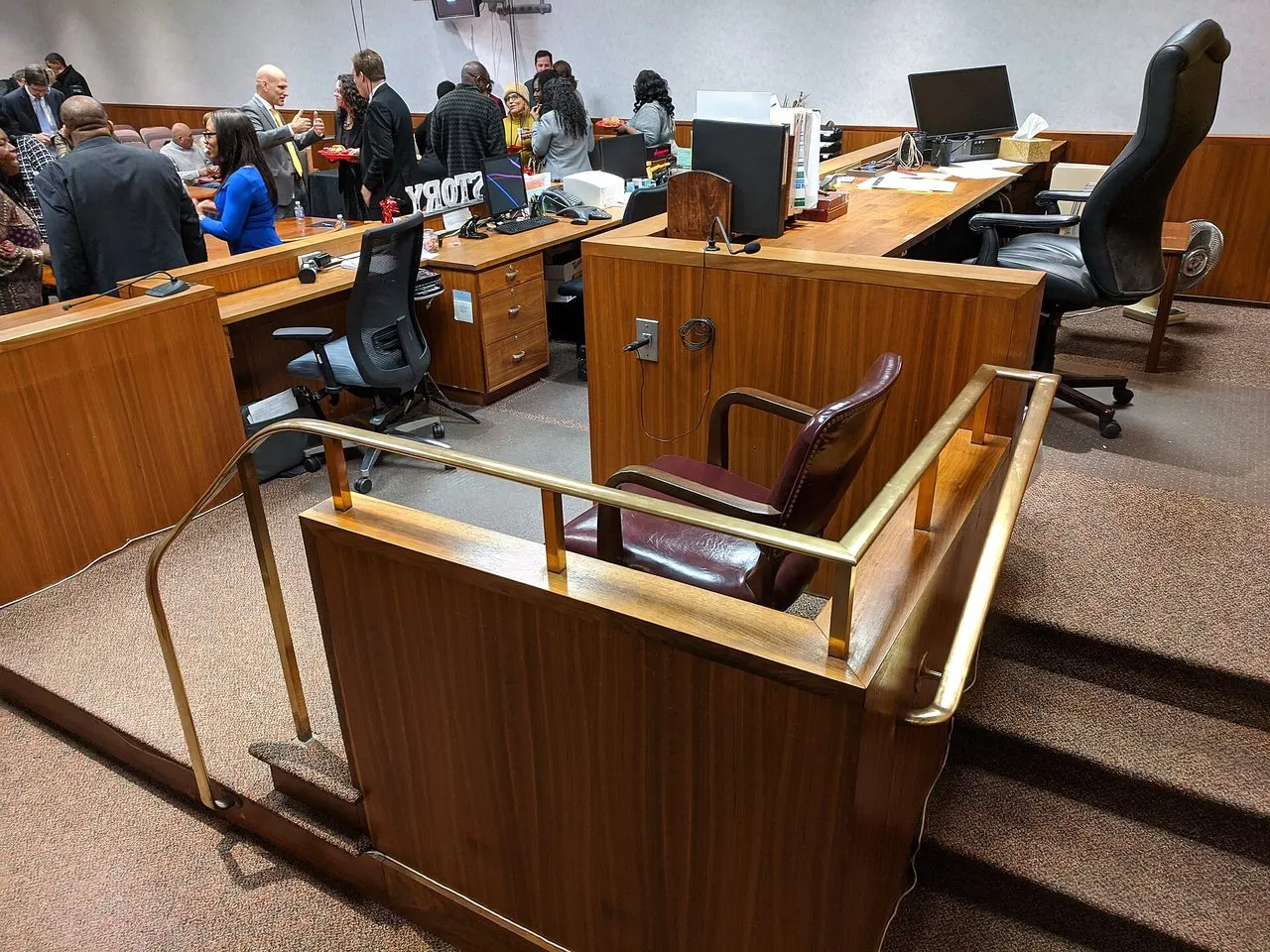
The judges voted nine to six in favor of the ruling, a clear majority of the fifteen member bench. Six judges disagreed, which shows that even the world’s highest court can be divided on hard questions. The majority found that the evidence showed a pattern aimed at destroying a substantial part of the Rohingya population. The minority view is recorded in the judgment too. For more on divided opinions, read about a beloved actor and his gentle dogs.
About 10,000 Lives Were Lost
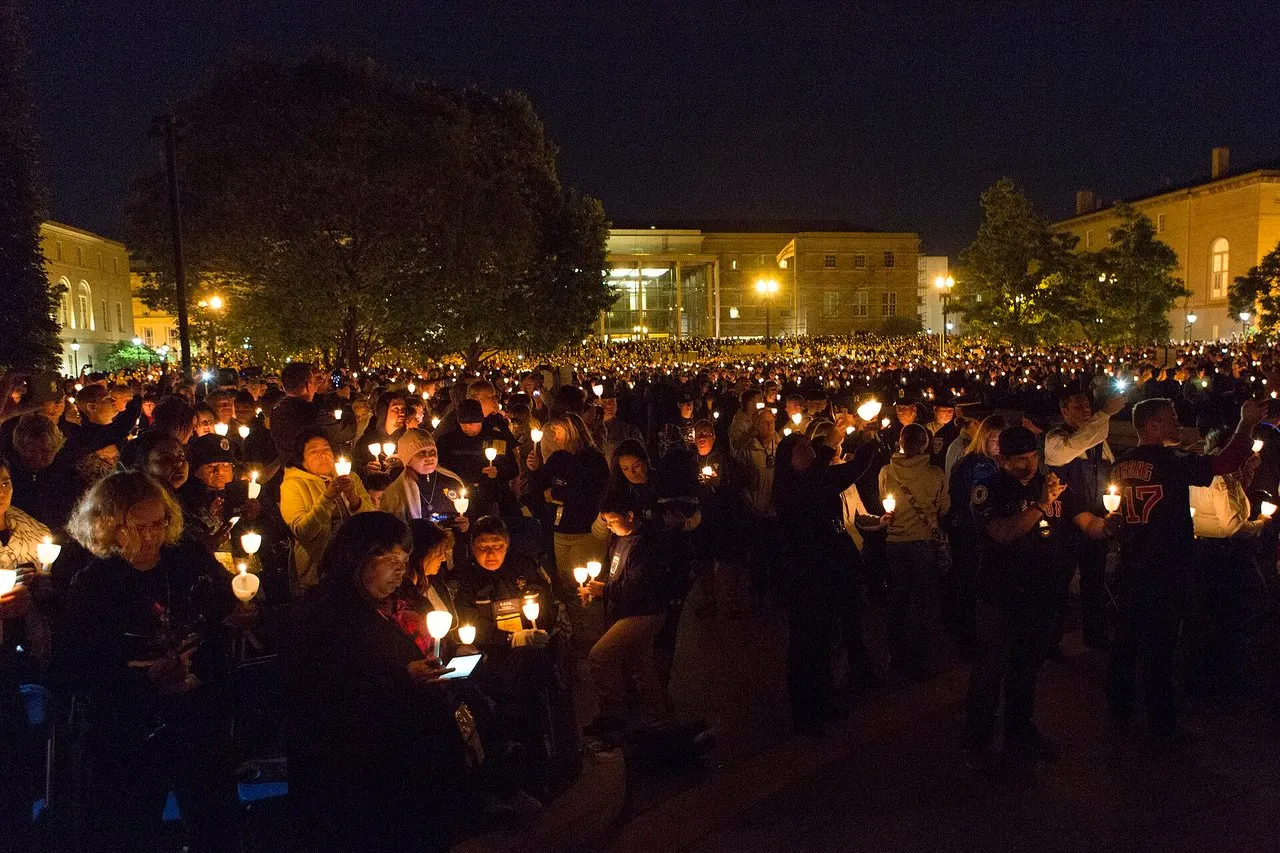
The court found that about 10,000 Rohingya were killed during the 2017 operations. Behind that number are mothers, fathers, children, and grandparents, each with a name and a family. Many died in their villages, and others died while trying to flee. The court treated the death toll as part of the evidence of intent, not as a number on its own. Every life lost is remembered by those left behind, and you can read about a court ban on a new electric SUV.
Hundreds of Villages Were Burned
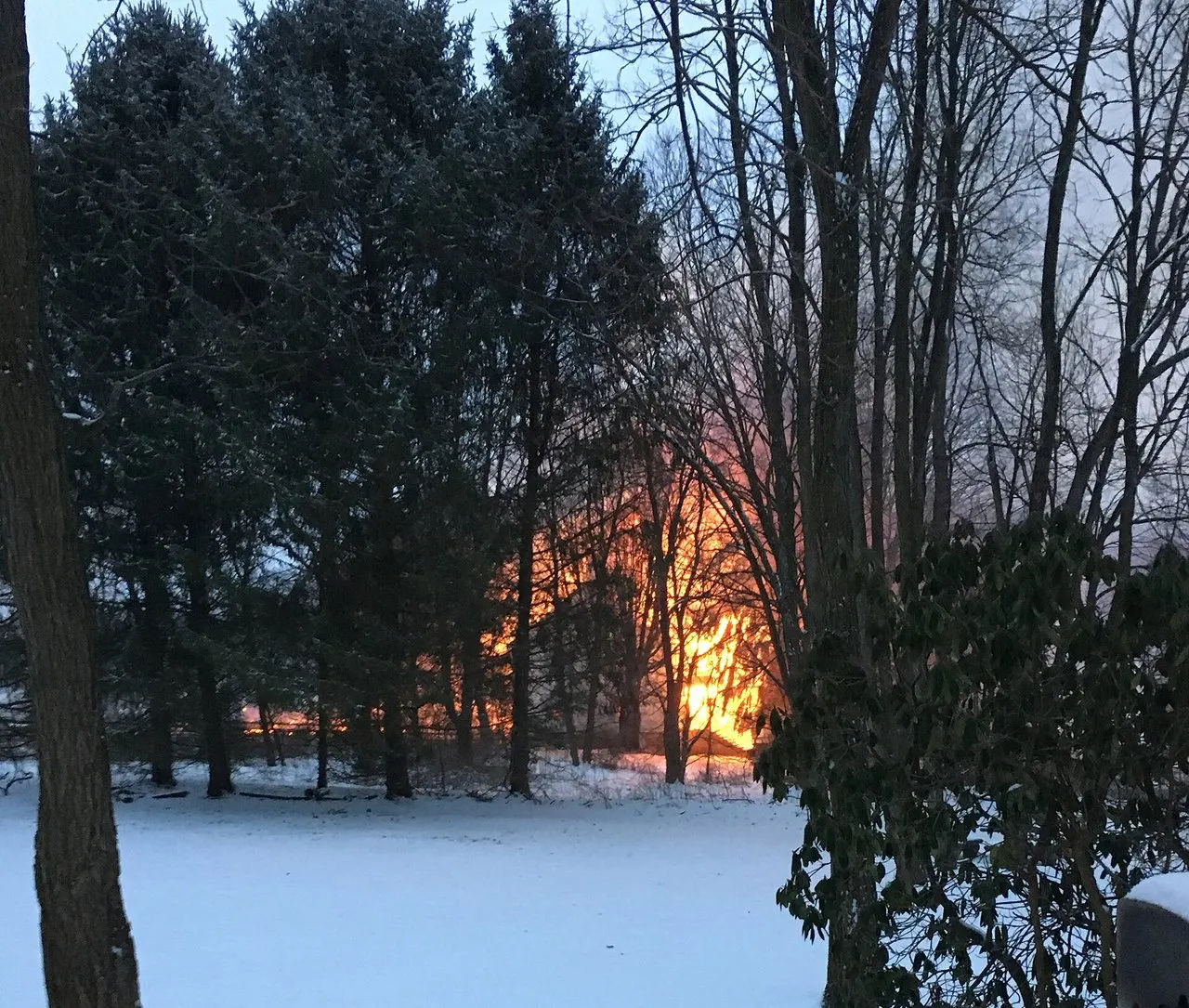
Hundreds of villages were burned during the clearance operations, and the court heard evidence that the fires were set on purpose. A burned village means more than lost houses. It means lost harvests, lost tools, lost papers, and lost places of worship. Families who fled could not go back to ashes, and that was part of the point. The smoke over Rakhine State became a symbol of the campaign. Read about a first smile outside the house.
The Long Walk to Bangladesh
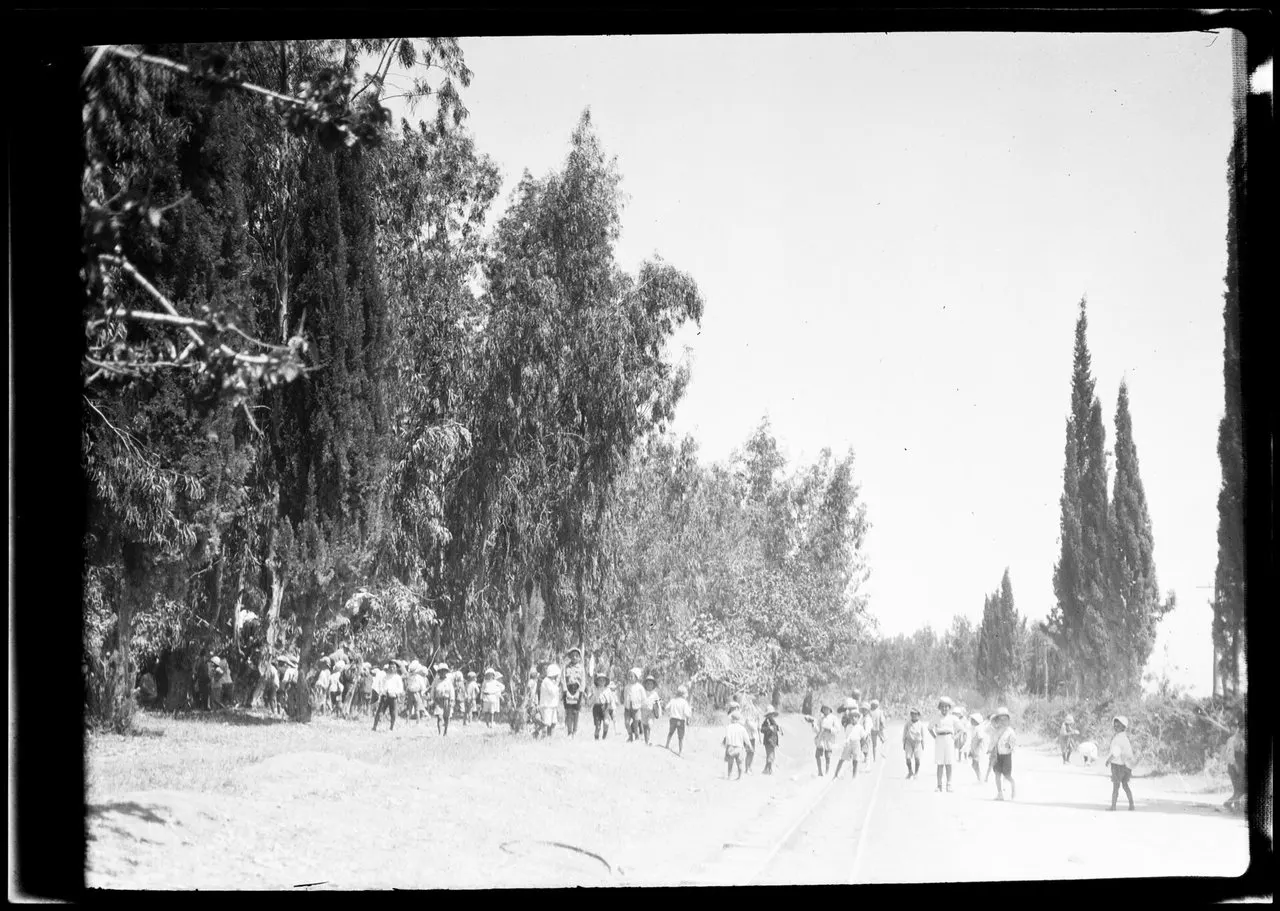
Hundreds of thousands of people walked out of Rakhine State and into Bangladesh, many of them on foot through forests and over hills. Parents carried small children, and older people leaned on younger relatives. They left behind homes, farms, and everything they could not carry. The journey was long and dangerous, and many arrived hungry and exhausted. Their flight is at the heart of this case, and you can read about an eviction from the Big Brother house.
Life Inside the Camps in Bangladesh
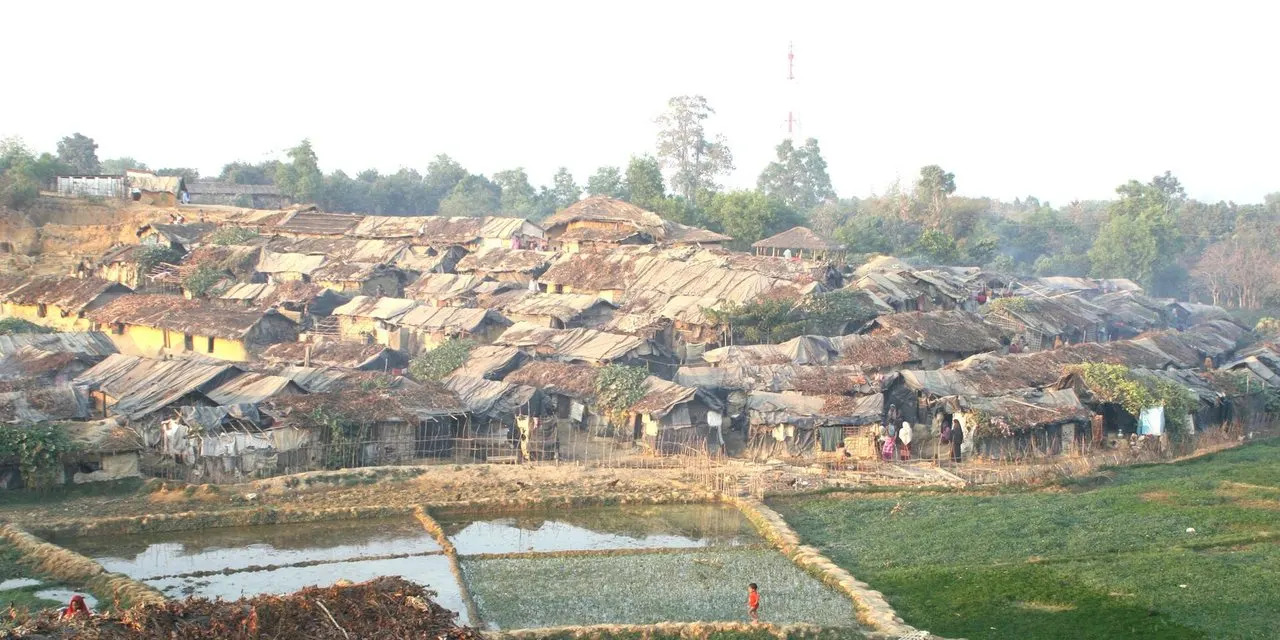
Most of the people who fled now live in large camps in Bangladesh, including the vast Kutupalong camp near Cox’s Bazar. The camps are crowded, with bamboo shelters standing close together and narrow paths between them. Aid groups provide food, water, and medical care, but life in a camp is hard, and families dream of going home. Children born in the camps have never seen Rakhine State. Read about a court order that freed a pregnant woman.
What the Myanmar Rohingya Ruling Ordered: The Right to Return
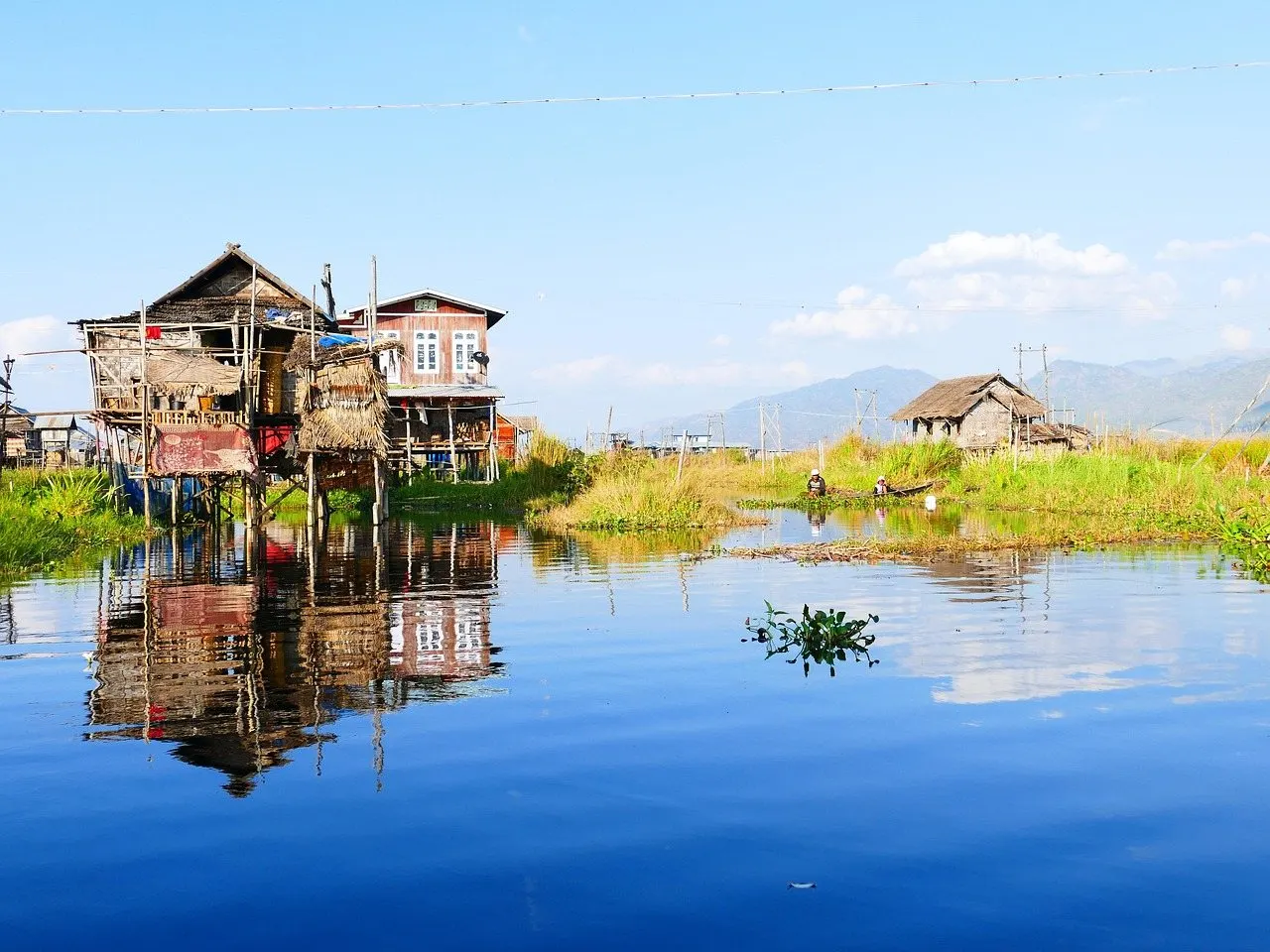
The Myanmar Rohingya ruling ordered Myanmar to allow the Rohingya to return to their homes. That order matters because a return must be safe, voluntary, and dignified, not a forced march back to danger. Families want to go home, but only when they can live there without fear. The court said Myanmar must make that return possible. It is the first step toward putting right what was done, and you can read about a feast that closes the liturgical year.
Restoring Homes and Property

The court also ordered Myanmar to restore the property of the Rohingya who were driven out. Land, houses, and belongings were lost in the fires and the flight, and the judges said those losses must be put right. Restoring property is about more than money. It is about giving families back the places where they lived, worked, and raised their children. Without homes to return to, return itself means little. Read about a fierce debate over words about Gaza.
Paying Compensation to the Victims
Compensation was the third part of the court’s orders, and it means Myanmar must pay the Rohingya for what they lost. Money cannot bring back the dead or rebuild every burned home, but it can help families start again. The court will decide the amount in later proceedings if the two sides cannot agree. For the victims, the order is a recognition that their losses were real and counted. You can read about a robot that may outnumber people.
After the Myanmar Rohingya Ruling, Myanmar Says It Will Not Fully Comply
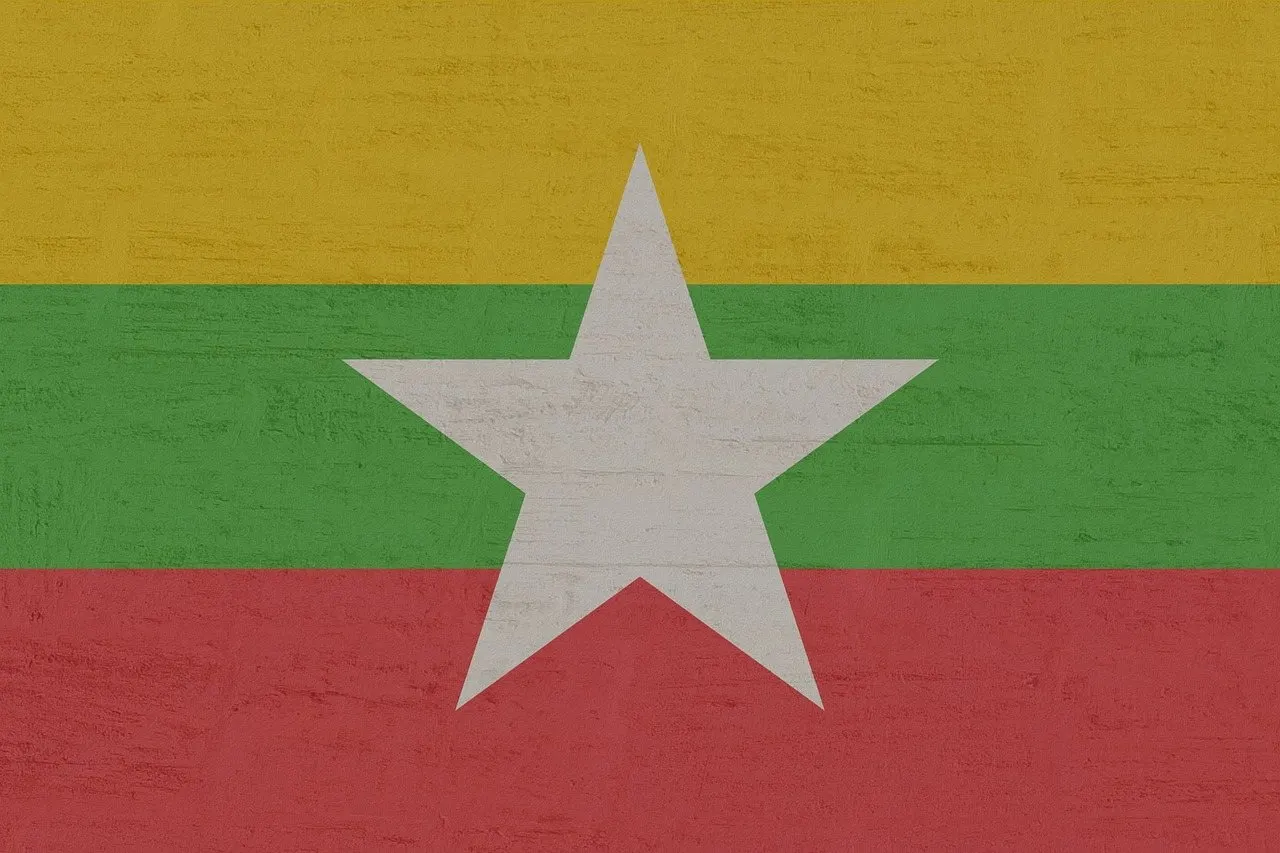
After the Myanmar Rohingya ruling, Myanmar’s leaders said they will not fully comply with the court’s orders. That reply was reported by Reuters, and it disappointed many who had hoped for a quick change. A court order without compliance leaves the victims waiting, and it raises hard questions about how international law is enforced. The world will be watching what Myanmar does next. Read about a mystery carved into ancient rock.
Why the Myanmar Rohingya Ruling Is a First, and Why Others Have Not Followed
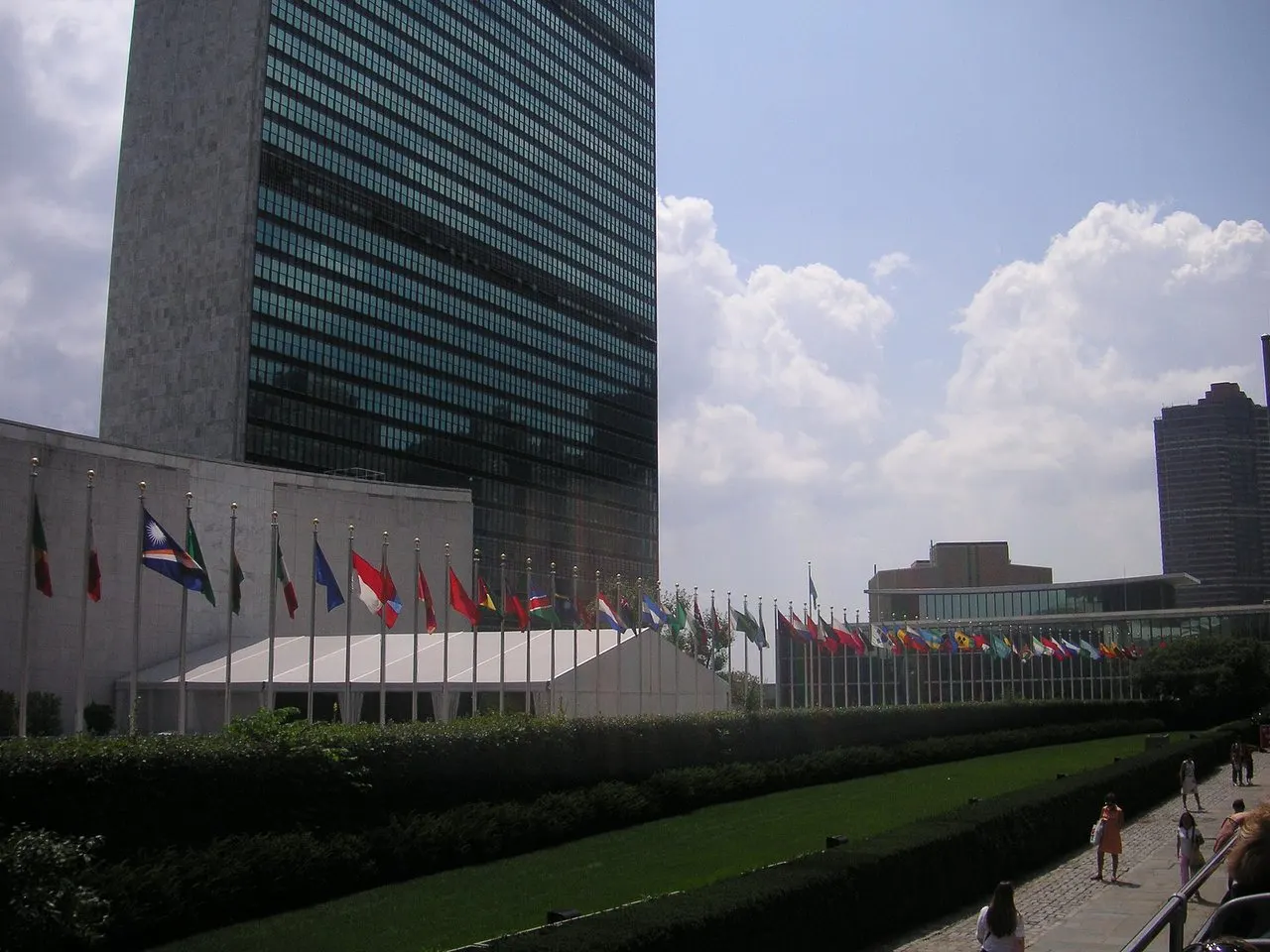
The Myanmar Rohingya ruling is a first because no country had ever been held responsible for forced removal before. Other cases have been brought, but none had reached a final judgment of guilt against a state. Some cases are still waiting, and some were dropped or settled. The Myanmar case shows that the law can reach even the most powerful acts of a state. It also shows how slow justice can be, and you can read about a silent shrug that spoke volumes.
The United Nations and the Road Ahead
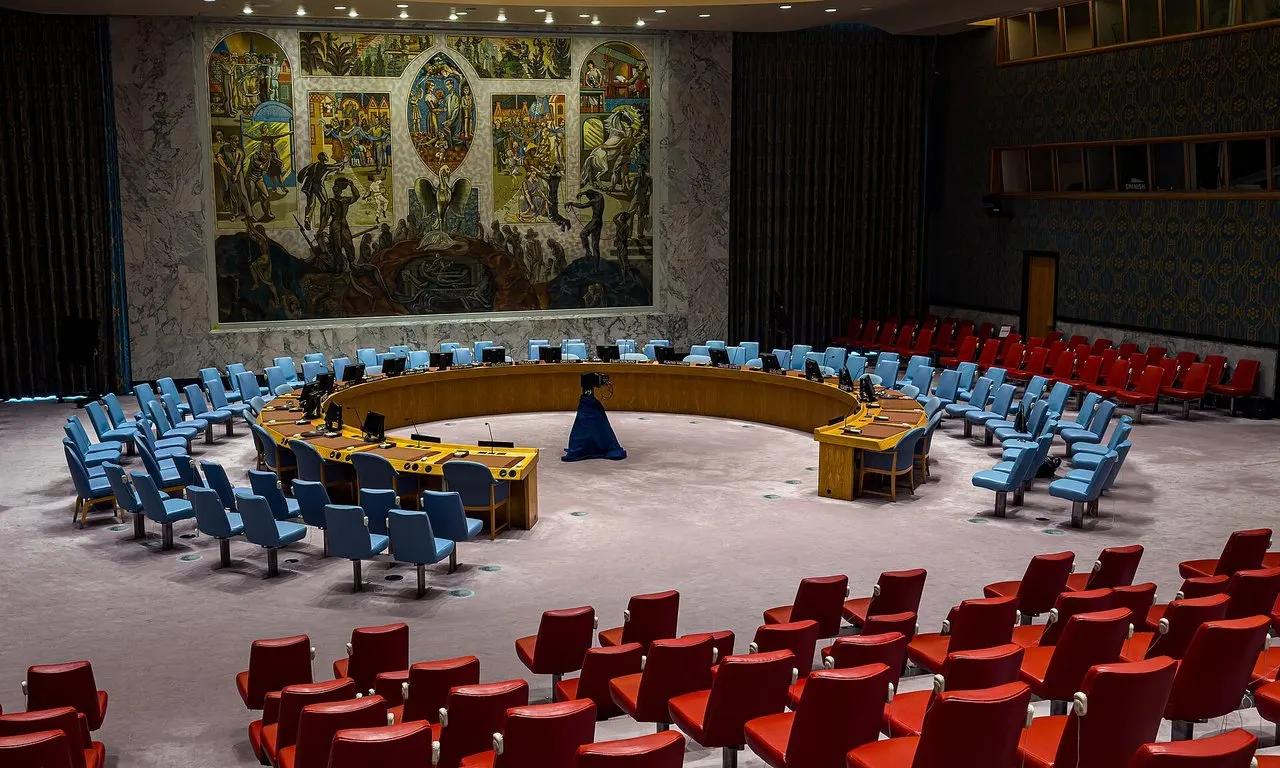
The United Nations has followed the Rohingya crisis for years, through its human rights bodies and its refugee agency. The court itself is the UN’s highest judicial body, and its judgments are binding on the countries that accept its authority. Yet the UN has no police force to make a country obey. Its power rests on the willingness of nations to respect the law. That limit shapes everything that follows, and you can read about the secret to a long marriage.
What the Myanmar Rohingya Ruling Means for Families Still Waiting
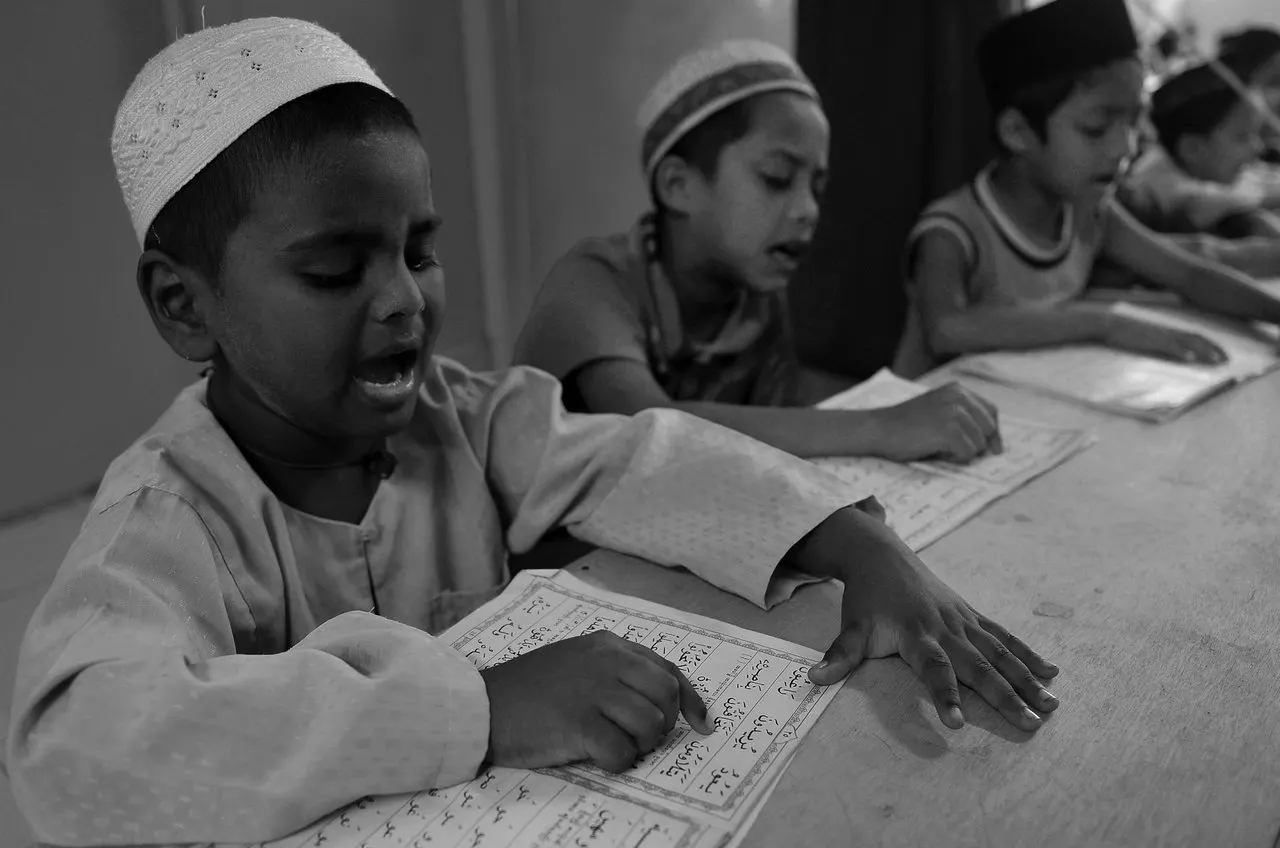
What the ruling means for families still waiting is simple to say and hard to deliver. It means the world has heard them, and the highest court has believed them. But a judgment on paper does not rebuild a village or open a border. Families in the camps are still waiting for the return, the property, and the payment the court ordered. Their patience is now part of the story, and you can read about what truly lasts after a long life.
How the World Reacted to the Verdict
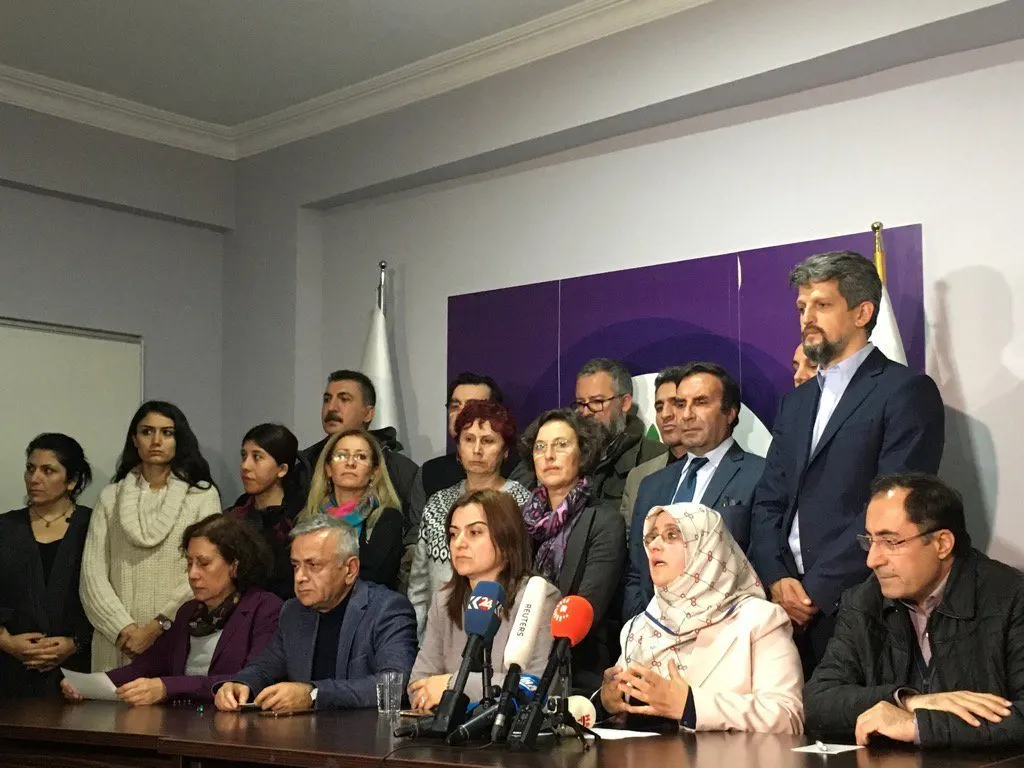
News of the verdict spread quickly, and leaders, lawyers, and aid groups around the world welcomed the decision. Many called it a landmark, and human rights groups said it gave hope to other persecuted peoples. Others warned that the ruling would mean little without action to enforce it. The debate now turns to what pressure the world is willing to apply. Read about an eviction decided by a small share of votes.
The Judges Behind the Decision
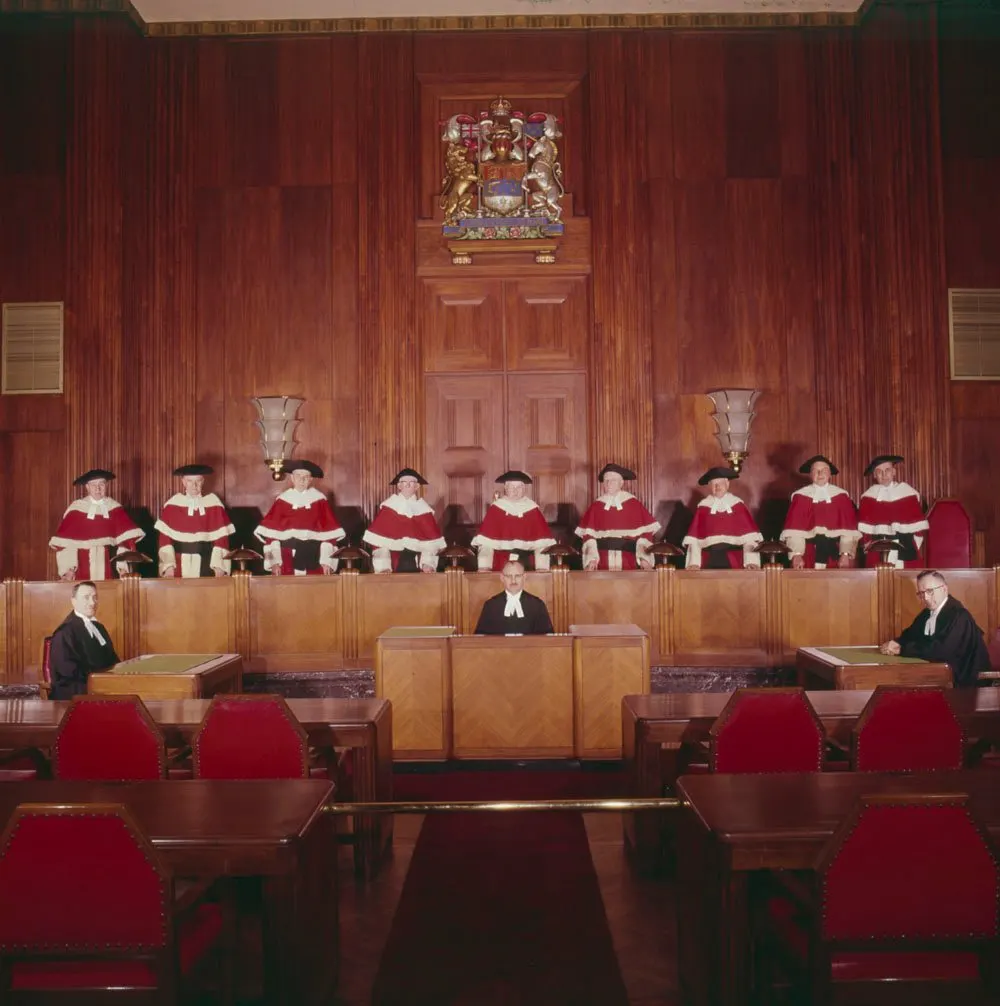
The judges who decided the case came from many countries, and they brought different legal traditions to the bench. They read thousands of pages of evidence, heard days of argument, and debated in private before voting. A judgment from the world court carries weight because it comes from judges of many nations, not from one government. Their names will be tied to this ruling for years. You can read about a beloved actor and his gentle dogs.
The Myanmar Rohingya Ruling: A First in World Court History
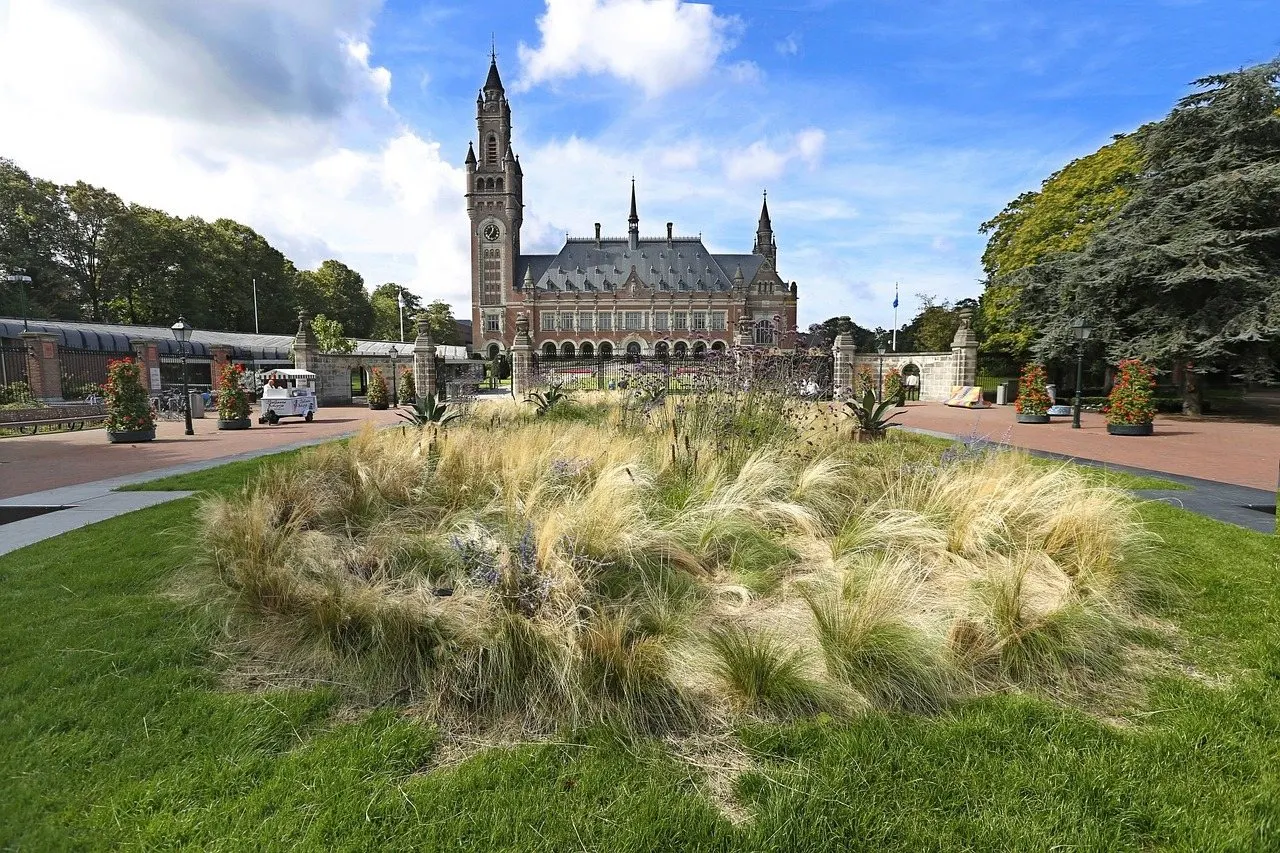
The Myanmar Rohingya ruling is the first of its kind in the history of the International Court of Justice. The court has settled border disputes, ruled on treaties, and advised the United Nations, but it had never before found a country guilty of forced removal. That is why November 19, 2026, will be remembered as a turning point. History will judge whether it was also a beginning. Read about a court ban on a new electric SUV.
Nine Years From 2017 to the Myanmar Rohingya Ruling

Nine years passed between the 2017 clearance operations and the Myanmar Rohingya ruling, and those years were long ones for the victims. Cases at the world court move slowly, with written filings, hearings, and deliberations that take months at a time. For families in the camps, each year of waiting was another year away from home. Justice that arrives late is still justice, but the delay is part of the story. Read about a first smile outside the house.
What Forced Removal Means Under International Law
Under international law, forced removal means acts committed with the intent to destroy a national, ethnic, racial, or religious group in whole or in part. The definition comes from a treaty signed by most of the world’s countries, including Myanmar. The court had to find not only that terrible acts happened, but that they were done with that intent. That high bar is one reason the ruling took so long. You can read about an eviction from the Big Brother house.
Still Waiting in Bangladesh After the Myanmar Rohingya Ruling
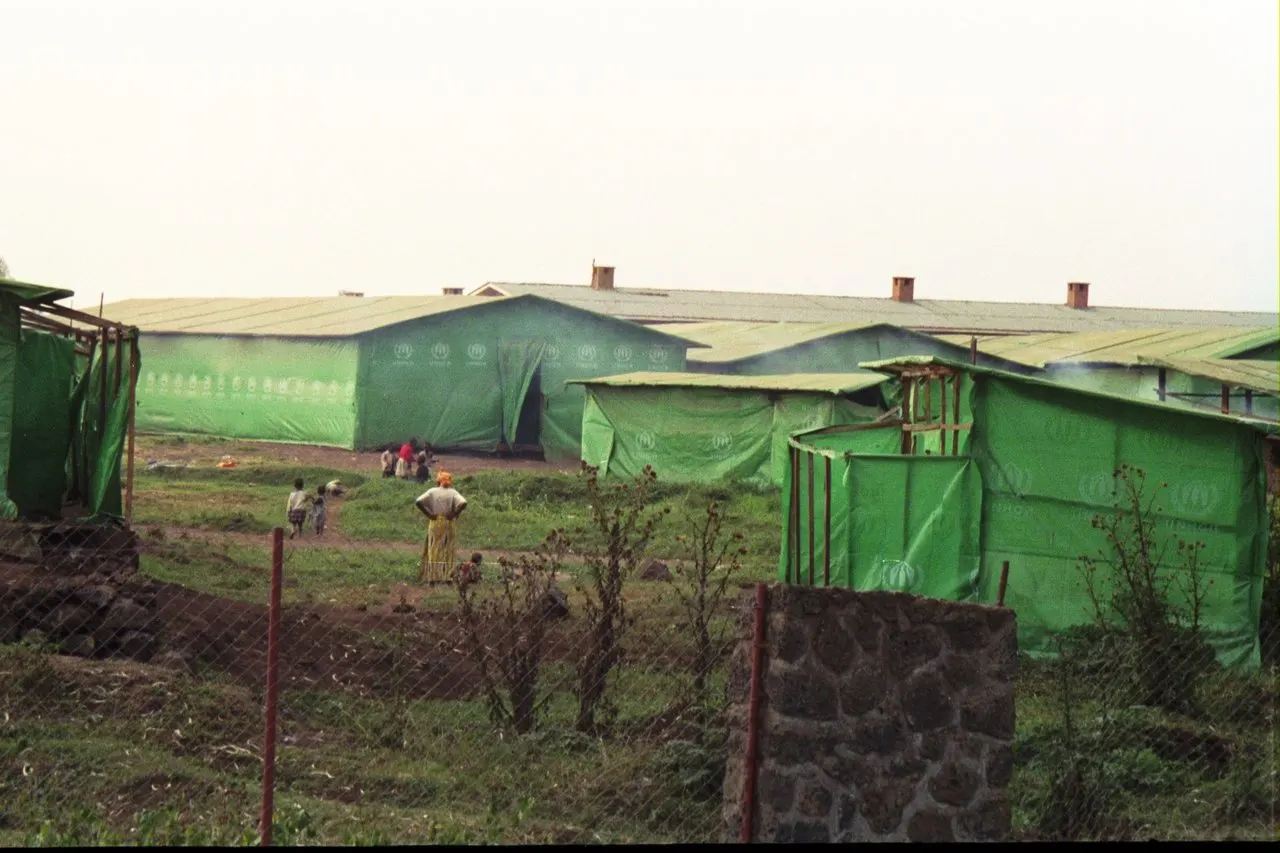
Hundreds of thousands of Rohingya still live in the camps of Bangladesh, waiting for the Myanmar Rohingya ruling to change their lives. They wait for news of return, for word about their land, and for the compensation the court ordered. Children grow up in the camps, and parents grow older far from home. The ruling gave them hope, but hope needs action to become a home again. Read about a court order that freed a pregnant woman.
What Do You Think Comes Next
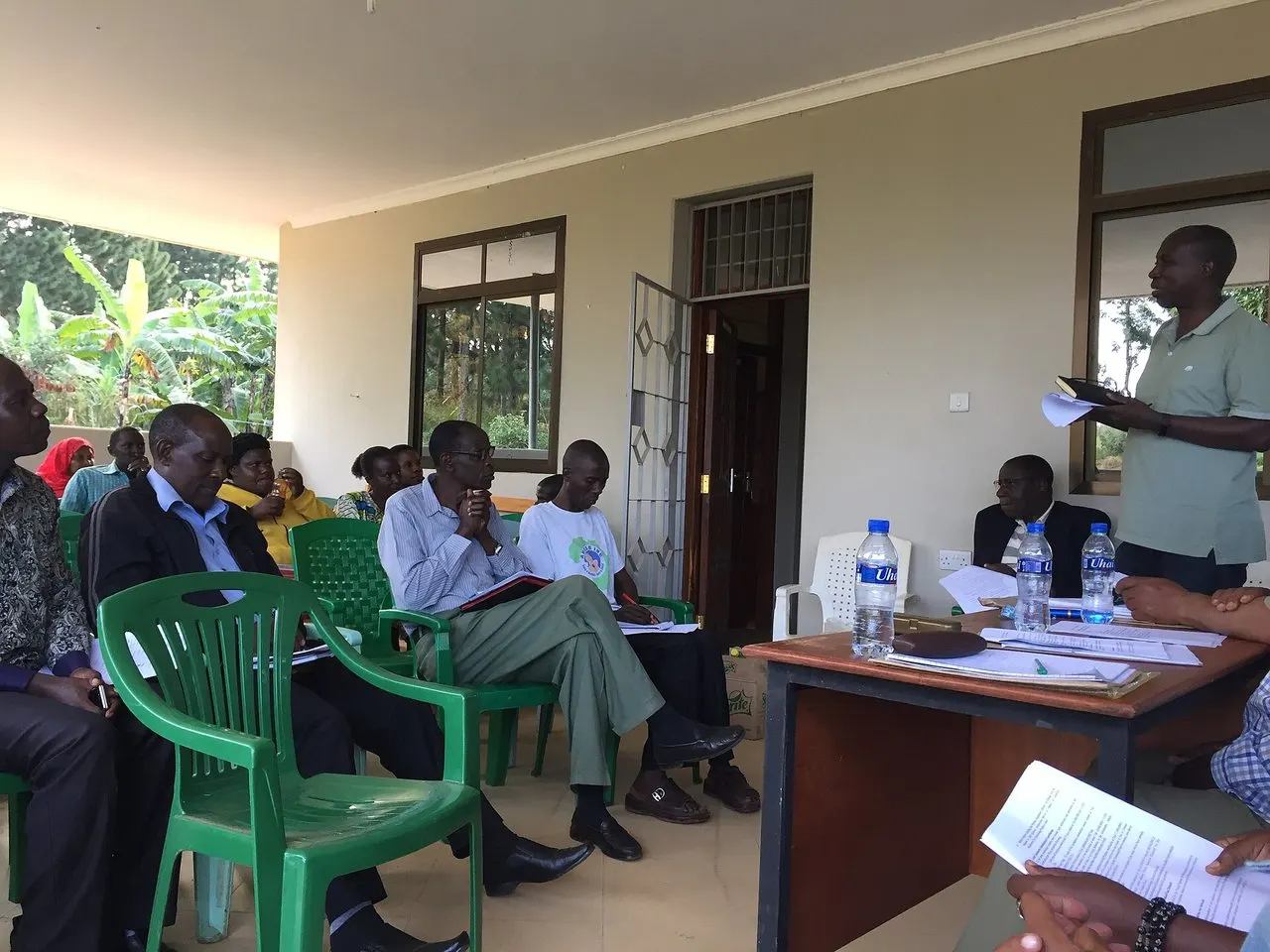
The court has spoken, and Myanmar has answered that it will not fully comply, so the question now belongs to all of us. Do you think the world will find a way to enforce this ruling, or will it join the long list of promises that faded with time? What should happen next for the Rohingya families still waiting in Bangladesh? Share your thoughts in the comments below, and read about a feast that closes the liturgical year.