Disappearing Messages Put the Justice Department on Notice
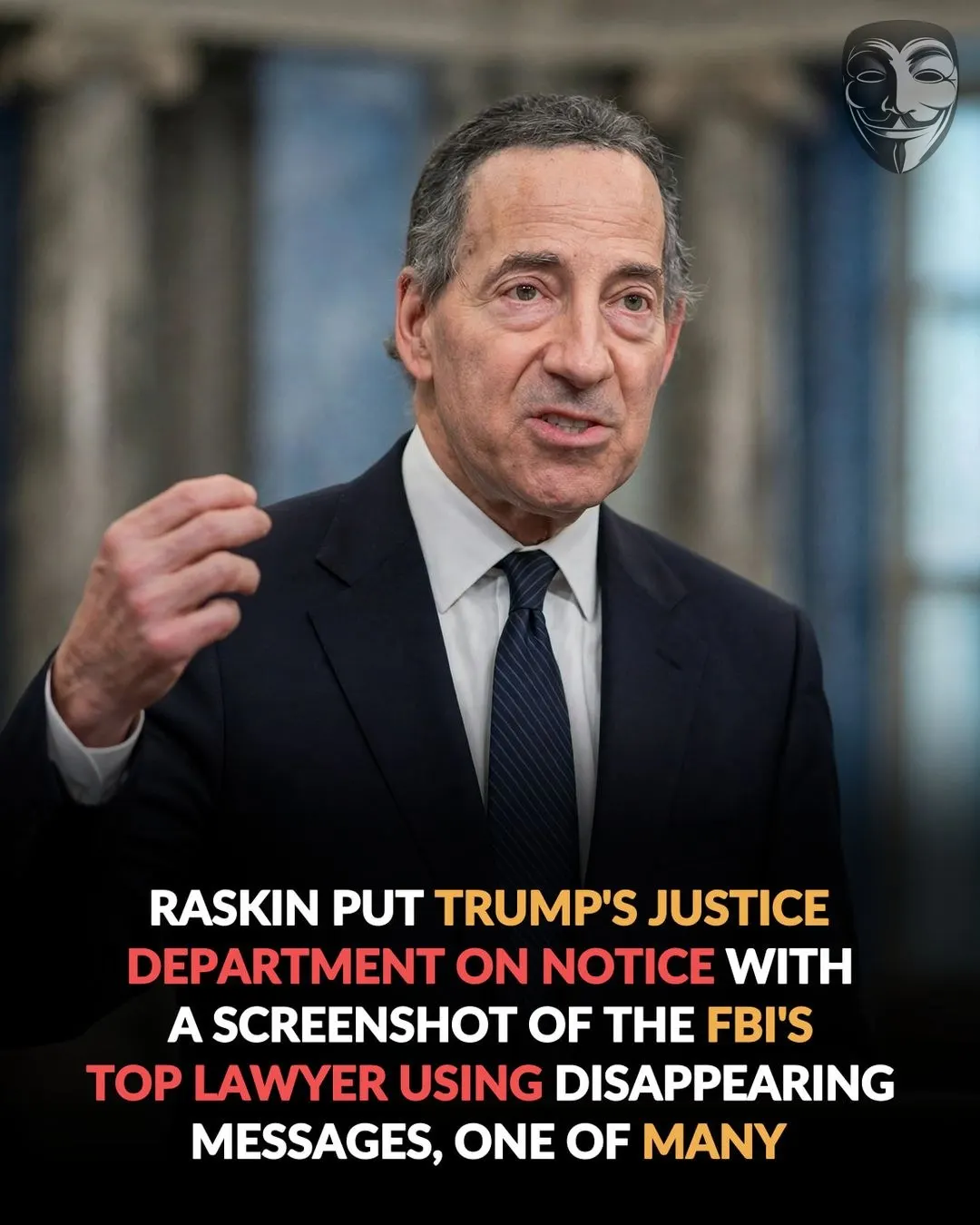
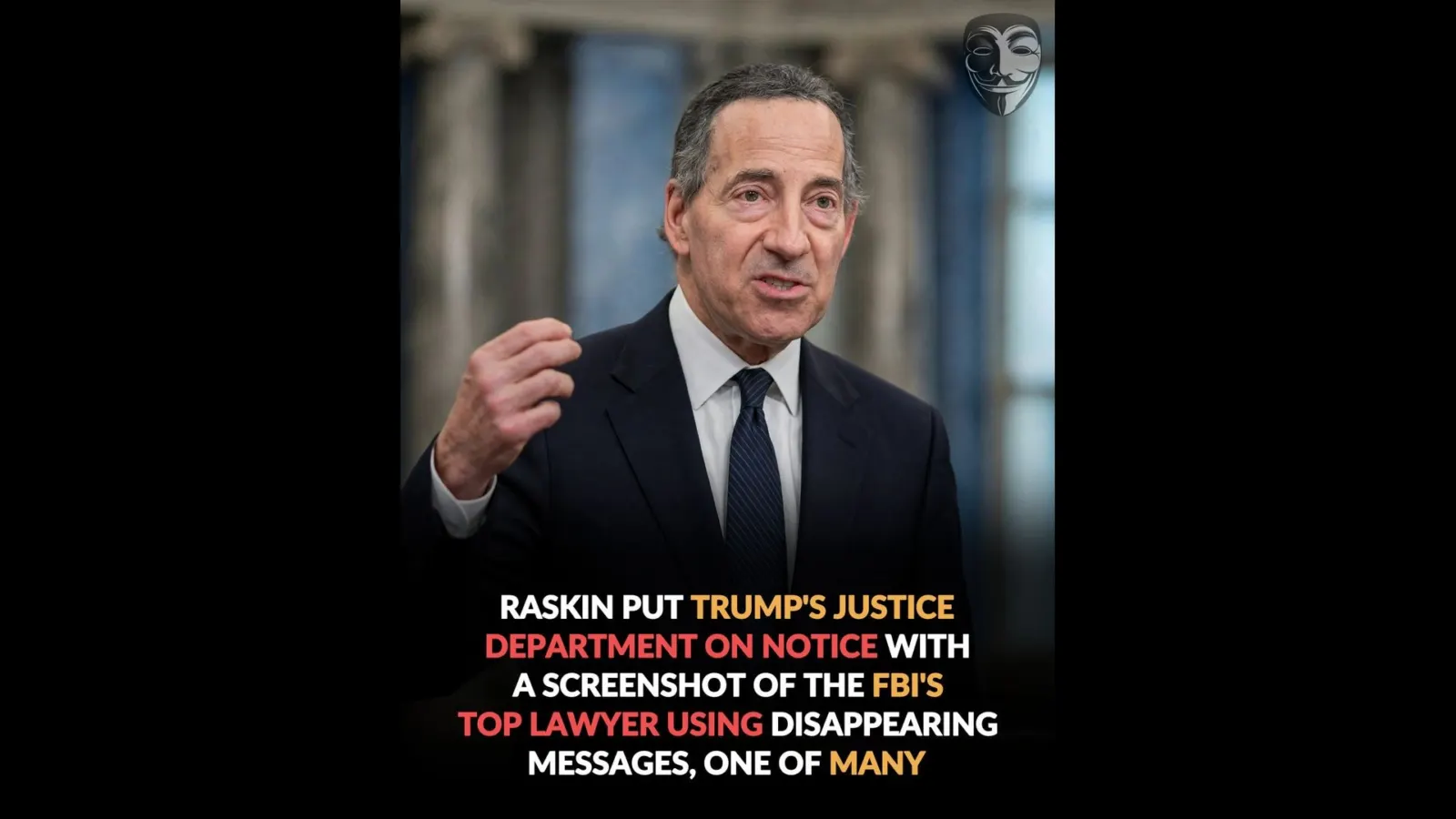
Disappearing messages are at the center of a warning Rep. Jamie Raskin sent to the Justice Department and four other federal agencies. Raskin, a Democrat from Maryland who will chair the House Judiciary Committee when Democrats take control of Congress in January, says he has evidence that officials are using messaging apps to send texts that erase themselves. His letters tell the agencies to preserve every record, and he included a screenshot that shows the problem in plain sight. Read our earlier report on Raskin warning about the FBI chat.
The screenshot shows a chat between FBI general counsel Samuel Ramer and Drew Lynch, an associate of Donald Trump Jr., with an icon showing the messages were set to delete automatically after one week. Raskin said that chat is one of many reported to his committee, and he wrote that Justice Department and FBI officials are openly flouting federal law. In the slides ahead, we look at the letters, the people involved, the law, and what happens next.
References:
Al Jazeera: Top US Democrat warns Trump admin against destroying records
House Judiciary Committee Democrats: Ranking Member Raskin Puts DOJ, FBI, DHS, ICE, and Bureau of Prisons on Notice: Preserve All Records, Including Signal Chats
HAMASTA MEDIA: Raskin warns Trump administration against destroying government records
Daily States: Jamie Raskin Accuses Trump Administration of Improperly Deleting Government Records, Gives Five Federal Agencies Until December 3 to Respond
The Letters Warn About Disappearing Messages

Raskin sent his letters on Thursday to the heads of five federal agencies, and each letter carried the same blunt message. The Justice Department, the FBI, the Department of Homeland Security, Immigration and Customs Enforcement, and the Bureau of Prisons were all told to preserve every record, including chats on messaging apps. Raskin said his committee has received many reports of officials using apps that erase texts on their own. Read the earlier warning about the FBI top lawyer.
Who Is Jamie Raskin

Jamie Raskin is a Democrat who represents Maryland in the House of Representatives, and he is currently the top Democrat on the House Judiciary Committee. When Democrats take control of Congress in January, he is set to become the committee chair, which gives him the power to open investigations and demand documents. Raskin has built his career on constitutional law, and he taught the subject for years before coming to Congress. See Raskin plan to open investigations into Trump pardons.
The Screenshot Shows Disappearing Messages

The strongest piece of evidence in Raskin letter is a screenshot of a chat between FBI general counsel Samuel Ramer and Drew Lynch, an associate of Donald Trump Jr. The image shows an icon that means the messages were set to delete automatically after one week, so nothing in the chat would stay on the record. Raskin called the chat one of many reported to his committee. See our report on Raskin warning about the FBI chat.
Who Is Samuel Ramer, the FBI Top Lawyer
Samuel Ramer serves as general counsel of the FBI, which makes him the bureau top lawyer. In that job, he is supposed to make sure the bureau follows the law, including the rules that require government workers to keep records of official business. Raskin wrote that Ramer should be ensuring all 35,000 FBI employees preserve their records, and instead he carried out official business on a platform built to erase messages. Read how former Justice Department lawyers are now helping Democrats.
Who Is Drew Lynch

Drew Lynch is described as an associate of Donald Trump Jr., the president eldest son. He is the other person in the chat shown in Raskin screenshot, and the messages between him and the FBI top lawyer were set to disappear after one week. The chat reportedly concerned a person wanted by federal authorities, which is the kind of official business that must be kept on the record. See Raskin plan to open investigations.
Disappearing Messages Set to Vanish in One Week

Disappearing messages are a feature on many messaging apps that deletes each text after a set time, and in this chat the timer was set to one week. Once that week passes, the words are gone from the phones, and there is nothing left to hand over to investigators or historians. That is why Raskin calls the practice so serious, because a record that deletes itself cannot be checked later. Read the lawyers leaving the Justice Department.
What the Law Says About Government Records

Federal law requires government agencies to preserve records of official business, and that duty covers messages sent on private apps as well as on government systems. The point of the law is simple. The public owns the record of what its government does, and no official can decide on their own to throw that record away. Raskin wrote that Justice Department and FBI officials are openly flouting that law. Read another warning from a former Republican leader.
Destroying Records Can Mean Three Years in Prison
Destroying government records is a felony under federal law, and it can carry up to three years in prison. That penalty is what gives Raskin warning its force, because he is not only accusing officials of bad habits. He is saying they may have broken a criminal law that protects the public record. Whether anyone is charged will depend on what investigators find, and that is why preserving the evidence matters now. See how Blumenthal grilled Trump nominees.
Five Agencies Warned Over Disappearing Messages

Raskin letters went to five agencies at once, and each one plays a part in law enforcement. The Justice Department and the FBI sit at the center of the story, but the Department of Homeland Security, Immigration and Customs Enforcement, and the Bureau of Prisons were told the same thing. Every one of them must preserve records, including chats on messaging apps, and certify that they have done so. Read the joke about Trump meeting dictators.
The December 3 Deadline

The letters give the five agencies until December 3 to respond, which is only a short time to gather records, check backups, and report back. Raskin asked them to take immediate action to recover any records that may already have disappeared, using data backups or associated metadata. A deadline turns a warning into a test, and the answers will show whether the agencies took the letters seriously. See Bacon call for a higher bar.
Robert Garcia Also Targets Disappearing Messages

Rep. Robert Garcia of California, who is set to chair the House Oversight Committee, sent his own letters this week to a dozen Trump administration officials and associates. His message was the same as Raskin. Preserve your records, because Congress will be asking for them. With two incoming chairs acting at once, the warning reaches across the whole administration. Read the former adviser who broke with Trump.
Democrats Take the Gavel in January

Democrats take control of Congress next year, and that is what makes these letters more than a complaint. In January, Raskin will chair the Judiciary Committee and Garcia will chair the Oversight Committee, and both panels will have the power to hold hearings, issue subpoenas, and demand documents. Raskin told Trump team that every deleted message is now evidence, and the new majority will be watching. See Clinton saying Putin has compromising material.
Disappearing Messages and the 35,000 FBI Employees

The FBI employs about 35,000 people, and Raskin says its top lawyer should be making sure every one of them preserves government and law enforcement records. That number shows the scale of the problem. If the bureau chief lawyer treats disappearing chats as normal, thousands of workers may follow the same example. A culture of deleting messages can spread fast through a big agency. Read Himes telling Trump he will block funding.
What the FBI Top Lawyer Should Be Doing
A general counsel is the lawyer who tells an agency what the law allows, and at the FBI that means keeping the bureau on the right side of records rules. Raskin quoted that duty back at Ramer in his letter, saying the top lawyer should be ensuring records are kept, not using a platform built to erase them. The contrast is the heart of the story. The guardian of the rules appears to have broken them. See the ICE camp report.
Recovering Disappearing Messages From Backups

A message that vanishes from a phone is not always gone forever, and Raskin asked the agencies to look for copies in data backups and associated metadata. Phone companies, cloud services, and agency servers can sometimes hold traces of a chat long after the app has deleted it. Whether anything can be recovered will be one of the first things the agencies must report by December 3. Read the baseball legend pardon.
Why Saving Records Matters

Government records are how the public learns what was decided, who decided it, and why. Historians use them to write the story of a presidency, courts use them to settle disputes, and voters use them to judge their leaders. When messages disappear, all of that gets harder, and the people in power get to choose what the future remembers. That is why the law treats the public record as something worth protecting. See Sanders call for Congress to pass Medicare.
How Disappearing Messages Work

Disappearing messages are a setting inside many chat apps that wipes each message after a chosen time, from a day to a week or longer. People use the feature for private chats, but the same setting on a government phone can erase the record of official business. The app does not ask whether a message matters to history. It simply follows the timer, and the words are gone. Read Zelensky saying nothing in Berlin.
Disappearing Messages Drew Scrutiny Before

This is not the first time disappearing messages have caused trouble in Washington. Last year, a magazine editor was added by mistake to a group chat where senior officials discussed planned military strikes, and the country learned how much official business now happens on private apps. That episode raised the same question Raskin is asking now, about who keeps the record when the app deletes it. See Clinton claim about photos and videos.
What Happens Next in January
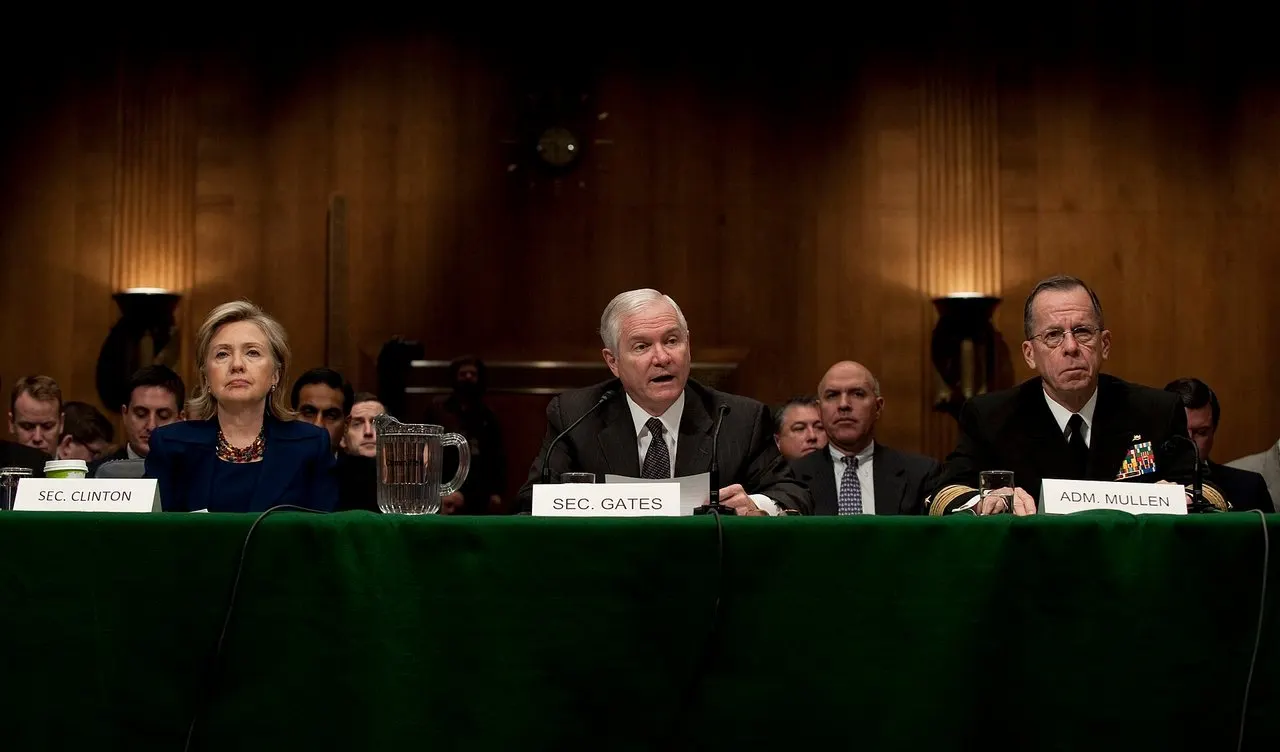
When the new Congress opens in January, the Judiciary and Oversight committees will be able to call witnesses, demand documents, and hold public hearings on the disappearing chats. Raskin and Garcia have already put the agencies on notice, so the first hearings may come quickly. The agencies answers by December 3 will shape what those hearings look like, and whether the story grows or fades. Read the Texas camp report.
What Do You Think Should Happen Now

Raskin has put the Justice Department on notice, and the agencies have until December 3 to show they preserved their records. Some readers will say officials who delete government business should face real consequences, while others will say the rules need to be clearer before anyone is punished. What do you think should happen when officials use chats that erase themselves? Share your thoughts in the comments below. Read Sanders Medicare fight in Congress.