A Filipino Hello Hint Turns World Hello Day Into a Confession
Filipino hello hint is the joke at the heart of this story, and it starts with a simple greeting that turns into a confession. World Hello Day falls every November 21, and the idea is simple. Greet at least ten people and show that talking beats fighting. The day began in 1973, when brothers Brian and Michael McCormack mailed 1,360 letters in seven languages to world leaders, asking them to support a day built on personal communication. Today, people in about 180 countries take part in the day.
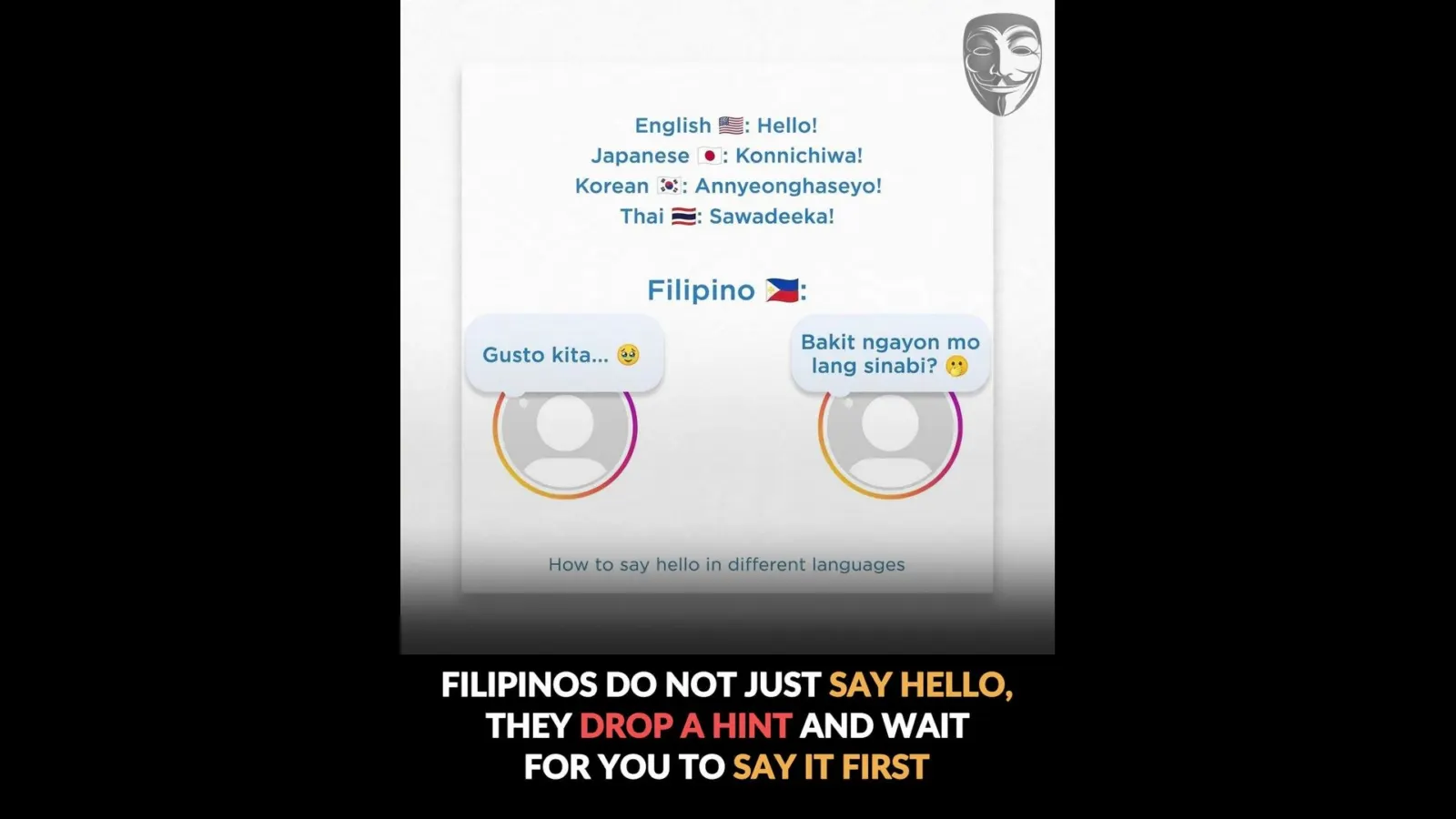
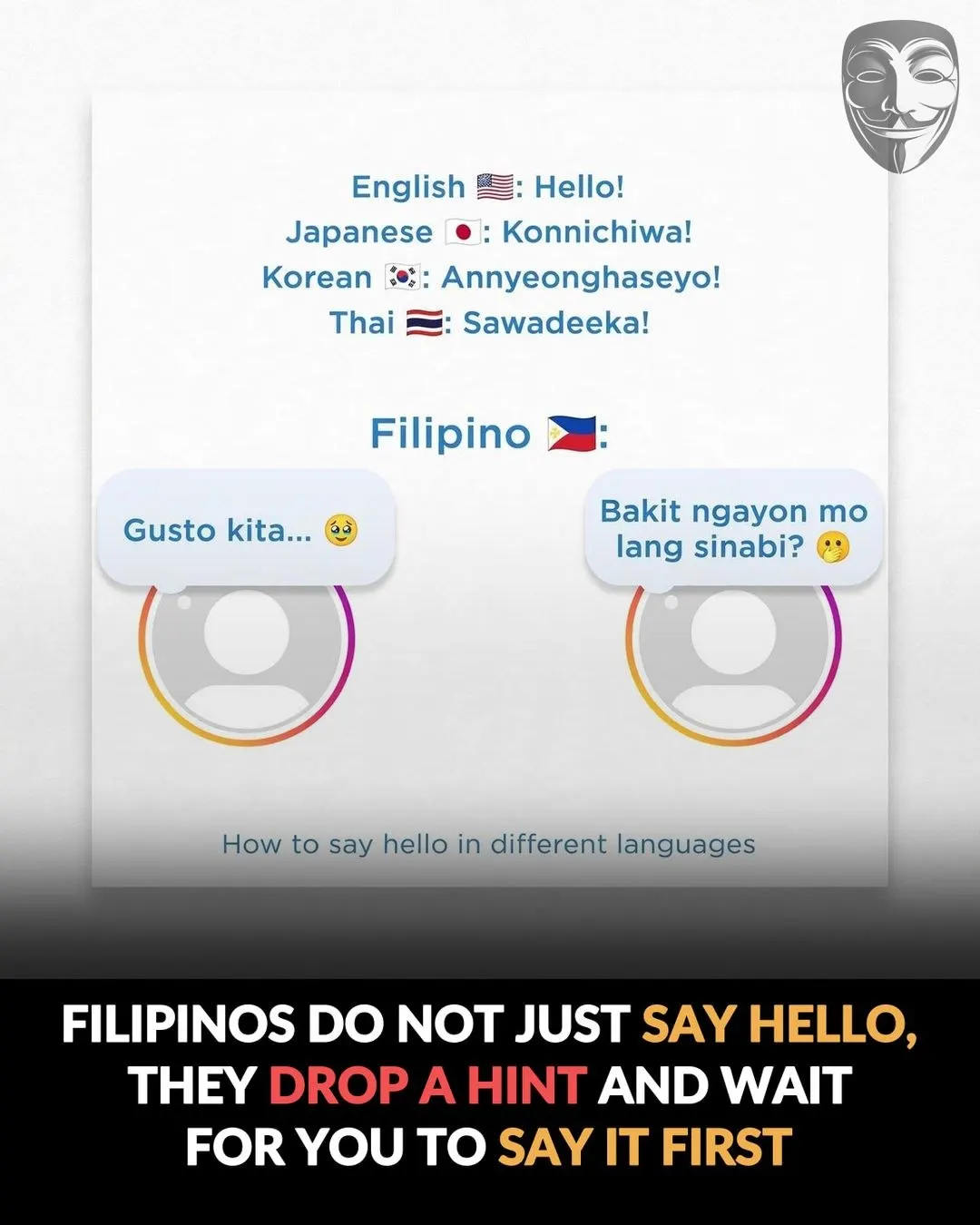
The Philippine Star marked the day with a chart of greetings in English, Japanese, Korean and Thai, then gave the Filipino version its own twist. Instead of a plain hello, the Filipino replies read Gusto kita and Bakit ngayon mo lang sinabi, a joke about dropping hints instead of saying what you feel. So stop with the parinig and just say hello already. Read Kwek-Kwek, the resident cat of The Philippine Star and our report on a day that asks men to be more like Aragorn.
References:
Nice News: How to Say Hello in 25 Different Languages
National Today: World Hello Day, November 21, 2026
National Day Review: World Hello Day: Say Hello to 10 People for Peace
4to40: World Hello Day: Date, History, Significance, Celebration & Facts
A Filipino Hello Hint Starts With Ten Simple Greetings
World Hello Day asks each of us to greet at least ten people, and that small goal is easy to reach before lunch. You can say hello to a neighbour, a shopkeeper, a driver, a teacher, a friend, a cousin, a co-worker, a nurse, a guard and a stranger on the street. Each greeting takes only a second, yet it can change the mood of a whole day. Like a greeting that made headlines at an airport, a hello can set the tone, and like a meeting between two presidents, it can open a door.
Two Brothers Mailed 1,360 Letters in 1973

In 1973, brothers Brian and Michael McCormack had a bold idea, and they put it in the mail. They wrote 1,360 letters in seven languages and sent them to world leaders around the globe. The letters asked leaders to support a day built on personal communication, not on anger or silence. It was a simple plan, and it worked because the message was clear. Read about leaders who meet and greet in public for more on fresh starts.
About 180 Countries Now Take Part

Today, people in about 180 countries take part in World Hello Day, and that number shows how wide the idea has spread. From small towns to big cities, people greet friends, family and strangers in many languages. The day does not ask for money or for a big event. It only asks for words, and words are free. When so many countries join in, one day of hellos can feel like a wave moving around the world. See leaders talk about security and trust and how a week of outages tested patience in other stories about public life.
A Filipino Hello Hint Says Talking Beats Fighting

The heart of World Hello Day is the belief that talking beats fighting, and a greeting is the first step in any talk. When people say hello, they show that they see each other as people, not as enemies. A short hello can calm a tense room. Leaders have used greetings to open talks for many years. For more on public life, read about a plan to turn an island jail into homes.
The Philippine Star Gave Greetings a Chart
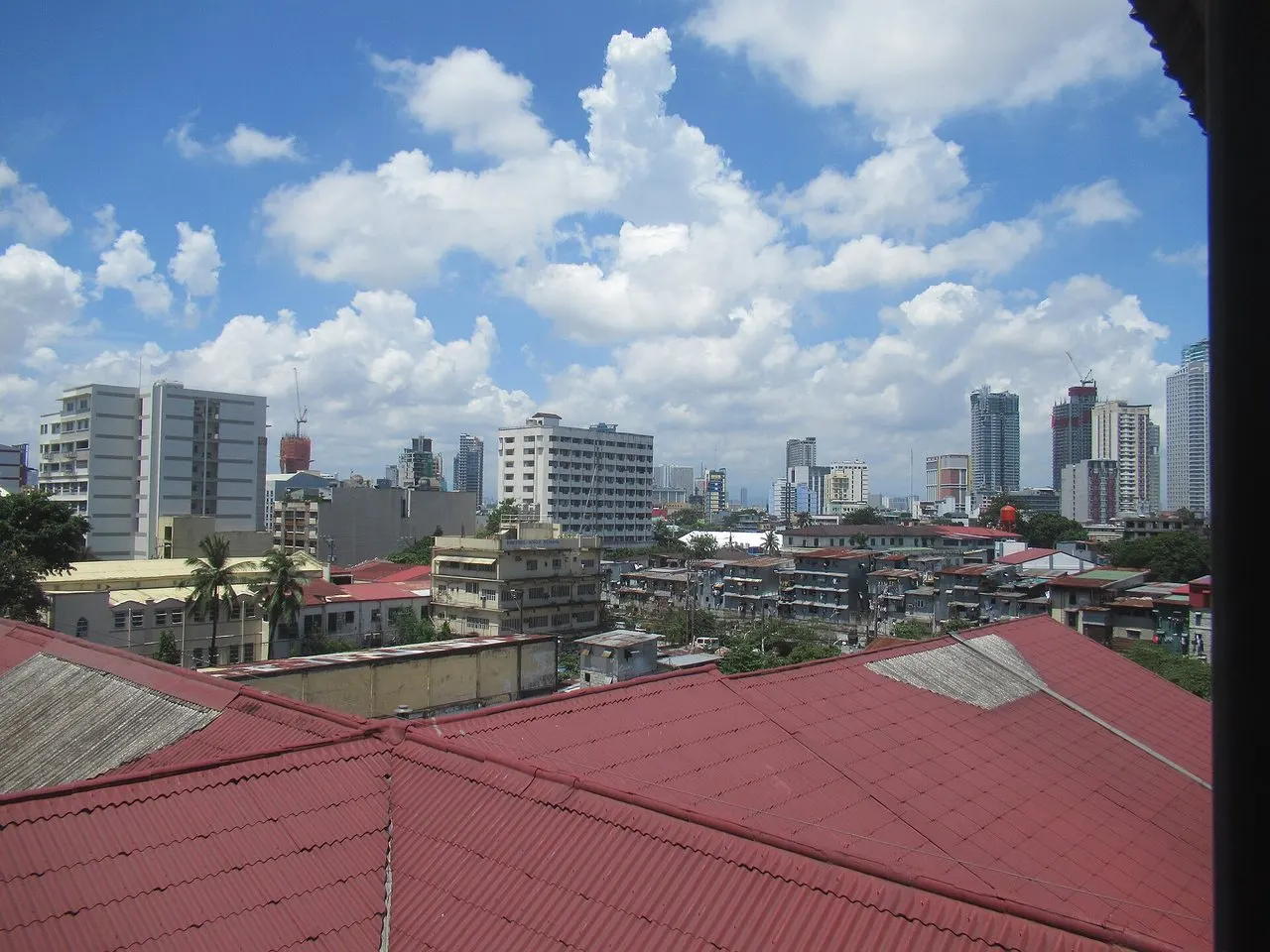
The Philippine Star marked the day with a chart of greetings in English, Japanese, Korean and Thai, and the chart made the lesson easy to see. Readers could compare how people say hello in four languages at a glance. A chart like that turns a lesson into a game. The newspaper is based in Manila, where many languages meet each day. For more from the Philippines, read our story on a beloved cat remembered by the same newspaper.
Gusto Kita Is a Filipino Hello Hint, Not a Plain Hello

Gusto kita is the first Filipino reply in the chart, and it shows the Filipino hello hint in full. The words mean I like you, and they turn a simple hello into a confession. Instead of saying hello and moving on, the speaker drops a hint and waits. Saying what we feel can be hard, so we hint and hope the other person understands. Like a day that asks men to step up, this joke asks us to be brave, and like a story about gratitude and moving forward, it asks us to be kind.
Bakit Ngayon Mo Lang Sinabi Asks Why Now
Bakit ngayon mo lang sinabi is the second Filipino reply, and it asks why you only said it now. The line is a playful push, as if the other person should have spoken sooner. It turns the hint into a small drama. Many readers will smile because they have heard words like these. Read about a greeting at a busy airport for more famous hellos.
Parinig Means Dropping Hints Instead of Saying It

Parinig is the Filipino word for dropping hints, and it is the heart of this joke. Instead of saying what we feel straight away, we say it in a roundabout way and wait for a reply. A song, a post or a look can carry the message, but it can leave the other person guessing. The post tells us to stop with the parinig and just say hello already. See a new chapter in life for other fresh starts.
A Filipino Hello Hint Among 25 Ways to Say Hello
Nice News offers a guide called How to Say Hello in 25 Different Languages, and it shows how wide the world of greetings can be. Learning one new hello can make a traveller feel welcome, and it can make a local smile. You do not need to learn all 25 at once. Start with one, use it with care, and add another when you are ready. For more on learning and sharing, read a guide to simple breakfasts.
A Filipino Hello Hint in Japan Starts With a Bow

In Japan, a greeting can be a bow as well as a word, and the bow shows respect in a quiet way. People bow when they meet, when they thank someone and when they say goodbye. A small nod can be enough for a friend, while a deeper bow suits a formal meeting. One culture bows, the other hints, and both mean welcome. Learn about a famous greeting between leaders in China.
A Korean Greeting Asks If You Are at Peace
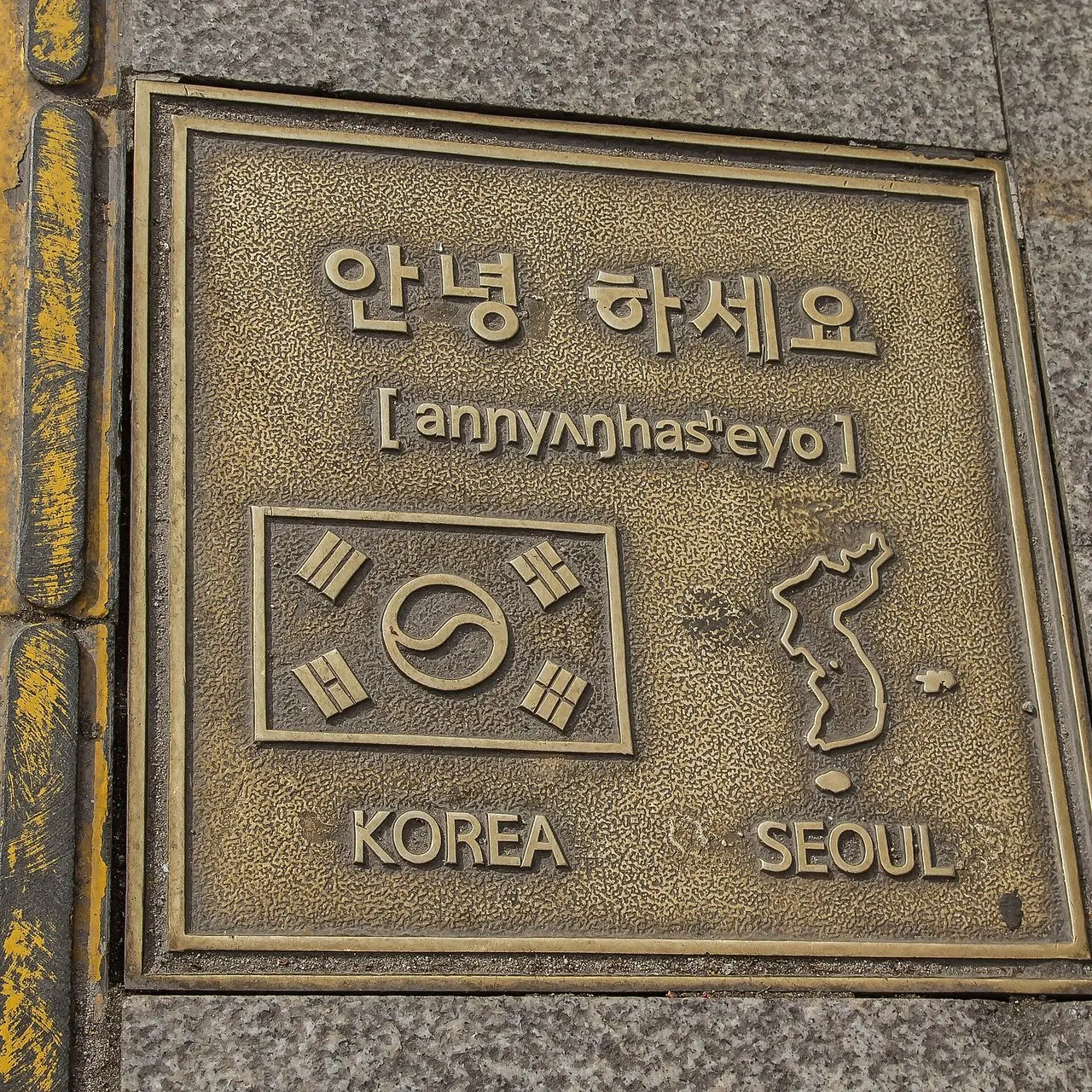
In Korea, a common greeting asks if you are at peace, and that question carries care in a few short words. People may bow a little and use polite words with elders and guests. The chart lists a Korean greeting next to the Japanese and Thai ones. Each one shows respect, and a greeting that asks about peace fits World Hello Day well. Read our story on a much loved cat in Manila.
A Thai Greeting Joins Hands in a Wai

In Thailand, people often greet each other with a wai, pressing their palms together and bowing a little. The hands show respect, and the bow shows warmth. The chart lists a Thai greeting too, so it covers four languages that many Filipinos know from travel, food and friends. A wai needs no words at all, yet it says hello clearly. For more on warm welcomes, read a simple breakfast that starts the day well.
A Filipino Hello Hint at the Family Table
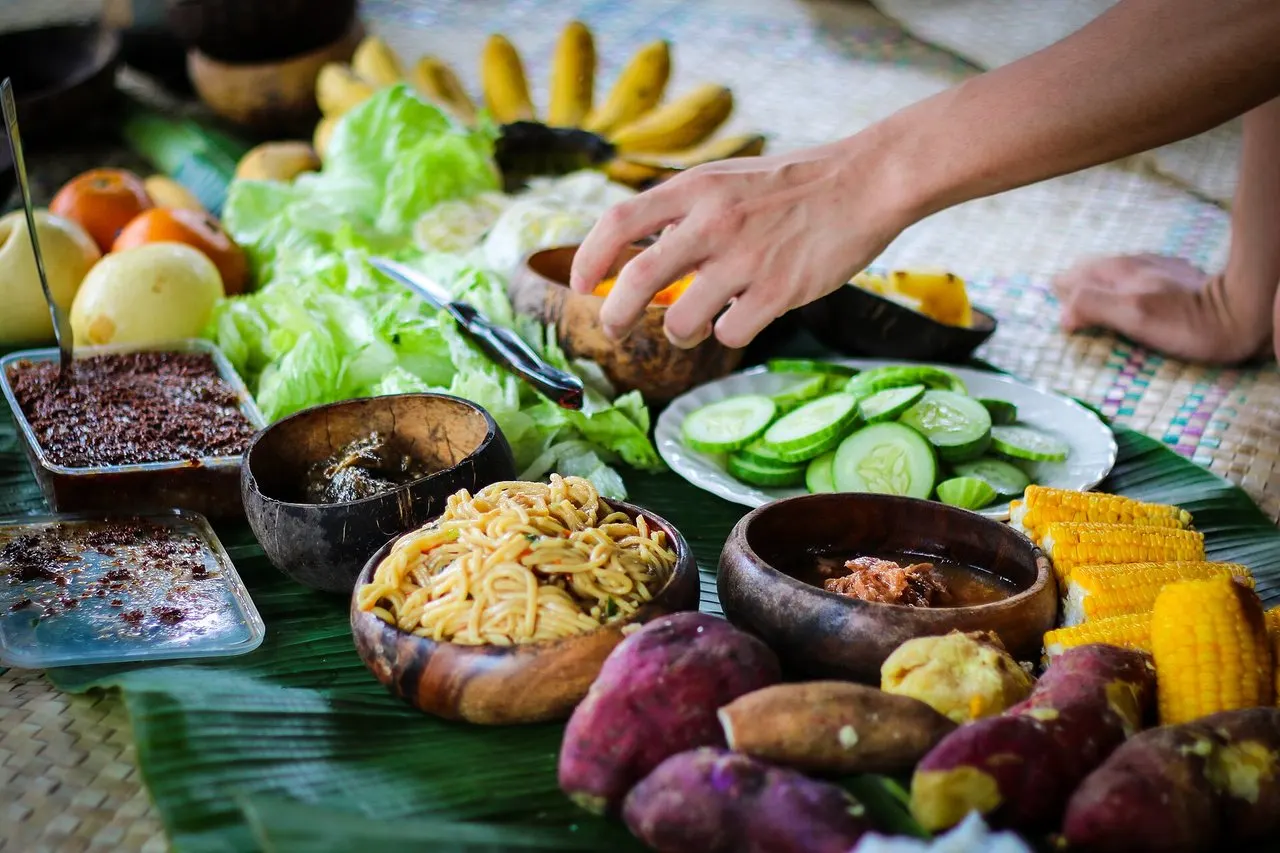
Filipino families often share food together, and a greeting at the table can be as warm as the meal itself. A boodle fight, where food is laid out and shared by a group, shows how eating together builds community. People greet each other, pass food, laugh and talk, and no one eats alone if they can help it. That spirit fits World Hello Day, because a hello at the table can start a long and happy talk. Read about a family that stayed close after hard times for more on family warmth.
Say Hello at Home Before You Say It Outside
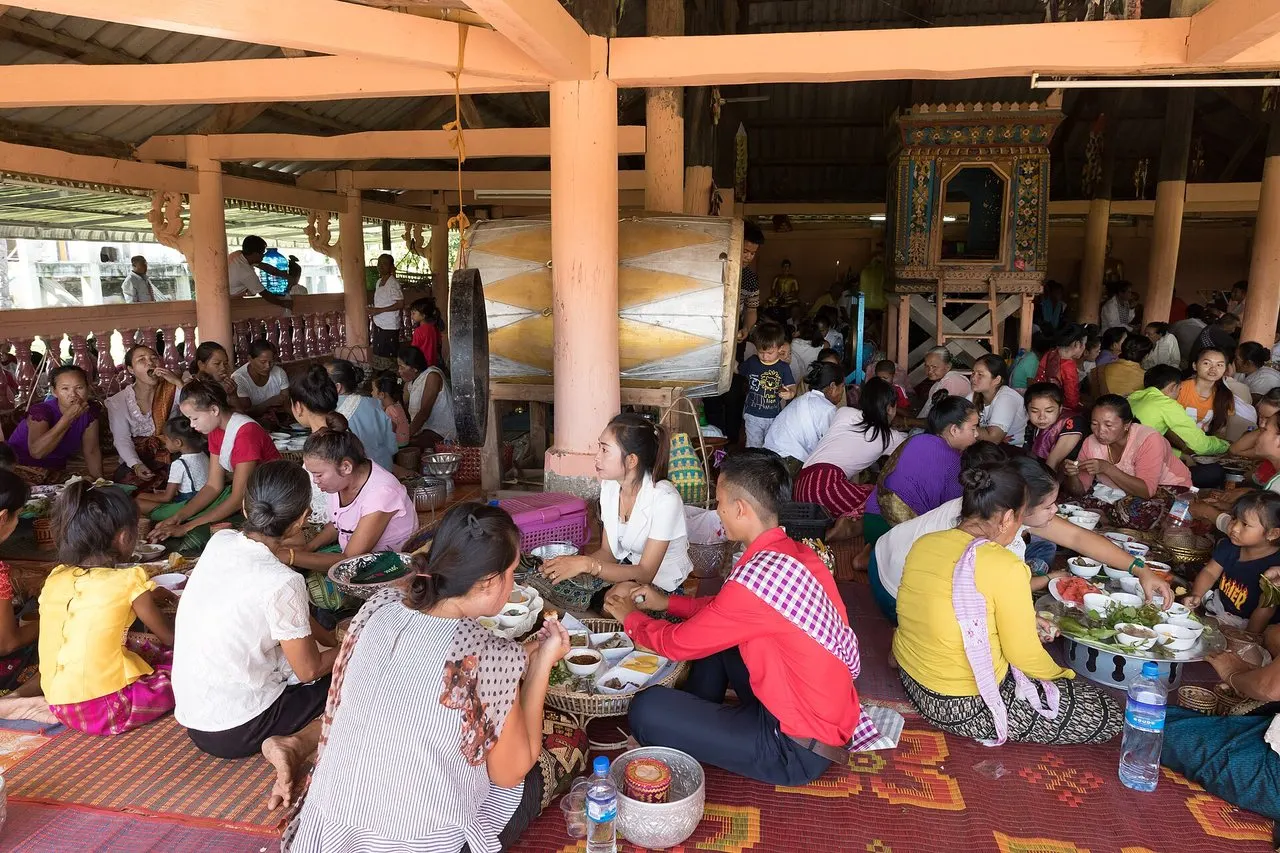
The best place to practise a hello is at home, with the people we see each day. A warm greeting in the morning can set the tone for the whole family. It tells a child, a parent or a partner that they matter, and it costs only a moment. Many of us rush past the people closest to us, yet they need our words most. So start at home, say hello with a smile, and carry it out the door. Like a plan to turn an island jail into homes, home is where a greeting starts.
Handshakes Still Open Doors Around the World
A handshake is one of the oldest greetings in the world, and it still opens doors in offices, schools and public life. Two people shake hands to show trust, and the gesture needs no translation. Leaders shake hands before talks, and friends shake hands after a long time apart. A hello can be a handshake, a wave or a bow. Read about a meeting between presidents.
Greet Ten People in Manila and Beyond

Manila is a busy city where a hello can travel fast, from a market stall to a school gate to an office lift. Its people greet each other in Tagalog, English and many other languages. World Hello Day asks us to greet ten people, and Manila gives us ten chances before breakfast. For more on city life, read a plan to turn an island into homes.
A Filipino Hello Hint Online, Not a Parinig Post

Today, many hellos happen online, in chats, comments and video calls, and a clear hello works there too. A short message can cheer a friend, and a kind comment can make a stranger feel seen. But a hint in a post can leave people guessing, just like a parinig in real life. It is kinder to say what we mean, with warmth and care. A phone is a tool for talk, not for guessing games. For more on trust, read our report on leaders and trust.
One Small Planet, Many Ways to Say Hello

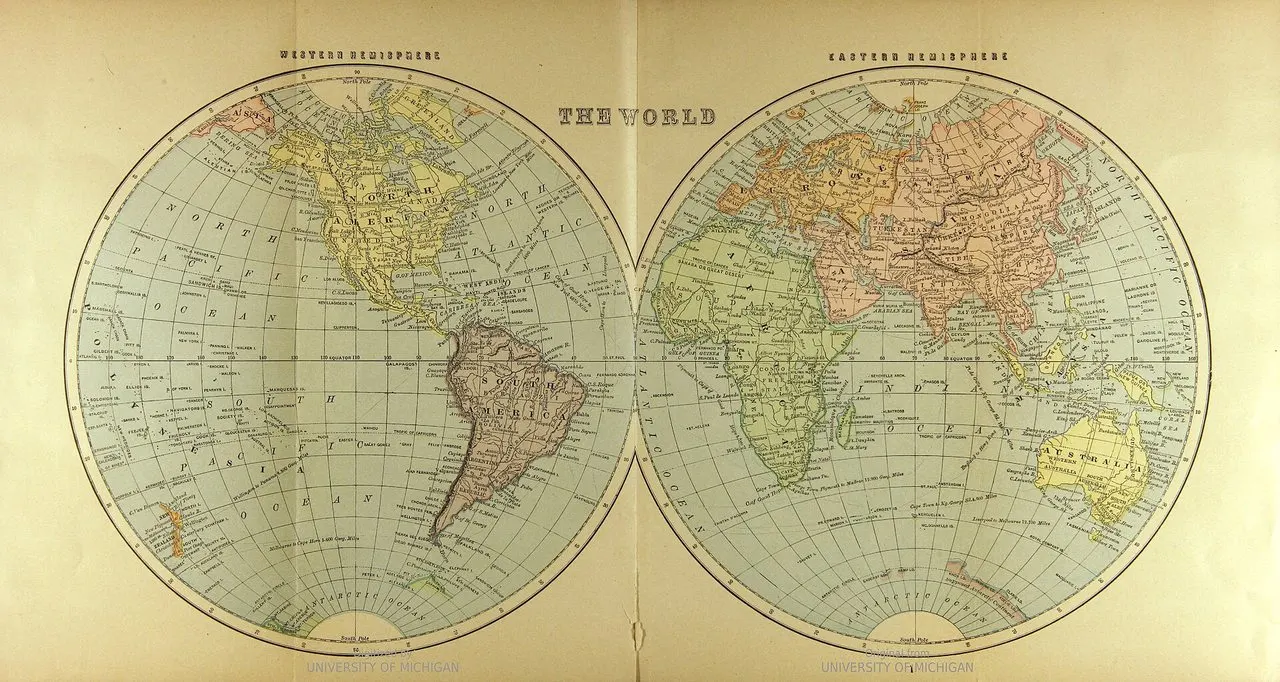
Our planet is one small home shared by many peoples, and each people has its own way to say hello. A globe shows how close we all are, with oceans and lands joined in one round shape. That learning builds respect, and respect builds peace. World Hello Day reminds us that the world is wide, yet a hello can cross it in a second. Read about a week of outages and patience for more on shared life.
Festivals in the Philippines Start With a Warm Welcome
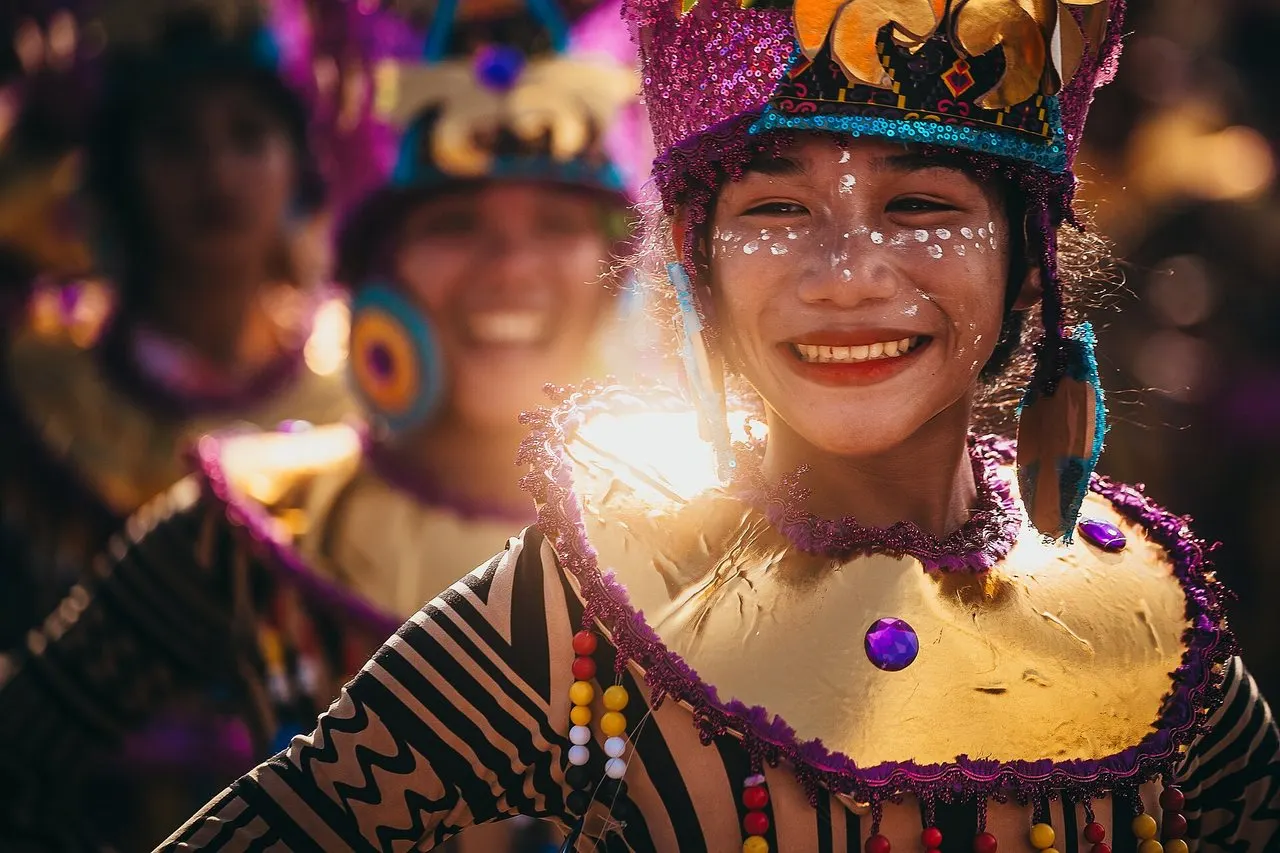
Festivals in the Philippines start with a warm welcome, and the streets fill with music, colour and dancing. People greet friends they have not seen for a year, and strangers join in the fun. A festival is a big hello to a whole town, and it shows how joy can bring people together. The Sinulog Festival is one such celebration, with dancers in bright costumes moving through the streets. A hello at a festival can turn into a friendship that lasts all year. Read a basketball star remembered with love.
What Filipino Hello Hint Would You Say First

Now it is your turn, and we want to hear from you. Would you say hello straight away, or would you drop a hint first and wait. What is the funniest hint you have ever dropped, and did it work. Share your answer in the comments below. Your story could help a shy reader find the courage to say hello. Read a story about gratitude and moving forward while you think.