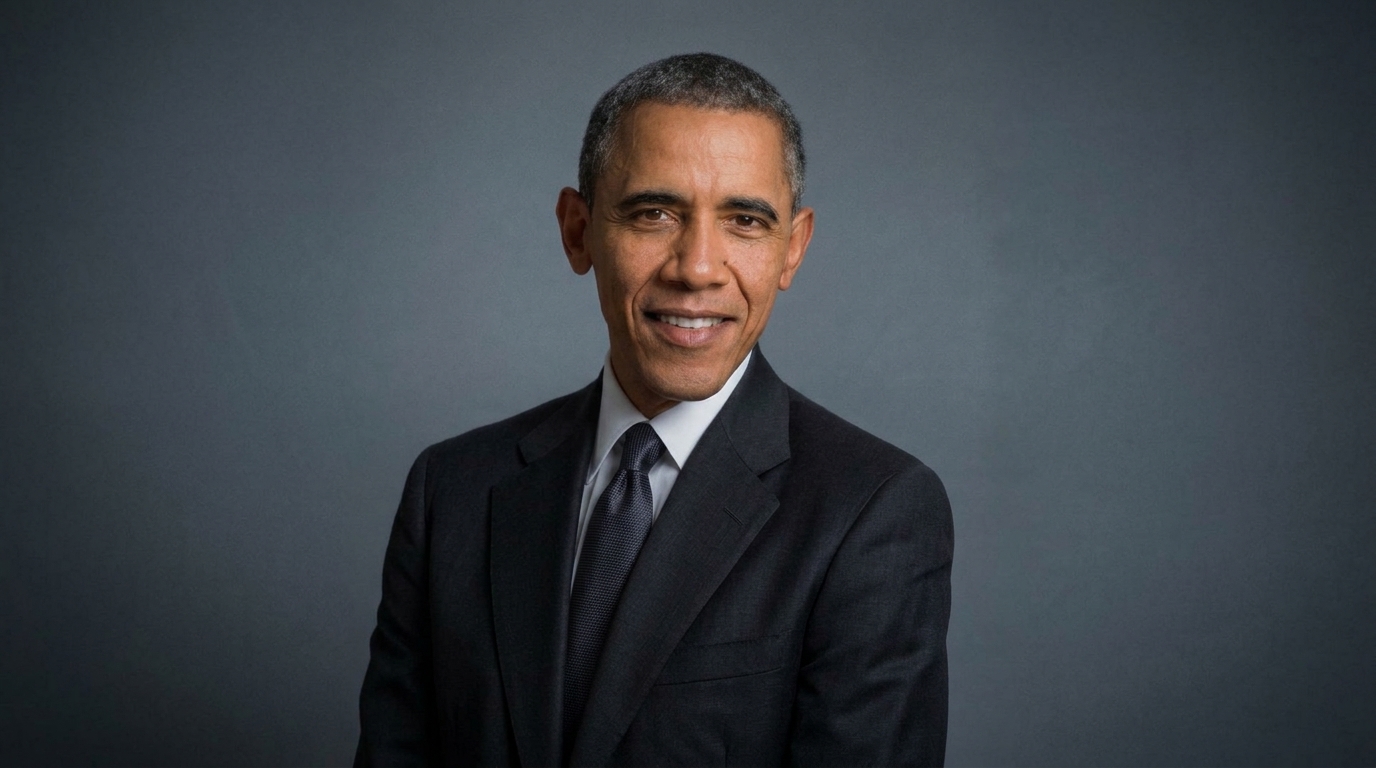
A CNN poll conducted by SSRS asked Americans which president they admire most. Barack Obama came out on top as the most admired president, named by about 30 percent of adults. Donald Trump, Abraham Lincoln and Ronald Reagan followed. The results show how age and party shape our view of history. Here is the breakdown.
The Headline Number: Obama Is the Most Admired President
About three in ten adults named Barack Obama as the most admired president, according to the reported results of the CNN/SSRS survey. That put him ahead of every other president, past or present, including figures who have been celebrated in textbooks for generations. Thirty percent might not sound like a landslide. In a question with dozens of possible answers, though, it is a clear lead. Respondents could name anyone from George Washington to the current occupant of the White House, and the votes spread widely across those choices. A single name drawing roughly three out of every ten responses stands out. The result also says something about how Americans remember the recent past. Obama left office in early 2017, close enough that most adults have clear memories of his time in the job. That matters in a poll built on personal impressions. The number drew quick reactions, as seen in trending news, with supporters celebrating and critics questioning what the poll really measured.
References: CNN Politics: Barack Obama named most admired president in SSRS survey; SSRS: Public opinion polling on American presidents; Presidential favorability trends
Who Came Next
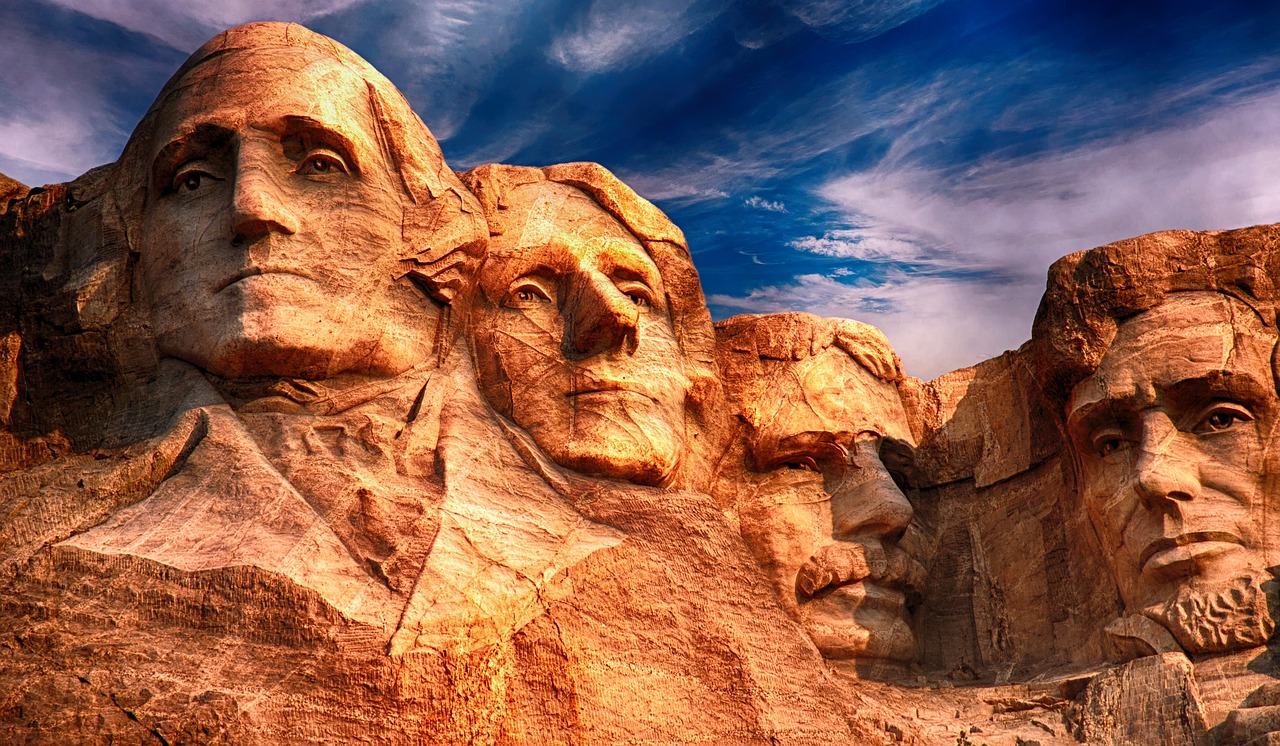
Who Came Next on the list tells its own story. Trump placed second, followed by Abraham Lincoln and Ronald Reagan. That mix of two modern presidents, one nineteenth-century leader and one twentieth-century conservative icon shows how varied American tastes are. Franklin D. Roosevelt and John F. Kennedy also drew support, often from older respondents and people with strong views about the New Deal or the 1960s. Their presence near the top shows that some reputations last well beyond living memory. Founders like George Washington ranked lower than many expected. For a man often called the father of the country, that may come as a surprise. It also suggests that the question tapped into personal feelings more than formal history lessons. Thomas Jefferson, Theodore Roosevelt and other well-known names appeared further down the list, according to the reported results. Each name carries a different meaning for different groups of Americans. More on presidential history can help explain why some leaders stay famous while others slowly fade.
Why Obama Leads as the Most Admired President

Why does Obama lead? Several patterns stand out in polling over the years. Obama remains popular with younger adults, Black Americans and many independents. Those groups make up a large share of the population, and their strong support adds up in a question like this. He left office with relatively high approval ratings, especially compared with many recent presidents at the end of their terms. That final impression often sticks. Supporters remember his speeches, his health care law and his historic role as the first Black president. Many also point to a sense of steadiness during his eight years. His calm public image has aged well for many voters, especially after the sharp political fights that followed. Critics, of course, see his record differently. They point to policies they opposed and promises they say he did not keep. Still, admiration is partly about how a person carries the office, and on that front Obama scores well with many Americans. The trend is noted in poll coverage from several outlets.
The Party Divide

The Party Divide in this poll is hard to miss. Democrats overwhelmingly named Obama. For many of them, he represents the best recent example of the kind of leadership they want. Republicans mostly picked Trump or Reagan. Trump appeals to voters who see him as a fighter for their priorities, while Reagan remains a symbol of conservative success for older Republicans in particular. That split shows how political identity now shapes views of history. It is not only about current policy debates. Even judgments about past leaders now tend to follow party lines. Some political scientists say this sorting has grown stronger over the past few decades. Few answers crossed party lines, according to political analysis. A Democrat naming Reagan, or a Republican naming Obama, was relatively rare. Independents were more spread out, giving support to several names. That pattern shows that the national top spot depends heavily on which party has more people rallying around one choice, rather than on broad agreement across the country.
Recent Presidents Have an Edge

People tend to name presidents they lived through. That simple fact shapes this kind of poll more than many readers realize. A president you watched on television, heard on the radio or read about in the news feels more real than one you only met in a history book. Older voters lean toward Reagan or Kennedy, leaders who defined their younger years. Many remember where they were during key moments of those presidencies. Younger voters lean toward Obama, who was in office when many of them first started paying attention to politics. For some, he was the first president they remember at all. Historians call this recency bias, and it shows up in rankings of athletes, musicians and movies too. Recent names carry more emotional weight. It does not mean the answers are wrong. It just means they reflect personal experience as much as careful judgment. This pattern is found in many surveys that ask the public to rank leaders, and it helps explain why the list leans modern.
Where Lincoln Stands
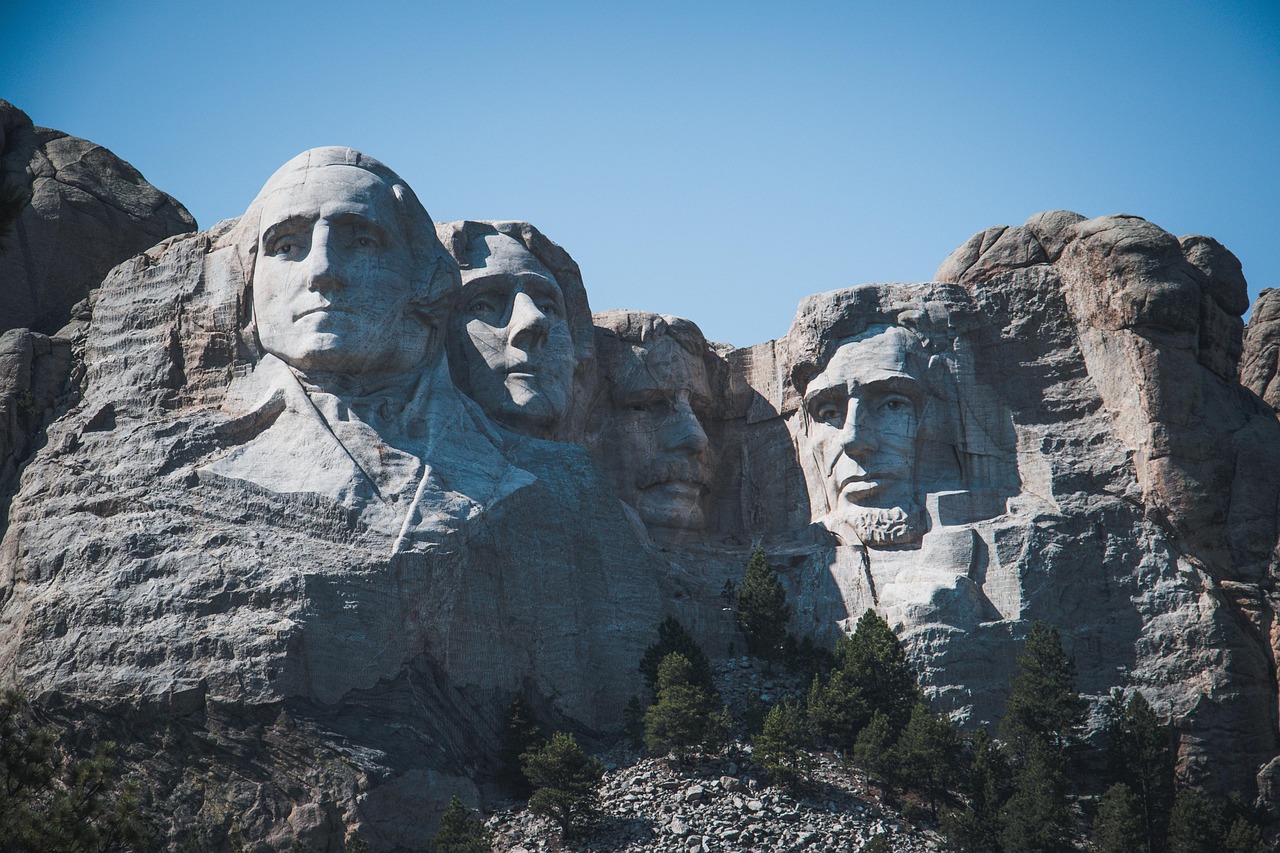
Where does Lincoln stand in all this? Historians often rank Lincoln first for preserving the Union during the Civil War and for his role in ending slavery. Many scholars see his leadership through the nation’s worst crisis as the standard against which other presidents are measured. His speeches, including the Gettysburg Address, remain some of the most quoted words in American history. In public polls he still places high, landing third in this survey. That is impressive for a leader who died more than 150 years ago. But modern figures win more votes. Living memory, party loyalty and media coverage all favor recent presidents. Lincoln has none of those advantages, and yet he still beats most of the field. Some readers may find it odd that he trails two modern presidents. Others will see it as a sign of how personal these questions are. Expert rankings and popular opinion are not the same thing, as history stories show again and again.
Reagan’s Lasting Appeal
Reagan remains a hero to many conservatives for his optimism and Cold War leadership. His supporters often describe his time in office as a turning point that restored confidence after a difficult period in the 1970s. They remember his speeches, his tax cuts and his firm stance toward the Soviet Union. For many older Republicans, he defined what conservative leadership should look like. He still draws strong support decades after leaving office, which shows how deep that loyalty runs. Critics have a different view. They point to rising deficits, cuts to some social programs and other policies they believe caused harm. Like every president, his record is debated. Still, his fourth-place showing in this poll proves that his image remains strong with a large group of Americans. It is also interesting that he now shares the conservative vote with Trump, splitting support that might once have gone almost entirely to him. His legacy is a frequent topic in conservative news, and this poll will likely add to that discussion.
How the Poll Naming Obama the Most Admired President Was Done
How the Poll Was Done matters for understanding the results. SSRS is a research firm that conducts surveys for CNN and other clients. It has a long track record in public opinion research. Polls like this use a sample of adults designed to reflect the country as a whole. Researchers try to match the mix of ages, regions, races and other traits in the population, and they adjust the results to account for groups that may be under- or over-represented. No sample is perfect. That is why every poll includes a margin of error. It is a range showing how far the results might differ from what you would get by asking every adult in the country. They include a margin of error, so small gaps may not be meaningful. If two names are only a few points apart, they could effectively be tied. Big gaps, like Obama’s lead, are more reliable. Wording also shapes answers, as does when a poll is taken. Learn about how polls work to read results like these more carefully.
Admired Is Not the Same as Best

Admired Is Not the Same as Best, and that difference is easy to miss. The question asked who people admire most, not who did the best job. Those are different ideas. Admiration can reflect personality, values and memories. You might admire a leader for how they spoke, how they handled a crisis or how they made you feel about the country. You might admire them for what they represented, even if you disagreed with some of their policies. Historians grade on results and long-term impact. They look at what changed under a president, how laws and decisions held up and what effects they had over decades. That approach can lead to very different answers. A president who was well liked in their time can be rated more critically later, and the reverse can also happen. Neither method is wrong. They simply measure different things. Keep that in mind when reading rankings, and look closely at the question before drawing big conclusions from any list.
What the Most Admired President, Obama, Is Doing Now

What has Obama been doing since he left the White House? Since leaving office, Obama has written memoirs about his life and presidency, which became best sellers. He and Michelle Obama have produced films and podcasts through their media company, telling stories on a range of subjects. He has also campaigned for Democrats in several elections, appearing at rallies and recording videos for candidates. His foundation is building a presidential center in Chicago, on the city’s South Side, which is planned to include a museum and community spaces. The project has drawn praise from supporters and some debate among local residents over its impact on the neighborhood. Obama has also spoken out on issues such as democracy, misinformation and civic engagement, though he generally avoids daily political fights. That lower profile may help his image. Former presidents often gain popularity once they step away from the day-to-day battles of office. Updates appear in celebrity news, along with news about the Obama family’s other projects.
Trump’s Strong Showing
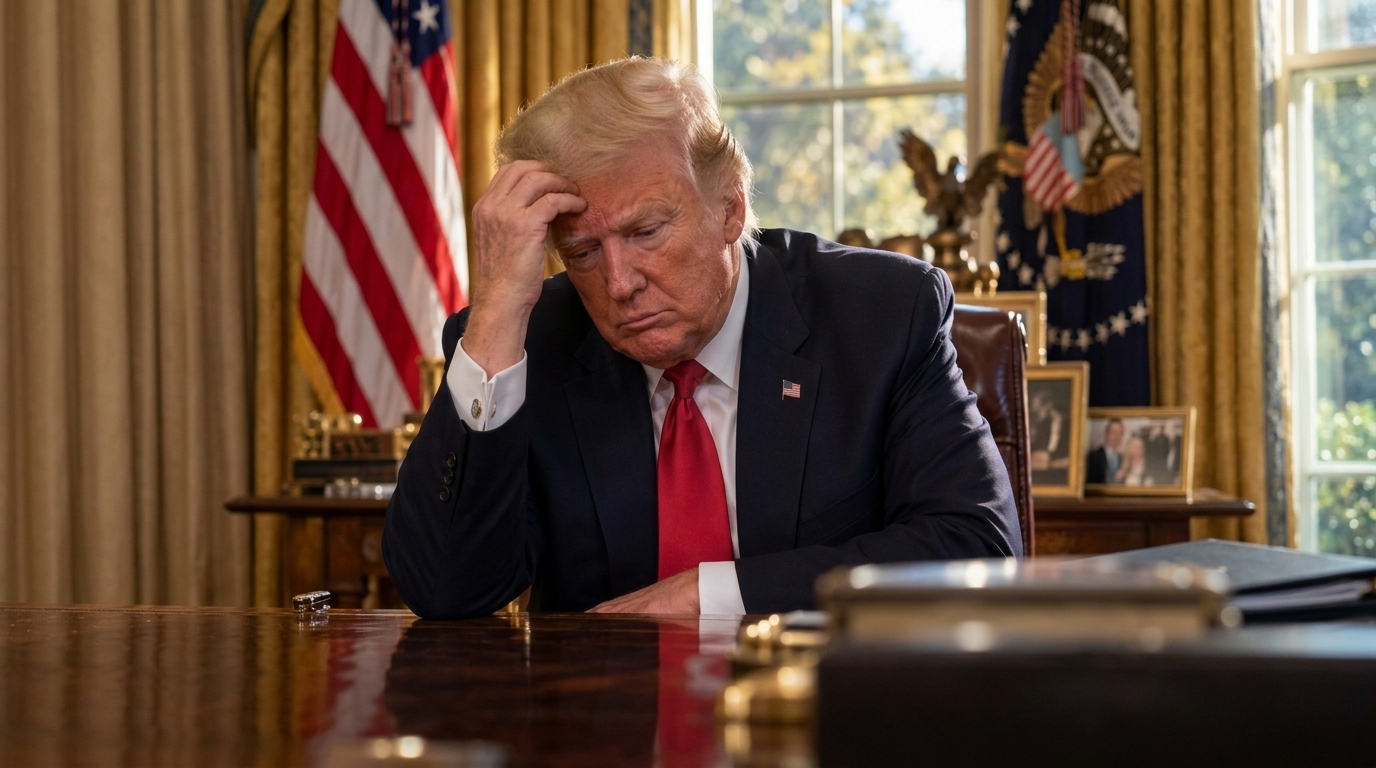
Trump’s Strong Showing in second place shows his deep support among Republicans. Few political figures have built such a loyal base. For his voters, he stands as the leader who changed the party, pushing it toward new positions on trade, immigration and foreign policy. Many see him as someone who speaks for people who felt ignored by both parties. That kind of connection translates into strong admiration in a poll like this. Critics see him very differently. They point to controversies, legal battles and divisive rhetoric, and they say those should weigh heavily against him. Many Democrats and some independents would put him near the bottom of any list. Both views are firmly held, and they rarely move. Trump’s ranking shows that a president can be both highly admired and deeply opposed at the same time, depending on who is answering. His ranking reflects how divided public opinion remains, according to analysts, and that division is likely to continue as long as he leads the party.
What It Says About America
When citizens cannot agree on who they admire, it reflects deeper division. A poll like this works almost as a mirror. It shows how Americans see their own country, its past and its direction. Party loyalty now colors even questions about history. Yet the list also shows shared respect for figures like Lincoln and Kennedy. Those names draw support from people with different politics, ages and backgrounds. Lincoln, in particular, is admired by many Democrats and Republicans alike, even if they do not always name him first. That overlap is worth noticing. It suggests that some stories still belong to everyone, regardless of how people vote today. Teachers, historians and civic groups often point to these shared figures as a way to build common ground. Disagreement about recent presidents is natural, since their decisions still affect daily life. Agreement on older figures shows that history still offers some common ground, as noted in opinion pieces on national unity.
How Rankings Change Over Time

Presidential reputations rise and fall. What looks like a final verdict today can change a great deal in a few decades. Harry Truman left office with low approval ratings, yet he gained respect long after for his decisions in the years after World War II. Dwight Eisenhower was once seen by some as a passive leader, but later historians praised his steady management and restraint. Both are good examples of how time changes perspective. Others faded. Some presidents who were popular in their day are rarely mentioned now. New research, released documents and fresh biographies can all shift opinions. So can events that make old decisions look wiser or worse in hindsight. Today’s rankings are a snapshot, not a final judgment. Obama, Trump and every recent president will be reassessed as the effects of their choices become clearer. Some may rise, others may fall. Future polls may look very different, as past surveys show when compared side by side with newer ones.
The Debate Online Over Obama as Most Admired President

The Debate Online took off almost as soon as the poll was reported. Supporters shared the news that Obama was the most admired president, posting clips of his speeches and photos from his time in office. Many said the ranking confirmed what they already believed about his leadership. Critics questioned the poll or argued for their own favorite. Some asked how the sample was chosen. Others said the result was just a sign of recency bias, or that history would judge differently. Fans of Trump, Reagan and Lincoln all made their cases, sometimes politely and sometimes not. The comment sections turned into history debates, with people trading facts, opinions and memes about presidents from every era. In some threads, the conversation became a lively history lesson. In others, it turned into the same partisan arguments seen elsewhere. That mix is typical of how polls spread on social media today, much like other viral posts that touch on politics, identity and national pride.
The Top Five, Ranked

The Top Five, Ranked, as reported from the CNN/SSRS results, looks like this. 1. Barack Obama, the most admired president, named by about three in ten adults. 2. Donald Trump, with strong support among Republicans. 3. Abraham Lincoln, the highest-ranked leader from before the twentieth century. 4. Ronald Reagan, still a favorite among many conservatives. 5. John F. Kennedy or Franklin D. Roosevelt, depending on the group. Different age groups, regions and parties put those last two in different order. A list like this is easy to share, but it can hide nuance. The gap between first and second place matters more than the gap between fourth and fifth. Some names that missed the top five may have been close behind. Readers should also remember that each respondent named only one president, so a strong second choice does not show up at all. Small differences near the bottom fall within the margin of error, as poll experts note, so the lower spots are less certain.
What Historians Say

What Historians Say often differs from public polls. Scholars’ surveys, like the Presidents and Executive Politics ranking, ask experts to rate presidents on leadership, crisis management, vision and other factors. Those surveys usually put Lincoln, Washington and Franklin Roosevelt at the top. All three led the country through major crises, and experts tend to reward that. Obama often lands in the top ten or fifteen in those expert surveys, a strong showing for a recent president. Trump has tended to rank near the bottom in those expert surveys, a contrast noted in history news and in commentary from both sides. Trump’s supporters argue that many academics lean left and that such rankings reflect political bias. Defenders of the surveys say they rely on consistent criteria and broad panels of experts. That disagreement is part of a wider debate over who gets to judge history. Comparing expert and public rankings shows how differently each group thinks about greatness.
Women and Men Answered Differently

Polls of this kind often find women more likely to name Obama and men more likely to pick Reagan or Trump. That pattern is not unique to this question. Gender gaps also show up in voting, with women in recent elections leaning more toward Democratic candidates and men leaning more toward Republicans. The size of the gap changes from year to year, but it has been a steady feature of American politics. Why does it exist? Researchers point to differences in priorities, such as health care, the economy and social issues, along with how candidates speak to different groups. Experiences at work and at home may also play a role. None of this means every woman or every man thinks alike. Within each group there is a wide range of views. The gap is a broad trend, not a rule. It does help explain why national results can look the way they do. Such gaps are common in poll analysis, and they often appear alongside age and education differences.
Why Washington Ranks Lower
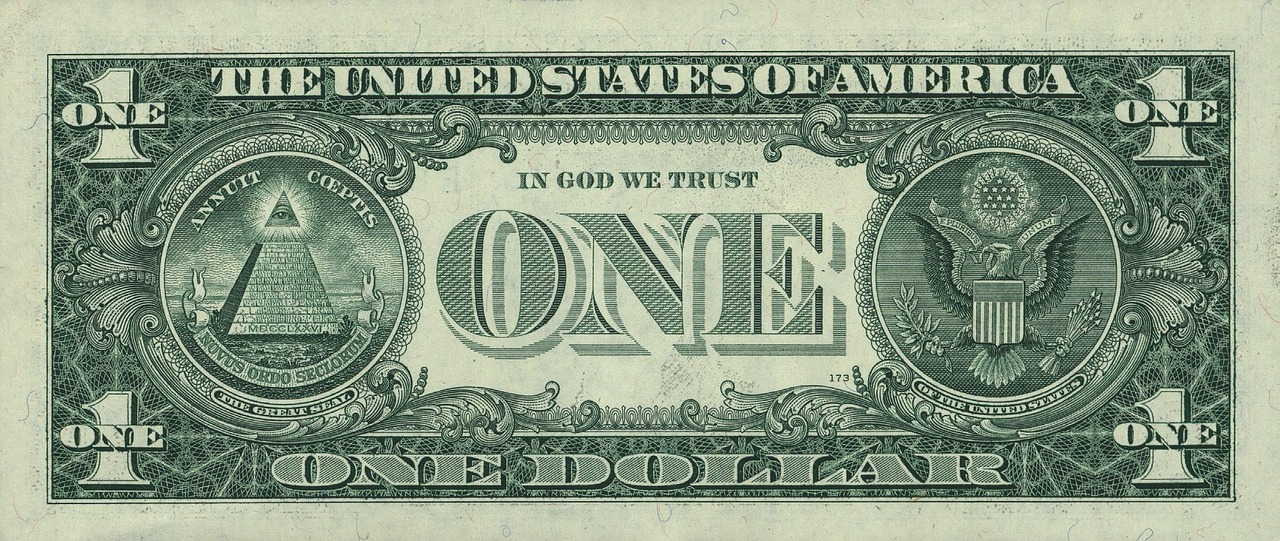
Why Washington Ranks Lower is one of the more surprising parts of the poll. Many Americans know Washington only from textbooks and the dollar bill. He led the Continental Army, presided over the Constitutional Convention and served as the first president, setting customs that shaped the office for centuries. Yet he feels distant to many people today. Living memory matters in public polls, so the first president often trails modern names. There are no videos of Washington, no recordings of his voice and no news clips of his decisions. His image comes from paintings and statues. That makes it harder for people to feel personal admiration, even if they respect what he did. Historians see that as a quirk of how people answer rather than a judgment on his importance. In expert surveys, he almost always ranks near the very top. The gap between those two pictures is a useful reminder of how polls work, discussed in history pieces that look at the founding era.
Kennedy’s Enduring Pull
Kennedy served less than three years but still draws strong admiration. His presidency began in 1961 and ended with his assassination in Dallas in November 1963. In that short time, he faced the Cuban Missile Crisis, launched the push to put a person on the moon and inspired many young Americans to enter public service. His youth, speeches and tragic death shaped his image for generations. Lines from his inaugural address are still quoted today. Images of his family and his time in office became part of American culture. Historians give a more mixed review of his record, noting unfinished goals and some failures. Public memory tends to be kinder, and his early death froze him in the eyes of many as a symbol of promise. Older Americans in particular keep him high on their lists, often recalling exactly where they were when they heard the news. His enduring pull is a common theme in retro stories that look back at the 1960s.
Could Obama Lose the Most Admired President Spot?

Could the Order Flip? Yes, and probably more than once. Rankings shift with new events, documentaries and elections. A popular series or film about a past leader can bring fresh attention and change how younger people see them. New records, biographies and research can raise or lower a reputation. Politics also plays a role. When a party gains or loses support, views of its past leaders can move along with it. A future president could jump in, especially one who leaves office with high approval or leads the country through a major moment. Older names could rise or fall as their records are re-examined. Even current results may change as the people surveyed get older and new generations of voters join the pool. Polls like this capture a moment, not a permanent truth. That is part of what makes them interesting to follow over time. Watch for the next survey in our news section, where we will compare it with this one.
Do You Agree Obama Is the Most Admired President?

Now we want to hear from you. Who is the president you admire most, and why? Is it Obama, Trump, Lincoln, Reagan or someone else? Maybe your answer is Washington for founding the office, Roosevelt for leading through the Depression and war, or Kennedy for the hope he inspired. Maybe it is a less famous name whose quiet record you respect. There is no wrong answer here. Admiration is personal, and it often reflects your own values, family history and experiences. Some readers may choose based on policy. Others may focus on character or how a leader handled pressure. Many will name someone they grew up with. We only ask that comments stay respectful, even when views differ sharply. Disagreeing about history can be a healthy way to talk about what matters to us as a country. The CNN/SSRS poll offers one snapshot, and your answers add more. Share your pick and keep following our coverage for more polls, rankings and history stories.


Obama for PRISON!