President Donald Trump said Chicago is likely the next city to get a federal crime crackdown with National Guard support, followed by New York City, building on his policing push in Washington, D.C. Unlike in the capital, governors control their states’ Guard units, and Democratic leaders in both states are unlikely to cooperate, setting up possible legal fights.
Trump says Chicago, then New York, could be next for a federal crime crackdown
President Donald Trump said Friday, Aug. 22, that Chicago is likely the next city to receive a surge of federal law enforcement and National Guard support, followed by New York City, building on his policing push in Washington, D.C.
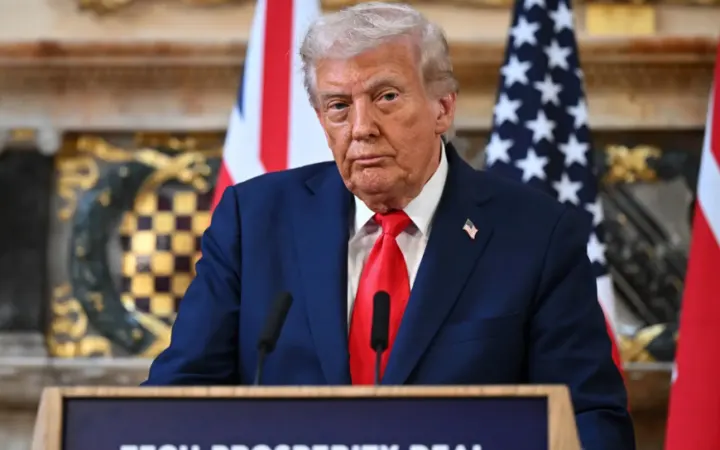
Speaking in the Oval Office during an event about the 2026 FIFA World Cup, Trump praised the Guard’s work in the capital. “I really am honored that the National Guard has done such an incredible job working with the police,” he said. “And we haven’t had to bring in the regular military, which we’re willing to do if we have to.”
He then turned to Chicago. “Chicago’s a mess,” Trump said, calling the city’s mayor “grossly incompetent.” He added: “When we’re ready we’ll go in and we’ll straighten out Chicago, just like we did D.C.”
Chicago Mayor Brandon Johnson and Illinois Gov. JB Pritzker are Democrats, as are New York’s governor and mayor, and they are not expected to welcome a federal deployment.
The D.C. model
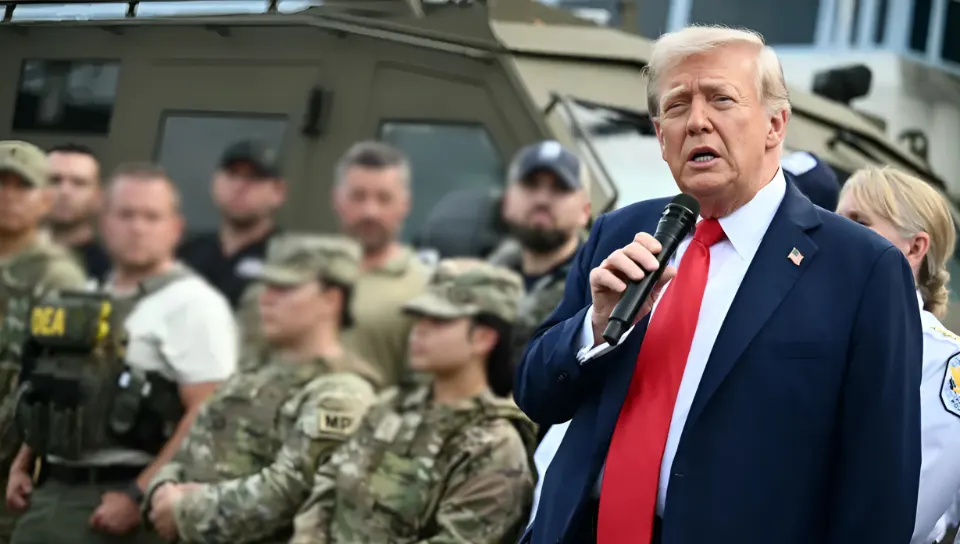
In Washington, the administration took control of the city’s police department and deployed the D.C. National Guard, joined by Guard members from several Republican-led states. Officials later said Guard members would carry their service weapons, a step that drew protests from residents and local leaders who objected to what they called the militarization of city streets.
The White House has pointed to arrests and other early results in D.C. and has described the operation as a model for other cities. But Washington is a federal district, and the president has authority there that he does not have in the states.
What the law allows in the states
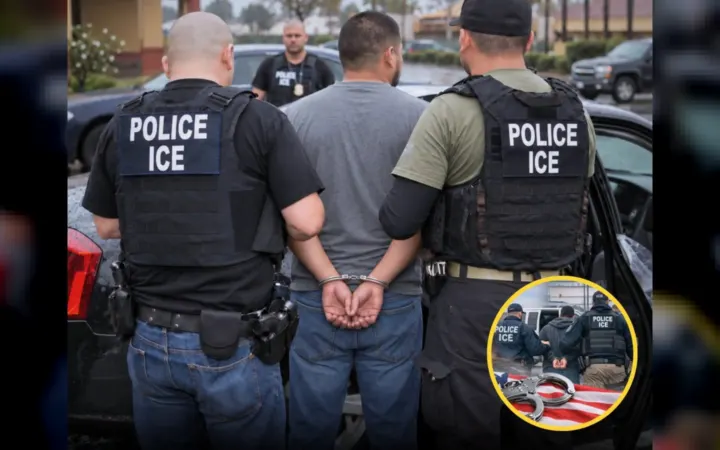
Federal agents from the FBI, ATF, DEA, U.S. Marshals and Homeland Security can investigate federal crimes anywhere in the country, and past efforts such as 2020’s Operation Legend sent additional agents to cities to work with local police on gun crimes and fugitive cases.
Sending troops is a different matter. State National Guard units are controlled by their governors, not the president. A governor can activate the Guard, and the president can place Guard units under federal control in limited circumstances, such as under the Insurrection Act. The Posse Comitatus Act generally bars federal military troops from taking part in civilian law enforcement unless Congress has expressly authorized it.
Any attempt to deploy troops in Chicago or New York without the state’s consent would likely be challenged quickly in court.
Chicago’s crime numbers
Chicago Police Department figures for 2025 show homicides and shootings down significantly compared with 2024, continuing a decline from pandemic-era highs. Other categories, including robberies and carjackings, have also fallen. City officials say their own strategies are working, while the White House argues that a federal surge could speed up cases against people accused of gun crimes and repeat offenders.
New York City’s crime numbers
NYPD data published through its weekly CompStat reports show murders down compared with 2024, with mixed trends in some other categories. City officials point to long-term declines since the pandemic and say the NYPD has the resources to handle remaining problem areas.
How local leaders are responding
Officials in Illinois and New York have signaled they would oppose any unilateral federal takeover while remaining open to traditional partnerships, such as joint task forces between federal agents and local police. Community and civil liberties groups have warned that a heavy federal presence could discourage witnesses from coming forward and raise concerns about stops, protests and immigration enforcement.
Civil liberties concerns
The D.C. operation has drawn protests and legal threats over the scope of police powers and the role of immigration enforcement. Civil liberties advocates say they will watch for First and Fourth Amendment issues if similar operations expand to other cities, and courts typically examine whether such tactics are narrowly tailored to specific public-safety goals.
Key terms in the debate
Insurrection Act: A set of laws allowing the president to use the military domestically in limited circumstances. Posse Comitatus Act: A law restricting the federal military from routine law enforcement. Title 32 and Title 10: Whether Guard troops operate under a governor’s control with federal funding (Title 32) or under full federal control (Title 10). Federal task force: A joint team of local police and federal agents focused on specific crimes.
What comes next
Trump did not give a timeline for any action in Chicago or New York. If the administration moves to send troops without state consent, lawsuits from state officials are widely expected. A more limited surge of federal agents working alongside local police would face fewer legal hurdles, and its effect would likely be measured by changes in shootings, homicides and successful prosecutions over the following months.
Source: CBS News