Senator Bernie Sanders has called Donald Trump the most corrupt president in American history. He made the charge after the White House announced a $25 million whistleblower reward program and after reports of millions in taxpayer-funded ads featuring Trump. Here is what triggered the clash and how each side sees it.
What Sanders Said About Trump as the Most Corrupt President
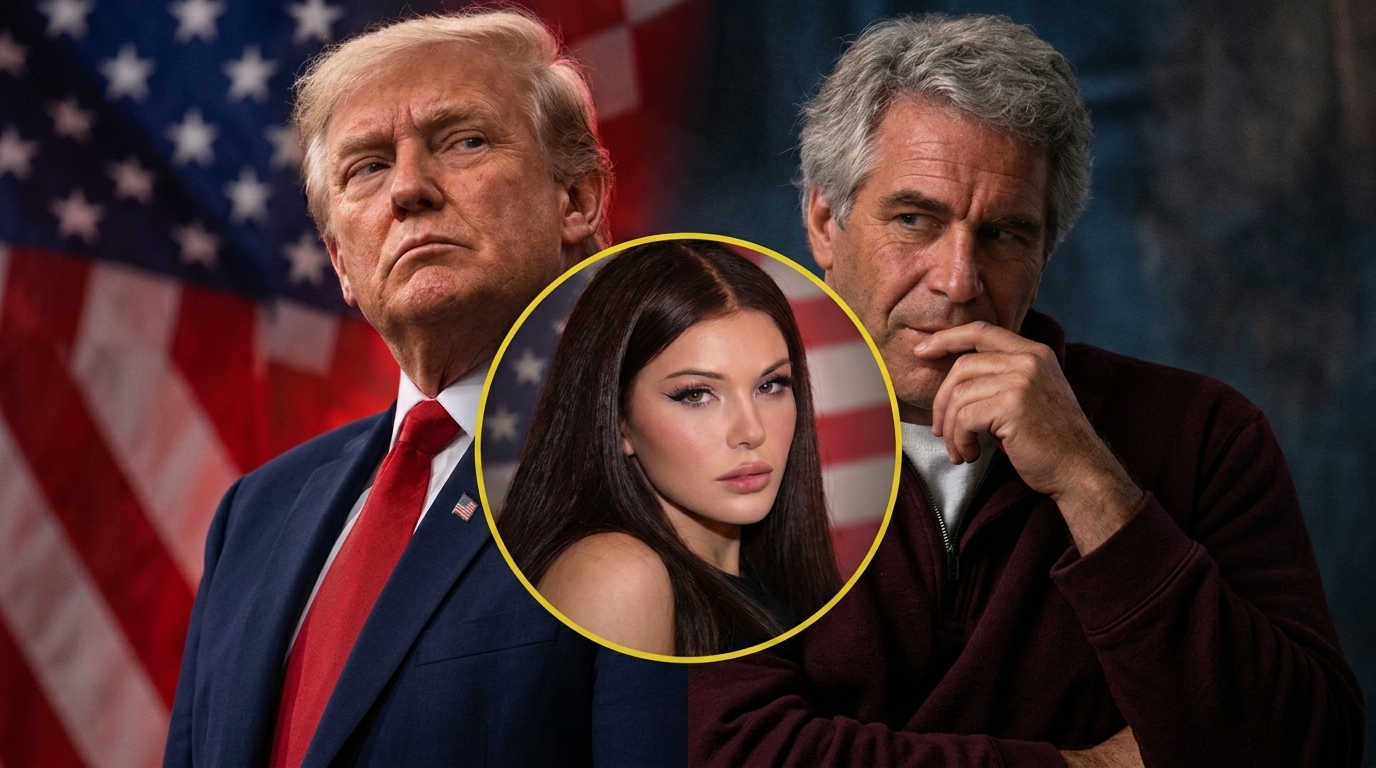
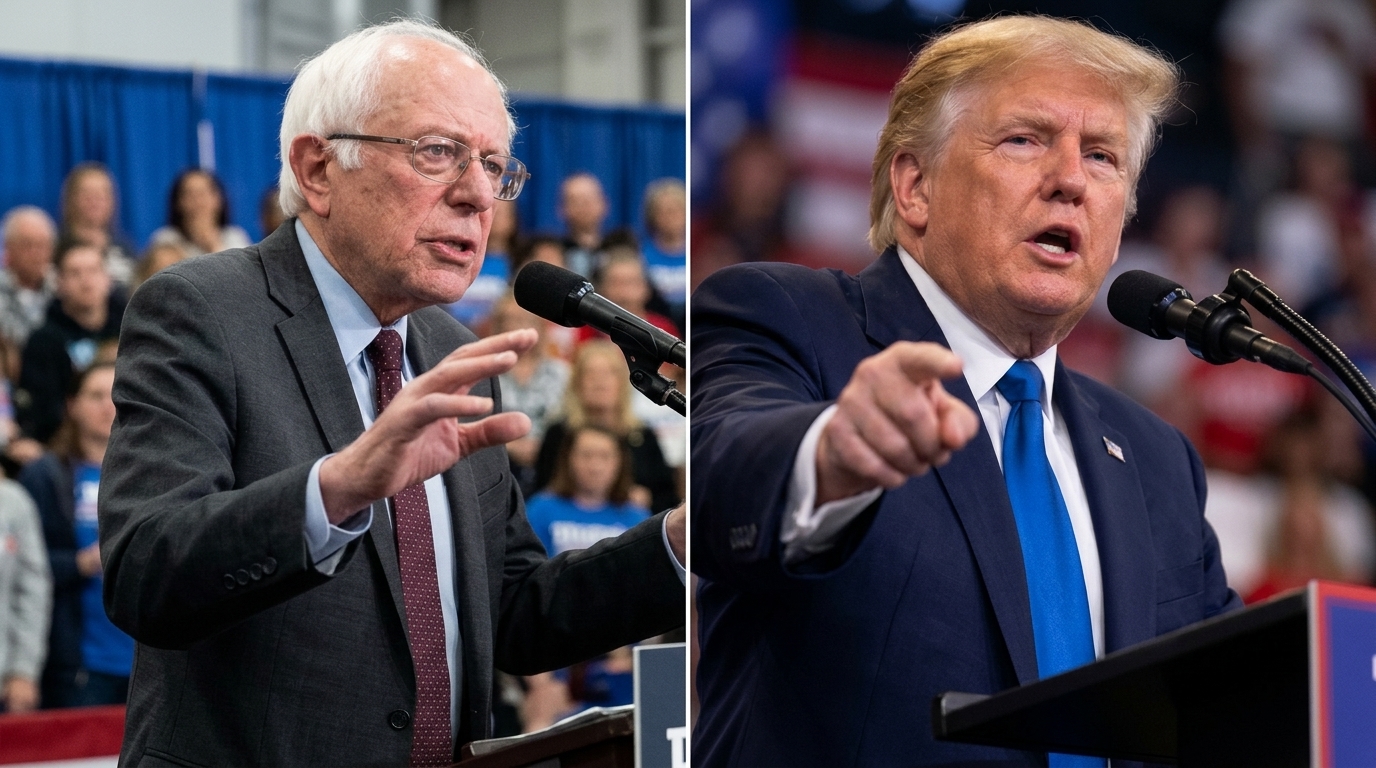
Sanders, the independent senator from Vermont, used some of his strongest language yet. He called Donald Trump the most corrupt president in American history, a charge that goes well beyond his usual criticism of policy. According to his remarks, no president in history has mixed public power and personal interest the way Trump has. He tied the claim to two recent developments: a new whistleblower reward program announced by the White House and reports of millions of dollars in taxpayer-funded ads featuring the president. Sanders has never been shy about criticizing Trump, but this framing put the issue in historical terms, inviting comparisons with every administration before. His supporters cheered, sharing clips of the comment widely and calling it overdue. Many said he was simply naming what they had seen for years. Trump’s allies called it partisan theater from a longtime opponent, arguing that the charge was more about politics than evidence. That sharp divide in reaction is familiar, as seen in political news on almost every clash between the two men.
References: Associated Press: Trump and Vance announce $25 million whistleblower program; CBS News: Trump says he will decide who gets paid; Reuters: Judge orders halt to taxpayer-funded ads featuring Trump
The $25 Million Whistleblower Plan
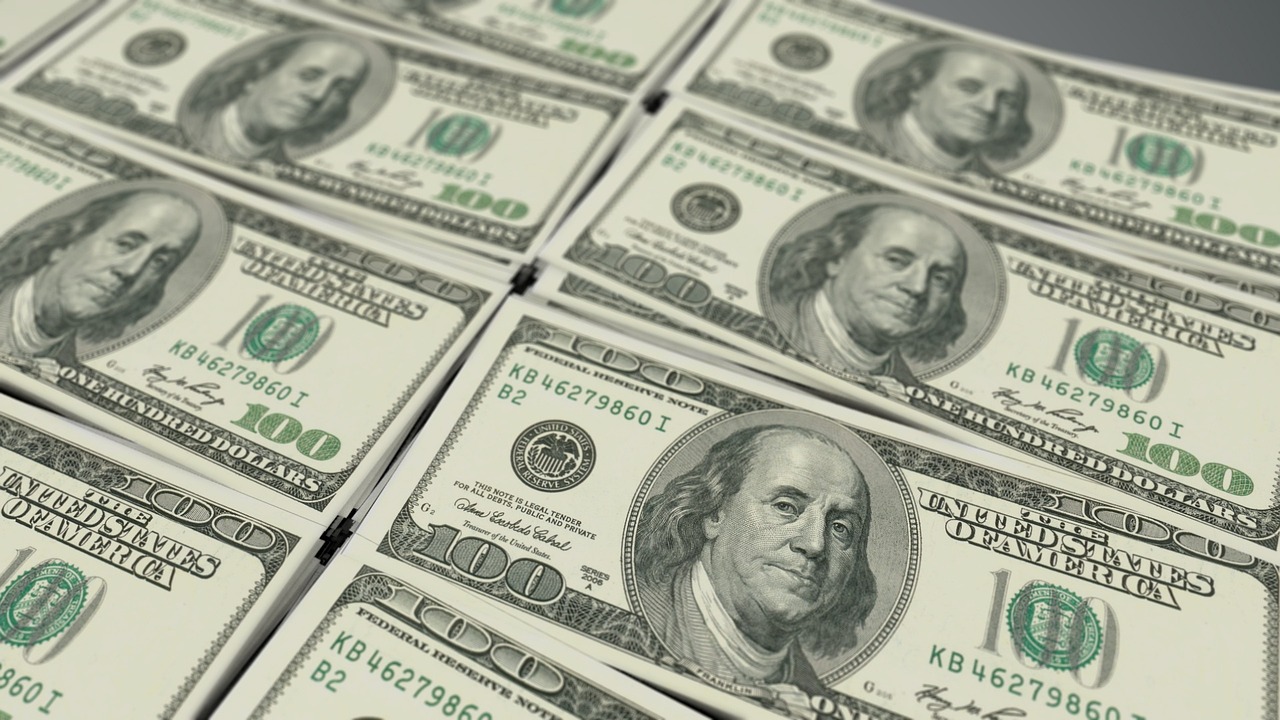
The program at the center of this fight sounds simple at first. Trump and Vice President JD Vance announced a $25 million program to reward people who report fraud and wrongdoing. According to the announcement, tips could earn up to $30,000 each, giving ordinary people a financial reason to come forward. On its face, it sounds like a tool against waste. Supporters say government loses money to fraud every year and that rewarding tipsters can help recover some of it. Paying whistleblowers is not a new idea in Washington, and many people from both parties have backed similar efforts in the past. The White House framed the plan as part of a broader push to clean up spending. Questions came quickly, though. How would tips be checked? Who would decide which reports deserve payment? What protections would exist for the people accused? Those questions are where the controversy began. Details matter, as our reports explain, and the details here drew the strongest reaction.
Who Decides Who Gets Paid

According to CBS News, Trump said he would personally decide who receives payments from the fund. That one line changed how many people saw the entire program. Critics say that gives the president power to reward loyalists or people who report on his political opponents. They argue that money flowing at one person’s discretion is exactly the kind of setup ethics rules are meant to prevent. Some watchdog groups called for written guidelines and independent review before any payment goes out. Supporters say it simply puts the boss in charge. In their view, the president is responsible for the executive branch, so it makes sense for him to oversee a program aimed at fraud inside it. They also say critics are assuming bad intent without evidence. Both readings rest on the same fact. The disagreement is about what that fact means and how it might play out. That one detail sparked the biggest reaction and became a central part of Sanders’ argument.
The Taxpayer-Funded Ads

Sanders also targeted nearly $22 million in public advertising featuring Trump. These are ads paid for with government money, meant to promote programs or share information with the public. The concern, as critics describe it, is that the ads place the president front and center in a way that looks more like campaigning than public service. Critics say government ads should inform people, not promote a politician. They argue that taxpayers should not pay for messages that boost one person’s image, regardless of party. Some noted that past administrations have faced similar complaints, though the scale and style of these ads drew particular attention. The White House says the ads explain programs to the public, and that featuring the president is normal because he leads the government. Officials describe the spending as standard outreach. The question of where public information ends and promotion begins is not always easy to answer. Read more on government spending for background on how agencies use advertising budgets.
Judges Step In

The ad dispute has already reached the courts. Reuters reported that a federal judge ordered a halt to some of the ads while legal challenges continue. That means certain campaigns were paused, at least for now, as the case moves forward. The rulings are temporary, not final. A temporary order is meant to hold things in place while a judge considers the full arguments. It is not a verdict on whether anyone broke the law. Lawyers on each side will present their case about what the spending was for and whether it followed the rules. The White House may appeal or argue that the ads are lawful. Challengers will try to show that the spending crossed legal lines. Courts will decide whether the spending crossed legal lines, and that could take time. Judges often move slowly on cases like this, and further appeals are possible. The outcome could shape how future administrations use public ads, as tracked in legal coverage on the case.
Sanders’ Long Fight With Trump
Sanders’ Long Fight With Trump did not start this year. Sanders has criticized Trump since the 2016 race, when both men ran as outsiders and drew huge crowds by attacking the political establishment. Their messages overlapped in a few areas, such as anger at trade deals, but they quickly became opponents. Over the following years, Sanders called Trump a threat to democracy and an ally of billionaires. He criticized tax cuts, health care plans and the handling of many crises. Trump, in turn, has often mocked Sanders and labeled him a socialist or communist. Both men have used the other as a symbol in front of their own supporters. Their feud is one of the longest running in American politics, stretching across multiple elections and two Trump terms. It has outlasted many other rivalries. For Sanders’ fans, his consistency is a strength. For his critics, it is predictable opposition. The full story is documented in earlier stories that follow each chapter.
How the White House Responds to Calling Trump the Most Corrupt President
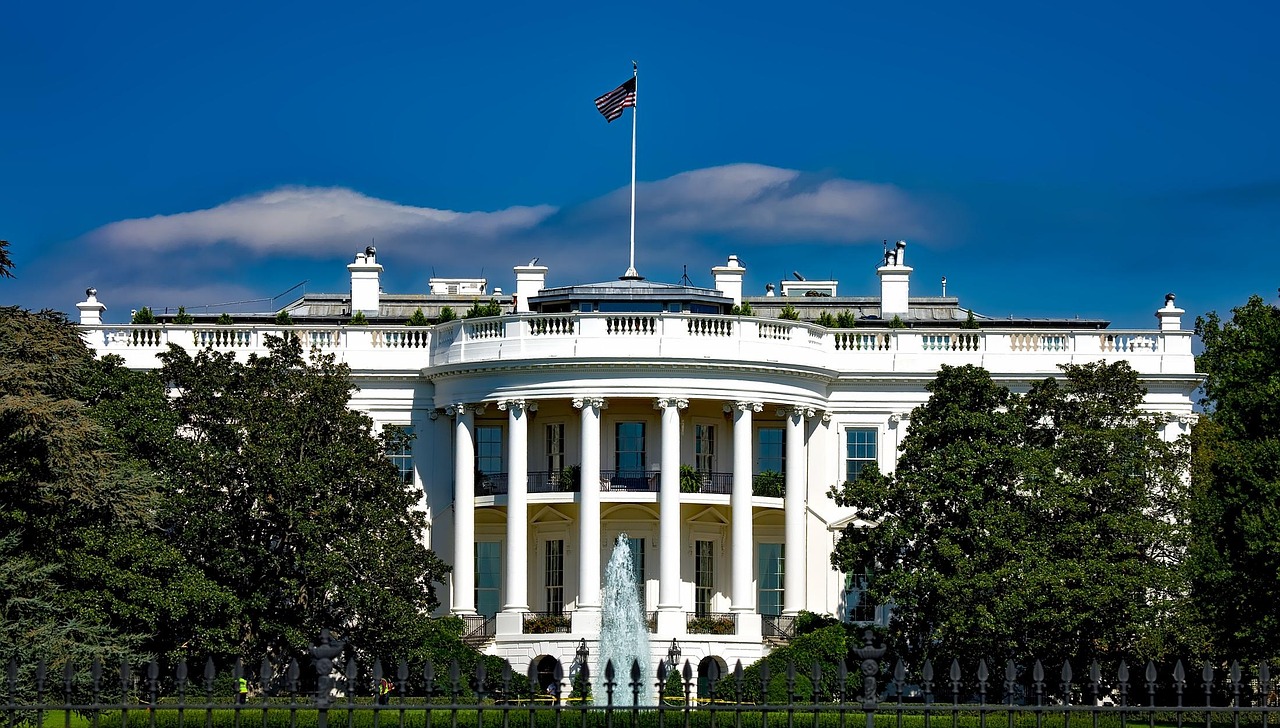
The Trump team rejects the charge that he is the most corrupt president. Officials say the whistleblower plan fights fraud, and they argue that critics should welcome any effort to recover wasted taxpayer money. On the ads, they say the spending is standard public information and that every administration communicates with the public about its programs. In their telling, Sanders is attacking a good-government measure because he dislikes the president. They describe Sanders as a socialist out of touch with voters, pointing out that his policy ideas have not won national elections. Allies of the president also note that Trump has won the presidency twice, which they see as proof that voters accepted him despite years of similar attacks. Some White House supporters say claims of corruption have been repeated so often that they have lost meaning. That defense is not likely to persuade Sanders or his allies. It does, however, reflect how many of Trump’s voters see the fight. More from the White House is available in our coverage of official statements.
What Calling Trump the ‘Most Corrupt President’ Means

What does “most corrupt” actually mean? There is no official ranking of presidential corruption. No court, agency or historian keeps a scoreboard. Historians often cite scandals like Teapot Dome under Warren Harding, when officials took bribes in exchange for leasing federal oil reserves, and Watergate under Richard Nixon, which ended with his resignation in 1974. Those cases are often used as benchmarks because they involved proven wrongdoing and serious consequences. Comparing any modern president to them depends on what you count. Is it personal profit? Abuse of power? Use of public money for political gain? Different people weigh these things differently, which is why such debates rarely end. Sanders’ claim is opinion, not a legal finding. That does not make it meaningless. Opinions from senators shape public debate and can lead to investigations. It does mean readers should treat it as a political argument rather than a settled fact. Explore history pieces for context on how past scandals unfolded.
What Experts Watch For
How do professionals judge claims like these? Ethics experts look at conflicts of interest, use of public money and whether officials benefit personally from their decisions. They ask whether an action serves the public or mainly helps the person in charge. They also look at process. Were there clear rules? Was there independent oversight? Could the public see how decisions were made? They also watch whether rules apply to everyone equally, regardless of party or position. A program that would be acceptable under one president should be acceptable under another, and the same goes for criticism. Watchdog groups on both left and right use similar standards, even if they reach different conclusions about specific leaders. Applying those tests to the whistleblower fund and the ads would mean looking at written guidelines, spending records and court findings as they come in. Those tests guide watchdog groups, as noted in analysis of earlier ethics disputes, and they offer readers a fairer way to judge.
Republicans Say Trump Is Not the Most Corrupt President

Republicans Push Back on the charge, and they have a long list of arguments ready. Many Republicans say Democrats and independents have called President Trump corrupt for years without proof that sticks in court. They point to past investigations that did not end in the outcome his critics hoped for. To them, Sanders’ latest claim is part of a pattern of attacks that voters have already heard and rejected. They point to his election wins as a sign voters disagree with the corruption label. If Americans truly believed it, they argue, they would not have returned him to office. Some Republicans also say the whistleblower program shows a commitment to fighting waste, not a scheme to reward allies. Others in the party have been quieter, waiting to see written rules before commenting. Those voices are less visible but still part of the picture. That argument appears in conservative coverage, where commentators say the charge says more about Sanders than about Trump.
Democrats Pile On

Several Democrats echoed Sanders and demanded investigations into the whistleblower program and the ads. They called for oversight hearings, inspector general reviews and full disclosure of how the money will be spent. Some sent letters to agencies asking for documents. Others used social media and television interviews to repeat Sanders’ warnings. With the midterms just held, they framed it as a reason to change Congress and strengthen oversight of the executive branch. Their message to voters is that checks on presidential power depend on who controls the House and Senate. Not every Democrat used Sanders’ exact words. Some prefer to focus on specific programs rather than broad labels like “most corrupt.” They argue that narrow, evidence-based complaints are more likely to persuade independents. That difference in tone is common within the party. Republicans say the Democratic push is political and timed for headlines. Track their moves in Congress news, where we follow hearings, letters and votes as they happen.
What Voters Think: Is Trump the Most Corrupt President?

Polls usually show Americans split along party lines on Trump’s ethics. Most Democrats see serious problems. Most Republicans do not. That pattern has held for years, through many controversies. Where do independents land? Independents tend to care most about prices and jobs, according to many surveys, but they also say honesty matters when they judge leaders. Their views can shift depending on the issue and how it is explained. A program that looks unfair may move some of them, while a charge that sounds partisan may push them away. Trust in government overall remains low, according to poll stories, and that low trust cuts both ways. Some people assume every politician is corrupt. Others assume every accusation is political. Both attitudes make it harder for any single claim to change minds. For Sanders, the challenge is persuading people outside his base. For Trump’s defenders, it is convincing skeptics that the programs are fair. Polling over the coming months may show who is succeeding.
Why This Fight Matters

Why should anyone outside Washington care about this fight? How public money is spent affects every taxpayer. Every dollar in a program or an ad campaign comes from the same place, and people have a right to know where it goes. Programs that let one person choose who gets paid raise fairness questions, no matter who is president. A future leader from either party could use the same setup, for good or bad purposes. That is why watchdogs often focus on structure rather than personality. Clear rules, written criteria and independent checks protect the public regardless of who holds office. Watchdogs say clear rules protect everyone, including officials who want to show they acted fairly. There is also a wider question about trust. When people believe government money is used for personal or political gain, faith in institutions drops. When they see fair, open processes, trust can grow. Our opinion pieces explore how different writers see the stakes in this debate.
What Comes Next

What Comes Next will depend on courts, Congress and the White House. Court cases over the ads will continue, and any ruling could affect how the administration spends on public messaging. If judges find the spending lawful, the White House will claim vindication. If not, critics will say their concerns were proven right. Lawmakers may ask for hearings on the whistleblower fund, especially on how tips are screened and who approves payments. The administration may also publish written rules, which could answer some questions or raise new ones. Sanders is likely to keep pressing. He has shown over many years that he does not drop issues he cares about. Trump, for his part, rarely leaves criticism unanswered, so further public exchanges seem likely. Expect more clashes as the next Congress takes shape, as covered in upcoming news on the new session. The story may also widen if other lawmakers or watchdog groups join the debate with their own findings.
Sanders in His Own Words

Sanders has long argued that money and power should not mix in Washington. It is the theme of many of his speeches, from campaign rallies to Senate floor remarks. He has criticized big donors, corporate lobbying and officials who move between government and industry. His recent remarks follow that theme, framing the whistleblower plan and the ads as one more example of public resources being used in ways that benefit those in power. For Sanders, the issue is not new; only the details are. Supporters call it consistency. They say he has held the same views for decades, regardless of who is in office, and that he has criticized members of his own side too. Critics call it a familiar script. They argue that he applies the label of corruption too freely and that his attacks on Trump are predictable. Both views can be found among voters who know his record well. You can find more political quotes here, with remarks from leaders on all sides of this debate.
How Whistleblower Rewards Usually Work

How do whistleblower rewards usually work in the federal government? Existing programs, like those at the SEC and IRS, pay a share of money recovered from proven fraud. A person reports wrongdoing, investigators check the claim, and if the government collects money as a result, the tipster may receive a percentage. These programs have recovered large sums over the years and are generally supported by both parties. Independent offices decide awards using set rules. Staff review evidence, follow written standards and keep decisions away from political leaders. That separation is meant to protect fairness and to give tipsters confidence they will be treated equally. That structure is why critics question a plan where the president chooses who gets paid. They want the new fund to follow similar safeguards. Supporters of the new plan say it can still work fairly and that critics are judging it too early. The comparison is explained, as noted in analysis, with a look at how each program handles payments.
Three Things to Watch

Three Things to Watch could tell us whether this fight grows or fades. First, any court ruling on the ads. A final decision, or even a strong signal from a judge, could settle whether the spending was lawful and shape how future administrations advertise. Second, written rules for the whistleblower fund. If the White House releases clear criteria and some form of independent review, part of the criticism could lose force. If rules stay vague, the questions will likely grow louder. Third, whether Congress opens hearings. Hearings would put officials under oath and create a public record, which could either support the critics or back the administration’s account. Beyond those three, it will be worth watching public polling and statements from lawmakers who have stayed quiet so far. Each will shape whether this fight grows or fades, as covered in upcoming stories. For now, the dispute remains a clash of interpretations, with key facts still to come.
Do You Agree Trump Is the Most Corrupt President?

So, Is Sanders right, or is this just politics as usual? It is a fair question, and people will answer it based on their own views and the evidence they find convincing. Some readers will point to the whistleblower fund and the ads as clear warning signs. Others will see a longtime rival using strong words to score points after a midterm election. Many will want to wait for court rulings and written rules before deciding. There is room for all of those responses. What matters is looking at the facts, hearing both sides and judging claims on evidence rather than slogans. We have tried to lay out what each side says and what is still unknown. Tell us whether you agree that Trump is the most corrupt president in American history, or whether you think the label goes too far. Respectful comments from every point of view are welcome, and we will update readers as new facts emerge. Keep following this story for the latest.