President Trump says he has told the Commerce Department to begin work on a new census that would not count people living in the U.S. illegally. The plan could affect congressional apportionment, federal funding and redistricting, and it is expected to face legal challenges.
Trump orders work on a new census excluding immigrants in the U.S. illegally
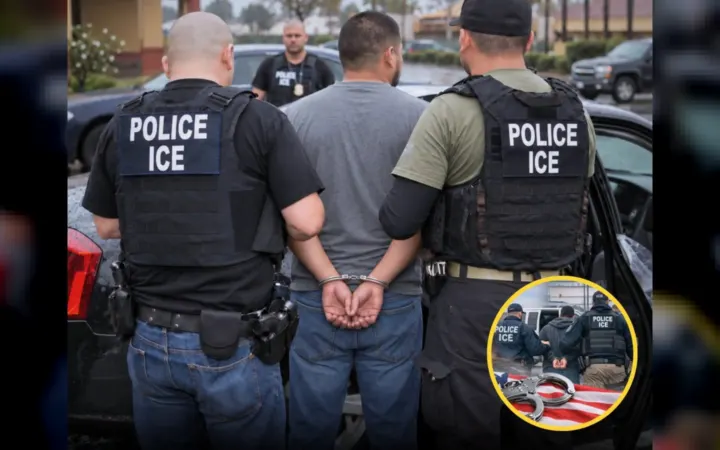
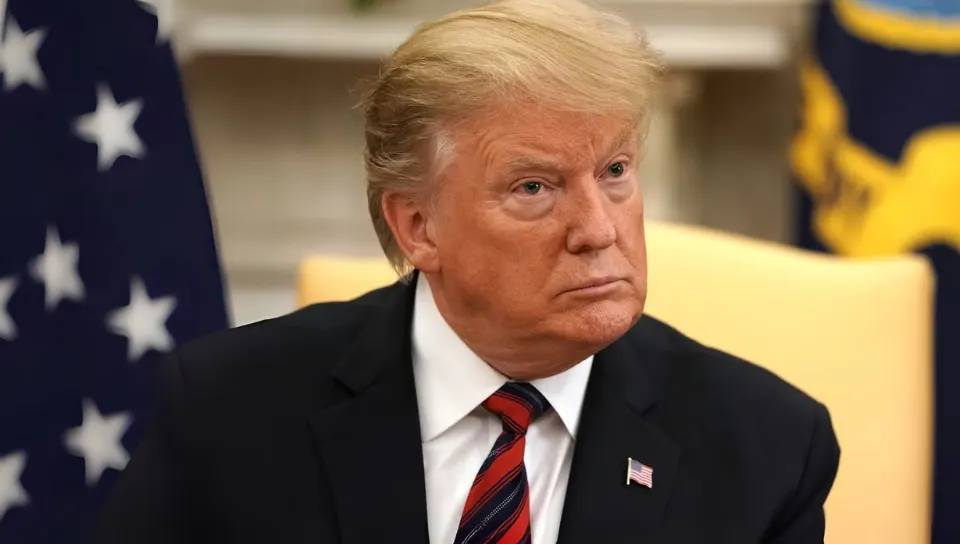
President Donald Trump says he has instructed the Department of Commerce to “immediately begin work” on a new census that would exclude immigrants who are in the United States illegally. In an August 7, 2025, social media post, Trump said the new count should be “based on modern day facts and figures” and should use “the results and information gained from the Presidential Election of 2024.” He wrote that “people who are in our Country illegally WILL NOT BE COUNTED IN THE CENSUS.”
The census determines how the 435 seats in the House of Representatives are divided among the states, which also affects each state’s votes in the Electoral College. Census data are also used to distribute hundreds of billions of dollars in federal funding each year and to draw congressional and legislative districts.
Commerce Department and Census Bureau
The Census Bureau, part of the Commerce Department, conducts the national count every 10 years. The most recent census was in 2020, and the next is scheduled for 2030. The post did not explain how a new count would be carried out, how much it would cost, or how election data would be used.
What could change if the census excludes illegal immigrants
Excluding immigrants in the country illegally from the population totals used for apportionment could shift House seats, and Electoral College votes, away from states with large immigrant populations. Because apportionment is based on total population, even relatively small changes in a state’s count can affect whether it gains or loses a seat.
Constitutional and legal questions
The 14th Amendment requires House seats to be apportioned by “counting the whole number of persons in each State.” Opponents argue this means all residents must be counted, regardless of immigration status. Legal experts also question whether the administration can conduct a new census in the middle of the decade without action by Congress, which the Constitution gives authority over how the census is carried out.
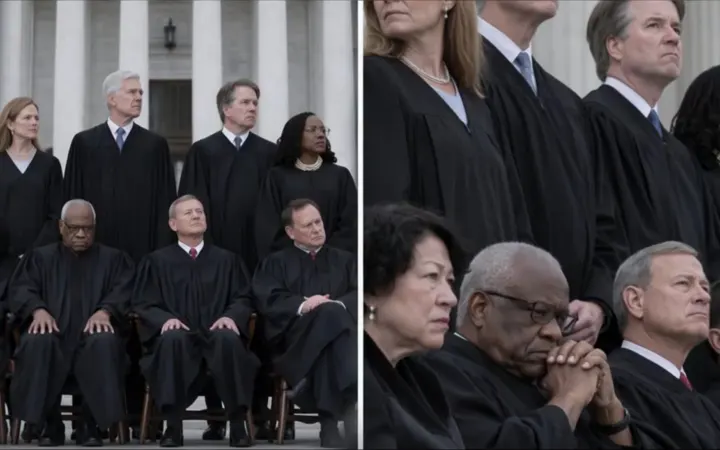
Earlier efforts to change the census have faced court challenges. In 2019, the Supreme Court blocked the first Trump administration from adding a citizenship question to the 2020 census, finding that the government’s stated reason for it was inadequate. In 2020, Trump issued a memorandum seeking to exclude immigrants in the country illegally from apportionment counts, but the policy was not carried out before he left office, and former President Joe Biden revoked it in 2021.
Funding and redistricting
Many federal programs, including Medicaid, the Supplemental Nutrition Assistance Program, Head Start and highway grants, rely on census-based data to distribute money. Census counts are also used to redraw congressional and state legislative districts, and any new count could add to ongoing redistricting disputes in several states.
Supporters and critics
Supporters of the plan argue that representation should be based on citizens and legal residents, and that counting people in the country illegally gives some states more political power than they should have.
Immigrant advocates, civil rights groups and many local officials argue the plan conflicts with the Constitution. They also warn that it could discourage people from responding to the census, leading to undercounts that would affect funding for citizens and noncitizens alike. Census responses are protected by federal confidentiality law.
What comes next
A new census would require years of planning, large numbers of temporary workers and significant funding. Any formal attempt to carry out the plan is expected to face lawsuits from states, cities and advocacy groups, and Congress could also weigh in.
Source: KSL.com