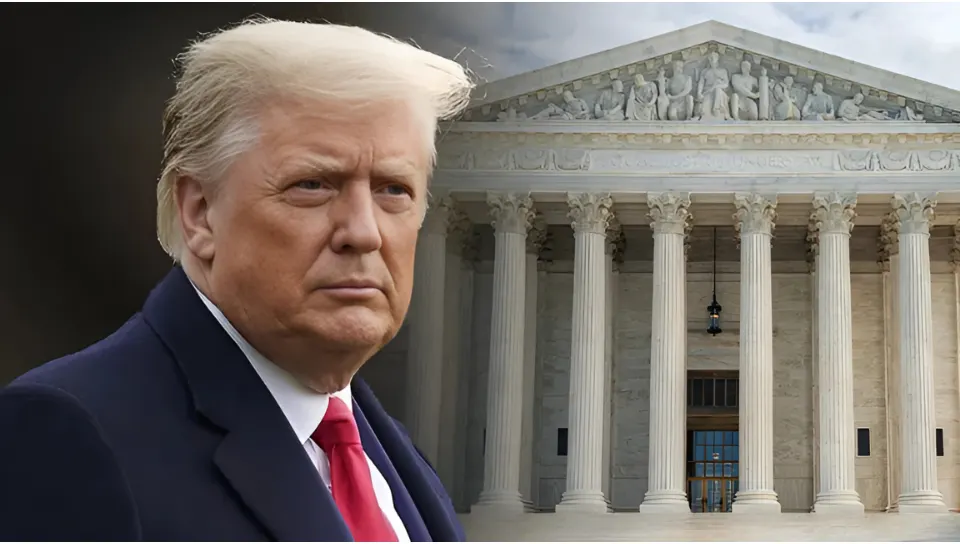
After a federal appeals court ruled that most of President Trump’s tariffs were illegal, the administration asked the Supreme Court to take up the case quickly and reverse the decision. Solicitor General D. John Sauer wrote that “the stakes in this case could not be higher.”
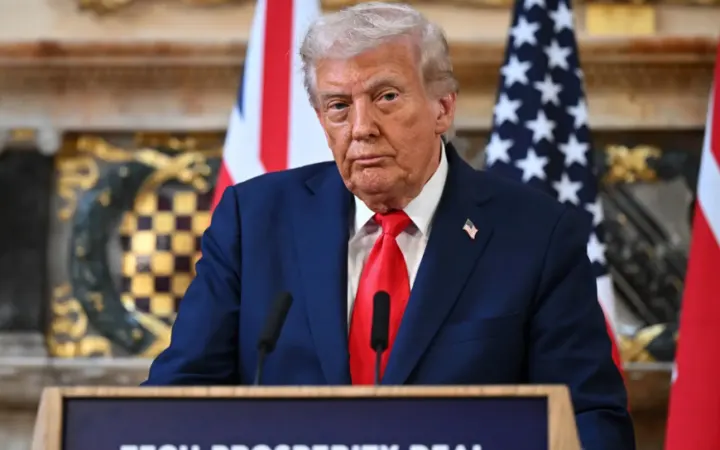
The Trump administration has asked the Supreme Court to quickly take up the legal fight over President Donald Trump’s sweeping tariffs and reverse an appeals court ruling that found most of them illegal. In a petition filed late on Wednesday, September 3, 2025, Solicitor General D. John Sauer asked the justices to hear arguments in early November. “The stakes in this case could not be higher,” he wrote.
What the appeals court decided
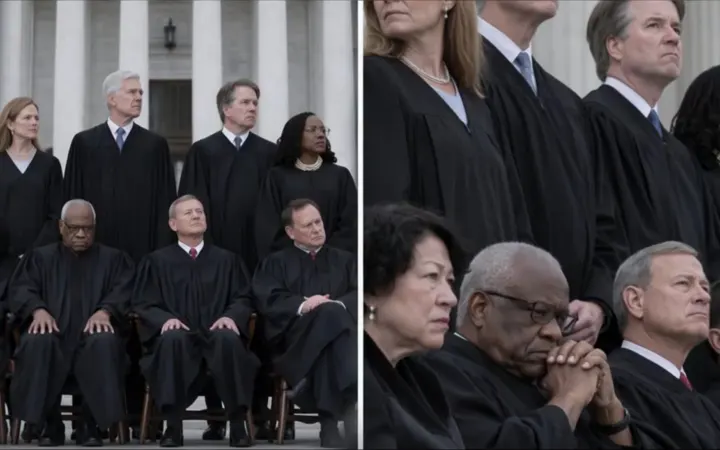
On August 29, the U.S. Court of Appeals for the Federal Circuit ruled 7-4 that Trump had overstepped his authority by using the International Emergency Economic Powers Act (IEEPA) of 1977 to impose broad tariffs. The administration had justified the tariffs by declaring national emergencies. A majority of the judges found that the law did not let the president take over Congress’s power to set tariffs. The four dissenting judges said the law allows the president to regulate imports during emergencies without explicit limits.
The ruling upheld an earlier decision by the U.S. Court of International Trade. The challengers include a group of small businesses represented by the Liberty Justice Center, as well as a coalition of states. The appeals court left the tariffs in place for now so the administration could appeal.
Which tariffs are at stake
The case covers two sets of tariffs: the duties on imports from Canada, China and Mexico that Trump announced in February 2025, and the broad tariffs on goods from most countries that he announced in April. It does not cover tariffs on foreign steel, aluminum and autos, which were imposed under a different law, or the tariffs on Chinese goods from Trump’s first term that former President Joe Biden kept in place.
The administration’s argument
In the petition, Sauer argued that the ruling “casts a pall of uncertainty upon ongoing foreign negotiations,” including trade deals the administration has reached or is working on. The government also warned that if the tariffs are struck down, it could have to refund import taxes it has already collected, a significant hit to the Treasury. Tariff revenue had reached $159 billion by late August, more than double the amount at the same point a year earlier, according to the Associated Press.
The challengers’ position
The businesses and states argue that the Constitution gives Congress, not the president, the power to impose taxes and duties, and that IEEPA does not mention tariffs. “We hope for a prompt resolution of this case for our clients,” said Jeffrey Schwab of the Liberty Justice Center, which represents the small businesses.
Why the case matters
The tariffs are a central part of Trump’s economic agenda. Supporters say they protect U.S. industries and give the administration leverage in trade talks. Many economists and the businesses that sued say much of the cost is passed on to American importers and consumers through higher prices.
The case also raises a broader constitutional question about how much power Congress has delegated to the president over trade. Legal analysts expect the justices to consider the “major questions doctrine,” under which the executive branch needs clear authorization from Congress for actions of vast economic and political significance.
What happens next
The Supreme Court must first decide whether to hear the case. The administration asked for an expedited schedule, with arguments in early November and a decision soon after. In the meantime, the tariffs remain in effect.
Sources: Associated Press, "Trump asks Supreme Court to quickly take up tariffs case and reverse ruling finding them illegal" (September 4, 2025)
Correction, October 25, 2026: The tariffs were announced in February and April 2025 and the appeals court ruled on August 29, 2025, so the case has run for months, not years. An earlier version of this article also misidentified the law at issue as Section 301 of the Trade Act of 1974; the case concerns the International Emergency Economic Powers Act.