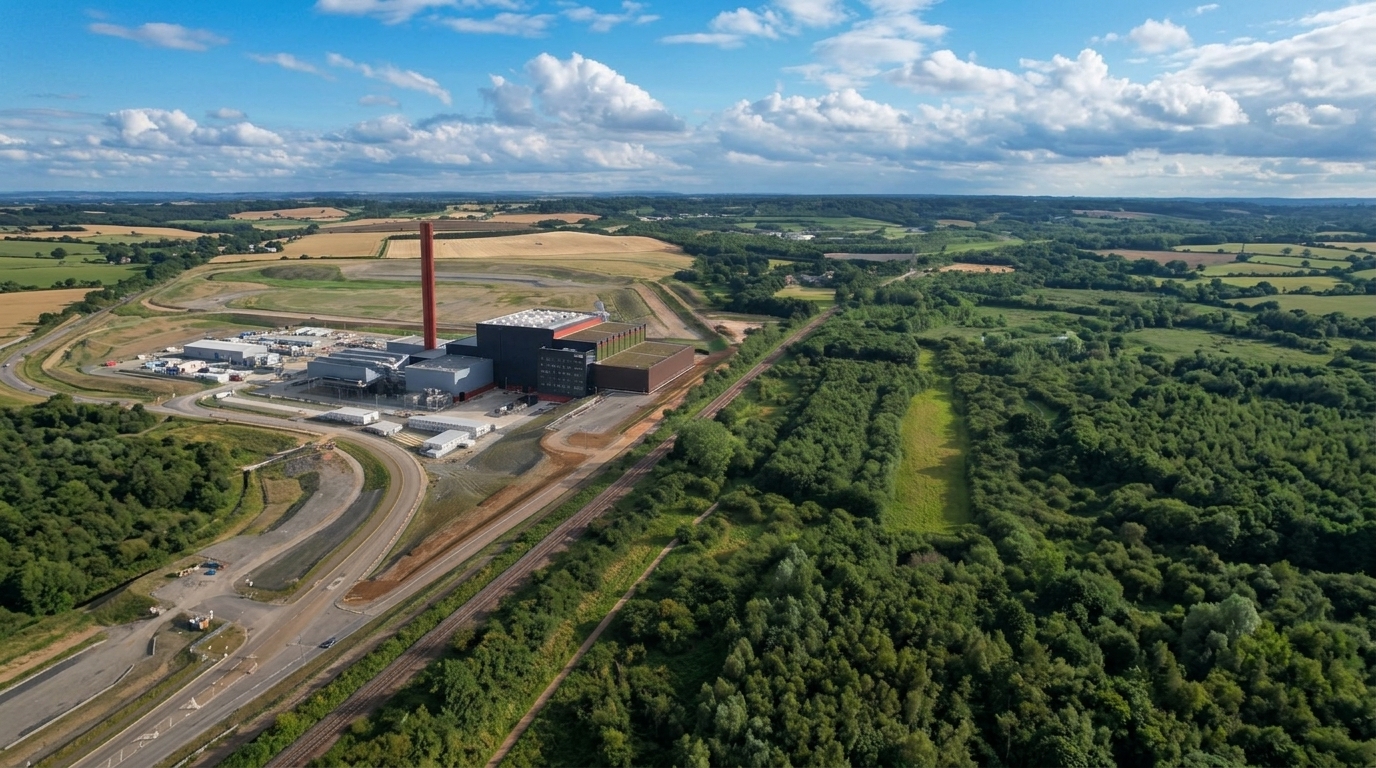
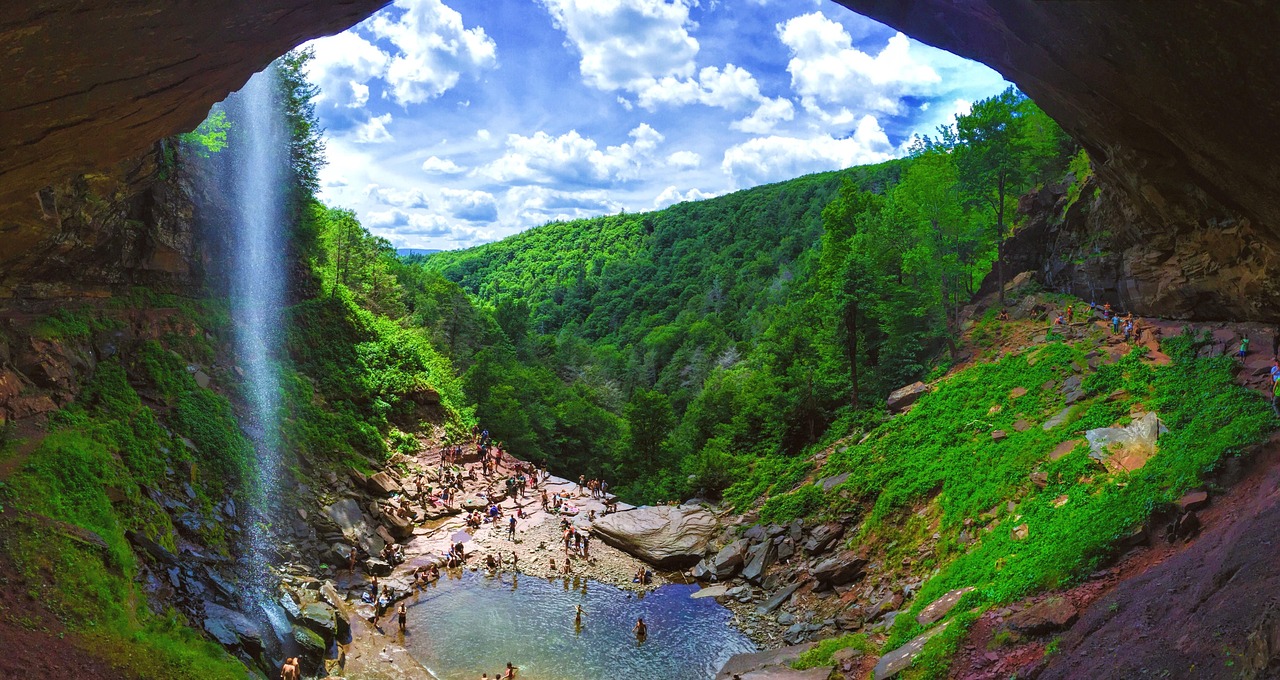
Maybe it is old-fashioned, but plenty of people would rather see forests full of wildlife and rivers full of life than countryside covered in data centers. The AI boom is driving a wave of huge server buildings across rural America. Towns are now asking what they gain, and what they lose. Here is the debate in plain words.
Why This Post Hit a Nerve
The message was simple and personal. It did not cite statistics or attack any company by name. It just said what a lot of people quietly feel: given the choice, they would rather see trees, deer and clear streams than rows of windowless buildings. Many readers said they feel the same way when they drive past cleared land and new warehouses on roads that used to wind through woods and farms. Some shared photos of their own towns, before and after construction started. Others admitted they use AI tools every day but still felt uneasy about where the machines behind them are being built. That tension is part of why the post spread. It touched a worry that technology is moving faster than communities can keep up, and that decisions about land are being made before local people fully understand the tradeoffs. It is a theme in many recent stories, from small towns to state capitals, and it is not going away soon.
References: United Nations: Forests provide essential wildlife habitats; FAO: Forests support biodiversity and healthy ecosystems; UNEP: New guidelines to reduce data centers' environmental impact
What a Data Center Actually Is
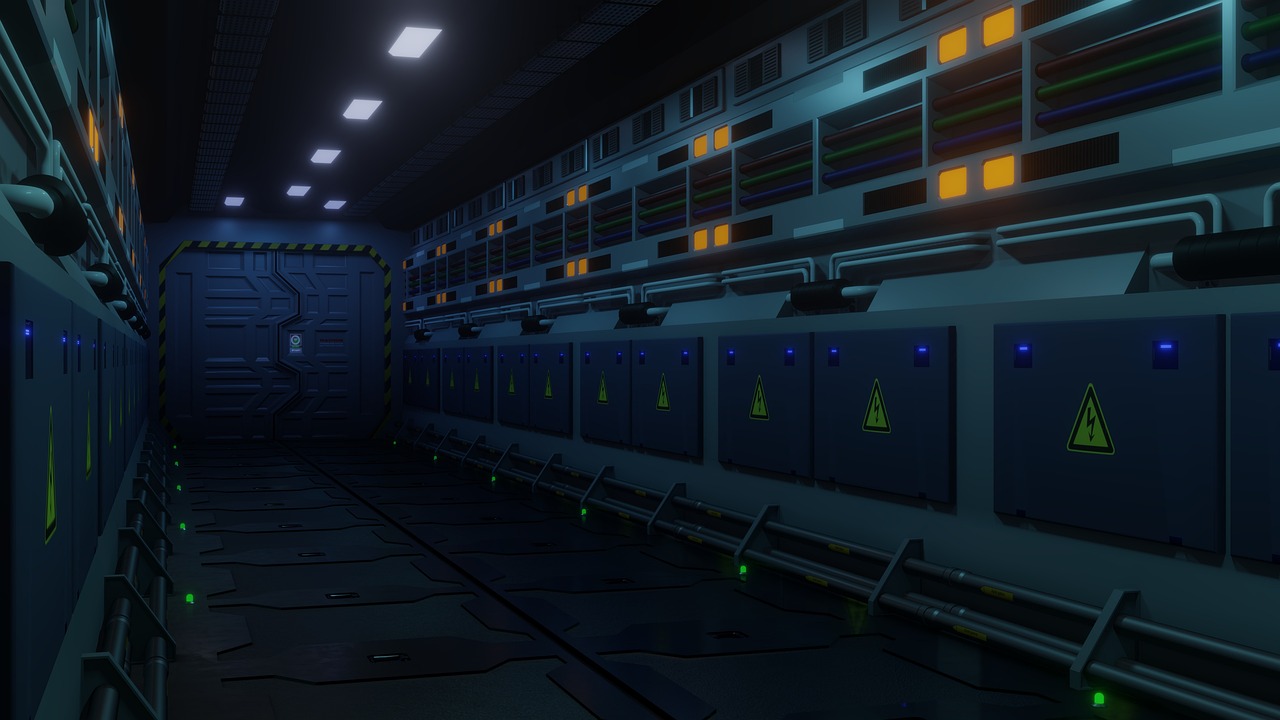
A data center is a large building filled with computer servers, the powerful machines that sit behind almost everything people do online. When you stream a show, send an email or back up your phone, a server somewhere does the work. It stores photos, runs apps and now trains AI models that answer questions, write text and create images. Older data centers were often tucked into office parks, not the open countryside, and looked like ordinary warehouses. The newest ones are on a different scale. Some campuses cover hundreds of acres and include several huge buildings, electrical substations, backup generators and cooling systems. They run day and night, all year, because the internet never sleeps. Inside, the rooms are packed with racks of equipment, blinking lights and constant airflow to keep the machines from overheating. Few people work in them compared with a factory of the same size. For most of us, these places are invisible, even though our daily lives depend on them. Read more about how AI works.
Why AI Needs So Many Countryside Data Centers

Why the sudden building boom? Training and running AI models takes enormous computing power. A single advanced model can require thousands of specialized chips working together for weeks. Once the model is released, millions of people use it every day, and each question needs more computing. Tech companies are racing to build more capacity so they do not fall behind rivals. They have announced plans to spend very large sums on new facilities over the next few years, according to industry reports. To make those plans work, they need cheap land and reliable electricity, often in huge amounts. They also want access to fiber lines, water and quick permits. Rural areas offer both land and, in many cases, room on the power grid. Local leaders sometimes welcome the interest, hoping for new revenue. Others are caught off guard by the size of the proposals. That mix of need and opportunity is why small towns are being approached, sometimes by companies using project code names.
Forests Do Real Work
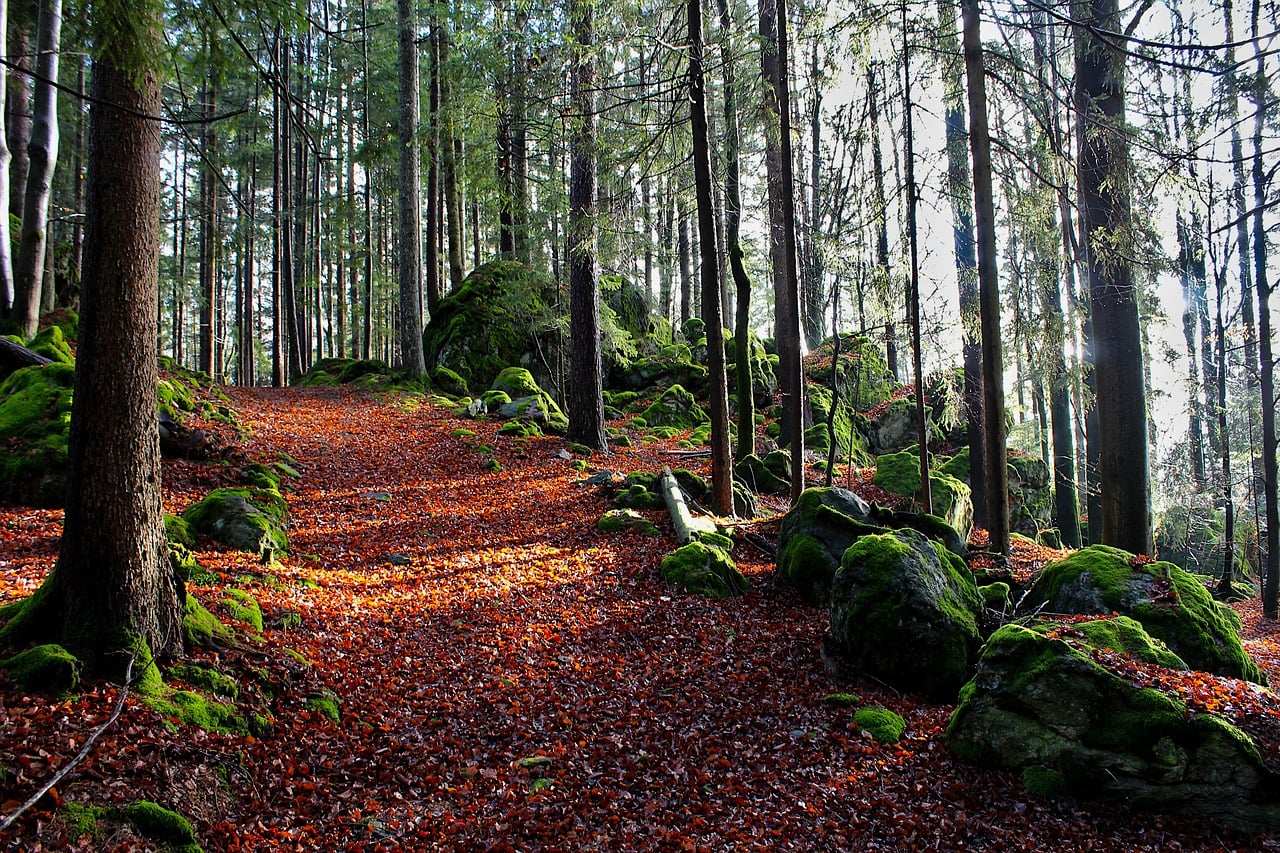
Forests are not just pretty. They do quiet, constant work that people rarely notice until it stops. Trees clean the air by trapping dust and pollution. They store carbon in their trunks, roots and soil, which helps slow climate change. Their roots hold soil in place, reducing erosion and landslides after heavy rain. Forest floors act like sponges, soaking up water and releasing it slowly, which helps filter drinking water and reduce floods downstream. Shade from trees also keeps nearby land cooler in summer. The United Nations calls forests home to most land animals and plants on Earth, from insects and fungi to large mammals. Its food and agriculture agency describes them as central to biodiversity and healthy ecosystems. When a forest is cleared, those services do not move somewhere else. They are simply lost, sometimes for generations. Losing them affects more than the view, as environment coverage shows, and replanting rarely brings back the same mix of life quickly.
Wildlife Needs Connected Land

Deer, birds, bears and countless smaller animals depend on large, connected habitats. They move to find food, mates and shelter, and many follow seasonal routes that their species have used for generations. Streams, ridgelines and strips of woods act as natural highways. Big fenced sites break those corridors apart. A campus with security fencing, roads and parking can cut a forest into smaller islands. Animals that once crossed freely may be forced onto highways or into neighborhoods. Smaller populations, cut off from one another, can become less healthy over time. Biologists say fragmentation is one of the quiet threats to wildlife, because the damage builds slowly and is easy to miss. A single project might not seem like much. Several projects in the same region can add up. Conservation groups often ask developers to leave wildlife corridors open, plant native buffers and avoid the most sensitive areas. Some agree, others say it is too costly. Here is more on animal stories from across the country.
The Water Question for Countryside Data Centers
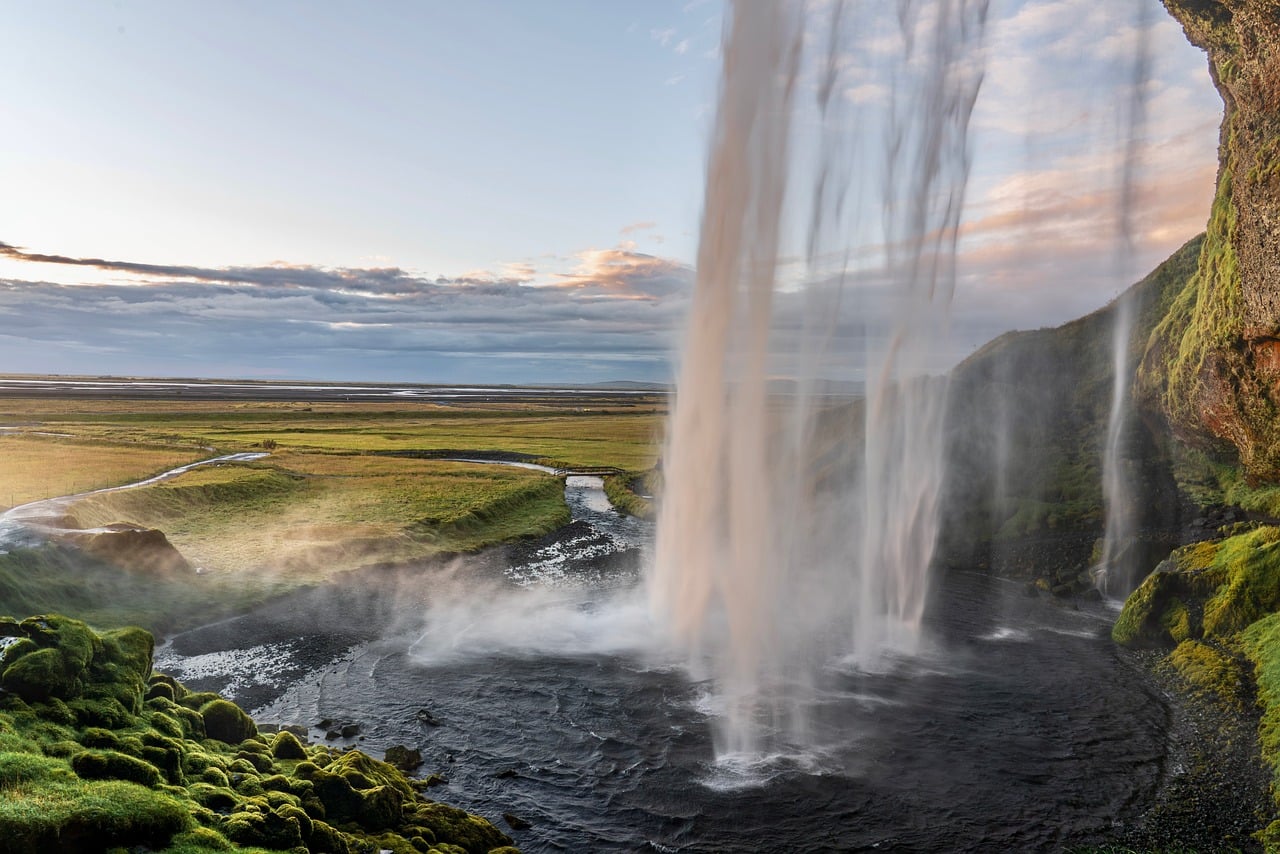
Servers produce a lot of heat, and keeping them cool is one of the biggest challenges in running a data center. Many countryside data centers use large amounts of water to cool their servers, often through systems that let water evaporate to carry heat away. A large site can use as much water as a small town on hot days, according to some estimates. In dry regions that can strain wells, rivers and underground aquifers that farms and families depend on. During droughts, the question becomes even sharper: who gets the water first? Some newer designs use less water, relying on closed-loop systems, air cooling or recycled wastewater. Companies often highlight these features in their proposals. Still, local residents often want proof before approving a project, including clear numbers on how much water will be used and where it will come from. Some towns have asked for written limits in their agreements. Others have turned projects down over water concerns. Learn about water issues that affect communities nationwide.
Countryside Data Centers, Power Bills and the Grid
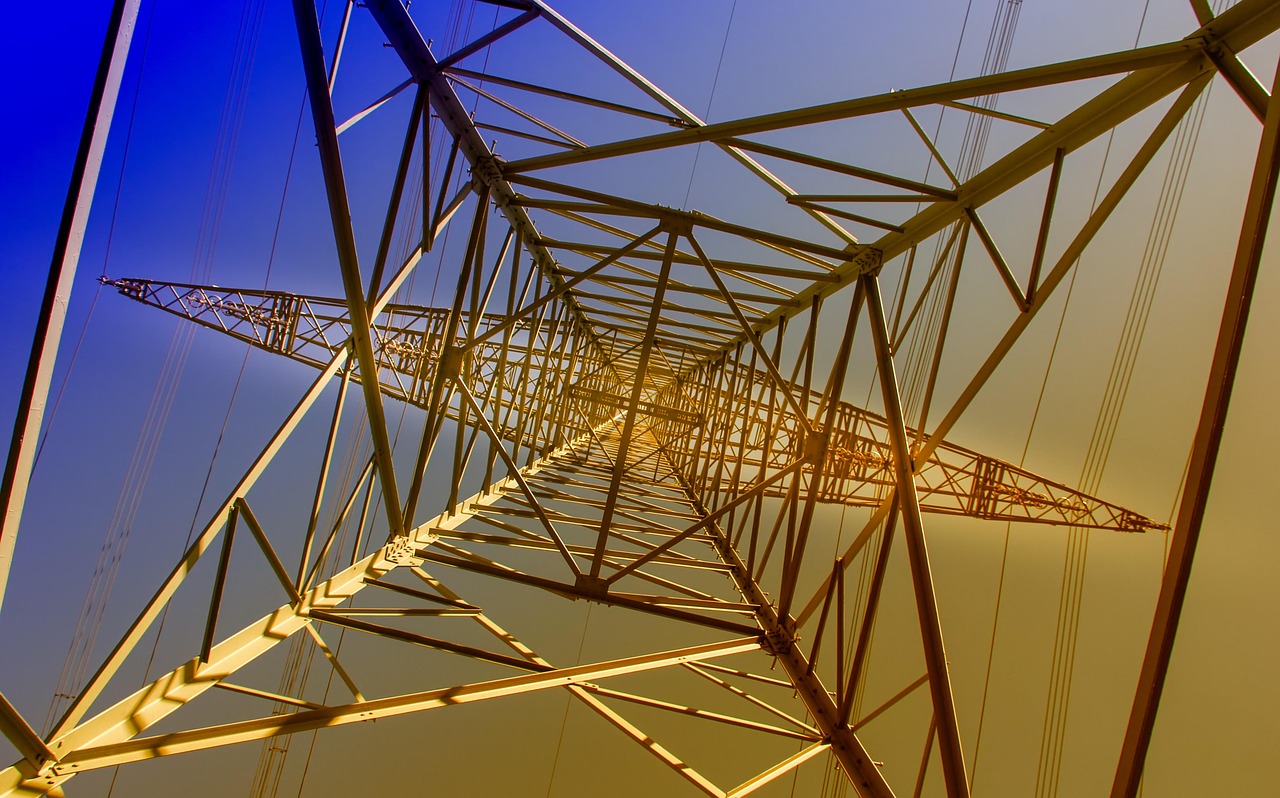
Countryside data centers can use as much electricity as a small city. The largest campuses draw power around the clock, and AI chips are especially hungry. That demand is growing faster than many utilities expected. Utilities sometimes need new power plants, substations or high-voltage lines to keep up. Those projects can take years and cost billions of dollars. In some regions, grid operators have warned that supply is getting tight as new requests pile up. Residents worry those costs land on their bills. If a utility builds new infrastructure mainly to serve a data center, should every household help pay for it? Tech companies say they pay their share and often fund upgrades directly. Some have signed deals for new solar, wind or even nuclear power. Consumer advocates say the details matter and want clear protections. Regulators in several states are now looking at who pays, and some have proposed special rates for very large users so families are not left with the bill.
Jobs and Tax Money From Countryside Data Centers

Supporters point to construction jobs and big tax payments to local schools, roads and emergency services. During the building phase, hundreds of workers may be on site, filling local hotels, diners and shops. Electricians, plumbers and equipment operators can find steady work for years as new buildings go up. Property taxes from a large campus can be significant, and some counties say data centers have helped them hold down taxes for residents. Once built, though, a data center employs relatively few people. The permanent staff may number in the dozens rather than the hundreds, depending on the size of the site. Many states also offer tax breaks to attract these projects, which can reduce the local benefit. Critics argue that the land could support more jobs if used for farming, tourism or other businesses. Supporters reply that empty or low-value land brings in little revenue at all. Towns weigh a short boom against long-term land use, a choice seen in similar debates about factories and warehouses.
Communities Want a Voice

In several states, neighbors have packed town meetings to ask questions about noise, lights, water and traffic. Some arrived with handmade signs. Others brought printed research and long lists of questions for county boards. Many said they first heard about a project from a rumor or a news report, not from local officials, which fueled distrust. Nondisclosure agreements and code names for projects have made some residents feel left out of the process. Some projects were approved, often with conditions on noise, setbacks or water use. Others were delayed for more study or rejected outright after strong public pushback. In a few cases, companies withdrew and looked elsewhere. Local officials often describe the decisions as difficult, since they must balance tax revenue against residents’ concerns. People mainly want to be heard before the bulldozers arrive, as local news shows. Early, honest communication, many say, would ease a lot of tension on both sides.
Countryside Data Centers Make Noise You Can Hear at Night
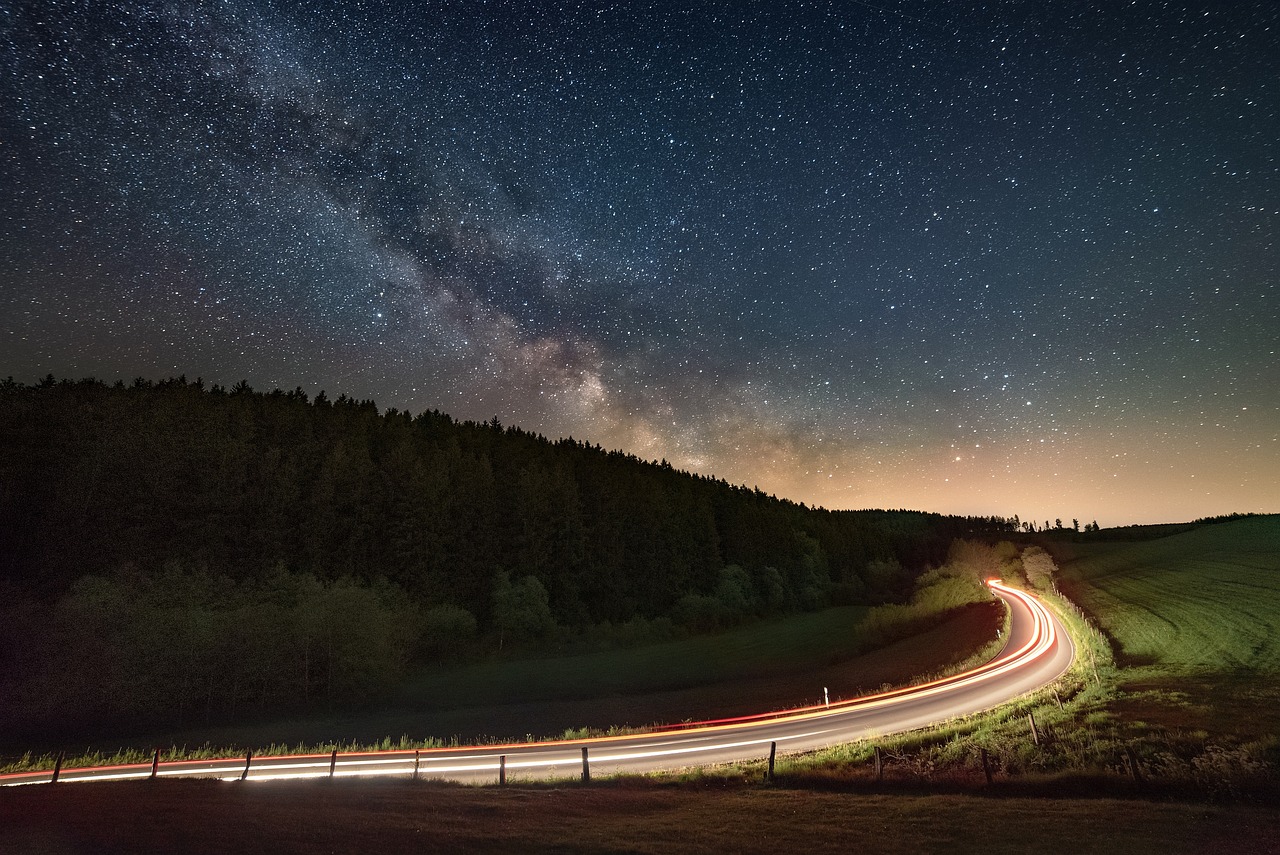
Picture a quiet country road at 2 a.m. No traffic, no voices, just a low, steady hum that never stops. That is how some residents describe living near a large data center. Cooling fans and backup generators create a constant drone that can carry across open fields, especially at night when everything else is still. Residents near some sites say they can hear it from their homes, even with the windows closed, and some report trouble sleeping. Others say the sound is barely noticeable. Much depends on the distance, the terrain and the equipment used. Builders can add sound walls, berms, quieter fans and better placement of equipment to reduce the noise. Those steps cost money, though, and they are not always required. Many rural areas have few or no noise rules, because they never needed them before. Local governments are now writing new standards to fill that gap. Builders follow them only if rules require it. More on quality of life stories.
Can Tech and Nature Share Space?
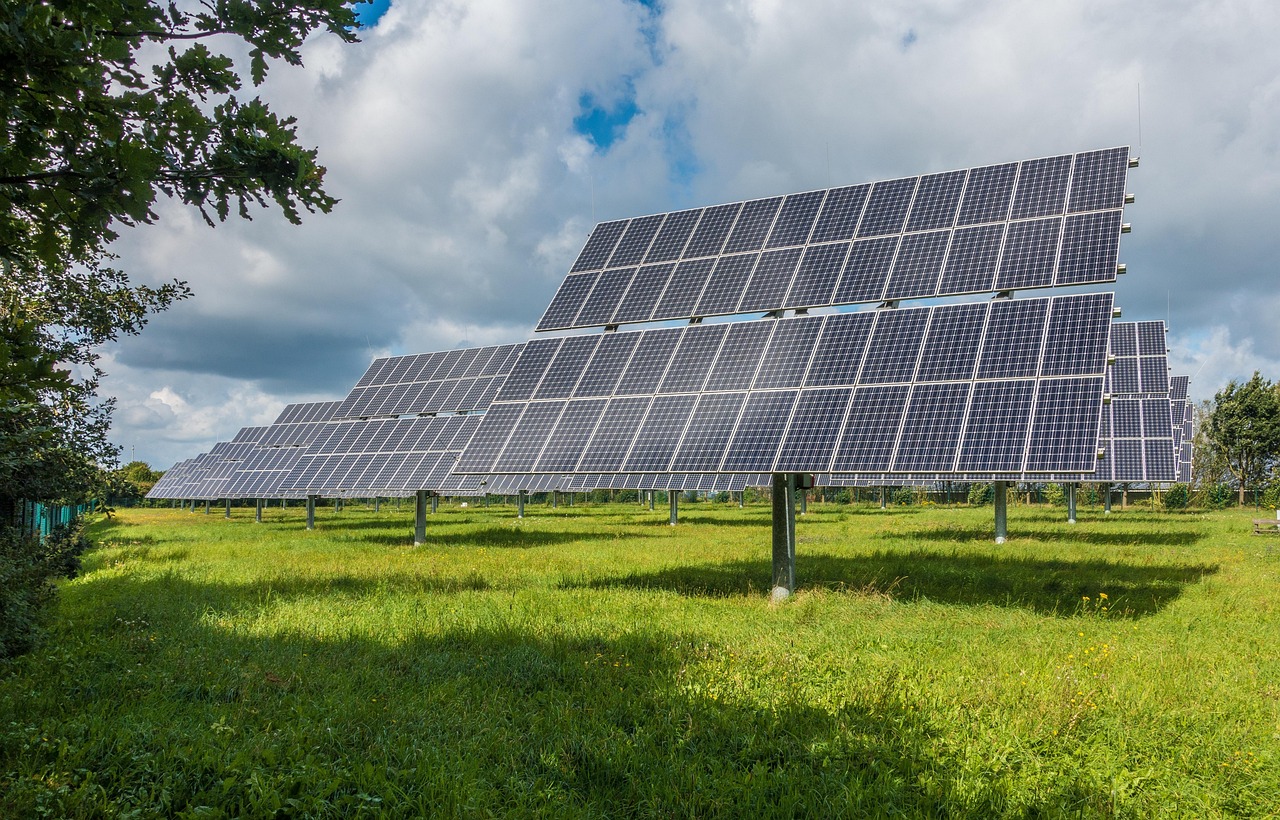
Can tech and nature share space? Some companies now say yes, and they point to new approaches. Instead of clearing fresh forest, a few build on old industrial land, such as closed factories or former power plant sites, where roads and power lines already exist. Others reuse heat from their servers to warm nearby buildings, greenhouses or homes, a practice more common in parts of Europe. Many large firms now sign contracts for wind and solar power, and some are exploring nuclear options. These choices cut the damage, though they do not erase it. A building still takes land, uses power and needs water in some form. Environmental groups say this should be the norm, not the exception. They want tougher rules that require developers to choose the least harmful sites and to show their plans in public. Industry groups respond that flexible, voluntary standards encourage innovation better than strict mandates. The debate continues in statehouses and boardrooms. See green technology news.
What the UN Recommends

The UN Environment Programme has released guidance to reduce the energy and environmental footprint of data centers. The goal is to help governments and companies plan better before the next wave of construction. It covers efficiency, cleaner power and smarter siting. In plain terms, that means using less electricity for the same amount of computing, choosing renewable energy where possible and avoiding sensitive land and water-stressed areas. The guidance also encourages better reporting, so the public can see how much energy and water a site actually uses. Following it is voluntary, so pressure from the public still matters. Countries and companies can adopt the recommendations, ignore them or pick and choose. Supporters say global guidance gives local communities a useful benchmark when they negotiate. Skeptics say voluntary rules rarely change behavior on their own. Either way, the guidance shows that the issue has moved from local town halls to the international stage. Read more on global issues.
Rivers Full of Life

Clean rivers support fish, birds and the people who fish, swim and farm nearby. For many rural towns, a river is part of daily life and local identity. It can mean a summer swimming hole, a trout stream or water for crops and cattle. Runoff from big construction sites can muddy streams. When large areas of land are stripped and graded, rain can wash loose soil into nearby waterways. That sediment clouds the water, smothers fish eggs and harms the insects that fish feed on. Stormwater from roofs and parking lots can also carry oil and other pollutants. Most states require erosion controls during construction, but enforcement varies and heavy storms can overwhelm them. Good planning keeps buffers of trees along waterways, which slow runoff and shade the water. Some projects also build ponds and wetlands to catch stormwater before it reaches a stream. Residents who fish or farm downstream often watch closely. Discover nature stories on our site.
What You Can Do
Feeling uneasy is one thing. Doing something about it is another, and there are practical steps anyone can take. Attend local planning meetings, read zoning notices and ask companies about water, power and land plans. Planning and zoning boards usually post agendas online, and many allow public comment. Sign up for county email alerts so a big project does not catch you by surprise. Ask simple questions: How much water will this use? Where will the power come from? What happens to the trees? Who pays for road and grid upgrades? Support groups that protect local forests, rivers and farmland, whether through volunteering, donations or simply sharing accurate information. Talk with neighbors, including those who may favor the project, since a calm conversation often leads to better outcomes than a shouting match. Contact state lawmakers if you think rules need updating. Small actions add up when a big project comes to town. Find more tips here.
How Much Land Do Countryside Data Centers Take?
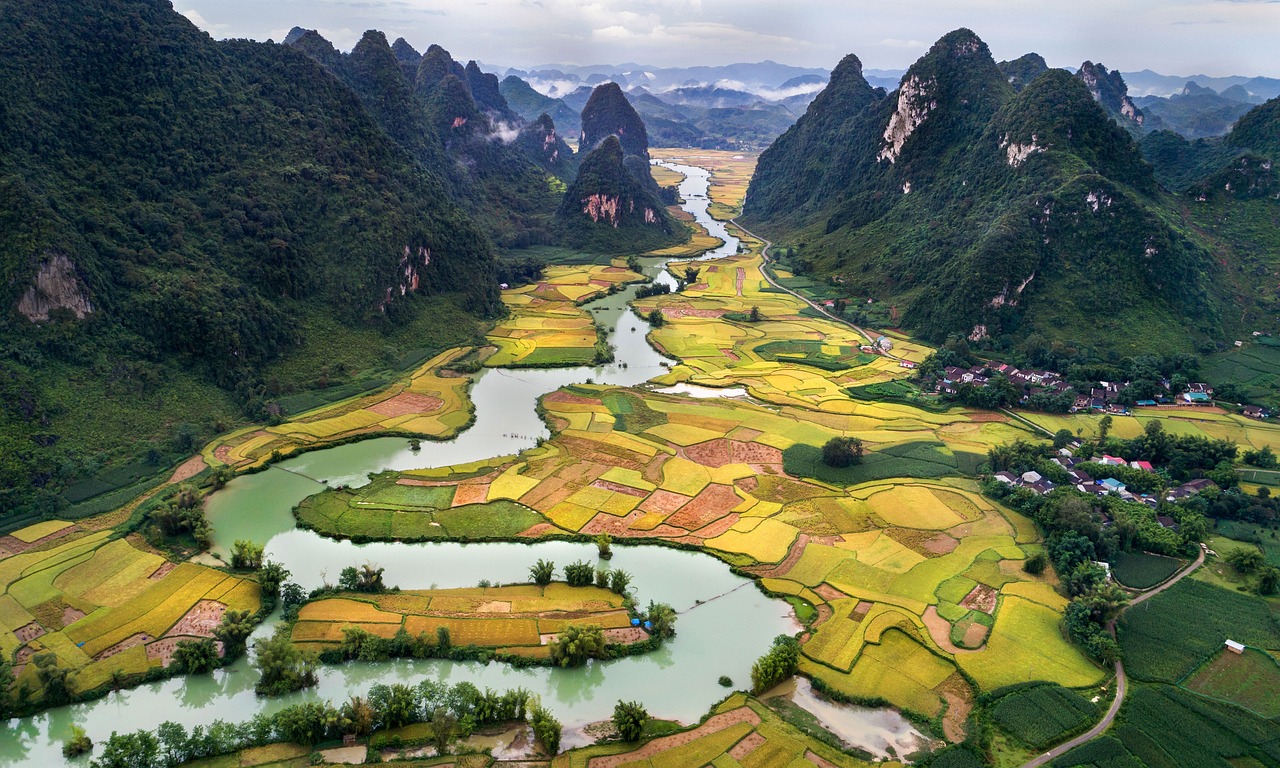
Some new campuses cover more than 1,000 acres once parking, substations and roads are counted. To picture that, imagine hundreds of football fields side by side. That is larger than many small towns. Not all of the land is covered by buildings. Some is set aside for power equipment, security buffers, stormwater ponds and future growth. But most of it is fenced and closed to the public. Several buildings can rise on one site over a few years. A company may start with one or two structures and then expand as demand grows. Neighbors who accepted a modest first phase are sometimes surprised by what follows. That is why some local officials now ask for full build-out plans at the start. Land that was once forest or farm is graded, paved and wired. Even if a site is later abandoned, returning it to its natural state would be slow and costly. See more on land use.
Farmers Feel the Pressure
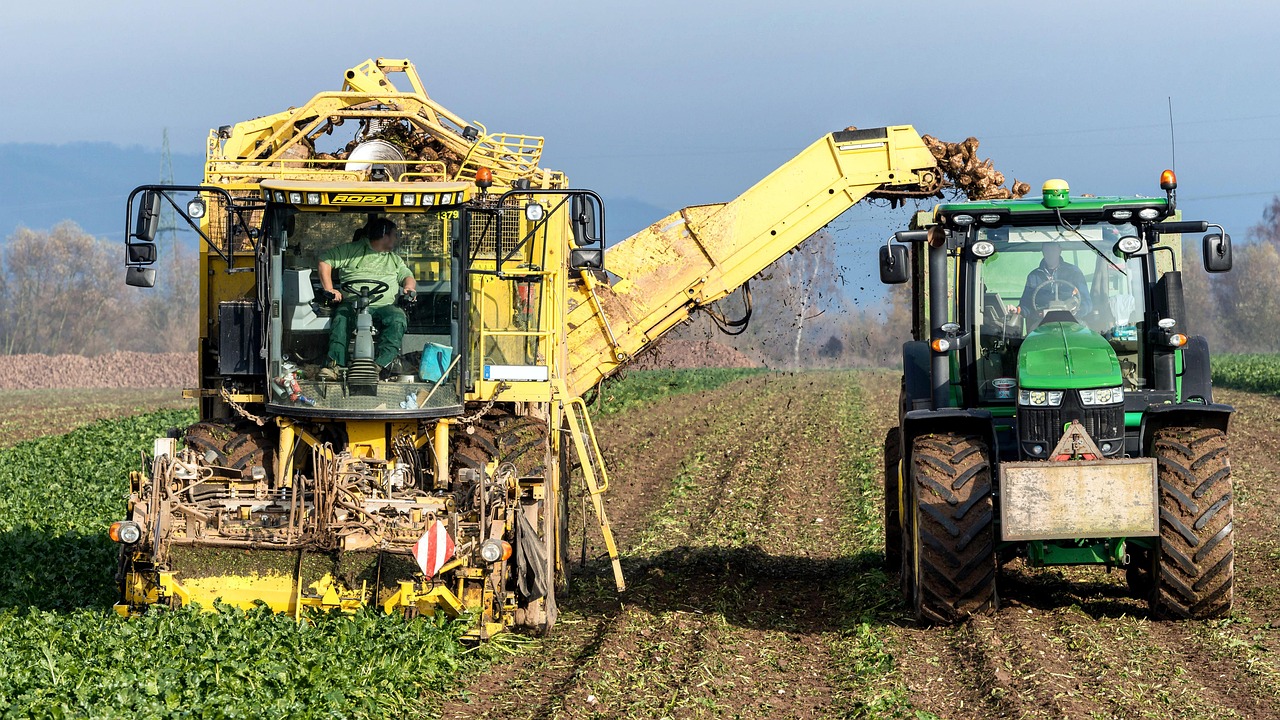
Offers for farmland near power lines can be many times higher than what the land would earn from crops. For a farm family facing low prices, rising costs and no one to take over, that kind of offer can be life changing. Some families sell gladly, using the money to retire, pay off debt or help their children. Others feel pushed, especially when neighbors sell and the character of the area starts to change around them. Farmers who want to keep going may find that land prices have risen too high to expand. Tensions can build between neighbors who sell and those who stay. Once paved, that soil rarely returns to farming. Topsoil takes a very long time to form, and construction can strip or compact it. Farm groups have raised concerns about losing some of the country’s best agricultural land. Developers say landowners have the right to sell. Both are true, which makes the issue hard. It is a worry raised in rural stories across several states.
Birds Notice First

Birds notice changes first. Many species migrate at night, using the stars and natural light cues to find their way. Bright lights at night can confuse migrating birds, drawing them off course and leaving them exhausted. Some strike buildings or circle lit areas until they drop. Large sites lit all night for security can add to the problem, especially in open country where they stand out against the dark. Cleared woods remove nesting spots for songbirds, owls and hawks. Edges of new clearings can also bring in predators and invasive species that harm nests. Bird groups ask builders to dim lighting, point fixtures downward, use motion sensors and keep tree buffers around the site. Some ask for lights to be turned down during peak migration weeks in spring and fall. Simple steps, they say, save thousands of birds, as in wildlife news. Several cities already follow lights-out programs, and advocates hope the same idea spreads to rural industrial sites.
What Other Countries Are Doing

The United States is not the only country facing these questions. In Ireland, data centers became a major share of national electricity use. Ireland paused new data center links in the Dublin area because of power strain, with the grid operator limiting connections there for several years, according to reports. The Netherlands limited large sites in some regions after public concern about land and energy use. Other parts of Europe have introduced rules on energy efficiency and heat reuse. In Asia, Singapore once paused new data centers before allowing a limited number under stricter green standards. Other nations now study the same limits as AI demand grows. Some countries are competing to attract data centers for jobs and investment, while others are pulling back to protect their grids and land. The approaches vary, but the core questions are the same everywhere: how much power, how much water and how much land. Read more world news on how other nations handle growth.
A Middle Path for Countryside Data Centers

Is there a way to have both? Planners suggest building near existing industrial zones, where roads, power lines and water systems already exist. They also recommend recycling waste heat for nearby homes, schools or greenhouses. Using treated wastewater for cooling can spare drinking water supplies. Protecting nearby forests by law, through conservation easements or permanent buffers, can keep wildlife corridors intact. Some suggest requiring companies to fund new renewable power rather than drawing from the existing grid. Others call for clear public reporting on water and energy use. None of these ideas is free, and each adds cost or time to a project. Tech companies worry that too many rules will push investment elsewhere. Communities worry that too few rules will leave them with lasting damage. A balanced approach tries to answer both concerns. It is not perfect, but it keeps both progress and nature in view, as experts note. Many towns are now testing versions of this middle path.
Does Anybody Agree?
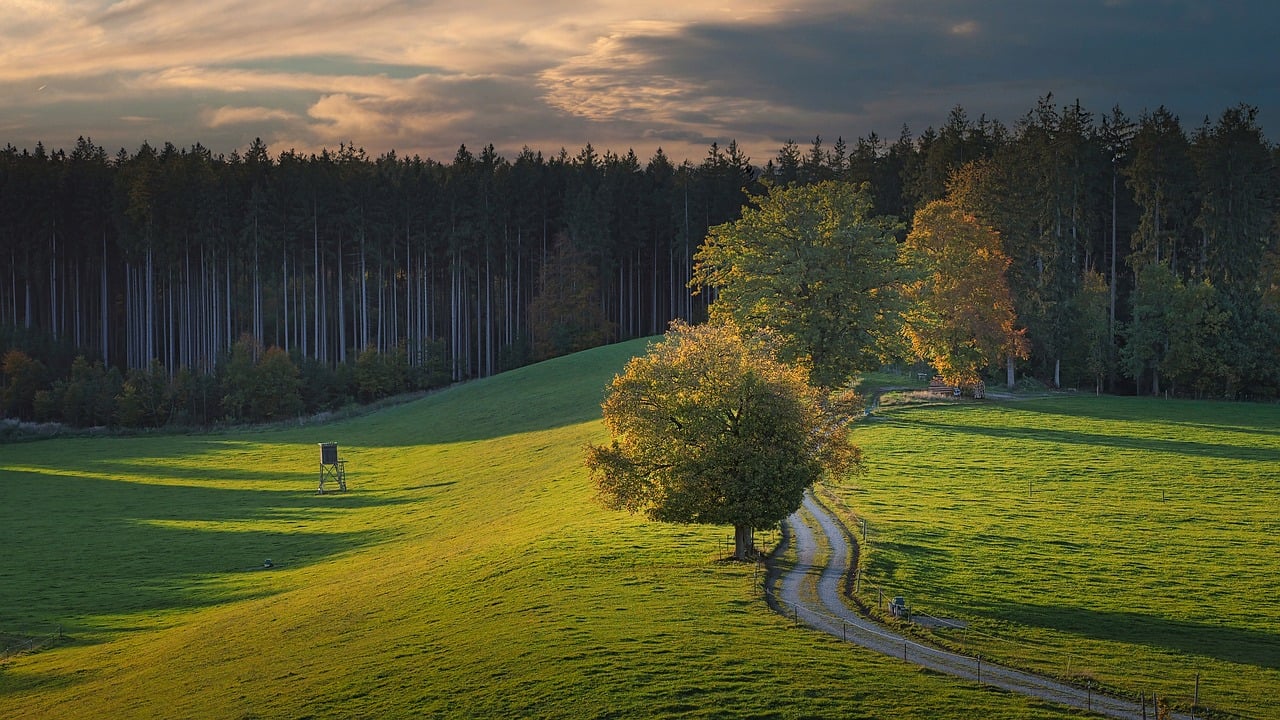
Technology matters, but so does the land we leave behind. AI tools are already part of work, school and daily life, and the computing behind them has to live somewhere. Few people want to give up the conveniences of the internet. At the same time, many feel a deep attachment to the woods they grew up near, the rivers where they learned to fish and the quiet that rural life offers. Those feelings are not anti-progress. They reflect a wish to be part of the decisions that shape their home. Supporters of countryside data centers make fair points about jobs, tax revenue and keeping the country competitive. Opponents make fair points about water, power bills, wildlife and the character of rural places. The answer will likely differ from town to town. Do you side with progress, with preservation, or with a balance of both? Would you welcome a data center in your county? Tell us what you think and keep following this story.