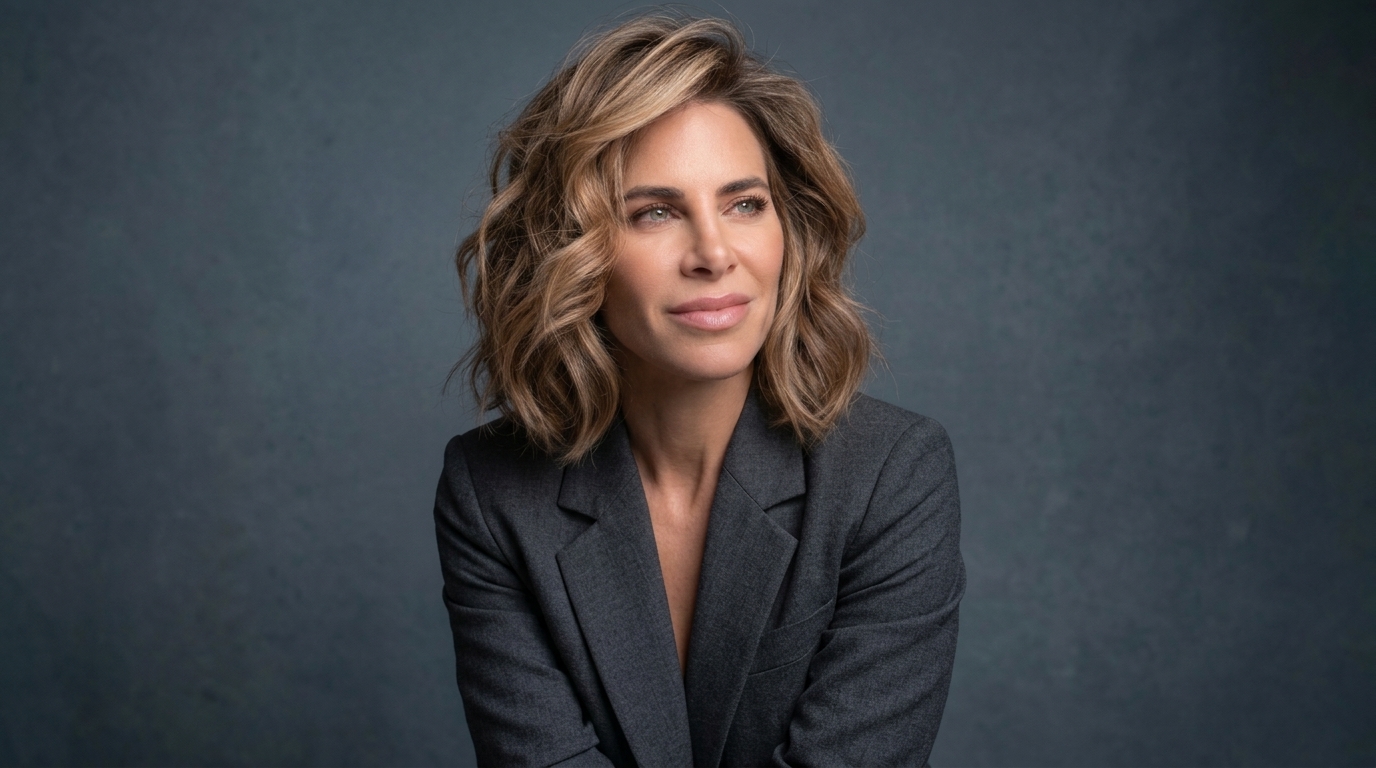
Fitness star Jillian Michaels has set off a loud online fight over Pride Month. She questioned why it gets a full 30 days of recognition while veterans are honored on a single day in November. Supporters say she raised a fair point about priorities. Critics say she is pitting two groups against each other. Here is what she said, how people reacted, and the facts behind the calendar.
What Jillian Michaels Said About Pride Month
Jillian Michaels argued that modern Pride Month celebrations have turned into 30 days of identity politics. In her view, one meaningful day built around shared humanity would do more good than a month of corporate campaigns and political messaging. She then set that idea next to Veterans Day, which gets a single date on the calendar each November. The contrast was simple, and that is exactly why it traveled. Within hours, clips and screenshots of her remarks were being shared across X, Instagram and Facebook, often with sharp captions from both directions. Some people read it as a plea for balance. Others heard a dismissal of a community that has fought for decades to be seen. Michaels, for her part, has framed her point as being about priorities and unity rather than hostility toward gay Americans. The comment spread fast, and the reaction online split almost down the middle. Few public figures manage to touch two sensitive topics in one sentence, and this one landed on both at once.
References: Yahoo News: Jillian Michaels says Pride Month has been hijacked; Out: Jillian Michaels faces backlash over Pride Month criticism; NewsNation: Jillian Michaels explains her view on Pride Month
Who Is Jillian Michaels?

Most Americans know her as the tough trainer from The Biggest Loser, the NBC reality show where she pushed contestants through punishing workouts and blunt pep talks. That screen persona made her one of the most recognizable fitness names in the country. She later built a fitness app, wrote bestselling books and hosted a podcast, turning a TV role into a lasting business. Over the last few years she has spoken out more on politics and culture. Topics have ranged from health policy to gender debates to the state of public discourse. That shift has won her new fans, especially among listeners who feel mainstream celebrities rarely say what they think. It has also lost her some old ones, including people who followed her for workouts and not opinions. Her audience today looks different from the one that watched her on prime time. Her latest remarks fit that pattern of saying the provocative thing out loud, and the debate shows no sign of cooling.
The Line That Lit the Fuse
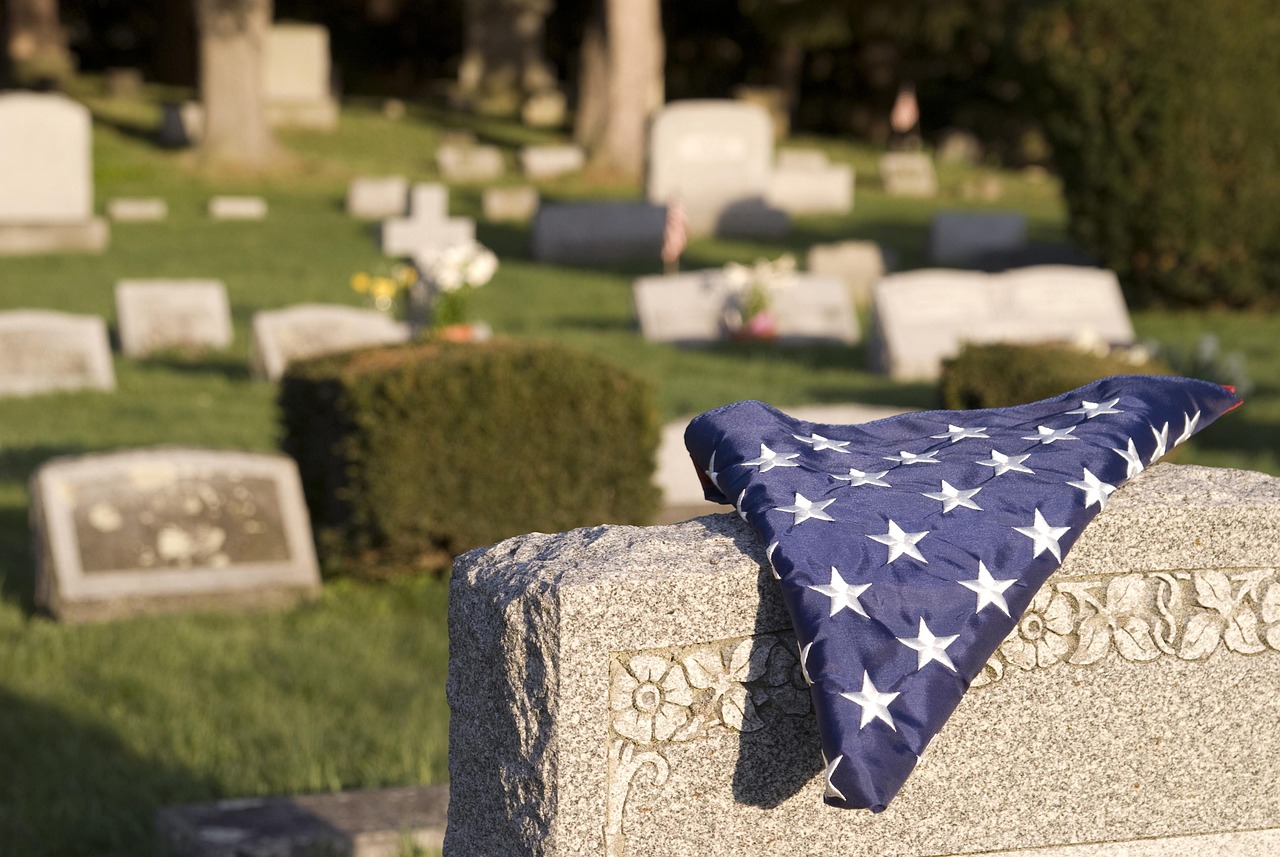
It was the comparison that did it. A general complaint about how Pride is celebrated would likely have faded in a day. Putting Pride Month next to Veterans Day turned a familiar culture-war talking point into a question many people felt personally. Suddenly the conversation was not only about rainbow flags or corporate sponsors. It was about service, sacrifice and who the country chooses to honor. Veterans and their families jumped in. So did LGBTQ Americans, many of whom said they had never seen the two as rivals. Some of the most widely shared replies came from people who belong to both groups. Several veterans pointed out that they are also gay, and that they served at a time when they had to hide it under the old “Don’t Ask, Don’t Tell” policy. For them, the framing felt like being asked to pick a side of their own life. Read more about veterans and the issues they face today, from benefits to health care.
How Long Pride Month Has Existed
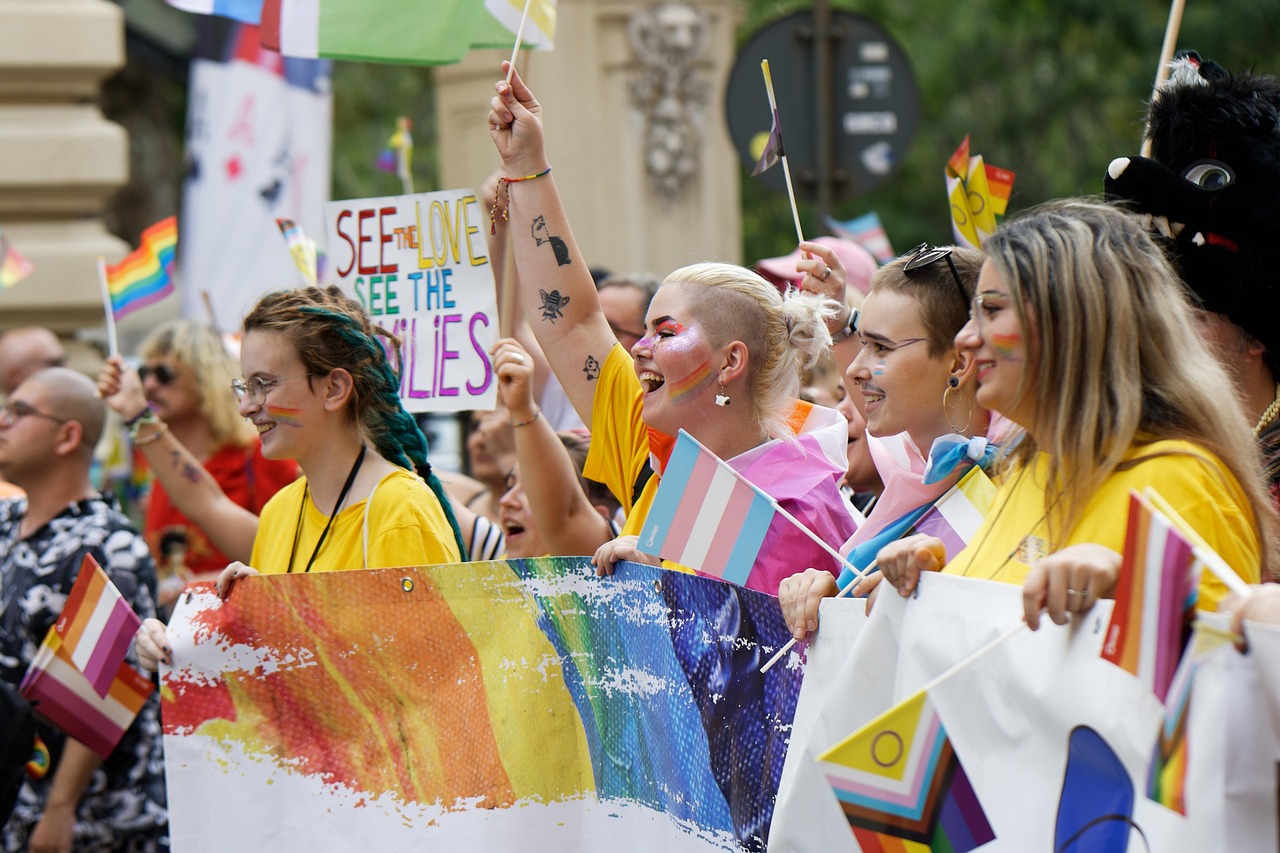
Pride Month is tied to the June 1969 Stonewall uprising in New York, when patrons of the Stonewall Inn pushed back against a police raid. The unrest that followed became a turning point for the gay rights movement, and the first marches marking it took place a year later. Over the decades, those marches grew into the parades and festivals seen in many cities today. Presidents Bill Clinton and Barack Obama issued official June proclamations, and many companies, schools and city governments followed their lead. Still, the formal status is often misunderstood. Pride Month is a commemoration, not a federal holiday. Offices, banks and post offices stay open, and no one gets a paid day off because of it. Supporters say the month is about visibility and history, not time off work. Critics of Michaels noted that she was comparing an observance with a holiday, which they see as apples and oranges. That detail came up again and again as people argued the point in comment threads.
Veterans Get More Than One Day
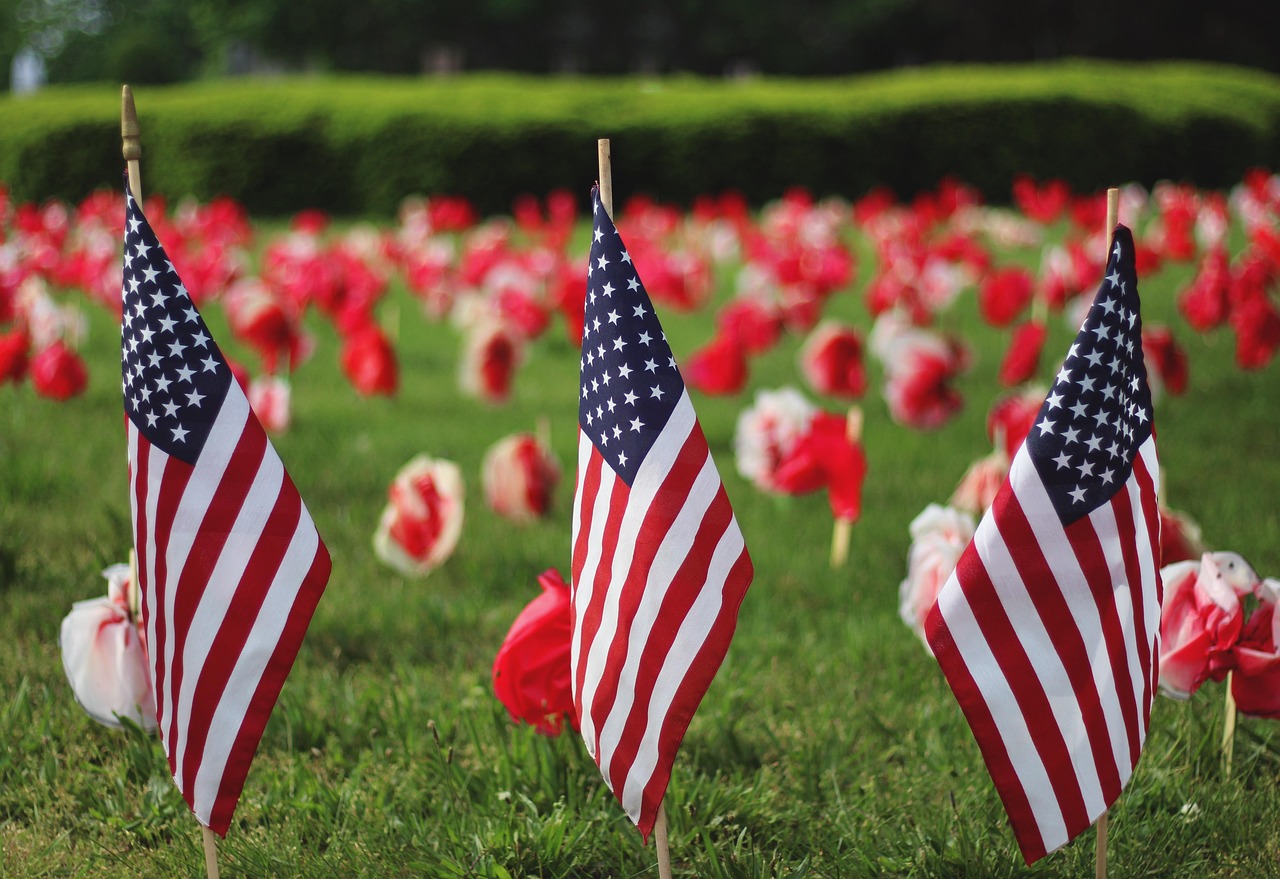
Critics quickly noted that Veterans Day on November 11 is not the only moment of recognition. The date itself traces back to the armistice that ended fighting in World War I, and it was later renamed to honor all who served. Memorial Day, held on the last Monday in May, honors those who died in service. Both are federal holidays, which means government offices close and many workers get the day off. On top of that, November is widely recognized as National Veterans and Military Families Month. May is National Military Appreciation Month. Add in Armed Forces Day and a long list of service branch birthdays, and the calendar holds more than a single date. Several commenters listed all of these in reply to Michaels, arguing that her math left a lot out. Her supporters answered that recognition on paper is not the same as public attention. You can find similar stories on our site about how Washington marks these occasions.
Supporters Say Jillian Michaels Has a Point on Pride Month
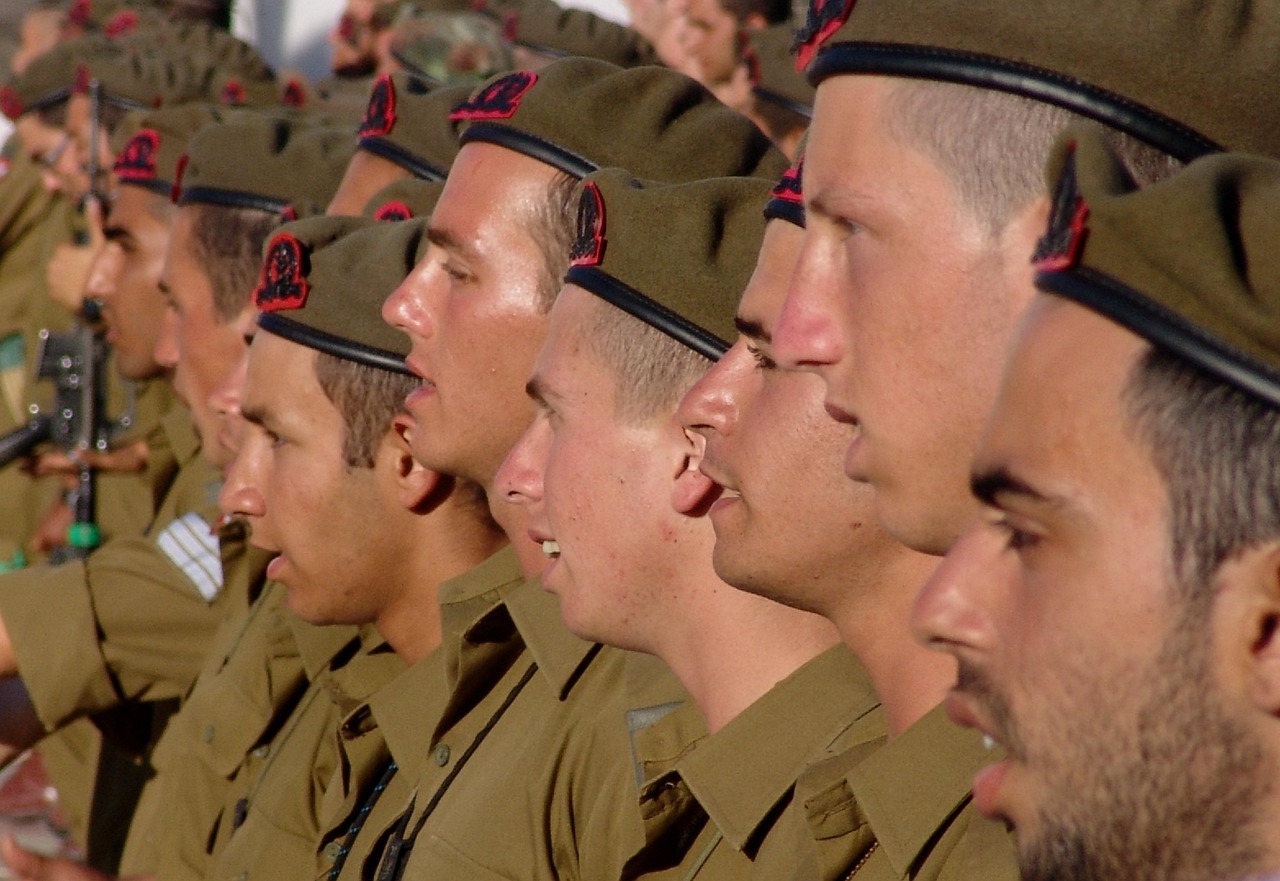
Fans of Michaels said her real target was not gay people at all. They read her words as a swipe at how commercial Pride has become, with brands selling rainbow products and changing their logos for a month before moving on. In that light, they argue, her question is about where the country puts its energy. Veterans risked their lives, and some came home with lasting injuries. Supporters say those men and women deserve at least the same spotlight that a marketing campaign gets every June. Many of these voices stressed that they have no problem with Pride existing. They simply want veterans to receive equal visibility in stores, on screens and in schools. To them, asking about priorities is fair game, not hate, and calling it bigotry shuts down an honest debate. Some added that criticism of a celebration should not be treated as criticism of the people it honors. This view is common among conservative audiences, and it found plenty of agreement online.
Critics Push Back Hard Against Jillian Michaels on Pride Month
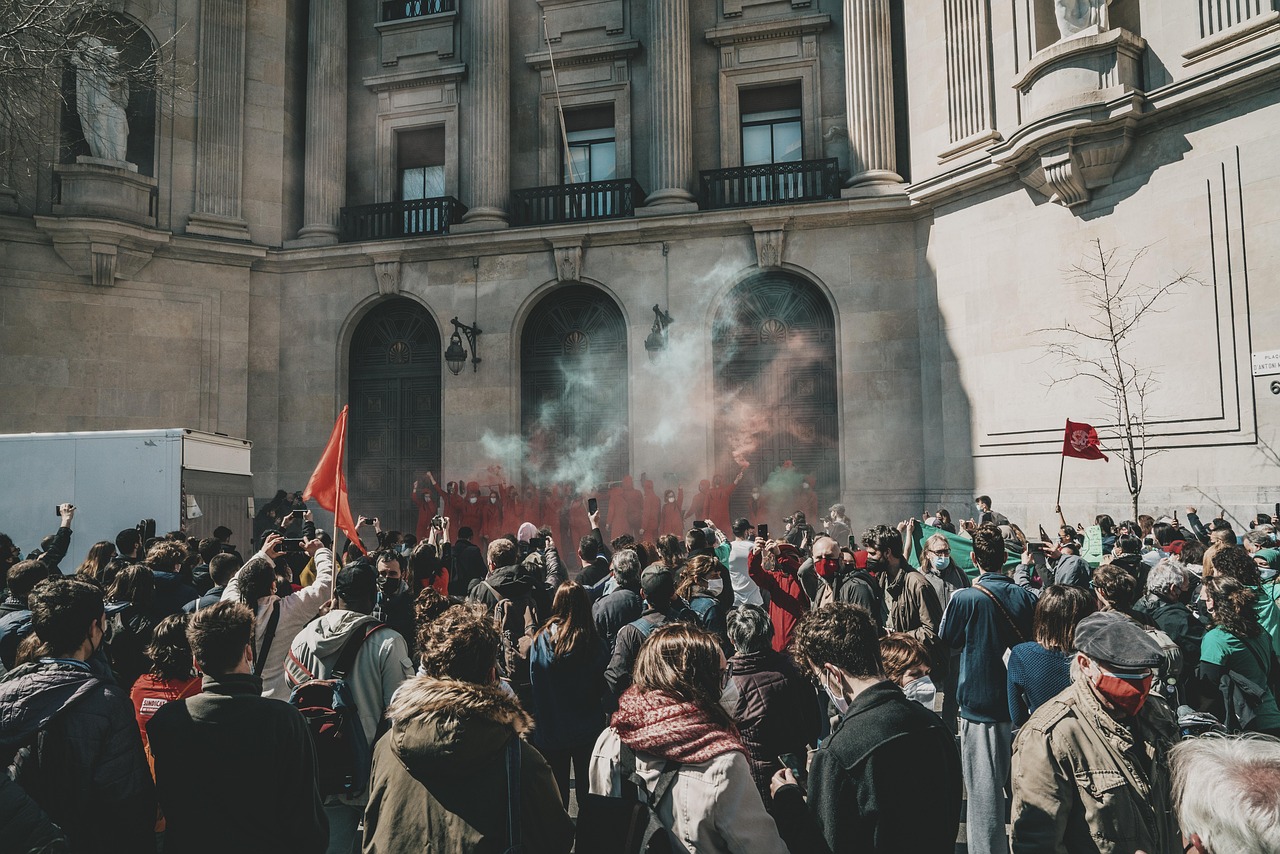
Others called the comparison a false choice. Honoring one group does not take anything away from another, they said, and no one has to cancel June to respect November. Respect, in their view, is not a fixed pie that has to be divided. LGBTQ advocates added historical context. Pride began as a protest against police raids, harassment and violence, at a time when simply being gay could cost someone a job or a home. Seen that way, they argue, the month is a reminder of hard-won rights rather than a party. Out magazine reported strong backlash to her views, with readers accusing her of stirring resentment for attention. Some critics also pointed to the gay veterans who had joined the conversation as proof that the two groups overlap. Why frame them as competitors, they asked, when many people belong to both? The split looked a lot like other political fights this year, with each side certain the other had missed the point.
The Comment Section Became the Story
On social media, thousands of people shared their own takes, and the replies quickly became more interesting than the original remark. One popular reply simply asked whether November was not already for veterans. Another urged people to honor veterans by voting for programs that support them, rather than arguing about calendars. Some users posted photos of family members in uniform. Others shared stories from Pride events they had attended with parents or children. A few tried humor, suggesting that every group could just have a month and the year would fill up fast. The tone ranged from thoughtful to furious, sometimes within the same thread. Plenty of people admitted they had not known the difference between a federal holiday and an observance before reading the comments. Very few comments changed anyone’s mind, but they kept the post alive for days and pushed it into feeds far beyond Michaels’ usual audience. That is how a single sentence turns into a week of news. See more viral posts here.
What the Calendar Actually Shows
Federal holidays are set by Congress, and there are only about a dozen of them. Veterans Day and Memorial Day are both on that list, alongside days like Independence Day and Thanksgiving. Pride Month, Black History Month and Women’s History Month work differently. They are observances, usually declared each year by presidential proclamation or by resolutions from state and local governments. A proclamation can encourage schools, agencies and the public to mark the occasion. It does not give anyone a day off or close a single federal office. That means none of the history months close the government, while the two main veterans days do. So which one gets more? It depends on what you count. One side counts days on the calendar and points to a full month. The other side counts official holidays and points to two federal days off. Knowing this helps explain why each side reads the facts so differently, even while looking at the same calendar.
Veterans Groups Focus on Services

Many veterans groups steer away from this kind of fight. Their attention tends to stay on practical problems that affect members every day. Health care wait times at VA facilities are a regular concern. So are mental health support, suicide prevention, housing and finding steady work after leaving the military. Several advocates say that real support happens all year, not on one date. A parade or a discount at a restaurant is welcome, they say, but it does not replace a working benefits system. Some groups have also noted that the military community itself is diverse, and that culture-war arguments can divide people who served side by side. Their message is simple: thank veterans with action. That can mean hiring a veteran, checking in on one, volunteering at a local post or calling a member of Congress about funding. It is a quieter response than a viral post, but it is the one many veterans say they would rather hear. Read our coverage of veteran issues.
Why This Debate Keeps Coming Back
Questions about who gets a month and who gets a day surface every June and every November. They tend to follow the same script. Someone with a large following makes a pointed comparison. Supporters cheer, critics push back, and the clip spreads for a week before the next story takes over. Social media rewards sharp comparisons, so posts like this travel far. Algorithms favor content that sparks strong reactions, and few topics spark more than patriotism and identity. Celebrities with big followings add fuel, because their names alone make headlines. There is also a real disagreement underneath the noise. Americans hold different views on how public institutions should mark identity, history and service. Those views are unlikely to line up any time soon. That does not make the argument pointless, but it does make it predictable. Expect a similar round of arguments next year, likely with a new face in the middle and the same basic questions underneath.
Michaels Has Faced Backlash Before
This is not her first public storm. Over the years she has drawn criticism for comments about diets, other celebrities and politics. Some of her remarks about popular eating trends and the health of public figures went viral for the wrong reasons. Her more recent commentary on cultural issues has drawn even louder responses. Each time she has stood by her views and kept talking to her audience, often doubling down on her podcast or social channels instead of apologizing. Supporters describe that as honesty and refusal to bow to pressure. Detractors call it a pattern of chasing outrage. Either way, her approach has kept her relevant long after her best-known TV role ended. Plenty of former reality stars fade from view. Michaels has stayed in the conversation, partly because she is willing to say things others avoid. That habit keeps her in the headlines, and it keeps the conversation going. Whether that helps or hurts her brand in the long run is an open question.
A Look at Pride’s Corporate Side

Part of the anger behind her comment is aimed at companies rather than people. Each June, logos turn rainbow and stores fill with themed shirts, mugs and snacks. For some shoppers, the sudden wave of branding feels more like a sales push than a statement of values. In recent years, a few big brands have faced boycotts from conservatives over Pride campaigns, while others have been criticized by LGBTQ groups for scaling those campaigns back. That tension has made Pride marketing a political issue of its own. Some LGBTQ activists also complain that corporations cash in without real support, such as fair workplace policies or donations to community groups. They use terms like “rainbow capitalism” to describe it. On that narrow point, Michaels and some of her critics actually agree. Both sides question whether a logo change means much. Where they differ is on what should replace it: one day of unity, in her view, or deeper commitment through the whole month. More on our latest news here.
What Readers Are Asking About Jillian Michaels and Pride Month
Is Pride Month a federal holiday? No. It is an observance, and no offices close for it. Is Veterans Day the only day for veterans? No. There is also Memorial Day, plus two widely recognized months for the military community in May and November. Did Jillian Michaels call for ending Pride Month? Reports say she suggested one meaningful day instead of a full month, not an outright end to the celebration. Is she against gay people? She has said her criticism is aimed at how the month is celebrated, though her critics strongly disagree with that framing. Why did veterans get pulled into it? Because she used Veterans Day as her comparison, which gave the remark an emotional hook. Has she apologized? There is no sign of that so far, based on available reports. Where can people read her full comments? Outlets like NewsNation and Yahoo News carried her explanation, linked in the references above. Get quick answers to other trending questions in our news section.
Quick Facts at a Glance

Veterans Day: November 11, a federal holiday honoring everyone who has served in the US armed forces. Memorial Day: last Monday in May, also a federal holiday, set aside for those who died in service. Pride Month: June, an observance with no day off, tied to the 1969 Stonewall uprising. Military recognition months: May and November, both observances like Pride. Who sets federal holidays? Congress. Who declares observance months? Usually the president, along with states and cities. Two of these occasions close government offices, while one does not. That is the heart of the disagreement. Counted by days on the calendar, Pride covers more ground. Counted by official holidays, veterans come out ahead. Both points are true at the same time, which is why the argument never quite ends. It also helps to remember that recognition can come from many places, from schools and churches to employers and neighbors. Keep these handy for the next argument, because there will almost certainly be one.
Where the Jillian Michaels Pride Month Debate Goes From Here
Michaels shows no sign of backing down, and her critics are not going quiet either. If her past is any guide, she will keep talking about the topic on her own platforms, and every new comment will restart the cycle. Meanwhile, the bigger question about how America honors its people is not going away. It touches history, service, identity and the role of business in public life. Both groups say they want respect. Veterans want their sacrifice remembered and their needs met. LGBTQ Americans want their history acknowledged and their rights protected. Those goals do not have to clash, though the debate often makes it feel that way. Some readers have suggested a simple answer: celebrate both fully and stop treating recognition as a contest. Others think the calendar should be rethought entirely. There is no official proposal on the table to change any of these dates. What do you think: one month, one day, or equal attention for both? Share your view and keep reading.