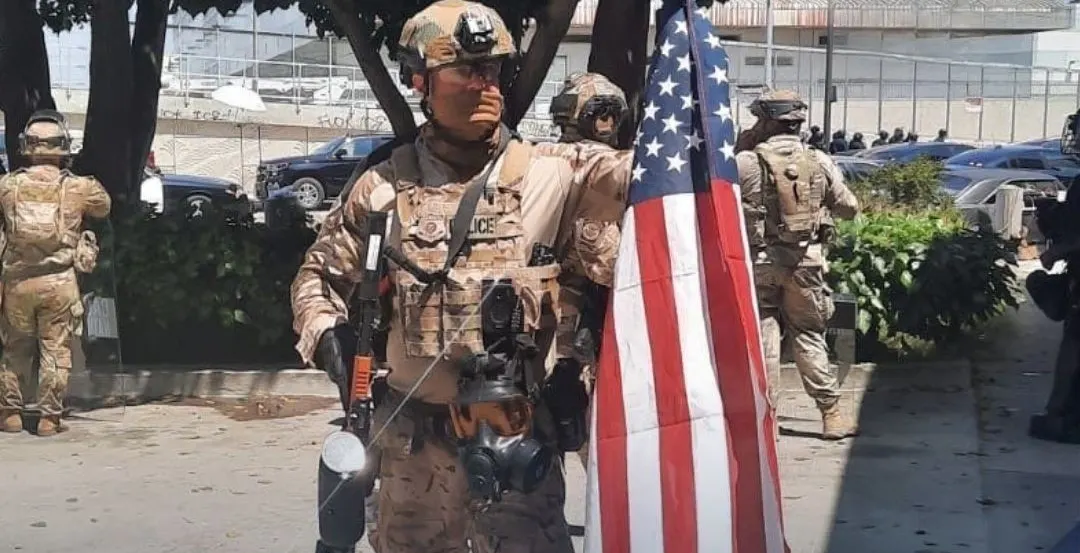
U.S. Customs and Border Protection posted that its officers “will always raise the Stars and Stripes with pride” after some protesters in Los Angeles burned American flags and waved foreign flags. The protests began in June 2025 over federal immigration enforcement operations.
Protests against federal immigration raids in Los Angeles in June 2025 included scenes of some demonstrators burning American flags and waving the flags of other countries, including Mexico. In response, U.S. Customs and Border Protection (CBP) posted a message on social media:
“While rioters wave foreign flags and burn ours, our officers will always raise the Stars and Stripes with pride.”
The post was widely shared online, as the debate over the protests and the federal response intensified.
What sparked the protests
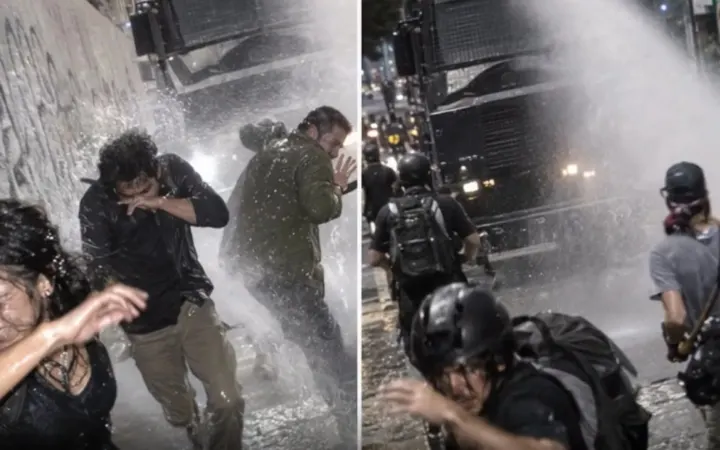
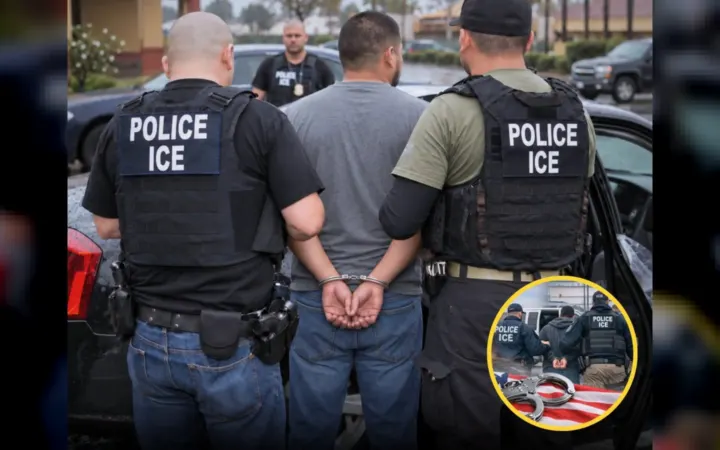
The demonstrations began after Immigration and Customs Enforcement (ICE) carried out immigration operations in the Los Angeles area. Many protests were peaceful, but some turned violent, with vehicles set on fire and clashes with law enforcement. On June 8, a protester waved a Mexican flag in front of a burning Waymo vehicle in downtown Los Angeles.
President Donald Trump deployed more than 4,000 National Guard troops and 700 U.S. Marines to Los Angeles. California Gov. Gavin Newsom argued the deployment exceeded federal authority and filed a lawsuit against the administration.
Trump’s comments on flag burning
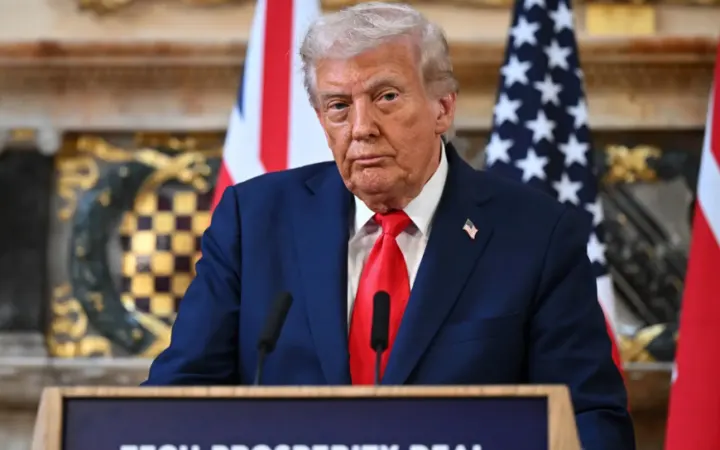
Speaking at Fort Bragg on June 10, 2025, Trump criticized protesters who carried foreign flags. “These are animals, but they proudly carry the flags of other countries,” he said. “They don’t carry the American flag. They only burn it.” He also said, “People that burn the American flag should go to jail for one year.”
Attorney General Pam Bondi said the Justice Department had “nine open cases” tied to the protests, according to Fox News.
The debate over flags and free speech
Supporters of the CBP post said it showed pride in the country and support for officers. Critics said such messages oversimplified a dispute rooted in immigration policy and enforcement tactics. The Supreme Court ruled in Texas v. Johnson (1989) that burning the American flag as a form of political protest is protected by the First Amendment, although other crimes committed during a protest, such as arson or vandalism, can still be prosecuted.
What happens next
The protests and the federal deployment in Los Angeles have fueled a wider national debate over immigration enforcement, the use of the military in American cities, and the limits of protest. Legal challenges to the deployment continue in federal court.
Source: Fox News