The Corporate Doctors Bill Warren and AOC Just Introduced
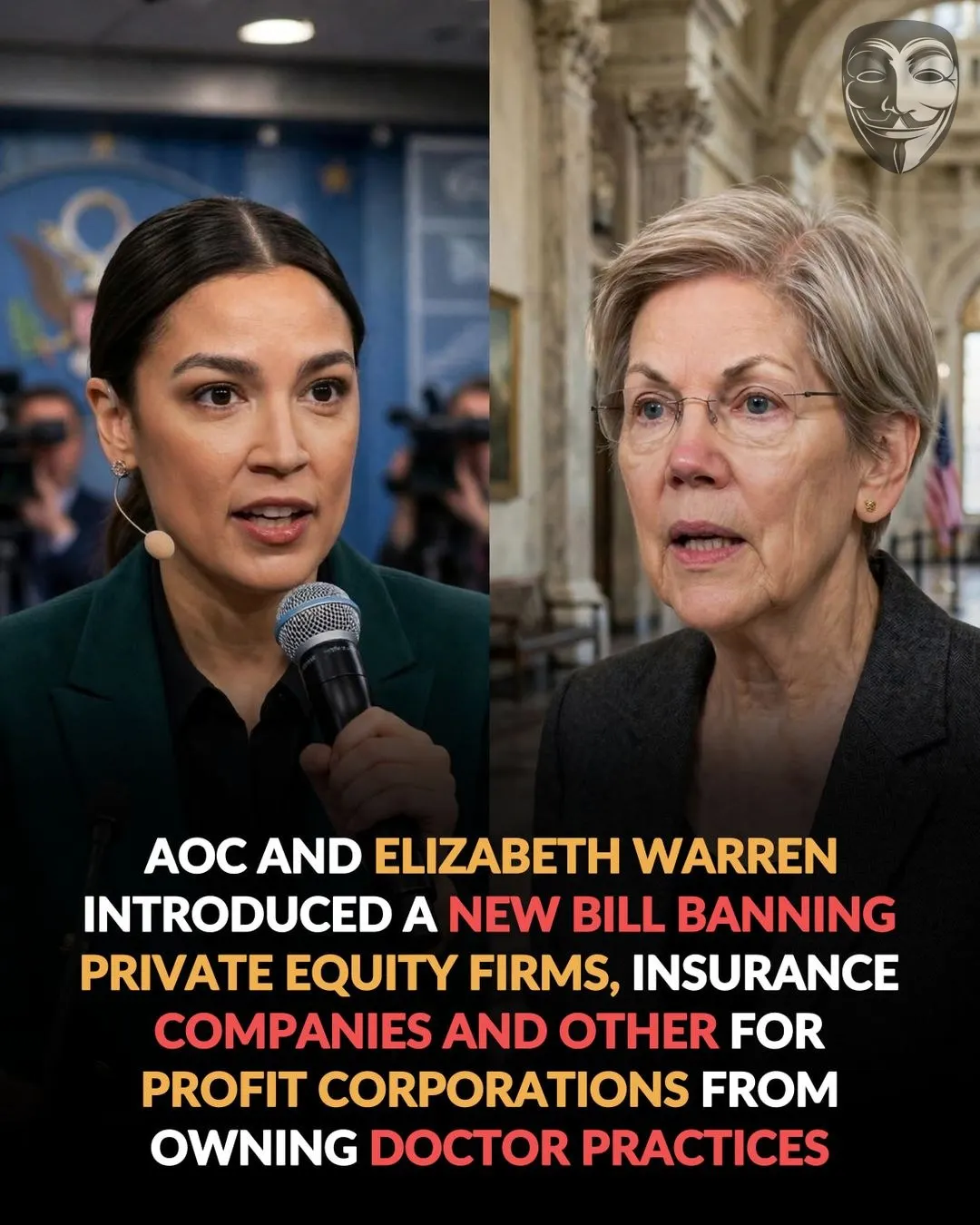
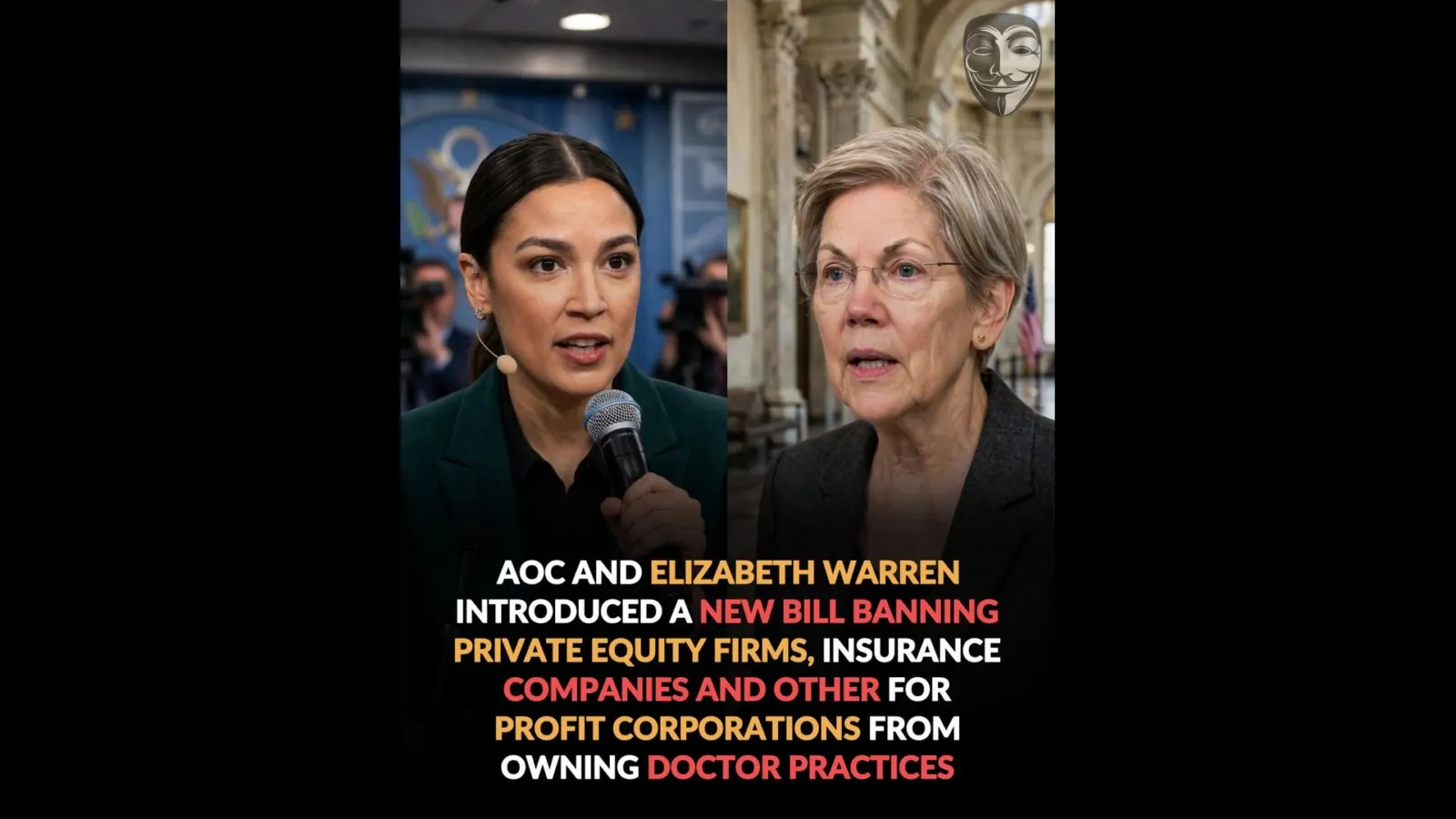
The corporate doctors bill arrived on September 16, 2026, when Senator Elizabeth Warren and Representative Alexandria Ocasio-Cortez introduced the Stop Corporate Takeovers of Physicians Act. Senators Ron Wyden and Jeff Merkley joined them. The bill would ban private equity firms, insurance companies and other for profit corporations from owning or controlling medical practices. It is an answer to a system where more than 80 percent of doctors now work for corporate entities. See also our report on an insurer that denied cancer treatment after years of premiums.
The bill is modeled on an Oregon law that doctors there already used to block a corporate takeover, and it closes a loophole that lets investor backed firms control clinics through management companies. It would also bar noncompete clauses in doctor contracts and let physicians sue corporate owners who overstep. In the slides ahead we look at how corporate medicine grew, what the bill would change, and what happens next in Congress. The story matters to anyone who has ever wondered who really runs their doctor’s office, and the answers start with the two lawmakers behind it.
References:
United States Senate: Warren, Hoyle, Wyden, Merkley, Ocasio-Cortez, Subramanyam Introduce Bill to Ban the Corporate Practice of Medicine
Webull: Warren and Ocasio-Cortez Want to Ban Private Equity From Owning Doctors Practices
Legal 500: Under New Management? Not So Fast: Federal CPOM Bill Targets MSO Structures, Friendly Physician Model
Clinical Advisor: HR 10444 Aims to Ban Corporate Ownership of Physician Practices
Warren and AOC Introduce the Bill

On September 16, 2026, Senator Elizabeth Warren and Representative Alexandria Ocasio-Cortez introduced the Stop Corporate Takeovers of Physicians Act in Congress. They were joined by Senators Ron Wyden and Jeff Merkley and other lawmakers, including Representatives Val Hoyle and Suhas Subramanyam. The bill takes aim at a simple problem. Doctors say their clinics are increasingly run by investors, not by physicians. Supporters hope it will give medicine back to the people who practice it, as a bill that stalled in the Ohio Senate show.
What the Corporate Doctors Bill Would Ban

The corporate doctors bill would ban private equity firms, insurance companies and other for profit corporations from owning or controlling medical practices. An investment fund could not buy a clinic, and an insurer could not own the doctors it pays. The ban covers ownership and control, so no company could run a practice through a friendly face while pulling the strings. Supporters say the rule is clear on purpose. Medicine should answer to patients and doctors, not to shareholders, as seen in a fight over delivery fees in New York.
Private Equity Moves Into the Exam Room
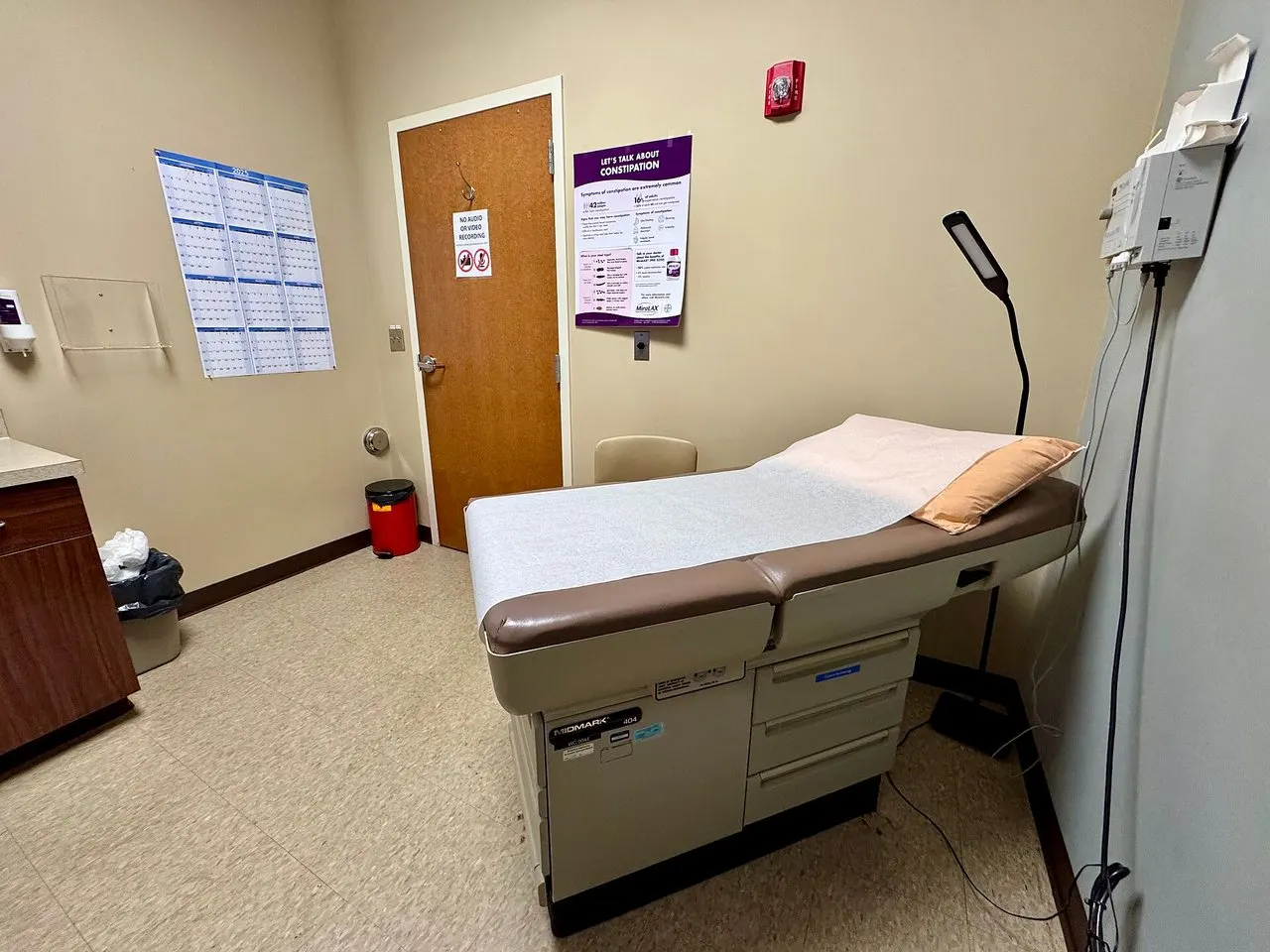
Private equity firms buy businesses, cut costs, then sell for a profit, and lately they have turned to doctor practices. A fund may buy many clinics at once and push doctors to see more patients in less time. Supporters say that model puts profit ahead of care, while more than 80 percent of American doctors now work for corporate entities. The exam room should be a place for medicine, not for deal making, a concern echoed in a deal that pressed law firms into free legal work.
How Insurers Took Over Doctor Practices

Insurance companies once only paid the bills, but many now own the clinics that send them. When an insurer owns a practice, it can shape which tests are ordered, which referrals are made, and how long a visit lasts. Critics say that is a conflict of interest, since the same company profits from both sides of the visit. The new bill would bar insurers from owning or controlling practices, a change supporters call long overdue. Readers may remember our report on an insurer that denied cancer treatment after years of premiums.
The Oregon Law Behind the Corporate Doctors Bill

The corporate doctors bill is modeled on an Oregon law that doctors there already used to block a corporate takeover. Oregon has long barred corporations from practicing medicine, and its doctors leaned on that rule when investors tried to take over a clinic. The state law showed that a clear ban can work in court, and that gave Warren and Ocasio-Cortez a model to copy. Federal lawmakers often borrow from states that tried an idea first, a pattern also seen in a report on the Tesla Optimus robot.
Oregon Doctors Blocked a Corporate Takeover

Before the federal bill, doctors in Oregon used their state law to stop a corporate takeover of a practice. They argued that the law kept medicine in the hands of physicians, and the courts agreed with them. That win became the proof that Warren and Ocasio-Cortez needed. If a state rule could protect one clinic, a federal rule could protect clinics across the country. The Oregon story is now the heart of the new bill, much like a report on intelligence shared with Iran show.
Closing the Management Company Loophole in the Corporate Doctors Bill

Some investor backed firms control clinics without owning them outright. They set up a management company that handles billing, hiring and schedules, and the doctors keep their names on the door while the company calls the shots. The bill closes that loophole by barring control through management companies, not just ownership on paper. Supporters say this is the part that matters most, because it stops the workaround firms already use. It is a stand against hidden control, like a warning that the world is sliding into oligarchy.
Noncompete Clauses in Doctor Contracts

The bill would also bar noncompete clauses in doctor contracts. A noncompete can stop a doctor from working nearby after leaving a practice, which ties physicians to employers they want to leave. Supporters say that traps doctors in jobs where investors set the rules, and it limits care choices for patients who want to follow their doctor. Ending noncompetes would let physicians move freely and keep their patients. The change would give doctors real freedom, a theme also found in a story on greeting Putin at a summit.
A Doctor’s Right to Sue Corporate Owners

Under the bill, physicians could sue owners who break the rules. That matters because a ban means little without a way to enforce it. Today a doctor who objects to corporate control may have few options, and speaking up can cost a job. A right to sue would give doctors a tool of their own and make companies think twice. Supporters call it the teeth of the bill. It is about standing up for what is right, as a son who promised his mother she would never pay a bill again show.
Why 80 Percent of Doctors Work for Corporations

More than 80 percent of American doctors now work for corporate entities, a shift that took a few decades. Hospitals merged, insurers grew, and investment firms bought practices one by one. Many doctors traded independence for steady pay and help with paperwork, only to find that investors now set their pace. The bill aims to slow that trend and give independent practice a chance again. The numbers tell a story of change, much like a story on Dr. Stella Immanuel and her call.
Wyden and Merkley Join the Corporate Doctors Bill

Senators Ron Wyden and Jeff Merkley joined Warren and Ocasio-Cortez in introducing the bill, and other lawmakers signed on as well. Wyden, who has long worked on health care in the Senate, brings weight to the effort, and Merkley adds another voice from Oregon, the state whose law inspired the measure. Their support shows the bill is not the work of two lawmakers alone. It has backing from across the Senate, a sign of how far the idea has traveled, like a story on Pierce Brosnan and his faith.
What the Bill Means for Patients

For patients, the bill could mean a doctor who answers to them, not to investors. A physician free from corporate targets may spend more time listening, order tests based on need, and refer patients without worrying about company profits. Supporters say that is what medicine should look like. The change would not happen overnight, but the bill sets a clear direction for care in America. Patients deserve a fresh start, like a story on stepping into a new season of life.
Wall Street and Your Doctor’s Office

The hook of the story is simple. Warren and Ocasio-Cortez want Wall Street out of your doctor’s office. Private equity firms and insurers answer to shareholders, and their business is returns, not recovery. When those firms own clinics, the exam room becomes part of a portfolio. The bill draws a line between finance and medicine, and supporters say that line protects trust. Money and medicine make uneasy partners, a point made in a court sentence in the Barracas fire case.
The Friendly Physician Model Explained

The Legal 500 reference in the story points to a setup known as the friendly physician model. A corporation hires a doctor to own the practice on paper, while the company runs it behind the scenes through contracts. The friendly physician is a figurehead, and the real control sits with investors. The bill targets this structure directly, along with management service organizations that do the same work under another name. Knowing how the trick works helps explain the bill, like a bill that stalled in the Ohio Senate.
How HR 10444 Would Work

In the House, the measure is known as HR 10444, the bill that would ban corporate ownership of physician practices. The number gives the bill a formal home in Congress, where it must pass committees and win votes in both chambers to become law. Warren and Ocasio-Cortez introduced it with Senate allies, and its path will test how much support it can gather. A bill number is only a start, but it makes the idea real, like a fight over delivery fees in New York.
Corporate Medicine and Patient Care

When a corporation owns a clinic, care can start to look like a production line. Doctors may be asked to see a set number of patients each hour, and visits can shrink to a few minutes. Nurses and staff feel the same pressure, and patients can sense the rush. Supporters of the bill say medicine needs time, and time costs money that investors would rather save. The bill would put care first again, a goal that echoes a deal that pressed law firms into free legal work.
The Rise of Investor Backed Clinics

Investor backed clinics grew as firms looked for steady returns in health care. Clinics offer regular visits and reliable payments, which appeal to funds that want safe bets. Over time, chains of clinics replaced small independent offices in many towns. Patients may not notice the change at first, but the name on the door can hide a distant owner. The bill would slow that trend and protect the small practice, a hope also found in a silent shrug that spoke volumes in Berlin.
What Happens Next for the Corporate Doctors Bill in Congress

The corporate doctors bill now faces the long road through Congress. It must win hearings, survive committees, and gather votes in the House and the Senate before it can reach the president. Many bills never make it that far, and supporters know the odds are steep. But introduction is how every law begins, and the bill already has a clear message behind it. The next months will show how far it can go, a test also seen in a UN vote on protecting women and children.
Doctors Speak Out Against Corporate Control

Doctors across the country have spoken out against corporate control of medicine, and their voices helped shape the bill. They describe bosses who set patient quotas, managers who overrule clinical judgment, and contracts that punish those who leave. Many say they went into medicine to help people, not to meet targets. The bill gives their complaints a legal answer. Their stand matters, like a story on Erdogan and Muslim unity.
The Price Patients Pay Under the Corporate Doctors Bill

Corporate owned medicine can cost patients in more than money. Short visits, rushed tests, and referrals driven by profit can all add up to worse care. Families may pay the same or more while getting less time with their doctor. Supporters say the bill would not fix every cost in health care, but it would remove one driver of the problem. The price of care is a shared concern, a theme in a vow about meeting dictators.
How the Corporate Doctors Bill Protects Small Practices
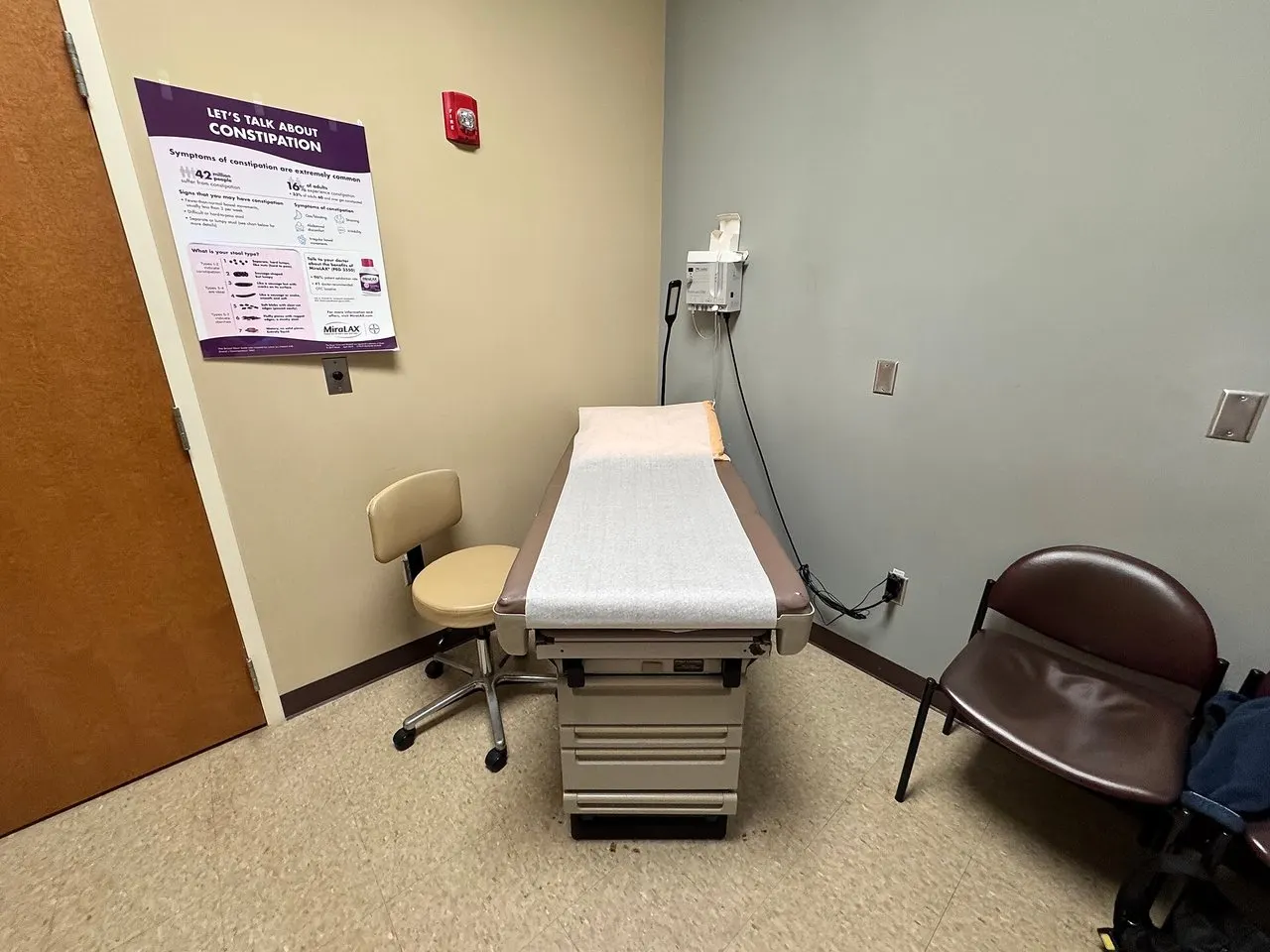
The corporate doctors bill would protect small practices by keeping big investors from buying them. A family doctor with a small clinic could keep working without pressure to sell to a chain. That matters in towns where one clinic serves everyone, and a sale could mean longer drives and less choice. Small practices are the backbone of local care, and the bill treats them that way. Protecting what is small is a theme in a report on a visa review of a newspaper editor.
Lessons From Oregon for the Whole Country

Oregon gave the country a test case, and its doctors proved the idea could work. The state law barred the corporate practice of medicine, and when investors tried to take over a clinic, doctors used it to fight back. Their win showed that a ban can hold up and that physicians will use it. Warren and Ocasio-Cortez took that lesson to Washington. Oregon’s example now guides the whole country, much like a report on Kevin Hart and fatherhood show how one life can teach a wider lesson.
What Supporters Say the Bill Will Change

Supporters say the bill will change who is in charge of the exam room. Doctors would answer to patients, not to investors, and clinics would be run by the people who practice medicine. Noncompete clauses would fall away, and physicians could sue owners who break the rules. The change would be slow, but supporters call it a turning point for American health care. Hope for change runs through many stories, like a report on Bruce Willis and his family.
What Do You Think of the Corporate Doctors Bill?

The corporate doctors bill asks a simple question. Should Wall Street own your doctor’s office, or should doctors run their own practices? Warren and Ocasio-Cortez have made their answer clear, and now the debate moves to Congress and to the public. Your voice matters in that debate, and your experience with corporate medicine counts. What do you think of the bill? Share your thoughts in the comments below, and keep reading a truck that looked like it drove through a wall.