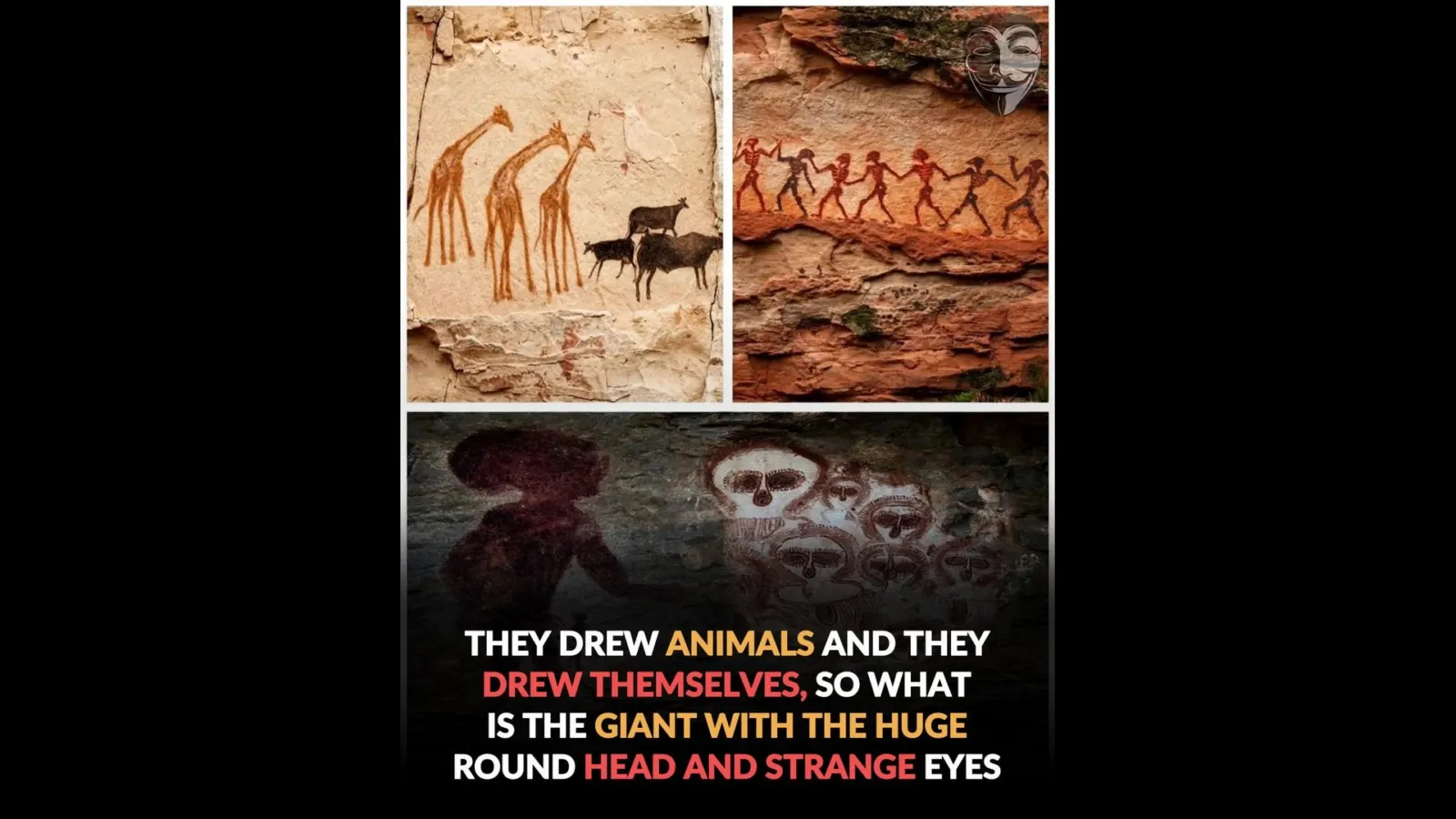
Ancient Alien Rock Art and the Giant With the Huge Round Head
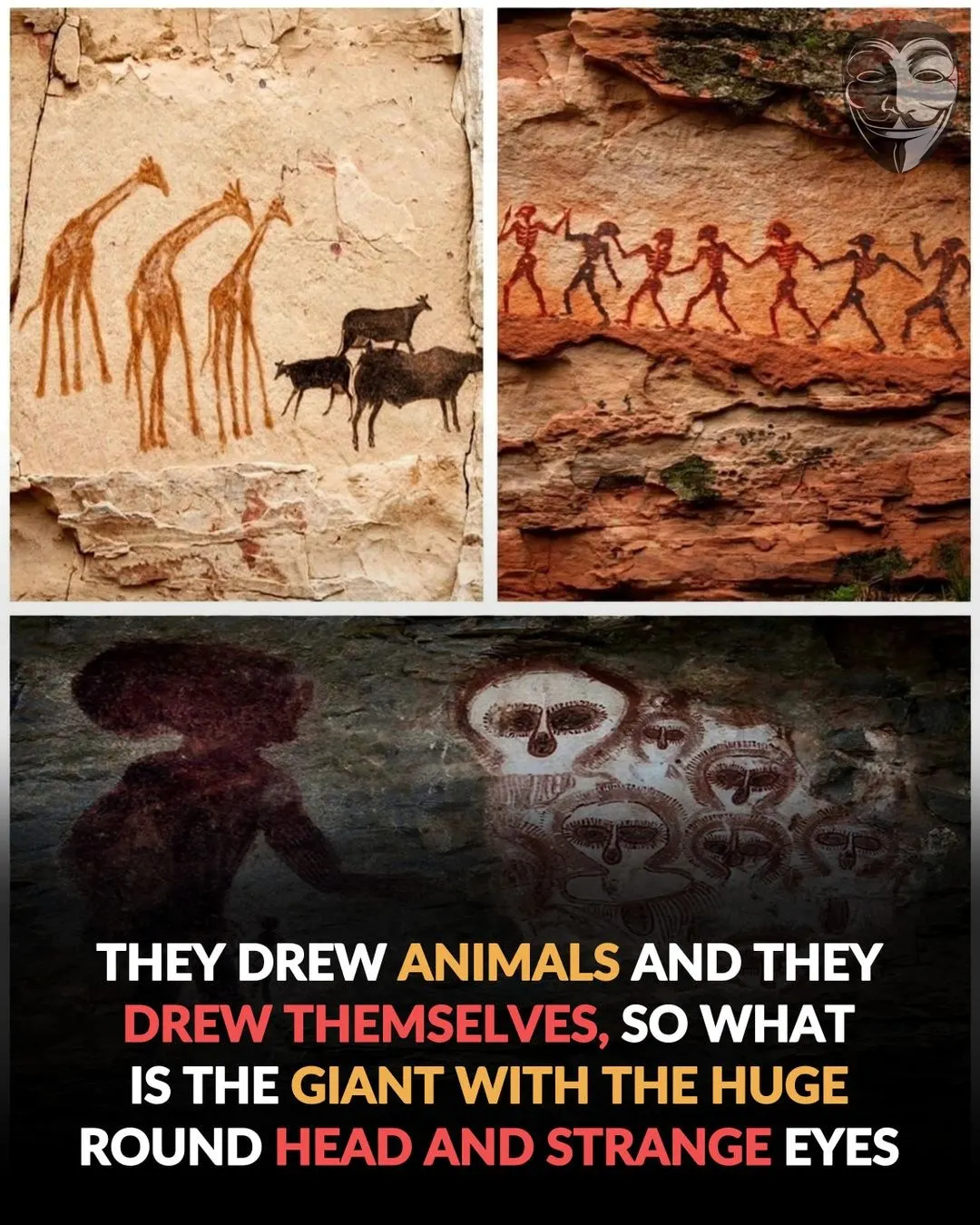
Ancient alien rock art may be the oldest mystery on Earth, and it begins with a simple question about what ancient artists really saw. Across the world, these artists painted animals and people with remarkable accuracy, from giraffes and cattle on desert rock to lines of dancing figures in red ochre. Then, on the very same walls, they drew towering figures with huge round heads, strange eyes and no mouths. Read more in our report on a 1959 helicopter photo that seems to show a giant snake.
In 2014, archaeologist JR Bhagat documented similar faceless figures and disc shaped objects in 10,000-year-old rock shelters near Charama in India, and local people told him the Rohela people came down from the sky in round craft. Archaeologists say the figures most likely show spirits, shamans or visions from rituals, but nobody has explained why artists who never met drew the same strange beings on three continents. In the slides ahead, we look at each clue in turn, and you can also read about the rare contact of an endangered tribe.
References:
Times of India: 10,000-year-old rock paintings depicting aliens and UFOs found in Chhattisgarh
International Business Times: Mysterious 10,000-year-old cave paintings depict aliens in spacesuits
Daily Express: 10,000-year-old cave paintings show aliens in spacesuits, claims archaeologist
Ancient Origins: 10,000-Year-Old Rock Paintings Depicting Aliens and UFOs Found in Chhattisgarh
They Drew Animals With Remarkable Accuracy
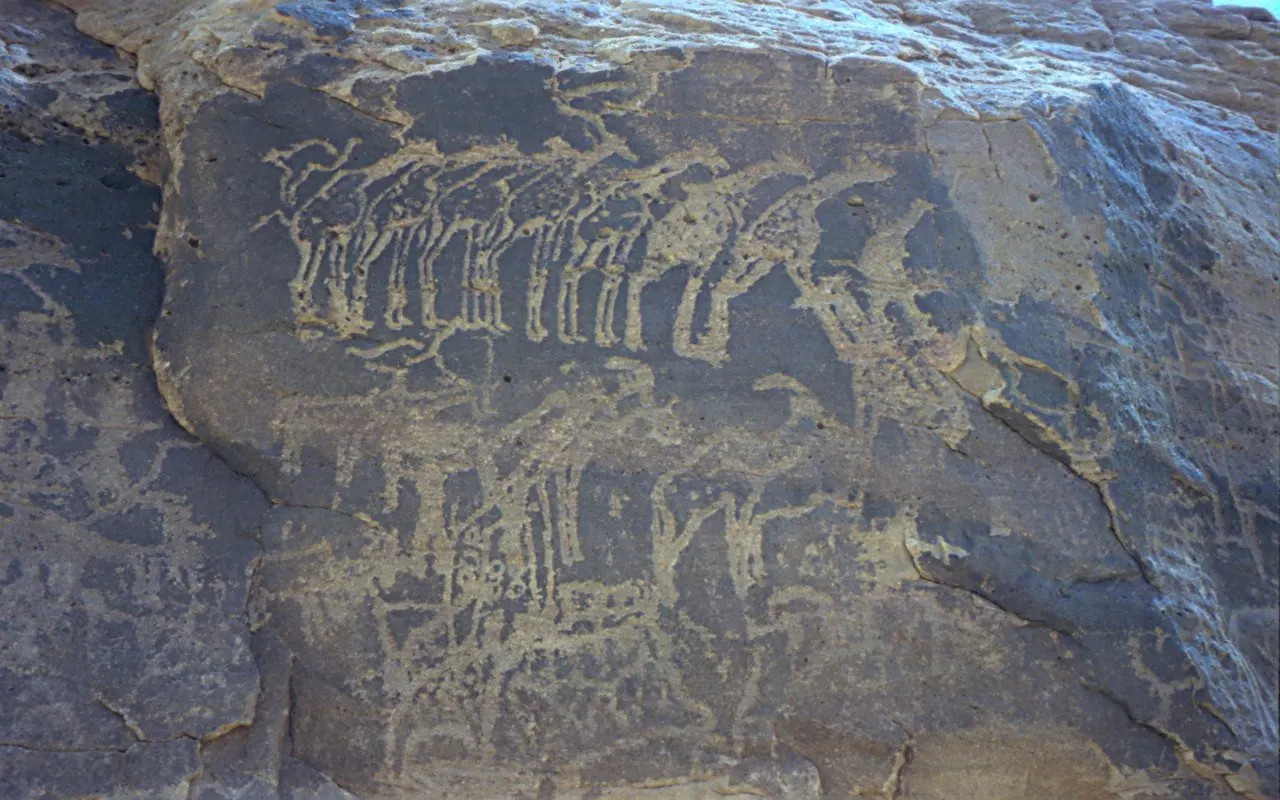
Long before cameras existed, ancient artists recorded the world around them with a careful eye. On desert rock in the Sahara, they carved and painted giraffes with long necks, cattle with curved horns, and hunters with spears, each detail true to life. These were not rough guesses. The animals look right because the artists watched them every day, knew how they moved, and drew what they saw. Read more in our report on a rare orange shark found off Costa Rica and our story about a miniature pancreas grown from living cells.
Lines of Dancing Figures in Red Ochre
On other walls, the same artists painted lines of dancing figures in red ochre, their bodies bent and moving as if caught mid-step. These scenes feel joyful and alive, like a record of a celebration or a ritual dance shared by a whole group. The paint was made from crushed rock mixed with water or animal fat, and it has survived for thousands of years on open stone. Read more in our report on a cancer treatment that uses sound waves and our story about two very different maps that share one name.
Ancient Alien Rock Art in the Sahara Desert
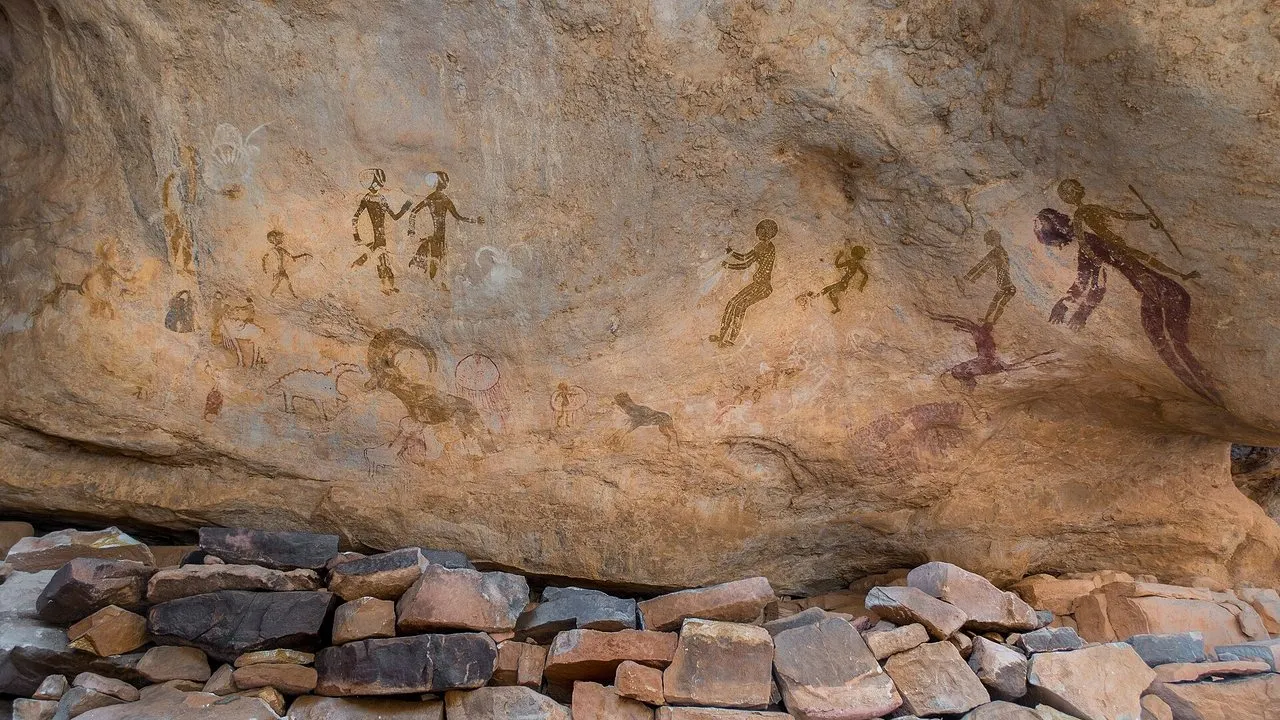
In the Sahara, at Tassili n’Ajjer, a giant figure towers over the rock with a huge round head. The figure has strange eyes and no mouth, and it looks nothing like the animals and hunters painted beside it. Visitors have stared at it for decades and asked the same question the post asks today. Read more in our report on a 1959 helicopter photo that seems to show a giant snake and our story about how much water a data center uses each year.
The Pale Wandjina Faces of the Kimberley
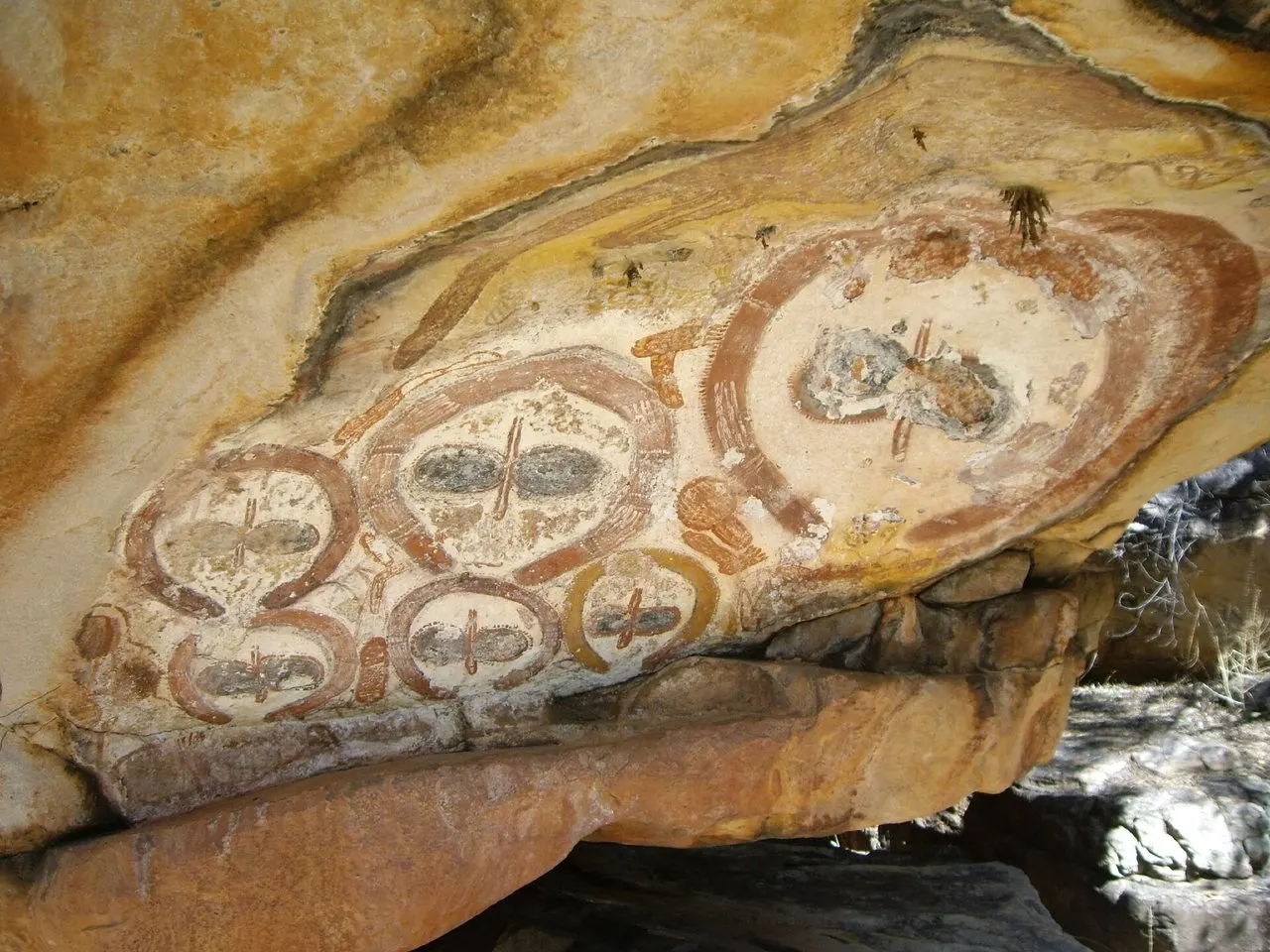
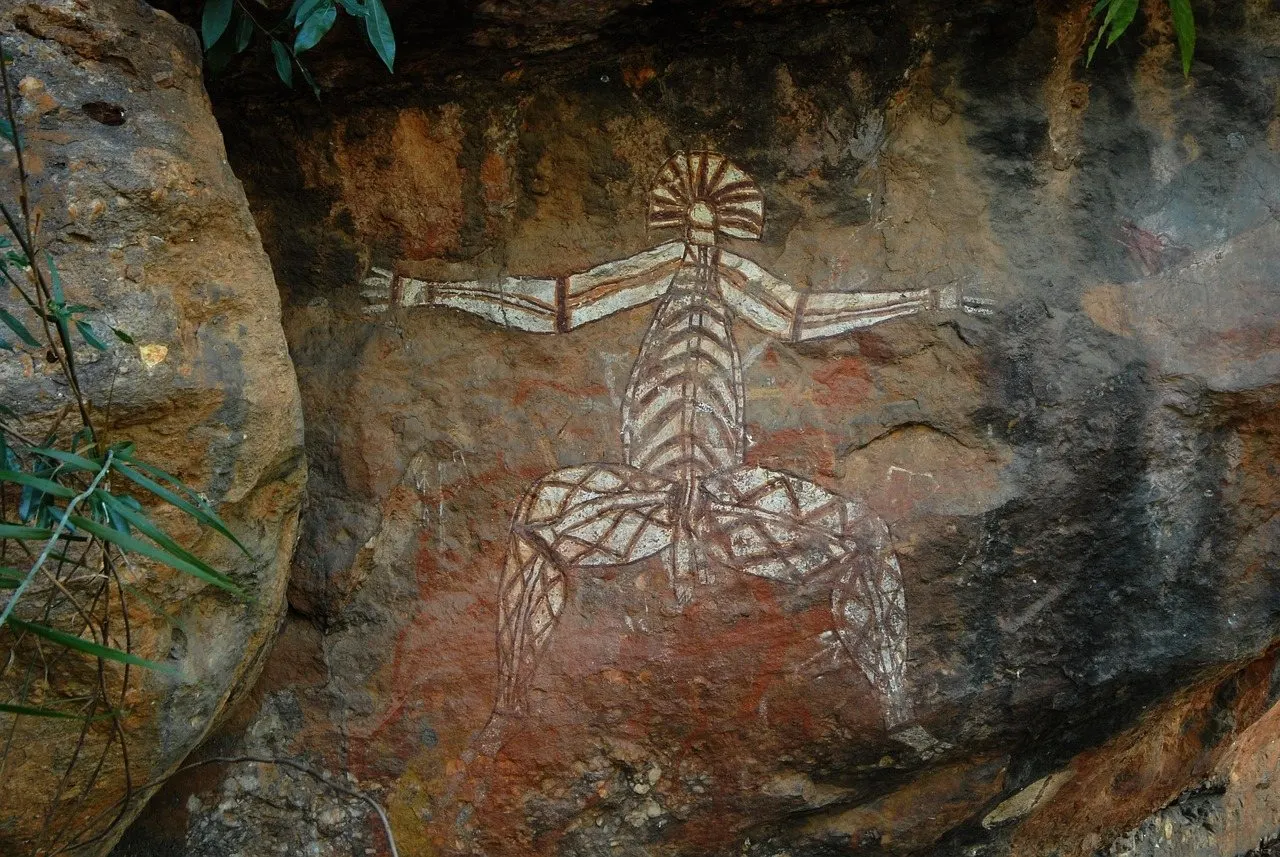
In the Kimberley region of Australia, Aboriginal artists painted the Wandjina, pale faces with huge dark eyes and no mouths, staring out from rock shelters. These faces are sacred to the Aboriginal people who still care for them, and they are repainted by hand to keep the tradition alive. The Wandjina look like no person and no animal known to the land. Read more in our report on the rare contact of an endangered tribe and our story about a forest cleared for a data center.
A Discovery Near Charama in 2014
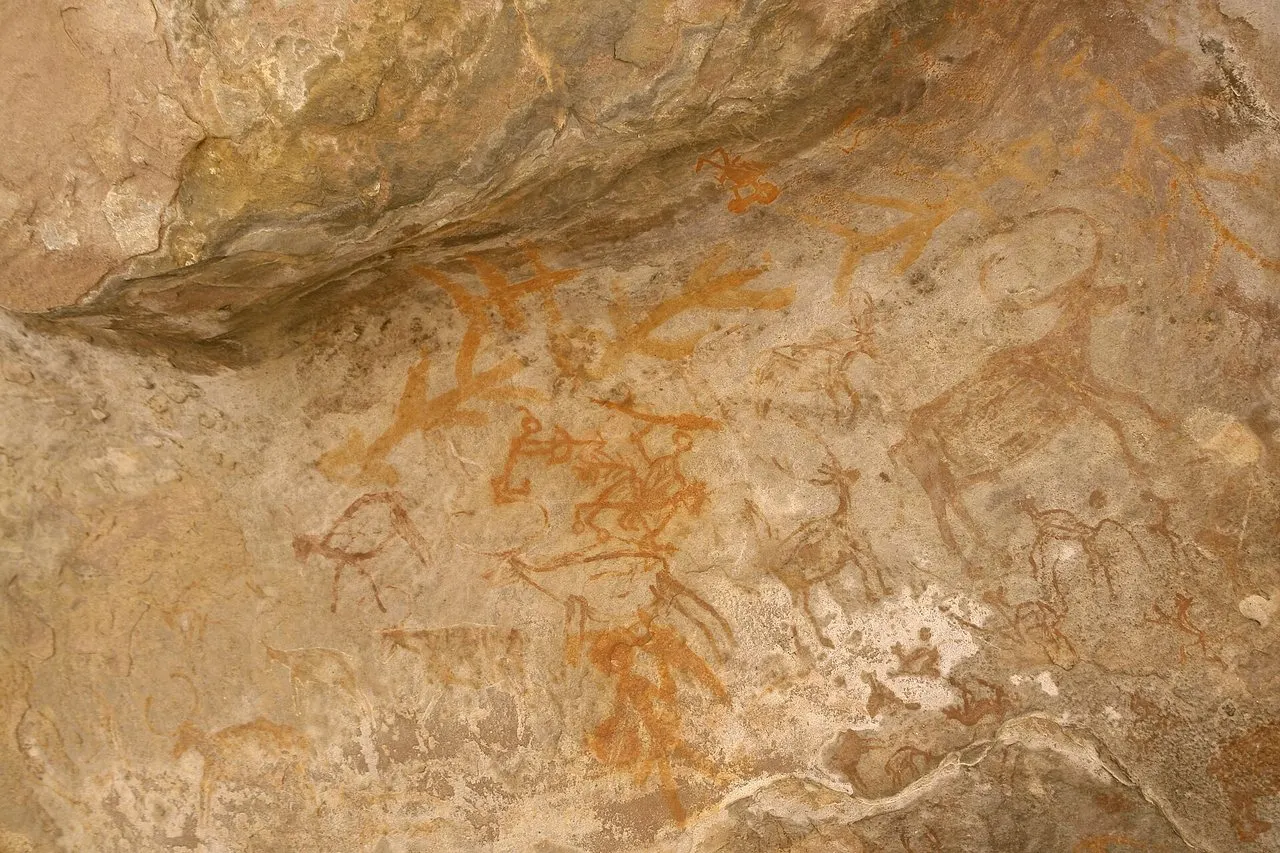
In 2014, archaeologist JR Bhagat studied 10,000-year-old rock shelters near Charama, in the Indian state of Chhattisgarh, and found figures that did not fit the usual pattern. Alongside familiar animals and human shapes, he documented faceless figures and disc shaped objects painted on the stone. Local people told him stories of the Rohela people, who they said came down from the sky. Read more in our report on a rare orange shark found off Costa Rica and our story about a silent shrug that said more than words.
Ancient Alien Rock Art and the Round Craft

The rock art of India comes with a story the local people still tell. They say the Rohela people came down from the sky in round craft, and that is why the figures on the rock have no faces and wear round helmets. The tale was passed down for generations before any archaeologist arrived with a camera. Read more in our report on a 1959 helicopter photo that seems to show a giant snake and our story about a cat mom glowing in a calm family life.
Faceless Figures and Disc Shaped Objects
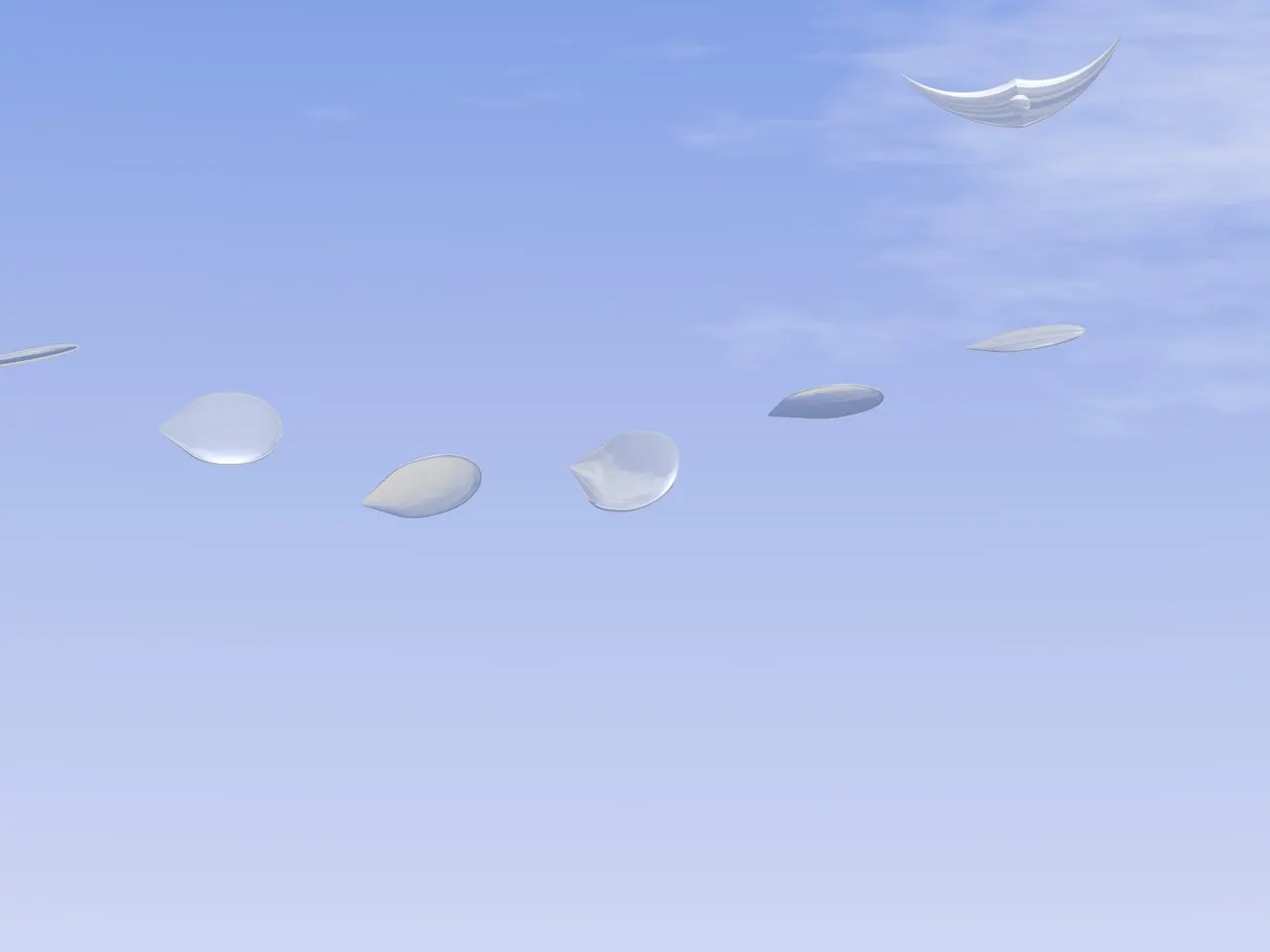
Beside the faceless figures at Charama, the artists painted disc shaped objects floating in the sky, round and flat like wheels seen from the side. Nobody knows what the discs were meant to be, and the same shapes turn up in old stories from other lands. Were they the sun, the moon, or something that flew? Read more in our report on a miniature pancreas grown from living cells and our story about a father who puts time with his kids first.
Ancient Alien Rock Art on Three Continents

The same strange figures appear on three continents, drawn by people who never met, never spoke, and never shared a single idea. In Africa, Australia and India, towering figures with round heads and strange eyes stare out from the rock. The odds of three separate cultures inventing the exact same creature seem small, and that is the heart of the mystery. Read more in our report on a cancer treatment that uses sound waves and our story about a shelter dog who carried blankets to kittens.
Spirits, Shamans and Visions From Rituals

Archaeologists say the figures most likely show spirits, shamans or visions from rituals, and that answer fits much of what we know about ancient art. Shamans in many cultures described journeys to other worlds, and they painted what they saw in dreams and trances. A spirit does not need a mouth or a normal face, and a vision does not need to obey the rules of the body. Read more in our report on two very different maps that share one name and our story about an actor who holds on to his faith.
Cattle and Giraffes Drawn From Life
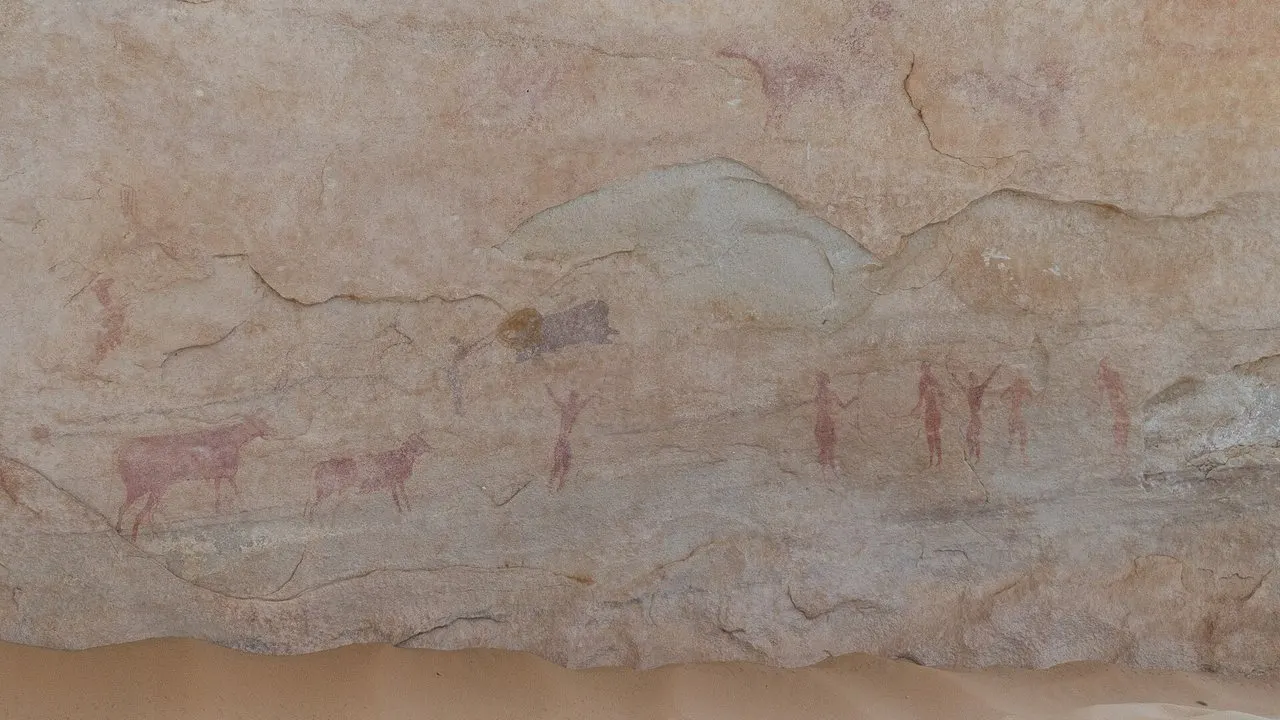
The cattle and giraffes on the desert rock were drawn by people who lived beside them, and every line shows it. The horns curve the right way, the legs stand in the right places, and the herds move the way real herds move. These artists were careful observers, not dreamers making things up. That is why the strange figures beside the animals are so hard to dismiss. Read more in our report on how much water a data center uses each year and our story about a wish for peace around the world.
Huge Round Heads, Strange Eyes and No Mouths
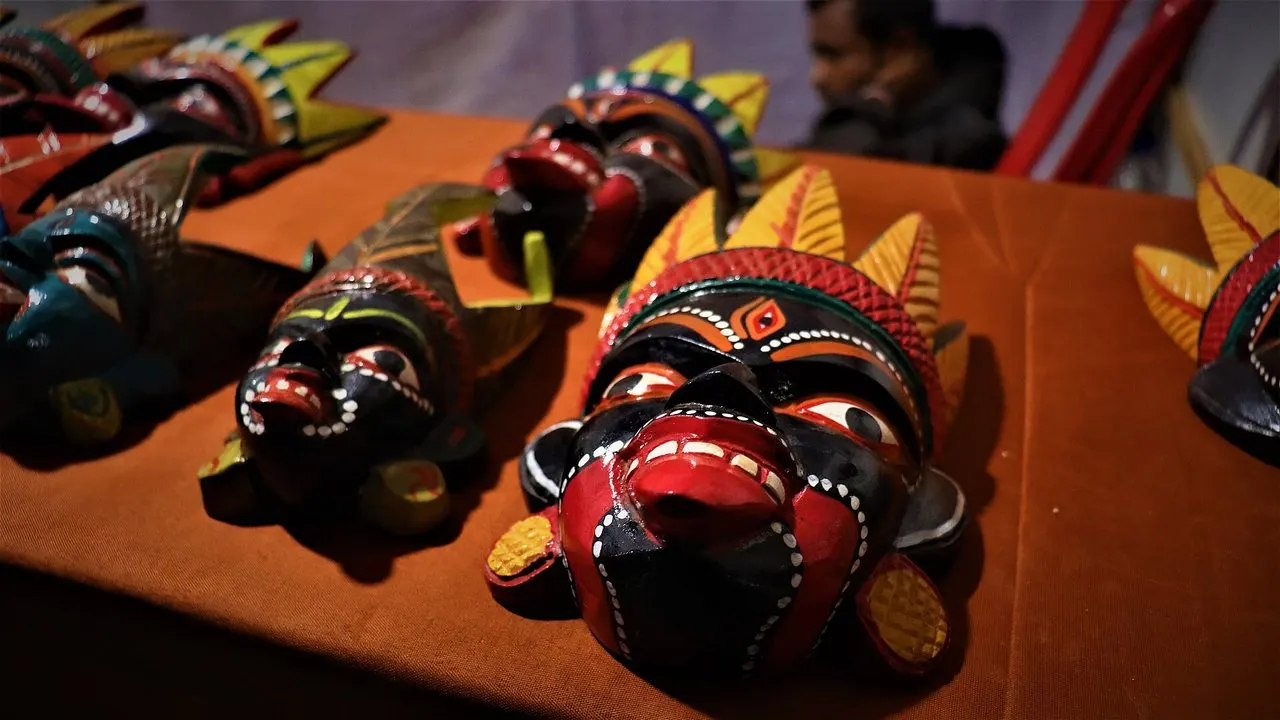
The strange figures share the same odd details wherever they appear. Their heads are huge and round, their eyes are wide and strange, and they have no mouths at all. A mouth is the simplest thing to draw, and these artists drew mouths on people and animals all the time. Leaving it out must have meant something, and nobody today can say what it was. Read more in our report on a forest cleared for a data center and our story about a video game called the most impressive ever played.
The Round Helmets That Match Nothing on Earth
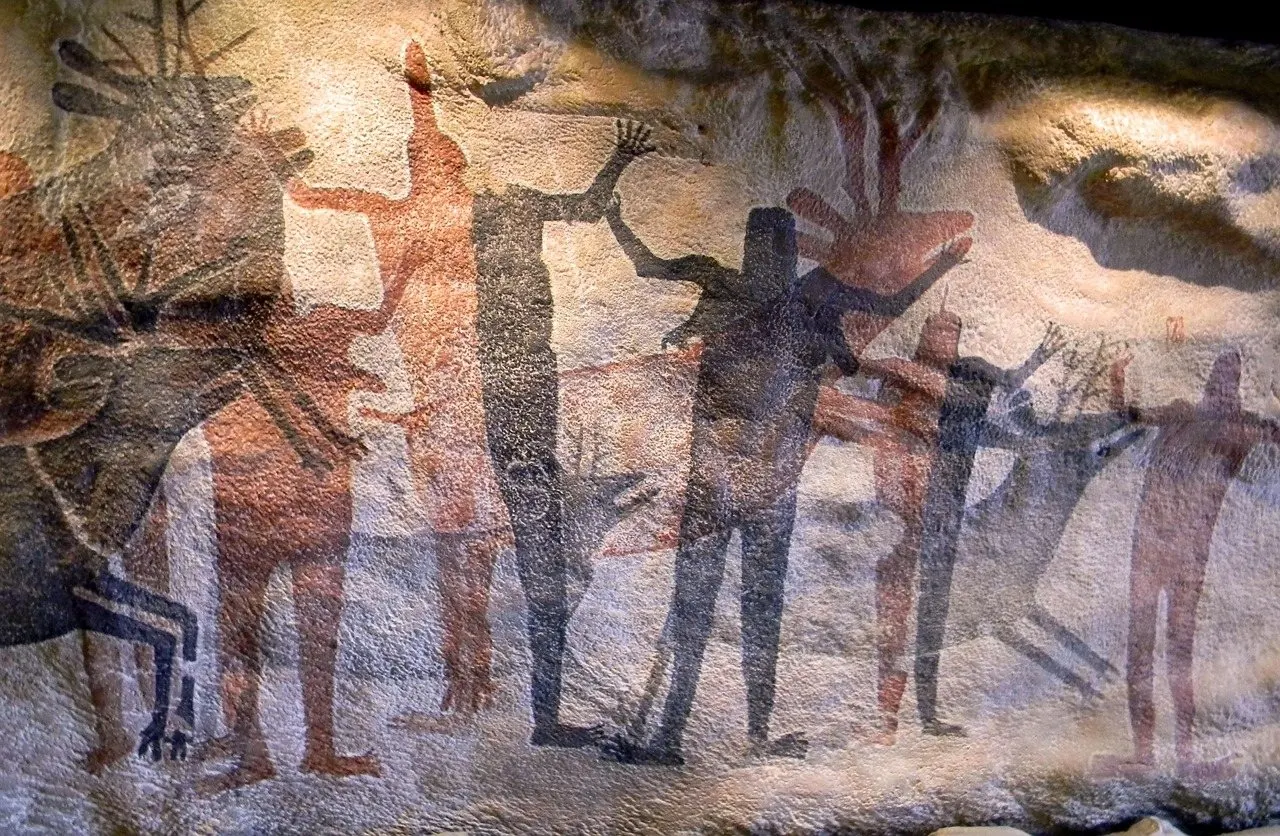
The round helmets are another detail that refuses to fit. The figures wear smooth, bulging headgear that covers the whole head, like the helmets of deep sea divers or astronauts, yet the paintings are thousands of years old. No ancient culture we know of made helmets like these, and no tool from that age explains them. Read more in our report on a silent shrug that said more than words and our story about an update on Bruce Willis and his family.
Ancient Alien Rock Art From 10,000 Years Ago
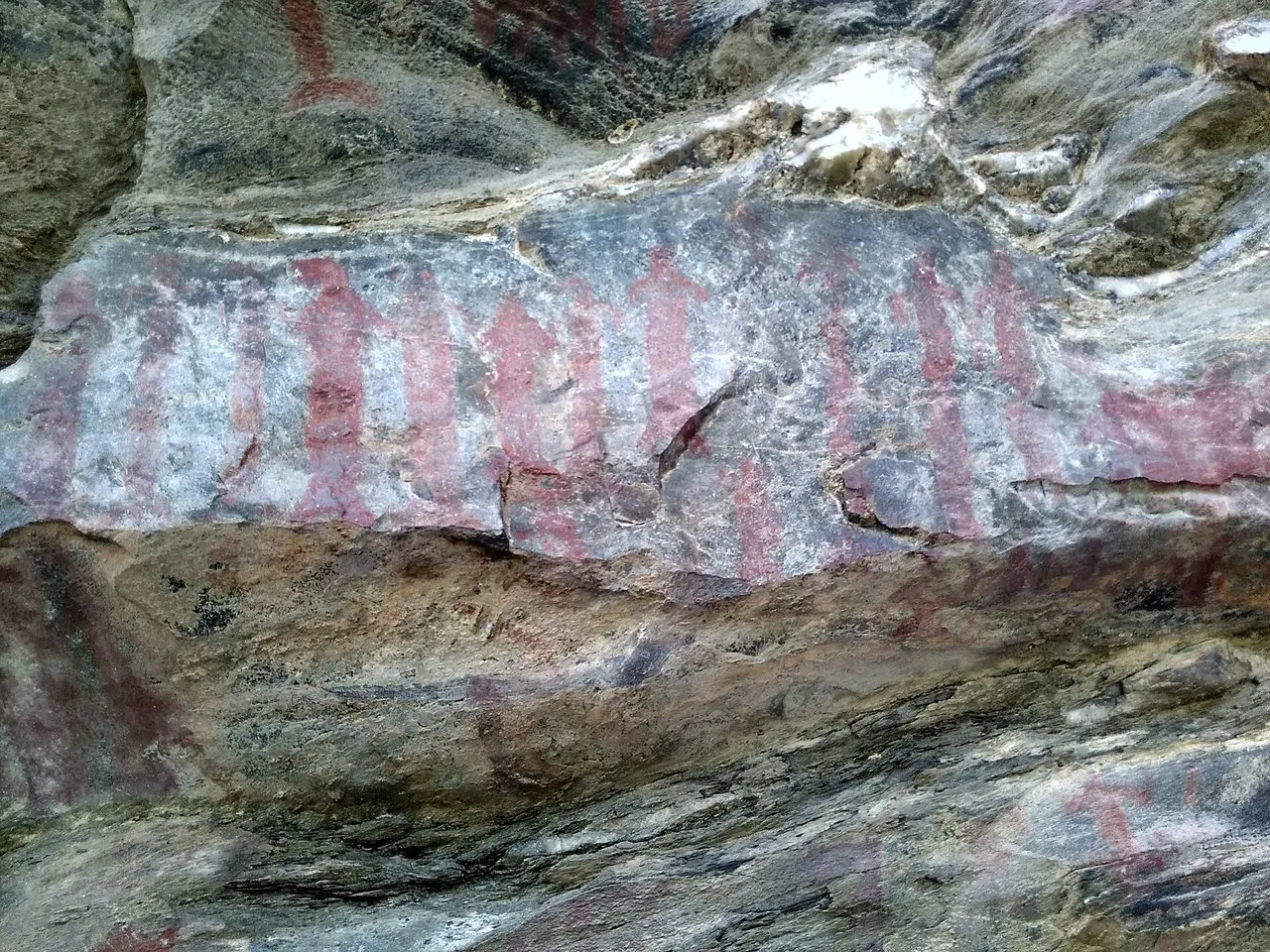
The Charama paintings are thought to be about 10,000 years old, which places them near the end of the last ice age. The people who painted them lived in a world of stone tools, small bands of hunters, and no written words. Their art was their record, and it has outlasted every building they ever made. Read more in our report on a cat mom glowing in a calm family life and our story about a week of outages blamed on a joke.
What the News Reports Said About Charama

The Charama discovery made news around the world, and the headlines were hard to ignore. The Times of India wrote about 10,000-year-old rock paintings depicting aliens and UFOs found in Chhattisgarh, while other papers spoke of aliens in spacesuits. The reports all point back to the same rock shelters and the same archaeologist. Read more in our report on a father who puts time with his kids first and our story about a bill that would have ended child marriage.
Ancient Alien Rock Art in the Age of Satellites

The figures were painted by people with no machines, yet today we watch the skies with satellites that see every inch of the planet. We have cameras in every pocket and maps of the whole world, and still nobody can say what the figures were. The post asks a fair question: if a cave painter could see them standing right in front of him, why do we see nothing now? Read more in our report on a shelter dog who carried blankets to kittens and our story about the rare contact of an endangered tribe.
Where Are They Now

If they saw them, where are they now? That is the question at the center of the post, and it has no easy answer. The sky is watched by radar, telescopes and satellites, and strange lights are reported every year, yet no craft has ever landed in the open. Either the beings left long ago, or they were never here at all. Read more in our report on an actor who holds on to his faith and our story about a rare orange shark found off Costa Rica.
No Government, No Agencies, No Edits
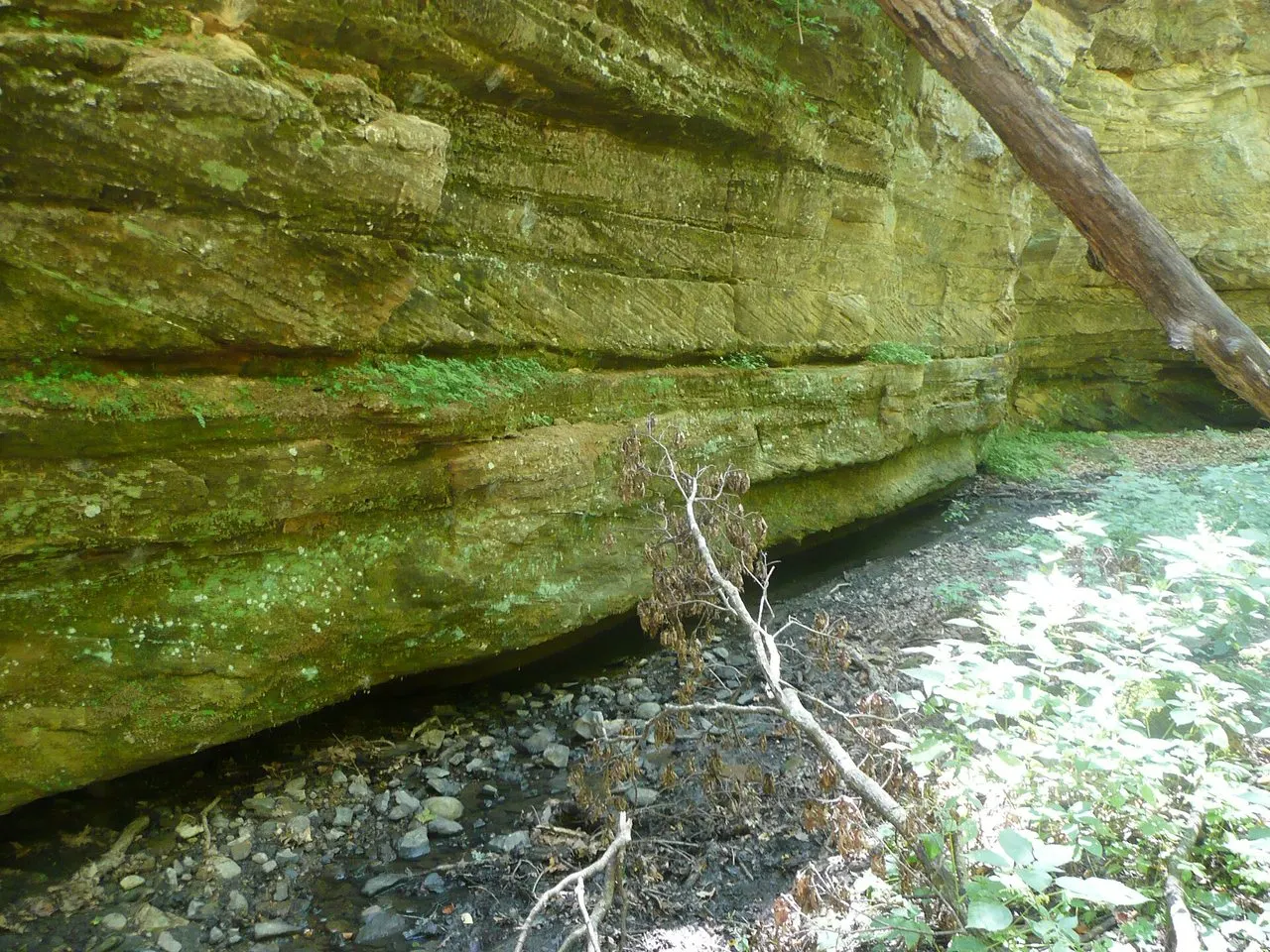
The ancient artists had no government, no agencies, and no one editing their work or classifying their files. They drew the truth on a wall, in the open, for anyone to find, and the wall is still there for anyone to see. Nothing was hidden, nothing was stamped secret, and nothing was taken down. Read more in our report on a wish for peace around the world and our story about a cancer treatment that uses sound waves.
Who Is the Caveman Now
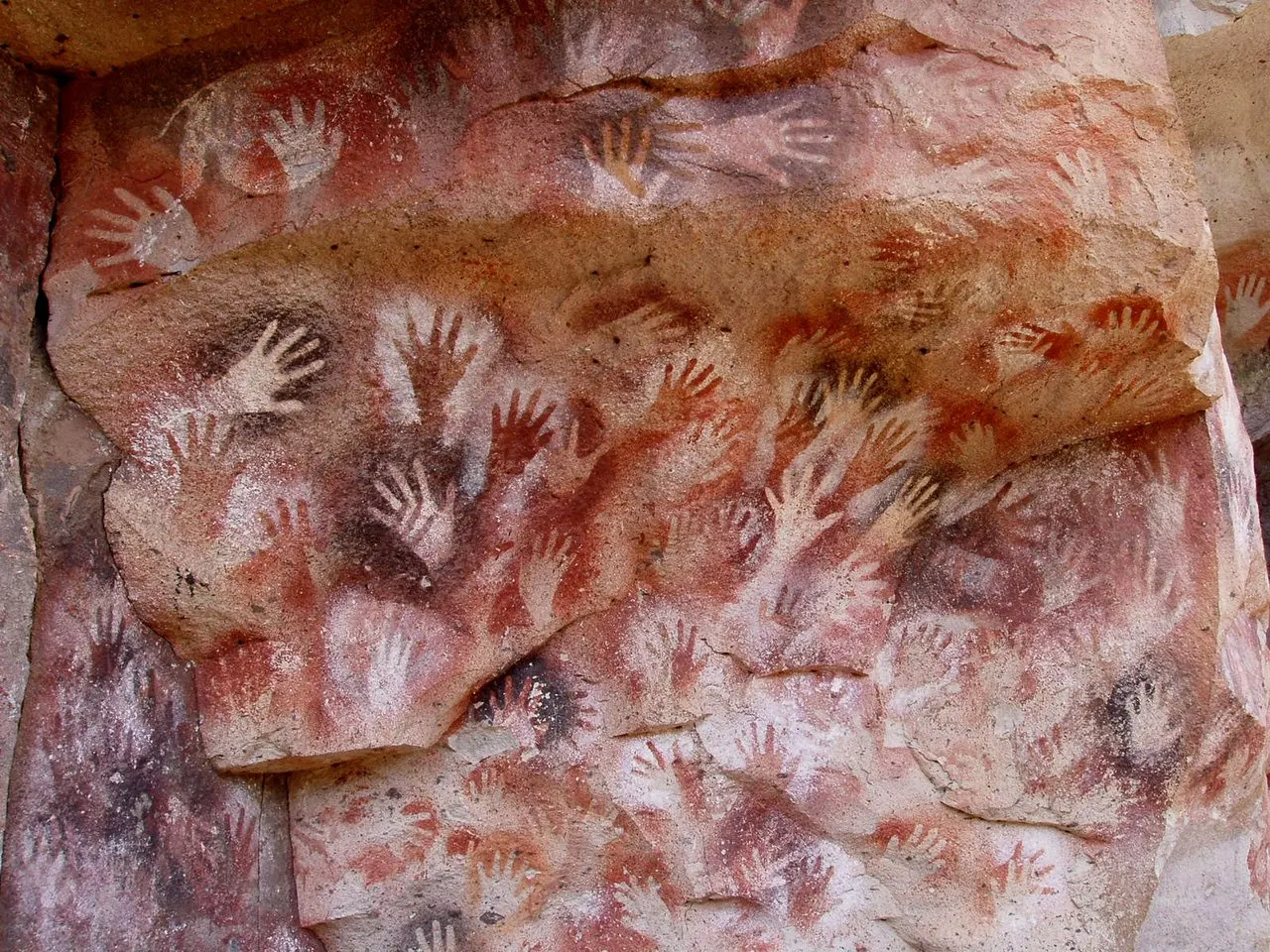
The post ends with a question that turns the whole story around: who is the caveman here, them or us? They had no tools but stone, yet they left a clear record on open rock. We have satellites and cameras, yet the mystery still stands unsolved. Maybe the real question is not what they saw, but why we stopped looking. Read more in our report on a video game called the most impressive ever played and our story about two very different maps that share one name.
Ancient Alien Rock Art Around the World
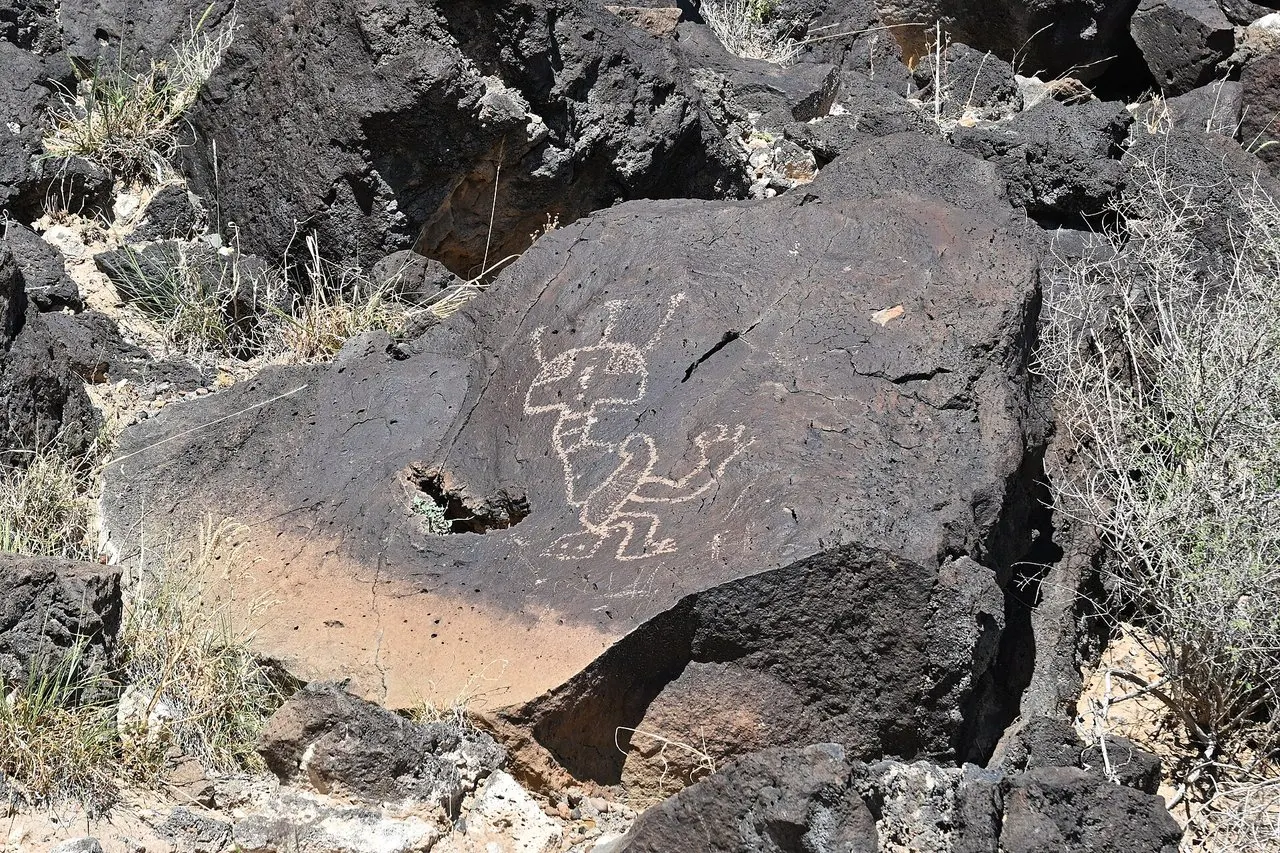
This story is part of a much bigger picture, because rock art covers the whole planet. From the caves of Europe to the deserts of America, people painted hands, animals and hunters on stone for tens of thousands of years. The art is our oldest library, and every wall is a page. Read more in our report on an update on Bruce Willis and his family and our story about how much water a data center uses each year.
How the Artists Made Their Paintings Last
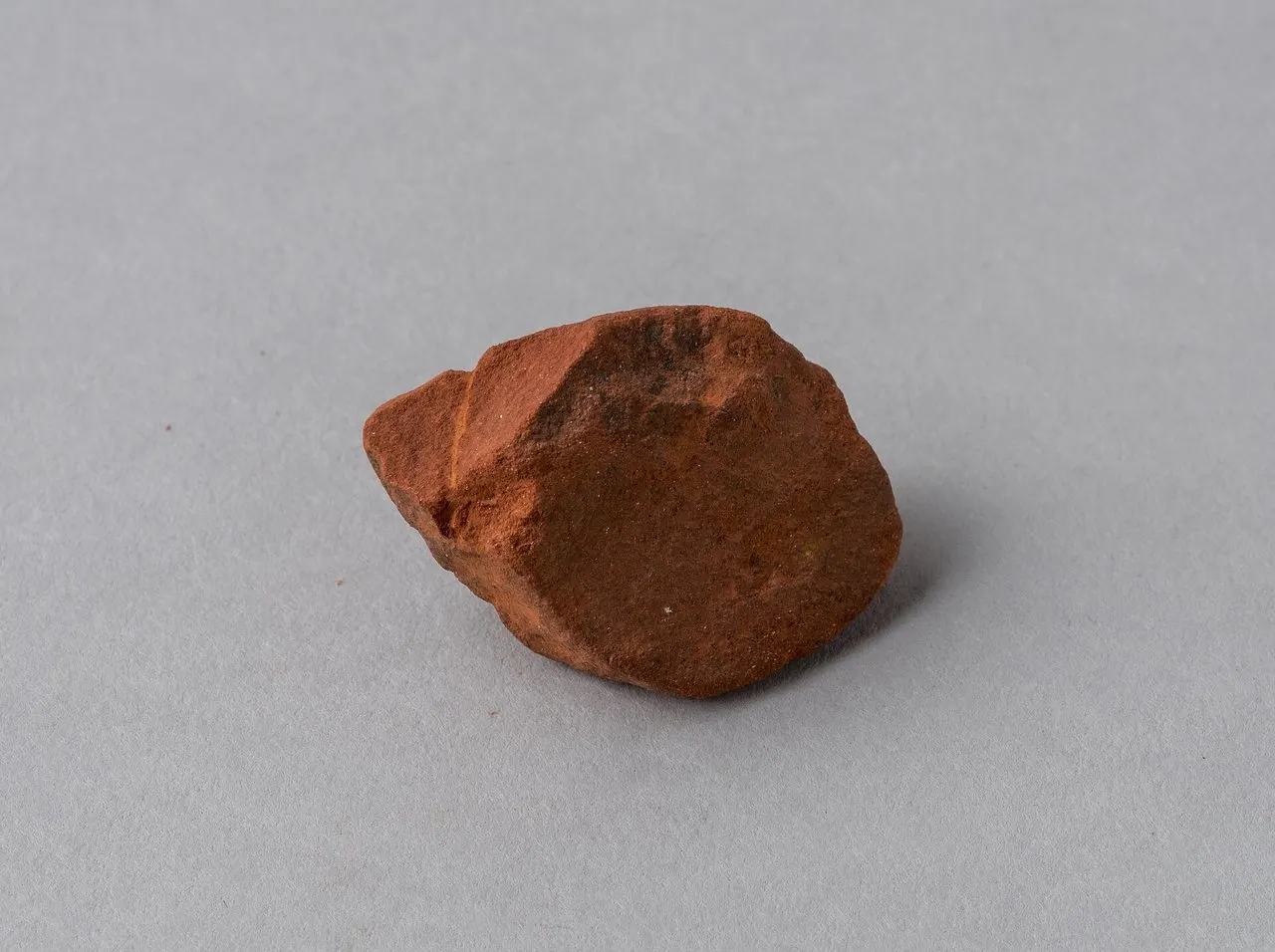
The painters mixed red ochre, charcoal and clay with water, fat or plant sap, then brushed or blew the paint onto the rock with hollow reeds. Some pressed their hands to the wall and blew paint around them, leaving handprints that still look fresh today. The simple recipe worked so well that the colors have survived rain, sun and ten thousand years. Read more in our report on a week of outages blamed on a joke and our story about a forest cleared for a data center.
The Sahara Was Green When the Artists Worked

When the Tassili artists worked, the Sahara was not the dry desert we know today. Thousands of years ago, the region had lakes, grass and herds of cattle, and people lived and hunted across green land. The paintings of cattle and giraffes prove it, because those animals need water and grass to live. Read more in our report on a bill that would have ended child marriage and our story about a silent shrug that said more than words.
Ancient Alien Rock Art in Aboriginal Australia
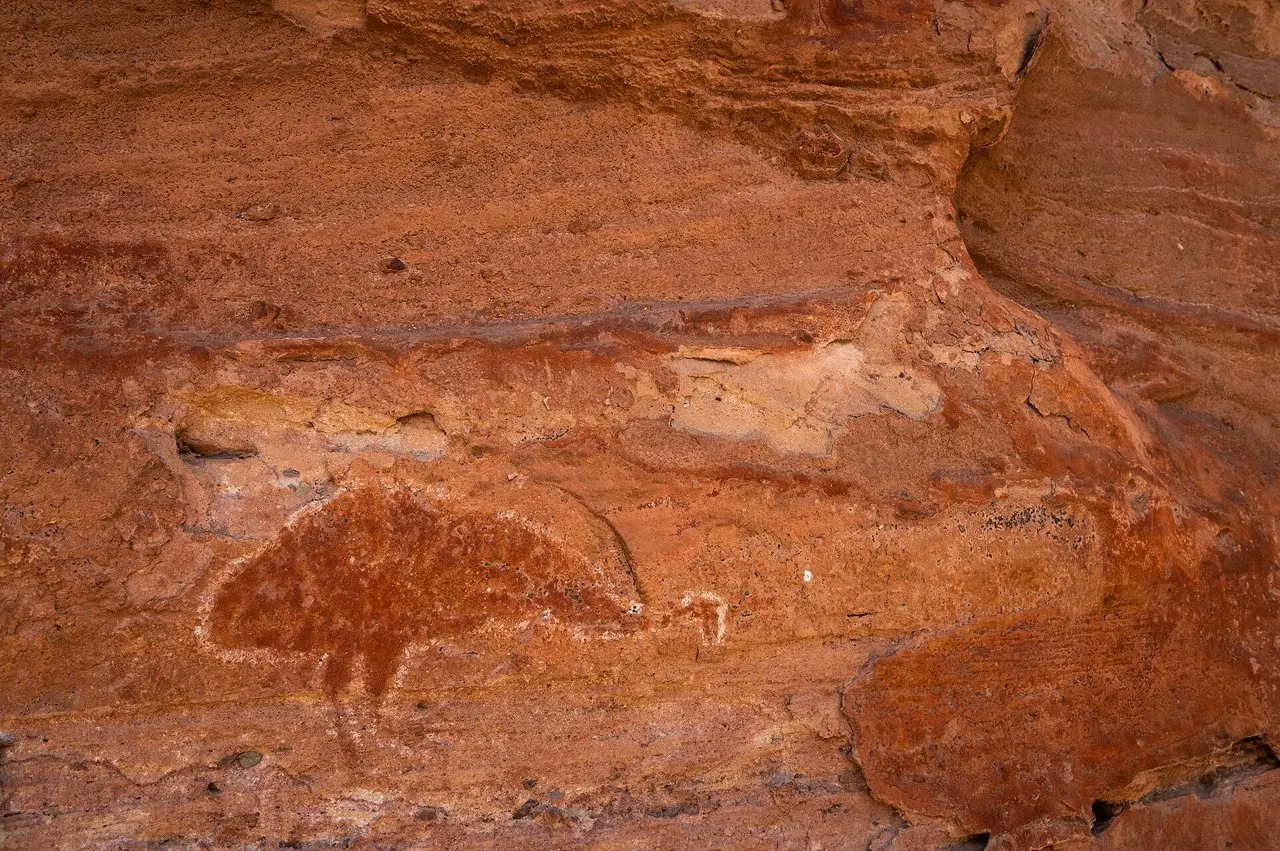
The rock art of Australia belongs to the oldest living art tradition on Earth. Aboriginal people have painted the Wandjina and other spirits for thousands of years, and the stories behind the paintings are still told by elders today. The art is not a ruin or a relic. It is a living practice, cared for and renewed. Read more in our report on a cat mom glowing in a calm family life and our story about a miniature pancreas grown from living cells.
The Rock Shelters of India
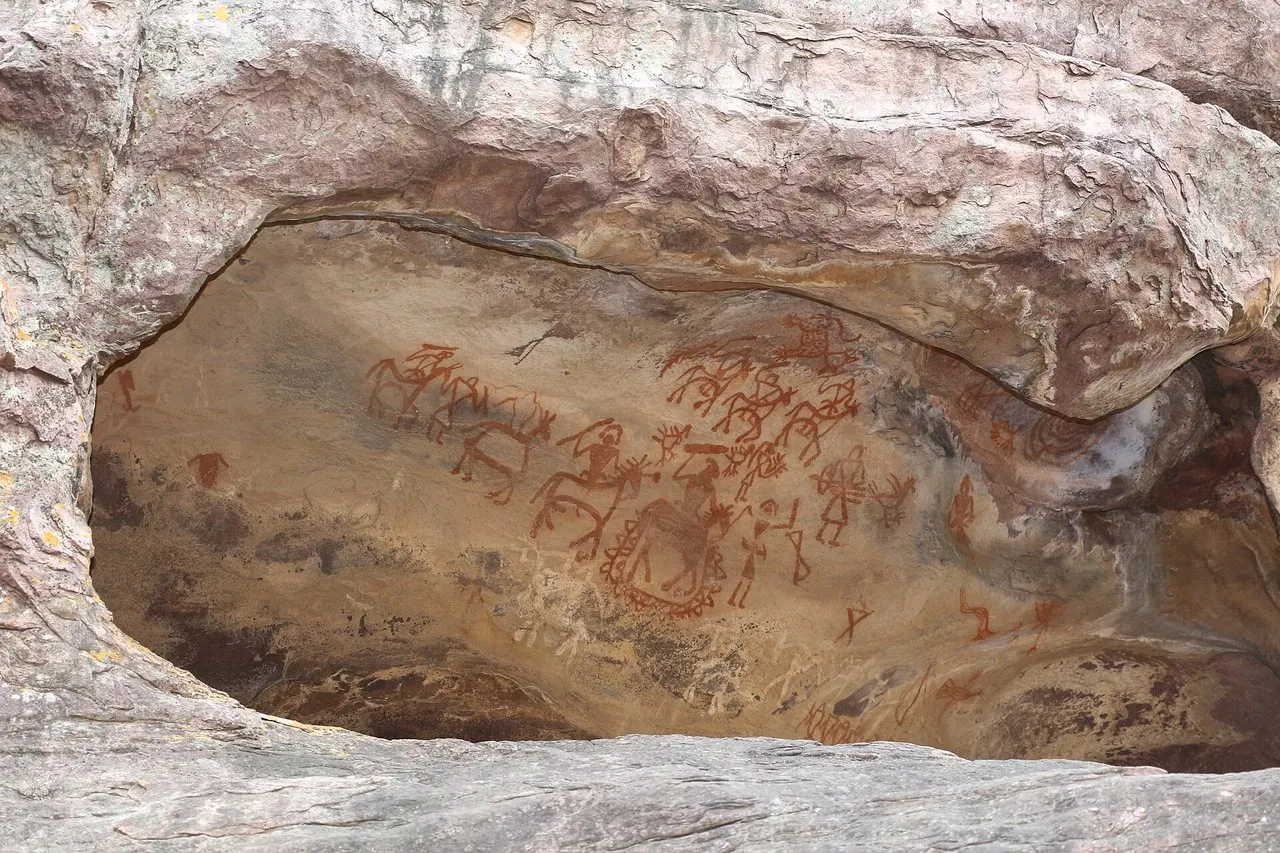
The rock shelters of India hold some of the oldest art in Asia, with painted walls that stretch back thousands of years. At Bhimbetka, in central India, hundreds of shelters are covered in scenes of hunting, dancing and daily life. Charama, further east in Chhattisgarh, adds the strange faceless figures to that long record. Read more in our report on a father who puts time with his kids first and our story about a shelter dog who carried blankets to kittens.
Ancient Alien Rock Art and the Mystery That Remains
The mystery has lasted for thousands of years and shows no sign of ending. The figures are too strange to ignore and too widespread to dismiss, yet no one can prove what they were. Science offers spirits and visions, while the post offers another idea: they saw something real. Read more in our report on an actor who holds on to his faith and our story about a wish for peace around the world.
What Experts Say and What the Walls Suggest
Experts say spirits, shamans and visions, and they may be right. But the walls suggest something else: artists who drew everything else with perfect accuracy would not invent the same creature three times over. Both ideas deserve a fair hearing, and the rock is still there for anyone to judge. Read more in our report on a video game called the most impressive ever played and our story about an update on Bruce Willis and his family.
What Do You Think They Saw

What do you think they saw? That is the question we leave with you. Were the figures spirits from a ritual, visions from a dream, or beings that stood in front of the artists? The walls have kept their secret for ten thousand years, and now it is your turn to weigh in. Share your thoughts in the comments, and tell us what you believe the artists were trying to show us. Read more in our report on a week of outages blamed on a joke and our story about a bill that would have ended child marriage.