The Beaver Supermoon Rises Over Snowy Mountains
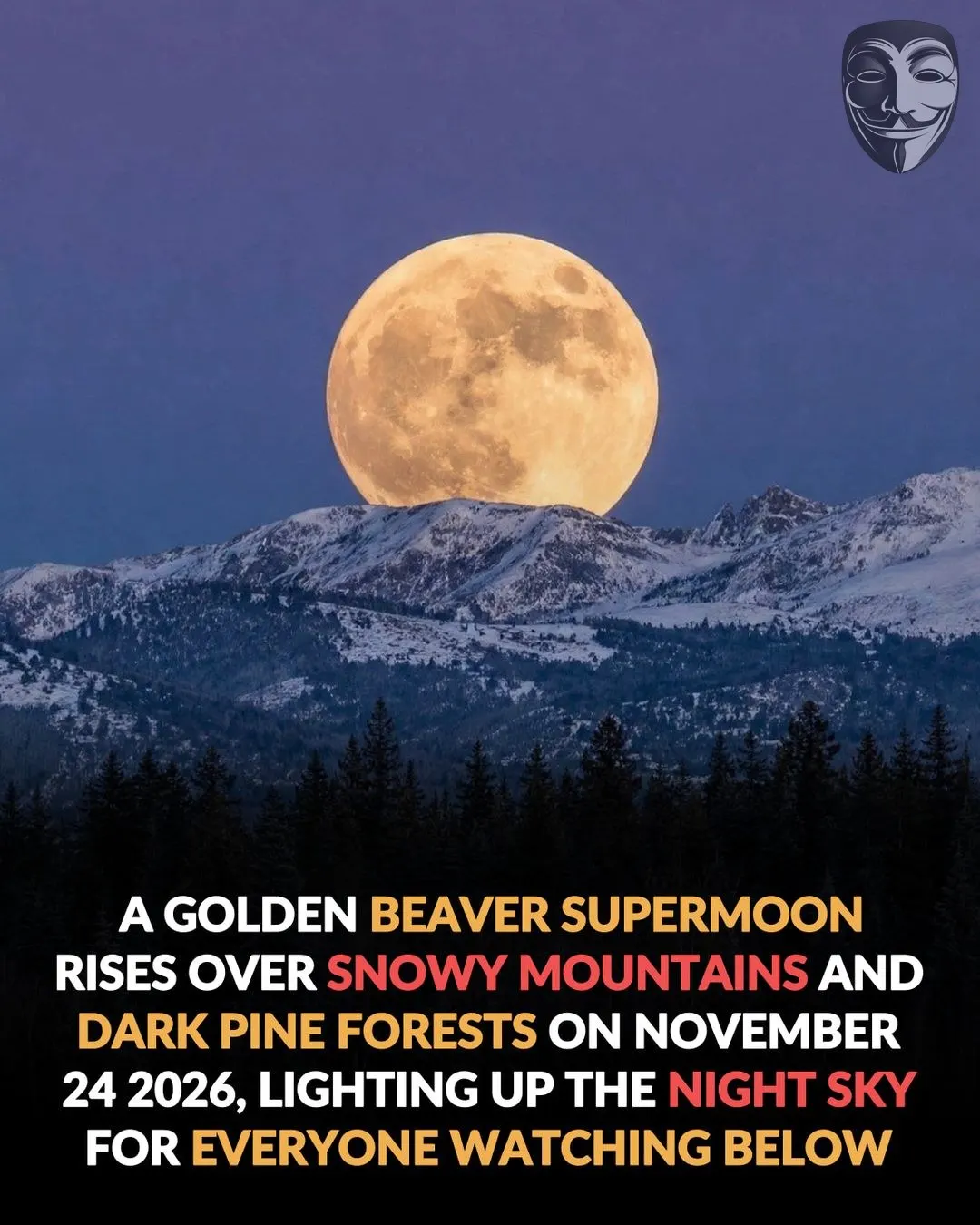
Beaver Supermoon light will fill the night sky on Tuesday, November 24, 2026, when the full Moon reaches its brightest point at about 9:54 AM EST. This golden Moon rises over snowy mountains and dark pine forests, and it looks larger than usual because it sits near the closest part of its path around Earth. People across the country can step outside in the evening and watch it climb into the dark sky. It is a simple pleasure, and it costs nothing at all to enjoy.
The name comes from the season when beavers prepare their lodges and store food for winter, and this year the Moon also begins a run of four supermoons in a row. The best views come on the evenings of November 23 and 24, when you look toward the eastern horizon around moonrise. In the slides ahead we share what makes this Moon special, where to look, and how to enjoy it with family and friends. For a lighter read, see a calm family life.
References:
Discover Magazine: November’s Beaver Supermoon Kicks Off a Year-End Sky Show
EarthSky: The Full Super Beaver Moon Will Be Near Two True Star Clusters
Farmers Almanac: Beaver Moon Supermoon 2026 Moonrise Times and What to See
The Weather Channel: Beaver Moon Rises Nov 24 as First of 4 Consecutive Supermoons
A Golden Beaver Supermoon Over Snowy Peaks
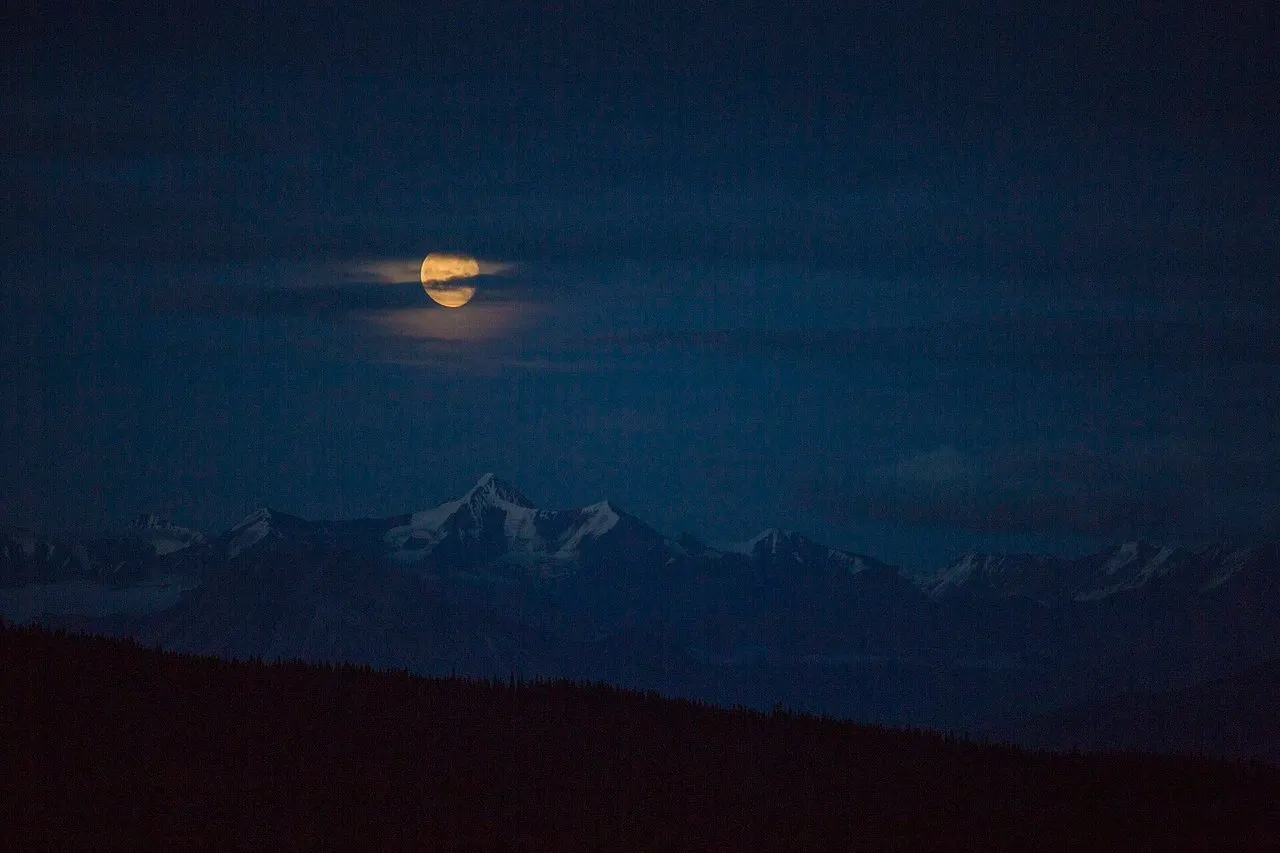
The full Moon reaches its brightest point on Tuesday, November 24, 2026, at about 9:54 AM EST, and it will still look full and bright when it rises that evening. Snowy peaks catch the golden light, and the scene feels calm and grand. A full Moon near the closest part of its orbit looks a little bigger and brighter than an ordinary full Moon. That is why so many people plan to step outside and look up. You can find more uplifting reads in a big plan for New York City.
Watch the Beaver Supermoon Rise in the East
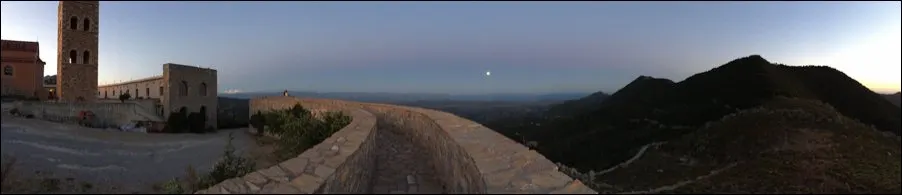
For the best view, look toward the eastern horizon around moonrise on the evenings of November 23 and 24. The Moon may look especially large and dramatic as it rises, because it sits low in the sky near trees, hills and rooftops. Give your eyes a few minutes to adjust to the dark, and pick a spot with a clear view to the east. The rise is slow and steady, and it is worth the wait. While you wait, enjoy a plan to end horse drawn carriages.
Why This Beaver Supermoon Looks So Big and Gold
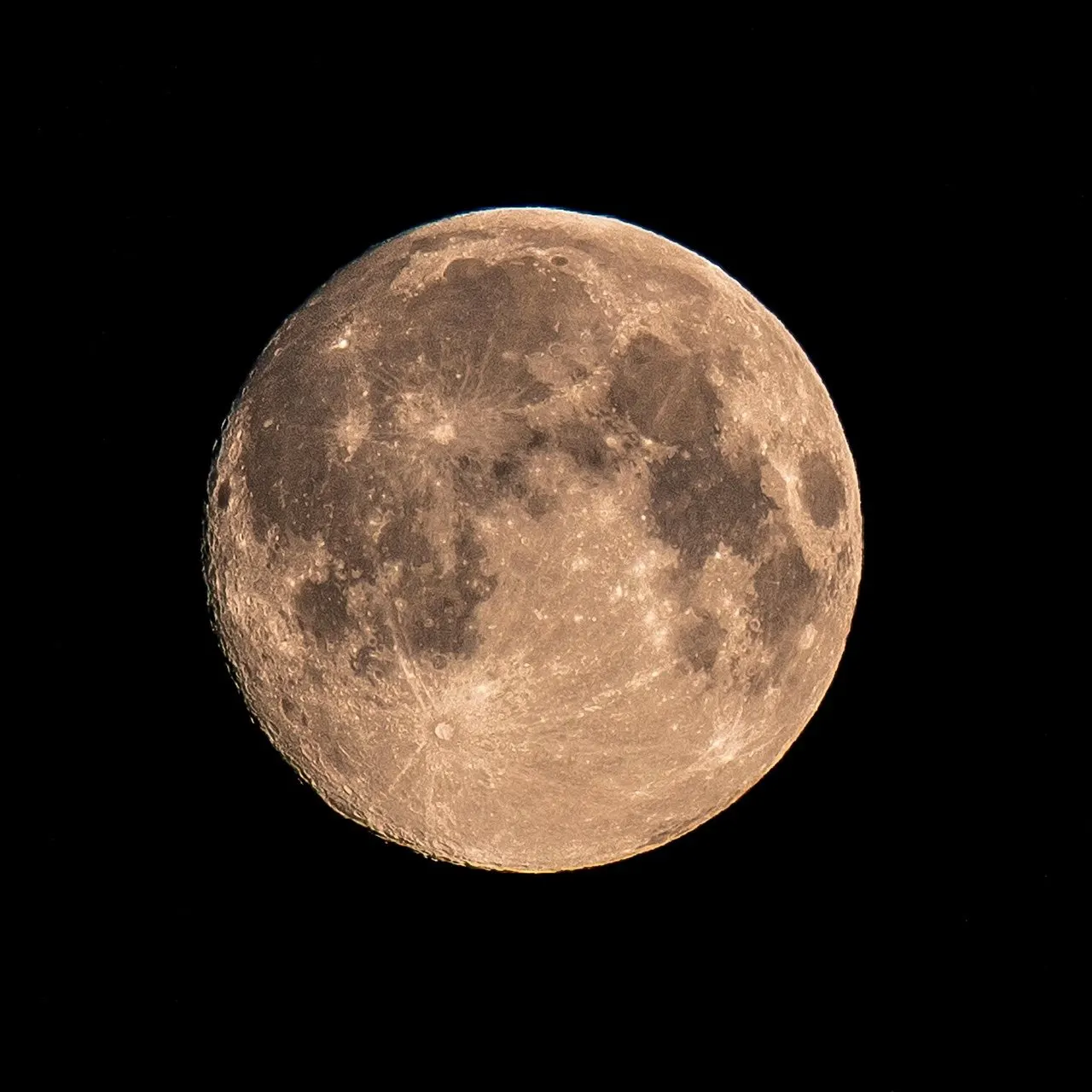
A Moon low in the sky often looks golden because its light passes through more of the air near the ground, which scatters the blue light and leaves warm tones behind. This close full Moon also looks large because it becomes full near the closest part of its orbit around Earth. The two effects together give us a big golden disc climbing over the hills. It is a fine sight for anyone who loves the night sky. Read more in a joyful first month of marriage.
Dark Pine Forests Under a Bright Moon
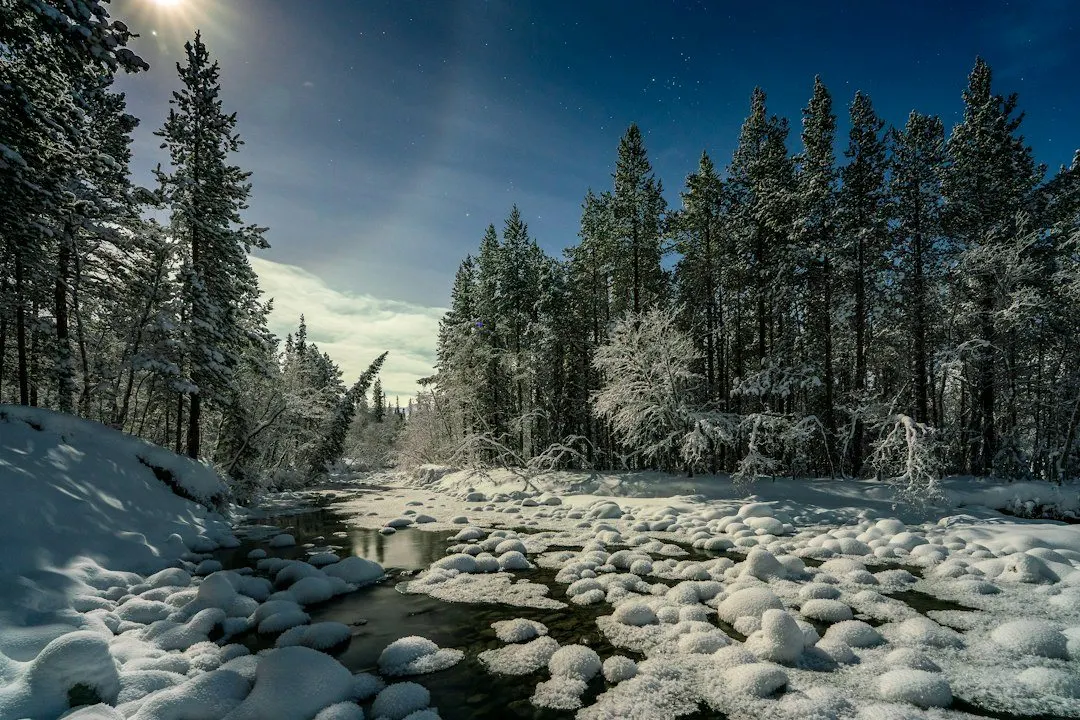
Dark pine forests look almost black under a full Moon, while the snow between the trees glows soft and pale. Moonlight filters through the branches and paints long shadows on the ground. On a still night you may hear an owl call or a branch crack in the cold air. The forest feels quiet and watchful, and the Moon is the only lamp in the sky. Take a break from the night with a first of its kind rescue.
Where the Beaver Supermoon Gets Its Name
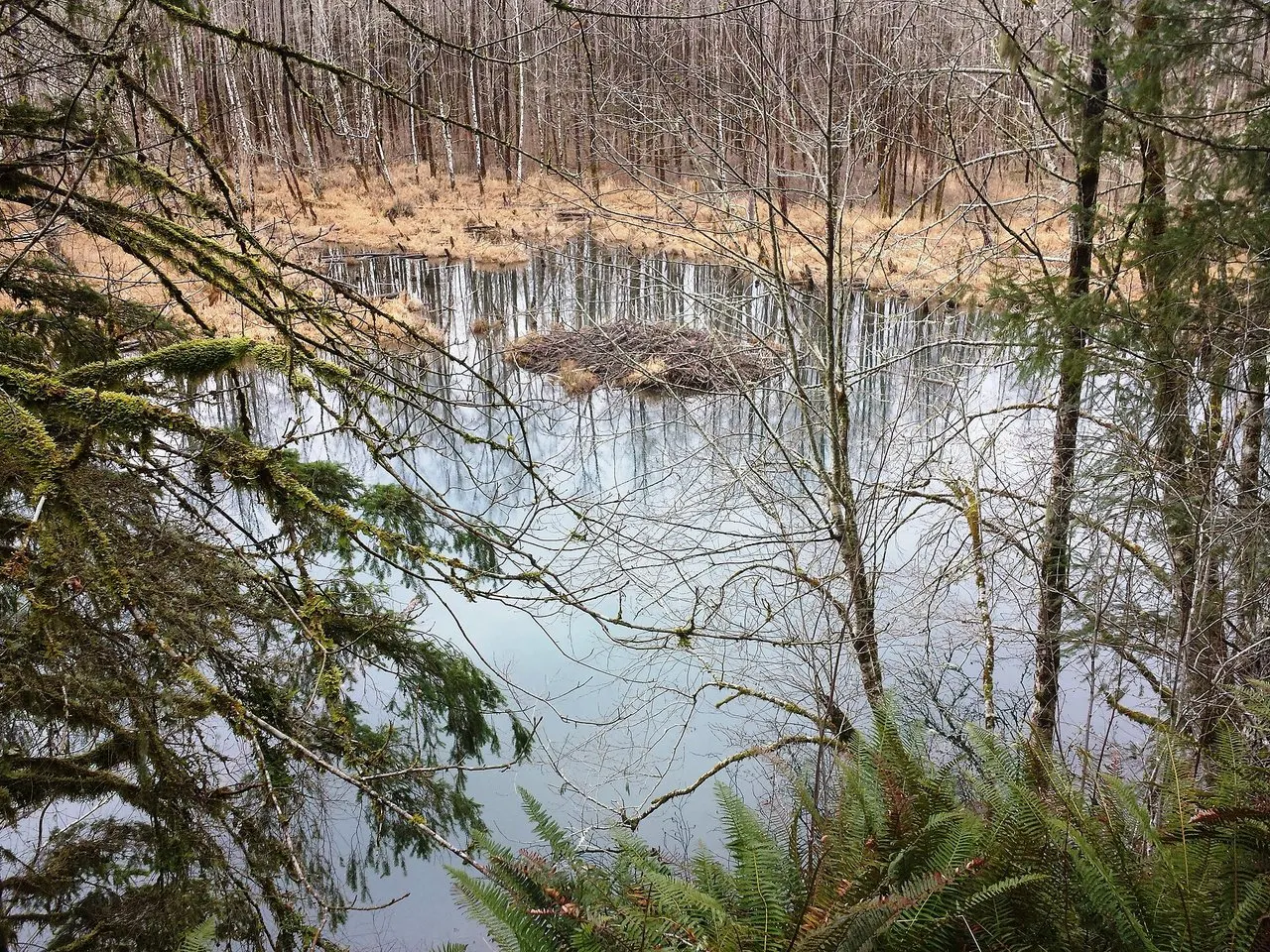
The name comes from the season when beavers prepare their lodges and store food for winter. Long ago, people who lived close to the land named each full Moon for what was happening in nature at that time of year. November was the month when beavers worked hardest to get ready for the cold months ahead. The name has lasted for generations, and it still fits the season today. Learn more from a bill to ban toxic pesticides.
Beavers at Work Before Winter

A beaver spends the autumn gathering branches and building up its lodge, a dome of sticks and mud that keeps the family warm through winter. It stores food in the pond near the lodge, so it can eat even when ice covers the water. Beavers are strong swimmers with flat tails that help them steer. Their hard work is the reason this November Moon carries their name. See also a shelter dog who cared for kittens.
What Makes a Moon a Supermoon
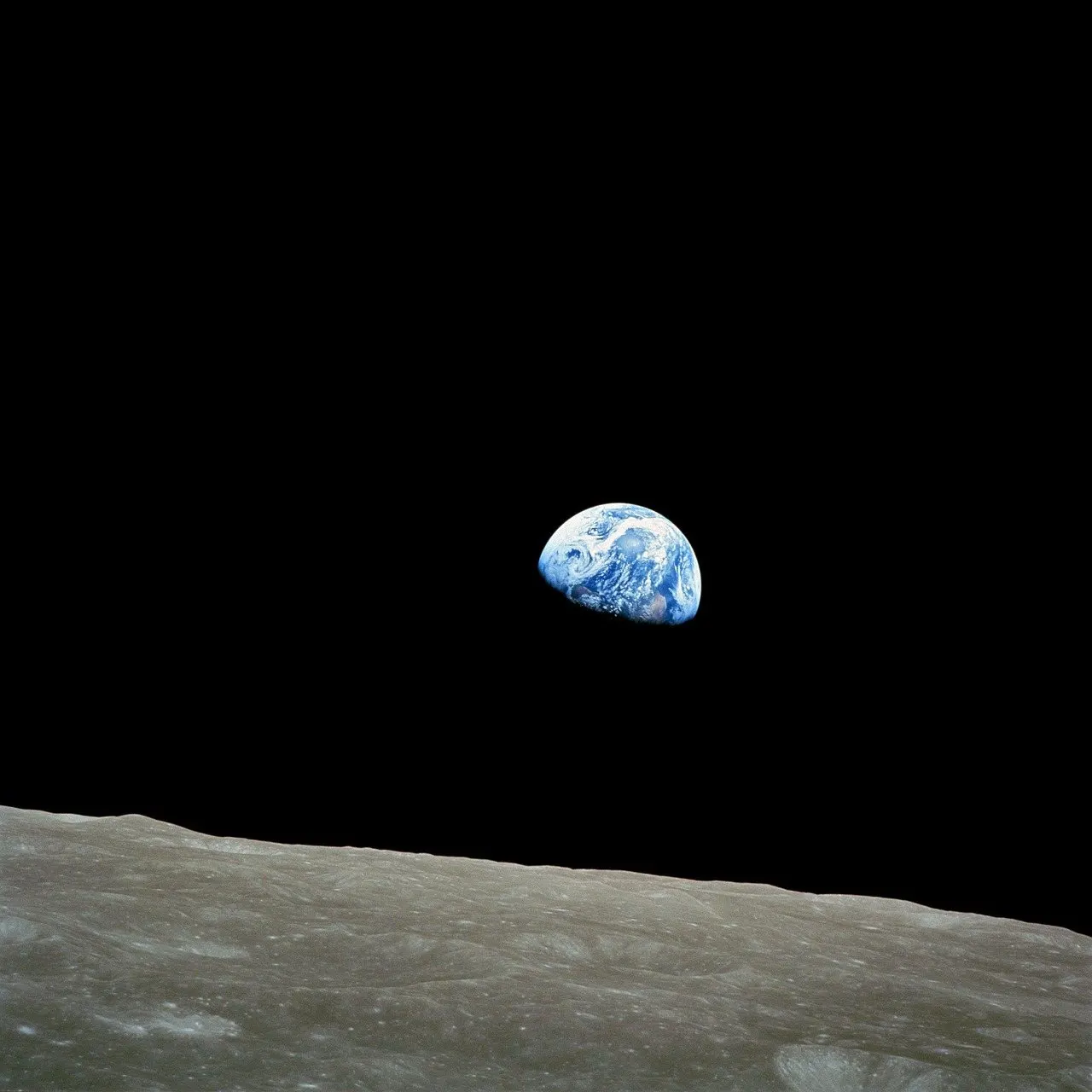
A supermoon happens when the Moon becomes full while it is near the closest part of its orbit around Earth. The Moon does not travel in a perfect circle, so some full Moons are closer to us than others. When it is close, it can look a little larger and shine a little brighter in the sky. The Beaver Supermoon is one of those close full Moons, which is why it draws so much attention. Read two very different maps for more.
The Beaver Supermoon Is the First of Four
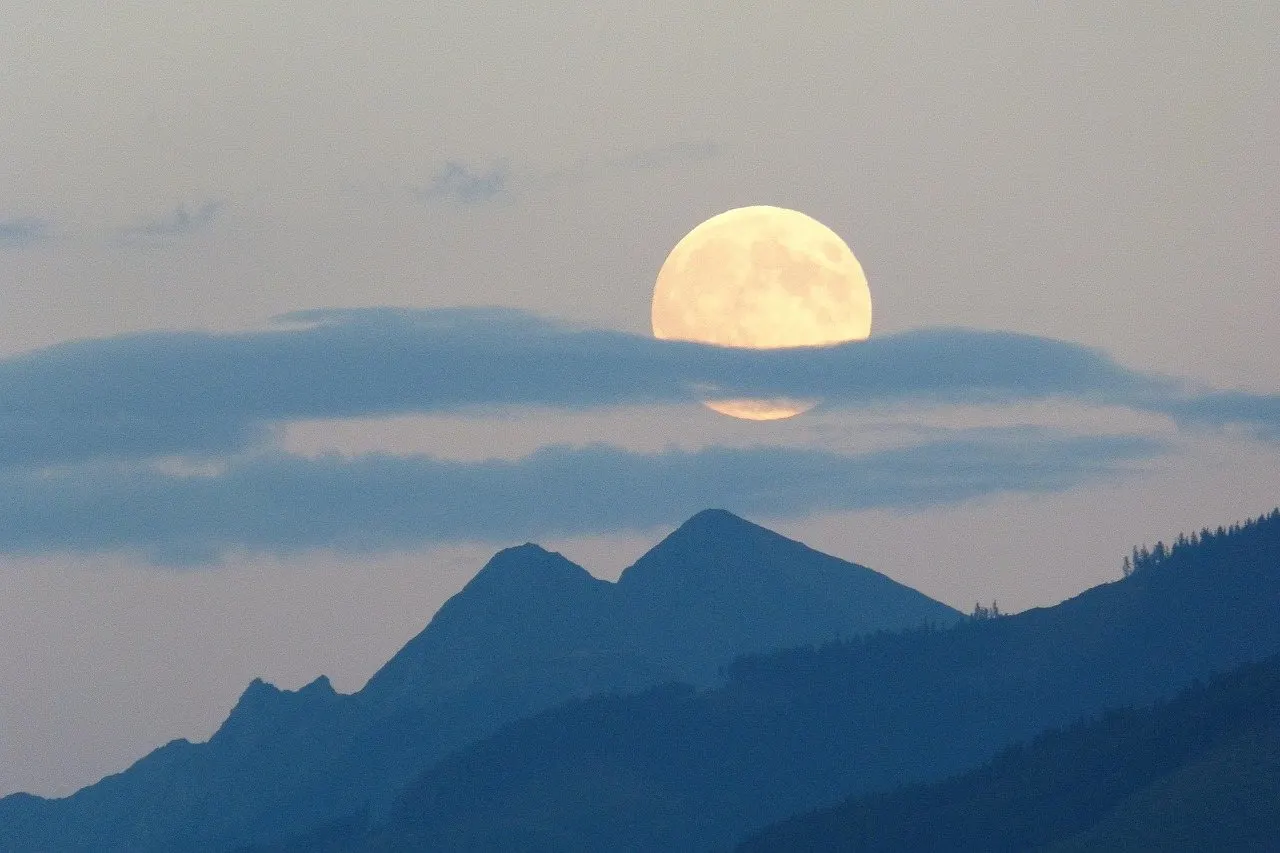
This Moon is the first of four supermoons in a row, so the night sky will stay busy as the year comes to an end. Each one arrives about a month apart as the Moon keeps circling Earth. Sky watchers can look forward to more bright evenings in the weeks ahead. It is a good reason to keep an eye on the calendar and plan a few nights outside. Enjoy a happy cat mom and her family while you plan.
Two Star Clusters Near the Full Moon
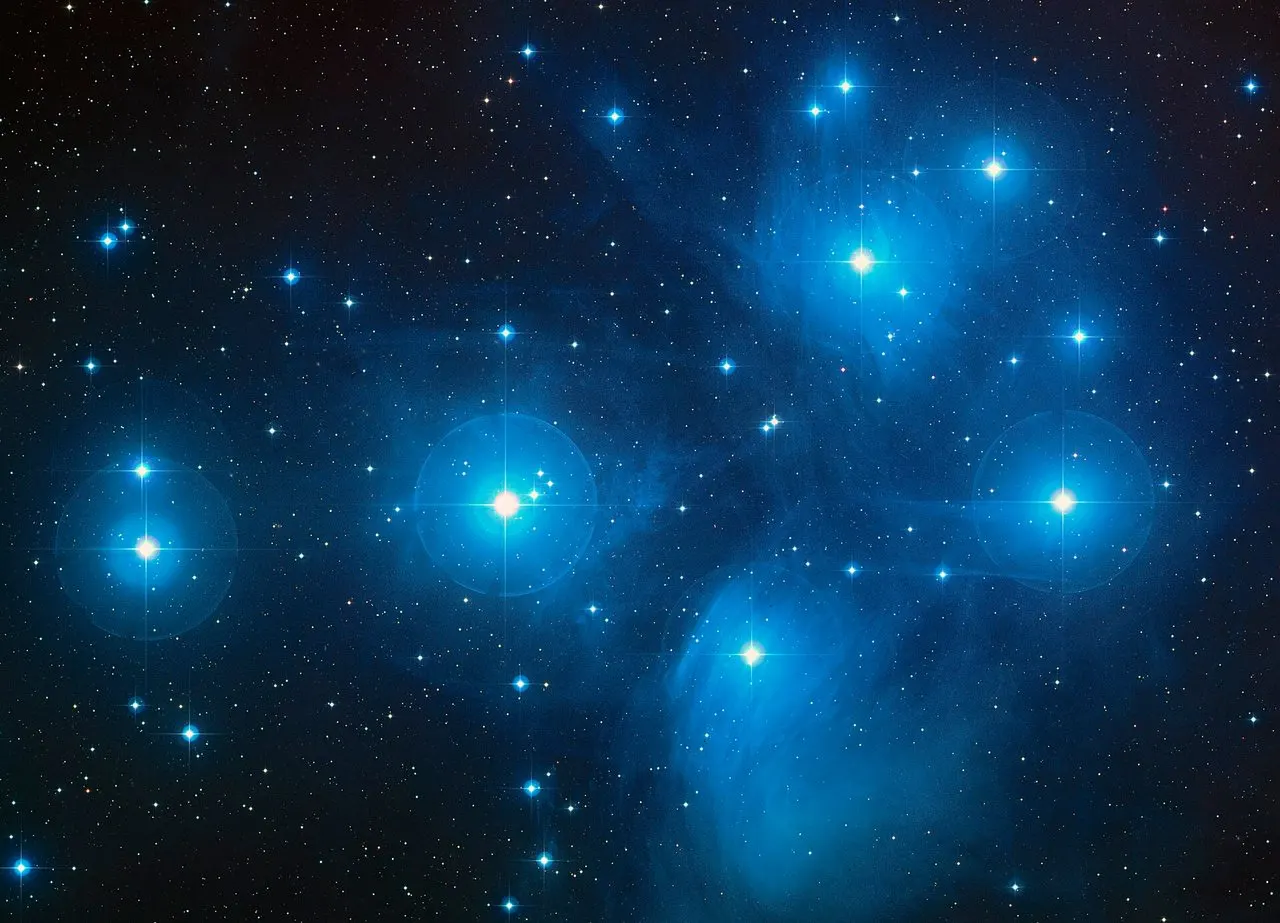
This full Moon will be near two true star clusters, which makes the night even more interesting for sky watchers. The Pleiades is a small tight group of bright blue stars that is easy to spot on a clear night. The Hyades is a wider V shaped group nearby. With a little patience you can find both of them close to the bright Moon. Learn more in a jail closure plan for 2032.
The Best Nights to Watch the Beaver Supermoon
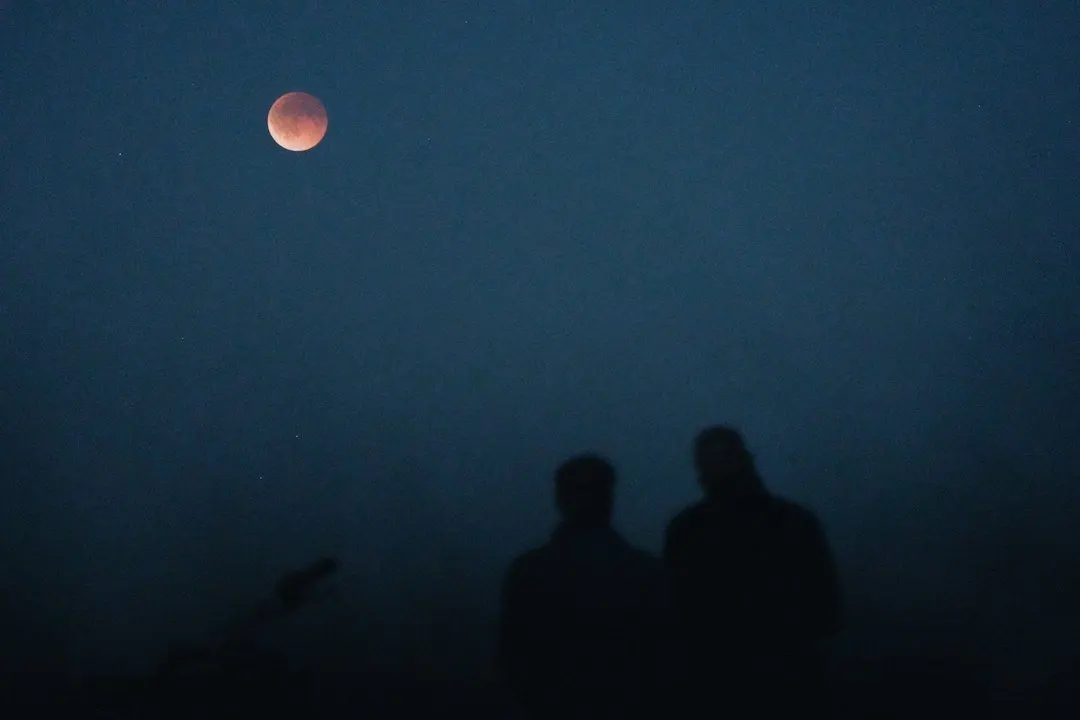
The evenings of November 23 and 24 give the best views, so mark both nights on your calendar. On the first night the Moon is nearly full, and on the second it reaches full light at about 9:54 AM EST before rising again that evening. A clear sky and an open view to the east will help you most. Bring a warm coat and a friend, and enjoy the show. For fun, read a change for about 200 workers.
How to Photograph the Moonrise
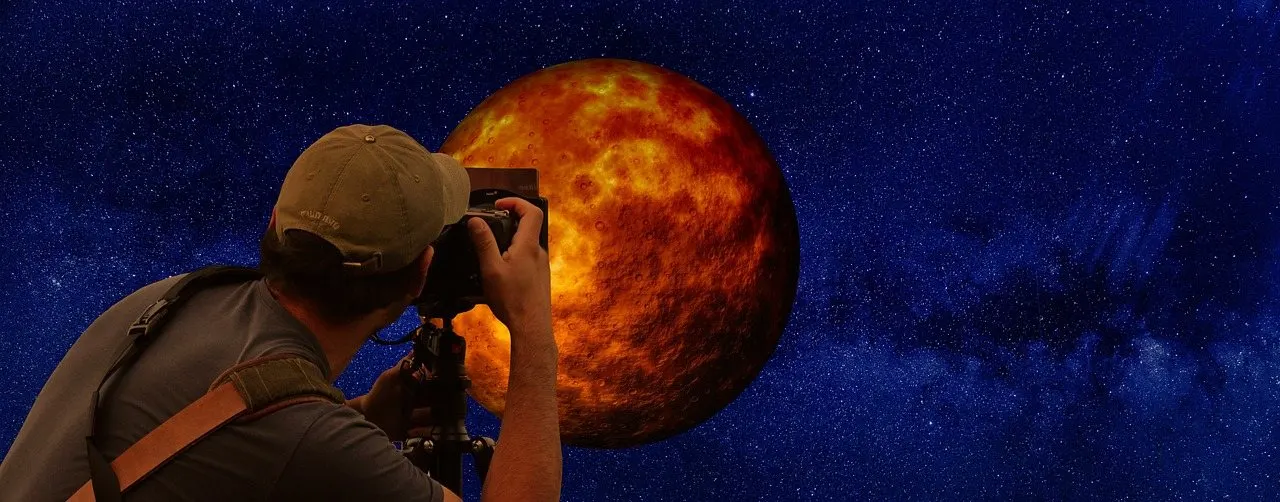
A tripod helps a lot when you photograph the Moon, because it keeps the camera still in low light. Try to include trees, hills or a rooftop in the frame so the Moon has something to sit beside. A phone camera can work well too if you tap the Moon on the screen to set the focus. Take many shots, since the light changes fast as the Moon climbs. See a wedding the couple never dreamed of for a change of pace.
A Quiet Winter Night in the Snow
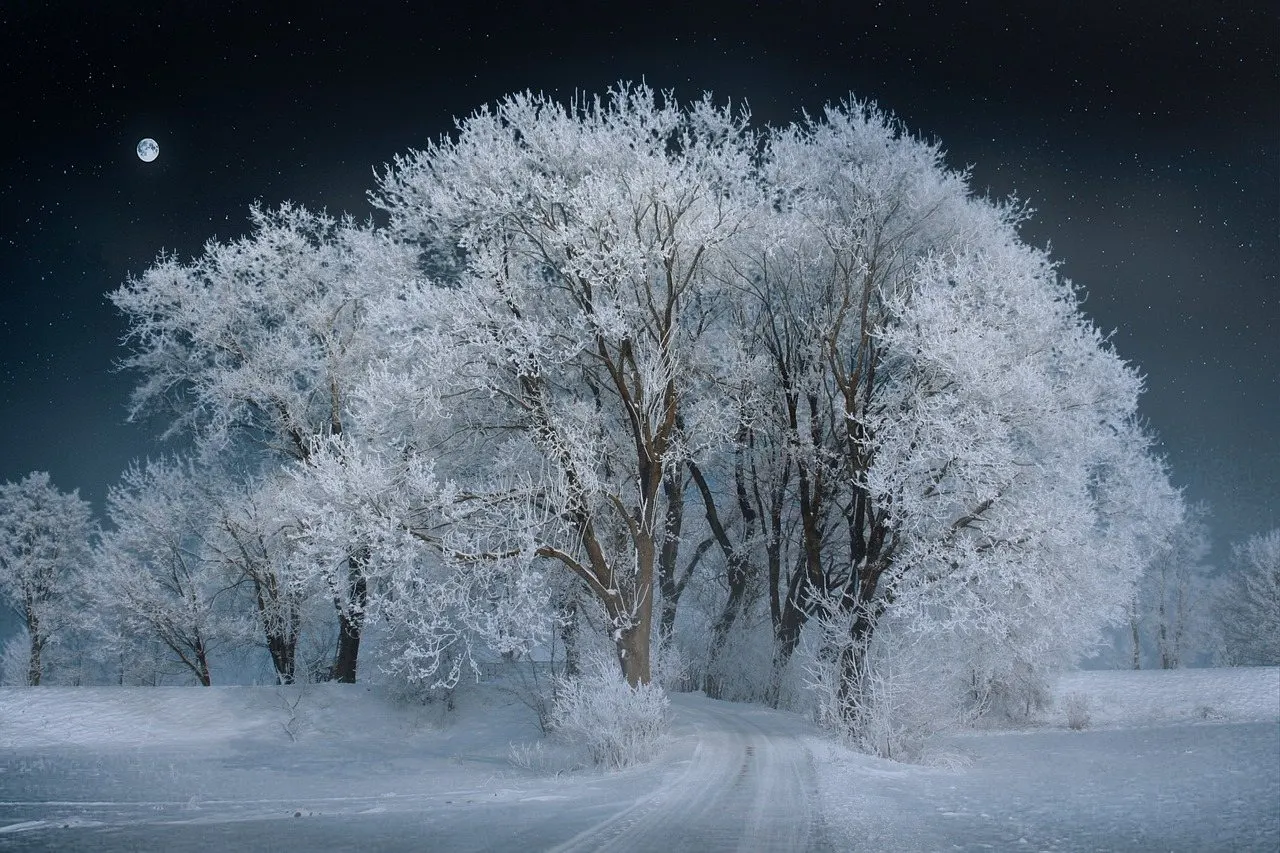
A full Moon can turn a snowy night into a soft silver world. Frost coats the trees, and every branch seems to glow. Footsteps crunch in the snow, and your breath fogs in the cold air. There is no need to hurry on a night like this. Just stand still, listen to the quiet, and let the Moon do the work. Warm up later with a drone rescue from a minefield.
The Beaver Supermoon and the Late Autumn Woods
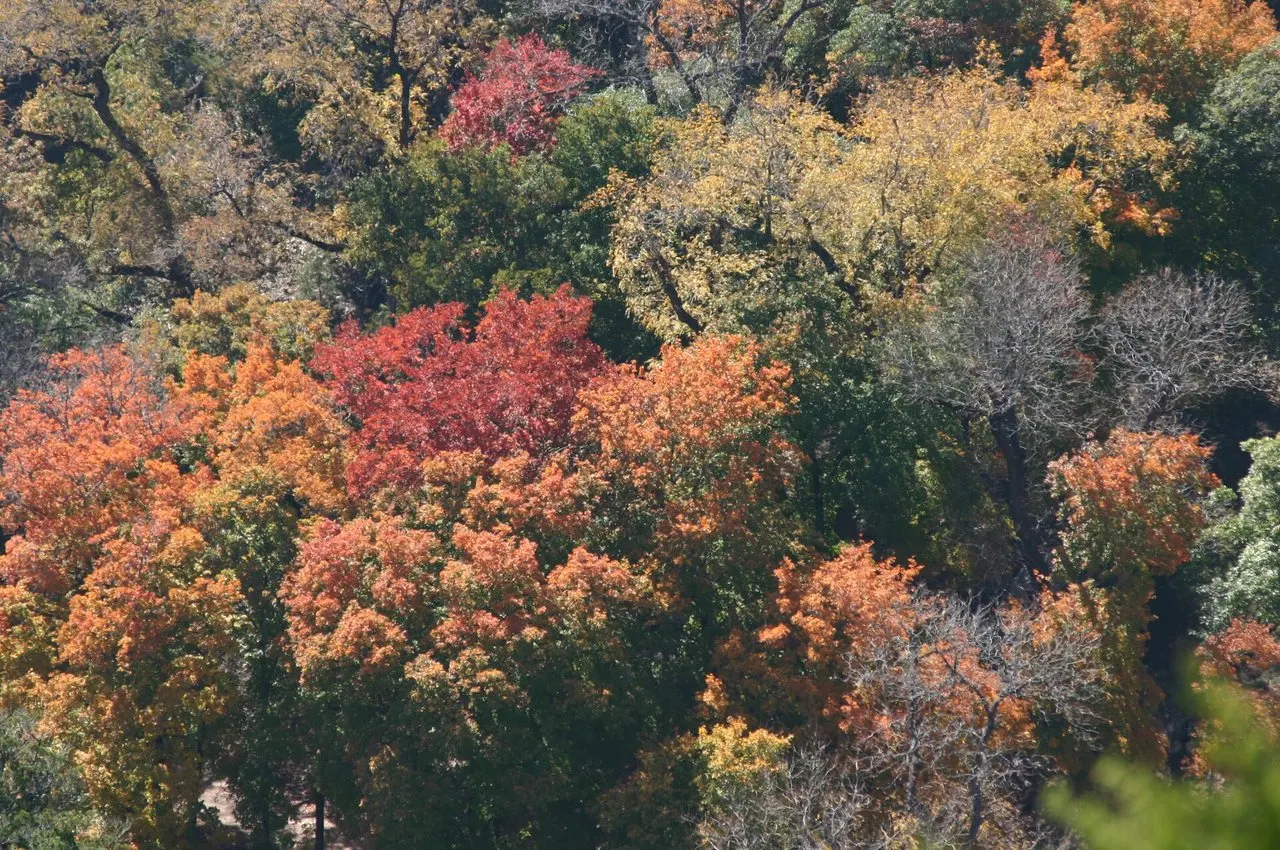
November sits between autumn and winter, and the woods show it. The last leaves are falling, the air turns sharp, and animals hurry to finish their winter stores. The Beaver Supermoon rises over this changing landscape and lights the bare branches. It is a reminder that the seasons turn on their own steady rhythm. Take a moment to read a push for safer food.
Moonlight on Still Water
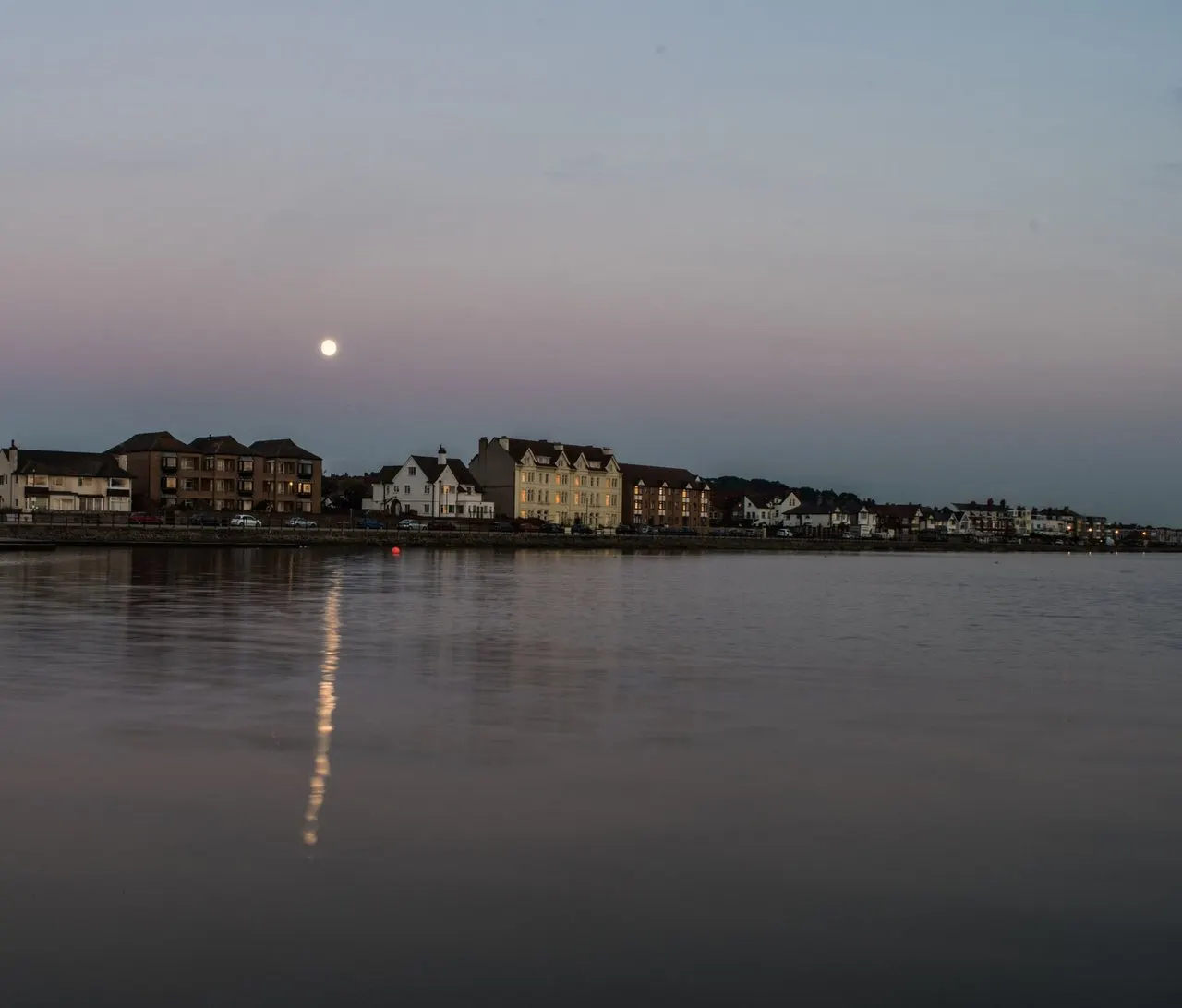
A lake on a calm night can hold a second Moon in its reflection. The bright path of light stretches across the water toward you, and it shivers a little with each small ripple. It is one of the prettiest sights of a full Moon night, and it needs no special gear to enjoy. Just find a quiet shore and look out across the water. You may also like a loyal dog and three tiny kittens.
A Telescope Brings the Moon Closer
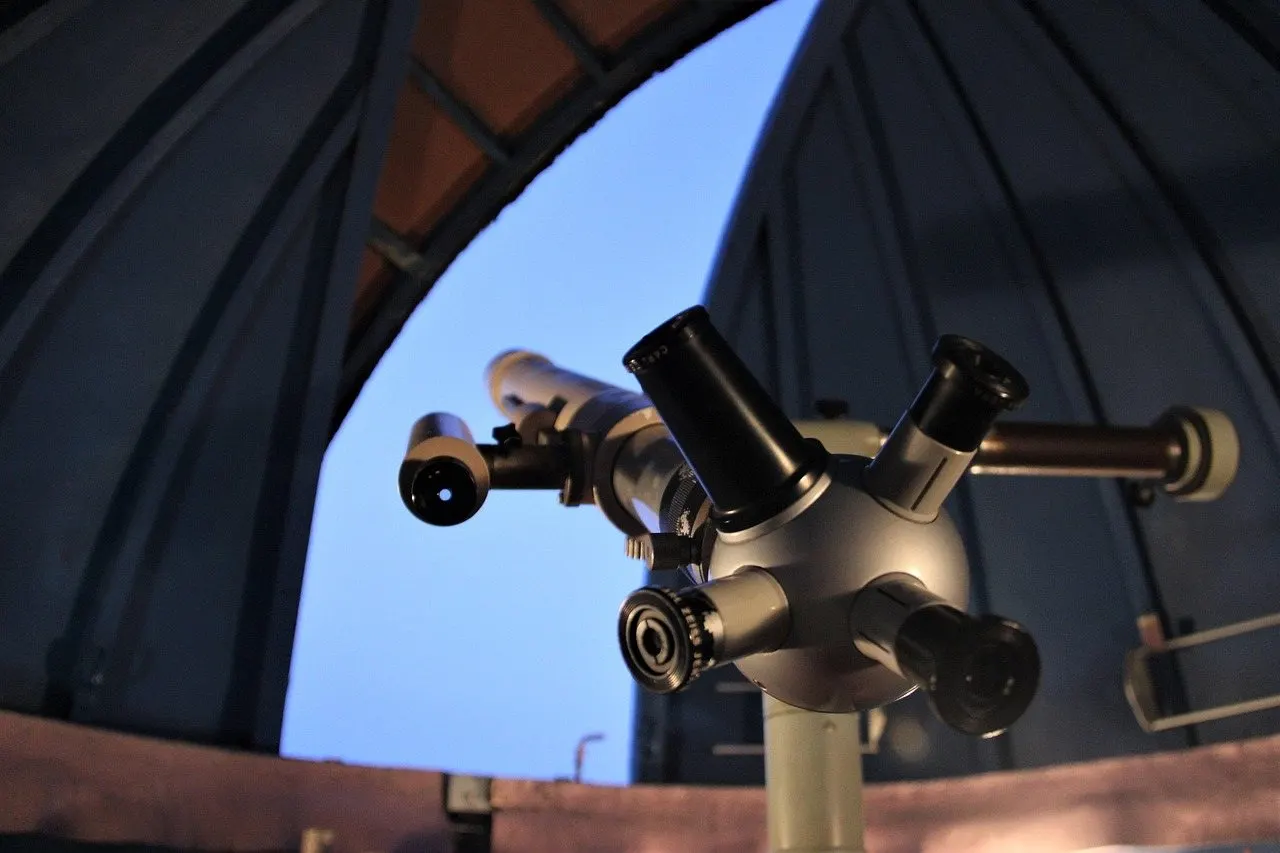
A small telescope or a pair of binoculars can turn the full Moon into a world of craters, mountains and dark plains. The edge of the Moon shows the most detail, where shadows fall across the high ground. Even a cheap pair of binoculars held steady will show more than the eye alone. It is a good way to share the night with children. Learn more from one word with two meanings.
The Beaver Supermoon and the Night Owl
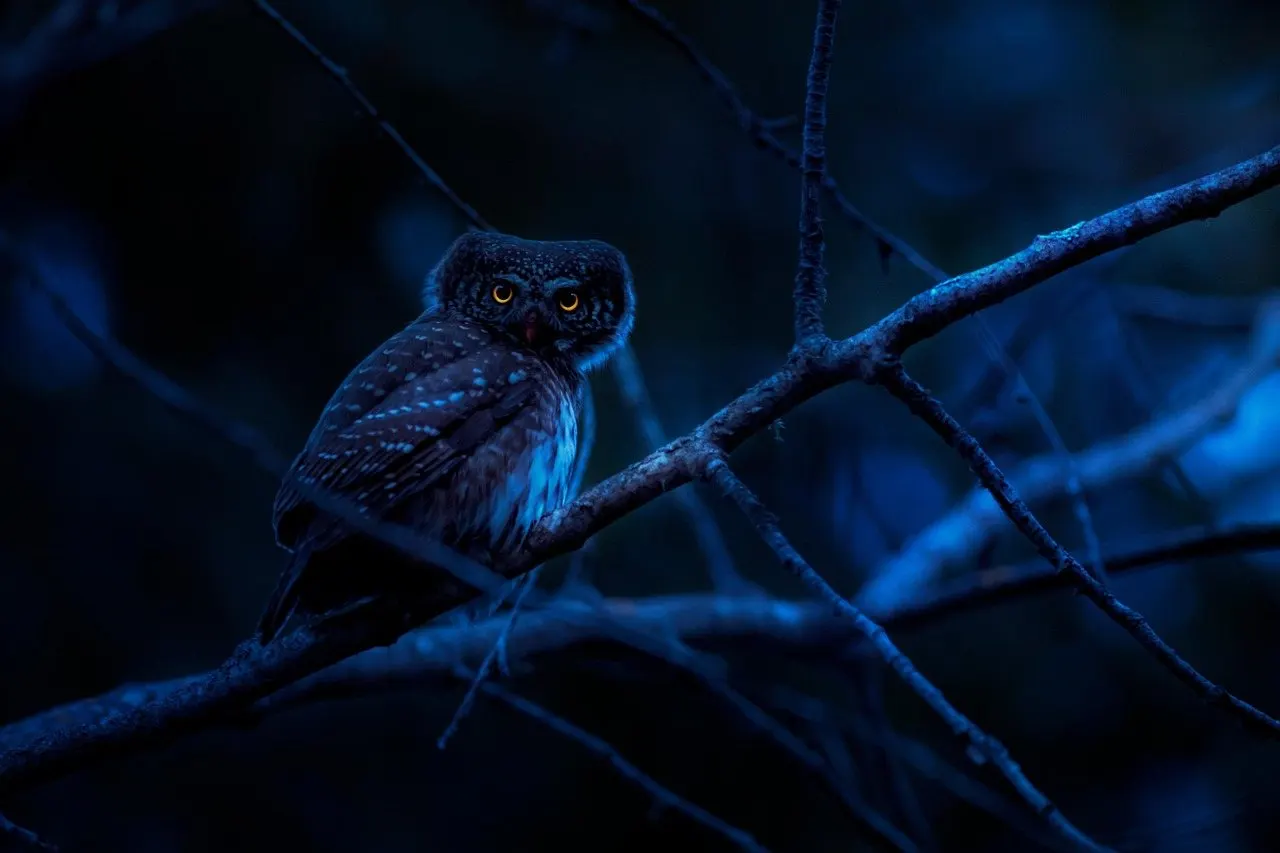
Owls hunt best on bright nights, when moonlight helps them spot small animals moving below. An owl can turn its head far around to watch the ground, and its soft feathers let it fly almost without a sound. If you are quiet in the woods on a moonlit night, you may hear a hoot from a dark branch. The Beaver Supermoon lights the hunt for these night birds. Read a peaceful home full of happy moments.
Deer in the Snow Under Moonlight
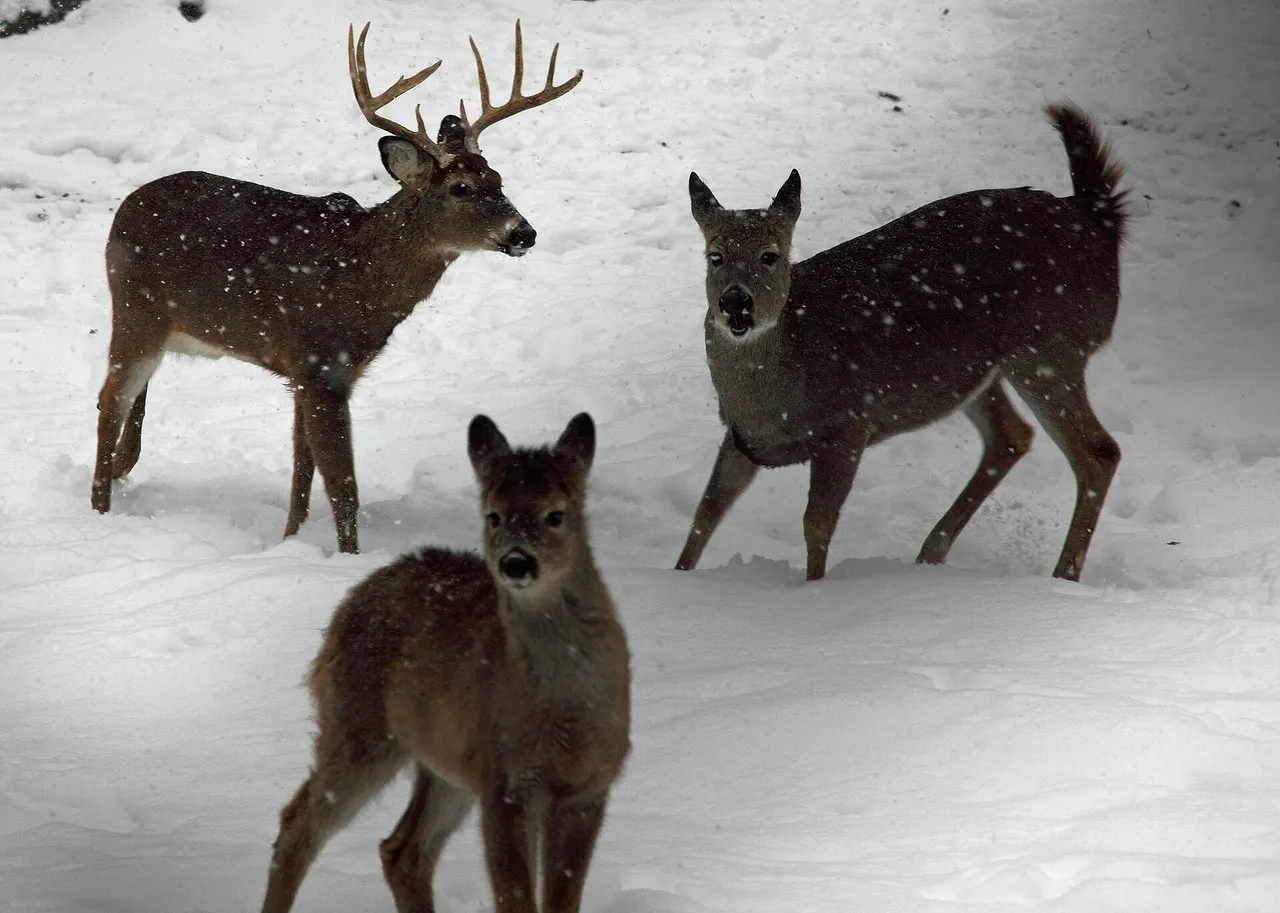
Deer move through the snowy woods in small groups, looking for food under the pale moonlight. Their coats blend with the bare trees, and they pause often to listen for danger. Winter is a hard season for them, so they save energy and stay close to shelter. A bright Moon helps them find their way on cold clear nights. For more animal stories, see a major change coming to the city.
Stars Fill the Sky Around the Moon
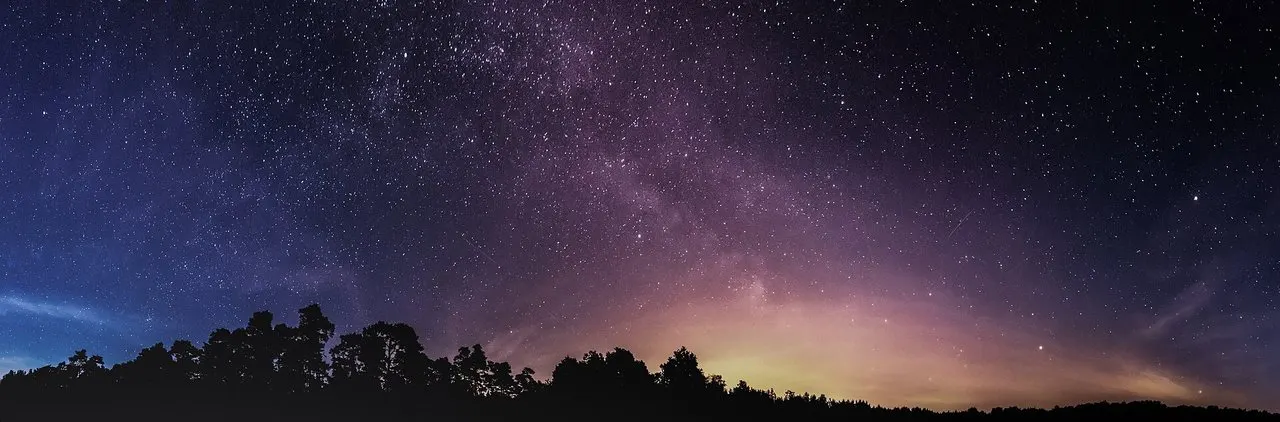
Away from city lights, the night sky around the full Moon is full of stars. The Milky Way arcs overhead like a pale river of light, and familiar patterns stand out in the dark. The Moon is so bright that it can wash out the faintest stars, so look away from it to see the most. A dark sky is a gift worth seeking out. Enjoy a new rule for city streets under the stars.
The Beaver Supermoon in the Monthly Cycle
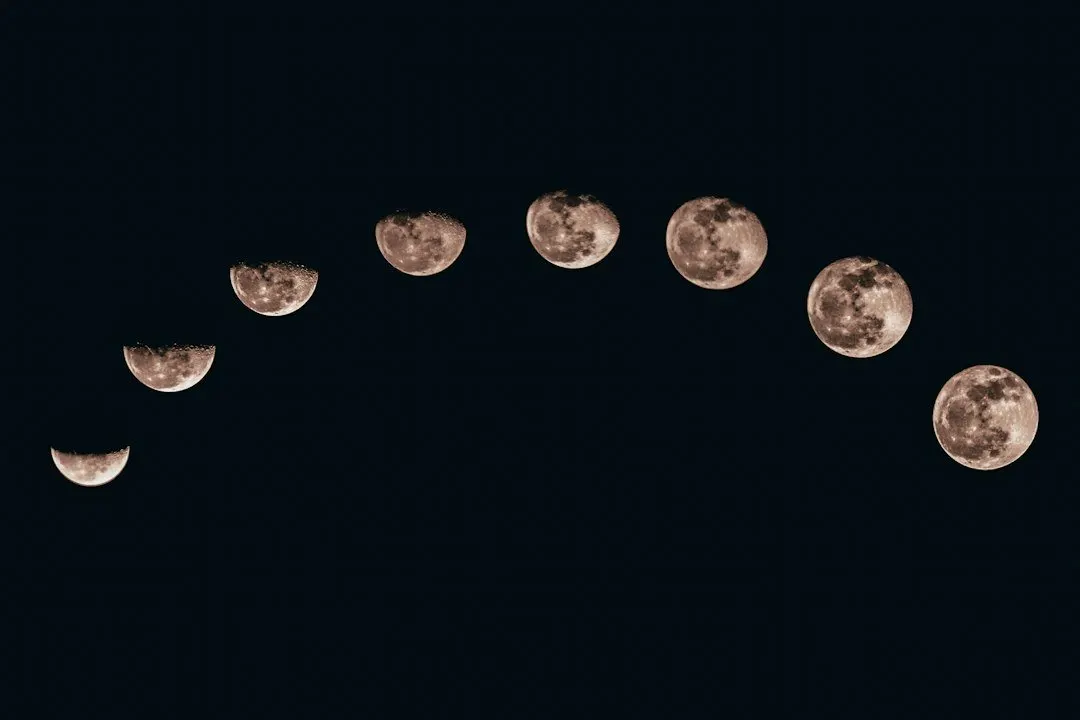
The Moon goes through its cycle about once a month, from new Moon to full Moon and back again. A new Moon is dark, a crescent grows night by night, and the full Moon is the brightest point of the cycle. The Beaver Supermoon is simply the full Moon of November, made special because it is close to Earth. Next month brings another full Moon with its own name. Read a happy month one celebration.
Sharing the Night Sky With People You Love
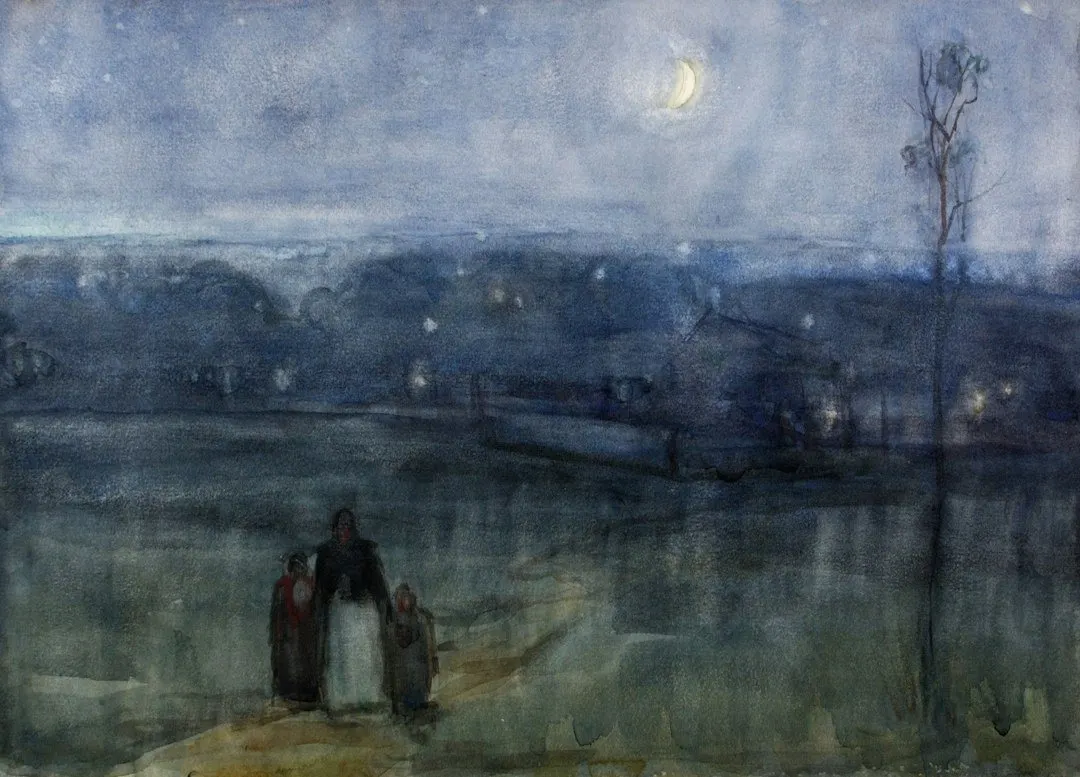
A bright Moon is better when it is shared. Call a friend, bring the children outside, or take a short walk with someone you love and look up together. Point out the star clusters near the Moon and tell the story of the beavers getting ready for winter. These small shared moments often become the ones we remember longest. See a daring medical evacuation for more shared joy.
Cold Clear Nights After the Full Moon
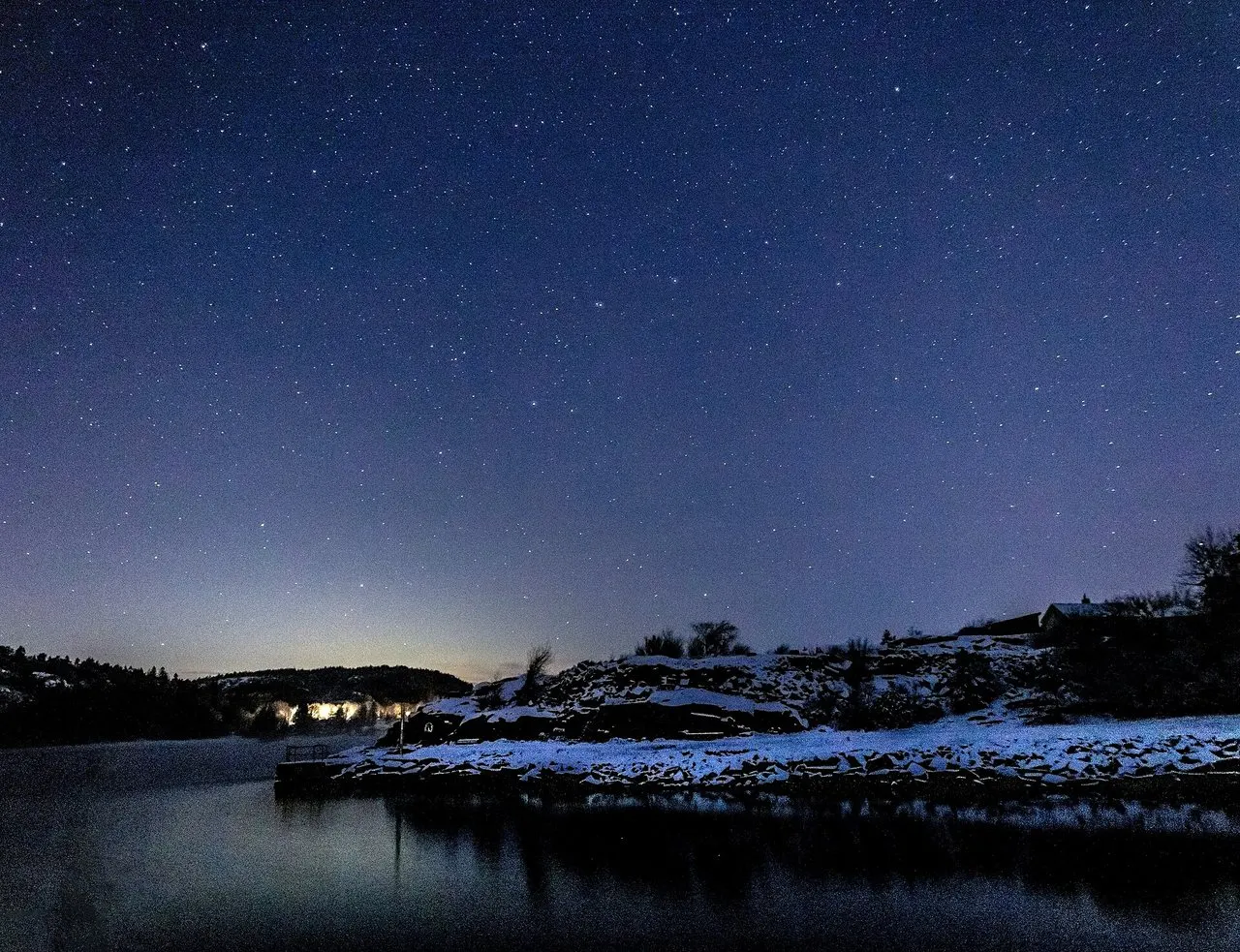
The nights after the full Moon stay cold and clear, and the Moon rises a little later each evening. The stars seem sharper in the dry winter air, and the snow keeps its glow long after sunset. With three more supermoons still to come, there will be more bright nights to look forward to. Keep your coat handy and your eyes on the sky. Read a plan to clean up American food.
When Clouds Drift Across the Moon
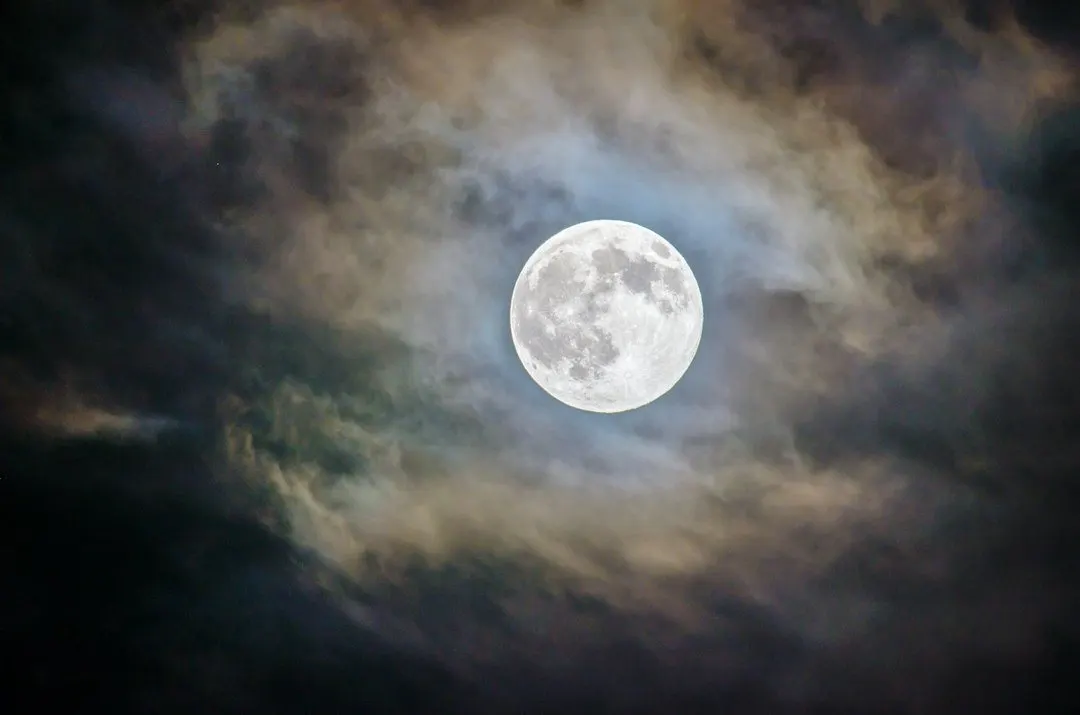
Clouds can steal the show for a few minutes, but they often make the Moon look even more beautiful. Thin clouds glow silver around the bright disc, and thick clouds can part suddenly to reveal it again. If the sky is cloudy, wait a little while, since the wind often clears a gap. Patience is part of sky watching, and the Moon is worth it. Pass the time with a heartwarming adoption story.
Will You Watch the Beaver Supermoon Tonight
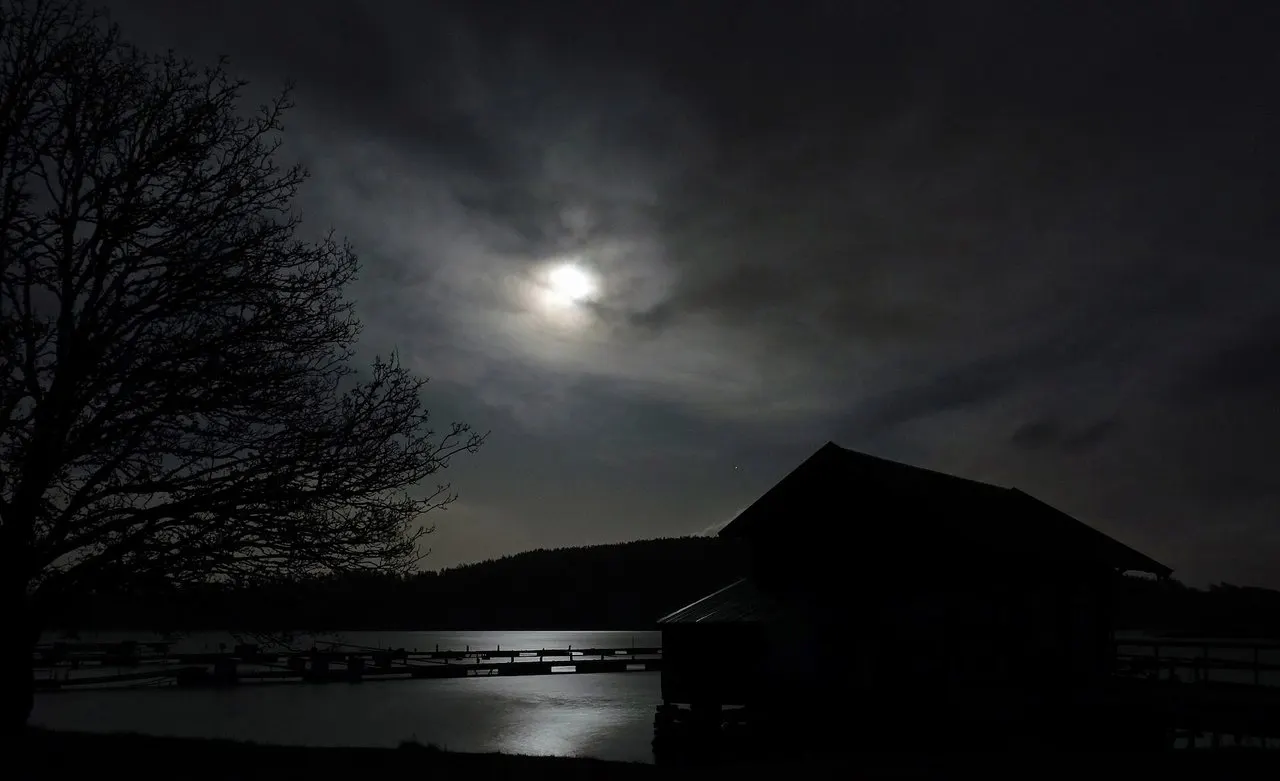
The full Moon rises on the evenings of November 23 and 24, and it is the first of four supermoons in a row. Will you step outside to watch it climb over the rooftops and trees? Will you try to take a photo, or just stand quietly and enjoy the golden light? Tell us in the comments what you saw and where you watched from. We would love to hear your story. Also read a tale of two Americas.