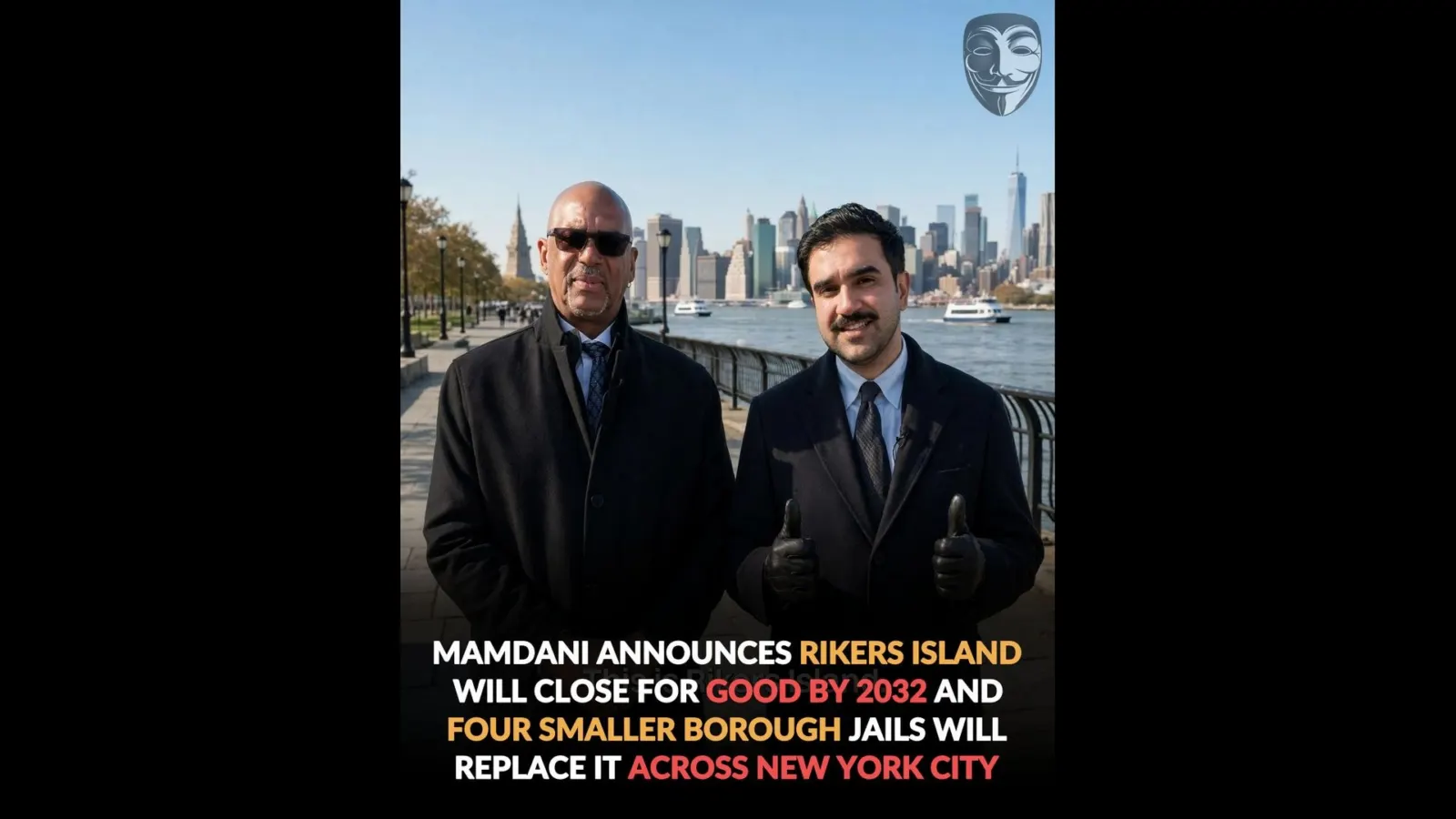
Rikers Island Closure Announced By Mayor Mamdani For 2032
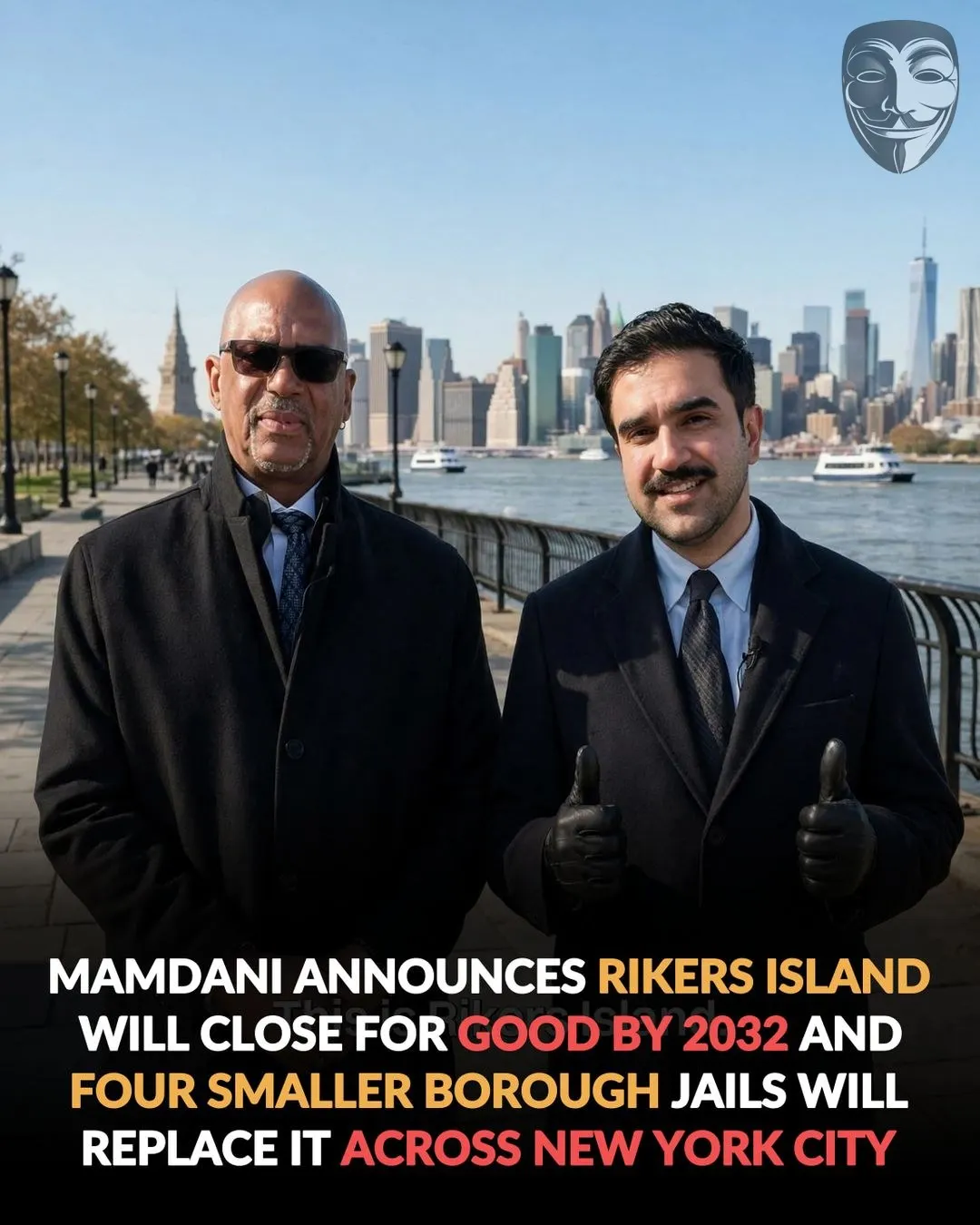
Rikers Island closure is now set for December 31, 2032, and Mayor Zohran Mamdani says the city will finally shut the island jail complex for good. He unveiled an 88 page plan that replaces the huge island complex with four smaller borough based jails spread across the city. The first new jail in Brooklyn is set to open in 2029, followed by jails in the Bronx and Queens in 2031 and a Manhattan jail in 2032. The plan marks the biggest change to the city jail system in many decades, and supporters call it historic.
Mamdani announced the plan in a video with Correction Commissioner Stanley Richards, saying the city will build a system that treats people with dignity while keeping New Yorkers safe. The plan also invests 146 million dollars in mental health care, substance use treatment and job training. Readers who follow the mayor may also enjoy the mayor’s grocery store plan for more city news.
References:
Associated Press: Mayor Zohran Mamdani sets plan to close NYC’s notorious Rikers Island j*il
Time Magazine: Mamdani Unveils Plan to Close Infamous Rikers Island, Replace It With Borough-Based Jails by 2032
Fox News: Why Mamdani’s move to close infamous NYC j*il could be massive hit that reverberates for years
Planetizen: Mamdani to replace Rikers Island with four borough-based jails
The 88 Page Plan In Brief
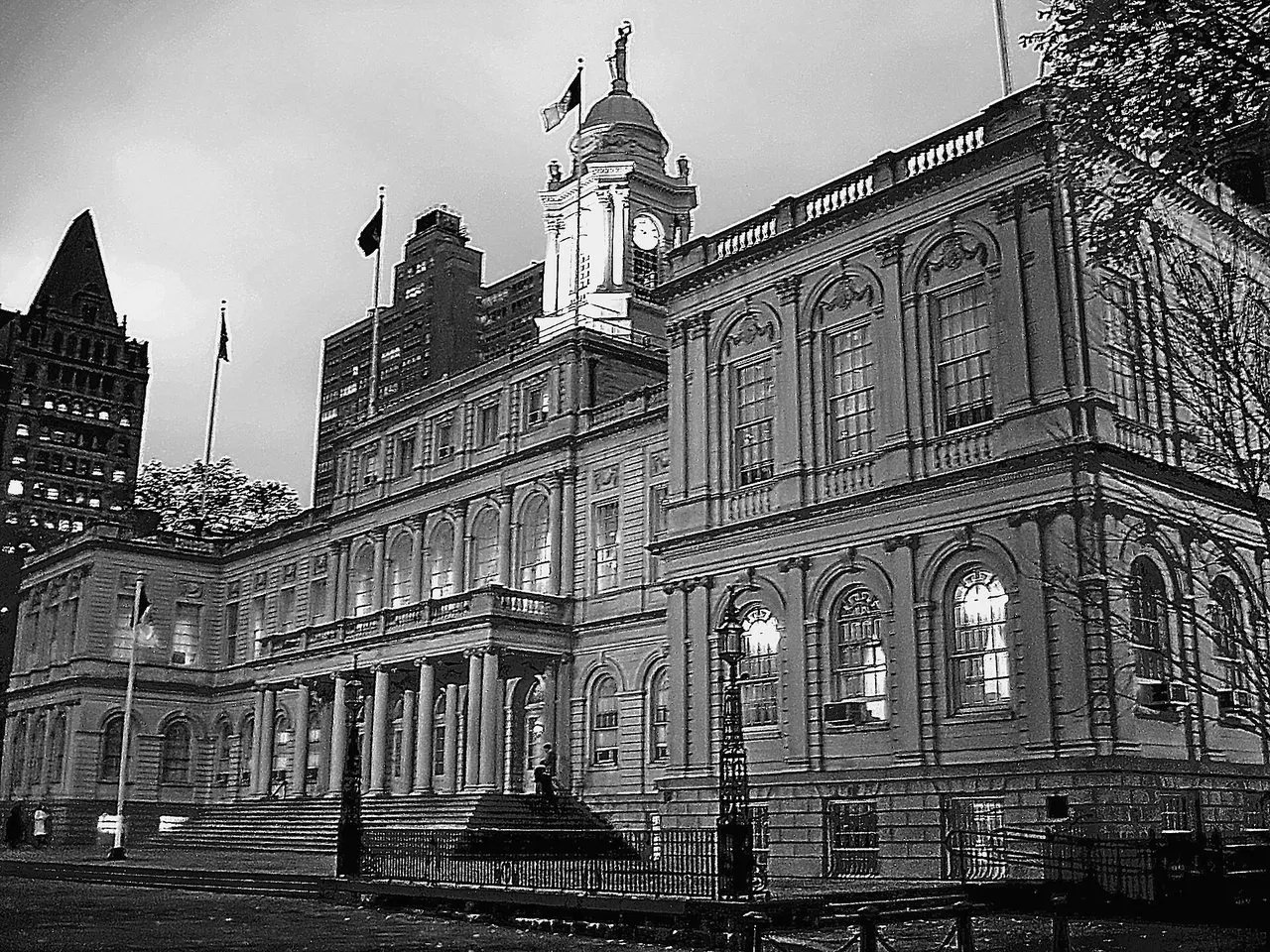
The plan runs 88 pages and lays out a step by step path to empty the island jail complex within seven years. It pairs new buildings with new services, so the change is about more than walls and beds. City officials say smaller jails near courts and families will work better than one huge island site. The plan also sets clear dates for each borough, which gives the public a way to track progress over time. For a look at other city promises, see the House speaker vote.
What Rikers Island Is
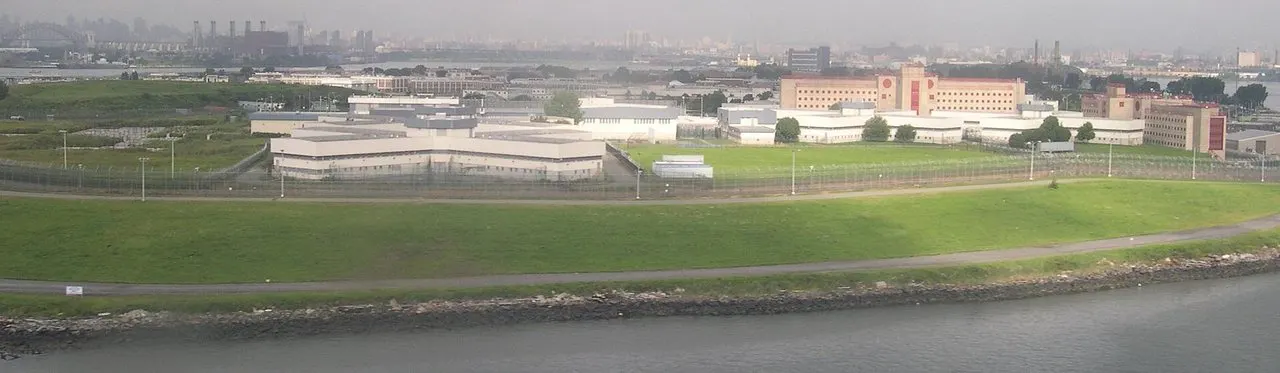
Rikers Island sits in the East River between Queens and the Bronx, and it has held New York City jail detainees since the 1930s. Over time it grew into one of the largest jail complexes in the country, with many buildings spread across more than 400 acres. Most people held there are waiting for trial, not serving long sentences after a conviction. The island can only be reached by one bridge, which has long shaped daily life there. Read the Medicare expansion plan.
Why The Rikers Island Closure Took Decades To Reach
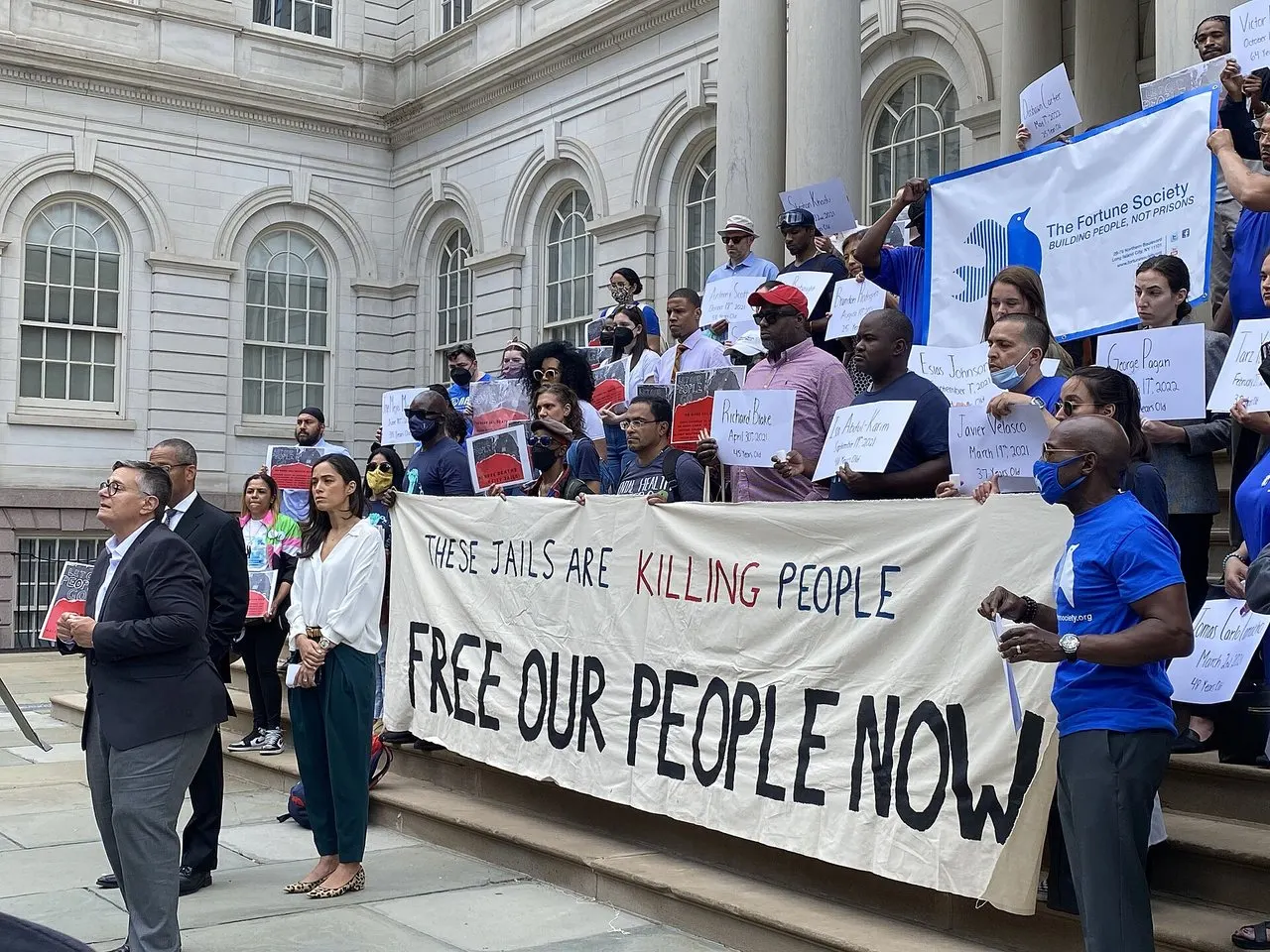
For decades, New Yorkers have demanded a correctional system that is safe and humane, in the mayor’s own words. Advocates, families and former detainees have pushed for the island jail to close, pointing to violence, poor conditions and long waits for trial. City leaders promised action before, yet the complex stayed open year after year. The new plan is the first to pair a firm closing date with funded replacement jails. See the legal fees dispute.
Four Smaller Jails In The Rikers Island Closure Plan
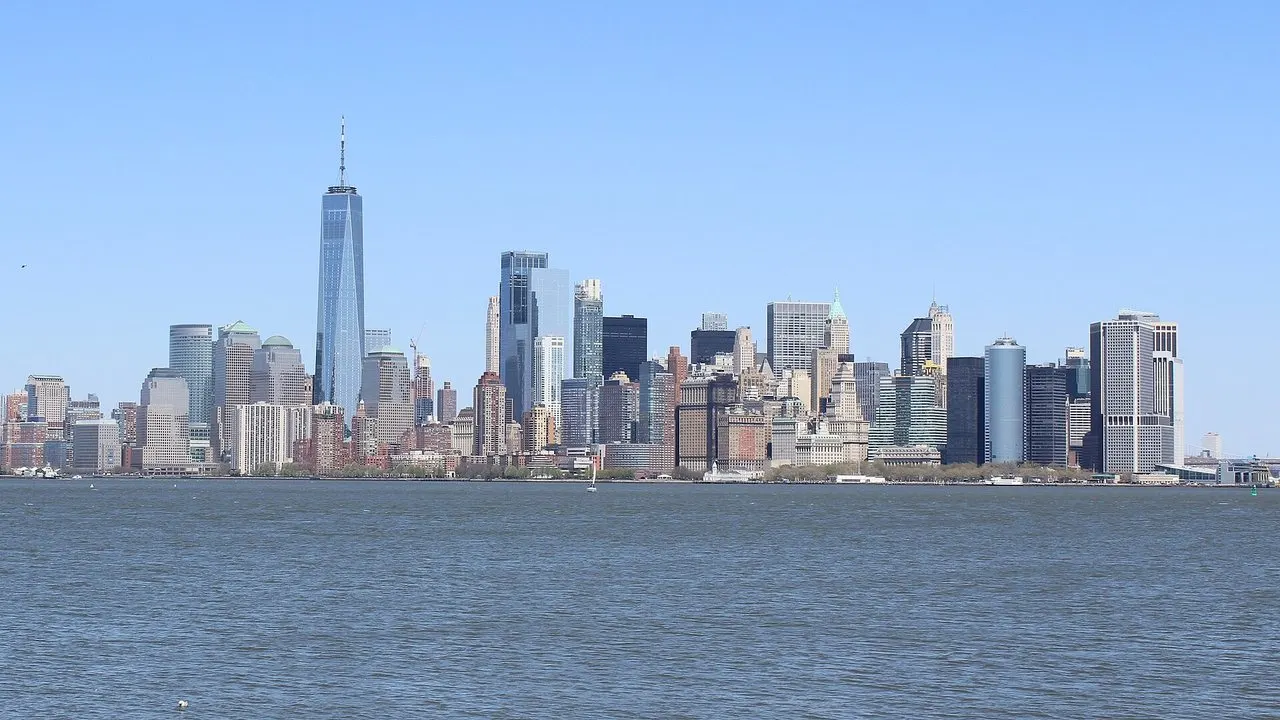
Instead of one huge island complex, the city will build four smaller borough based jails, one each in Brooklyn, the Bronx, Queens and Manhattan. Smaller buildings can sit closer to courts, lawyers and families, which makes visits and court trips far easier. The mayor says the new jails will be safer and more humane than the old island site. Each jail will hold fewer people, and staff will be able to give detainees more attention. Read the measles outbreak.
Brooklyn Jail Opens First In 2029
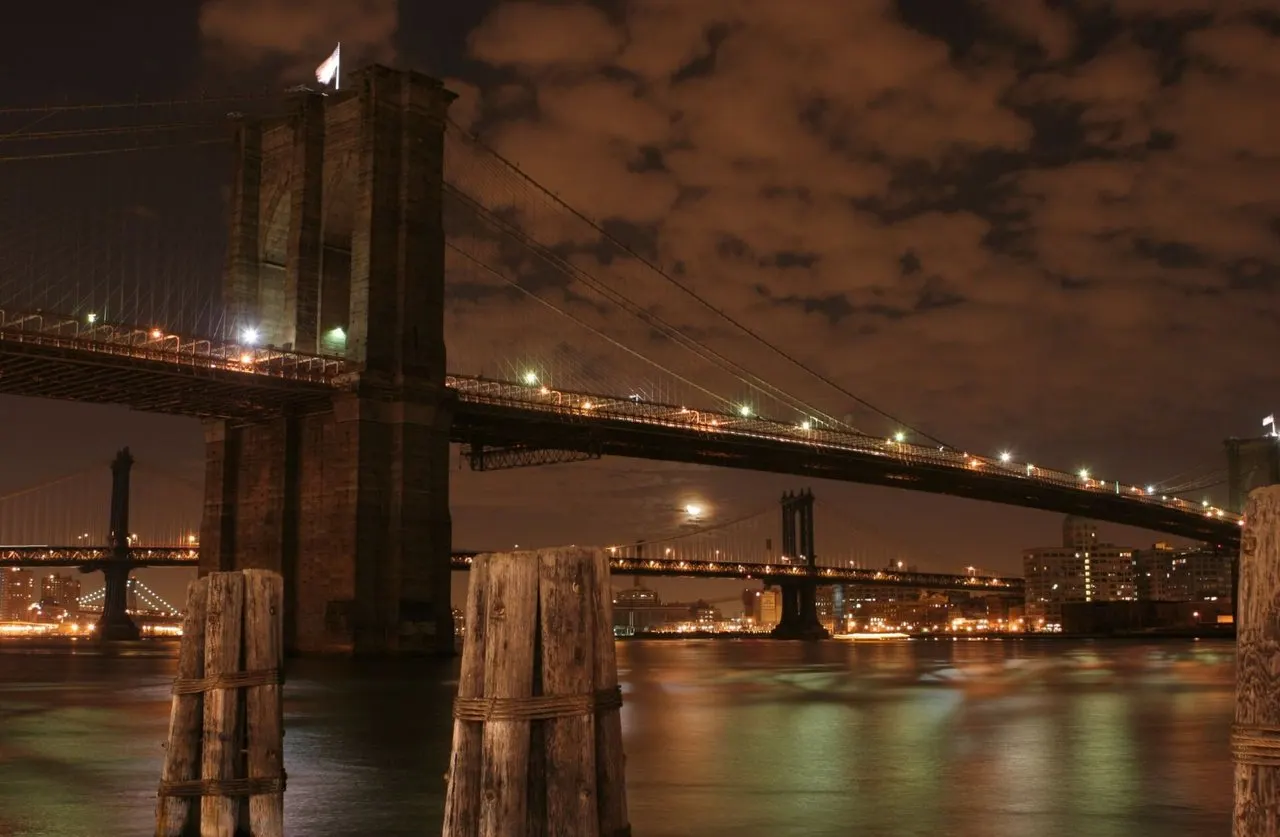
Brooklyn will host the first of the four new jails, with an opening set for 2029. That date comes three years before the island complex is due to close, which gives the city time to move people and test the new building. A Brooklyn site also puts detainees close to the borough courts and their families. The opening will be the first clear sign that the plan is real and moving forward. See what MAGA promised and delivered.
The Bronx Jail In The Rikers Island Closure Plan Follows In 2031
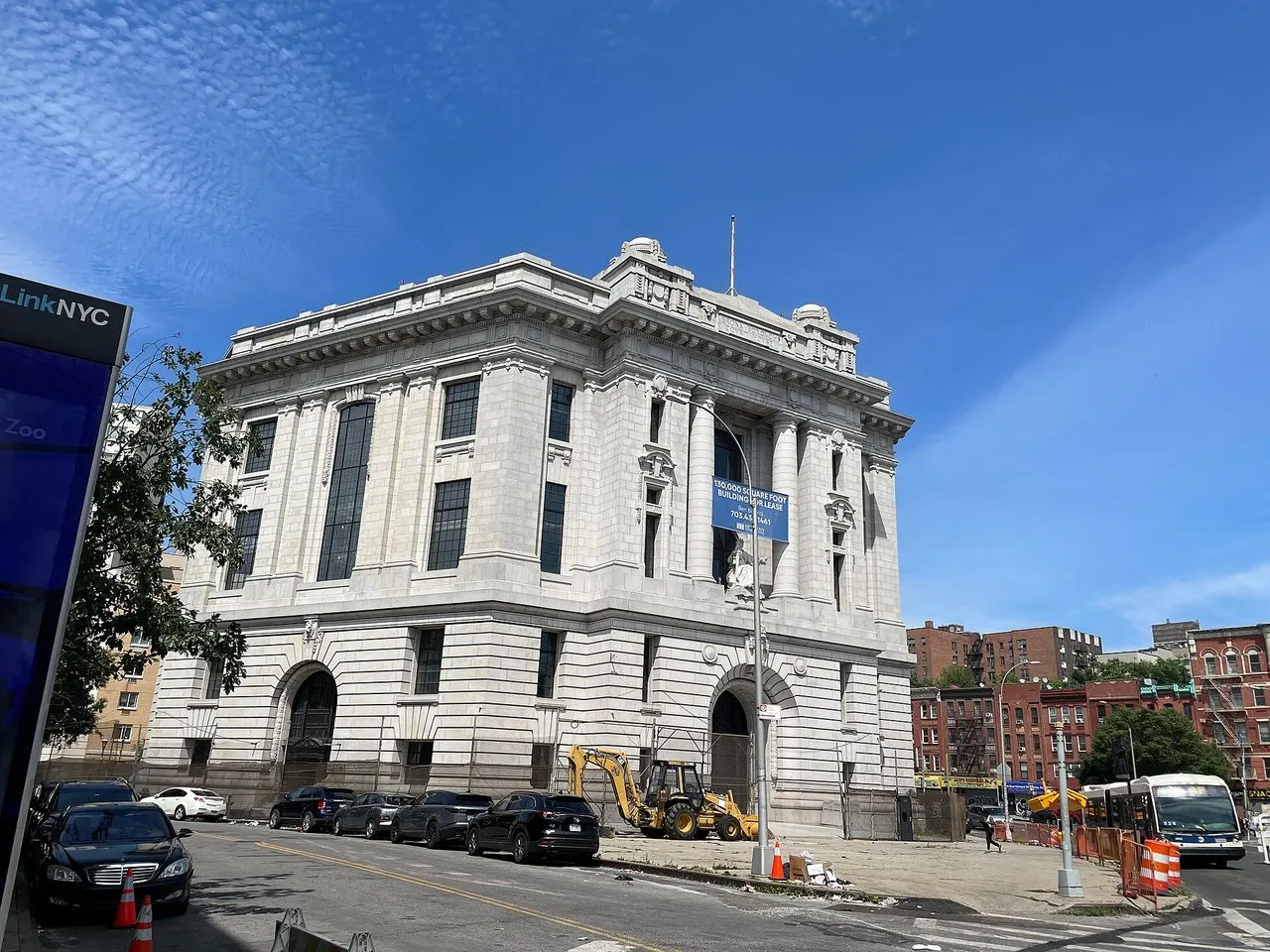
The Bronx jail is set to open in 2031, two years after the Brooklyn building. That timing keeps the plan moving in steady steps instead of trying to open everything at once. A Bronx site means detainees from the borough can stay near home, near family and near the courts that handle their cases. Local jobs and services should also grow around the new building. Read the mayor recall effort.
Queens Gets Its Jail In 2031 Too
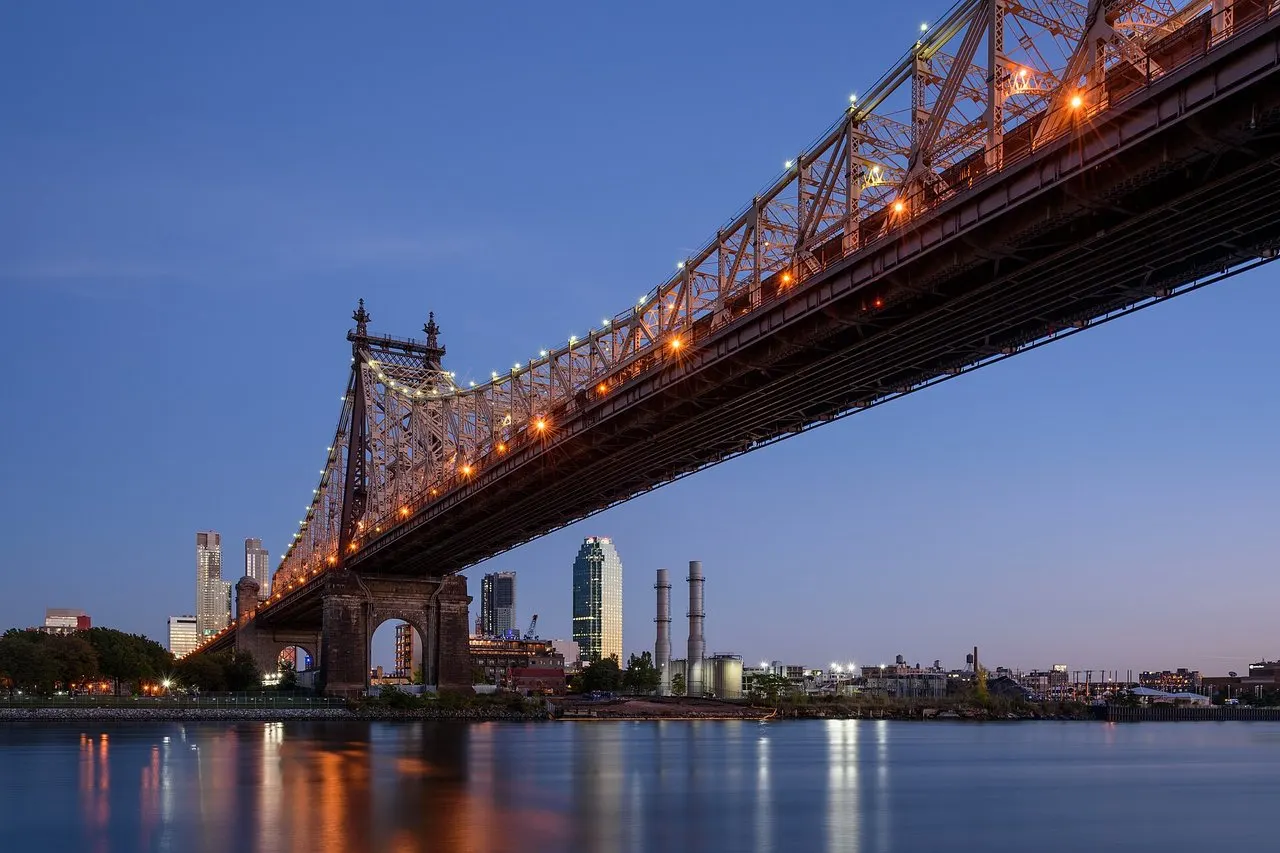
Queens will also get its new jail in 2031, the same year as the Bronx. Two openings in one year will mark the busiest phase of the whole plan. Queens is home to many of the people now held on the island, so a local jail will cut long trips for families and lawyers. The borough jail will be far smaller than the island complex it helps replace. See the Voyager 1 milestone.
Manhattan Jail Completes The Set In 2032
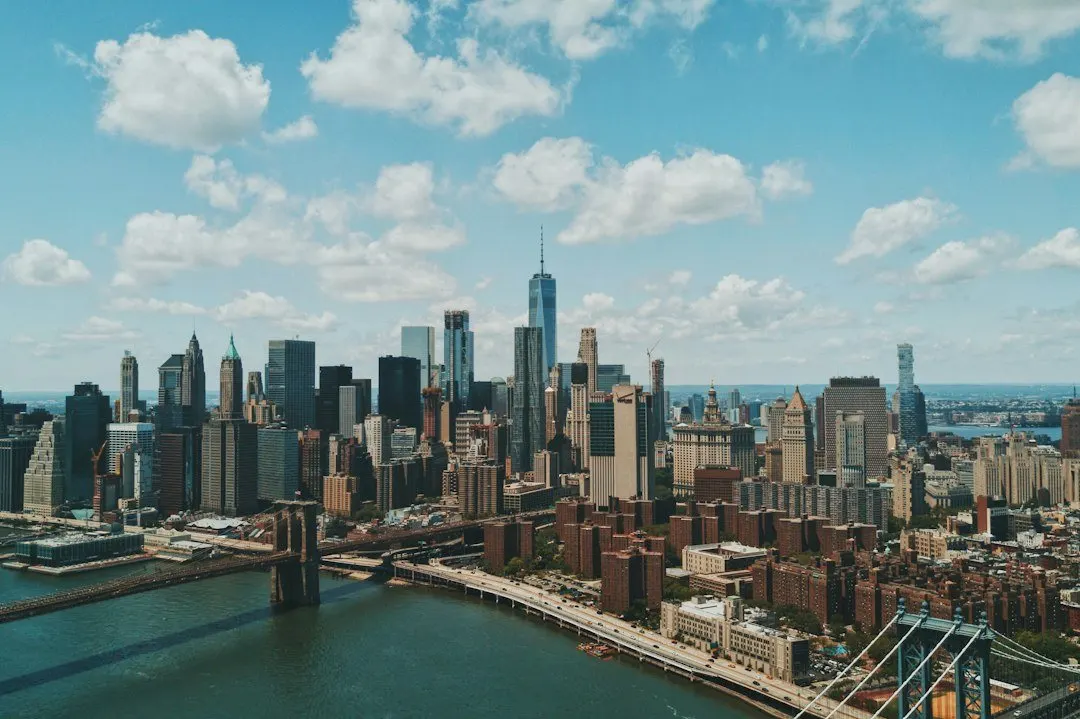
The Manhattan jail is the last of the four, set to open in 2032, the same year the island complex closes. Its opening completes the new system and lets the city shut the old site for good. Manhattan courts handle a large share of cases, so a jail nearby will ease transport and speed up court dates. The final opening is the moment the whole plan comes together. Read the arrest case.
December 31 2032 Is The Rikers Island Closure Deadline
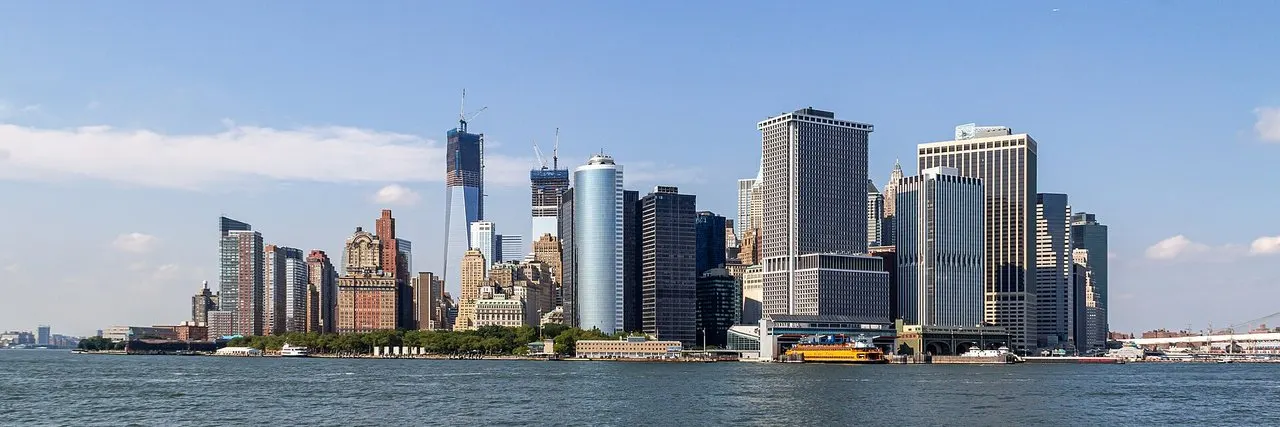
December 31, 2032 is the date the mayor has set for the island complex to close totally. A fixed date matters because past promises to close the jail came without one, and the complex stayed open. The date gives every agency a clear target, from builders to court staff to health workers. It also lets the public judge whether the plan is on track. See the medical breakthrough.
146 Million Dollars For Support And Services
The plan invests 146 million dollars in the supports that help people stay out of jail once they leave. That money is not for walls or cells, but for care and training that can change lives. City officials say the funding shows the plan is about people, not only buildings. The sum will be spread across mental health care, substance use treatment and job training. Read the Sunday chores pup.
Mental Health Care At The Heart Of The Plan

Mental health care gets a large share of the new funding, because many people in city jails live with mental illness. The plan aims to give them treatment instead of leaving them to struggle alone in a cell. Better care inside the jails and after release can cut the chances that someone returns. It is a kinder approach, and the mayor says it also keeps the city safer. See the healthy workplace story.
Help For Substance Use Treatment
Substance use treatment is the second part of the support package, and it reaches people whose drug or alcohol use played a part in their arrest. Treatment programs can help people get steady, find work and rebuild ties with family. The city says this kind of help breaks the cycle that sends the same people back to jail again and again. It is care with a clear public safety goal. Read the CEO return story.
Job Training To Break The Cycle
Job training is the third part of the package, and it may matter most after release. A person who leaves jail with a skill and a job has a far better chance of staying free. Training programs teach trades and work habits, and they link people to employers who will hire them. The mayor says the goal is to break the cycles of incarceration for good. See the trilateral summit.
Fewer People Behind Bars Under The Rikers Island Closure
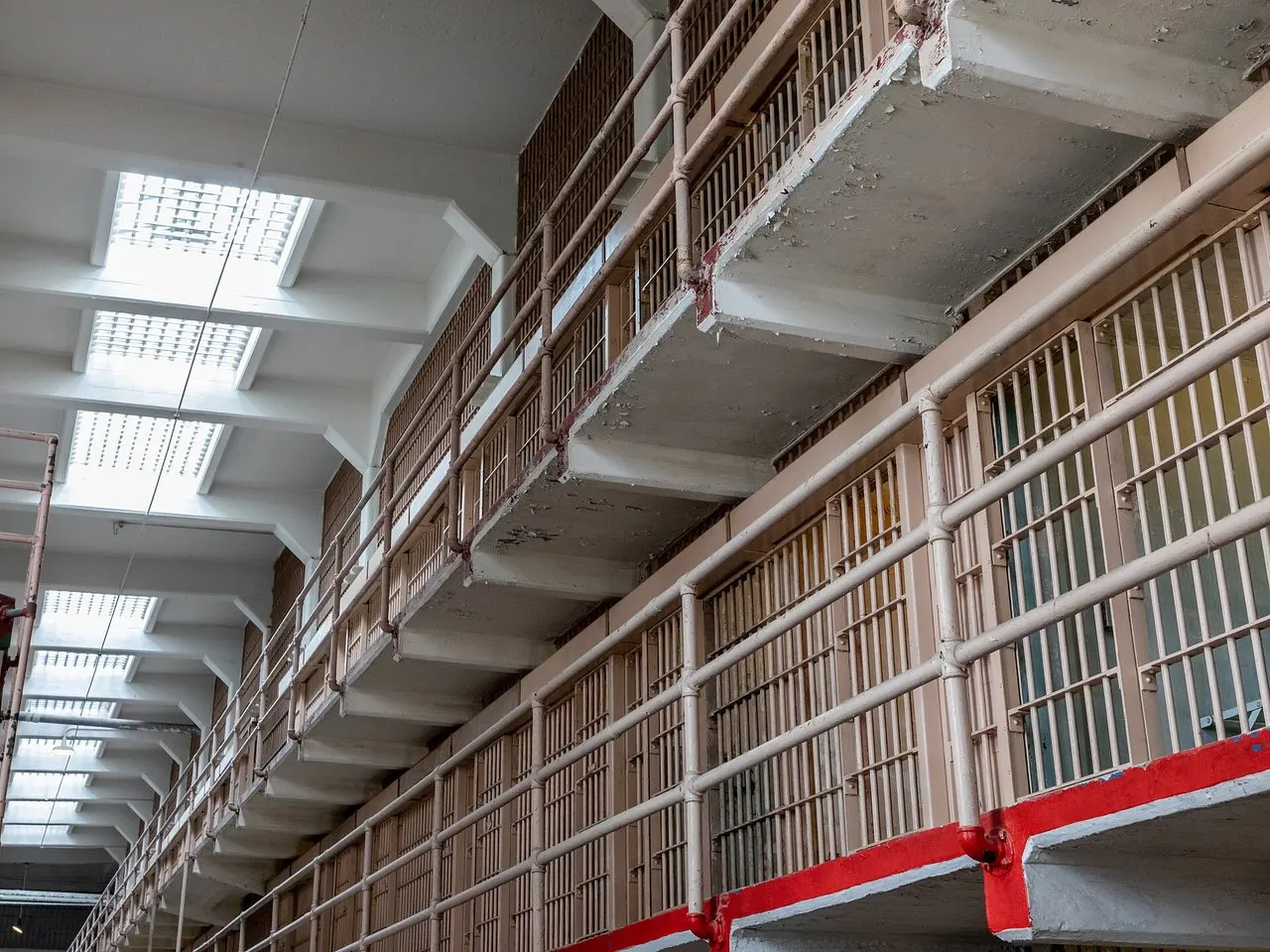
The plan aims to cut the jail population from about 6,700 people to around 4,100. That is a drop of more than a third, and it is one of the boldest numbers in the whole plan. Fewer people in jail means less crowding, calmer housing units and more time for staff to help each person. The drop will come from fewer pretrial detentions and faster case handling. Read the UN vote.
Shorter Waits And Fewer People Held Before Trial
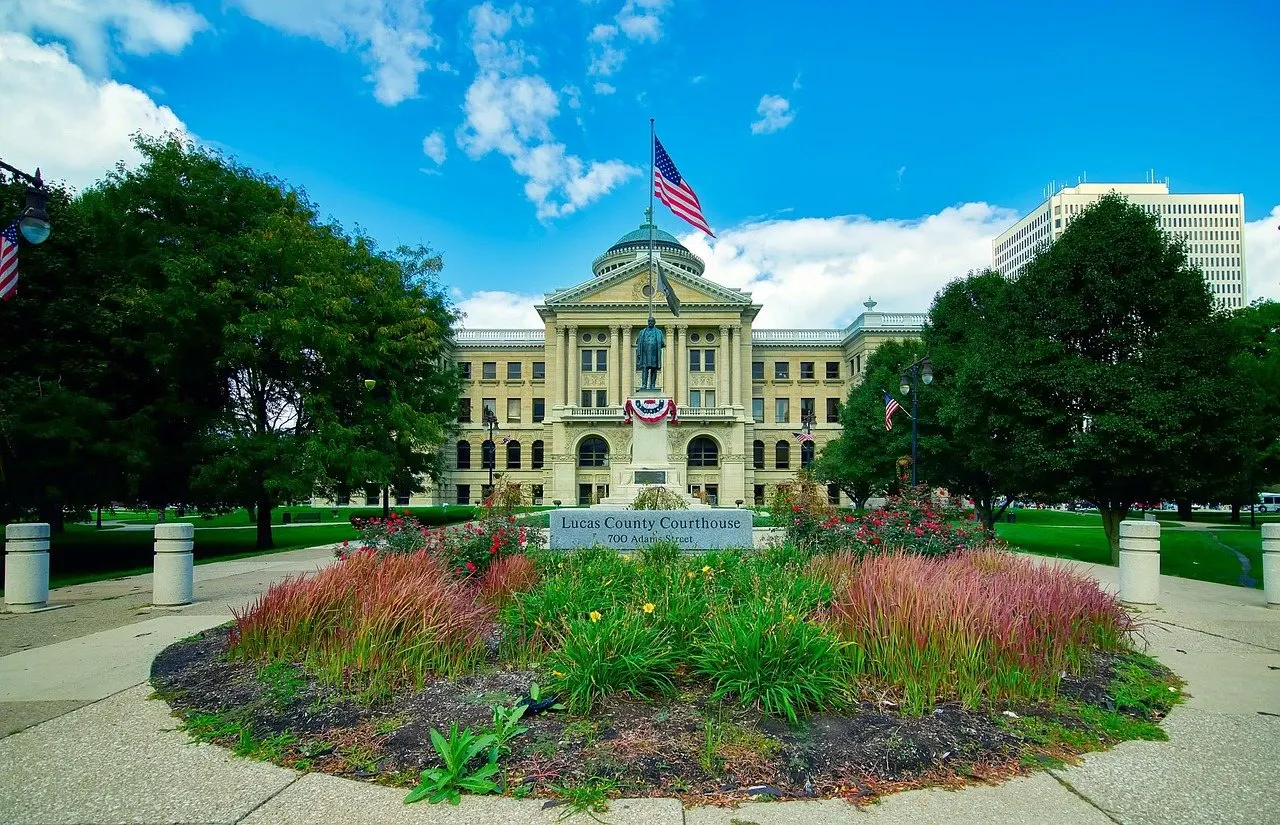
Reducing pretrial detention is a core goal, because most people on the island have not been convicted of a crime. They are waiting for trial, sometimes for months or years, while their lives stall. The plan pairs smaller jails with faster courts, so fewer people sit in a cell while presumed innocent. That change alone would reshape daily life in the system. See the mayor’s grocery store plan.
Tackling Case Delays And The Right To A Speedy Trial
Case delays are a big reason the island jail stays full, and the mayor says the plan will tackle them head on. When cases drag on, people wait in jail for a trial that may be months away, which denies them their right to a speedy trial. Faster courts, better scheduling and smaller jails near courthouses should all help cases move. The result should be fewer people held for long stretches before trial. Read the House speaker vote.
Commissioner Stanley Richards Stands With The Mayor
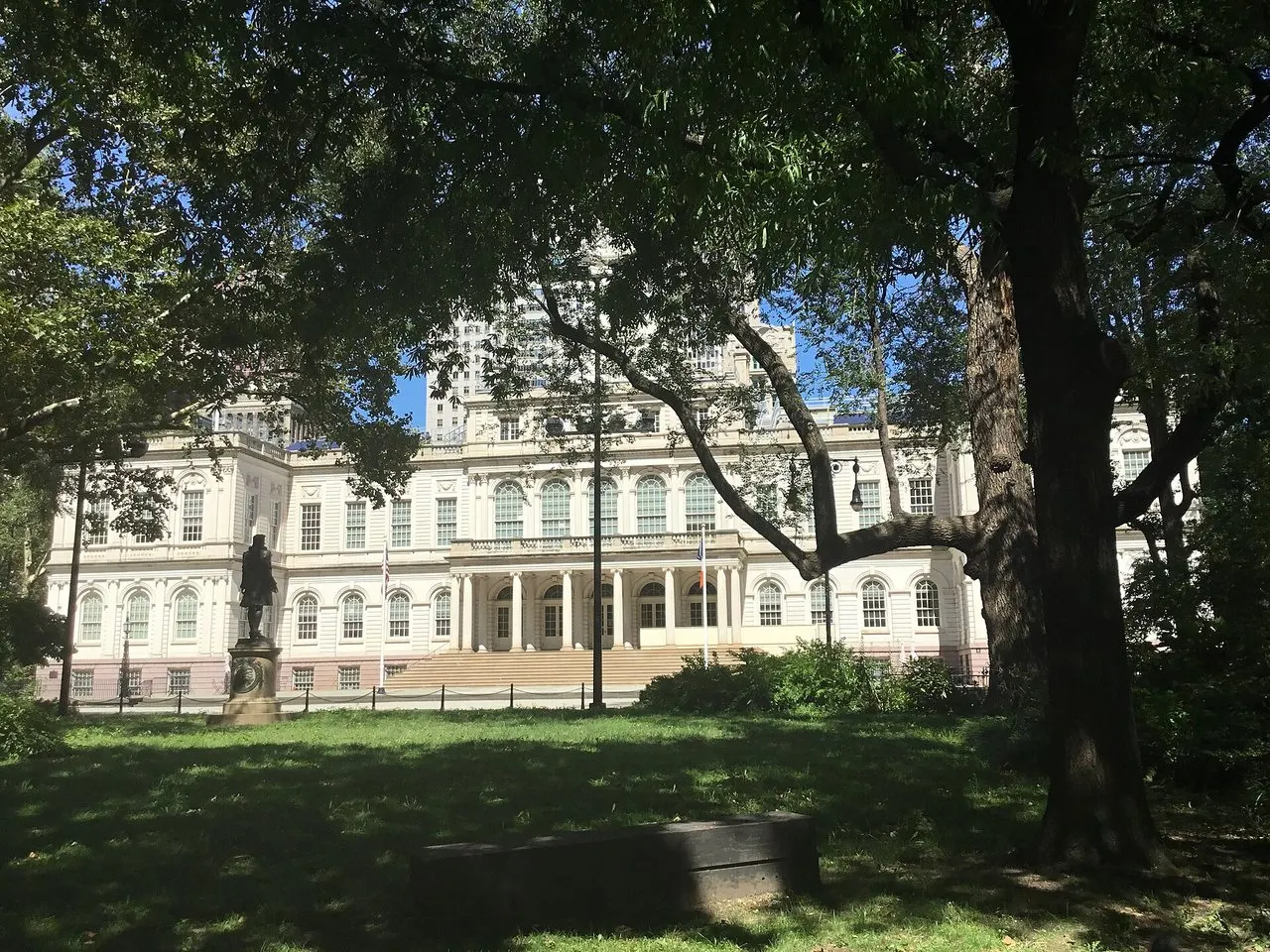
Correction Commissioner Stanley Richards joined the mayor in the video that announced the plan. Richards knows the island jail from the inside, and his voice adds weight to the promise. He spoke of the thousands of people who were held there over the years, including himself in his own past. His presence signals that the corrections department itself backs the change. See the Medicare expansion plan.
The Video That Announced The Rikers Island Closure
Mamdani announced the plan in a video, not only in a written report. In the clip he speaks straight to the camera with Commissioner Richards beside him, and the tone is plain and direct. A video lets the mayor reach New Yorkers where they already watch the news, on their phones. It also puts a human face on a plan that could otherwise read like a pile of paperwork. Read the legal fees dispute.
Kalief Browder And Why His Story Matters
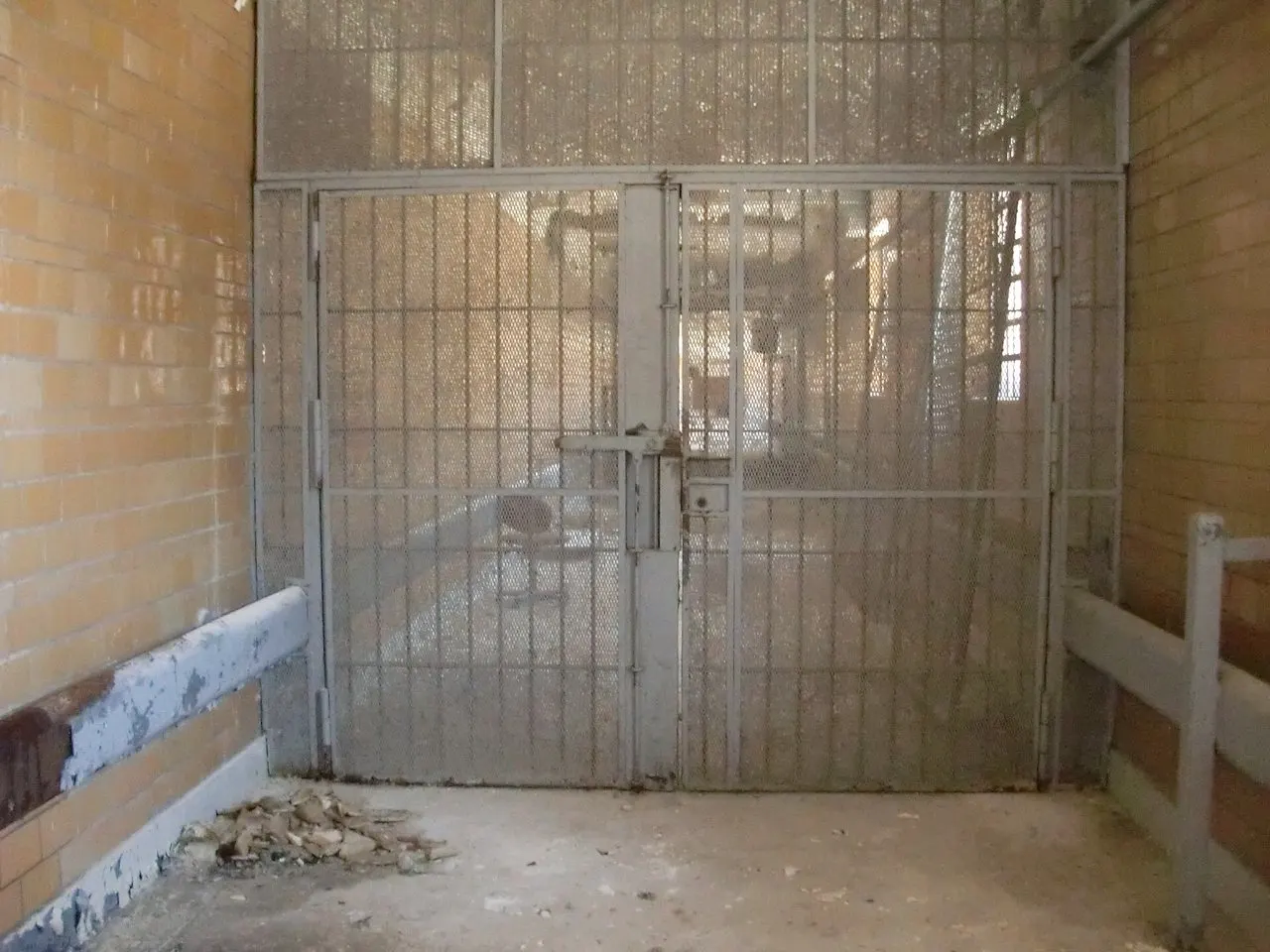
In the video the mayor begins with the story of Kalief Browder, who was arrested at 16 and spent nearly three years at Rikers without ever being convicted of a crime. He spent close to two years in solitary confinement, and he died by suicide at 22 after his release. His case became a symbol of all that is wrong with the island jail. The mayor says the plan exists so no other young person faces the same fate. See the measles outbreak.
Out Of Sight And Out Of Mind
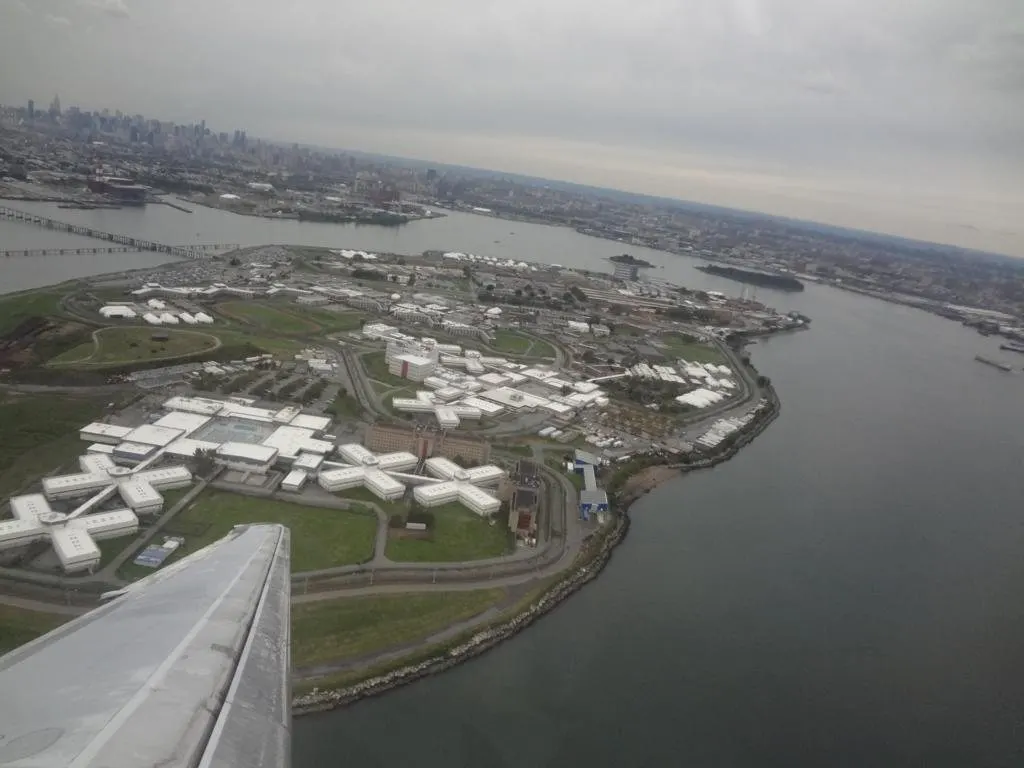
Commissioner Richards said that at Rikers, out of sight and out of mind is the norm. The island sits apart from the city, reached by a single bridge, so what happens there stays hidden from most New Yorkers. That distance, he said, let bad conditions grow without public pressure. Smaller jails inside the boroughs will be visible to the communities around them. Read what MAGA promised and delivered.
Dignity And Safety Drive The Rikers Island Closure
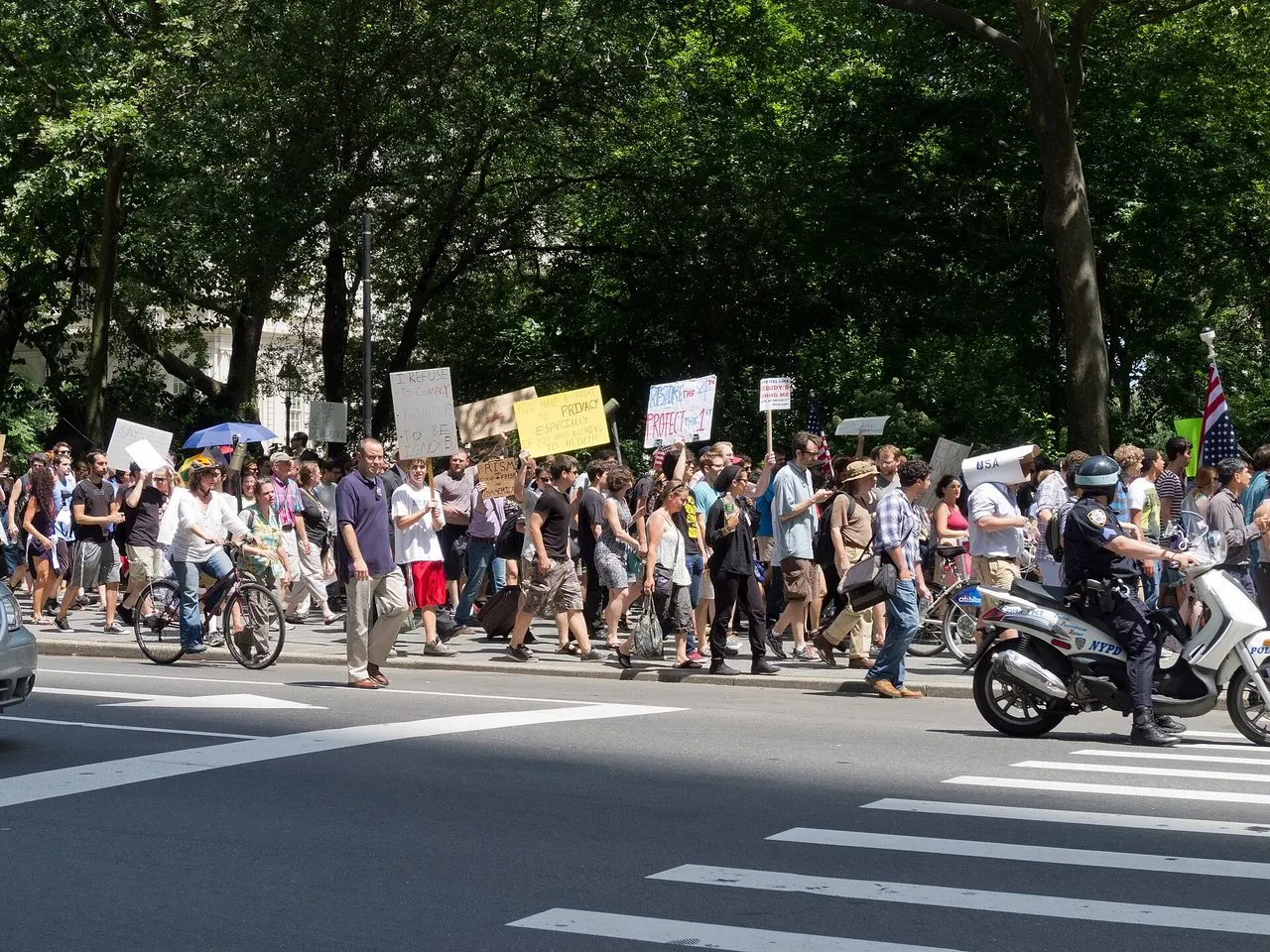
The mayor says the city will build a system that treats people with dignity while keeping New Yorkers safe. Those two goals sit side by side in the plan, and the mayor insists they do not conflict. A jail that is smaller, closer to home and tied to health care can be both kinder and safer than a huge island complex. The promise is a system that sees detainees as people. See the mayor recall effort.
What The News Coverage Says
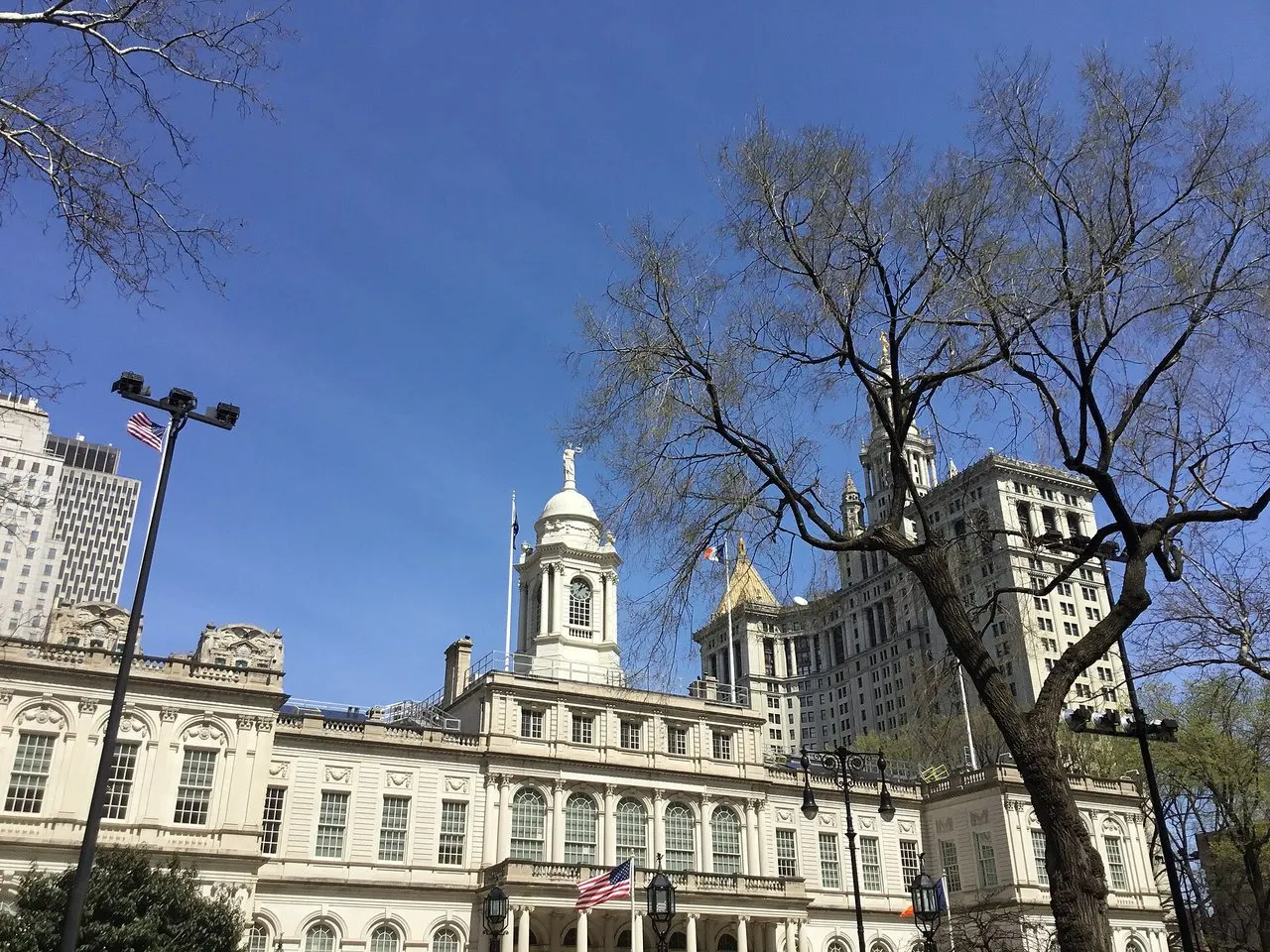
News outlets across the country have covered the plan, from the Associated Press to Time Magazine, Fox News and Planetizen. Each report stresses the same core facts, the 2032 closing date and the four borough jails. Some focus on the politics, others on the building timeline, but all agree the plan is historic in scale. The coverage shows how closely the nation is watching New York. Read the Voyager 1 milestone.
A Notorious Name In American Jails
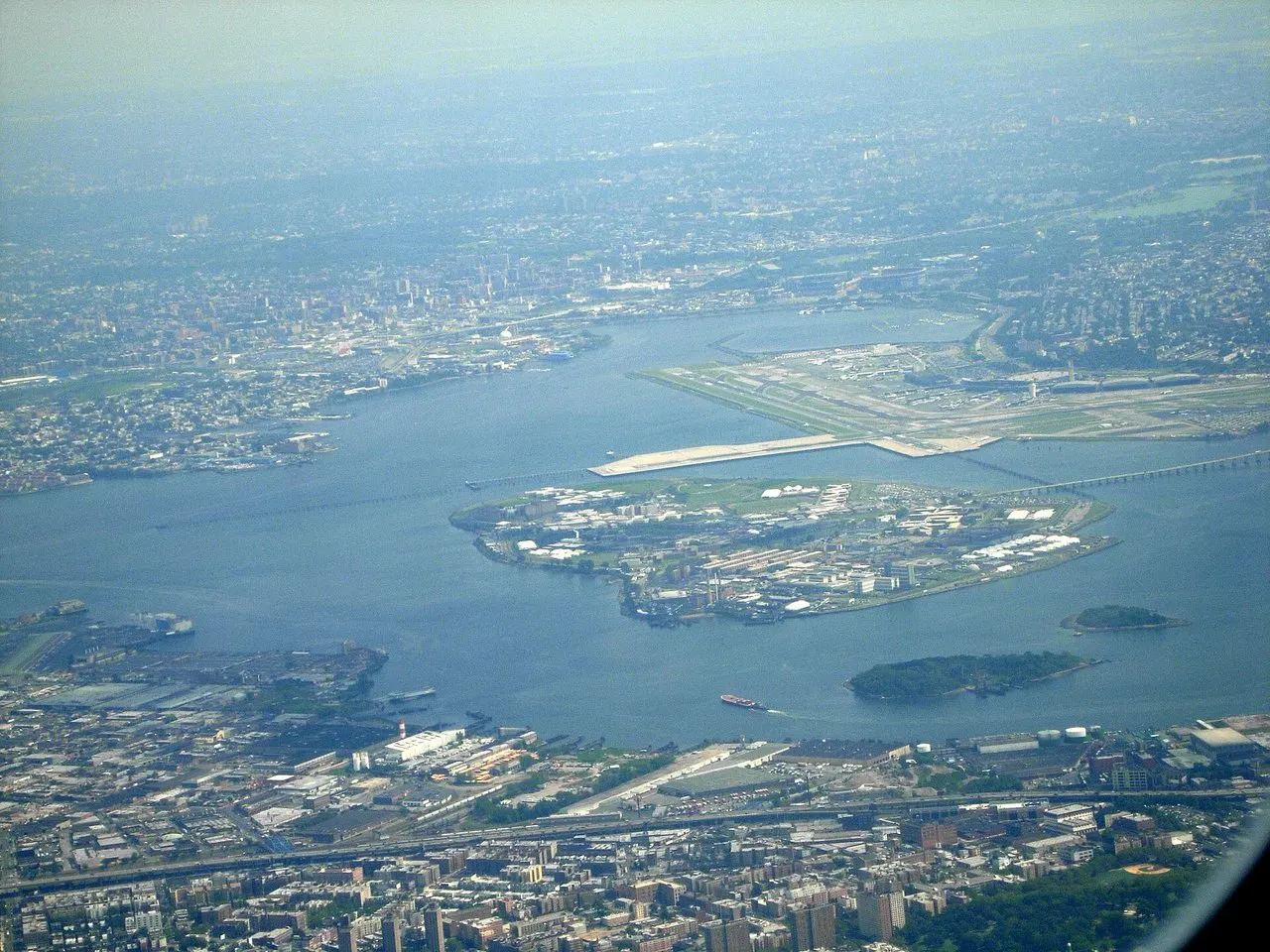
Rikers Island has become a byword for a broken jail system, known far beyond New York City. Reports of violence, neglect and long solitary stays have followed the complex for years. That reputation is why the mayor calls it notorious, and why closing it carries such weight. A name that once stood for failure could soon stand for a fresh start. See the arrest case.
Smaller Jails Built Closer To Home
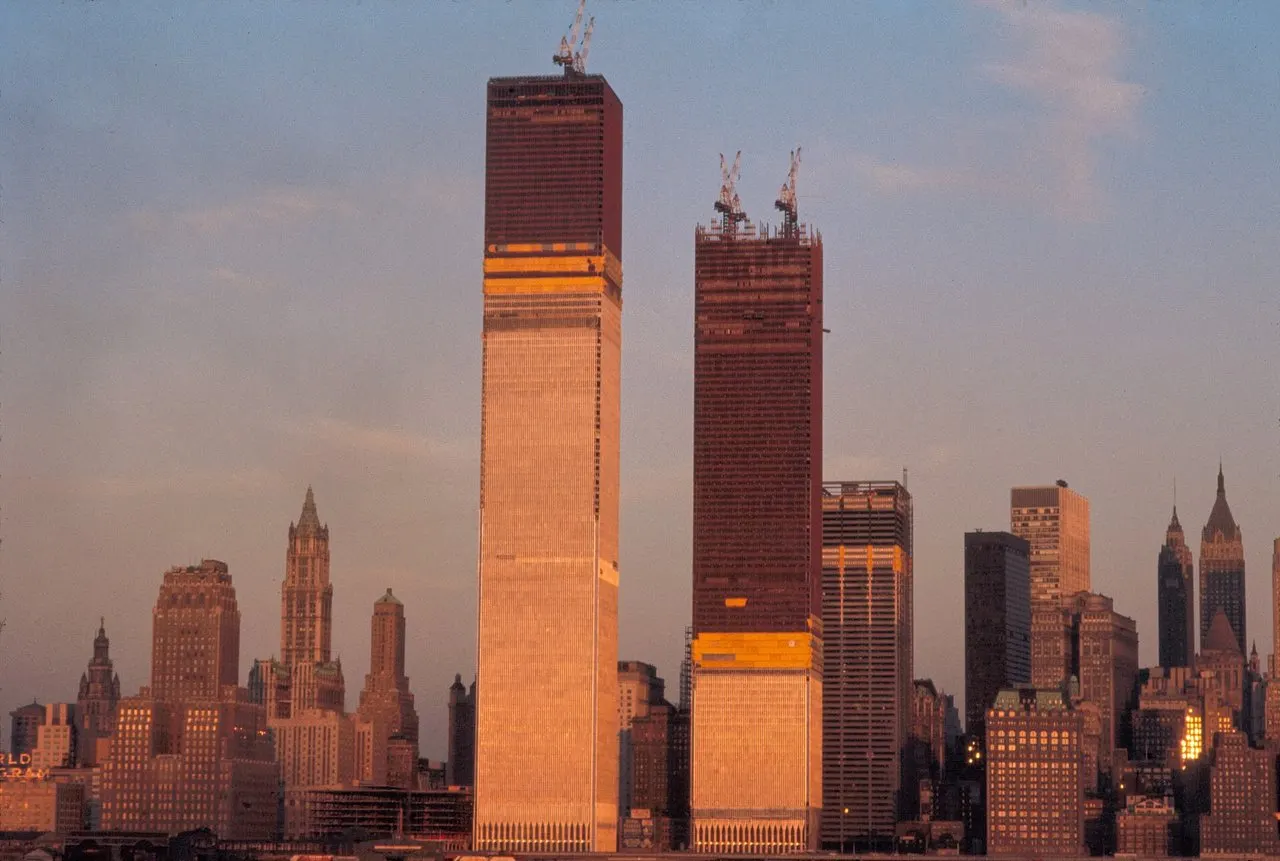
The new jails will be far smaller than the island complex, and each will sit inside the borough it serves. That closeness matters for families, who will no longer need to cross a bridge to a remote island for a visit. It matters for lawyers and court staff too, who can reach clients faster. Smaller buildings are also easier to staff, watch and keep safe. Read the medical breakthrough.
Building Timeline For The Rikers Island Closure

The building timeline runs from the Brooklyn opening in 2029 through the Bronx and Queens openings in 2031 to the Manhattan opening in 2032. Each opening must land on time, or the island cannot close on schedule. Big city building projects often slip, so the dates will face close scrutiny. The mayor says the plan is funded and ready, and the first test comes in Brooklyn. See the Sunday chores pup.
What Happens To The Island After 2032

The plan does not yet say in detail what will become of the island once the jails close. Ideas floated over the years include parks, housing and space for city services, but nothing is settled. What is clear is that the island will stop being a jail, and its future will be debated in public. For now the focus stays on building the four new jails. Read the healthy workplace story.
The Reaction So Far
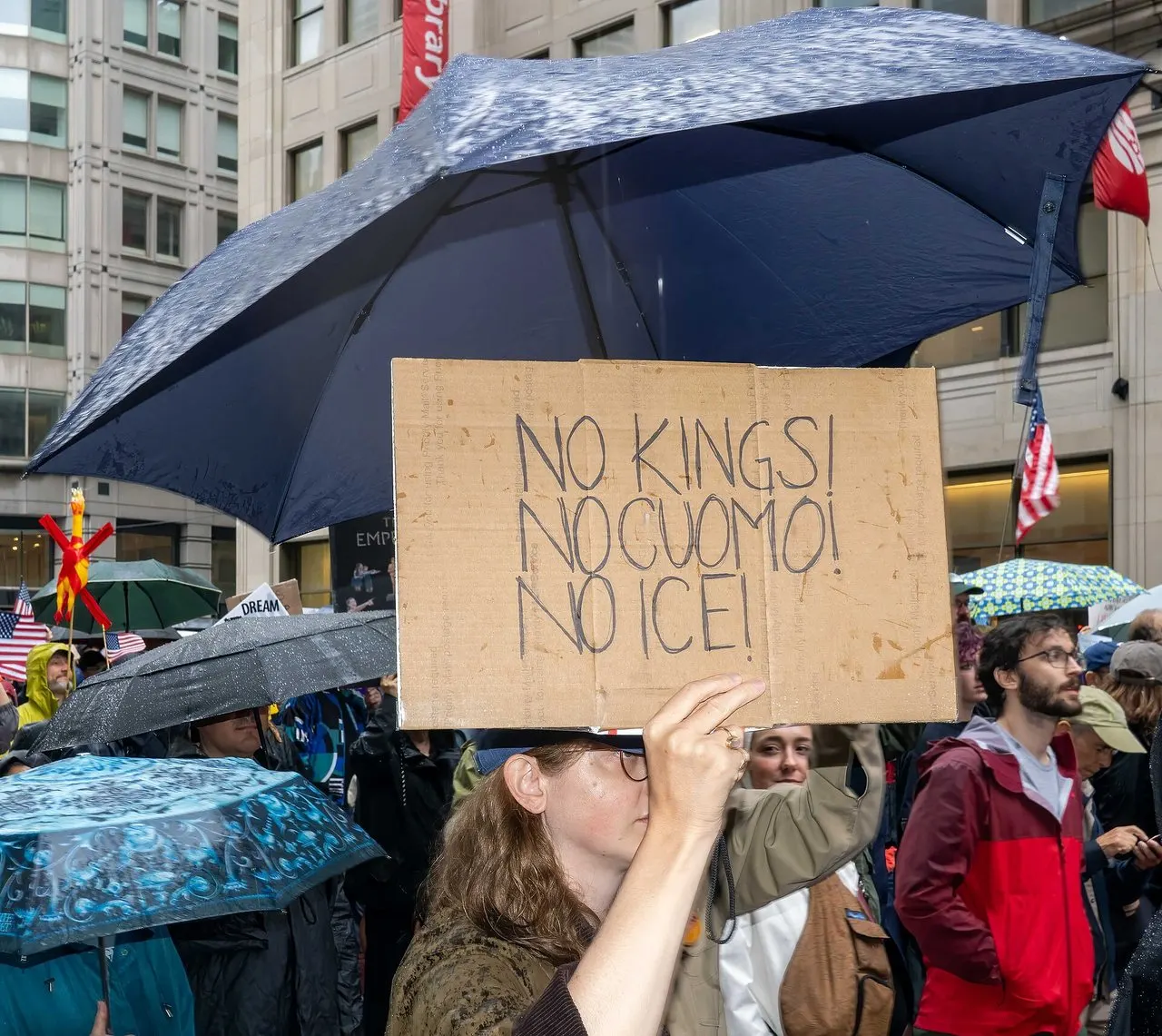
The announcement drew cheers from advocates who have long campaigned to close the jail, and sharp criticism from others who say the city should focus on safety first. The original post notes that the move has MAGA world howling with rage, a sign of how political the issue has become. Debate will follow every step of the plan, from funding to the first opening. See the CEO return story.
Milestones To Watch As The Rikers Island Closure Moves Ahead
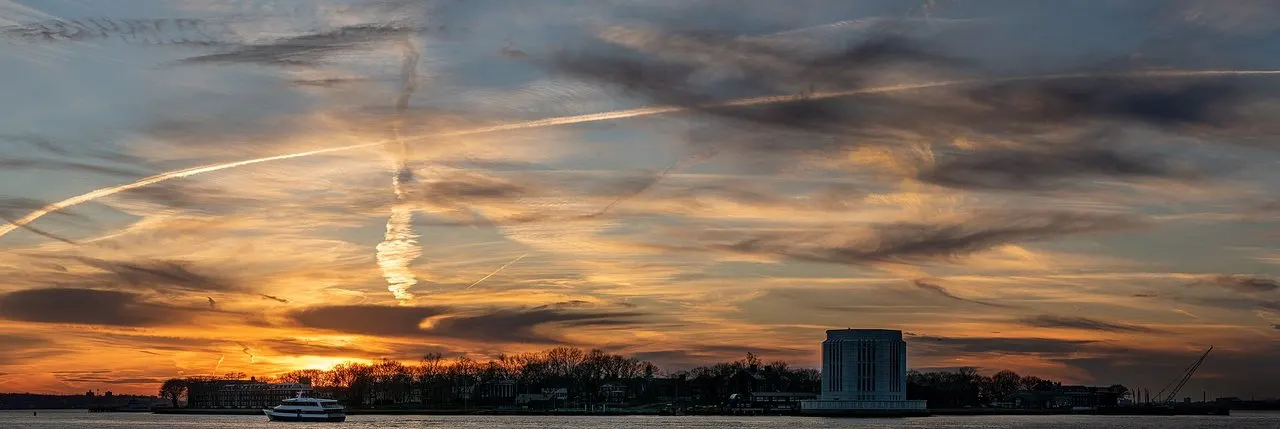
New Yorkers can track the plan by a few clear milestones, starting with the Brooklyn jail opening in 2029. After that come the Bronx and Queens openings in 2031, then the Manhattan opening and the island closing in 2032. Along the way, the jail population should fall toward 4,100, and the 146 million dollars should reach care and training programs. Each milestone will show if the promise holds. Read the trilateral summit.
What Do You Think Should Happen Next
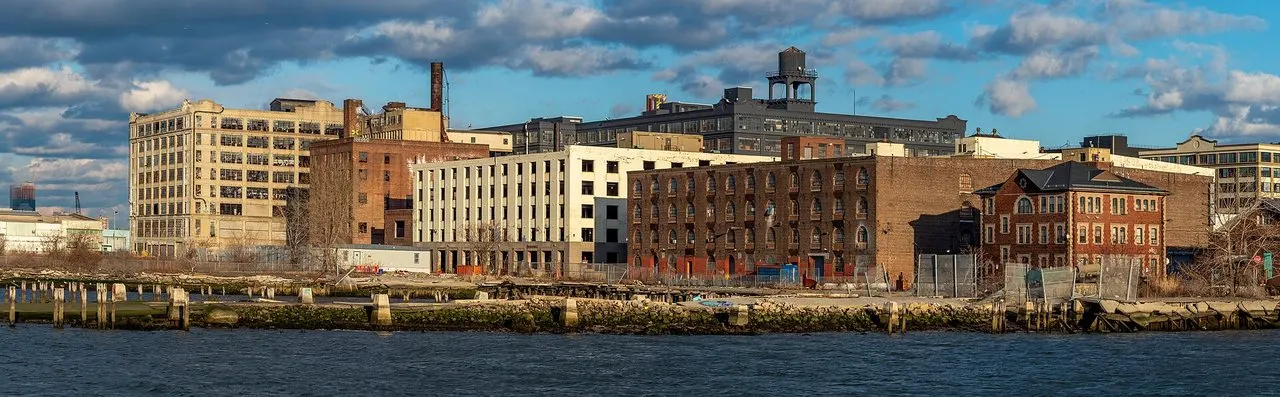
The island jail has shaped New York for nearly a century, and its closing will shape the city for decades to come. Do you think four smaller borough jails will be safer and more humane than one huge island complex? Will the 2032 date hold, and will the support funding reach the people who need it? Share your thoughts in the comments below and tell us what you would watch first. See the UN vote.