Sara Duterte Trial: Ligutan Asks Why the Defense Played Old Videos
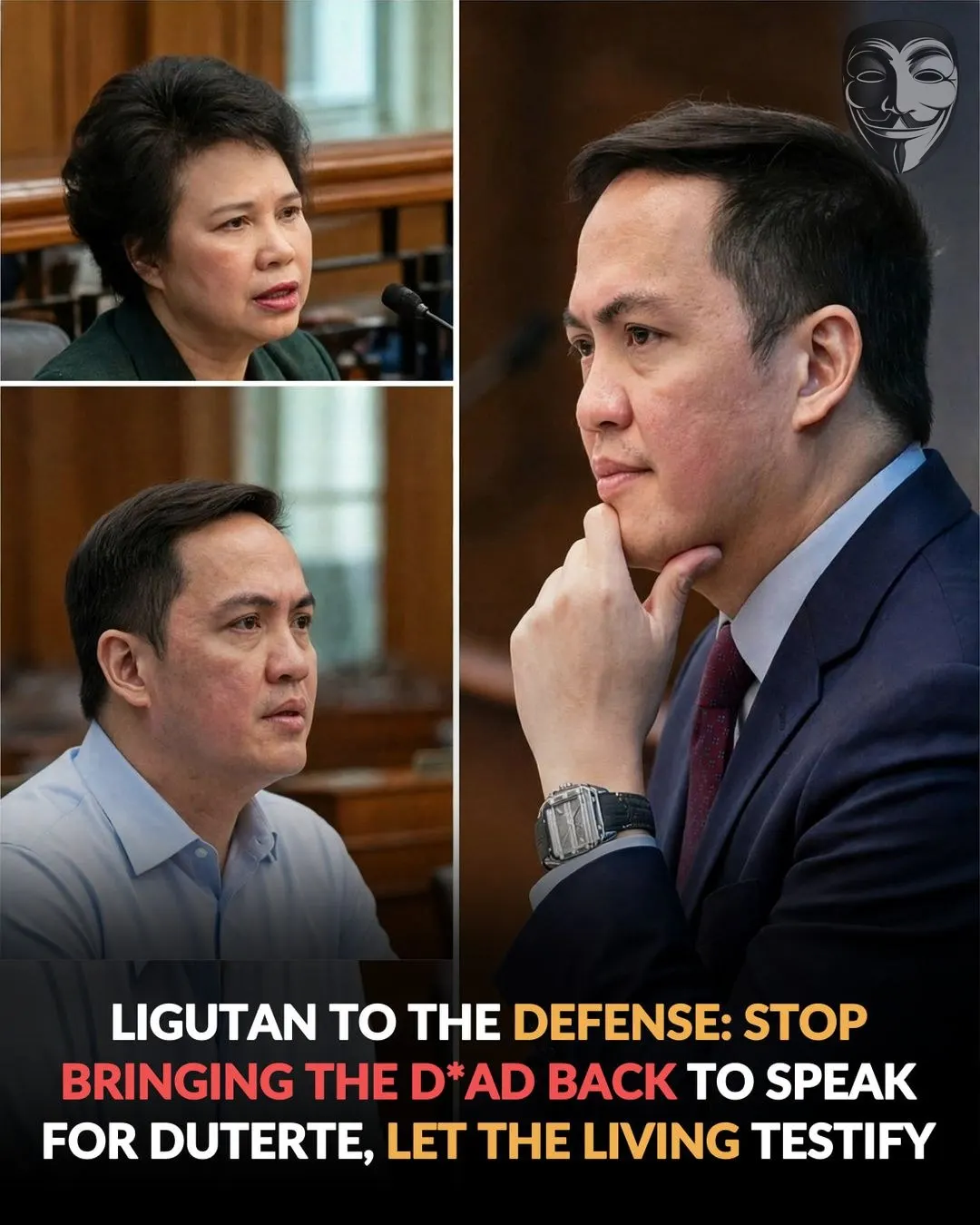
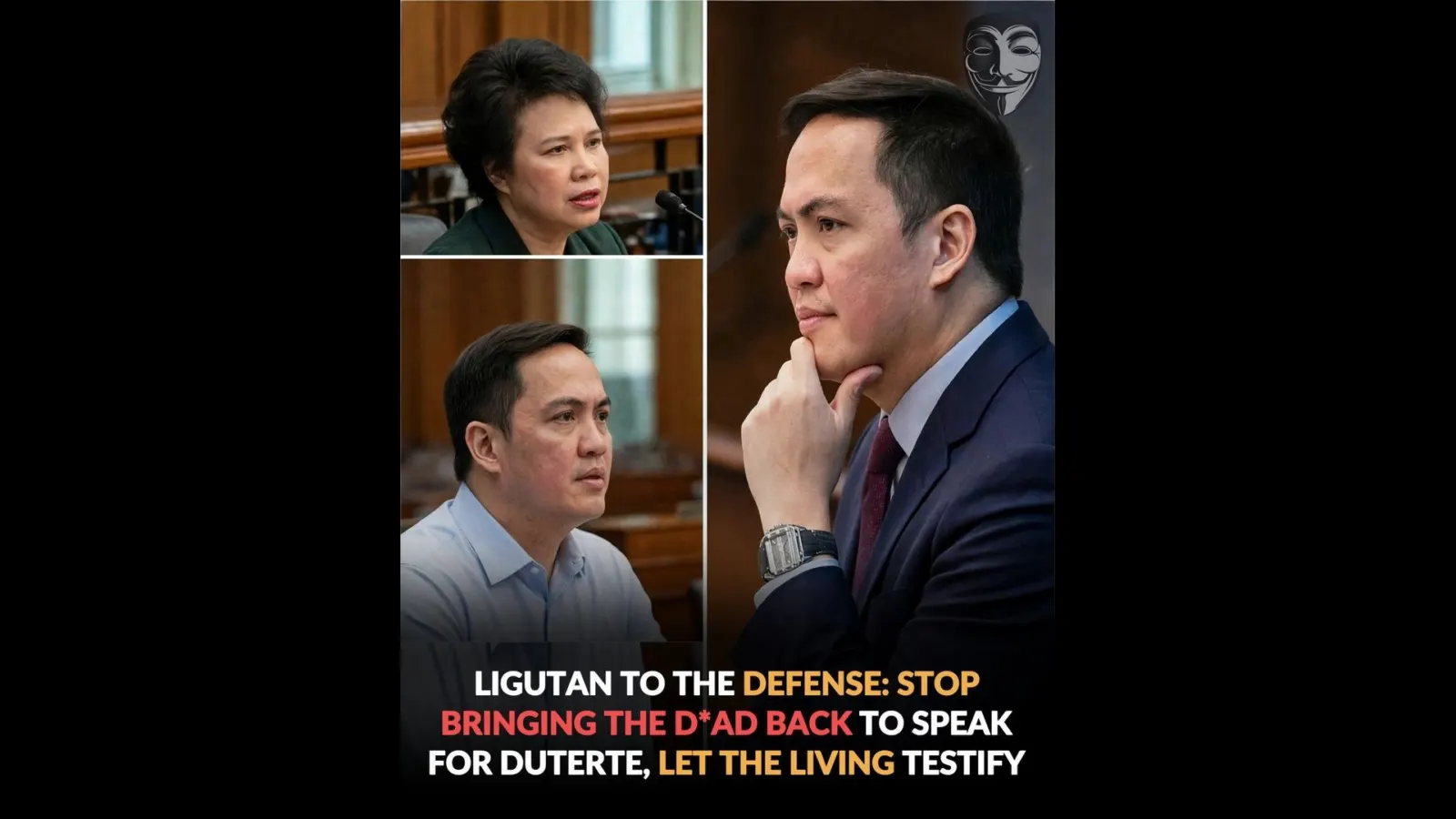
Sara Duterte trial watchers heard a sharp question on November 19, when prosecution counsel Atty. Armando Virgil Ligutan asked why the defense was playing videos of two late officials in court. The videos showed the late Senator Miriam Defensor Santiago and the late Chief Justice Renato Corona during direct examination on the 44th day of the trial. Ligutan called the move weird, and he asked whether no living witness wanted to testify for the Vice President. His words drew strong reactions inside the chamber, much like the moment flames appeared on the Senate livestream.
In the slides ahead, we look at the people in those videos, the senator-judges who pushed back, and what the moment says about how a trial should be argued. The defense chose old clips while the court was hearing live testimony, and the prosecution said the choice raised a fair question about proof. Old words can still carry weight, but a court also needs voices it can question today. For more on the trial, read our story on how Diokno pressed a witness on bank records.
References:
VERA Files: Week 17, Sara Duterte impeachment trial: Defense fails to counter P817-M wealth findings
INQUIRER net: LIVE UPDATES: Sara Duterte impeachment trial Nov 19, 2026
Paraluman News: Senators question relevance as defense plays late Sen Miriam Santiago’s 2011 impeachment remarks
Trendrod: VP Sara: Ang Paglilitis Impeachment Trial Days 44-45
Day 44 of the Sara Duterte Trial
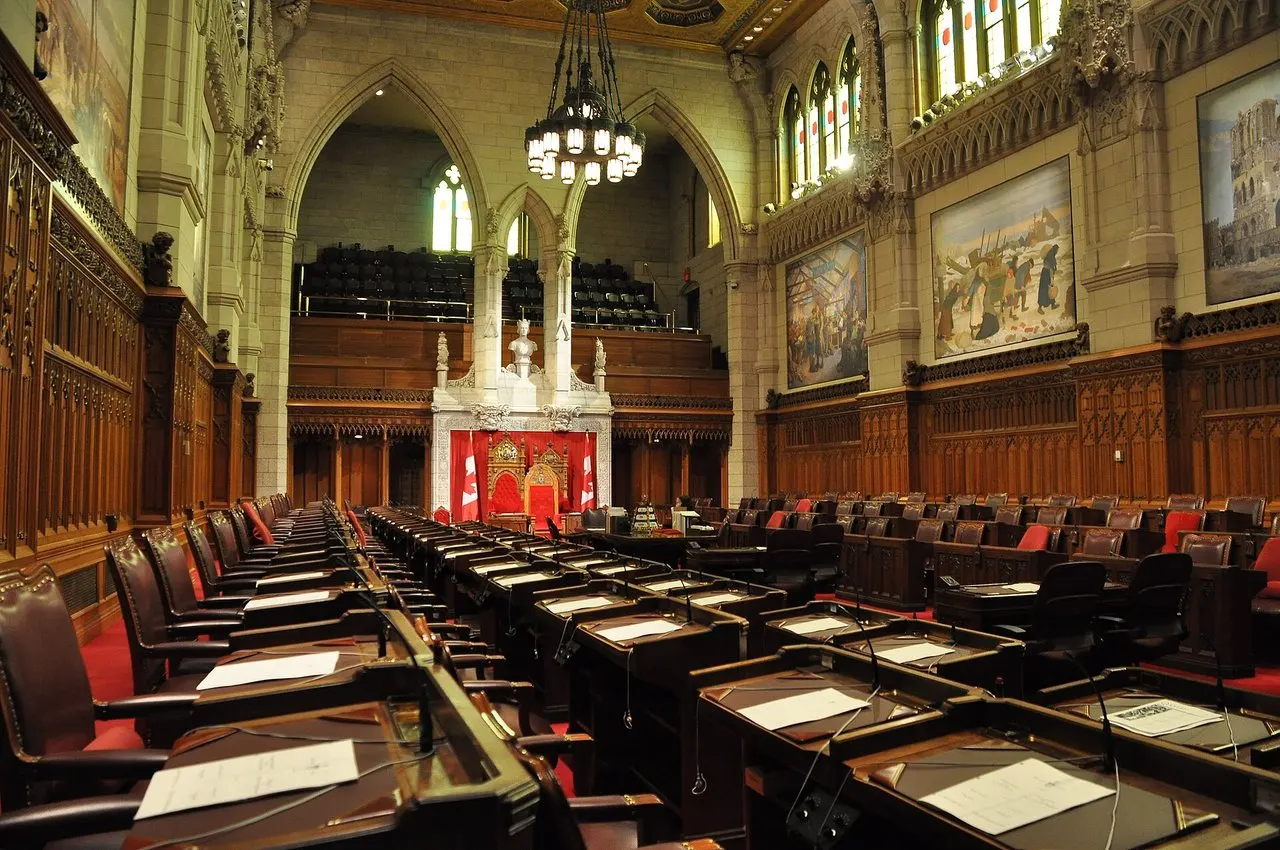
On day 44 of the Sara Duterte trial, the defense played the old videos during direct examination on November 19, 2026. The court had already heard weeks of testimony, and the day marked a new turn in how the defense chose to make its case. The clips came from years before, yet they were shown as part of the live proceedings in the Senate. Readers can follow how another Senate moment caught fire on the livestream and how a defense witness faced questions after admitting he had not read a report.
Who Is Armando Virgil Ligutan
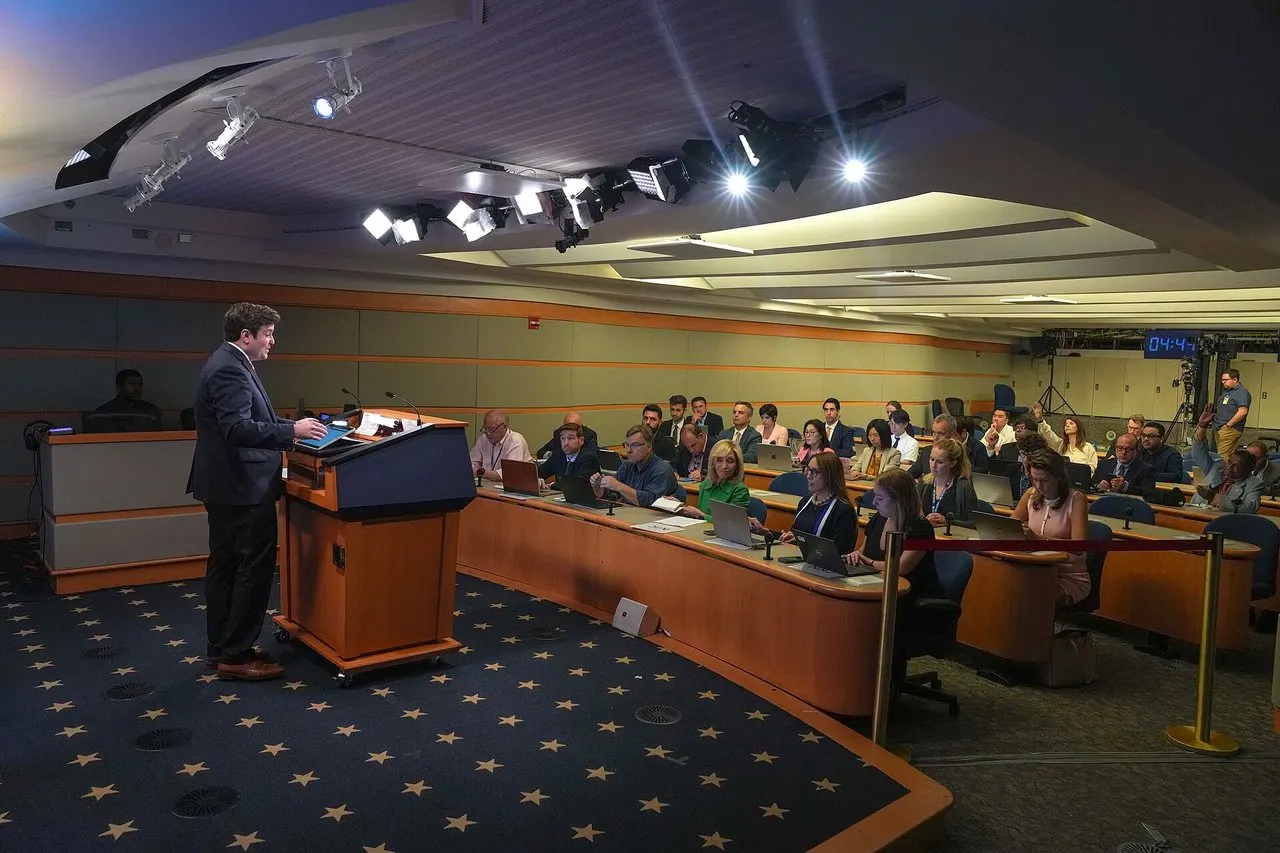
Armando Virgil Ligutan serves as prosecution counsel in the trial, pressing the case for the House side in the Senate court. On November 19, he spoke up after the defense played the videos with a simple, direct question. He asked why the defense reached back to people who had died instead of calling someone alive to the stand. His remark, Ang weird lang, summed up his surprise in plain words. The chamber heard how a senator spoke of blind justice as the law weighs all sides and the opening prayer moment that drew notice on the livestream.
Why the Defense Played Old Videos

The defense played the videos as part of its turn to present its side during direct examination, when a lawyer questions the witnesses and material it calls. Old clips can show what a person once said, and lawyers often use past words to support a point they want the court to accept. But the choice drew a quick challenge, because the people on screen could not answer new questions or face the other side. See how Diokno pressed a witness on bank records and the flame effect that filled the screen during a Senate prayer.
Miriam Santiago Returns to the Sara Duterte Trial on Video

The late Senator Miriam Defensor Santiago was one of two people seen in the videos, and her name drew quick notice. She was known for sharp words and a strong grasp of the law, and she once sat as a senator-judge in an impeachment trial. A news report noted the defense played her remarks from 2011, when she spoke during an impeachment case. Her voice from years ago was now part of a new trial, as were a defense witness who had not read the report he attacked and a senator who said lady justice is blind.
Renato Corona, the Late Chief Justice on Screen
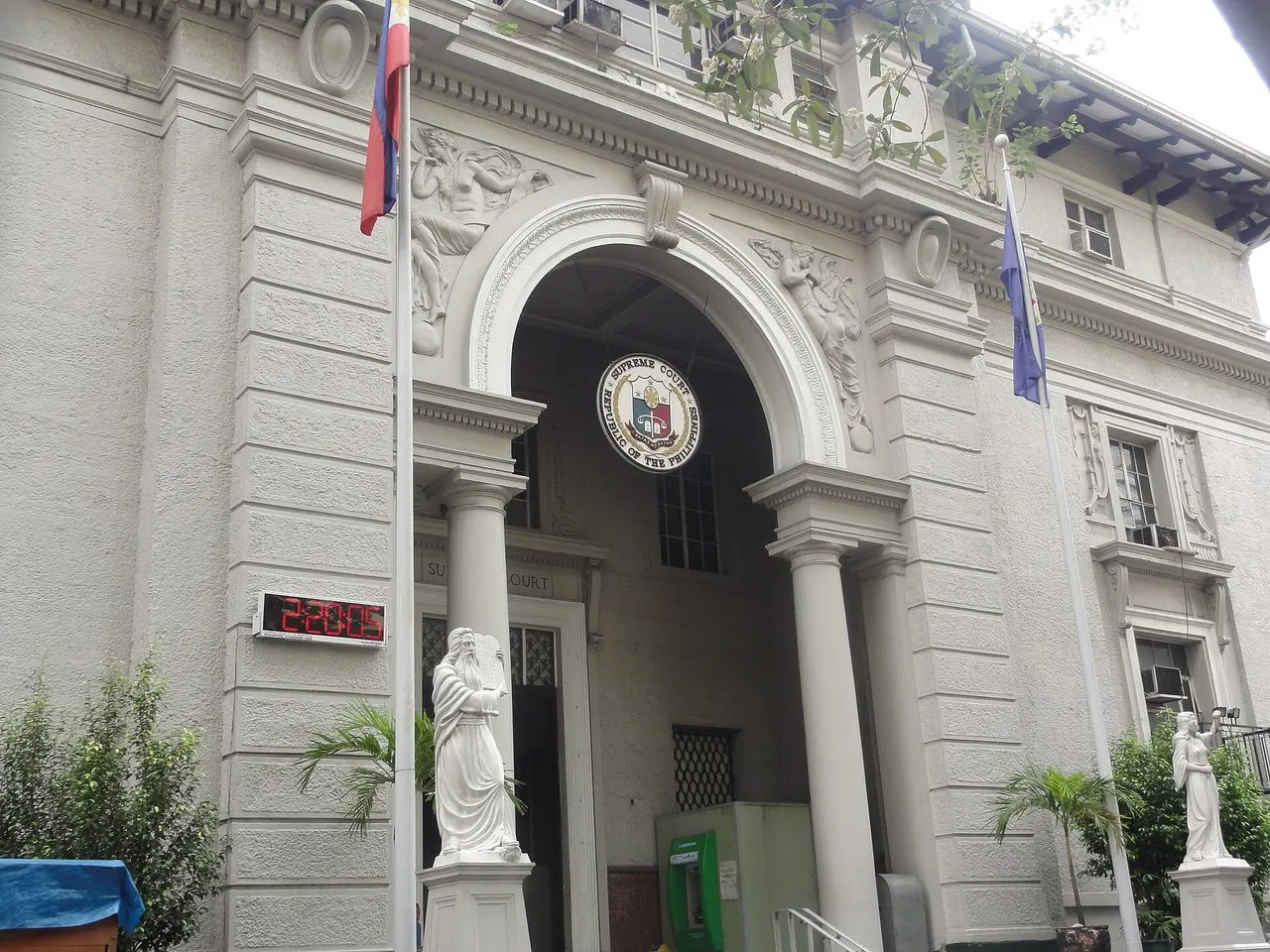
The late Chief Justice Renato Corona was the second person seen in the videos the defense played. He once led the Supreme Court of the Philippines, and he was the subject of an impeachment trial years ago. That history made his image stand out to the senator-judges, who know how rare it is for a former chief justice to appear this way. The court building he once led still stands in Manila, and the case drew the eye much like the livestream moment that opened with flames and how an international court ruled on a major case.
What Direct Examination Means in a Trial
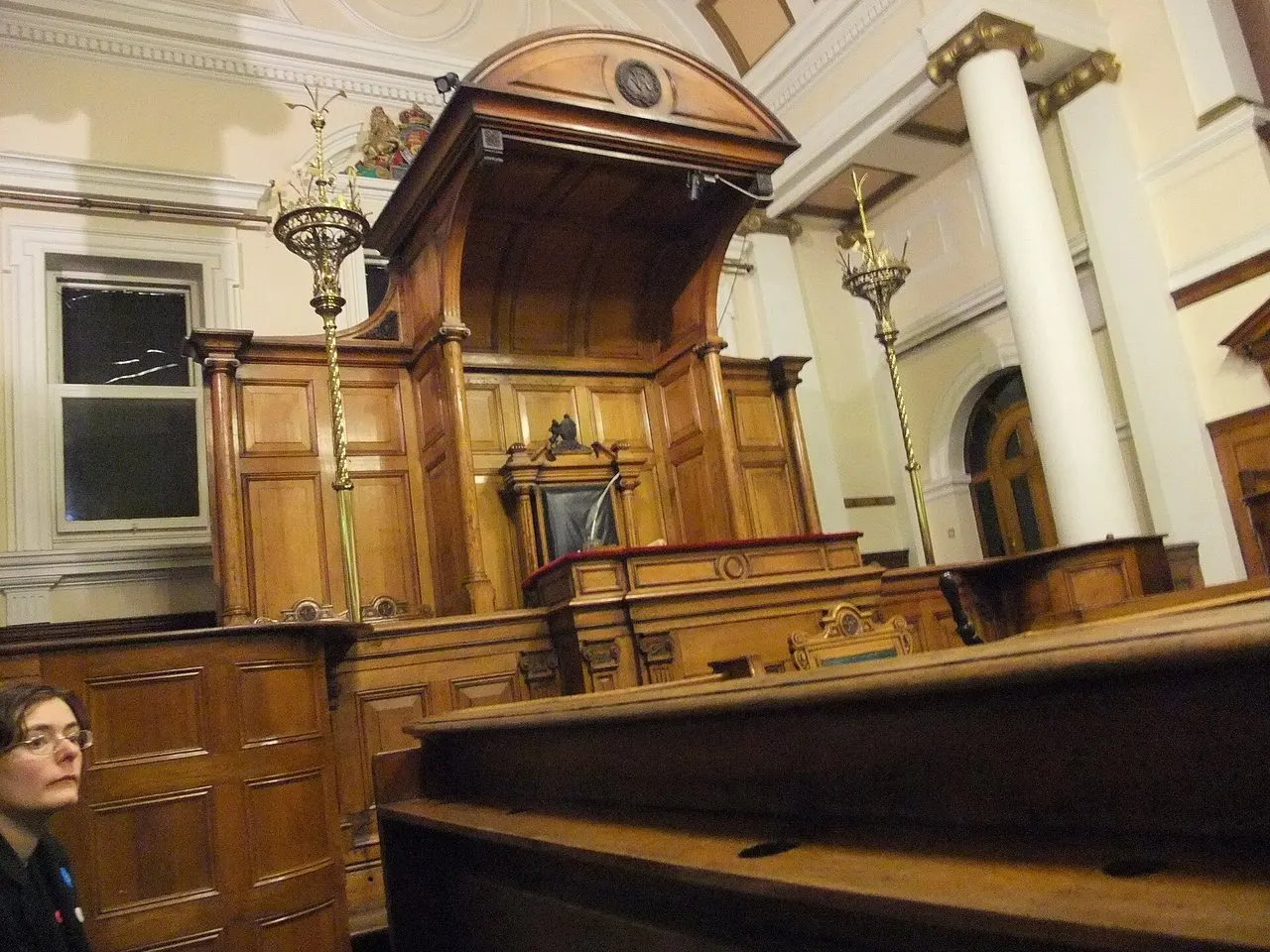
Direct examination is the part of a trial when a lawyer questions the witnesses and material its own side calls to lay out its case step by step. The lawyer asks open questions, the witness answers, and the court hears the story in the order the side wants to tell it. Video can be shown at this stage if the court allows it, but the other side can object and ask the court to weigh whether the clip helps or misleads. Learn how another court ruling drew world attention and how bank records were tested in the trial.
Senator-Judges Question the Clips in the Sara Duterte Trial
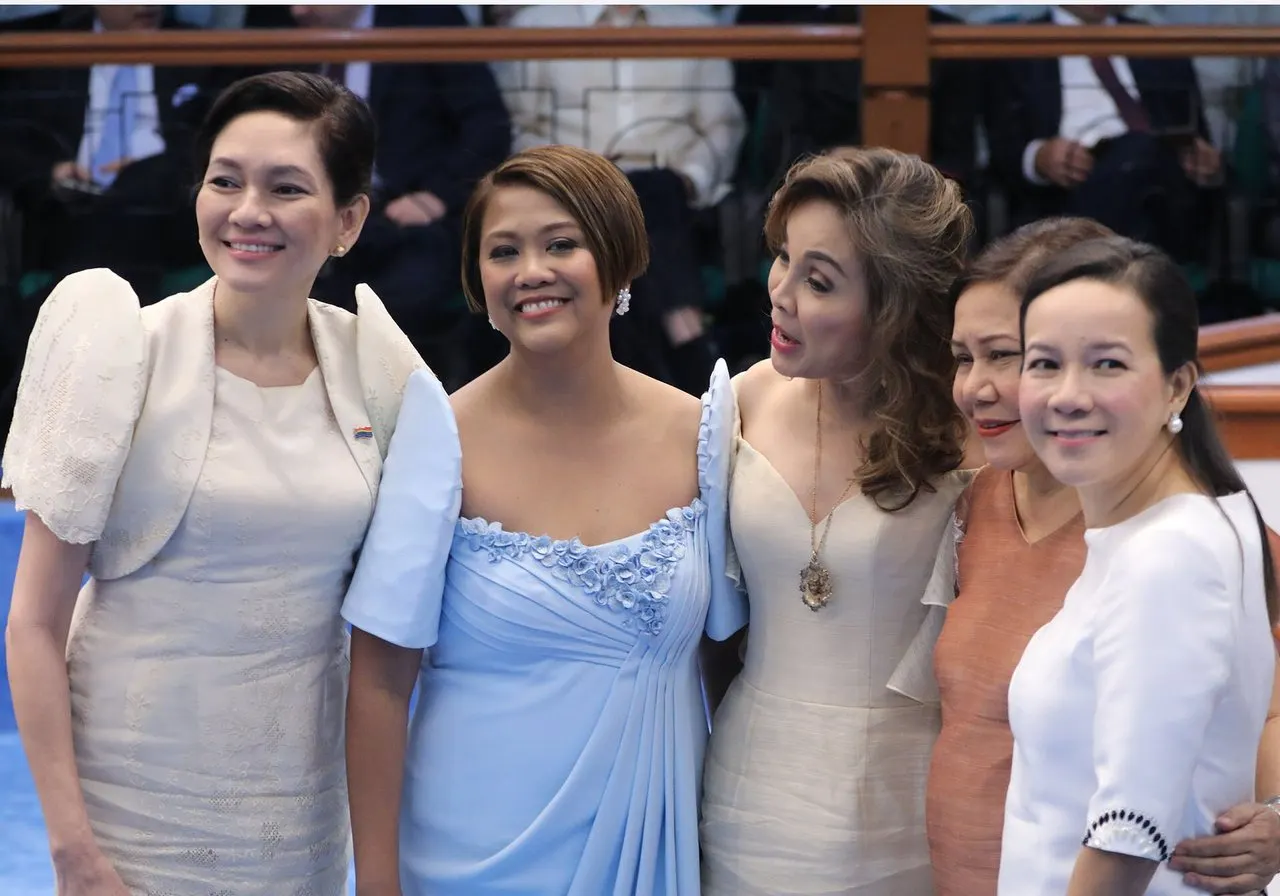
The senator-judges also questioned the old clips, and their reaction showed that the court itself wanted a clear reason for playing them. In an impeachment trial, senators sit as judges, so their questions carry real weight and can shape what evidence the court accepts. When the people on screen cannot be questioned, the court must decide how much their old words can prove today. The debate echoed the exchange over a report the witness had never read and how voters forced a recall after a council vote.
Erwin Tulfo: Let Those Who Passed Away Rest
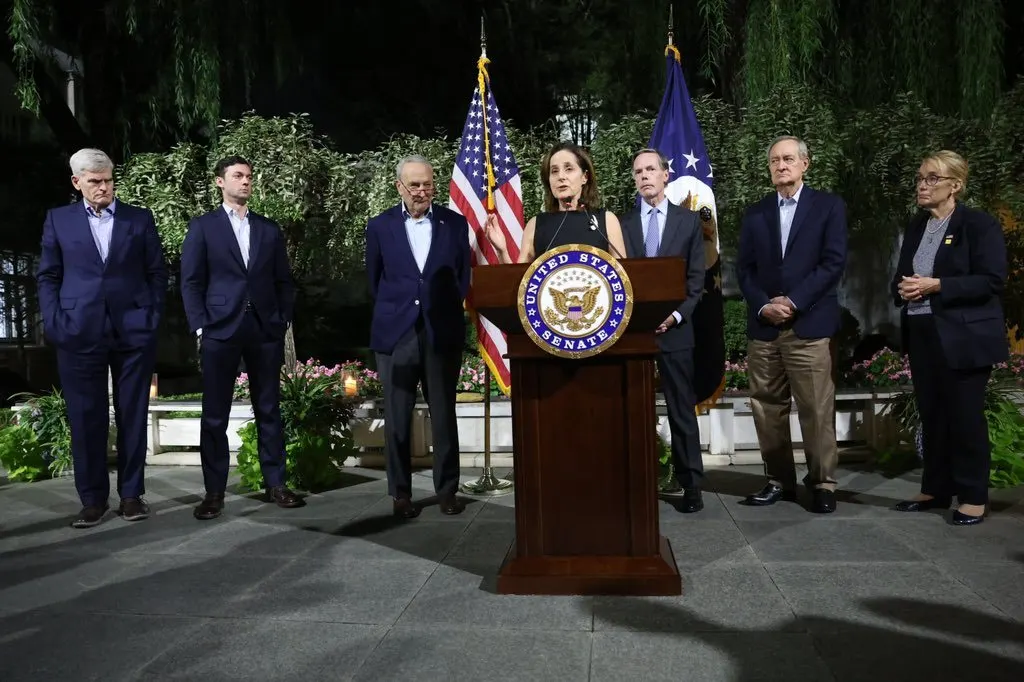
Senator Erwin Tulfo said the court should let the dead rest, a plain plea many in the chamber would have understood at once. His words pointed to respect for people who have died and can no longer speak for themselves. A trial should rest on proof that can be tested, and old clips of people who have died cannot be cross-examined or asked to explain what they meant. Tulfo spoke for that simple idea, as the remark that lady justice is blind and a petition that forced a vote in the House show in other public debates.
Chel Diokno Calls the Videos an Appeal to Emotion
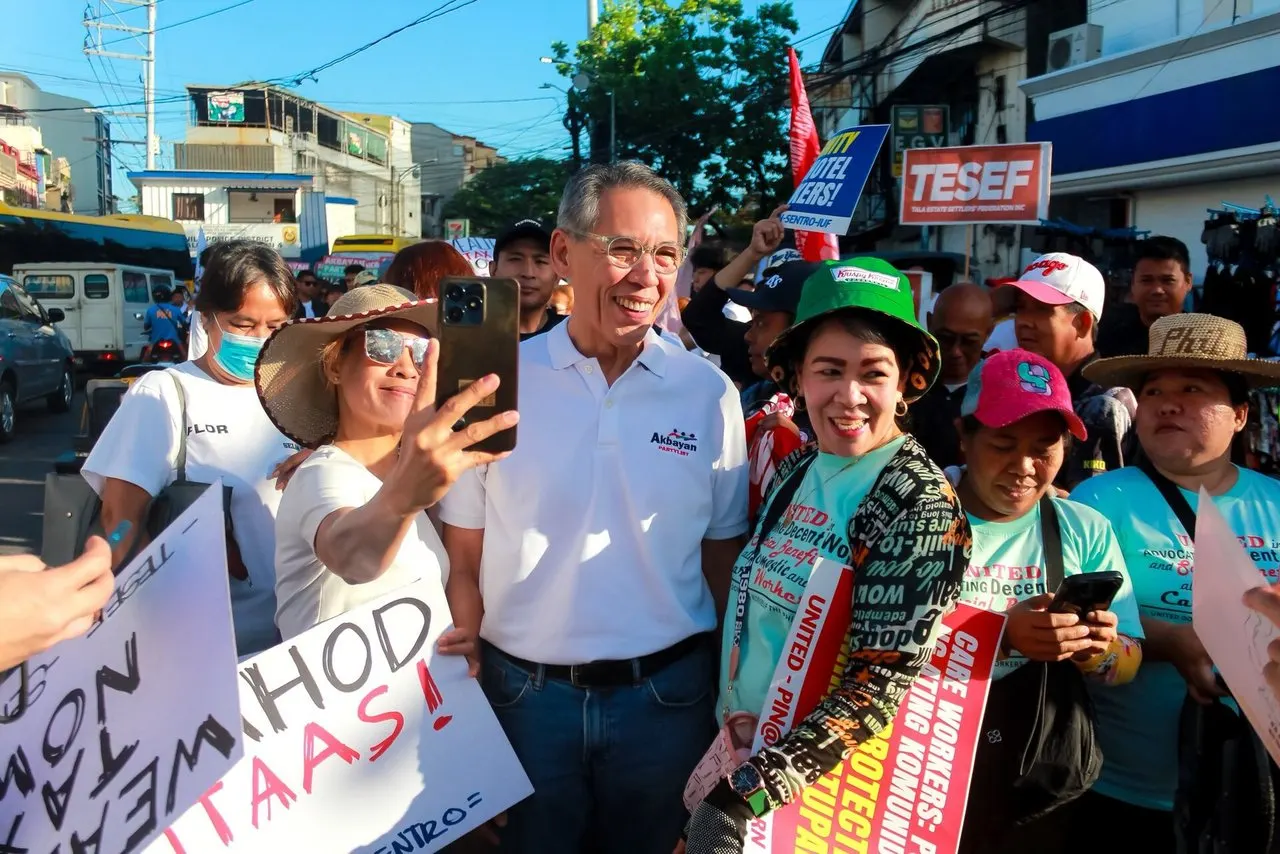
House prosecutor Chel Diokno called the videos an appeal to emotion, a phrase lawyers use when an argument aims at feelings rather than proof. A famous voice or a moving clip can sway a room, but a court is meant to weigh facts, records, and testimony that can be tested. Diokno argued that the old videos worked on sympathy more than on the questions the trial must answer. His point put the focus back on proof, much like a sharp clash between two lawmakers and a ruling by an international court.
How an Impeachment Trial Like the Sara Duterte Trial Works
An impeachment trial is a formal case in which the Senate sits as a court to decide charges brought by the House against a high official. House prosecutors present the case, the defense answers it, and the senator-judges listen, ask questions, and weigh the evidence. Witnesses can be called, records can be shown, and each side can challenge what the other side offers. The process is slow and public by design, so citizens can watch the case unfold. See how a court ruling on a forced removal drew world attention and a warning about answering questions when power changes hands.
How the Public Followed the Day Live
The public could follow the day as it happened, because the news outlet shared live updates and a livestream of the proceedings for readers at home. Many Filipinos watch impeachment days closely, since the trial touches the highest offices in the country and the news moves fast. A livestream lets people hear the questions in full instead of reading short summaries later. That open view is part of why a sharp exchange can travel so quickly, as a town that forced a recall of its mayor and a public clash over Social Security also show.
The P817-M Wealth Findings Behind the Trial

The Sara Duterte trial also carries questions about wealth, and a week 17 report noted that the defense failed to counter findings of P817 million in wealth. Money questions often sit at the heart of an impeachment case, because the public wants to know whether an official can explain what she owns. The figures come from the record built over weeks of hearings, and each side has had a chance to answer them. For context, read how a petition with 218 signatures forced a House vote and a prosecutor letter that drew a firm reply.
Days 44 and 45 of the Sara Duterte Trial

The trial had reached its 44th day on November 19, and reports tracked the case into day 45 as well, showing how long and detailed the proceedings have become. Each day adds testimony, rulings, and exchanges to a record that the senator-judges must weigh at the end. Long trials test the patience of the court and the public alike, but they also give each side time to make its case in full. Follow a warning about facing questions when the House changes hands and how an international court reached its ruling.
Why Living Witnesses Matter Most
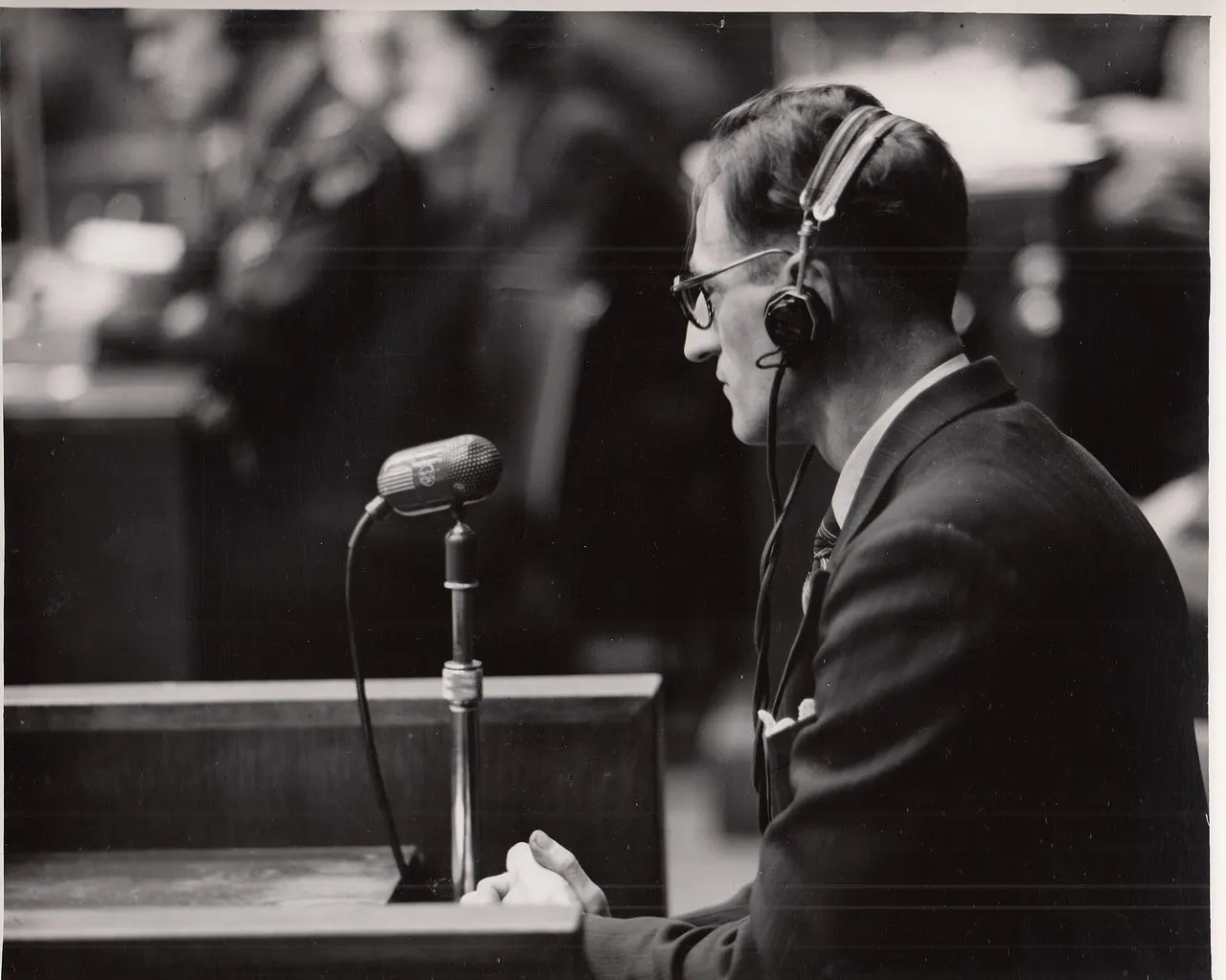
A living witness can be asked new questions, can explain what they meant, and can be challenged by the other side in open court. A video cannot do any of that, no matter how clear the words on screen may sound. That is why Ligutan asked whether no living witness wanted to testify, because live testimony is the heart of a fair trial. Courts trust proof they can test, and a witness who can answer back is proof of that kind. Read how a senator fired back at a prosecutor letter and how Britain acted after a court ruling.
Old Video as Evidence: What Courts Weigh
Courts weigh old video with care, looking at when it was made, why it was made, and whether it truly fits the question before the court. A clip from years ago may show what a person believed then, but it cannot show what they would say about the facts of today. Judges also weigh whether a video stirs feeling more than it proves a fact, which was the heart of the objection on November 19. The same care applies in a recall driven by a council vote and a clash over shutting down a program.
What Comes Next in the Sara Duterte Trial
The trial moves on to further days of testimony and argument, with more witnesses and more rulings from the senator-judges still to come. Each side will keep pressing its case, and the court will keep deciding what proof it will accept and what it will set aside. The public will keep watching, because the outcome will shape the politics of the country for years. For now, Ligutan question still hangs in the air, and readers can follow a petition that sat with 218 signatures and a warning to prepare for questions.
What Do You Think the Court Should Do
Ligutan asked a question that is easy to understand and hard to answer: should a court hear from people who have died, or should it insist on living voices that can be tested? Tulfo said to let the dead rest, and Diokno said the clips played on feeling more than proof. Now it is your turn to weigh in. What would you have done if you sat as a senator-judge that day? Share your thoughts in the comments, and keep reading a senator who refused to back down and the flame effect seen on the Senate livestream.