Mamdani Grocery Stores and the Joke About Food
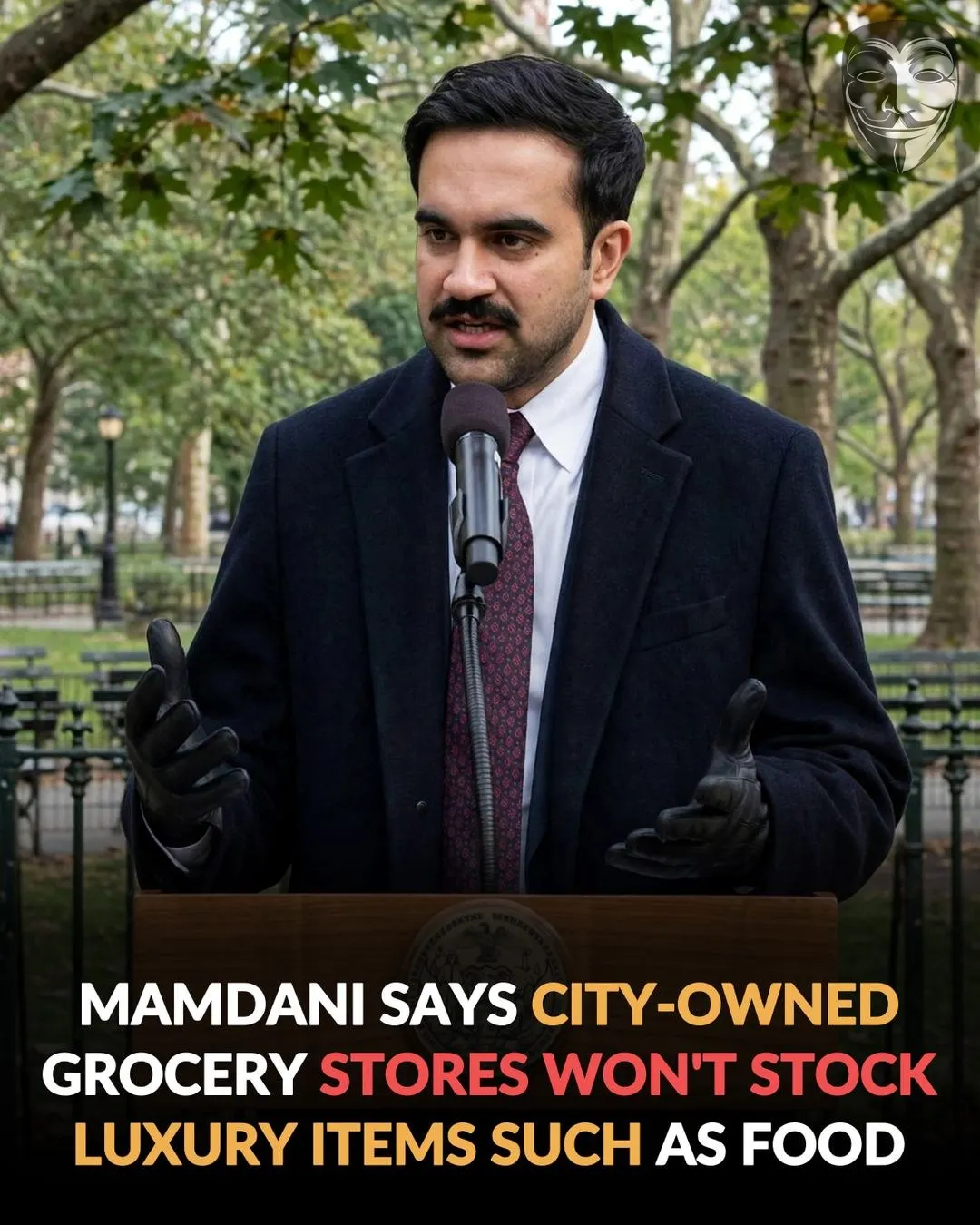
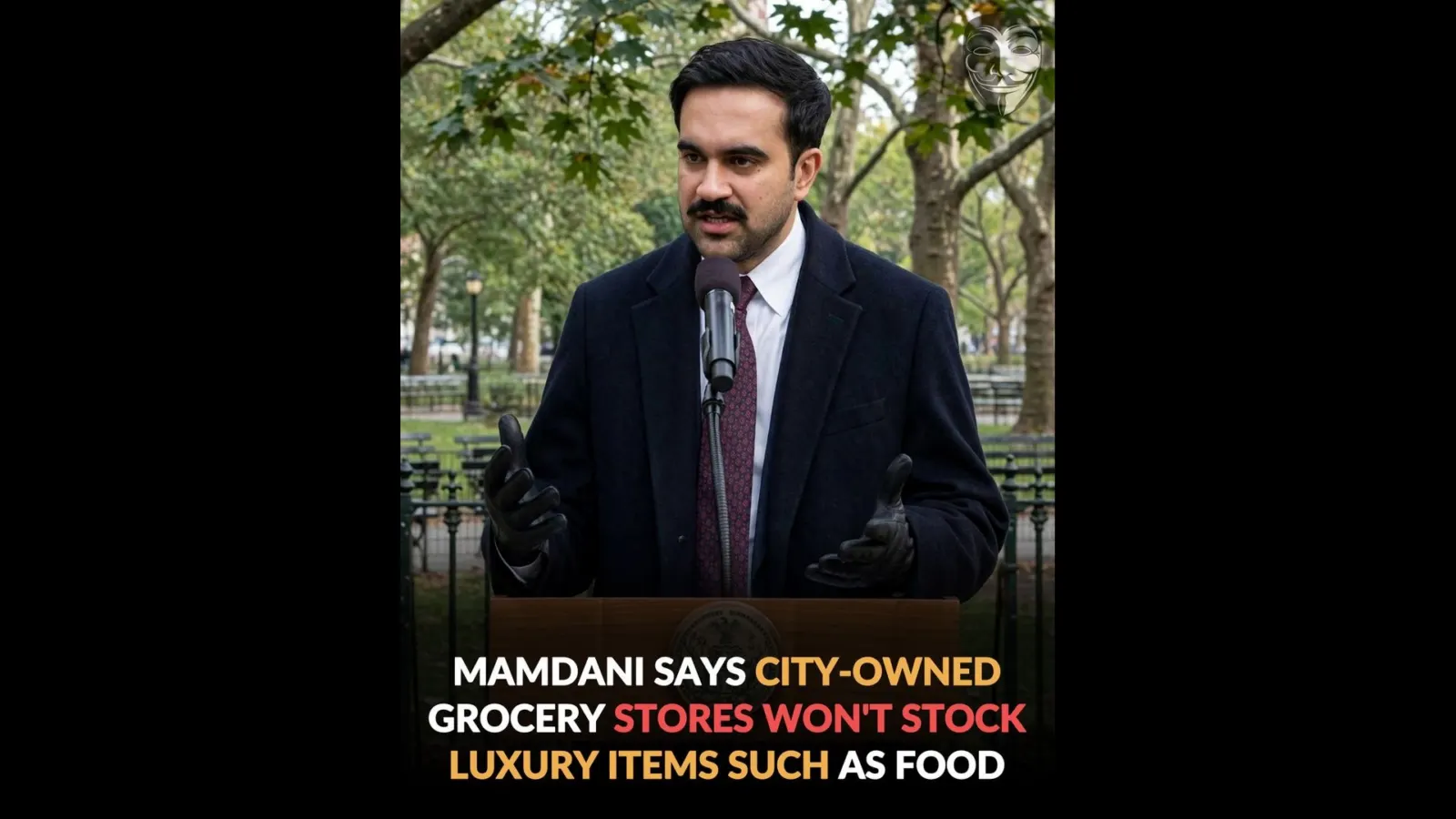
Mamdani grocery stores are at the center of a joke that spread fast online, and the humor works because it turns a real city plan into something upside down. The Babylon Bee joked that Mayor Zohran Mamdani shared new details about five city-owned stores in New York, saying they would skip luxury items such as food. The satirical piece describes stores that offer essentials at affordable prices, yet do not stock bread, eggs, vegetables, milk, or other edible foodstuffs for shoppers to buy.
The real plan behind the joke would put one city-owned store in each borough, with 70 million dollars committed and essential foods priced 30 percent below typical retail, starting in Hunts Point in the Bronx in 2027. Readers can follow his rent freeze promise and the meeting that changed the political mood to see how the mayor’s other plans have been received. In the slides ahead, we walk through the joke, the real plan, the tote bag, and what New Yorkers are asking next.
References:
Source: Babylon Bee: Mamdani Says City-Owned Grocery Stores Won’t Carry Luxury Items Such As Food
Source: Fast Company: Why NYC’s grocery store plan is not just about food
Source: Reason: Zohran Mamdani brags about government-run grocery stores?
Source: South Shore Press: Mamdani’s Grocery Math Leaves the City’s Private Stores Out of the Equation
The Joke That Started It All
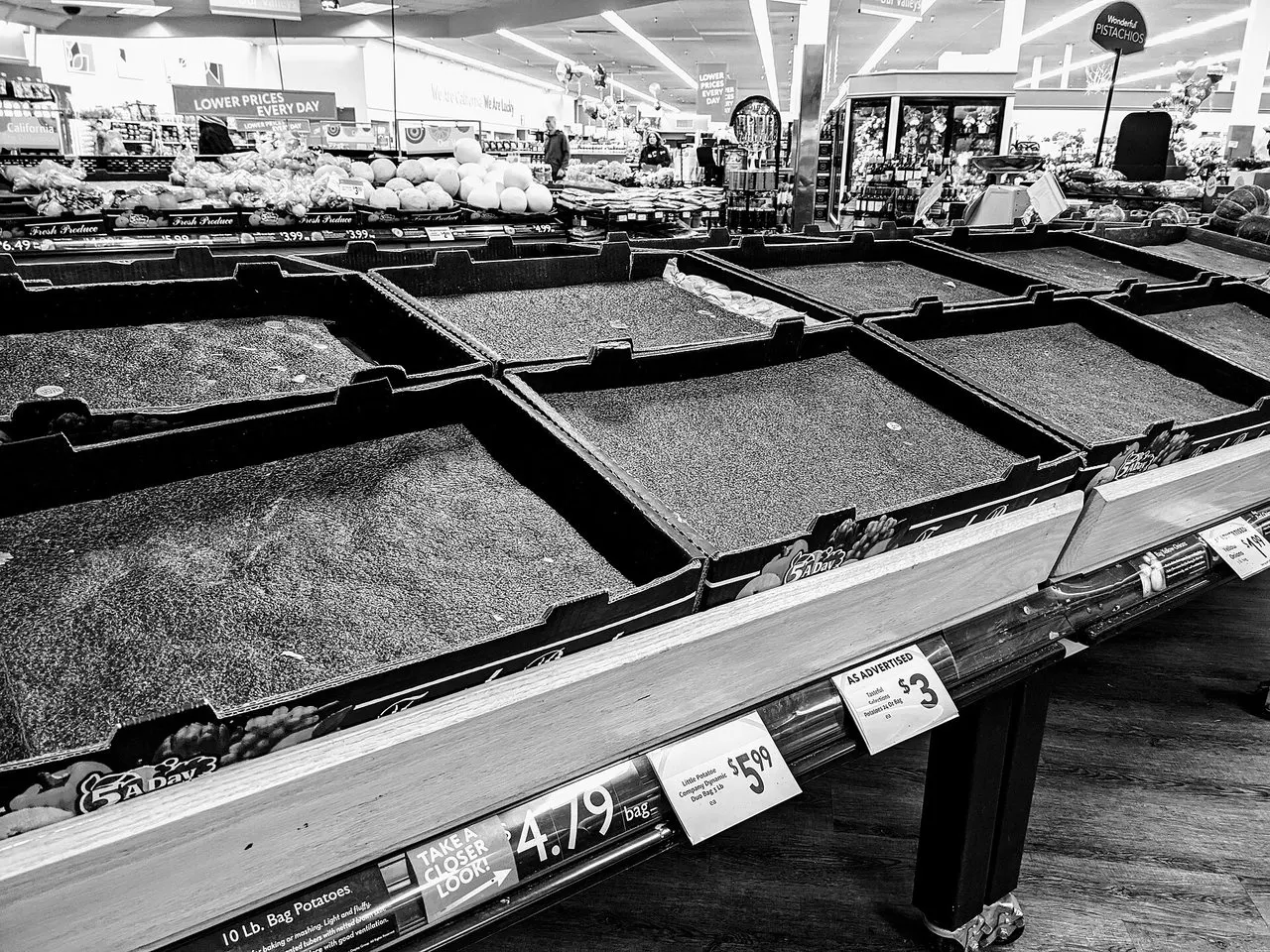
The joke began with a simple twist on a familiar idea. A city plan to sell food at lower prices became a story about stores with no food at all. The Babylon Bee piece says the mayor unveiled new details about the plan for five city-owned stores, and the punchline lands right away. The humor also works because the free bus debate in New York shows how big city ideas spark strong views, and a four year health plan shows how bold promises invite jokes when the details sound strange.
Mamdani Grocery Stores Would Put One Store in Each Borough
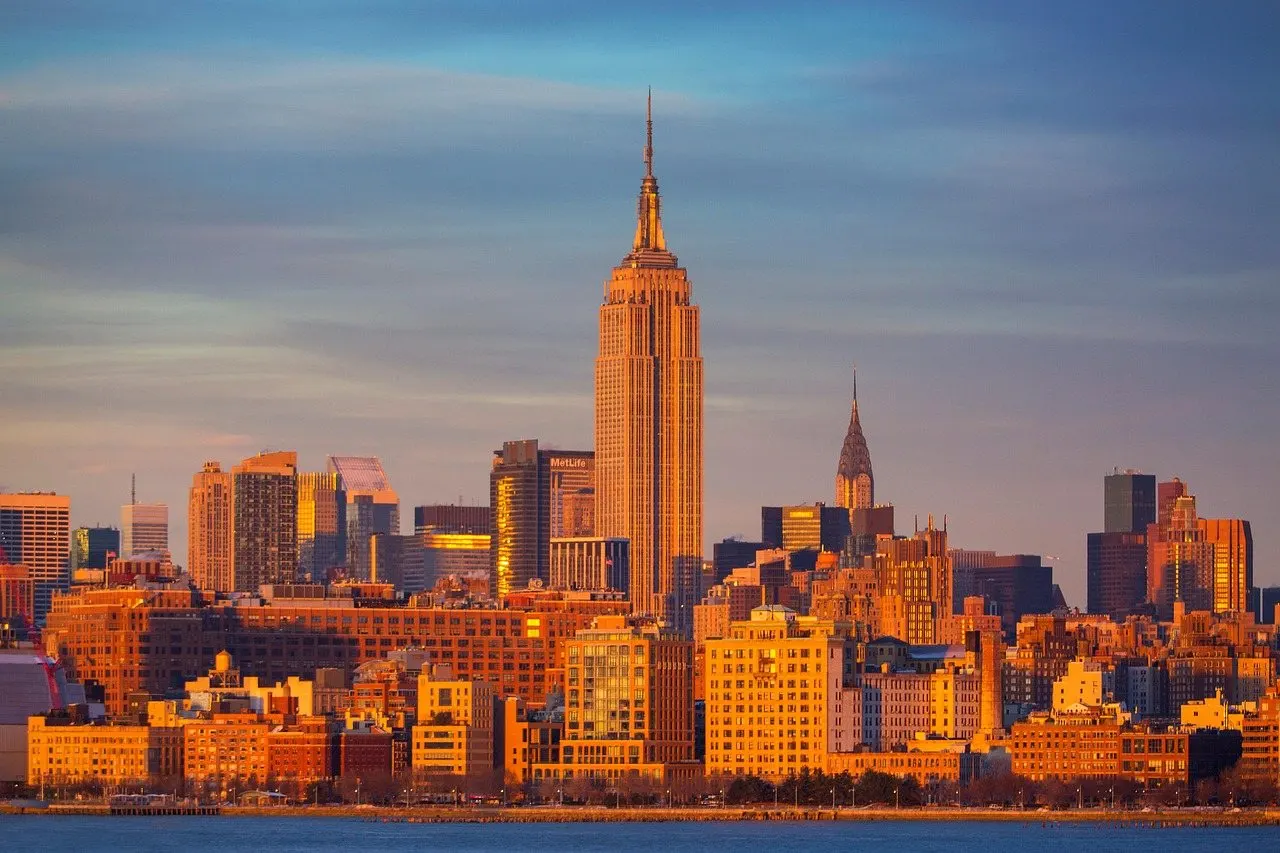
The real plan is simple to describe, and that is part of its appeal. One city-owned store would open in each of the five boroughs, so no part of the city is left out. The idea is to give shoppers a public option close to home, with prices that undercut the usual shops. Critics ask how five stores can serve a city of millions. The debate over who leads the House and a push to dim bright headlights shows that even small city rules can divide people, and this plan is far bigger than a traffic rule.
Seventy Million Dollars for Five Stores
The plan comes with a clear price tag that people can picture. Seventy million dollars is committed to the project, a sum that sounds large to a family budget and modest next to a city budget. The number matters because it shows the city is serious, not just floating an idea. Talk of gold prices falling and a gift that wipes out medical debt reminds us that big sums shape daily life, and voters watch closely when public money is on the line.
Mamdani Grocery Stores Promise Prices 30 Percent Lower
The heart of the plan is price, and the number is easy to remember. Essential foods would be priced 30 percent below typical retail, which could mean real savings on a weekly shop. For a family that buys the same items every week, that cut adds up over a month. Critics ask how the gap is paid for, and whether it lasts. The fight over pay during a shutdown and a plan to shut down Social Security shows how money debates turn personal fast, and food prices are personal for every household.
Bread, Eggs, Vegetables and Milk Are Called Luxuries
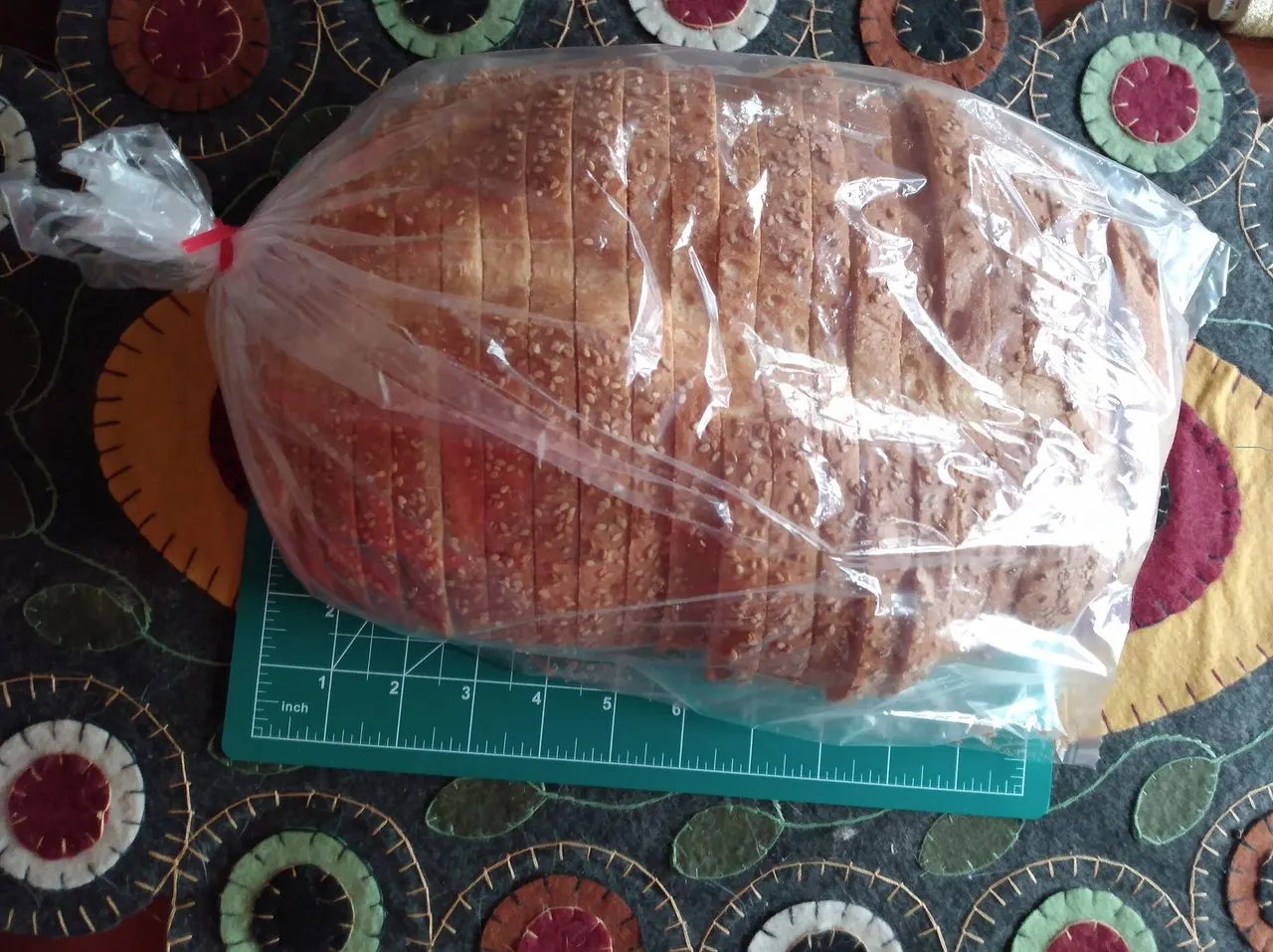
The satire names the foods we all buy without thinking, and that is why it stings. Bread, eggs, vegetables and milk are listed as items the city stores would not carry, along with other edible foodstuffs. The joke asks us to picture a shopper walking the aisles and finding none of them. The image is funny because it is so plainly wrong. News about a patrol in the capital and friends divided by politics shows how a single line can travel far, and this list of everyday foods did just that.
Mamdani Grocery Stores and the Free Tote Bag
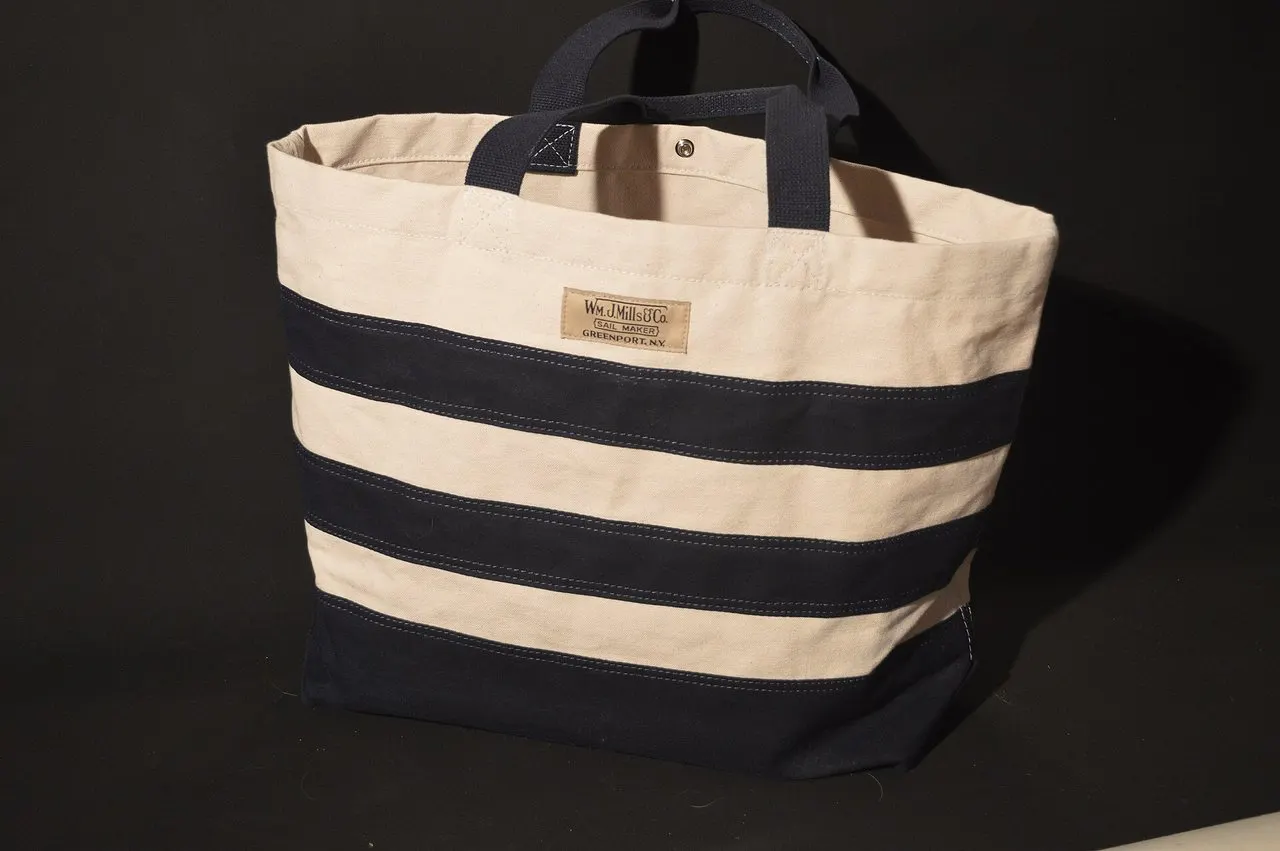
Every good joke needs a small detail that people remember, and here it is a tote bag. The satirical piece promises shoppers a free tote bag that says food is a human right. The bag is a kind touch, a useful gift that carries the message home. Readers shared the line because it sounds warm and absurd at once. The mayor’s rent freeze and childcare promises and the end of free buses in Kansas City show how a free item can become the symbol of a whole plan.
Why the Joke Landed So Fast
Satire works best when it is close to the truth, and this joke stays close. The plan is real, the mayor is real, and the prices are real, so the twist feels sharp. The joke also travels well in a short post, with one line doing most of the work. That is why it spread from feed to feed. The story of a meeting that ruined a party plan and a step by step health plan shows how fast a clear story can move when it fits the mood of the day.
Mamdani Grocery Stores Leave Private Shops With Questions
Private shop owners have the most direct questions about the plan. The South Shore Press headline says the grocery math leaves the city’s private stores out of the equation, which is a polite way of saying they feel ignored. Their concern is fair, and it deserves a clear answer. The city says the goal is lower prices, not harm to neighbors. Debates about a speaker vote and gold prices sliding show that cost and fairness are linked, and shop owners want both to be weighed.
A Plan That Is Not Just About Food
Fast Company says the plan is not just about food, and that point is worth a pause. A city store can also be about jobs, neighborhood life, and who gets a fair deal at the till. Those wider hopes explain why the idea draws strong support as well as strong doubt. Food is the product, but trust is the real test. The push for dimmer headlights at night and help with medical bills shows how one policy can touch many parts of life at once, far beyond its first headline.
Mamdani Grocery Stores Face Questions About Government Shops
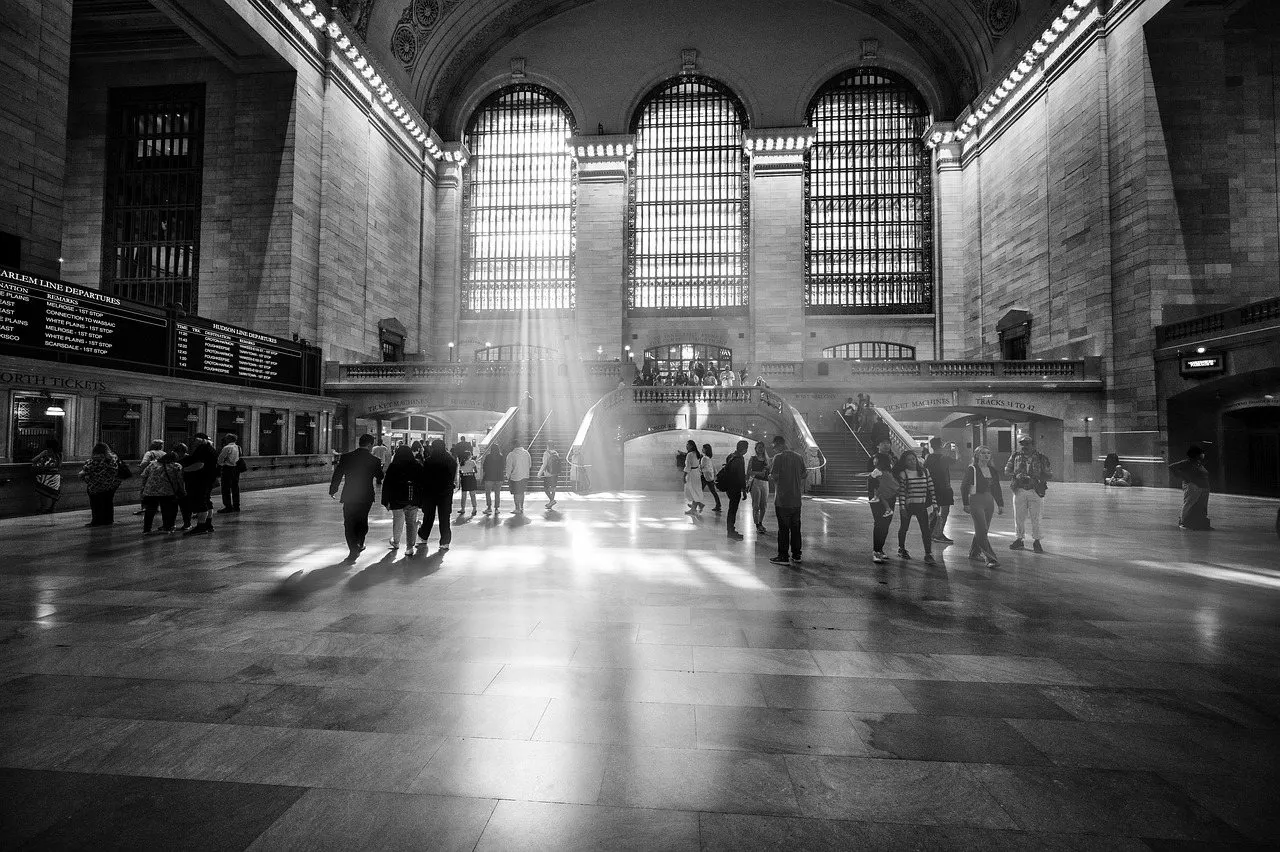
Reason asks whether the mayor is bragging about government-run grocery stores, and the question is a fair one. When a city runs a shop, it takes on work that private firms usually do, from buying stock to hiring staff. Both sides point to real cases from other cities and other services. The answer will come from how the first stores actually run. The row over senators going without pay and a police patrol in the capital shows that trust in government is earned in the details, not in a slogan.
New Yorkers Know Grocery Prices by Heart
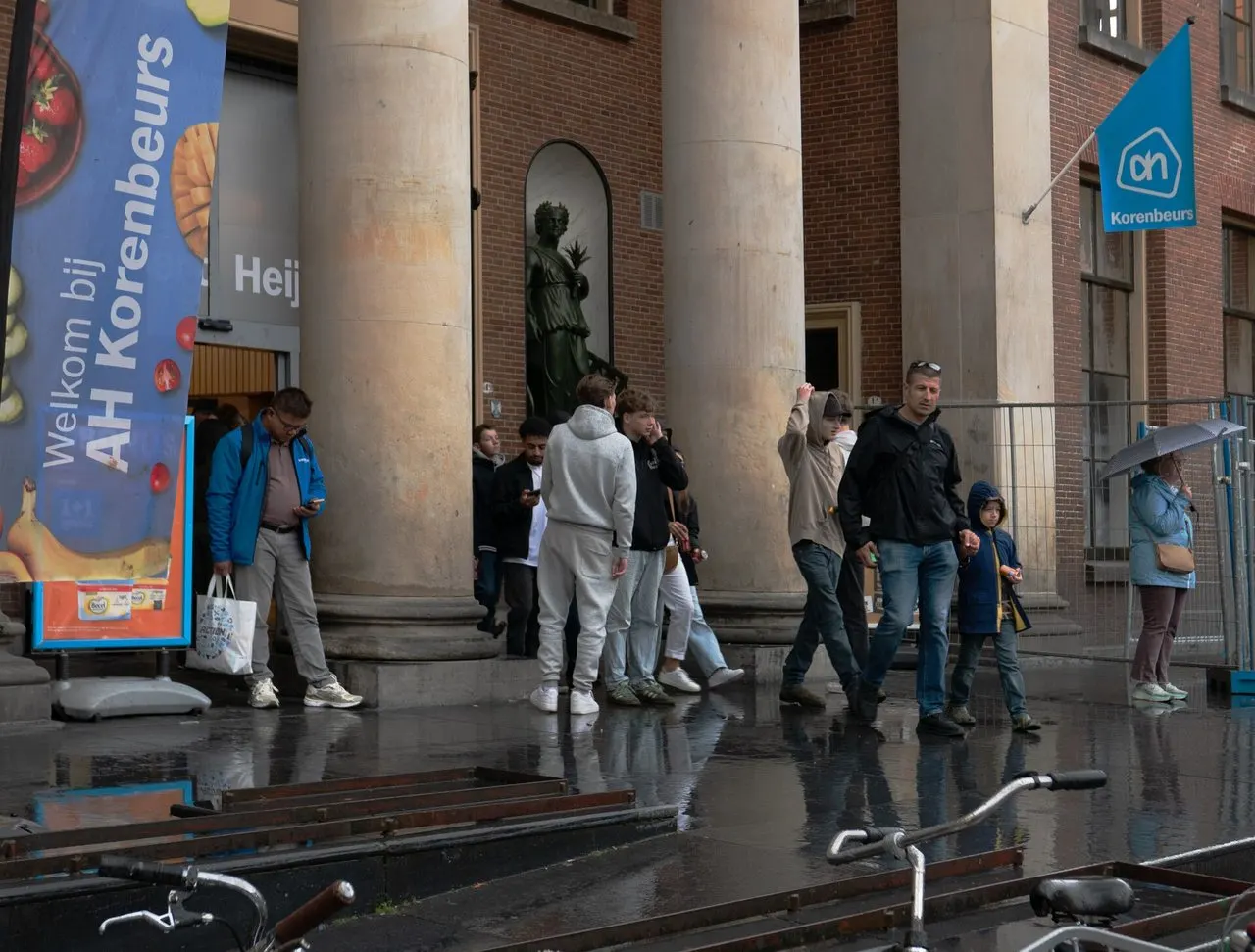
Ask any New Yorker about the price of milk or eggs, and you will get a quick answer. Grocery prices are part of daily talk in the city, from the corner shop to the big supermarket. That is why a promise to cut food prices by nearly a third grabs attention. People do the math in their heads before they read the fine print. The debate over Social Security funding and friendships strained by politics shows how money talk reaches into family life, and food shopping is where that talk starts each week.
Mamdani Grocery Stores Start in Hunts Point in 2027
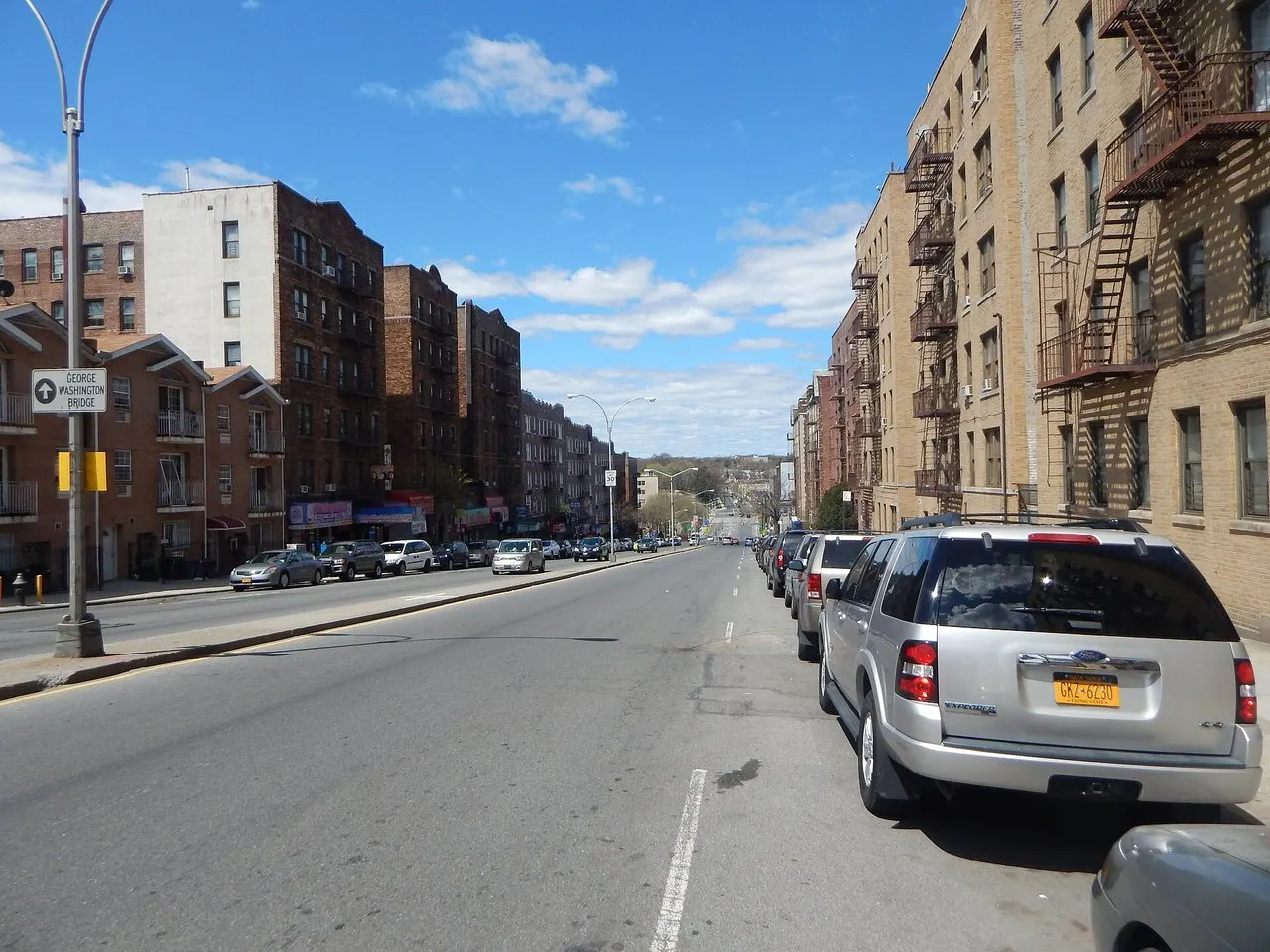
The first store has a place and a year, which makes the plan feel real. It would start in Hunts Point in the Bronx in 2027, a neighborhood known for its food markets and working families. Shoppers there will be the first to judge the prices, the stock and the service. If the first store works well, the other boroughs will follow with more confidence. The mayor’s rent freeze plan and a health plan that grows step by step show that a slow start can still lead to a big change, if the first step is done well.
How a City Store Might Work Day to Day
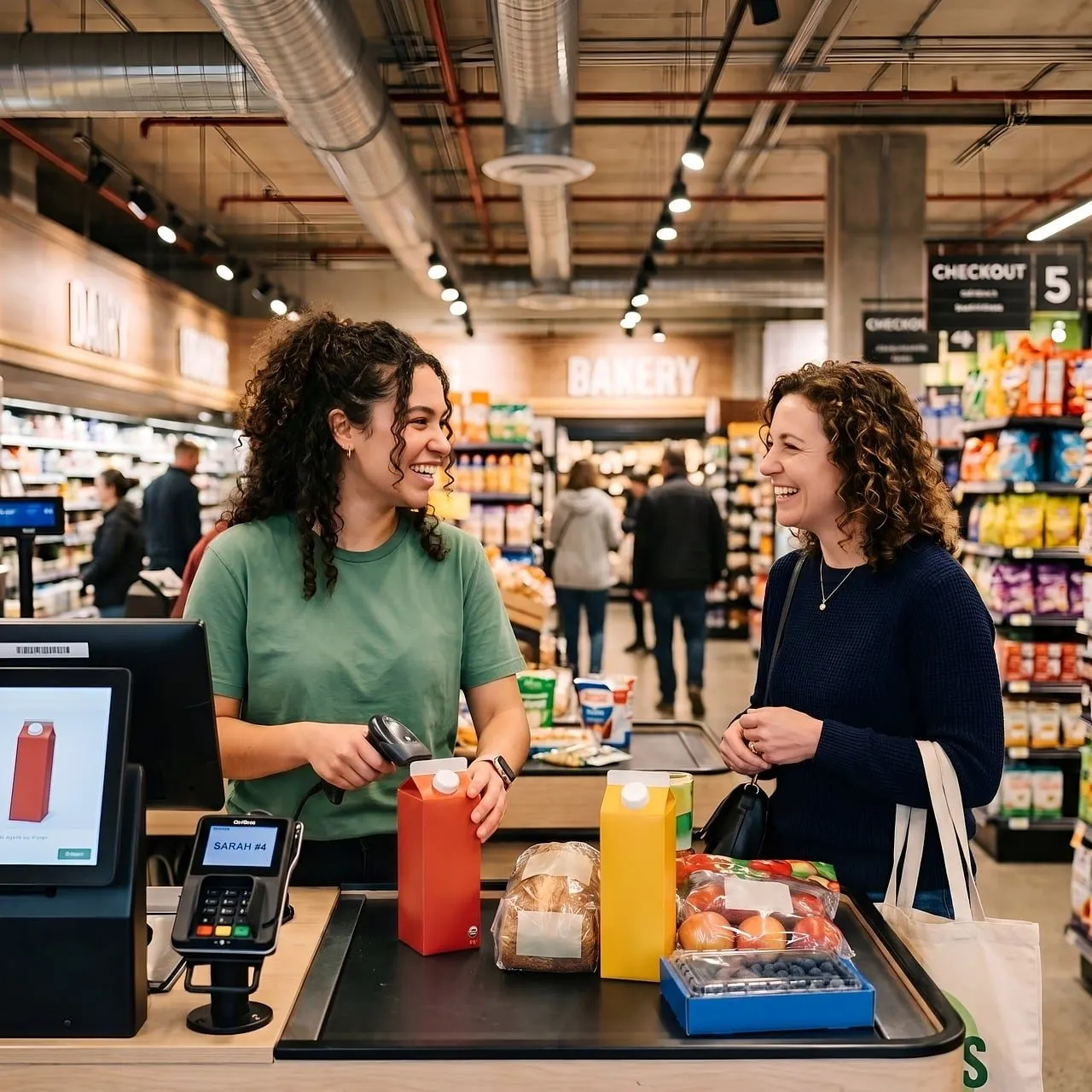
A city store would still need the same daily work as any shop. Staff would order stock, fill shelves, run the tills and help shoppers find what they need. Prices would need clear signs, so shoppers trust the 30 percent saving is real. Managers would need to keep the shop clean and safe. The work is ordinary, but doing it well every day is the test. A look at a speaker nomination vote and a meeting that shaped the debate shows that even routine choices need care, and a shop is full of routine choices.
The Line About a Lavish Lifestyle
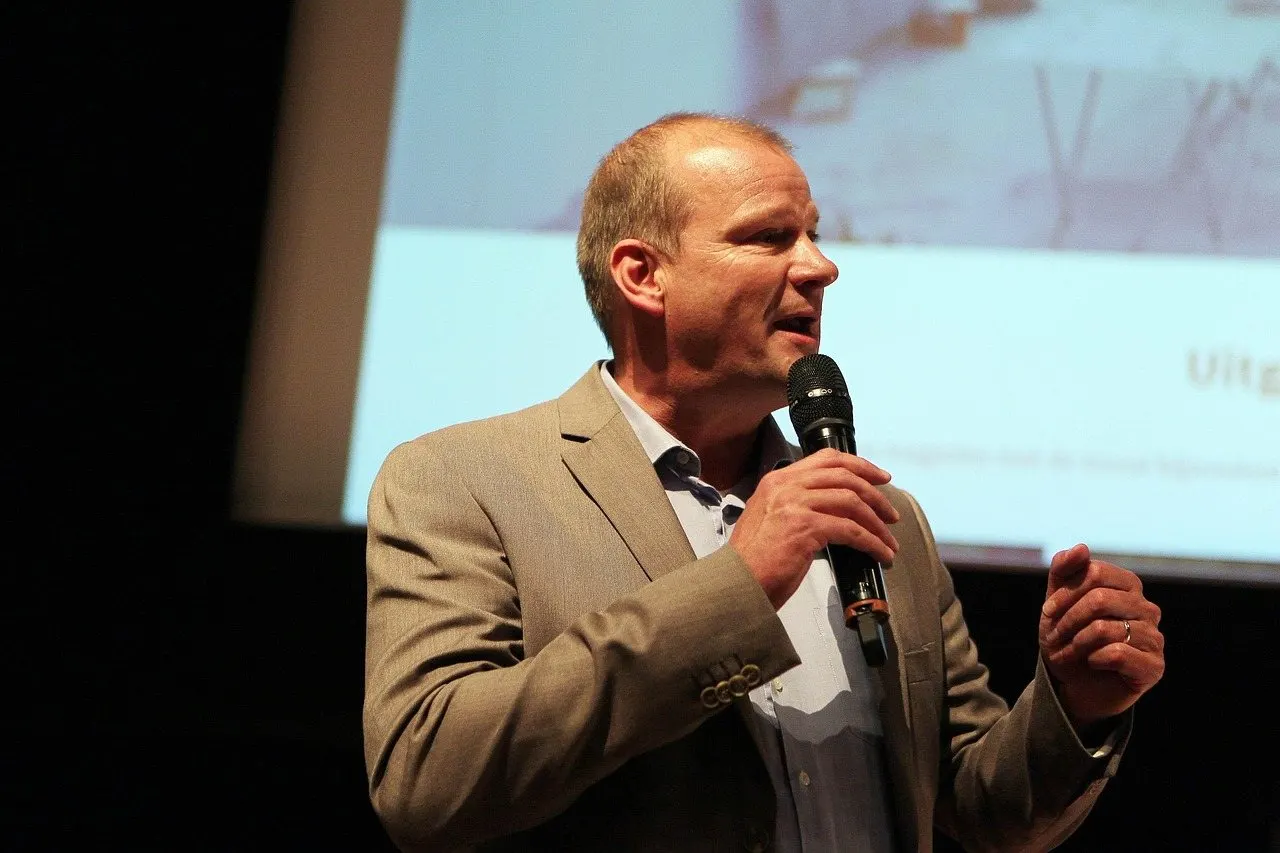
The quote at the heart of the joke is short and sharp. Mamdani was quoted in the satire as saying, "We are not here to subsidize a lavish lifestyle of eating food." The line works because it treats eating as a luxury, which flips common sense on its head. The line is now the part people quote back. The debate over free buses ending in Kansas City and bright lights that blind drivers shows how one vivid line can frame a whole debate, for better or worse.
Food Access Is a Daily Worry in New York
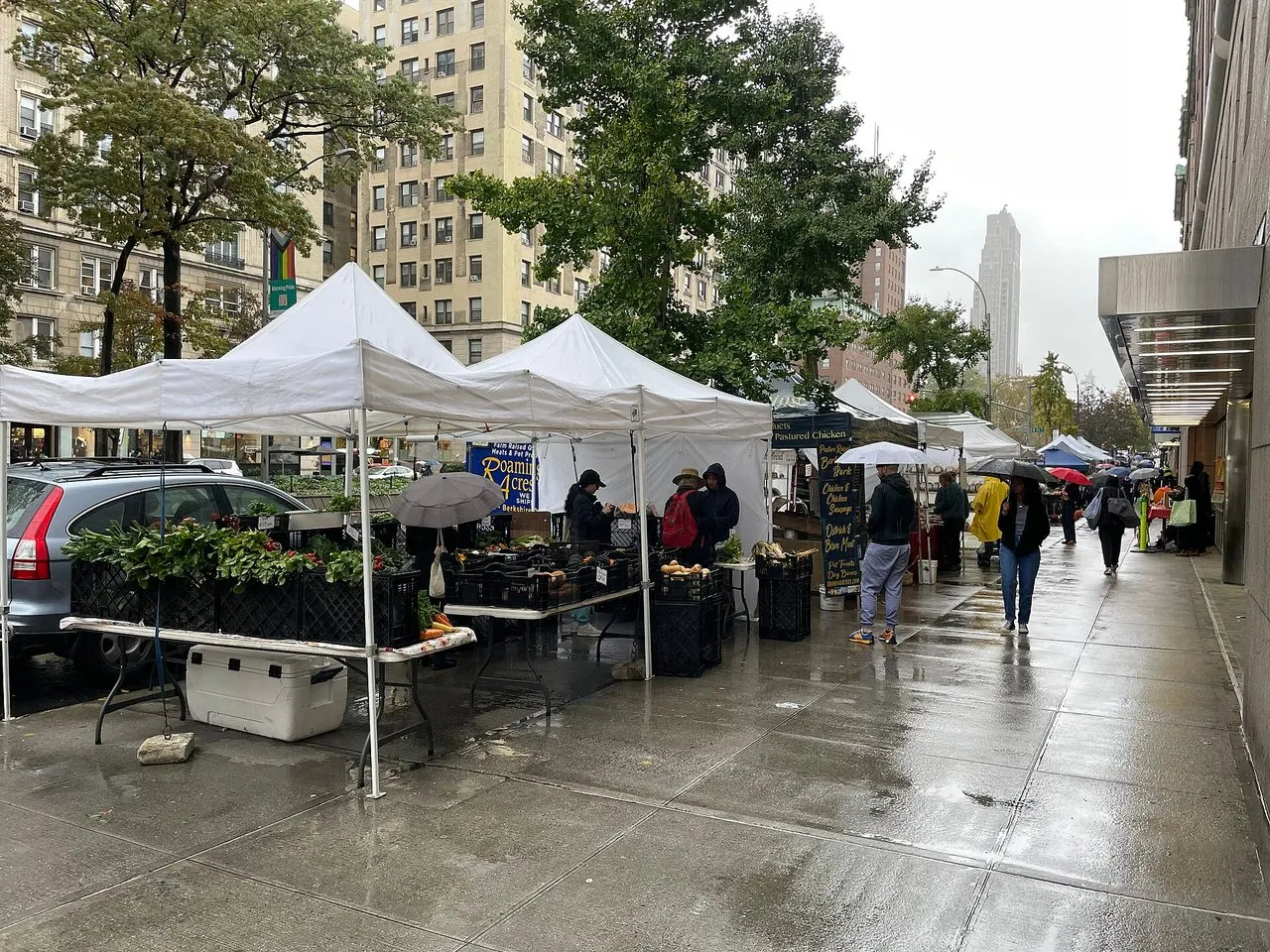
For many New Yorkers, getting good food is not simple, even in a city full of shops. Some neighborhoods have few large stores, and prices can be higher where choice is low. A public store could help close that gap, if it stocks fresh food at fair prices. That hope is why the plan has real fans, not just critics. The news about gold prices dropping and lawmakers losing pay in a shutdown shows that costs hit hardest where money is tight, and food is the first cost families feel.
What Happens Next Before 2027

There is time before the first store opens, and that time will be busy. The city must pick a site, hire staff, find suppliers and set prices that keep the promise of a 30 percent saving. People will watch each step, and the joke will stay in mind as a warning about overpromising. The test is not the announcement, but the shop that opens its doors. Help for families facing medical debt and debate over Social Security show that plans are judged by results, and this plan will be judged the same way.
What Do You Think About the Joke
Now it is your turn to weigh in, because this story is as much about laughter as it is about food prices. Did the joke make you smile, or did it make you worry about the plan behind it? Would you shop at a city-owned store if it opened near you, and what would you want on its shelves first? Read more about a patrol in Washington and how politics can test a friendship, then join the chat below and keep the talk kind and fair for all.