Bright Headlights Are Blinding Drivers at Night
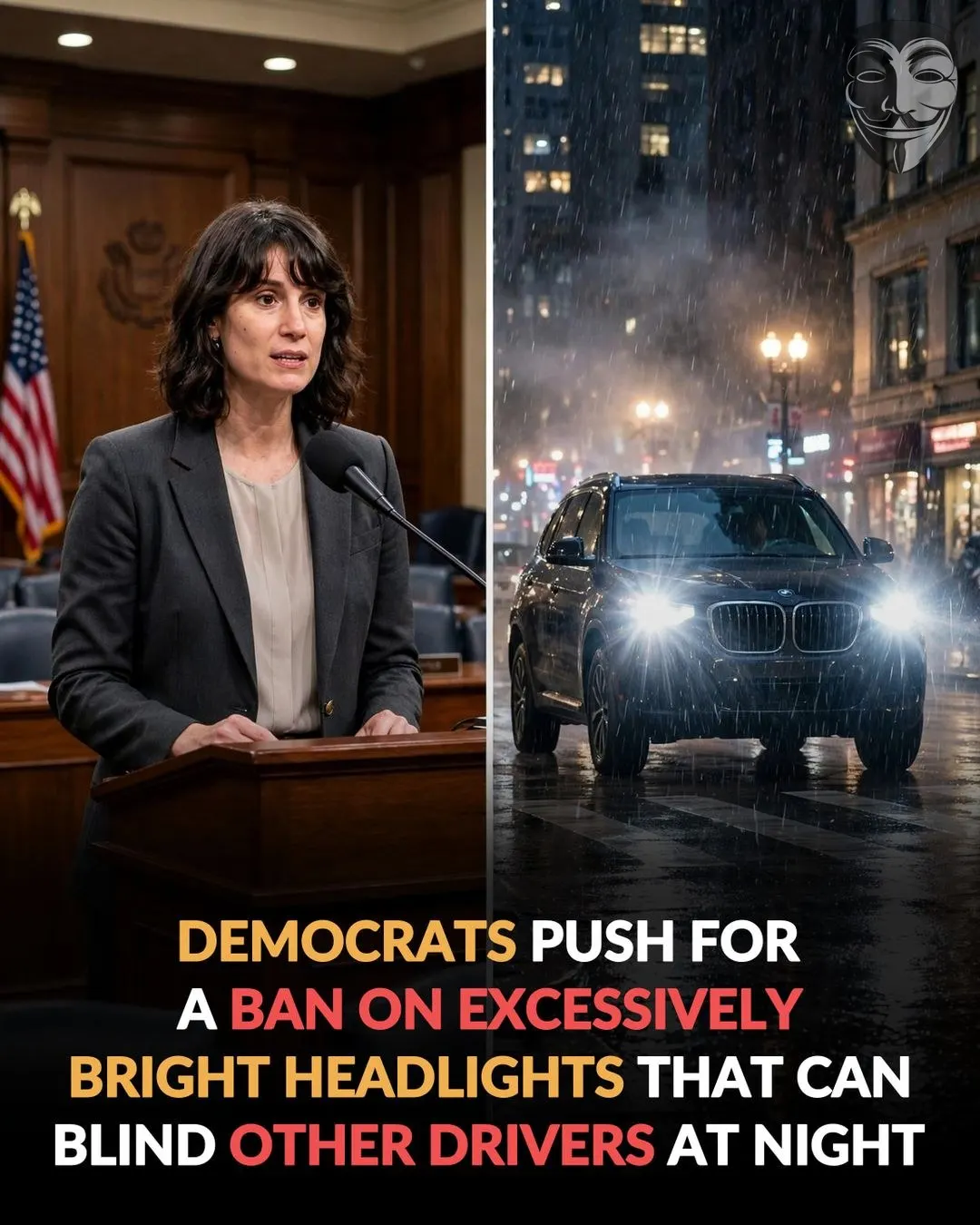
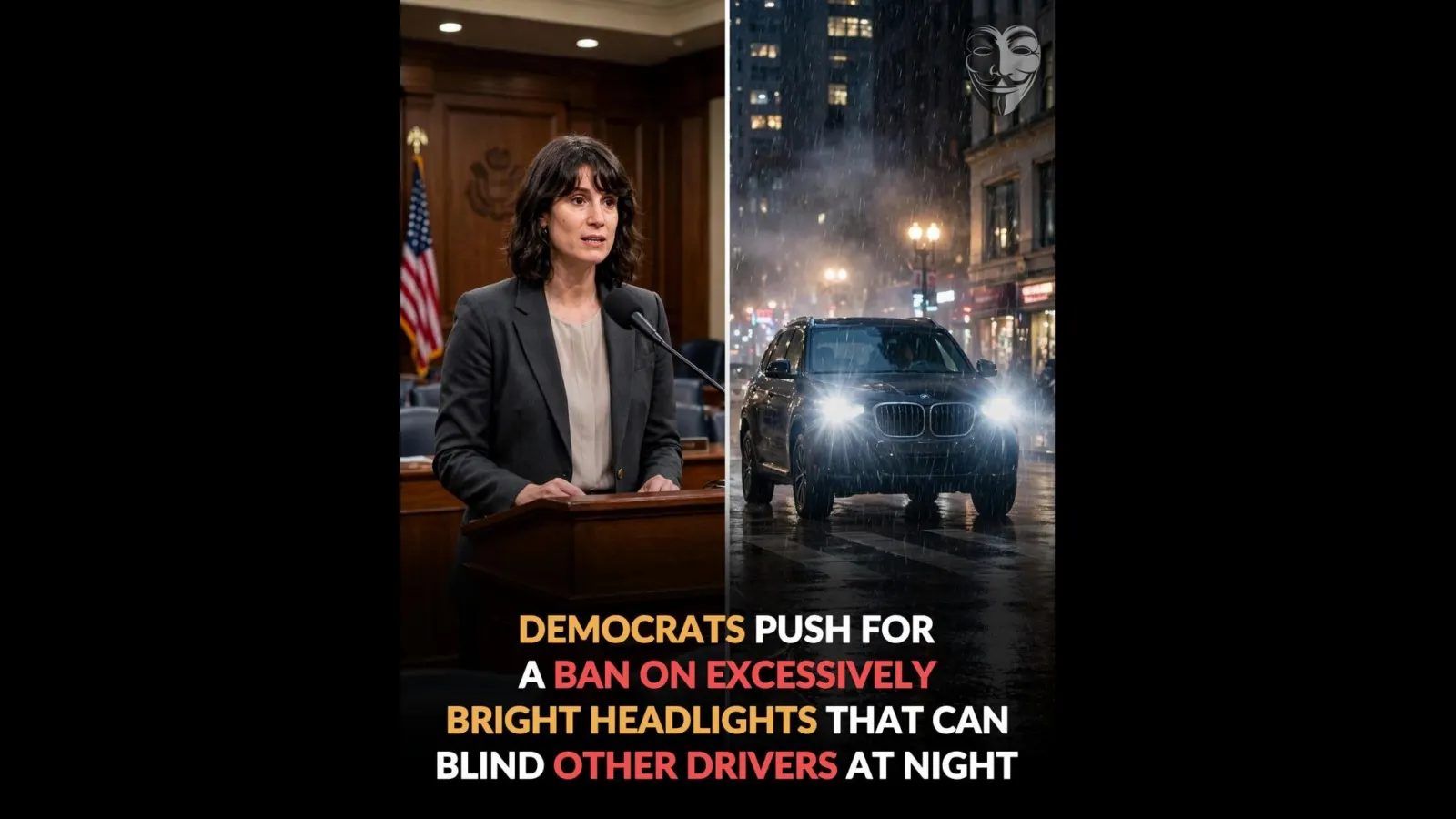
Bright headlights have become a nightly worry for millions of American drivers, and now Democrats in Congress want to do something about them. Representative Marie Gluesenkamp Perez introduced the LIGHT Safety Act in March, a bill that would direct federal regulators to set a maximum brightness limit for low beam headlights. Supporters say the glare from modern LED lights can temporarily blind oncoming drivers, and the problem is worst for people in smaller cars facing taller SUVs and trucks. Read about another bill from House Democrats in our report on the fight over presidential pardons.
The bill would give the Department of Transportation one year after it becomes law to write the new brightness standard, and it would not ban LED headlights outright. Federal regulators are separately reviewing the lighting rules, with glare as the first priority, after surveys found about six in ten drivers call nighttime glare a problem. Ahead we look at the bill, the science of glare, and what drivers can do while the rules catch up. For more on how new House bills move through Congress, see our story on a bill to let wrongfully detained citizens sue.
References:
DarkSky International: Headlight Glare on the Federal Agenda
Wise Voter: Headlight Glare Draws Federal Regulatory Review
Sherafy: Why Are Headlights So Bright LED Glare Laws and Fixes
Kaass Law: Bright Headlights Causing Car Accidents What the LIGHT Safety Act Could Mean for Drivers
The Lawmaker Behind the LIGHT Safety Act

Representative Marie Gluesenkamp Perez put her name on the LIGHT Safety Act after hearing from drivers blinded on dark roads at night. The bill carries her push for a clear limit on headlight brightness. She represents a district in Washington state, where long rural roads make night driving a daily fact of life. A bill alone changes nothing until Congress passes it and regulators write the standard. Read about a major Tesla pay deal and research into helping blind people see.
A Bill Is Born on Capitol Hill
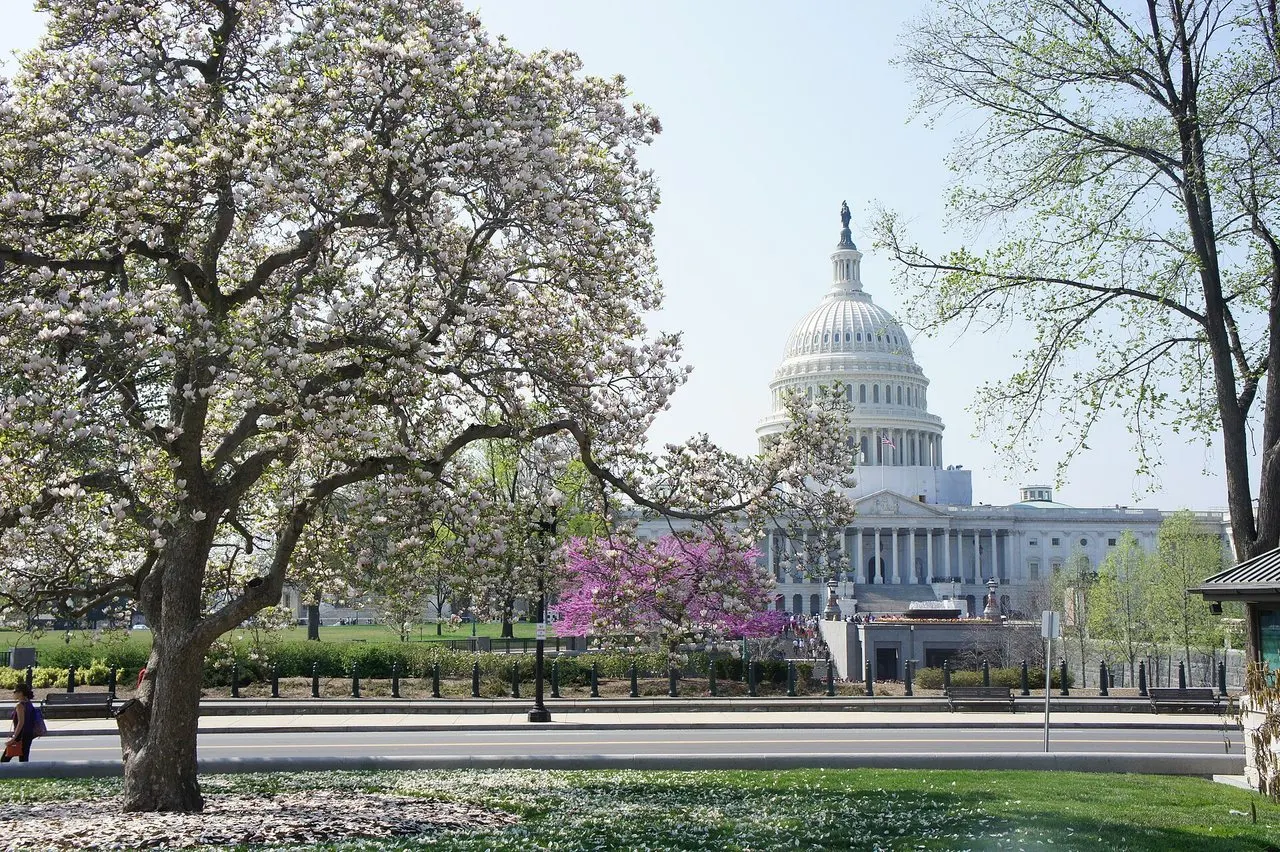
Every bill starts as an idea, and this one started with drivers writing to their representatives about lights that hurt their eyes. The LIGHT Safety Act was introduced in March, and its text asks federal regulators to set a limit on headlight brightness. From here it must win support in committee, pass the House, and then pass the Senate. See how a big vote passed overseas and how the courts check federal rules.
Why Modern Bright Headlights Feel So Harsh
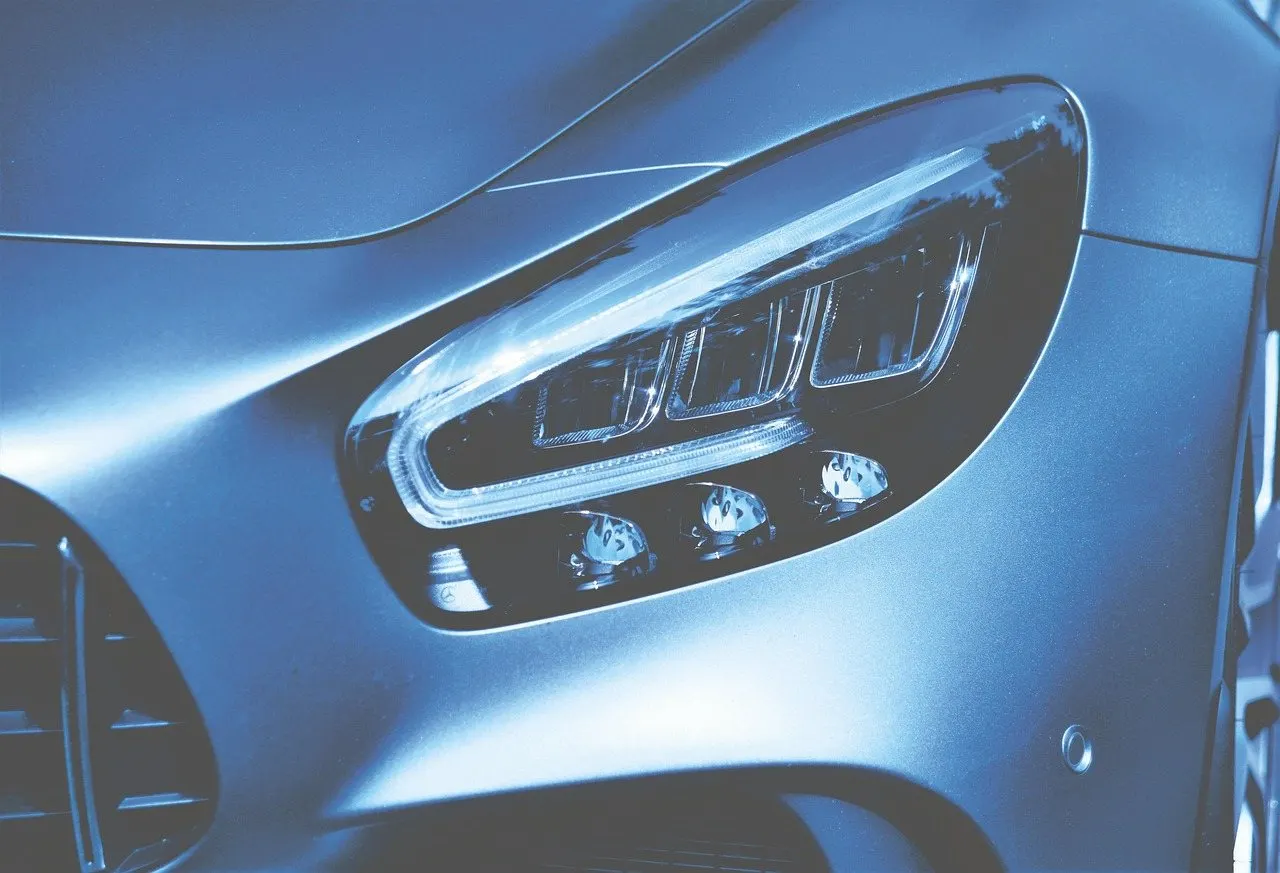
Modern headlights use LED bulbs, and LEDs can pack far more light into a small lamp than the old yellow bulbs ever could. That makes the road ahead clearer for the driver, but those lights also send a sharp white beam into the eyes of everyone coming the other way. Small differences in aim make the problem worse, and a light that sits a little high can feel like a spotlight. Read about a federal push on city crime and a federal order on the census.
Tall Trucks, Small Cars, and Bright Headlights
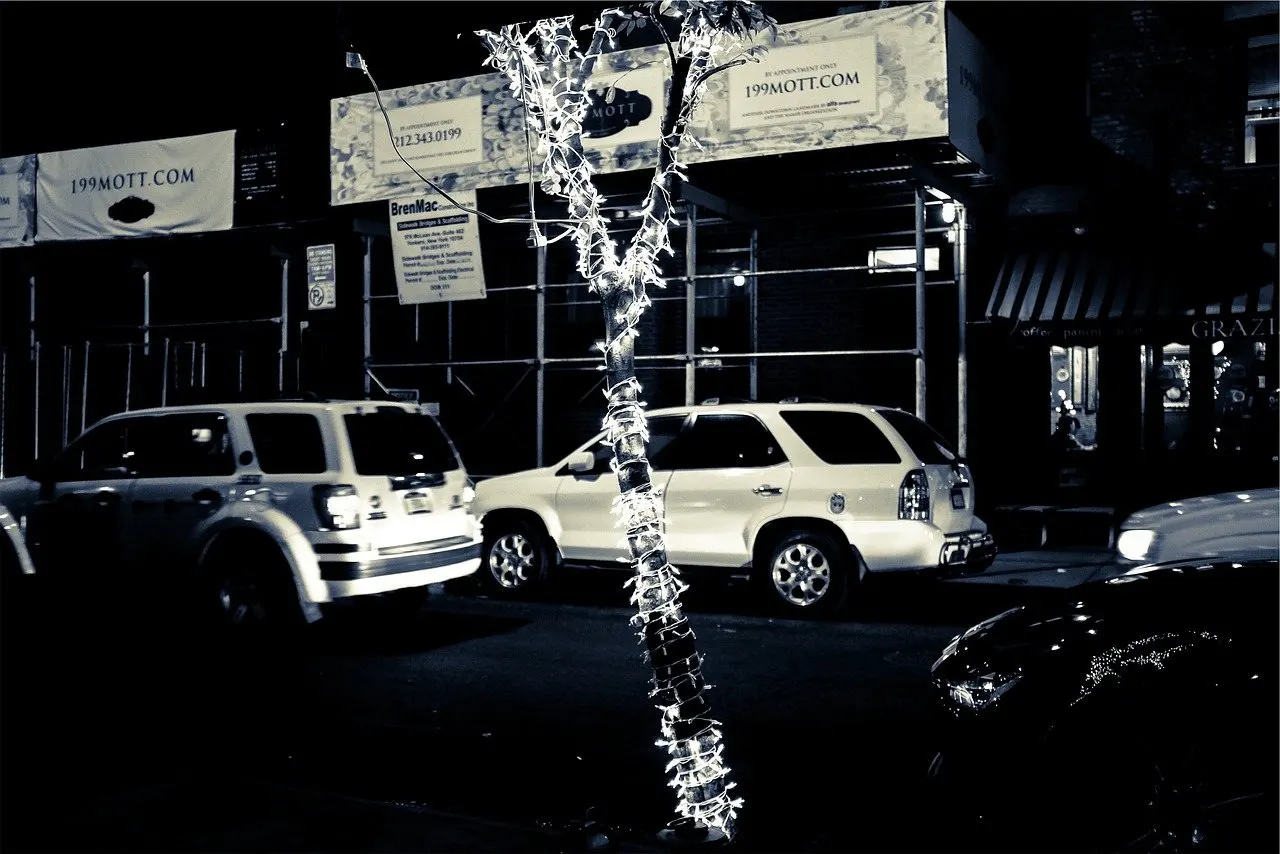
The height gap is a big part of the problem. Trucks and SUVs sit high off the ground, so their lamps shine straight into the windows of smaller cars instead of down at the road. A driver in a low sedan can feel trapped in the beam for the whole time a tall vehicle passes. Supporters say a brightness limit would help most where the gap is worst. See the debate over AI data centers and a governor suing to keep her job.
Six in Ten Drivers Say Glare Is a Problem
Surveys have found that about six in ten drivers call glare from oncoming lights a problem, and that number is what pushed regulators to act. Anyone who drives after dark has felt it, that moment when an oncoming car rounds a bend and the road ahead seems to vanish. It is not just annoyance, because a driver who cannot see cannot react in time. Read what Sanders said about 2028 and the debate over troops in Ukraine.
One Year to Write the New Bright Headlights Rule
If the bill becomes law, the Department of Transportation would have one year to write the new brightness standard. That clock matters, because a rule written in a rush can miss the details that make it work on real roads. Regulators would need to test lamps, set a clear number, and give car makers time to adjust. See another bill from House Democrats and the debate over a trillion dollar pay plan.
LED Lights Would Not Be Banned Outright
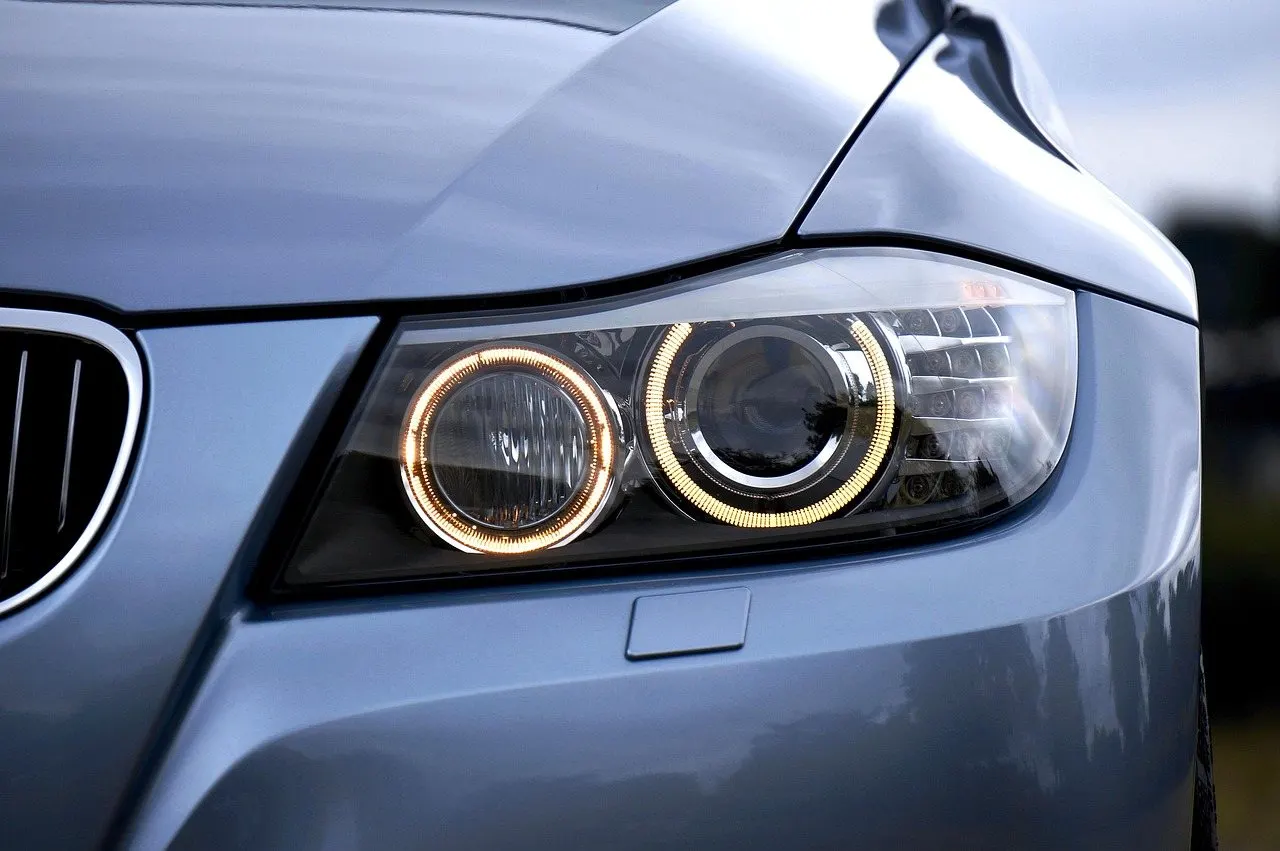
One point the bill makes clear is that it would not ban LED headlights outright. LEDs are now standard on most new cars, and they last longer and use less power than older bulbs. The goal is a limit on brightness, not a return to dim yellow lamps. Drivers who like their LED lights can keep them, as long as the lamps stay under the new cap. Read another House bill making news and new science that could restore sight.
Regulators Are Already Reviewing the Rules
Federal regulators are separately reviewing the lighting rules, and glare is the first priority in that review. That work started before the bill, after surveys showed how many drivers struggle with glare at night. A review can change the rules without Congress, but a law would give the change a firm deadline and a clear direction. See a deal approved by a unanimous vote and Washington stepping into city safety.
What Bright Headlights Do to Your Eyes
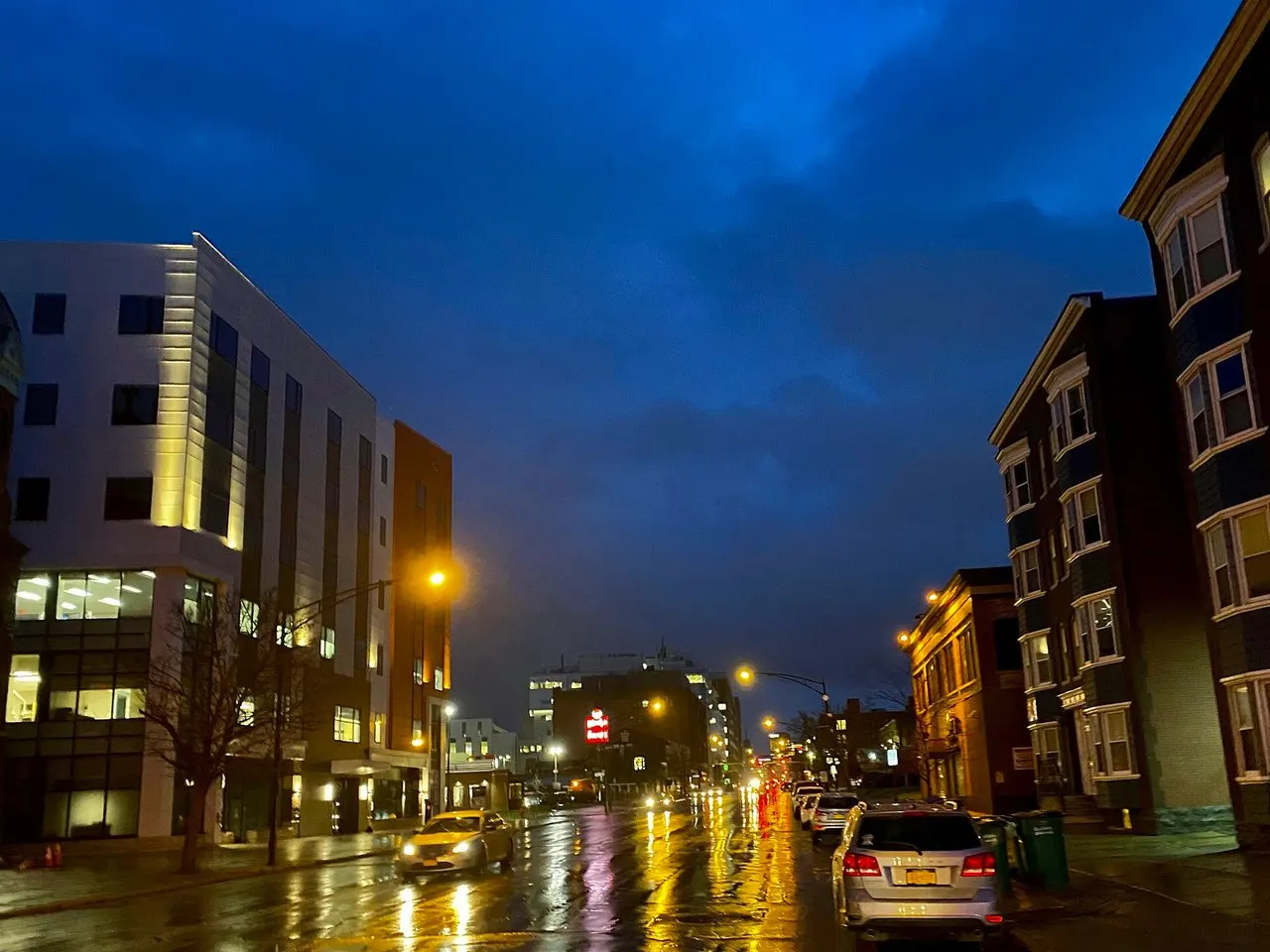
Human eyes need time to adjust when light changes, and a sudden blast of light can leave a driver seeing spots for a few seconds. At highway speed those seconds cover a long stretch of road, and the driver may miss a bend, a pedestrian, or a car slowing ahead. Older drivers feel it more, because aging eyes recover from glare more slowly. Read about the Supreme Court tariffs case and how Washington rewrites the rules.
Aiming Your Lights the Right Way
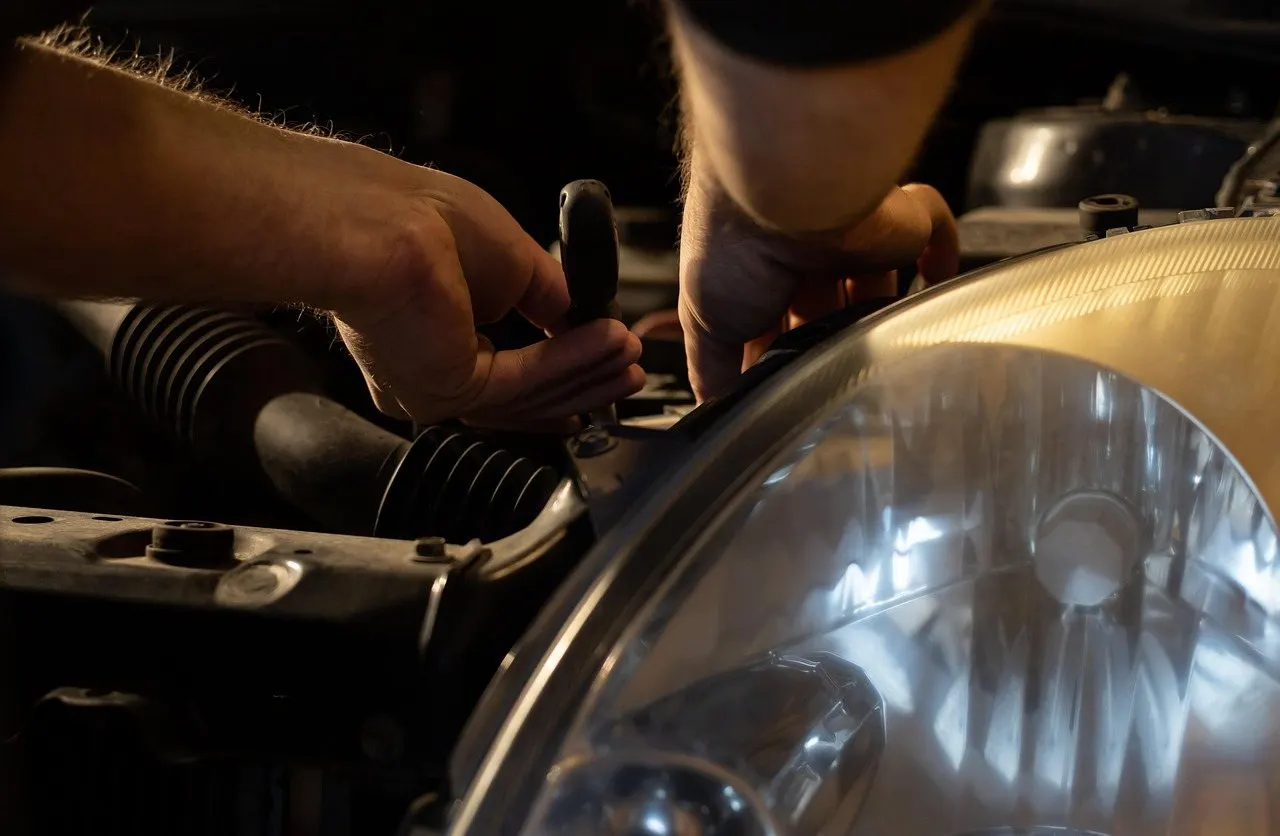
A light that points a little too high can blind the driver coming toward you, even when the bulb itself is legal. That is why mechanics check the aim of the headlights during service, and why a car that has been in a crash may need its lamps reset. Drivers can ask for an aim check at any garage, and it is a quick job. See why America needs more data centers and a senator dodging a 2028 question.
The Debate Over Bright Headlights
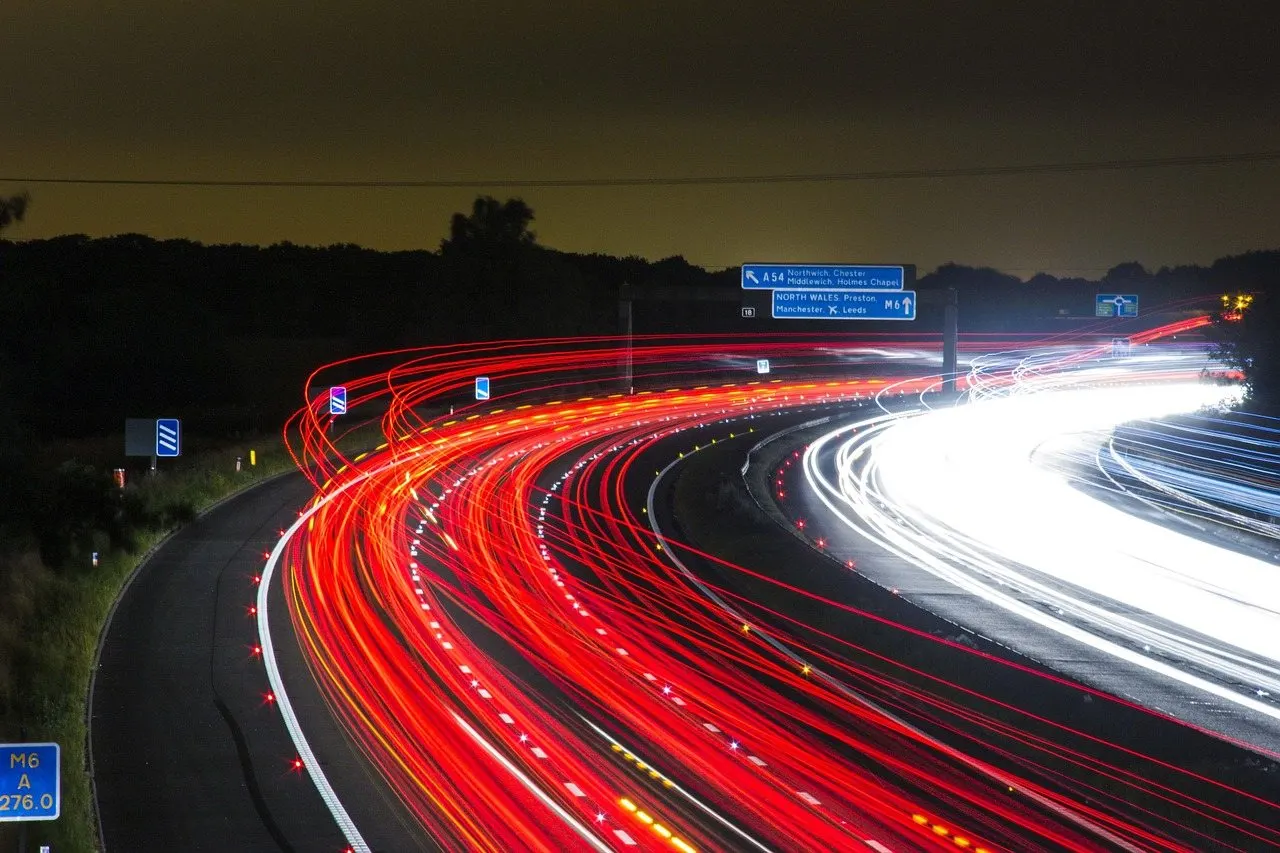
Not everyone agrees that a ban or a limit is the right answer. Some drivers say brighter lights keep them safer, because they can see farther down a dark road and spot trouble sooner. Car makers warn that new rules could add cost and take years to reach every car on the road. The debate is really about whose safety counts most at night. Read the fight over the Federal Reserve and what the White House said about Ukraine.
What Other Countries Do About Glare

Other countries have faced the same problem, and many set stricter limits on headlight brightness years ago. In much of Europe, rules on lamp aim and brightness are tighter, and some cars there use adaptive beams that dim part of the light when another car approaches. Supporters say brightness limits work, and they point to those rules as proof. See a bill that divided Congress and a historic 109-0 vote in Denmark.
How to Drive Safer Until the New Headlight Rules Arrive
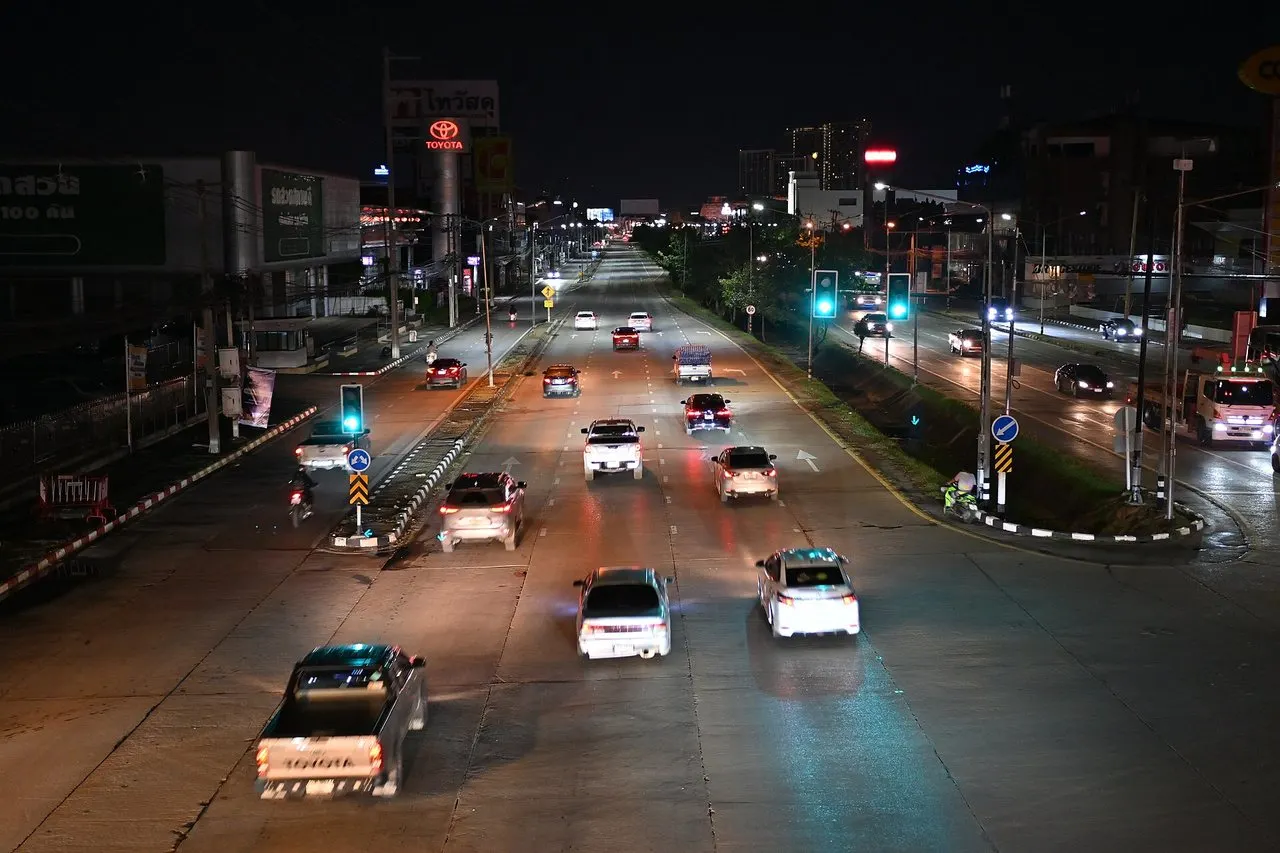
While the rules catch up, drivers can take simple steps to stay safer after dark. Keep your windshield clean inside and out, because dirt spreads glare across the glass. Slow down a little when an oncoming car rounds a bend, and look toward the right edge of the road instead of straight into the beam. A quick glance away can save your night vision. Read a House bill about detention payouts and a court fight over tariffs.
From Gas Lamps to LEDs: A Short History of Headlights
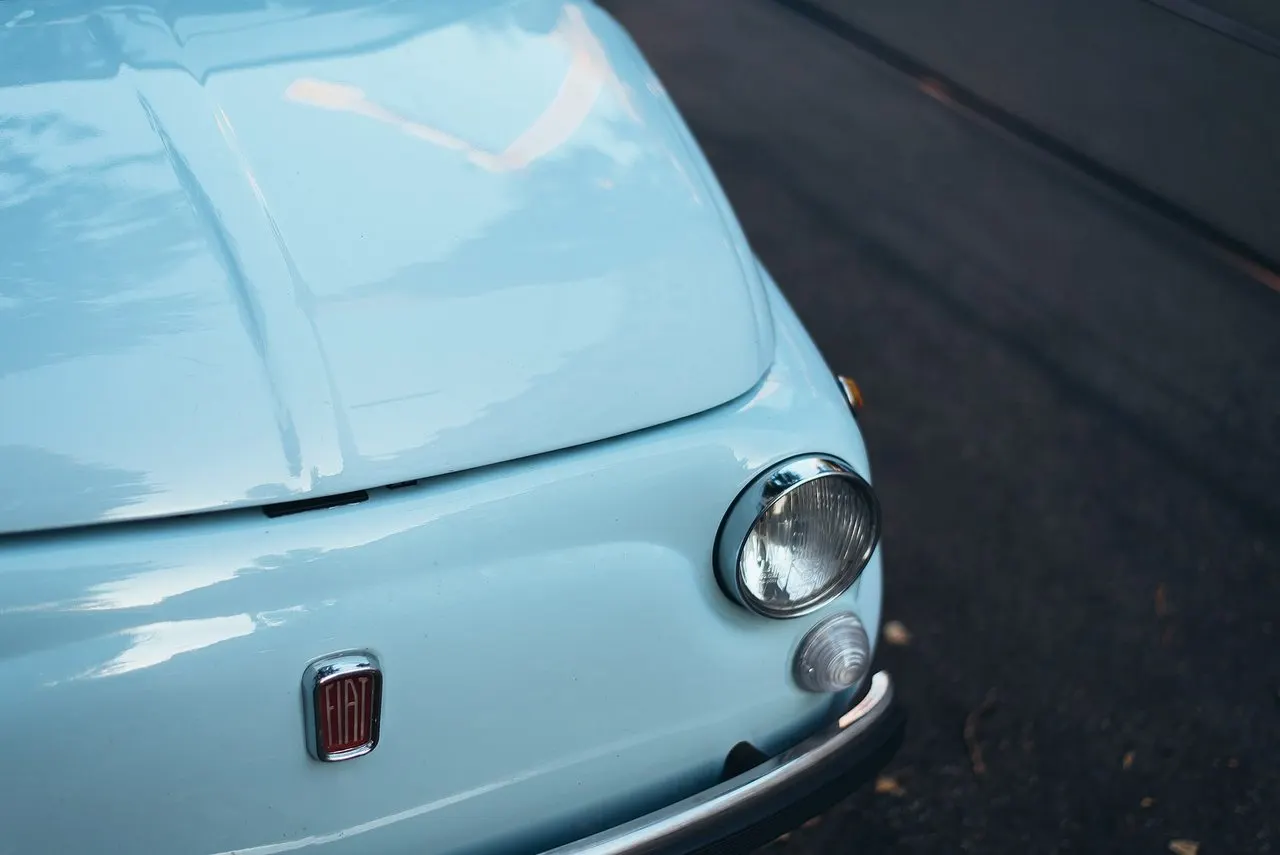
Headlights started as dim gas lamps that barely lit the road, and early drivers often carried extra lanterns just to see ahead. Electric bulbs came next, then sealed beams, then halogen lamps, and each step made the night a little brighter. LEDs are the latest step, and LED lamps are brighter still. The story of headlights is a story of more light, and now of learning where to stop. See how Tesla handled a pay fight and the federal crime crackdown.
Why Road Safety Supporters Back Limits on Blinding Lights
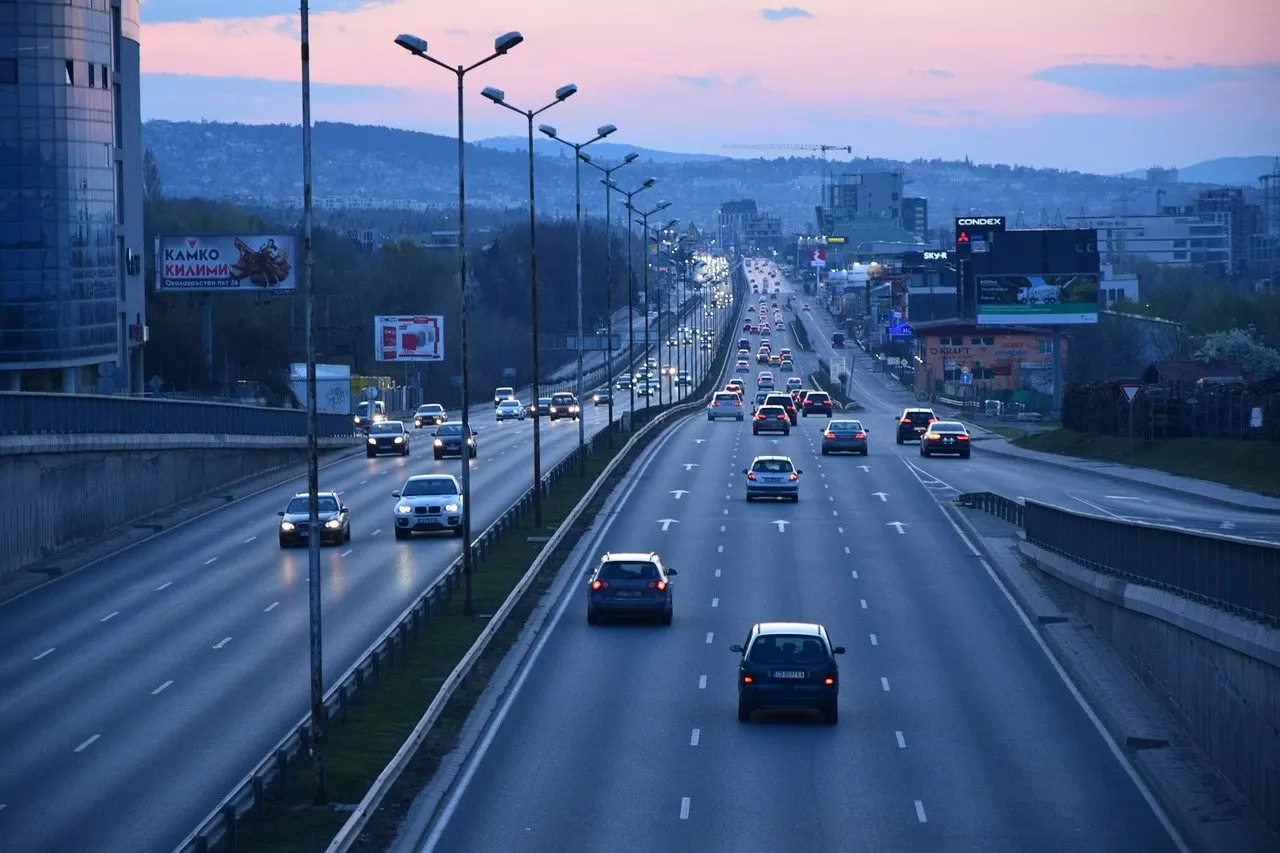
Road safety groups have welcomed the bill, because they see glare as a risk that grows with every model year. They argue that a clear maximum would protect the most exposed drivers, including older people and those in small cars. A limit is a simple fix, they say, and it costs far less than rebuilding roads or retraining drivers. Read trials that could give blind people vision and the census order from Washington.
What Happens Next for the Headlight Bill
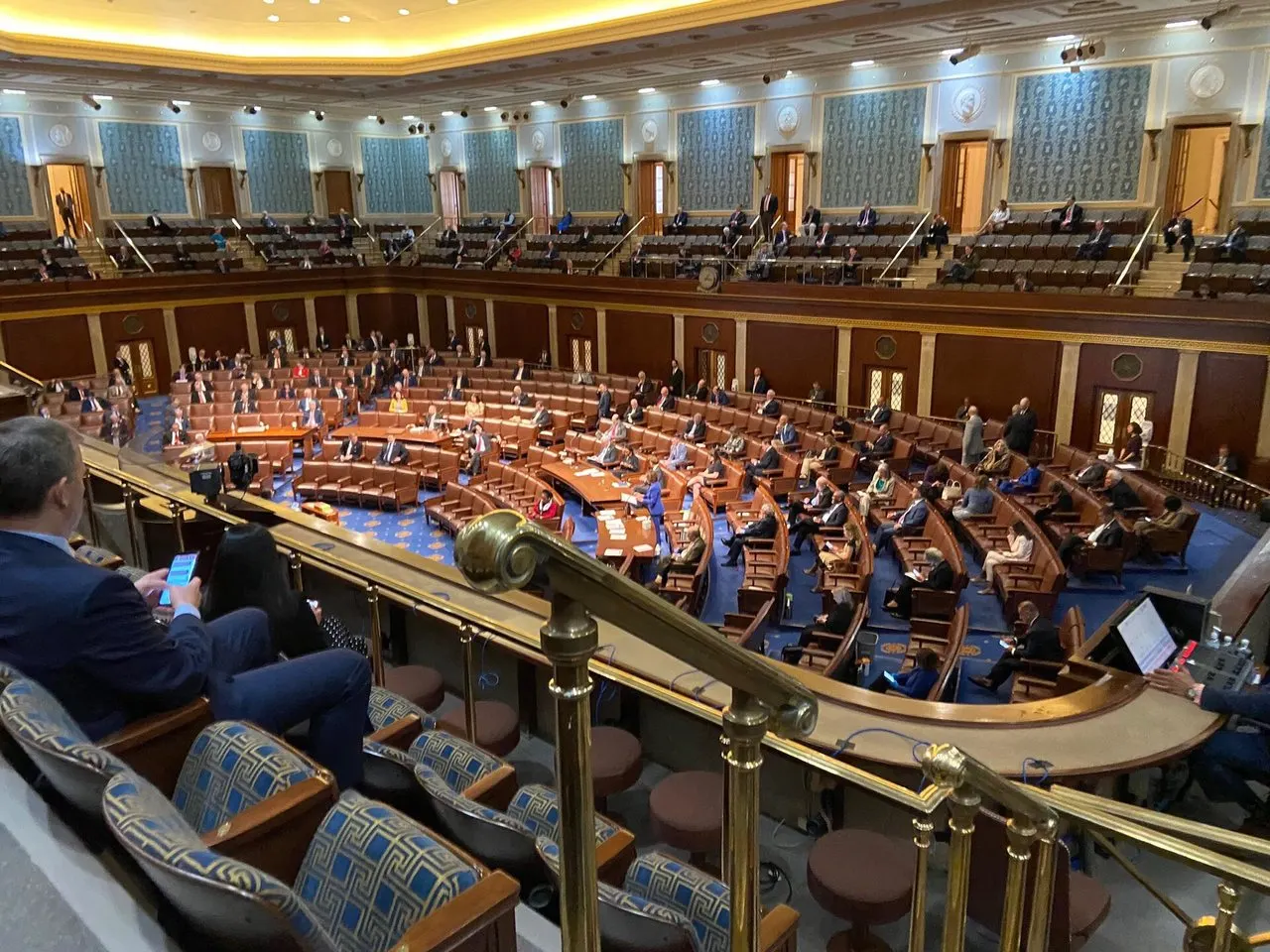
The bill now faces the long road through Congress, where most bills stall long before a vote. Its supporters will need to win over committee leaders, gather co-sponsors, and keep the issue in the news. Even if it passes, the one year clock for regulators only starts once it becomes law. That is why the next few months matter for drivers who want change. Read the rush to build data centers and a legal clash at the Fed.
Would You Support a Ban on Bright Headlights?
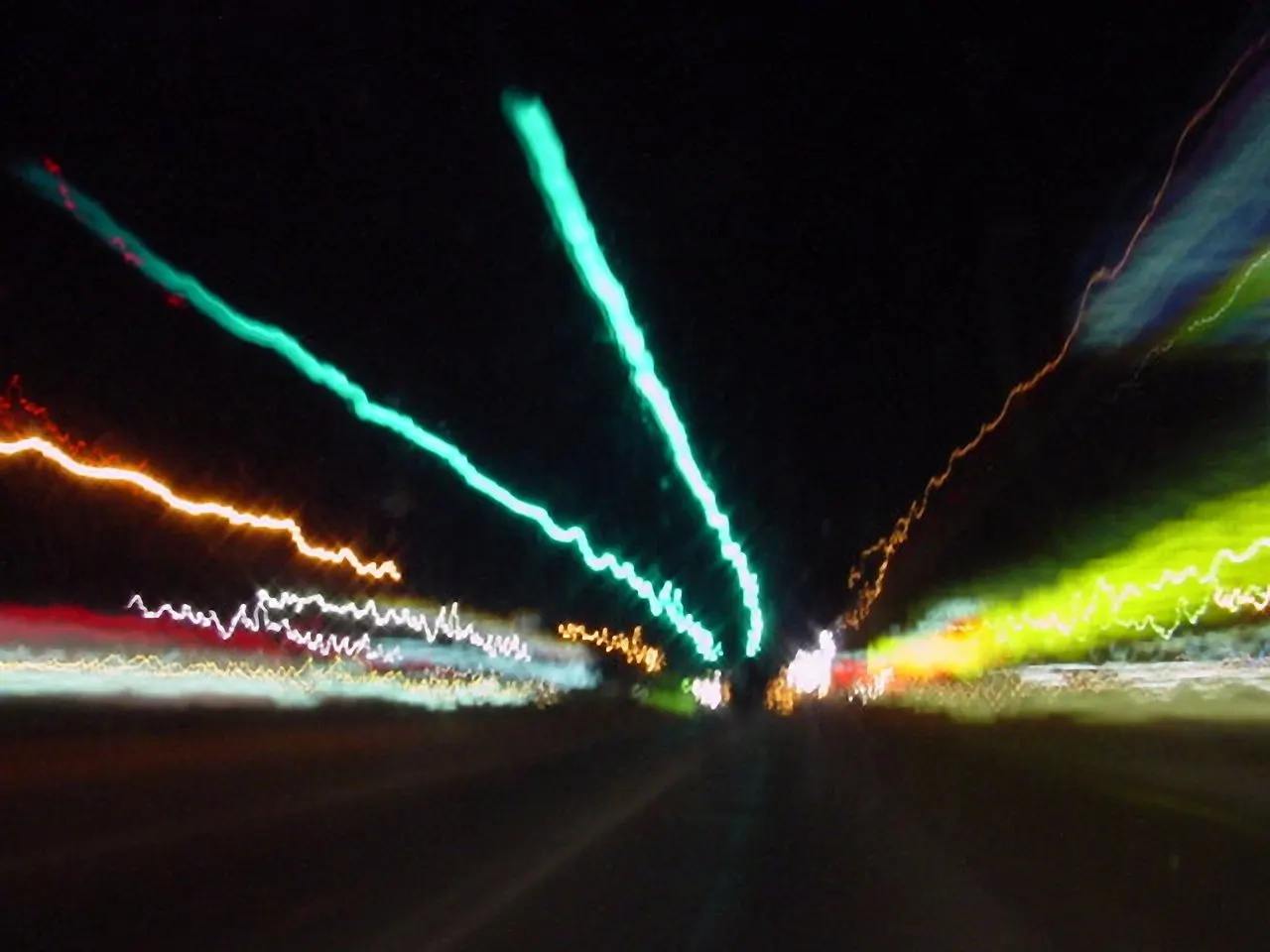
So now we want to hear from you. Would you support a ban on overly bright lights, or do you think a simple brightness limit is enough? Have you ever been blinded by an oncoming car at night, and what did you do? Share your story in the comments below, and tell us what you think Congress should do next. Read Bernie Sanders on a 2028 run and Washington and the Ukraine question.