The Eisenhower Ohrdruf Camp Visit That Made Proof Permanent
The Eisenhower Ohrdruf camp visit on April 12, 1945, changed how the world would remember the war. General Dwight D. Eisenhower entered the newly liberated camp in Germany with Generals George Patton and Omar Bradley, and what they found shocked even these battle hardened commanders. Eisenhower decided at once that the world needed proof that could never be denied, so he ordered military cameramen to record every grave, every oven, and every survivor before the evidence could fade or be questioned. See US military bunkers.
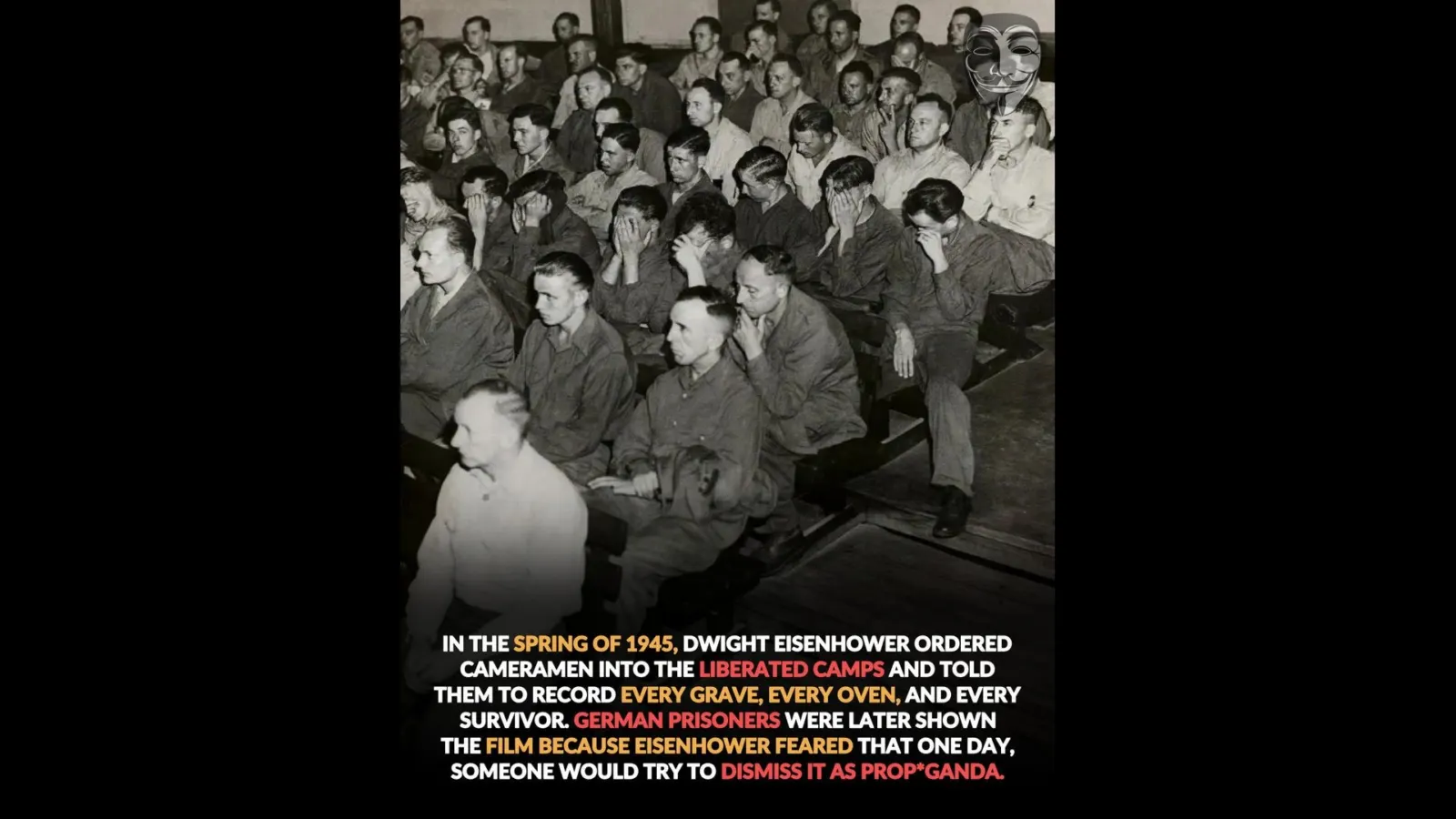
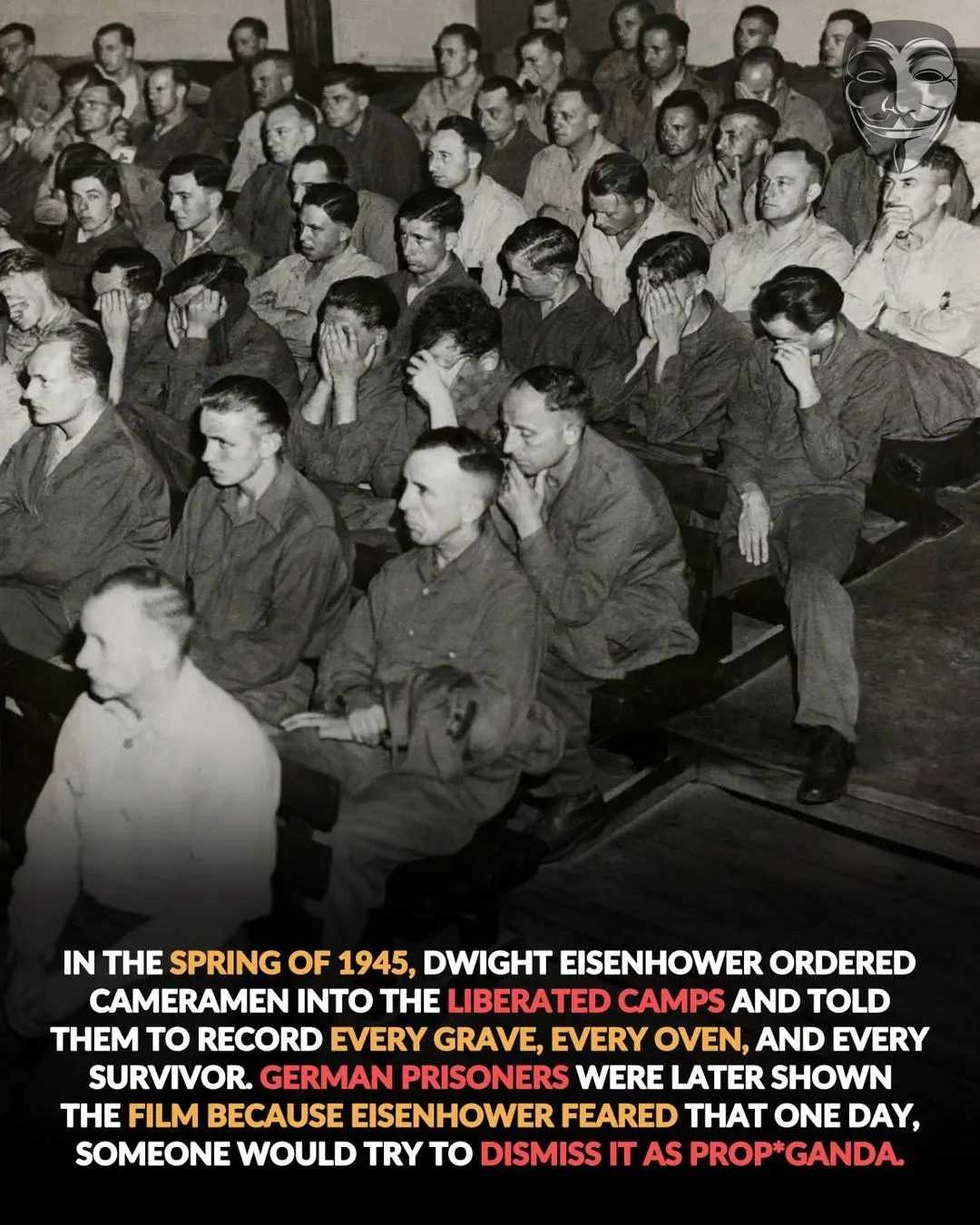
He also urged journalists and members of Congress to travel to Germany and see the camps with their own eyes, because he feared that one day someone would try to dismiss the record as wartime propaganda. German prisoners were later made to watch the footage, and the photographs and films became essential evidence at the Nuremberg trials. The record Eisenhower ordered that spring still stands today as proof of what Allied troops found when they opened the gates of Ohrdruf. See the Alaska talks.
References:
Wikipedia: Nazi Concentration Camps
The White House: Holocaust Days of Remembrance Ceremony
National Archives: Nazi Concentration Camps
The Reader Wiki: Nazi Concentration Camps
April 12, 1945
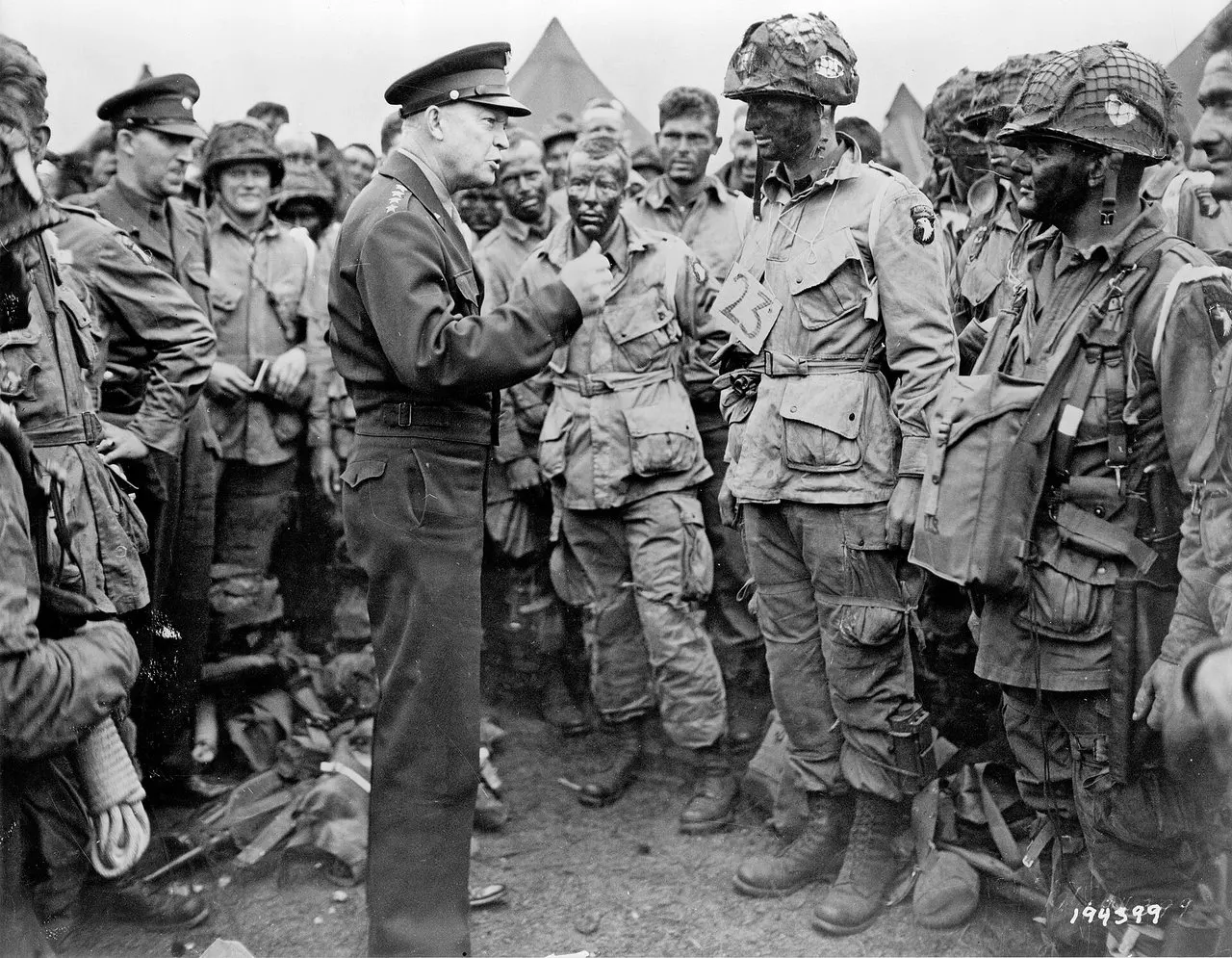
On April 12, 1945, General Dwight D. Eisenhower walked through the gates of Ohrdruf, a camp in Germany that American troops had liberated only days earlier. He came with Generals George Patton and Omar Bradley, two of the most experienced Allied commanders. The three men had seen hard fighting across Europe, yet nothing had prepared them for what waited inside the camp fences. Eisenhower later said the visit left a mark on him that never faded, and he knew within hours that the world had to see it too. See the Shenzhen summit and the leaders in Shenzhen.
Patton and Bradley Stood Beside Him
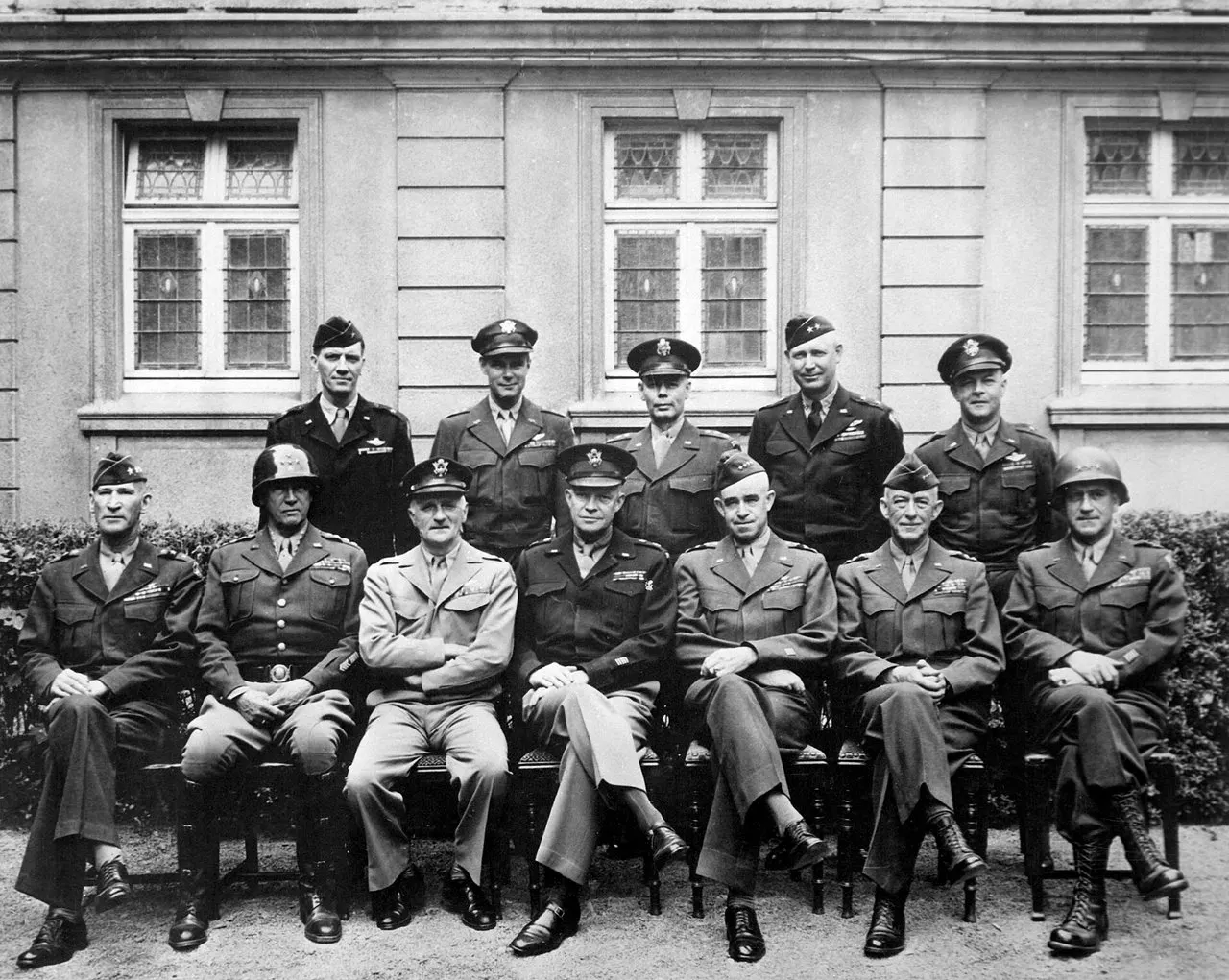
Generals George Patton and Omar Bradley stood beside Eisenhower as he toured Ohrdruf, and both men were shaken by the scene. Patton, known for his toughness on the battlefield, could barely look at some of what the soldiers had uncovered. Bradley, usually calm and measured, later wrote about how the camp changed his view of the enemy. The three generals agreed that the evidence had to be preserved in full, because words alone would never convince people who had not been there to believe it. See senators without pay and the speaker nomination.
Inside the Eisenhower Ohrdruf Camp: What the Generals Saw
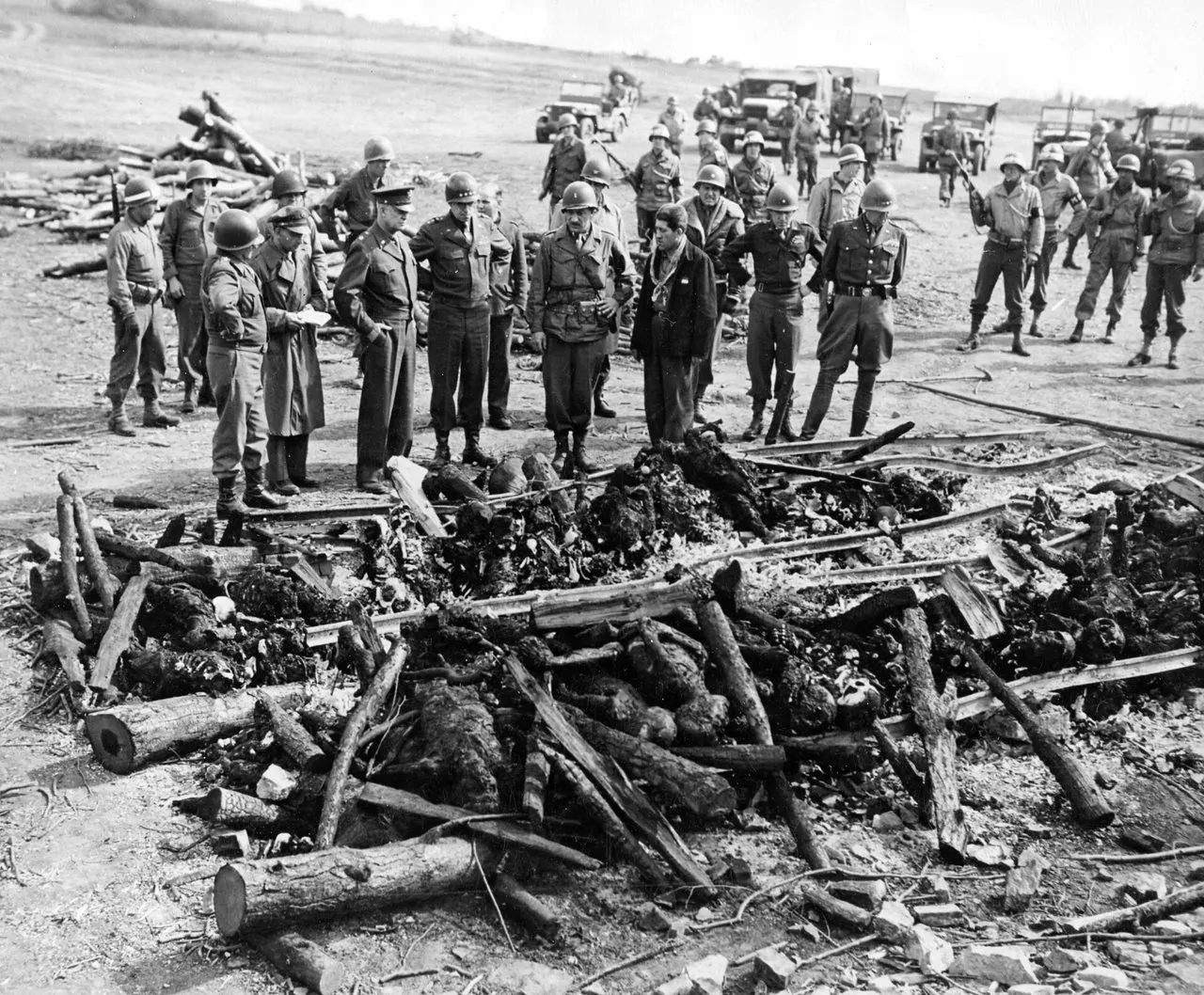
Inside the camp, the generals found evidence of starvation, torture, and mass murder that shocked even men who had fought across two continents. Bodies lay in shallow graves, and the camp ovens stood as grim proof of what had happened there. Soldiers who had freed the camp described prisoners so weak they could barely stand, and Eisenhower insisted that every detail be written down and photographed. He wanted no one to ever say that the suffering had been invented or overstated. See the No Invasion Act and the impeachment question.
Film Every Grave, Every Oven, Every Survivor
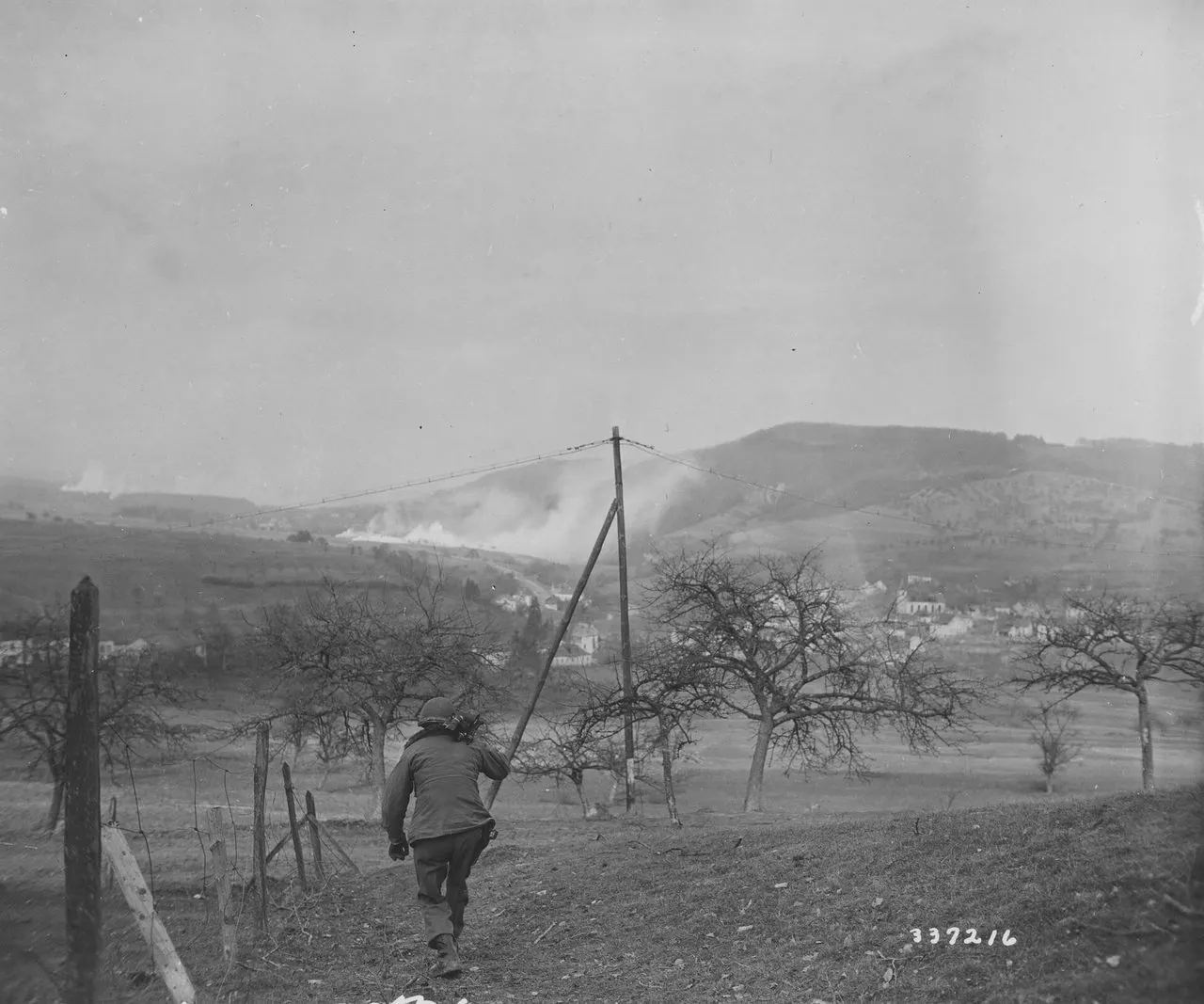
Eisenhower gave a clear order to the military cameramen with his forces: film every grave, every oven, and every survivor. He wanted the cameras to record the camp exactly as the soldiers had found it, with nothing cleaned up and nothing left out. The cameramen moved through Ohrdruf and the other liberated camps with their equipment, capturing scenes that would later be shown around the world. Their footage became one of the most important records of the war, because it showed the truth in a way that no report could match. See the census plan and the Amelia Earhart mystery.
The Cameras That Became Evidence
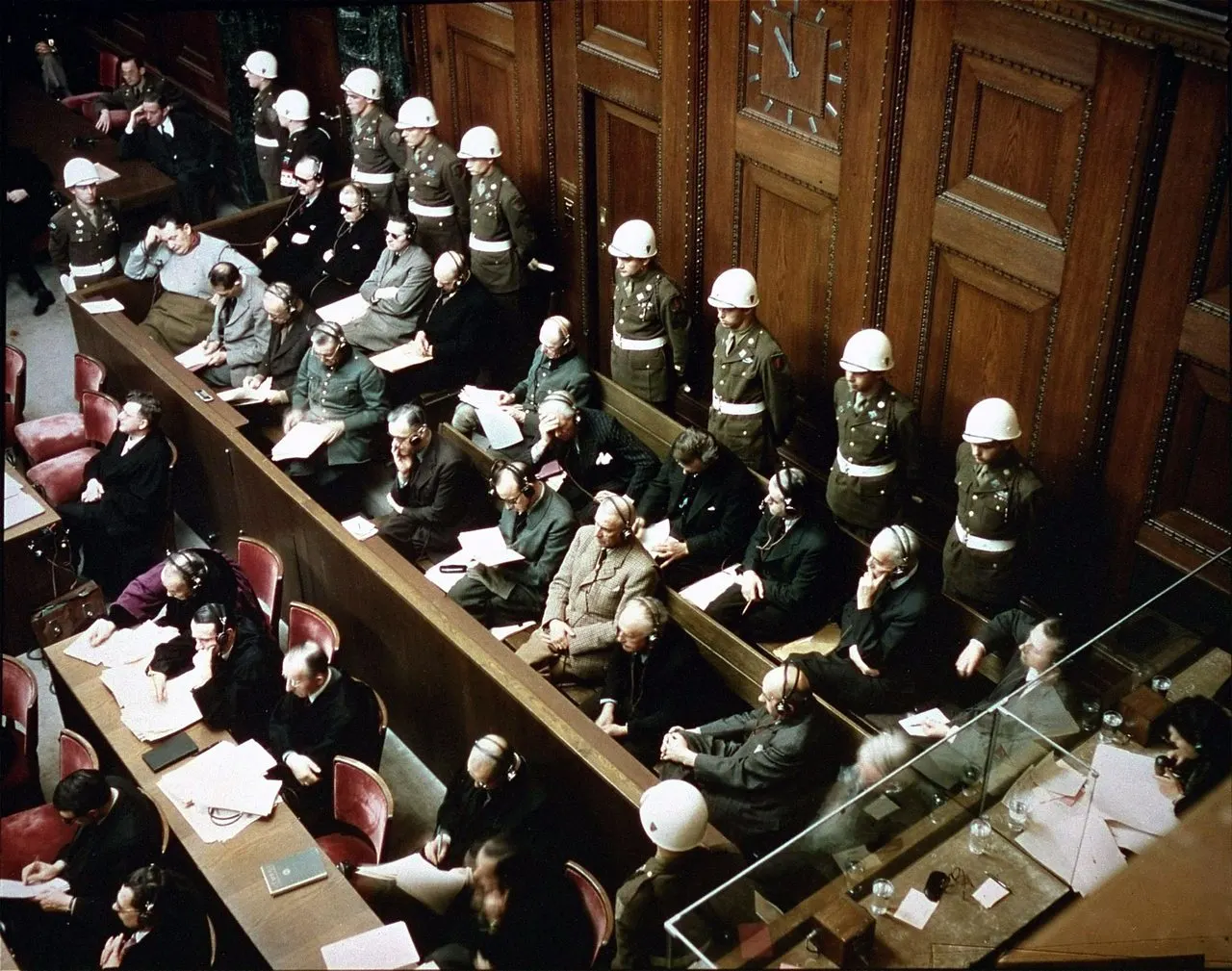
The film shot by American cameramen in the spring of 1945 did more than inform the public. It became evidence. At the Nuremberg trials, prosecutors showed the court a film called Nazi Concentration Camps, built from footage taken at Ohrdruf, Buchenwald, and other liberated sites. The judges and the world watched the same scenes Eisenhower had ordered recorded, and the images left little room for doubt. The cameramen had done their work well, and their film helped hold the guilty to account. See a Gaza refugee camp story and the pardons dispute.
Why the Eisenhower Ohrdruf Camp Record Mattered
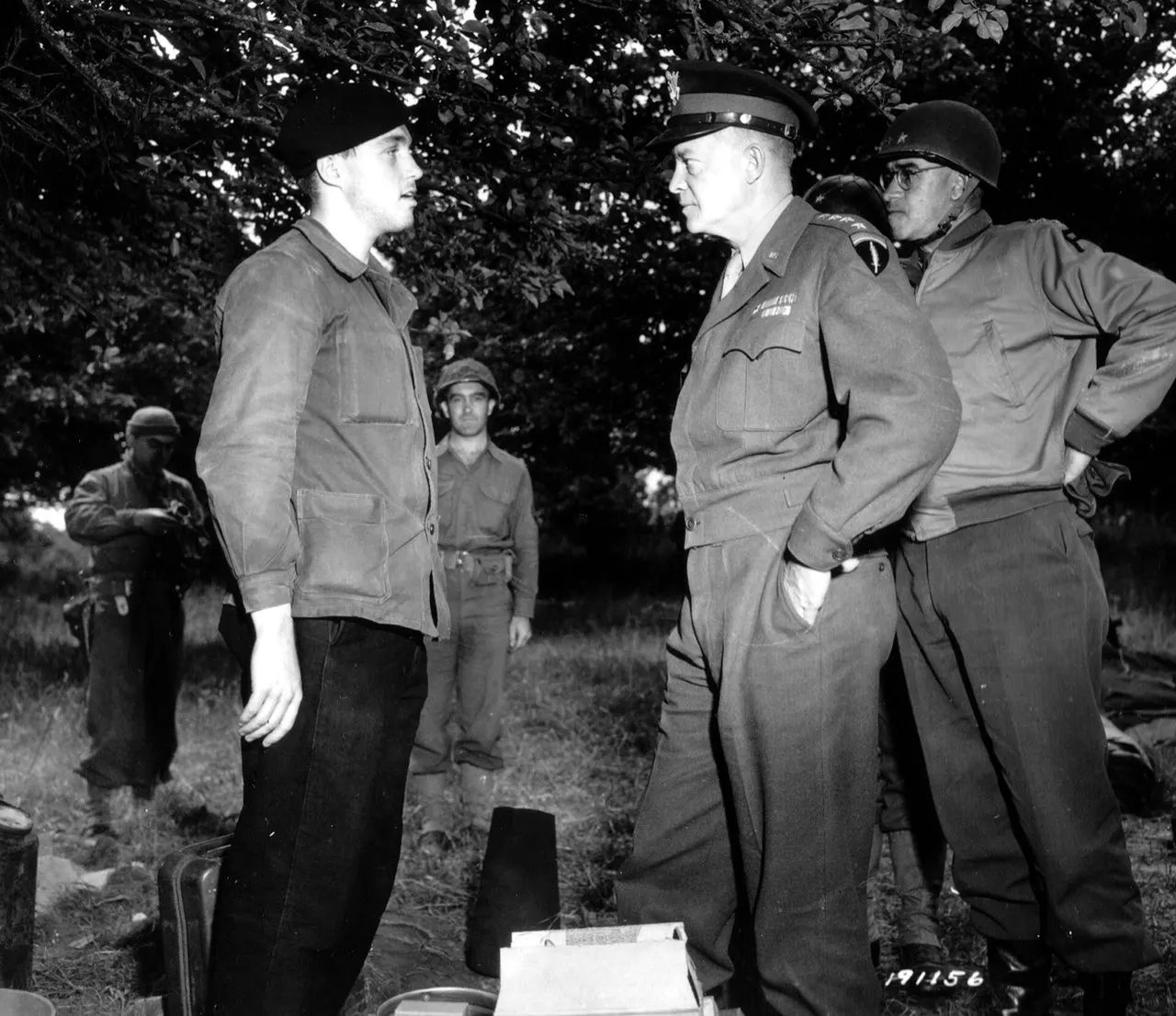
Eisenhower ordered the filming because he feared what might happen later. He believed that one day someone would try to dismiss the camps as wartime propaganda, and he wanted proof that no one could argue away. The record was his answer to that fear: photographs and film that anyone could see and judge for themselves. He knew that memory fades and that stories get twisted, so he put the truth on film while the evidence was still fresh and the witnesses were still alive. See the bunker plan and the Alaska summit.
German Prisoners Were Shown the Film
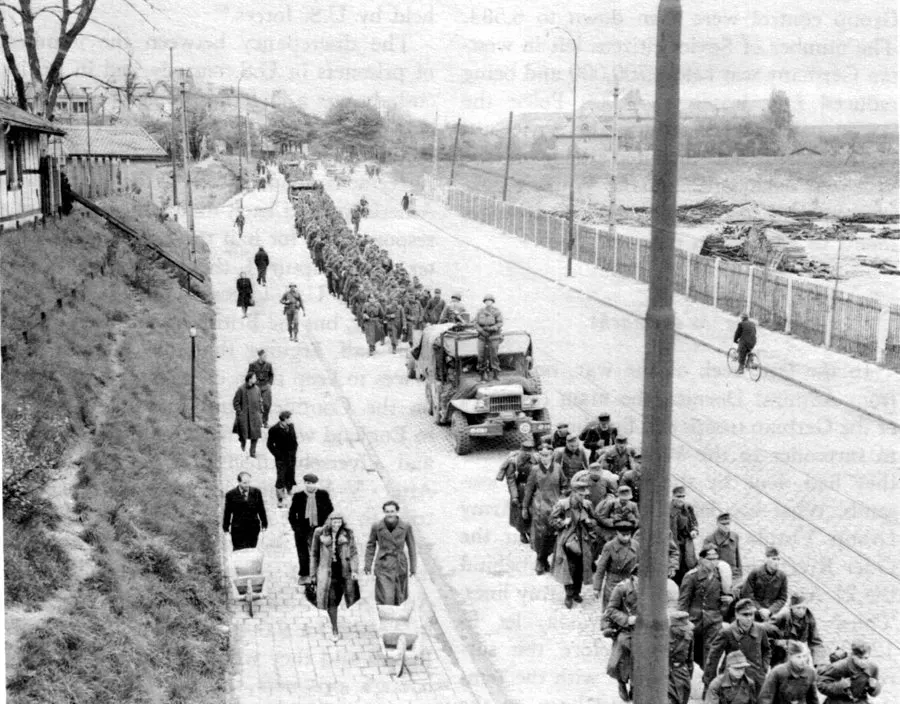
After the war, German prisoners were made to watch the footage from the liberated camps, and the screenings were deliberate. Eisenhower wanted the men who had served the regime to face what it had done, not to hear about it but to see it with their own eyes. Some turned away. Others sat in silence as the images played. The showings were part of a wider effort to make the German people understand the crimes committed in their name, and the film left a lasting impression on its viewers. See the trilateral meeting and the Shenzhen gathering.
Journalists and Congress Were Invited to See
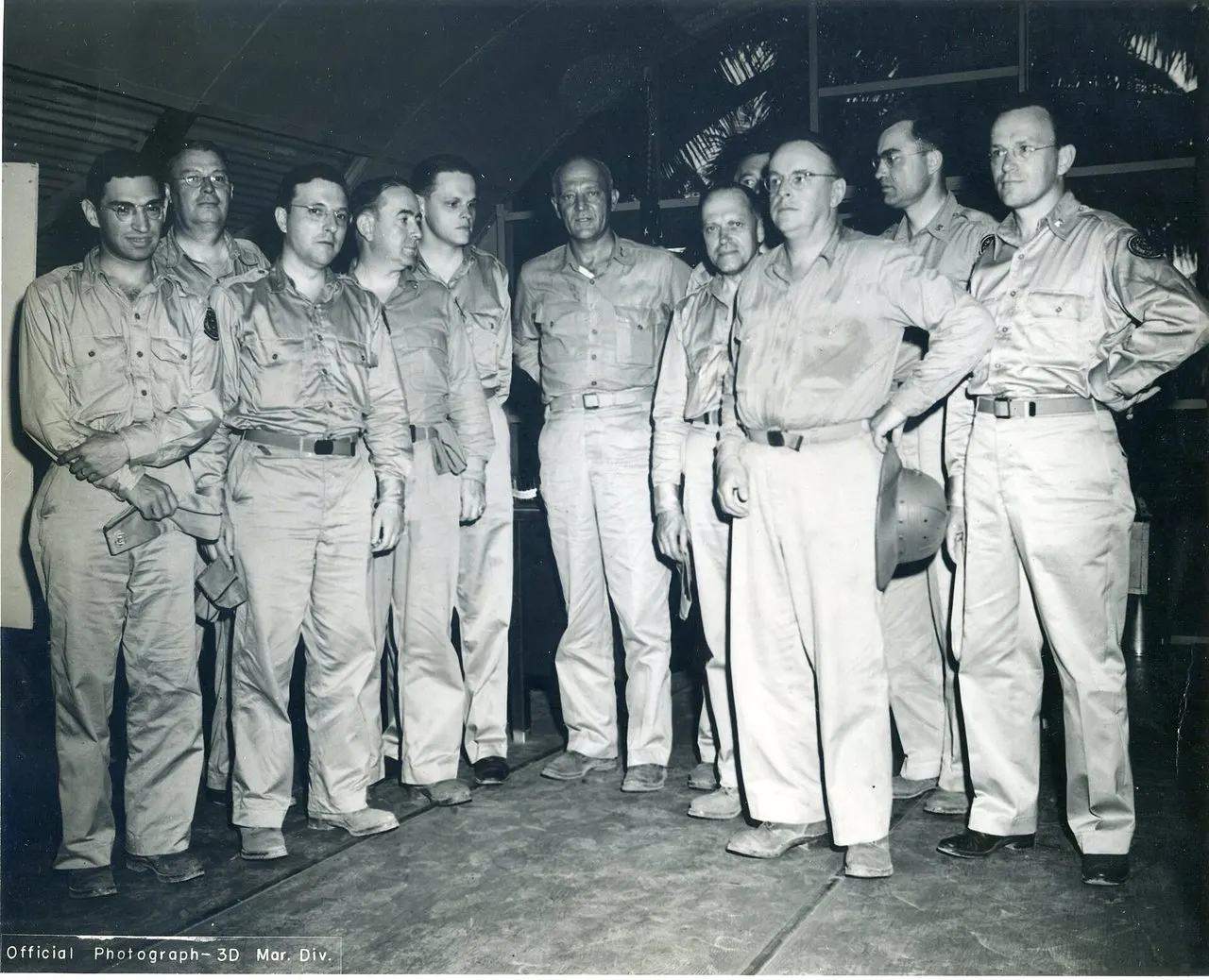
Eisenhower did not stop with the cameras. He urged journalists and members of Congress to travel to Germany and walk through the camps themselves, because he knew that firsthand witnesses carry more weight than any report. Reporters filed stories from Ohrdruf and Buchenwald that shocked readers back home, and lawmakers who made the trip returned to Washington determined to speak about what they had seen. Their accounts, added to the film and photographs, built a record that stretched far beyond the army. See the pay rule and the Jeffries vote.
The Eisenhower Ohrdruf Camp and the Buchenwald Link
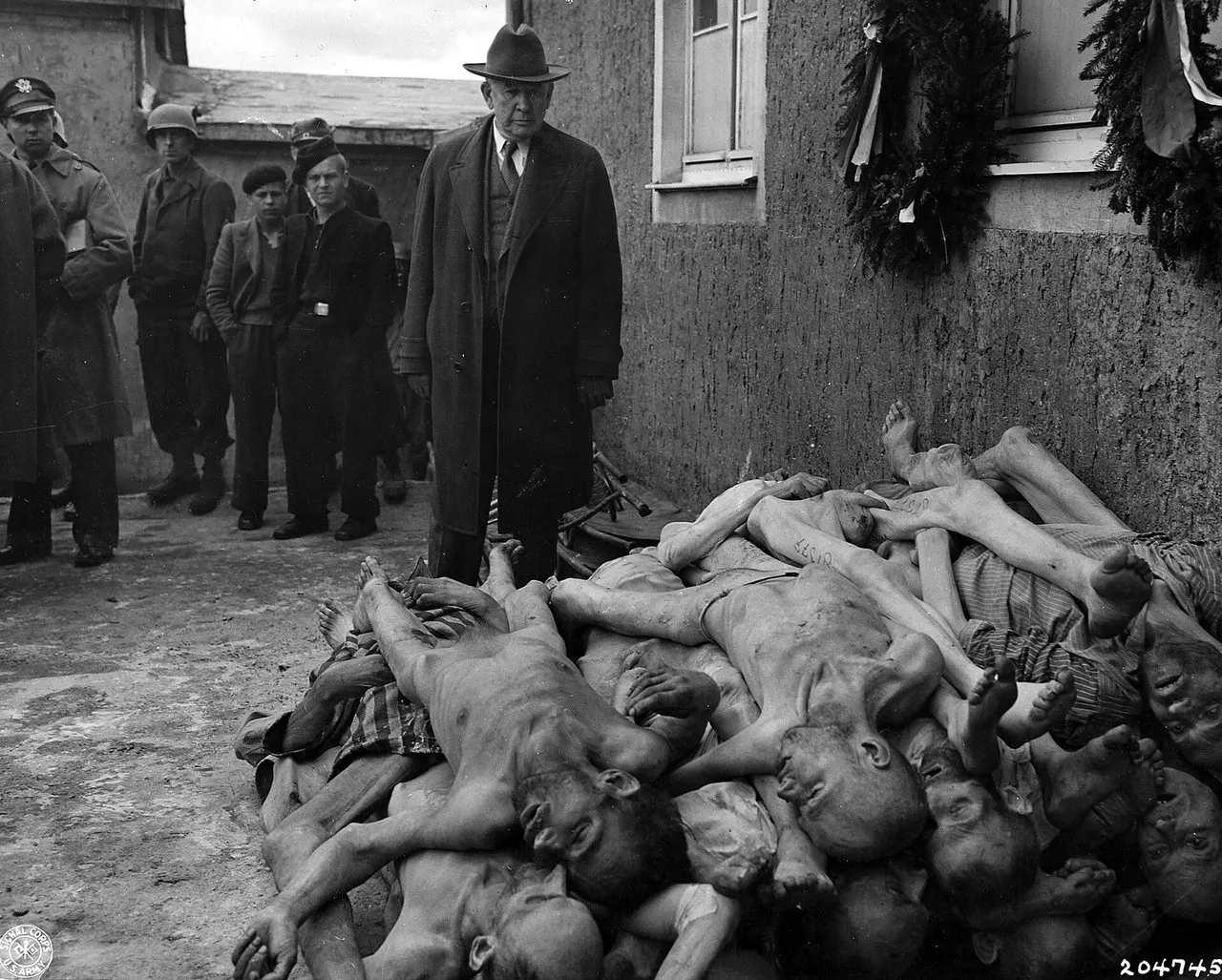
Ohrdruf was a subcamp of Buchenwald, a much larger camp near Weimar, and the two places are linked in history. Buchenwald was liberated on April 11, 1945, just one day before Eisenhower reached Ohrdruf, and American troops found similar horrors there. His visit drew attention to both sites, and the evidence gathered at each one strengthened the case against the camp system as a whole. Together, Ohrdruf and Buchenwald showed the scale of what the Nazi regime had built. See the border bill and the removal debate.
The Palace of Justice in Nuremberg
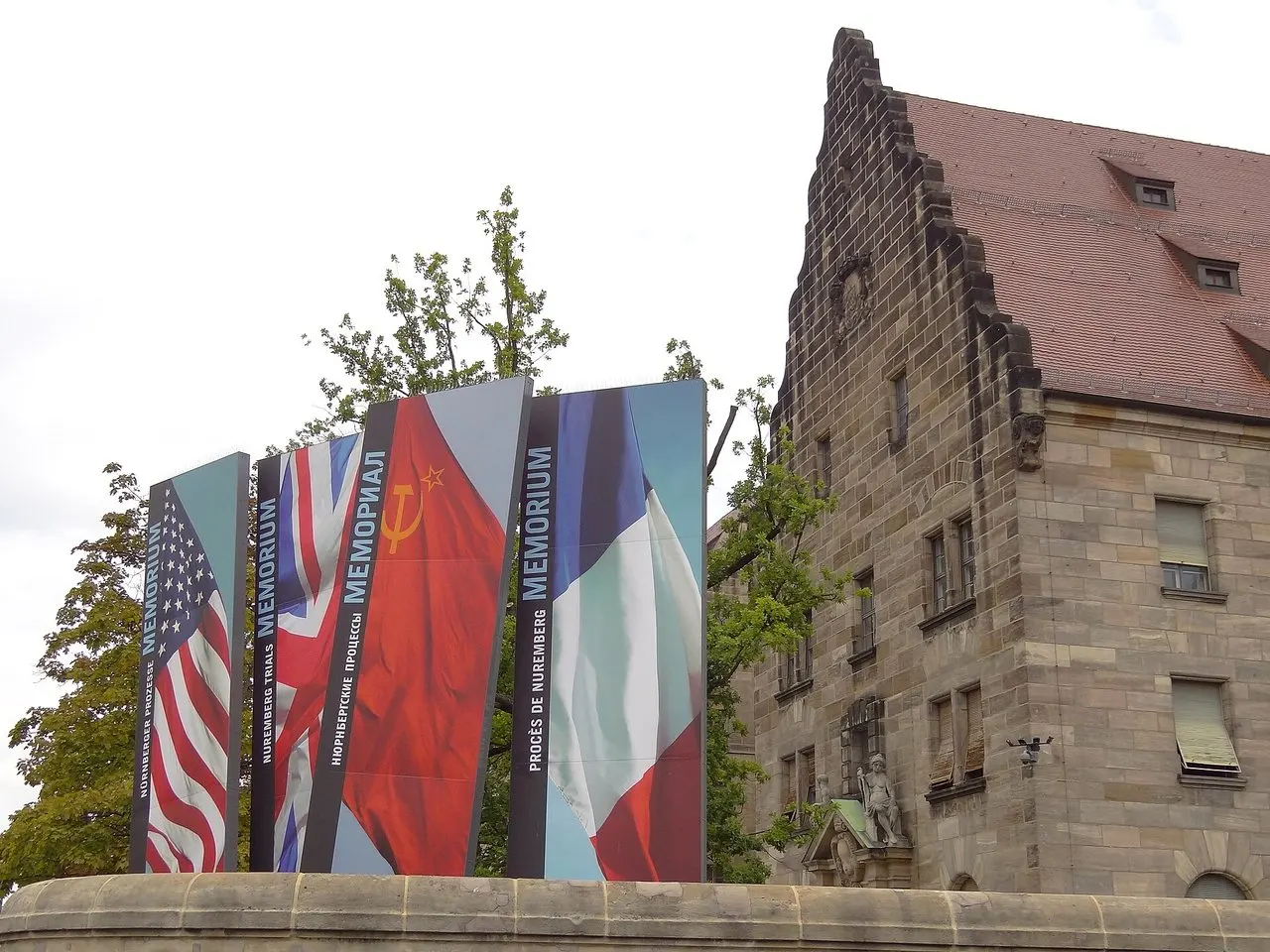
The trials that used Eisenhower’s film took place in the Palace of Justice in Nuremberg, a courthouse that became famous around the world in 1945 and 1946. Prosecutors presented the camp footage to the judges as part of their case against the leading figures of the Nazi regime. The courtroom heard testimony, studied documents, and watched the film that American cameramen had shot in the liberated camps. The Palace of Justice still stands in Nuremberg today, and visitors can see the courtroom where history was made. See the new census and the 1937 disappearance.
The Eisenhower Ohrdruf Camp Was the First Liberated by US Troops
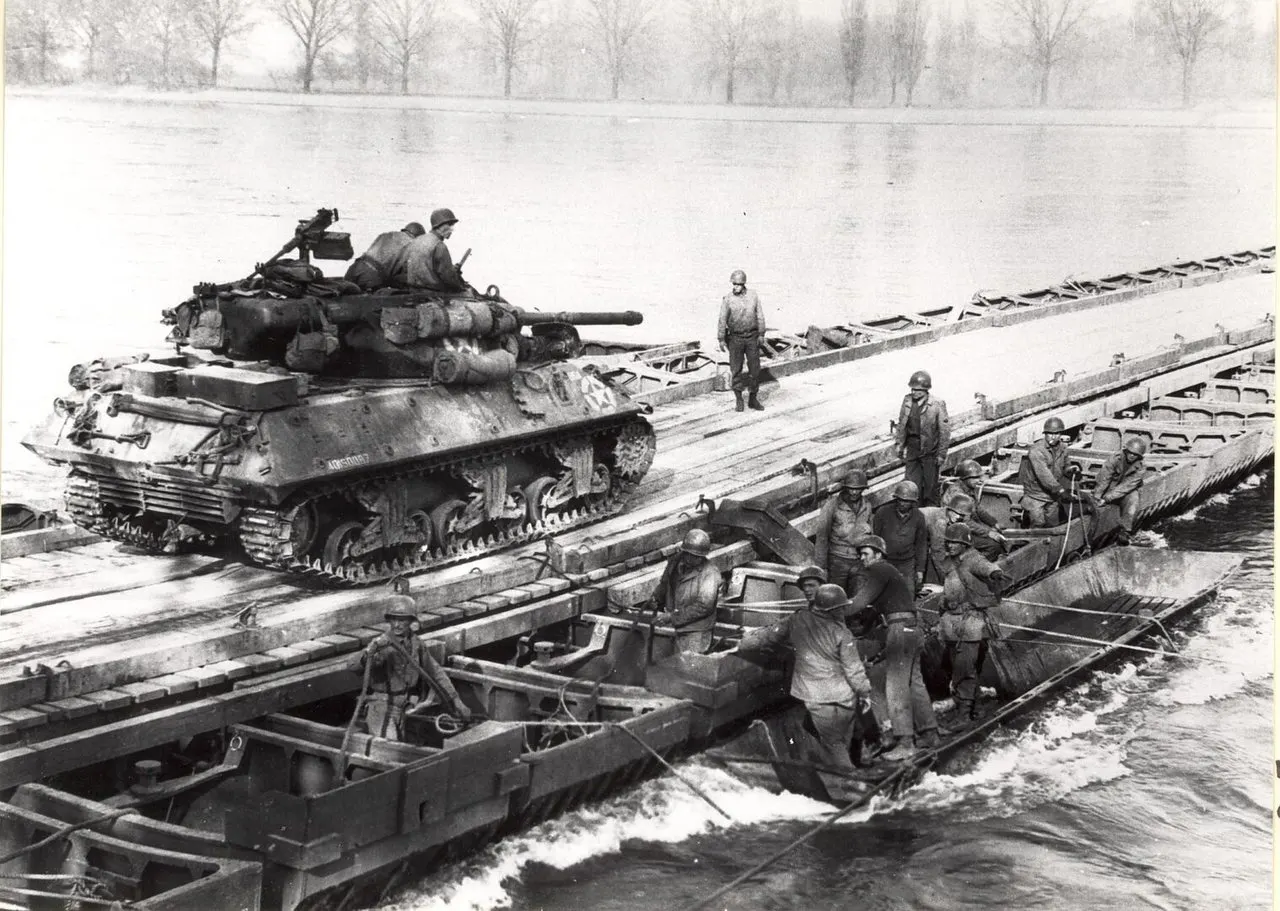
Ohrdruf holds a grim first in history: it was the first Nazi concentration camp liberated by American troops. Soldiers of the 4th Armored Division and the 89th Infantry Division reached the camp on April 4, 1945, eight days before Eisenhower’s visit. The Eisenhower Ohrdruf camp story begins with those soldiers, who opened the gates and found prisoners clinging to life. Their discovery set in motion the visit, the filming, and the record that Eisenhower ordered, and it marked the start of the world’s reckoning with the camps. See the 1984 camp and the autopen question.
A Memorial Rises at Buchenwald
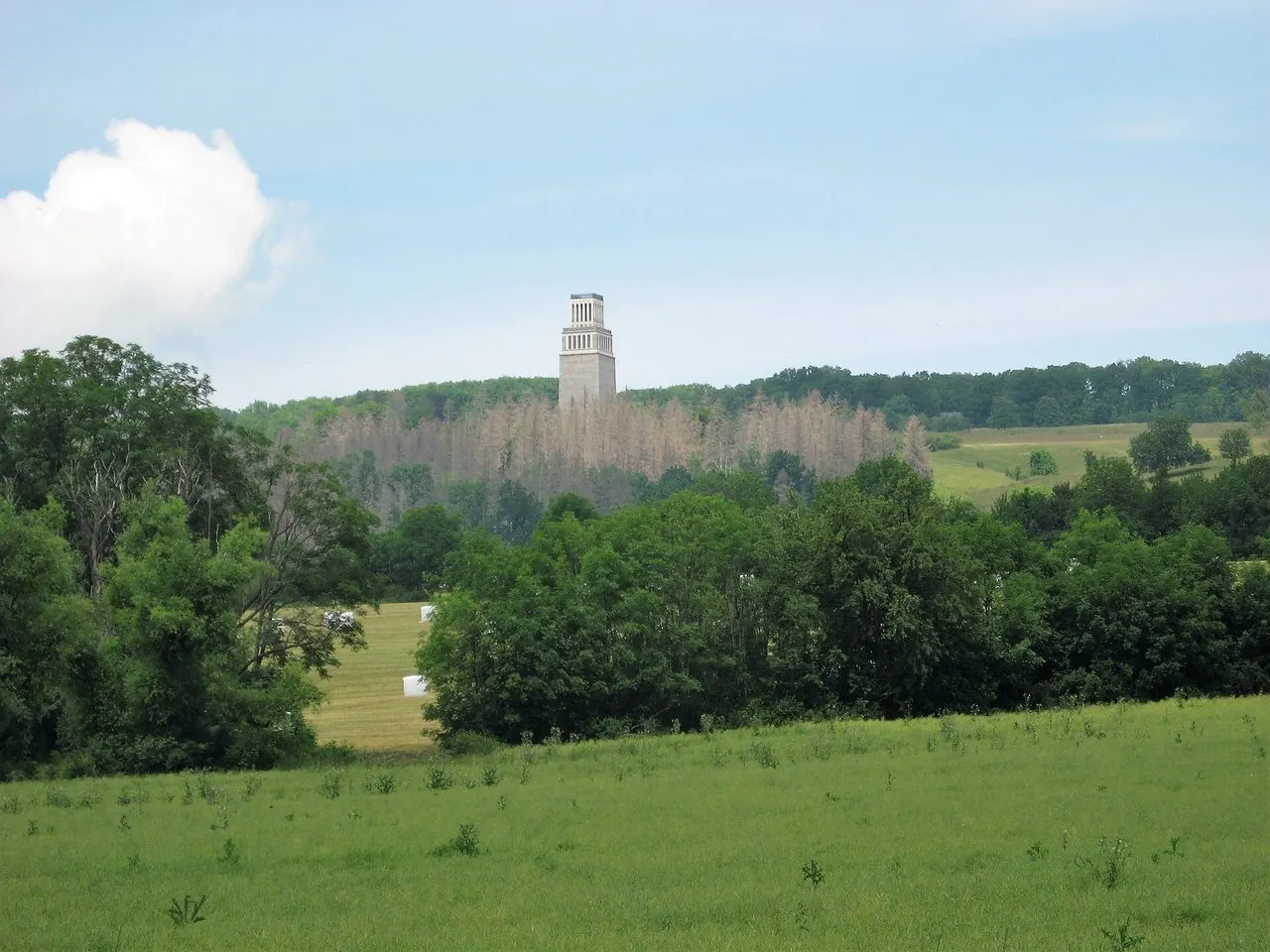
Today a tall memorial tower stands at Buchenwald, marking the ground where the camp once held tens of thousands of prisoners. Visitors climb the tower and look across the Ettersberg hill, where the camp buildings stood, and the memorial reminds them of what happened there. The site also holds a museum and a cemetery, and each year people gather to remember the victims. The memorial keeps the story alive for new generations who never saw the war, and it stands as a warning against forgetting. See new military shelters and talks in Alaska.
The Eisenhower Ohrdruf Camp Letter to General Marshall
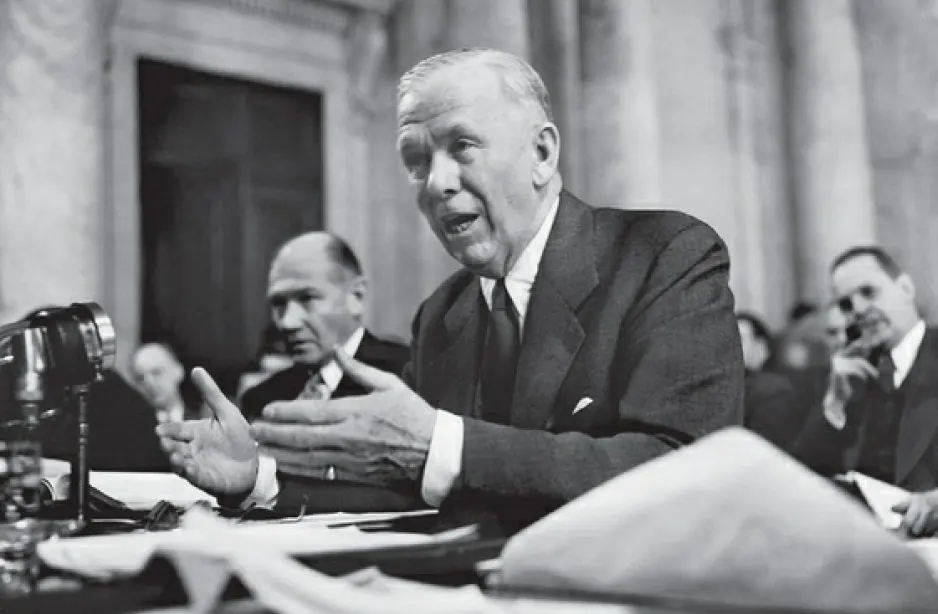
Three days after his visit, Eisenhower wrote to General George C. Marshall, the Army chief of staff, to describe what he had seen. He told Marshall that he had visited every part of the camp and that the evidence was beyond doubt, and he asked that Congress and the press be sent to Germany to see for themselves. The letter is now one of the most quoted documents of the war, because it shows a commander who understood that proof had to be shared quickly, before doubt could take root. See the summit in Shenzhen and the three leaders.
Days of Remembrance
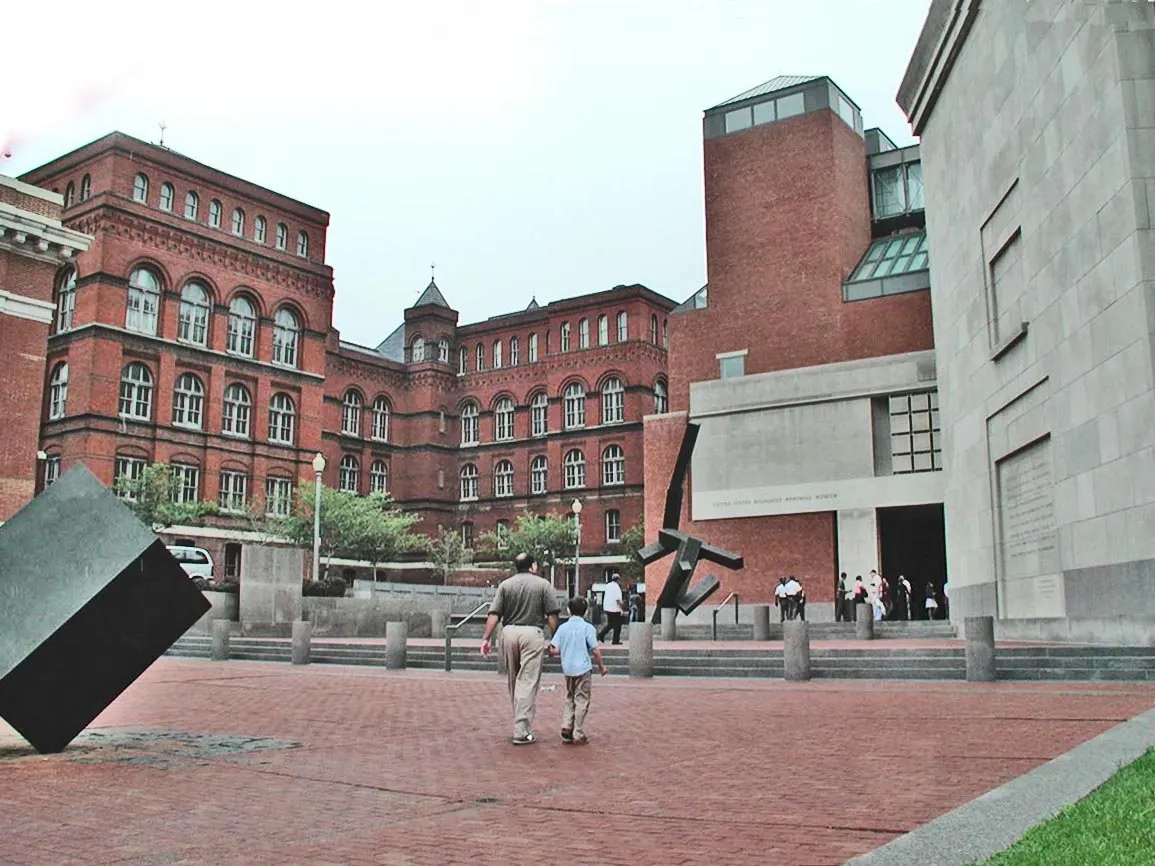
Each year, the United States marks Days of Remembrance for the victims of the Holocaust, a time set aside to honor the millions who were murdered and to teach new generations about what happened. Ceremonies take place in Washington and in towns across the country, and the United States Holocaust Memorial Museum leads much of the teaching. The museum holds photographs, film, and testimony from survivors, and its exhibits help visitors understand the scale of the crime and the importance of the record Eisenhower ordered. See the shutdown pay bill and the House vote.
Museums Keep the Record Alive
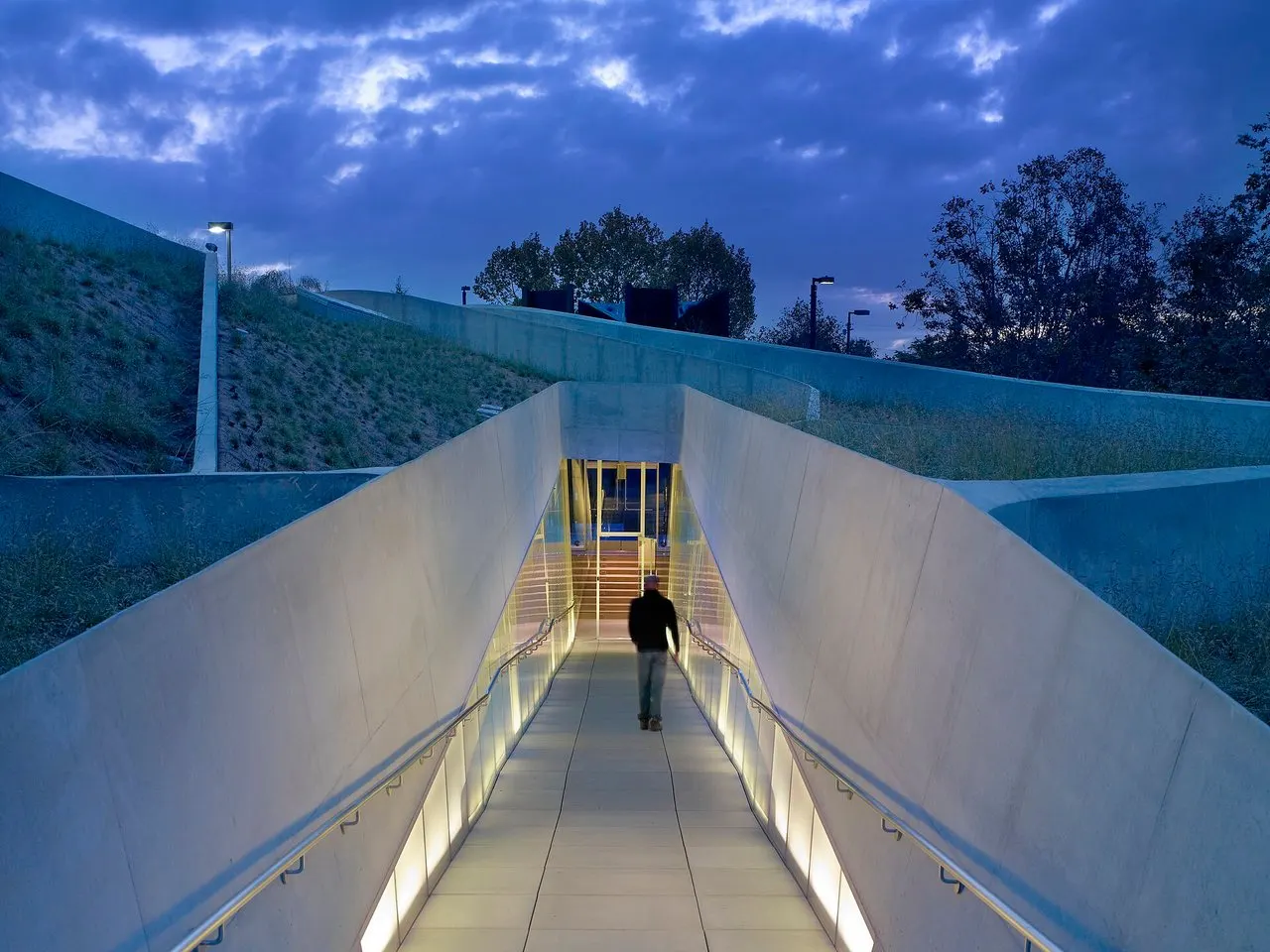
Holocaust museums around the world keep the record alive, from Washington to Los Angeles and beyond. They preserve the photographs and films that Eisenhower ordered, along with the words of survivors who lived to tell their stories. School groups walk through the exhibits, and many visitors say the experience changes how they think about hatred and power. The museums do the work Eisenhower hoped for: they make the evidence plain, they name the victims, and they refuse to let the past be rewritten. See the new border plan and the Christmas deadline.
The Eisenhower Ohrdruf Camp Lesson for Today

The lesson of the Eisenhower Ohrdruf camp visit is simple, and it still matters. Proof must be gathered while the evidence is fresh, and it must be shared widely, because denial grows in silence. Eisenhower understood that in 1945, and his order to film the camps gave the world a record that has survived eighty years of argument. The candles lit at remembrance ceremonies each year honor the victims, and they also honor the decision to make sure the truth could never be buried. See the census order and the Earhart theories.
What Should We Remember?
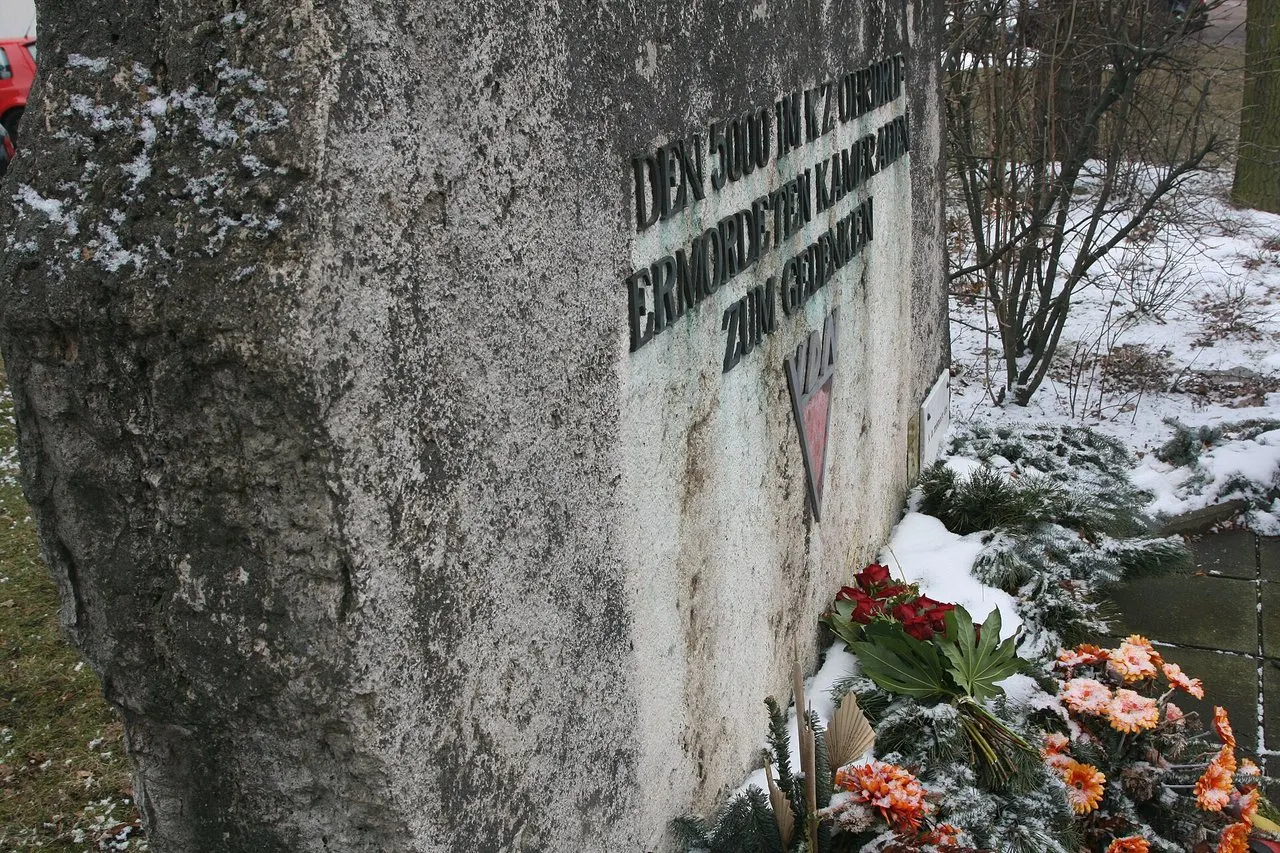
Eighty years after the spring of 1945, the question is not whether the record exists. It does, in film, in photographs, and in the words of those who were there. The question is what we do with it. Do we teach it, share it, and pass it on, or do we let it gather dust while denial spreads? What do you think is the best way to keep the memory of Ohrdruf alive for the next generation? Share your thoughts in the comments below. See the Gaza exchange and the final pardons.