
Senate Permitting Bill Passed 62-33 on Thursday Night

The Senate permitting bill passed on Thursday night by a vote of 62 to 33, and the result ended years of debate in Washington about how America builds big projects. Fourteen Democrats joined Republicans to back the measure, which supporters call the Bipartisan American Affordability and Jobs Act. The bill speeds up federal permits for pipelines, mines, power plants and transmission lines, and it could free about $1.8 trillion in projects stuck in red tape. In the slides ahead we look at the vote, the people behind it and what it means for families.
Senator Shelley Moore Capito pointed to McKinsey data showing about $1.8 trillion in projects waiting on federal permits, and she argued that faster approvals would lower costs for everyone. The bill also makes data centers pay for the grid upgrades they need, instead of passing those costs to families. Supporters say household electricity bills could fall by $50 to $78 a year by 2040. For more on how Washington handles big bills, read our report on a data center water use debate.
References:
Wall Street Journal: Senate Passes Measure Designed to Speed Up Energy Projects, Lower Consumer Costs
Bloomberg Law: Senate Passes Landmark Bill to Overhaul US Energy Permitting
The 956 Report: Senate Permitting Bill Passes 62-33: What It Means for RGV
American Daily Press: Senate Passes Sweeping Permitting Overhaul 62-33 to Speed Energy Projects
Fourteen Democrats Helped Pass the Senate Permitting Bill
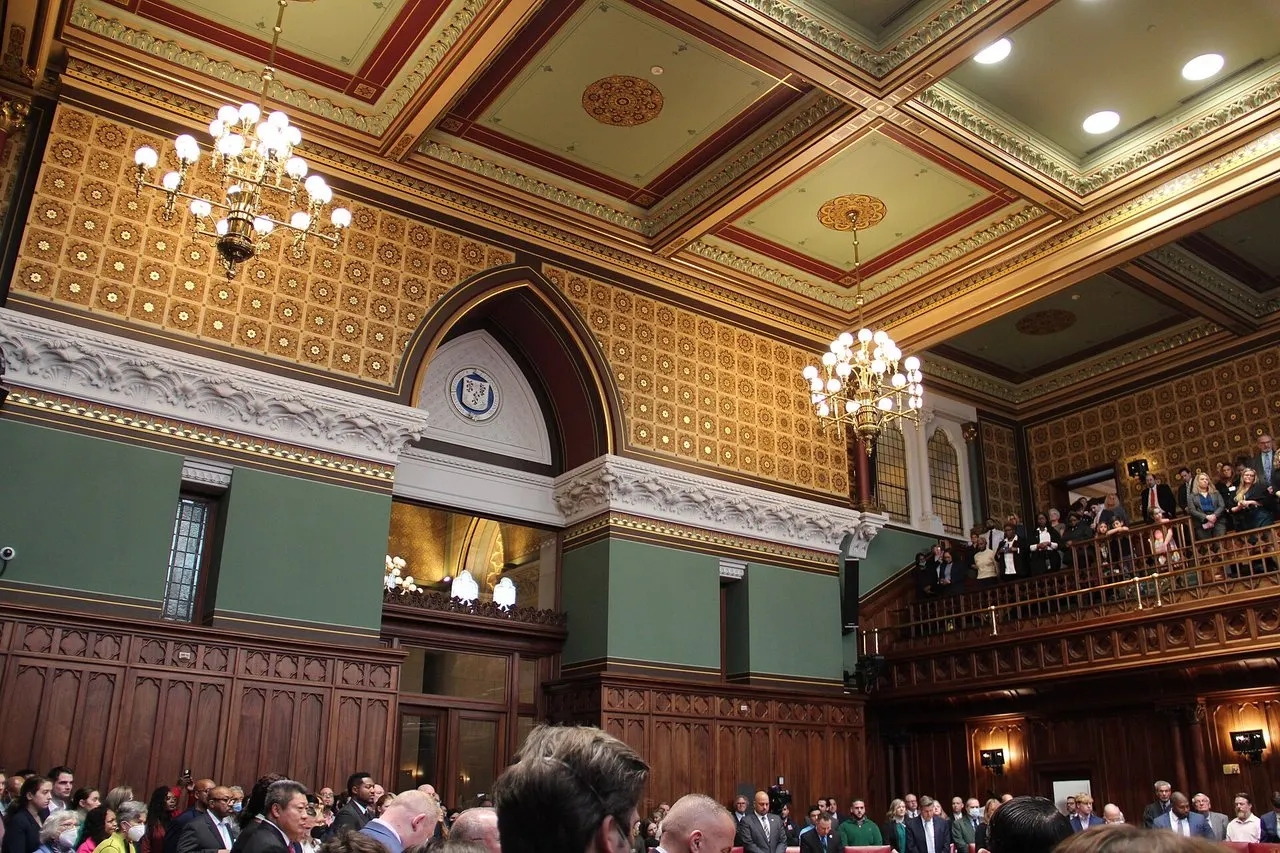
Fourteen Democrats crossed party lines to join Republicans in the 62 to 33 vote, and that support turned a close fight into a win. In a Senate where most big bills pass on narrow party lines, fourteen votes from the other side is a strong signal. Those Democrats said the bill would help their states build energy projects faster and bring down costs for families. Their votes gave the bill a bipartisan stamp that supporters hope will help it in the House. Read a senator who grilled nominees with two simple questions.
A Late Night Vote on the Senate Floor

The vote came late on Thursday night, after a long day of debate on the Senate floor. Senators had spent hours arguing over permits, power lines and who should pay for the grid, and by the time the clerk called the roll the chamber was full. A late night vote is often the sign of a bill that leaders wanted to finish before the week ended. When the tally hit 62, supporters knew the bill was through. See a bill that stalled in Ohio after a long fight.
Senate Permitting Bill Would Unlock $1.8 Trillion in Projects

Senator Shelley Moore Capito cited McKinsey data showing about $1.8 trillion in projects stuck in federal red tape, and that number became the heart of the case for the Senate permitting bill. The figure covers pipelines, mines, power plants and transmission lines that have waited years for a permit. Supporters say every year of delay adds cost and keeps energy prices high. Freeing those projects, they argue, would create work and lower bills at the same time. Read a sale of the Pacific seabed near American Samoa.
Pipelines Could Move Faster Under the Senate Permitting Bill
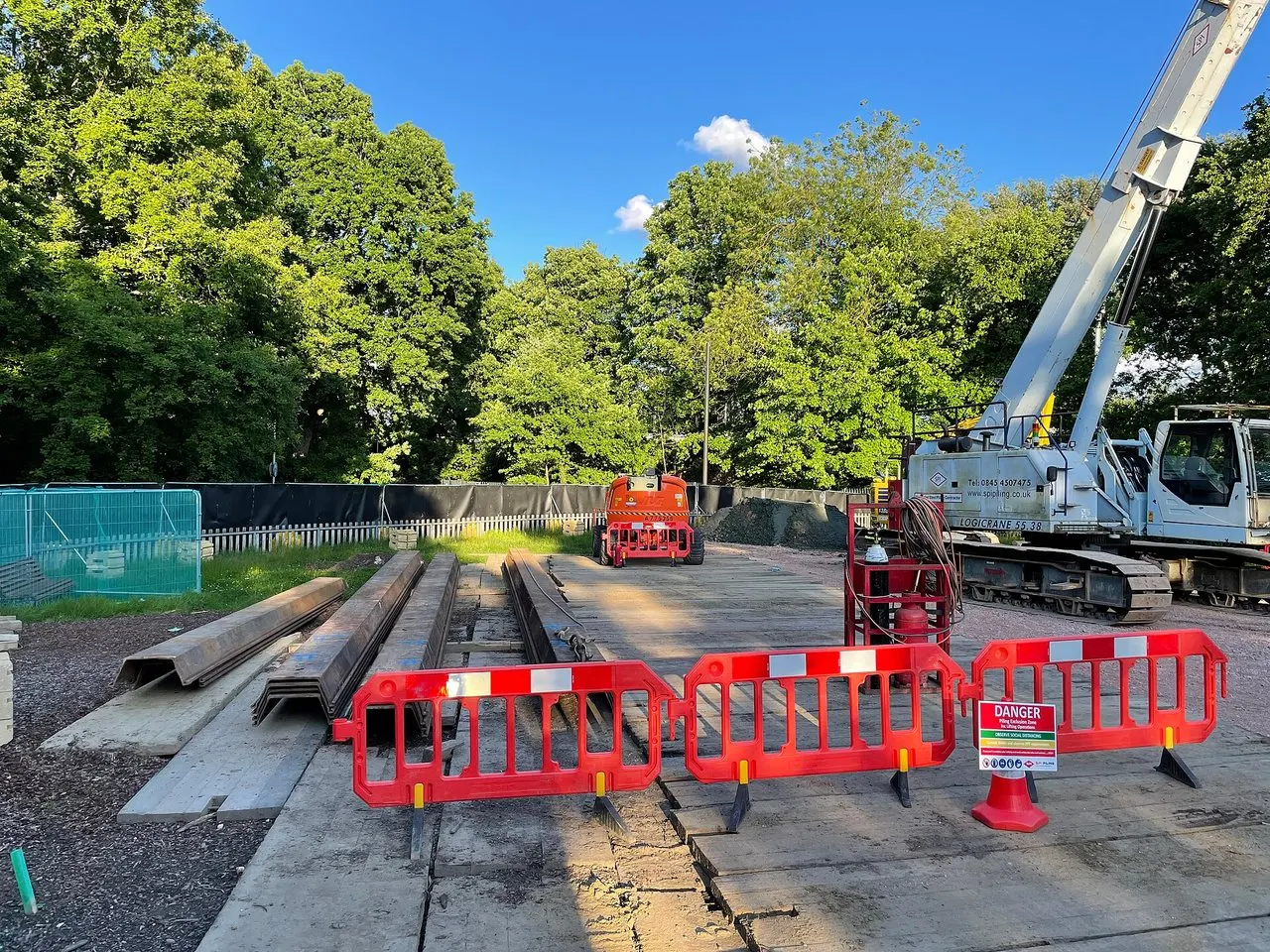
Pipelines are one of the biggest winners in the bill, because a new pipeline can now wait years for federal approval before a single pipe is laid. The bill sets faster deadlines for agencies to review pipeline permits and limits the endless rounds of review that stall projects. Supporters say pipelines carry the oil and gas that heat homes and power factories, so faster permits mean steadier supply. Critics will watch whether safety reviews keep pace. See a House member who warned about funding for SpaceX.
Mines and the Minerals America Needs

Mines are also covered by the faster permits, and that matters because America needs minerals for batteries, phones, cars and power lines. Many mines in the United States have waited a decade or more for approval, while other countries moved ahead. Supporters say faster mining permits will bring jobs to rural areas and make supply chains less dependent on other nations. The bill keeps environmental reviews in place but gives them a firm timetable. Read a mystery of giant figures drawn on rock.
Power Plants Get a Faster Path to Construction
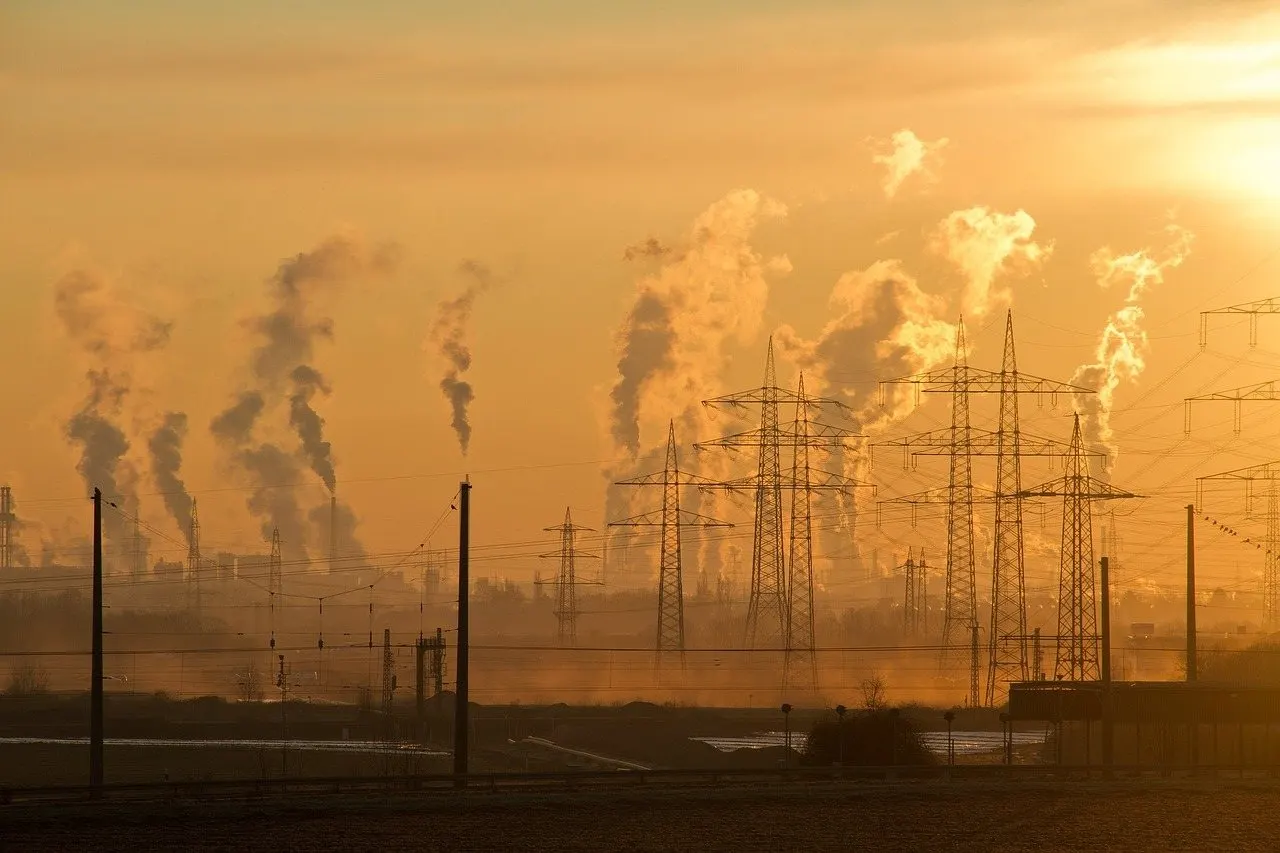
Power plants face some of the longest waits in the country, with permits that can drag on for years while demand for electricity keeps growing. The bill gives power plant projects a clearer and faster path through federal review, so new plants can be built when the grid needs them. Supporters say America needs more power for homes, factories and data centers, and delays only make prices higher. The goal is to build plants before shortages arrive. See a baby sent to Guatemala and a family still searching.
The Senate Permitting Bill Speeds Up Transmission Lines
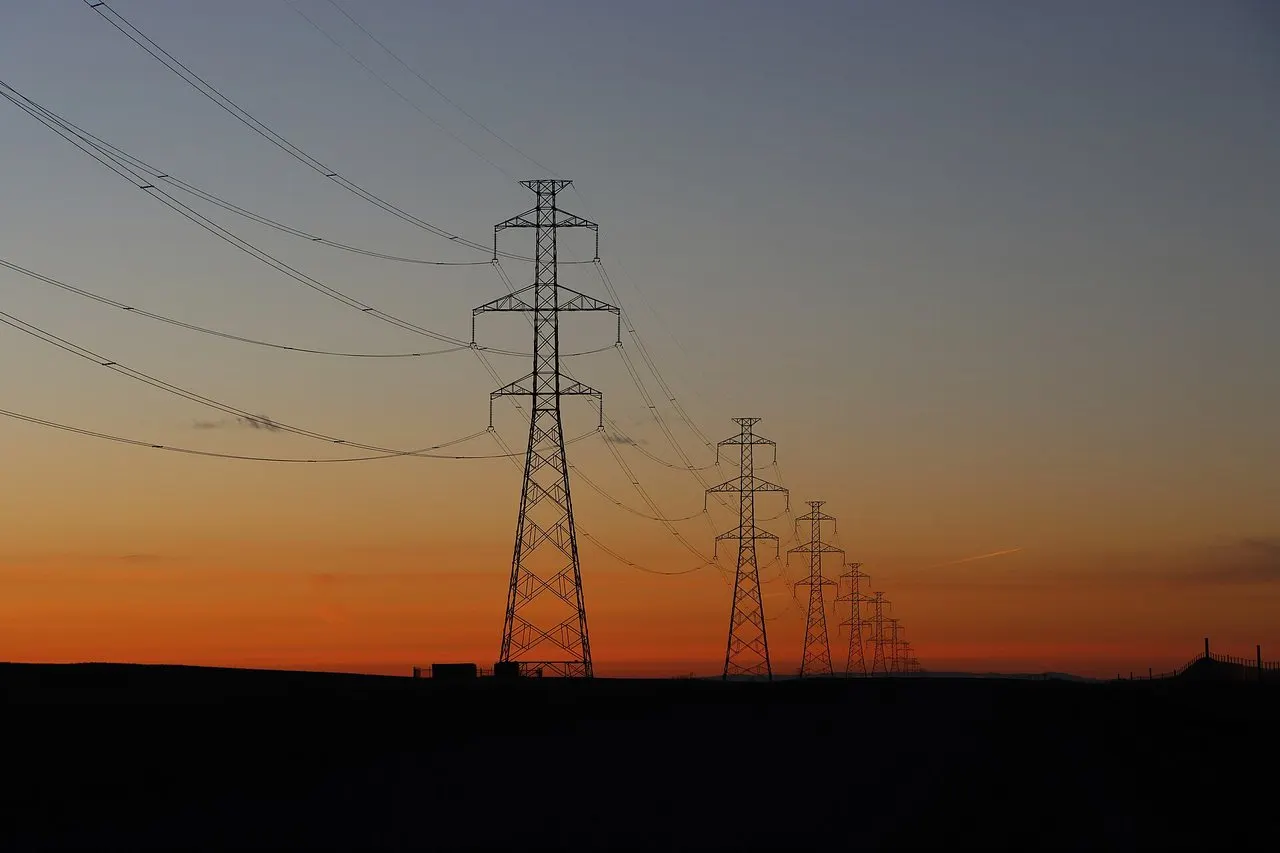
Transmission lines are the highways of the power grid, carrying electricity from wind farms and power plants to cities hundreds of miles away. Building a single line can mean permits from many states and agencies, and one holdout can stall the whole project for years. The bill streamlines that process so lines can be approved and built faster. Supporters say better transmission will cut waste and help keep the lights on during heat waves and cold snaps. Read a 96-year-old who just donated $5.5 billion.
Projects Stuck in Federal Red Tape for Years
Federal red tape is the phrase supporters keep using, and it describes permits that pass through office after office with no firm deadline. A single project can need approval from several agencies, and each one can ask for more studies and more time. Years pass, costs rise, and some projects are abandoned before they begin. The bill answers that problem with deadlines and a single review path, so builders know when an answer will come. See a detention center that earned over $250 million.
The Senate Permitting Bill Makes Data Centers Pay Their Share
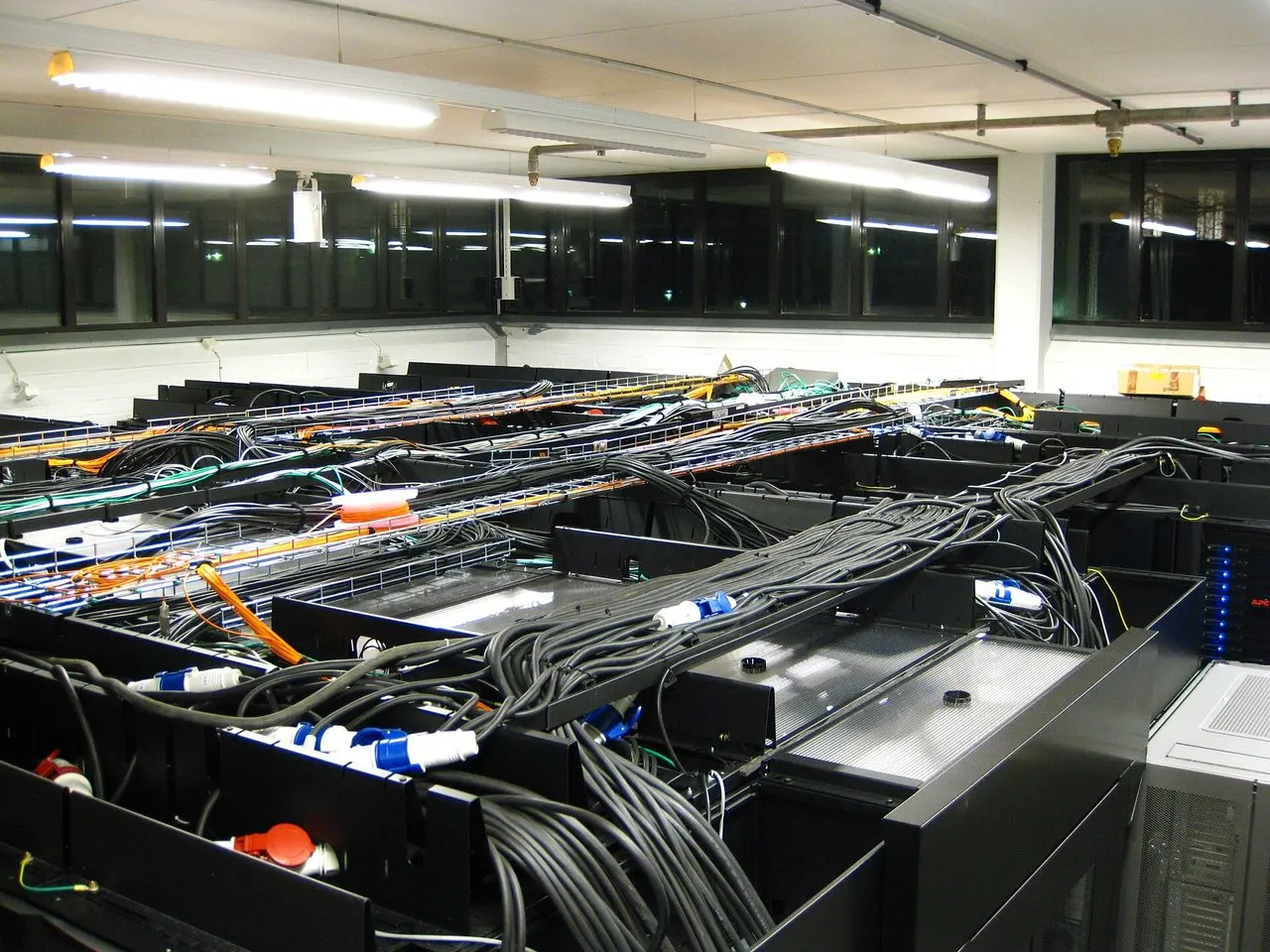
The bill includes a Ratepayer Protection Act provision, and it deals with one of the fastest growing strains on the power grid, the data center. Data centers use huge amounts of electricity, and new ones often need grid upgrades that can cost millions. Under the new rule, data centers pay for the upgrades they need instead of passing those costs to families through higher bills. Supporters call that simple fairness for every household. Read a debate over how much water data centers use.
Who Pays for the Power Grid
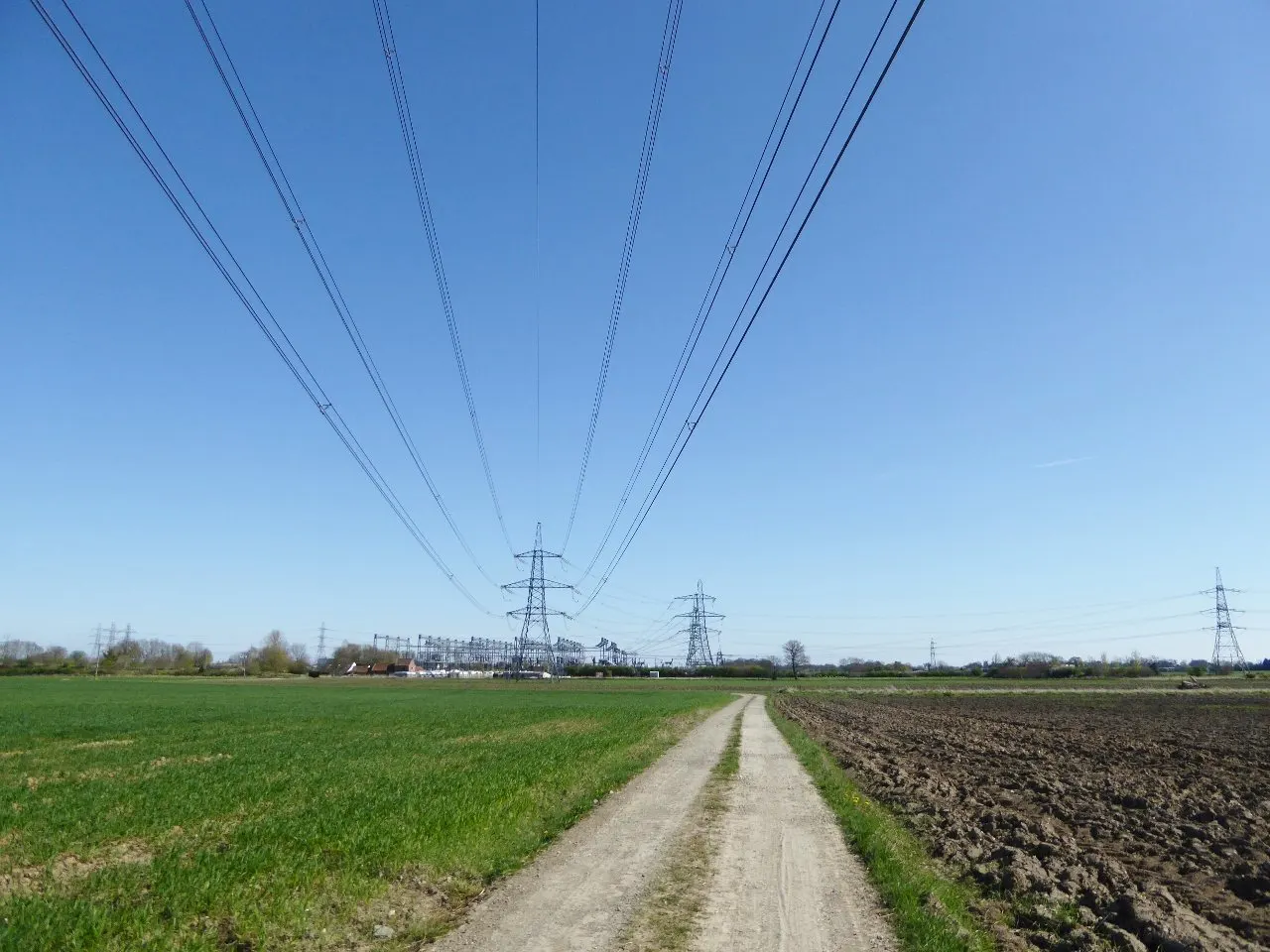
The power grid is one of the largest machines ever built, and keeping it running takes constant work and money. When a big new user connects to the grid, someone has to pay for thicker wires, new substations and stronger transformers. For years those costs often landed on ordinary ratepayers, even when the new user was a large company. The bill flips that rule for data centers, so the companies that create the demand pay for the upgrades. See an actor who spoke about faith and the church.
The Senate Permitting Bill Could Save Families $50 to $78 a Year
Supporters say the bill could lower household electricity bills by $50 to $78 a year by 2040, according to the Rhodium Group. That may sound small, but for families watching every dollar it adds up over years, and it comes with steadier power and fewer price spikes. The savings would come from cheaper energy projects and from data centers paying their own grid costs. For many households, any relief on the monthly bill is welcome news. Read a family that never stopped being family.
The Senate Permitting Bill Now Heads to the House
The bill now heads to the House, where its future is still uncertain. House leaders have not said when they will take it up, and some members want changes before they vote. A bill that passed the Senate with bipartisan support can still stall in the House if leaders disagree on details. Supporters are already making their case to House members, hoping the 62 to 33 Senate vote will carry weight. See a court case over a decisive Senate victory in Alaska.
A Promise President Trump Made on the Campaign Trail

President Trump has been promising an affordability and permitting bill since the campaign, and the Senate vote turns that promise into a real piece of legislation. During the campaign he argued that federal red tape was holding back American energy and raising costs for families. His supporters see the bill as proof that the promise was kept, and they credit his push for getting it through the Senate. The bill now carries his energy agenda into law. Read a warning that Brexit was the first domino to fall.
The Energy Agenda Written Into Law
The bill writes the energy agenda into law, and that is why supporters call it a landmark. Instead of a speech or an order that the next president could undo, the changes are now part of the law itself. That means faster permits for pipelines, mines, power plants and transmission lines will last beyond any single administration. For supporters, that permanence is the whole point of passing a bill rather than relying on promises. See a summit with leaders who aided Iran.
A Late Night in Washington

Washington worked late into the night to pass the bill, and the vote was the end of a long day of speeches, amendments and quiet talks in the hallways. Staffers carried papers between offices, senators huddled in small groups, and the chamber stayed full until the final tally. A late night like that is often how big bills finally cross the line, after months of slow talks. By the time the vote ended, the result was clear. Read a hearing where two simple questions stole the show.
Senate Permitting Bill Drew Support From Both Parties
Bipartisan support is rare for big energy bills, and the 62 to 33 vote shows that this one drew backing from both parties. Fourteen Democrats joined nearly every Republican, which means the bill was not a party line win but a shared choice. Supporters say energy costs touch every family, so the issue cuts across party lines in a way few others do. That broad support may also help the bill survive the House debate ahead. See a vote that stalled in the Ohio Senate.
Jobs the Senate Permitting Bill Could Create
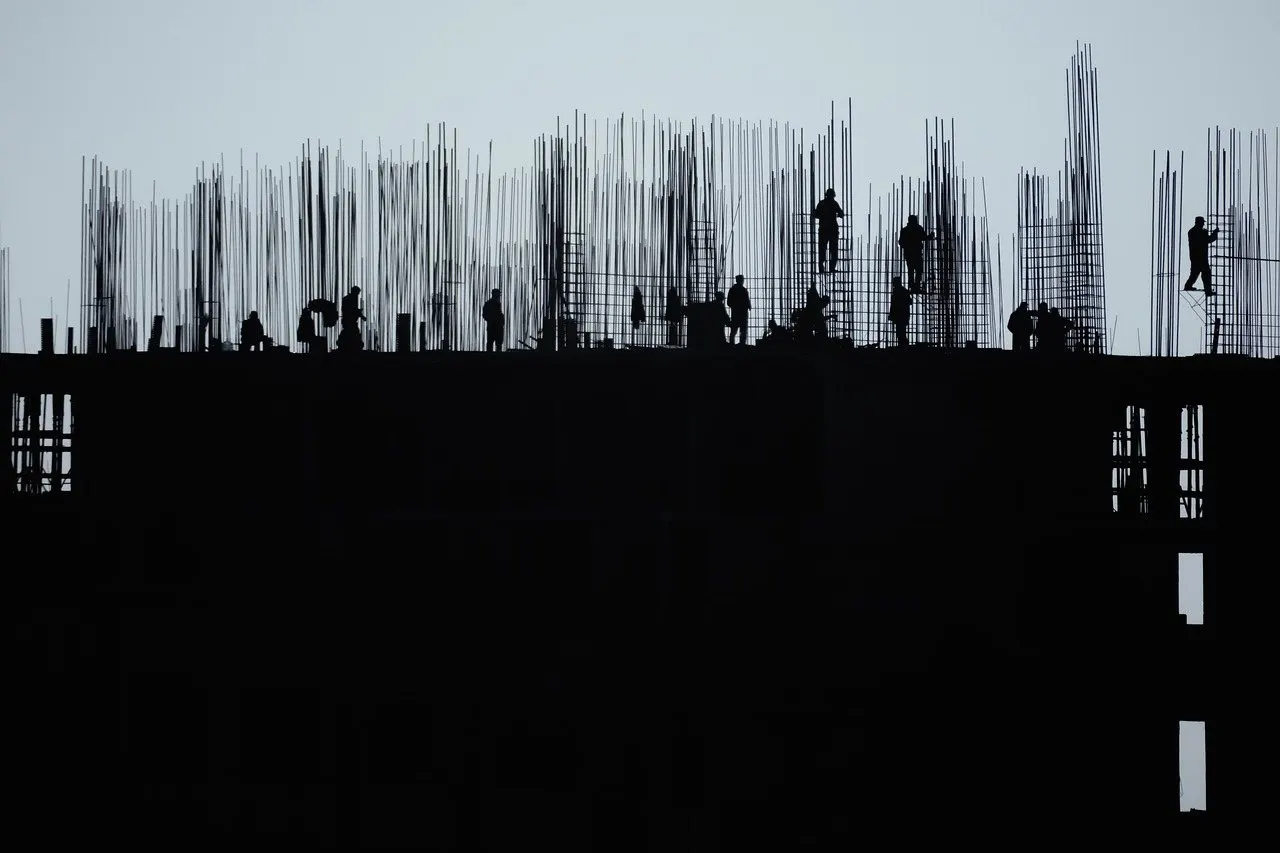
Building pipelines, mines, power plants and transmission lines takes workers, and supporters say the bill could create thousands of jobs across the country. Welders, engineers, truck drivers and electricians would all be needed to turn permits into real projects. Many of those jobs would land in rural areas where new work is hard to find. For towns that have waited years for a project to start, the bill could mean paychecks at last. Read a push to ban toxic pesticides from American food.
American Energy, Built in America
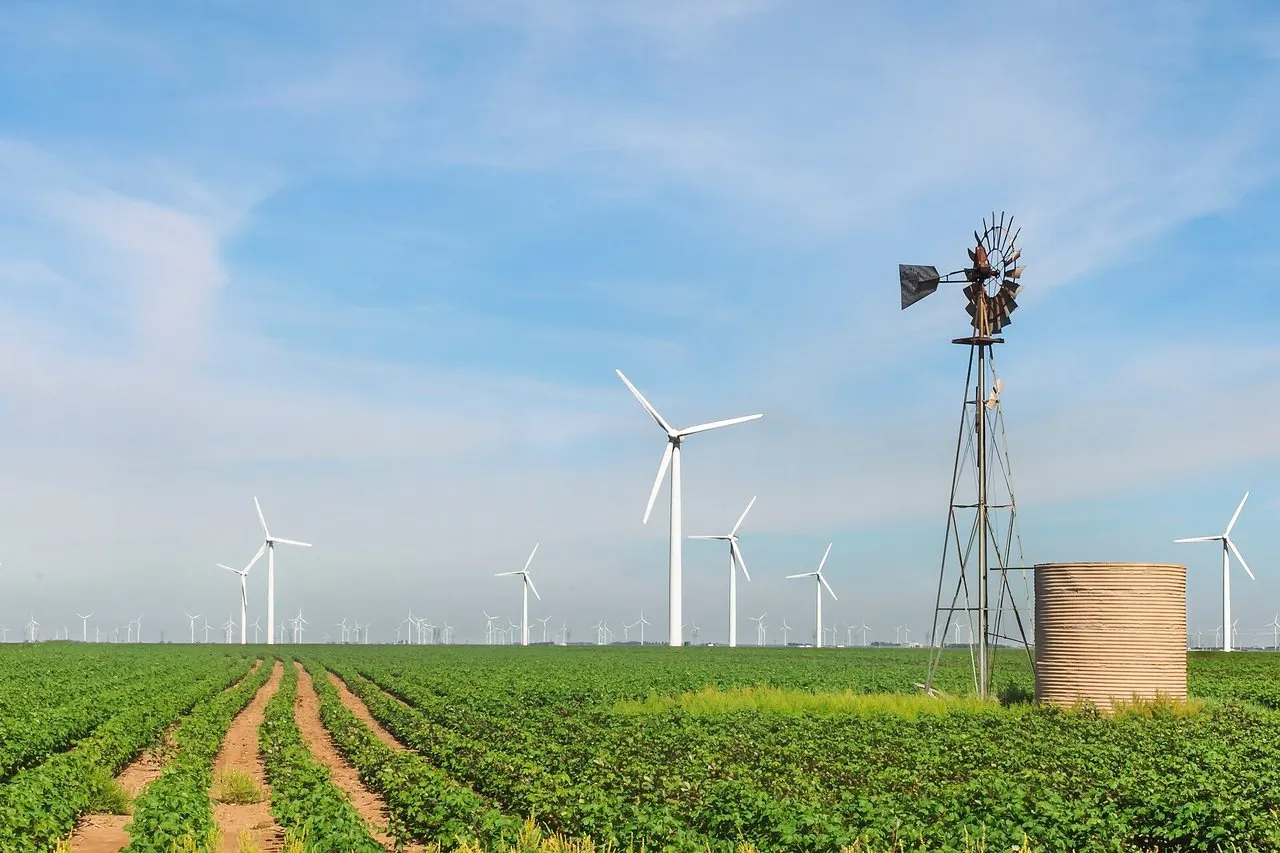
American energy is the theme supporters keep returning to, and the bill aims to build more of it at home. Wind farms in Texas, mines in the West and power plants across the country would all move faster under the new rules. Supporters say building at home means less reliance on other countries and more control over prices. It also means the jobs and the investment stay in American towns. See a warning that the country needs a president with a higher bar.
A Stronger Grid for a Growing Country
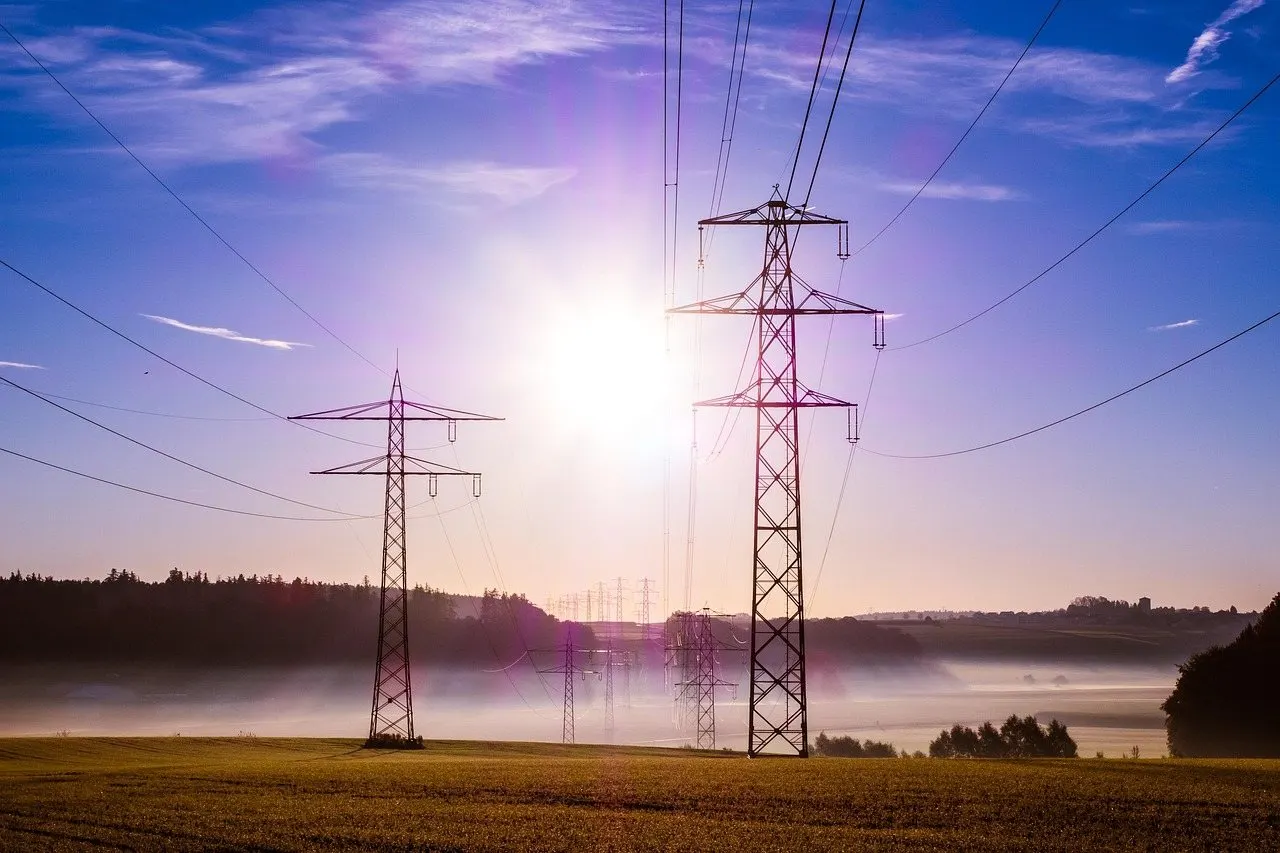
The power grid has to grow because America uses more electricity every year, from air conditioners to electric cars to data centers. Old lines and substations were not built for that much demand, and on hot days the system can strain. The bill helps by speeding up the transmission lines and power plants that strengthen the grid. A stronger grid means fewer outages and steadier prices for everyone. Read an actor whose Gaza remarks set off a debate.
Lower Bills Start in the Kitchen

The kitchen is where most families feel the cost of electricity first, from the oven to the fridge to the lights over the table. When power bills climb, the family budget feels it at once, and there is little room to cut back on cooking and keeping food cold. Supporters say the bill attacks that problem at its root, by making energy cheaper to build and deliver. A lower bill means more money left for groceries and the rest of life. See a warning to Republican colleagues about dishonor.
What the Senate Permitting Bill Means for the Rio Grande Valley
The Rio Grande Valley is one place watching the bill closely, and local coverage has asked what the 62 to 33 vote means for the region. South Texas is home to energy projects, cross border trade and fast growing towns that need more power. Faster permits could help new plants and lines reach the Valley sooner, and that could mean jobs and lower bills for local families. For a region that has waited for investment, the bill is a hopeful sign. Read a meeting where a warning went unheeded.
Texas Energy Projects Could Move First

Texas is already the heart of American energy, with oil fields, wind farms and gas plants spread across the state. Many Texas projects have waited years for federal permits, even when the state was ready to build. The bill could let those projects move first, because the state has the workers, the land and the demand. Supporters in Texas say faster permits will bring more jobs and cheaper power to the state. See a complete pardon for a baseball legend.
From the Senate Floor to the President’s Desk

A bill still has a long road after the Senate, and the next steps are the House, a final vote and the president’s signature. The House must pass the same bill, and any changes it makes have to be agreed by the Senate before the bill can move on. Only then does it reach the president’s desk to be signed into law. Supporters say the Senate vote was the hardest step, but the road is not finished yet. Read a visit that urged Democrats to extend grace.
Washington Talked About Permitting Reform for Decades
Washington has talked about permitting reform for decades, and presidents from both parties have promised to fix it. The problem survived because every fix ran into the same wall, with agencies, states and courts all pulling in different directions. This Senate actually passed a bill, and supporters say that is what makes this vote different from all the talk before it. The projects can finally move, and the debate can move on to what gets built first. See a clash over hundreds of millions in spending.
Senate Permitting Bill Supporters Say It Will Speed Up Everything

Supporters say the bill will speed up everything, from the first permit application to the final switch-on of a new power plant. They point to the deadlines in the bill, which give agencies a firm date to decide instead of letting reviews drift for years. They also say the bill protects communities by keeping reviews in place, just faster. For supporters, speed is the point, because every year of delay is a year of higher bills. Read a polar night that lasts until January.
What Happens Next for the Senate Permitting Bill

What happens next depends on the House, and the next few weeks will show whether the bill keeps its momentum. House leaders may move quickly to ride the Senate vote, or they may slow down to change parts of the bill. Either way, supporters plan to keep pressing, and opponents will keep raising their concerns. The 62 to 33 vote gave the bill a strong start, but the finish line is still ahead. See a sculpture made from ten thousand colored pencils.
Data Centers, Power Bills and Your Home
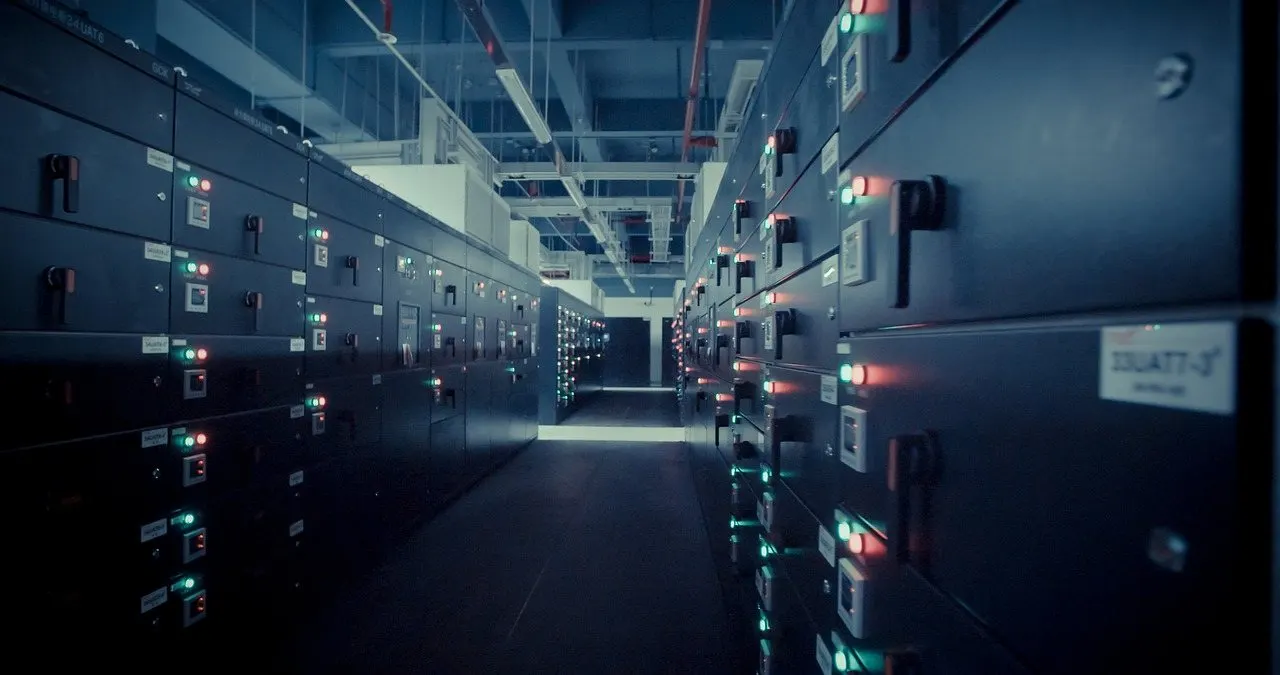
Data centers are now part of everyday life, because they run the apps, videos and cloud services that families use every day. Each new center needs a lot of power, and that power has to come from somewhere on the grid. The bill says the companies that build data centers should pay for the grid upgrades they cause, so families do not see the cost in their own bills. It is a rule about fairness as much as about power. Read a Thanksgiving vote to name two turkeys.
Why the Senate Permitting Bill Matters for American Families

The bill matters for American families because energy prices touch almost everything, from the lights at home to the cost of food and fuel. When permits take years, projects cost more and those costs reach families in their monthly bills. Faster permits could mean cheaper power, steadier supply and more jobs in towns across the country. For many families, the vote is not about politics but about the price of everyday life. See a scheme one senator wants to end.
What Do You Think of the Senate Permitting Bill?

The Senate has spoken with a 62 to 33 vote, but the debate is not over, and the House still has to decide what happens next. Some readers will cheer faster permits and lower bills, while others will worry about whether reviews will stay strong enough. Both views deserve a hearing, and the comments below are the place to share them. What do you think of the bill, and what should the House do next? Share your thoughts in the comments. Read a chair who warned a president about blocking funds.