School Lockdown Drills and the Free Breakfast Question
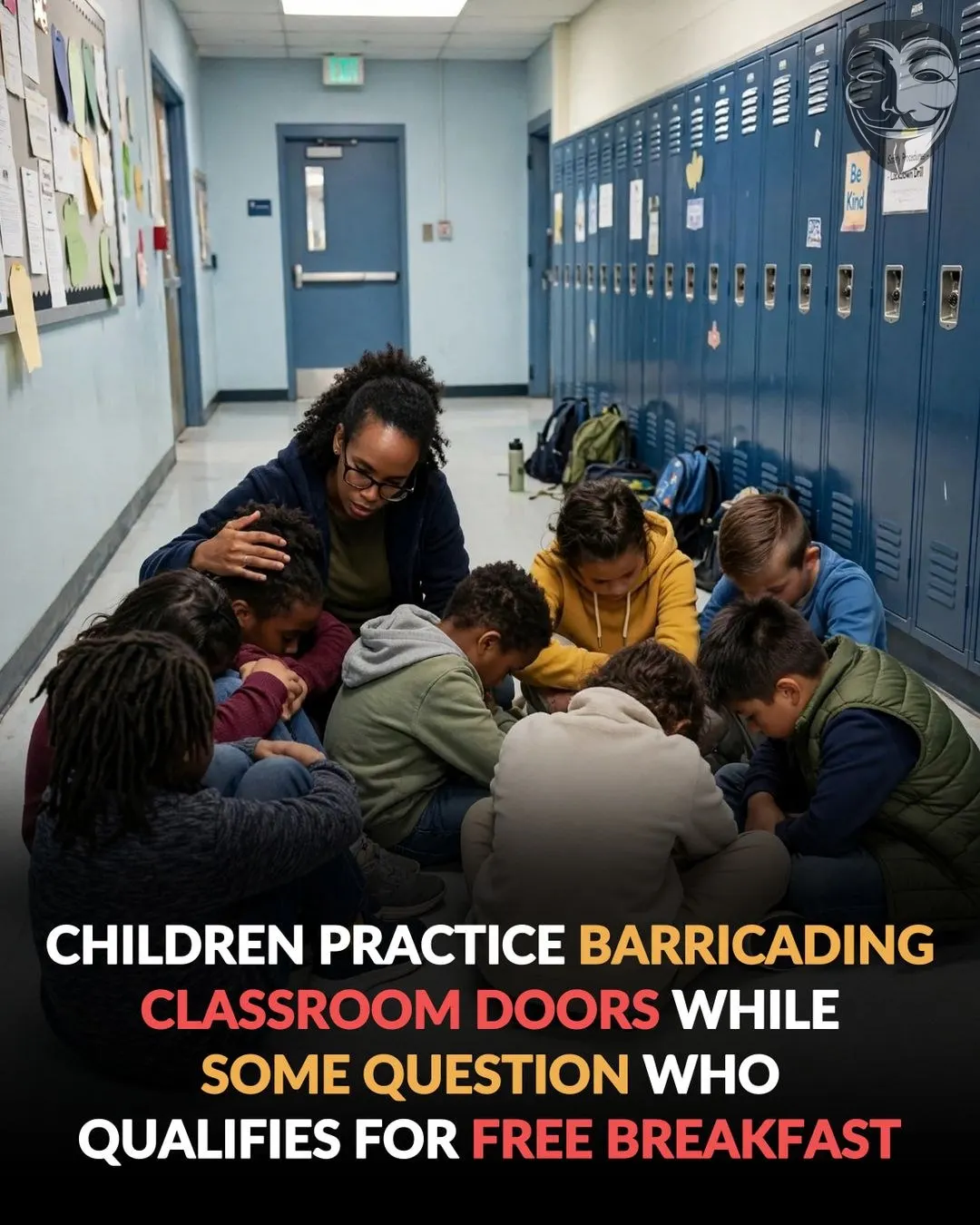
School lockdown drills are now a normal part of the school day for millions of American children, and a new photo shows what that looks like up close. In the photo, a teacher crouches in a school hallway with her young students huddled close around her, their heads bowed, as they practice how to lock and barricade a classroom door. About nine in ten public schools hold drills like this one, and 37 states require them at least once a year. Read more about the study of armed schools and student safety to see how some schools handle protection.
The same children who practice staying safe are also at the center of a debate over who deserves a free breakfast. About 11 million children ate a free school breakfast in the 2022-23 school year, and families usually qualify only when their income falls below 130 percent of the poverty line. Some districts have recently ended programs that fed every student for free. In the slides ahead, we look at the drills, the breakfast rules and the questions parents are asking now, and how school rules shape daily life for students across the country.
References:
Washington Post: After Parkland, a push for more school shooting drills
Phys Org: Lockdown or active shooter drill? The distinction matters for children’s safety and well-being
New York Times: Free School Lunches: Where Do Trump and Harris Stand?
JAMA Health Forum: It Is Back to School Time, The Status of Healthy School Meals for All Students
A Teacher Crouches in the Hallway With Her Students
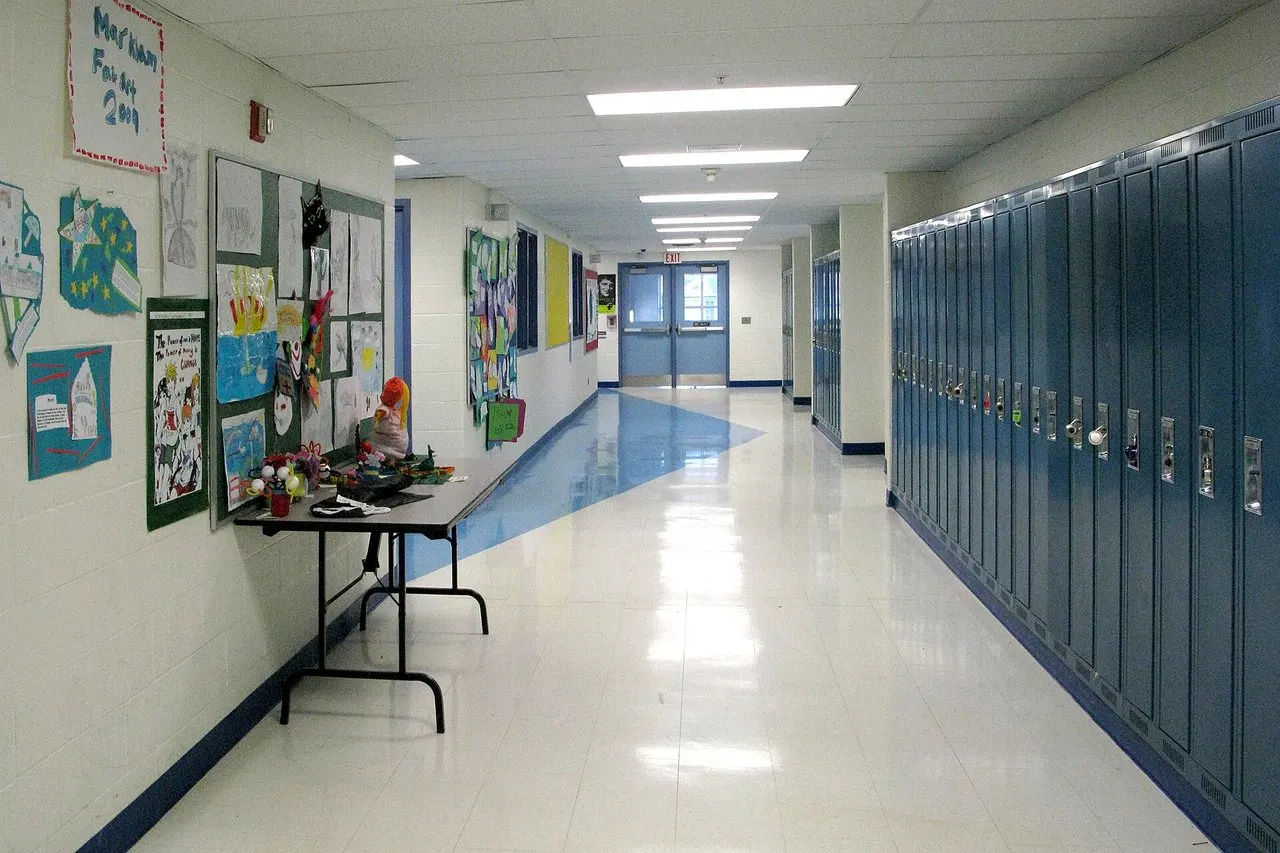
The photo at the center of this story shows a teacher on the floor of a school hallway, low and close to her class. Her young students press in around her with their heads bowed, listening hard. It is not a moment of play. It is a practice run for a lockdown, the kind of drill that has become routine in American schools. The teacher stays calm so the children stay calm. You can see how one teacher made every school year his own and read about a family that stayed close through hard times in our other stories.
What Children Practice During School Lockdown Drills
During school lockdown drills, children practice the steps they would take if a threat came near their school. They learn to move fast and quietly to a safe spot, away from windows and doors. They stay low and still, and listen for the voice of their teacher. Teachers keep the steps simple for young children and repeat them often so the moves feel familiar, not frightening. The drills are short, but the lessons stay with them. Learn why one teacher changed his look every year and see how a dad puts time with his kids first in our related stories.
Nine in Ten Schools Hold School Lockdown Drills
About nine in ten public schools in America hold lockdown drills, which means most children will take part in one during the school year. The drills are now as familiar as fire drills, and many students have done them since kindergarten. Schools plan them in advance, and teachers know the steps by heart. The high number shows how widely schools have adopted the practice. It also shows how normal the drills have become for a new generation. Read about the education department and its big budget debate in our coverage.
Thirty Seven States Require School Lockdown Drills Each Year
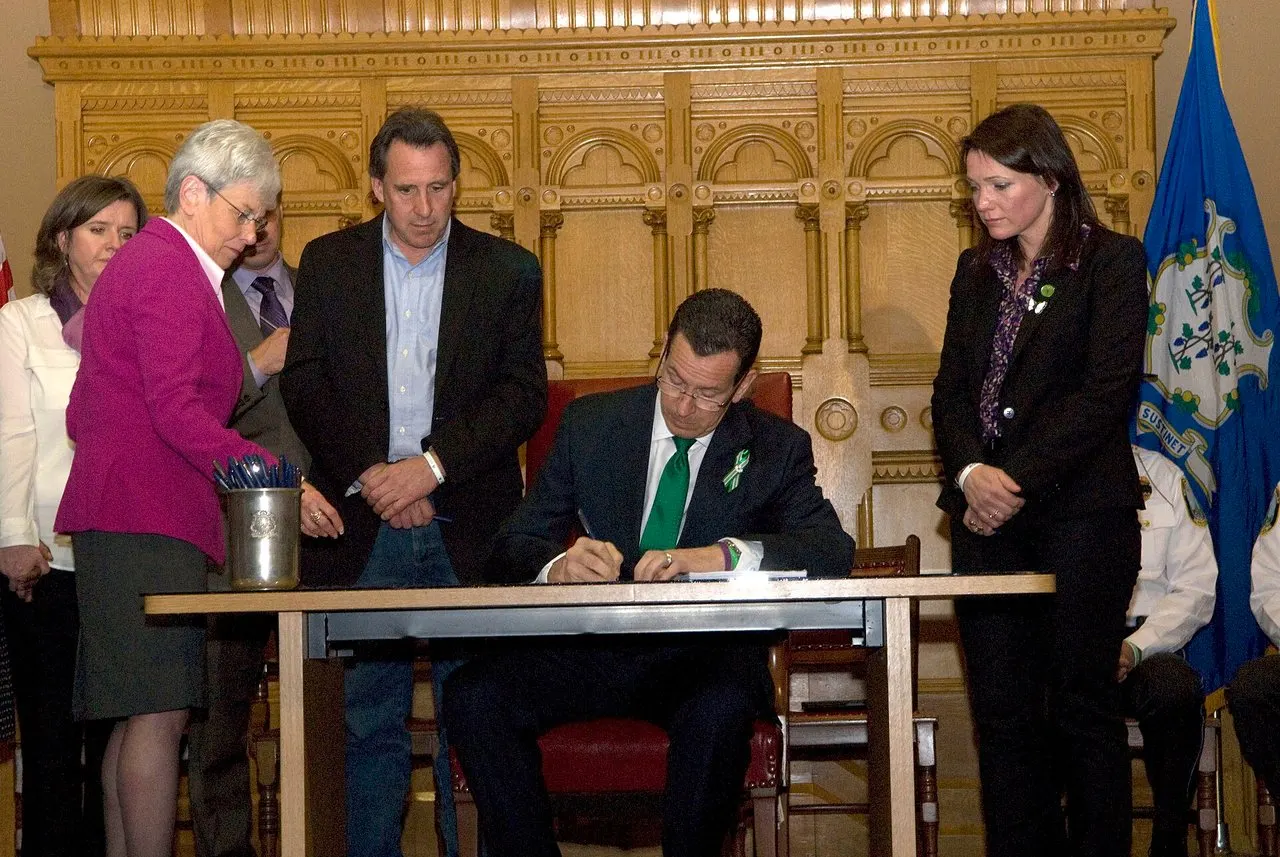
In 37 states, the law requires schools to hold lockdown drills at least once a year, so the practice is not left to chance. Lawmakers wrote the rules after years of debate about school safety. Each state sets its own details, such as how often drills happen and how schools must tell parents. The result is a patchwork of rules, and more states keep adding drills to the school calendar. See how a bill to close a detention center moved through Congress for more on big policy debates.
Lockdown or Active Shooter Drill: Why the Words Matter
Experts draw a clear line between a lockdown drill and an active shooter drill, and they say the difference matters. A lockdown usually means a threat is outside, so students stay put behind locked doors. An active shooter drill practices what to do if a threat is inside, which can feel very different. The words schools use shape how safe children feel, and that is why the drill names get attention. Read about the children of Gaza and what the world owes them in our other reports.
After Parkland, a Push for More School Lockdown Drills
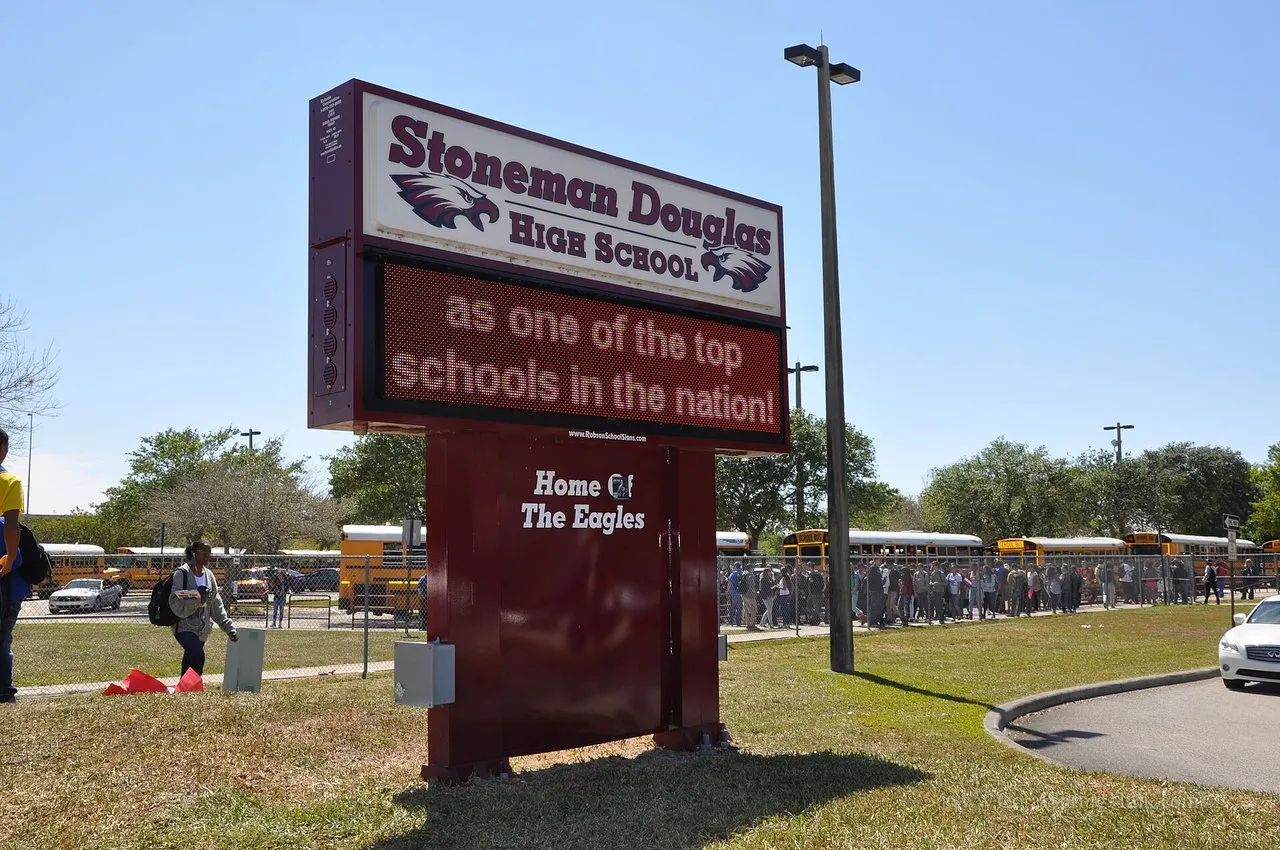
After the attack at Marjory Stoneman Douglas High School in Parkland, Florida, in 2018, many schools pushed for more drills and more practice. The tragedy shook the country and changed how schools think about safety. Parents asked for plans they could see, and districts answered with new rules and more training. The Washington Post reported on the push for more drills after Parkland. The debate has not stopped since. Learn about a school case that divided a community in our coverage.
How School Lockdown Drills Barricade a Classroom Door
A key part of school lockdown drills is learning how to lock and barricade a classroom door. Teachers show students how heavy desks and chairs can be pushed against a door to slow anyone trying to get in. They check that the lock works and that the door closes fully. The goal is to buy time and to keep the room hidden and quiet. It is a simple idea, but it takes practice to do it fast. See how one teacher made his yearbook photos stand out in our stories.
Lights Off and Quiet Voices During School Lockdown Drills
When the drill begins, the lights go off and the room goes quiet. Teachers pull the blinds, and students move to the corner of the room that cannot be seen from the door. They sit close together on the floor and wait in silence. The quiet can feel long to a small child, so teachers speak softly and keep their voices steady. The room stays dark until the drill ends and the all clear is given. Read about a dad who puts family dinners first in our related stories.
What Teachers Tell Children Before School Lockdown Drills

Before school lockdown drills begin, many teachers explain the practice in gentle words. They tell children that the drill is like a fire drill, a way to practice staying safe, just in case. They avoid scary details and focus on the steps: stay quiet, stay low, stay together. Some teachers use stories or games to help young children remember what to do. The aim is to prepare children without frightening them. Learn how schools handle big fines over their rules in our coverage.
Why Some Experts Worry About School Lockdown Drills
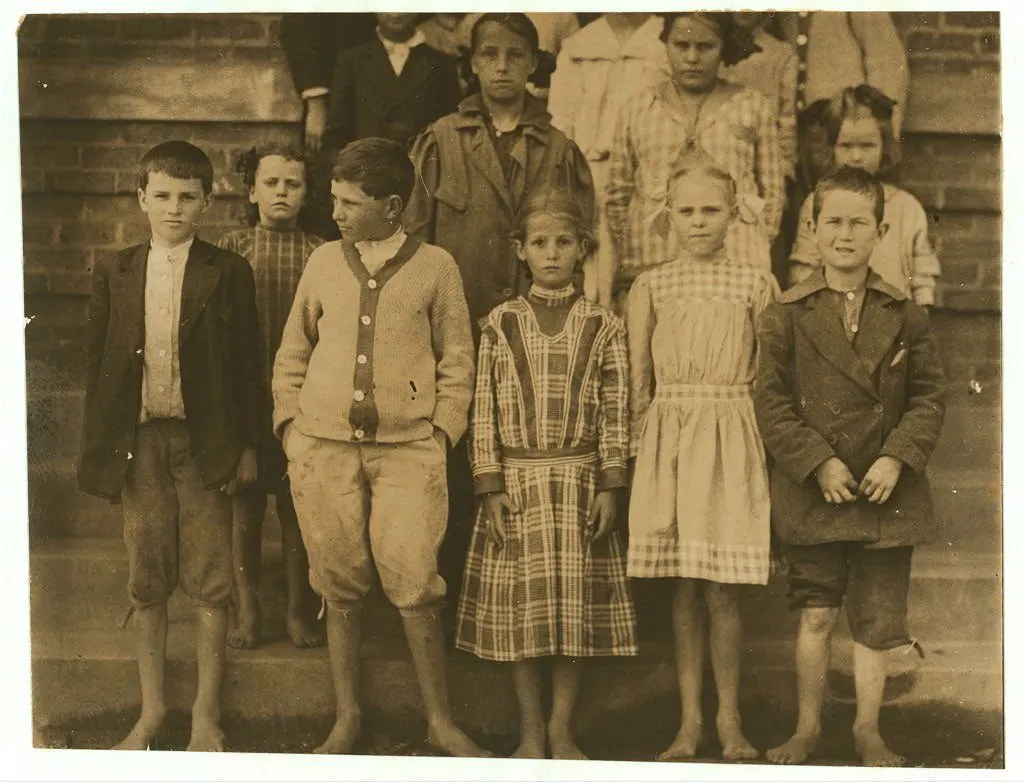
Some experts worry that school lockdown drills can leave young children feeling anxious, even when the drills are meant to help. A child who practices hiding from danger may carry that fear home. Studies and child health experts have raised questions about how often drills should happen and how real they should feel. They say drills should teach safety without teaching fear. Schools keep looking for the right balance. Read the warning one writer gave about the future in our other reports.
The Same Children at the Center of a Breakfast Debate
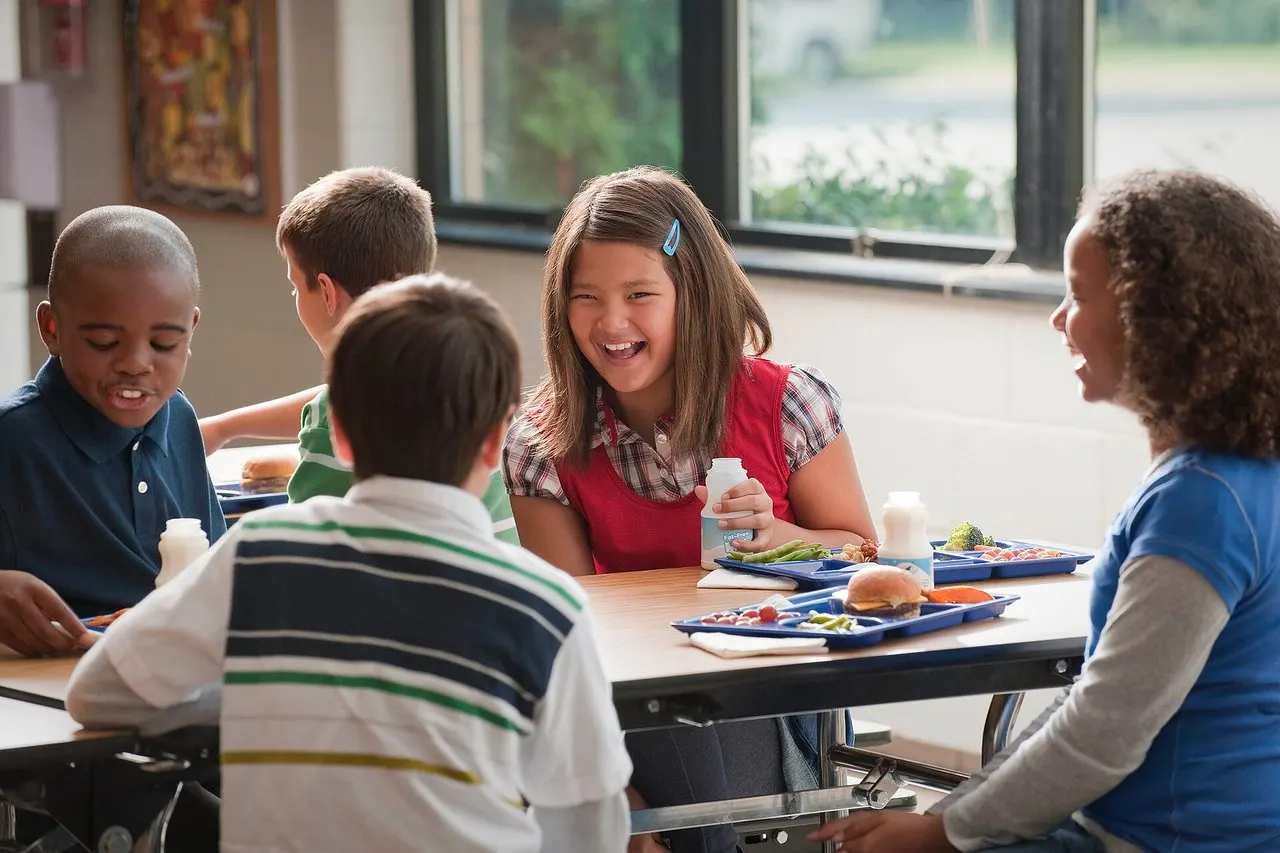
The children who practice barricading their classroom doors are the same children at the center of a debate over free breakfast. The post points to a painful contrast: children who train to stay safe at school must also depend on rules about who gets fed. About 11 million children ate a free school breakfast in the 2022-23 school year. The question now is who should qualify, and who gets left out. See how a school case about a teenager moved a community in our stories.
Eleven Million Children Ate a Free School Breakfast
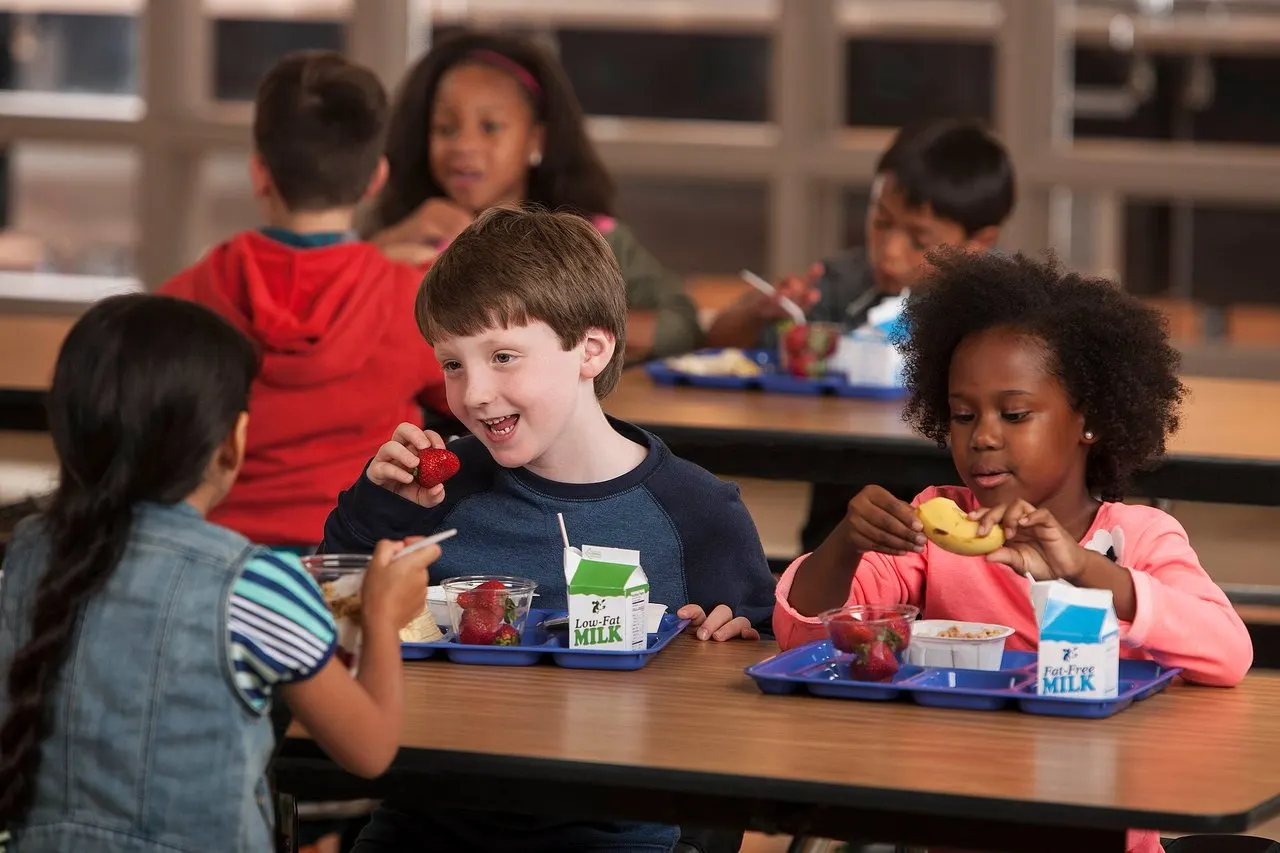
About 11 million children ate a free school breakfast in the 2022-23 school year, a number that shows how much families rely on the program. For many children, the meal at school is the first food of the day. It arrives before lessons begin and helps them settle into class. Schools serve it in cafeterias and classrooms across the country. The number is large, yet many more children still pay or go without. Read about the education budget debate in Washington in our coverage.
Who Qualifies for Free Breakfast at School
Not every child gets a free breakfast at school. Families usually qualify only when their income falls below 130 percent of the poverty line, a cutoff that leaves many working families just above the line. Parents must fill out forms and show proof of income, and the rules can feel hard to follow. Children whose families earn a little more may still struggle to pay. The line between qualifying and not qualifying is thin. Learn how one school handled a dress code dispute in our related stories.
The 130 Percent Poverty Line Rule
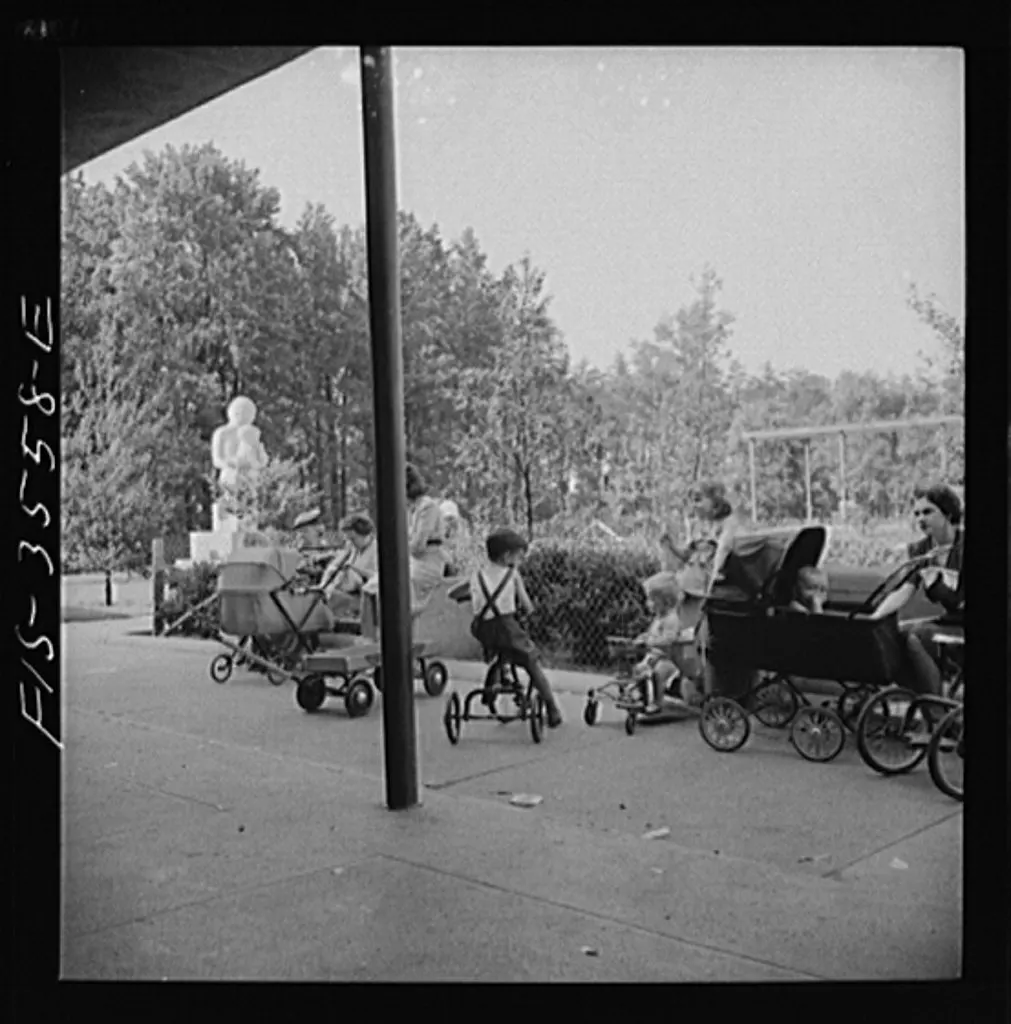
The 130 percent rule is the heart of who gets a free school breakfast. A family of four earning below 130 percent of the federal poverty line can qualify, while a family just above it often cannot. The poverty line moves each year, and so does the cutoff. For parents living close to the line, a small raise at work can mean losing the free meal. The rule is simple on paper and hard in real life. See how a family business stayed in family hands in our other stories.
Some Districts Ended Free Meals for Every Student
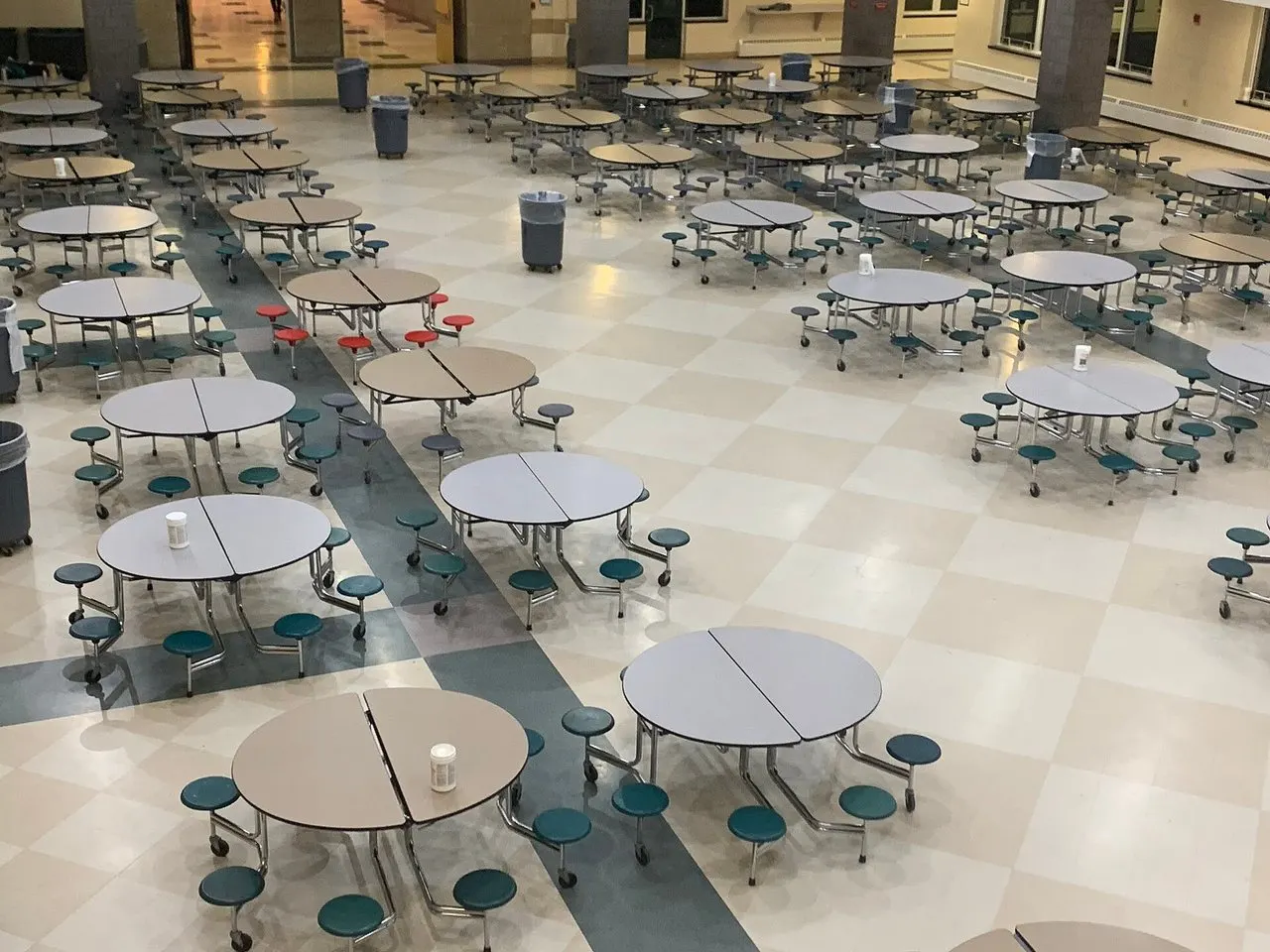
Some school districts have recently ended programs that fed every student for free, and the change has been felt right away. During the pandemic, many schools served free meals to all children, with no forms and no cutoff. When those programs ended, some families had to start paying again or apply for help. For children who had grown used to a free meal, the change was sudden. Parents and schools are still sorting out what comes next. Read about the Amish schools that faced large fines in our coverage.
What Free School Meals Mean for Learning
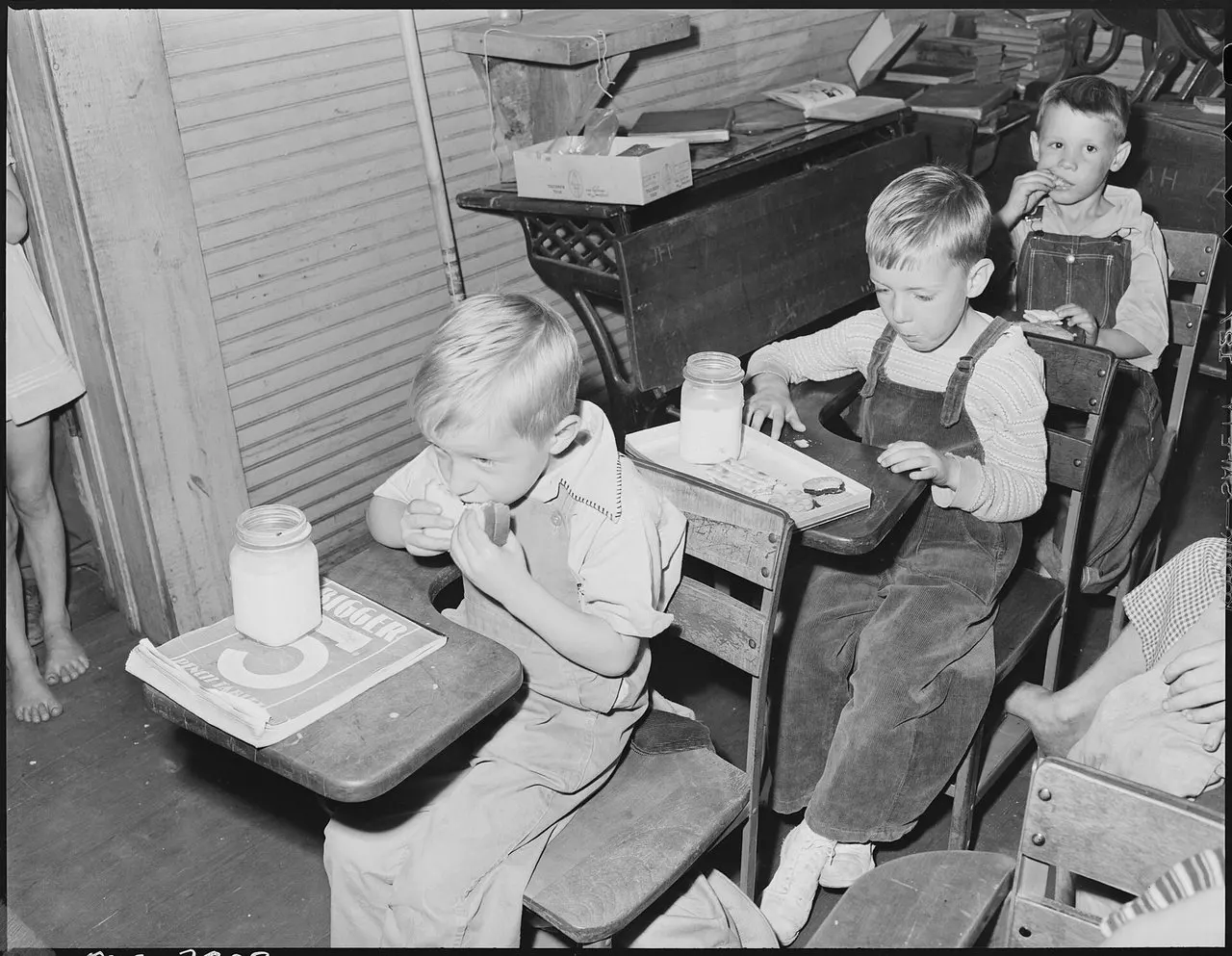
A free school meal can change how a child learns. A hungry child finds it hard to focus, listen and remember, while a child who has eaten can settle into the lesson. Teachers often say they can tell which students skipped breakfast. The meal is not just food. It is fuel for reading, math and play, and it helps children make it through the morning. That is why the breakfast debate matters so much to schools. Learn how one dad makes time for his children in our related stories.
The Debate Over Healthy School Meals for All
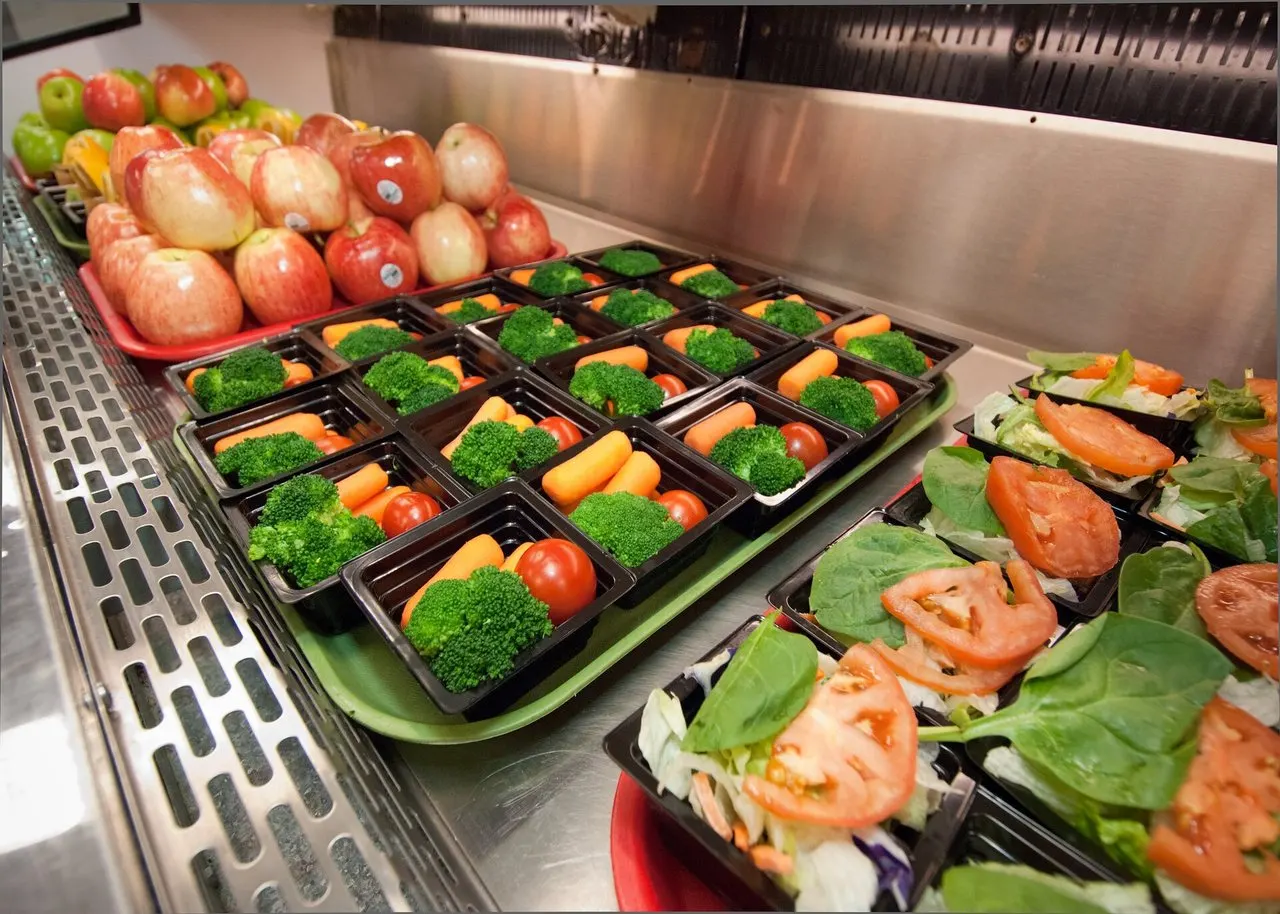
A recent report in JAMA Health Forum looked at the state of healthy school meals for all students, and it added weight to a growing debate. Supporters of meals for all say every child should eat, with no forms and no stigma. Critics ask who should pay and how much it would cost. The debate touches health, learning and fairness, and it reaches far beyond the cafeteria. Schools, parents and lawmakers all have a stake in the answer. Read about the armed schools study that drew wide attention in our coverage.
Where Trump and Harris Stood on Free School Lunches
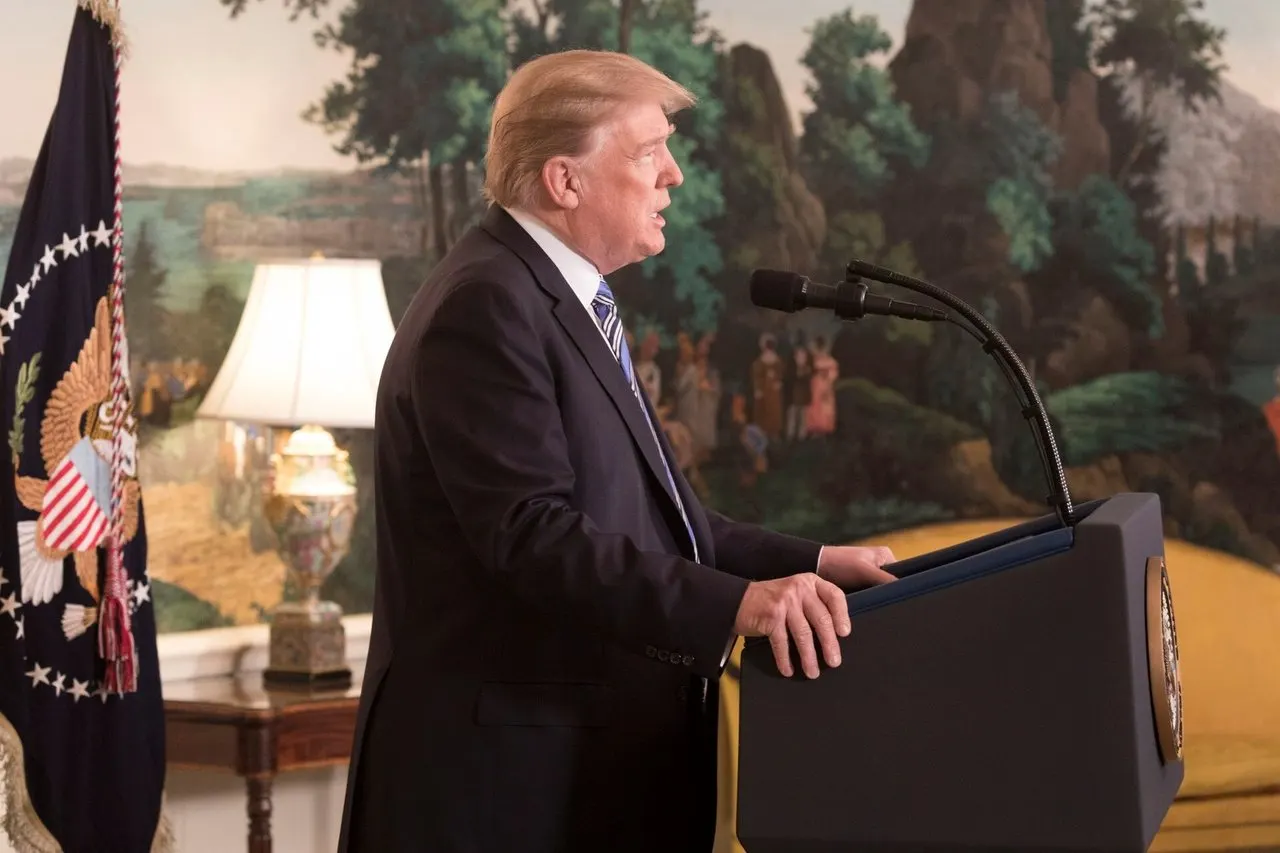
The New York Times looked at where Donald Trump and Kamala Harris stood on free school lunches, and the two offered different views. The question became part of the wider campaign debate about how much help families should get from the government. Voters heard promises about food and family budgets. The answers mattered to parents who count on school meals. The school lunch debate is now part of the national talk about care and cost. See how a small first lady staff still passed key laws in our stories.
What Parents Can Ask Their School About School Lockdown Drills
Parents who want to know more about school lockdown drills can start by asking simple questions at the school office. Ask how often drills happen, how the school tells parents, and what teachers say to young children before a drill. Ask if children can opt out or get extra support when they feel scared. Schools should have clear answers for parents. A calm talk with the school can ease a worried child. Read about a school case that divided a community in our related stories.
What Parents Can Ask About Breakfast Help
Parents who need help with breakfast can ask the school office about free and reduced price meals. The office can explain the income cutoff, the forms and the deadlines. Some schools also offer help through community programs that feed every student at no cost. Asking early in the year helps, since meals can start right away once the forms are in. No parent should feel shy about asking for food for a child. Learn how one mom chose gratitude in hard times in our coverage.
Safety and Breakfast in One School Day
A single school day now holds two big questions for American children: how to stay safe, and whether breakfast is free. The morning starts with a bus ride or a walk to school, and the day brings lessons, drills and lunch lines. Teachers juggle safety plans and meal counts at the same time. Parents watch both debates and wonder which one matters more. The truth is that both shape how a child feels at school. See a family that stayed close after a split in our other stories.
What Do You Think Schools Should Do First?
If you could change one thing about your local school, what would it be? Would you ask for fewer drills and calmer practice, or for free breakfast for every child, with no forms at all? Would you put safety first, or make sure no child starts the day hungry? Your view matters, and schools listen when parents speak up. Share your thoughts in the comments, and tell us what your school does best. Read how a wildlife center rallied after a fire while you are here.