Conservative YouTuber Blaire White has added her voice to the fight over the Epstein files. She argued that if releasing them would collapse the government, then it deserves to collapse. Her comment reflects frustration shared across party lines. Here is what she said, what has been released, and what people still want to see.
What Blaire White Said About the Epstein Files
Blaire White, a commentator with a large YouTube following, made the remark while discussing the Epstein files and the long fight over how much of them the public should see. Her point, as she framed it, was that no government should be protected from the truth. If the contents of those records were damaging enough to bring down people in power, she argued, then that outcome would be the system’s own fault rather than a reason to keep the files hidden. It was a sharp line, and it was meant to be. The quote spread widely on social media, clipped and reposted by accounts on the right and the left. Some shared it as a rallying cry for full disclosure. Others shared it to criticize her tone. Either way, it reached people who might never watch her channel. That reach is part of why it mattered. It added fuel to the debate over what has been released, what is still sealed and who decides.
References: Congress passes Epstein Files Transparency Act; Poll: Americans believe government is hiding Epstein client details; Blaire White Epstein files collapse government
Who Is Blaire White, the Epstein Files Critic?

Who is the person behind the viral line? White is a conservative YouTuber and podcaster known for commentary on politics and culture. She has built her audience over several years with videos that react to news stories, online trends and debates over social issues. Her style is direct, and she rarely softens her opinions. She often breaks with both parties on specific issues, which makes her harder to place than a typical partisan voice. On some topics she lines up with Republicans. On others she criticizes them openly. That independence is part of her appeal to fans, and it also draws criticism from people across the spectrum. Her audience includes many young viewers who get much of their news from online creators rather than television or newspapers. That shift in how people consume news is one reason commentators like White can shape conversations quickly. When she weighs in on a hot topic, clips travel far. Read more celebrity news for other figures making headlines online.
What the Epstein Files Are

The term “Epstein files” refers to court records, investigative files and documents tied to Jeffrey Epstein. He was a wealthy financier who moved in powerful social circles, with ties to politicians, business leaders and celebrities. Epstein died in jail in 2019 while awaiting trial on federal sex trafficking charges. His death was ruled a suicide by the medical examiner, though it has fueled suspicion and conspiracy theories ever since. The files include material gathered by investigators over years, along with records from related civil cases. They may contain flight logs, contact lists, witness statements and other evidence. Some of this material has trickled out through lawsuits and court orders. Much of it stayed out of public view for a long time. The public has long demanded full release, arguing that people who may have helped or protected Epstein have never faced real scrutiny. Others warn that raw files can be misread. Background on the case and its many turns is in earlier coverage.
The Transparency Act

Congress passed the Epstein Files Transparency Act in late 2025 with rare bipartisan support. In a period when the two parties seldom agree on much, this measure drew backing from members on both sides of the aisle. The law required the Justice Department to release its records connected to Epstein. It also set limits meant to protect victims, so that names and personal details of survivors would not be exposed. Supporters said the law was overdue. They argued that the public had waited years for answers and that only a legal requirement would force full disclosure. Some members raised concerns about the pace of release, the handling of sensitive material and the risk of harming innocent people named in the records. Those concerns did not stop the bill, but they shaped how it was written. The vote was a big moment in Washington news, and it set off a new phase in a story that many thought had gone quiet.
Millions of Pages Released

Reports say the Justice Department has published millions of pages since the law passed. That is a huge volume of material, far more than any single person could read quickly. Reporters and researchers are still reading through them, often in teams, sorting documents by date, person and topic. Some pages are routine. Others contain details that have drawn wide attention. Large parts were redacted to protect victims and ongoing matters, with names and passages blacked out before release. Officials say this is required by law and by basic fairness to survivors. Critics say the blacked-out sections make it impossible to judge what is really there. They want an independent check on whether the redactions go too far. For ordinary readers, the sheer size of the release can be confusing. Viral posts often pull one page out of context and present it as proof of something bigger. That pattern frustrated many readers, who wanted clear answers rather than another flood of unclear documents.
Why Blaire White and Others Say the Epstein Files Fall Short

Why are some people still unhappy after millions of pages? Some lawmakers and commentators believe key names or details are still being withheld. They point to redactions, missing records and the slow pace of release as signs that something is being protected. A few have called for hearings or outside reviews to confirm that everything required by law has been made public. The Justice Department says redactions follow the law and protect victims, witnesses and active investigations. Officials have also said that some material cannot be released without court approval. Supporters of the department’s approach argue that careful handling is responsible, not suspicious. That gap in trust drives much of the anger seen in political debates. It is not only about the documents themselves. It is about whether people believe powerful institutions will tell the truth when it could hurt powerful people. Until that trust improves, every new release is likely to be met with a mix of interest, doubt and demands for more.
What Polls Show

Polls have shown that many Americans believe the government is still hiding information about people connected to Epstein. Exact numbers vary by survey and by how the question is asked, but the overall pattern has been steady for years. Distrust cuts across party lines. Democrats, Republicans and independents have all expressed doubts that the full story has come out. That is unusual in a divided country, where most hot topics break sharply along partisan lines. On Epstein, people who disagree about almost everything else often share the same suspicion. Some of that comes from the details of the case itself, including Epstein’s earlier plea deal and the circumstances of his death. Some comes from a broader belief that wealthy and connected people are treated differently by the justice system. Researchers say this kind of shared distrust can be powerful. It can push lawmakers to act together, as they did with the transparency law. It also shapes how every new release is received, as poll stories note.
Victims Come First

Lost in the political noise are the people most affected: the survivors. Advocates for survivors stress that any release must protect victims’ identities. Many of the women and girls Epstein harmed were minors at the time, and some have spoken publicly about how painful it is to see their stories turned into internet content. They want accountability for abusers, not exposure of the women and girls who were harmed. That means naming and investigating people who took part in or enabled abuse, while keeping survivors’ private details out of public view. It is a difficult balance. Too much secrecy can shield wrongdoers. Too little care can retraumatize victims and put them at risk of harassment. Some survivors have backed full disclosure, saying the truth matters more than discomfort. Others have asked for more caution. Both views deserve respect. That balance shapes how documents are released, as covered in related stories, and it is a reminder that real people sit behind every redacted name.
A Rare Bipartisan Issue

Calls for transparency have come from progressives and conservatives alike. On the left, some see the case as proof that the rich escape accountability. On the right, some see it as proof that elites protect one another regardless of party. The language differs, but the demand is similar: release the records and let the public judge. Few issues unite such different voices. Members of Congress who rarely agree on budgets, immigration or foreign policy have found common ground here. Online commentators who usually attack each other have shared the same clips and demands. That overlap is part of what made the transparency law possible. The comment from Blaire White on the Epstein files is one example of how deep the frustration runs. She speaks mainly to a conservative audience, yet many people far from her politics agreed with her basic point. Others found her wording too extreme. The mix of reactions says a lot about the moment the country is in. See other viral voices who have spoken out on the same issue.
Why the Blaire White Epstein Files ‘Collapse’ Line Struck a Nerve

Her wording was extreme on purpose. “Collapse” is a big word, and it grabbed attention in a way a softer phrase would not have. She was not calling for violence. Her argument, as she presented it, was that truth matters more than protecting institutions, and that a system able to survive only through secrecy has deeper problems. Some agreed. They said she captured a feeling many people share but rarely put so bluntly. To them, the line was a fair challenge to officials who have moved slowly on disclosure. Others said the phrase was reckless. They argued that talk of government collapse, even as a figure of speech, can feed anger and extremism at a tense time. Some also noted that strong slogans can drown out careful discussion of what the files actually show. Both reactions reflect real concerns about how political speech spreads online. That split shows in the comments under clips of her remark, where praise and criticism sit side by side.
What Happens Next

So what comes next in this story? Several paths are possible, and they may unfold at the same time. Lawmakers may push for more releases or hearings, especially if they believe the Justice Department has not met the law’s requirements. Committees could call officials to explain redactions and delays. Courts could weigh in on disputed redactions, either because media groups sue for access or because people named in documents ask for protection. Judges move slowly, so those fights can take months. Journalists will keep combing the records, cross-checking names, dates and claims against other sources. That work often produces the most reliable findings, though it rarely goes viral as fast as rumors do. Survivors and their lawyers may also pursue their own cases. Each new document can spark another wave of headlines, as in recent news. Readers should expect the topic to return again and again, sometimes with real news and sometimes with recycled claims dressed up as new.
How to Read the Files Responsibly

A name in a document does not prove wrongdoing. That single rule can prevent a lot of harm. Many people were mentioned as contacts or witnesses, and some appear only because they attended an event, sent an email or were listed in an address book. Others may have been named in claims that were never tested in court. Reading the files responsibly means slowing down. Who wrote the document? When? Was the claim checked by investigators, or is it an unverified statement? Is the page shown in full, or just a cropped piece? Readers should look for context and reliable reporting before sharing claims. Established news outlets often explain what a document is and what it is not. Viral posts usually skip that step. Sharing false accusations can damage innocent people and distract from real findings. It can also cause legal trouble for those who spread them. More tips in media literacy pieces can help readers judge sources and avoid being misled.
Where Lawmakers Stand on the Epstein Files Blaire White Wants Released
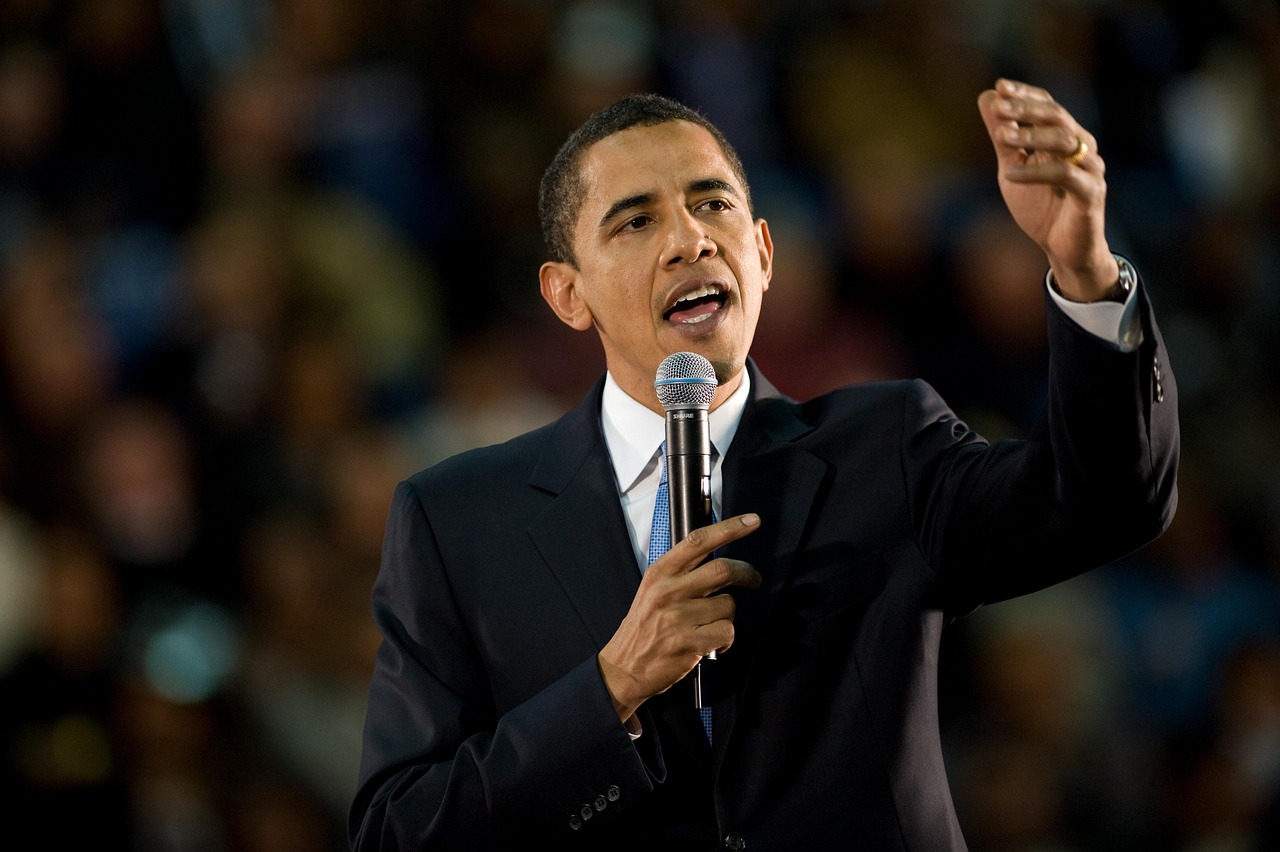
Members of both parties have said they want the full truth, but they differ on how and when. That difference is important, because it shapes what happens in Congress and in the courts. Some push for every page now. They argue that delay only feeds suspicion and that the public has waited long enough. In their view, any remaining redactions should face tough outside review. Others want careful review first. They say rushing could expose victims, harm innocent people or damage ongoing investigations. They also argue that well-checked releases will carry more weight than a messy data dump. Within each party there are lawmakers in both camps, so the split is not neatly partisan. Political pressure from voters and commentators affects them all. Statements can also change as new pages come out or as public mood shifts. Following individual lawmakers over time gives a clearer picture than any single quote. Their statements are tracked in our news section, along with updates on votes and hearings.
The Bigger Trust Problem

The Epstein case has become a symbol of distrust in powerful institutions. For many people, it is not only a story about one man’s crimes. It has turned into a test of whether the justice system works the same way for everyone. Many people believe the wealthy are judged by different rules. They point to Epstein’s 2008 plea deal in Florida, which critics called far too lenient, as an early example. Some also cite how long it took for wider investigations to move forward. Officials and some legal experts push back, saying complex cases take time and that many rules exist to protect fairness, not elites. Still, perception matters. When people feel the system is tilted, they lose faith in courts, agencies and elected leaders. Full transparency, where lawful, is seen as one way to rebuild trust. It will not fix every concern, but it can show that no one is beyond scrutiny. That idea runs through many opinion pieces on the case.
The Key Dates

A short timeline helps make sense of a case that has stretched across many years. 2008: Epstein pleads guilty in Florida to state charges, under a deal that later drew heavy criticism for being lenient. He served a short sentence with work release. 2019: he is arrested again on federal sex trafficking charges in New York. Weeks later, he dies in jail while awaiting trial. His death is ruled a suicide, though doubts persist among the public. Late 2025: Congress passes the Epstein Files Transparency Act with support from both parties, requiring the Justice Department to release its records. Since then: millions of pages released, according to reports, with heavy redactions and continuing arguments over what is still missing. Between those dates came lawsuits, investigative reporting and a steady stream of public pressure. Each stage built on the one before. A full history lives in our archive, with links to earlier stories that cover each turn in more detail.
Why Some Files Stay Sealed

Not every file can be made public, and that is often a point of confusion. Courts can seal records to protect victims, witnesses and ongoing cases. That can include grand jury material, which has special secrecy rules, as well as sensitive personal information. Sealing is a common legal tool and is used in many cases, not only this one. Unsealing usually needs a judge’s order. Media organizations, advocacy groups or parties to a case can ask a court to release material, and the judge weighs public interest against possible harm. That process can be slow. Lawmakers can push, but they cannot simply override a court. Congress can pass laws directing agencies like the Justice Department, yet judges still control records that belong to their courts. That separation of powers frustrates people who want everything out now. It also exists for good reasons, including fair trials and privacy. The details are explained in legal stories, which walk through how sealing and unsealing work.
Do You Agree With Blaire White on the Epstein Files?

Now it is your turn to weigh in. Should all Epstein files be released, whatever the fallout? Supporters of that view say the public deserves the full picture and that powerful people should face the same scrutiny as anyone else. They argue that secrecy only feeds suspicion. Or should some stay sealed to protect victims and investigations? People on this side say careless releases could hurt survivors, damage innocent people and weaken cases against those who may still face charges. Many readers land somewhere in between. They want maximum openness with strong protections for victims and careful checks on unproven claims. Blaire White made her position on the Epstein files clear in blunt terms. Others will see the issue differently, and reasonable people can disagree on where the line belongs. What matters most is that the debate rests on facts rather than rumors. We will keep reporting as documents are released and lawmakers act. Share your view and follow this story for updates as it develops.