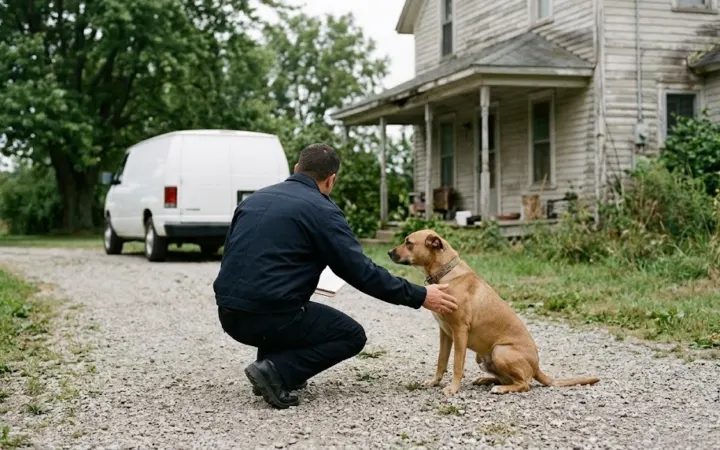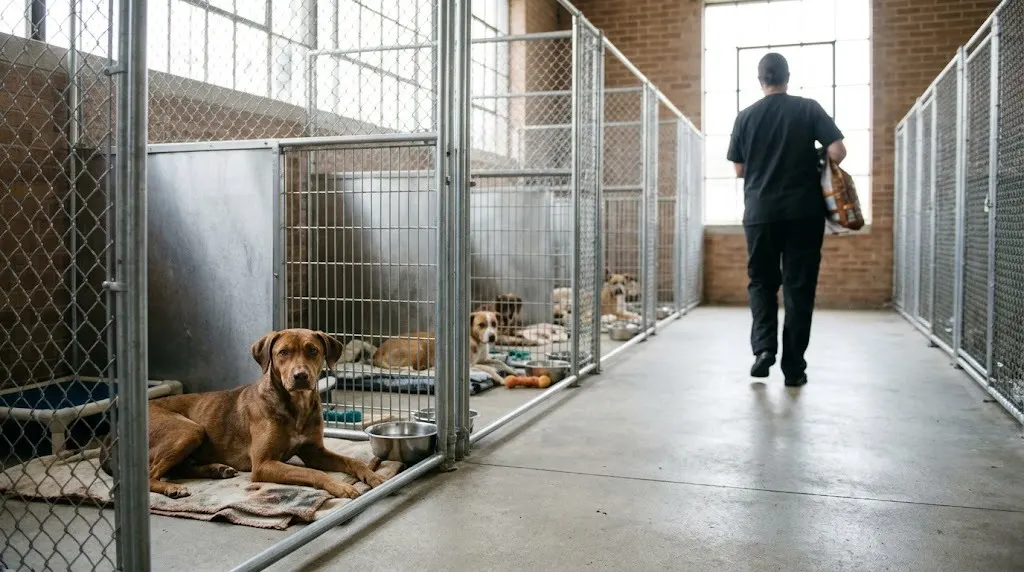
Seized animals in American cruelty cases remain the defendant’s property until a court orders otherwise, so they generally cannot be adopted out until forfeiture is resolved or the owner gives them up. Because criminal cases can take months, many are held in custody, often at a municipal shelter, and many states let courts require owners to post a bond to cover the cost of their care.
Who pays to care for seized animals
Seizure is the beginning of a legal process, not the end of one, and the animals occupy an uncomfortable position within it. In American law, animals are property. That classification governs what happens after a seizure: because the animals remain the defendant’s property until a court orders otherwise, they generally cannot be adopted out, and in many jurisdictions cannot be permanently placed at all, until forfeiture is resolved or the owner voluntarily gives up ownership. Criminal cases can take months or longer.
The practical consequence is that seized animals are frequently held in custody for the duration of the case. Costs fall initially on whoever is housing them, typically a municipal shelter or a rescue organization working under an agreement with law enforcement, and those costs add up quickly in large seizures involving dozens or hundreds of animals.
Cost-of-care and bond laws
Many states have responded by enacting cost-of-care or bond statutes, which allow a court to require the owner to post security covering the animals’ upkeep while the case proceeds. If the bond is not posted, the animals may be forfeited earlier, which shortens the time they spend in confinement.
These statutes vary considerably from state to state, and so do the deadlines and hearing rights attached to them. Some jurisdictions provide for a prompt post-seizure hearing at which an owner can contest the seizure itself. Others do not.
Questions to ask about a local case
For readers following a local case, useful questions include where the animals are being held, who is paying for their care, whether a cost-of-care bond has been ordered, and whether the animals can be fostered while the case is pending.
References
- Michigan State University College of Law, Animal Legal and Historical Center (animallaw.info), surveys of state cost-of-care and bond statutes
- Animal Welfare Act, 7 U.S.C. § 2131 et seq., for federally regulated facilities
- State animal cruelty statutes vary; consult the relevant state code
Source: Animal Legal Defense Fund