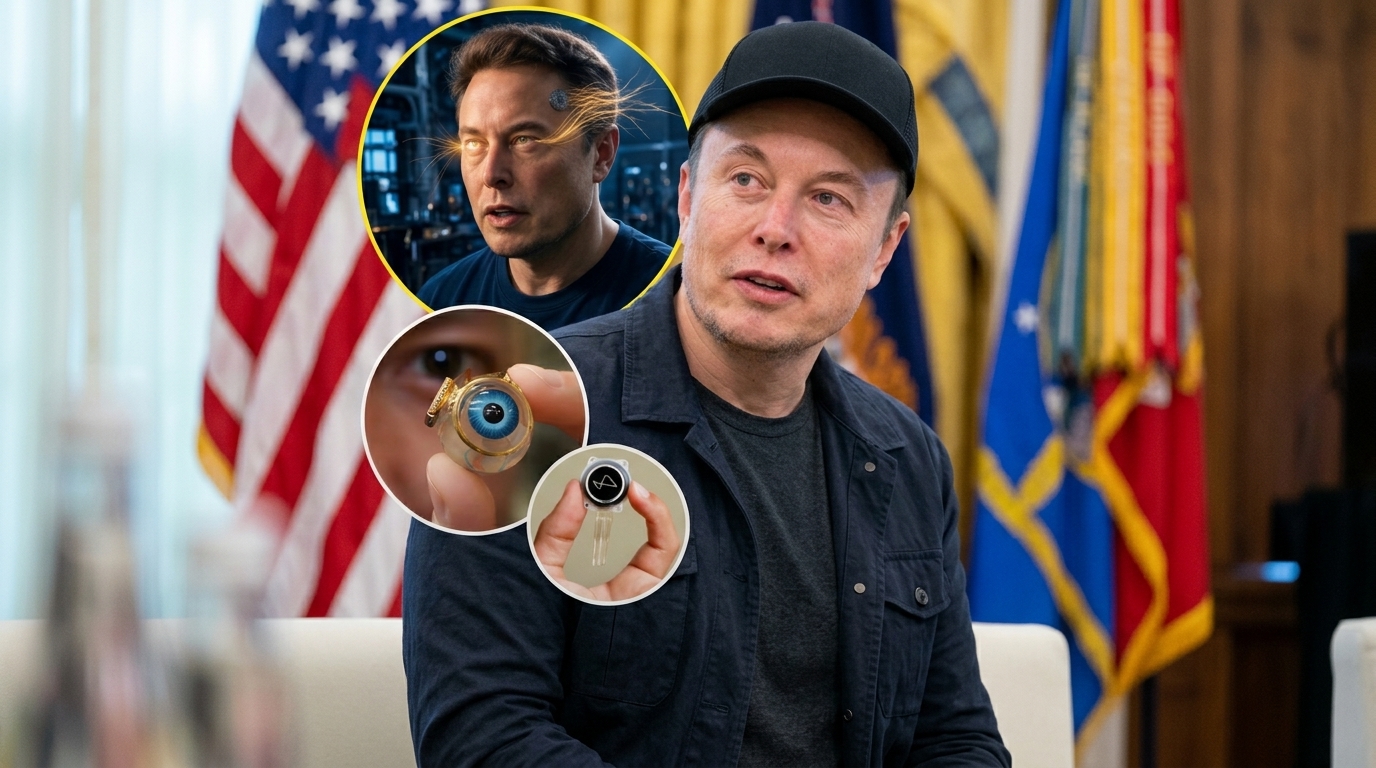
Elon Musk says the Neuralink Blindsight implant could soon move toward human trials. The goal is bold: help people who are completely blind see again, at least a little. The device skips damaged eyes and talks straight to the brain. It is still experimental, and early vision may be very basic. Here is what we know.
What Neuralink Blindsight Is
Blindsight is a brain implant built by Neuralink, the neurotechnology company Elon Musk co-founded in 2016. Its stated purpose is simple to describe and very hard to achieve: give some sight back to people who have lost both eyes or the optic nerves that carry signals to the brain. For most of medical history, damage like that has meant permanent blindness. Glasses cannot help, surgery on the eye cannot help, and there is no organ left to repair. Neuralink argues that the brain itself can be the starting point instead. Neuralink has described Blindsight as experimental, and nothing about it is on the market. Still, the idea sounds like science fiction, which is why tech news like this spreads fast across social media and group chats. Readers want to know whether it is real, how close it is, and who might one day use it. Those are fair questions, and the answers so far are partial. This gallery walks through what is known, what is claimed and what remains uncertain.
References: Reuters: Neuralink gets FDA breakthrough device tag for Blindsight; Neuralink: Blindsight visual prosthesis information; FDA: Breakthrough Devices Program
How Neuralink Blindsight Works
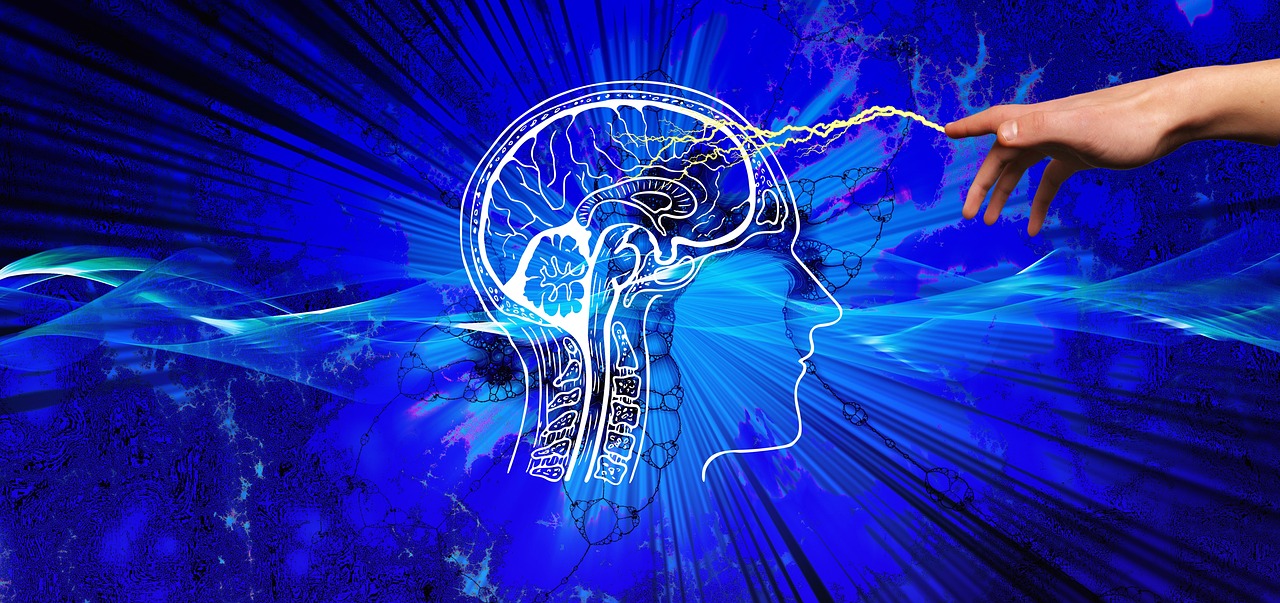
Here is the basic chain, as Neuralink and reporters have described it. First, a small camera captures the scene in front of the person, much like a phone camera would. Next, a computer processes that video and turns it into a pattern of electrical signals. Then the implant takes over. Tiny, flexible threads placed in the brain deliver those signals to the visual cortex, the region at the back of the head that normally makes sense of what the eyes send it. When small groups of neurons there are stimulated, people tend to perceive points of light. Scientists call these points phosphenes. Put enough of them together in the right arrangement and the brain may read rough outlines, edges or motion. The brain then reads patterns of light, as explained in science stories, rather than a full picture. How many points the device can create, and how sharp they appear, will decide how useful the system is. That is one of the biggest open questions heading into any trial.
Skipping the Eyes Entirely
Most treatments for blindness try to fix the eye. Cataract surgery replaces a cloudy lens. Some retinal implants try to stand in for damaged cells at the back of the eye. Gene therapies target specific inherited conditions. Neuralink Blindsight goes around all of that. By sending signals straight to the visual cortex, it does not need a working eye or a working optic nerve at all. That means it could, in theory, help people born blind or blinded by injury, as long as their visual cortex works. It could also reach people with conditions such as advanced glaucoma, where the optic nerve is badly damaged. The phrase “in theory” matters here. A brain that has never processed sight may respond very differently from one that saw for decades before an accident. Researchers will need to test both groups carefully. Doctors call this approach a major shift in thinking about vision loss, and it has been widely covered in health news over the past two years.
The FDA Breakthrough Tag
In 2024 the US Food and Drug Administration gave Blindsight its Breakthrough Device designation. What does that actually mean? The program exists to speed up the review of medical devices that could offer better treatment for serious or life-threatening conditions. Companies in the program can get more frequent feedback from FDA staff and priority attention during review. That label speeds up reviews for devices that could treat serious conditions. It does not mean approval. It does not mean the device has been proven safe or effective, and it does not let Neuralink sell anything. Instead, it means faster talks with regulators, a detail explained in our explainers and often missed in headlines. Many devices have received the same tag over the years, and not all of them reached the market. For Blindsight, the designation is a signal that regulators see the goal as important. The hard proof still has to come from careful studies in people, with results that hold up to outside review.
What Early Vision May Look Like
Musk has said first results will be low resolution, comparing the early picture to old video game graphics, the blocky kind seen on consoles decades ago. Patients might see shapes, edges and movement rather than faces. A doorway could appear as a bright outline. A person walking across a room could register as a moving cluster of dots. For someone with no sight at all, even that could be useful. It could help with getting around a room, finding an object on a table or noticing that someone has entered. Over time, he says, resolution could improve, perhaps to the point of exceeding normal human vision. That longer-range claim is where many scientists grow cautious. Packing in more electrodes, keeping them working for years and getting the brain to make sense of the signals are separate problems. None of them is solved yet. Experts urge caution about promises, as in similar reports on earlier medical technology that took far longer than first predicted.
Neuralink Blindsight Moves Toward Human Trials
Neuralink says it is preparing for human trials of Blindsight, though exact dates and locations have not been fully confirmed in public reporting. The company is not starting from zero. It already has patients using its Telepathy implant, which lets people with paralysis control computers and phones with their thoughts. Those trials give it experience in surgery, recruitment and safety tracking. A surgical robot built by the company places the threads, and that same approach is expected to play a role here. The target area is different, though. Telepathy sits in the motor region of the brain, while Blindsight needs to reach the visual cortex. That changes the surgery, the signals and the way success is measured. Regulators will also want to see how volunteers are chosen and what happens if something goes wrong. Musk has spoken about trials soon, but timing in medicine often depends on paperwork and review as much as engineering. Read about Neuralink’s earlier work for more background on how those first implants went.
Who Could Benefit

Millions of people worldwide are fully blind, according to global health estimates, and many more live with severe vision loss. For them, daily life involves constant work that sighted people rarely think about. Crossing a street. Finding a cup. Knowing whether someone just walked into the room. Even basic sight, like spotting a doorway or a person moving, could change daily life in meaningful ways. It might mean a little more independence and a little less reliance on others. Advocacy groups for blind people have welcomed research in this area. They also tend to ask for honest timelines and clear language, because years of hopeful headlines have not always led to real products. Many blind people also point out that they already live full lives with tools like canes, guide dogs and screen readers. For them, an implant would be one possible option, not a cure for a tragedy. Stories of people overcoming challenges show why that perspective matters when talking about new devices.
The Risks of Neuralink Blindsight Are Real
Brain surgery carries risks, and nobody in the field disputes that. Infection and bleeding are possible with any procedure that opens the skull. Implants can shift over time or stop working as the body reacts to them. Scar tissue can form around electrodes and weaken their signal. Long-term effects of placing threads in the visual cortex are still unknown, because no device of this kind has been used widely for years. There are also quieter risks. What happens if the company changes its plans, or if a part fails and needs to be replaced? Patients in early trials take on uncertainty so that later patients may benefit. Any trial must show safety before benefits can be counted, and regulators expect close monitoring of every volunteer. That includes follow-up long after the surgery is done. Ethics experts follow this closely, as in medical ethics coverage, and many say patients need clear consent forms that explain both the hopes and the unknowns in plain words.
Other Teams Are Trying Too
Neuralink is not alone in this race, and it was not first. Researchers at universities in the United States, Spain and Australia have tested visual prostheses for years, some going back decades. Several projects placed electrodes on or in the visual cortex of volunteers who had lost their sight. Some patients have seen simple flashes of light, and a few have been able to identify basic shapes or letters in lab settings. Those results were small but important. They showed that stimulating the visual cortex can produce something a person experiences as sight. They also showed how hard it is to turn flashes into a useful picture. What Neuralink adds is a large budget, a surgical robot and a very high number of tiny electrodes. Whether that changes the outcome is still unknown. Many scientists see room for more than one approach. Competition could speed progress and bring down costs over time, according to science reports that track the field.
Musk’s Big Promises

Musk is known for bold timelines that often slip. Self-driving cars, Mars missions and product launches have all arrived later than he first suggested, if they arrived at all. Neuralink has followed a similar pattern, with human trials once promised years before they actually began. Fans say his push gets hard things done. They point to reusable rockets and electric cars as proof that big goals can become real. In their view, aiming high is what moves stubborn industries. Critics say medical tech needs patience, not hype. They worry that loud promises can raise false hopes among patients and their families, and that speed can come at the cost of safety. Both arguments have some merit. A strong vision can attract money and talent, while careful science protects the people who volunteer. For Neuralink Blindsight, the truth will come from trial data, not posts on social media. Both views shape how people read Musk news, and both are worth keeping in mind.
What Neuralink Blindsight Could Cost
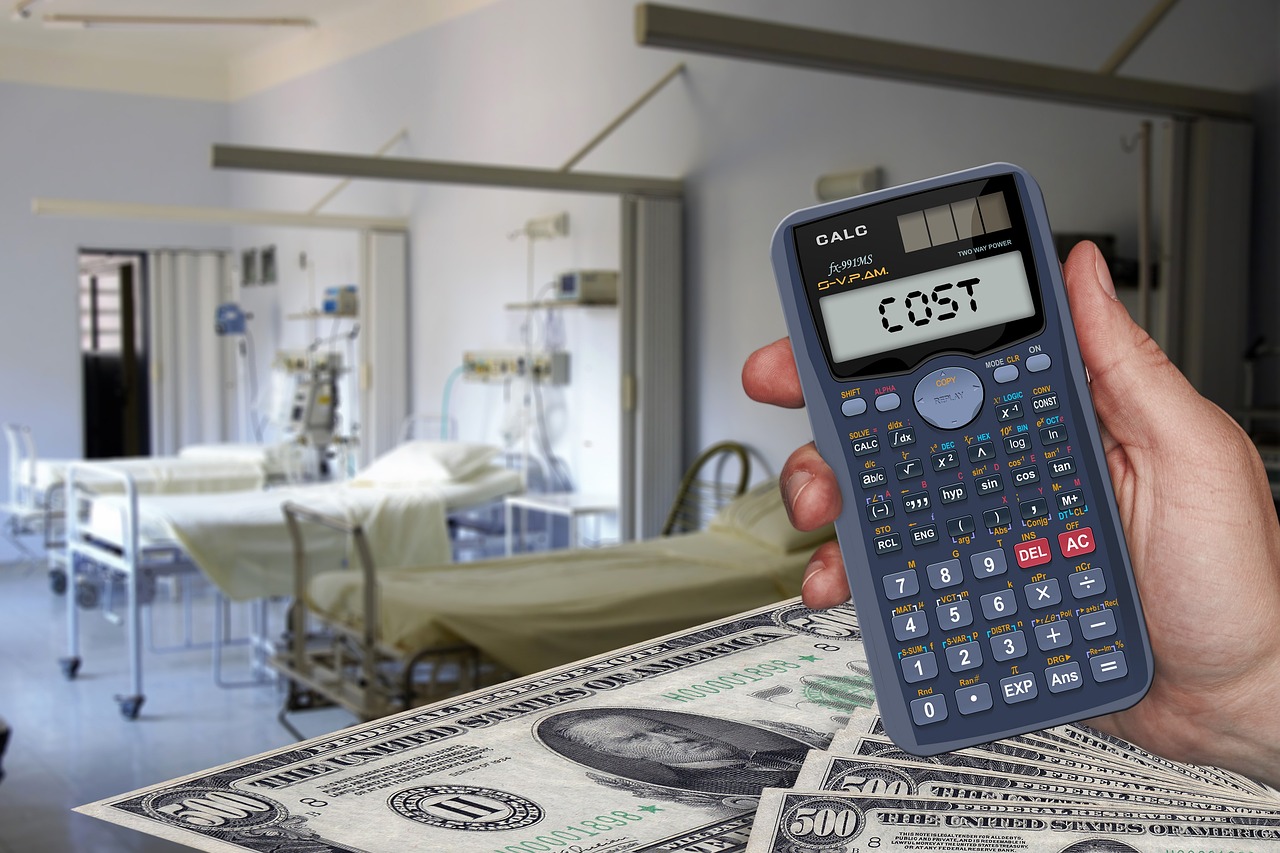
No price has been set, and Neuralink has not said what Blindsight might cost if it ever reaches the market. What we do know is that brain implants and the surgery to place them are expensive. A device like this involves a hospital stay, a specialized surgical team, hardware, software and long-term follow-up care. Insurance coverage would take years to sort out, because insurers usually wait for strong evidence and regulatory approval before paying. Government health programs would face the same question. Some observers worry that early versions could be available mainly to people with money or good coverage. Others expect costs to fall as the technology matures, which has happened with many medical devices. Early access will likely come through clinical trials, where the company and research sites cover most costs for volunteers. Even then, only a small number of people would take part. Money questions follow every new technology, and this one will be no exception once real data arrives.
Ethics of Brain Implants
Putting a computer link into the brain raises questions that go beyond medicine. Who owns the signals the device reads or sends? Where is that data stored, and who can see it? Can devices be hacked, and what would that even look like for an implant tied to vision? These are not just thought experiments. Brain-computer interfaces could one day collect very personal information, and the rules for handling it are still thin. Consent is another issue. Patients must understand what they are agreeing to, including what happens if a company stops supporting a device. There is also the question of fairness, and whether such technology widens gaps between people who can afford it and those who cannot. Supporters say these concerns can be managed with strong laws and good design. Skeptics say the laws should come first. Lawmakers have barely started on these issues, as noted in privacy stories we have covered, and the debate is likely to grow as trials begin.
The Road to Approval

After trials, Neuralink would need FDA approval to sell Blindsight in the United States. That process can take years even with the breakthrough tag. First come small safety studies with only a handful of patients. If those go well, larger studies follow to measure how much the device helps and how often problems appear. The FDA then reviews the data and the manufacturing process before any decision. Results must show safety and real benefit, not just impressive demonstrations. Regulators will want to know how many patients improved, how much, and for how long. They will also look at side effects and device failures over time. Other countries have their own review systems, so approval in one place does not guarantee approval elsewhere. Along the way, independent scientists will likely publish their own views on the results. The company has not given a firm date for any of these steps. Follow medical news for updates as the process moves forward, and expect each stage to take time.
Why People Are Excited

Restoring sight is one of medicine’s oldest dreams. Ancient texts describe attempts to treat blindness, and modern science has chased the goal for generations. So it is no surprise that this story drew strong reactions. Even partial success would be historic. Picture someone seeing the outline of a family member for the first time in years, or ever. That image is powerful, and it explains why the news moved so many people. Many readers shared the story with friends or family members who live with blindness, often with a note of hope attached. Some blind readers responded with mixed feelings, welcoming the research but tired of being treated as a problem to fix. Both reactions are real and deserve space. Excitement can drive funding and public interest. It can also set expectations that early trials cannot meet. Keeping hope and realism side by side is the healthiest way to follow this. See uplifting stories here for more stories that celebrate real progress.
A Short Timeline
A quick look at the key dates helps put this news in context. 2016: Neuralink is founded, with Musk among its co-founders. Over the following years, the company shows animal tests and early prototypes, drawing both interest and criticism. 2024: the first human gets a Neuralink implant as part of the Telepathy study, and Blindsight receives the FDA breakthrough device tag the same year. Next: Blindsight human trials, according to the company, with Musk describing them as coming soon. That is roughly eight years from founding to the first human implant. It shows how slow and careful medical device work tends to be, even with heavy funding. It also shows that real milestones have been reached. Anyone tracking Neuralink Blindsight should treat future dates as goals rather than promises. Dates may move, as they often do in tech news, especially when regulators, surgeons and patients all have to be ready at the same time before anything begins.
Can People Born Blind Use It?
Musk has said Blindsight could help even people blind from birth, as long as the visual cortex is intact. That is one of the boldest claims tied to the project. Some scientists are less sure. The reason comes down to how the brain develops. In people who have never seen, parts of the visual cortex may adapt to handle other tasks, such as processing touch or sound. The brain may never have learned to process sight in the usual way. If that is the case, stimulating those areas might not produce anything like vision, or the person might need long training to make sense of it. People who lost sight later in life may have an easier path, because their brains once handled visual signals. Nobody knows for sure yet. This is exactly the kind of question that only careful testing can settle. Trials will answer that, as researchers say, and the results could reshape what doctors expect from the technology.
What Patients Say About Neuralink So Far
Early Telepathy patients have described playing chess and video games by thought, moving a cursor without touching anything. For people living with paralysis, that kind of control can open doors to work, hobbies and easier contact with family. They also reported issues. In the first patient, some of the implant’s threads pulled back from the brain in the weeks after surgery, which reduced how much data the device could pick up. That was a real setback, and it was openly discussed. Neuralink adjusted its software, according to earlier reports, so the device could make better use of the signals it still received. Performance reportedly recovered to a useful level. The episode is a reminder that early trials are where problems are found. It also shows why patient reports matter. Blindsight would face its own version of these challenges, likely different ones, since the brain region and the goal are not the same. Honest reporting from volunteers will be key.
Three Questions to Ask Before Believing the Hype

Breakthrough headlines are exciting, but a few simple questions can help separate real progress from hype. Has it worked in humans yet? Animal results and demos are useful, but they do not always carry over to people. Has an independent group checked the results? Claims from a company or its founder are a starting point, not final proof. Peer-reviewed studies and outside experts add weight. What do patients actually see? A promise of restored vision can mean anything from a few flashes of light to recognizing faces, and those are very different outcomes. Asking these three questions does not mean being cynical. It simply means waiting for evidence before drawing big conclusions. That approach protects patients, families and readers from disappointment. It also gives real breakthroughs the credit they deserve when the data arrives. Keep those in mind with any medical breakthrough, a tip found in our health guides, whether the story involves an implant, a drug or a new kind of surgery.
Would You Try Neuralink Blindsight?

Here is a question worth thinking about. If you could not see, would you accept a brain implant for a chance at basic vision? Some people would say yes right away. Seeing light, shapes or movement again, even roughly, might feel worth the risk. Others would want years of data first. Brain surgery is serious, and early devices may not last or may be replaced by better versions later. Some might simply prefer the tools they already use and trust. There is no wrong answer. Personal health, age, family and comfort with risk all play a part. Doctors say decisions like this should be made with full information and plenty of time. As trials start and results come in, the choice will become less hypothetical for some people. We will keep reporting on what Neuralink shows and what independent experts say about it. Share your thoughts, and stay with us as this story develops over the coming months.