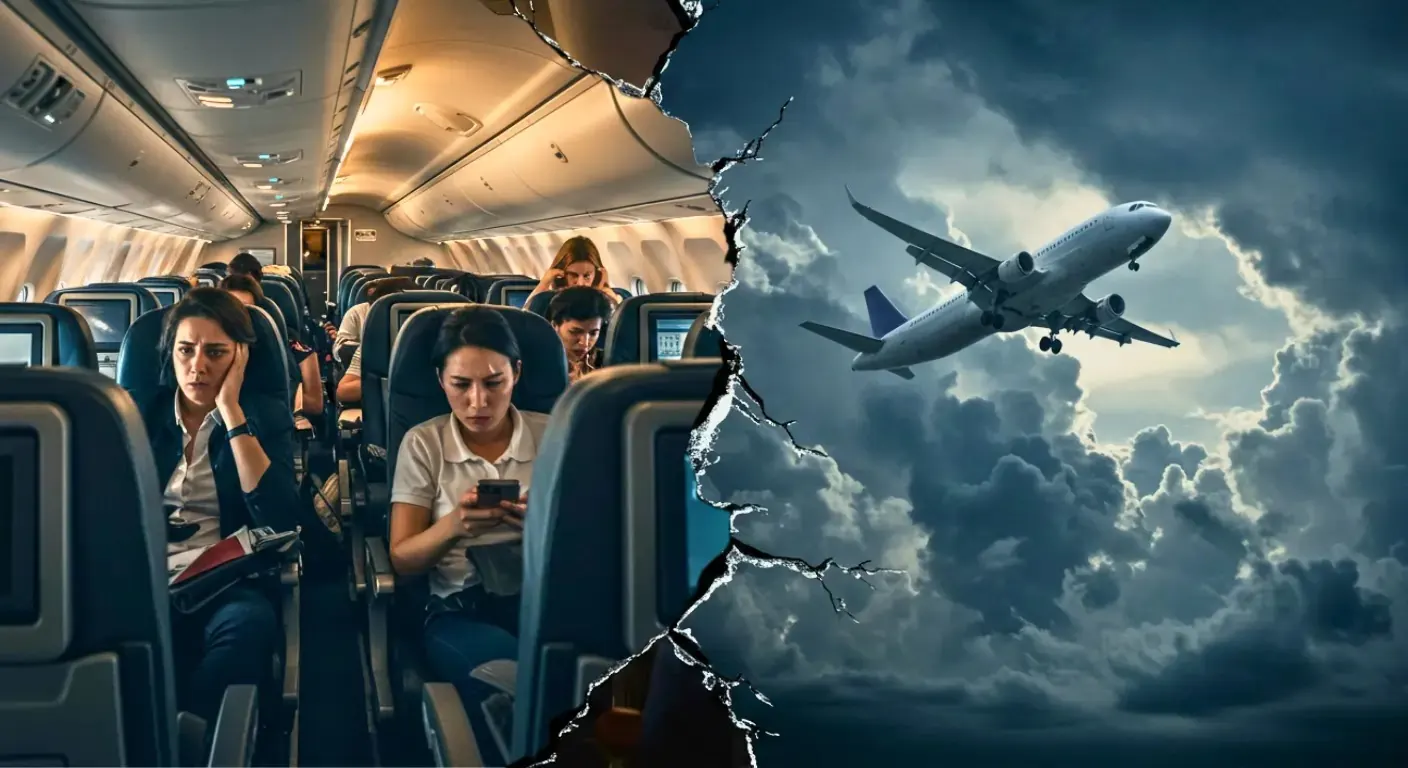
London’s Heathrow Airport closed on March 21, 2025, after a fire at a nearby electrical substation cut its power. More than 1,300 flights were disrupted, and planes bound for Heathrow from the United States, Asia, Africa and Europe were diverted or turned back.
London’s Heathrow Airport, one of the busiest airports in the world, shut down on Friday, March 21, 2025, after a fire at a nearby electrical substation knocked out its power. The closure disrupted travel for hundreds of thousands of passengers and forced flights already on their way to London to divert to other airports or return to where they started.
The fire broke out late on Thursday, March 20, at the North Hyde substation in Hayes, west London, which supplies power to the airport. Heathrow, which normally handles about 1,300 flights a day, said it would stay closed until late Friday and advised passengers not to travel to the airport. “Passengers are advised not to travel to the airport and should contact their airline for further information,” the airport said.
Effect across the globe
At least 1,357 flights scheduled to land at or take off from Heathrow were disrupted, according to the flight tracking service Flightradar24. About 120 planes bound for Heathrow were already in the air when the closure was announced. Aviation analytics firm Cirium estimated that about 290,000 passengers were affected.
Most diverted flights landed at Amsterdam’s Schiphol Airport. Others went to Frankfurt, Paris, Shannon in Ireland and UK airports such as Manchester and Gatwick. Some long-haul flights, including flights from North America, turned back to their departure airports.
British Airways, which uses Heathrow as its main hub, was among the hardest-hit airlines, and many carriers canceled flights to and from London for the day.
Stranded passengers
Travelers in London and at airports abroad described confusion as they tried to rebook flights and find information. At Heathrow’s Terminal 5, a 74-year-old passenger booked to fly to Liberia told Al Jazeera she found darkness and confusion; her airline later rebooked her for the following day. Other passengers reported being offered refunds or having flights rescheduled and then canceled.
Many passengers whose flights were diverted to other European cities had to arrange their own onward travel to London.
How the Heathrow shutdown started
Firefighters battled the blaze through the night. London Fire Brigade deputy commissioner Jonathan Smith said a transformer holding “25,000 litres of cooling oil, fully alight” made the fire more severe. About 67,000 households lost power, and nearly 180 people were evacuated from nearby properties. No injuries were reported. Residents nearby were told to keep windows and doors closed because of the smoke.
Heathrow said its backup systems had worked but were “not designed to allow us run a full operation.” They allowed aircraft to land safely and people to be evacuated, but not normal flight operations.
The cause of the fire was not immediately known.
Recovery and questions
Heathrow resumed a limited number of flights late on Friday and returned to full operations over the weekend, though airlines warned that delays and cancellations would continue while aircraft and crews were moved back into position.
The shutdown raised questions in the UK about how a single substation fire could close a major international airport, and whether the airport’s power supply and backup systems were resilient enough. The UK government ordered a review of the incident by the National Energy System Operator.
Source: Al Jazeera