In an unsigned letter to the Office of the U.S. Trade Representative, Tesla warned that retaliation from trading partners against U.S. tariffs could hurt American exporters, including itself. The letter said some parts are difficult or impossible to source within the United States.
Tesla has cautioned that U.S. exporters, including itself, could face harm from retaliatory measures by other countries in response to U.S. tariffs. The electric vehicle maker raised the concern in a letter submitted to the U.S. Trade Representative.
Tesla Inc., the electric car company led by Chief Executive Officer Elon Musk, said in an unsigned letter to the Office of the United States Trade Representative (USTR) that retaliatory trade measures by foreign governments could disproportionately affect American exporters.
“Even with aggressive localization of the supply chain, certain parts and components are difficult or impossible to source within the U.S.,” the letter stated. The company asked that the USTR consider the downstream effects of trade actions on U.S. exporters.
Questions about authorship and timing
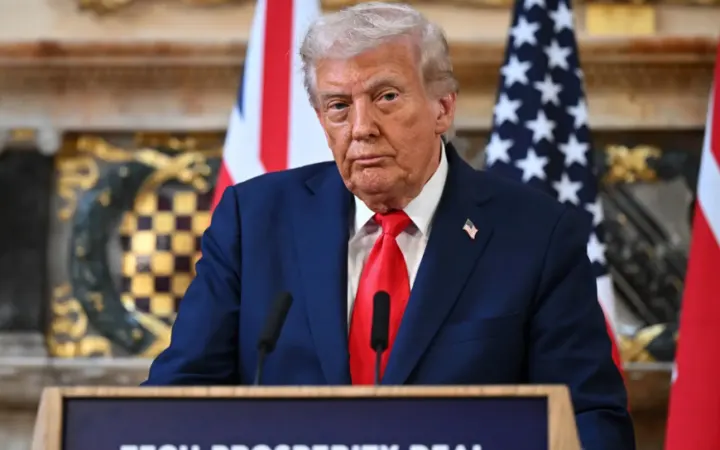
The letter was dated the same day President Donald Trump hosted an event at the White House where he praised Tesla and said he would buy one of its vehicles. It was not clear who wrote the letter on behalf of Tesla or whether Musk was involved in drafting it.
While Tesla highlighted its efforts to localize manufacturing and supply operations, the letter said some specialized parts and materials could not easily be sourced domestically, leaving the company exposed to changes in international trade.
Tesla’s stock and sales
The letter came during a difficult period for the company. Tesla’s stock had fallen roughly 40% since the start of the year. Analysts pointed to falling sales in key markets and growing competition, and some also cited a backlash among consumers over Musk’s political role.
Retaliation from trading partners
Tesla’s letter referred to earlier U.S. trade actions that drew immediate responses from the targeted countries.
“For example, past trade actions by the United States have resulted in immediate reactions by the targeted countries, including increased tariffs on EVs imported into those countries,” the company said in the letter.
The Trump administration’s additional 20% tariff on Chinese imports prompted retaliatory measures from Beijing, including levies on some U.S. vehicles. China is Tesla’s second-largest market after the United States.
Tensions with other trading partners
The United States has also clashed with other major trading partners. The European Union and Canada have both opposed U.S. tariffs on steel and aluminum and announced or threatened retaliatory measures. These disputes add complexity for companies such as Tesla that rely on international supply chains.
Protests at Tesla showrooms
Tesla has also been drawn into political debate. In recent weeks, protesters have gathered outside Tesla showrooms to object to Musk’s role leading the Trump administration’s Department of Government Efficiency (DOGE) cost-cutting effort.
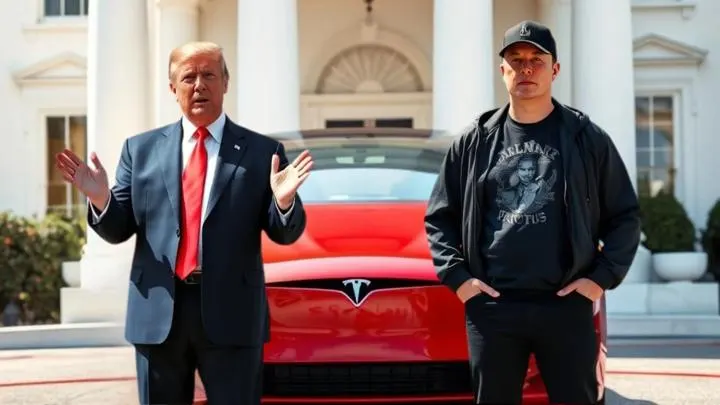
At the White House event, Trump defended the company and warned that anyone who commits violence against Tesla would “go through hell.” He spoke while sitting in a red Tesla Model S parked on the White House driveway.
Industry outlook
Tesla’s submission to the USTR reflects a concern shared by many American exporters: managing unpredictable trade relations while trying to meet production and sales targets.
Tesla continues to rely on domestic sourcing and manufacturing to reduce risk, but the global nature of its supply chain presents ongoing challenges. How trade disputes develop is likely to affect the company’s plans.
Source: Arab News (Reuters)