
Kennedy Center Forklift Claim by JFK’s Great-Niece

The Kennedy Center Forklift story begins with a 22-year-old woman who works at the law firm suing President Donald Trump over the Kennedy Center. Bridget Kennedy-Bailey, the great-niece of President John F. Kennedy, visited the building on September 16 and signed a sworn declaration about what she saw. She said a forklift carrying fencing drove to the north side of the building and hit the pillars several times. Her account has now become a central part of the court fight over the future of the arts center.
In the slides ahead we look at who Bridget Kennedy-Bailey is, what her declaration says, and how the case reached this point. Trump made himself chairman of the board, had the building renamed for himself, and announced plans to close it for two years. In May, Judge Christopher Cooper blocked the closure and ordered Trump’s name removed. The Justice Department asked the judge to lift that order so the shutdown can go ahead. Cooper said he would rule soon. Read the triumphal arch ruling.
References:
Associated Press: Trump administration urges judge to lift order blocking Kennedy Centers two year closure
WGAU: Judge asked by Trump lawyers to lift order blocking Kennedy Centers two year closure
Nexstar Media Wire: Trump administration urges judge to lift order blocking Kennedy Centers two year closure
LA Post: Trump administration urges judge to lift order blocking Kennedy Centers two year closure
Who Is Bridget Kennedy-Bailey
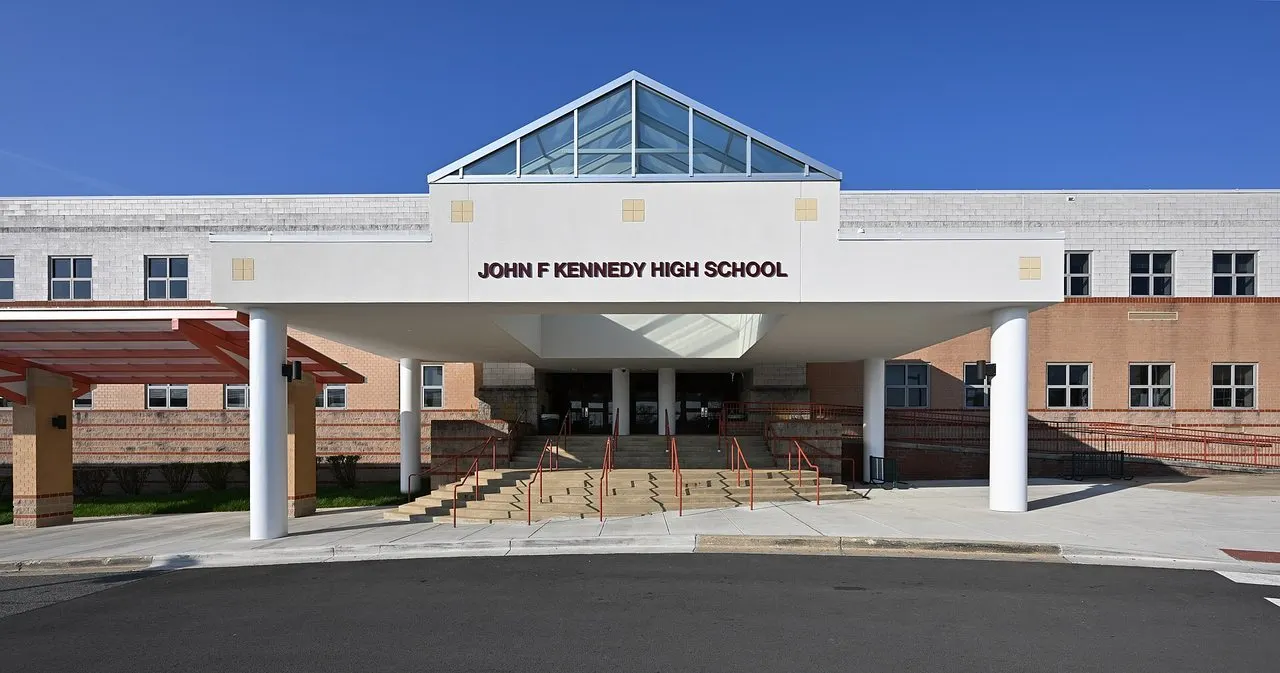
Bridget Kennedy-Bailey is 22 years old and the great-niece of President John F. Kennedy. She works on staff at the Washington Litigation Group, a law firm in Washington. Her job puts her close to one of the most closely watched court cases in the country. The firm represents Representative Joyce Beatty in the case against President Donald Trump over the Kennedy Center. Few people expected a 22-year-old staff member to become a central witness, but her visit to the building changed that. See the seabed auction case.
The September 16 Visit to the Building
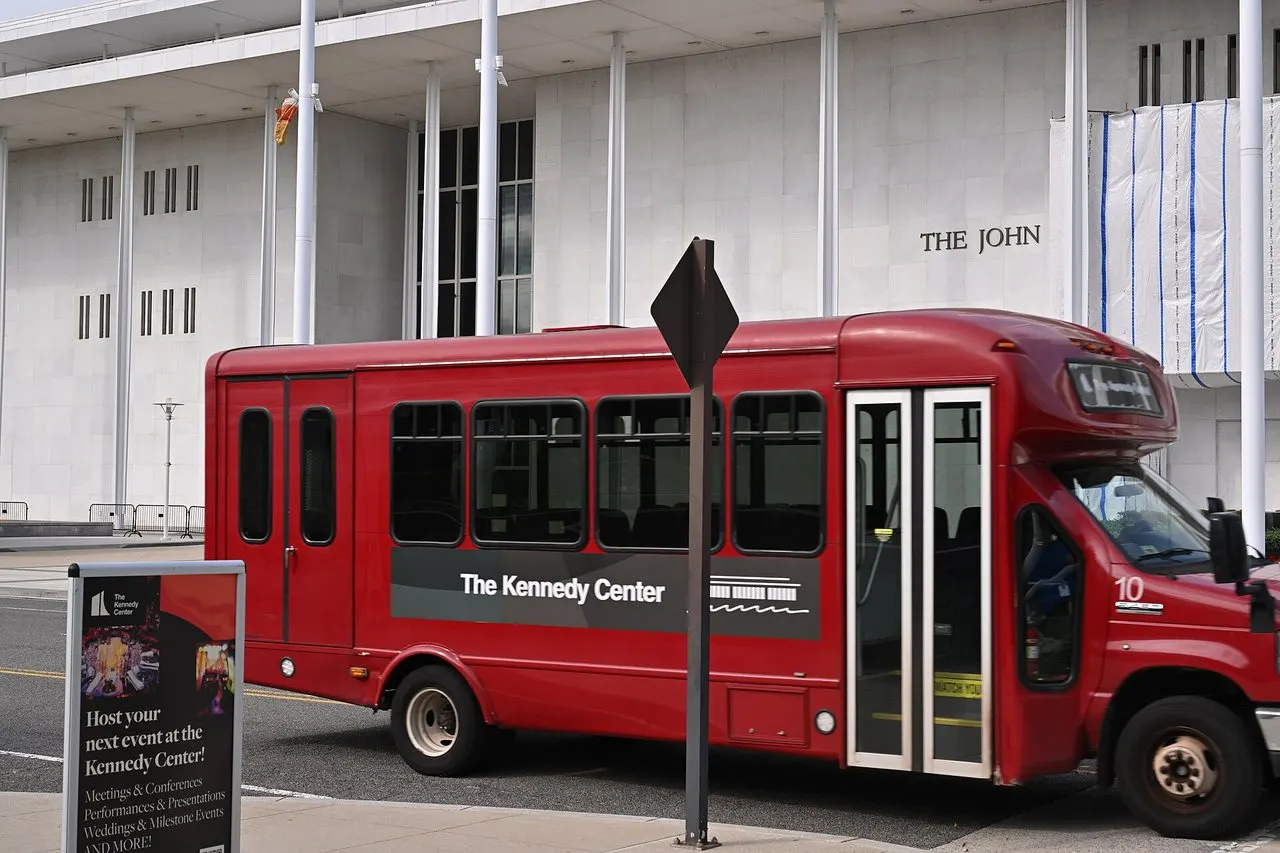
On September 16, Bridget Kennedy-Bailey went to the Kennedy Center herself. She walked up to the building and looked closely at what was happening there. Then she put what she saw into a sworn declaration, a written statement signed under oath. The date matters because it ties her account to a specific day and a specific visit. Her declaration is the document at the heart of this story, and it is the reason her name is now known around the country. For more, read the Gaza remarks debate.
Kennedy Center Forklift Hit the Pillars
The heart of the declaration is the forklift. Bridget Kennedy-Bailey wrote that she saw a forklift carrying what appeared to be a more permanent form of fencing drive over to the north side of the building. She wrote that she saw the forklift run into and hit the pillars on the building several times. A forklift is a heavy machine built to lift and move loads, not a tool for working near the columns of a national memorial. You may also like the silent shrug moment.
A Sworn Declaration in Her Own Words
A sworn declaration is a serious document. The person who signs it swears that what they wrote is true, and they can face legal trouble if they lie. Courts treat these statements as evidence, which is why lawyers ask witnesses to write down exactly what they saw. Bridget Kennedy-Bailey signed her name to her account of the visit. That signature is what turns her visit into a formal record the court can use. Read the data center debate.
Kennedy Center Forklift Case Reaches the Courts

The Washington Litigation Group is the firm that represents Representative Joyce Beatty in the case against President Donald Trump over the Kennedy Center. Beatty is a trustee of the center, which means she helps oversee it. The firm took the case to court to challenge Trump’s moves to rename and remake the place. A 22-year-old staff member of that same firm is now the witness whose account has drawn the most attention. See the Maine teen case.
Who Is Representative Joyce Beatty
Representative Joyce Beatty serves Ohio in the United States House of Representatives, and she is a trustee of the Kennedy Center. Trustees help guide a center like this, and they have a say in how it is run. Beatty has been fighting Trump in court over his attempt to rename and remake the place. Her case is the one that brought Bridget Kennedy-Bailey into the story, because the young woman works for the firm that represents her. For more, read the single dad story.
Trump Made Himself Chairman of the Board
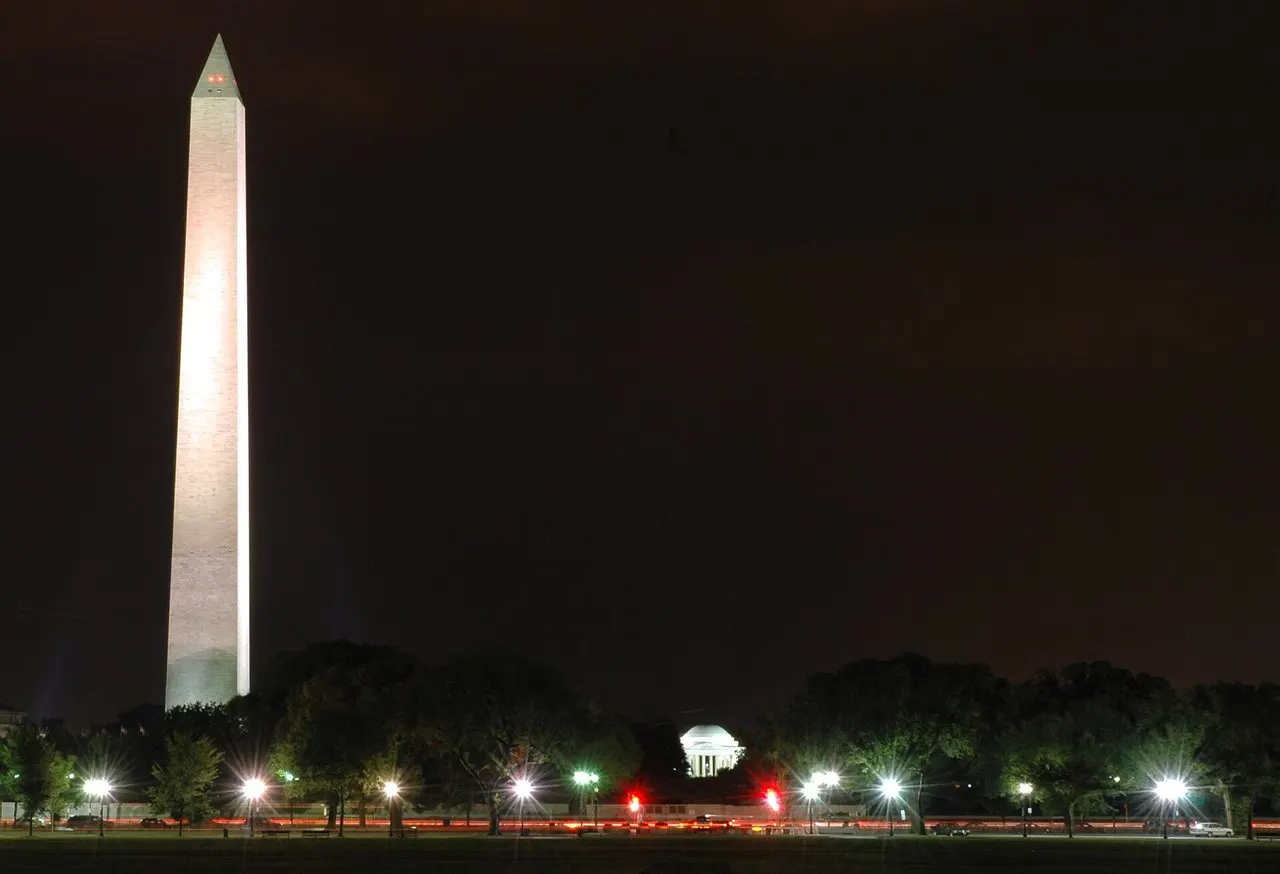
President Donald Trump made himself chairman of the board of the Kennedy Center. The board is the group that runs the center and makes its big decisions. A chairman leads that group, so the move put Trump in charge of the place he was already trying to change. The change of leadership came before the renaming and before the plan to close the building. It was the first step in a series of moves that led to the court case. You may also like the Erdogan unity call.
Kennedy Center Forklift Row Follows the Renaming

After taking charge of the board, Trump had the building renamed for himself. The Kennedy Center carries the name of President John F. Kennedy, and putting a sitting president’s name on it was a sharp break with that history. The new name went up on the building, and the change became a symbol of the wider fight. The renaming is one of the acts that Representative Beatty and her lawyers are challenging in court. Read the graduation photo story.
A Tarp Now Covers the Old Name

In May, Judge Christopher Cooper ordered Trump’s name taken off the building. Today a tarp hangs over the front of the building where the letters used to be. Visitors can see the covered spot where the name once stood. The tarp is a plain sign of a case that is still open. Until the judge rules again, the name stays hidden and the front of the building stays covered. See the peace declaration.
Kennedy Center Forklift Dispute Comes as Revenue Fell

After the changes at the top, revenue fell at the Kennedy Center. Arts centers live on ticket sales, donations and grants, so a drop in income is felt quickly. Fewer visitors and less support can mean fewer shows and fewer jobs for the people who work there. The fall in revenue is part of the story of what happened after the board changed hands. It also helps explain why the closure plan drew such a strong reaction. For more, read the Kimmel roast.
The Plan to Close for Two Years
Then came the plan to shut the whole complex down for two years. Two years is a long time for an arts center to stay dark. Seasons would be lost, tours would be canceled, and the staff who keep the building running would face long months without work. The plan turned a fight about a name into a fight about the future of the center itself. That is when the case moved to the center of national attention. You may also like the Cheney warning.
The Center Closed to the Public That Same Week
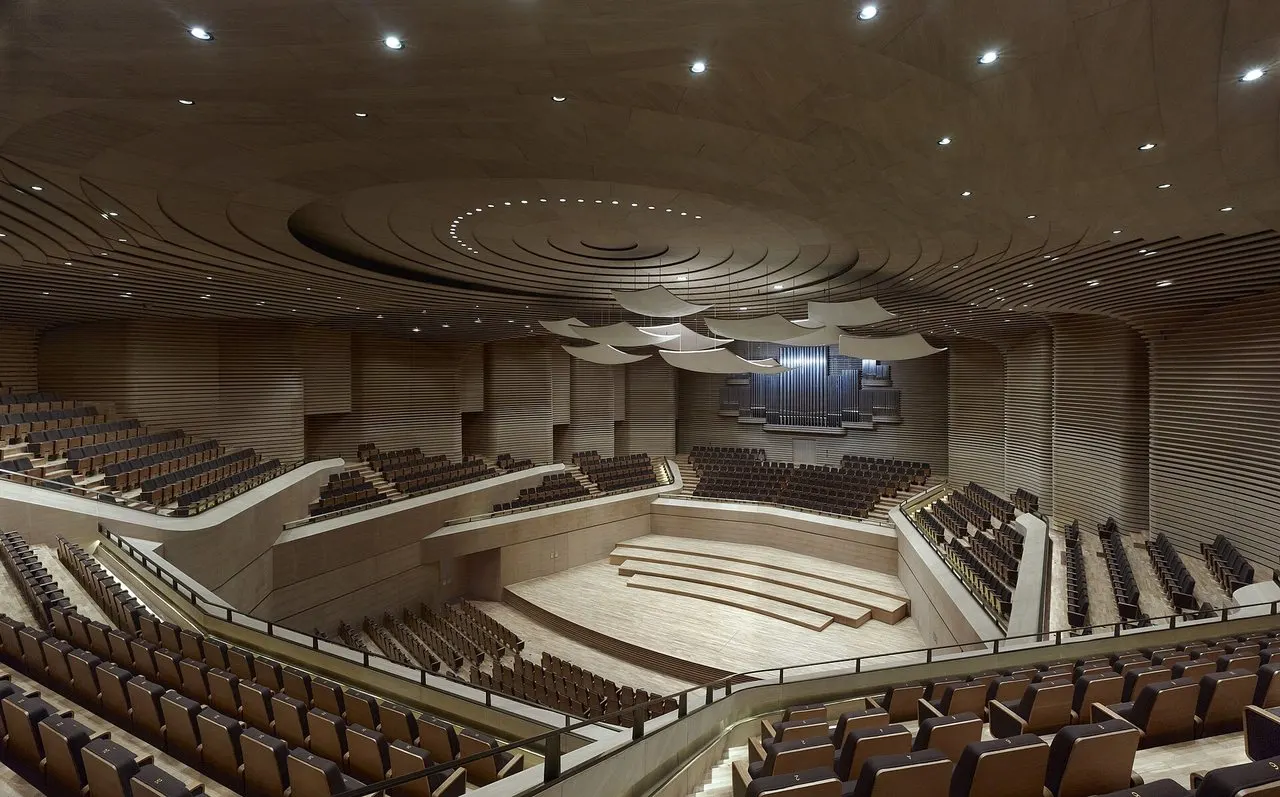
That same week, the center announced it was closing to the public. The timing linked the closure news to the week of Bridget Kennedy-Bailey’s visit and her declaration. A building that hosts concerts, plays and ceremonies every week would go quiet. For the people who work there and the audiences who fill its halls, the news was a shock. The closure and the forklift account arrived together, and both are now part of the court record. Read the child marriage vote.
Kennedy Center Forklift Ruling Came in May
In May, Judge Christopher Cooper blocked the closure and ordered Trump’s name removed from the building. A federal judge can stop a government plan while a case is still being heard, and that is what Cooper did. His order kept the center open and kept the old name in place, at least for now. The May ruling was a clear win for Representative Beatty and for the side that wants the center to stay as it is. See the Obama interview.
Judge Christopher Cooper and His Order
Judge Christopher Cooper is the federal judge hearing the case over the Kennedy Center. His job is to weigh the claims from both sides and decide what the law allows. In May he ruled for Beatty, blocking the closure and the renaming. His rulings so far show that he is taking the case seriously and moving it step by step. The next ruling from his court will decide whether the two-year shutdown can go ahead. For more, read the shutdown refusal.
Kennedy Center Forklift Case Returns to Court
On Thursday, the Justice Department went back into court and asked Judge Cooper to lift his order. The department wants the block on the closure removed so the shutdown can go ahead. Government lawyers made their request in the same case that Cooper has been hearing since the spring. The move set up the next big decision in the fight, and all eyes are now on the judge. Cooper said he would rule as soon as he can. You may also like the triumphal arch ruling.
What the Justice Department Wants Now
The Justice Department’s request is now public, and news outlets across the country have reported it. The Associated Press, WGAU, Nexstar Media Wire and the LA Post all carried the same headline about the request to lift the order. Their reports agree on the core facts: the department asked the judge to lift the block on the two-year closure. The coverage shows how closely the country is watching this case. Read the seabed auction case.
Kennedy Center Forklift Account Was Checked by Snopes
Snopes checked the story, and the fact checkers found that the declaration is real. The sworn statement says exactly what the post said it says. Fact checkers look at the original documents before they give a verdict, and in this case the paper trail held up. That matters because the whole story rests on one young woman’s written account. A real document carries weight that a rumor never can. See the Gaza remarks debate.
Nobody Has Explained the Forklift
Nobody has explained why a forklift was hitting the columns of a national memorial. That question sits at the center of the story, and it has no answer yet. Forklifts move heavy loads on building sites, and fencing is a normal sight around work zones. But a machine striking the pillars of a memorial again and again is not normal. Until someone explains it, the image from the declaration will keep raising questions. For more, read the silent shrug moment.
Kennedy Center Forklift Story and the Building’s History
The Kennedy Center opened in 1971 as a living memorial to President John F. Kennedy. It sits on the Potomac River in Washington and hosts music, theater, dance and opera. The National Symphony Orchestra and the Washington National Opera call it home. For more than fifty years it has been a place where Americans gather for the arts. Its history as a memorial is part of why the current fight feels so personal to so many people. You may also like the data center debate.
John F. Kennedy and the Center That Bears His Name
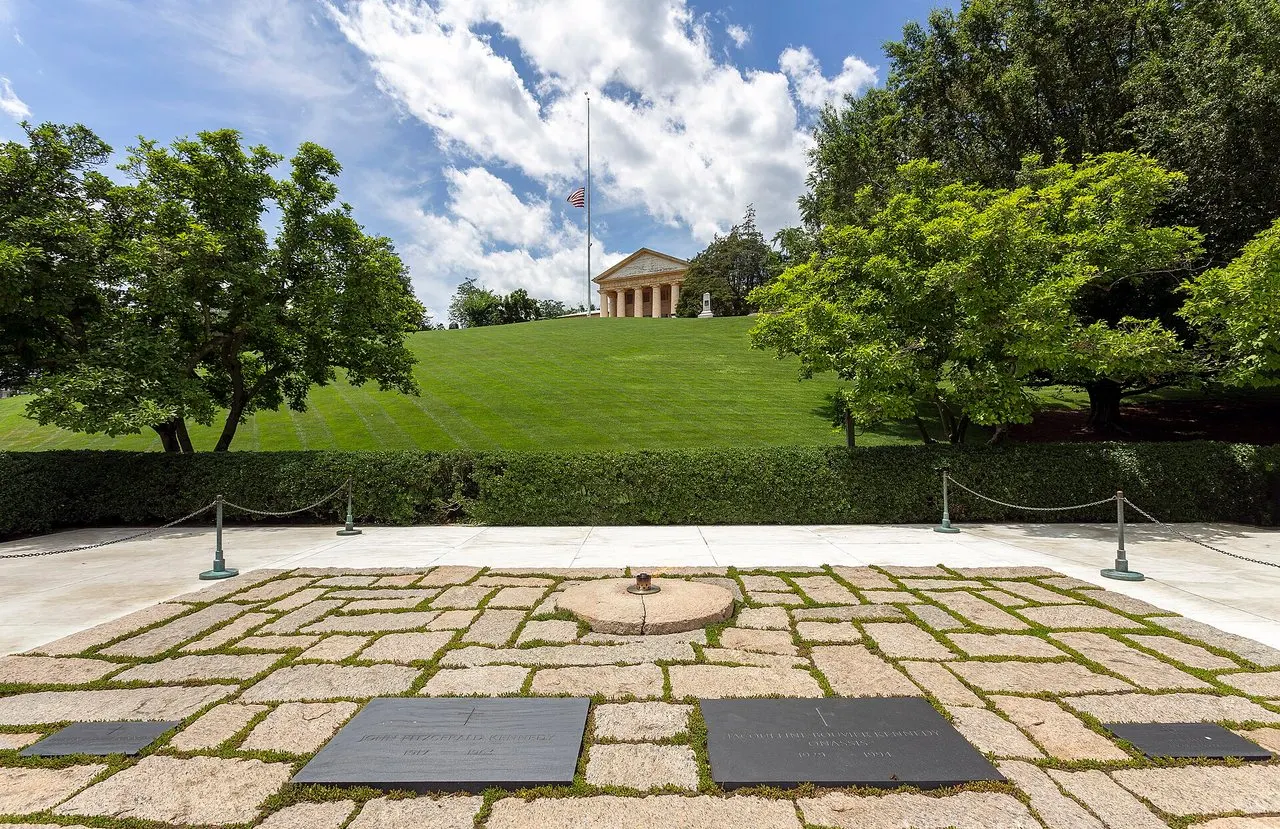
John F. Kennedy was the 35th president of the United States, and he loved the arts. He spoke often about the role of culture in the life of a nation. After his death in 1963, the center rising on the Potomac was named for him. His family has stayed close to the place ever since. That is why it matters so much that his 22-year-old great-niece is now the witness in the case over its future. Read the Maine teen case.
The Pillars on the North Side

The pillars stand on the north side of the building, where Bridget Kennedy-Bailey saw the forklift at work. Columns like these are part of what makes a grand building feel grand, and they are built to last for generations. A blow from a heavy machine can chip stone and crack a surface that was meant to stand for a century. That is why the detail about the pillars struck so many readers. A memorial is supposed to be cared for, not struck by machines. See the single dad story.
Kennedy Center Forklift Timeline, Step by Step
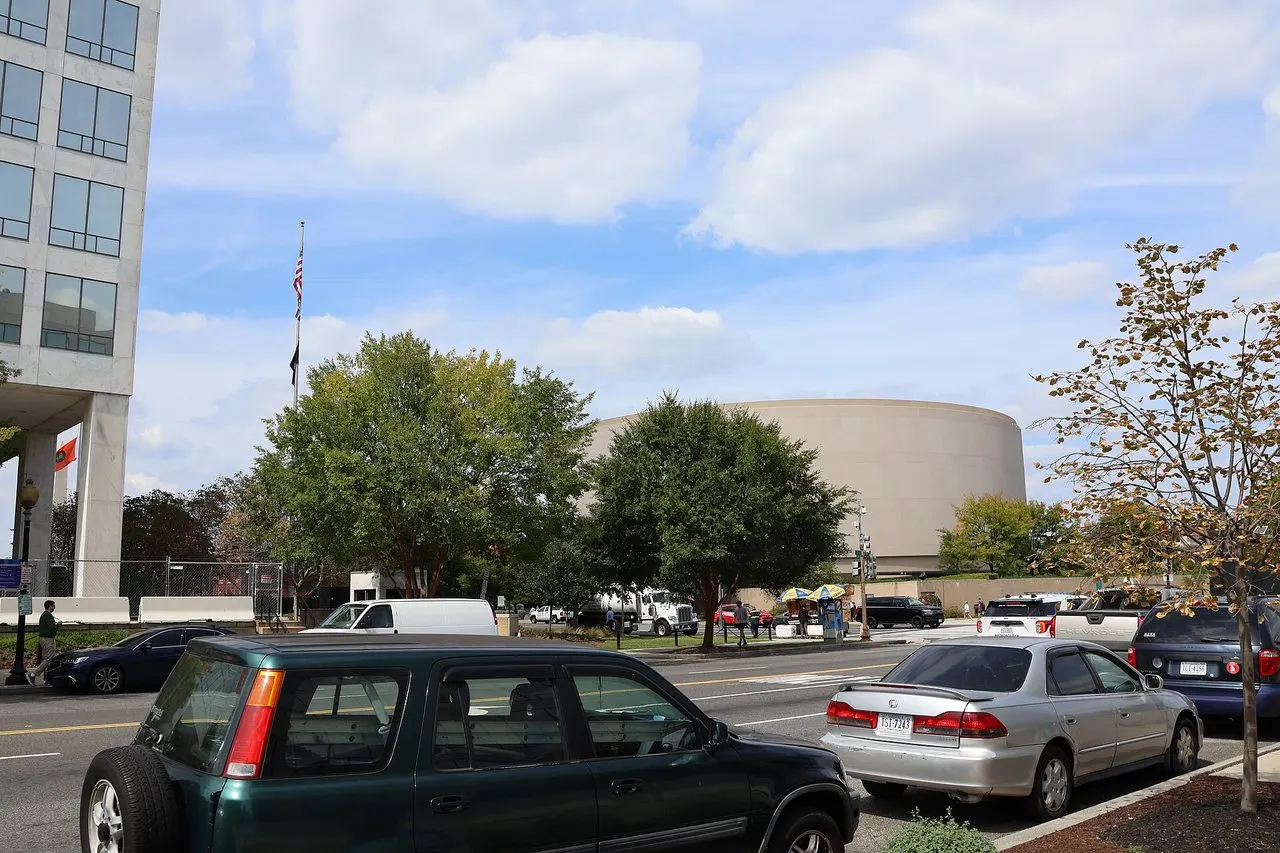
The timeline tells the story in order. Trump made himself chairman of the board, had the building renamed for himself, and revenue fell. Then came the plan to close the center for two years. In May, Judge Cooper blocked the closure and ordered the name removed. On September 16, Bridget Kennedy-Bailey visited and signed her declaration. On Thursday, the Justice Department asked the judge to lift the order. Each step led to the next, and the case is still moving. For more, read the Erdogan unity call.
What Judge Cooper Must Decide Next
Judge Cooper said he would rule as soon as he can, and his next decision will shape the future of the center. He can keep the block in place, which would stop the closure and keep the name off the building. He can lift the order, which would clear the way for the two-year shutdown. Or he can set terms that fall somewhere in between. Whatever he decides, the ruling will be watched far beyond the courtroom. You may also like the graduation photo story.
Kennedy Center Forklift Fight and the Arts

A two-year closure would hit the arts hard. Orchestras, opera companies, theater groups and dance troupes all need a stage, and the Kennedy Center is one of the biggest stages in the country. A long shutdown would scatter those groups and leave audiences without the shows they love. The jobs of ushers, stagehands, musicians and office staff would hang in the balance. The center is more than a building, and its future touches many lives. Read the peace declaration.
The Case in the Wider Court Fight
The Kennedy Center case is one of several court fights between the Trump administration and its critics. Judges across the country are hearing cases about orders, rules and removals, and each ruling adds to the picture. The pattern is familiar by now: a bold move, a lawsuit, and a judge asked to decide. The Kennedy Center fight stands out because a 22-year-old witness and a forklift put a human face on it. See the Kimmel roast.
What Do You Think Should Happen Next

The case is still open, and the next ruling could come at any time. Judge Cooper has said he will rule as soon as he can, and the whole country is waiting to see what he decides. Will the center stay open, or will it close for two years? What do you think should happen to the building that carries John F. Kennedy’s name? Share your thoughts in the comments below and tell us what you would do. For more, read the Cheney warning.