Transgender Day of Remembrance 2026: 273 Lives We Honor
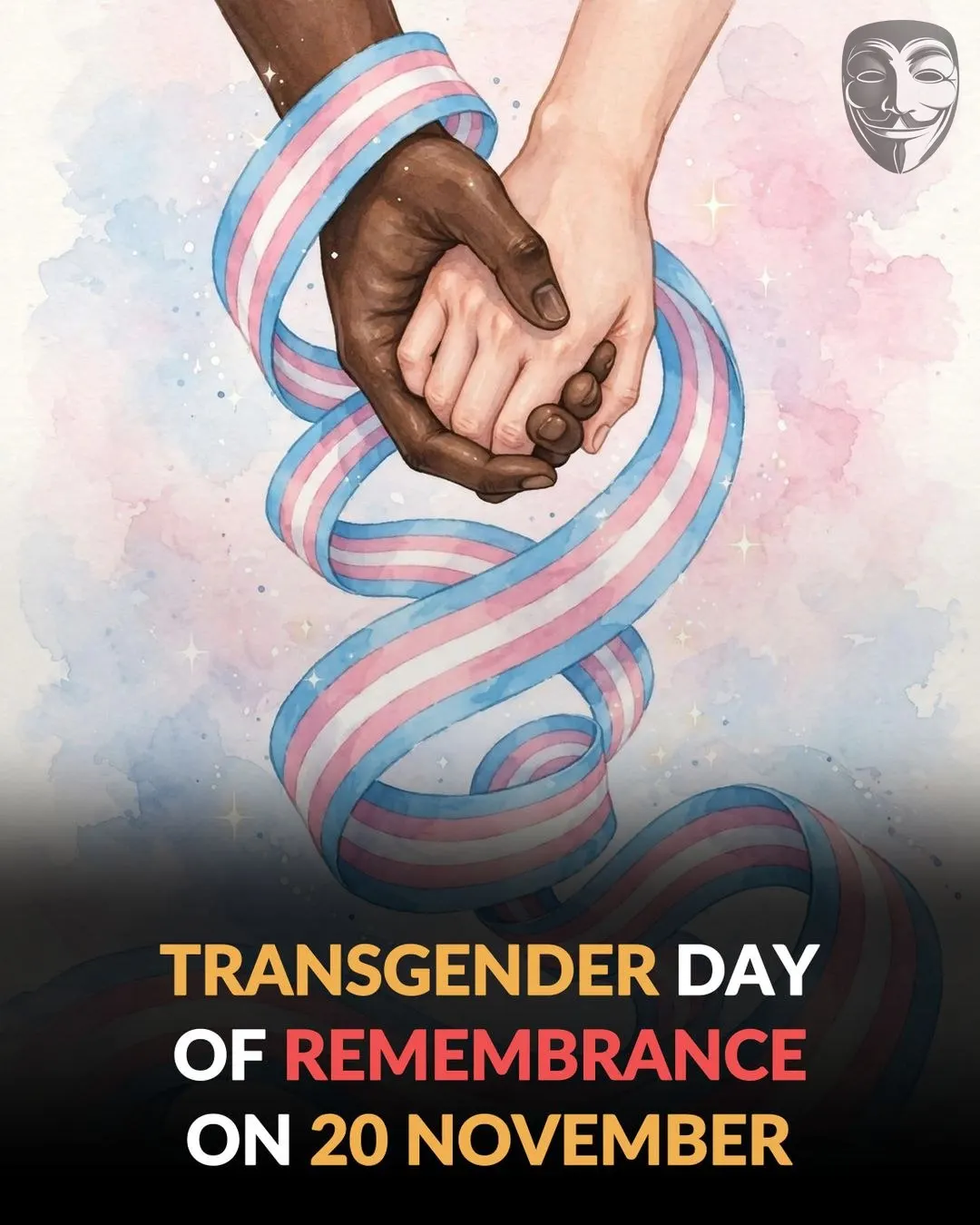
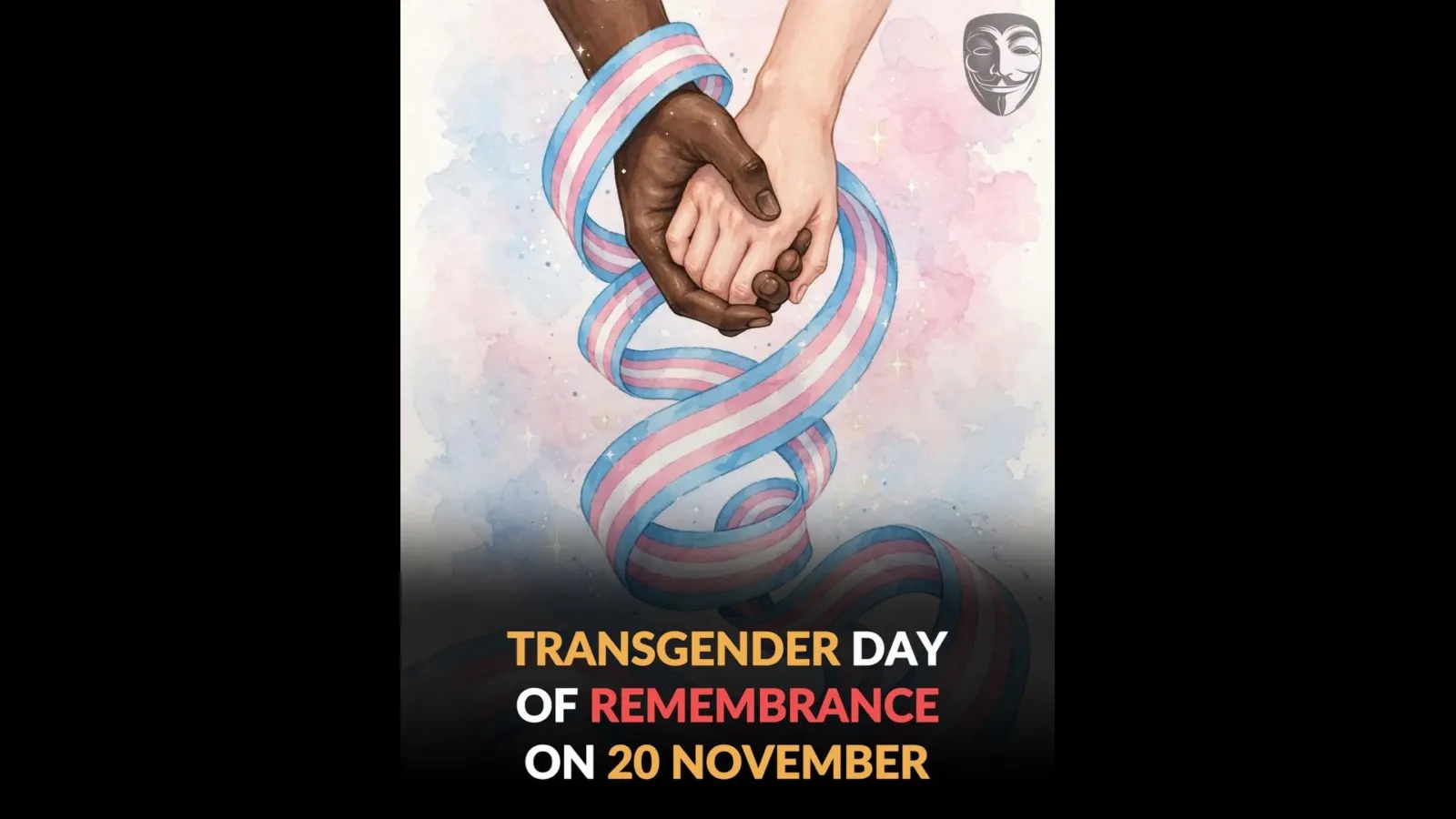
Transgender Day of Remembrance is marked every year on 20 November, and this year it carries a heavy number. The Trans Murder Monitoring report from TGEU recorded 273 transgender and gender diverse people reported murdered worldwide between 1 October 2025 and 30 September 2026. That is an average of one life taken every 32 hours, across 35 countries. The day asks us to pause, to say the names of those lost, and to stand with the trans people still here.
The day began in 1999, when advocate Gwendolyn Ann Smith started it to honor Rita Hester, a transgender woman whose murder in 1998 was never solved. This year, vigils and marches are being held across the United States and around the world, from San Francisco City Hall to small community rooms. In the slides ahead, we look at how the day began, what the new numbers mean, and how people are keeping every name alive. Read our story on a 12-year-old baseball player remembered by his town.
References:
TGEU: Trans Murder Monitoring 2026 Shows That Every 32 Hours, A Trans Person Was Murdered
The Trevor Project: Honoring Transgender Day of Remembrance 2026
The Wild Hunt: Transgender Day of Remembrance 2026
Pride365: 273 Trans People Murdered Worldwide TDOR 2026
What Transgender Day of Remembrance Means
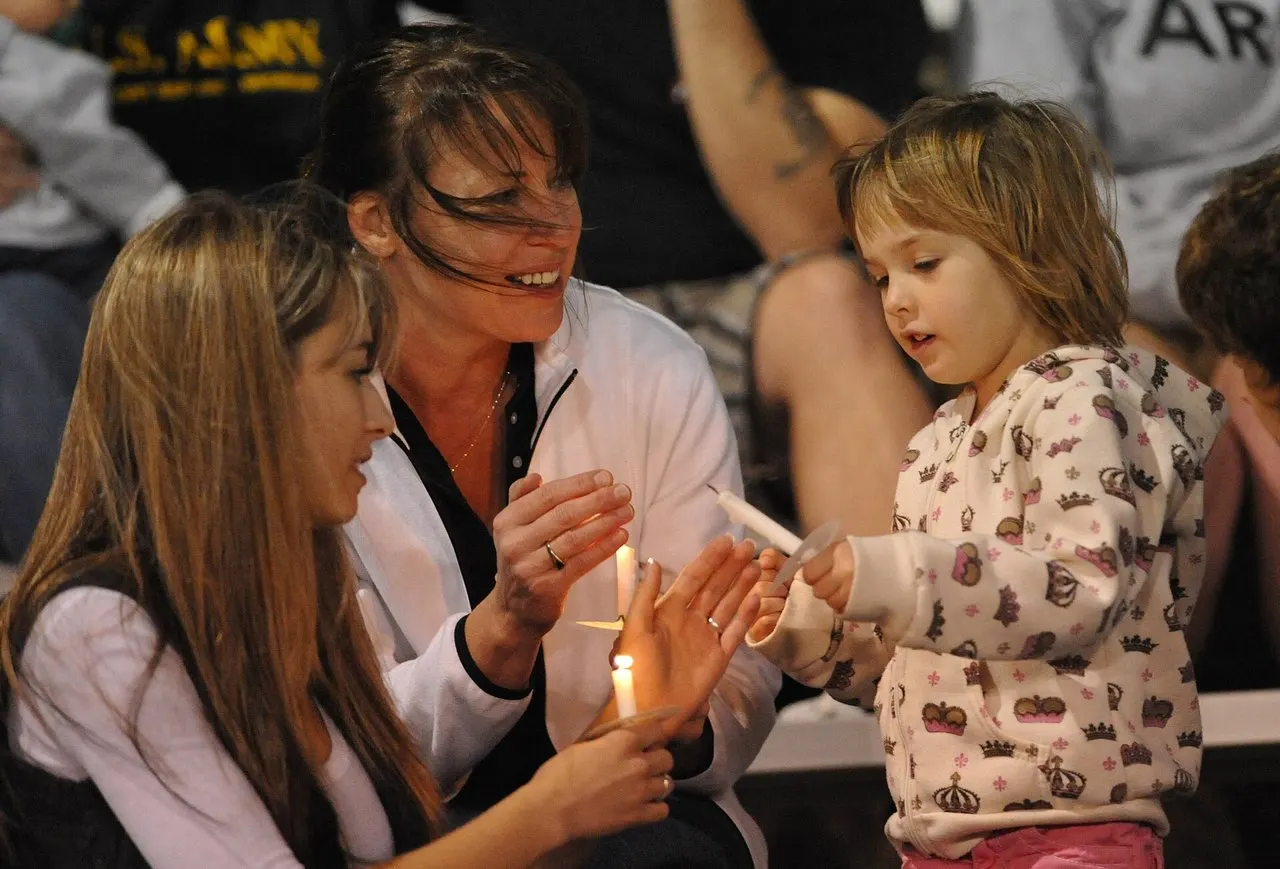
Transgender Day of Remembrance is a day to remember transgender and gender diverse people who were killed because of hate, and to stand with trans people who are still here. It is held every year on 20 November, at the end of Trans Awareness Week. Vigils and marches take place in cities and small towns, and each one follows the same simple pattern. People gather, light candles, and read aloud the names of those lost in the past year. Read about a town meeting that drew hundreds.
How Transgender Day of Remembrance Began in 1999
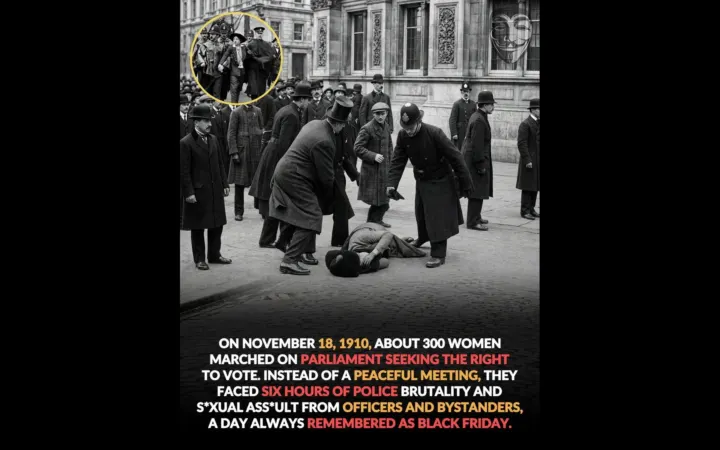
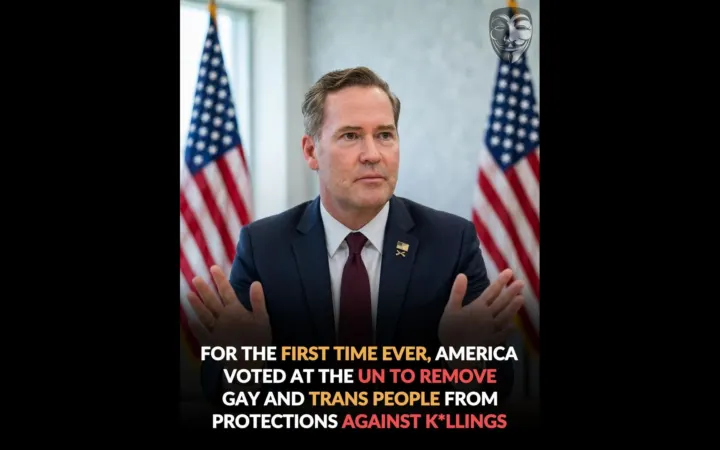
Transgender Day of Remembrance began in 1999, when advocate Gwendolyn Ann Smith organized the first vigil to honor Rita Hester, a transgender woman who had been killed in Boston in 1998. Her murder was never solved, and Smith wanted her name, and her life, to be remembered. That first small gathering grew year after year, as other cities and countries started holding their own vigils on 20 November. What began as one act of remembrance became a worldwide day. Read how 300 women who marched on Parliament in 1910 and how America’s vote at the UN to remove protections.
Gwendolyn Ann Smith and the Memory of Rita Hester
Gwendolyn Ann Smith was a transgender advocate and writer who refused to let Rita Hester be forgotten. Hester was a Black transgender woman living in Boston, and her killing in November 1998 shocked the local community. When the case went unsolved, Smith organized a vigil in her memory the following year, and the date of that vigil became the day we now mark. Smith kept the focus simple: say her name, remember her life, and demand better. Her idea spread far beyond Boston. Remember an actor whose life was cut short.
Transgender Day of Remembrance Counts 273 Lives in 2026
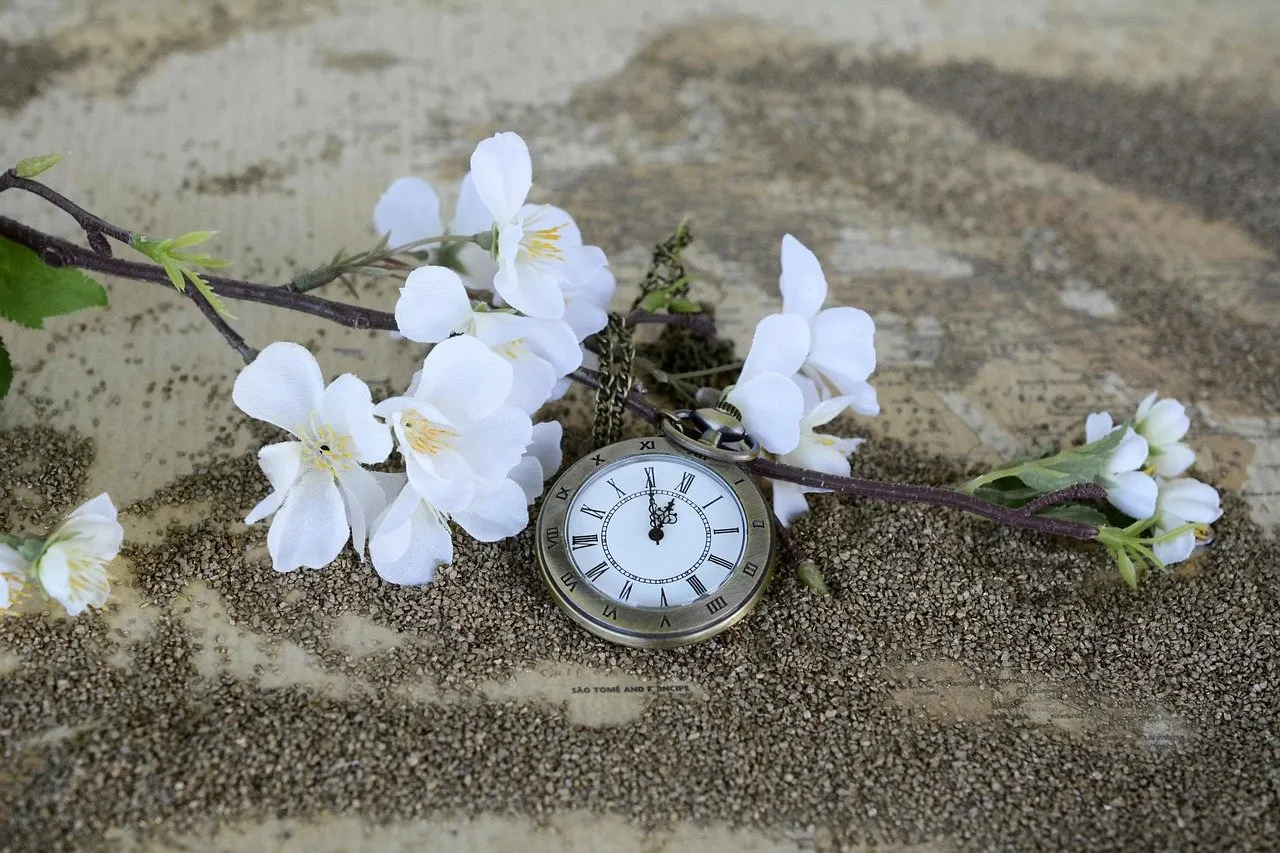
The 2026 Trans Murder Monitoring report from TGEU counted 273 transgender and gender diverse people reported murdered between 1 October 2025 and 30 September 2026. That is fewer than the 281 cases recorded last year, but TGEU is clear that the drop does not mean trans people are safer. The project counts only cases that are reported and documented, and in many places that is hard to do. Every number stands for a real person with a name, a family and a life. Read about a cost fight over health care.
One Life Every 32 Hours
One murder every 32 hours is the average behind the 2026 report, and it is hard to sit with. It means that in the time it takes to watch a film and sleep one night, another trans person has been reported killed somewhere in the world. The figure turns a big number into something we can feel in our own days. Each 32 hour stretch holds a name, a story and a loss that a family and a community must carry. Learn about America’s vote at the UN to remove protections.
35 Countries, One Shared Loss
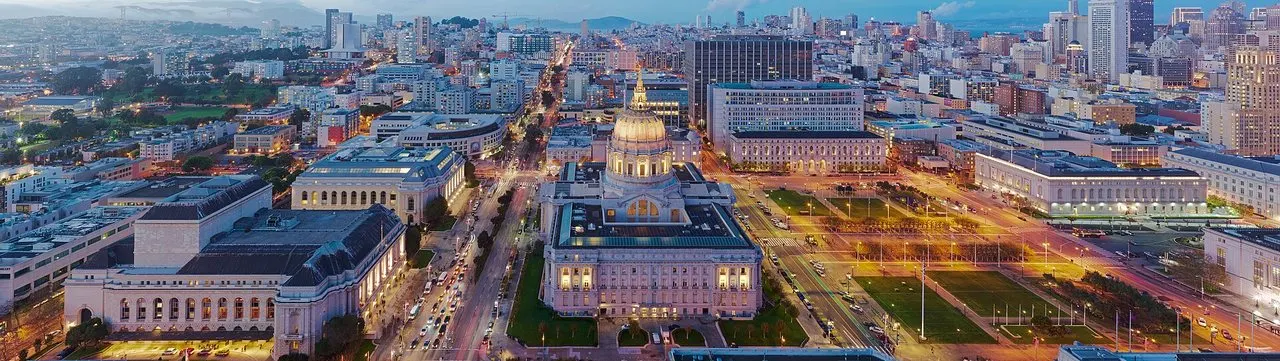
This year, murders were reported in 35 countries, the second highest number of countries since TGEU began monitoring in 2009. For the first time, cases were reported in Romania and Cameroon. The spread shows that this violence is not limited to one place or one region. It reaches across continents, languages and borders, and it touches communities that are already facing pressure. Yet in each of those 35 countries, people still gathered to remember. See a visit to the Philippines.
Transgender Day of Remembrance at San Francisco City Hall
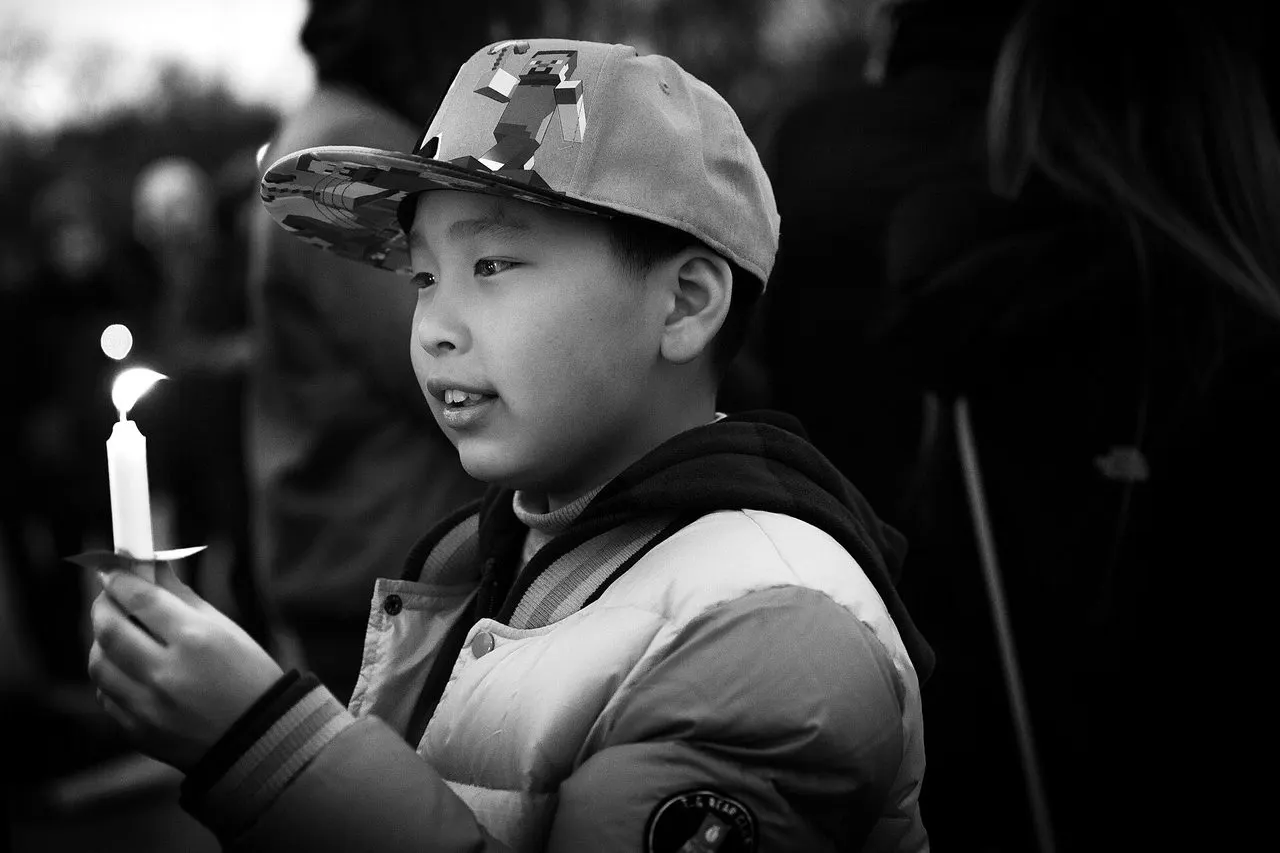
In San Francisco, people gathered at City Hall for a vigil of candles, music and names. City Hall has long been a place where the city marks its important days, and this year its steps held a quiet crowd standing together in the evening light. Speakers read the names of those lost, and the crowd answered with silence. Vigils like this one turn a public building into a place of care for an evening. Read about America’s vote at the UN to remove protections.
Saying the Names Aloud
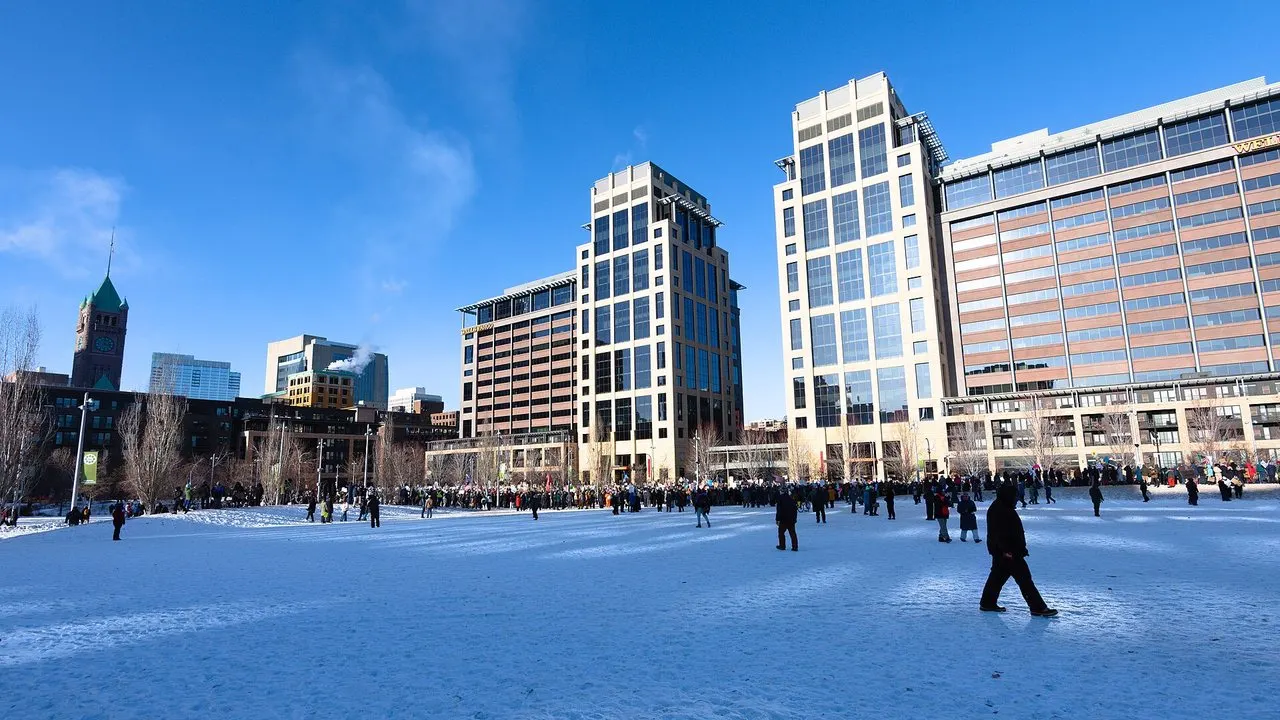
Reading the names aloud is the heart of the day. At vigils around the world, organizers read each name slowly, giving the crowd time to hear it and hold it. Some names belong to people whose stories are well known, while others are listed only as unknown, because no name was ever reported. TGEU publishes a printable list of this year’s names so that every vigil can read them. Saying a name out loud is a small act, and it matters. Learn about a protest that damaged a warplane.
Transgender Day of Remembrance Marches Across the United States
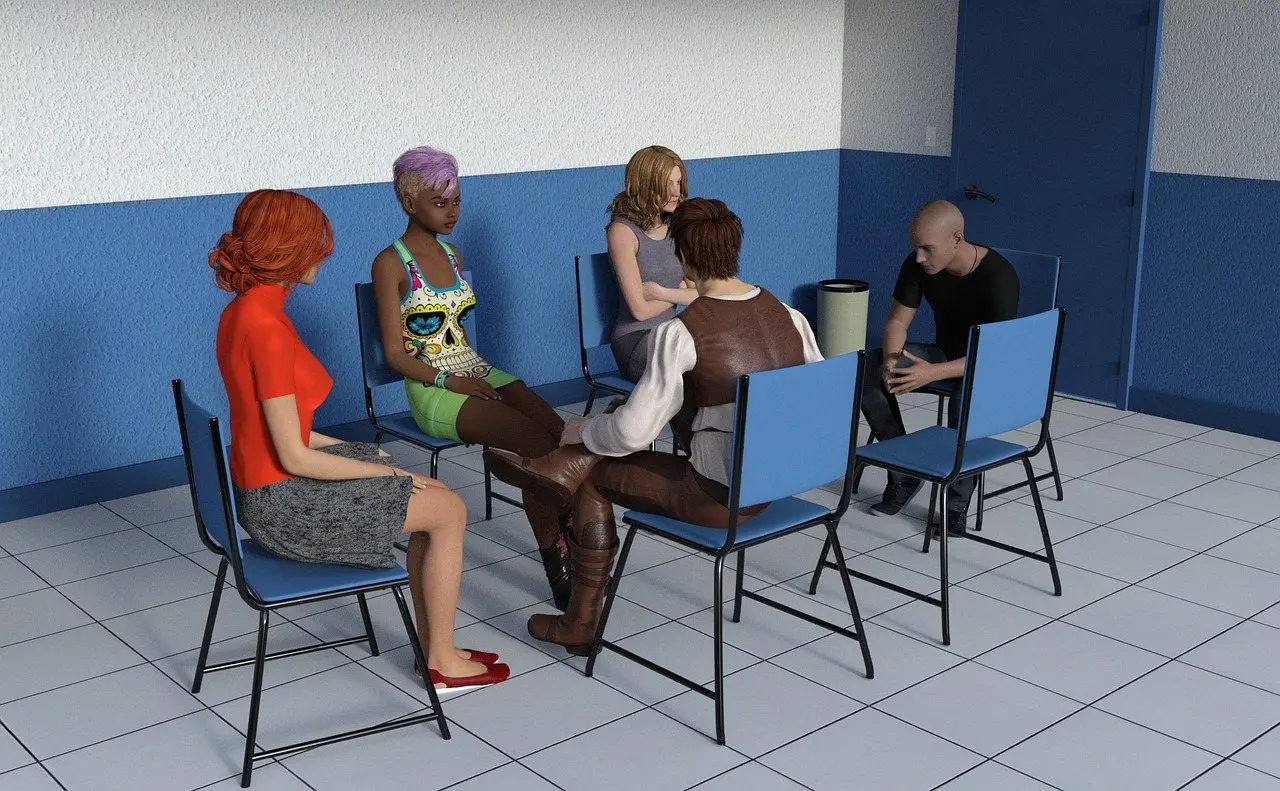
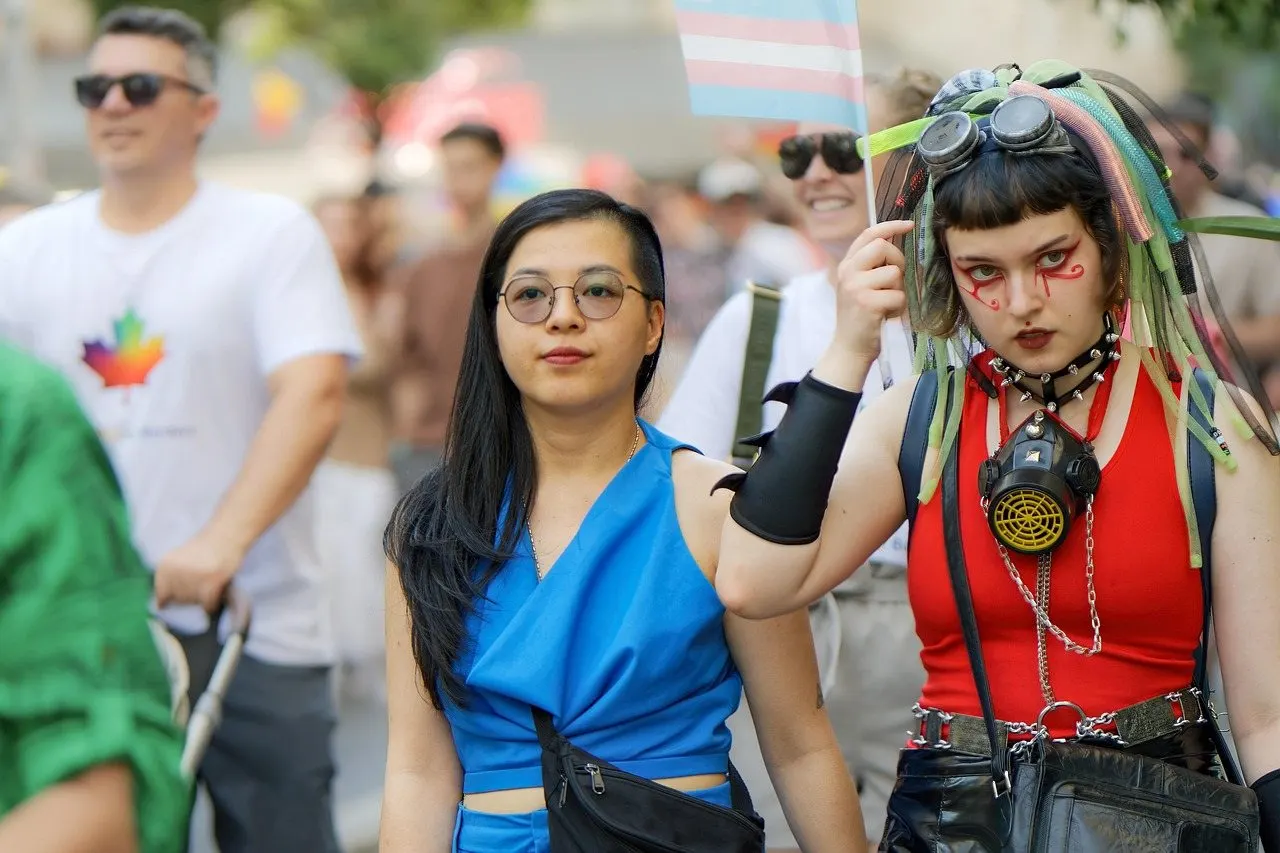
Marches filled streets across the United States this year, as people walked together to remember the dead and to call for safety for the living. In big cities, hundreds walked behind banners and trans pride flags. In smaller towns, a few dozen neighbors walked a short route and ended at a church hall or a park. The size of the march did not matter. What mattered was showing up, and showing trans neighbors that they are not alone. Read about a senior dog who finally found a family.
Small Rooms, Candlelight and Community

Not every vigil fills a city square. Many take place in small community rooms, church halls and living rooms, where a handful of people light candles and sit close together. These small gatherings can feel the most personal, because everyone in the room knows why they came. A name is read, a candle is lit, and someone shares a memory. The day belongs as much to these quiet rooms as it does to the big public vigils. Read about a row over lost gigs and a museum honor.
How Transgender Day of Remembrance Numbers Are Counted

The Trans Murder Monitoring project has tracked reported killings of trans and gender diverse people since 2009, working with more than 20 research partners around the world. Its team collects reports from news, community groups and families, and checks each case before adding it to the list. Since monitoring began, it has recorded more than 5,500 murders. The work is careful and slow, because every case deserves to be counted right. Learn about a cost fight over health care.
Why the Numbers Are Only Part of the Story
The 273 cases in the 2026 report are only the ones that were reported and documented, and TGEU warns that the true number is higher. In many countries, killings of trans people are never reported, are recorded under the wrong name, or are never investigated. Shrinking civic space, hostile political climates and funding cuts are making the monitoring work harder every year. The names we read aloud are the ones we know, and there are others we may never learn. Read about two very different maps of America.
The Trevor Project and Support for Trans Young People
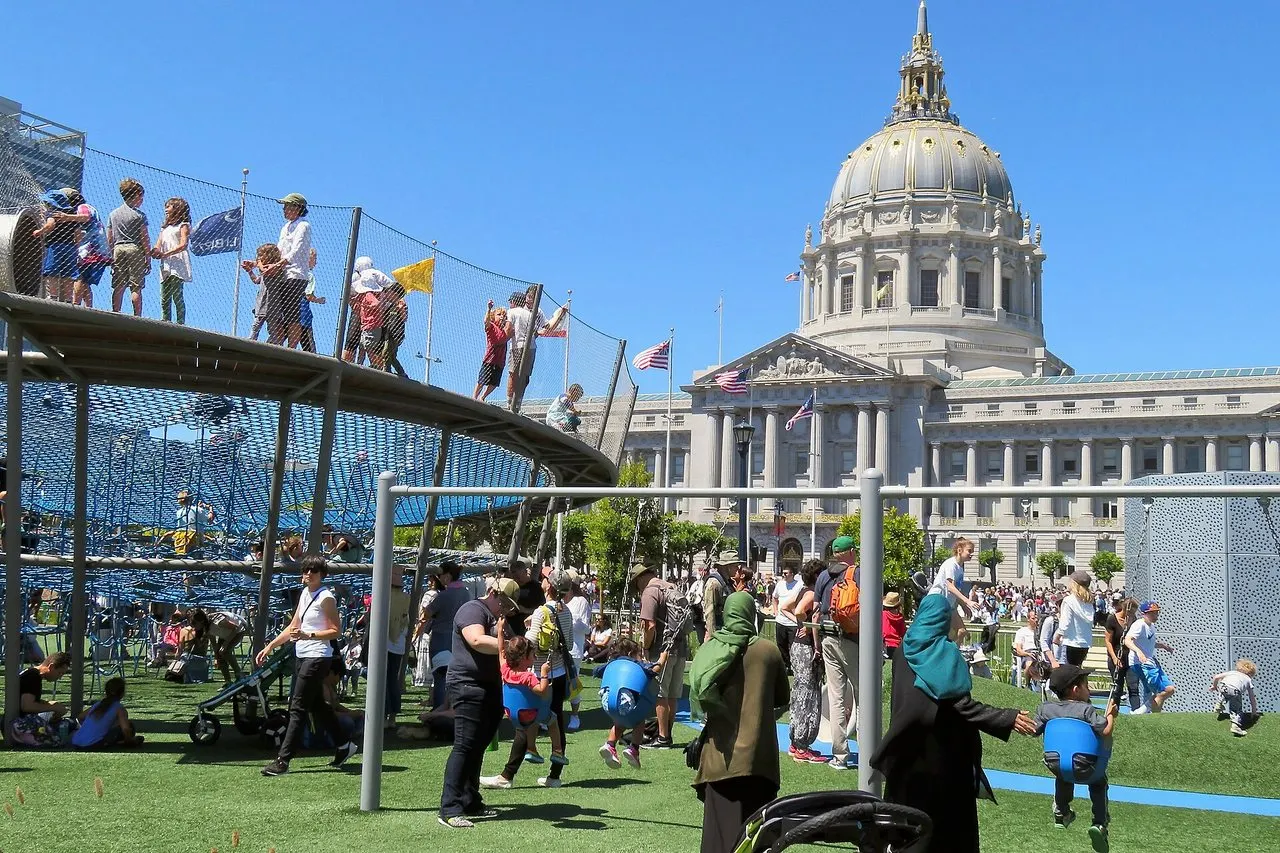
The Trevor Project, which supports LGBTQ young people in crisis, marked the day by honoring the transgender and nonbinary people lost to violence. Its post pointed to the same TGEU figures, and to the work of Remembering Our Dead, which counted 243 trans lives lost to violent acts in a similar period, along with 70 lives lost to suicide and 29 more that could not be categorized. Behind every number is a young person who needed more support. Read about a proposal in Paris after 23 years.
Transgender Day of Remembrance Around the World
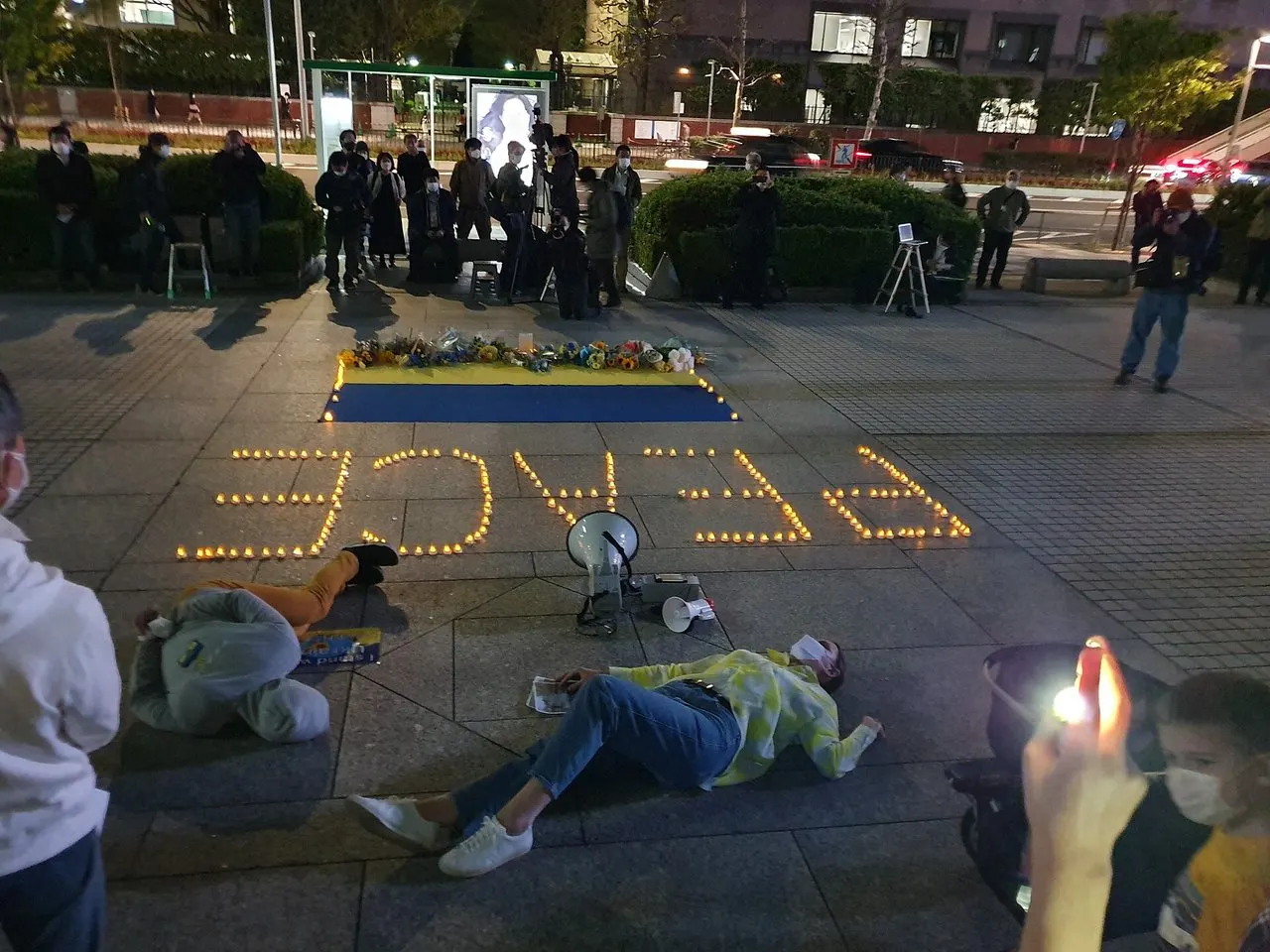
From London to Manila, from Berlin to Buenos Aires, vigils were held in many languages and many settings. Some were large public gatherings with speeches and music. Others were quiet meetings in community centers, where people lit candles and read names by hand. The day has grown far beyond the first vigil in Boston in 1999, and it now belongs to trans communities and their allies in every part of the world. Read about little girls living a big day in real time.
Who Was Lost in 2026
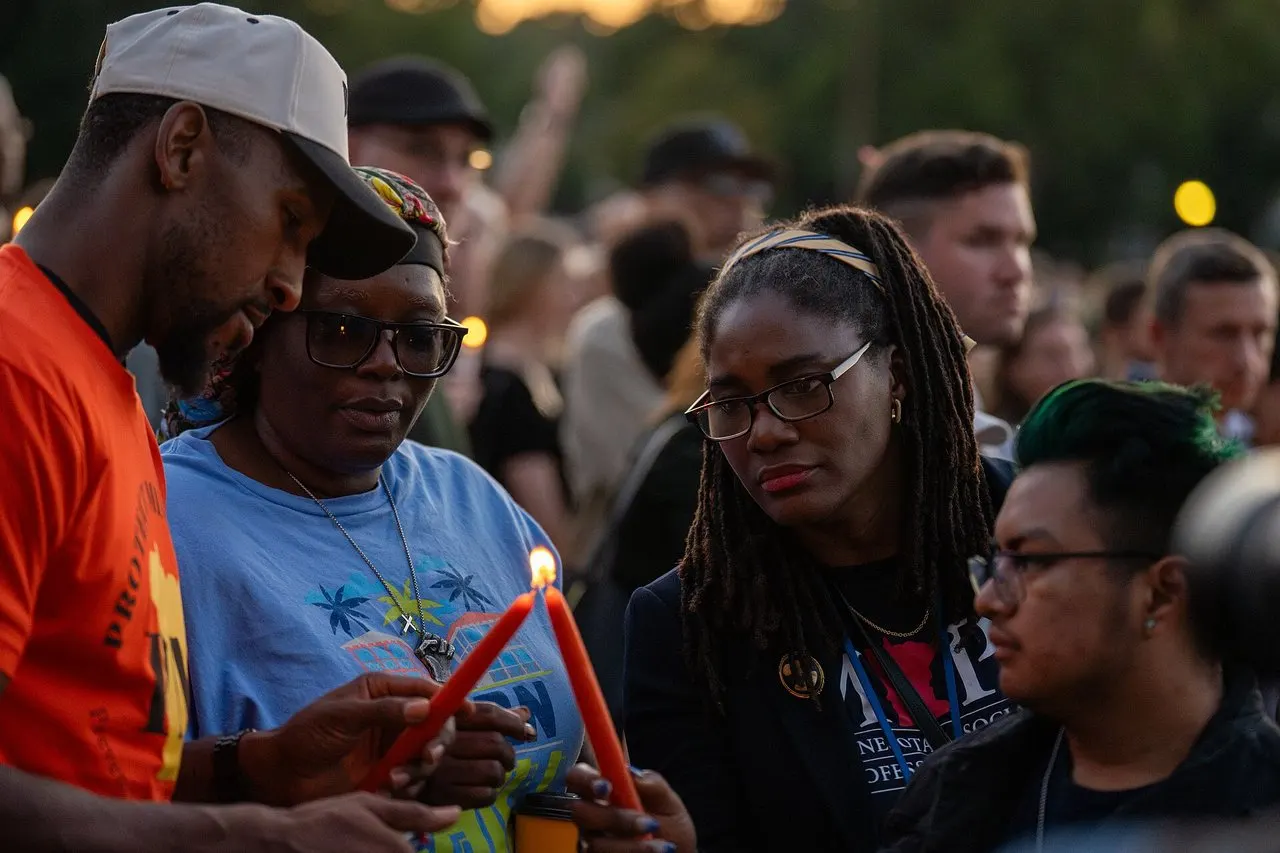
TGEU’s 2026 findings show that the violence falls hardest on those already facing the most pressure. Around 95 percent of the victims were trans women or transfeminine people. Three in four were Black or Brown trans people, and about one in three were sex workers. These are not random patterns. They show how racism, misogyny and poverty stack up against trans people, and why safety work must center the people most at risk. Learn about small tabletop tree ideas.
Flowers, Candles and Quiet Moments
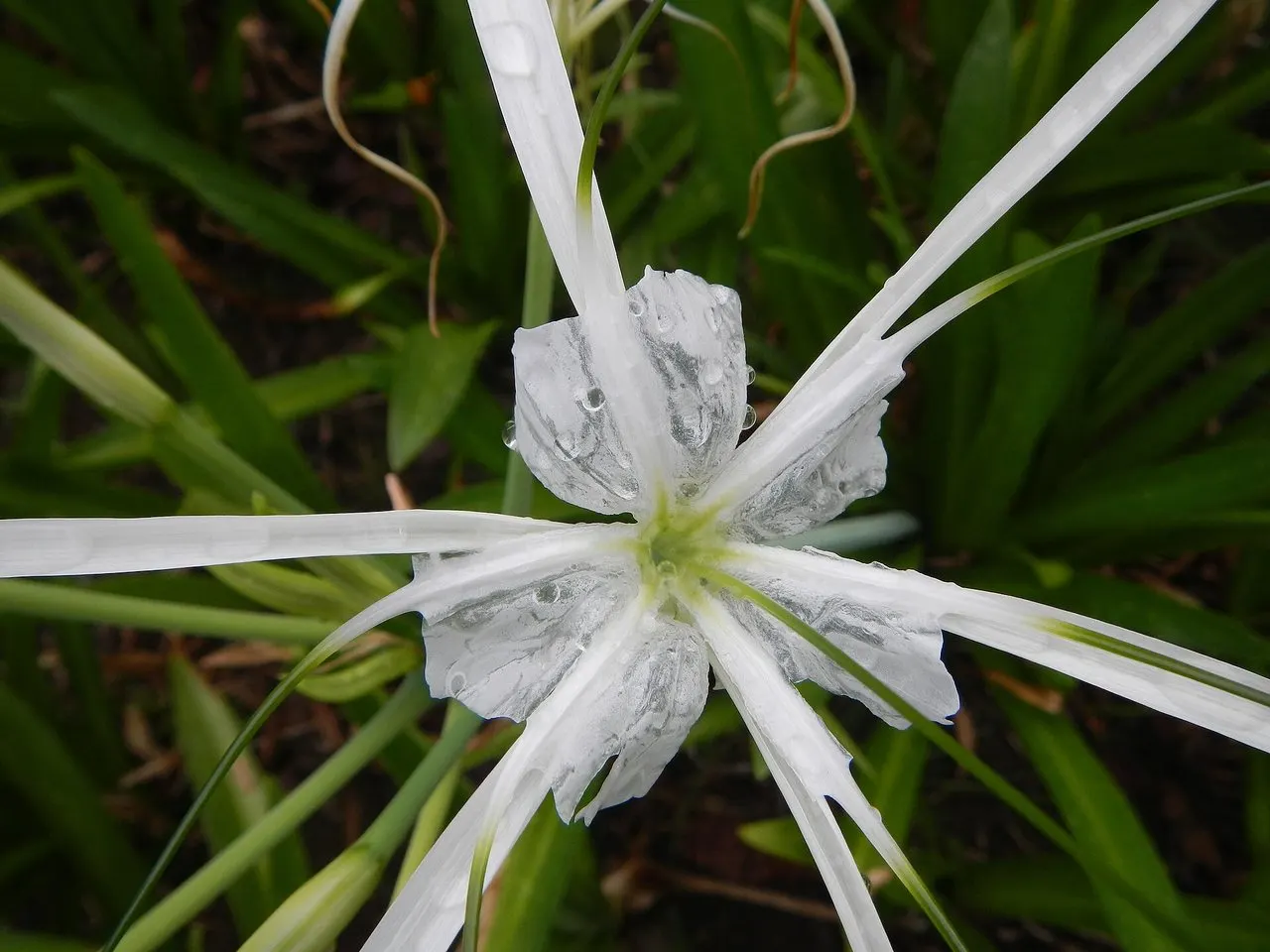
At vigils, people bring flowers, light candles and leave notes. White flowers are a common sight, laid beside photos and name cards. The objects are simple, but they give grief a place to rest. A candle keeps burning after the speeches end. A flower stays where it was placed, long after the crowd has gone home. These small gestures are how strangers say that a life mattered, even when they never met the person. Read about old Southern Thanksgiving pies.
What Allies Can Do on 20 November
Allies often ask what they can do on 20 November, and the answer starts with showing up. Attend a vigil, listen to the names, and stand beside trans neighbors without taking the microphone. Learn the facts from TGEU and The Trevor Project, share them accurately, and correct misinformation when you hear it. Support trans led groups with time or money, and keep standing up the other 364 days too. Read about a strange dinner story from Spain.
Standing Together With Trans Neighbors

Standing together is what the day is for. Trans people, families, friends and allies gather in the same room, hold the same candles, and hear the same names. For many trans people, the day is painful, and being surrounded by people who care makes it easier to bear. Community is not just comfort. It is also protection, because people who are seen and supported are safer than people left alone. Learn about a love story that lasted 32 years.
Hope Grows Alongside Grief
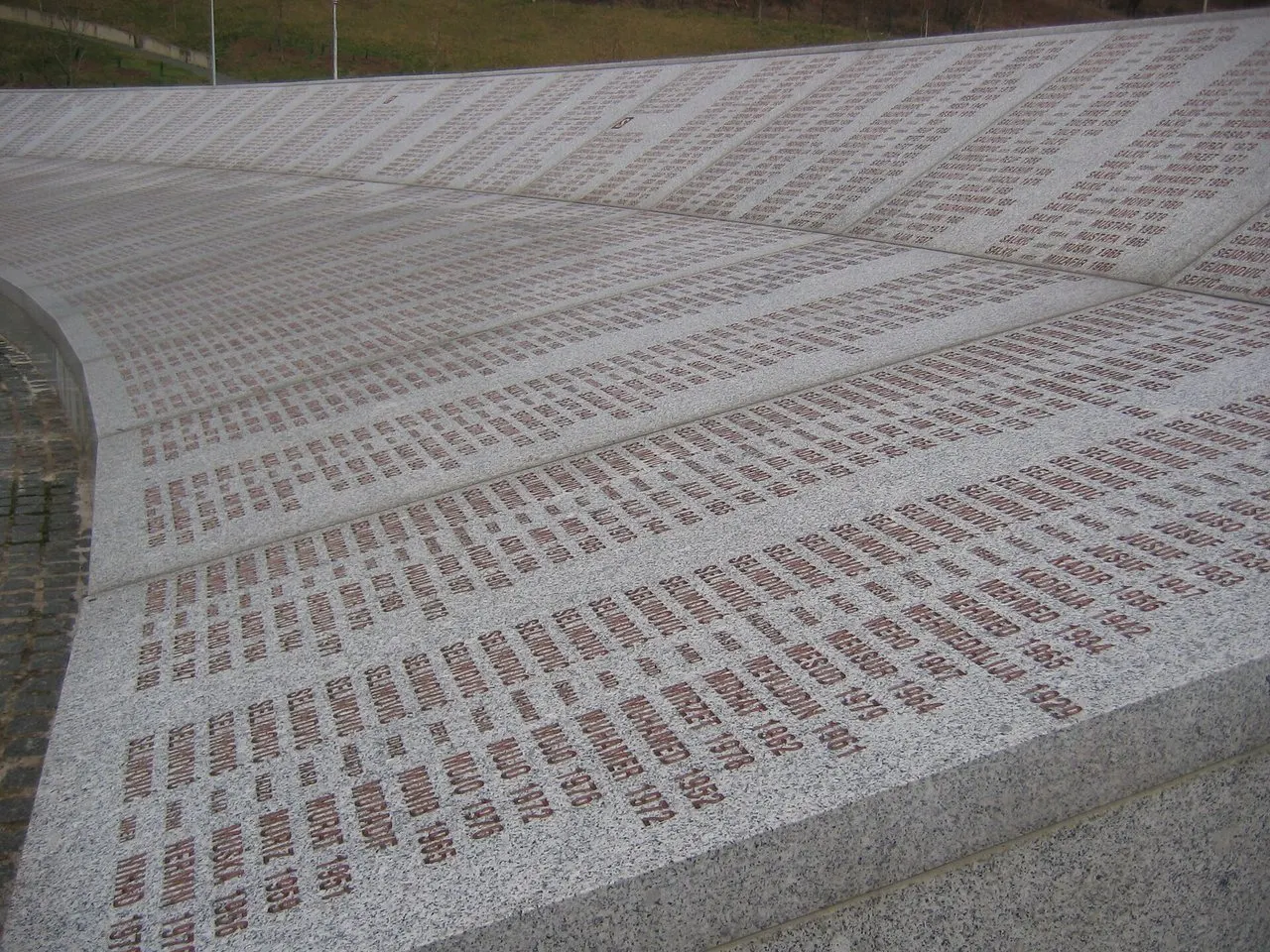
Grief is only part of the day. The other part is hope, and it shows in the young trans people who march, speak and organize with pride. It shows in the parents who stand beside their children, in the friends who show up year after year, and in the communities that refuse to look away. The numbers are heavy, but they have not stopped people from building a kinder world. Hope is not naive. It is the work that follows remembrance. Read about a loyal dog sending signs of comfort.
The Names of Transgender Day of Remembrance
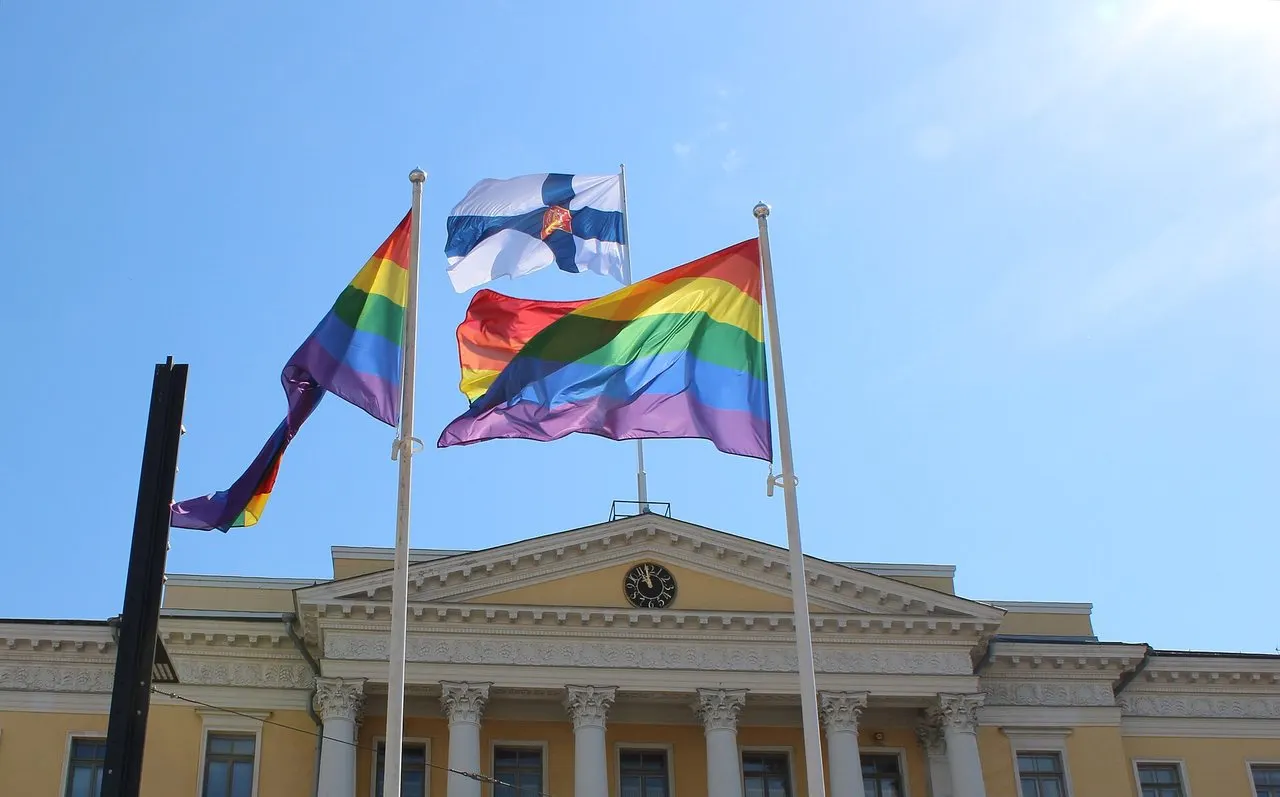
The names read aloud this year came from 35 countries, and each one belonged to a person with a life, a home and people who loved them. Some were young, some were older, and many were taken far too soon. TGEU keeps their names in a public list, so that vigils can speak them and families can find them. When we say the names, we push back against the silence that so often follows violence. Read about a two-year-old boy honored before organ donation.
What Will You Do to Remember?
As this year’s vigils end and the candles go out, the day leaves us with a question. What will you carry forward from 20 November? Will you learn the names, support a trans led group, or simply show up for a trans neighbor who needs a friend? The work of remembrance does not end when the vigil ends. It continues in the small choices we make every day. Tell us in the comments what this day means to you, and keep reading a health crisis unfolding across the country.