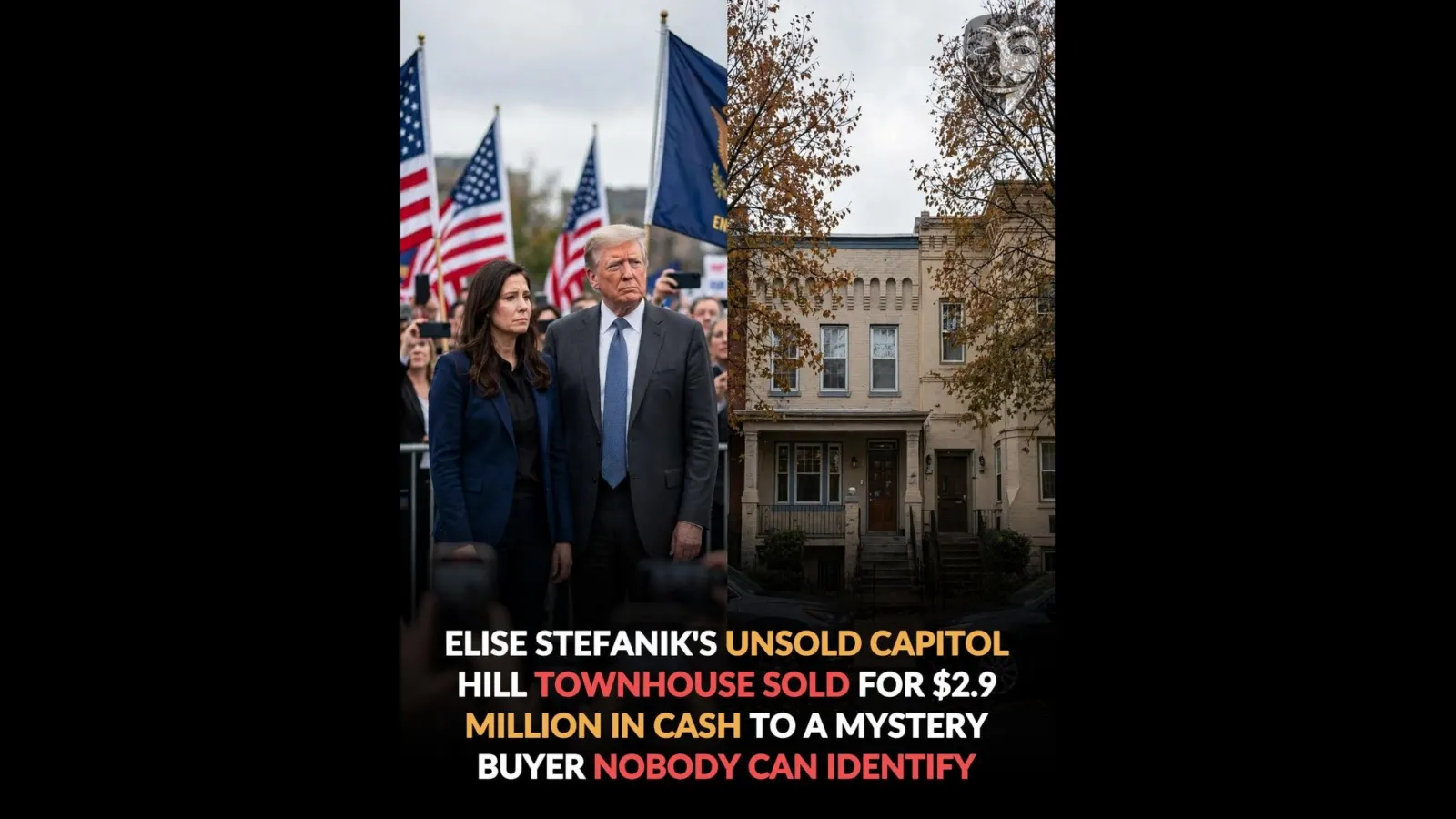
Stefanik Townhouse Sale Stuns Capitol Hill

The Stefanik townhouse sale stunned Washington when a home that could not find a buyer suddenly sold for $2.9 million in cash. Rep. Elise Stefanik and her family listed their Capitol Hill townhouse in September 2025 for $2.195 million, then cut the price to $1.99 million and pulled it off the market in February after finding no buyer. Four months later, the home sold in June for $2.9 million in cash, $910,000 above its last asking price. The buyer was a Delaware company called AFS Real Estate Holdings, formed about a month before the sale.
The Washington Post reported that public records reveal nothing about who owns the company, and Stefanik did not answer questions about whether she knows who is behind it. Washington tax officials have since flagged the deal as unusual, saying the price did not reflect market value, while her office called the sale commercially reasonable. The Post interviewed six experienced Capitol Hill real estate professionals who could not recall another transaction quite like it. Ahead, we walk through the listing and the questions. For more Washington stories, read about a silent shrug in Berlin.
References:
The Washington Post: Stefanik family’s D.C. home sells to mystery buyer for $900K over list price
North Country Public Radio: Report: Sale of Stefanik’s DC townhouse to mystery buyer raises questions
DroneXL: DC Codes Stefanik Family’s $2.9M Capitol Hill Home Sale ‘Unusual’
Particle News: Elise Stefanik Sold Capitol Hill Townhouse for $2.9 Million to Newly Formed Delaware LLC
The Stefanik Townhouse Sale Began With a September Listing
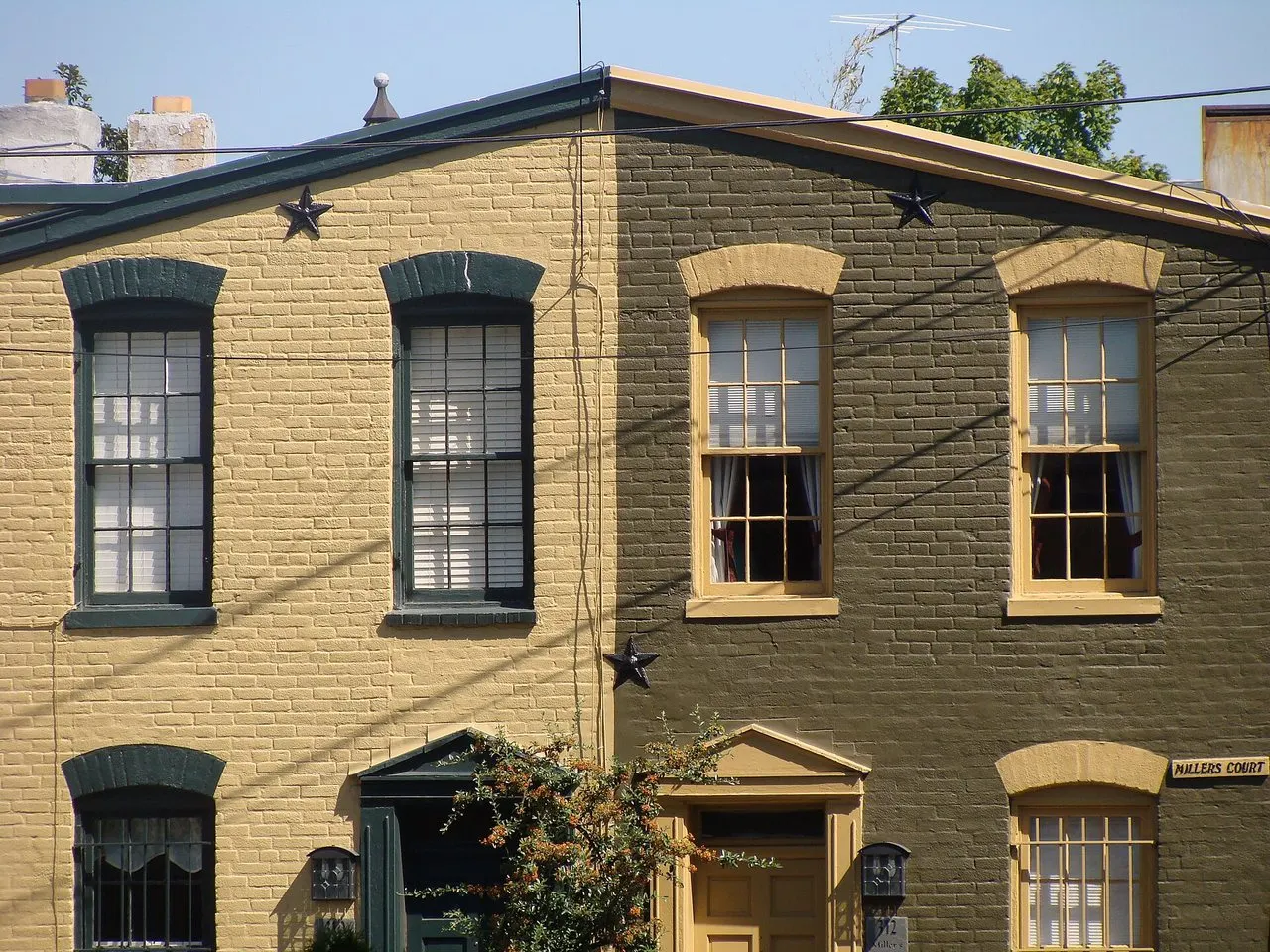
In September 2025, the Stefanik family put their Capitol Hill townhouse on the market and asked $2.195 million for it. The home sits in one of Washington’s oldest and most walkable neighborhoods, close to the Capitol building and the streets where lawmakers and staff live and work. A listing at that price would normally draw serious buyers in a strong market. But weeks passed, and no buyer stepped forward to meet the asking price. For more on politics and power, see a seabed auction near American Samoa.
Inside a Townhouse Built for City Living
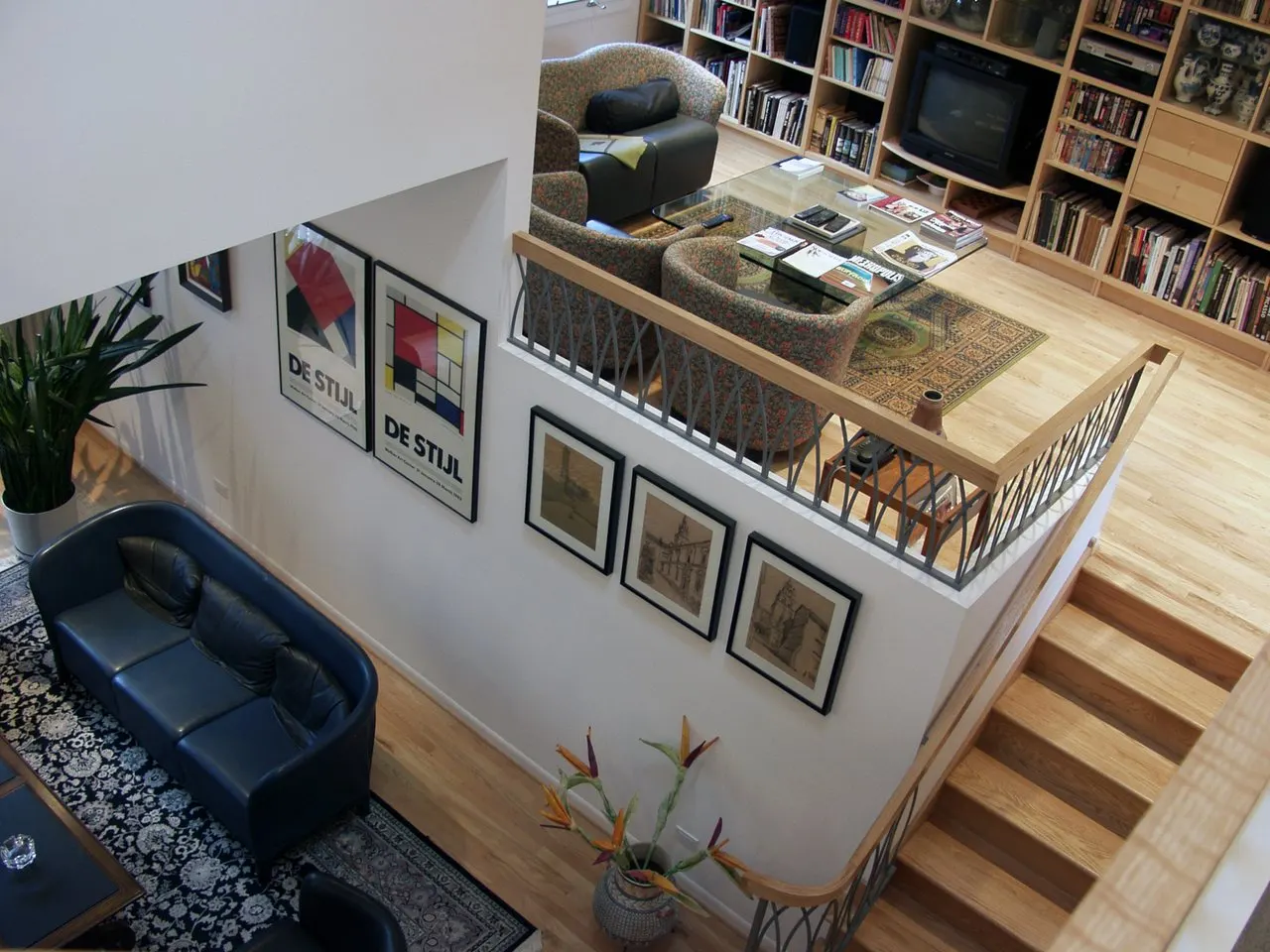
A Capitol Hill townhouse offers a style of living that suits busy people in Washington. The rooms are often stacked over several floors, with a kitchen and living space on one level and bedrooms above. Many of these homes have brick fronts, tall windows, and small gardens or patios at the back. Owners value the short walk to work, the nearby shops, and the sense of history on streets lined with similar homes. The Stefanik home fit that classic pattern. Readers can also catch up on a small First Lady staff.
The For Sale Sign Went Up at $2.195 Million
The first asking price was $2.195 million, a figure that set the tone for the whole sale. Sellers usually pick a price with help from an agent, looking at recent sales of similar homes nearby. A price that is too high can slow interest, while a price that is too low can leave money on the table. In this case, the market gave a clear answer. Nobody bought the townhouse at $2.195 million, and the listing stayed open as autumn turned to winter. For another look at Washington, read a stalled vote in Ohio.
The Stefanik Townhouse Sale Followed Months With No Buyer

After the first price failed to bring a buyer, the family cut the asking price to $1.99 million. A price cut is a common step when a home sits unsold, and it can bring back buyers who passed the first time. But the lower price did not work either. Still, no buyer came forward. The home that had been listed with hope in September was still without an owner as the new year began, and the family faced a hard choice. More big Washington stories include a Senate confirmation hearing.
Cash on the Table: $2.9 Million

The sale price that finally closed the deal was $2.9 million, paid in cash. A cash sale means the buyer does not need a mortgage, so the deal can move fast and faces fewer hurdles. Cash buyers can also be hard to trace when the money comes through a company rather than a person. Here, the cash price was $910,000 above the last asking price, a jump of about 45 percent. That gap is what turned a quiet listing into a mystery. You may also like our reports on a long White House briefing.
A Company Formed in Delaware
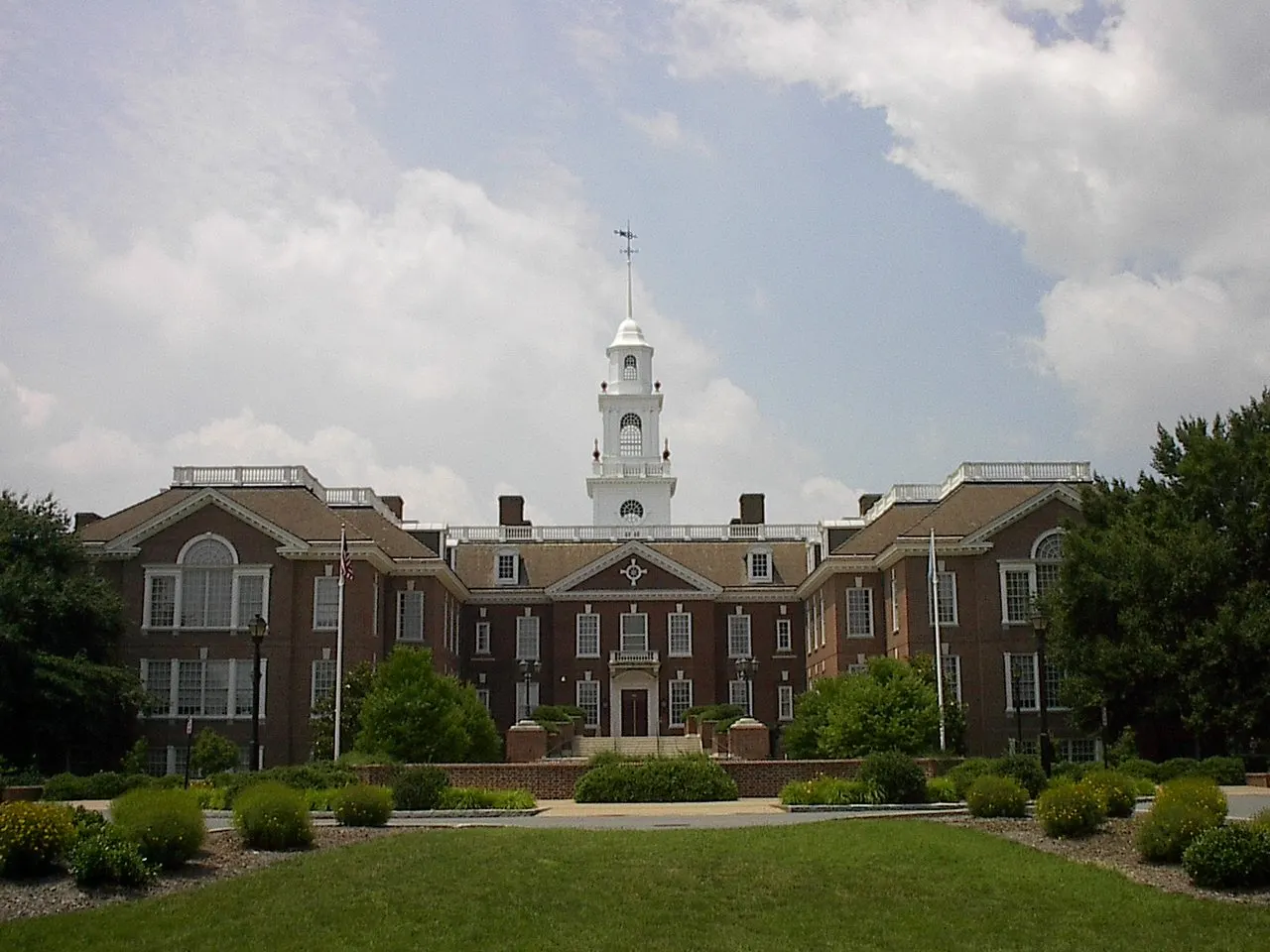
The buyer was AFS Real Estate Holdings, a Delaware company formed about a month before the sale. Delaware is a popular place to form a company because its rules are clear and its filing fees are low. Many firms pick Delaware even when they do business elsewhere. But a new company with no online presence raises questions when it buys a high priced home. Public records show the company name, yet they reveal nothing about the people behind it. For more Washington stories, read about a handshake with Putin and Xi.
The Stefanik Townhouse Sale Named a Company, Not a Person

Most home sales name a person or a family on the deed. This one named a company, and that simple fact changed the whole story. A company can own a home, rent it out, or hold it as an investment, and the people behind it can stay out of view. The Washington Post reported that public records reveal nothing about who owns AFS Real Estate Holdings. Stefanik did not answer questions about whether she knows who is behind the company. For more on politics and power, see a debate over Gaza remarks.
Looking Closer at the Public Record

Public records are often the first place reporters look when a sale looks strange. Deeds, tax filings, and company registrations can show who bought a home, how much they paid, and when the deal closed. In this case, the records gave a price and a date, but no name. That gap is why the story spread so fast. A closer look at the paper trail answered some questions and left the biggest one open, which is who paid the money. Readers can also catch up on a court case that drew wide attention.
Elise Stefanik, a Trump Ally Leaving Congress

Elise Stefanik has served in Congress for a dozen years and is known as one of Donald Trump’s most devoted Republican allies. She is now leaving Congress, which makes the sale of her Washington home part of a bigger change in her life. Lawmakers who leave Washington often sell their homes there, since they no longer need a base near the Capitol. For Stefanik, the move came with a sale that drew far more attention than a normal goodbye. For another look at Washington, read a tribute to loyal pit bulls.
The Stefanik Townhouse Sale Drew a Warning From Tax Officials

Washington tax officials have since flagged the deal as unusual, saying the price did not reflect market value. Tax officials look at sales to set fair values for homes, and a price far above the market can stand out. Their view adds weight to the questions around the deal, since it comes from people who study prices every day. Her office, by contrast, called the sale commercially reasonable, and the two views now sit side by side. More big Washington stories include a silent shrug in Berlin.
What an Appraiser Sees in Six Months of Sales
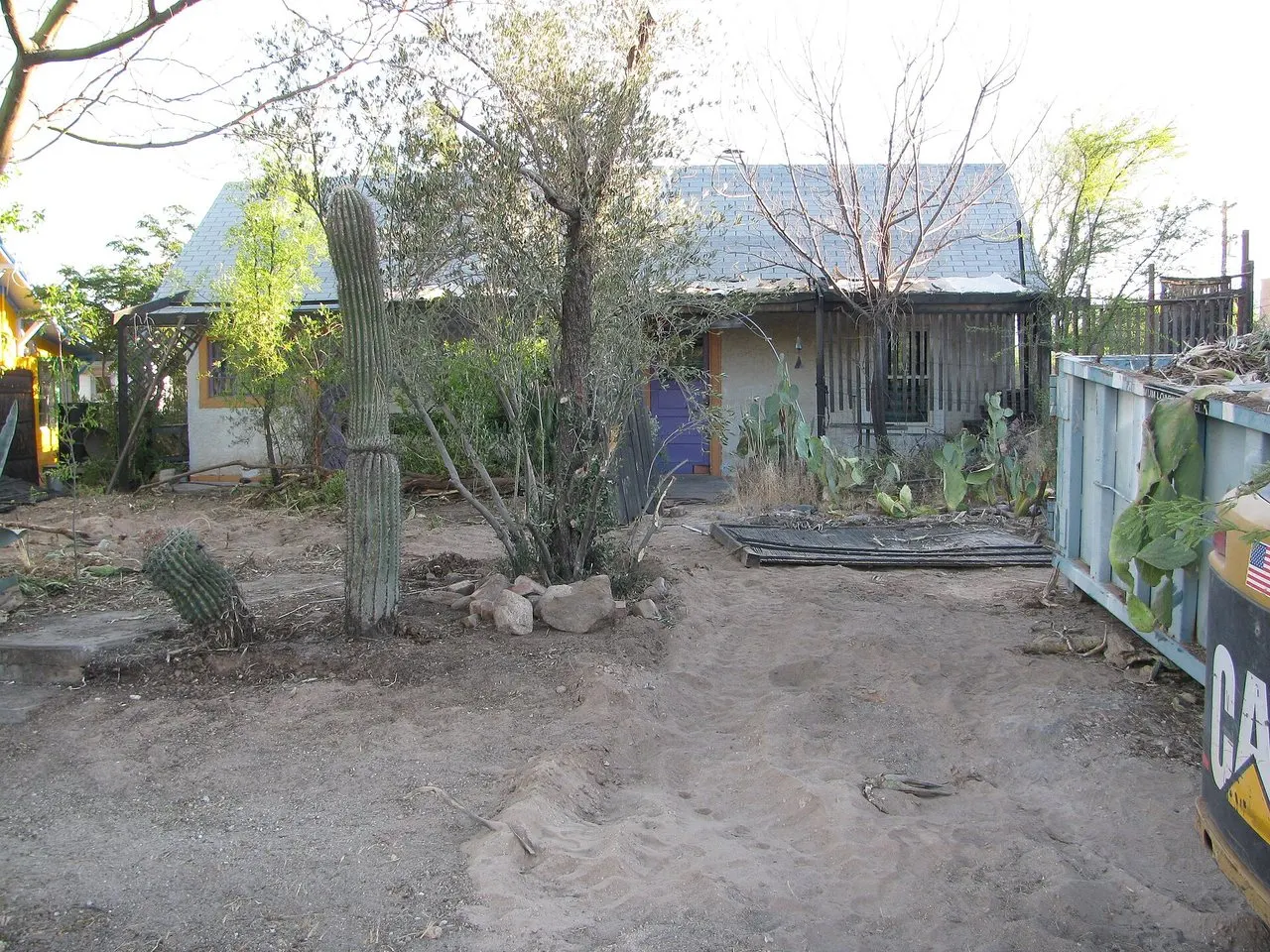
The Post interviewed six experienced Capitol Hill real estate professionals who could not recall another transaction quite like it. One of them said a reasonable appraiser looking at six months of sales would not be able to justify $2.9 million for this house. Appraisers compare a home with similar homes that sold nearby, and they look for a pattern that supports the price. When no pattern fits, the price itself becomes the story. You may also like our reports on a White House peace deal.
A Street on Capitol Hill
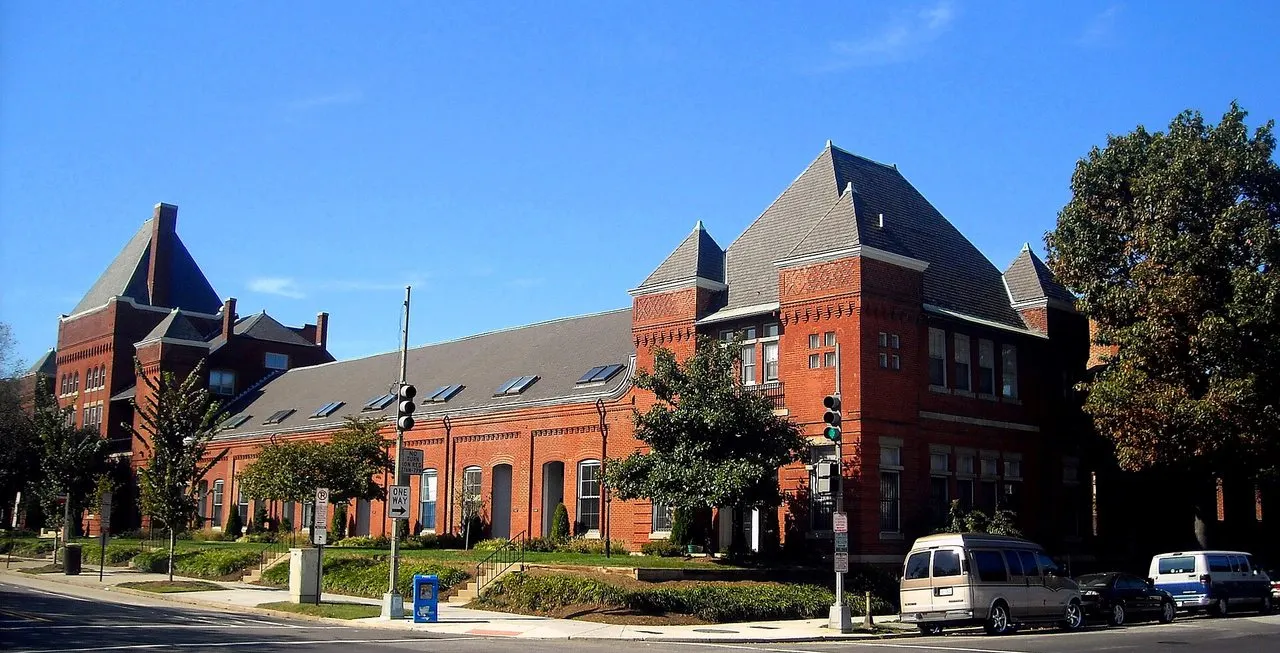
Capitol Hill is a neighborhood of brick row houses, quiet side streets, and front steps where neighbors stop to talk. The area grew up around the Capitol, and many of its homes are more than a century old. People who live there often work nearby, in Congress, in government offices, or in the shops and restaurants that serve them. The Stefanik townhouse stood in this setting, a normal home on a familiar street, until its sale made it famous. For more Washington stories, read about a gift to the Marine Band.
The Stefanik Townhouse Sale Put Washington in the Spotlight
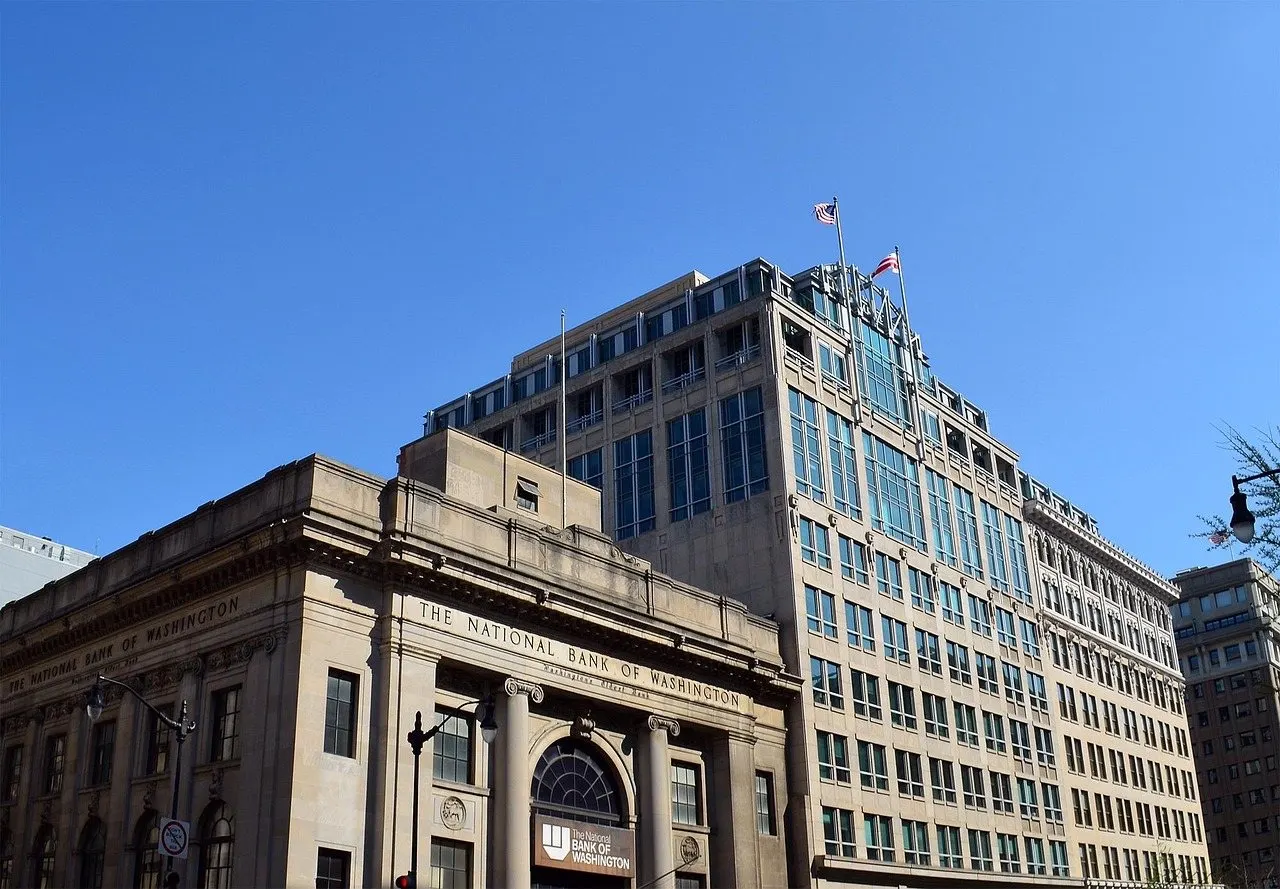
Washington is a city where politics and real estate often meet. Homes near the Capitol change hands as lawmakers come and go, and prices usually follow the wider market. A sale that breaks the pattern draws eyes from reporters, agents, and neighbors alike. This deal did that in a big way, because the price jumped after the home had failed to sell. The spotlight has stayed on the deal ever since, and the questions have not gone away. For more on politics and power, see a debate over Gaza remarks.
Neighbors and Agents on Capitol Hill
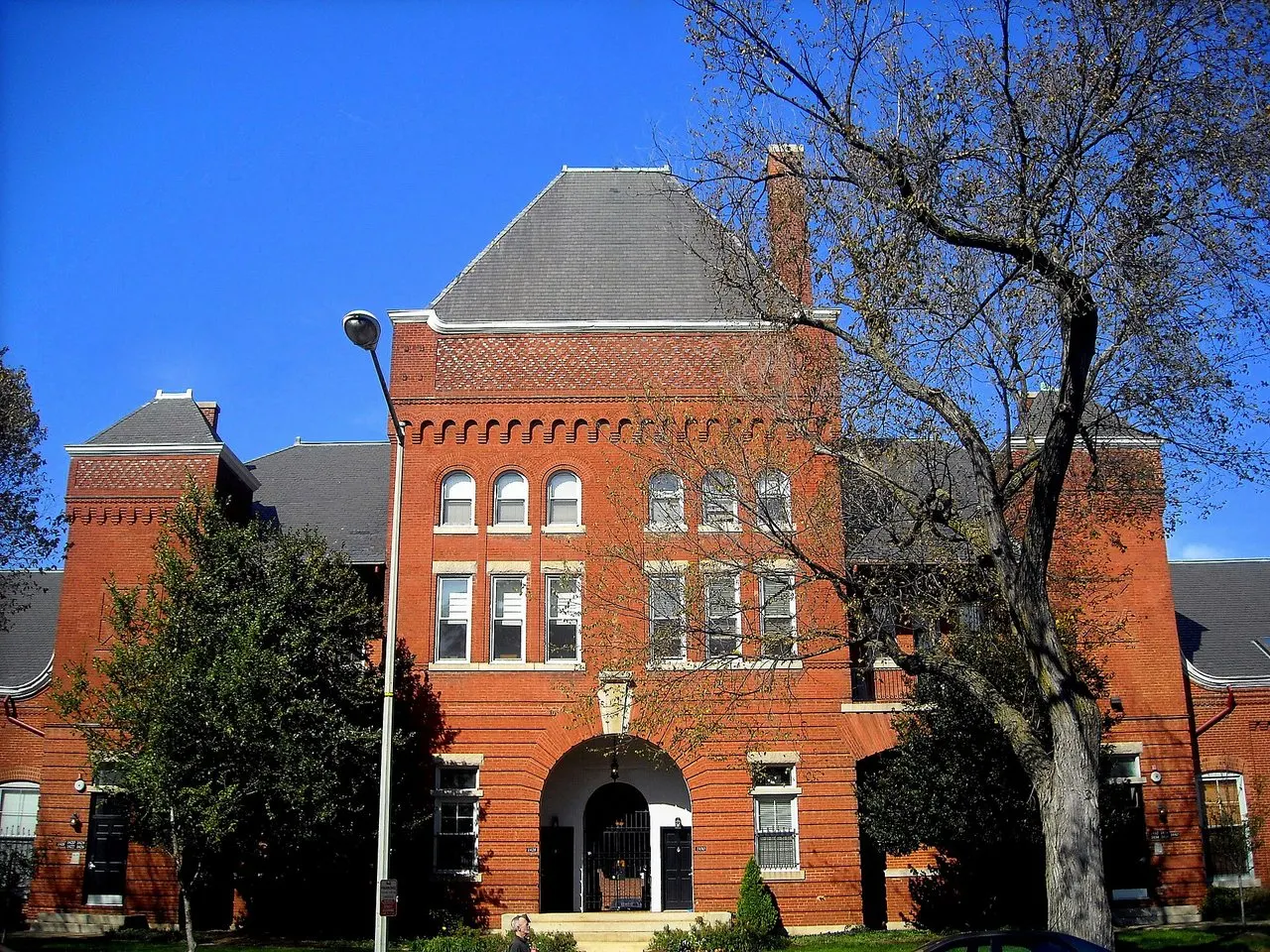
Real estate agents who work on Capitol Hill know the streets house by house. They know which blocks sell fast, which homes need work, and what buyers will pay for a good location. When six of them told the Post they could not recall a deal like this, it carried weight. These are people who have watched hundreds of sales. Their surprise says much about the deal, and it is why the story keeps being shared. Readers can also catch up on a court case that drew wide attention.
Delaware, Home to Many Companies

Delaware is home to a huge number of companies, far more than its size would suggest. Firms from across the country register there for its clear company laws and its well known courts. Most of these companies are ordinary businesses, and forming one in Delaware is legal and common. But the same privacy that draws firms there can also hide who owns a company. That is why a Delaware buyer with no public face can spark so many questions. For another look at Washington, read a family that stayed close after divorce.
The Stefanik Townhouse Sale Cost $910,000 Over the Asking Price

The gap between the last asking price and the sale price was $910,000. That is a large sum, and it is rare for a home to sell above its asking price after failing to sell lower. Normally, a seller who cuts the price expects the final deal to land near that lower figure. Here, the opposite happened. The buyer paid far more than the home had been offered for, and that single number drives much of the mystery. More big Washington stories include a stalled vote in Ohio.
How a Home Price Is Judged
A home price is judged by looking at what similar homes sold for, how long they stayed on the market, and what shape they are in. Agents and appraisers gather these facts before they set a value, and buyers use them to decide what to offer. When a price sits far above those markers, people ask what the buyer saw that others missed. In this case, no clear answer has come forward, so the price still stands out on its own. You may also like our reports on a Senate confirmation hearing.
The Newspaper That Broke the Story

The Washington Post broke the story with a report that pulled the key facts together. Its reporters checked the public records, spoke with real estate professionals, and asked Stefanik about the buyer. Good reporting often works this way, by turning a strange detail into a clear set of facts. The Post report gave readers the price, the dates, and the company name, and it left the central question open for the public to weigh. For more Washington stories, read about a Thanksgiving turkey vote.
The Stefanik Townhouse Sale Left Records With No Name

A deed usually tells a clear story about a sale. It names the buyer, the seller, the price, and the date, and it sits in the public record for anyone to check. This deed told most of that story but left out the name that matters most. The buyer is a company, and the company gives no clue about its owner. That blank space is what keeps people talking, since records are meant to make deals open and clear. For more on politics and power, see a call for Americans to have more babies.
A Living Room That Waited for a Buyer
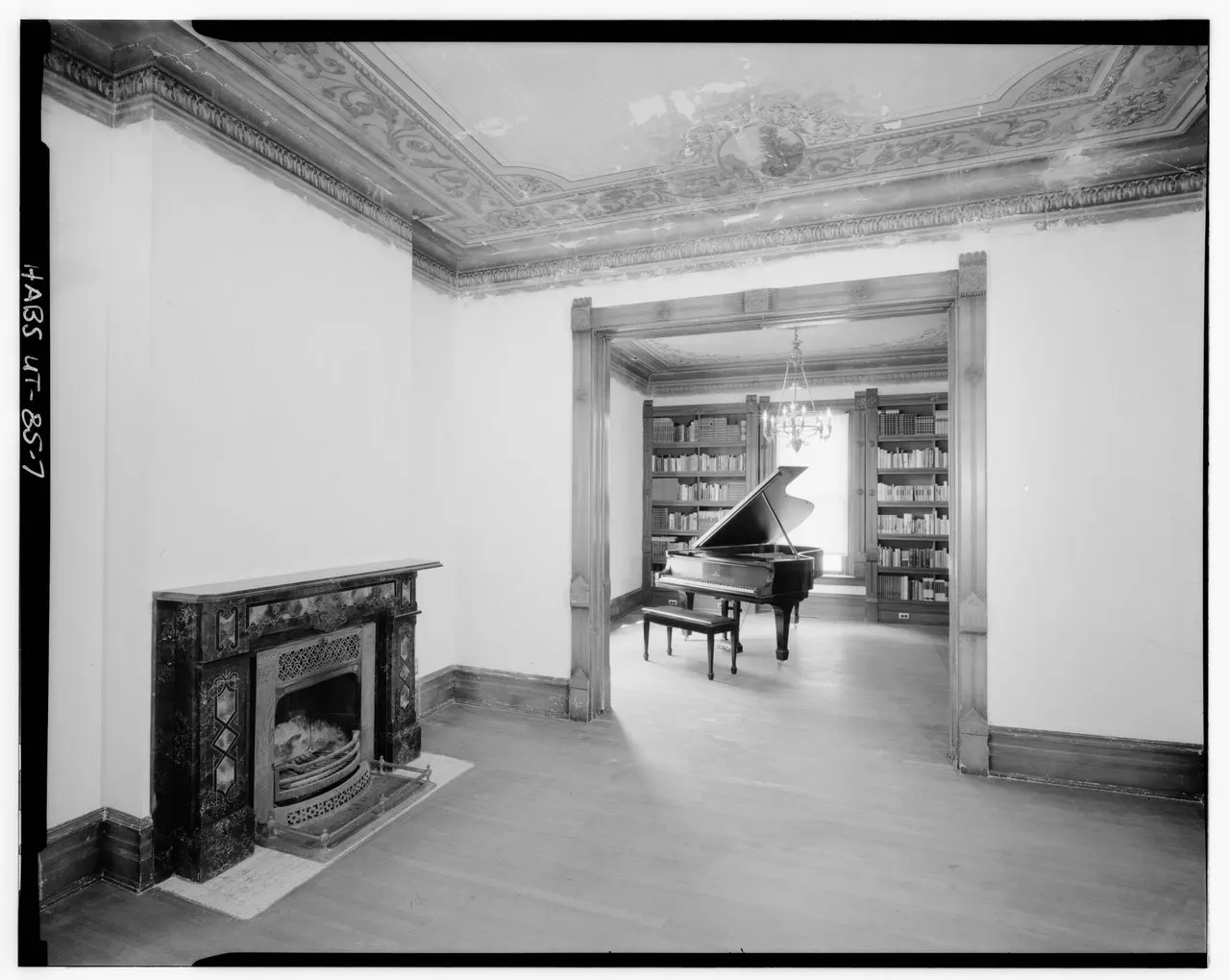
Inside the townhouse, the living room would have waited through months of showings and quiet days. A home that sits unsold can feel frozen in time, with furniture in place and no one moving in. Sellers often keep the rooms tidy and bright for visitors, hoping the next one will see a home. In this case, the wait ended in a way nobody expected, with a cash buyer and a price far above the last ask. Readers can also catch up on a warning to Republican colleagues.
Reading the Price Chart
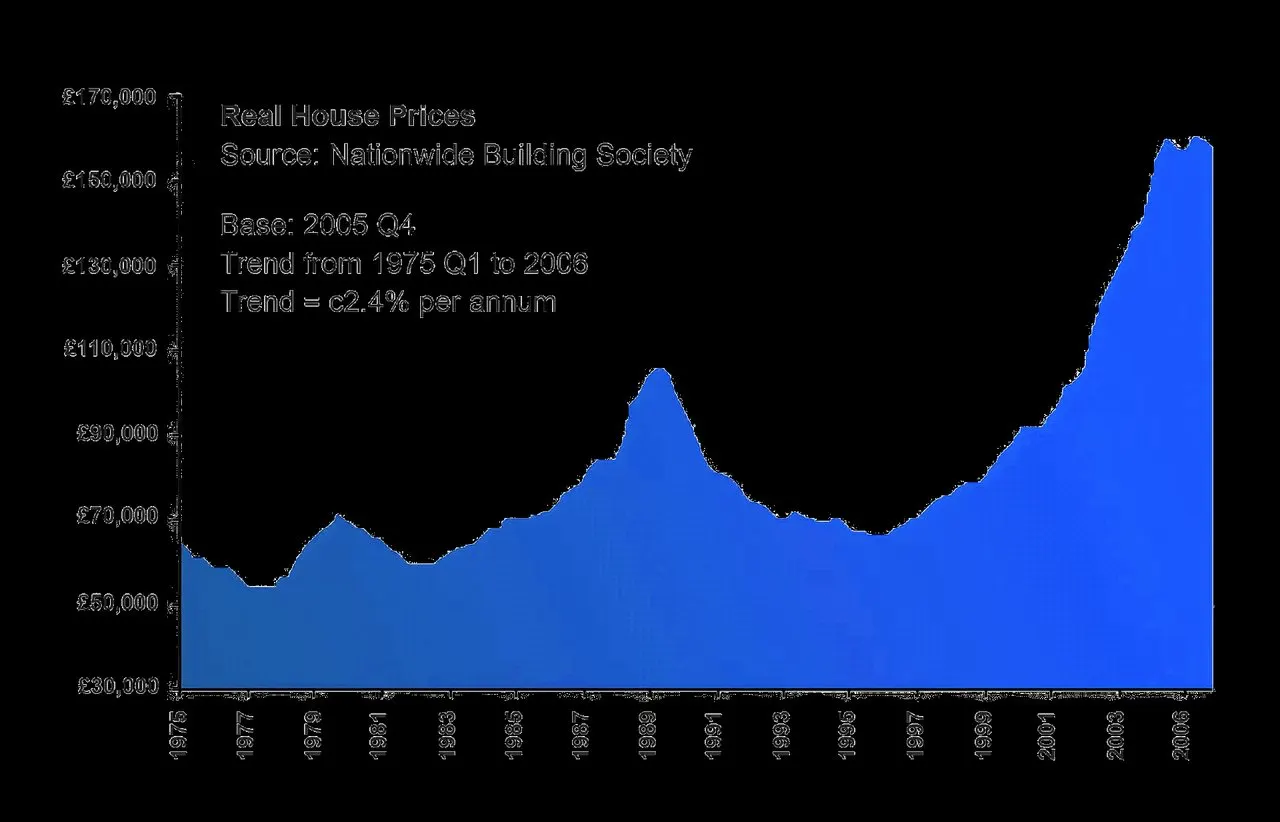
House prices usually move in a steady line, rising or falling with demand, interest rates, and the supply of homes for sale. A chart of prices over time can show whether a single sale fits the trend or breaks away from it. Here, the sale price broke away in a sharp way, jumping above a listing that had already been cut. Charts cannot explain why a buyer paid more, but they can show just how unusual the jump was. For another look at Washington, read a rare Treasury bill sale.
The Washington Skyline Around Capitol Hill

Washington has a low skyline, with no tall towers to block the view of the Capitol dome. The rule that keeps buildings low gives the city a calm and open feel, and it makes the Capitol stand out from almost every angle. Around Capitol Hill, the rooftops are mostly homes, offices, and small shops. The townhouse at the center of this story sits under that same sky, in a city where power and daily life share the same streets. More big Washington stories include a warning about robots and toys.
Brick Rows That Define the Neighborhood
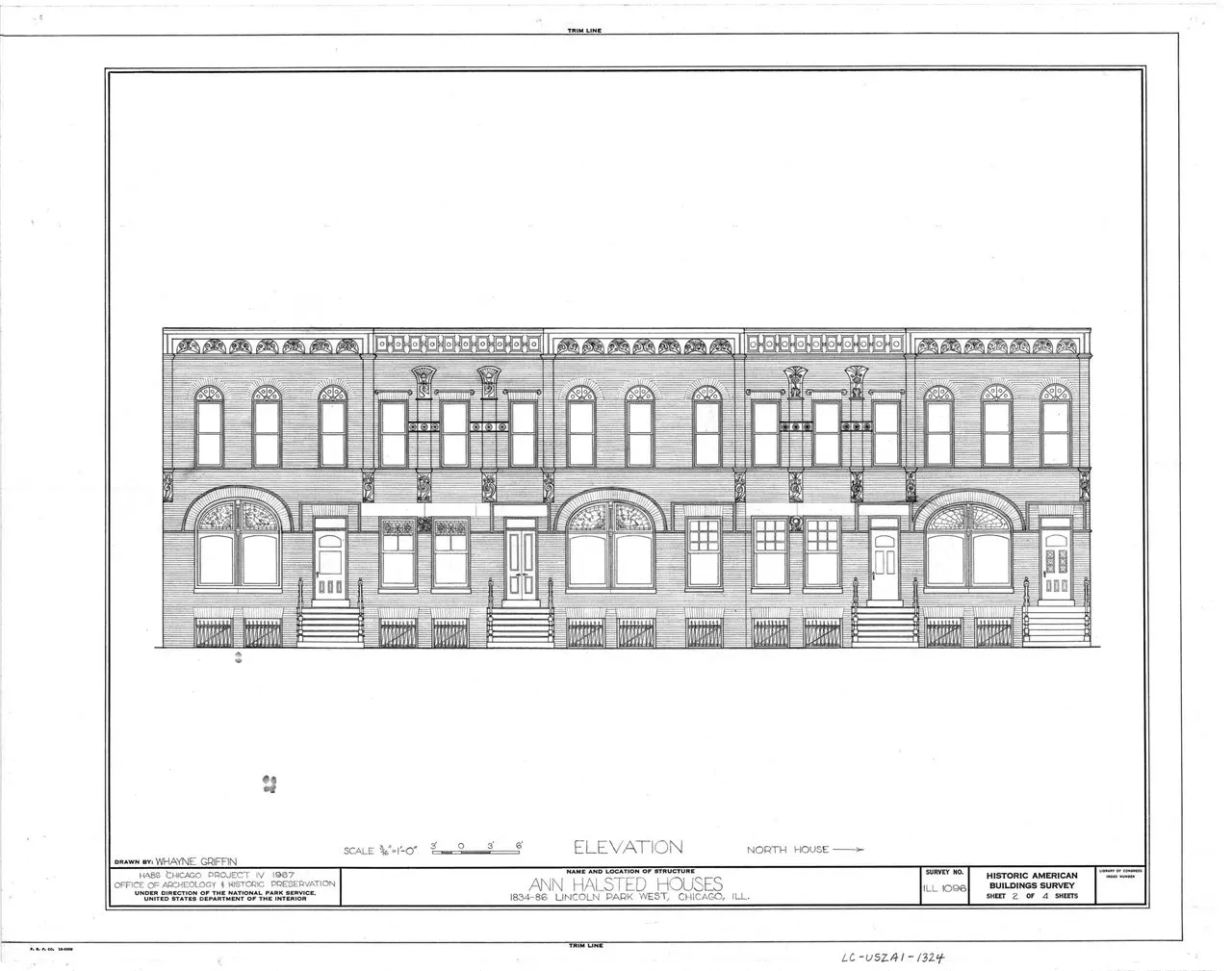
Brick row houses give Capitol Hill its look and its charm. Built close together in long rows, they share walls and front steps, and many have kept their old details for more than a hundred years. Walking past them, you can see a mix of styles from different eras, all in the same warm brick. These homes are part of why buyers pay a premium to live there, and part of why a strange sale stands out so much. You may also like our reports on a reality show eviction.
Why This Sale Still Raises Questions

Months after the sale, the main questions have no answers. Who owns AFS Real Estate Holdings, and why did the company pay $2.9 million in cash for a home that could not sell for $1.99 million. Was it a simple business move, a plan to hold a valuable home, or something else entirely. Until the owner steps forward, the deal will keep drawing guesses. The facts are public, but the person behind them is not. For more Washington stories, read about a warning about oligarchy.
What Would You Ask About This Sale

If you could ask one question about this sale, what would it be. Would you ask who owns the company, why the price jumped so high, or what happens to the townhouse next. Would you ask Stefanik what she knows, or ask the tax officials how they judge a fair price. Share your thoughts in the comments below and tell us what you think really happened here. Your question might be the one that gets to the heart of the mystery. For more on politics and power, see a long White House briefing.