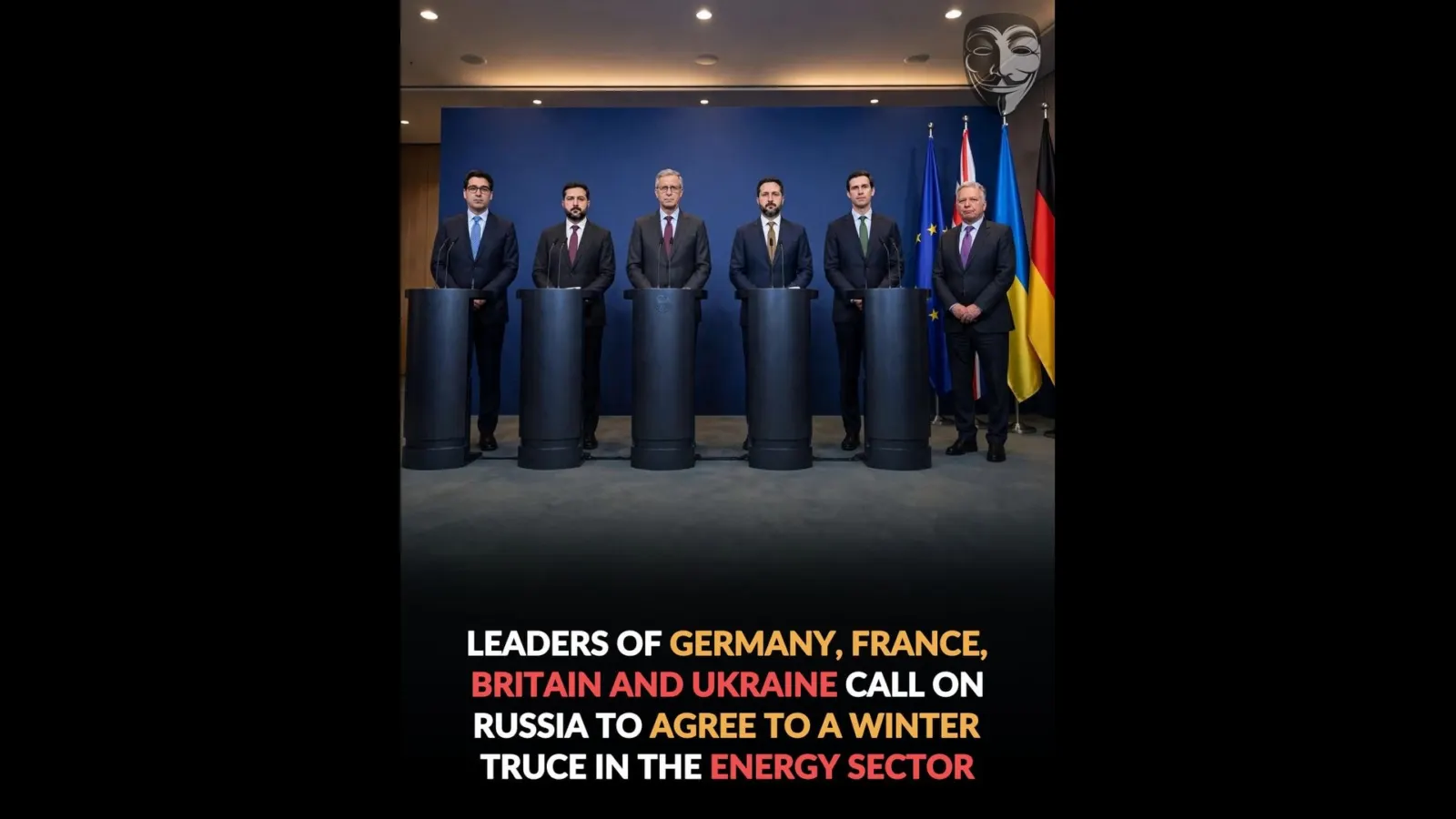
Winter Energy Ceasefire: Leaders Urge Russia to Pause Strikes
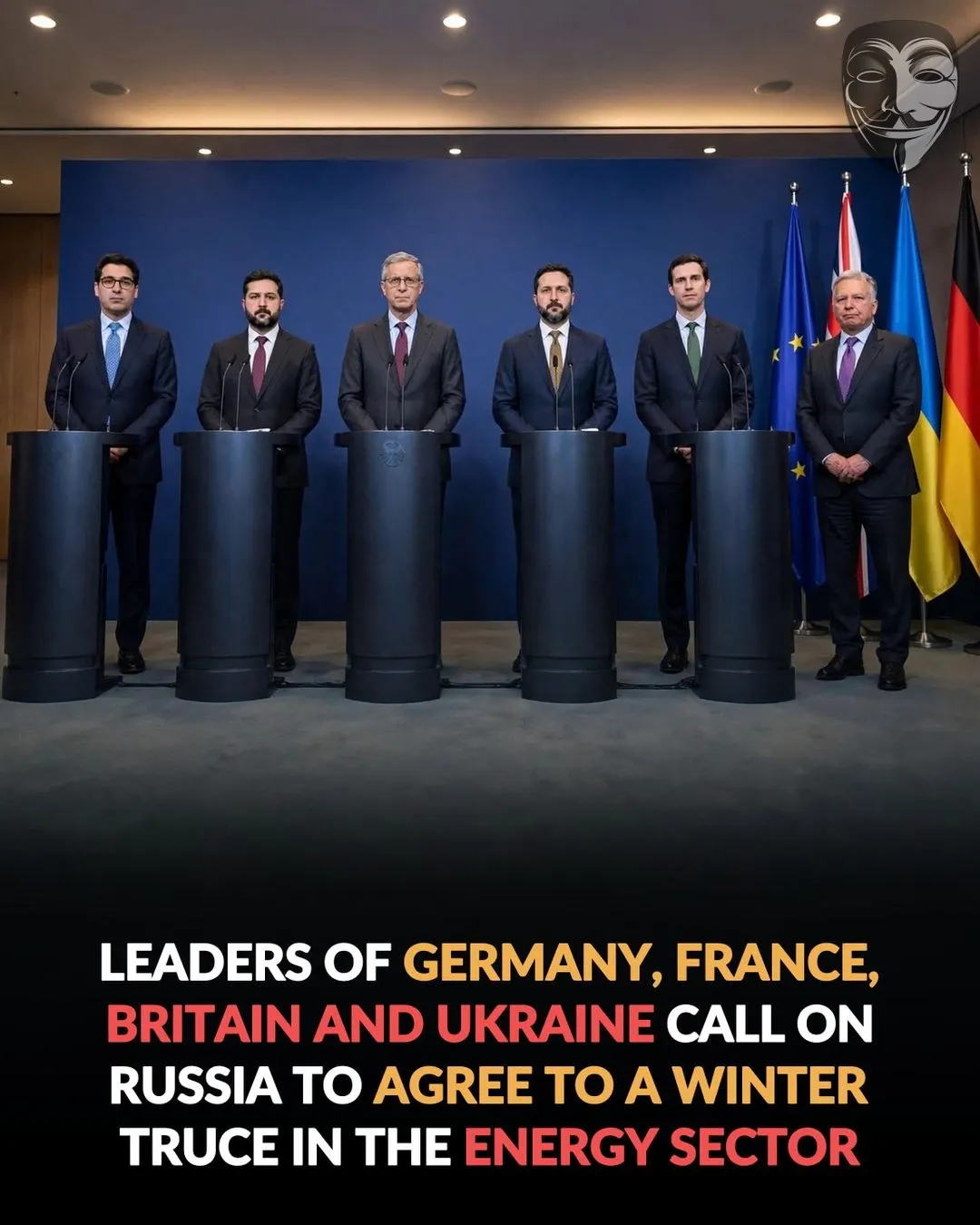
The winter energy ceasefire call came from four leaders who met in Berlin on November 19. Germany, France, Britain and Ukraine issued a joint statement after the Coalition of the Willing summit, asking Russia to agree to a pause in strikes on energy sites for the whole winter. They described the pause as a first step toward ending hostilities, and they said ordinary people should not spend the cold months without heat and light. The message was firm but hopeful, and it put the focus on civilians first.
In the slides ahead, we look at who made the call, what a pause in energy strikes would mean for families, and what else the leaders promised, from air defence to food exports. The story is short, but the stakes are high, because winter is hard enough without losing power and heat. For more on leaders meeting at big summits, read our report on the Shenzhen summit where Trump, Xi and Putin met face to face and Prince Harry’s recent Ukraine visit.
References:
112 UA: European and Ukrainian leaders urge Russia for winter energy ceasefire
The Oceania Cables: Europe Readies for Ukraine Peace Talks at Summit in Germany
CE Report: Coalition of the Willing urges Russia to agree to winter energy truce
Europe Says: Germany, France, UK, Ukraine urge Russia to agree to winter energy ceasefire
The Berlin Summit Behind the Call
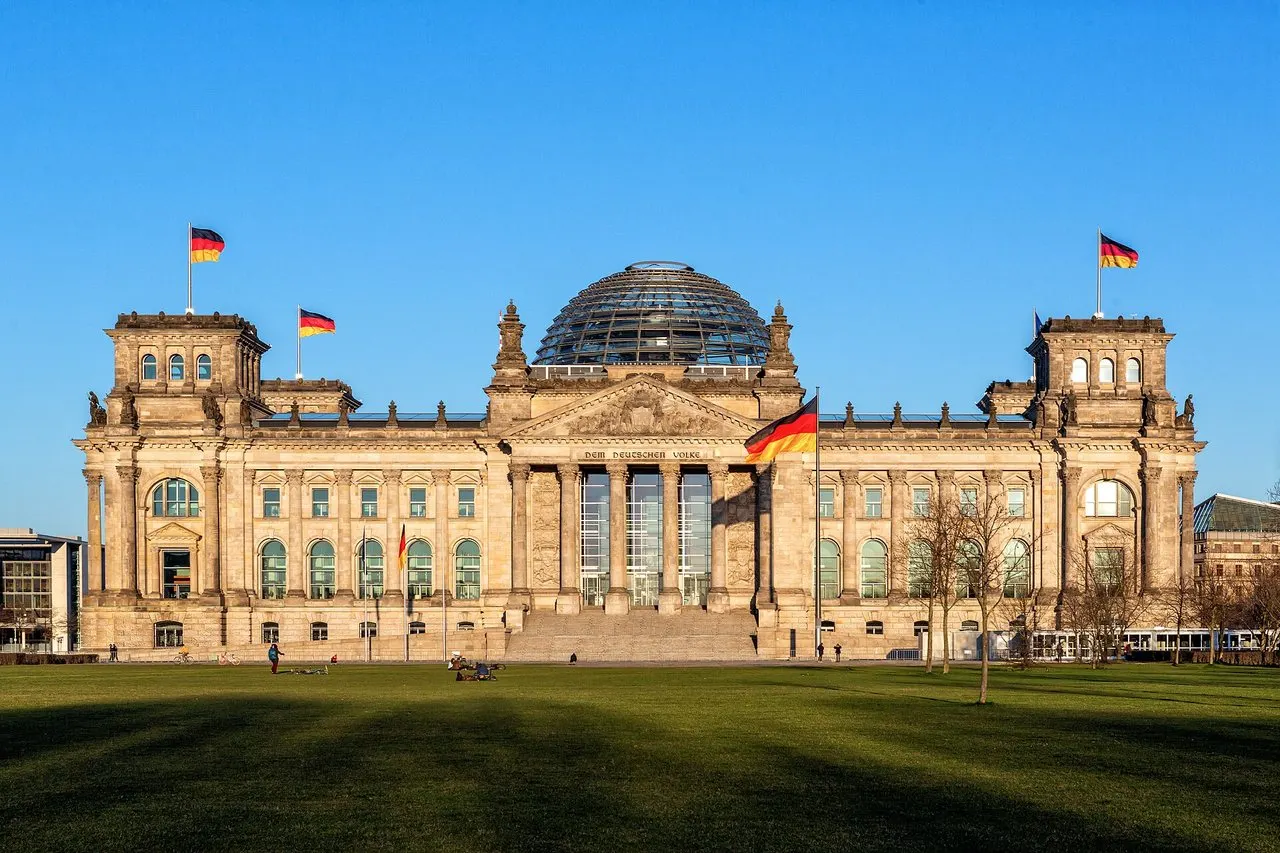
Berlin was the setting for the meeting, and the German capital has hosted talks over the years. The four leaders sat down after the Coalition of the Willing summit on November 19 and put their names to a joint statement. They chose Berlin because Germany held the chair for the talks, and the city is easy to reach for leaders from Paris, London and Kyiv. The choice of place mattered, because it showed that Europe was speaking with one voice. Read about a meeting in our story on the Shenzhen nuclear summit and how Russia views NATO troops in Ukraine.
Germany’s Chancellor Hosted the Meeting
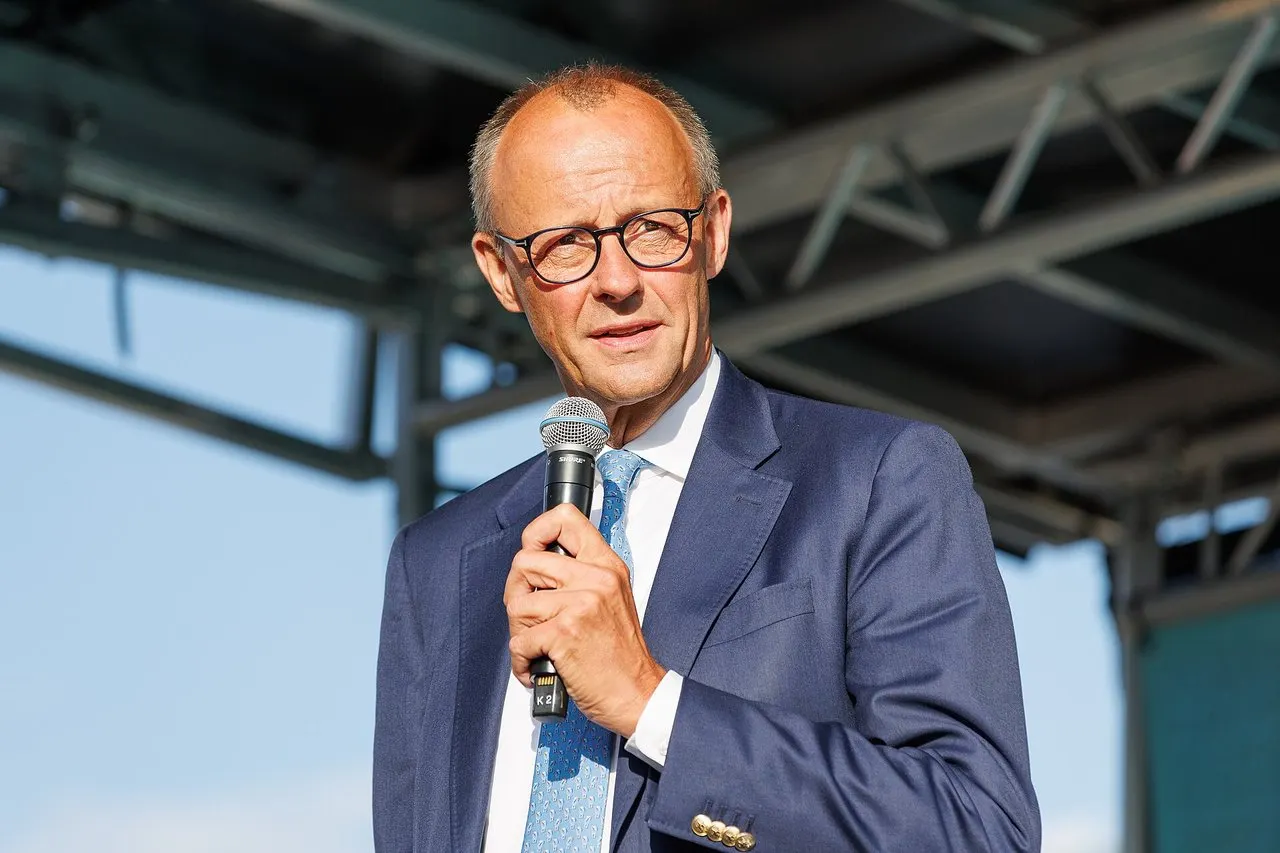
Friedrich Merz is the Chancellor of Germany, and he hosted the talks in Berlin. As host, he welcomed the other leaders and helped shape the joint statement that came out of the meeting. Germany has been one of the strongest backers of Ukraine in Europe, and Merz has often said that support must continue for as long as it takes. His role in Berlin showed how central Germany has become to decisions about the continent. See Trump beaming at Putin in Shenzhen and Trump showing hats to Macron and Zelenskyy.
Macron Stood With the Winter Energy Ceasefire Call
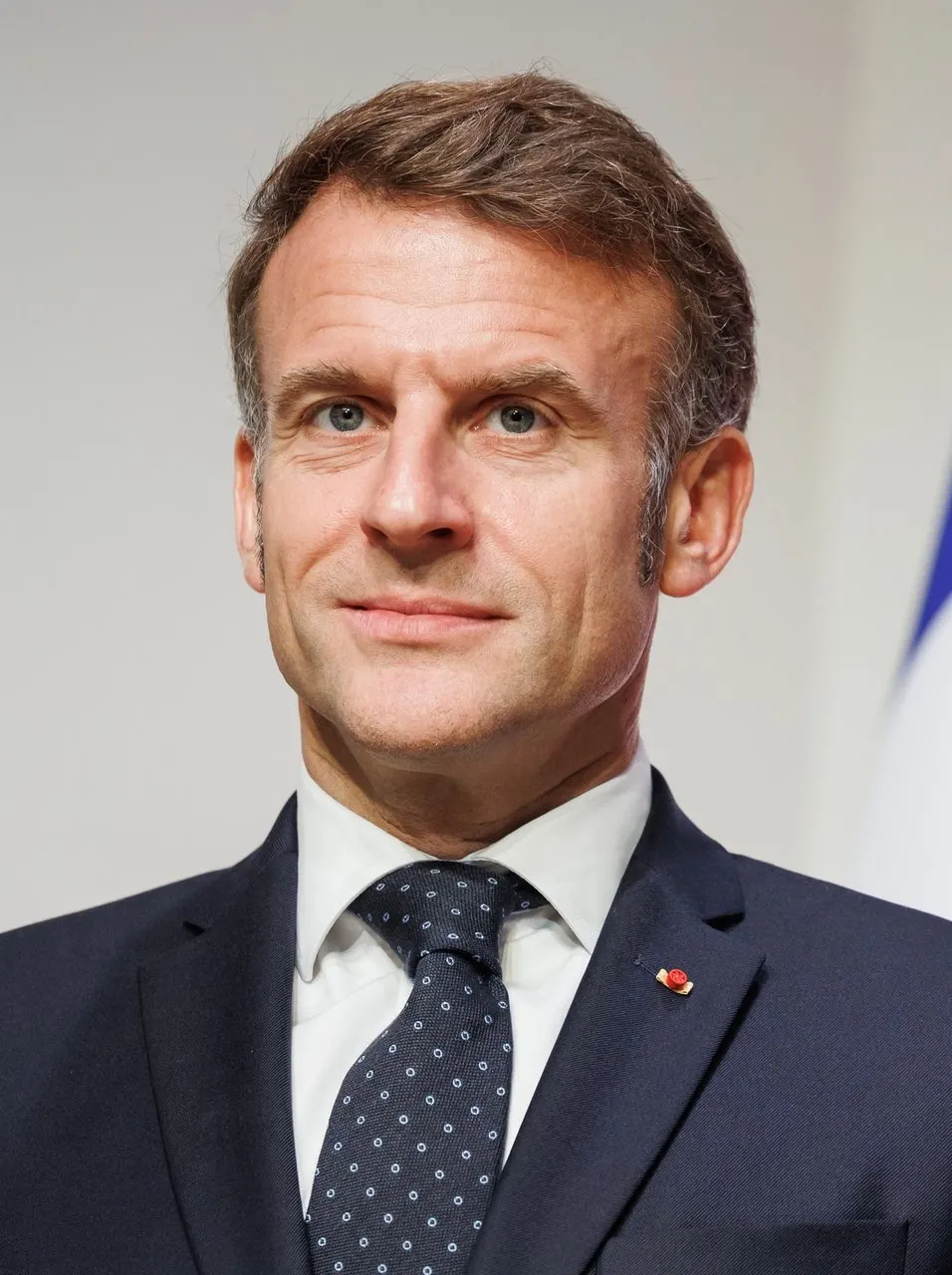
Emmanuel Macron has been President of France since 2017, and he has taken a leading role in European talks on Ukraine. In Berlin, he stood with the other three leaders behind the call for a pause in energy strikes and the wider package of support. France has sent aid and weapons to Ukraine and has pushed for Europe to act together rather than alone. His presence gave the statement weight in Paris and across the European Union. Read the Shenzhen deal on U.N. reform and fuel supplies and the UN vote backed by 175 countries.
Britain’s Prime Minister Backed the Truce
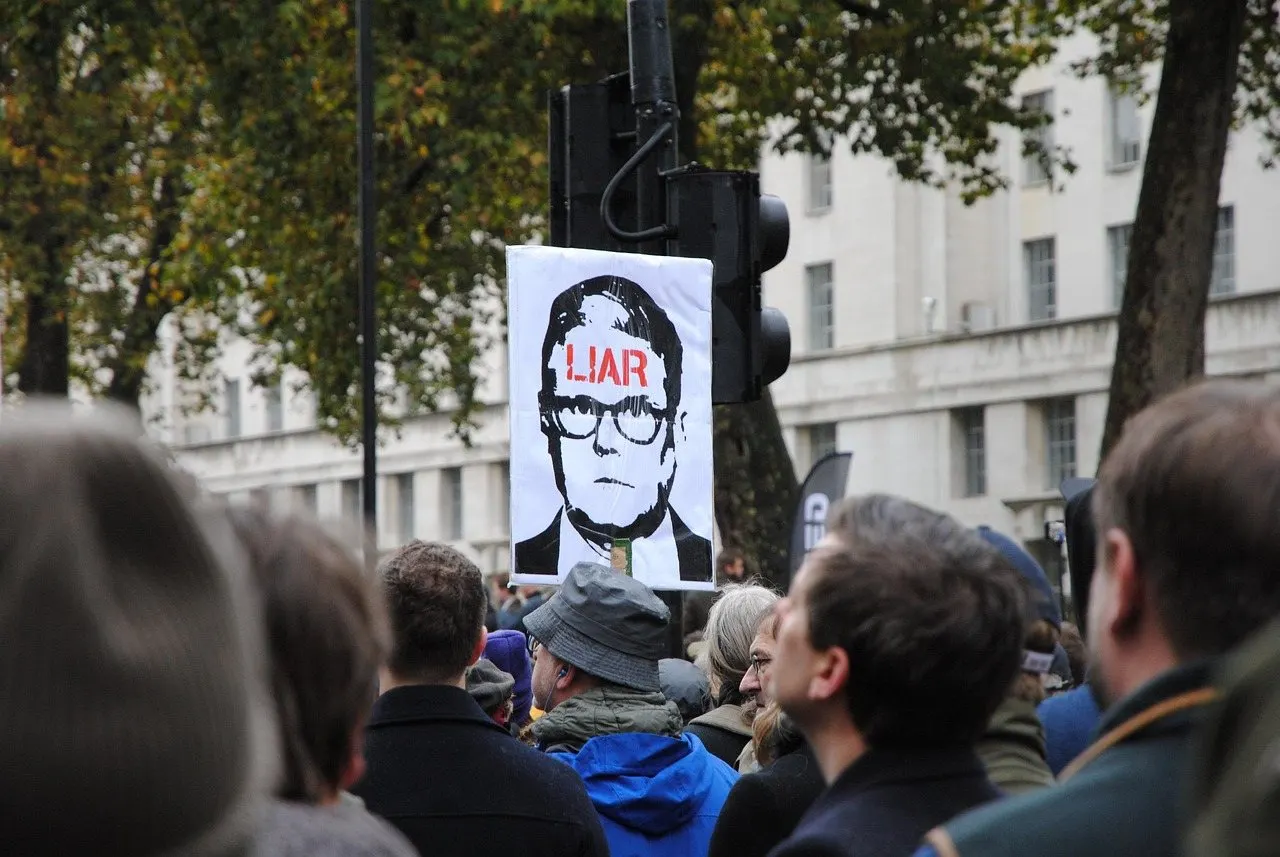
Keir Starmer became Prime Minister of Britain in 2024, and he has kept up strong support for Ukraine since taking office. In Berlin, he joined the call for a pause in energy strikes and backed the promises of more air defence and tighter sanctions. Britain was one of the first countries to send heavy weapons to Kyiv, and Starmer has said that backing will not fade. His signature on the statement showed that London stands with its allies. See the warning that Trump has undermined U.S. national security and Trump calling Putin my friend before the trilateral talks.
Zelenskyy Welcomed the Winter Energy Ceasefire Plan
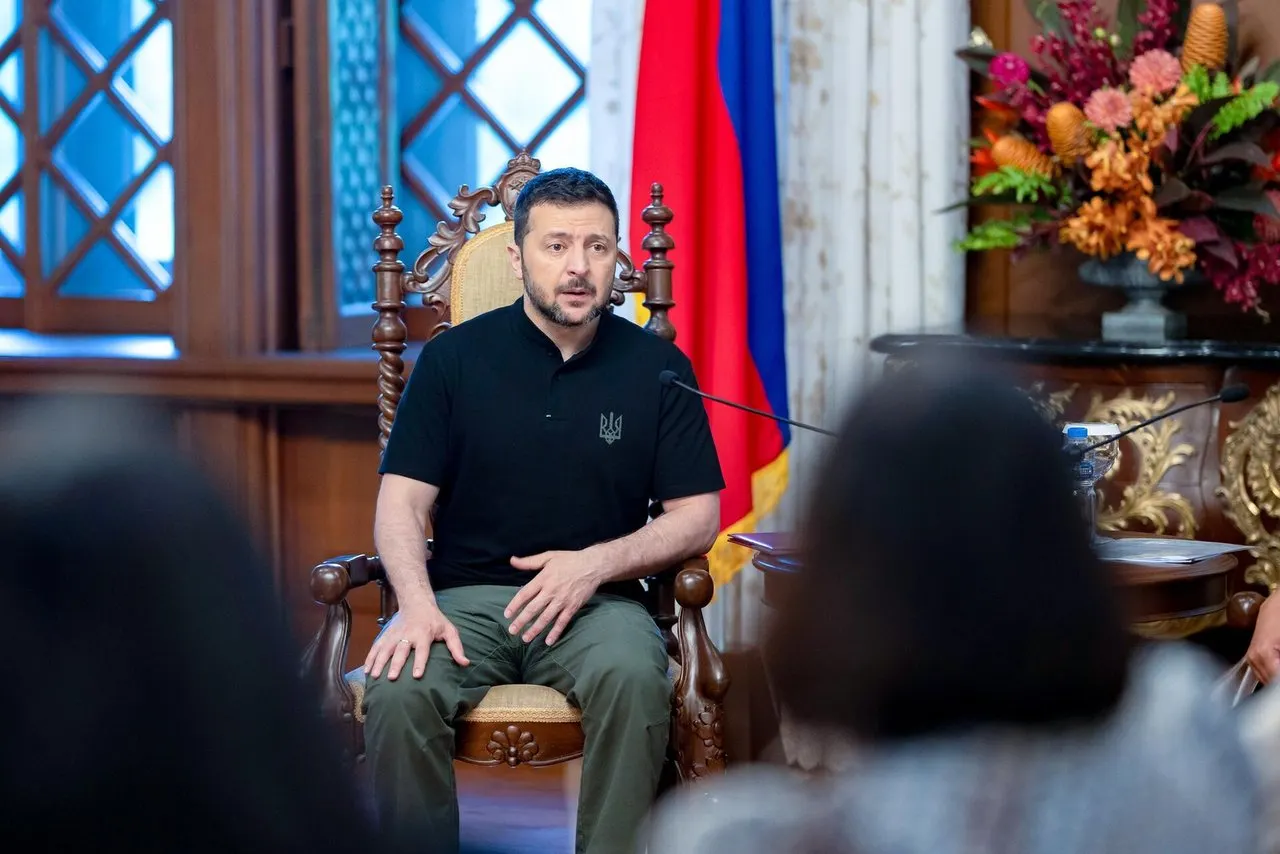
Volodymyr Zelenskyy has led Ukraine since 2019, and he has spent much of his presidency asking allies for help to defend his country. In Berlin, he welcomed the plan for a pause in energy strikes, because his people face another cold season with power plants under threat. For Kyiv, a pause would mean light and heat for homes, hospitals and schools through the winter. His voice in the room kept the focus on what the pause would mean for ordinary Ukrainians. Read Elon Musk joining Trump in Shenzhen and Trump embracing Xi on the tarmac in Shenzhen.
What a Winter Energy Ceasefire Would Mean
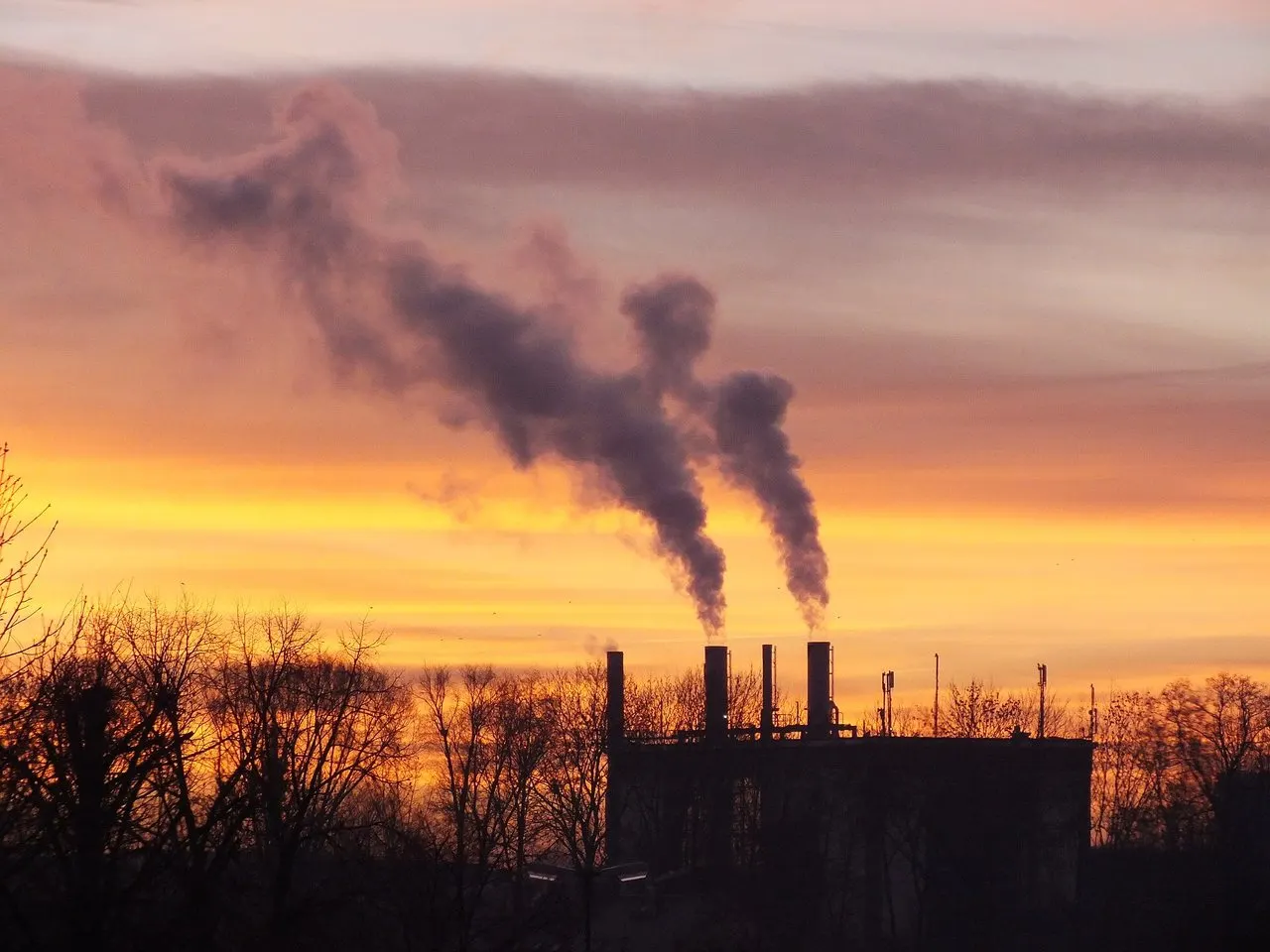
A winter energy ceasefire would mean a pause in strikes on power plants, grids and heating sites for the whole winter. Energy keeps homes warm, hospitals running and water flowing, so a pause would protect daily life more than almost any other step. The leaders called it a first step toward ending hostilities, which means they see it as a start rather than a final deal. If it held, it would also build trust for wider talks. See the Shenzhen summit and what the three leaders agreed and the call to end nuclear weapons at Shenzhen.
Why Winter Makes Energy Supplies So Urgent
Winter is the hardest season in a cold climate, because heating is not a luxury but a matter of health. When power fails in freezing weather, pipes freeze, homes grow cold, and older people and small children suffer first. That is why the leaders picked energy as the first thing to pause, rather than waiting for a wider deal. A warm home in January can be the difference between getting through the winter and falling ill. Read the warm greeting between Trump and Putin in Shenzhen and the Shenzhen agreement on fuel and nuclear risks.
A Black Sea Ceasefire to Keep Food Moving
The statement also called for a ceasefire in the Black Sea, so that food exports can keep moving. Ukraine grows large amounts of grain, and ships carry it from Black Sea ports to buyers around the world. When shipping is blocked, food prices rise far from the fighting, and families in poor countries feel it first. Keeping the sea lanes open would help farmers, ports and shoppers at the same time. See Prince Harry’s Ukraine trip and Russia rejecting NATO troops in Ukraine.
More Air Defence for Ukraine
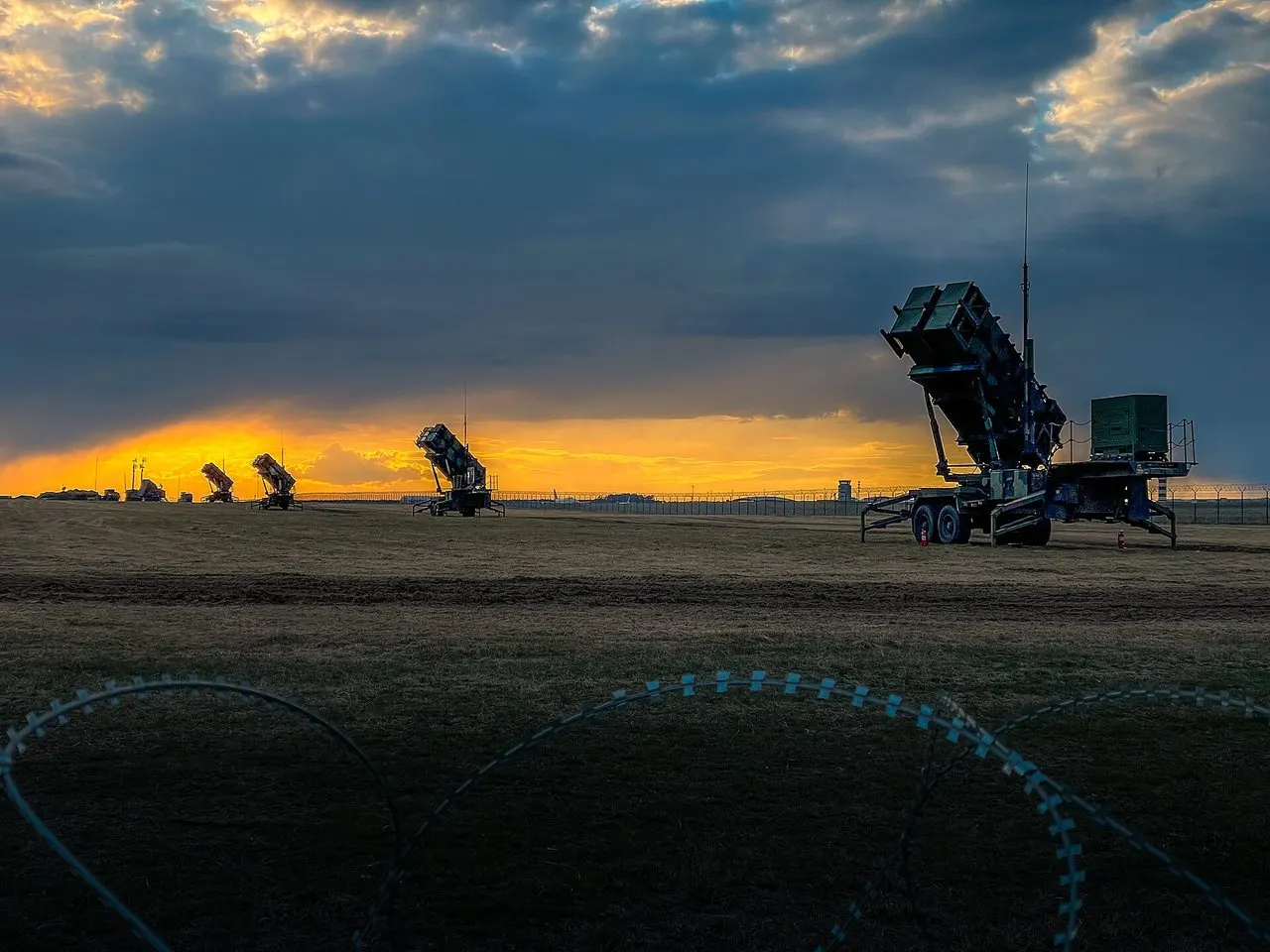
The leaders also pledged more air defence for Ukraine, which means systems that can shoot down missiles and drones before they hit cities. Air defence cannot stop every strike, but it can cut the damage and give power crews time to repair what is hit. Germany, France and Britain have already sent such systems, and the new pledge means more will follow. For people in Kyiv, each extra system can mean a quieter night. Read the White House meeting with Macron and Zelenskyy and the UN resolution on ending harm against women.
Tighter Sanctions on Russia
Tighter sanctions were another promise in the statement, and they work by cutting off money and goods that fund the fighting. Sanctions can target banks, oil sales and the parts used to build weapons, and they bite harder when many countries apply them together. The leaders said the pressure would grow if Russia refused the pause, which gives Moscow a reason to talk. Sanctions are slow, but they shape what a country can afford to do. See the case that Trump is working for Russia and the handshake before the Shenzhen trilateral meeting.
Long Term Support Beyond the Winter Energy Ceasefire
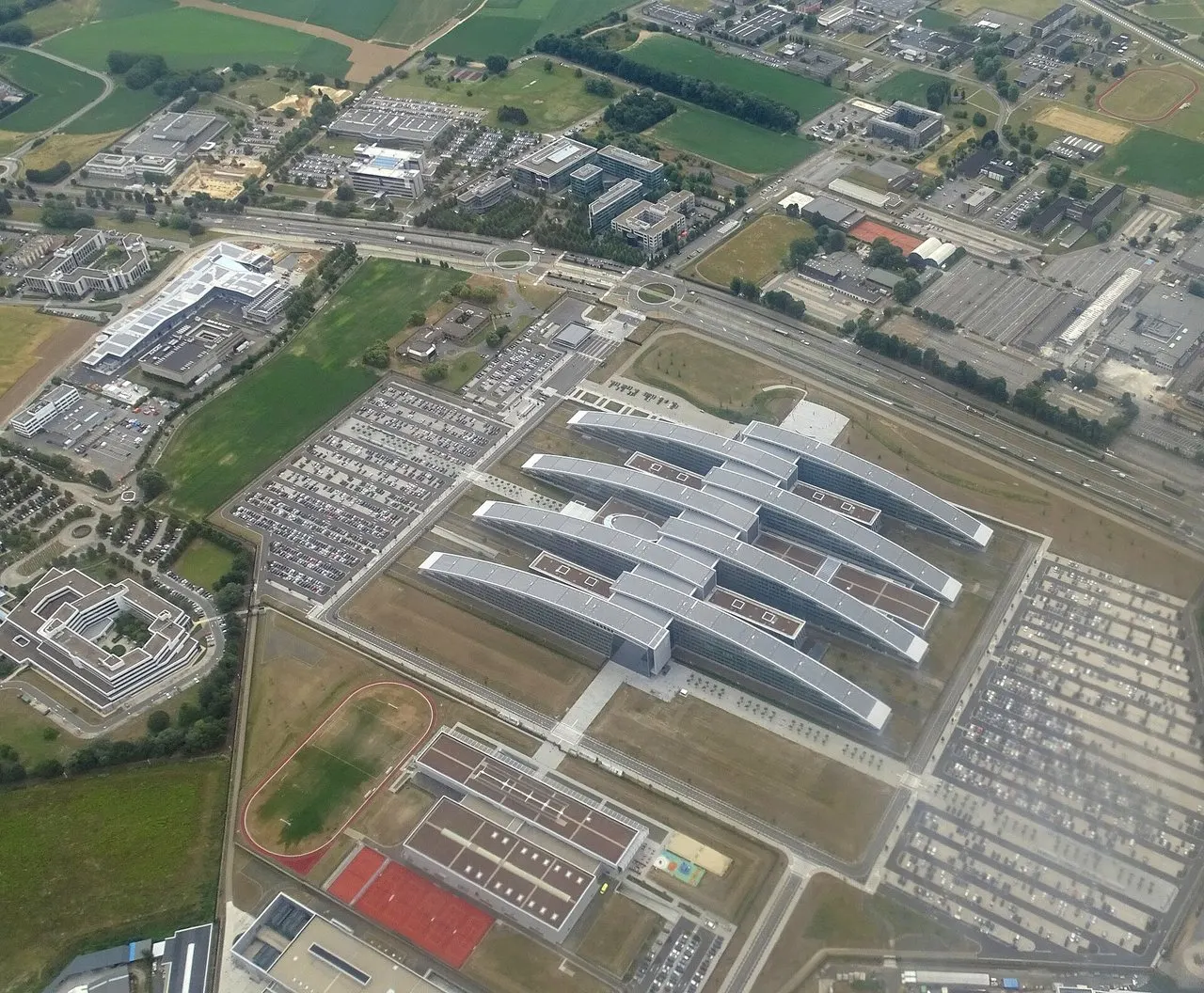
Beyond the pause in energy strikes, the leaders pledged long term support for Ukraine, which means help that does not stop when the headlines move on. Long term support can cover training, weapons, money to run the state and help to rebuild what has been damaged. For Kyiv, the promise matters because it shows that allies will still be there next year and the year after. It also tells Moscow that waiting out the West will not work. Read Musk wearing a red scarf beside world leaders and the tarmac greeting between Trump and Xi.
Russia Has Not Agreed to the Proposal So Far
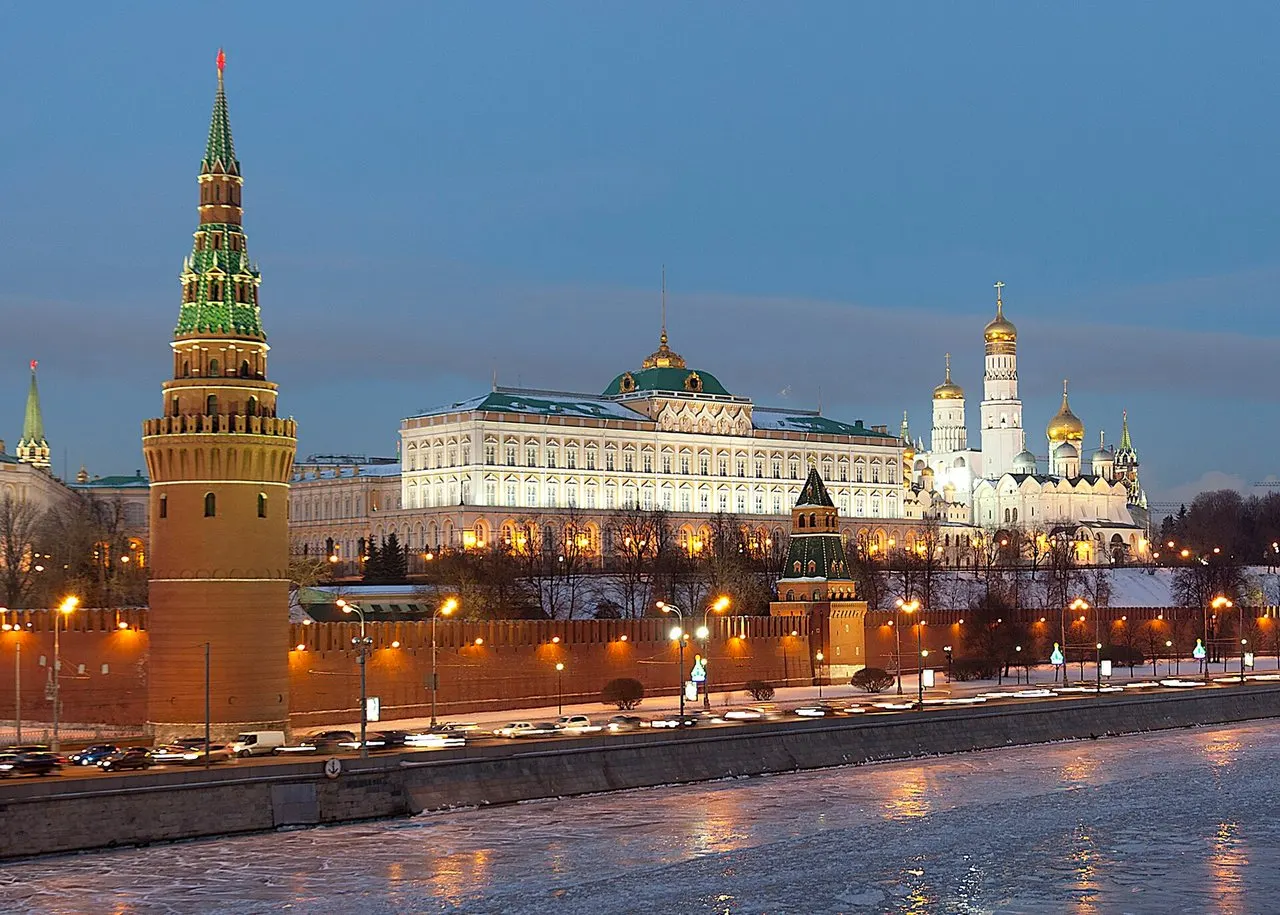
Russia has not agreed to the proposal so far, and Moscow has given no sign that it will accept a pause in energy strikes. The leaders issued their call in public, which puts pressure on Russia to answer in the open rather than in private. If Moscow refuses, the leaders have said they will press ahead with more air defence and tighter sanctions. If it accepts, the pause could open the door to wider talks about ending the fighting. See the historic Shenzhen meeting of Trump, Xi and Putin and Trump calling Putin his friend in Shenzhen.
Kyiv Faces Another Cold Winter

Kyiv faces another cold winter, and its people have learned to live with power cuts and long nights. Families keep candles, warm clothes and charged phones ready, and neighbours check on older people when the lights go out. The city has repaired its grids many times, and crews work through the night after strikes to bring power back. A pause in energy strikes would give those crews and families a real break. Read the Shenzhen nuclear summit and the U.N. reform deal from Shenzhen.
Power Grids Under Strain in the Cold
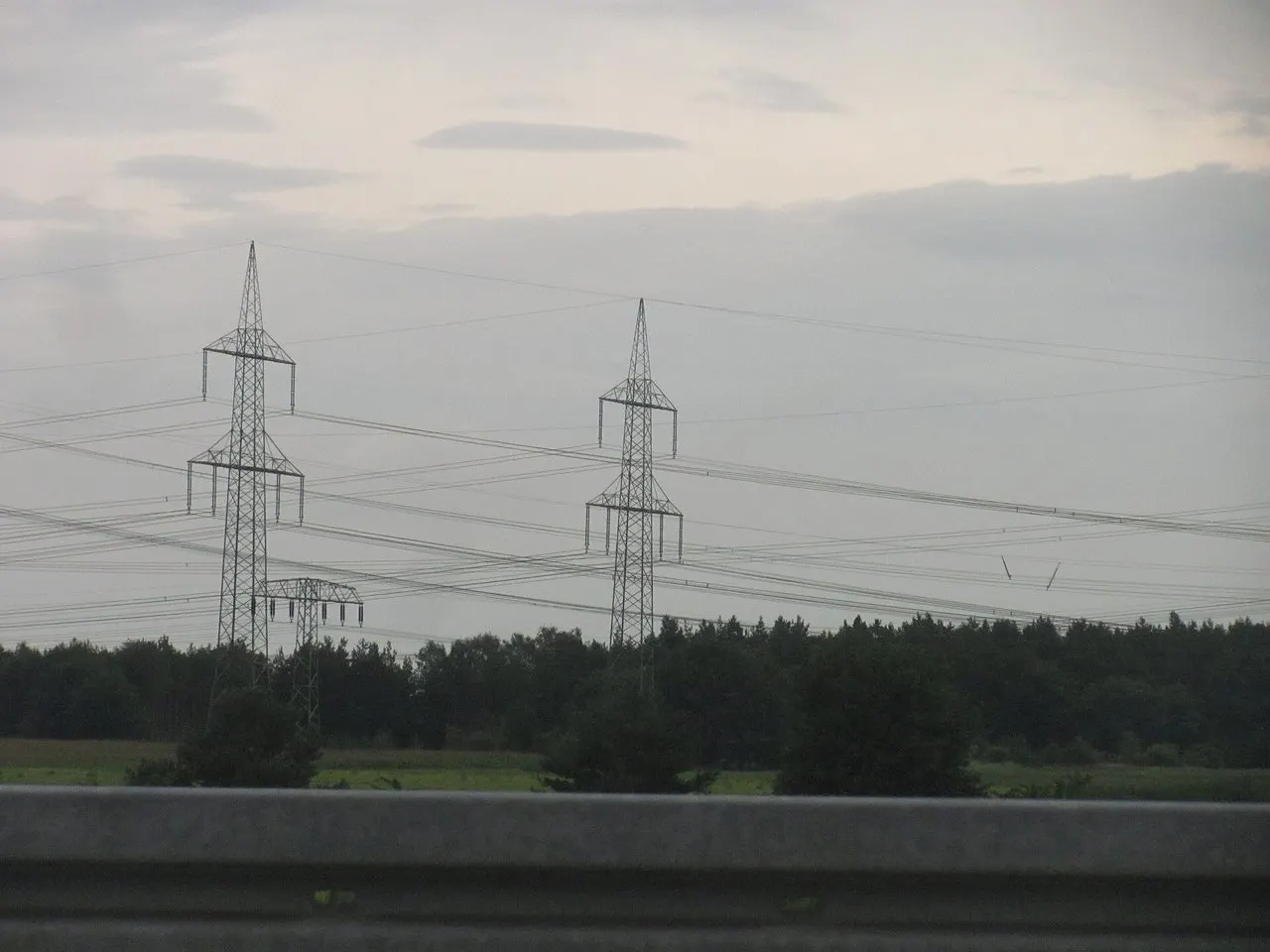
Power grids are easy to damage and slow to fix, because they depend on large plants, lines and transformers spread across the country. When one part is hit, engineers must find spare parts and work in the cold to restore service. That is why a pause in strikes matters so much for the grid, since it would let crews repair damage without new hits landing. Stable power also keeps hospitals, trains and water pumps running through the winter. See Prince Harry’s swipe at Trump over Ukraine and Trump’s hat moment with Macron and Zelenskyy.
Who Makes Up the Coalition of the Willing
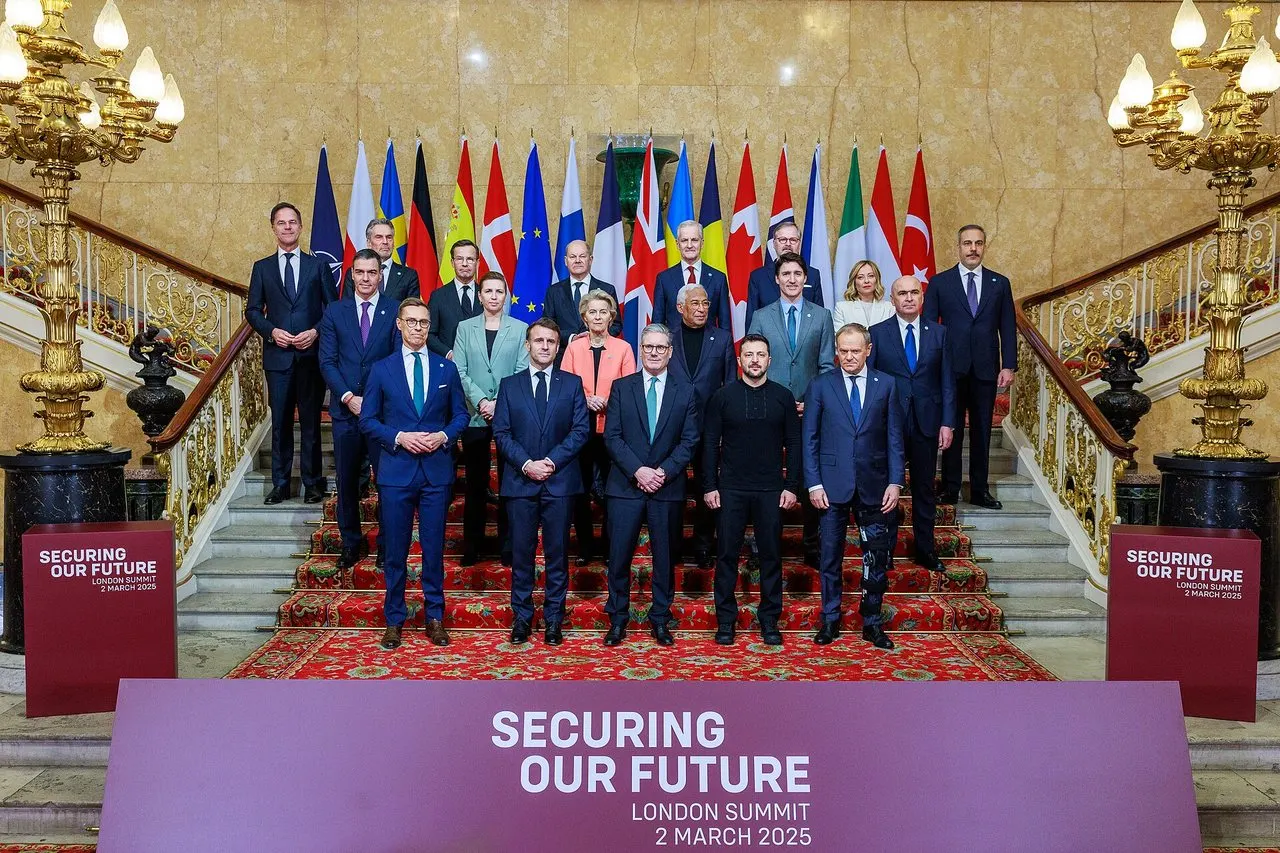
The Coalition of the Willing is a group of countries that back Ukraine and meet to agree on what help to give next. It brings together European allies and other partners, and it has grown into the main forum for talks on support and security. The Berlin summit was its latest meeting, and the joint statement showed that the group can still speak with one voice. For Ukraine, the coalition is a sign that it does not stand alone. Read the debate over NATO troops in Ukraine and how 175 countries voted at the UN.
What Happens Next for the Winter Energy Ceasefire
What happens next depends on Moscow, because only Russia can accept the pause the leaders proposed. If it says yes, teams would need to agree on the details, such as when the pause starts and how each side would check that it holds. If it says no, the leaders have promised more air defence and tighter sanctions instead. Either way, the statement sets a clear test for the weeks ahead, and the world will be watching the answer. See the Richardson warning on Trump and Russia and Musk at the Shenzhen summit with Trump.
Should Russia Agree to the Winter Energy Ceasefire?

Should Russia agree to the winter energy ceasefire? The leaders say yes, because a pause would protect heat and light for millions of people through the coldest months. Others may ask what Russia would gain, and whether a pause would last or simply delay the next round of fighting. The answer matters for families in Ukraine and for food prices far beyond it. What do you think? Share your view in the comments and read Trump and Putin shaking hands in Shenzhen and Trump and Xi meeting on the tarmac.