
Vegetative State Lawmakers and the Resignation Question

Vegetative state lawmakers are at the center of a question that has spread widely online. A post from the account MeidasSocietysChild asked whether a lawmaker in a vegetative state should be forced to resign from Congress. The photo beside the post shows Senator Mitch McConnell being pushed in a wheelchair through a Capitol hallway. The question has reopened a familiar debate about the age and health of members of Congress, and it has drawn strong reactions from people on every side of the issue.
McConnell twice froze in mid-sentence at press conferences in 2023, and the Capitol physician said he was medically clear to continue. Critics have pointed to other cases, including Senator Dianne Feinstein, who faced calls to resign in her final years amid questions about her health, and Senator John Fetterman, who took medical leave in 2023 for treatment at Walter Reed and later returned to the Senate. There is no federal law that forces a member of Congress to resign over incapacity. Read our report on his Senate farewell and the story of his return to the Capitol for more.
References:
American Tribune: Far-left activists push law forcing vegetative state lawmakers out of Congress
WAMC: Mitch McConnell appears to freeze again while talking to reporters in Kentucky
WHRO: Feinstein asks to be temporarily replaced on Judiciary Committee amid calls to resign
AARP: California Sen. Dianne Feinstein D*es at 90
The Post That Started the Debate

The post came from an account called MeidasSocietysChild, and it asked a question about vegetative state lawmakers and whether they must leave office. The image beside it showed Mitch McConnell being pushed in a wheelchair through a Capitol hallway, and that image gave the question a face that many people knew at once. The post spread, and the comments filled with arguments about age, health, and duty. Some readers said the question was fair, while others called it cruel. Read our report on McConnell’s Senate farewell and our look at the health rumors that followed another leader for more.
Vegetative State Lawmakers and the Capitol Hallway Photo

The photo at the center of the debate shows a scene in the Capitol, where lawmakers walk the same halls daily to reach votes and meetings. A wheelchair in that hallway is not unusual, because the building serves members and visitors of every age and ability. But the image arrived with a question, and the two together made people stop and think about who serves in Congress and for how long. Read the story of his return to the Capitol and how one town forced a recall vote to see how voters respond when they want change.
Two Freezes That Worried the Country

In 2023 McConnell froze twice mid-sentence while speaking to reporters, and the video clips spread fast. The first freeze came at a press conference in the Capitol, and the second came weeks later in Kentucky. Each time aides stepped in, and after a short pause he went on. The Capitol physician said he was medically clear to continue his work. Still, the moments stayed in the public mind, and they are part of why the post struck a nerve. Read our report on McConnell’s Senate farewell and our look at the health rumors that followed another leader for more.
Vegetative State Lawmakers and the Feinstein Example

Feinstein served in the Senate for over thirty years, and in her later years critics said her health had faded enough that she should step down. She asked to be replaced on the Judiciary Committee, and the request added to the calls for her to resign. She stayed in office until she died at 90, and her case is raised when people say older lawmakers hold on too long. That case feeds the debate over vegetative state lawmakers. Read how one lawmaker lost her seat by a narrow margin and our report on a clash over Social Security for more.
John Fetterman Took Leave and Came Back

Fetterman took a different path after his own health scare. In 2023 he checked into Walter Reed for treatment of emotional stress, and he stayed away from the Senate for several weeks. When he came back, he spoke openly about the care he had received, and many people praised his honesty. His case shows that a lawmaker can step away for treatment and return to work, which is very different from staying in office while unable to serve at all. Read how one lawmaker lost her seat by a narrow margin and our report on a measles outbreak for more.
The Senate Chamber Keeps Working

The Senate has one hundred members, and its work goes on even when one member is unwell. Votes are called, bills move through committees, and debates fill the chamber on most days. A single absence rarely stops the Senate, but a long absence can matter when a vote is close or a committee needs every member present. That is why questions about a member’s health are not only personal, they are also about how the Senate does its job. Read our report on a senator who blocked a judge pick and a warning from the House Democratic leader for more.
Reporters Watched the Freezes Up Close

Reporters stood close when McConnell froze, and their cameras caught it all. The clips ran on television and social media, and millions of people who had never followed Senate news watched them. For many viewers, the freeze was the first time they had seen a leader struggle in public, and it changed how they thought about age in office. The press conference is where the public meets its leaders, and that meeting can be hard to watch. Read the story of his return to the Capitol and our look at the health rumors that followed another leader for more.
Vegetative State Lawmakers Face a Legal Gap

There is no law that forces a member of Congress to resign over poor health, and the Constitution sets no health test for office. The Twenty-Fifth Amendment deals only with the president, and it says nothing about senators or members of the House. That gap is the heart of the debate over vegetative state lawmakers, because the law has no answer for a member who can no longer serve. Some say the gap must be closed, while critics ask who would decide. Read our report on a clash over Social Security and a warning about national security for more.
Voters Hold the Real Power

Voters have the most power over who serves in Congress. Senators face election every six years, and members of the House face voters every two years, so a member who can no longer do the job can be voted out. That process is slow, though, and it does nothing while a term is still running. Some voters say that is enough, because the people should choose. Others say the wait is too long when a seat is effectively empty. Read how one town forced a recall vote and how one lawmaker lost her seat by a narrow margin for more.
Age Is a Sensitive Subject in Washington

Age is one of the hardest subjects in American politics, because experience is valued and decline is feared. Older lawmakers bring decades of knowledge about how bills become law and how deals are made, and many voters trust that knowledge. But when a lawmaker’s health fades in public, voters start to ask whether experience is still enough. The debate is not only about one person, it is about how long anyone should hold power. Read how a mayor kept his promises on rent and childcare and how the odds shifted in the race for president for more.
Vegetative State Lawmakers and the Hospital Question

A person in a vegetative state cannot speak, vote, or take part in debate, and that raises a question for the Senate. Staff can keep an office running, answer letters, and handle casework back home, but staff cannot cast a vote or argue on the floor. If a seat is held by someone who cannot act, the state loses a voice in close votes and debates. That is why people say the law should set a rule, while others say families and doctors should decide. Read our report on a measles outbreak and a warning about national security for more.
The Capitol Carries On
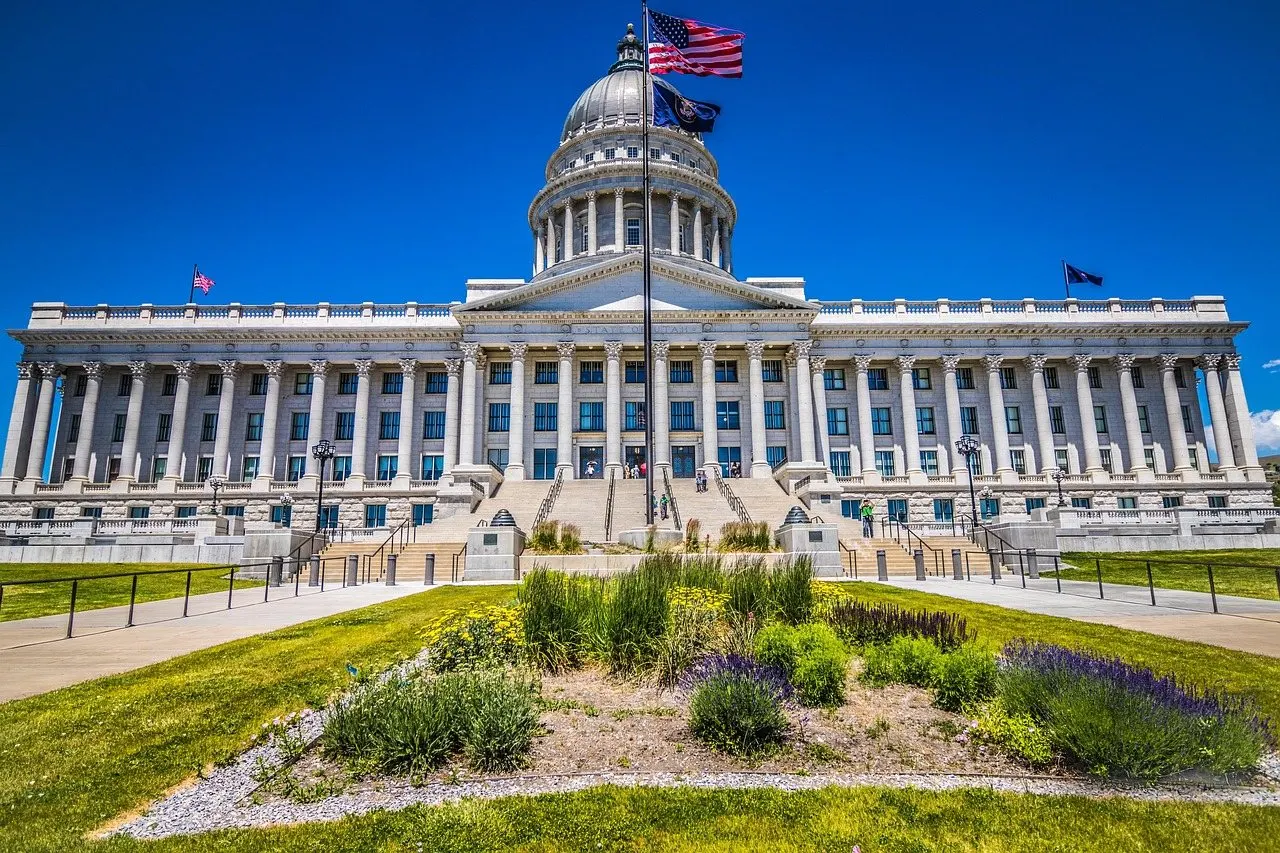
The Capitol building has stood for two centuries, and it has seen lawmakers come and go. Some left in triumph, some left in defeat, and some left when their health gave out. The building does not judge, it only holds the debates that shape the country. But the people inside must judge each other, and that judgment is slow. A seat is more than a chair, it is a promise to the people who sent that member to Washington. Read how the odds shifted in the race for president and a warning from the House Democratic leader for more.
Online Anger Turns Into Pressure

Online posts can turn a question into a national argument in a single day. The post about a lawmaker in a vegetative state was shared by thousands of people, and each share added new voices to the debate. Some of those voices were angry, some were sad, and some were tired of watching older leaders struggle in public. Social media does not make laws, but it does shape what voters talk about, and lawmakers pay attention to that talk. Read a warning from the House Democratic leader and how a mayor kept his promises on rent and childcare for more.
Vegetative State Lawmakers and the Colleagues Around Them

Colleagues in Congress have tools they rarely use, and the debate over vegetative state lawmakers has put those tools in the spotlight. Members can press a colleague to resign, they can vote to censure, and they can vote to expel, though expulsion needs a two-thirds vote. Those steps are political, not medical, and they ask lawmakers to judge one of their own. Many members avoid that choice, which is why the question keeps coming back to voters instead. Read our report on a senator who blocked a judge pick and a warning about national security for more.
The Courts Cannot Remove a Lawmaker

The courts cannot remove a member of Congress, and no judge can order a senator to step down for health reasons. The Constitution gives each house of Congress the power to judge its own members, and that power has been used rarely in American history. A court can settle an election dispute, but it cannot decide whether a lawmaker is fit to serve. That leaves the question where it started, with voters, colleagues, and the member’s own family. Read our report on a senator who blocked a judge pick and our report on a clash over Social Security for more.
The Story Keeps Spreading Online

The story keeps spreading because it touches something many families know well. Almost everyone has watched an older relative slow down, and many have faced hard choices about care and work. When that story plays out in Congress, it feels personal as well as political, and people share it for that reason. The post is still being shared, and the comments keep growing as new readers find it for the first time. Read how a mayor kept his promises on rent and childcare and how the odds shifted in the race for president for more.
Vegetative State Lawmakers: What Do You Think?

Now the question is yours, and we want to hear what you think. Should a lawmaker who can no longer serve be forced to resign, or should voters and colleagues decide? Is a new law the answer, or would it cause more problems than it solves? Tell us in the comments, share this gallery with a friend who follows politics, and keep reading our coverage of Congress and the people who serve in it. Read how one town forced a recall vote and our report on a measles outbreak to see how voters take action.