Mullin Primetime Timeout: DHS Chief Pulled From TV
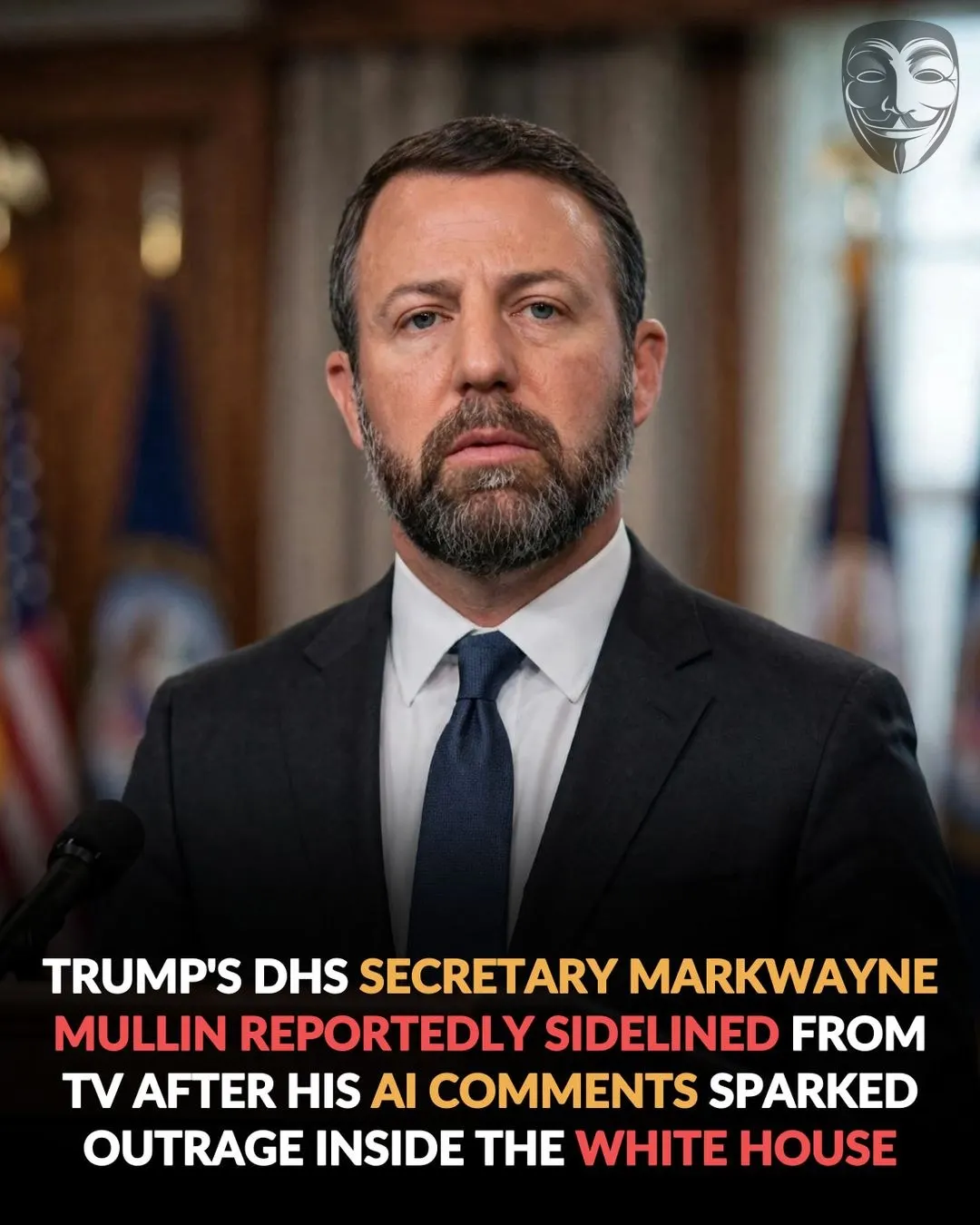
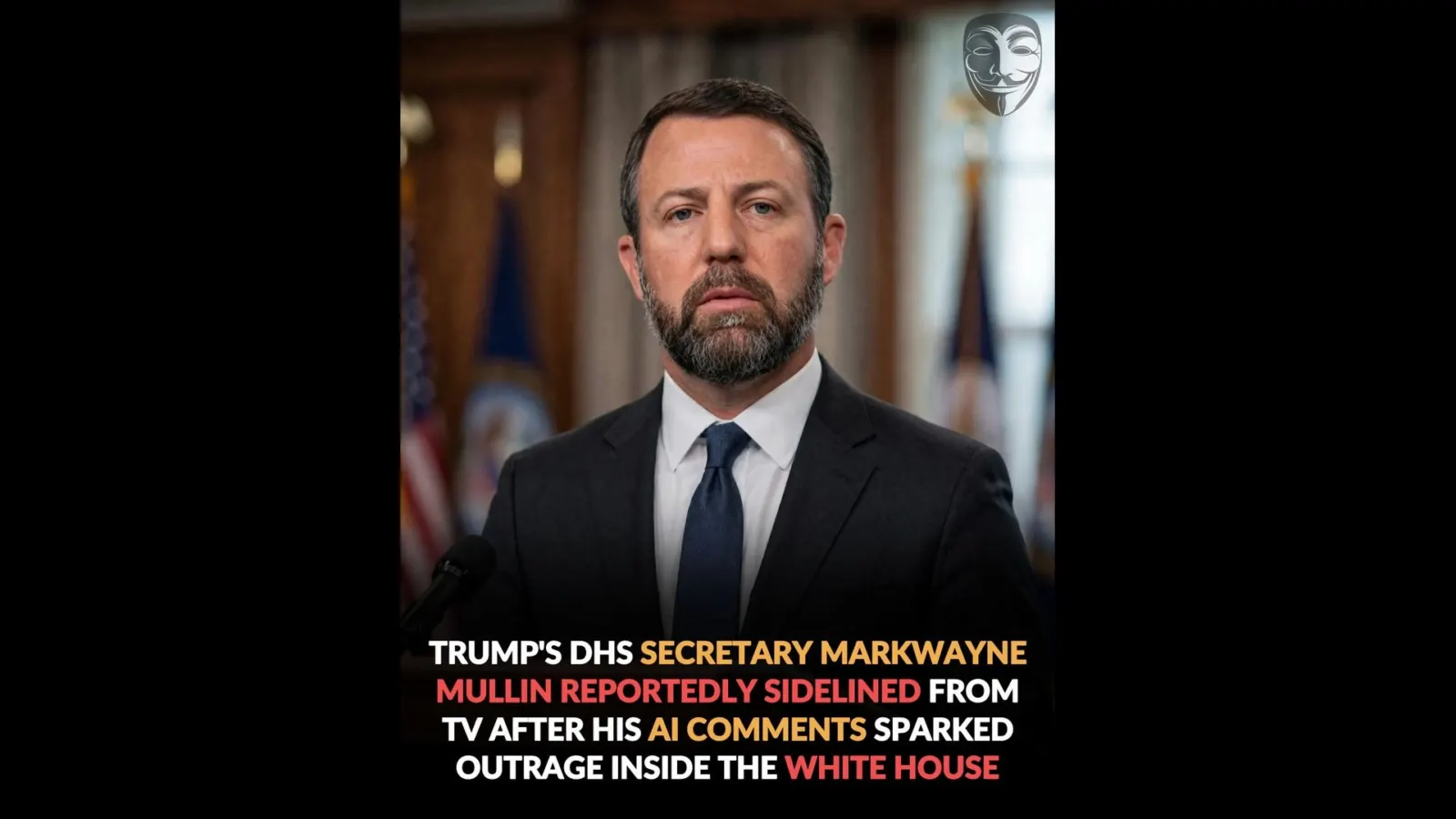
The Mullin primetime timeout began after Homeland Security Secretary Markwayne Mullin appeared on Fox News and suggested that recent outages could be linked to artificial intelligence. He pointed to one tech expert he described as very smart with tech, and the remark set off a wave of frustration inside the White House. According to Politico Playbook, chief of staff Stephen Miller then pulled Mullin from television appearances. Read our report on the viral video from a White House window for more on how the White House handles a messy moment.
Two people close to the White House say officials are frustrated with how Mullin handled the disruptions and with his messaging on immigration enforcement. Secretary of State Marco Rubio and Director of National Intelligence Jay Clayton will now handle public updates on the outages. A White House spokesperson said the president still has confidence in Mullin and his team. In the slides ahead we look at the interview, the reaction inside the administration, and what comes next for the department. See the new Trump portrait in the West Wing for another look inside this White House.
References:
Poynter: Timeout for DHS Secretary Markwayne Mullin
Wall Street Journal: Markwayne Mullin Took Over a DHS in Crisis and Is Struggling to Turn It Around
Wise Voter: Miller Sidelines Mullin From Outage Response
Crooks and Liars: Stephen Miller Put Markwayne Mullin In ‘Primetime Timeout’ Over ‘W**’ TV Appearances
The Fox News Appearance Behind the Mullin Primetime Timeout
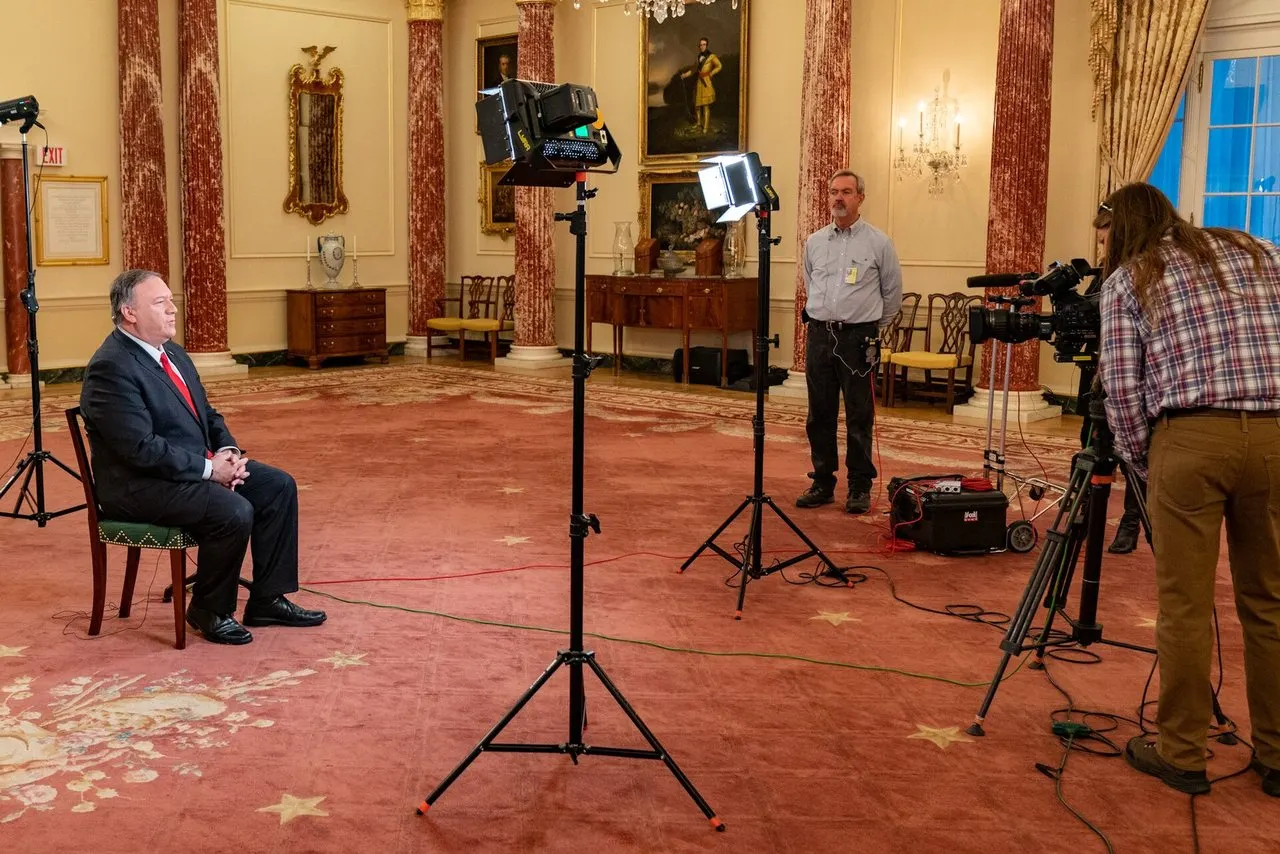
Mullin went on Fox News to talk about the recent outages, and his answer set the whole story in motion. He suggested that the disruptions could be linked to artificial intelligence, and he cited one tech expert he described as very smart with tech. The comment was brief, but it landed badly inside the administration. Television is where cabinet secretaries explain their work to millions of people, so an answer can travel fast. Read about the reporter who started a Substack after ABC and the book about a broken White House and how a TV moment can shape a reputation.
White House Group Chats Lit Up With Frustration

According to Politico Playbook, administration group chats erupted with frustrated messages after Mullin appeared on Fox News. People inside the White House were stunned that a cabinet secretary would float an AI link for the outages on live television. Group chats have become a fast way for officials to react in real time, and the messages piled up quickly that night. The blunt reaction showed how much the appearance had rattled people close to the president. Read the video the White House called fake and the debate challenge in the NYC mayor race for more White House drama.
Who Is Markwayne Mullin?
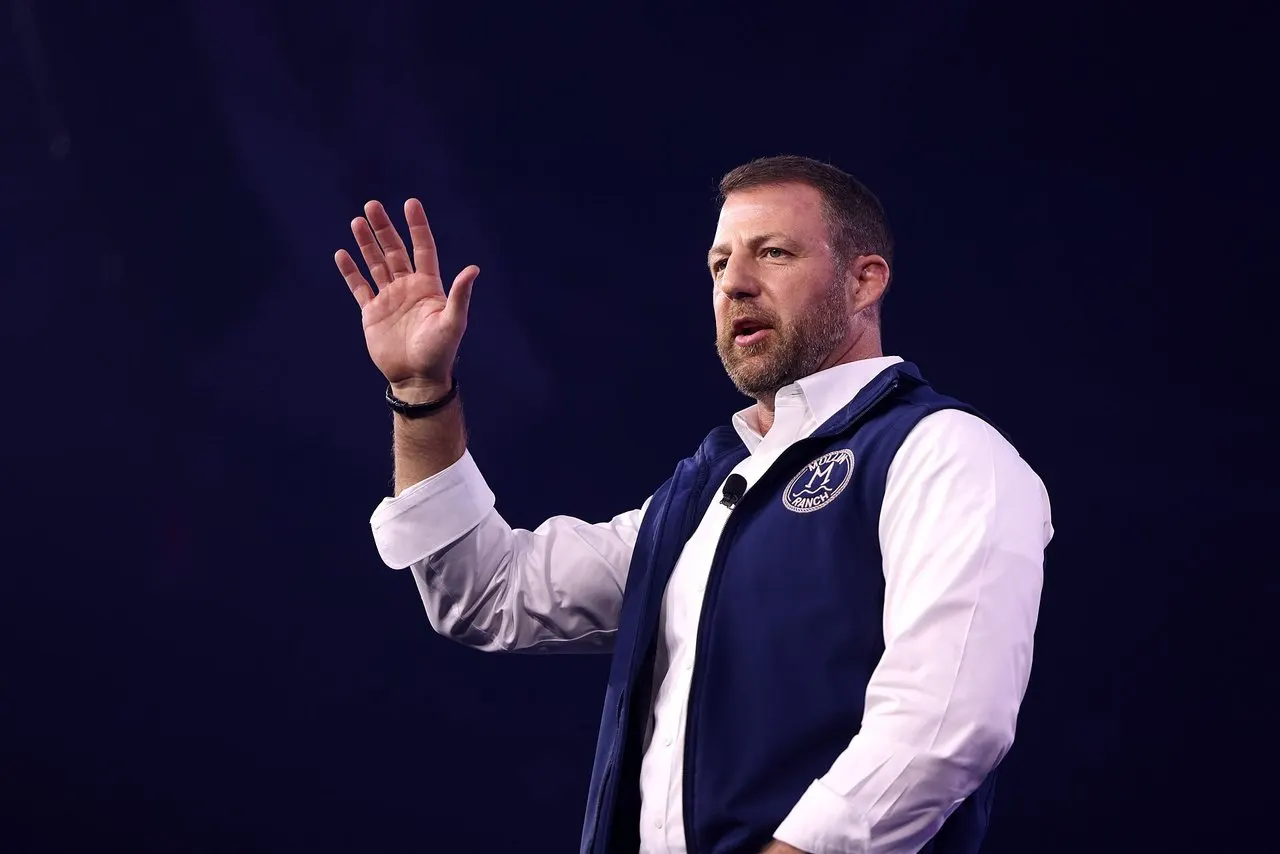
Markwayne Mullin leads the Department of Homeland Security, one of the largest departments in the federal government. He served in Congress from Oklahoma before President Trump named him to the cabinet job. The department covers border security, immigration enforcement, disaster response and the protection of federal buildings. That wide brief means its secretary is often in the news, and under pressure. His time in Congress gave him a public profile, but running DHS is a far bigger test. See the planned National Guard deployment to Chicago and the DC patrol with police and troops for more on the department’s work.
Stephen Miller Made the Call to Pull Him
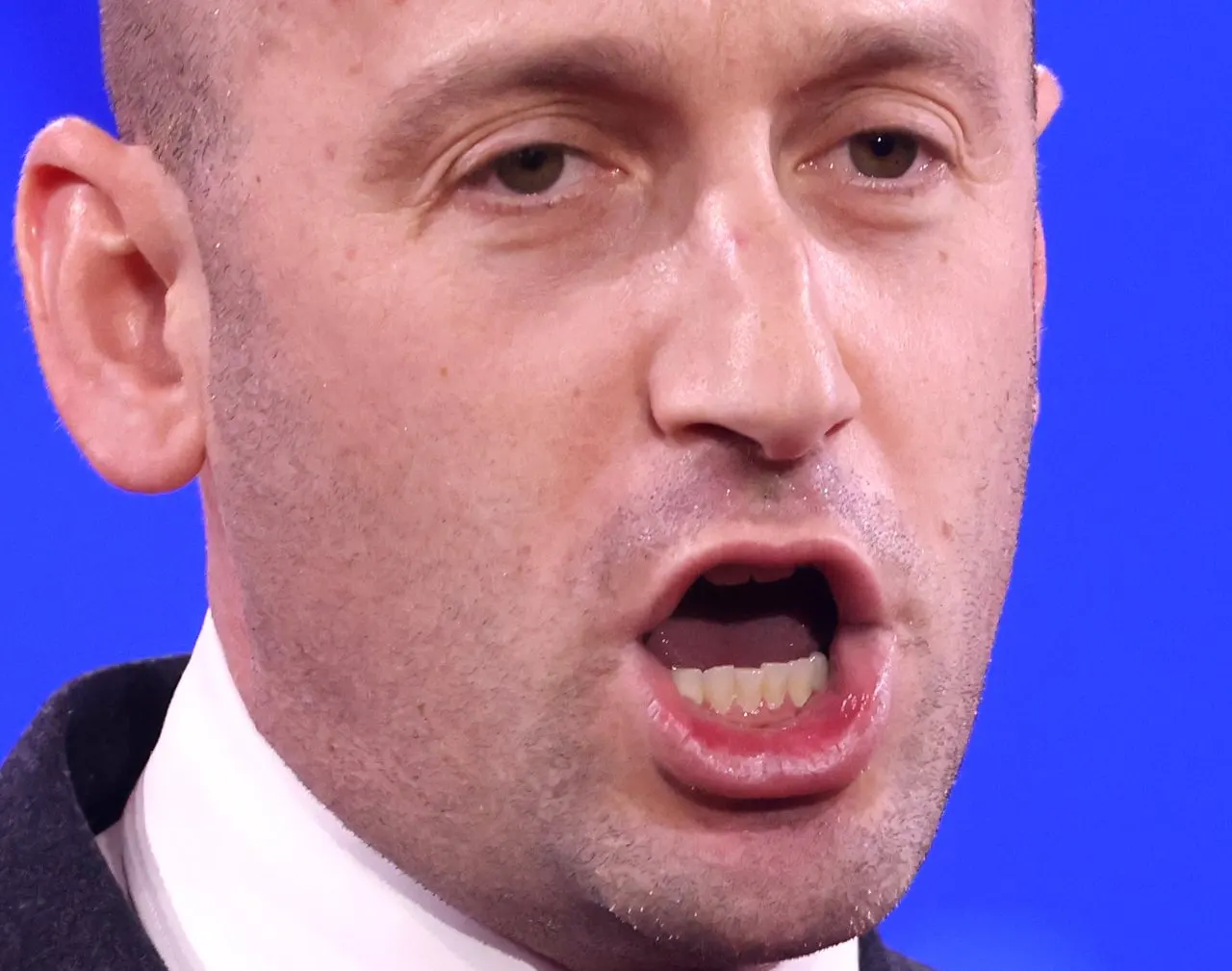
Stephen Miller serves as White House chief of staff, and Politico Playbook says he is the one who pulled Mullin from television. Miller is one of the president’s closest aides, and he has long shaped the administration’s message on immigration. The decision shows how much weight the chief of staff carries inside the building. When Miller acts, other officials pay attention, because his calls usually carry the president’s backing. Benching a cabinet secretary sends a clear signal. Read the book about a broken White House and a fresh portrait in the West Wing for more on this White House.
The AI Claim That Raised Eyebrows

The claim at the center of the story is simple, and it is also strange. Mullin suggested that recent infrastructure and service disruptions could be AI related, and he pointed to one person he called very smart with tech. He did not name the expert or explain the link in detail. Artificial intelligence touches power grids, phones and transport. But linking a major outage to AI needs evidence, and none was offered on air. Read the review that ended most USAID programs and the new fee on H-1B petitions for more on the administration’s tech and work policy.
Why the Mullin Primetime Timeout Stunned Washington
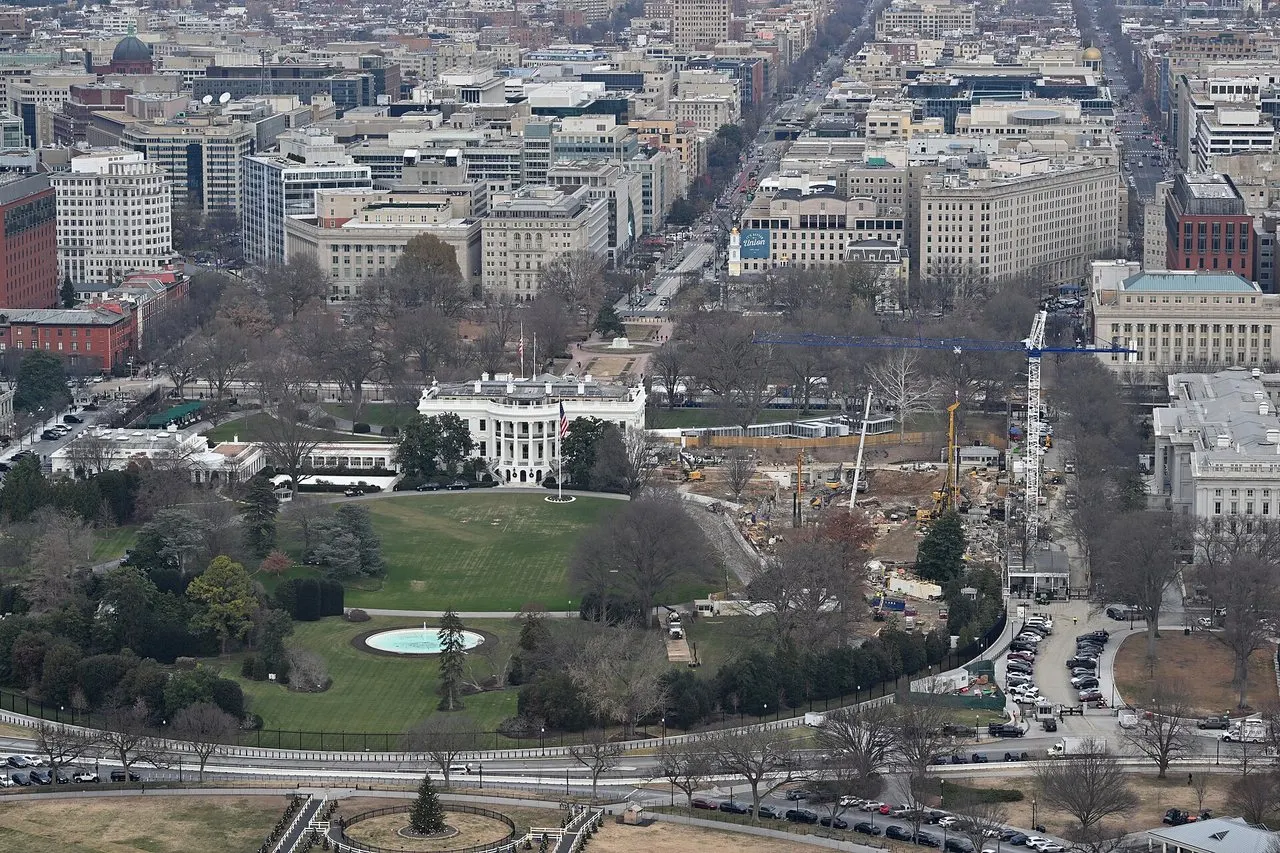
Washington runs on television, and a cabinet secretary who loses TV time loses a big part of the job. That is why this move stunned so many people in the capital. Mullin was not just any official, he led a department that touches daily life, from airports to borders. Pulling him from the screen was a public rebuke, and everyone in town could read it that way. The White House rarely benches a secretary, which is why the story spread so fast. Read that White House window video and the federal crime crackdown after DC for more on the administration.
Two Sources Describe Growing Frustration
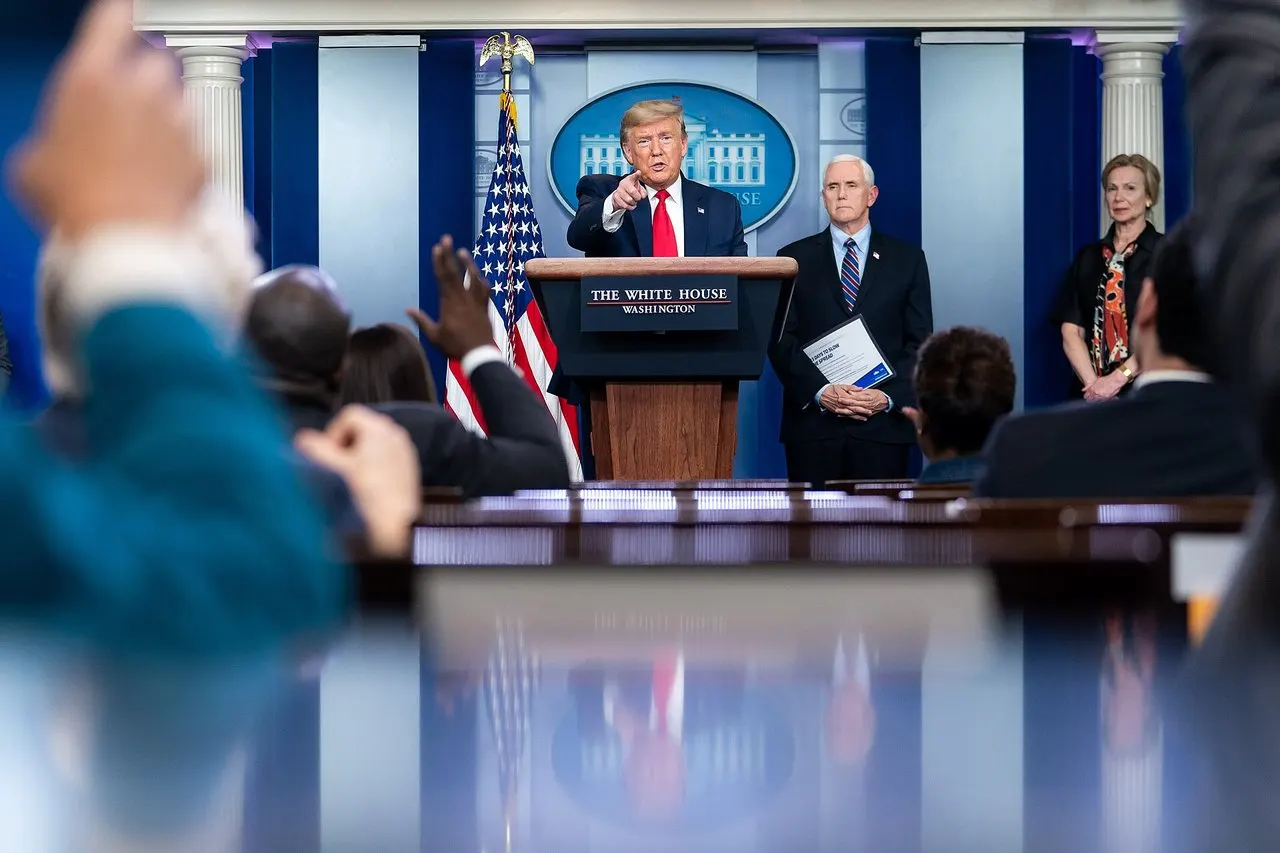
Two people close to the White House spoke to Politico Playbook, and their message was plain. They said officials are frustrated with how Mullin handled the disruptions and with his messaging on immigration enforcement. Two sources saying the same thing carries weight in Washington, because reporters check claims before they print them. The frustration was not about one bad answer, it was about a pattern. When two insiders agree, the story is hard to dismiss. Read the NYC mayor race debate challenge and Terry Moran and his new Substack for more on Washington insiders and the press.
Marco Rubio Steps In on Outage Updates
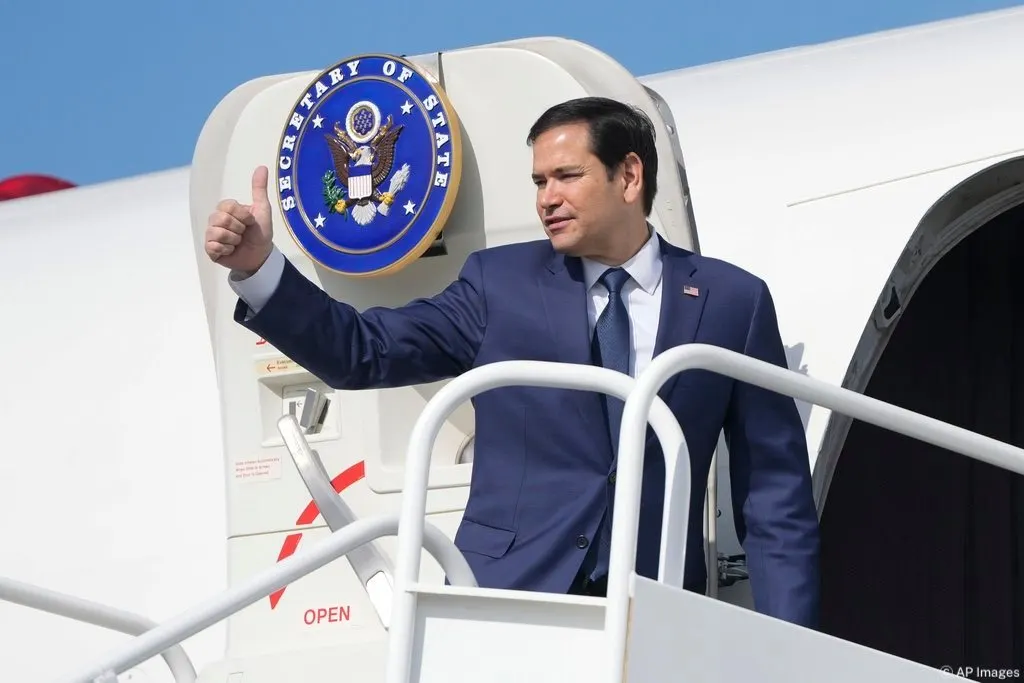
Secretary of State Marco Rubio will now handle public updates on the outages, along with Director of National Intelligence Jay Clayton. Rubio is one of the most experienced voices in the cabinet, and he has handled tough briefings before. Putting him in front of the cameras is a sign that the White House wants a steadier message. Rubio speaks clearly under pressure, and he has the president’s trust. The switch shows how much the administration values clear updates in a crisis. Read Rubio and the USAID review and the Guard plan for Chicago for more on Rubio and the cabinet.
Jay Clayton Takes a Public Role
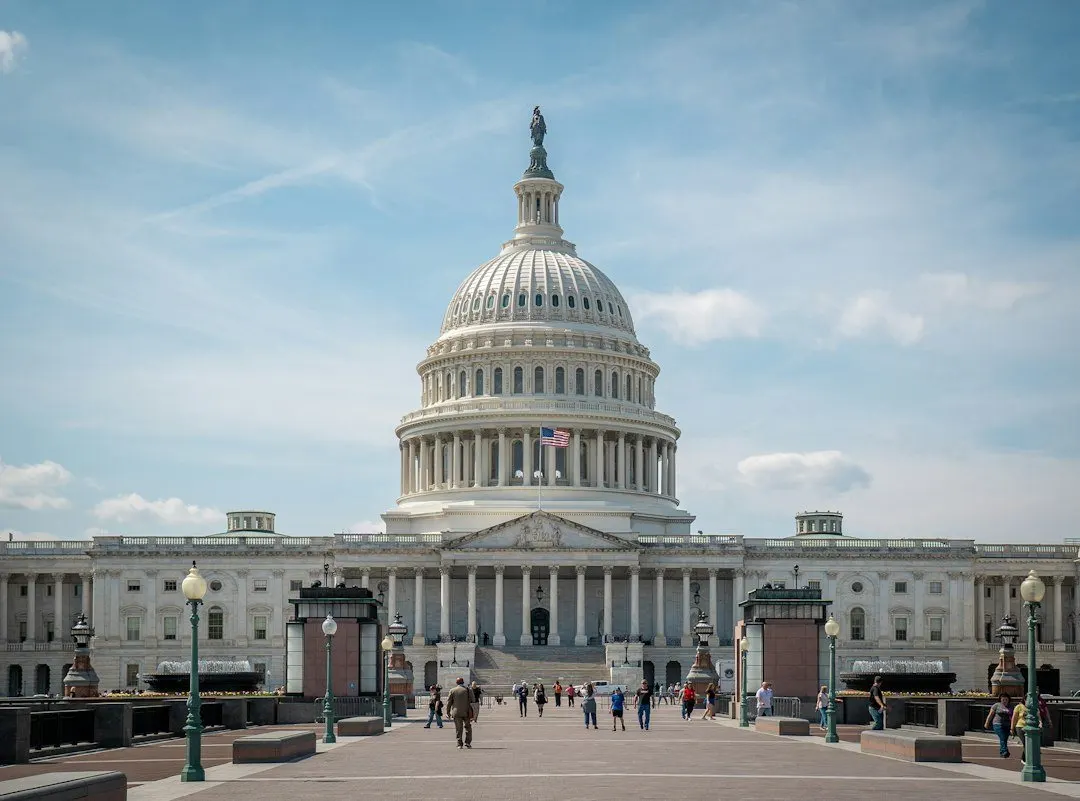
Director of National Intelligence Jay Clayton will share the job of updating the public on the outages. The intelligence chief usually works behind the scenes, so a public role is a notable change. His job is to make sense of complex information and to tell leaders what it means. That skill matters when the public wants clear answers about disrupted services. Clayton and Rubio together give the White House two steady voices for a tricky subject. Read the patrol of DC streets and the H-1B fee for American workers for more on the administration’s team.
The White House Says Trump Still Backs Mullin
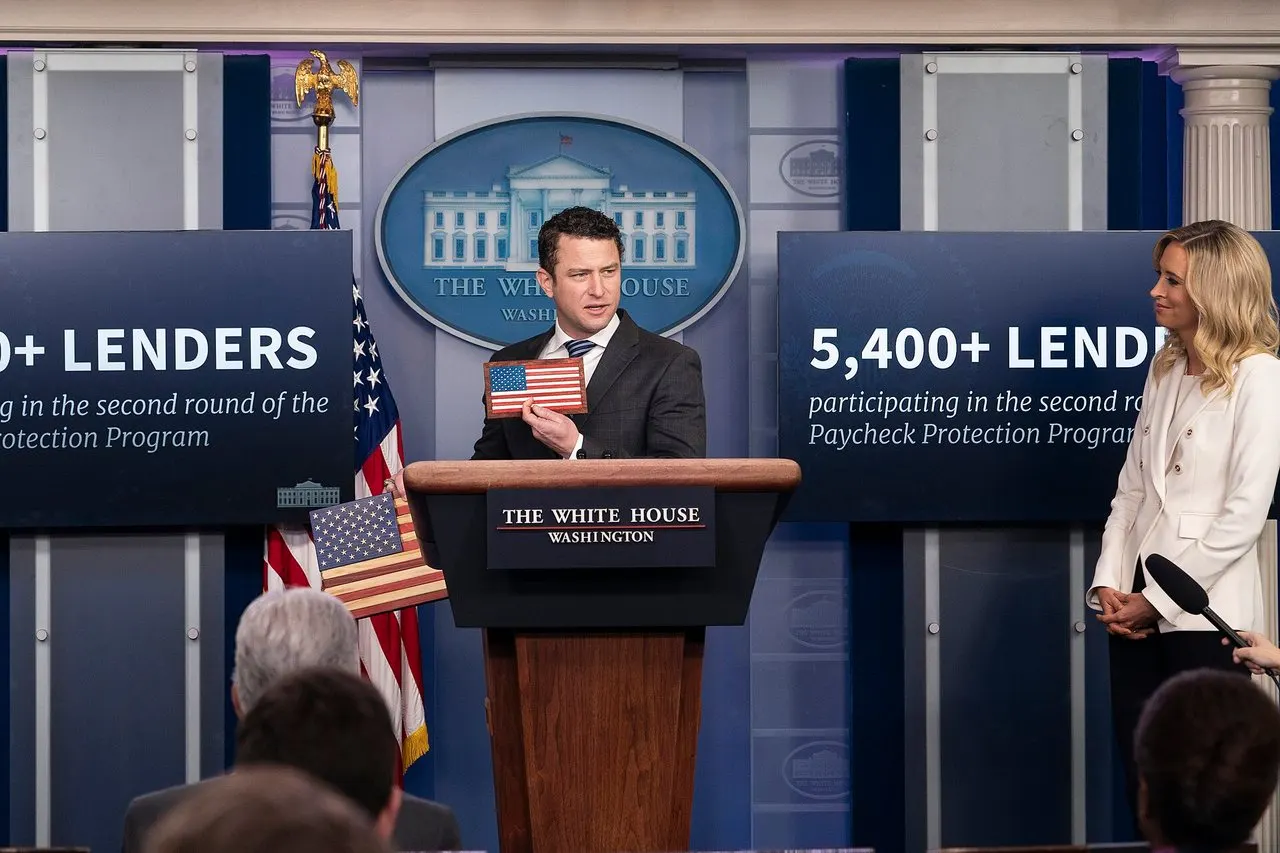
A White House spokesperson said the president still has confidence in Mullin and his team. That line matters, because it is the standard way the White House backs an official in public. It does not mean the TV ban is over or that Mullin is back on the air. It means the president is not firing him, at least for now. Spokespeople choose words with care, and confidence is the word they use when they want to calm a story. Read the portrait unveiled in the West Wing and Karine Jean-Pierre and her White House book on White House messaging.
What the Mullin Primetime Timeout Says About DHS Messaging
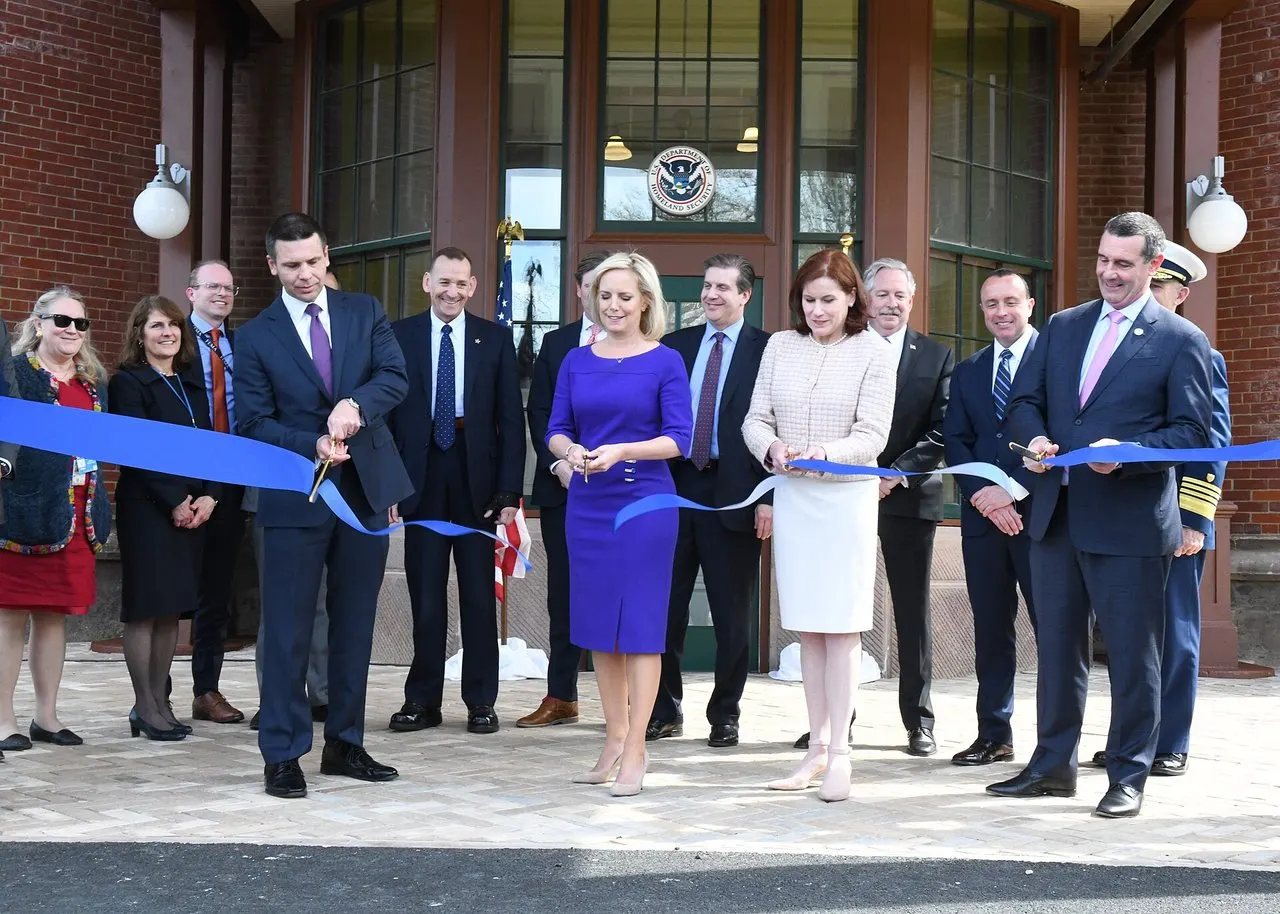
The move also says something about how the department talks to the public. DHS speaks about borders, storms, outages and safety, and its words shape how people feel. A muddled message loses public trust fast. A secretary who speaks clearly can calm fears, while a shaky message can spread them. That is why the White House cares so much about who stands in front of the cameras. The right voice can steady a worried country. Read officers raising the flag after the LA protests and a report on crowd control weapons at protests on DHS in the news.
A Department in Crisis, the Journal Reported

The Wall Street Journal reported that Mullin took over a DHS in crisis and is struggling to turn it around. That headline tells its own story about the size of the job. DHS was formed after the September 11 attacks, and it pulls together many agencies under one roof. Running it means juggling border policy, disaster aid and transport safety. Few cabinet jobs carry so many crises. A secretary who stumbles in public only adds to the strain. Read the findings on crowd control weapons and the wider crime crackdown for more on the department under pressure.
How TV Became a Test for Cabinet Officials

Television has become the main stage for cabinet secretaries, and a single interview can define a reputation. In the past, officials spoke mostly through written statements and press briefings. Now a live answer can reach millions in seconds, and clips travel even further online. That pressure rewards clear talkers and punishes vague ones. Secretaries now train for TV the way candidates train for debates. A strong appearance builds trust, while a weak one invites questions. Read the ABC split and the Substack launch and Border Patrol officers and the flag for more on TV and public life.
The Mullin Primetime Timeout and Immigration Enforcement

Officials also faulted Mullin’s messaging on immigration enforcement, which sits at the heart of the department’s work. Immigration is one of the most charged subjects in American politics, and every word is weighed by supporters and critics alike. DHS officers carry out enforcement every day, and the secretary must explain their work to a divided public. A muddled message can anger both sides at once. Clear words matter most on the hardest subjects. Read the flag at the LA immigration protests and how crowd control weapons were used at protests for more on enforcement.
What Happens Next for the Outage Response

Rubio and Clayton will now give the public updates on the outages, and the White House hopes the new voices will steady the story. Outage updates need facts, and the public wants to know what broke and when it will be fixed. Clear updates also stop rumors from filling the gap. The two men bring different skills, and both are used to careful words. Watch for their briefings in the days ahead, because the tone will tell its own story. Read police and troops in DC and the crackdown that followed DC for more on the administration’s plans.
Why the Mullin Primetime Timeout Matters to You
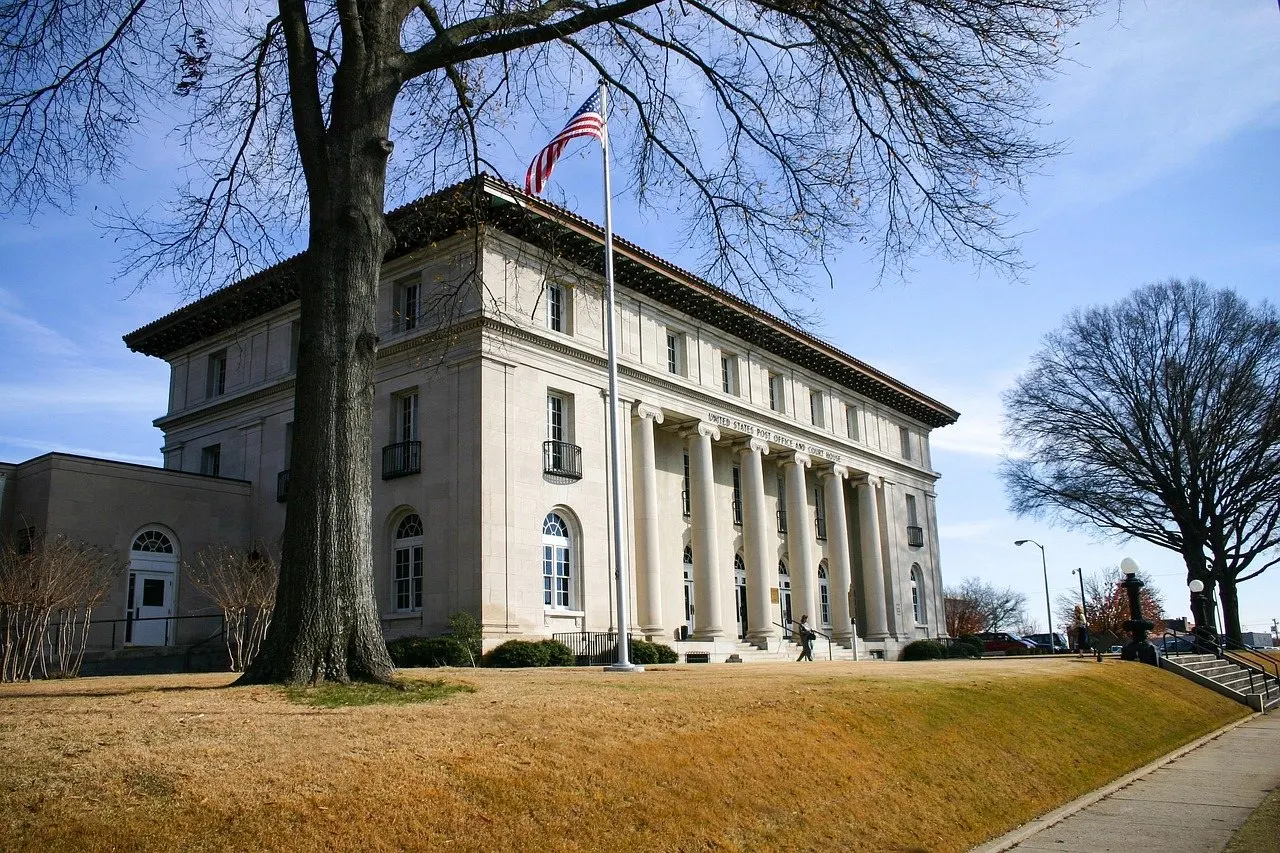
This story matters to ordinary Americans because DHS touches daily life in quiet ways. Its work covers airports, borders, disaster aid and federal buildings. When the department speaks clearly, people know what to expect and what to do. When its message is confused, worry grows and rumors spread. That is why a change in who speaks for DHS is more than inside gossip. It shapes how the country hears about safety, and safety is something every family cares about. Read Chicago and the National Guard plan and the USAID programs that were ended for more on the cabinet.
What Do You Think of the Mullin Primetime Timeout?

So what do you make of it all? Was the White House right to pull Mullin from television, or should a cabinet secretary be free to speak his mind on air? Do you trust the new voices, Rubio and Clayton, to give clearer updates on the outages? We want to hear what you think, so share your view in the comments below. Tell us whether the timeout was fair, and what you would ask Mullin if you had the chance. Read Mamdani and the debate challenge and the visa fee meant to protect American workers, then join the discussion.