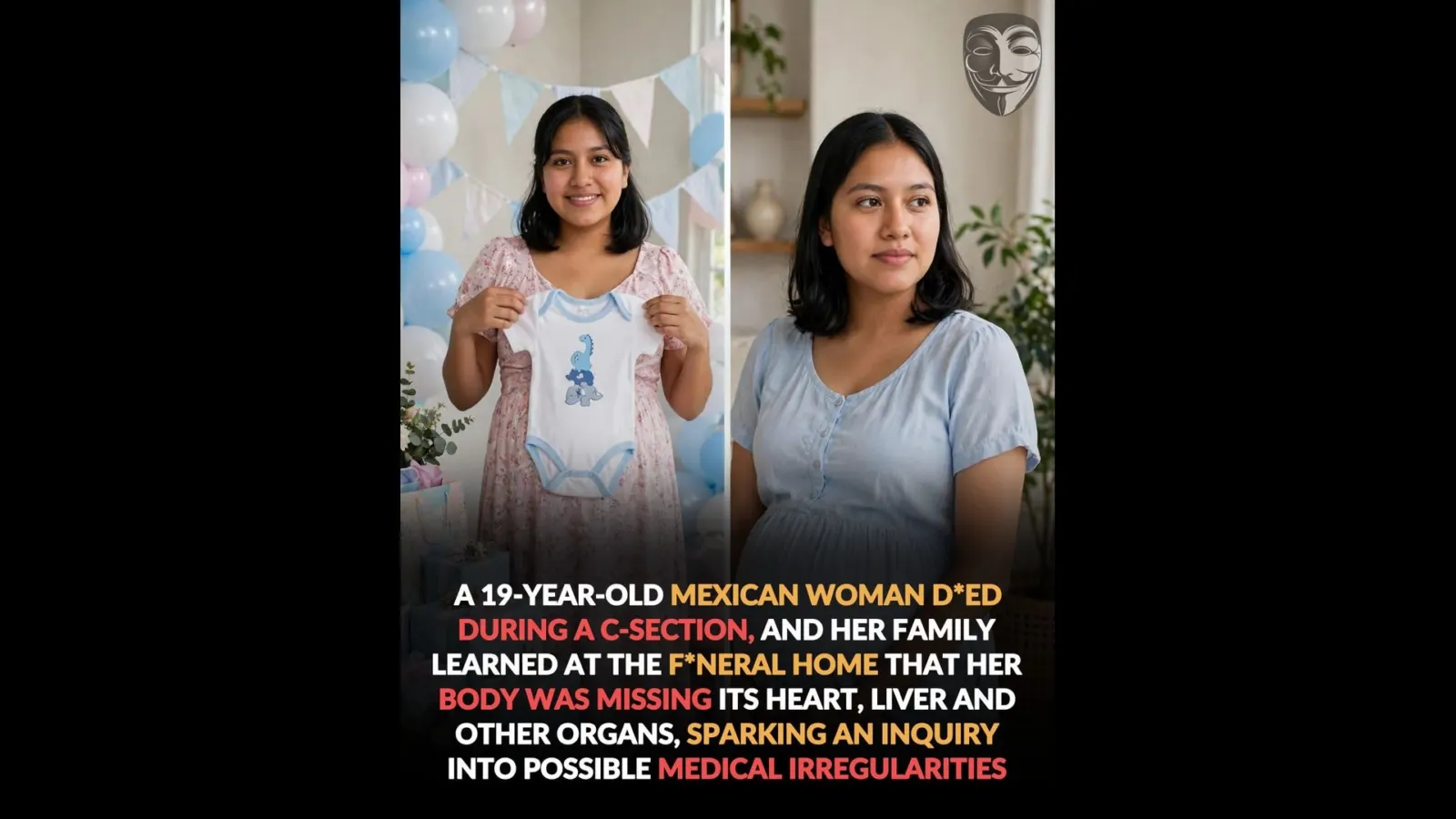
Sofia Calderon and a Birth That Ended in Loss
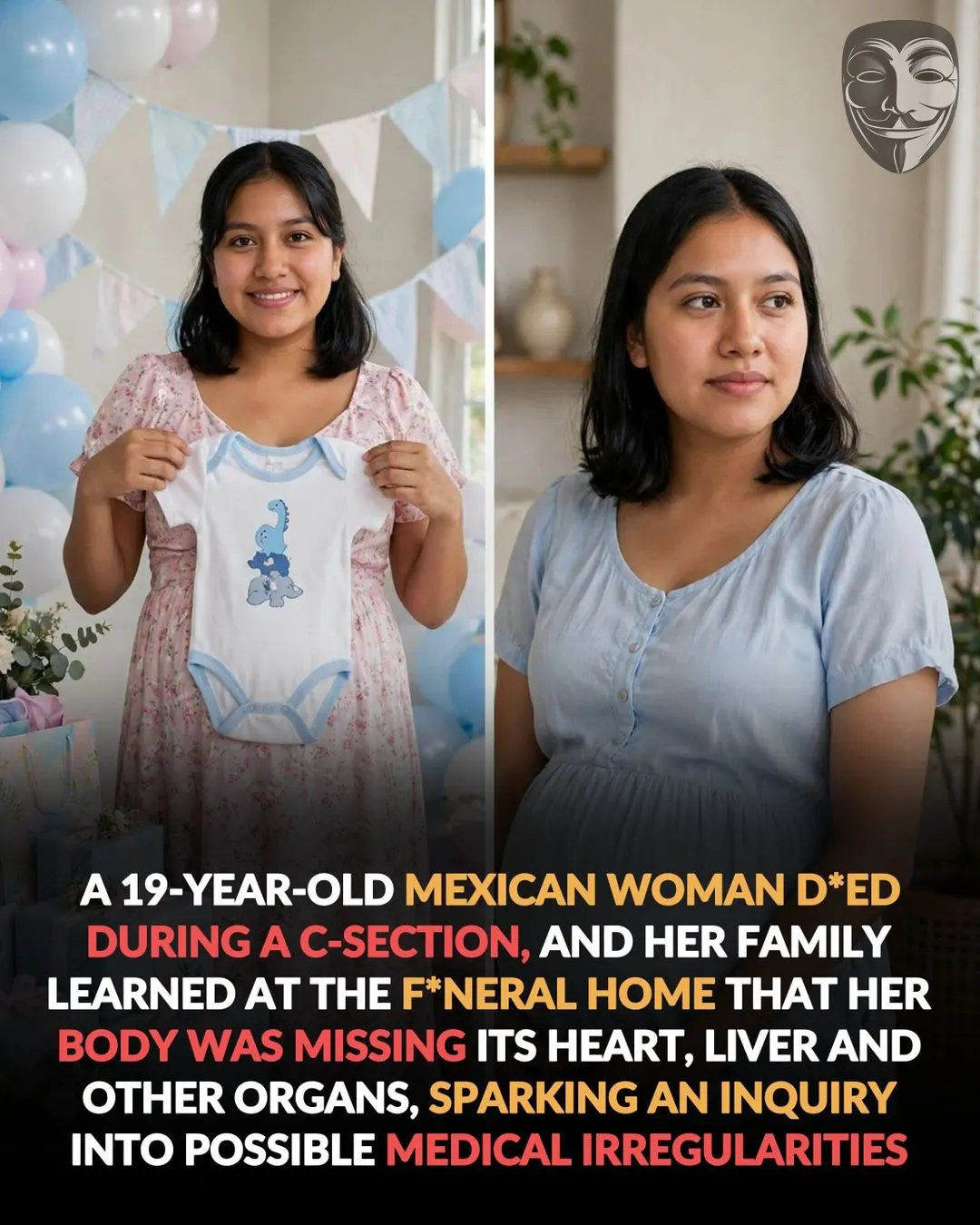
Sofia Calderon was 19 years old when she went to a hospital in Monterrey, Mexico, to give birth to her baby boy. She was admitted on July 19, 2026, to IMSS Hospital of Gynecology and Obstetrics No. 23. Instead she suffered complications during her C-section and died, while her baby Santiago survived. What happened next turned a private loss into a case now under investigation, and it left her family with hard questions. Other families have faced the same shock, like a Purdue professor and her family found at home.
Her family had agreed to an autopsy to learn why she died, but they say no one told them her organs would be removed. It was the funeral home that told them her heart, liver, pancreas and part of her intestine were missing. Later the hospital said the organs were kept in its Pathology Department and admitted its communication had fallen short. In the slides ahead we follow the story step by step, from the day she arrived to the inquiry still under way. A new baby changes a whole family, as a grandmother welcoming a new baby boy shows.
References:
Source: IMSB: 19 Year Old Mother Dies During Childbirth In Mexico Family Says Her Body Was Returned Without Vital Organs
Source: Jetss: 19 Year Old Woman Dies During Childbirth And Reason Terrifies The Family
Source: Nexa Plus: Family Accuses IMSS Of Returning Body Without Organs
Source: PMN Sports: Mexican Mother 19 Dies During Childbirth Then Funeral Home Alerts Family To Missing Heart And Other Organs
Sofia Calderon Arrives at the Hospital in Monterrey

On July 19, 2026, Sofia Calderon walked into IMSS Hospital of Gynecology and Obstetrics No. 23 to give birth. Monterrey is a city in northern Mexico, ringed by mountains. She was 19 and expecting a baby boy, and like any young mother she felt a mix of nerves and hope. Her family waited for news, as families do in hospitals, and a squad that won with a Mexico themed routine shows how Mexico can be a source of pride far from home, while a family that stayed close after a divorce shows how family bonds hold through hard times.
Sofia Calderon Goes In to Give Birth
Giving birth is a common reason a young woman goes to a hospital, and most mothers and babies go home healthy. Sofia arrived at the hospital ready to meet her son, and doctors planned a C-section, in which the baby is delivered through the belly. But no operation is free of risk, and every family trusts the team to keep mother and child safe. That trust is what a father who says time with his kids is real wealth puts first, and a grandma whose accidental dinner invitation became a movie shows how one family moment can echo for years.
Complications During the C-Section
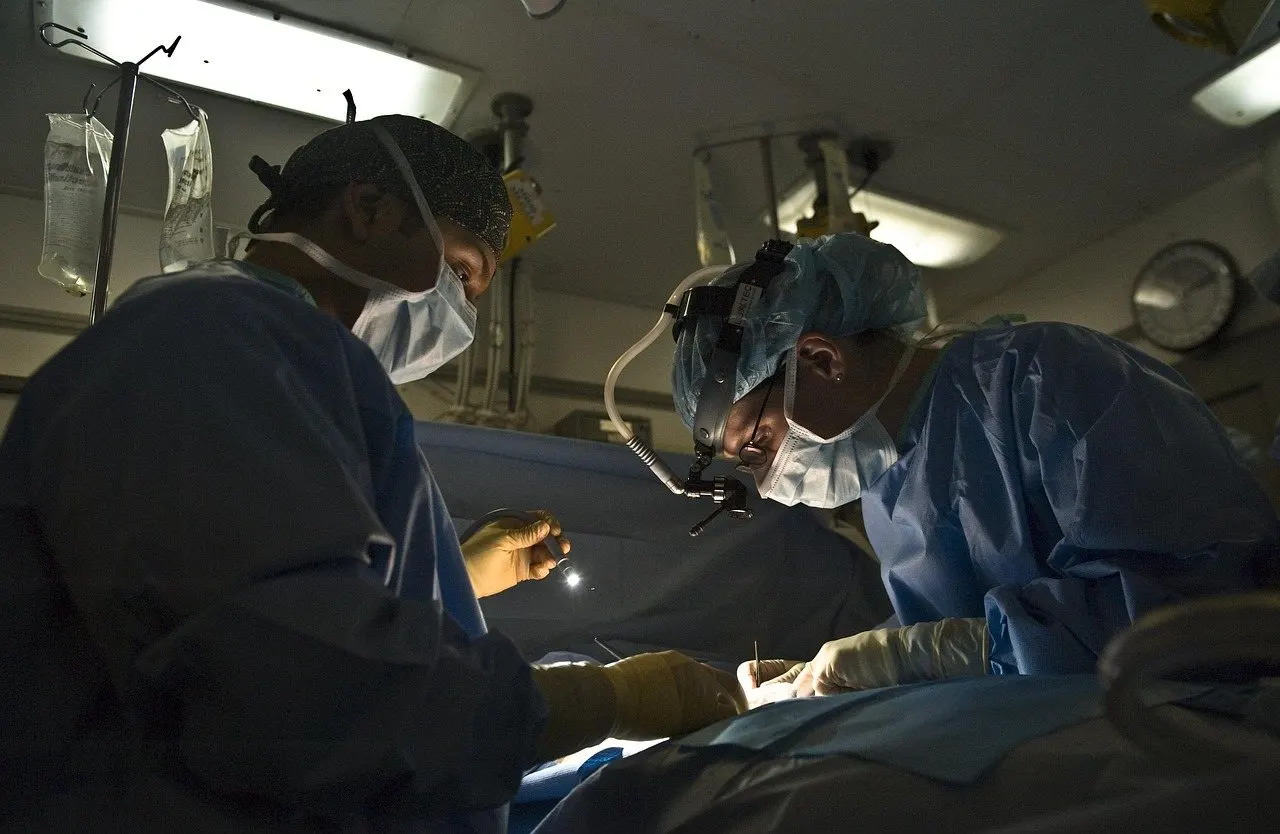
During the C-section, Sofia suffered complications, and the medical team could not save her. The post does not say exactly what went wrong in the operating room, and we will not guess. The procedure meant to bring her baby safely into the world ended with her death. Her son Santiago survived the delivery. In moments like this, doctors and nurses must act fast, and families wait for words that will change their lives. Other stories carry the same weight, like an ICU nurse remembered on his birthday.
Sofia Calderon and the Baby Who Survived
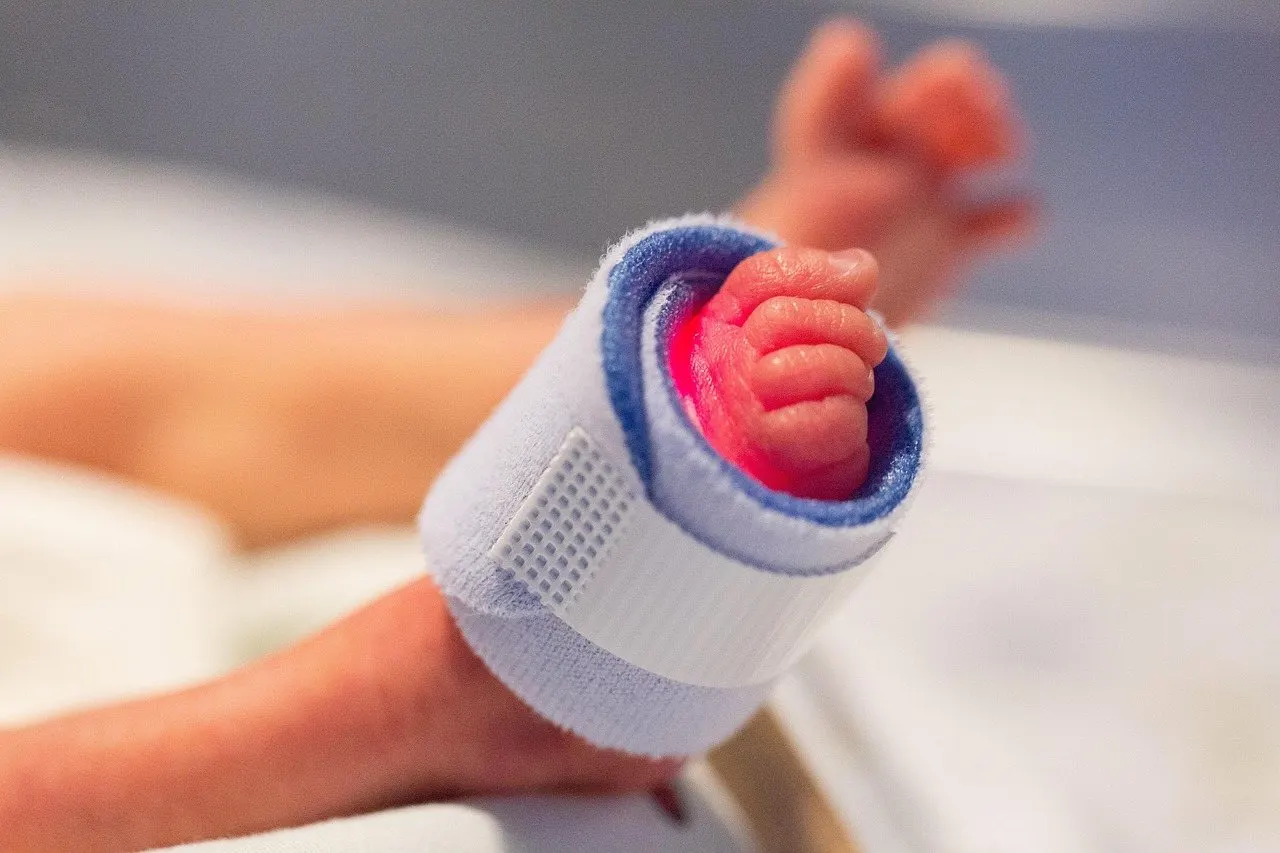
Santiago, the baby boy Sofia gave birth to, survived the C-section that took his mother. He will grow up without ever knowing her, and that is the part that stays with everyone who hears it. A new baby is usually a time of joy for a whole family. Here the joy is mixed with grief, because the family must care for a newborn while mourning his young mother. New babies bring joy, as a grandmother welcoming a new baby boy shows, and a father and daughter who graduated 18 years apart shows how a parent and child can share milestones.
The Family Agrees to an Autopsy

After Sofia died, her family agreed to an autopsy, a medical exam that looks for the cause of death. Families often agree because they need answers, and an autopsy can show what went wrong in the body. Her relatives say they wanted to know why a healthy 19-year-old died during childbirth. What they did not expect was what the exam would involve. That gap matters, as a doctor speaking about faith reminds us that hard truths need plain words, and a family that stayed close after a divorce shows how families hold together when answers are slow to come.
What the Family Agreed To, and What They Did Not
The family says they agreed to an autopsy, but they never agreed to have her organs taken out and kept. Consent in medicine is not a blank check, and families expect to be told what will happen to a loved one. Her relatives say no one explained that her organs would be removed. They learned the truth somewhere else entirely. That failure of trust has left other families with hard questions too, like a Purdue professor and her family found at home, and the same sudden shock runs through a keeper saying goodbye to a beloved hippo.
The Funeral Home Delivers the Terrible News
It was the funeral home, not the hospital, that told the family the news. Funeral homes receive the body after the hospital releases it, and staff prepare it with care so the family can say goodbye. When the workers looked, they found her heart, liver, pancreas and part of her intestine were gone. Imagine learning that news in a funeral home, not from a doctor. Public feeling can run high after a loss, as a hippo whose passing became a flash point shows, and an actor reflecting on what truly lasts reminds us to remember a life with honesty.
Sofia Calderon Is Missing Her Heart, Liver and More
The organs missing from Sofia’s body were her heart, her liver, her pancreas and part of her intestine. These are vital organs. Her family says they were never told the organs would be removed, or where they went. For four months they lived with that shock and with no clear answer from the hospital. The question was simple, and it still has no full answer. Others have waited for truth too, like a doctor speaking about faith reminds us how young lives can end far too soon.
A Mother Learns the News About Her Daughter
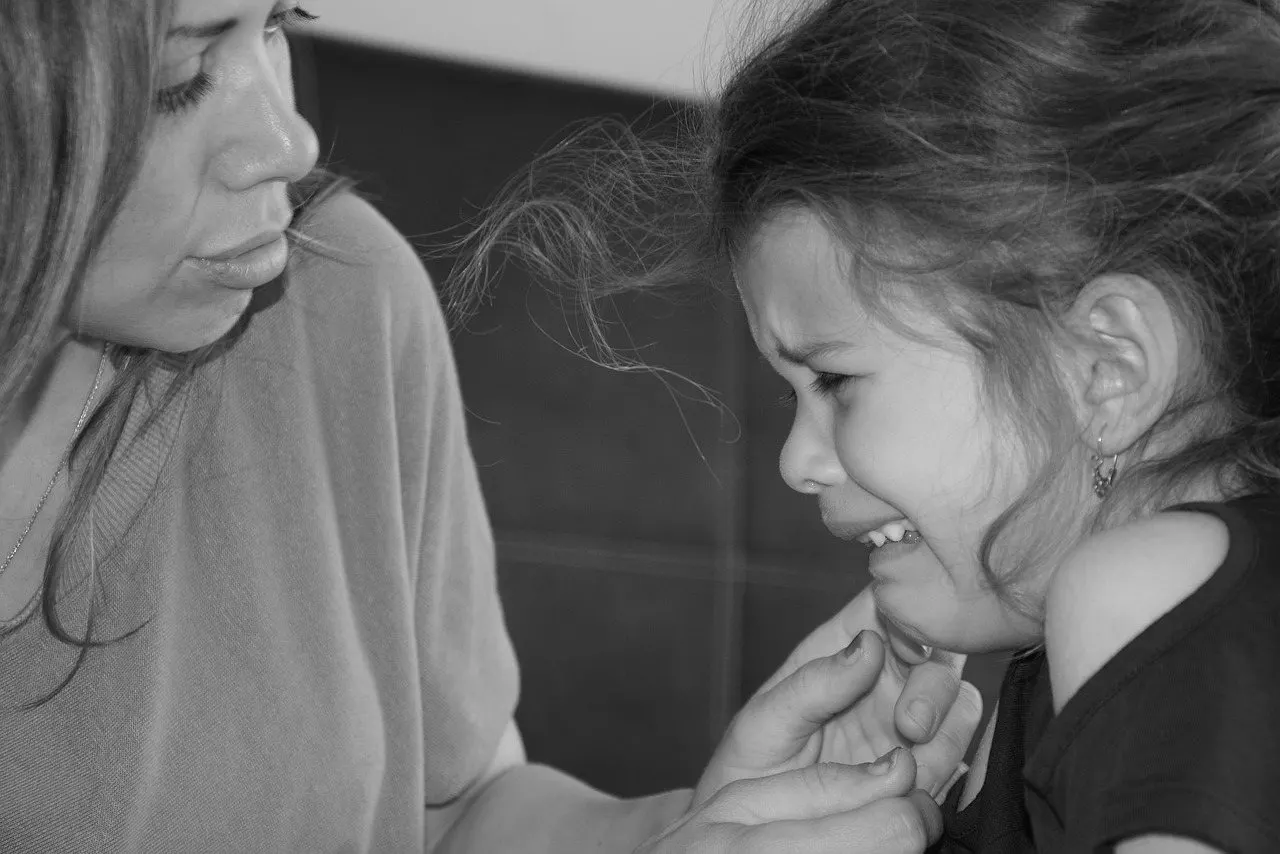
It was Sofia’s mother who spoke about what the family found, and her words carry great weight. A mother expects to hold her daughter’s baby and celebrate, not to hear that her daughter’s body came back without vital organs. She has said the family was never told what the autopsy would involve. Her account is why this case reached the public. That is what a family that stayed close after a divorce shows, and a grandma whose accidental dinner invitation became a movie shows how one kind act can reach far beyond a single table.
Four Months of Silence
Four months passed between Sofia’s death on July 19, 2026, and the hospital’s public statement about her organs. For four months her family waited and wondered where the organs were and why no one had told them. Silence can feel like the institution does not care, even when the truth is more complex. That long quiet is part of why the case still draws attention. Long waits for justice are not new, as the sentence in the Athena Strand case shows, and the Karmelo Anthony sentencing kept a community waiting too.
Sofia Calderon and the Hospital That Finally Spoke
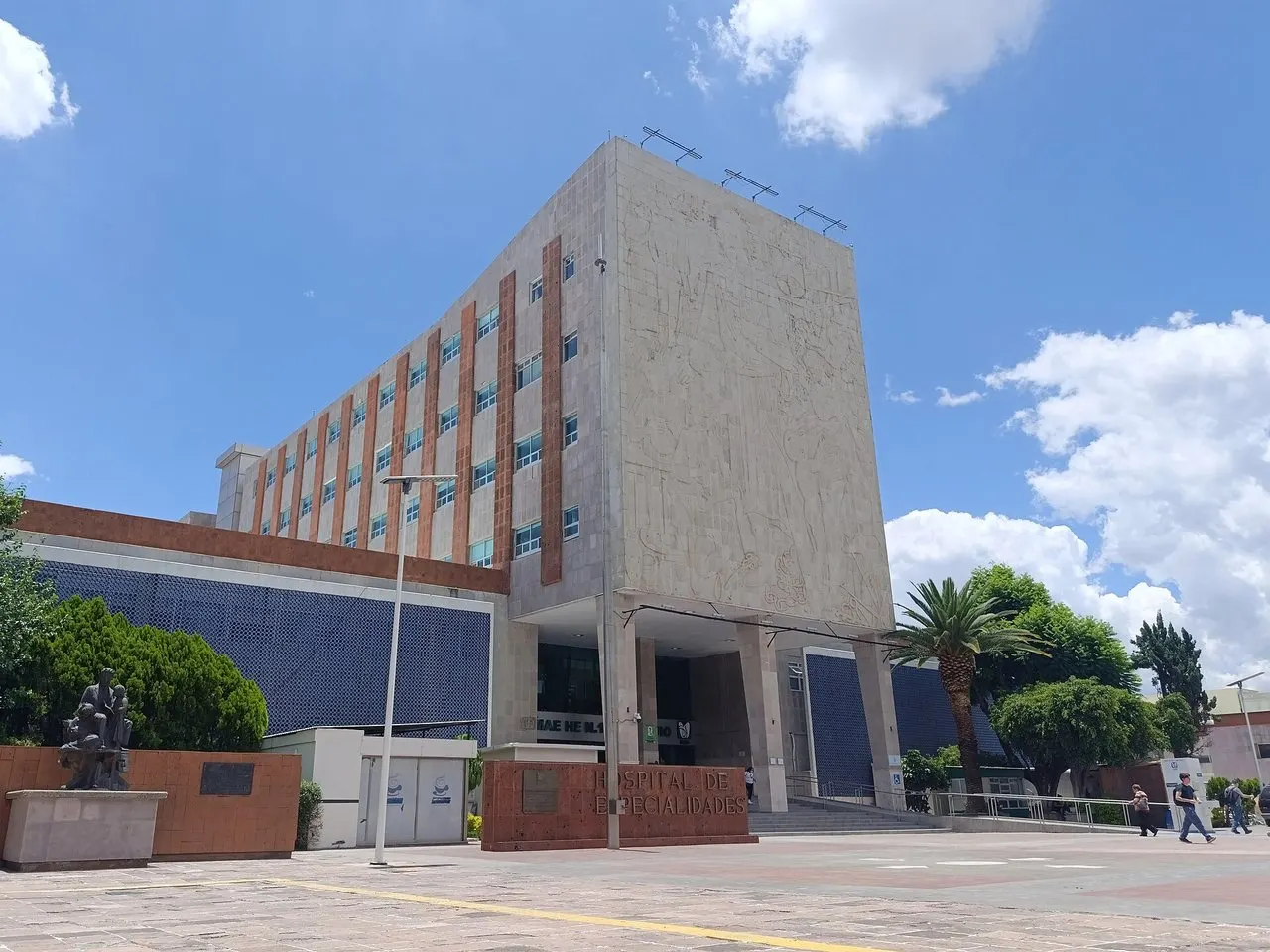
Four months after her death, IMSS, the institute that runs the hospital, broke its silence. The institute said Sofia Calderon’s organs were being preserved and identified at the hospital Pathology Department. It ruled out the idea that the organs were used for transplants. For the family, this was the first official word about where the organs were. It answered one question and raised others, and it came far later than it should have. Other stories show what timely action looks like, from a squad that won with a Mexico themed routine to an ICU nurse remembered on his birthday.
Organs Kept in the Pathology Department
IMSS said the organs were kept in its Pathology Department, the part of a hospital that studies tissue and organs to find out how disease and death happen. The institute said the organs were being preserved and identified there. That may explain where they were, but it does not explain why the family was not told. Behind closed doors, families still need plain words, as a doctor speaking about faith shows, and a keeper saying goodbye to a beloved hippo reminds us that a farewell needs clear words too.
Sofia Calderon and the Transplants That Never Happened
When a young person dies and organs go missing, some people fear the worst, and Sofia’s family must have feared it too. IMSS moved to rule that fear out, saying the organs were not used for transplants. Transplants follow strict rules, with written consent and a waiting list. The statement was meant to calm that fear, but it did not heal the deeper wound, the lack of honest talk. Survivors need truth to heal, as a young woman who survived burns over most of her body show.
The Hospital Admits Its Communication Fell Short

IMSS did more than explain where the organs were. It also admitted its communication with the family fell short. That admission matters, because it is rare for a large hospital to say it failed a family. Good communication means telling families what will happen and what comes next, in words they can understand. When that fails, trust breaks, even if the medical work was done with care. Honesty keeps trust alive, as an actor reflecting on what truly lasts shows, and a calm family life built on small kindnesses shows how small acts can hold a home together.
A Complaint Reaches Prosecutors in Nuevo Leon
The Nuevo Leon Attorney General Office received a complaint over possible medical irregularities in Sofia’s case. Prosecutors look into whether a crime or a serious breach of duty took place, and they can ask for records and take statements. The complaint means the case is no longer only a matter between a family and a hospital. It is now a legal matter, and the state must decide whether anyone broke the law. Other cases have taken the same path, like the Karmelo Anthony sentencing, which followed a long wait for justice.
Sofia Calderon and the Inquiry Into Medical Irregularities

The inquiry into Sofia Calderon’s case looks at possible medical irregularities, a broad term that can cover poor records and a failure to get proper consent. Investigators will want to know what the autopsy consent form said, who signed it, what the pathology team did with the organs, and who was told what. These are the same questions the family has been asking. The inquiry is still open, and its findings will shape what happens next, just as the sentence in the Athena Strand case came after a long legal process, and the Karmelo Anthony sentencing drew wide attention.
No One Has Been Held Responsible Yet

As of now, no one has been held responsible for what happened. Investigations take time, and prosecutors must build a case on facts. But for the family, the wait is painful, because every day without a result feels like another day without justice. They have asked only for the truth about what happened to their daughter and why they were kept in the dark. Other families have waited for the same truth, like a Purdue professor and her family found at home, while a comedian celebrating one month of marriage shows how quickly happy news can come instead.
What an Autopsy Is Meant to Do
An autopsy is a careful exam of a body after death, done to find the cause of death. A doctor called a pathologist opens the body, looks at the organs and takes small samples to study under a microscope. Families usually agree because they want answers. An autopsy is a medical tool, not a punishment, and it should always come with a clear talk with the family first. That is the standard of care an ICU nurse remembered on his birthday gave his patients, and the respect a keeper saying goodbye to a beloved hippo showed in a hard farewell.
Sofia Calderon and the Work of a Pathology Department
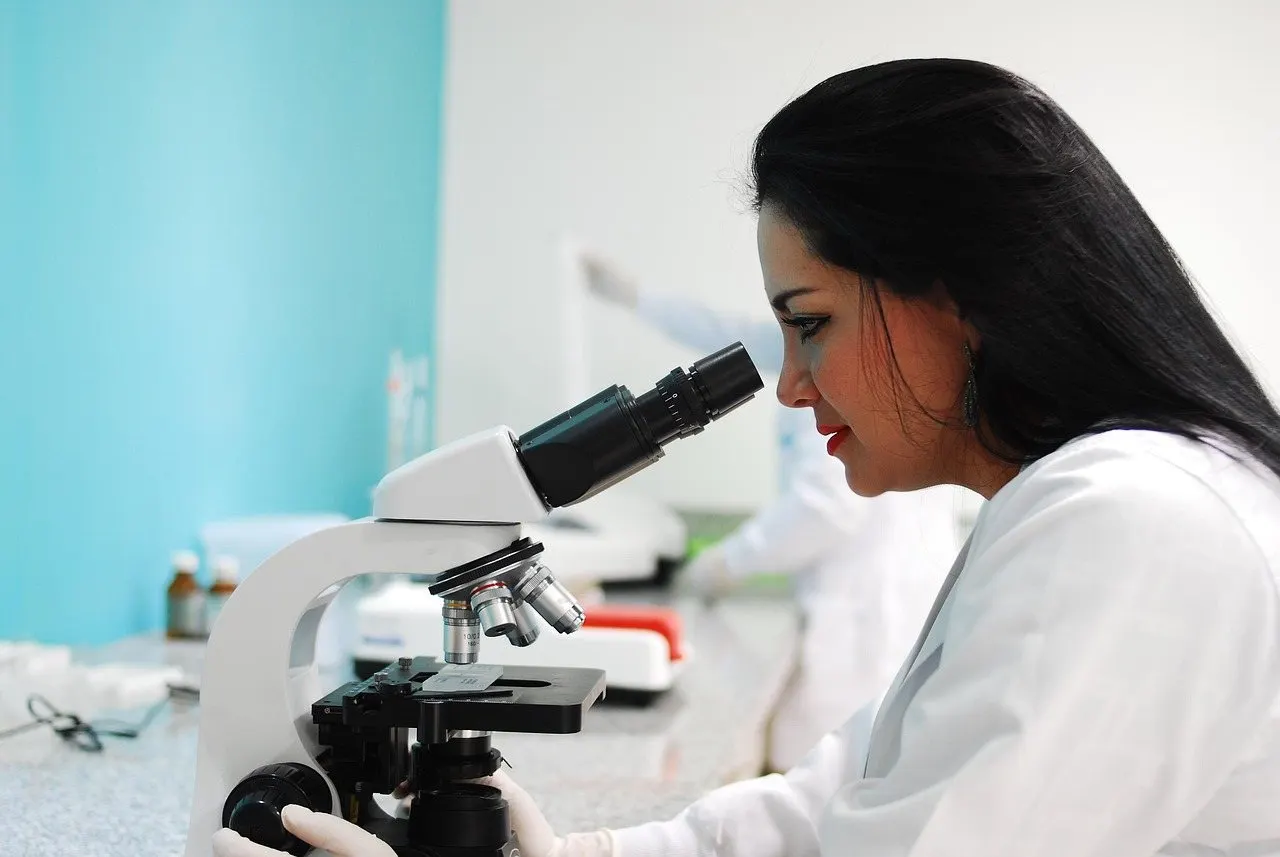
A pathology department is the quiet part of a hospital. Pathologists study tissue, blood and organs to explain why a patient died. They keep samples for later checks, and they write reports families and courts can read. In Sofia’s case, the department kept her organs for study, which is normal work. What was not normal was that her family did not know. Patients need to be heard, as a young woman who survived burns over most of her body shows, and a 22-year-old who chose assisted dying on his birthday shows a young man whose care depended on clear talk.
Why Families Must Be Told What Will Happen
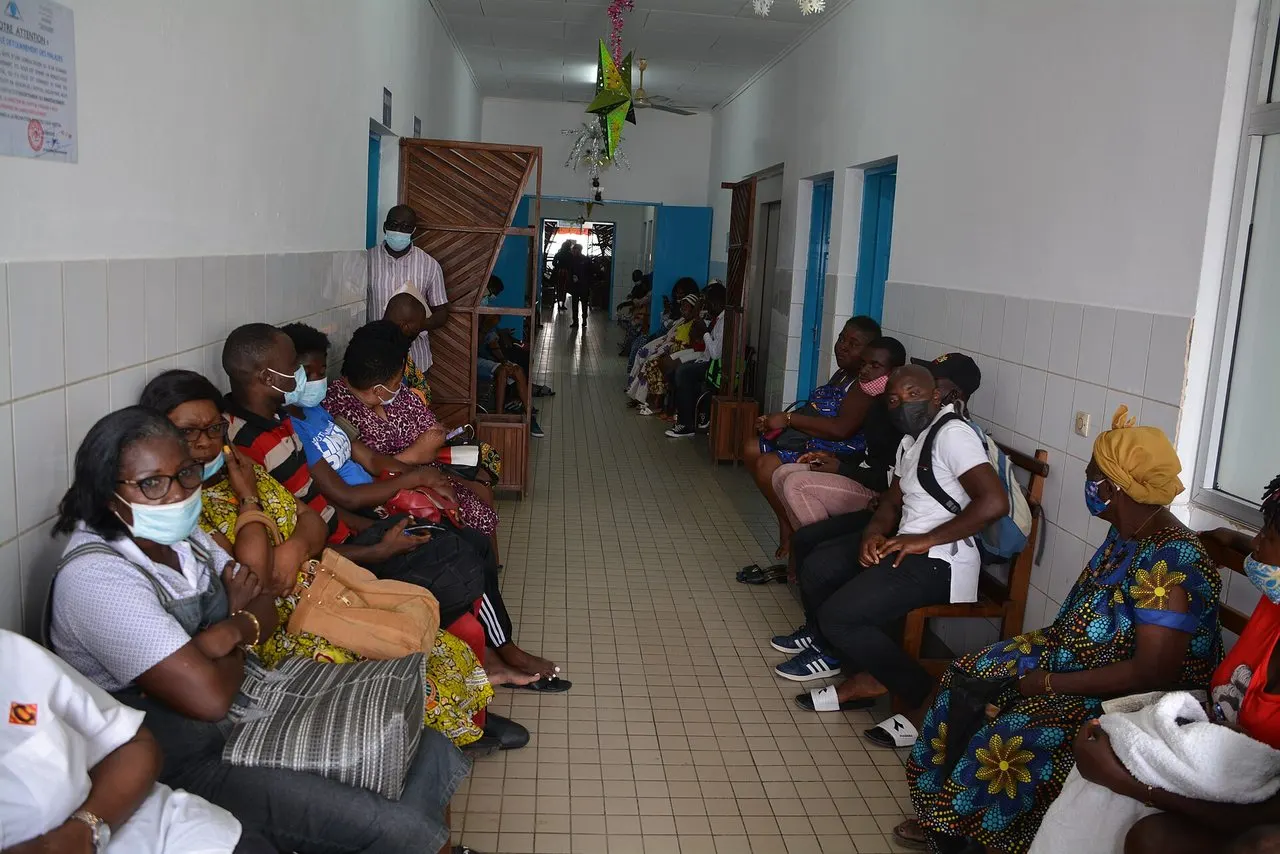
Doctors call it informed consent. Before a procedure, the patient or the family must hear what will be done, what the risks are and what choices they have, in plain words. Sofia’s family says that talk never happened, and that is why the case hurts so much. Consent is not just a signature on a form. It is a promise that no one will be surprised by what happens to a loved one, a promise kept in a grandma whose accidental dinner invitation became a movie and in a father who says time with his kids is real wealth.
Monterrey and the Hospital That Serves Its Mothers

Monterrey is one of Mexico’s biggest cities, and IMSS Hospital No. 23 is a specialist center for women giving birth. Thousands of mothers pass through its doors each year, and most go home with healthy babies. Public hospitals like this one carry a heavy load, with long shifts and crowded wards. That pressure never excuses poor communication, but it helps explain why systems can fail. Teams can still thrive under pressure, as a squad that won with a Mexico themed routine shows, and a calm family life built on small kindnesses shows how calm can win over rush.
When Families Lean on Each Other

In the months since Sofia died, her family has had to care for a newborn, grieve a daughter and fight for answers, all at once. That is more than any family should carry alone, and it is why relatives and friends matter so much. A grandmother can hold the baby while a mother makes a phone call. Small acts like these keep a family standing. Standing by each other is what a father and daughter who graduated 18 years apart shows, and a calm family life built on small kindnesses shows a household that runs on kindness.
Sofia Calderon and the Answers Her Family Still Wants

Sofia’s family is still waiting for full answers. They want to know why her organs were removed, why no one told them, and whether anyone will answer for it. They also want the hospital to change how it talks to families, so no other family learns the truth from a funeral home. It is about every family that trusts a hospital with someone they love. A life can leave something good behind, as an actor reflecting on what truly lasts shows, and a hippo whose passing became a flash point shows how a loss can move many people.
The Questions That Remain
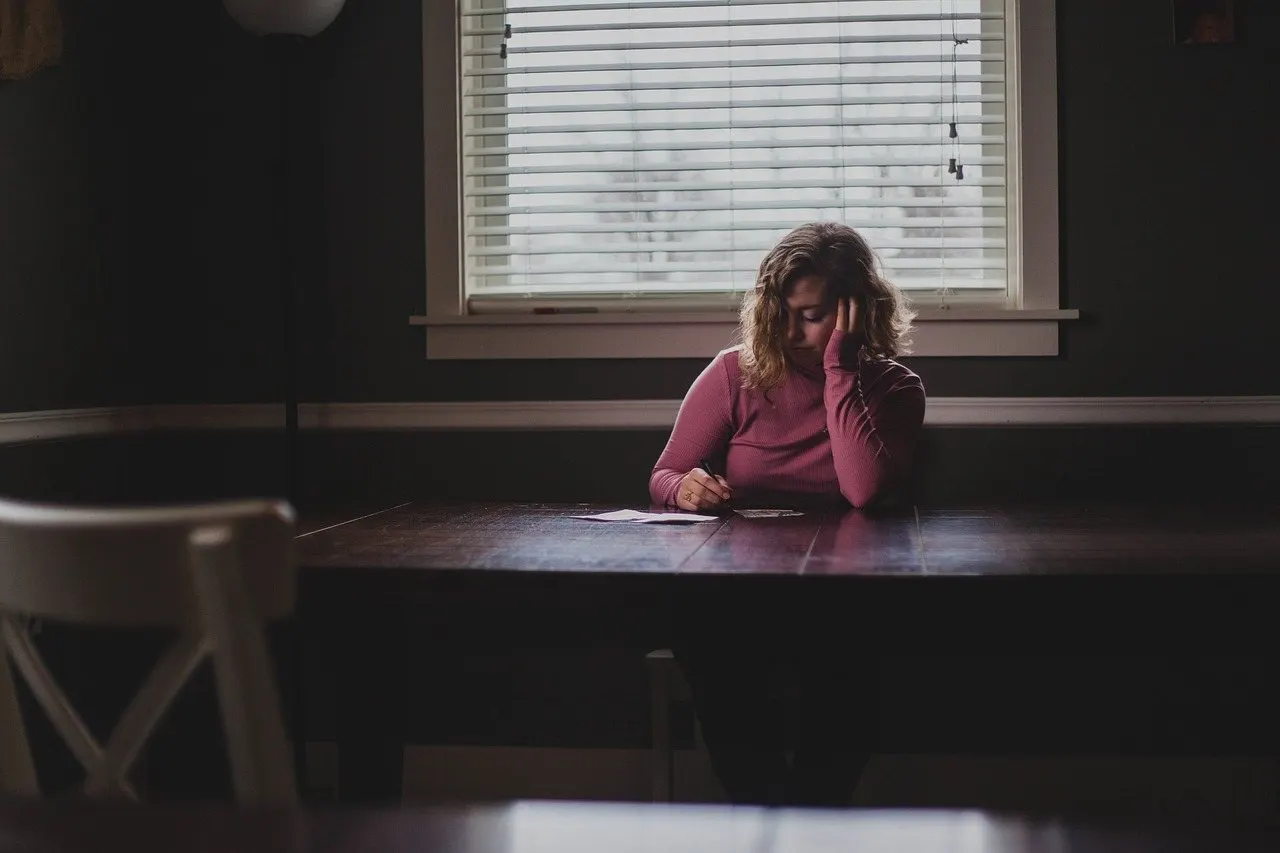
Many questions remain in Sofia Calderon’s case, and only the inquiry and the hospital can answer them. What did the consent form say, and who explained it to the family? When were the organs moved to the Pathology Department, and who signed for them? And will the findings lead to real change, or only to more words? Until those answers come, the family must live with doubt. Joy can come quickly for others, as a comedian celebrating one month of marriage shows, and a grandmother welcoming a new baby boy shows the joy a new baby can bring.
What Would You Ask About This Case?
Sofia was 19 years old, a new mother, and her family trusted a hospital to care for her and to tell them the truth. That trust was broken, and now they seek answers that may take months. If you could ask one question about this case, what would it be? Would you ask about the autopsy consent, the four months of silence, or the inquiry itself? Share your thoughts in the comments below, and keep reading our stories, like a father and daughter who graduated 18 years apart.