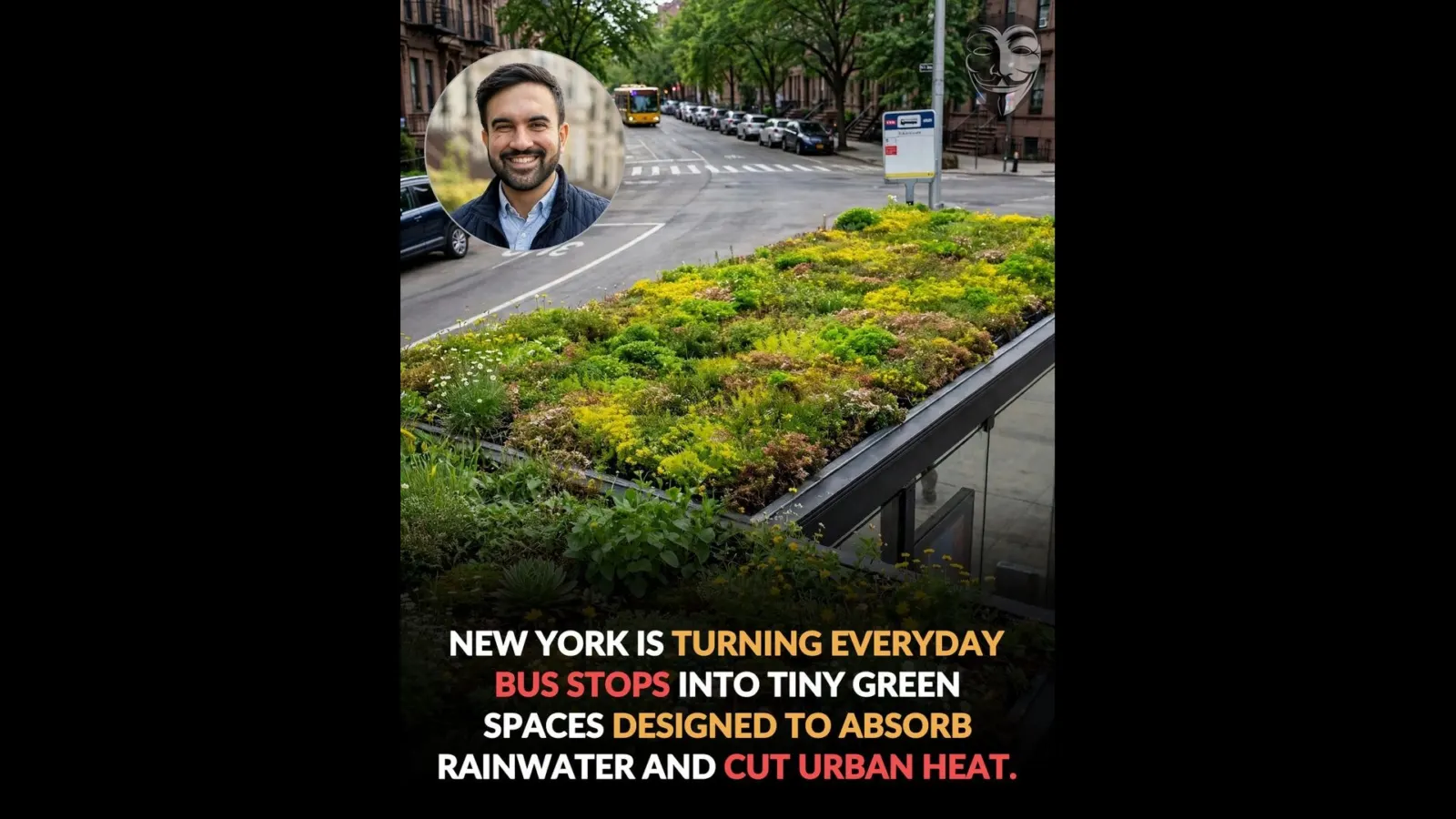
Green Roof Bus Shelter Blooms on a Brooklyn Street
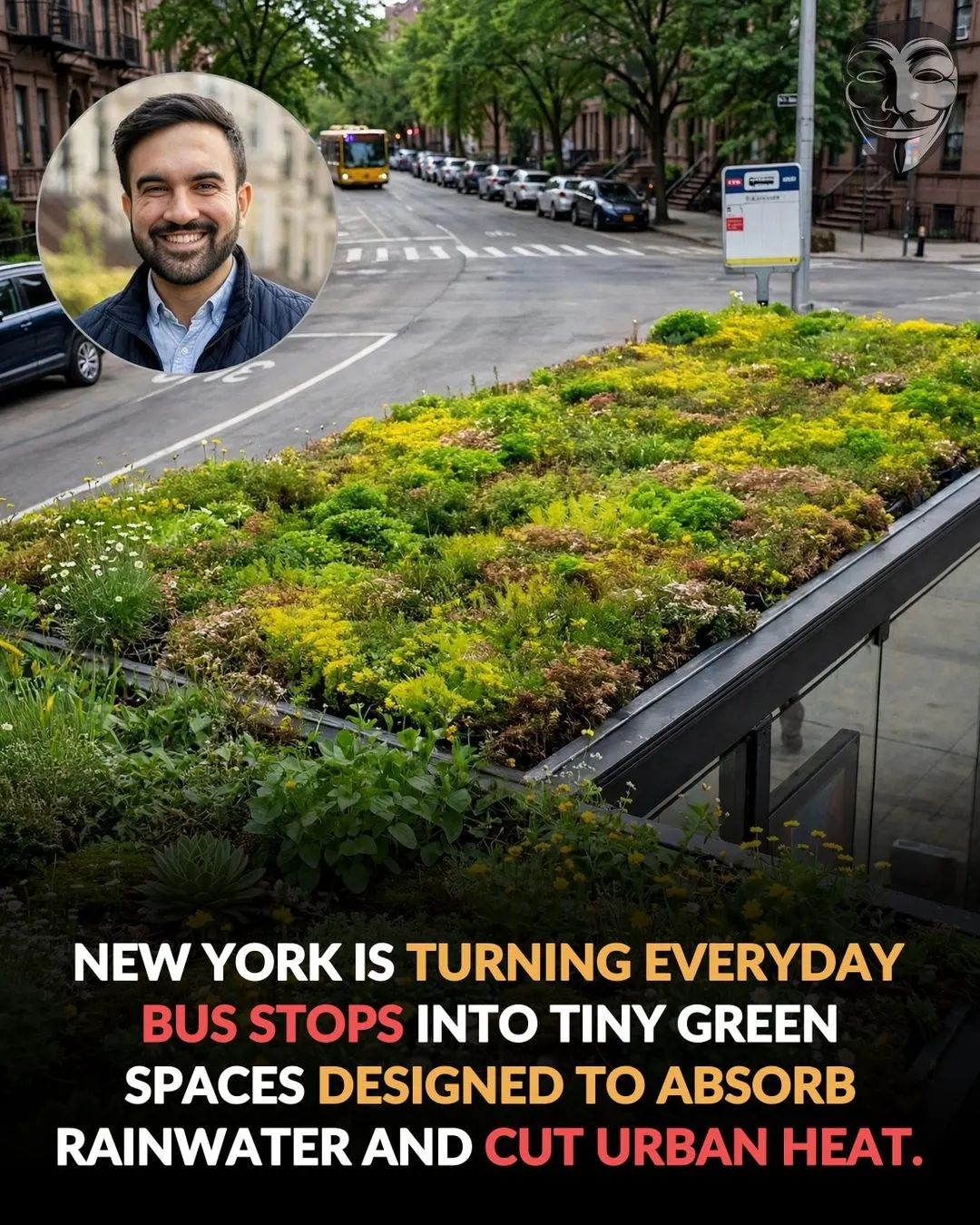
A green roof bus shelter now stands on Pitkin Avenue in Brownsville, Brooklyn, and it is the first of its kind in New York City. The city installed the shelter in September 2026, and its roof is covered with native plants, grasses and wildflowers. The living roof is designed to soak up rainwater, support pollinators and help cool the street below. Riders waiting for the bus can look up and see a small garden growing over their heads, a quiet change to an everyday corner.
In the slides ahead we look at how the roof holds water, what the flowers do for bees, and how the city will test the idea before it spreads to more stops. Officials will study temperature changes and water retention at this shelter and at three nearby shelters with reflective materials. The story fits a city that keeps trying new ideas, from the plan to close Rikers Island to the fight over delivery fees in New York. Read on to see why a garden on a bus stop matters.
References:
Source: Mayor Mamdani Announces New York City’s First Bus Shelter With a Cooling Green Roof in Brownsville
Source: Brooklyn grows first-of-its-kind botanical bus stop aimed at reducing flooding
Source: Green roofs, reflective materials on bus shelters aim to beat the heat in NYC pilot
Source: City of Brownsville to pilot new cooling green bus shelter roofs
A First for Brownsville and Pitkin Avenue
Brownsville is a neighborhood in Brooklyn where the new shelter stands along Pitkin Avenue, a street that many people use each day. The city chose this spot for its first living roof bus shelter, and the work was finished in September 2026. For riders in Brownsville, the stop is more than a place to wait. It is a test of whether green design can make a trip cooler and kinder. The idea joins other city changes, like the order to broaden halal meals, that start in one neighborhood and may spread citywide.
A Green Roof Bus Shelter Grows Above the Sidewalk
The roof of the new shelter is not bare metal or plain glass. It is a living layer of native plants, grasses and wildflowers, planted to grow over the heads of waiting riders. The plants were chosen because they belong in this region and can handle sun, wind and dry spells between rains. A garden on a roof is a simple idea, but it changes what a bus stop can do. Big ideas often start small, as in the case over vaccine rules in New York schools and the story of the senator who vowed to refuse a shutdown vote.
Native Plants Take Root on the Roof
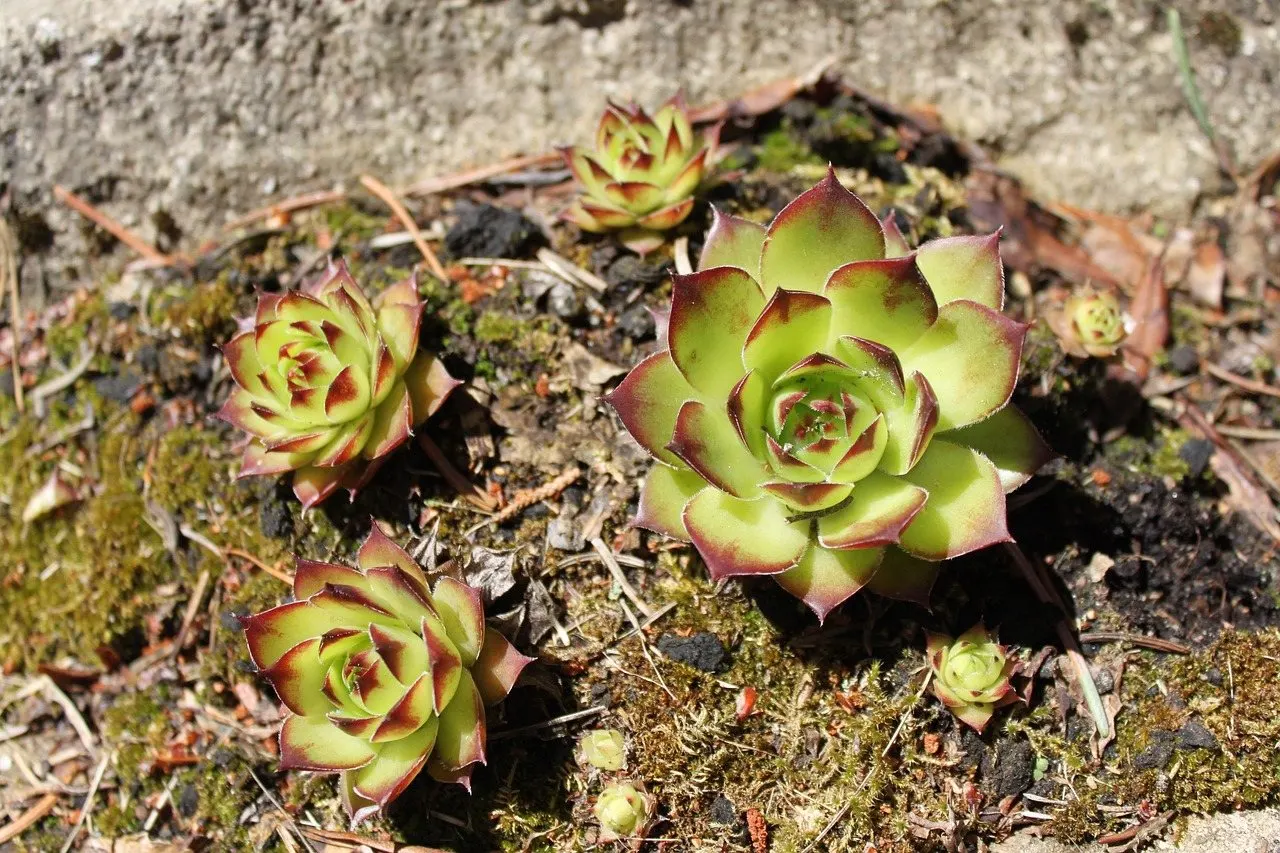
Native plants are the heart of the new shelter roof. They grow naturally in the New York area, so they need less water and less care than plants brought in from far away. Their roots hold the soil in place, and their leaves catch rain before it runs off. When the roof blooms, it gives the street a softer look. Nature close to home matters, whether it is a rooftop garden or the study on faith and family size, and new tools like the robot Tesla says will be its largest product show how fast change can come.
Wildflowers Bring Color to the Bus Stop

Wildflowers turn the shelter roof into a patch of color above a gray street. Their blooms open through the warm months and give the stop a look that changes with the seasons. People waiting for the bus can glance up and see yellow, purple and white flowers where they once saw only a flat roof. Small touches of nature can lift a daily routine. Good ideas come in many forms, from a garden on a bus stop to the implant that could change diabetes care.
Grasses That Bend With the Wind
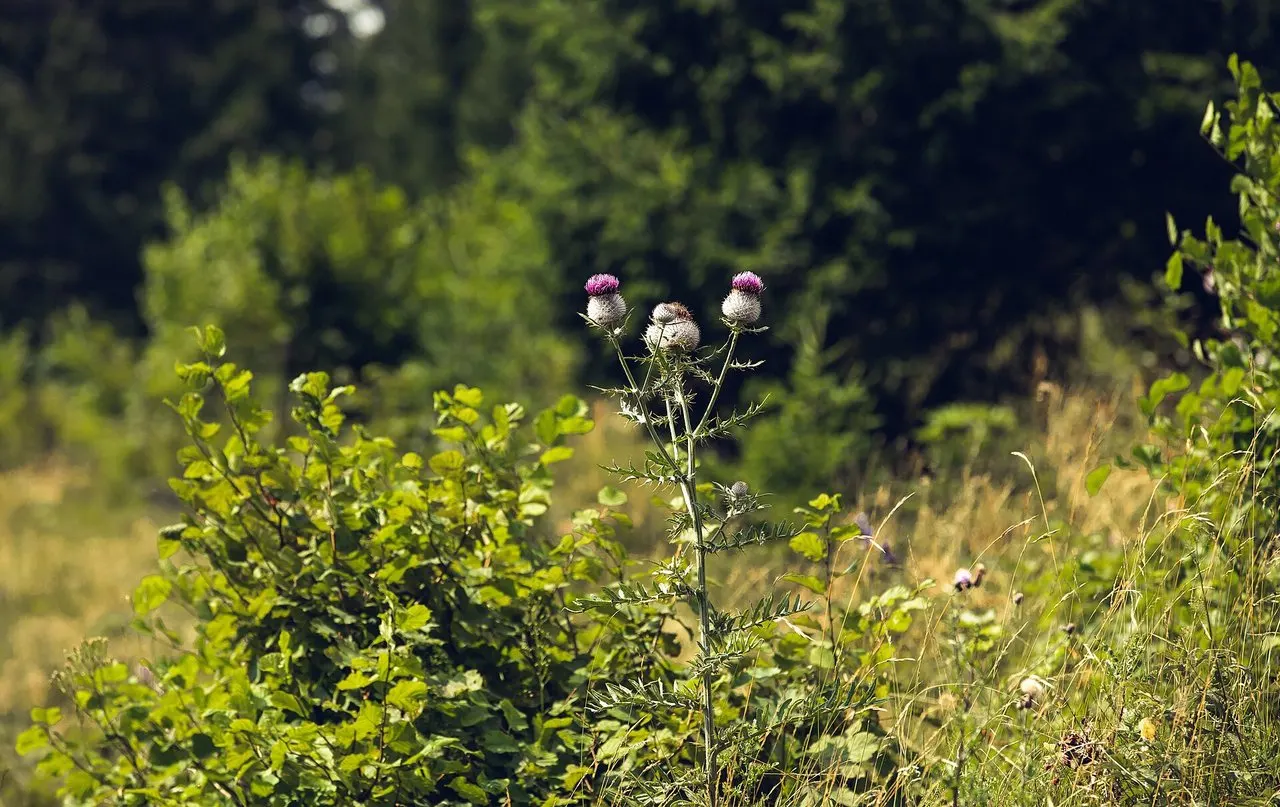
Grasses share the roof with the wildflowers, and they do quiet work all year. Their thin blades bend in the wind instead of breaking, and their roots grip the soil through storms. In dry weeks they hold their green longer than many garden plants, and in wet weeks they help slow the rain. Together with the flowers, they make a tough little meadow. Simple living things often do the most, like the foods in recipes that nourished this land or the story of the lean first lady office.
Bees and Butterflies Find a New Home
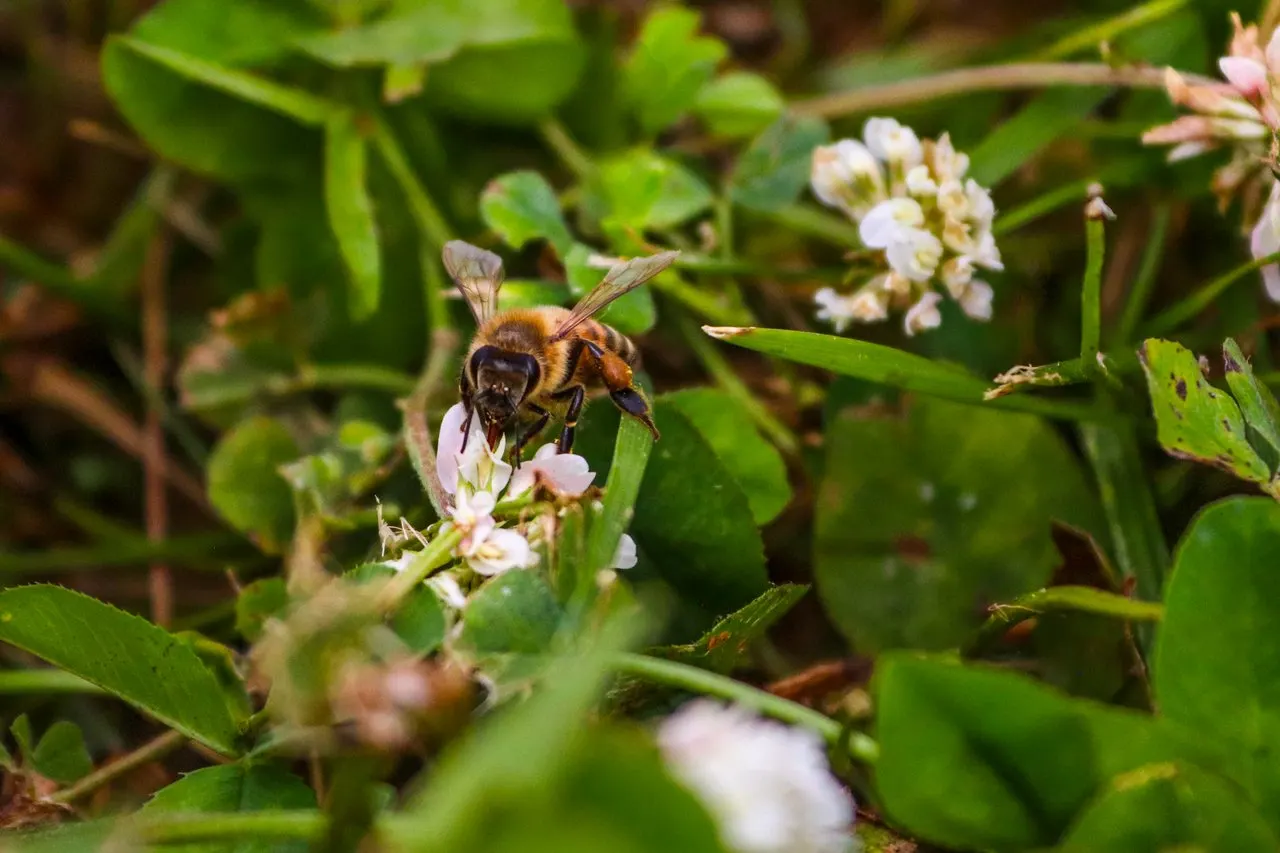
Pollinators need flowers, and the shelter roof gives them a new place to feed in the middle of the city. Bees move from bloom to bloom, gathering pollen, while butterflies rest on the petals in the sun. A roof full of flowers may seem small, but for insects crossing a city of concrete, each green patch is a rest stop. Helping small creatures helps the whole neighborhood. People also gather in surprising ways, from the debate over the actor’s remarks to the trade visit in Davao City.
How the Green Roof Bus Shelter Soaks Up Rain

When heavy rain falls, the green roof bus shelter acts like a sponge. The soil and the roots catch the water and hold it, so less rain rushes off the roof and into the street drains. The city says the living roof can capture up to 16 gallons of stormwater during heavy rain. That may sound small, but every gallon held back is one less gallon racing toward a flooded curb. Slowing water down is the first step, and the same care shows in the call to surrender to Christ.
Sixteen Gallons of Rain Held Back at the Curb

Sixteen gallons is about the size of a large storage bin, and it is the amount the shelter roof can hold back in one heavy rain. Instead of pouring off the roof at once, the water stays in the soil and the plants, then drains away slowly. Over many storms, that adds up to far less water rushing into the streets. Small holds make a real difference when drains are already full. Everyday numbers tell a story, whether it is gallons on a roof, the family behind the old team logo on a table.
A Green Roof Bus Shelter Test With Reflective Roofs
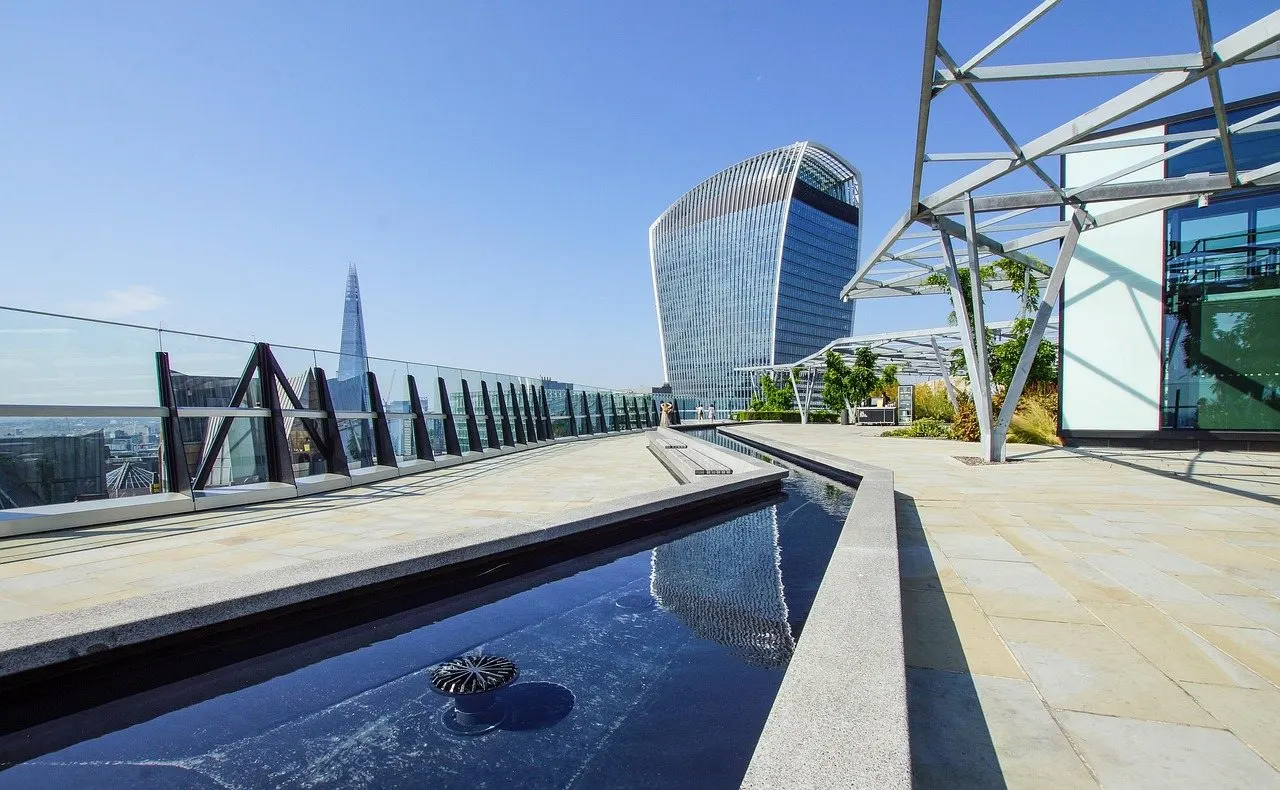
The city is also testing reflective materials on three nearby shelters to learn how much cooler they stay. A bright, reflective surface bounces sunlight away instead of soaking it in, so the shelter below can stay cooler on a hot day. By comparing the green roof with these bright roofs, officials can see which idea works best. Testing side by side is how good plans are made. Cities weigh big choices every day, from the meeting in Shenzhen to the warning to Republican colleagues.
Measuring How Much Cooler the Shelter Stays
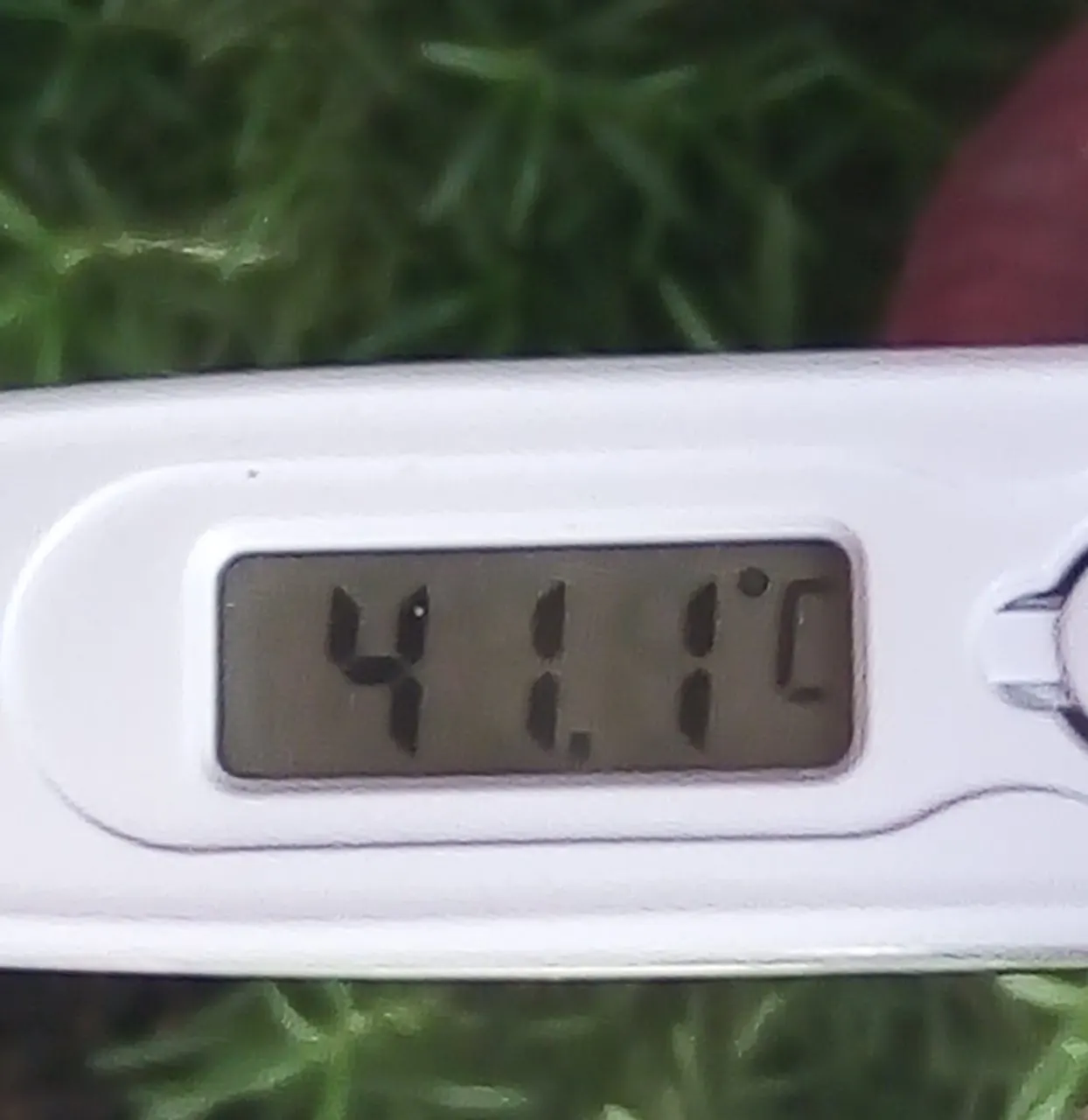
Before the city brings the idea to more bus stops, officials will study temperature changes at the new shelter. They want to know how much cooler the living roof keeps the air below it, and how it compares with the three shelters that use reflective materials. Careful notes over weeks and months will show the real result, not just a guess. Good data guides good choices. Families also measure what matters to them, from the newborn who was already unimpressed to the story of the family tragedy in Plant City.
Rain Gardens and the Fight Against Flooding
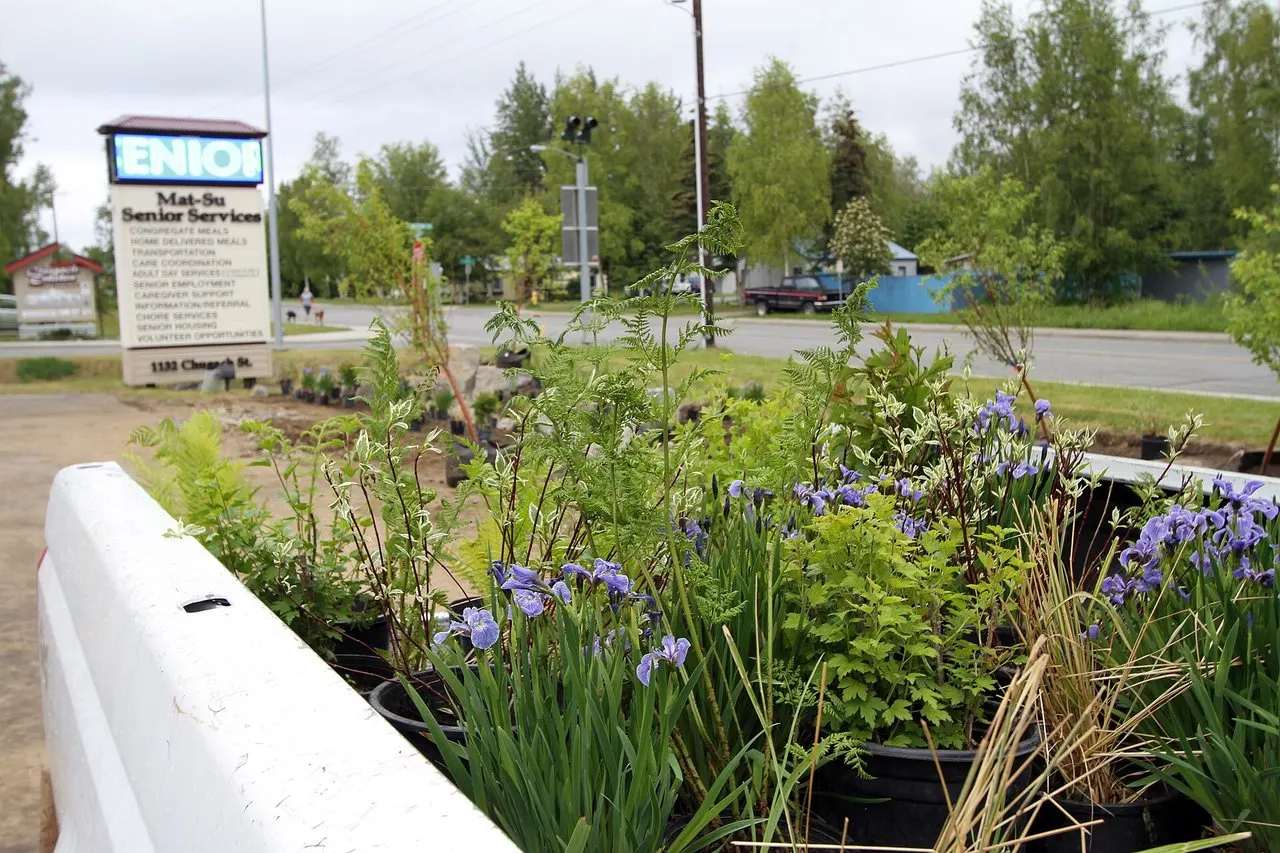
The city will also study water retention, which means how much rain the roof can hold and how slowly it lets the water go. When a roof holds water back, less of it floods the street, and the drains have more time to work. Flooding is a real worry in New York, where heavy rain can swamp low streets in minutes. A garden roof is one small tool against a big problem. Leaders face hard tests too, from the meeting in Hangzhou to the sentence in the Barracas fire case.
The Green Roof Bus Shelter Announcement in Brownsville

Mayor Mamdani announced the new shelter, and the news came from the NYC Mayor’s Office on September 16, 2026. The announcement called it the first bus shelter in the city with a cooling green roof. The NYC Department of Transportation is part of the work, and NBC New York also shared the story. When a mayor backs a small pilot, it tells the city the idea is worth watching. Public news can spark wonder, like the mystery of the Abydos carving.
Buses, Riders and the Daily Trip
Many New Yorkers ride the bus, and most of them wait at plain stops with little shade. The bus is a lifeline for people going to work, to school, to the doctor and to visit family. A stop with a garden roof makes that wait a little easier and a little greener. When a city cares for its riders, it shows in the small details. New York keeps changing how it serves people, from the plan to close Rikers Island to the fight over delivery fees in New York.
What Makes a Green Roof Bus Shelter Work

A green roof bus shelter works because its layers work together. Below the plants sits soil that holds water, and below that a layer that keeps the roof dry and safe. The plants shade the soil, the soil feeds the plants, and the whole roof stays cooler than bare metal in the sun. It is a simple system with no moving parts. Simple systems can still change a city, like the order to broaden halal meals.
Why City Streets Feel Hotter in Summer
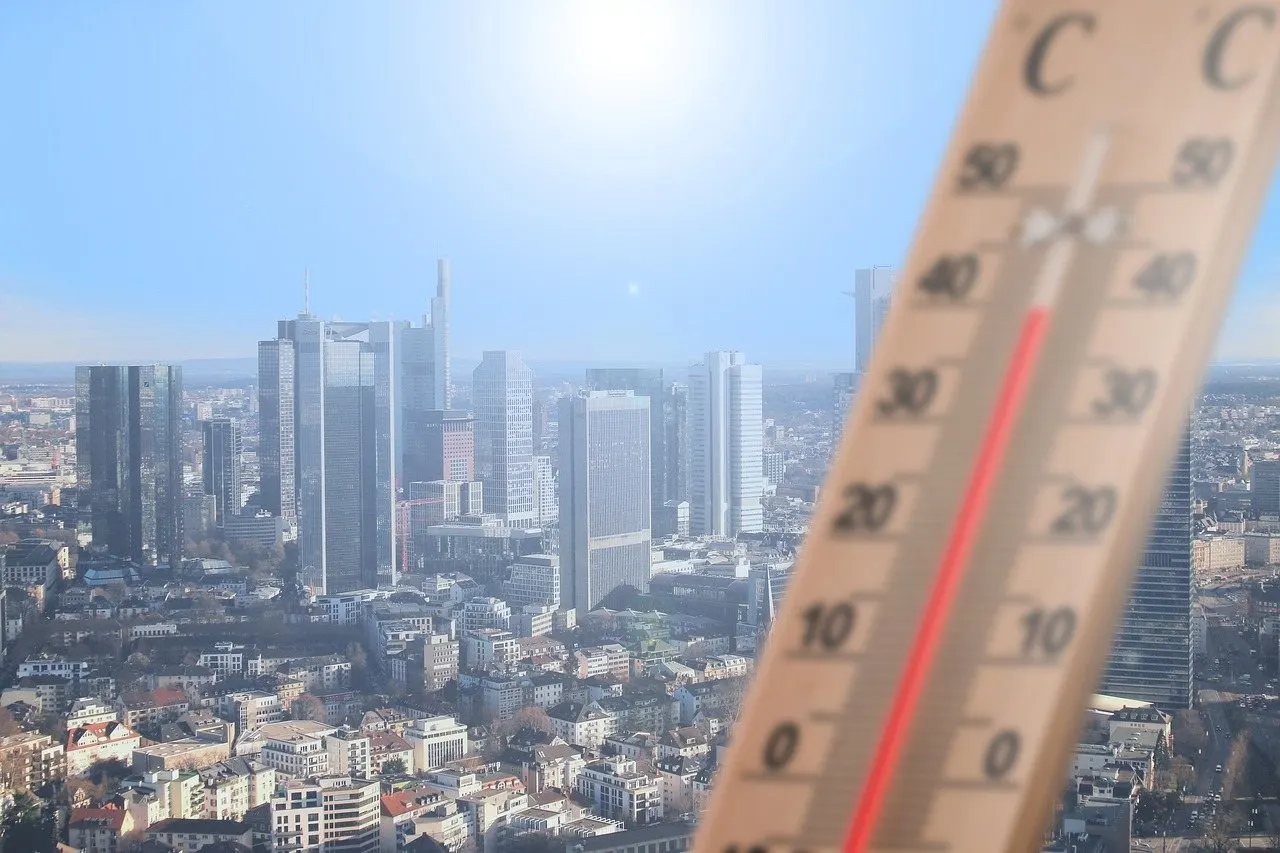
City streets can feel much hotter than the countryside on the same day. Pavement and rooftops soak up the sun and give the heat back slowly, even after dark. This is called the urban heat island effect, and it makes summer harder for people who wait outside. Plants help because they cool the air as water leaves their leaves. Shade and green can tame the heat. Cities also wrestle with rules and votes, as in the case over vaccine rules in New York schools and the story of the senator who vowed to refuse a shutdown vote.
Heavy Rain and the City Drain Problem
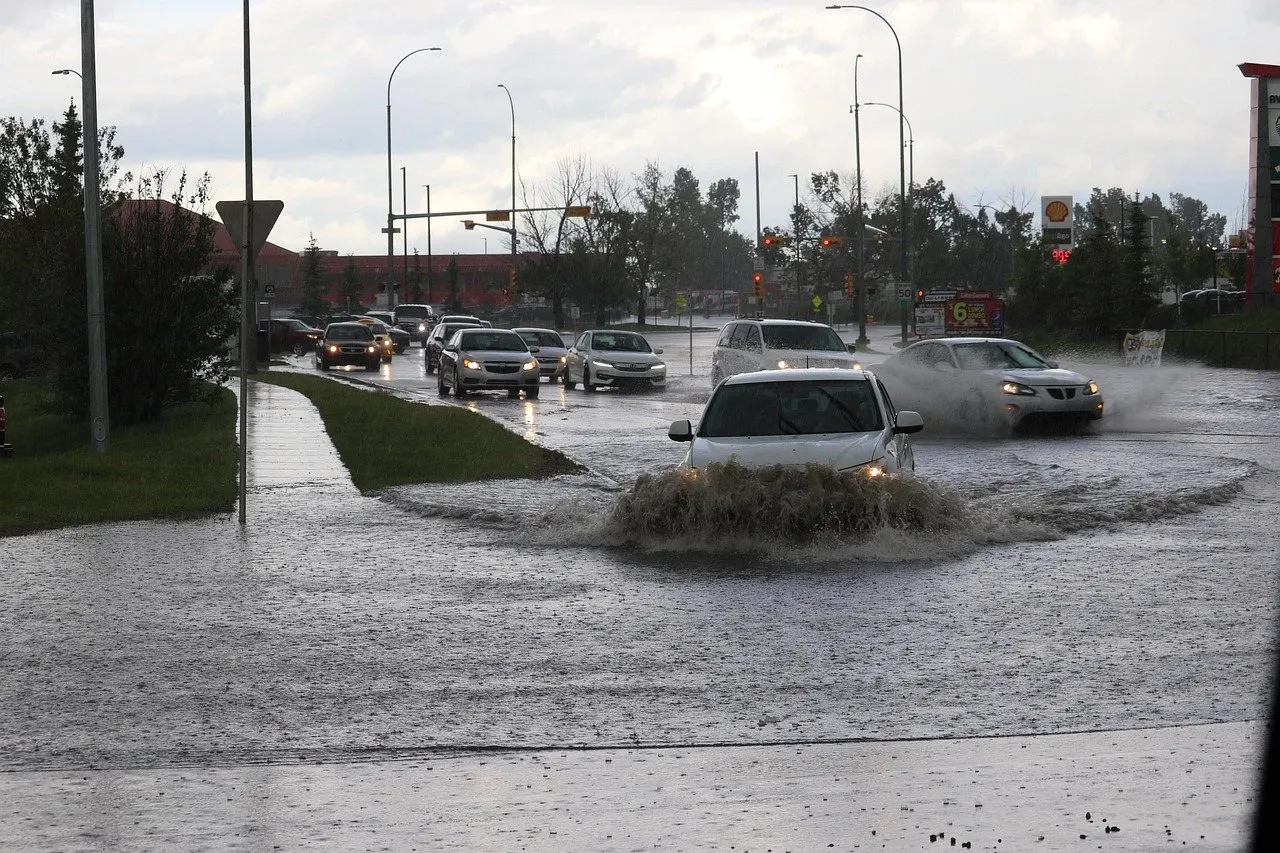
Heavy rain can overwhelm a city fast. When rain hits roofs and roads, it has nowhere to soak in, so it races to the drains and sometimes past them. Streets can flood in minutes, and buses slow down as water pools at the curb. Green roofs help by catching the first rain and letting it go slowly. Every roof that holds water gives the drains a little more time. Big problems need many small fixes, from stormwater to the study on faith and family size.
Waiting for the Bus in the Shade
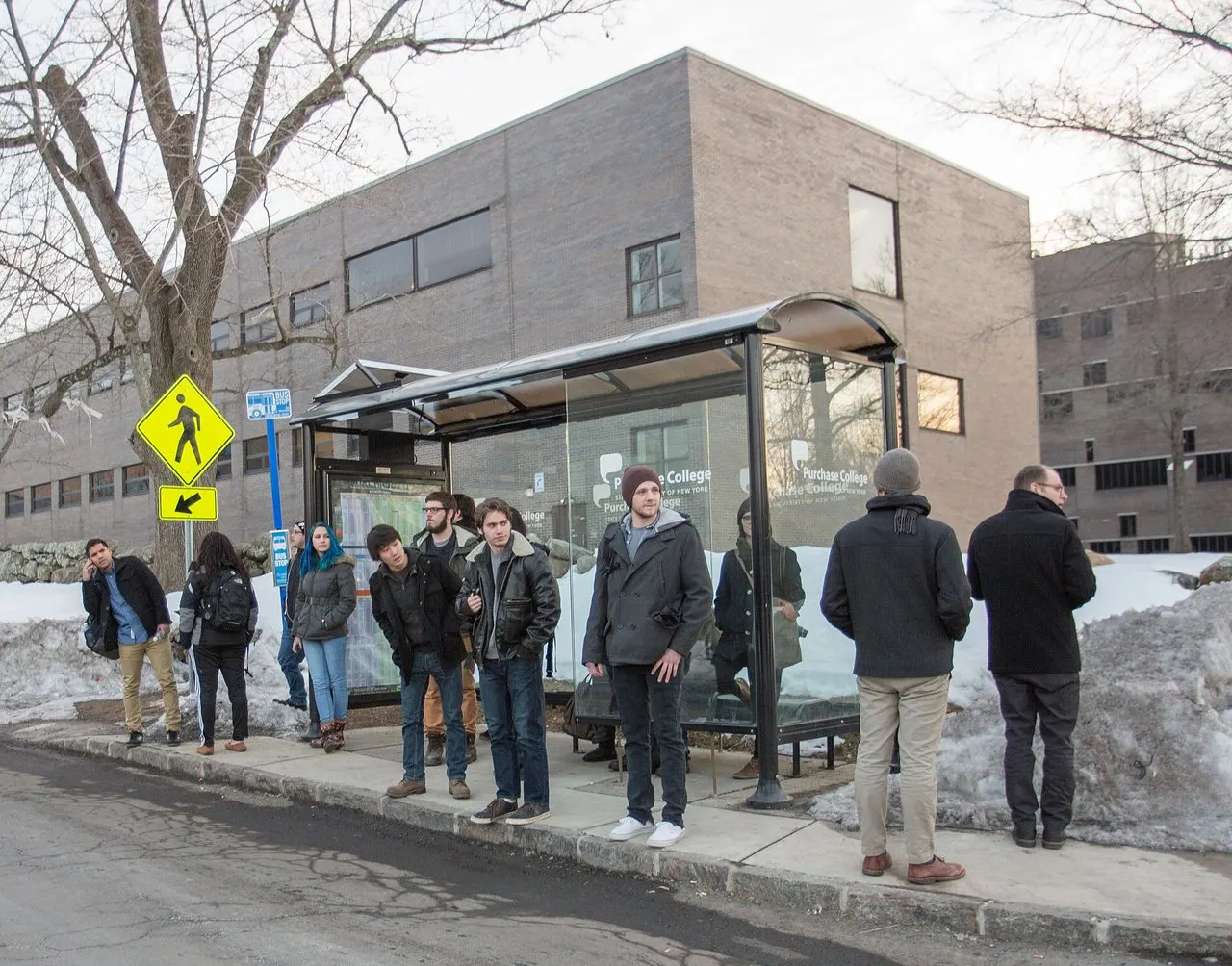
Waiting for a bus in summer can be hard when the sun beats down on a bare shelter. A living roof gives shade and cooler air, and the plants above make the wait feel less harsh. Riders can stand under a garden instead of under hot metal, and the stop feels more like a place to rest. Comfort matters when the wait is long. Small comforts add up, just as science adds up, from the implant that could change diabetes care to the sound wave treatment for tumors.
Will the Green Roof Bus Shelter Idea Spread
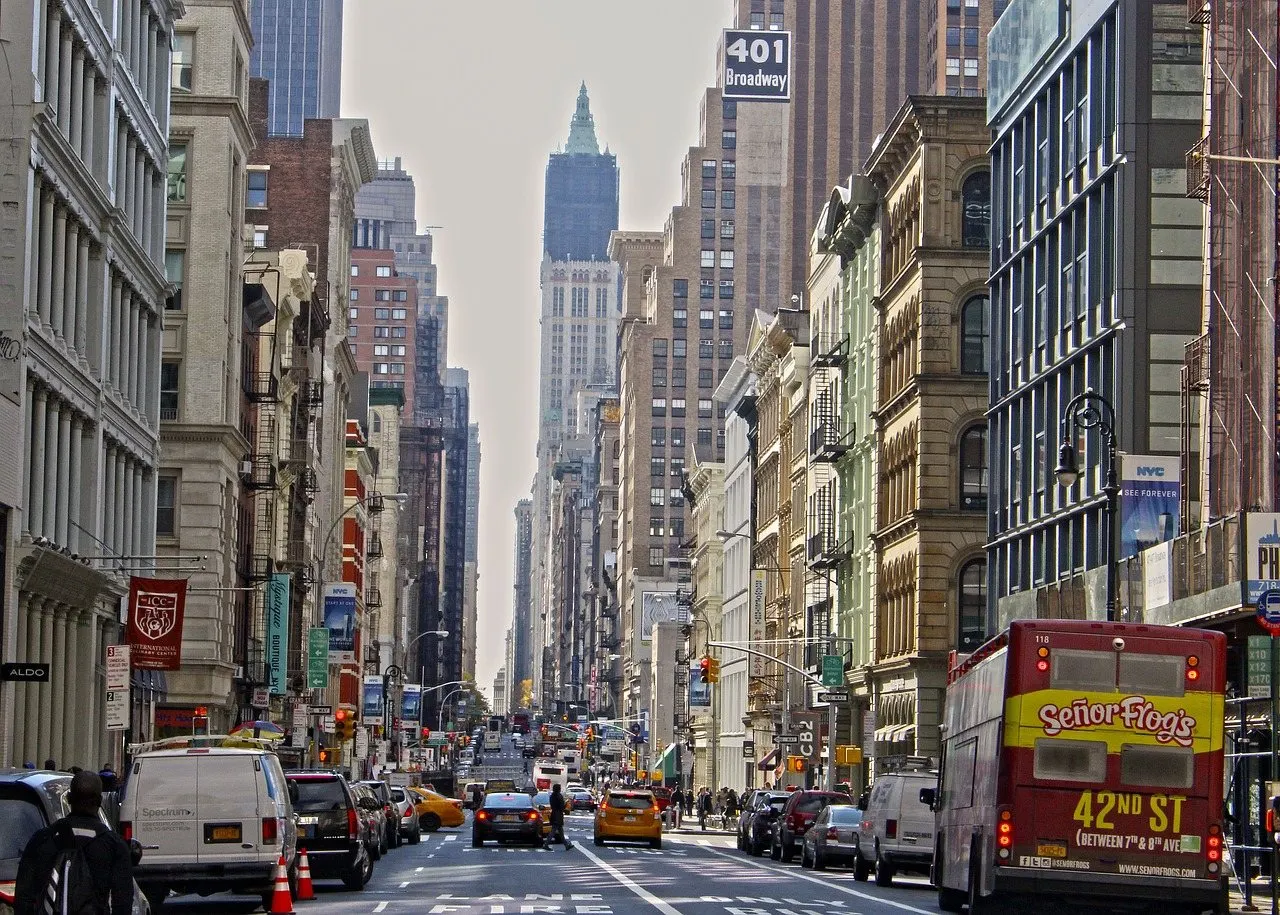
Officials will study temperature changes and water retention before deciding whether to bring the idea to more bus stops across the city. If the green roof bus shelter stays cool and holds water well, other stops could get the same treatment. If it falls short, the city will learn what to change. A pilot is a promise to test first and build later. Patience is part of good planning, whether the topic is bus stops, recipes that nourished this land.
Other Cities Watch the Green Roof Bus Shelter
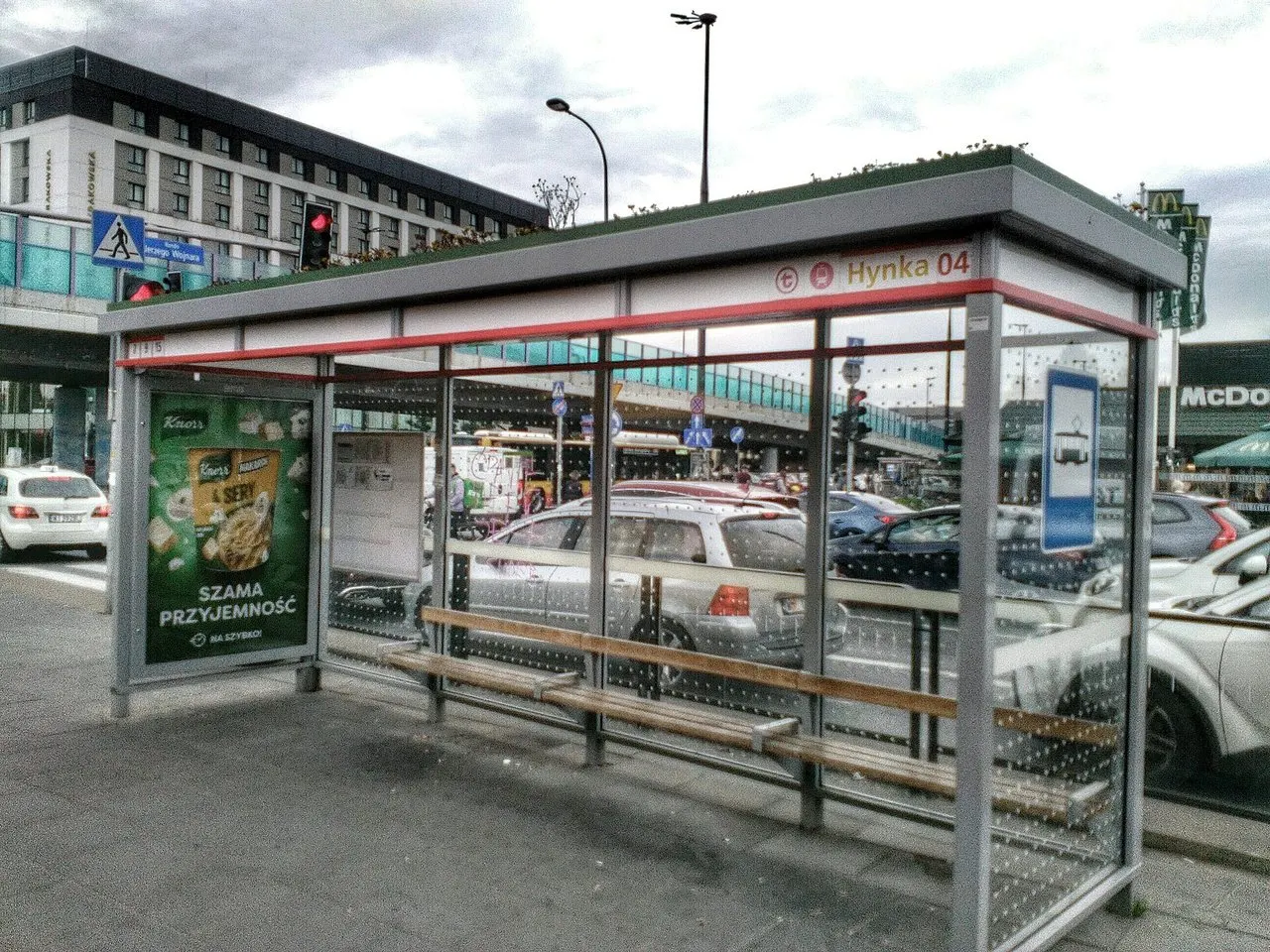
New York is not the only city looking for cooler, greener streets. Cities around the world are planting green roofs, adding shade and finding ways to catch rain where it falls. A small bus stop in Brooklyn could give other places a clear example to copy. Good ideas travel fast when they work in real life. Cities learn from each other, just as people learn from the debate over the actor’s remarks.
A Brooklyn Block Gets a Greener Corner
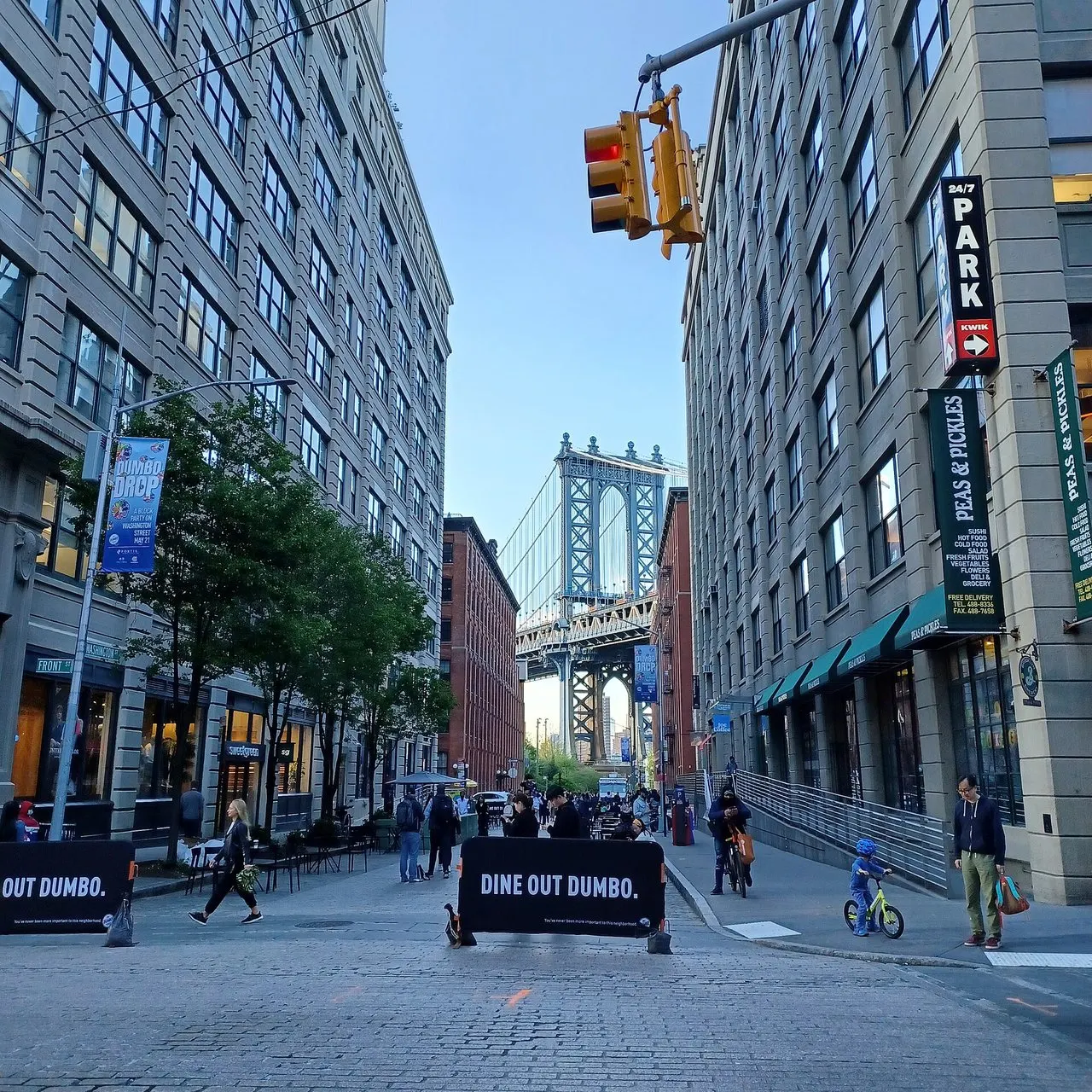
Brownsville is a proud Brooklyn neighborhood with deep roots and strong community ties. A garden on a bus stop fits a place where people look out for each other and take pride in their streets. The shelter adds green to Pitkin Avenue without taking space from anyone. It is a small gift to the block, and it shows that green design belongs everywhere, not only in wealthy areas. Neighbors share news and hope, from the call to surrender to Christ to the actress on gratitude and moving forward.
Keeping a Green Roof Bus Shelter Healthy
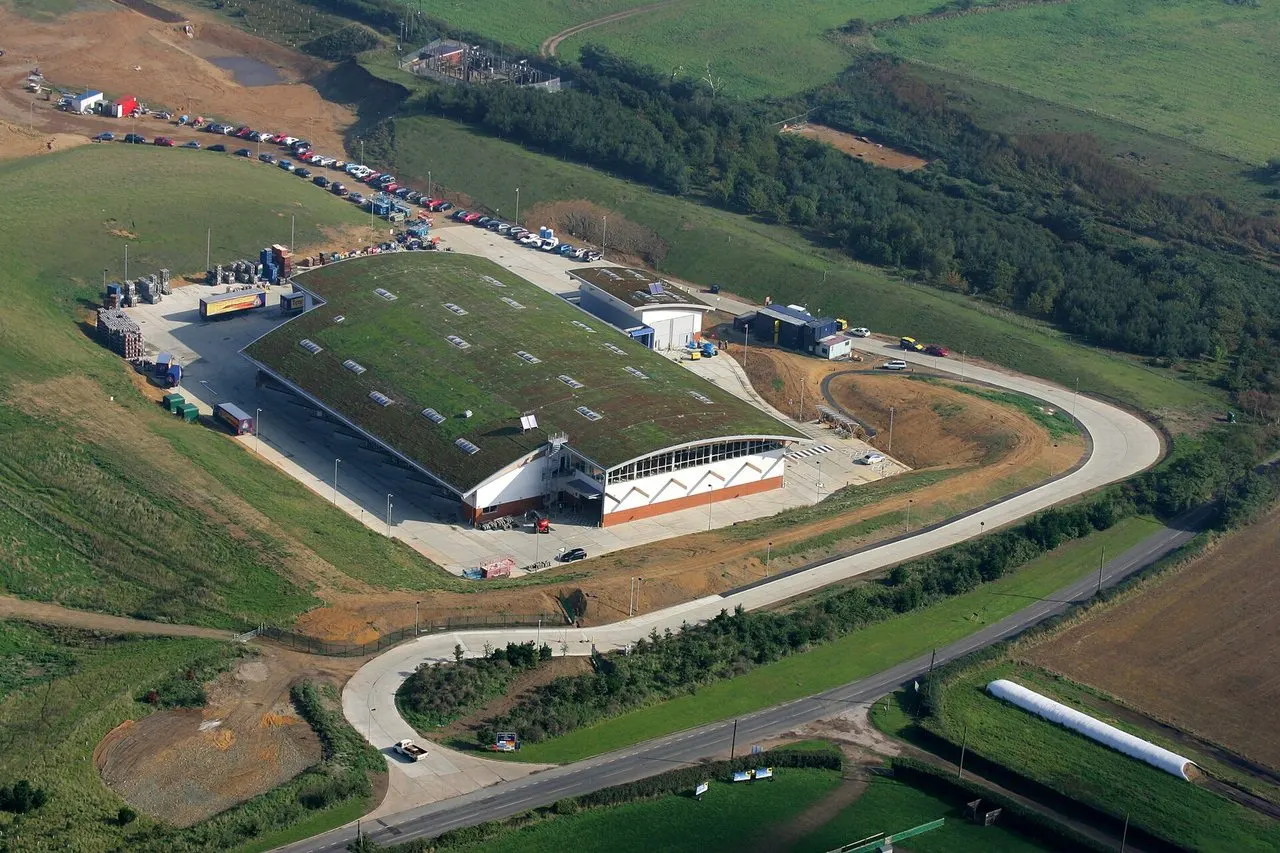
A living roof needs care to stay healthy. The plants need water in dry spells, and workers must check that the soil stays in place and the drains stay clear. Native plants make the job easier because they are used to local weather, but no garden looks after itself. A little care keeps the roof green for years. Care keeps many things alive, from a rooftop garden to the family behind the old team logo and a table set with bright red holiday bites.
Trees, Parks and Cooler Neighborhoods
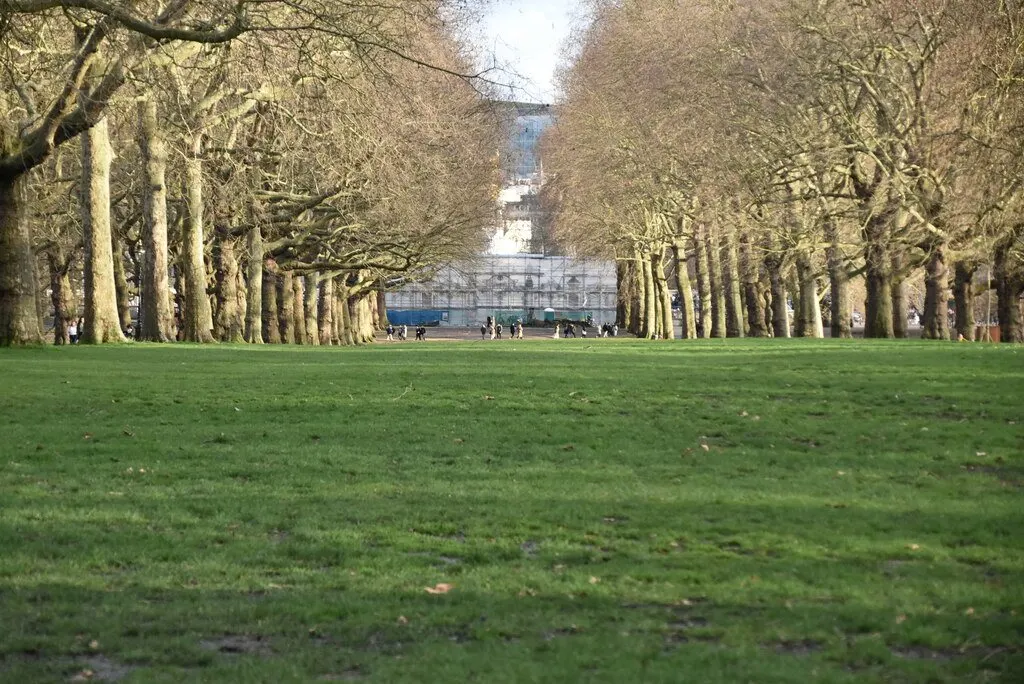
Green roofs are one part of a greener city. Trees line the streets, parks give people shade, and gardens turn bare corners into living places. Each patch of green cools the air a little and gives birds and insects a place to live. Together, many small green spots can change how a whole neighborhood feels in summer. Nature and people do better side by side. Big choices shape cities too, from the meeting in Shenzhen to the warning to Republican colleagues.
Green Ideas on City Rooftops
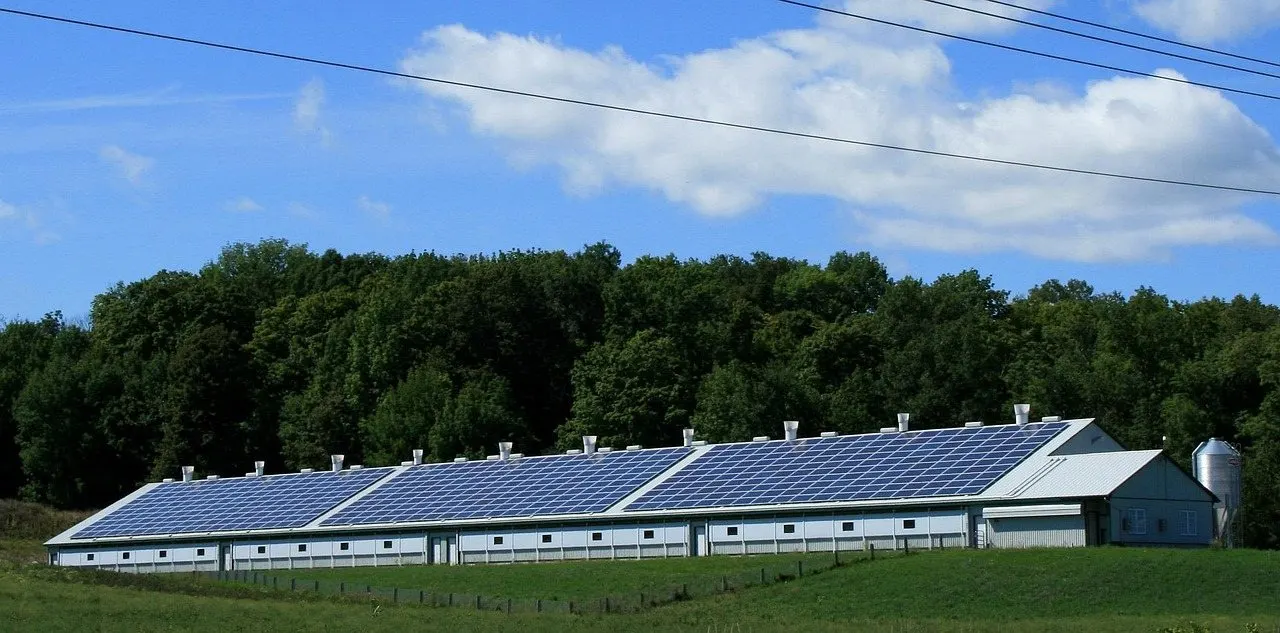
Rooftops are some of the most unused space in a city. They sit empty above shops, schools and homes, catching sun all day. Green roofs, solar panels and gardens can turn that empty space into something useful. A bus shelter roof is tiny, but it proves the idea works at any size. When a city looks up, it finds room to grow. New ideas start in small places, like the newborn who was already unimpressed or the lessons of the family tragedy in Plant City.
Visiting the Green Roof Bus Shelter on Pitkin Avenue
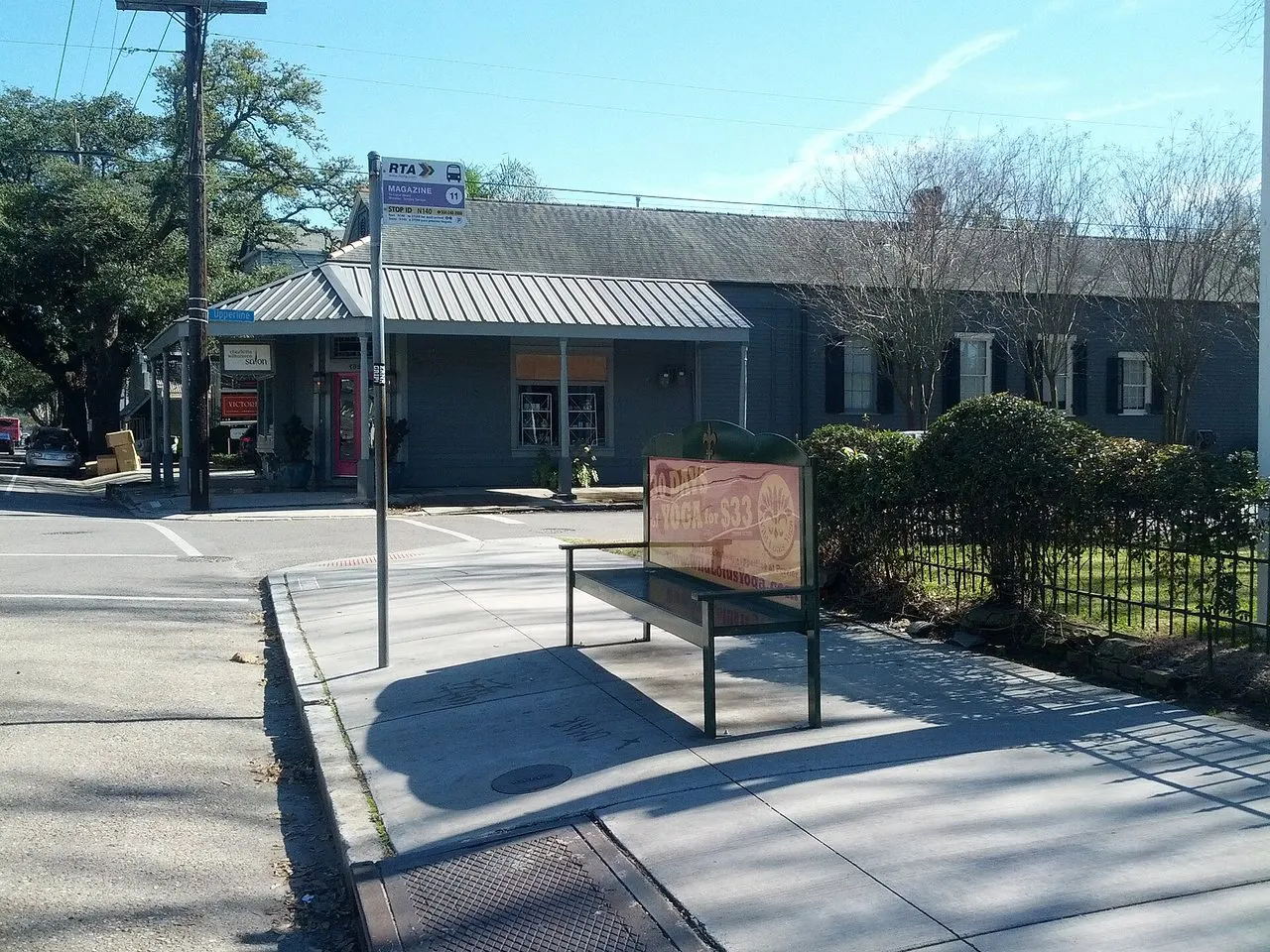
Anyone in Brownsville can walk to Pitkin Avenue and see the green roof bus shelter for themselves. The plants change with the seasons, so the roof will look different in spring, summer and fall. Riders can watch the flowers bloom and the bees visit, all while they wait for the bus. A bus stop that doubles as a garden is worth a look. The stop joins a city full of stories, from the meeting in Hangzhou to the sentence in the Barracas fire case.
Would You Wait for Your Bus Under a Garden

New York put a garden on top of a bus stop in Brooklyn, and the city is watching to see how it grows. The roof holds rain, cools the air and feeds the bees, all above a place where people wait every day. If the pilot works, more stops could bloom across the city. Would you wait for your bus under a garden? Tell us in the comments what you think, and keep reading our stories, from the mystery of the Abydos carving to the mystery of the giant rock art figures.