Nepal Road Sign Warns Drivers to Know the Rule
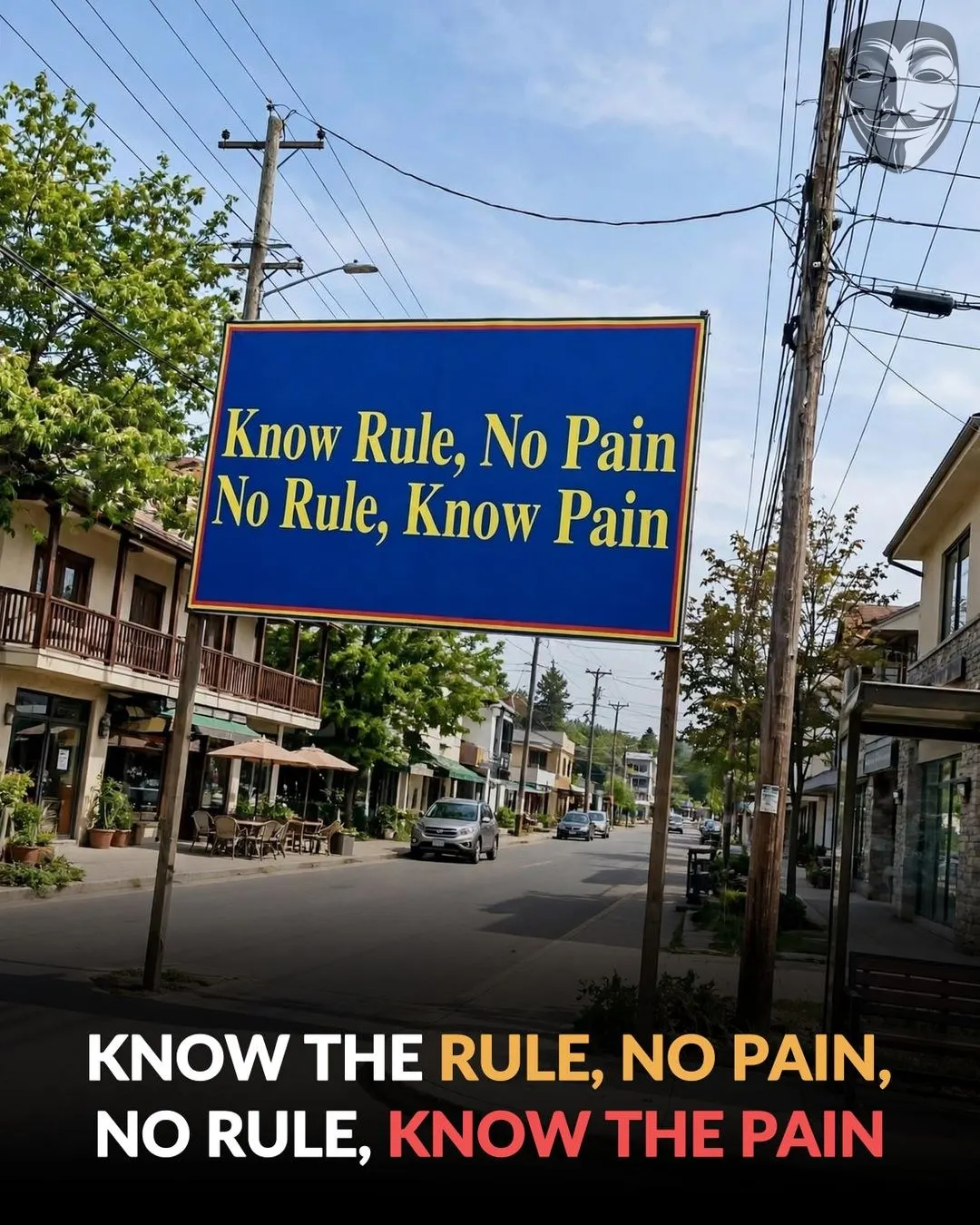
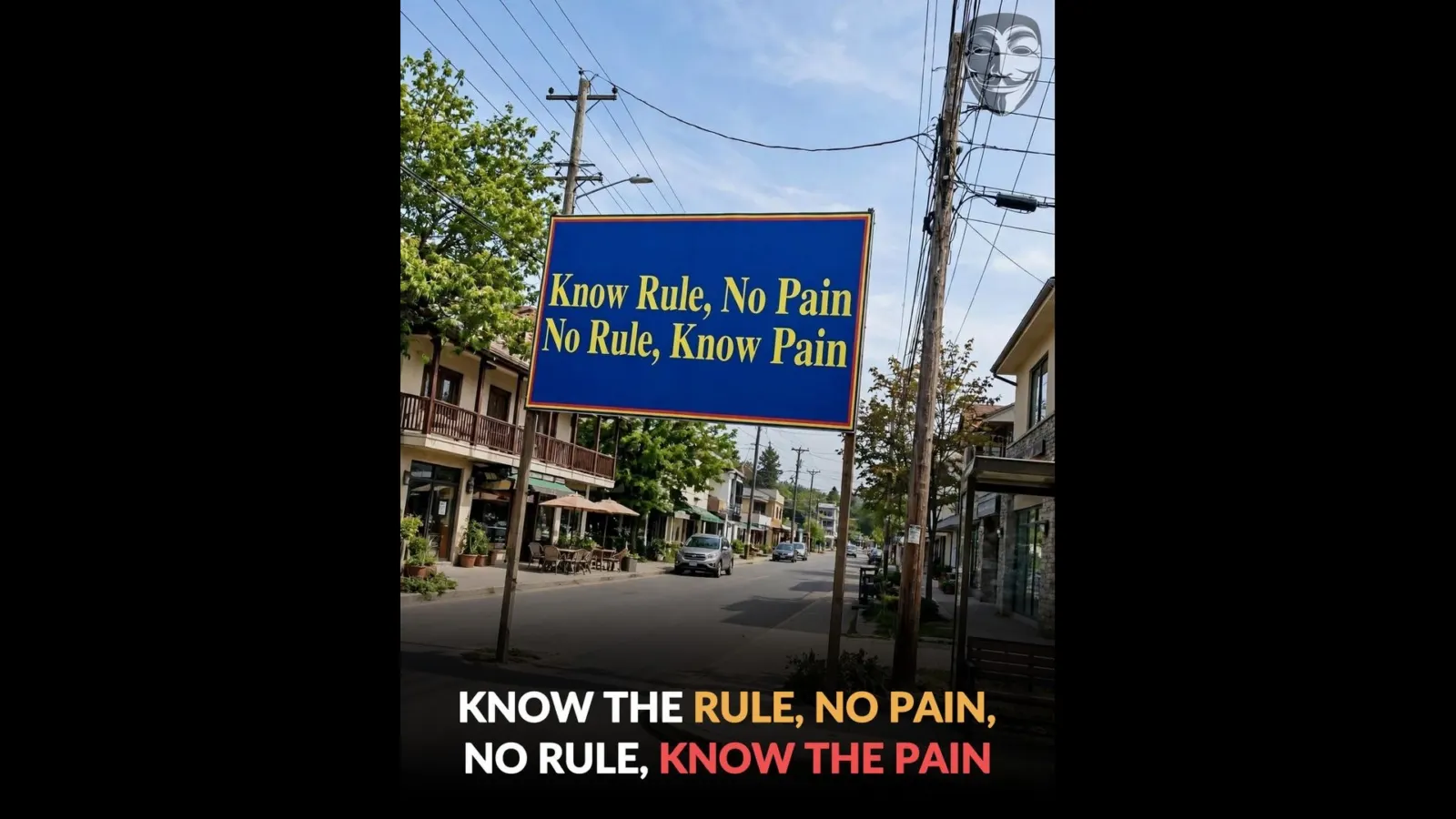
A Nepal road sign in Kathmandu has stopped drivers in their tracks with a rhyme that is hard to forget. Know the rule and there is no pain, break the rule and you will know pain, the board says in big yellow letters on the roadside. Community police put it up to make drivers smile first and think second, and it works, because the message is simple enough for anyone passing by to read in a glance. The sign has now become a talking point far beyond the street where it stands.
Traffic police in the Kathmandu Valley have been cracking down hard on rule breakers, and the numbers show they mean business. In a single day they penalised 817 drivers, a reminder that the funny board carries a serious warning for everyone on the road. The sign works because it speaks plainly, and plain talk is what busy streets need. For more on officers who speak their minds, read our report on a retired police sergeant who warned against trips to New York and our story on why one senator calls a big military increase insane.
References:
Automobile Hive: Kathmandu Traffic Police Penalize 817 Drivers in 24 Hours
Kalopati: Traffic police took action against 817 people in 24 hours
The Nepali Post: Traffic Lights Begin Operating at Six Major Checkpoints in Chitwan
Artha Nepal: Metro Traffic FM role in traffic management praised
A Board That Makes Drivers Smile, Then Think
The board stands on a roadside in Nepal, where community police wanted a message that drivers would actually remember. Most warning signs are easy to ignore, but this one rhymes, and a rhyme stays in the mind long after the car has passed. Drivers slow down, read it twice, and often laugh before they drive on. That small moment of humour is the whole point, because a driver who is smiling is also paying attention. Read about another warning in our report on a port warning in the Red Sea.
The Nepal Road Sign Rhyme That Sticks in Your Head
Know the rule, no pain, no rule, know pain. The words are short and the meaning is clear. A good road sign does not need long sentences, and this one proves it with just ten words. Children can repeat it, visitors can understand it, and drivers can carry it with them for the rest of the journey. Rhymes have always helped people remember rules, from school lessons to safety posters. For more on words that carry weight, see our story on a call for Muslim unity.
Community Police Put Up the Funny Warning
The board was put up by community police, the officers who work closest to the streets they serve. They know the local roads, the busy corners, and the drivers who pass by every day. Instead of a dull order, they chose a joke with a sharp edge, a line that makes people grin and then slow down. Community policing works best when officers talk with people rather than at them, and this sign does exactly that. Read about officers speaking out in our report on a retired police sergeant.
Big Yellow Letters You Cannot Miss
The message is written in big yellow letters that stand out against the board, so drivers can read it from a distance. Yellow is a colour that catches the eye, which is why so many warning signs use it. The letters are large, the words are few, and there is nothing to distract from the point. Even a driver in a hurry gets the message in a single glance, and that is what a roadside warning is for. For more on things built to be noticed, read our story on humanoid robots.
The Nepal Road Sign Backs a Kathmandu Crackdown
Traffic police in the Kathmandu Valley have been cracking down hard on rule breakers, and the funny board is part of a serious push. Officers have been stopping drivers, checking documents, and handing out fines to anyone who breaks the rules of the road. The crackdown is meant to cut crashes and keep busy streets safer for everyone. A sign can warn, but only enforcement makes the warning stick. Read about firm stands in our report on a senator who will refuse a vote.
817 Drivers Penalised in a Single Day
In just 24 hours, Kathmandu traffic police took action against 817 drivers, a number that shows how wide the crackdown reaches. That is hundreds of penalties in a single day, handed out on streets across the valley. Both Automobile Hive and Kalopati reported the same figure, and it made headlines because it was so large. A number like that tells every driver the police are watching closely. For more on big numbers in the news, see our story on a huge military budget fight.
Why the Funny Sign Carries a Serious Message
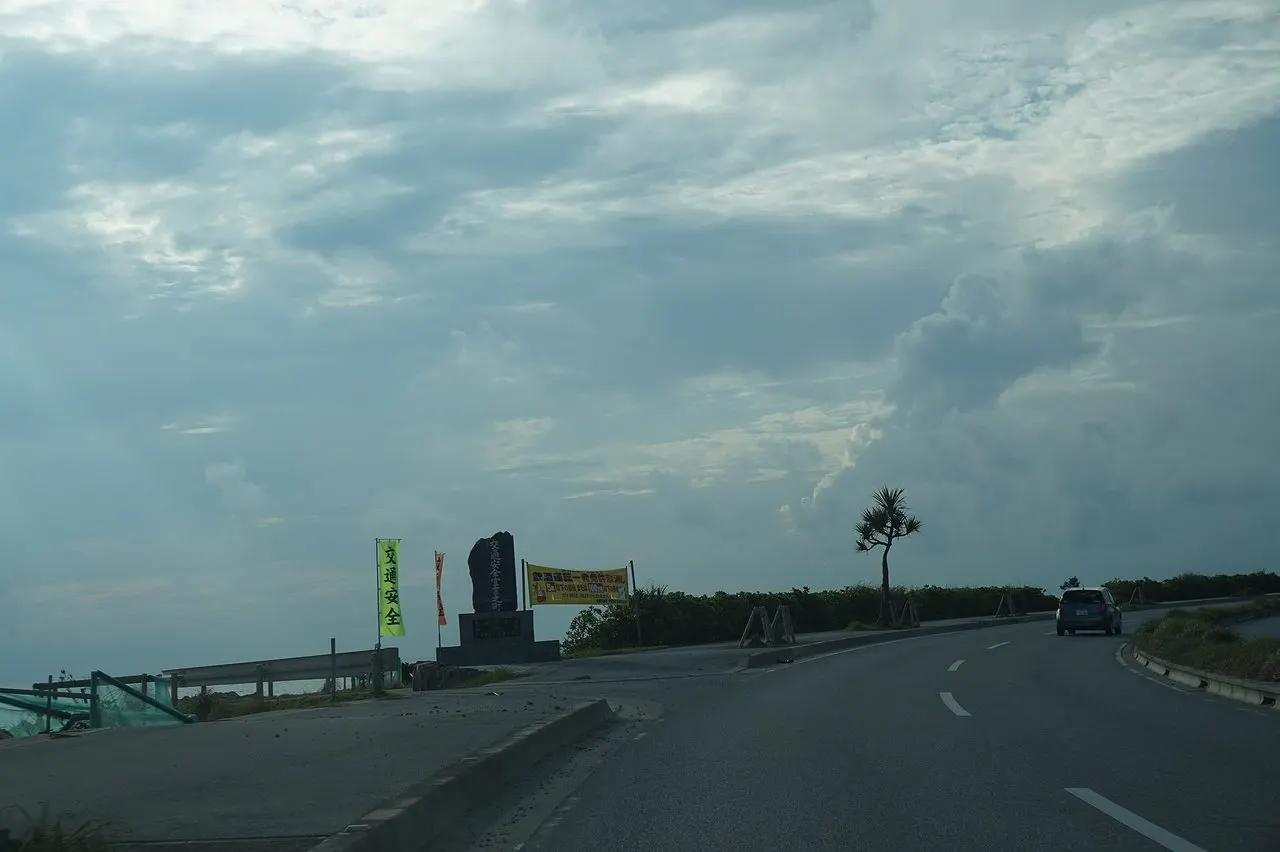
A joke can open a door that a lecture cannot, and this board uses humour to deliver a warning about real danger. Breaking traffic rules can lead to crashes, injuries, and long delays for everyone on the road. The sign does not hide that, it simply says it in a way people remember. When a driver laughs at the rhyme, the message is already in their head, and that is worth more than a hundred dull posters. Read about serious words behind a smile in our story on a comedian turned activist.
Read It Twice and the Nepal Road Sign Lands
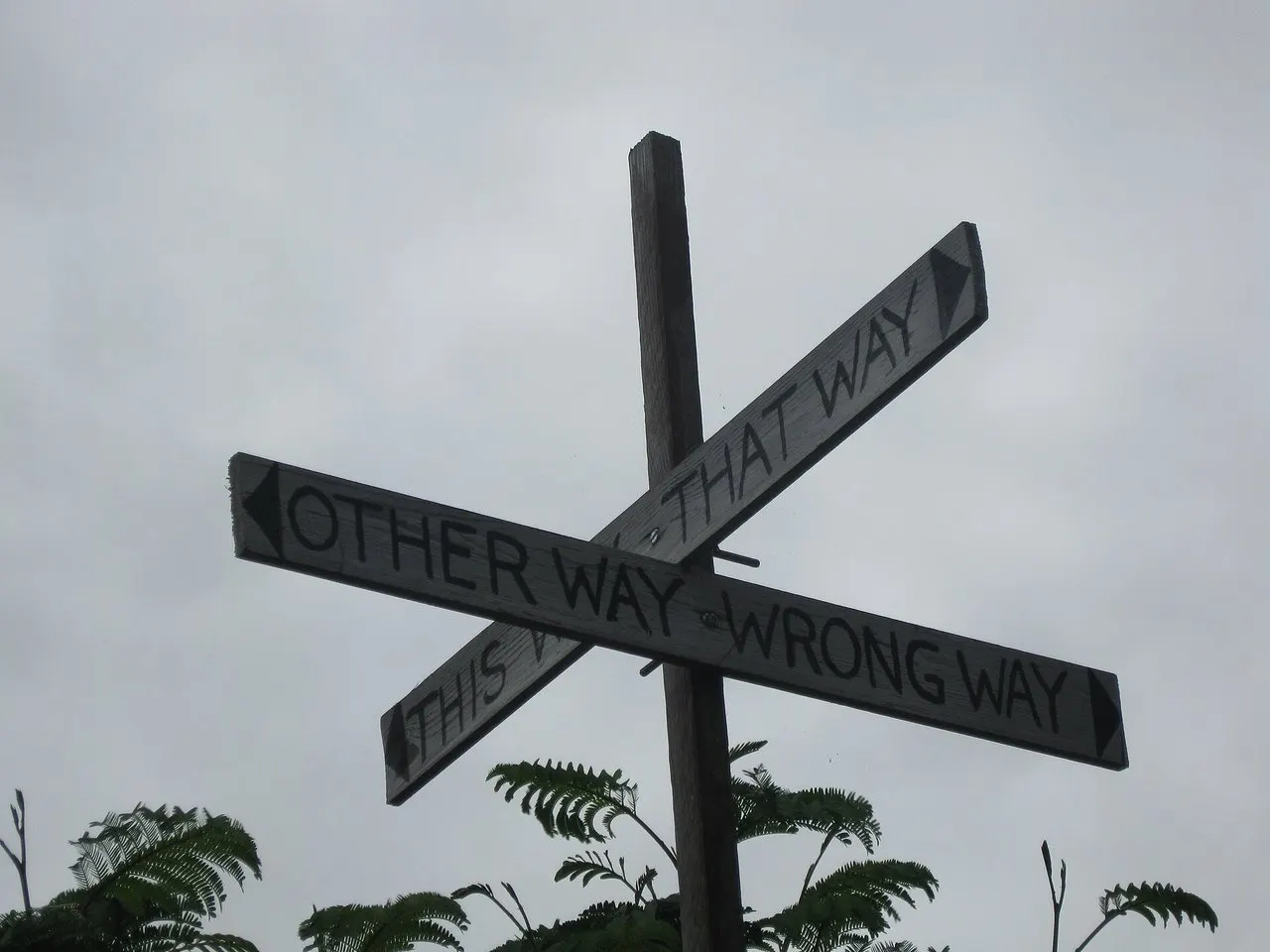
The original caption for the photo was simple, just three words, read it twice. That is exactly what the sign asks of everyone who passes it. The first read brings a smile, because the rhyme is clever. The second read brings the point home, because the warning is real and the risk is real too. A message that needs a second look is a message that stays with you. For more on second looks, read our story on a famous author warning about robots.
Traffic Lights Switch On at Six Chitwan Checkpoints
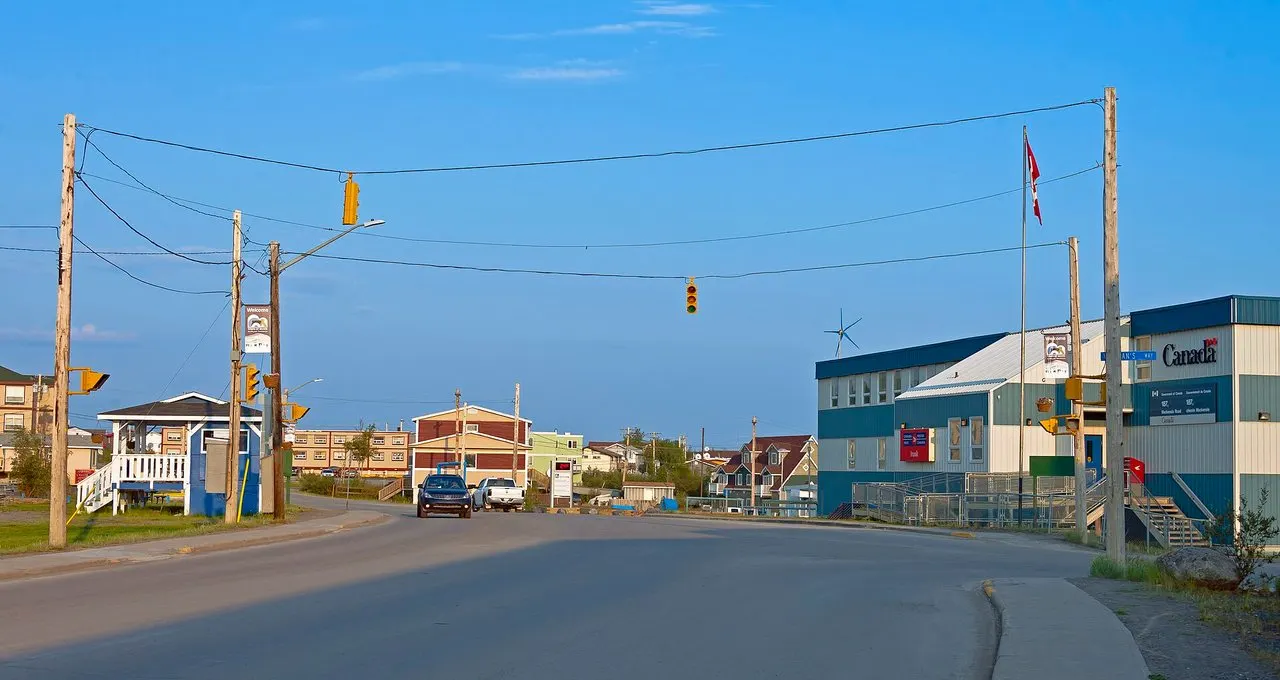
Elsewhere in Nepal, traffic lights have begun operating at six major checkpoints in Chitwan, according to The Nepali Post. Signals bring order to busy crossings, telling drivers when to stop and when to go, and cutting the confusion that leads to crashes. Six checkpoints may sound small, but each one makes its junction safer. Better signals and better signs go together, and both help drivers follow the rules. Read about change in other places in our report on a city bill that could add to delivery costs.
Chitwan Gets a Greener Light for Safer Roads
Chitwan sits in the southern plains of Nepal, far from the hills of Kathmandu, but its roads carry the same mix of buses, trucks, motorbikes, and walkers. Traffic lights at major checkpoints give each of them a clear turn, which cuts the rush at busy junctions. When drivers know the signal will change, they wait instead of pushing through, and that patience saves lives. Small changes like this add up across a whole district. For more on local change, see our story on recipes that fed a land for centuries.
The Nepal Road Sign and the Radio That Guides Drivers
Metro Traffic FM has won praise for its role in traffic management, according to Artha Nepal, and it is easy to see why. A radio station that tells drivers about jams and closures helps them plan before they leave home. Traffic news reaches drivers where signs cannot, inside the car and on the move. Together, a clear board on the roadside and a clear voice on the radio keep the city moving. Read about voices that guide people in our story on a faith leader with a bold claim.
A Radio Voice That Guides the Morning Rush
Morning rush hour in Kathmandu is a test for any driver, with buses, bikes, and cars all fighting for the same road. A traffic report can warn of a jam ahead, suggest another route, or tell drivers to leave early. That kind of help turns a stressful drive into a manageable one, and it keeps tempers down on crowded streets. Good information is as useful as a good road sign, and both work before trouble starts. For more on mornings and routines, read our story on a teacher who resigned in tears.
Why Rhymes Work Better Than Long Warnings
People remember rhymes far longer than they remember long lists of rules. A short line with a beat can stay in the mind for years, which is why safety campaigns often use songs and slogans. This board is a good example, because ten words carry the whole message, and drivers can repeat them without even trying. The best warnings are the ones you cannot forget, even if you wanted to. Read about memorable words in our report on a famous author and his warning.
The Nepal Road Sign Speaks to a Crowded Valley
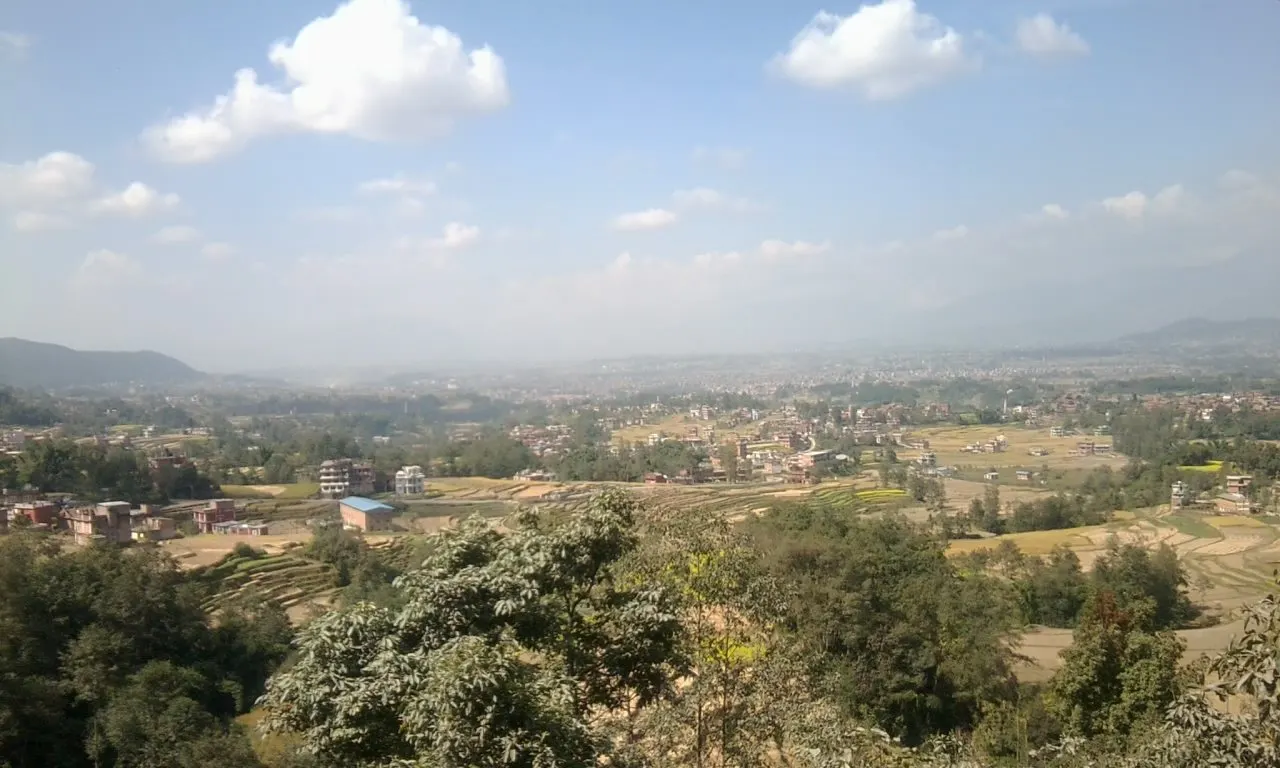
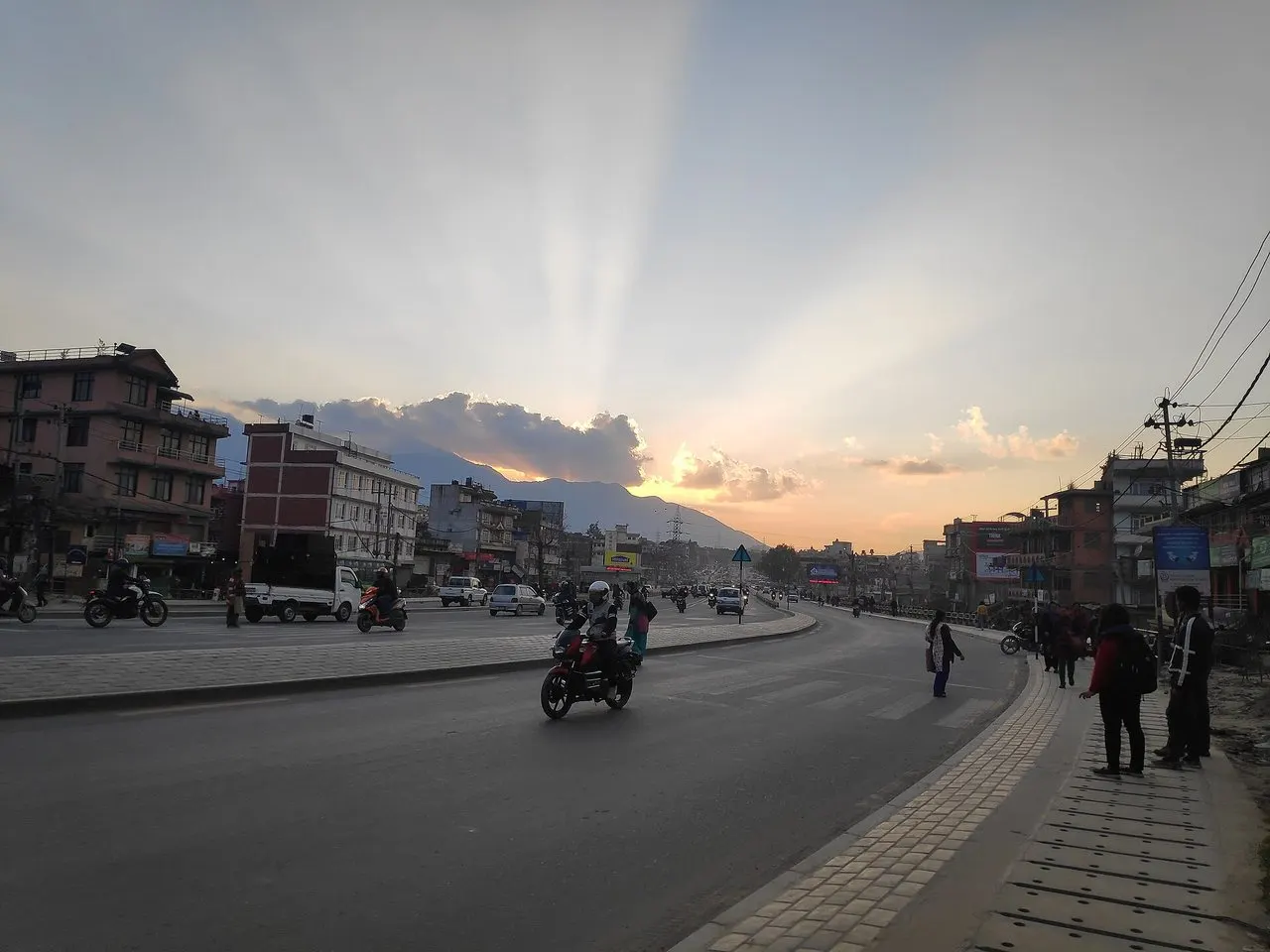
The Kathmandu Valley is home to a large and growing city, and its roads carry far more vehicles than they were built for. Narrow streets, sharp turns, and busy markets make driving here a skill in itself. In a place like that, a clear warning matters more than ever, because one mistake can block a whole street. The board speaks to every driver in the valley, from the newest learner to the oldest taxi driver. For more on crowded places, read our story on a city council bill and delivery fees.
Narrow Streets, Busy Markets and Patient Drivers
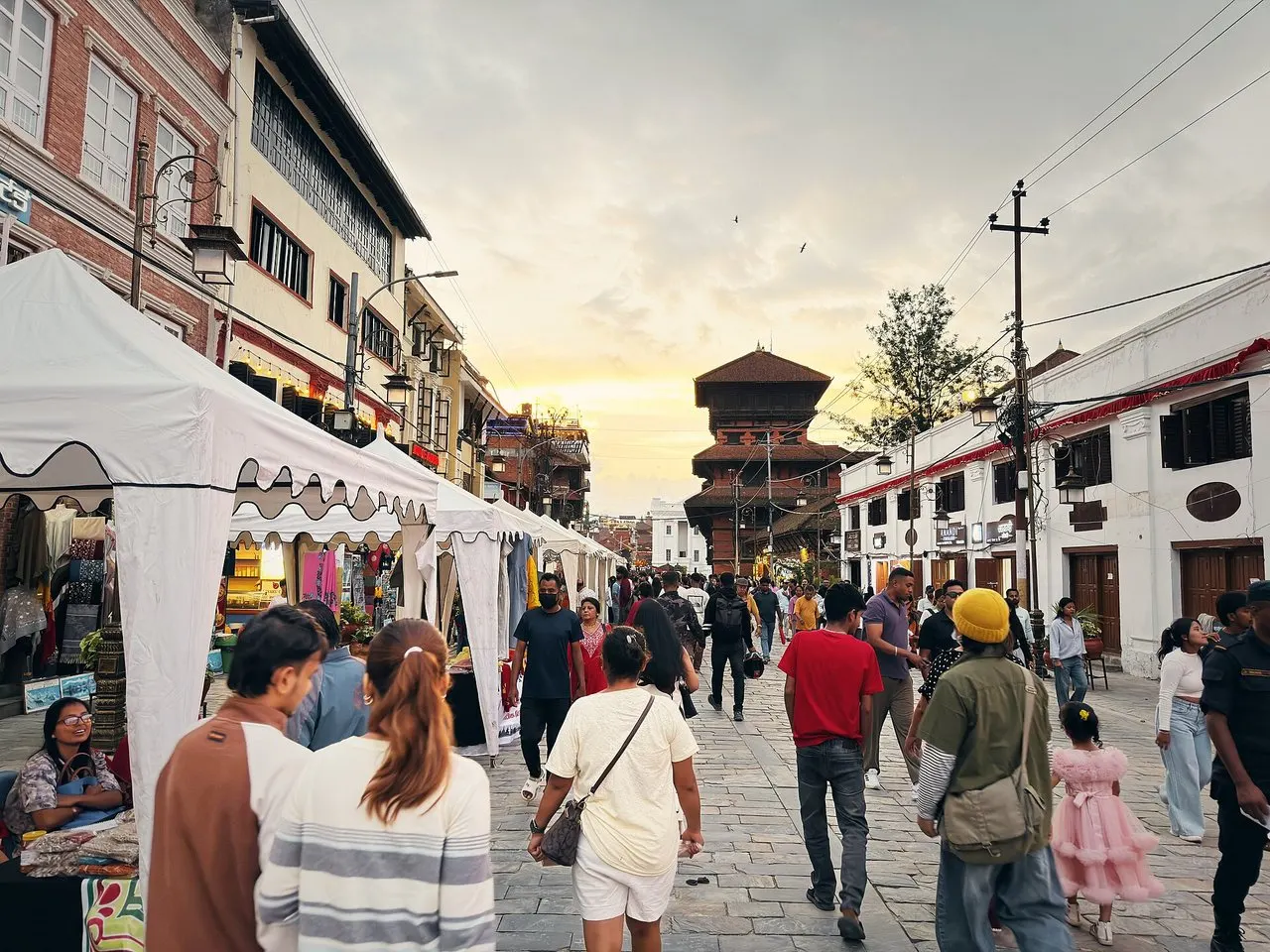
Kathmandu streets are famous for their colour and their chaos, with market stalls, temples, and traffic sharing the same small space. Drivers need patience here, because a cart, a crowd, or a cow can appear around any corner. The city rewards those who slow down and look around, and it punishes those who rush. A rhyming board fits this city well, because it asks for the one thing Kathmandu drivers need most, care. Read about city life in our report on a mayor and a police unit.
Nepal Drives on the Left, Like Its Neighbours
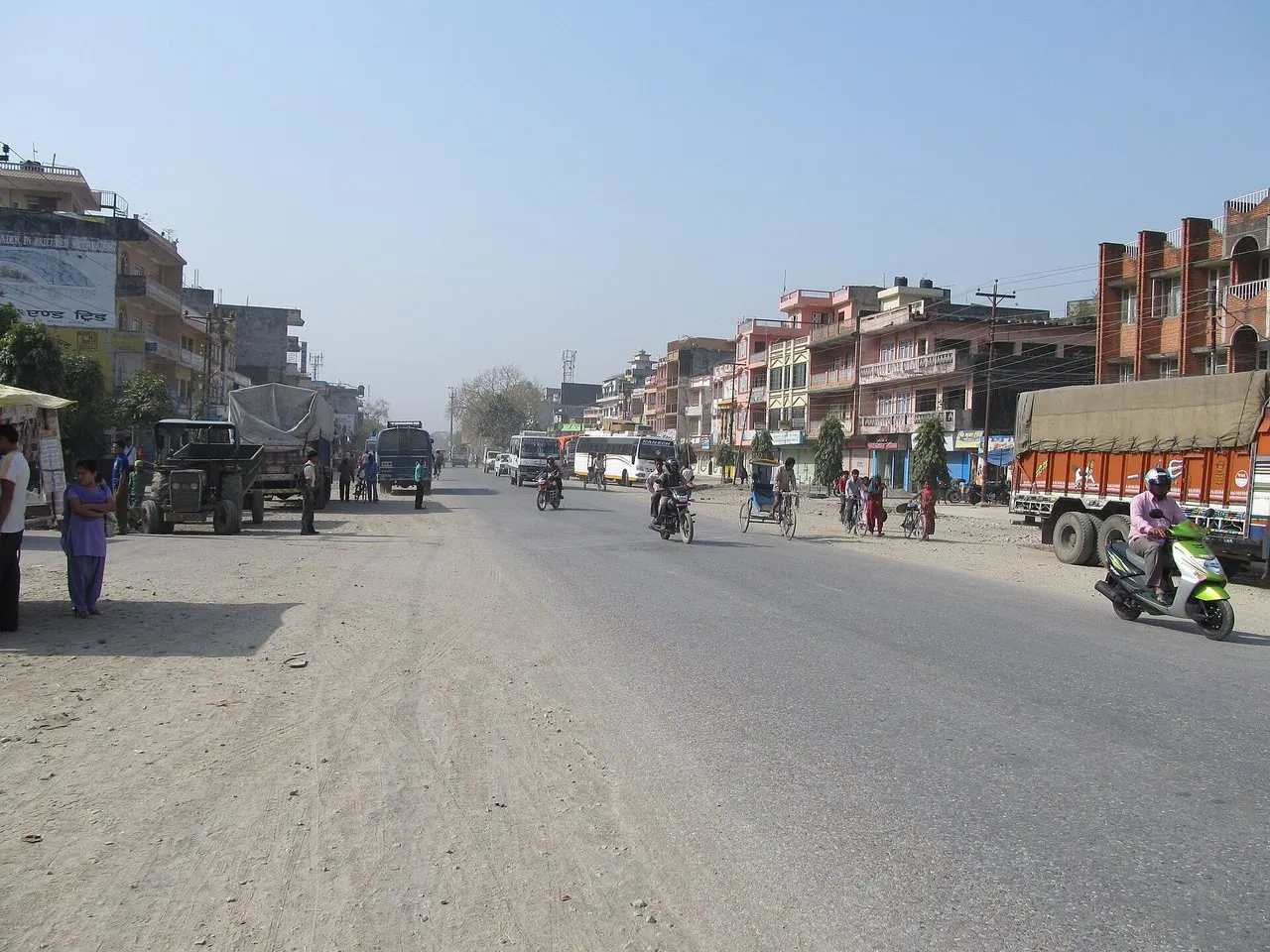
Nepal drives on the left side of the road, a habit it shares with its neighbour India and with Britain, whose rule shaped the region long ago. For visitors used to the right, the first crossing can feel strange, and the first drive can feel stranger still. That is one more reason clear signs matter, because they guide drivers who are still learning the local ways. Whatever side you drive on, the rules are there to keep everyone safe. For more on neighbours and borders, read our story on a warning about ports.
The Nepal Road Sign Under the Himalayan Sky
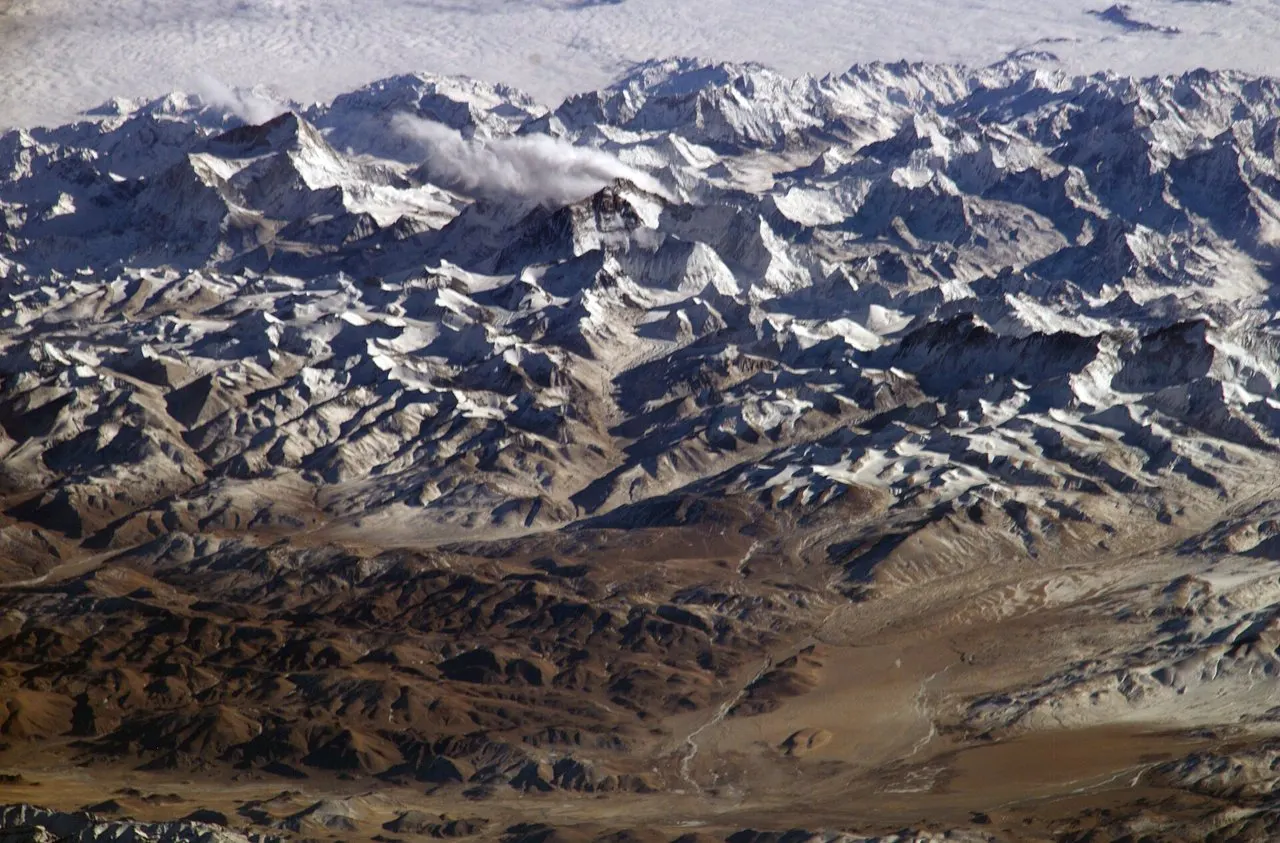
Nepal is famous for the Himalayas, the great mountain range that holds Mount Everest, the highest peak on earth. Drivers crossing the country travel from hot plains to high passes, and the roads climb through valleys where the mountains fill the sky. In such a land, a journey is never just a drive, it is a trip through some of the finest scenery in the world. Even here, the rules of the road still apply. Read about high places and big claims in our story on a faith leader and Mount Shiva.
What Happens When Drivers Ignore the Rules
Ignoring the rules can mean a fine, a crash, or a long wait at the side of the road, and none of those are worth the few minutes saved. The Kathmandu crackdown showed that police are ready to act, with 817 drivers penalised in a single day. That number is a warning in itself, and it backs up the message on the board. Know the rule and there is no pain, break it and the pain follows fast. For more on consequences, read our report on a bill that stalled in Ohio.
A Sign Worth Sharing With Every New Driver
Every new driver should see this board before their first lesson, because it teaches the whole point of road safety in one line. Rules are not there to spoil the fun, they are there to keep drivers, passengers, and walkers alive. A learner who remembers the rhyme will remember the rule, and that memory could matter one day on a busy road. Good teaching starts with a message that sticks. Read about lessons for the young in our story on a veteran teacher.
How One Board Became a Favourite Photo Stop
The board has become a favourite with people who pass by, and many stop to take a photo before driving on. It is the kind of sign that travels well online, because the joke works in any language. A funny road sign can reach more people than a whole campaign, and this one has done exactly that. The next driver to stop may be you, so keep your camera ready. For more on things people love to share, read our story on a gorilla with unusual fingers.
Would This Sign Make You Slow Down?
So here is the question for every reader, would this sign make you slow down, or would you just smile and drive on? The board has done its job if it made you think, even for a second, about the rules of the road. Tell us in the comments what you think of the rhyme, and whether your town needs one. We read every comment, and the best ideas often come from readers like you. For more stories that ask big questions, read our report on sharing water and power use.