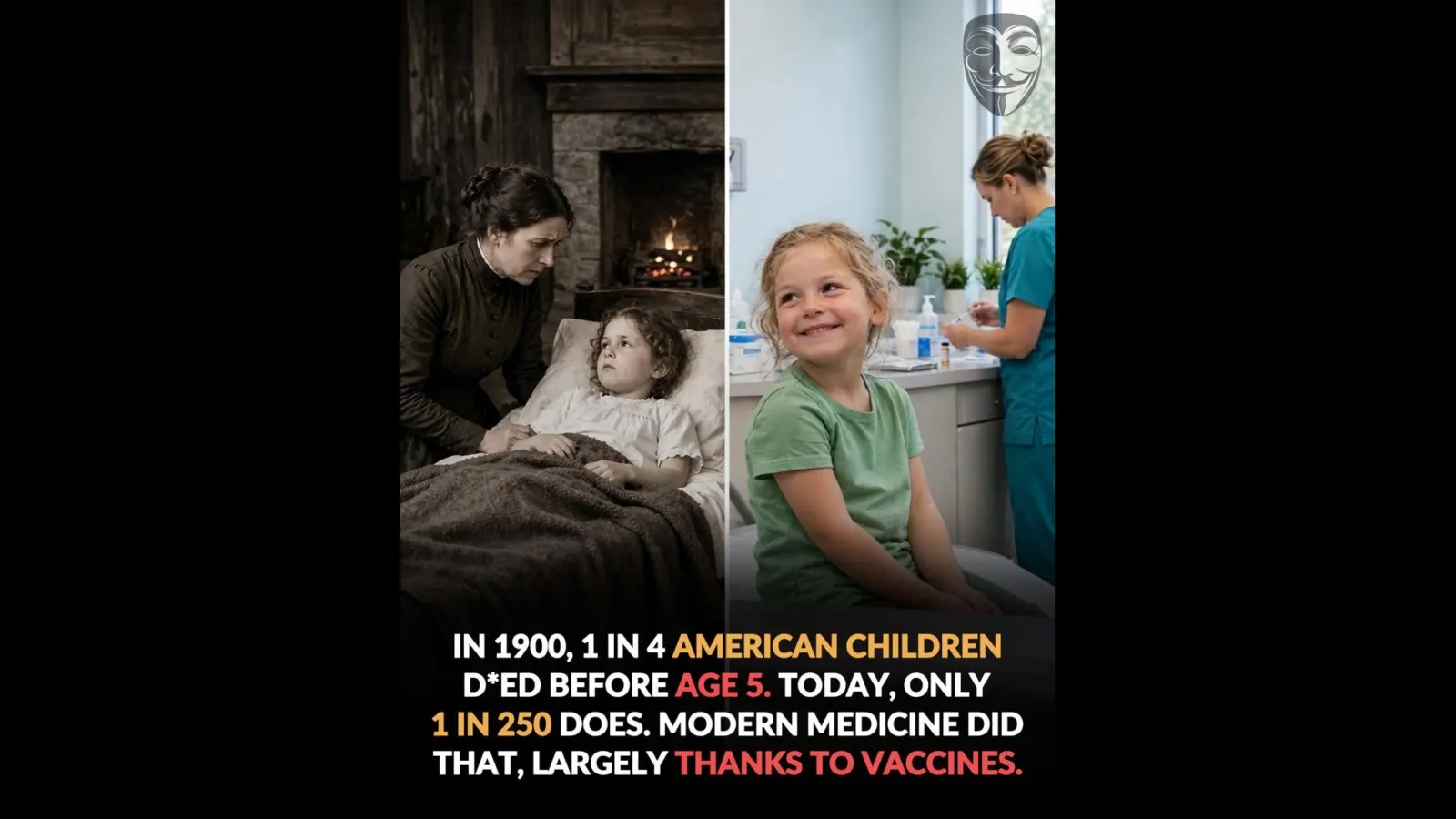
Child Vaccines Changed the Odds for American Families
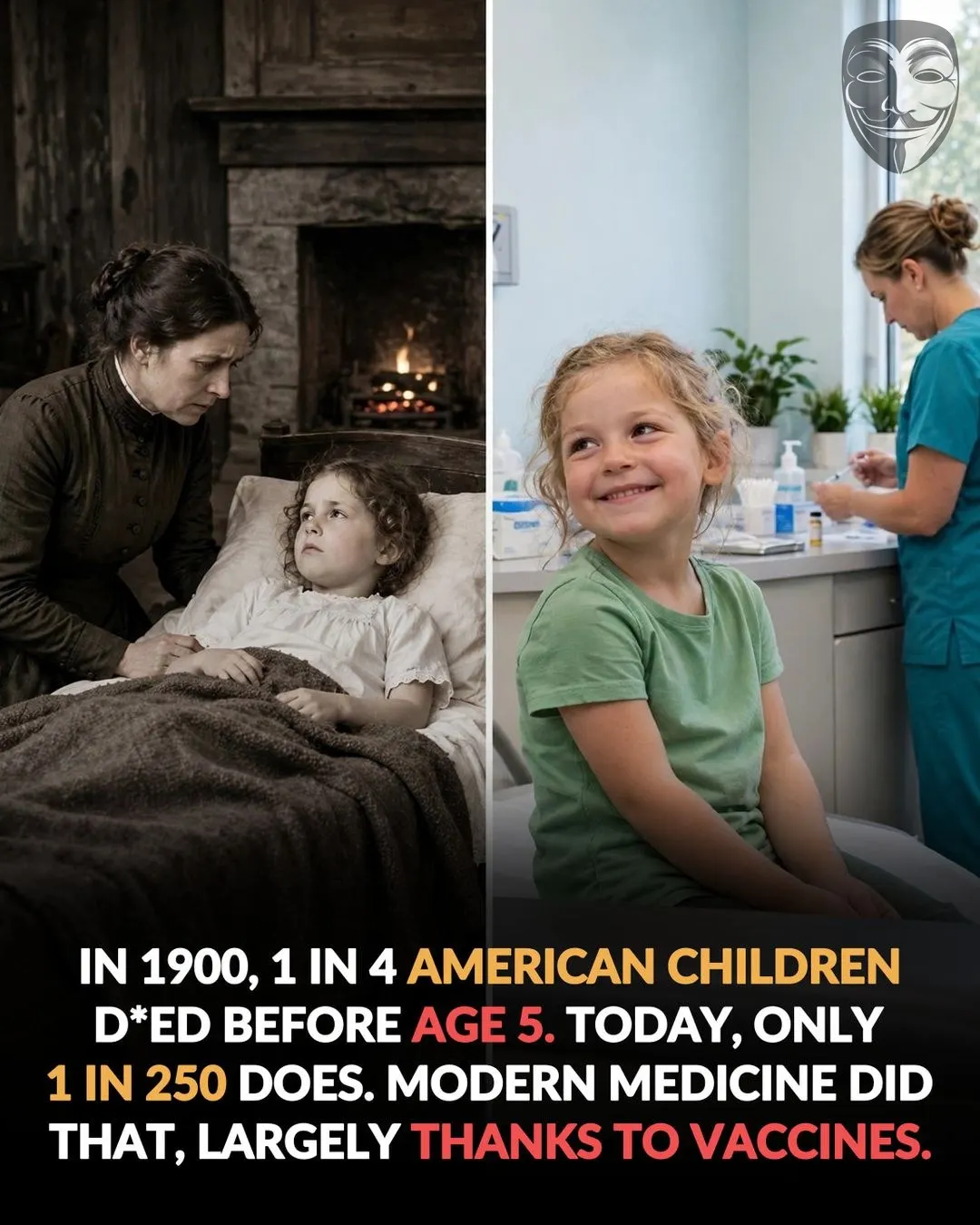
Child vaccines changed what it meant to raise a family in America. In 1900, one in four American children died before their fifth birthday. According to the CDC, 30.4 percent of all deaths in 1900 occurred among children under five, and infectious disease caused a large share of those losses. Diphtheria and whooping cough swept through homes every winter, and parents could only sit by the bed and wait. For a story about family time, read about Kevin Hart on picking his kids up from school.
Today, only about 6 in 1,000 American children die before age five, roughly 1 in 160, and vaccines did a huge share of that work. Routine childhood vaccination, better sanitation and modern medicine turned a winter of fear into a routine appointment at the doctor. Most parents now know diphtheria and whooping cough only as names on a vaccine schedule. In the slides ahead we look at the winter threats, the science that beat them, and the dinner tables that look different now.
References:
CDC: Achievements in Public Health, 1900-1999: Control of Infectious Diseases
American Academy of Pediatrics: Annual Summary of Vital Statistics: Trends in the Health of Americans During the 20th Century
Healthgrades: 14 Diseases Nearly Eliminated by Vaccines
PubMed Central: Lessons learned and applied: What the 20th century vaccine experience can teach us about vaccines in the 21st century
Four Children at the Table in 1900
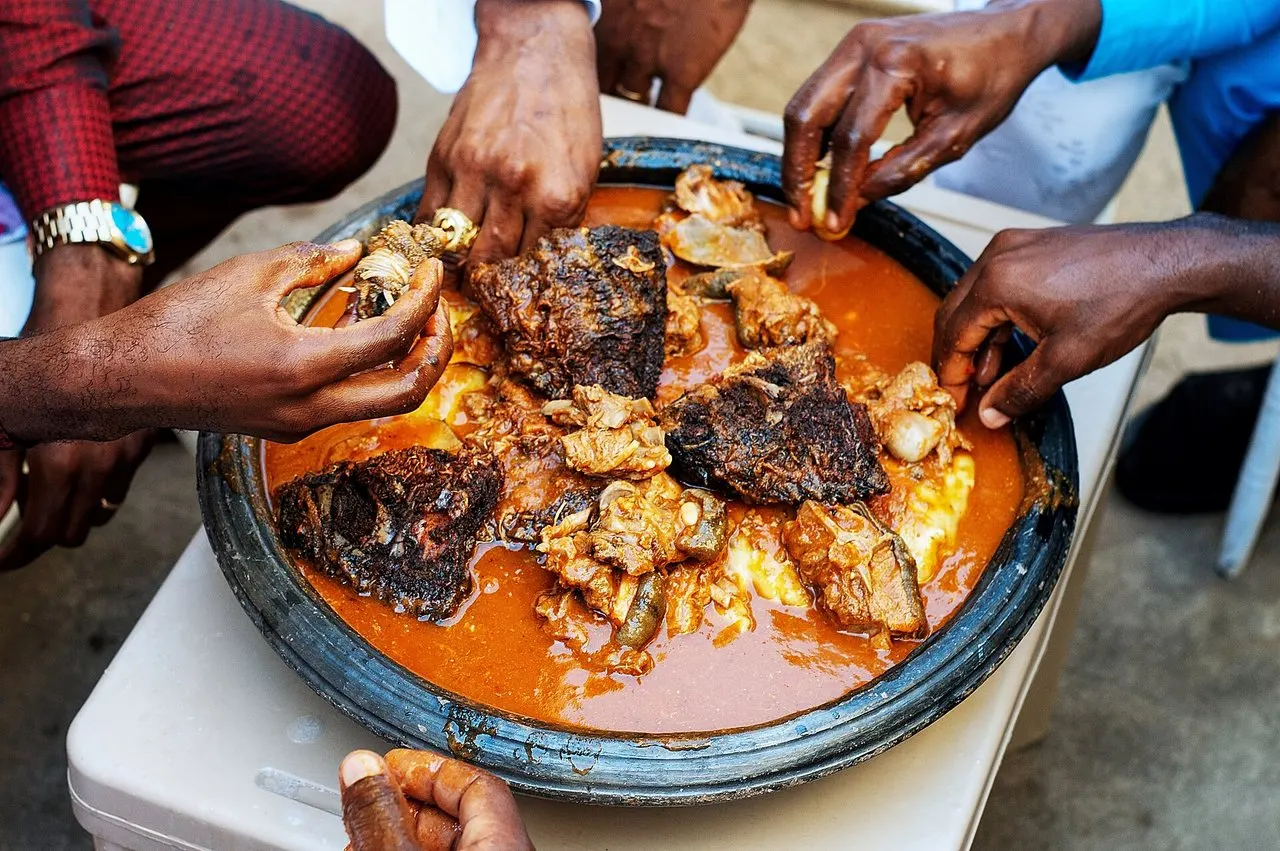
Think about a family dinner in 1900. Four children sat at the table, and the odds said one of them would not live to see a fifth birthday. That was normal life, not a rare tragedy, and every parent in the neighborhood knew a family that had buried a little one. The original post puts it plainly, and the numbers back it up. For a warmer story about family meals, read about the grandma whose Thanksgiving story became a movie.
Diphtheria Swept Through Homes Every Winter
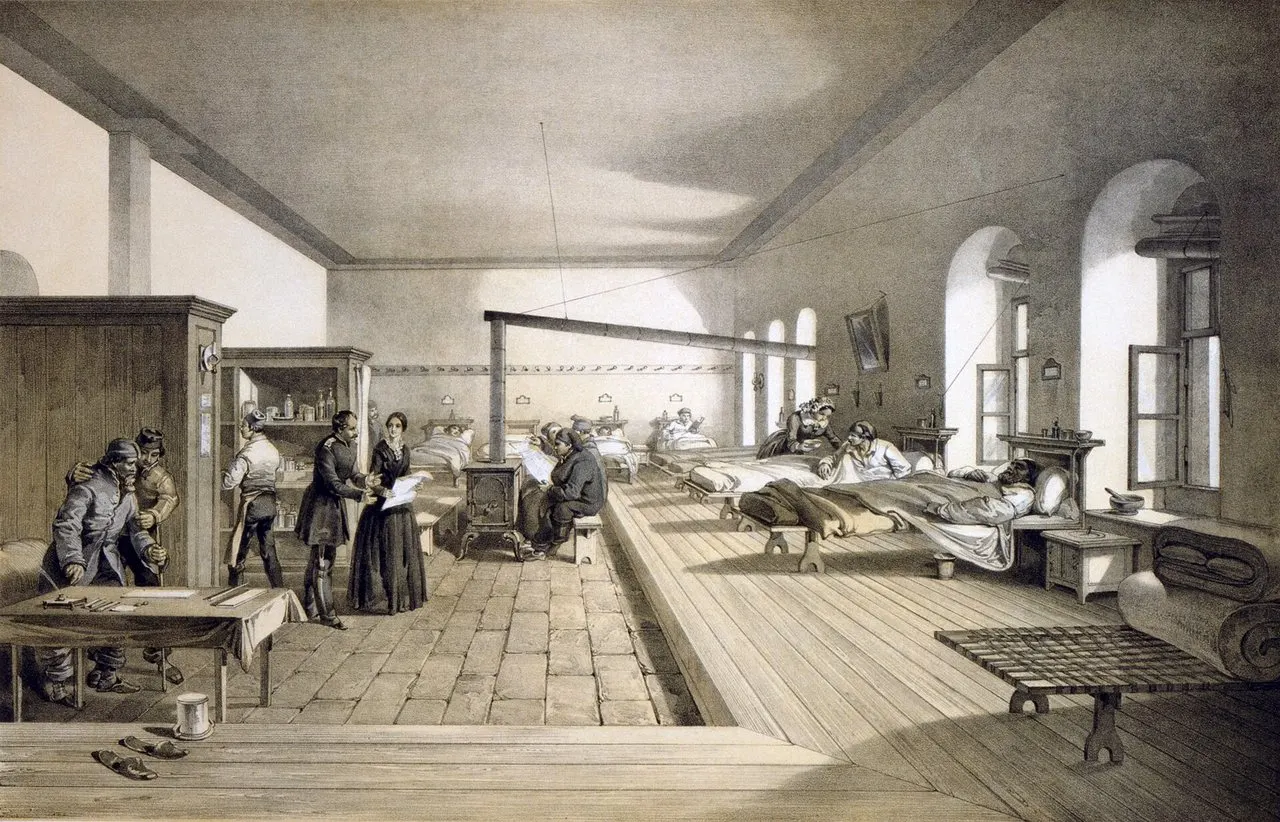
Diphtheria was one of the winter threats parents feared most in 1900. The infection could close a child’s throat in a matter of days, and doctors had no sure cure to offer. It moved from child to child in crowded homes and cold classrooms, and whole streets could fall ill in a single season. The old wards were full of small beds and worried mothers. For more on children facing hard times, read about the children of Gaza.
Whooping Cough Kept Parents Awake at Night
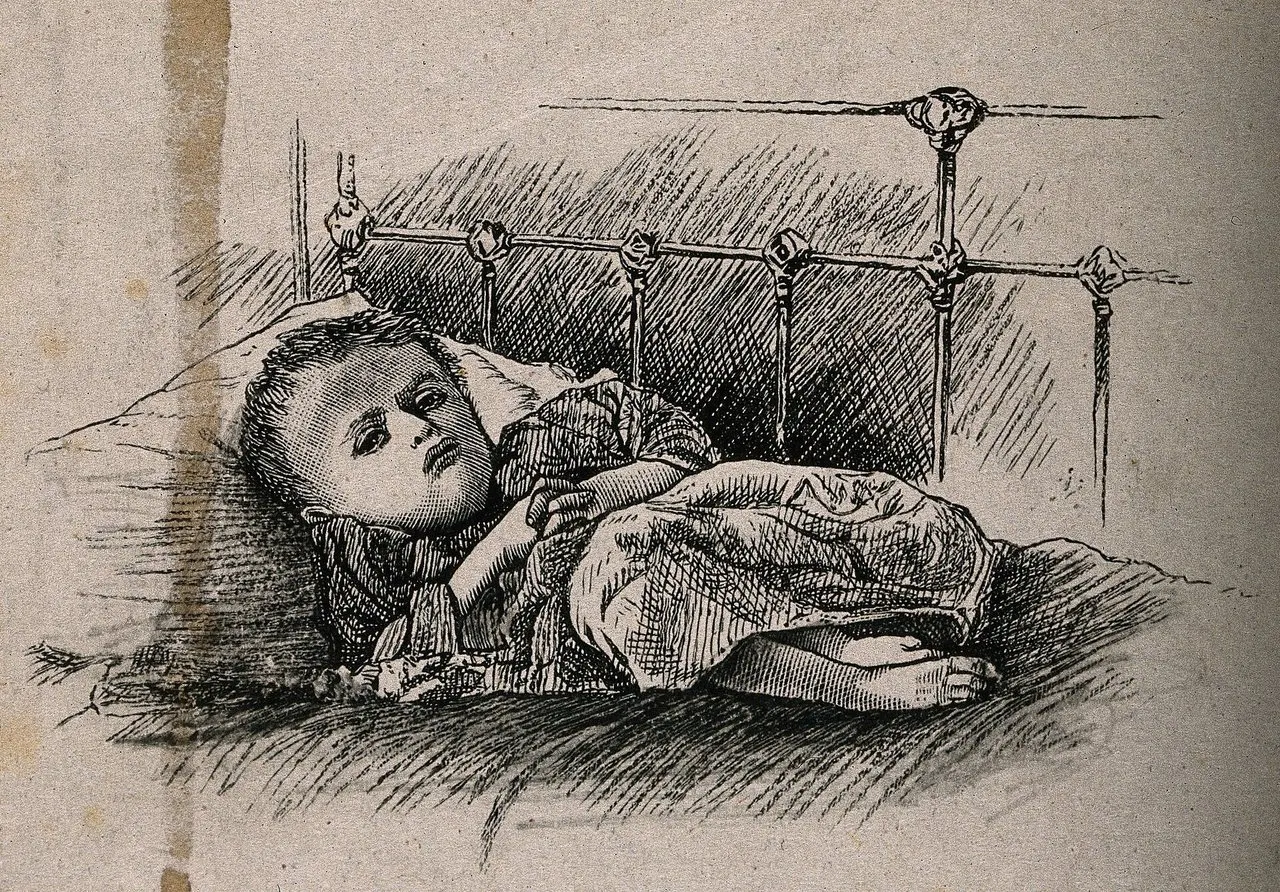
Whooping cough was the other familiar winter threat, and its sound gave it its name. A child could cough for weeks until the body was worn out, and babies were at the greatest risk of all. Parents sat up through the night, listening for the next fit and hoping the child could catch a breath. There was no quick fix, only waiting. For more on families with small children, read about Baby T and her Kentucky foster family.
What the Numbers Said About Child Vaccines in 1900
The CDC figures behind this story are hard to read without pausing. In 1900, 30.4 percent of all deaths in the United States occurred among children under five. That means nearly one death in three was a small child, and infectious disease caused a large share of those losses. The number is not a guess, it comes from the official record of a century ago. For more on health care and the numbers, read about Bernie Sanders and the fight over Medicare.
Parents Could Only Sit by the Bed and Wait
Before modern medicine, a sick child left a parent with almost nothing to do. Mothers cooled foreheads with damp cloths, fathers prayed in the next room, and both of them watched the rise and fall of a small chest. Doctors could offer comfort and little else, and the worst nights ended in silence. That helpless wait was part of daily life for millions of families. For more on mothers and their children, read about two mothers and the bond guiding their sons.
Child Vaccines Turned Fear Into a Routine Visit
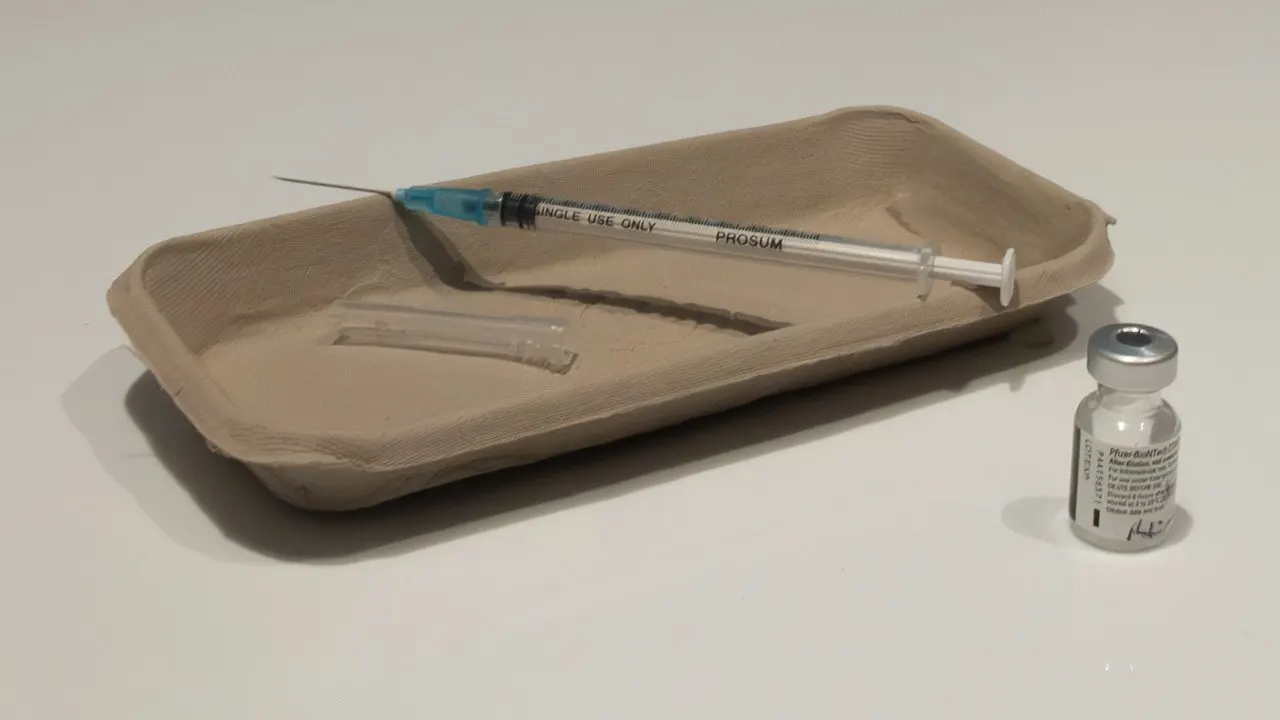
Child vaccines work by teaching the body to fight a disease before it ever arrives. A tiny, safe dose trains the immune system, so when the real germ shows up the body already knows what to do. That simple idea changed everything, because it moved protection from luck to a plan. A quick visit to the doctor could now do what years of worry never could. For more on health care, read about Bernie Sanders and the fight over Medicare.
Edward Jenner and the First Smallpox Vaccine
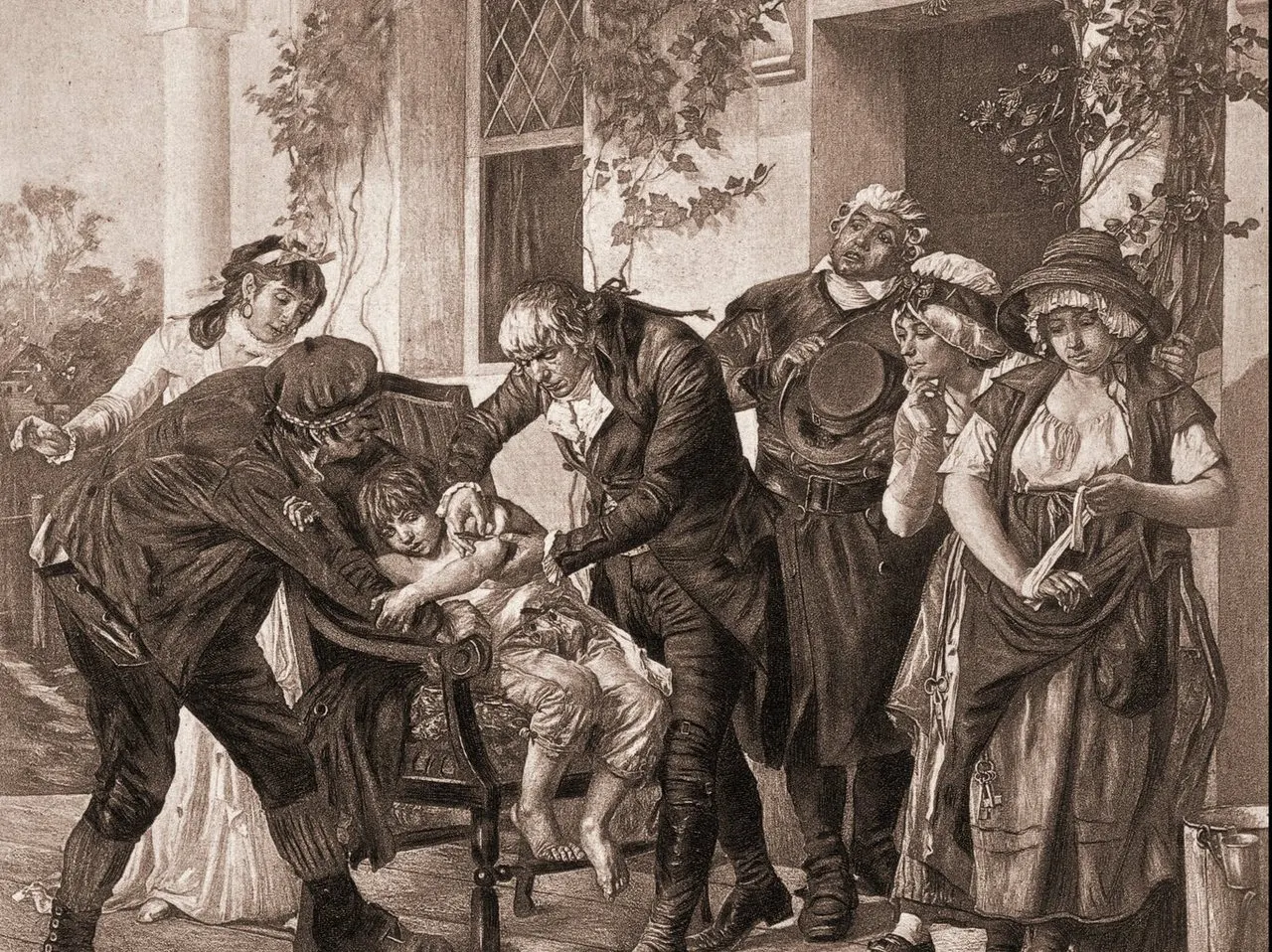
The story of vaccines starts long before 1900, with Edward Jenner and smallpox. In 1796, Jenner showed that a mild infection with cowpox could protect a person from deadly smallpox, and the idea of vaccination was born. Smallpox once killed millions, yet by 1980 the world had wiped it out completely, the first disease ever erased by human effort. For more on doctors and belief, read about Dr. Stella Immanuel on faith and healing.
Polio, Jonas Salk, and Child Vaccines
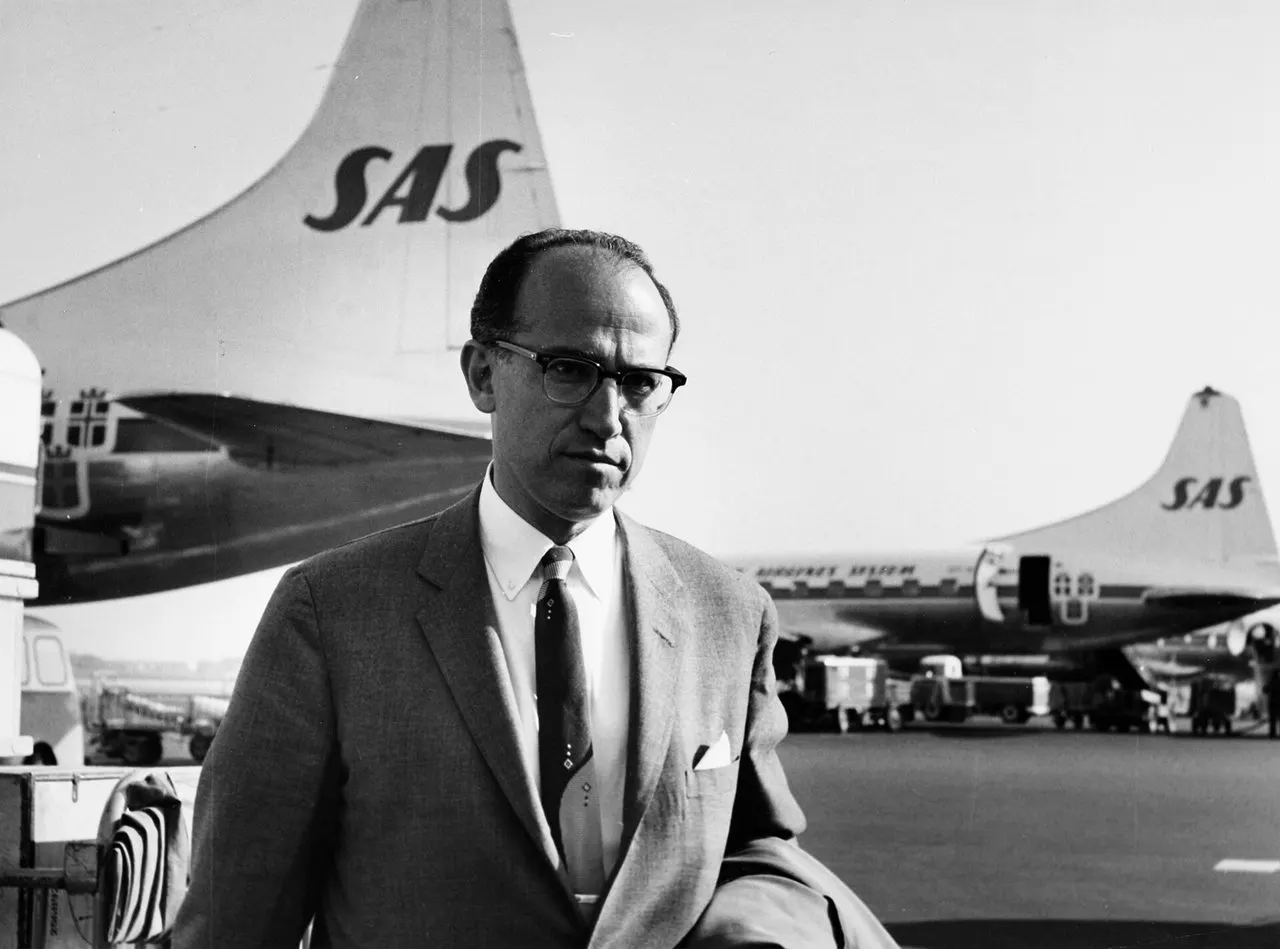
Polio was the fear of American parents in the 1950s, because it could strike a healthy child in summer and leave legs useless for life. Jonas Salk built a vaccine from killed virus, and the first mass trials in 1955 turned hope into proof. Lines of children rolled up their sleeves, and polio cases fell fast across the country. For more on families who stay close, read about Bruce Willis and Demi Moore, who stayed family after their marriage ended.
Measles Went From Common to Rare
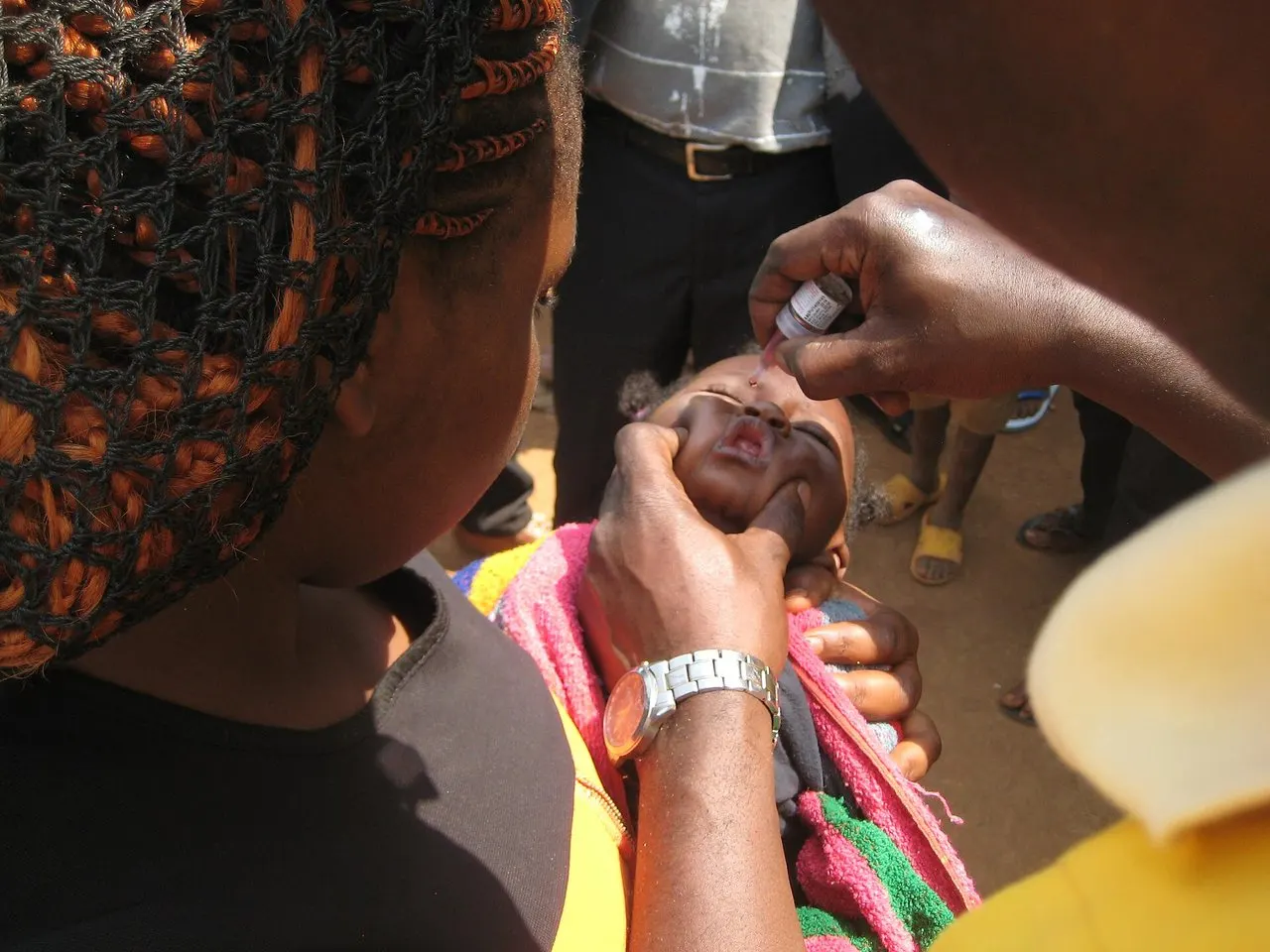
Measles was once a childhood rite of passage in America, and nearly every child caught it before the age of fifteen. It could bring high fever, and in some children it led to pneumonia or swelling of the brain. The measles vaccine arrived in 1963, and within a few years the disease had nearly vanished from American classrooms. For more on schools and children, read about the teacher who changes his look for every yearbook.
How Child Vaccines Beat Diphtheria
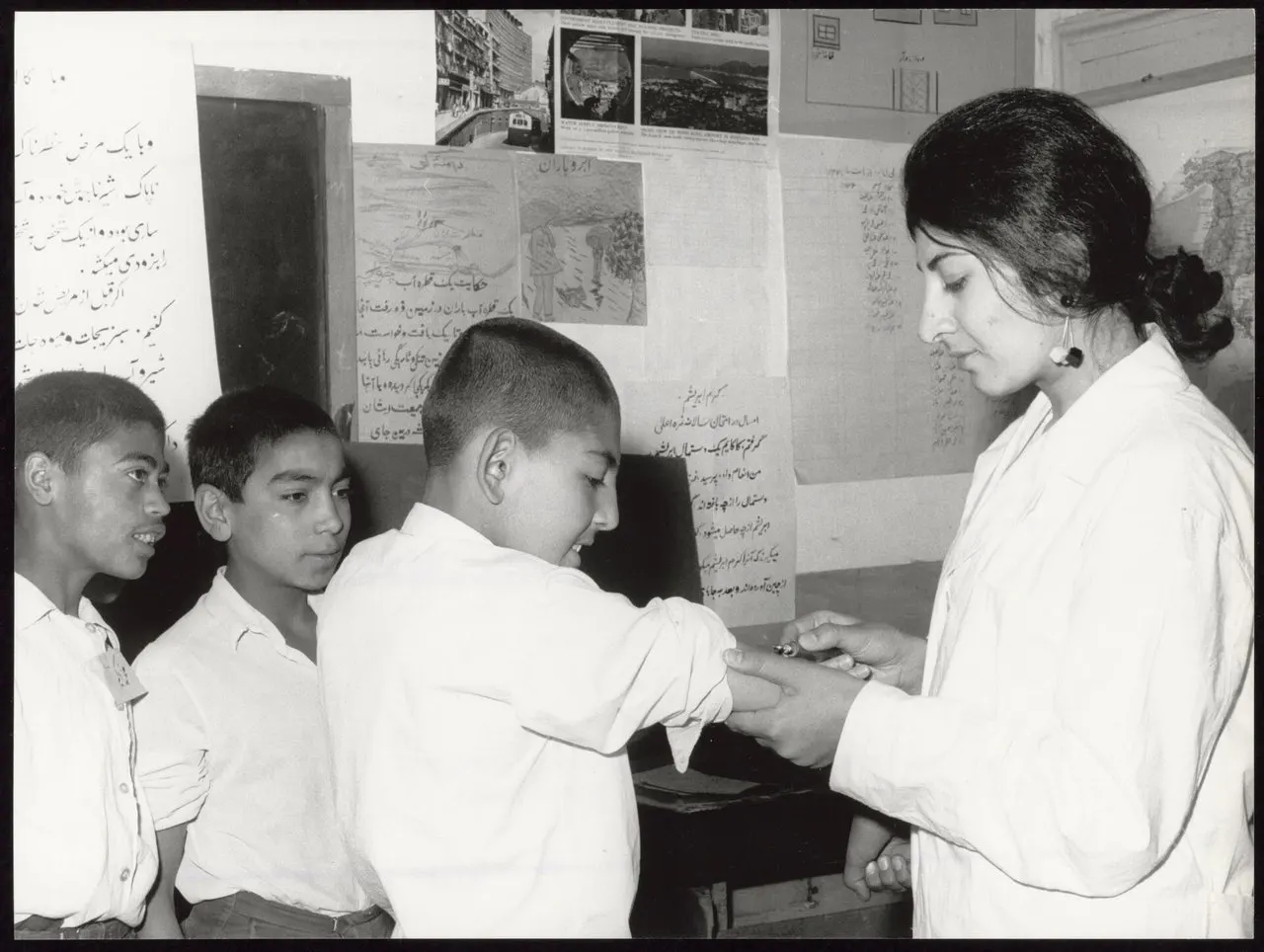
Diphtheria is now rare in the United States, and the reason is routine childhood vaccination. The diphtheria vaccine teaches the body to block the toxin that makes the disease so deadly, and almost every American child gets it as part of a combined shot in the first years of life. A disease that once filled wards each winter is now a name on a schedule. For more on mothers and health, read about the family denied cancer treatment by their insurer.
Whooping Cough Lost Its Grip
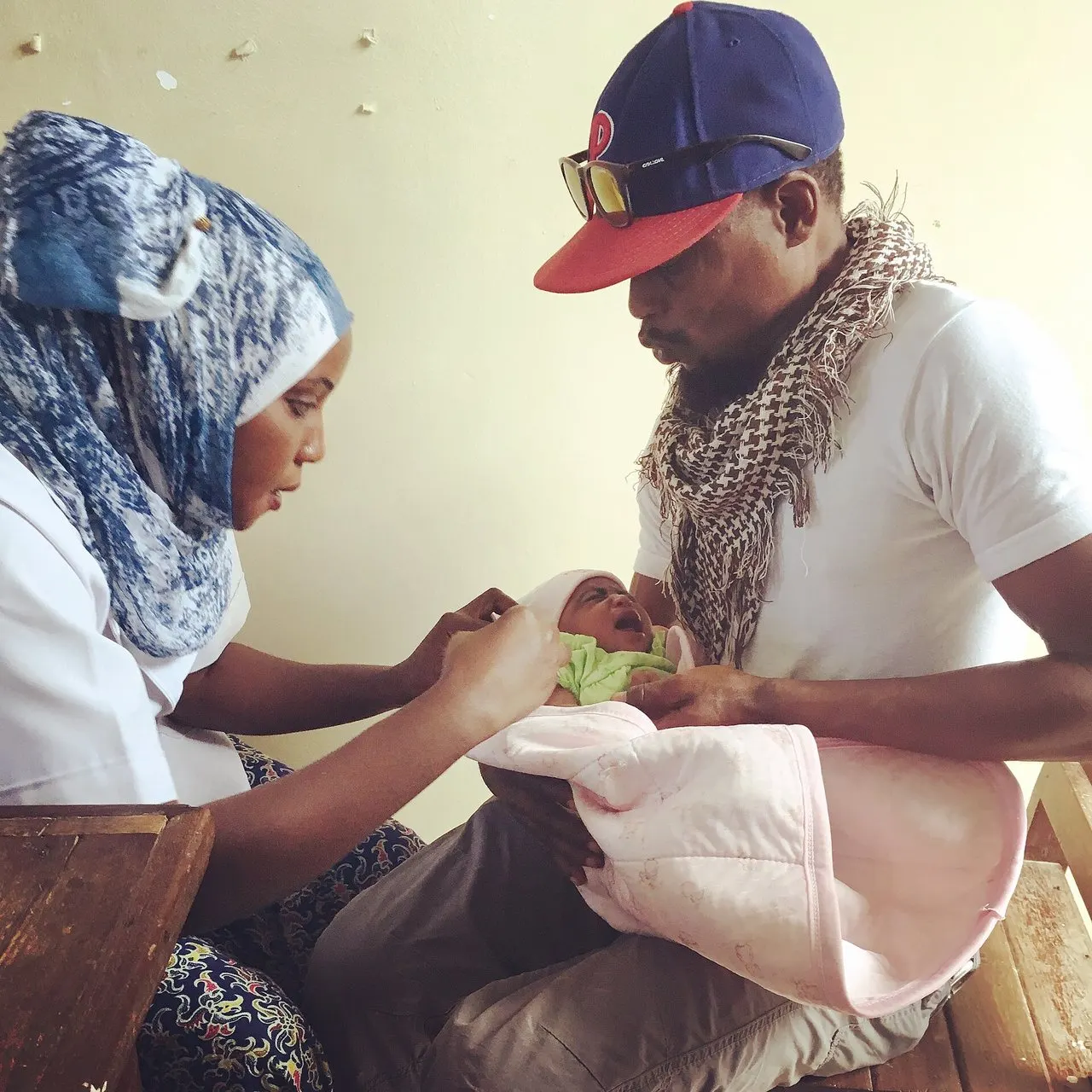
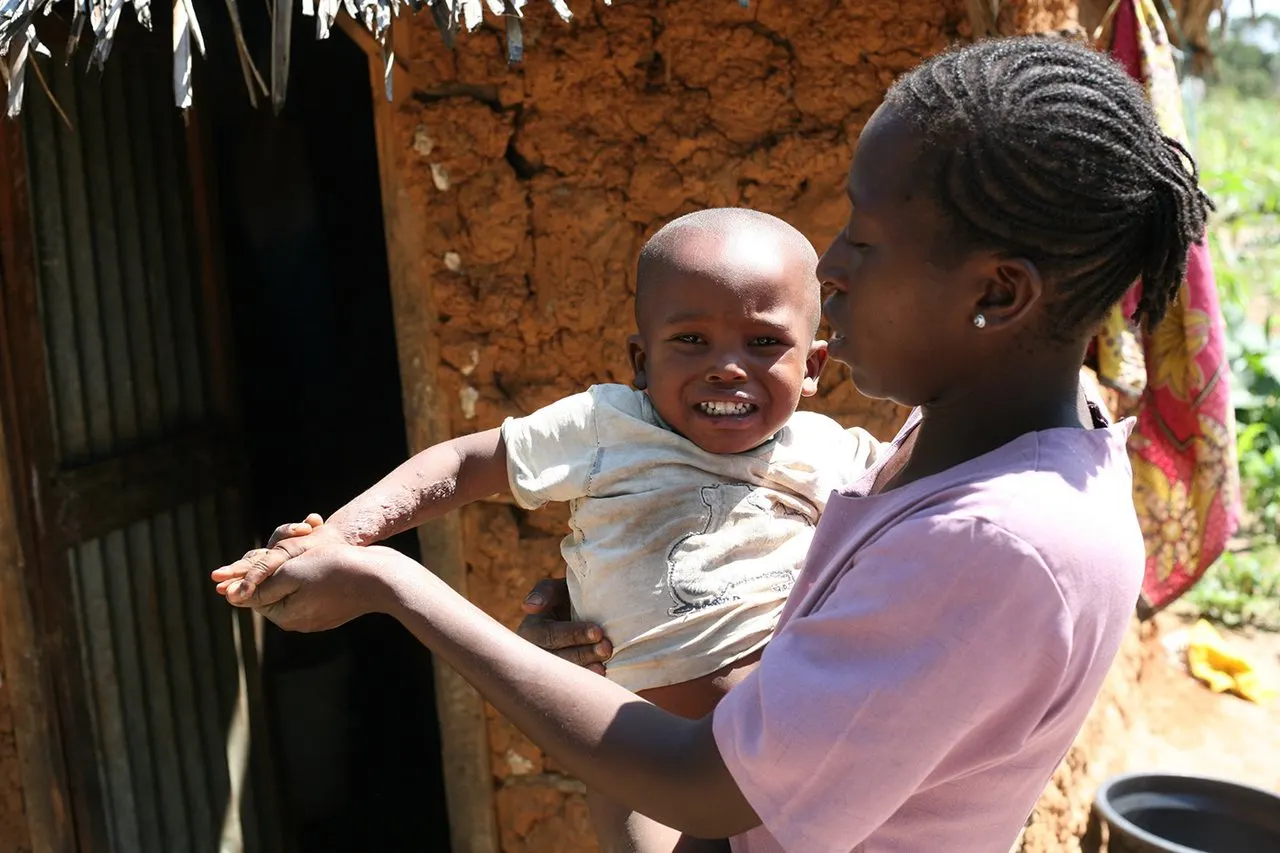
Whooping cough is also rare now, thanks to the pertussis vaccine that babies receive in their first months. The shot is given in a series, with boosters as the child grows, and it protects the youngest babies who face the greatest risk. Nurses give it in clinics around the world every day, often while a parent holds the baby close. For more on mothers and babies, read about two mothers and the bond guiding their sons.
Clean Water Joined the Fight
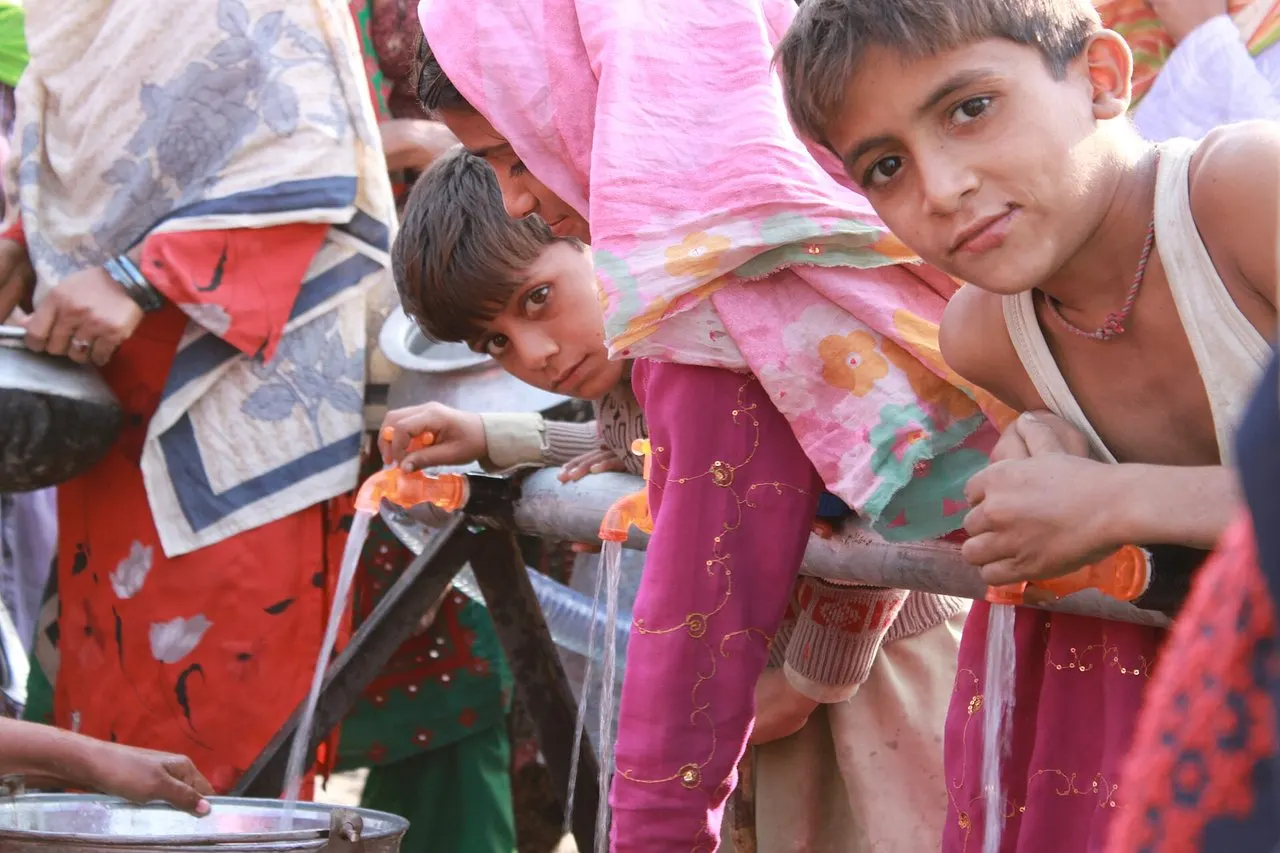
Vaccines did not work alone. Clean water, better toilets and safer food cut the spread of many diseases at the same time, and together they changed what childhood looked like. A child who drinks clean water and gets routine shots has two kinds of protection, one from the tap and one from the clinic. Public health is a team effort. For more on water and hope, read about the question of how much water data centers use.
Modern Hospitals and Child Vaccines
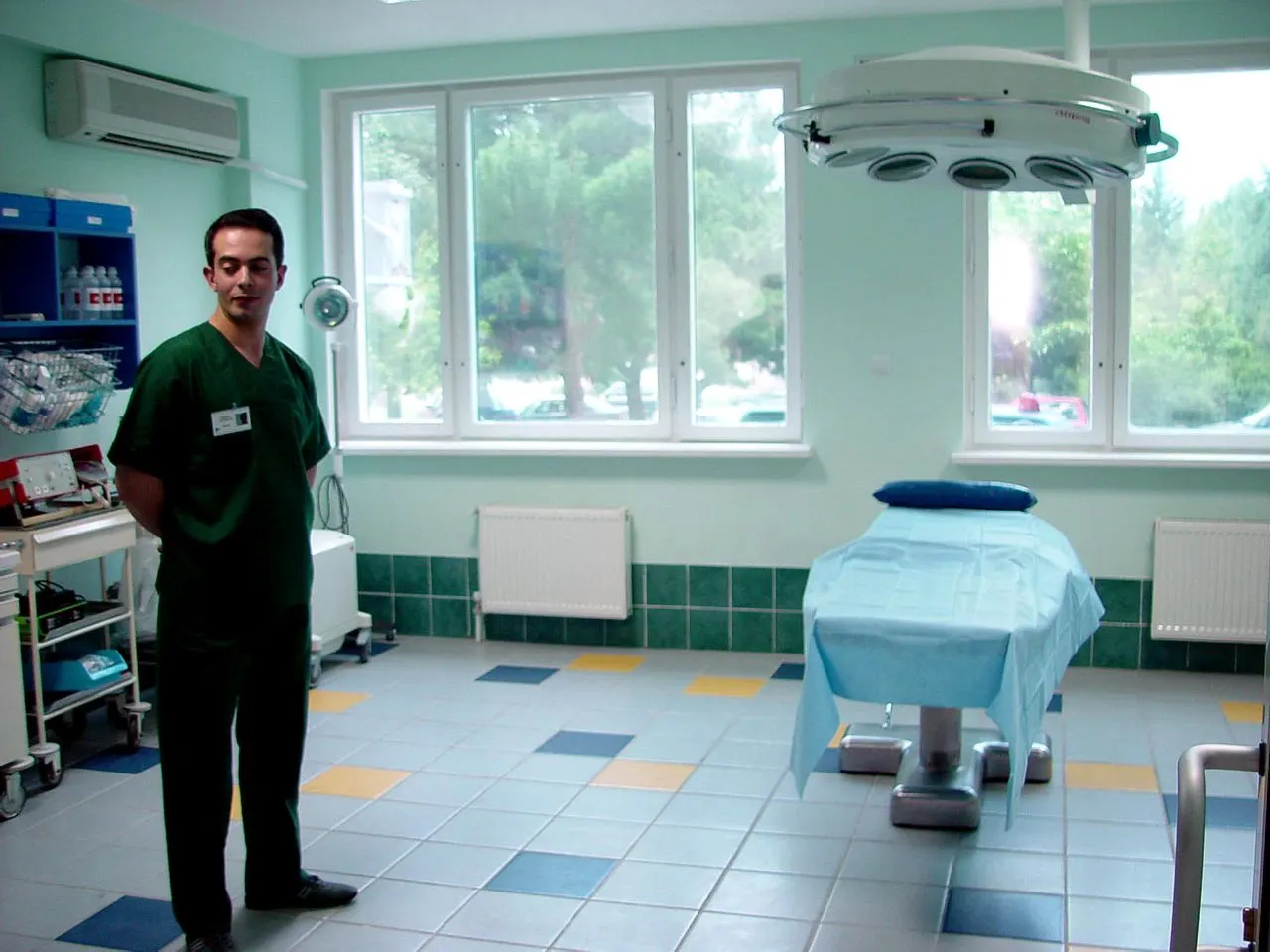
Modern hospitals added a third layer of protection. Antibiotics, oxygen and intensive care now save children who would once have been lost, and trained staff watch over the sickest babies around the clock. A child who falls ill today meets a system built to fight for every life, not a lone doctor with a bag. For more on health care, read about Bernie Sanders and the fight over Medicare.
The Dinner Table Looks Different Today
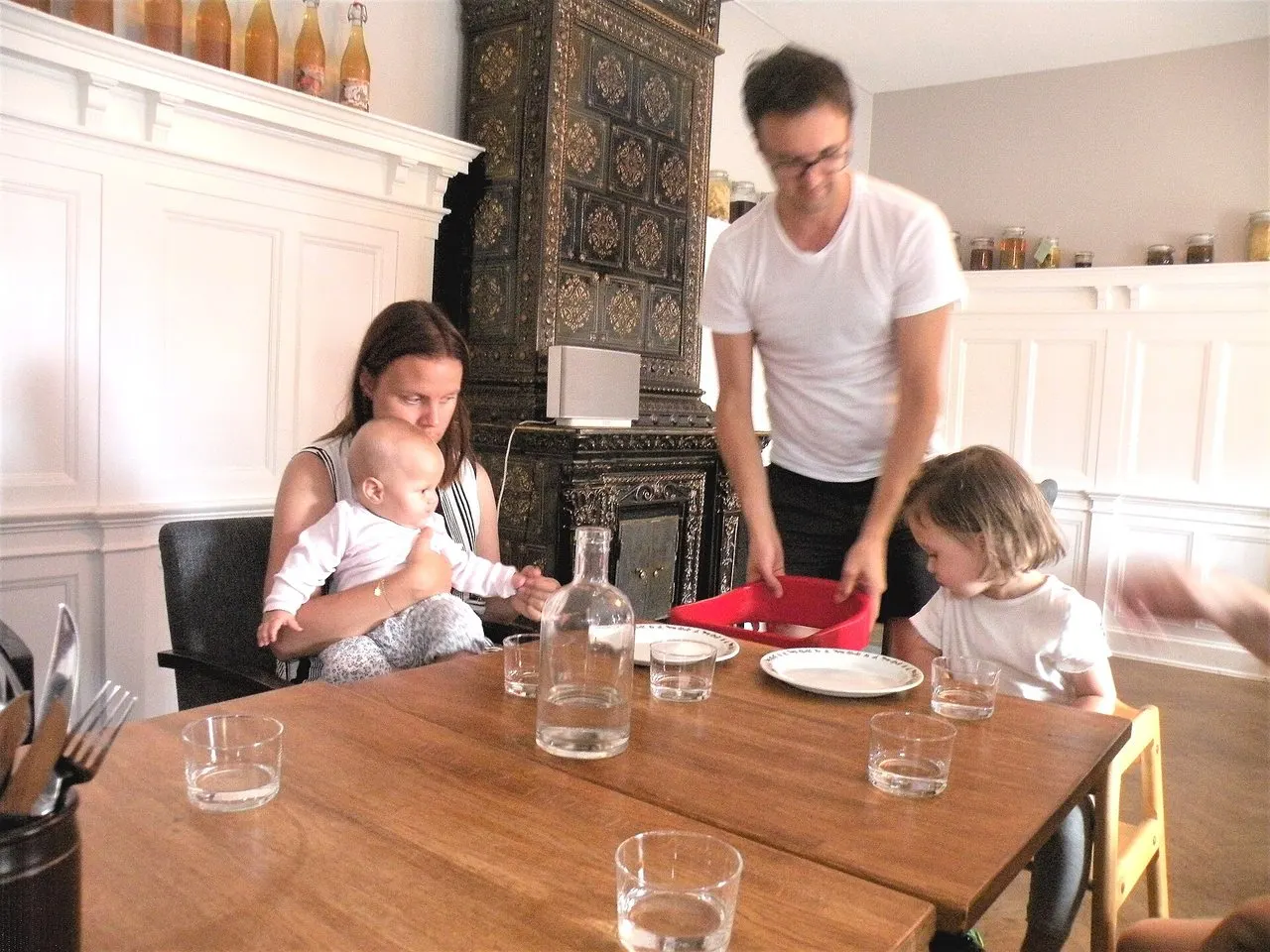
Picture the same family dinner today. Four children sit at the table, and the odds say all four will grow up, go to school, and one day bring their own children home. That is the quiet miracle behind the numbers, a table with no empty chair and no name that is never spoken. The change did not happen by chance. For more on family dinners, read about the grandma whose Thanksgiving story became a movie.
A Routine Appointment With Child Vaccines
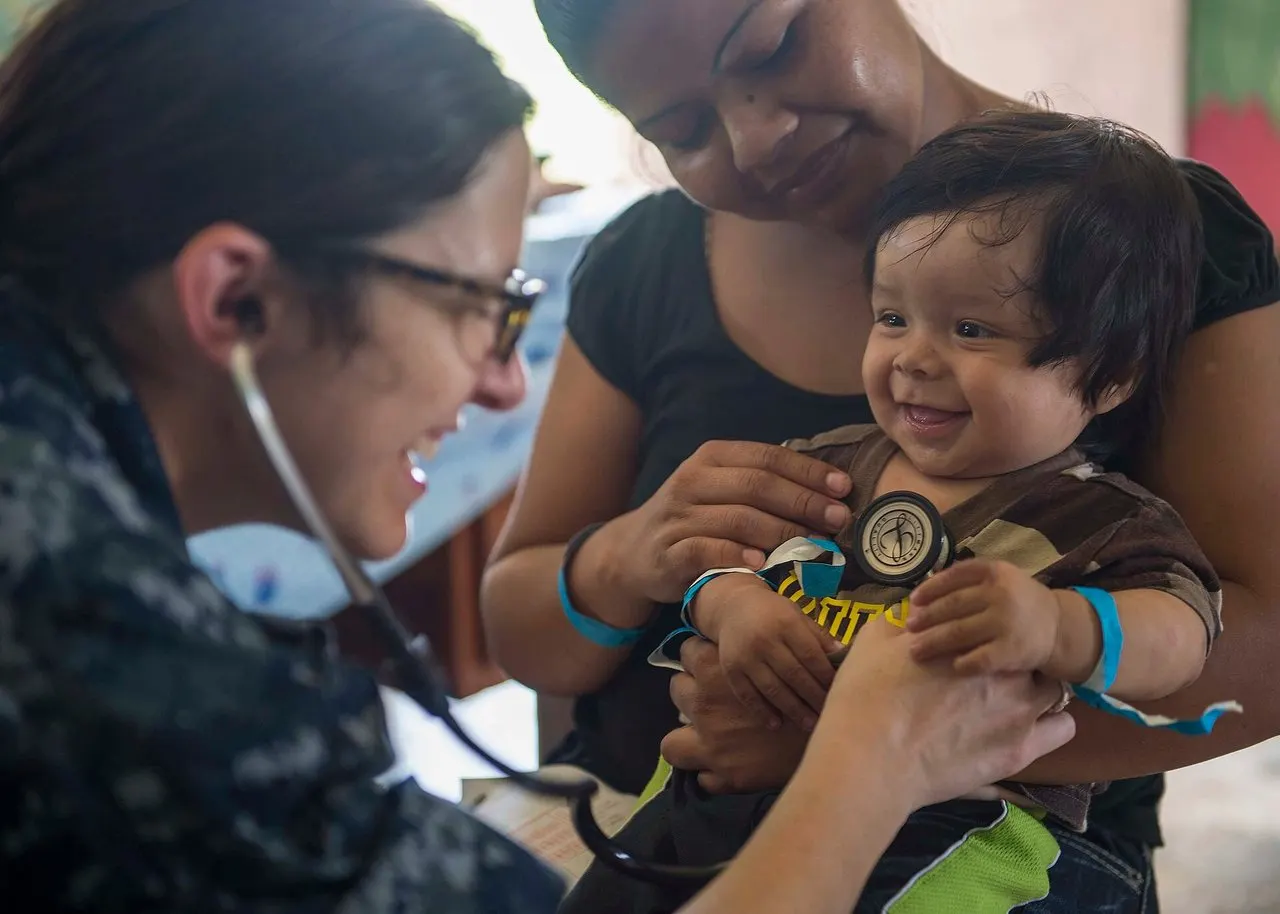
A routine appointment is what a vaccine visit looks like now. The doctor checks growth, listens to the chest, and gives a quick shot that takes only seconds. The child may cry for a moment, and then it is over, a sticker and a trip home. It is hard to believe such a small moment carries so much history. For more on school days and the smallest fighters, read about the teacher who changes his look for every yearbook.
Schools Full of Healthy Children
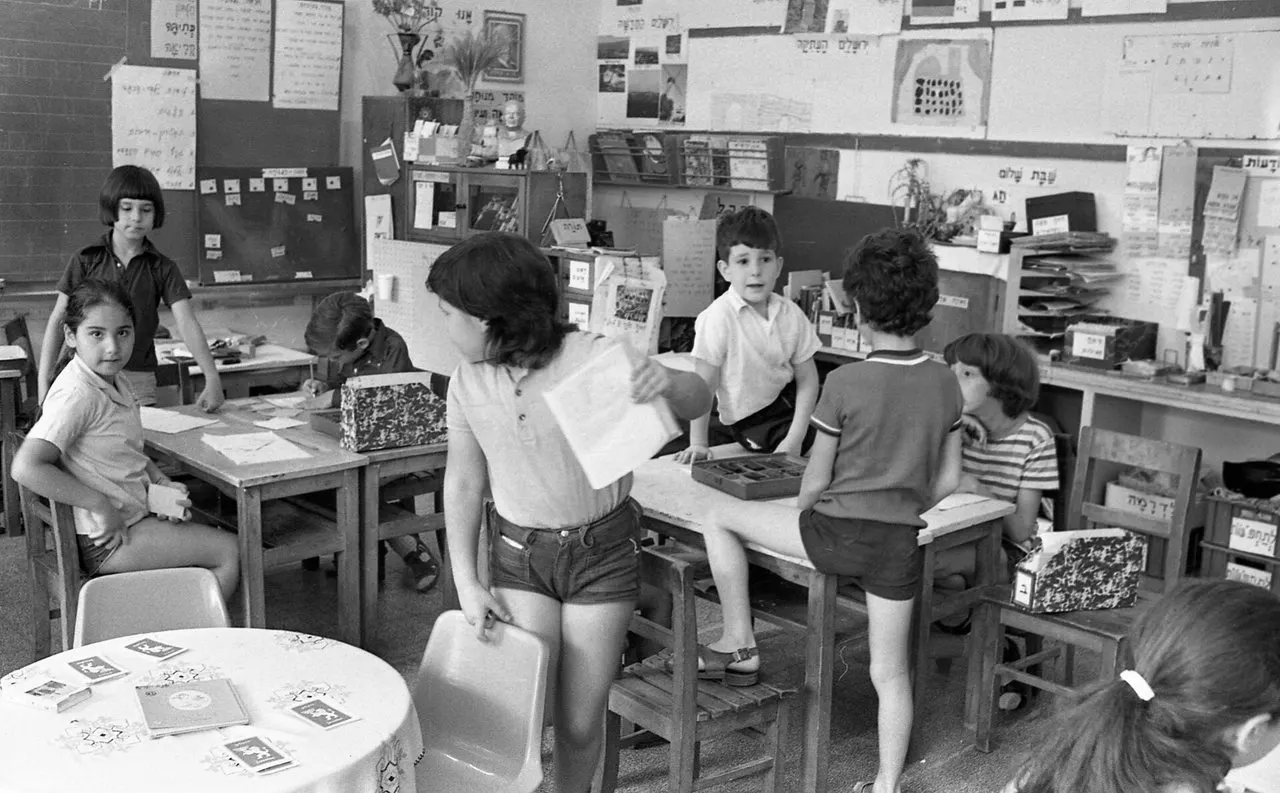
Full classrooms are another sign of the change. In 1900, a winter of diphtheria and whooping cough could empty a school for weeks, and some desks never filled again. Today, children crowd the same rooms, healthy and loud, because routine shots keep the old diseases out. Teachers plan lessons, not funerals. For more on schools and the families behind them, read about the teacher who changes his look for every yearbook.
What the CDC Recorded About the Change
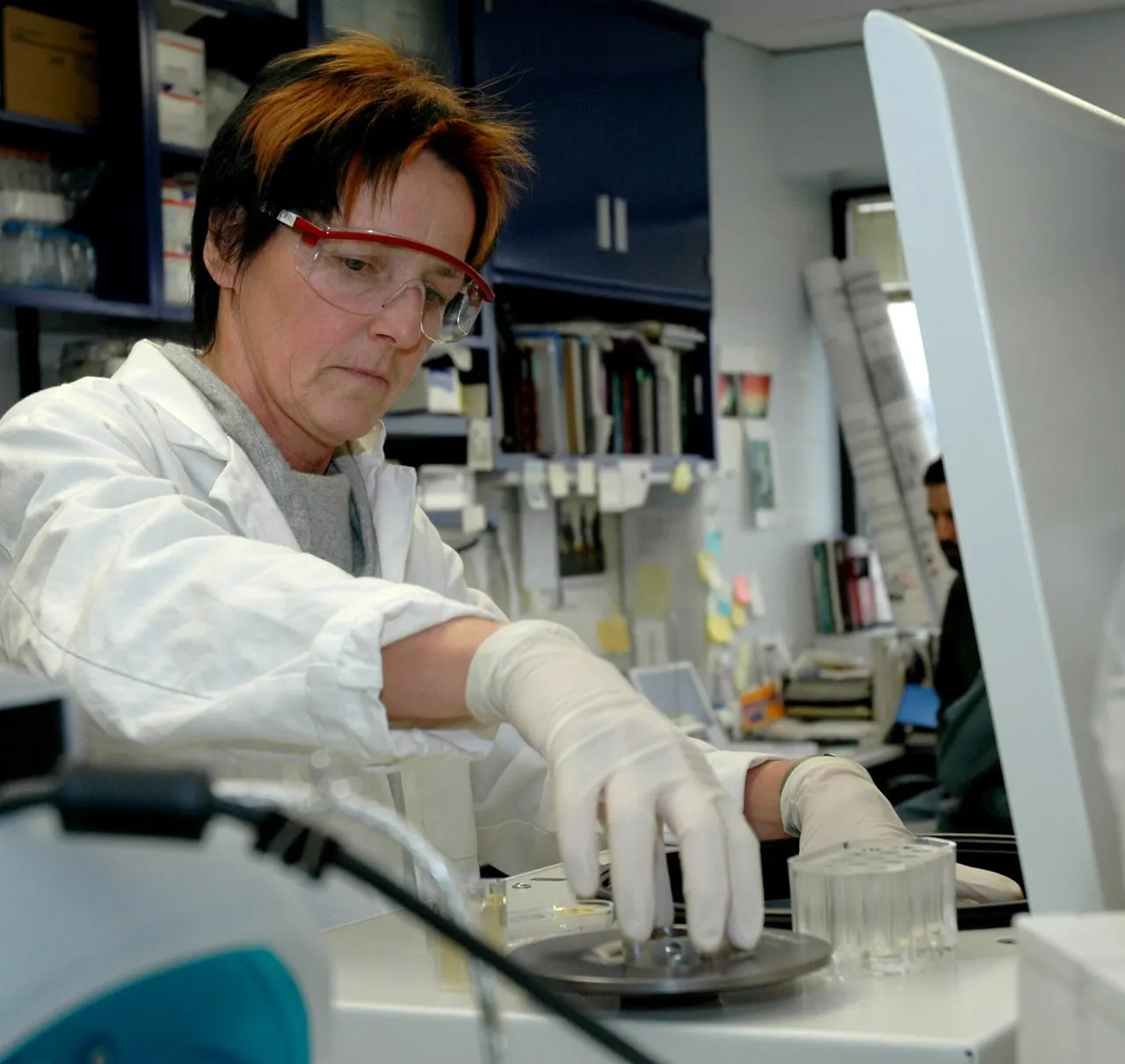
The CDC looked back at the whole century in its report on great public health achievements from 1900 to 1999. Control of infectious disease sits at the top of that list, and vaccination is named as a key reason the numbers moved so far. The record is public, and anyone can read the same report the post draws on. For more on public data and hope, read about the question of how much water data centers use.
Six in 1,000: Child Vaccines and New Beginnings
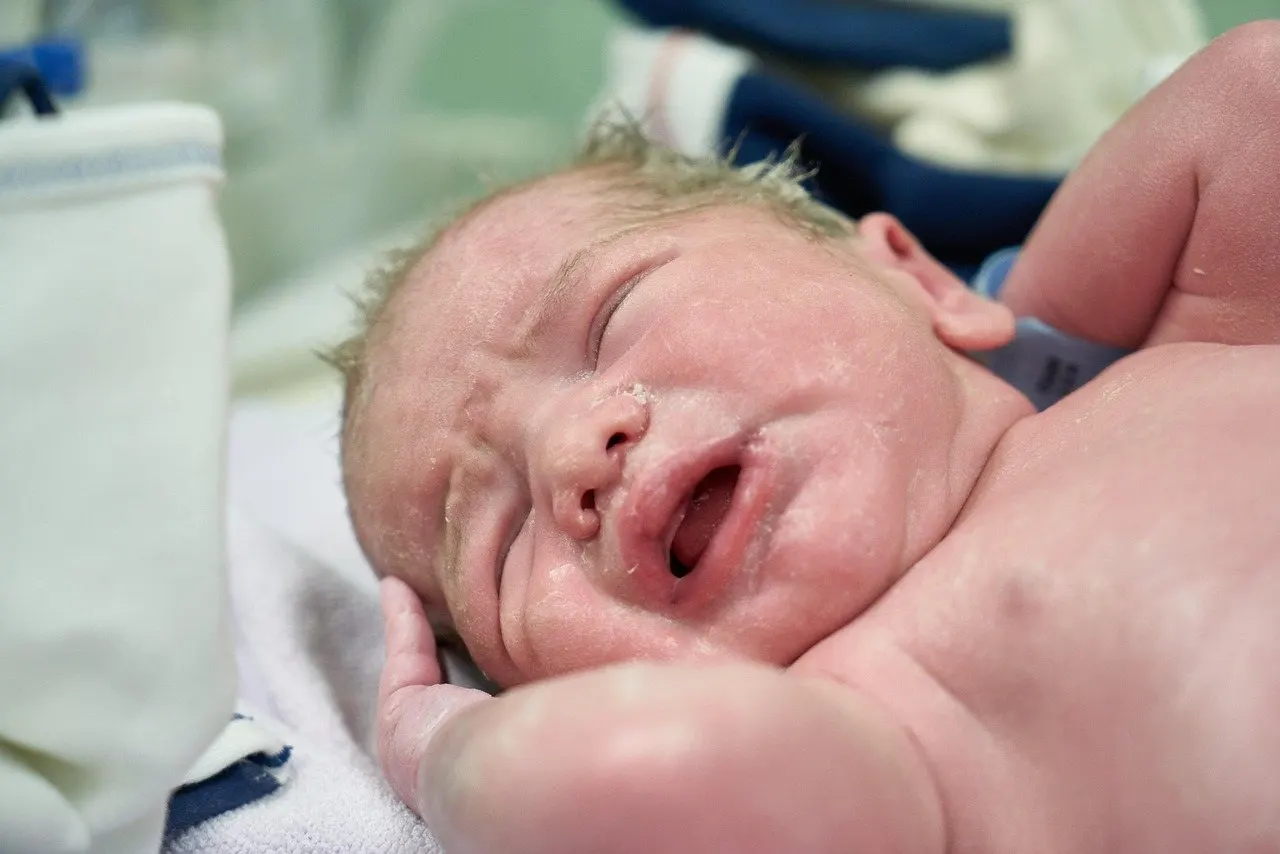
Today, only about 6 in 1,000 American children die before age five, roughly 1 in 160. That is still six too many, and every one of those losses matters to a family. Yet the gap between 1 in 4 and 1 in 160 is one of the largest changes in human history, and it came from science that any parent can use. For more on babies and family, read about Baby T and her Kentucky foster family.
A Death Sentence Became a Routine Appointment

The original post says it best. A death sentence became a routine appointment. A disease that once meant a bedside vigil now means a short visit, a quick shot and a sticker. Parents still worry, because that is what parents do, but they no longer wait for winter with dread. For more on health care, read about the family denied cancer treatment by their insurer.
Why Child Vaccines Still Matter Today
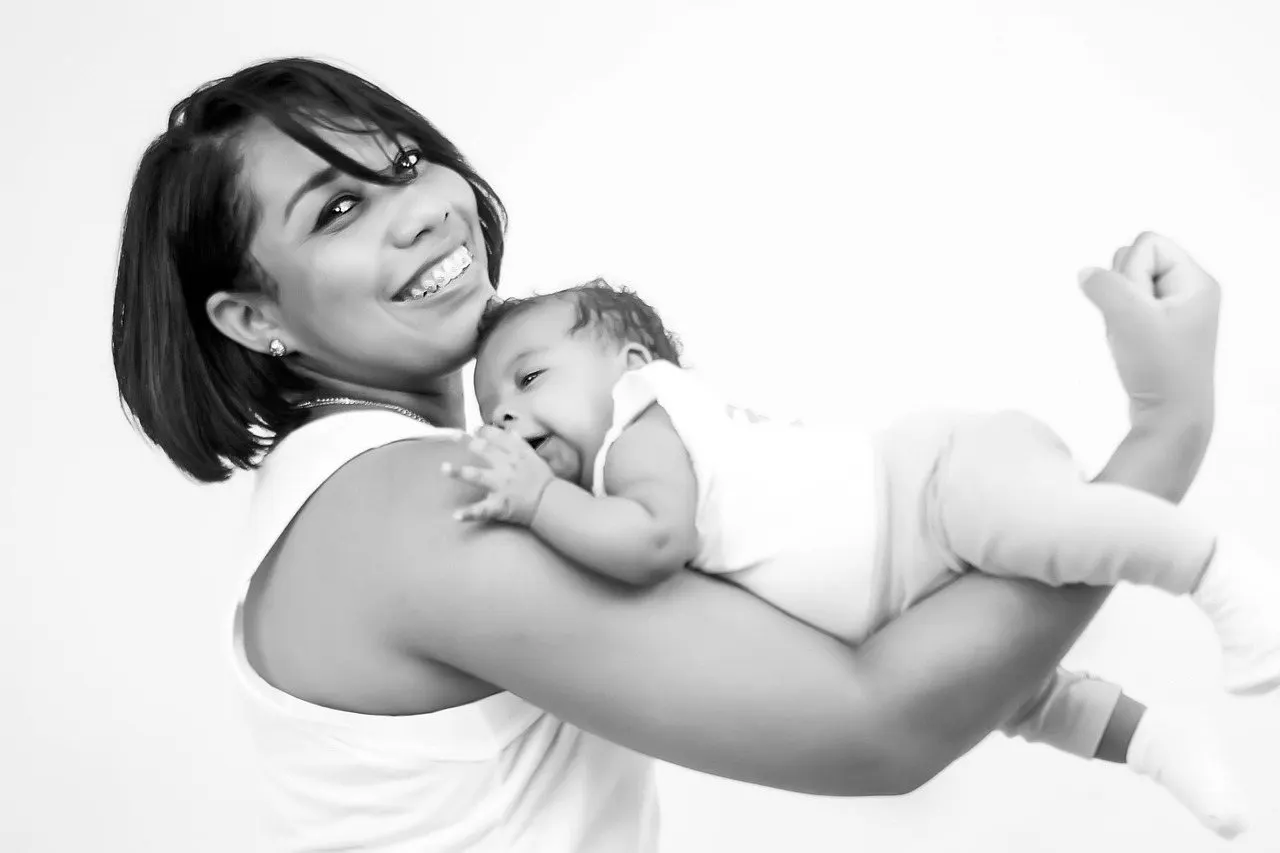
The old diseases are rare, not gone, and that is why the routine still matters. When enough children miss their shots, the germs find a way back, and the first to suffer are babies too young to be protected. Keeping the schedule full keeps the whole community safe, from the newborn next door to the classmate with a weak immune system. For more on calm homes and mothers, read about the cat mom whose calm home keeps her family happy.
What Would You Tell a Parent in 1900?
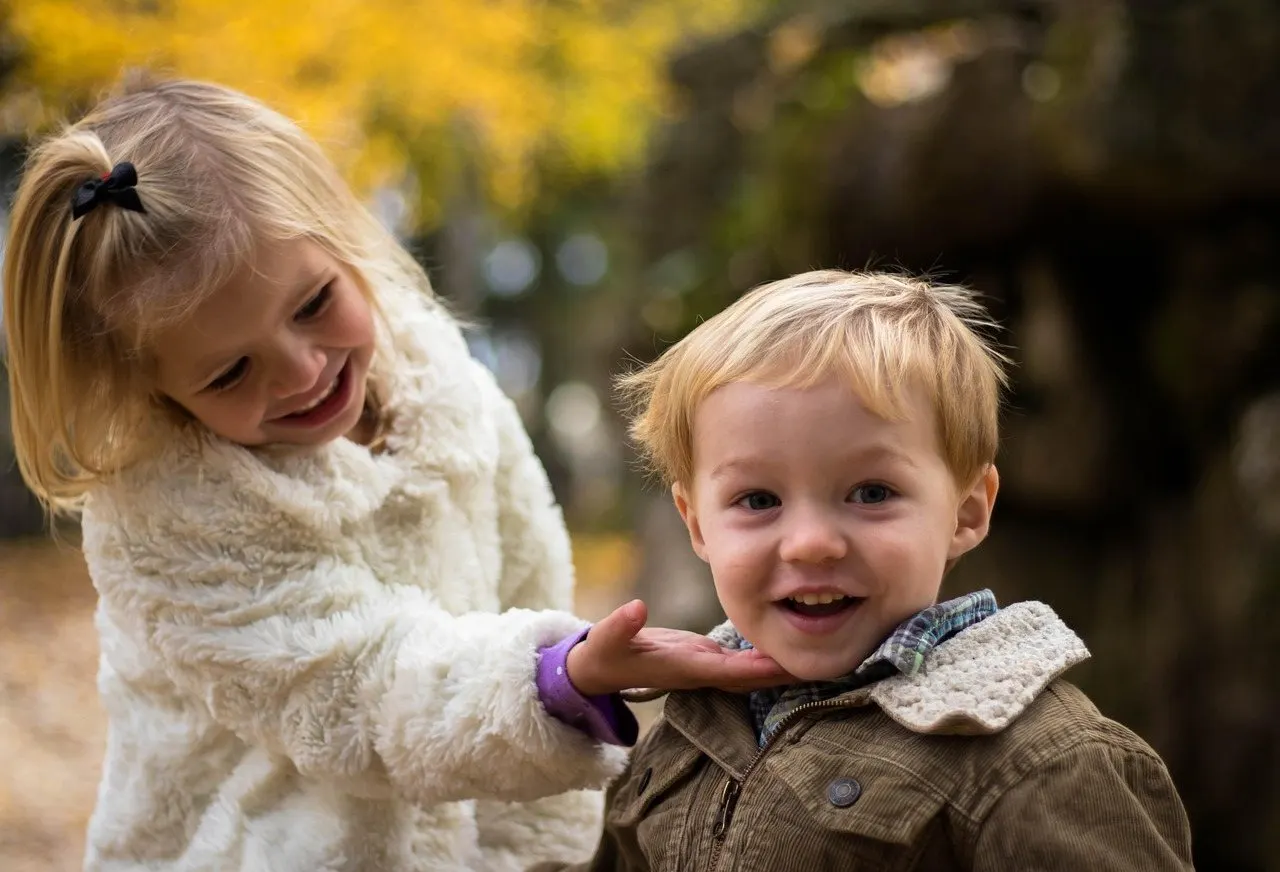
Imagine you could sit with a parent from 1900 for one minute. What would you tell them about the future, about the shots that would save their children and their grandchildren? Would you describe the dinner table with four healthy children, or the classroom full of laughing kids? Share your answer in the comments below, and keep reading about the grandma whose Thanksgiving story became a movie.