USDA Bigfoot Files Open Decades of Forest Records
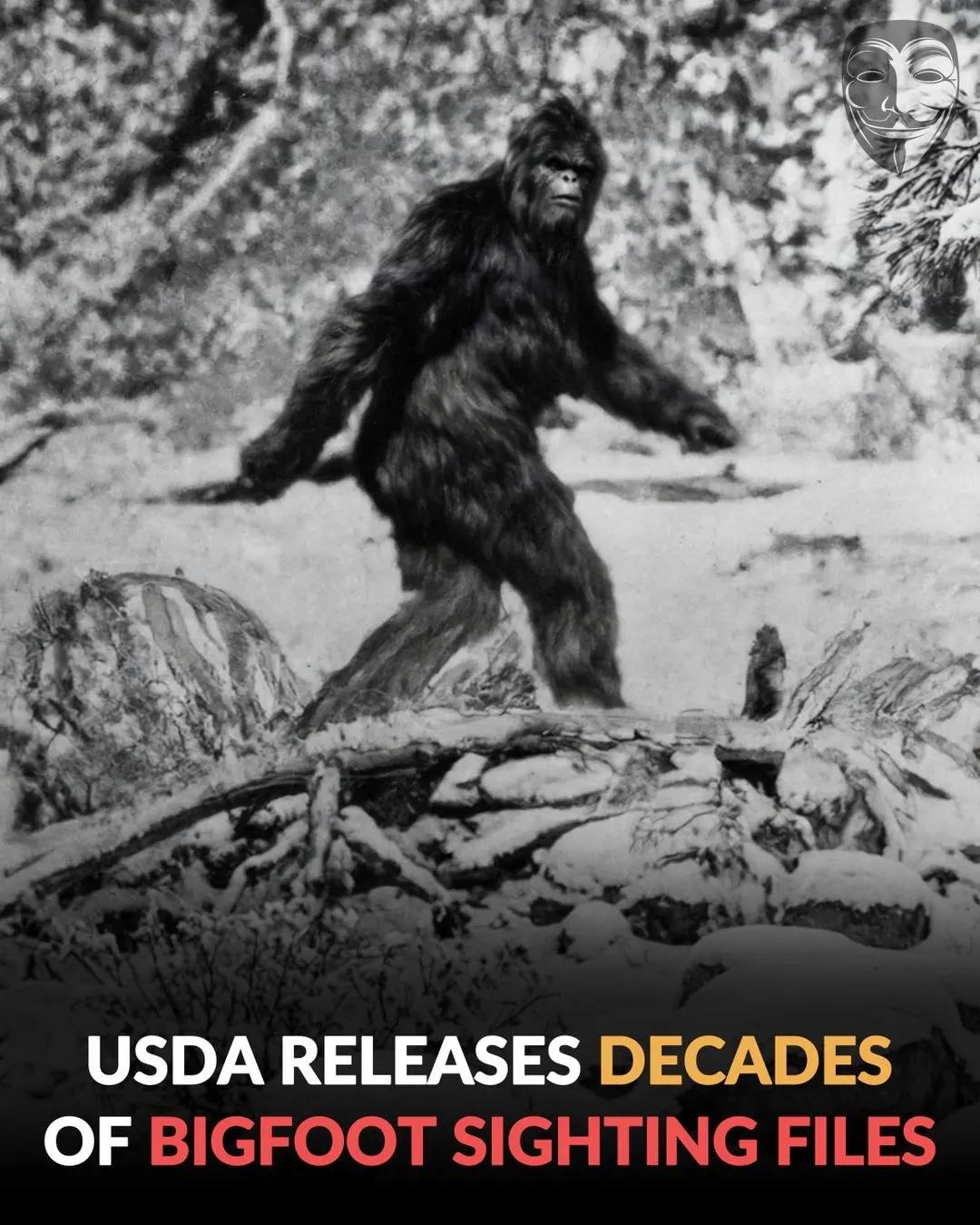
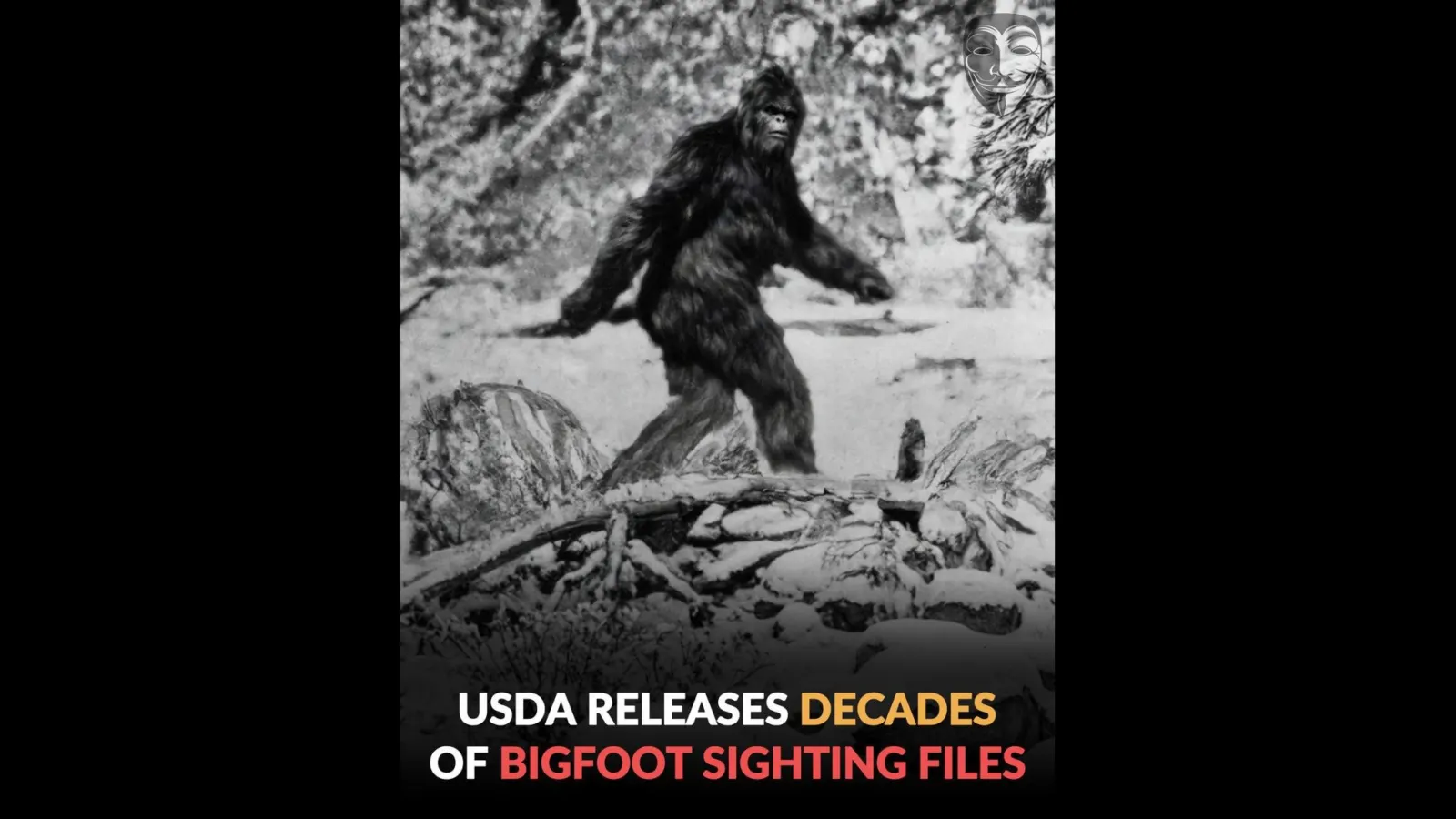
The USDA Bigfoot files are now open, and they offer a rare look at how the United States Forest Service kept notes on unexplained sightings for decades. The agency quietly published three files from its Bigfoot and Sasquatch records, covering reports that stretch back to the 1940s. Inside are plaster footprint casts, field measurements and eyewitness accounts gathered in the American wilderness. The release gives the public a first look at how federal workers recorded a mystery they could not explain.
In the slides ahead we follow the paper trail from a 1980 Montana encounter to a 1982 investigation in Washington State, and we look at the casts, the measurements and the people who filed the reports. Witness Leo Kinney and three hunters felt chills run up and down their backs beside massive tracks, and federal investigators kept asking questions for years after. For a taste of another strange sighting, read about a 1959 photo that may show a giant snake.
References:
Fox News: USDA Releases Decades Of Bigfoot Files From 1982 Forest Service Investigation
Den of Geek: The Bigfoot Files and the Bossburg Thanksgiving Sasquatch Revisited
Federalist Press: Government Documents Reveal Official Field Investigations Photographs Of Enormous Footprints
Jay Q Public: Intel Brief Research Report The Forest Service Bigfoot Sasquatch Records
Three Files From the Forest Service Records
The release holds three files, and each one opens a window on how the Forest Service handled reports that did not fit any known animal. Together they cover plaster casts, written measurements and stories from people who saw something strange in the woods. The files span decades, which shows that the agency did not treat one sighting as a single odd event. It kept coming back to the question, year after year. Read about a forest cleared for a data center for more stories from our pages.
The USDA Bigfoot Files Stretch Back to the 1940s
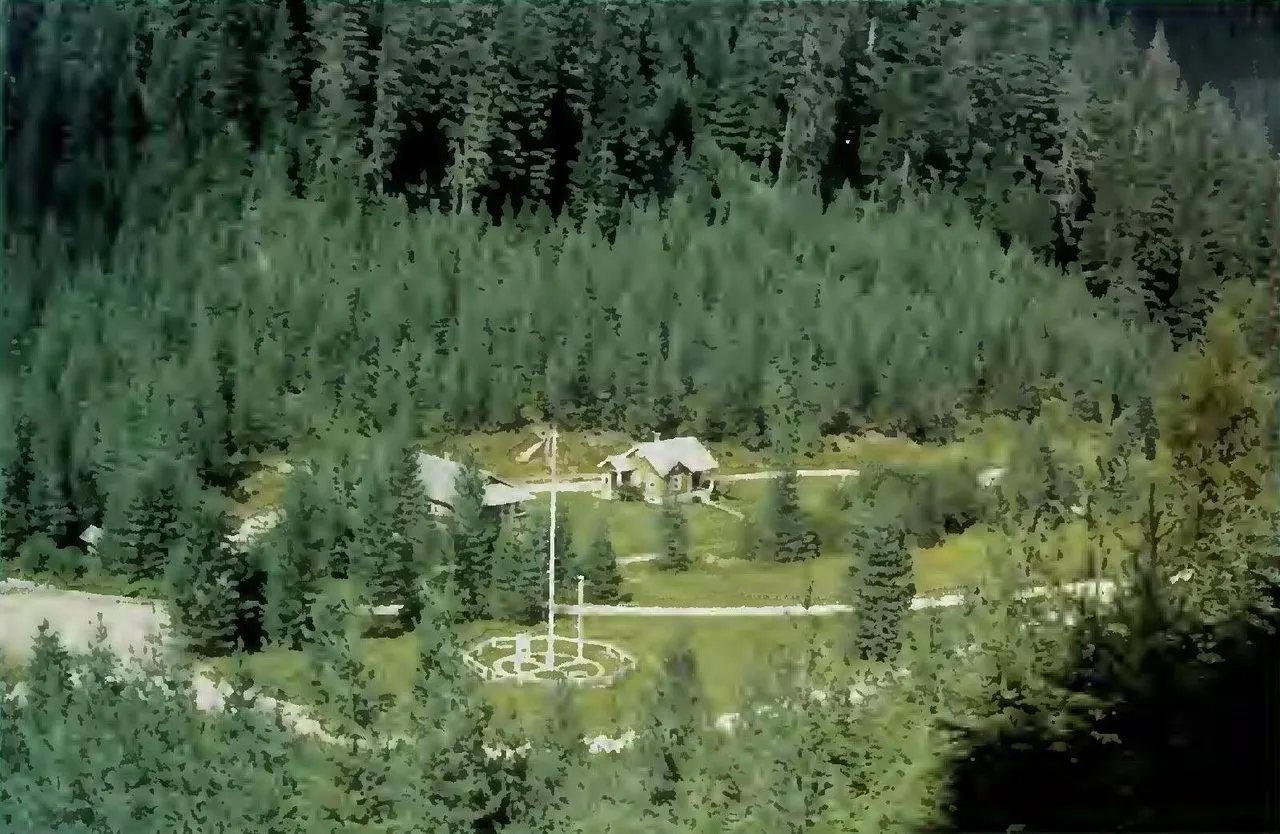
The oldest reports in the release reach back to the 1940s, when the Forest Service was already writing down stories from rangers and visitors in remote woods. That long span is what makes the release unusual, because it shows a federal agency returning to the same mystery across generations of workers. Names changed, forests changed, and the questions stayed the same. Each decade added fresh pages to a file that never quite closed. See the Pacific seabed auction near American Samoa in our other reports.
Plaster Casts of Mystery Footprints
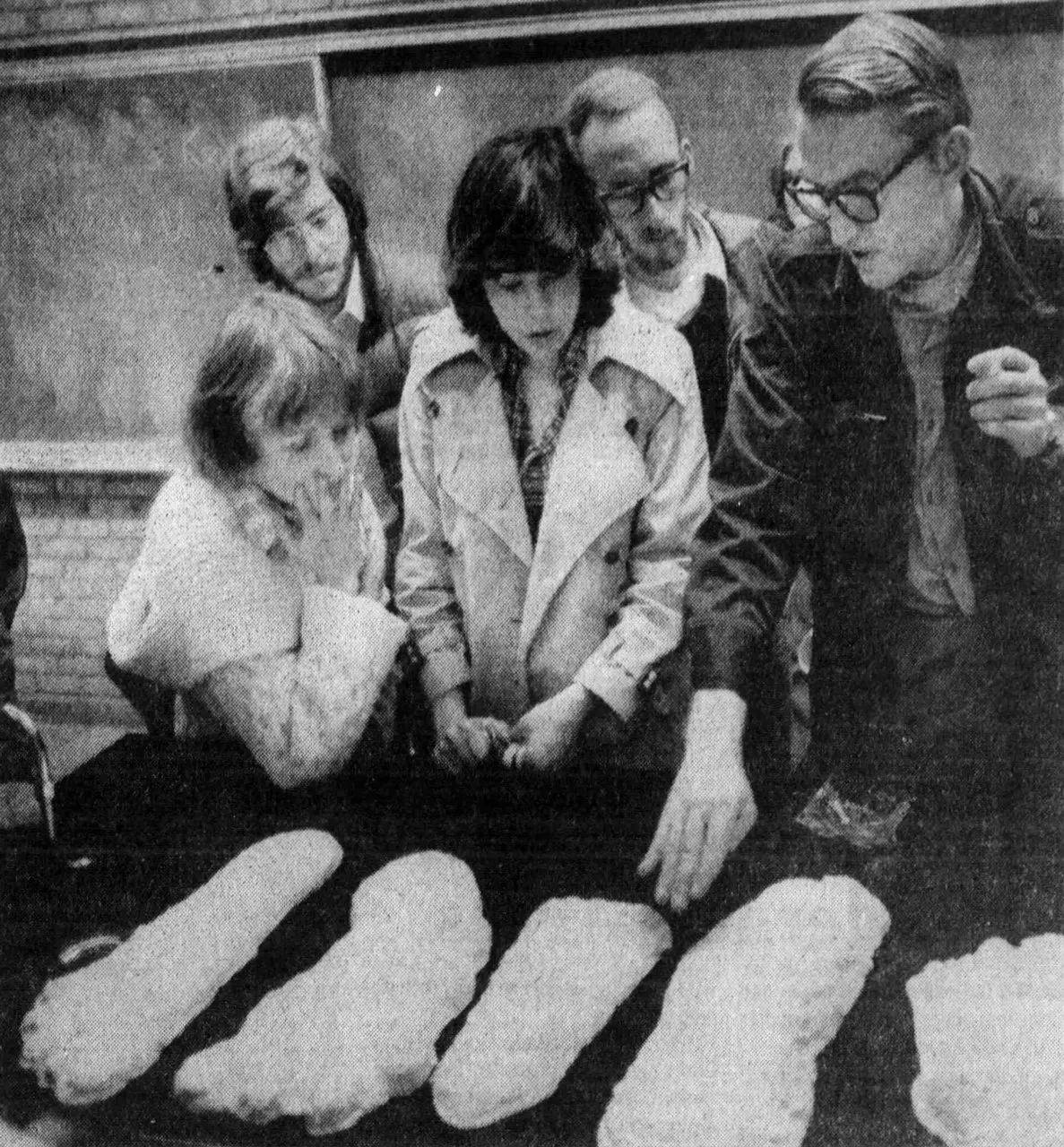
Plaster casts sit at the heart of the release, because a cast turns a fleeting track into something that can be kept, measured and shown to others. Workers poured plaster into prints found in mud and soft ground, then lifted out a hard copy of the shape. The casts in these files preserve the size and form of prints that no camera could fully capture. They remain the most solid objects in a story built on fleeting sightings. Read Wallace Shawn and his remarks on Gaza for more from our pages.
Field Measurements, Taken Step by Step

Field measurements give the files their careful, practical tone, because a ranger with a tape measure records length, width and stride before guessing what made a track. The files show workers noting each detail in plain numbers, so that later readers could compare one print with another. That habit matters, because a single measurement means little on its own. Put beside others, it starts to form a pattern. See Zelensky and his silent shrug in Berlin in our other stories.
Eyewitness Accounts Inside the USDA Bigfoot Files
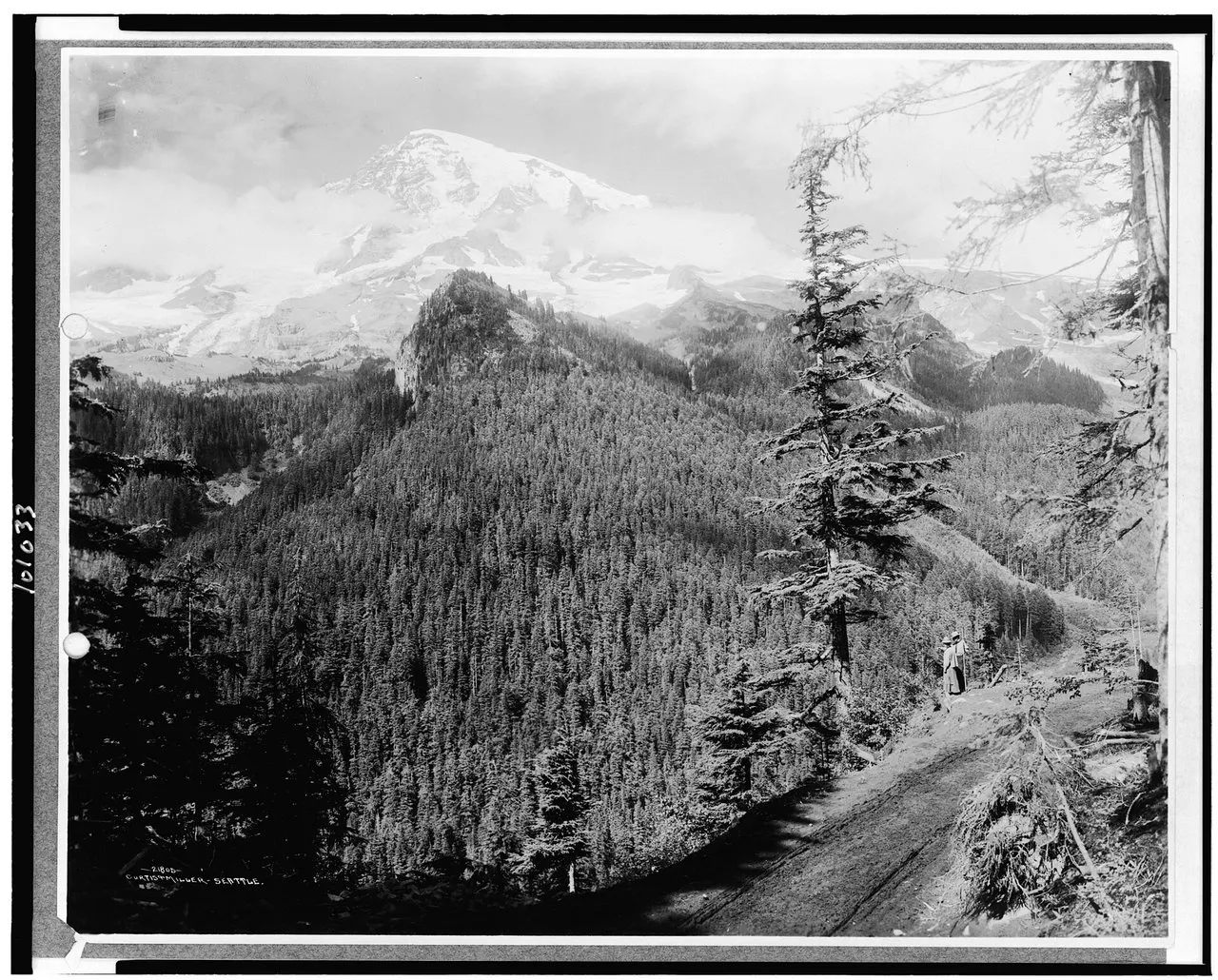
Eyewitness accounts fill many pages of the release, and they read like field notes written by people who did not expect to see what they saw. Hunters, hikers and rangers describe large shapes, strange sounds and tracks that did not match any animal they knew. The files treat these stories with care, recording names, dates and places instead of brushing them aside. That respect is part of why the release feels so human. Read Jim Himes and his warning on SpaceX funding for more.
Leo Kinney and the Montana Encounter of 1980
The best known story in the release comes from Montana in 1980, when witness Leo Kinney came across massive tracks with three hunters. The write-up keeps the details plain, which makes the moment feel close even decades later. Kinney was not alone, and the three hunters with him saw the same ground he did. Four people, one set of tracks, and a shared memory they carried home. See two mothers and the bond guiding their sons in our other reports.
Three Hunters on a Montana Trail
Kinney was out with three hunters when the group found the tracks, and the write-up stresses that all four men saw the same thing. That matters, because a lone sighting is easy to doubt, while four witnesses standing on the same trail are harder to dismiss. The hunters were used to the woods, and they knew the animals that live there. Whatever left those prints was outside their experience. Read Rumer Willis and her update on her father for more from our pages.
Massive Tracks in the Montana Wilderness
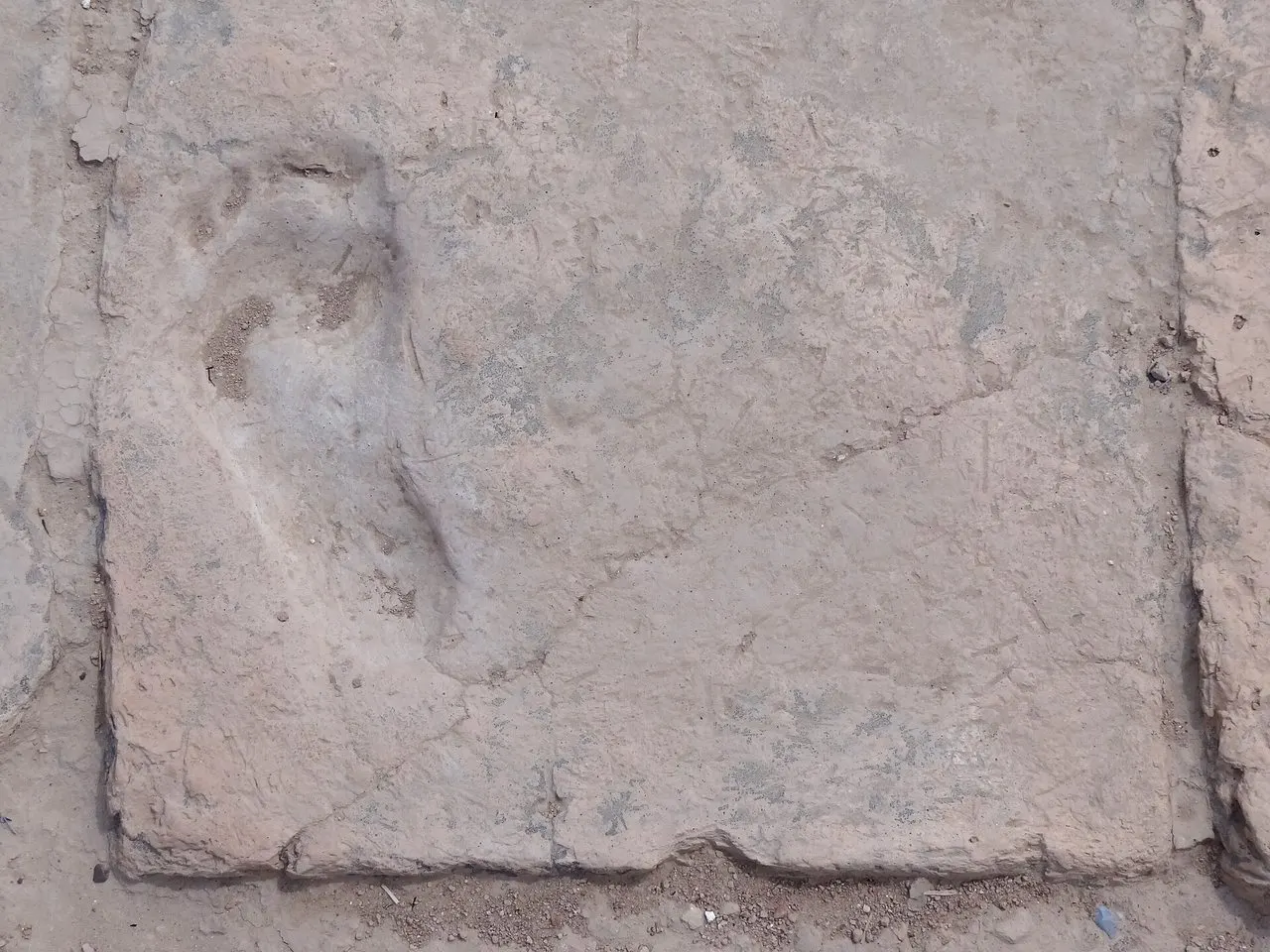
The tracks themselves were massive, far larger than any boot or known animal print the men expected to find. Size is what first catches the eye in these files, because a print too big for a bear or a man raises a question that does not go away. The write-up records the discovery without drama, letting the measurements speak. Big prints in wild country have a way of staying in the mind. See Kevin Hart on fatherhood and time with his kids in our other stories.
The 1982 Investigation in the USDA Bigfoot Files
Two years after the Montana encounter, the Forest Service opened a formal investigation into tracks found in the Pacific Northwest in 1982. This was not a passing note, but a real inquiry with investigators assigned to look at the ground and write up what they found. The release shows a federal agency treating the reports seriously enough to send people out. That step gives the files weight. Read Chris Van Hollen and the loophole bill for more from our pages.
Federal Investigators Kept Notes for Decades
The 1982 investigation was only one part of a much longer habit, because Forest Service workers had been writing down strange reports for decades. Each note went into a file, and the files stayed in the system long after the people who wrote them moved on. That slow, steady record keeping is how a mystery survives inside a government agency. Paper outlasts memory, and these pages prove it. See Obama and his visit to House Democrats in our other reports.
The Pacific Northwest, Home of the Legend
The Pacific Northwest has long been the heart of Bigfoot stories, with its deep forests, heavy rain and long stretches of land where few people go. The 1982 investigation took place in Washington State, right in the middle of that country. Tall trees and thick undergrowth make it easy to believe something large could stay out of sight. The land itself is part of the legend. Read a forest cleared for a data center for more from our pages.
Washington Forests and the 1982 Trail
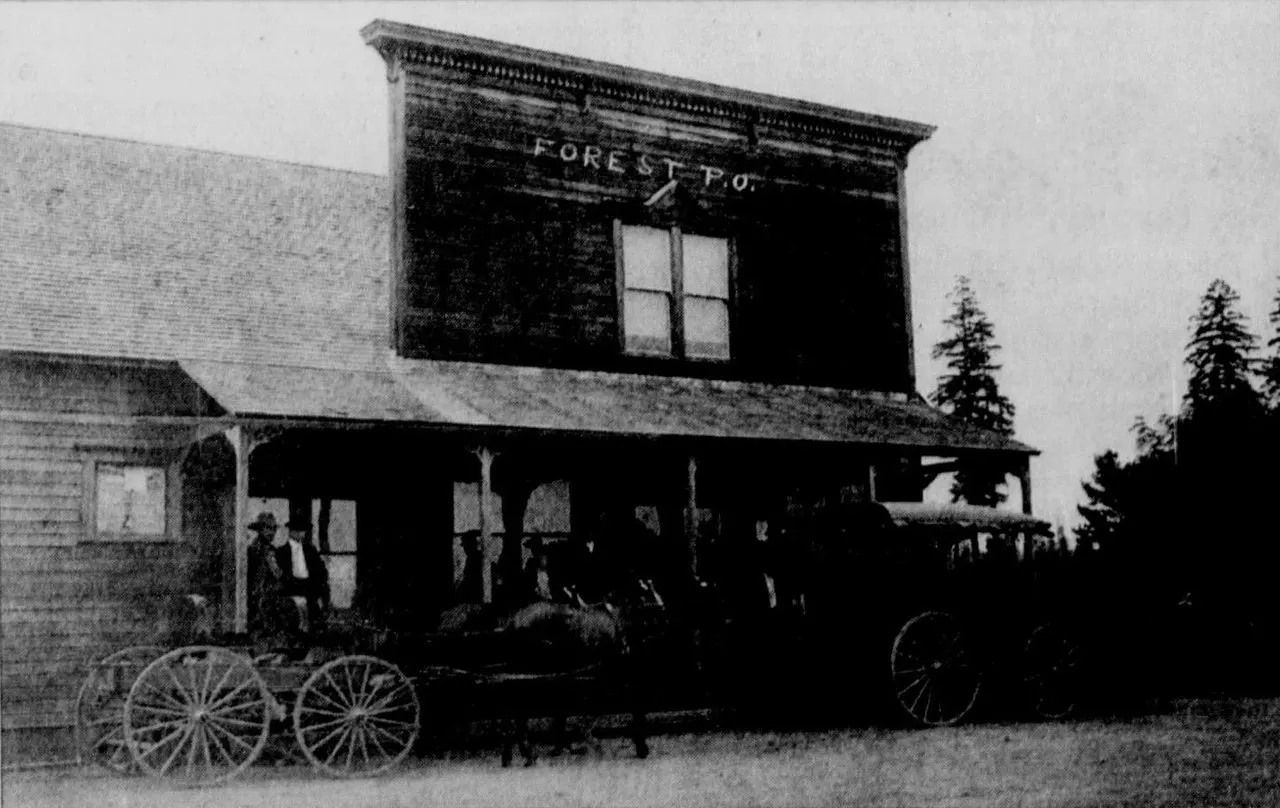
Washington State gave the 1982 investigators a landscape of evergreen forest and quiet roads, where tracks could sit undisturbed until someone came along to find them. The Fox News headline on the release points straight to that Washington investigation, which anchors the files in one real place. A mystery feels different when it has a map and a date. Washington gave this one both. See KL Rahul and his record knock in our other stories.
What the Forest Service Wrote Down
The files read like the work of careful people, with dates, places, names and measurements set down in plain language. Rangers and investigators wrote what they saw and what others told them, without adding guesses or drama. That plain style is why the release is so readable, because it lets the reader judge each report on its own. No one in the files claims to have solved the mystery. Read Alan Ritchson and his words on faith for more from our pages.
Why the Government Keeps Such Records
A government agency keeps records because the public may one day ask what it knew and when it knew it, and the Forest Service is no different. Every report, cast and measurement in these files was kept so that the record would be there when someone asked. That habit can look dull, but it is how history gets saved. Without it, the Montana tracks would be only a story told by a fire. See Senator Blumenthal and his hearing questions in our other reports.
The Paper Trail Behind the Mystery
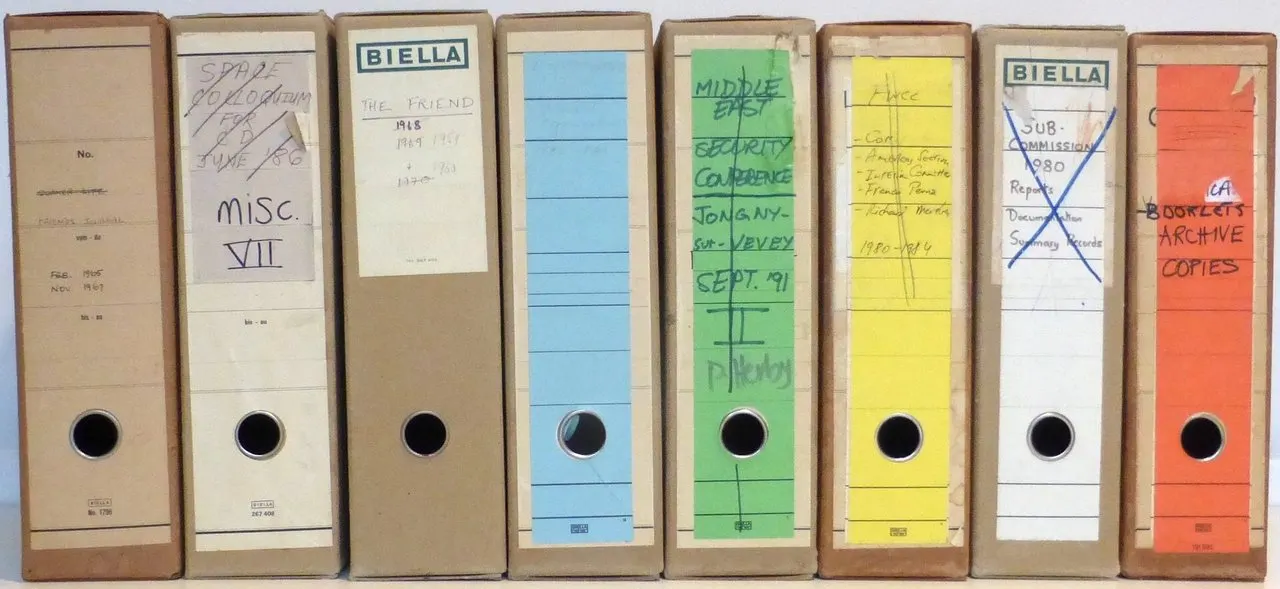
Behind every famous mystery sits a paper trail, and this release shows how much of that trail survives in boxes and folders. The three files are only the part the USDA chose to publish, but they hint at a larger archive built up over decades of fieldwork. Each folder holds a small piece of the puzzle, from a name to a number. Put together, they form a story no single page could tell. Read rock art of a giant with a huge round head for more from our pages.
The Bossburg Thanksgiving Story Revisited
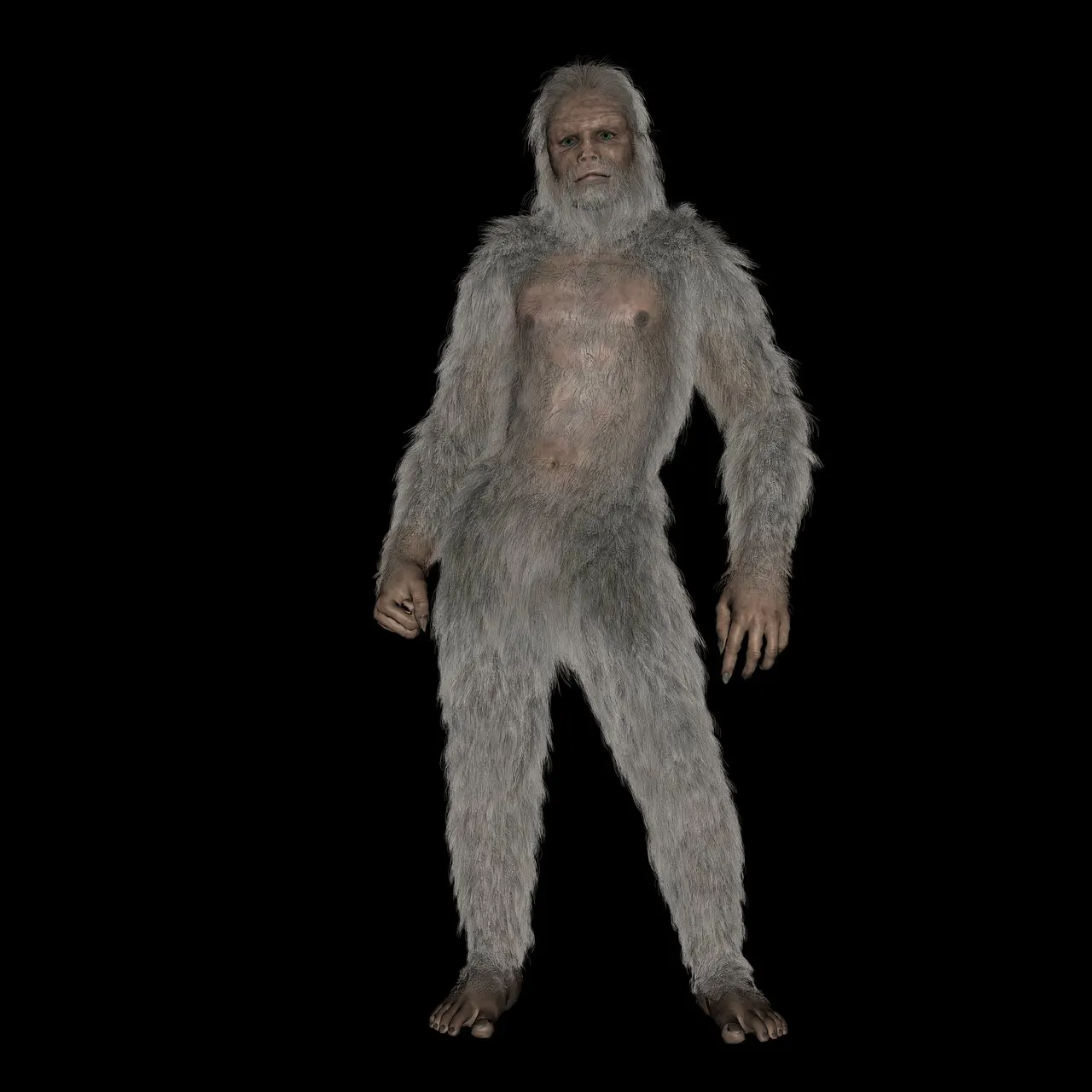
One of the four references with this release looks back at the Bossburg Thanksgiving Sasquatch, a story that has stayed alive in Bigfoot circles for years. The Den of Geek piece revisits that old account, showing how one holiday weekend became part of the legend. Old stories like Bossburg keep drawing new readers, because each retelling adds a detail someone missed. The legend grows one story at a time. See a grandma whose Thanksgiving story became a movie in our other reports.
Photographs of Enormous Footprints
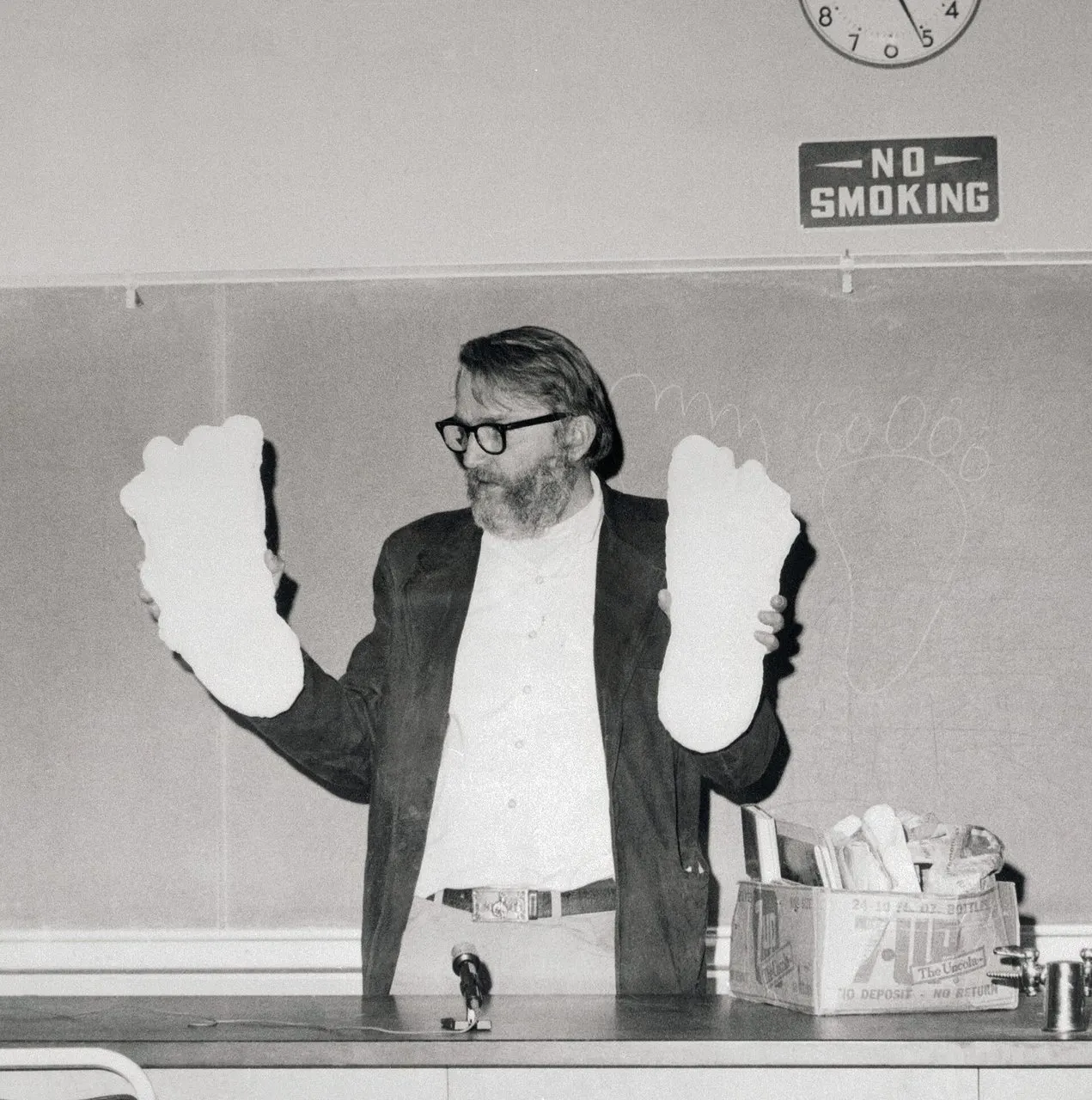
Another reference with the release points to photographs of enormous footprints, the kind of images that make people stop and look twice. The Federalist Press headline describes official field investigations and photographs of prints far bigger than a human foot. Photos matter in a story like this, because a picture can be studied long after the track itself has washed away. The files keep the record when the ground cannot. Read Cianne and her eviction from the house for more from our pages.
The Tools Behind the USDA Bigfoot Files

Tape measures and rulers may seem dull beside tales of giant footprints, but they are the tools that gave these files their weight. Investigators used them to record each print in numbers anyone could check, turning a strange sight into a set of facts. A plaster cast shows the shape, while a measurement fixes the size. Together they let strangers years later judge the same track. See the meeting between Obama and Putin in our other stories.
Stories Told Around the Campfire
Bigfoot stories have always traveled best by firelight, told by people who spent the day in the woods and the night wondering what moved beyond the trees. The files themselves are dry and formal, but the tales inside them began as talk among hunters, rangers and friends. That mix of official paper and campfire talk is what keeps the legend warm. Every report started as a story someone had to tell. Read Dr. Stella Immanuel and her call to faith for more from our pages.
The USDA Bigfoot Files Reach Small Town Washington

Small towns near the Washington forests are the kind of places where a strange story spreads fast, from a diner counter to a church hall. The 1982 investigation touched country where people know the woods and notice when something is out of place. That local knowledge matters, because rangers often hear the first whisper of a sighting from a neighbor. Small towns keep big stories alive. See Bruce Willis and Demi Moore as family in our other reports.
The USDA Bigfoot Files and the Woods That Keep Secrets
Dark forests keep their secrets well, and the files remind us how much of the American wilderness still goes unseen each night. A creature could cross a ridge at dusk and leave only prints for the morning, which is why the tracks in these files matter so much. The woods do not give up their stories easily. They keep them until someone patient enough comes looking. Read the YMCA dance staged for Trump and Xi for more from our pages.
Why People Still Search the Woods
People still walk forest trails hoping to find a track, a sound or a shape that does not fit, and the release will only feed that hope. The files show that ordinary people, not just experts, made the reports that fill these pages. Anyone with sharp eyes and a quiet walk can add to the record. That open door is part of the legend, because the next sighting could belong to anyone. See AJ McLean and Rochelle back together in our other stories.
What Comes Next for the USDA Bigfoot Files

Now that the USDA has published these three files, more people will read them, ask questions and look for what comes next. Public releases often lead to fresh requests for older records, and the Forest Service may face calls to open more of its archive. The story is not over, because a release like this invites the public to join the search. The files are open, and the questions are too. Read Terrence Howard and his words on Mexicans for more from our pages.
What Do You Think Is Out There?
We have walked through plaster casts, field notes, a Montana encounter and a Washington investigation, and the mystery still stands. The files give us facts, but they do not give us an answer, and that is why people keep talking about them. If you have ever walked a forest trail and felt watched, or found a print you could not explain, we want to hear it. What do you think is out there? Share your story in the comments. See the push to ban toxic pesticides in our other stories.