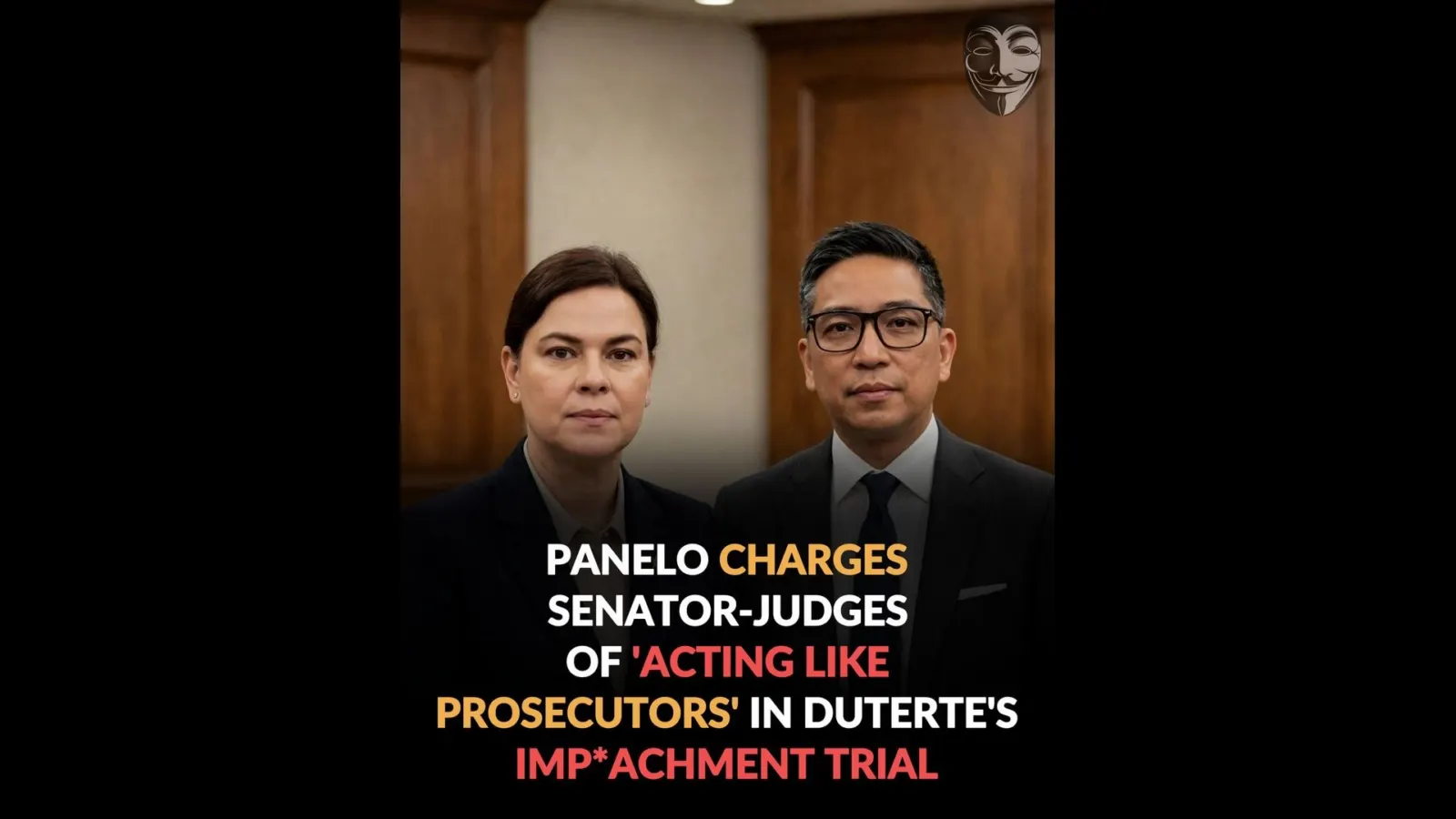
Sara Duterte Trial: Panelo Charges Senator-Judges of Acting Like Prosecutors

The Sara Duterte trial took a sharp turn on November 19 when Atty. Paolo Panelo, the spokesperson of Vice President Sara Duterte, said some senator-judges acted like prosecutors while they questioned defense witness Rainer dela Fuente, a former Anti-Money Laundering Council official. Panelo said testing a witness’s credibility belongs to the prosecution, not to the judges, and he named Senators Risa Hontiveros, Francis Pangilinan and Raffy Tulfo as among those who showed bias. For background, read our report on the Senate prayer moment that drew wide attention and our story on the defense witness and the bank records.
The next day, the Senate impeachment court issued a show-cause order against Panelo after Senator Erwin Tulfo moved for it, and Presiding Officer Francis Escudero approved the motion without objection. Escudero said Panelo is not covered by the sub judice rule because he is not a party to the case, but he could still face contempt proceedings. Defense spokesperson Michael Poa said senator-judges have the right to ask questions, while Senator Sherwin Gatchalian said tough questions do not mean bias. See also how another Senate hearing turned tense and the earlier clash over a defense witness.
References:
Philippine News Agency: Show cause order issued vs VP Sara spokesperson over Attacks on senator-judges
BusinessMirror: Impeachment Court clamps down on Panelo
Metro Sun Daily: Ridon insists Panelo’s statements are Senate’s concern, not House prosecution’s
Malaya: Gatchalian: Tough questions don’t mean bias
The Charge That Started the Row

Panelo spoke out after the November 19 hearing, and his complaint was plain. He said some senator-judges went beyond listening and started to test the defense witness as if they were part of the prosecution team. In his view, a judge should hear the evidence and weigh it, while the work of breaking down a witness belongs to the lawyers for the other side. The remark landed hard because it named sitting senators and accused them of bias in open court. Read about the livestream moment from an earlier trial day.
Who Is Rainer Dela Fuente

Rainer dela Fuente is the witness at the center of this row. He once worked at the Anti-Money Laundering Council, the body that watches the flow of money through banks and flags deals that look dirty. The defense called him to speak about bank records, and his testimony drew long questions from the senator-judges. Panelo said those questions tried to break the witness down instead of simply hearing what he knew. Learn more from our report on Dela Fuente and the bank records.
Senator Risa Hontiveros in the Spotlight
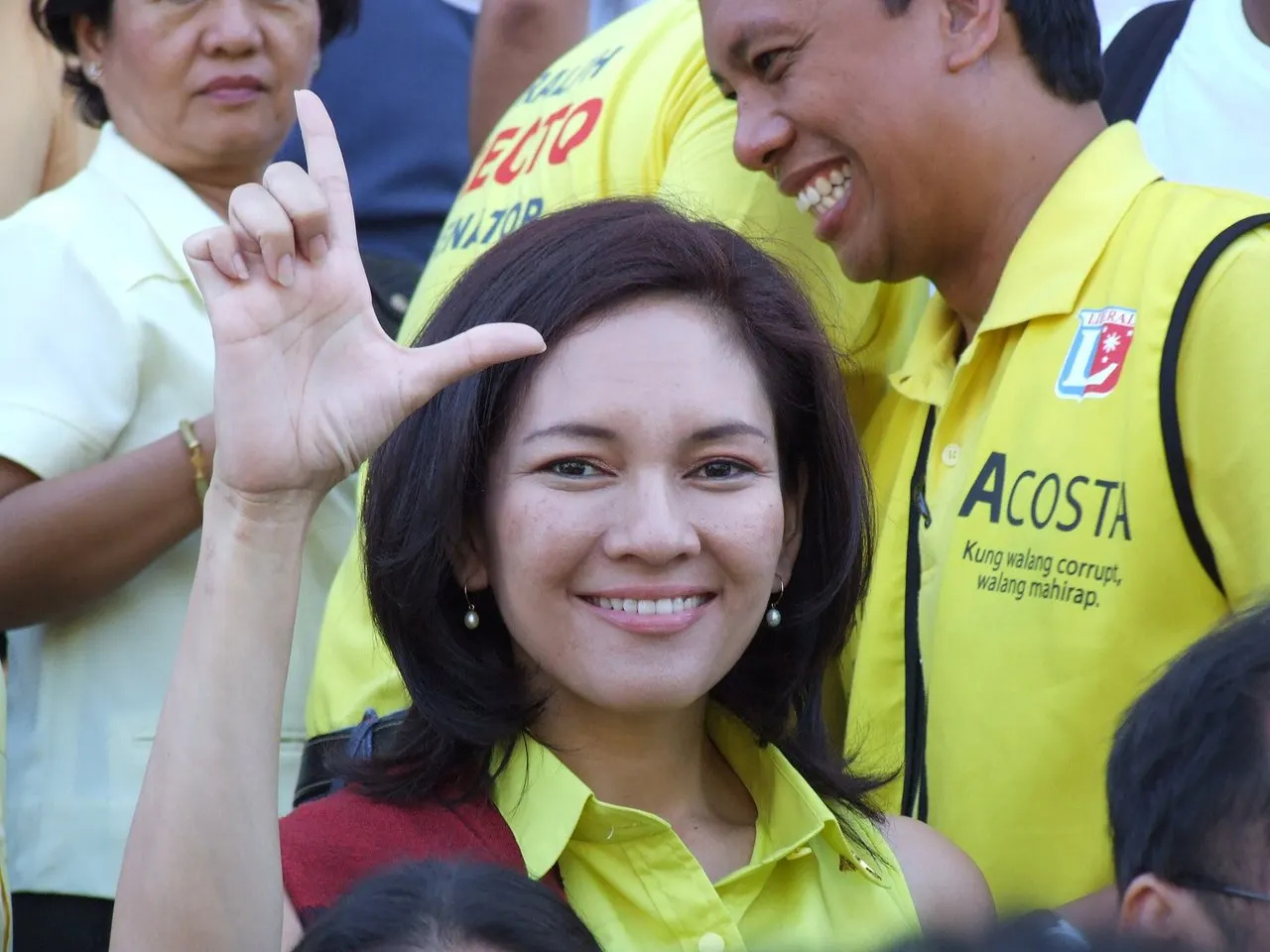
Senator Risa Hontiveros was one of the three names Panelo raised. She is known in the Senate for asking direct questions and for pressing witnesses on points she finds unclear. Panelo said her line of questioning showed bias against the defense, a claim her supporters would firmly reject. The row puts her style under fresh scrutiny, and it shows how a single hearing can turn a senator’s questions into national news. Her role in the trial will keep drawing eyes in the days ahead. See how another senator won a historic seat.
Senator Francis Pangilinan and the Questions

Senator Francis Pangilinan, known to many as Kiko, was the second name on Panelo’s list. He has long experience in the Senate and in the law, and he has taken part in many high profile hearings over the years. Panelo said his questions also crossed the line from judging to prosecuting. The charge is serious because it goes to the heart of fair play in the trial. Pangilinan has not been shy about asking hard questions. Read about his earlier exchange with a defense witness.
Senator Raffy Tulfo and the Exchange
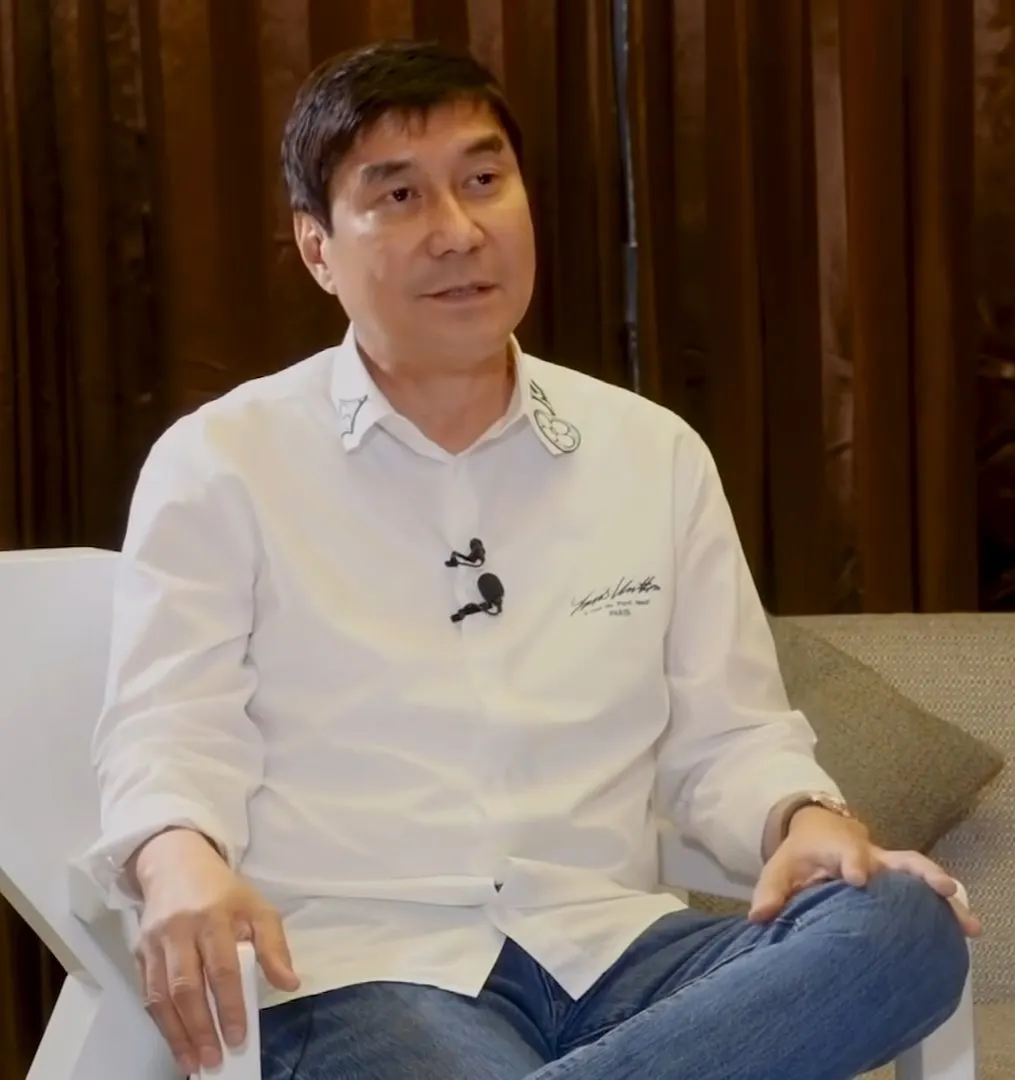
Senator Raffy Tulfo was the third name Panelo mentioned. Tulfo came to the Senate with a long career in broadcast, where he built a name by taking up the complaints of ordinary people. In the trial, his questions to the defense witness drew Panelo’s fire. Supporters say Tulfo asks the plain questions that many Filipinos would ask themselves. Critics of Panelo’s charge say tough questions are part of the job. Either way, Tulfo is now part of this story. See how a Senate bill on pay passed.
How the Sara Duterte Trial Works in the Senate
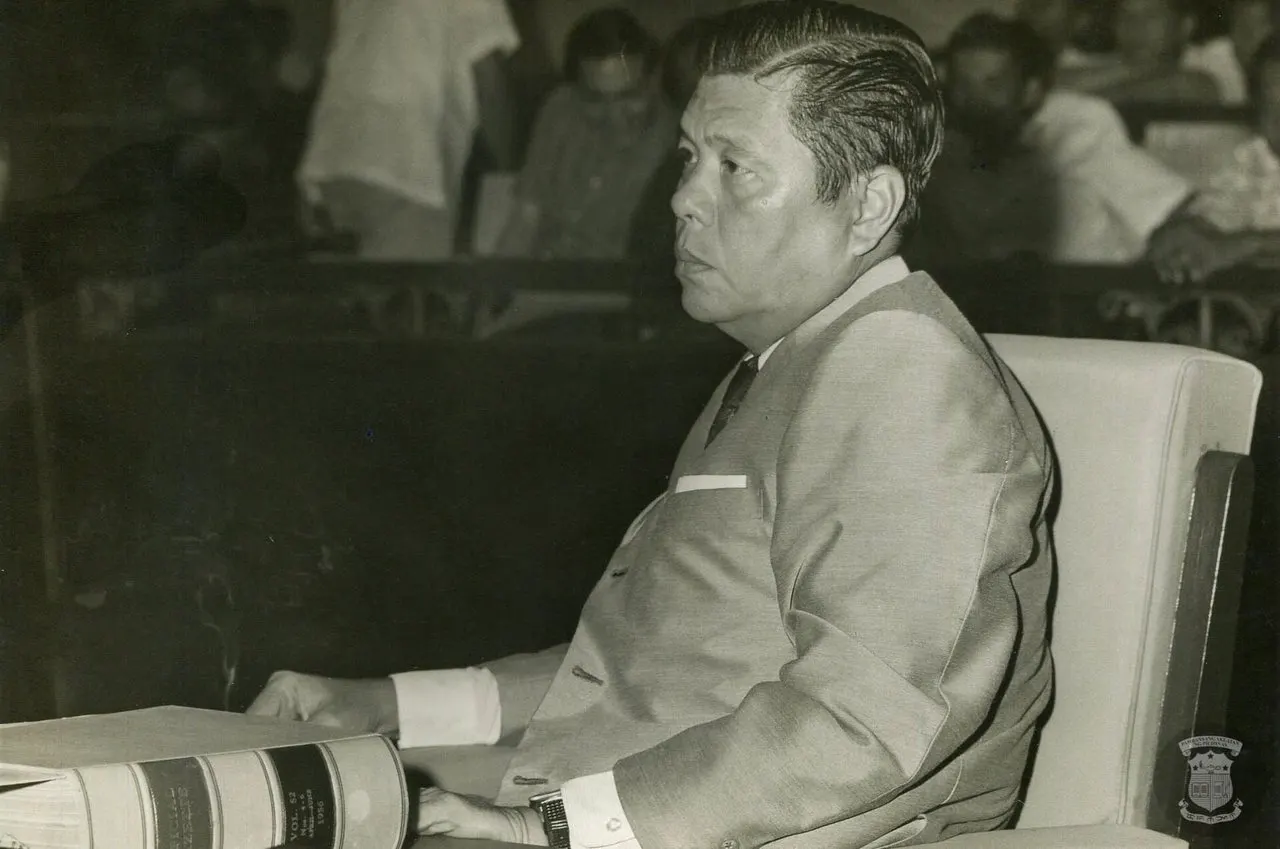
When the House sends an impeachment complaint to the Senate, the senators stop acting only as lawmakers and sit as judges. They hear the prosecution and the defense, they look at the evidence, and they ask questions when they need more light on a point. The presiding officer keeps order and rules on the flow of the trial. It is a rare and solemn job, and the rules are meant to keep the process fair to both sides. Read how the Senate handled a prayer moment in the trial.
The Show-Cause Order in the Sara Duterte Trial
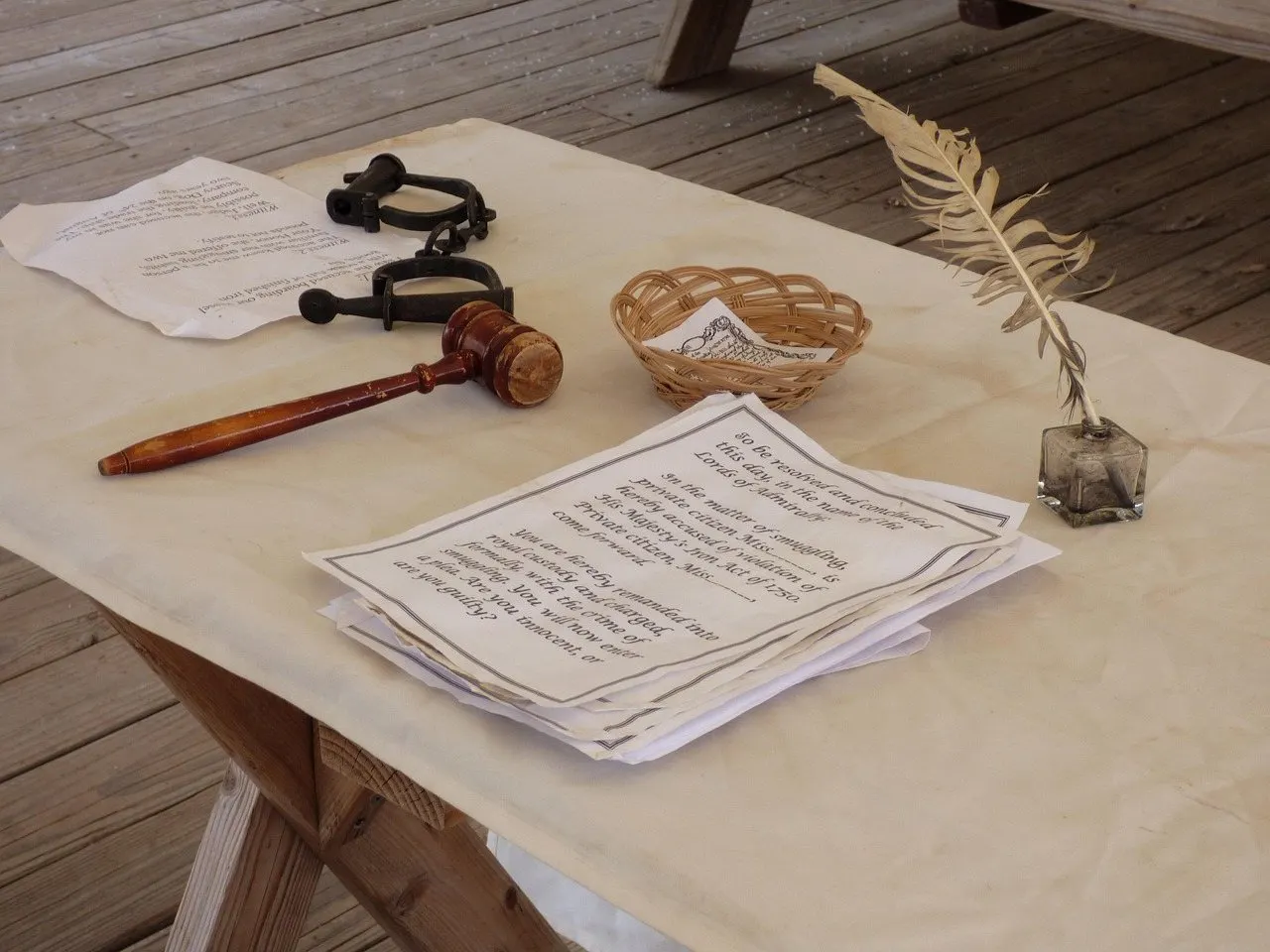
A show-cause order is a formal demand to explain. The court tells a person to come forward and give a good reason why he should not be punished. In this case, the Senate court issued the order against Panelo the day after his remarks. The move showed that the court took his words seriously and wanted an answer on the record. It also raised the stakes for all who speak about the trial in public. For more on court orders, read how a court ruled on a forced removal case.
Senator Erwin Tulfo Moves for the Order
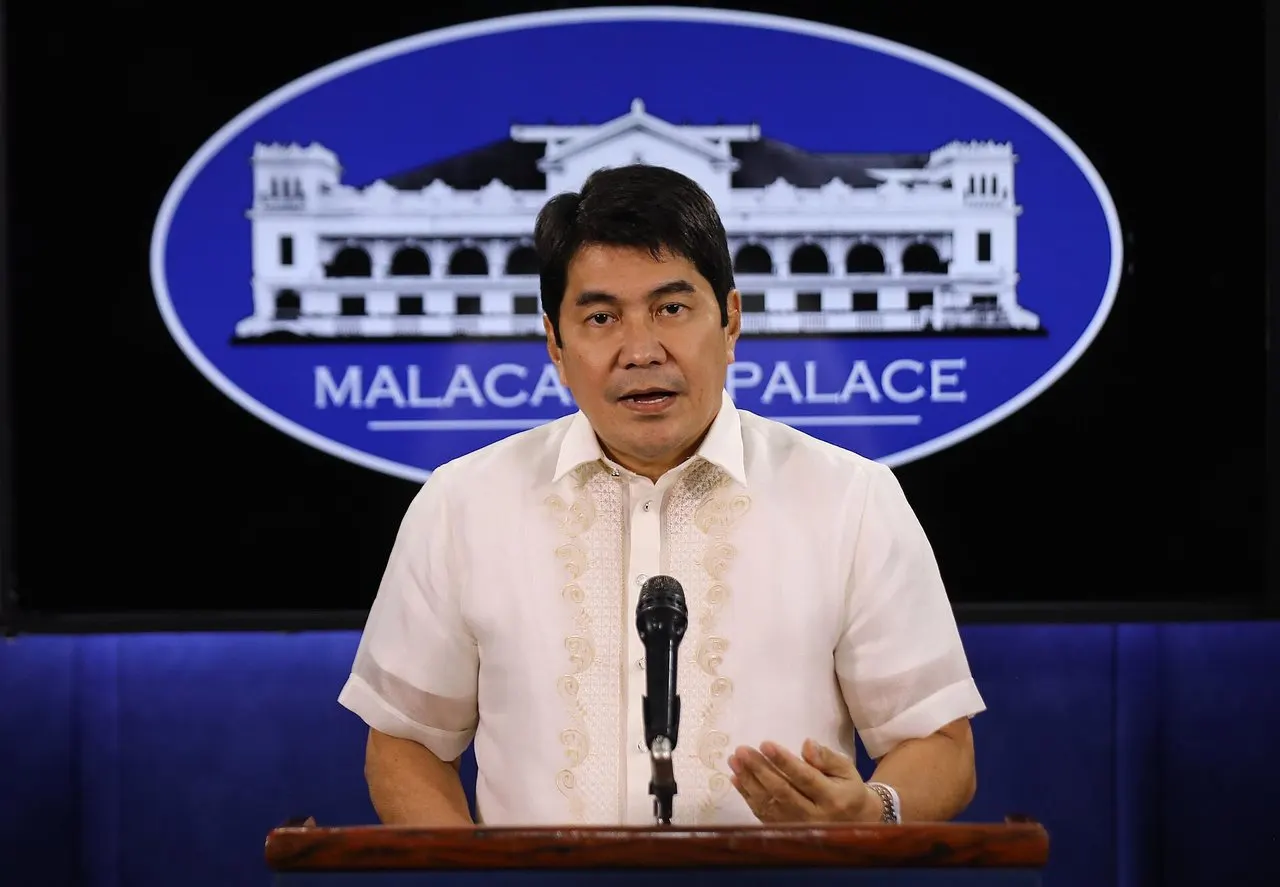
Senator Erwin Tulfo made the move that led to the order. He asked the court to act against Panelo, and the presiding officer approved the motion without objection. Erwin Tulfo is the brother of Senator Raffy Tulfo, which adds a family note to a story already full of strong feelings. His motion turned Panelo’s public charge into a formal matter before the court. The order now waits for Panelo’s reply. See the shifting odds in the 2028 race.
Francis Escudero Presides Over the Sara Duterte Trial
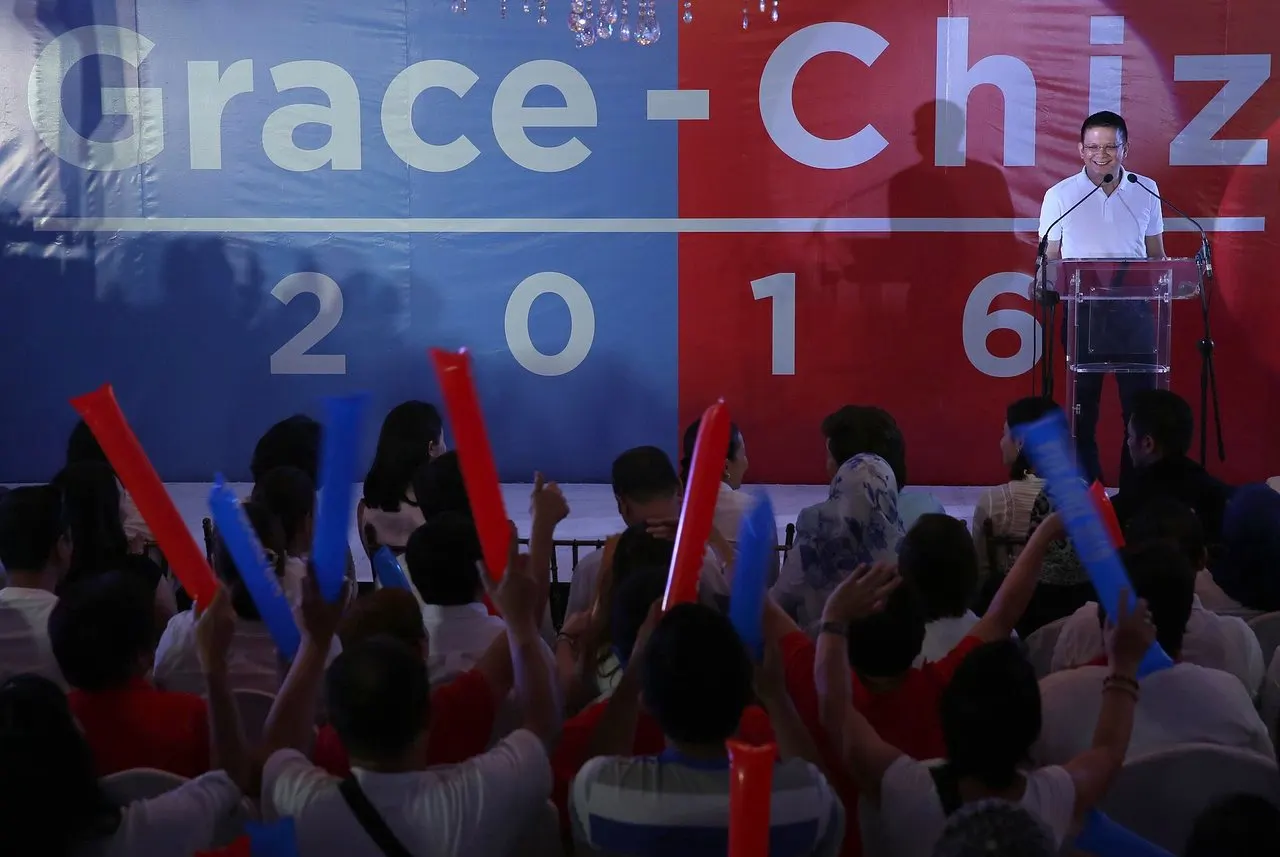
Senator Francis Escudero serves as the presiding officer of the impeachment court, which means he runs the trial day by day. He approved the motion for a show-cause order without objection, a sign that the court wanted to deal with the matter at once. Escudero also made clear that Panelo is not covered by the sub judice rule because he is not a party to the case. Still, he said contempt proceedings remain possible. His steady hand will shape how this row ends. Read the prayer moment in the trial.
What the Sub Judice Rule Means

Sub judice is a Latin phrase that means a matter is before the court. While a case is live, the people involved in it are often told not to speak about it in public, so that comments outside the courtroom do not sway the result. Escudero said this rule does not cover Panelo, since Panelo is not a party to the case. That point matters, because it leaves Panelo free to speak, even as the court weighs whether his words crossed another line. Read about a court case that drew world attention.
Contempt and What It Could Mean
Contempt of court is the power of a court to punish words or acts that show disrespect for its work. It can cover remarks that insult the court or try to bend its course. Escudero said Panelo could still face contempt proceedings even though the sub judice rule does not apply to him. The warning is a reminder that free speech and fair trials must share the same room. For now, the order asks Panelo to explain himself first. See how a long legal case wore on one man.
Michael Poa Speaks for the Defense

Michael Poa speaks for the defense team, and he took a different view of the questions. He said senator-judges have the right to ask questions of a witness, which is a normal part of any trial. His reply draws a clear line between the defense and Panelo, who speaks for the Vice President outside the courtroom. The two voices show that even on the same side, people can read the same hearing in different ways. The court will have the last word. Read how a defense witness faced hard questions.
Testing a Witness in the Sara Duterte Trial

Testing a witness is a skill that lawyers train for years to learn. They probe memory, they check facts against documents, and they look for gaps in the story. Panelo said that work belongs to the prosecution, and that judges should listen and weigh, not join the fray. Others say a judge who stays silent may miss the point that decides the case. The debate is old, but this trial has given it a fresh and public airing. See how one hearing grew tense over questions.
Inside the Senate Building in Pasay

The Senate now meets in its building in Pasay City, a modern home for the chamber after many years in the old Congress building in Manila. The session hall is where the impeachment court sits, with seats for the senator-judges and tables for the lawyers on both sides. Cameras carry the hearings to the public, so every question is heard far beyond the hall. The setting gives the trial its weight and its stage. Read how a Senate bill moved through the chamber.
A Courtroom Built for a Trial
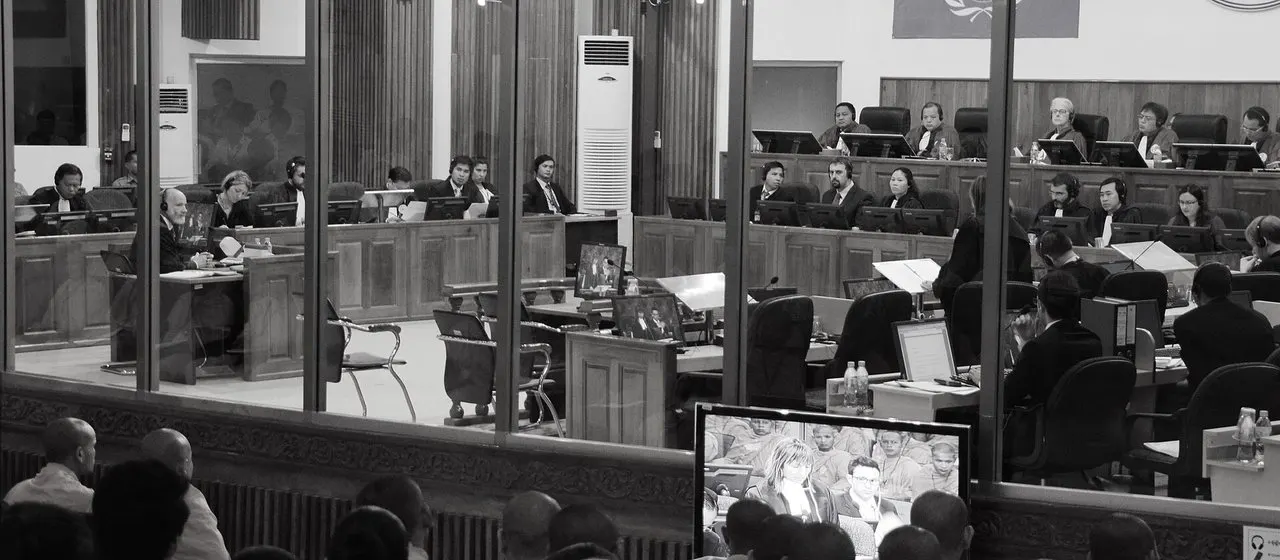
A courtroom is built to keep a trial in order. The judge sits high, the lawyers face each other across the room, and the witness takes a seat where all can see and hear. In an impeachment trial, the room holds even more weight, because the judges are senators and the whole nation may be watching. The rules of the room are meant to protect the truth and the rights of all sides. See how a court ruled in a major case.
Sara Duterte at the Center of the Case

Vice President Sara Duterte is the person at the center of this trial, and her name is on every part of the case. She is the daughter of former President Rodrigo Duterte, and she has served as vice president since 2022. The impeachment complaint against her is what brought the Senate together as a court. Panelo speaks for her, and the defense team argues her case, while the prosecution seeks to prove the charges. Read how her trial became the talk of Manila.
A Hearing Room Full of Microphones
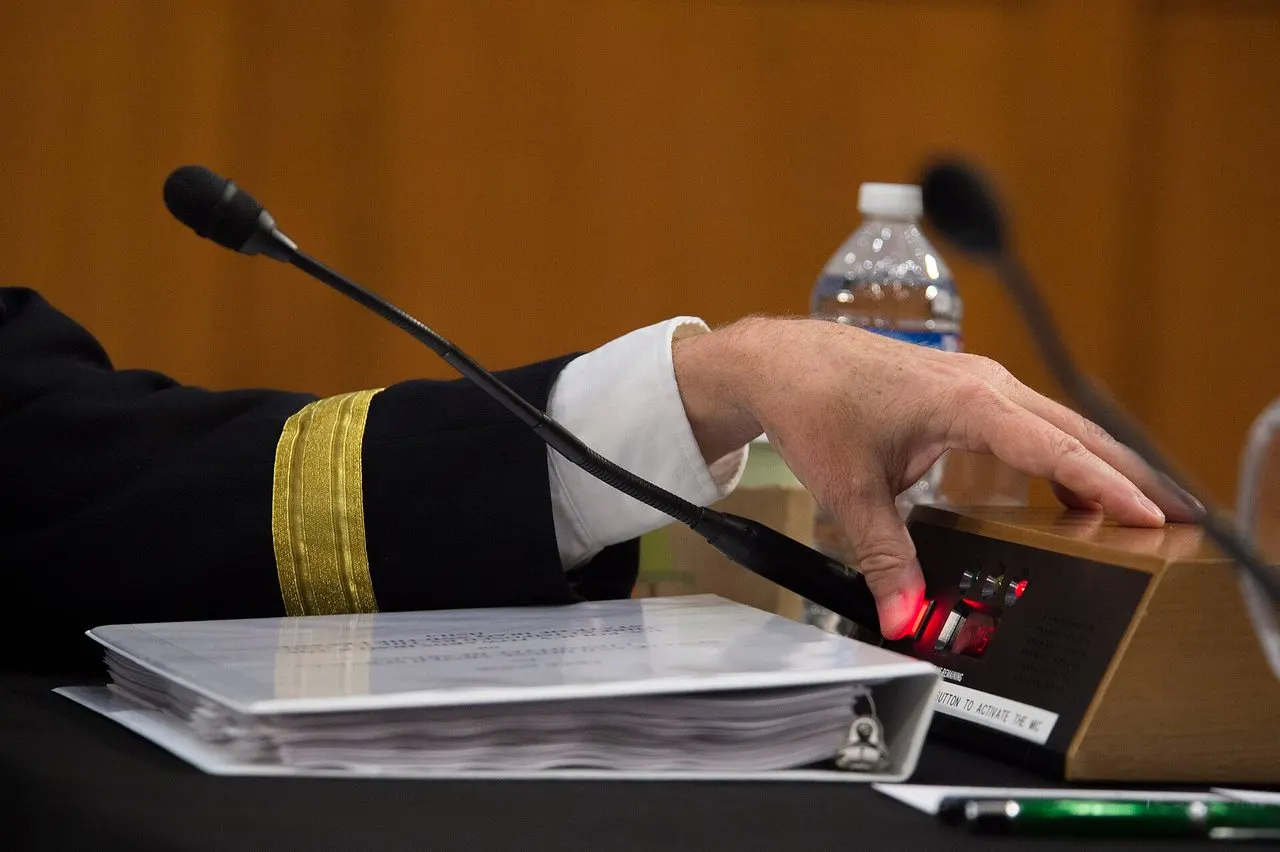
The hearing room is a forest of microphones. Each senator has one, the lawyers have theirs, and the witness speaks into one that carries every word to the gallery and to the livestream. In such a room, a sharp question is heard at once by millions of people. That is why the tone of the trial matters as much as its content. A question can sound fair in the room and harsh on a phone screen. The trial lives in both places now. Read how a Senate livestream caught a strange moment.
Gatchalian on the Sara Duterte Trial: Tough Questions Do Not Mean Bias

Senator Sherwin Gatchalian, known as Win, pushed back on the idea that hard questions prove bias. He said tough questions do not mean bias, a point the Malaya newspaper put in its headline. His view gives the senator-judges room to do their job without fear that every sharp question will be read as taking sides. It is a calm note in a loud debate, and it may shape how the public judges the trial. See a senator who made history in Mississippi.
Ridon and the House Prosecution Side
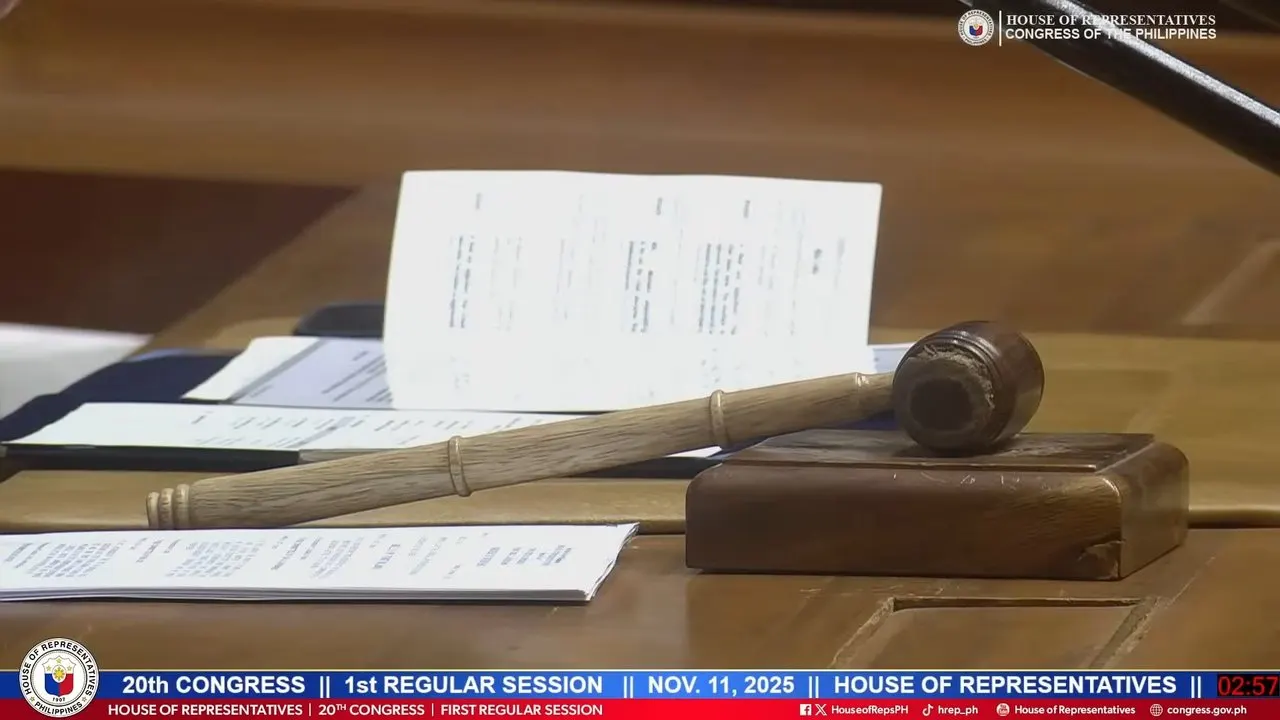
The Metro Sun Daily reported that Ridon insists Panelo’s statements are the Senate’s concern, not the House prosecution’s. That line draws a clear border between the two sides of the case. The House prosecution presents the charges, while the Senate court hears them, and each side has its own job to do. When a row breaks out over words spoken outside the courtroom, it is the Senate that must decide what to do. The House watches from its own side of the line. Read the shifting odds in the 2028 race.
A Senate Session in the Sara Duterte Trial
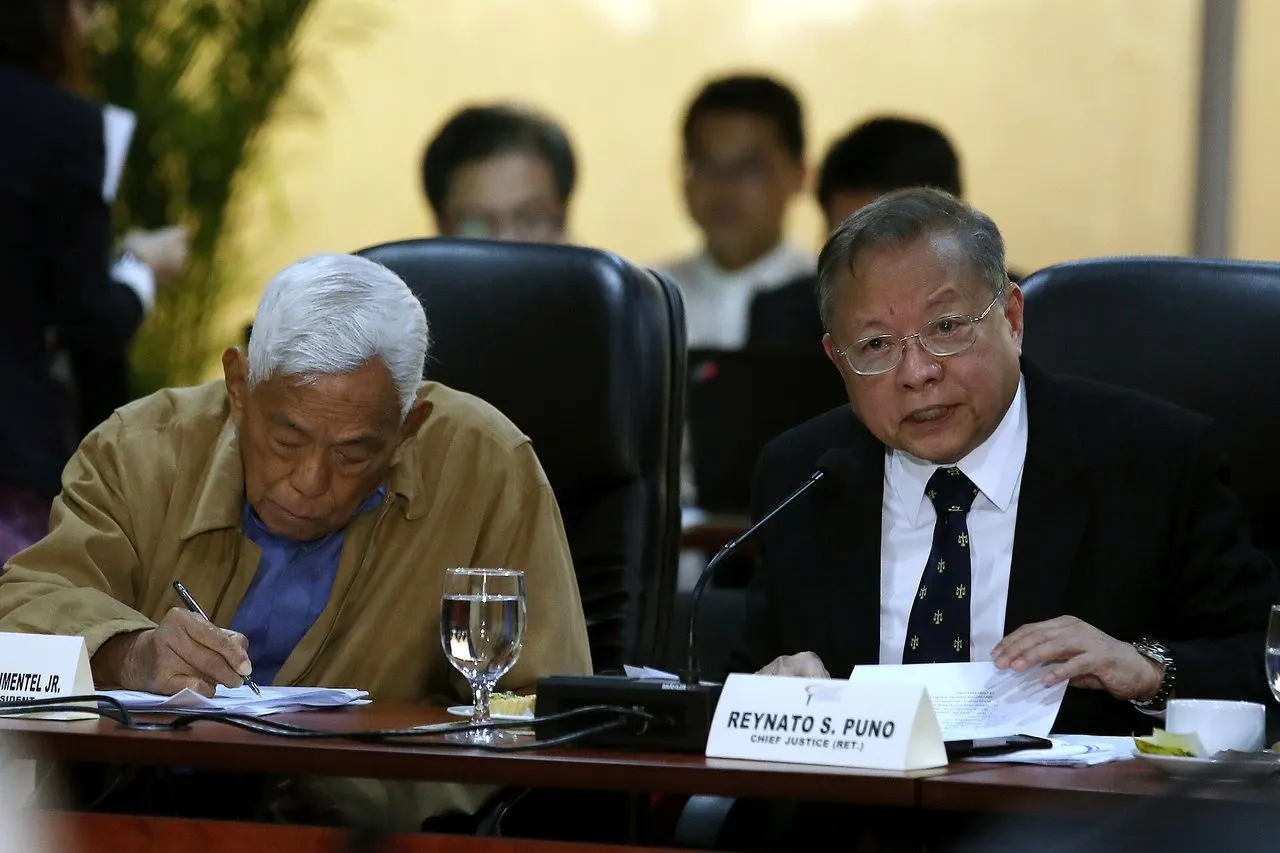
A Senate session in an impeachment trial looks different from a normal day of lawmaking. The senators sit as judges, the lawyers take their places, and the rules of the court replace the rules of debate. The public can watch it all on the livestream, and reporters fill the gallery to catch every word. It is a rare sight in Philippine politics, and it draws eyes from across the country. The trial has become a daily event for many Filipinos. See how a Senate session once made history.
The Philippine Flag Over the Story

The Philippine flag flies over every part of this story. It stands for a nation that has seen many trials of its leaders, from the streets of Manila to the halls of the Senate. For many Filipinos, the impeachment trial is not just a legal case but a test of how their democracy works. The flag is a reminder that the case belongs to the whole country, not only to the people in the room. That is why so many are watching. Read how Manila welcomed a visiting leader.
The Scales of Justice

The scales of justice are the oldest symbol of a fair trial. They show two sides held in balance, with neither one weighed down before the evidence is heard. In an impeachment trial, the scales stand for the promise that the court will listen to both sides before it decides. Panelo’s charge is, at heart, a claim that the scales tipped too soon. The court must now show that they are still level. See how a world court ruled on a forced removal case.
The Lawyers of the Sara Duterte Trial
Behind every trial stands a team of lawyers. The prosecution builds the case piece by piece, the defense answers each point, and both sides lean on documents, witnesses and the rules of the court. The lawyers in this trial carry a heavy load, because the whole country is watching their work. Their skill in the hearing room can shape how the public sees the case. The trial is as much their stage as it is the senators’. Read how legal fees became a row in another case.
The Witness Stand and the Oath
The witness stand is a small seat with a large meaning. When a witness takes it, he swears to tell the truth, and his words become part of the record. Dela Fuente sat there as a former anti-money laundering official, and his account of bank records drew the questions that set off this row. The oath is meant to bind the witness to the truth, and the questions are meant to test it. Both parts matter to a fair trial. See how a witness faced questions in another hearing.
The Cameras Covering the Sara Duterte Trial
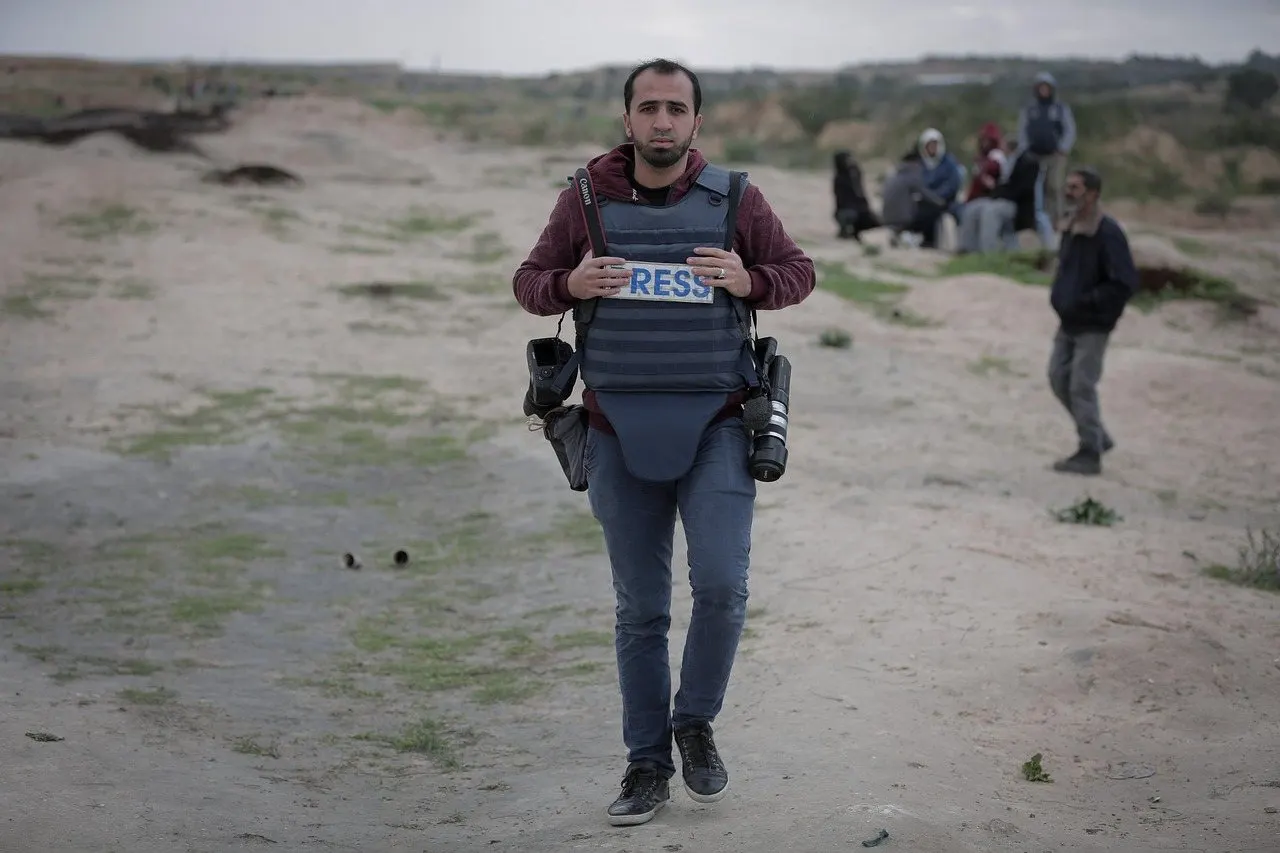
Cameras now carry the trial into homes, offices and phones across the Philippines. Reporters file stories within minutes, and clips of sharp exchanges travel fast on social media. That speed is why a single remark from a spokesperson can become a show-cause order by the next day. The press keeps the trial open to the public, and the public in turn keeps the trial honest. The cameras will not miss what happens next. Read how Manila greeted a visiting president.
Manila Watches the Trial
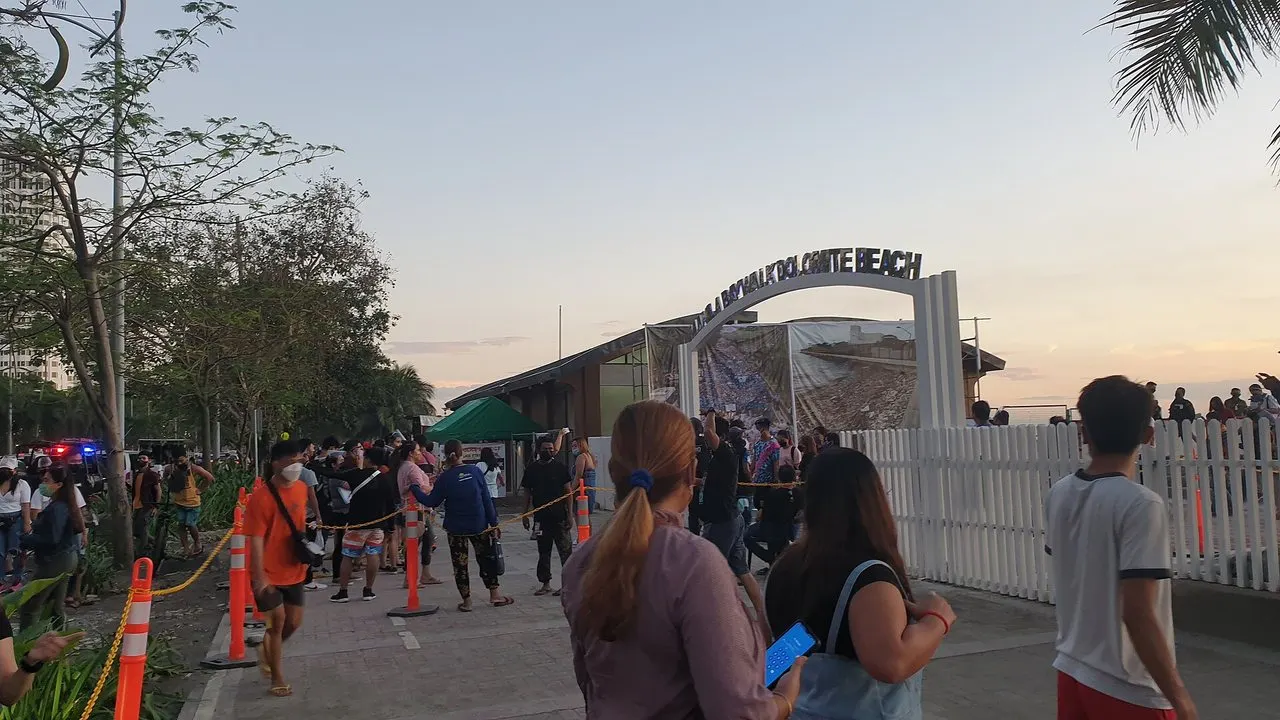
In Manila, the trial is a daily topic of talk. People follow it on television, on radio and on their phones, and they argue about it in markets, offices and jeepneys. Many Filipinos have strong views about the Vice President and about the Senate, and the trial gives those views a stage. The case is a reminder that politics in the Philippines is never a quiet affair. The whole city is watching to see what the court will do. See how a Senate race ended in a historic win.
What Happens Next in the Sara Duterte Trial
The next step belongs to Panelo, who must answer the show-cause order and explain his remarks to the court. The court will then decide whether his words call for contempt or whether the matter ends with his reply. The trial itself will go on, with more witnesses, more documents and more questions from the senator-judges. Each day will add a new page to a case the whole nation is reading. The answer will shape the trial for weeks to come. Read the row over old videos in the defense.
What Do You Think of the Sara Duterte Trial?
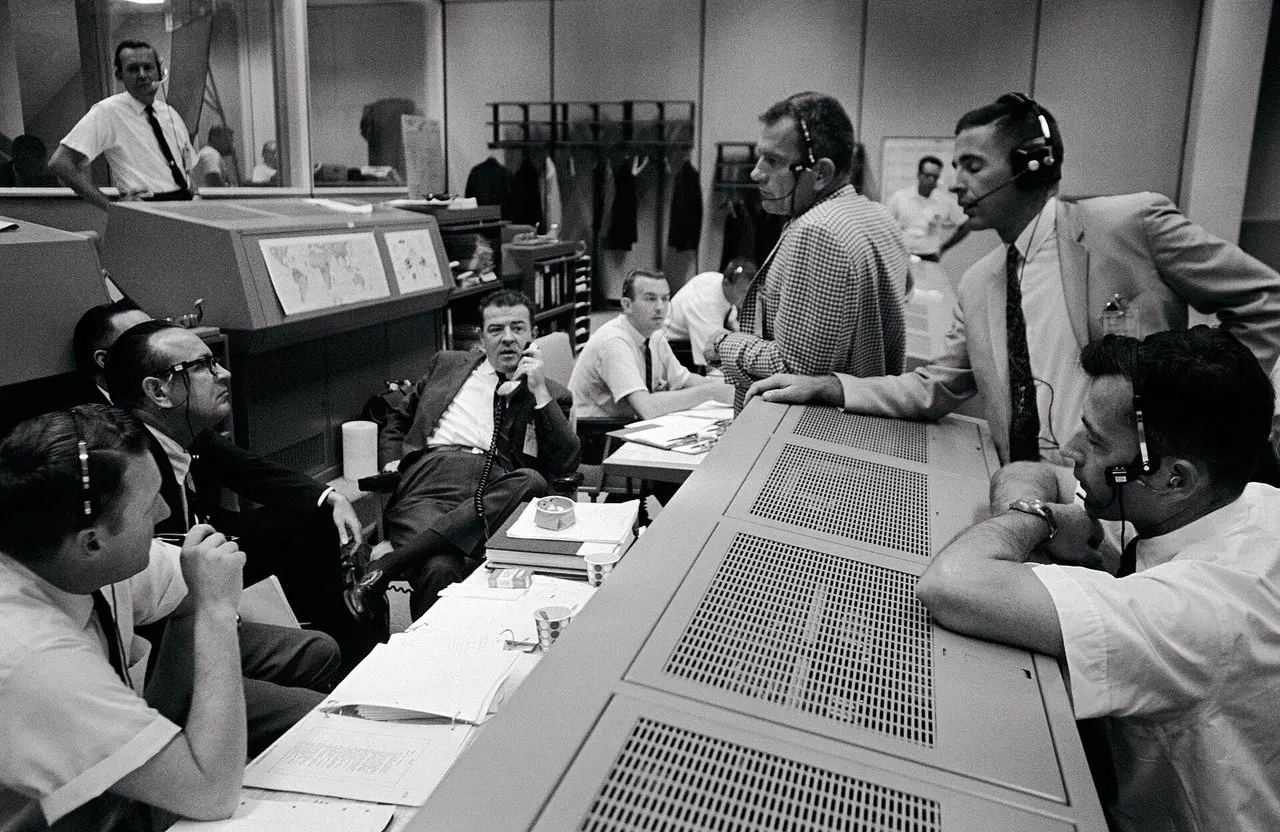
The trial has given Filipinos much to talk about, from the role of a judge to the right of a spokesperson to speak his mind. Do you think senator-judges should ask tough questions, or should they only listen and let the lawyers do the probing? Was Panelo right to speak out, or should the court have the last word? Share your thoughts in the comments below, and tell us what you will watch for next. Your voice is part of this story too. Read how another Senate hearing turned tense.