Pancreatic Cancer Pill Hailed as the Biggest Breakthrough in Decades
The pancreatic cancer pill daraxonrasib has been hailed as the biggest breakthrough in decades after a trial found it made cancer vanish in one in 12 patients. In a trial of 61 people newly diagnosed with advanced pancreatic cancer that had spread, doctors gave the daily pill together with two chemotherapy drugs. Tumours stopped growing in about 90 percent of patients, and in just over 60 percent they shrank or disappeared. In one in 12 patients, about 8 percent, the cancer became undetectable on scans.
Dr Wungki Park of Memorial Sloan Kettering presented the results in Barcelona and said it was the closest to a cure he had seen in patients whose cancer had spread. Doctors stress it is not a cure yet, because the study was small and had no comparison group, but 76.6 percent of patients were alive after a year, and the drug is already approved in the US for some patients. The slides explain the trial. Read our report on a lab study that tested frankincense oil on melanoma cells.
References:
The Guardian: Pill to treat pancreatic Canc*r hailed as biggest breakthrough in decades
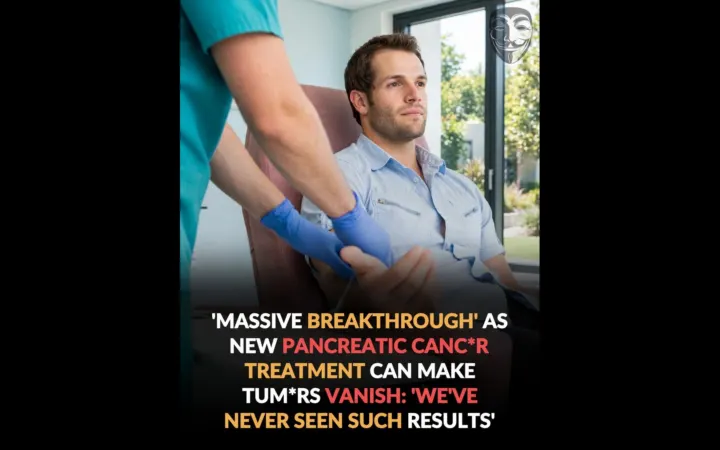
New York Post: Massive breakthrough as new pancreatic Canc*r treatment can make tum*rs disappear
The Times: Game-changing pancreatic Canc*r restricted substance can make tumours vanish
Medical Brief: Optimism grows after trial success of pancreatic Canc*r pill
A Daily Pill, Not Another Round of Infusions

Daraxonrasib is a pill taken once a day, which sets it apart from many cancer treatments that are given through a drip in hospital. Patients in the trial took the pill at home as part of their daily routine, alongside two chemotherapy drugs. A pill is easier to fit into normal life than repeated hospital visits, and it can feel less frightening than an infusion chair. That simple fact matters a lot to people living with cancer. Read about how daily choices keep gratitude alive.
Pancreatic Cancer Pill Trial Enrolled 61 People

The trial enrolled 61 people who had been newly diagnosed with advanced pancreatic cancer that had spread to other parts of the body. Every one of them took daraxonrasib each day together with two chemotherapy drugs. Sixty one is a small group for a medical study, but it is a normal size for an early trial of a new treatment. The doctors watched each patient closely to see how the tumours responded. Read about teenage triplets detained while supporting their mom through cancer treatment.
Tumours Stopped Growing in About 90 Percent
The most striking number from the trial is that tumours stopped growing in about 90 percent of the patients. That means the cancer was held in check in nearly everyone who took part. For people with advanced pancreatic cancer, stopping the disease from spreading further is a real and meaningful result. It gives doctors time and it gives patients more months with their families. Read about Mamdani and his promises on rent and childcare.
Tumours Shrank or Disappeared in Just Over 60 Percent
In just over 60 percent of patients, the tumours did more than stop growing. They shrank or disappeared altogether on scans. Shrinking means the cancer is getting smaller and putting less pressure on the body around it. Disappearing means scans could no longer find it at all. Doctors call this kind of result a response, and a response rate above 60 percent is rare in this disease. Read about an all-electric plane that flew with people aboard.
Pancreatic Cancer Pill Made Cancer Undetectable in One in 12
In one in 12 patients, about 8 percent, the cancer became undetectable on scans. That is the result that made headlines around the world. Undetectable means the scans showed no sign of cancer at all, which is almost unheard of in advanced pancreatic cancer. Doctors are careful with their words here, because undetectable is not the same as cured. Still, for those patients and their families, the news changed everything. Read about old Southern Thanksgiving pies grandma used to make.
Dr Wungki Park Presented the Results in Barcelona
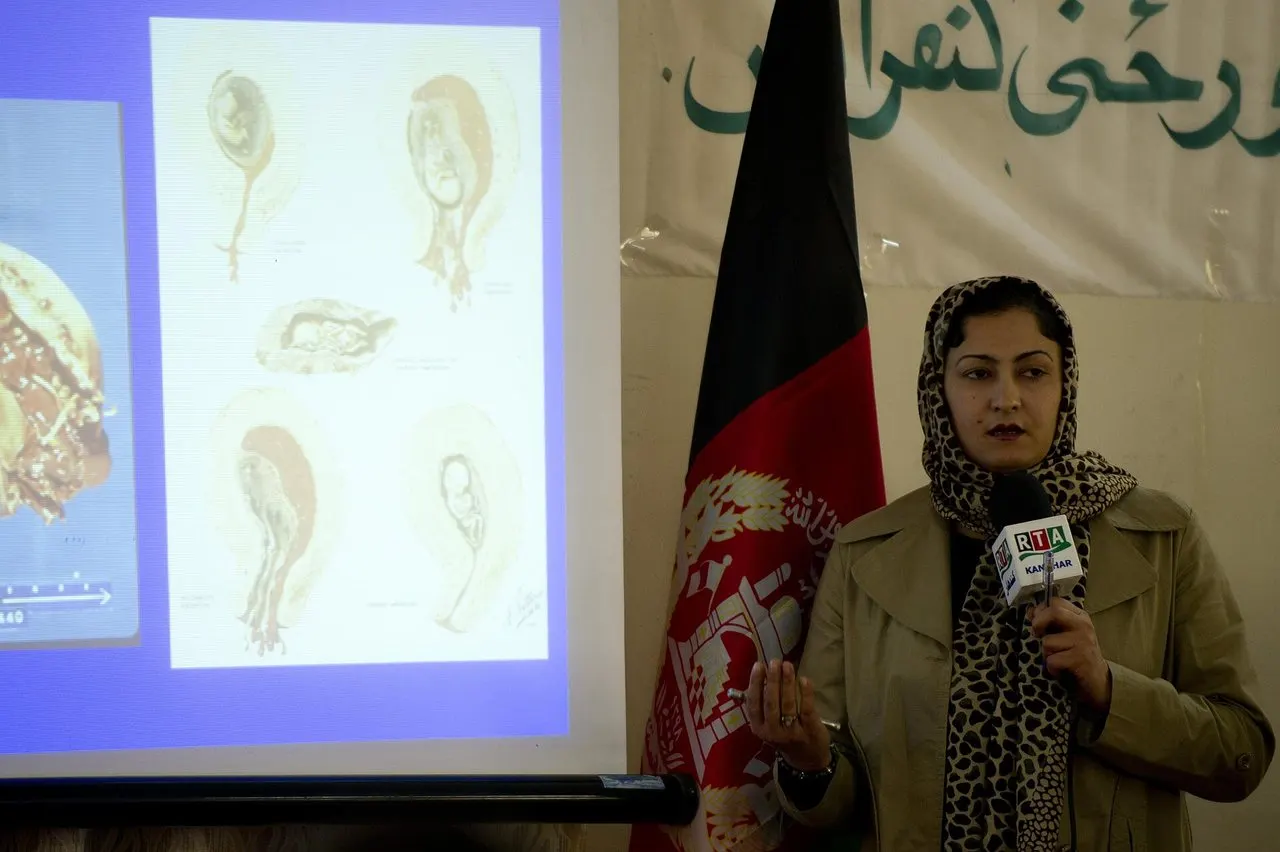
The results were presented by Dr Wungki Park of Memorial Sloan Kettering, one of the best known cancer centres in the United States. He shared the findings with fellow doctors at a medical meeting in Barcelona, where new cancer research is often unveiled. Presenting at a major meeting means other experts can question the data and weigh the evidence. That open scrutiny is part of how good science earns trust. Read about Ava, a rare golden tiger with a strawberry-tinted face.
The Closest to a Cure He Had Ever Seen

Dr Park said the results were the closest to a cure he had seen in patients whose cancer had spread. Those are strong words from a doctor who treats this disease every day. Pancreatic cancer that has spread is one of the hardest cancers to treat, and doctors are usually cautious about hope. His words show how unusual these results looked to the people who ran the trial. Read about how Keanu Reeves helped Octavia Spencer after her car broke down.
Why Doctors Say the Pancreatic Cancer Pill Is Not a Cure Yet
Doctors are quick to add that this is not a cure yet, and honesty matters as much as hope. The study was small, with only 61 patients, and it had no comparison group taking a different treatment. Without a comparison group, doctors cannot be sure how much of the benefit came from the pill and how much from the chemotherapy drugs. Bigger trials with a comparison group are the next step. Read about a race decided by just 330 votes after a recount.
More Than Three Quarters Were Alive After a Year

After a year, 76.6 percent of the patients in the trial were still alive. That figure matters because advanced pancreatic cancer often moves fast, and many patients do not reach the one year mark. Survival after a year is a sign that the treatment may be giving people real extra time. Doctors will keep following these patients to see how long the benefit lasts. Read about a historic trip to China with billions in deals.
The Drug Is Already Approved in the US for Some Patients

Daraxonrasib is already approved in the United States for some patients, which is good news for access. Approval means the drug has passed safety checks and doctors can prescribe it for the uses regulators have cleared. It does not yet mean every pancreatic cancer patient can get it, because approval for this new use would follow more trial results. Still, an approved drug can move faster than a brand new one. Read about a lab study that tested frankincense oil on melanoma cells.
Pancreatic Cancer Pill Coverage in The Guardian

The Guardian reported the story under the headline about a pill to treat pancreatic cancer being hailed as the biggest breakthrough in decades. The paper stressed the one in 12 figure and the near 90 percent whose tumours stopped growing. Big newspapers only call a result a breakthrough when the numbers behind it are strong. The Guardian coverage helped carry the news to readers far beyond the medical world. Read about Cata, who shared her cancer fight with millions of followers.
The New York Post Called It a Massive Breakthrough

The New York Post called it a massive breakthrough and said the new treatment can make tumours disappear. The paper led with the most dramatic result, the patients whose cancer vanished from scans. Tabloid headlines are written to grab attention, but the numbers in this story really are dramatic. One in 12 patients with no detectable cancer is a result this disease rarely sees. Read about teenage triplets detained while supporting their mom through cancer treatment.
The Times Called It Game Changing

The Times described the drug as game changing and said it can make tumours vanish. The paper focused on the trial results and on what they could mean for patients who have had few options. The Times is known for careful reporting, so its choice of words carries weight. When a sober newspaper calls a cancer result game changing, doctors and patients take notice. Read about Voyager 1 and its journey one light-day from Earth.
Medical Brief on the Pancreatic Cancer Pill Trial
Medical Brief, a publication read by health professionals, said optimism grows after the trial success of the new pill. Medical journals and briefings look past the headlines and ask what the data really shows. Their optimism matters because these readers know how hard this disease is to treat. When specialists grow hopeful, it is a sign the results deserve serious attention. Read about the milkman making a comeback.
What the Pancreas Does in the Body

The pancreas is a small organ that sits behind the stomach and does two important jobs. It makes insulin, the hormone that controls blood sugar, and it makes enzymes that help digest food. When cancer grows in the pancreas, it can disturb both jobs and spread quietly to nearby organs. Understanding the organ helps explain why this cancer is so hard to fight. Read about a sad pup who knows Sunday means chores.
Why Pancreatic Cancer Is So Hard to Spot Early
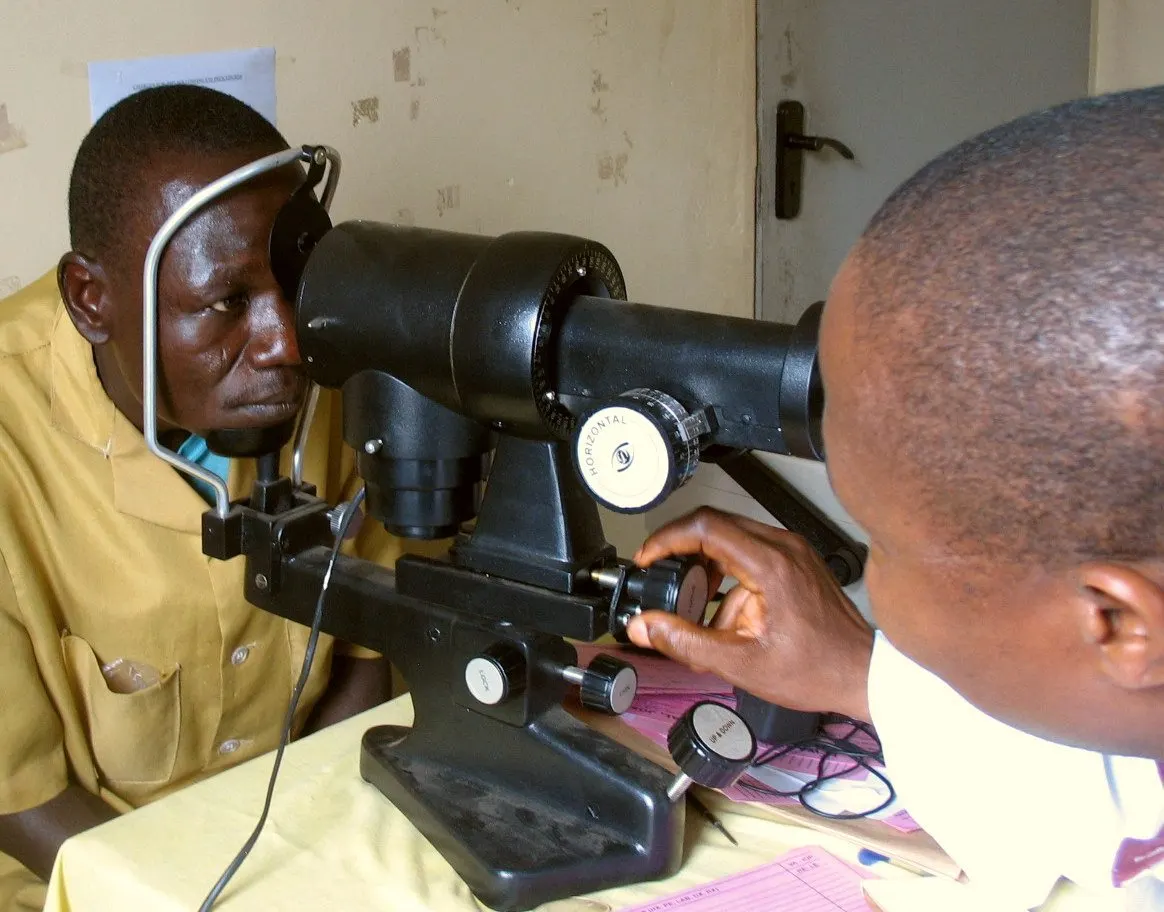
Pancreatic cancer is hard to spot early because it often causes few symptoms until it has grown or spread. The pancreas sits deep inside the body, where a small tumour can hide. Early signs like stomach pain or weight loss are easy to blame on other causes. That is why many patients are diagnosed only when the disease is already advanced. Read about why Gen Z wishes cash was always an option.
How the Pancreatic Cancer Pill Differs From Chemotherapy Alone

Chemotherapy attacks fast growing cells throughout the body, which is why it can cause strong side effects. Daraxonrasib works in a different way, as a targeted pill taken each day. In this trial the two approaches were used together, so the cancer was attacked from more than one direction. Combining treatments is a common strategy in modern cancer care. Read about Mitch McConnell leaving the Senate after four decades.
What Undetectable on a Scan Really Means

When doctors say cancer is undetectable, they mean scans can no longer find any sign of it. Scans have limits, so a tiny number of cancer cells could still be present below what the machine can see. That is why doctors keep checking patients long after a clear scan. Undetectable is a wonderful result, but it is the start of careful watching, not the end of it. Read about the CEO they asked to come back.
What Comes Next for the Research
The next step for this research is a larger trial with a comparison group, so doctors can measure the pill against the best current treatment. Larger trials take time, and they need patients willing to take part. If the strong results hold up in a bigger group, regulators can consider approving the pill for more patients. For now, the early numbers give researchers a clear reason to press on. Read about cheap party snacks that feed a full house.
Pancreatic Cancer Pill Hopes Reach Families Waiting for News

News like this travels fast among families living with pancreatic cancer. Many of them follow every trial result, hoping for a treatment that could help someone they love. A result like one in 12 undetectable brings real hope, but families also know that early results need time to prove themselves. Hope and patience have to travel together in stories like this one. Read about how daily choices keep gratitude alive.
Questions Patients Are Asking Their Doctors

Patients and families will now ask their doctors whether these results could apply to them. The honest answer is that it depends on the type of cancer, how far it has spread, and what treatments have already been tried. No one should start or stop any treatment based on a news story alone. The right step is a calm talk with the doctor who knows the case. Read about how friendship and politics can divide friends.
Pills That Changed Cancer Care Before
Oral cancer drugs are not new, and pills have already changed care for several other cancers. Some targeted pills let patients take treatment at home instead of spending long days in hospital. Each new pill starts the same way, with a small trial and careful watching, before doctors learn who it helps most. Daraxonrasib now joins that long story of steady progress. Read about the measles outbreak and the debate over the MMR vaccine.
Barcelona Hosted the Big Announcement

Barcelona is one of the great meeting places for cancer doctors, and it hosted the presentation of these results. Medical meetings in the city draw thousands of specialists from around the world. They gather to hear new data, argue about what it means, and take the lessons home to their own hospitals. A result announced in Barcelona can reach clinics everywhere within days. Read about Voyager 1 and its journey one light-day from Earth.
Memorial Sloan Kettering and the Team Behind the Trial
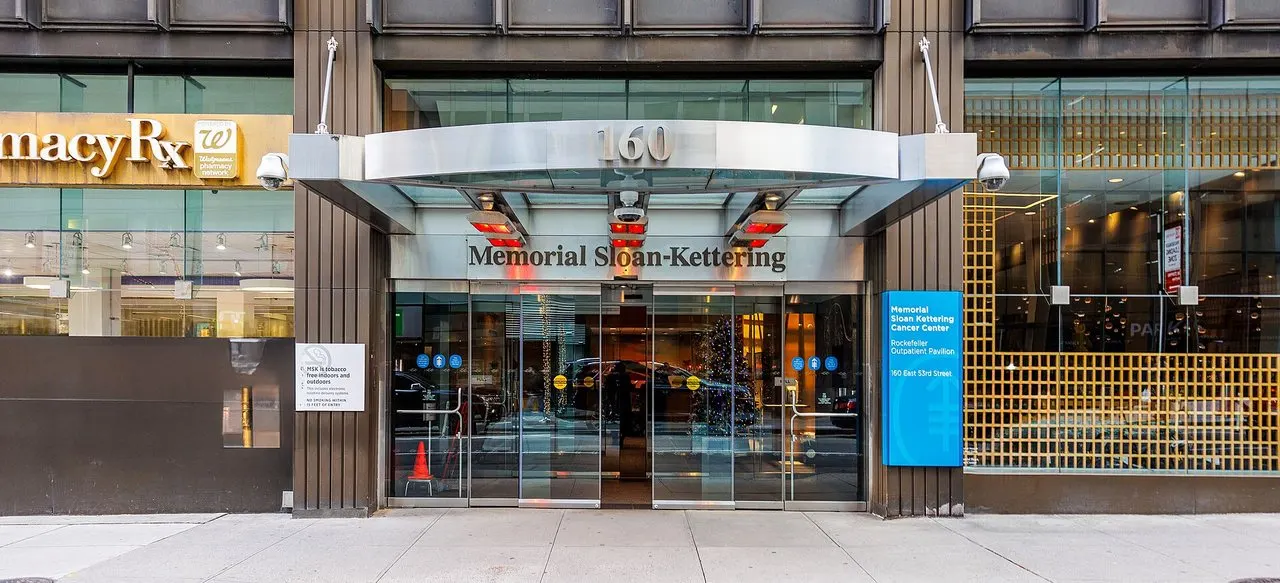
Memorial Sloan Kettering is one of the largest and best known cancer centres in the United States, based in New York. Its doctors treat huge numbers of cancer patients and run many of the trials that shape modern care. Dr Wungki Park works there as a specialist in cancers of the digestive system. A trial led by a centre like this one draws attention from doctors worldwide. Read about an all-electric plane that flew with people aboard.
Pancreatic Cancer Pill Numbers at a Glance
Here are the numbers to remember from this trial. Sixty one patients took part, all newly diagnosed with advanced pancreatic cancer that had spread. Tumours stopped growing in about 90 percent, and they shrank or disappeared in just over 60 percent. In one in 12 patients the cancer became undetectable, and 76.6 percent were alive after a year. Those five numbers tell the whole story. Read about a sad pup who knows Sunday means chores.
How to Read Breakthrough Headlines With Care

Breakthrough is a strong word, and it is worth asking what sits behind it. In this case the numbers are genuinely strong, but the trial was small and had no comparison group. Good readers celebrate the result and still wait for the larger trial. That balance is how medical news should be read, with hope in one hand and patience in the other. Read about why Gen Z wishes cash was always an option.
What Does This News Mean to You?

This trial gave families something they rarely hear about pancreatic cancer, a reason for real hope. One in 12 patients saw their cancer become undetectable, and nearly everyone saw it stop growing. The road ahead still needs bigger trials and more time, but the direction is encouraging. What does this news mean to you, and who would you share it with first? Tell us in the comments below. Read about Mitch McConnell leaving the Senate after four decades.