Linda McMahon Education Message Puts Teachers and Parents First
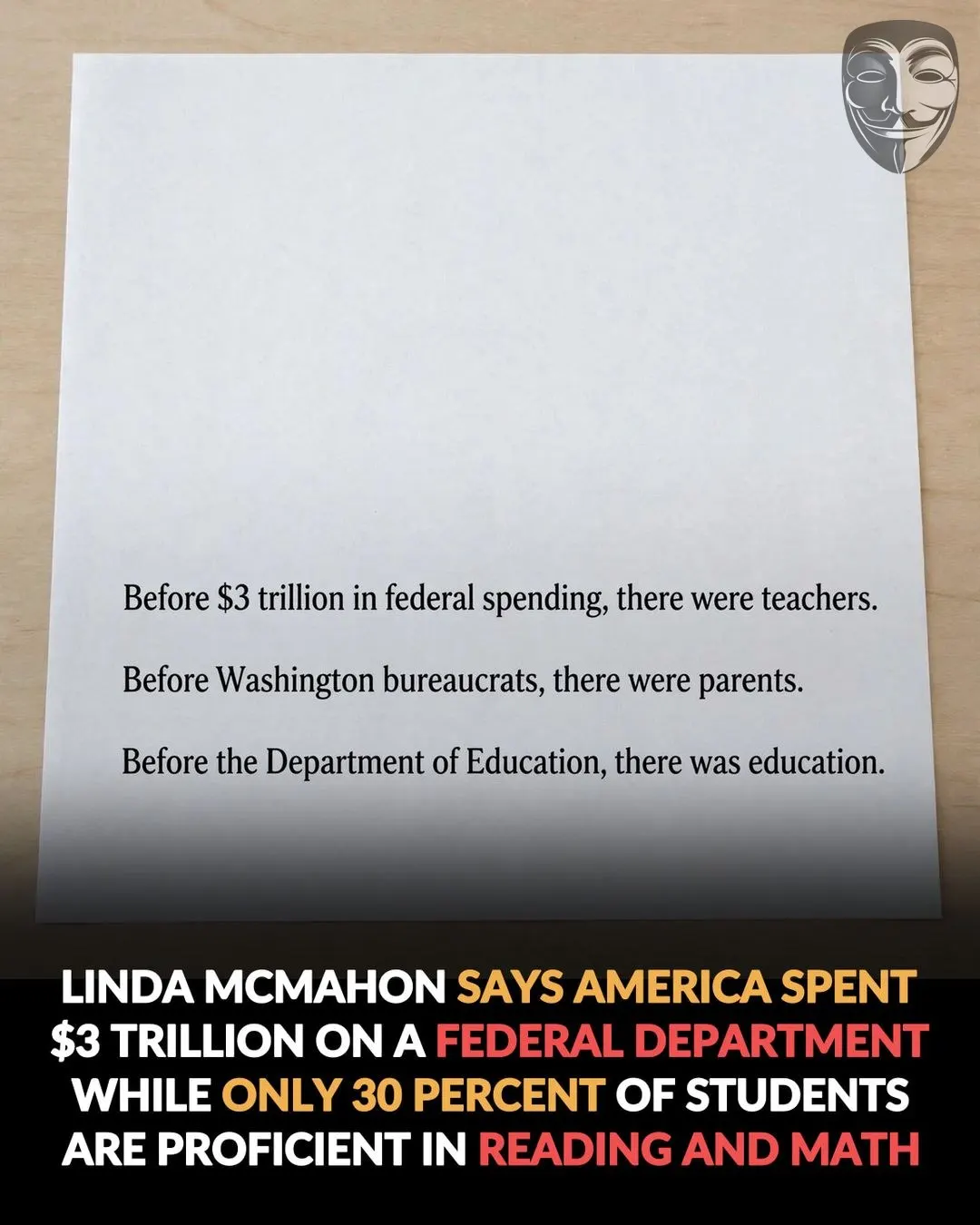
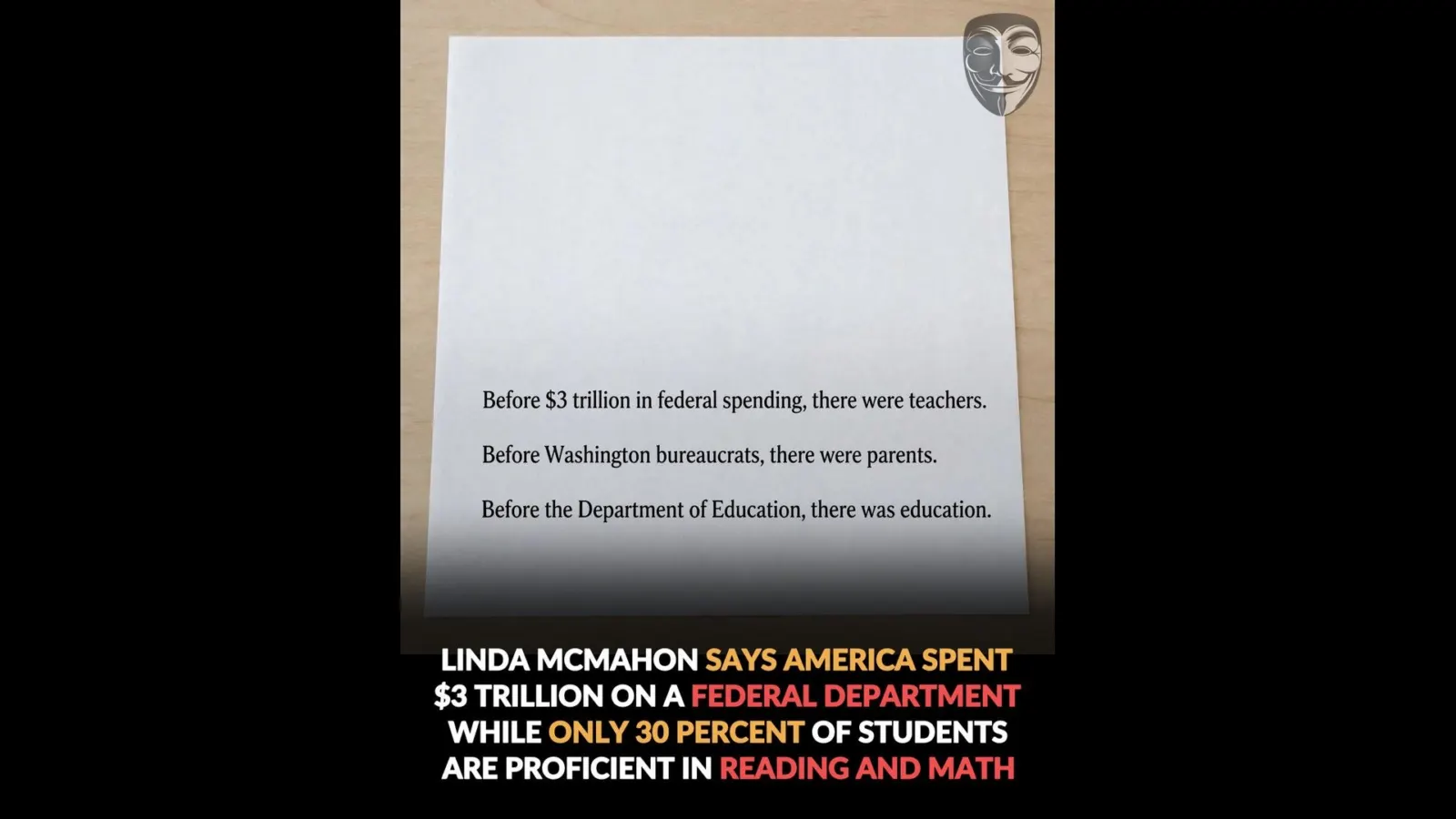
The Linda McMahon education message is simple and direct: teachers came first, parents came first, and children came before a federal department. McMahon, the United States Secretary of Education, shared the message after a recent speech in Utah, where she told a large crowd that Americans spent more than $3 trillion on the Department of Education over 46 years. Yet only about 30 percent of students are proficient in reading and math, according to the department. Her words set off a fresh debate about who should run American schools.
In the slides ahead, we look at the Utah speech, the $3 trillion figure, the 30 percent proficiency rate, and the push to return authority to states, parents, and local communities. The story also covers an executive order directing McMahon to work toward closing the department and a Senate package that would move its programs to other agencies. Supporters say local teachers and parents know children best, while critics ask whether less federal involvement would protect equal access and funding. Read health care administration costs.
References:
US Department of Education: Secretary McMahon Delivers The Next 250 K-12 Education Speech to 1200 Students Parents and Educators in Utah
White House: Presidential Message on American Education Week
US Senate: Senate Republicans Advance Trump Effort to Abolish Dept of Education
US Department of Education: Secretary McMahon Joins President Trump to Deliver Back to School Remarks at the White House
Linda McMahon Education Speech Filled a Utah Hall
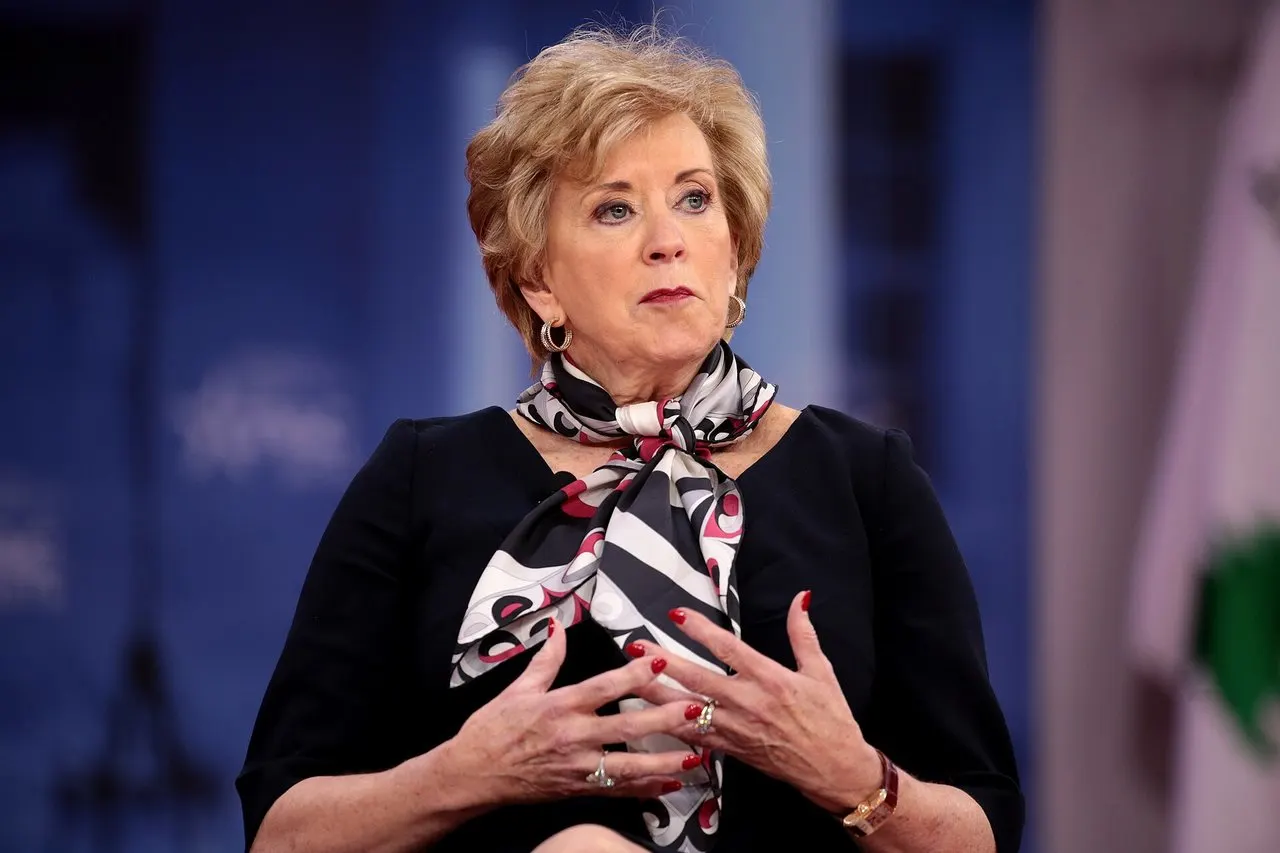
McMahon delivered the speech to about 1200 students, parents, and educators in Utah, in an address called The Next 250 K-12 Education Speech. She used the large crowd to make her case in plain terms, saying the country had spent a huge sum on a federal department while student results stayed low. The setting mattered, because she spoke to the very people she says should lead education: teachers, families, and local schools. See the fight over Medicare for All.
Three Trillion Dollars Over 46 Years

The number at the center of the speech is $3 trillion, the amount McMahon says Americans poured into the Department of Education over 46 years. That is a vast sum by any measure, and she used it to ask what families actually got for the money. Her answer was blunt: results did not keep pace with spending, and proficiency stayed low. The figure frames the whole debate, because it turns a policy question into a value question. See the moment Trump closed his eyes at APEC.
Only 30 Percent Reach Proficiency
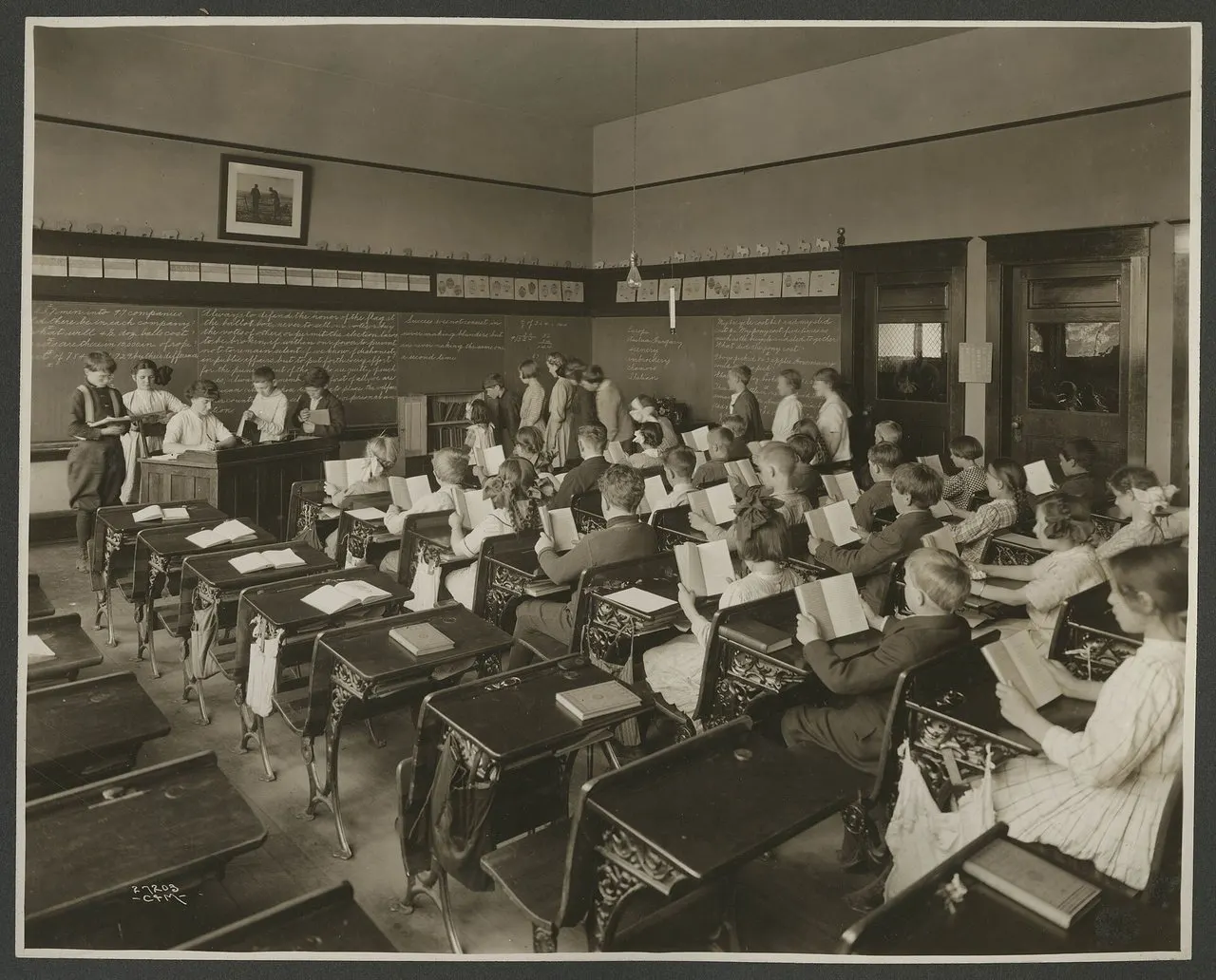
Only about 30 percent of students are proficient in reading and math, according to the department, and that figure is the heart of McMahon’s case. It means roughly seven in ten students have not reached proficiency, a level that shows solid skill in reading a text or solving math problems. McMahon says that is a poor return on $3 trillion, and she wants the number to move. Her critics agree the number is low but dispute her remedy. See the warm handshake with Putin.
Linda McMahon Education Chief Says Teachers Came First
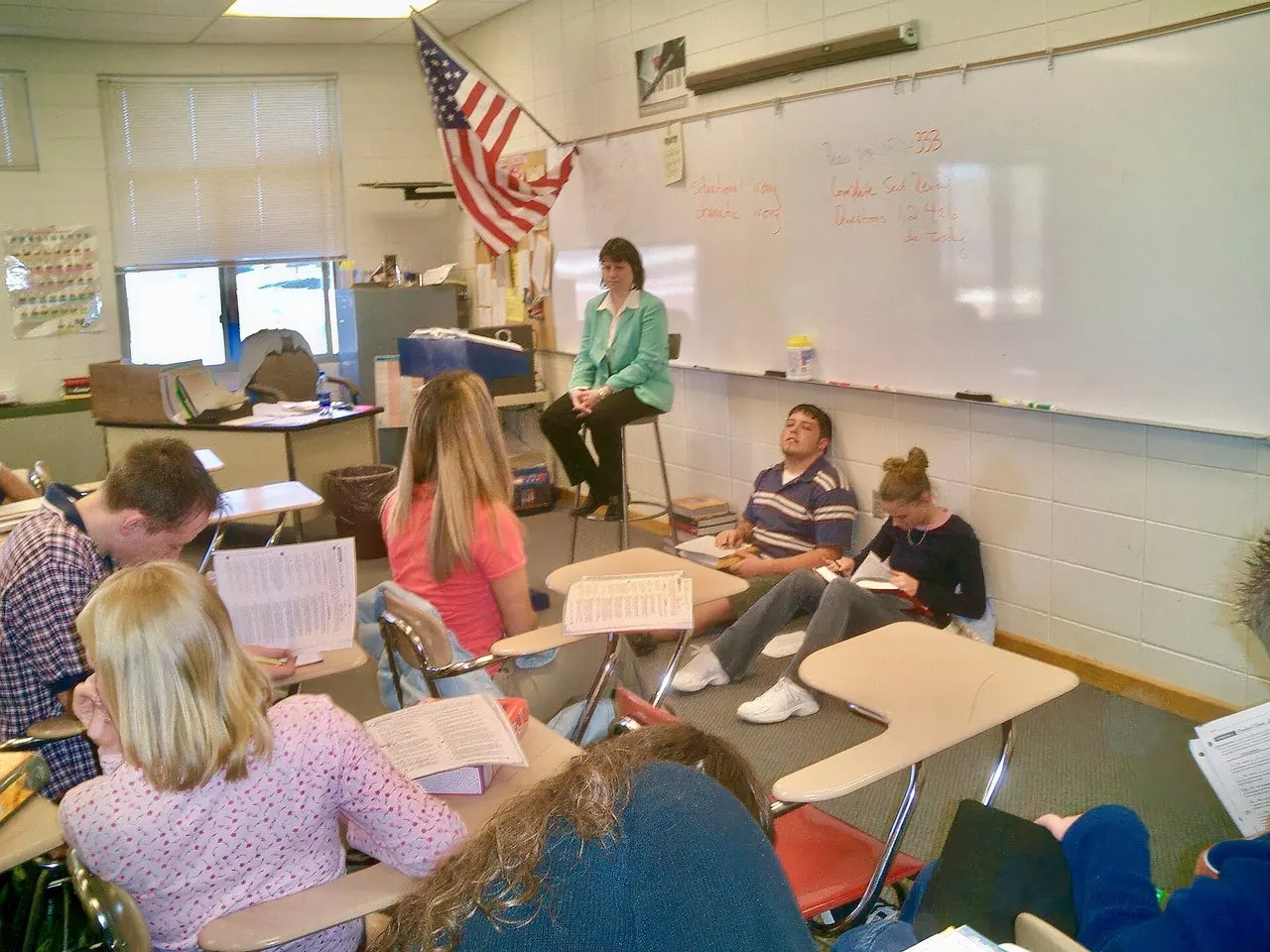
Teachers came before $3 trillion in federal spending, McMahon said, and that order of priorities is the core of her message. She argues that the people who stand in classrooms every day matter more than the money that flows through Washington. A teacher sees a child struggle with a sentence or a sum, and no budget line can replace that attention. Her supporters say the line honors the profession, while her critics say it undervalues what federal funds provide. See the chalk math lesson in New York.
Parents Before Washington Bureaucrats

Parents came before Washington bureaucrats, McMahon said, because mothers and fathers know their own children better than any distant office. A parent sees homework struggles at the kitchen table and talks with teachers after school, and that daily knowledge shapes real choices. McMahon says those choices belong at home and in the community, not in a federal building far away. Critics reply that some families need federal help to be heard at all. See the call to ban Sharia law.
Education Before the Department

Education came before the Department of Education, McMahon said, a reminder that American children learned to read and count long before the federal department existed. Schools, teachers, and families did the work for generations, and the department arrived only in the last 46 years of a much longer story. Her point is that learning does not depend on Washington, even if Washington now spends heavily on it. Supporters cheer the history lesson, while critics say the department still plays a vital role. See the rent freeze in New York.
Linda McMahon Education Order Aims to Close the Department

The Trump administration is pushing to return education authority to states, parents, and local communities, and the executive order is the sharp end of that push. It directs McMahon to work toward closing the department, a goal that would need Congress to finish the job. The order signals intent more than instant change, but it sets the direction for the whole administration. Supporters call it long overdue, while critics call it a threat to students who need help most. See the WWE stars as teenagers.
The Senate Package to Move Programs

A Senate package would move the department’s programs to other agencies, carrying the same goal through Congress instead of by order alone. Senators backing the plan say the work of the department, from student aid to school programs, can live elsewhere in government. Moving programs is slower and more complex than closing an office, and the details will matter for every family that relies on them. The package shows the effort is serious and organized. See the Iran deal debate.
Linda McMahon Education Plan Returns Power to the States

Returning authority to states, parents, and local communities is the heart of the plan, and it rests on a simple belief about who knows children best. State officials set standards, districts hire teachers, and parents raise the children, so McMahon says decisions should sit close to home. Washington would step back, and communities would step forward. Supporters say that is how schools answer to families, while critics warn that local control can leave gaps. See the midterm spending fallout.
Supporters Say Local People Know Children Best
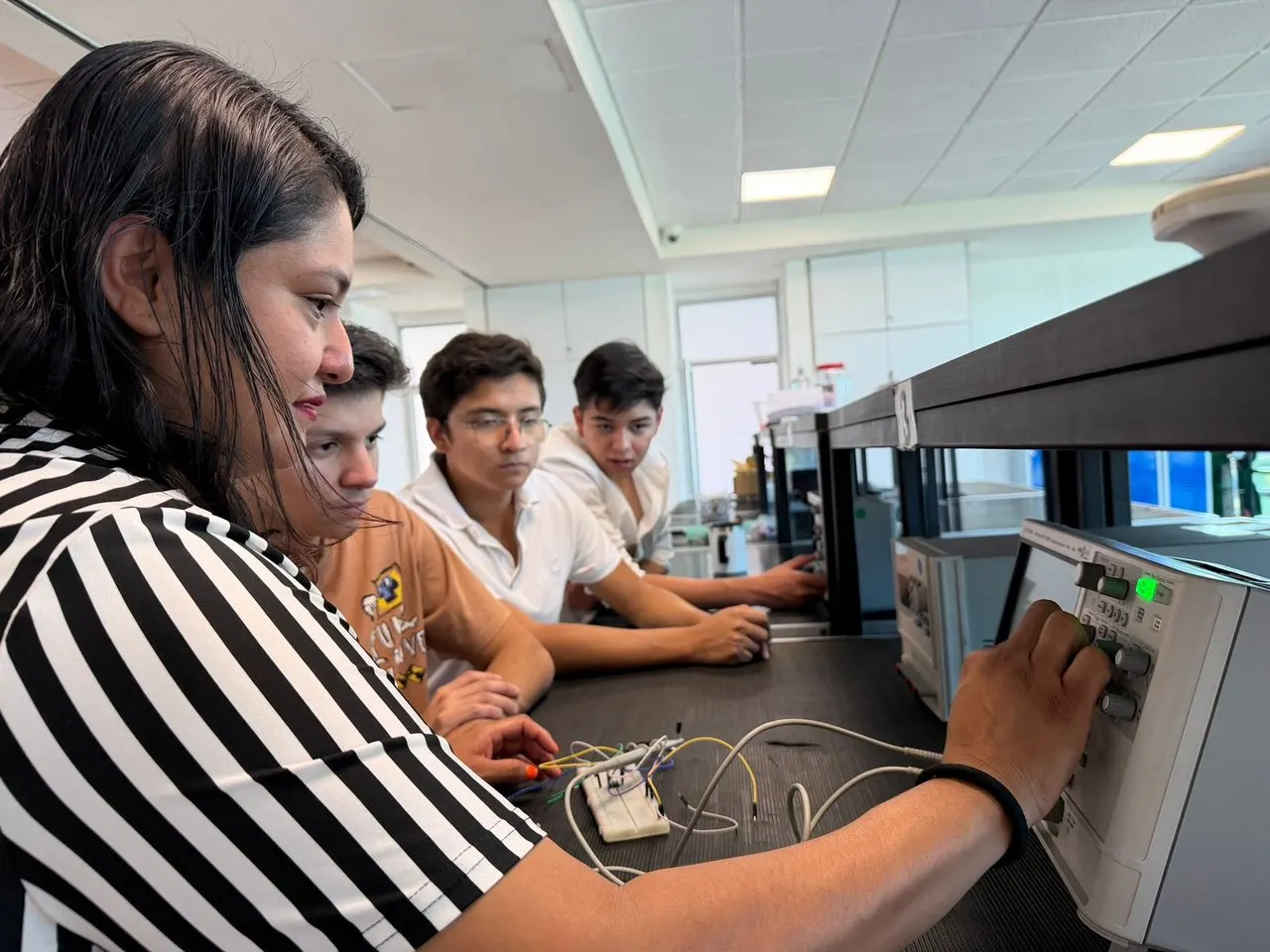
Supporters say local teachers and parents know children best, because they see them every day in classrooms, kitchens, and neighborhoods. A teacher notices when a student falls behind, and a parent notices when homework turns into tears, and neither needs a federal memo to act. That closeness is the strongest argument for the plan, and supporters say it beats distant rules every time. The question is whether closeness alone can fix funding and fairness. See Clinton’s warning before the meeting.
Critics Ask About Equal Access and Funding

Critics question whether less federal involvement would protect equal access and funding for all students, and that worry is the strongest argument against the plan. Federal money and rules have long aimed to help poor districts, students with disabilities, and children facing unfair treatment. Without a strong federal role, critics fear some states would cut corners and some children would lose support. Supporters answer that states can be trusted, but the fear is real. See the old rule of the sea.
Linda McMahon Education Week Message From the White House

The White House also shared a Presidential Message on American Education Week, a yearly note that celebrates teachers, students, and schools across the country. The message fits the same theme as the Utah speech, praising the people who teach and learn rather than the system that manages them. Education Week has long been a moment for towns to thank their teachers and open school doors to families. This year the message carried a sharper edge. See the split over MAGA.
Back to School Remarks at the White House

McMahon also joined President Trump to deliver Back to School remarks at the White House, another public moment for the same message. The White House setting put the president’s weight behind the push, showing that the plan comes from the top of the administration. Back to school season is when families think hardest about classrooms, teachers, and homework, so the timing was no accident. The remarks framed the school year as a fresh start for students. See the bill on children as bait.
What the Department of Education Actually Does
The Department of Education runs federal programs that touch nearly every public school, from aid for low income students to support for students with disabilities. It also gathers data on how students perform and enforces civil rights rules in schools that take federal money. McMahon says those jobs could be done by other agencies, while critics say a single department keeps them visible and fair. The fight is over who does the work, not whether the work matters. See another version of the bill.
Linda McMahon Education Department Began 46 Years Ago
The department began 46 years ago, when Congress created it in 1979 and gave the federal government a single home for education. Before that, education programs were spread across other agencies, and supporters of the new department said schools needed a clear voice in Washington. McMahon now says that voice grew into a costly bureaucracy, while defenders say it gave education a seat at the table. History is part of the argument on both sides. See the comment that benched a Raven.
How Proficiency Is Measured

Proficiency is measured by national tests that sample students across the country, most famously the assessment known as the Nation’s Report Card. Students answer reading and math questions, and experts sort the results into levels such as basic, proficient, and advanced. Proficient means a student shows solid skill, not just a passing grade. McMahon points to the 30 percent figure as proof the system is failing, while others note scores have been flat for years. See the meeting of three nations.
Reading Proficiency and What It Means
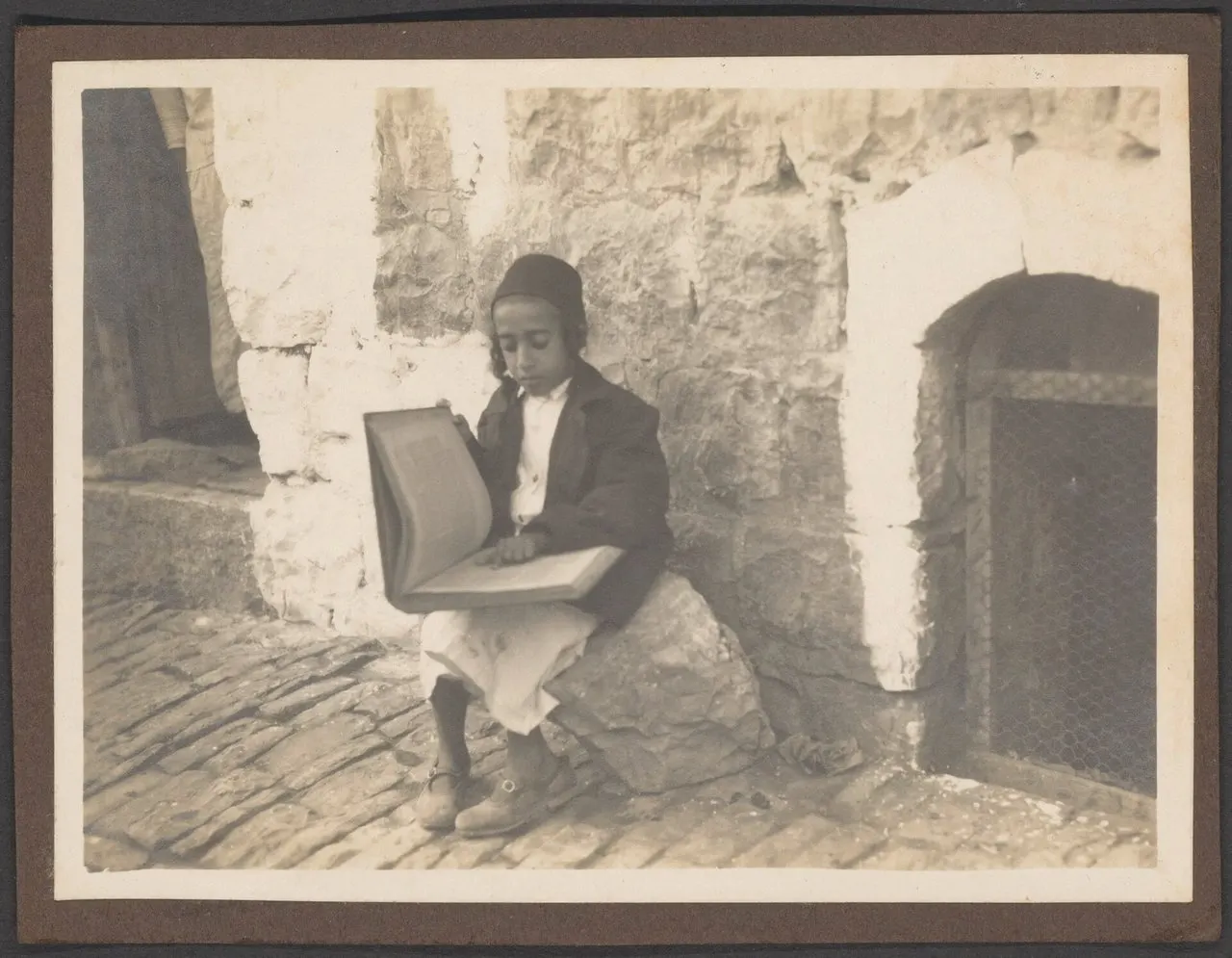
In reading, proficiency means a child can understand a story, follow an argument, and explain what a text means. Only about 30 percent of students reach that level, which means most students are still building the skill. Reading opens every other subject, from history to science, so a weak reader faces trouble in all classes. McMahon says the number shows money alone cannot teach a child to read, and teachers must lead the way. See the comeback of physical media.
Math Proficiency and What It Means
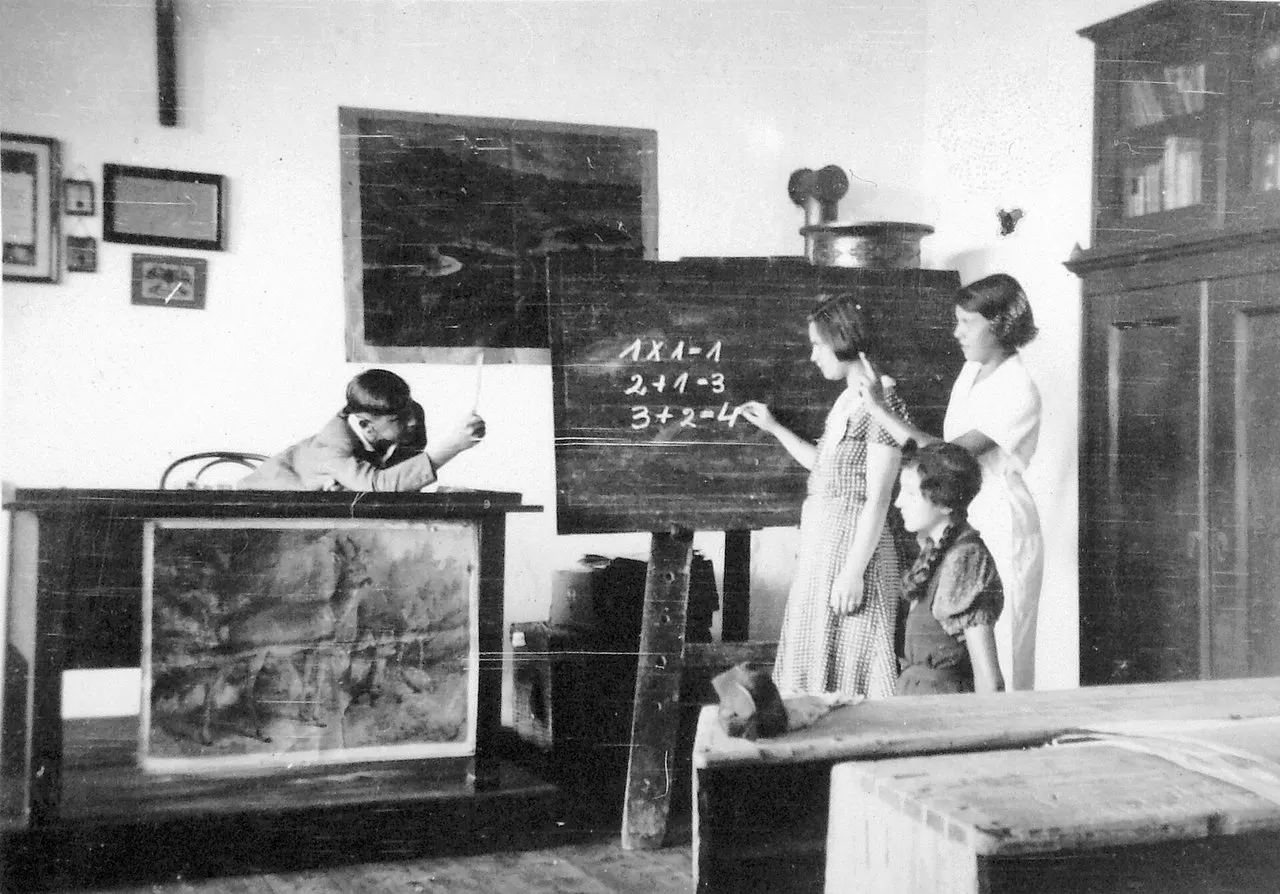
In math, proficiency means a student can solve problems, explain the steps, and use numbers with confidence. Only about 30 percent reach that level, which leaves most students unsure when numbers get harder. Math skills shape jobs in science, business, and skilled trades, so weak math scores worry parents and employers alike. McMahon says the country must do better, and her plan bets on teachers and parents to get there. See the confusing message on MAGA.
Linda McMahon Education Message Centers on Teachers

Teachers stand at the center of the message, because they meet children every school day and watch them grow. A good teacher spots the moment a student gives up and finds a new way to explain the same idea. McMahon says that daily work matters more than any federal program, and she wants teachers to have more say in their own classrooms. Her critics agree teachers matter, but they add that teachers also need funding and support. See the trade deals from the trip.
Parents Know Their Children Best

Parents know their children in ways no system can match, from the way a child learns to the hour homework turns into a battle. They read with young children at night, check assignments, and meet teachers to ask how their child is doing. McMahon says that knowledge should shape schooling, not sit outside it, and her plan puts parents first in line. Critics say parents need real power and real resources, not just praise. See the pup who knew chores were coming.
Local School Boards Decide Close to Home
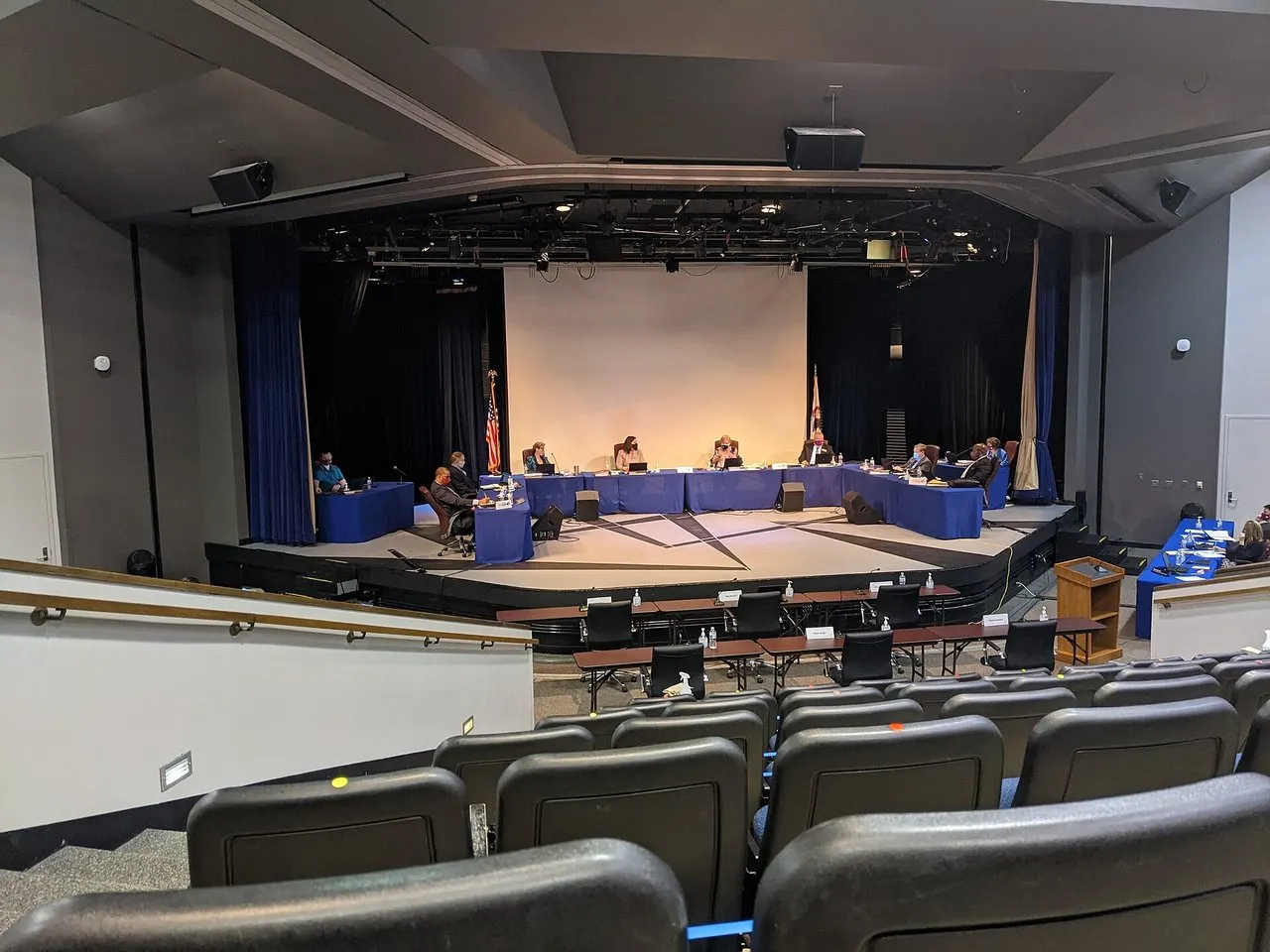
Local school boards make many of the choices that shape a school day, from hiring a principal to setting the calendar and approving books. Board members are neighbors, and parents can speak to them at public meetings in their own towns. McMahon says that closeness is the point, because decisions made nearby answer to families directly. Critics say small boards can lack money and expertise, and federal help fills those gaps. See the case on national security.
States Already Run Schools Day to Day
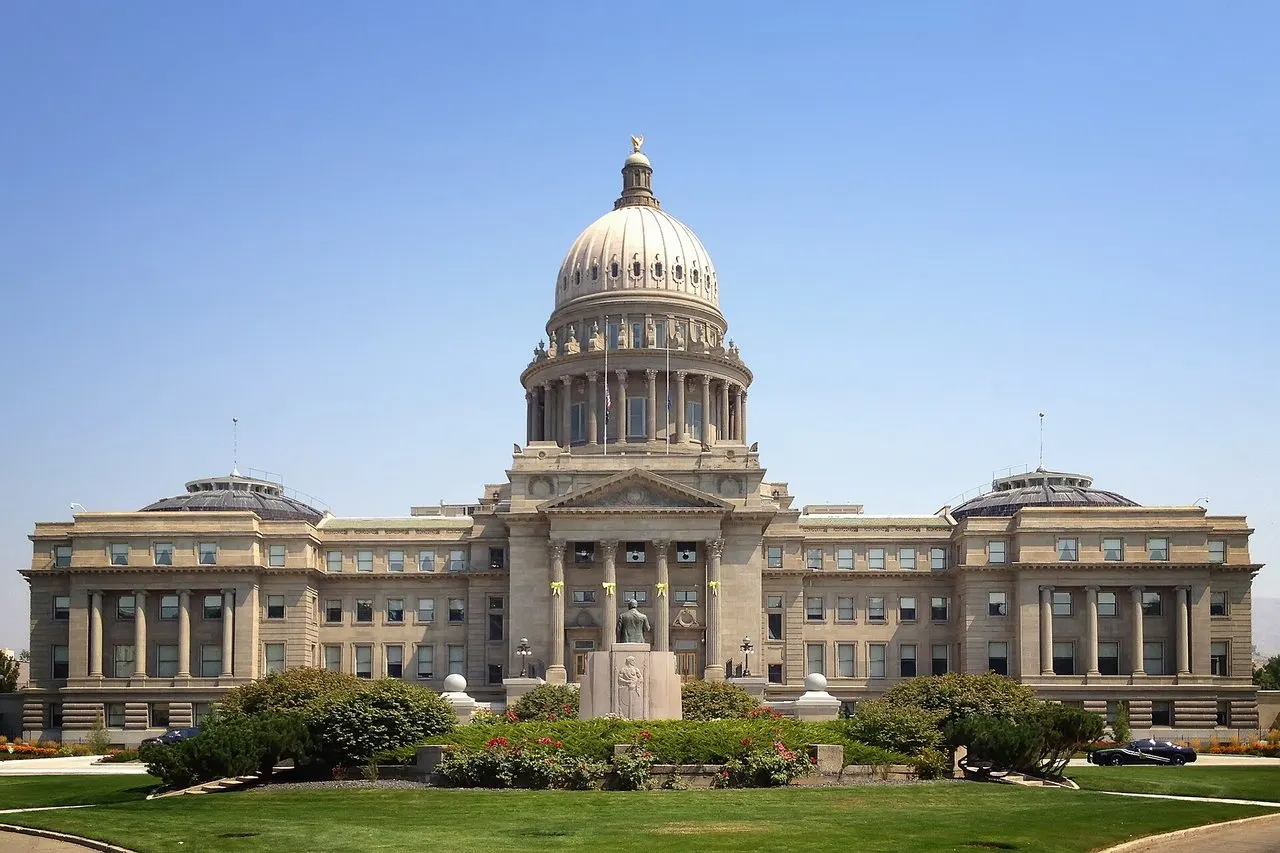
States already run schools day to day, hiring teachers, setting standards, and paying most of the bills through state and local taxes. Federal money is only a small share of school funding, though it carries rules that reach every classroom. McMahon says states should keep the lead role, since they already do the daily work of schooling. Her critics say federal rules protect children in states that would otherwise spend less. See the backlash over the greeting.
Federal Money Comes With Federal Rules
Federal money comes with federal rules, and that bargain is at the center of the debate. Schools take the dollars to help poor students and students with disabilities, but they must follow Washington’s conditions to keep them. McMahon says the bargain costs too much freedom, while critics say the rules are the price of fairness. If the money moves to other agencies, the rules will move with it, and schools will watch closely. See the photos and videos claim.
Linda McMahon Education Programs May Move to Other Agencies
If the Senate package passes, the department’s programs would move to other agencies, and the move would test whether the work survives without its home. Student aid, school support, and civil rights enforcement would each find a new address in government, and families would need to learn where to turn. Supporters say the programs matter more than the building, while critics fear the move would weaken them. The details will decide the outcome. See the debate over big money in politics.
Students at the Heart of the Message
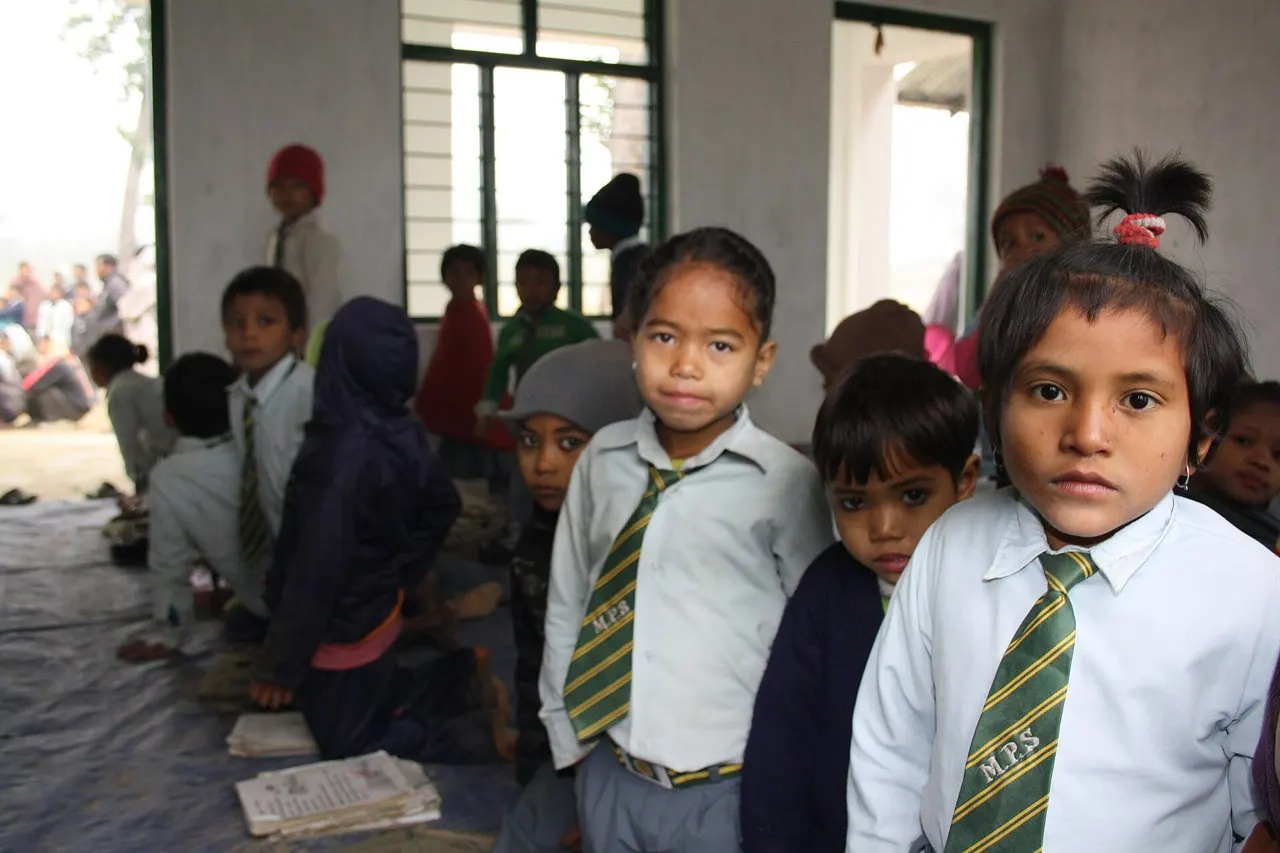
Students sit at the heart of the message, because every number in the debate is about a child in a classroom. A student who reads well can learn anything, and a student who counts well can build a career, so the 30 percent figure is not a statistic. McMahon says the plan is for them, not for Washington, and she asks the country to judge the idea by what children learn. Her critics ask the same question with a different answer. See the anger over the bridge strike.
What Comes Next in Washington
What comes next will be decided in Washington, where the executive order moves forward and the Senate package faces debate and votes. Closing a department takes time, and Congress holds the final say over its future, so the story is far from over. Families, teachers, and school leaders will watch each step, because the outcome will shape classrooms for years. The debate over who runs American schools has only just begun. See the street vendor and his daughter.
What Do You Think Should Happen Next

What do you think should happen next? Should states and parents run the schools, or does the country still need a strong federal department to protect every child? McMahon has made her case with a $3 trillion number and a 30 percent result, and now the debate belongs to the public. Share your view in the comments below and tell us what you would change about American schools. See the couple who said yes again.