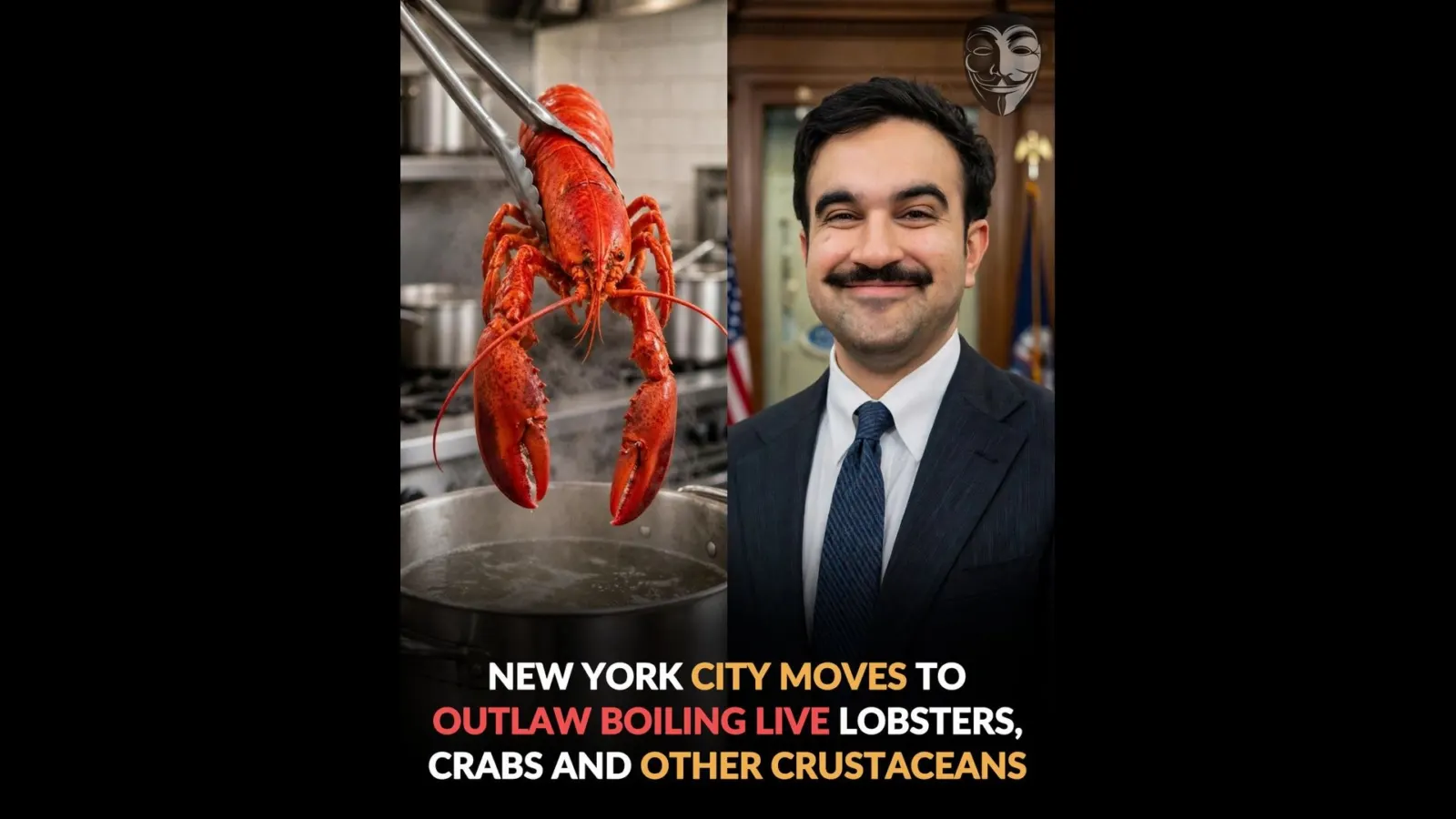
The NYC Lobster Ban That Has New York Talking
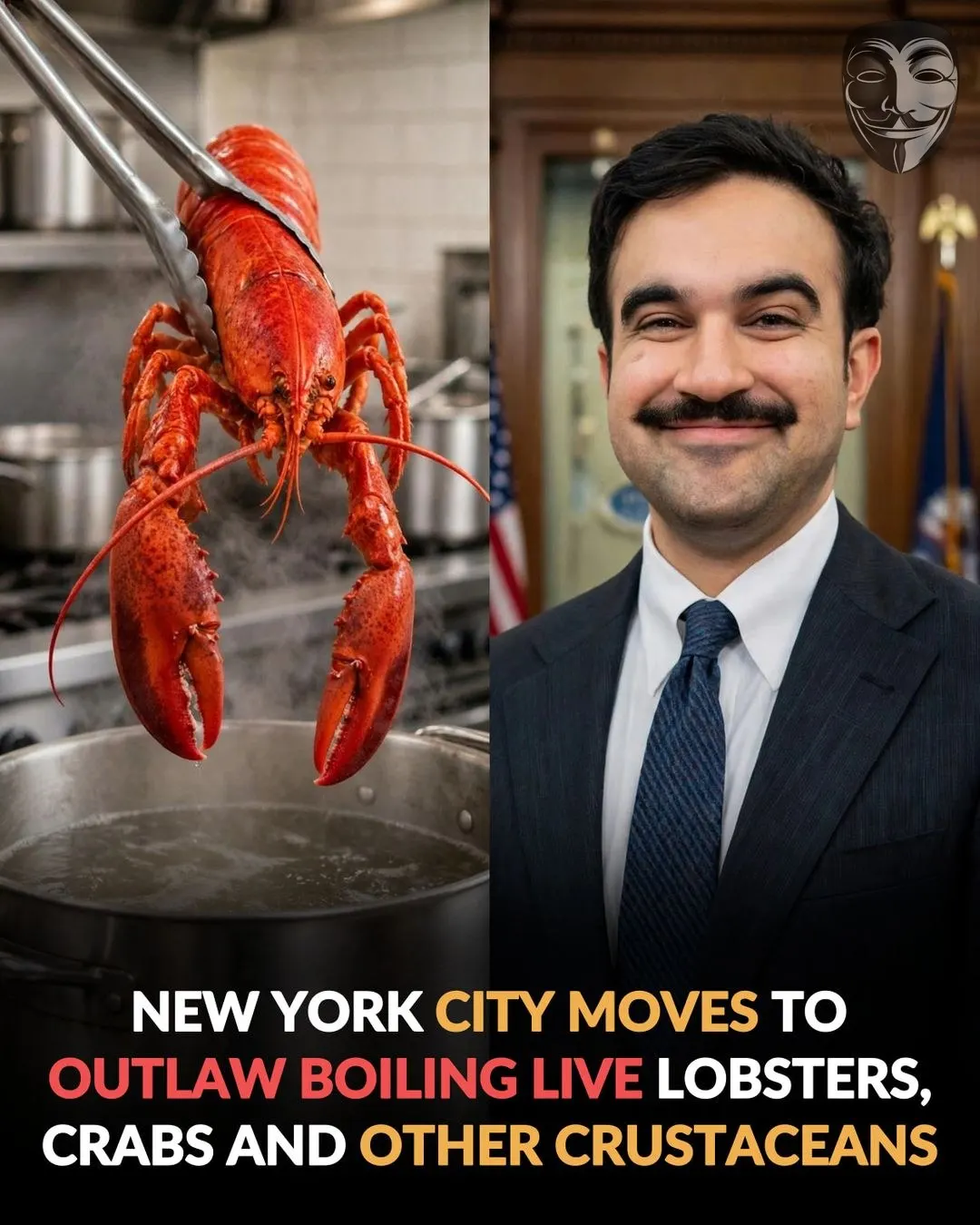
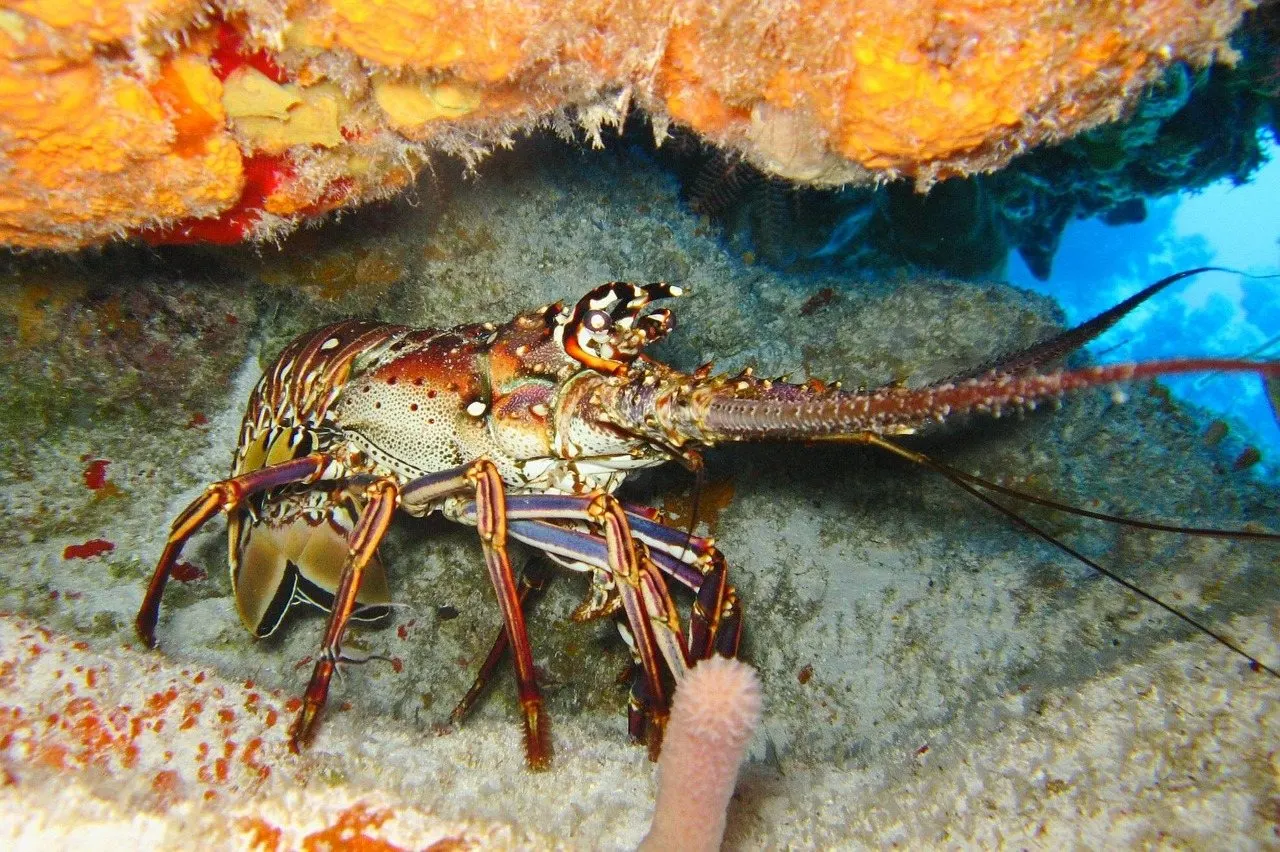
The NYC lobster ban is the talk of New York City after two council members introduced a bill that would stop restaurants from boiling live lobsters, crabs and other crustaceans. Council Members Oswald Feliz and Harvey Epstein brought forward bill Int 1188-2026 on November 19, and the proposal quickly drew attention far beyond the city. The bill says the animals feel significant pain when boiled alive without being stunned first. Supporters say the city should follow countries that already require the animal to be made unconscious before cooking.
The proposal would not take lobster off the menu, since restaurants could still serve it prepared another way, and a first violation would bring only a warning. Later violations could carry a fine of up to one hundred dollars. Mayor Zohran Mamdani is not a sponsor of the bill, though on the same day he signed a law ending horse drawn carriage rides in the city. In the slides ahead we look at the bill, the science and the debate, and you can also read about the mayor’s grocery plan.
References:
Bloomberg Law: After Foie Gras, NYC Council Takes Aim at Boiling Lobsters Alive
New York City Council: Prohibiting the Live Boiling of Crustaceans in Food Service Establishments
AInvest: NYC Council Targets Boiling Live Lobsters Following Foie Gras
The Maltese Herald: New York City Council Plans to Ban Boiling Lobsters Alive After Finalising Horse-Carriage Ban
Two Council Members Introduced the Bill
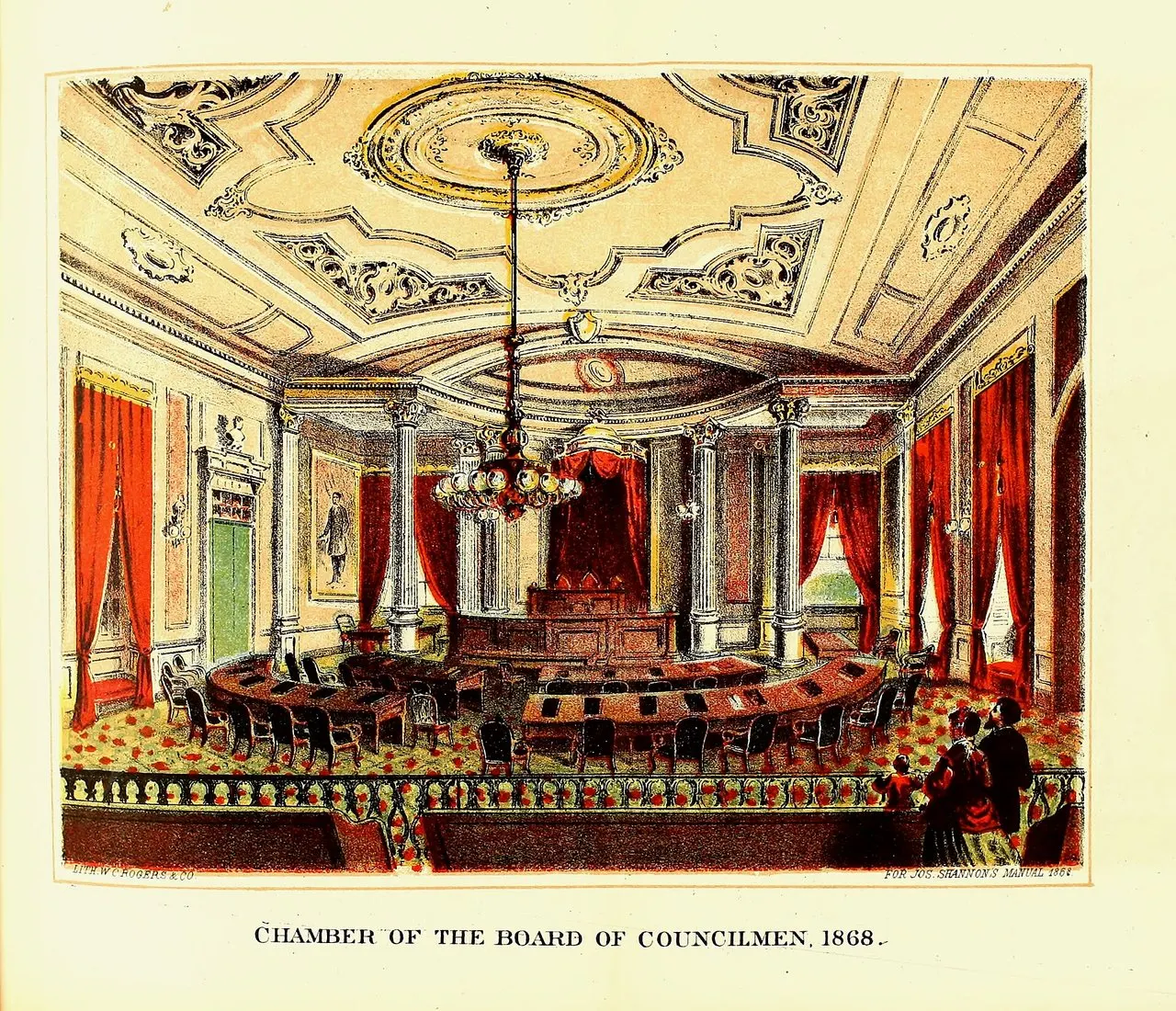
Council Members Oswald Feliz and Harvey Epstein introduced bill Int 1188-2026 on November 19, and the move put the city council at the center of a debate about food, tradition and animal welfare. The two sponsors argue that dropping a live animal into boiling water causes significant pain, and they want restaurants to stun the animal first. Like another bill moving through a legislature, it now has to make its way through hearings and votes, and like how a council vote can spark a recall, it shows how a single local vote can draw wide attention.
What Int 1188-2026 Would Change
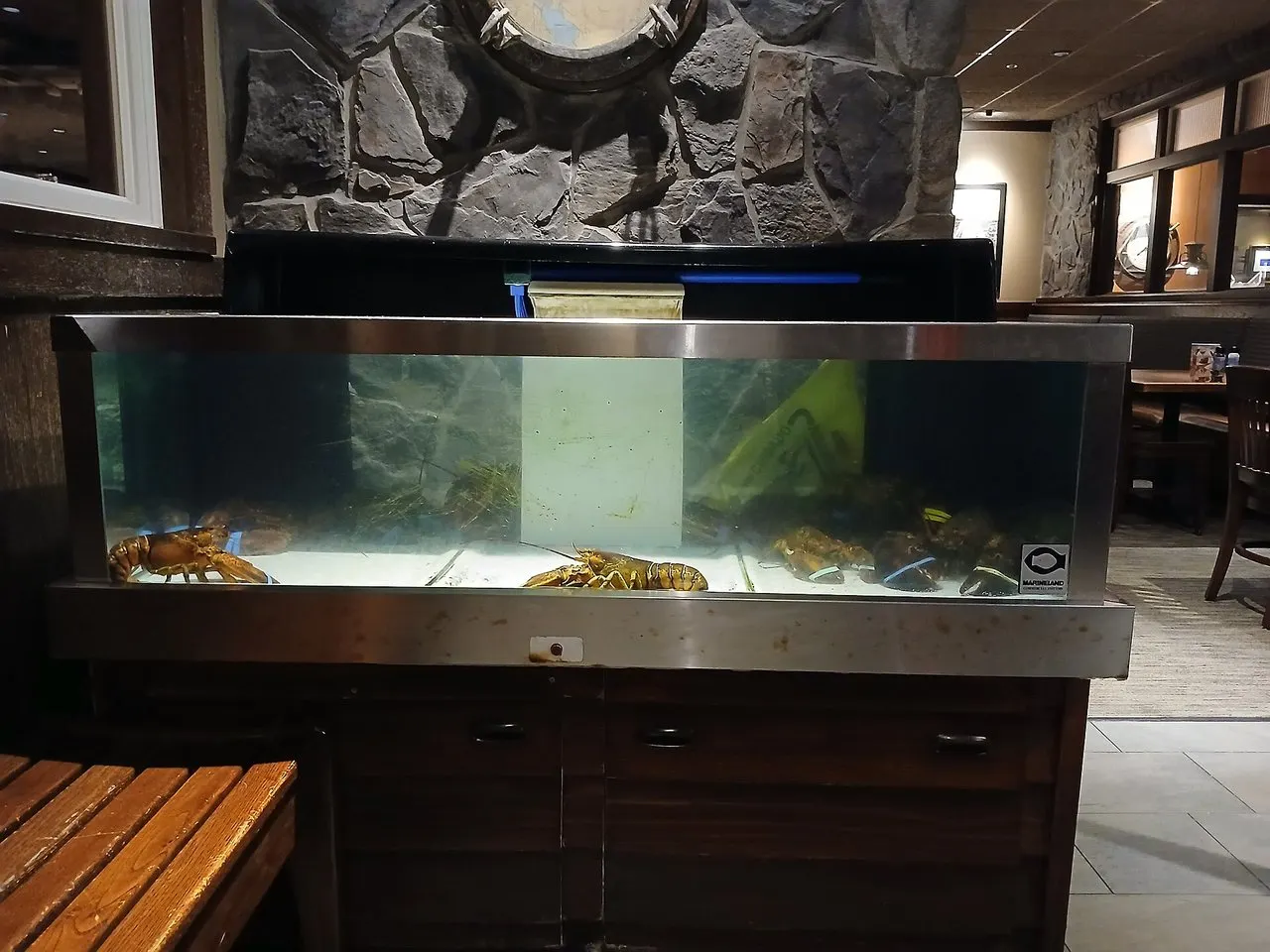
Bill Int 1188-2026 would stop New York City restaurants from dropping live lobsters, crabs and other crustaceans into boiling water. The change would apply in food service establishments, which means the dining rooms and kitchens where New Yorkers order lobster every day. Restaurants would need a different first step before cooking, one that leaves the animal unconscious. It is a short and focused rule, and it is also a second fight over a new bill for the city, much like a long fight over the cost of care has been for the country.
The NYC Lobster Ban and the Pain Debate
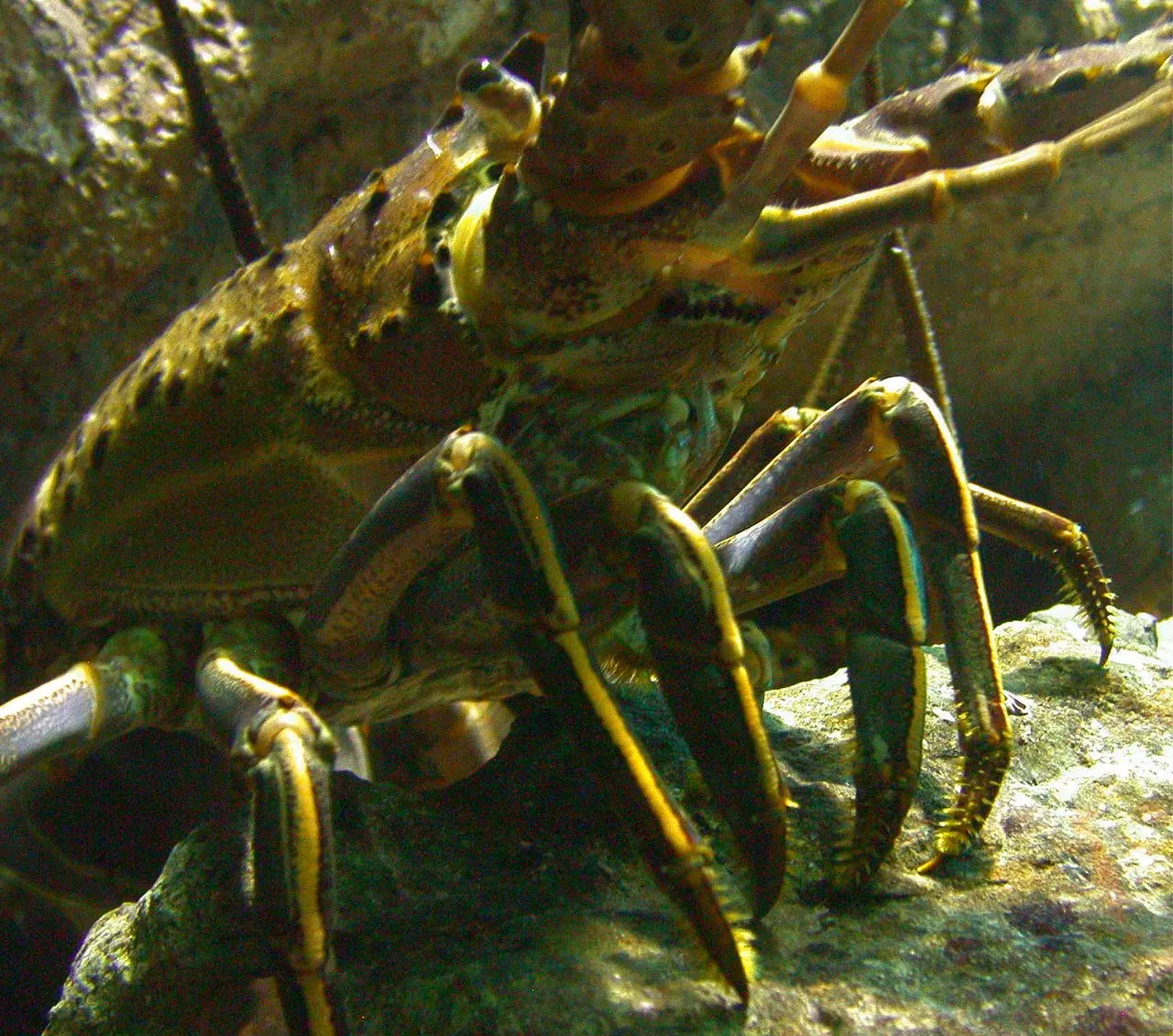
At the heart of the NYC lobster ban is a question about pain. The bill says lobsters, crabs and other crustaceans feel significant pain when boiled alive without being stunned, and supporters point to research on how these animals react to heat and injury. Lobsters have nervous systems that respond to harm, and scientists have studied their behavior for years. The debate is not only about food, since it touches two very different views of America in the way people weigh new evidence.
Why Supporters Point to Switzerland

Supporters of the bill point to Switzerland, which requires the animal to be made unconscious first before it is boiled. The Swiss rule changed how restaurants and home cooks handle lobsters, and it is often cited by animal welfare groups around the world. The example gives the council a tested model to follow. It also shows that change can feel normal once cooks adjust, much like what a healthy workplace feels like can feel normal once a workplace changes, and how daily choices keep a blessing alive can grow from small steps.
Norway Already Requires Stunning First

Norway is the other country supporters name, since it also requires the animal to be made unconscious first. Norwegian rules treat crustaceans as animals that deserve protection from needless pain, and the law has shaped how seafood is handled along its long coast. For New York, the Norwegian example matters because Norway is a major fishing nation with deep ties to the sea. The comparison invites readers to see a viral moment that raised a big question as proof that old habits can change when people decide to act.
How the NYC Lobster Ban Would Change the Kitchen
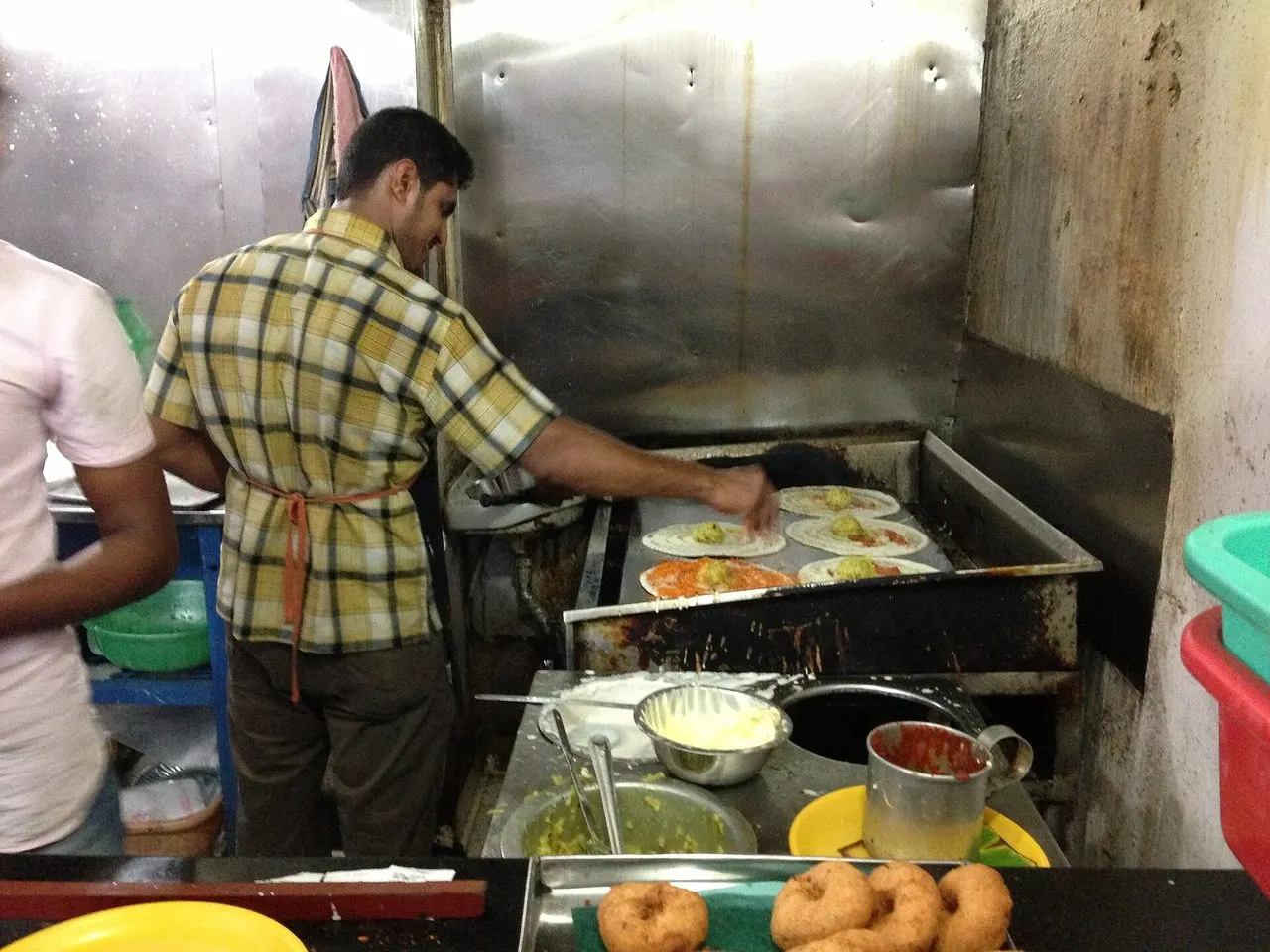
If the bill becomes law, the biggest change would happen in the kitchen, before the pot ever boils. Cooks would need to stun the lobster first, using a quick electrical stun or chilling the animal until it is still. Each method takes only a short time, and none of them changes the flavor of the finished dish very much. Kitchens would need new tools and a little training, and you can read about a warning about what comes next in the House to see how small changes can feel big at first.
Lobster Stays on the Menu
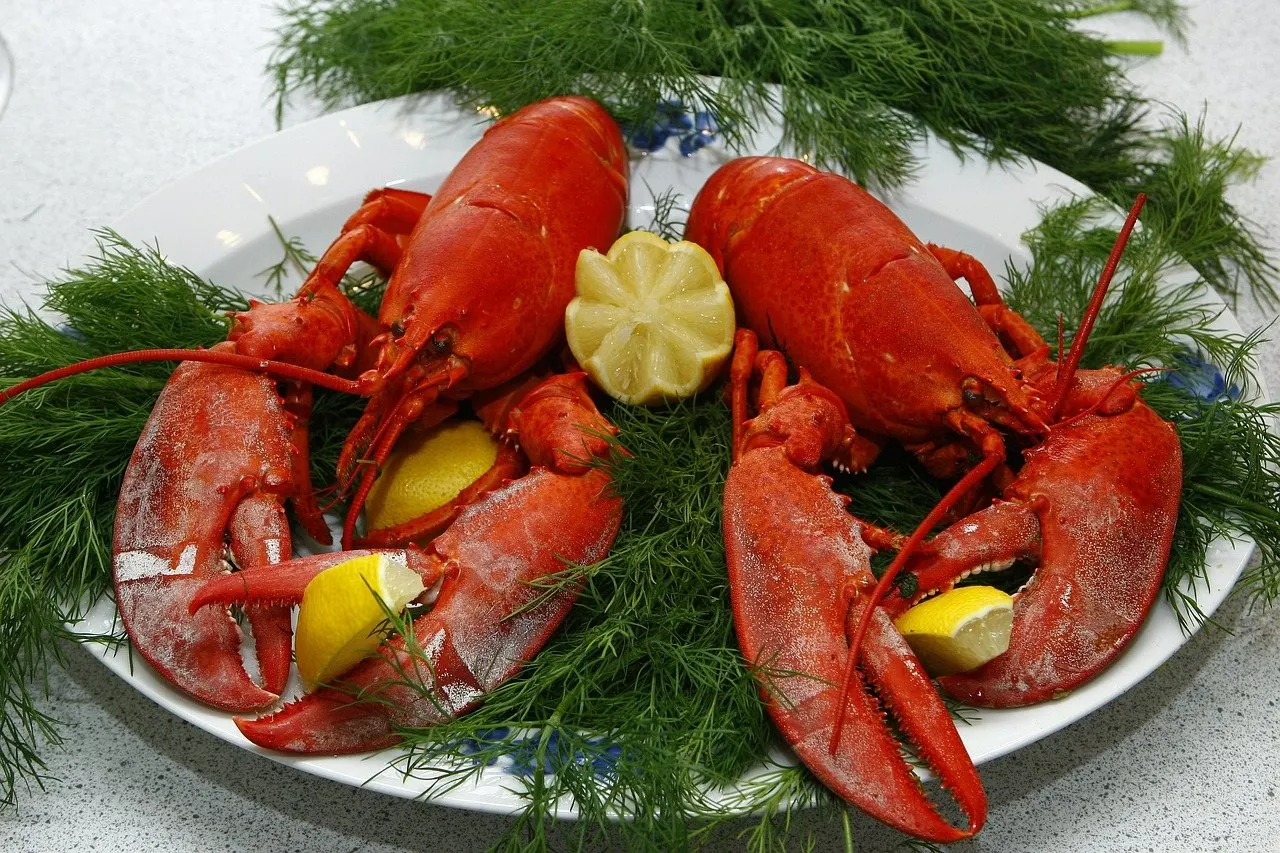
One point the sponsors stress is that lobster would stay on the menu. The bill does not ban serving lobster, It only changes the last step before cooking, so diners could still order a whole lobster, a lobster roll or a buttered tail. Supporters say the goal is kinder cooking, not an empty plate, and the story echoes a journey sixteen billion miles from Earth in showing that a long road can still end in a good place.
A Warning First, Then a Fine

The bill takes a gentle approach to enforcement, and a first violation would bring only a warning. That gives restaurants time to learn the rule, buy any new equipment and train their staff without fear of an instant penalty. The soft start is meant to win over owners who might otherwise fight the change. It mirrors how many city rules begin, as shown by an escape that helped catch a killer, where patience and timing shaped the outcome.
The NYC Lobster Ban Fine Tops Out at One Hundred Dollars
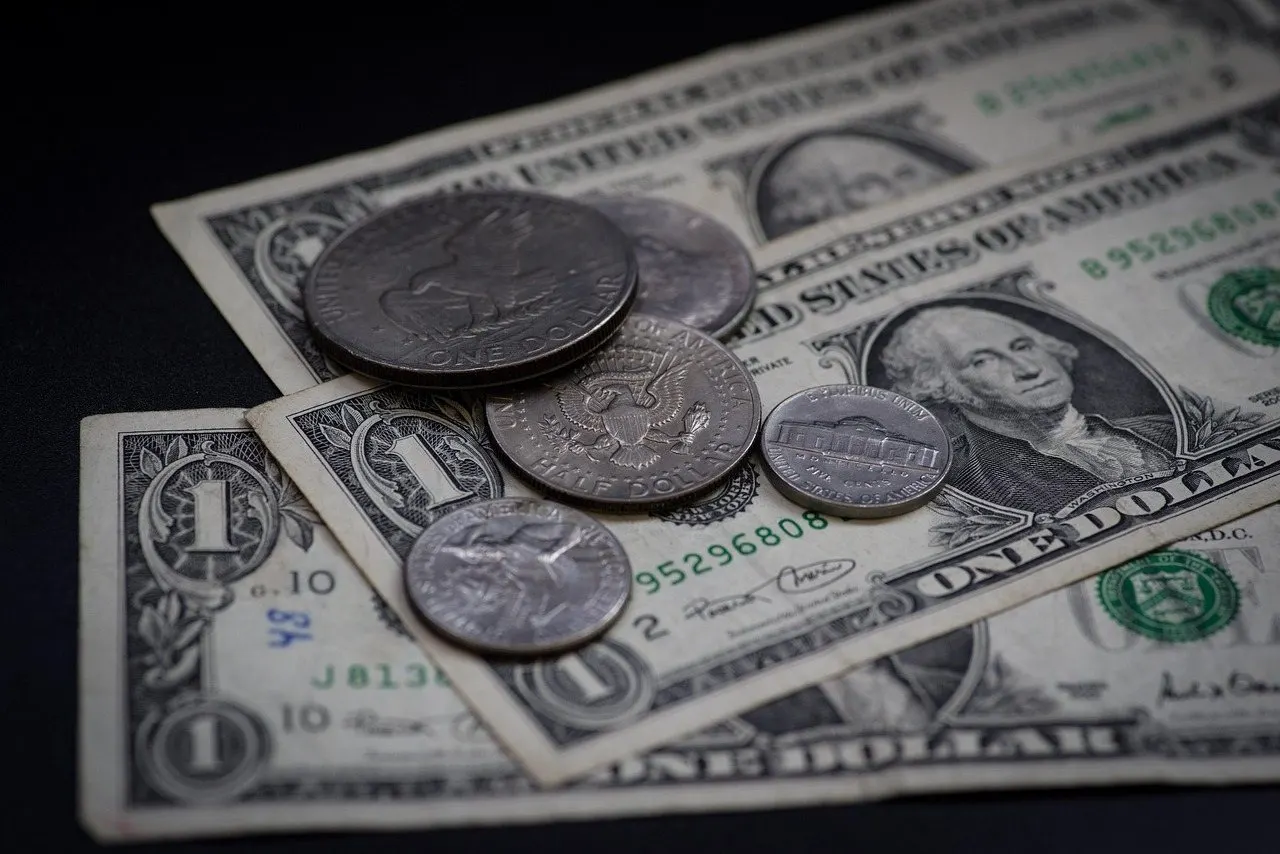
Under the bill, later violations would carry a fine of up to one hundred dollars, a modest amount for a New York restaurant. The small fine sends a clear message about the goal, since the city wants the practice to change rather than to collect money. Supporters say the amount fits the spirit of the bill, and the debate around it recalls the mayor’s grocery plan, where the size of a rule mattered less than its direction.
Mayor Mamdani and the Same Day Decision

Mayor Zohran Mamdani is not a sponsor of the bill, but his name is part of the story all the same. On the same day, he signed a law ending horse drawn carriage rides in the city. The mayor has his own agenda, and this bill belongs to the council, yet the timing links them in the public mind, much like a meeting that changed the plan show how one day can tie separate stories together.
The End of Horse Drawn Carriage Rides

The law Mayor Mamdani signed on the same day ends horse drawn carriage rides in New York City, and it closes a long chapter in Central Park. For years, the carriages carried visitors around the park, and for years, animal welfare groups argued that the work was hard on the horses in city traffic. The carriage debate lasted far longer than this one, and it recalls a second fight over a new bill as reminders that old practices can end.
The NYC Lobster Ban Follows the Foie Gras Fight

This bill comes after the council took aim at foie gras, and that history helps explain why this bill feels familiar. The foie gras debate was also about a luxury food and the way animals are treated before they reach the plate. The lobster bill follows the same path, and the pattern is easy to see in two very different views of America, where one debate often sets the stage for the next.
What the Bill Calls a Crustacean

The bill covers lobsters, crabs and other crustaceans, a wide family of animals with hard shells and jointed legs. Crabs are the best known of the group after lobsters, and they are served boiled in restaurants across the city. The broad wording means the rule would reach beyond the lobster tank. It is a reminder that the sea offers many dishes, and the discussion echoes what a healthy workplace feels like in asking us to think about small lives.
Crabs, Shrimp and Other Shellfish
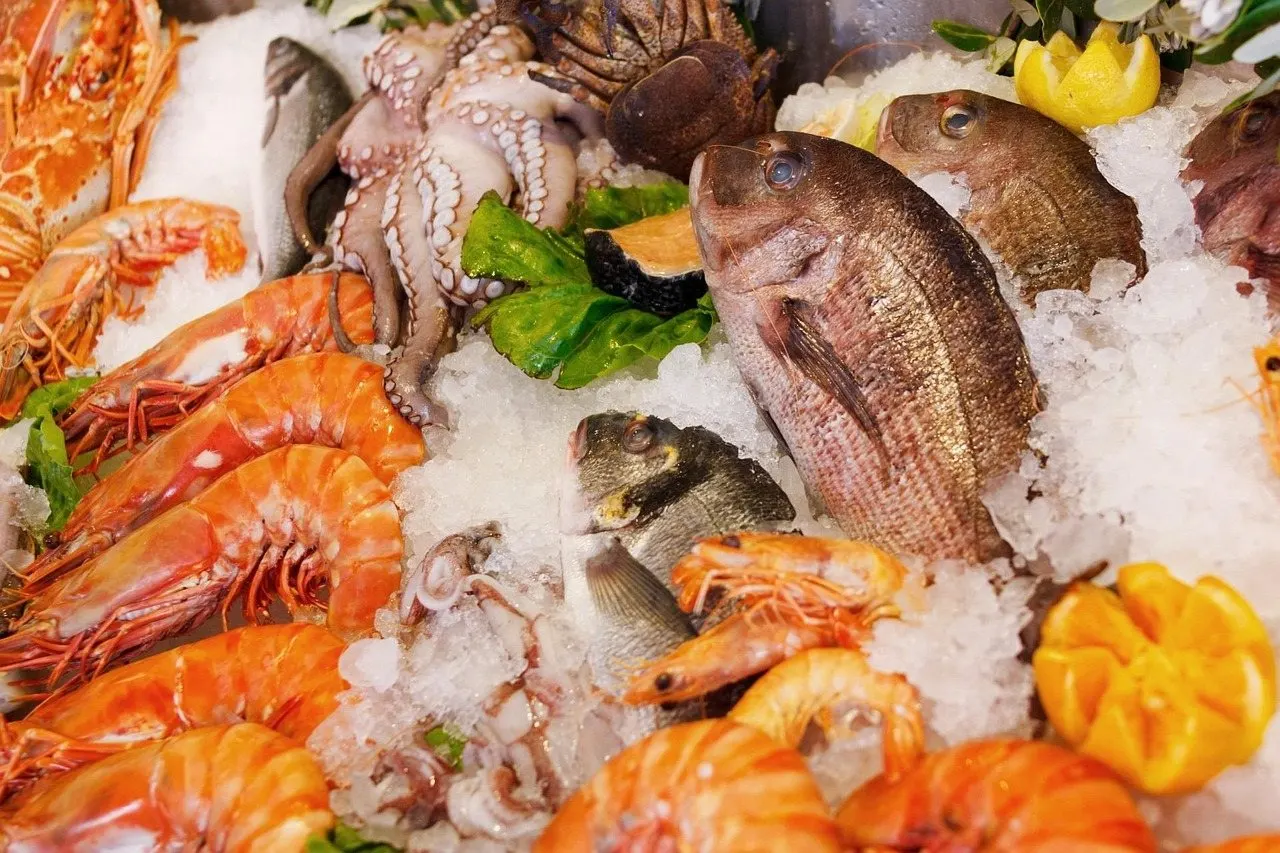
Crabs, shrimp and other shellfish fill menus across New York, from crab cakes to shrimp cocktails to whole steamed crabs shared at a table. The bill would change how restaurants handle all of them when they are served live, not just the lobster that gives the story its name. That reach is part of why the debate matters to so many kitchens. The wider net invites the same care as a viral moment that raised a big question, where a single choice can ripple outward.
The NYC Lobster Ban and How a Bill Becomes Law
This bill is only a proposal for now, and like any council bill it must pass through hearings, a committee vote and a full council vote before it can become law. At a hearing, restaurant owners, chefs, scientists and animal welfare groups can all speak, and council members can ask questions and suggest changes. That slow pace can frustrate supporters, yet it also protects the public, as shown by a warning about what comes next in the House, where process shapes the result.
What Happens Next for the Bill

What happens next for the bill depends on the council calendar, the hearings and the mood of the members. The sponsors will need to build support, answer questions from restaurant owners and show that stunning methods work in a busy kitchen. For now, the proposal has done its first job, which is to start a public conversation. The next steps will test it, much like a journey sixteen billion miles from Earth tested the people behind them.
Chefs Weigh Tradition Against Change
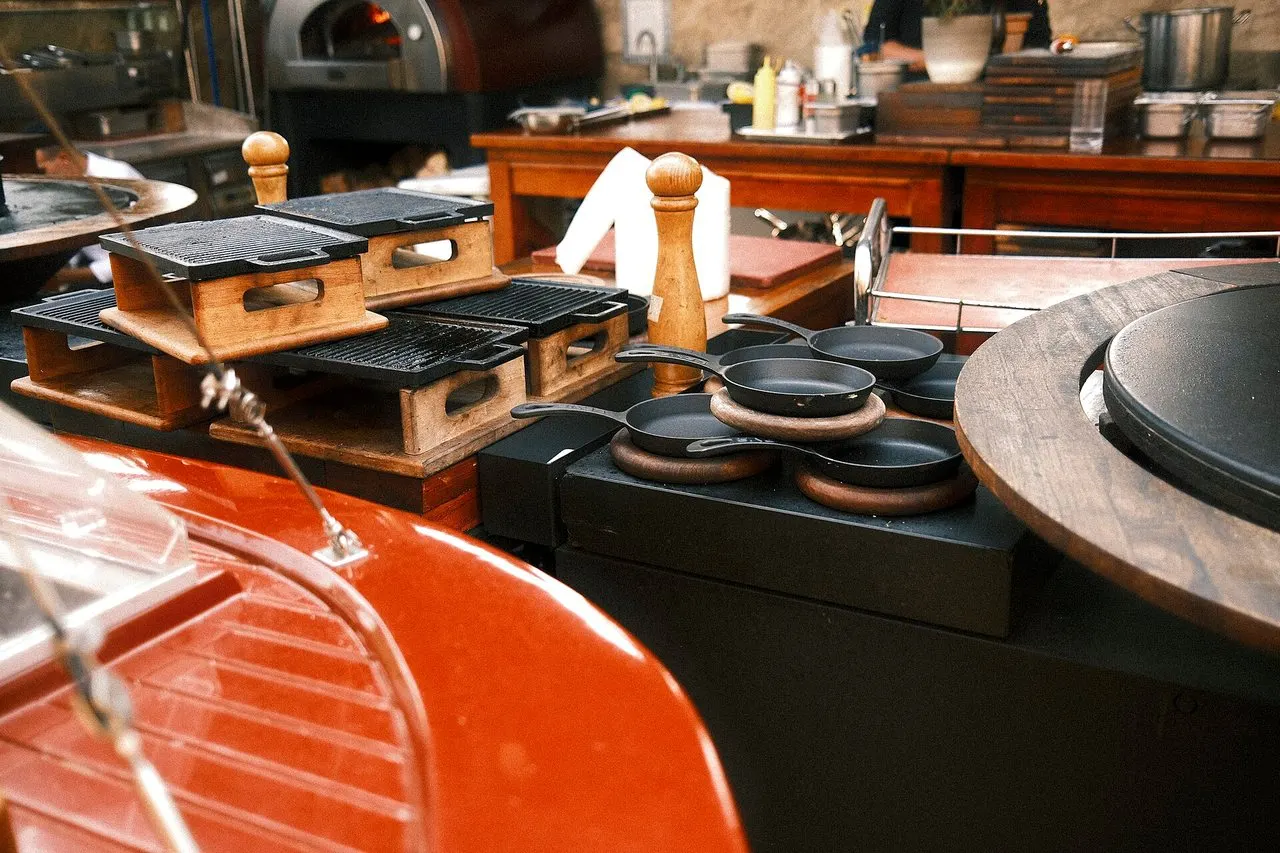
Chefs are caught between tradition and change, since many learned to cook lobster the same way their teachers did. Boiling a live lobster is a fast and familiar step in a busy kitchen, and changing it means learning a new routine. Their voices will matter at the hearings, and their practical view keeps the debate grounded. The kitchen view recalls an escape that helped catch a killer, where experience and patience shaped the outcome.
The NYC Lobster Ban and Animal Welfare
The NYC lobster ban sits inside a wider animal welfare push in New York, and the same day brought the end of horse drawn carriage rides. Animal welfare groups have worked for years to change how the city treats animals, from pets to carriage horses to animals on the plate. The lobster bill is one more step in that direction, The wider push echoes the mayor’s grocery plan, where steady pressure moved a cause forward.
A Long History of Lobster on the Table

Lobster has a long history on the American table, and it was once so common along the New England coast that it was seen as poor food. Over time it became a luxury, served at white tablecloth restaurants and summer feasts. That history is why a rule about lobsters stirs such feeling. A dish with a past is hard to change, and the story recalls a meeting that changed the plan as proof that history can turn on a single vote.
Fishing Towns Watch the NYC Lobster Ban
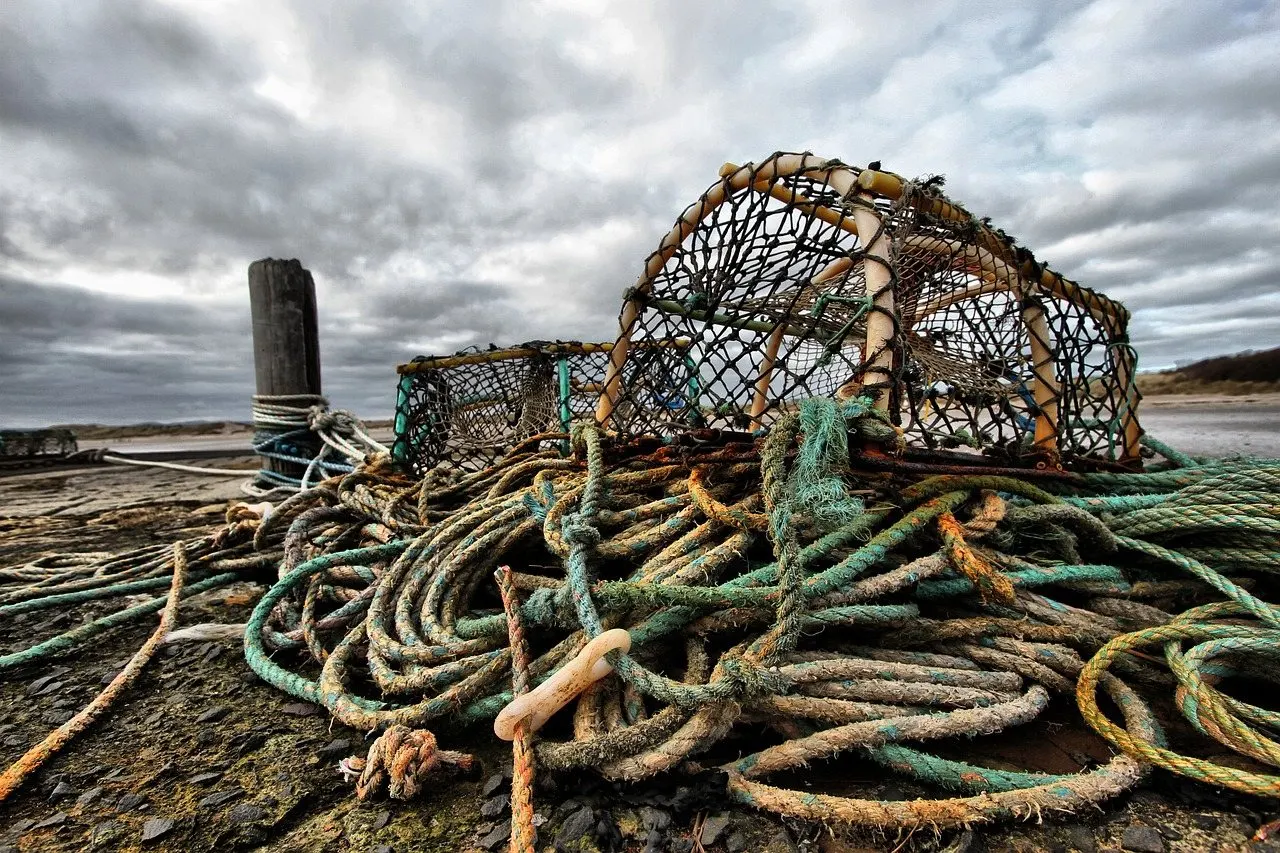
Fishing towns along the Northeast coast are watching this bill, since New York is one of their biggest markets. Lobster fishermen haul traps from cold water, and their catch travels to city restaurants, markets and homes. Their livelihood depends on steady demand, and the debate reaches far beyond the city, much like a second fight over a new bill show how one place can shape another.
How Other Countries Handle the Same Question
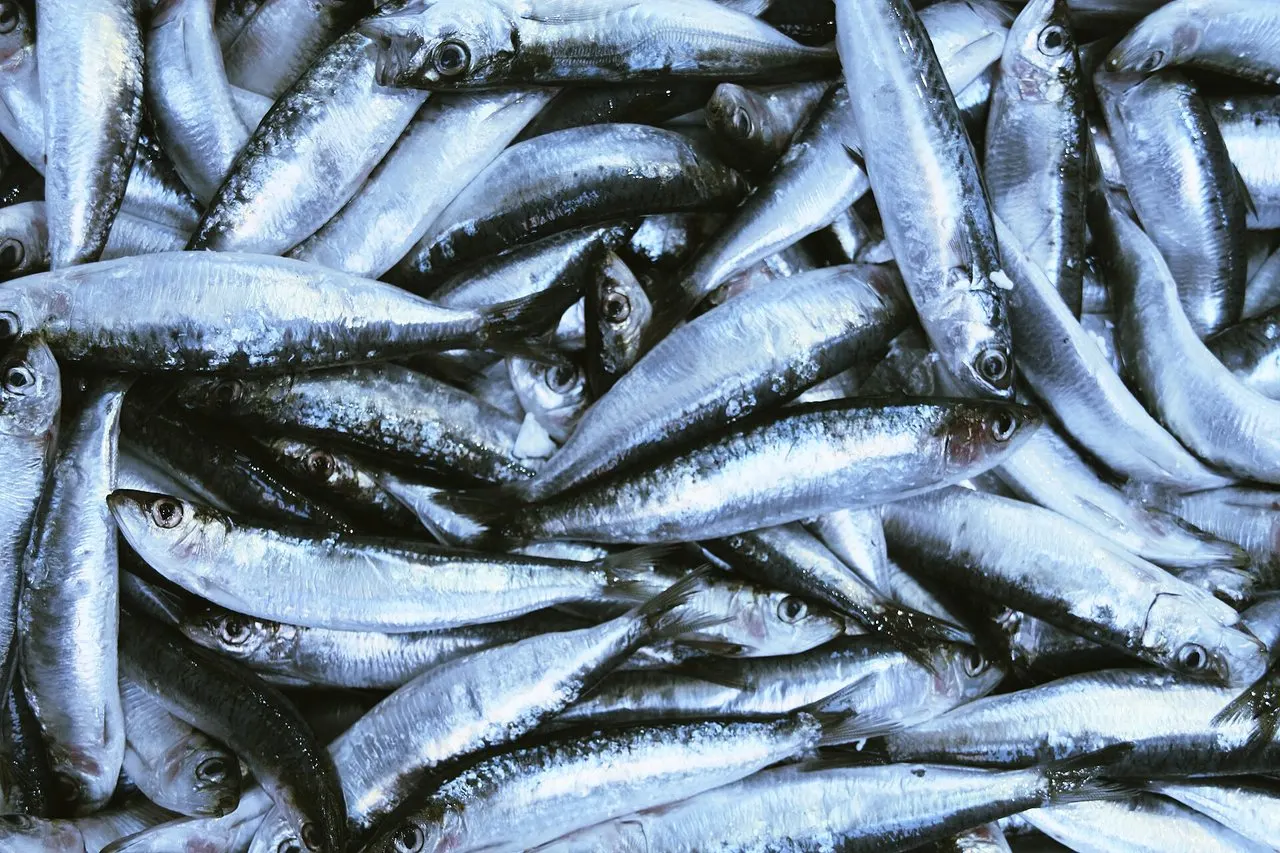
Other countries handle the same question in different ways, and the world offers a range of answers. Switzerland and Norway require stunning first, while other places leave the choice to the cook. New York now joins that conversation, and its choice may guide other American cities. The global view widens the debate, and it recalls two very different views of America as reminders that the same facts can lead to different rules.
The NYC Lobster Ban Debate in the Dining Room

This debate reaches the dining room, where diners order lobster without thinking about the kitchen. Some guests will welcome a kinder method, and others will ask whether it changes the taste or the price. Restaurants will need to explain the change in plain words, since most diners never see how their food is prepared. The table is where the bill becomes real for ordinary people. How diners react may shape the politics, and the moment recalls what a healthy workplace feels like, where everyday choices carry quiet weight.
What New Yorkers Are Saying
New Yorkers are saying plenty about the proposal, and the reaction is mixed. Some call it common sense and ask why the city waited so long, while others call it an overreach and wonder what food the council will target next. The mix of views is normal for a city that argues about everything. The public mood will matter as the bill moves forward, and it echoes a viral moment that raised a big question in showing how fast a story can spread.
What Do You Think of the NYC Lobster Ban?
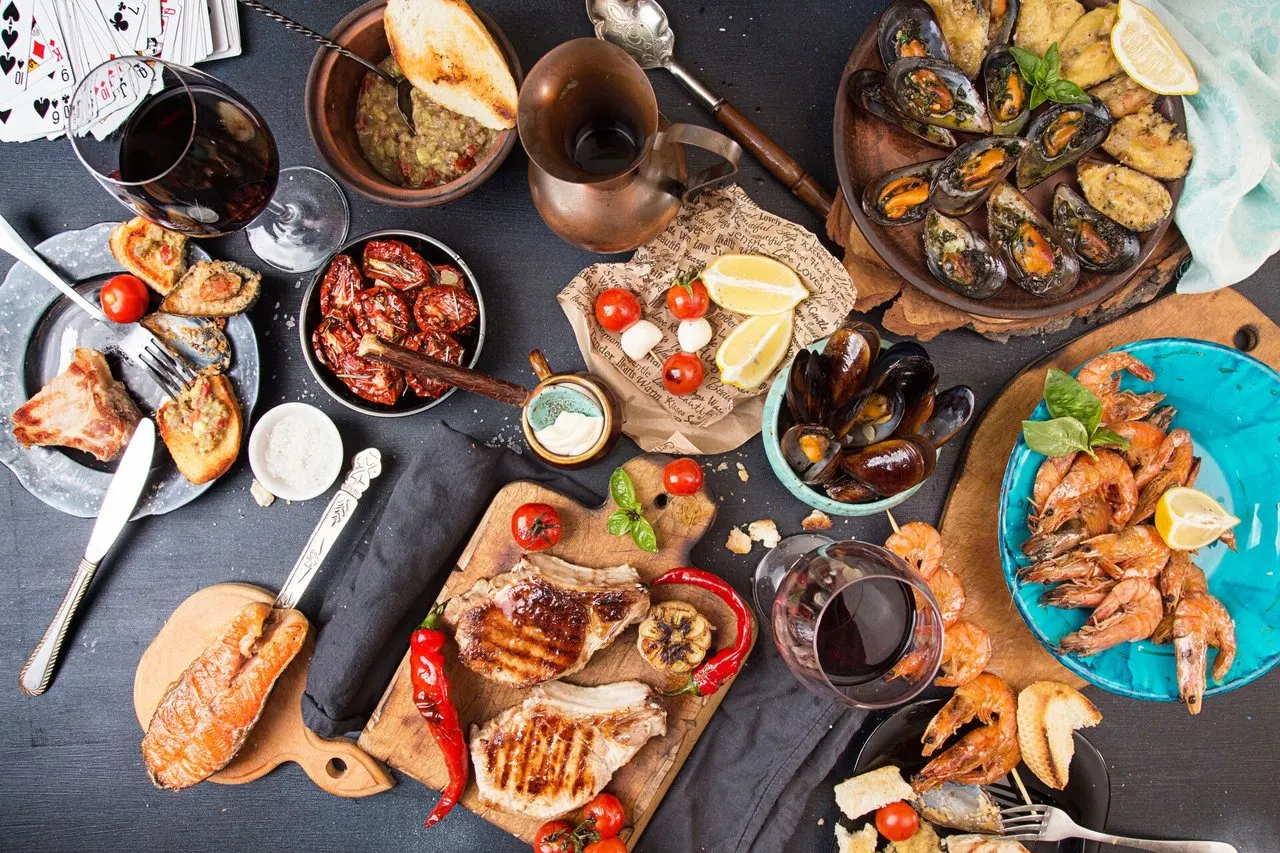
We have reached the end of this look at the bill, and now we want to hear from you. Should New York restaurants stun lobsters before cooking them, or should the old way stay? Tell us what you think in the comments, and share the slide that surprised you most. Your view matters, and the conversation is only starting, so keep reading a warning about what comes next in the House for more stories that get people talking.