The Amazon Delivery Fee Warning That Has New York Talking
The Amazon delivery fee warning has put New York shoppers on alert after Amazon said a city bill could add up to $5 to every order. The Delivery Protection Act, known as Intro 518 and backed by Mayor Zohran Mamdani, would require companies running last-mile warehouses in New York City to get licensed and employ their delivery workers instead of using third-party firms. Amazon says the mandate would end its work with 40 local delivery businesses and put more than 5,000 local jobs at risk. See our report on the Amazon warning.
Amazon also warns it may move its delivery operations outside the city and raise fees by up to $5 per order, which it says could cost a household up to $664 a year. Mamdani answered that if Amazon adds $5 to an order, it is greed, not the cost of protecting workers, and he urged the Council to pass the bill. In the slides we look at the workers, the warehouses, the small firms and the shoppers caught in this fight.
References:
Fox Business: Amazon warns NYC of $5 fees due to mayor’s delivery bill
Moneywise: Amazon warns NYC bill could add $5 per order
Gizmodo: Amazon turns packages in NYC into political mailers with anti Delivery Protection Act stickers
Capital Digest: Amazon warns NYC of $5 fee under Mamdani delivery bill
What the Amazon Delivery Fee Warning Means for Shoppers
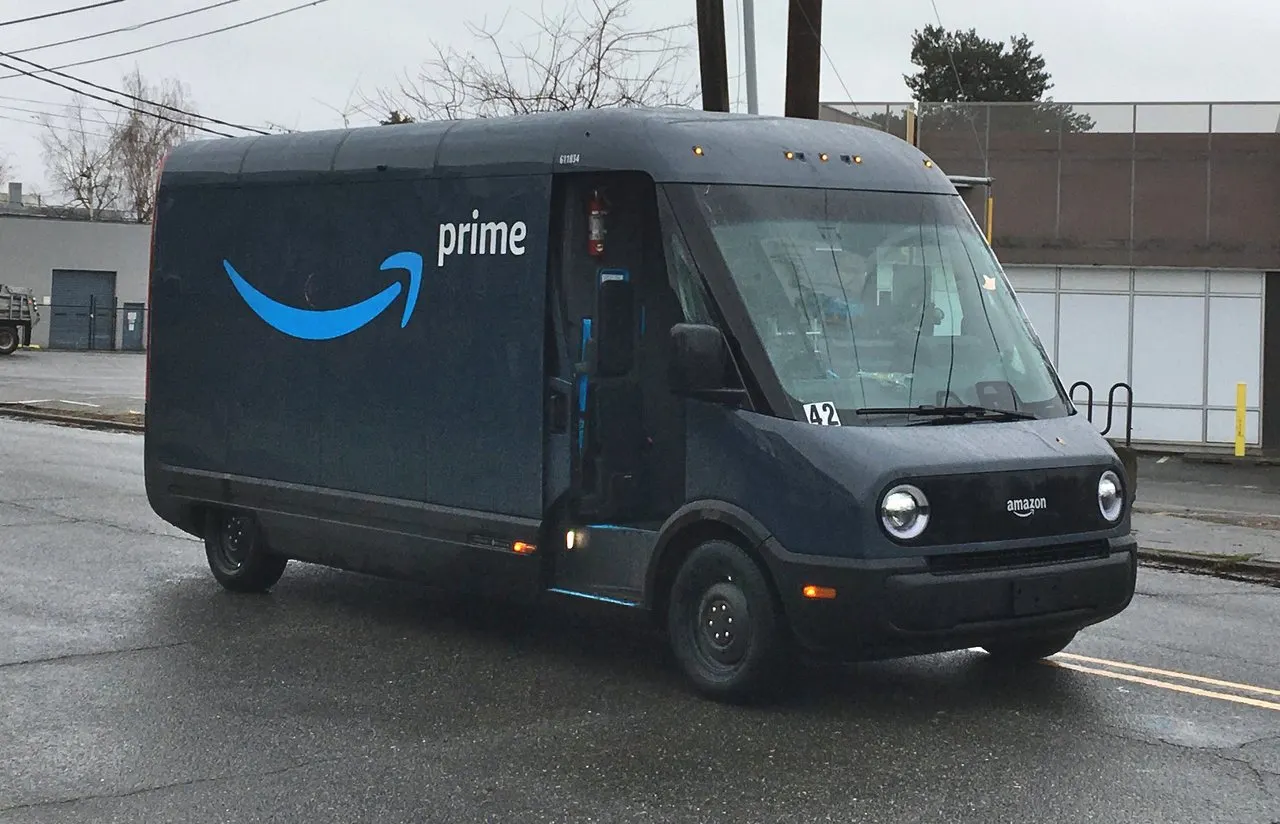
The Amazon delivery fee warning is simple to understand even if the politics behind it are not. Amazon says that if the Delivery Protection Act becomes law, the extra cost of licensing warehouses and hiring drivers directly will show up on customer bills. A fee of up to $5 per order may sound small on its own, yet it lands on every box that arrives at the door. Shoppers who order often would feel it first. Read the Amazon warning story.
How Amazon Moves Millions of Orders Across the City
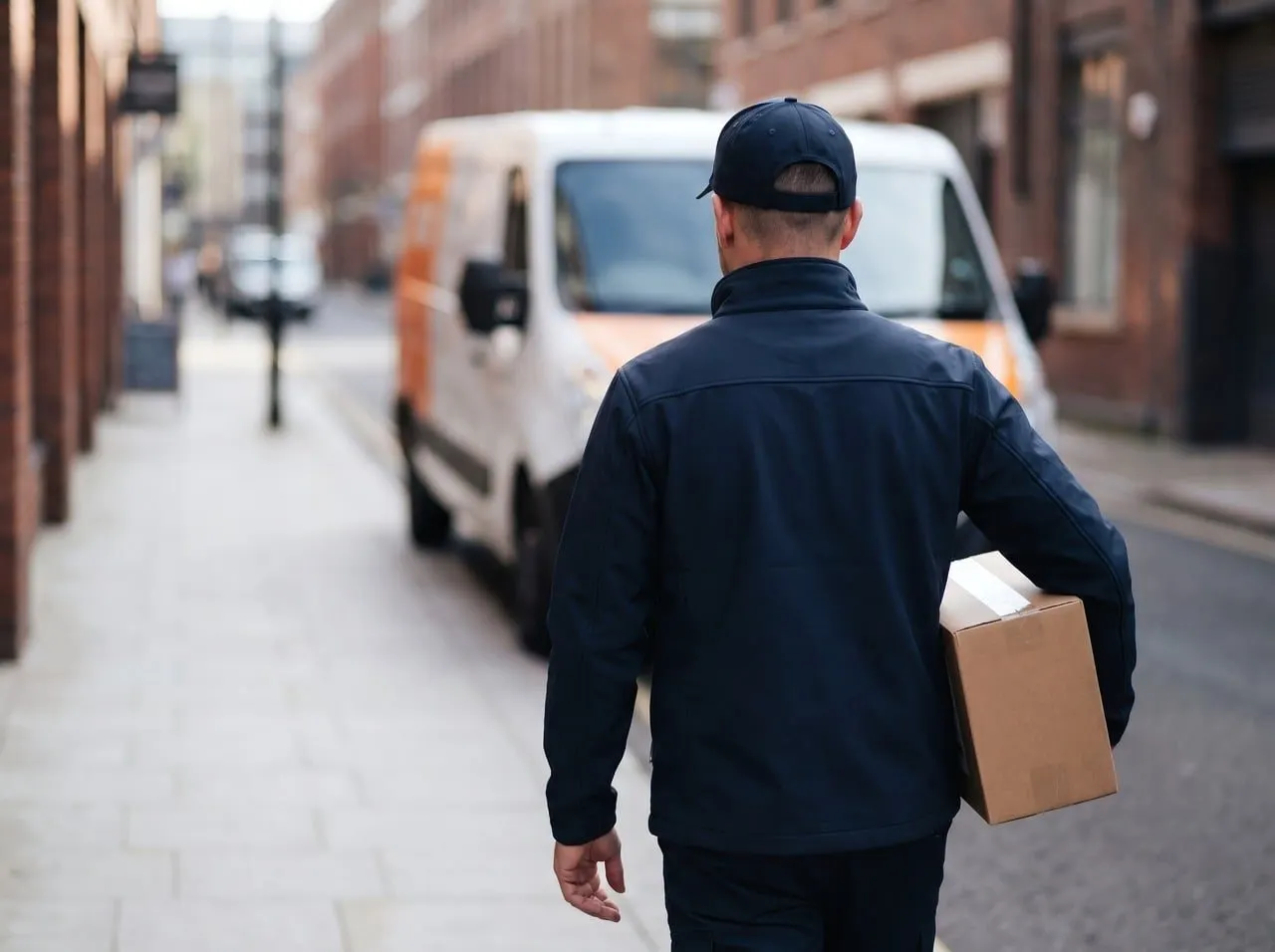
Amazon vans are a familiar sight on New York streets, rolling through every borough with parcels bound for apartments, offices and small shops. Each van starts the day loaded at a warehouse, follows a planned route and drops boxes at dozens of stops before returning. The last part of the trip, from the warehouse to the door, is called the last mile, and it is the most costly part of delivery. That is why the new bill focuses on it. See the Rohingya warning.
Five Dollars on Every Order Adds Up Fast

Five dollars may not seem like much when a single box arrives, yet most households order far more than once. Groceries, books, phone chargers, gifts and everyday goods all travel in brown boxes, and the fee would apply again and again. Amazon says a household could pay up to $664 more in a year if the charge lands on every order. That number is what turned a policy debate into a kitchen table issue. Read the girl who used sign language on a flight.
The Amazon Delivery Fee Fight Puts 40 Local Firms at Risk
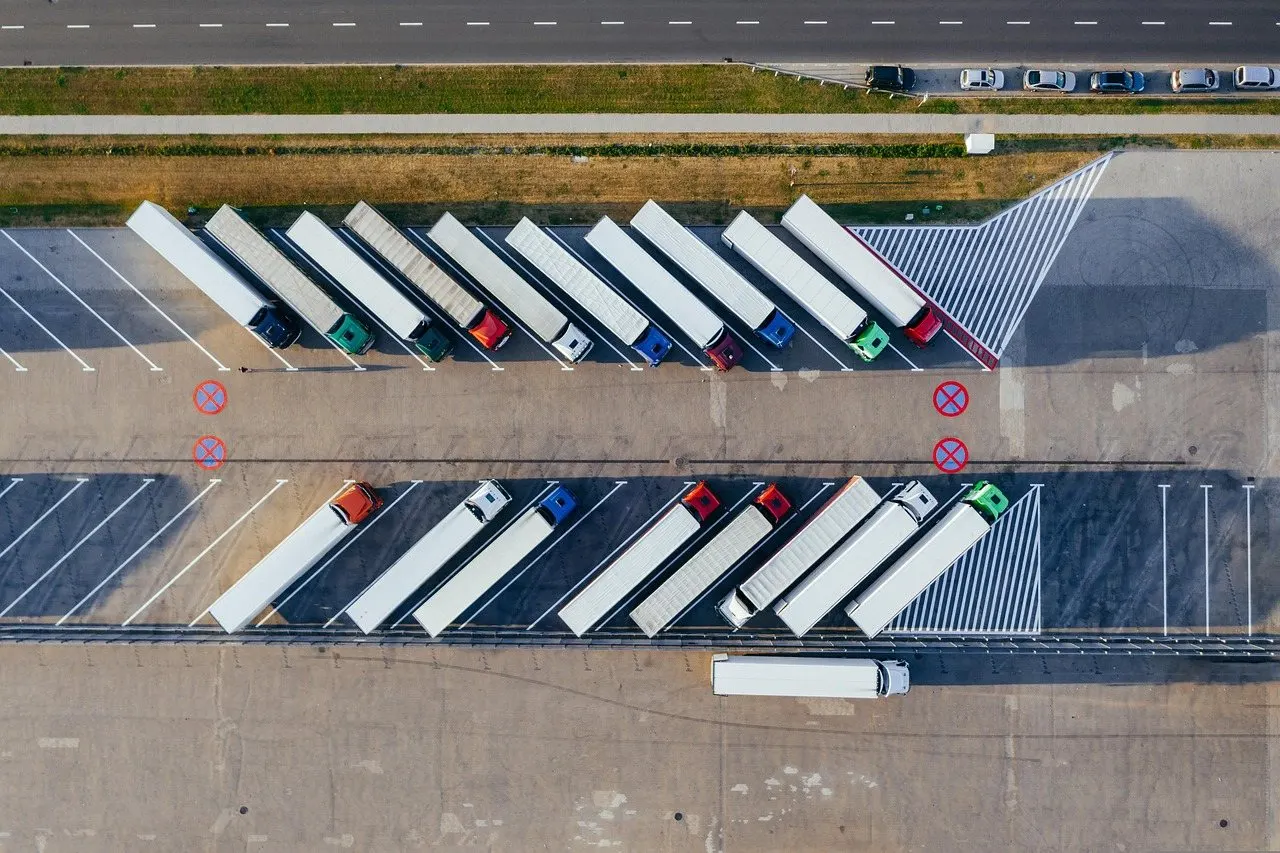
Amazon does not deliver every New York order with its own drivers. It works with about 40 local delivery businesses that run vans, hire drivers and handle routes across the city. Amazon says the new licensing and hiring rules would end those partnerships, which would close a path that small local firms use to grow. For the owners and drivers of those firms, the bill is about their livelihoods. See the data center water use debate.
The Workers at the Center of the Bill
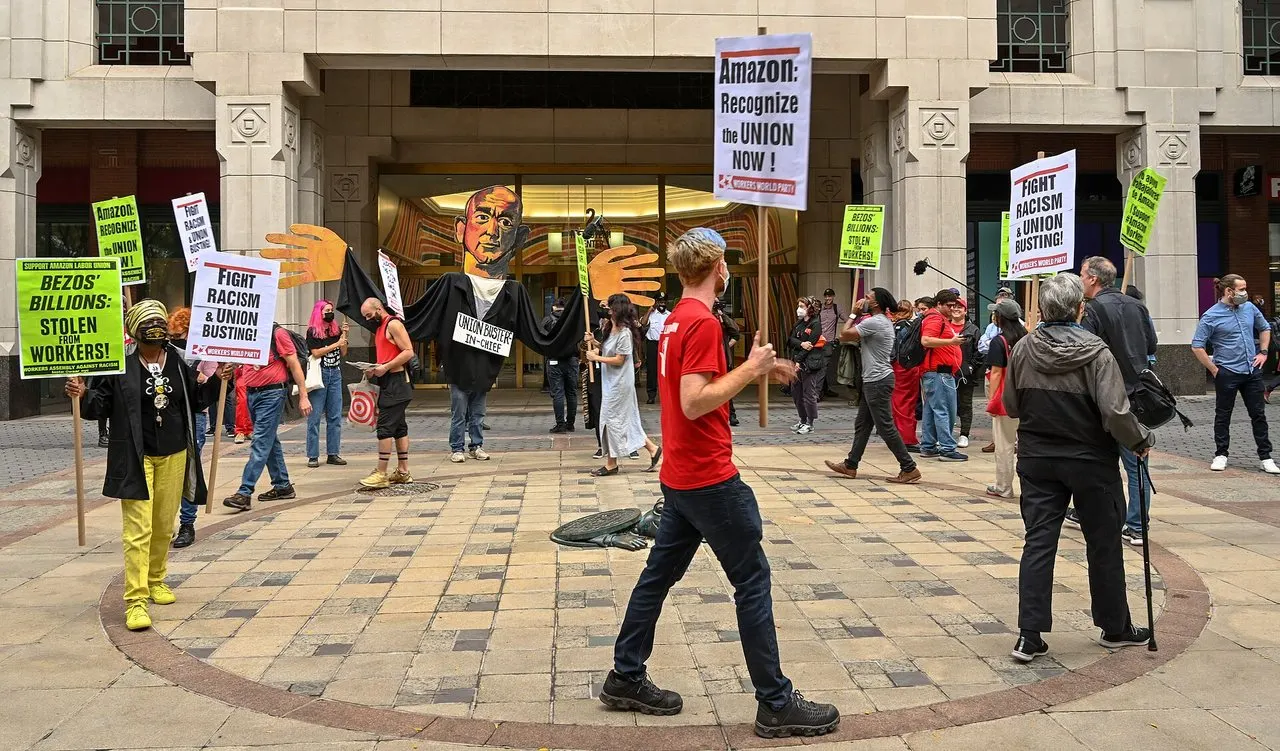
Behind every Amazon box is a person who sorted it, loaded it and carried it to a door. The Delivery Protection Act is written for those workers. It would require last-mile warehouse operators to get licensed and to employ delivery workers directly instead of sending the work to third-party firms. Supporters say direct employment brings steadier pay and clearer rights, while critics say it raises costs. Read the bill to stop ICE from using children as bait.
Inside the Warehouses Behind the Amazon Delivery Fee
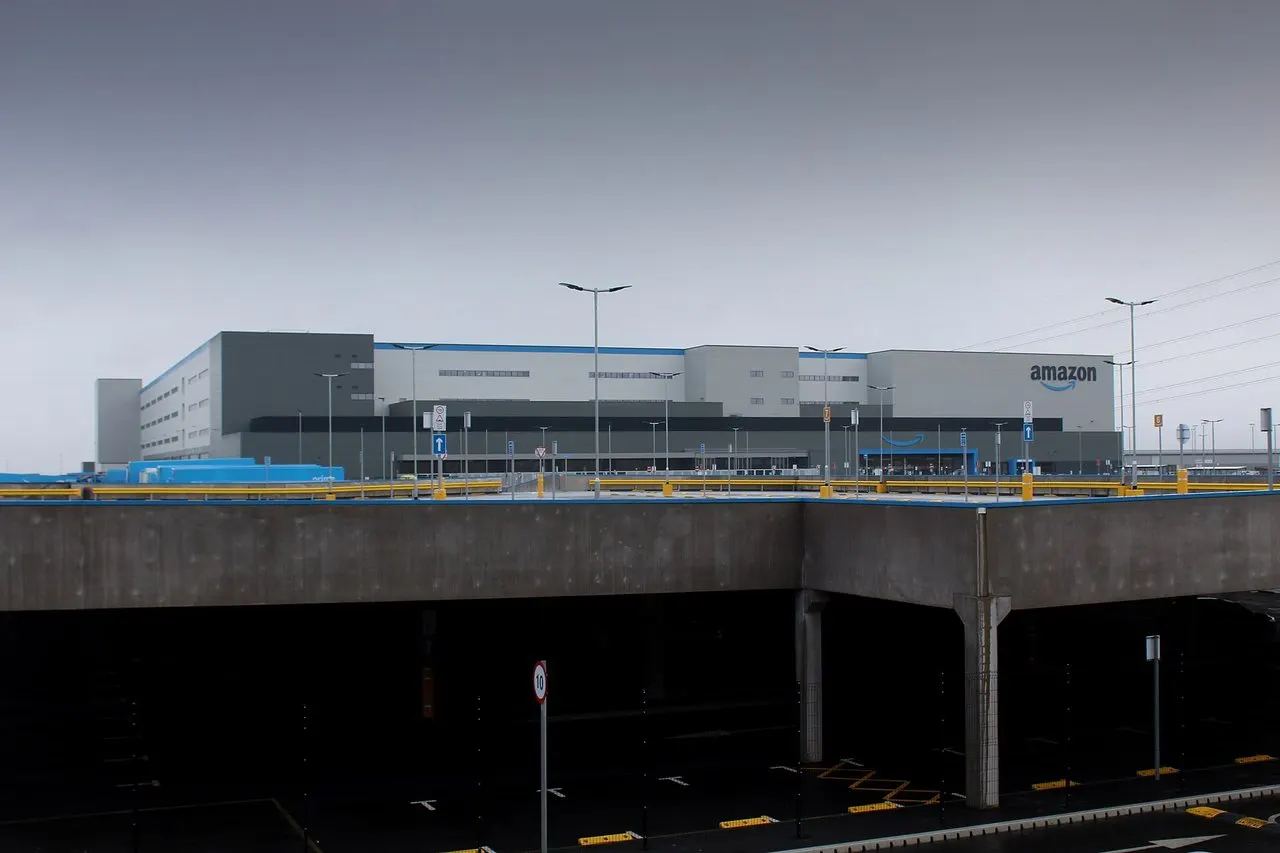
A last-mile warehouse is the last stop before a parcel reaches a home. Trucks bring goods in bulk, workers sort them onto shelves, and vans leave loaded for the streets. These buildings sit close to the city so orders can arrive fast, sometimes the same day. The bill would license these warehouses and set rules for how they staff their delivery work, which is why Amazon says its whole city network would have to change. See the data center water use debate.
Mayor Mamdani Backs the Delivery Protection Act
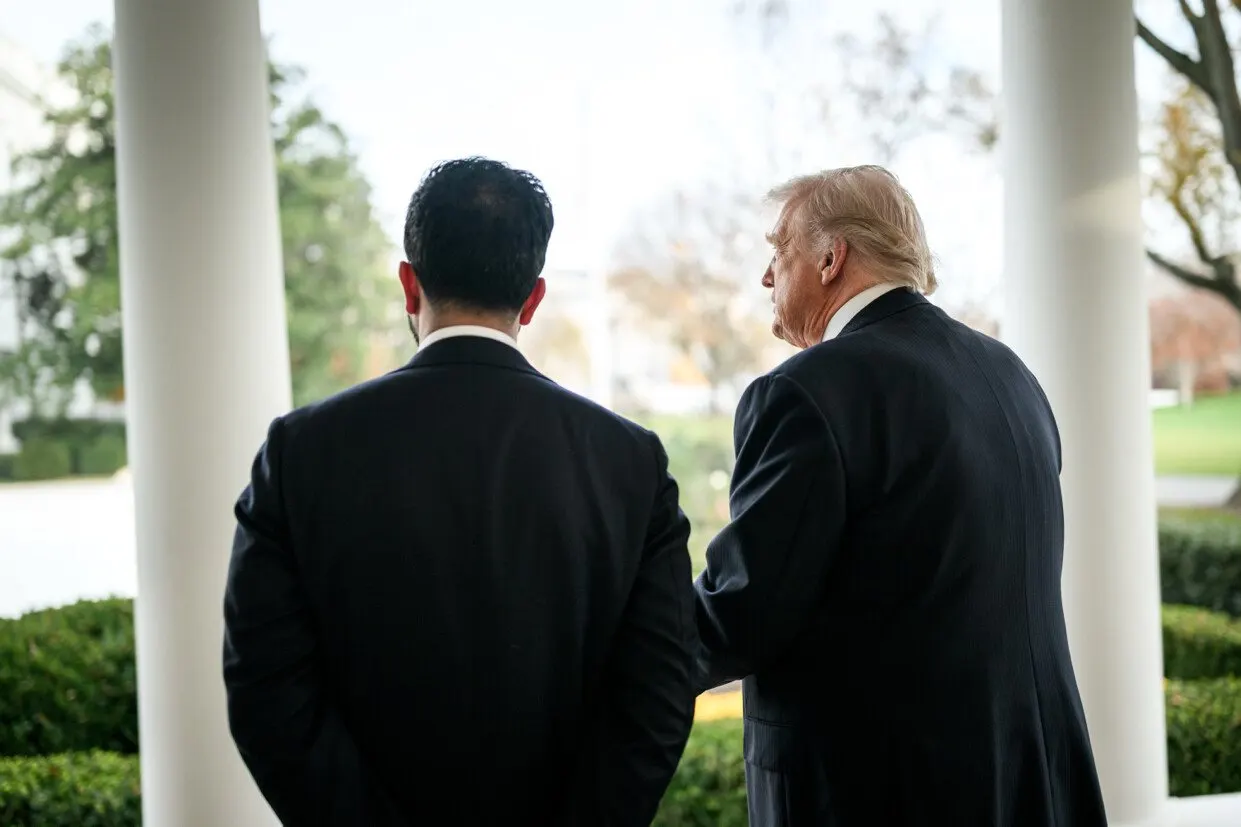
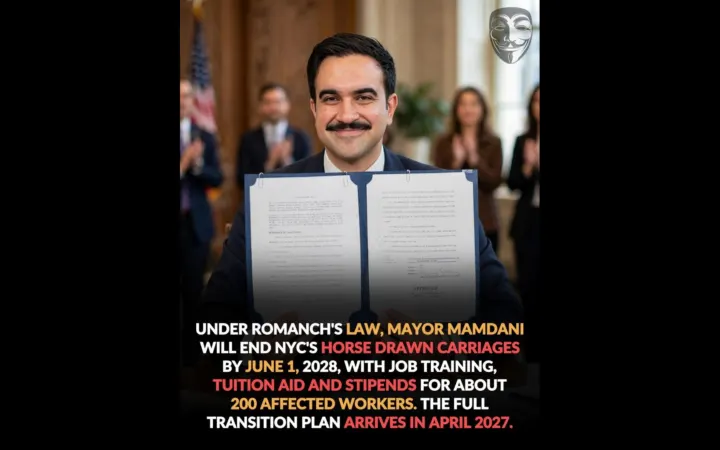
Mayor Zohran Mamdani has put his name behind the Delivery Protection Act, and his support gives the bill real weight at City Hall. Mamdani says the measure protects delivery workers who keep the city running, and he has urged the Council to pass it. His answer to Amazon was blunt. If the company adds $5 to an order, he said, that is greed, not the cost of protecting workers. Read our Rikers Island report.
The Amazon Delivery Fee Would Land on Your Doorstep
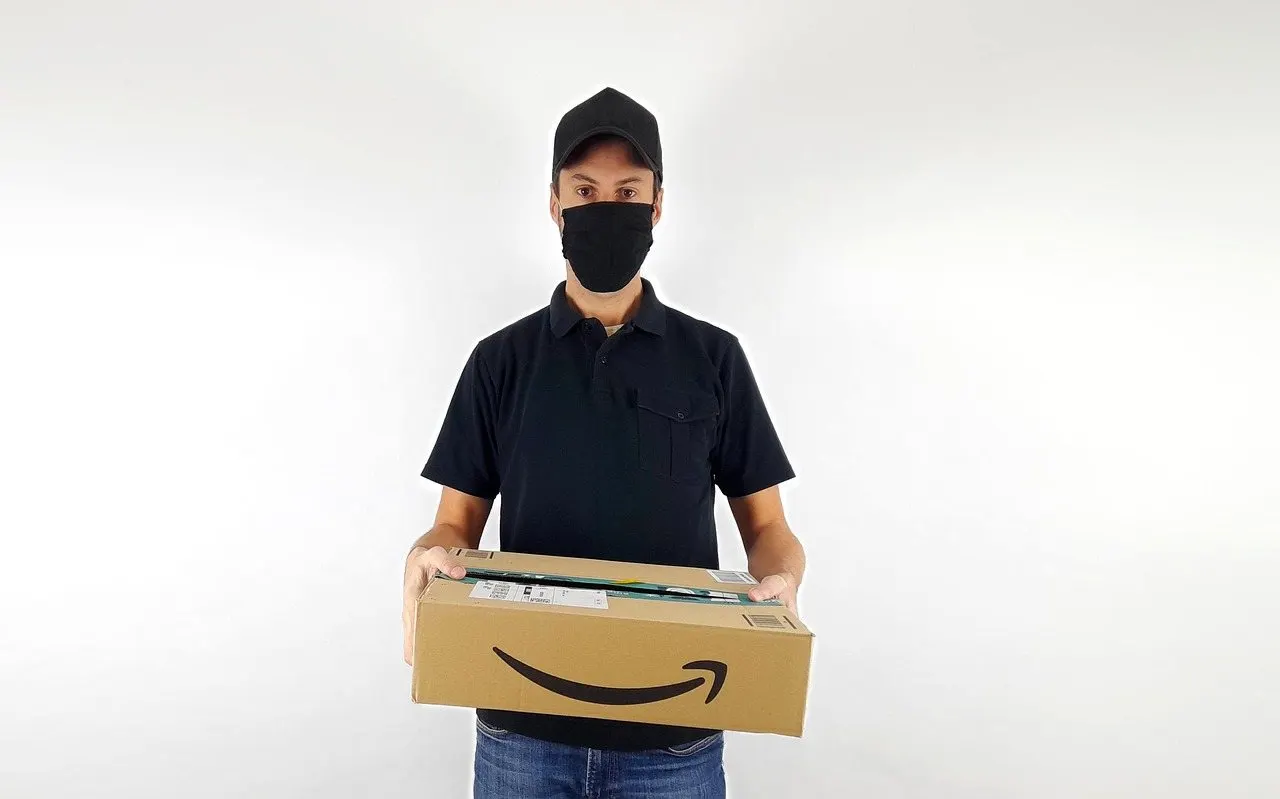
A delivery fee is easy to miss until it shows up at checkout. The shopper sees a total, pays it and moves on, yet a $5 charge on every order adds up across a month of deliveries. Amazon says the fee would be the direct result of the new law, while the mayor says the company is choosing to pass on the cost. Either way, the doorstep is where the debate becomes real for families. See our report on the Amazon warning.
Why Amazon Says It May Leave the City
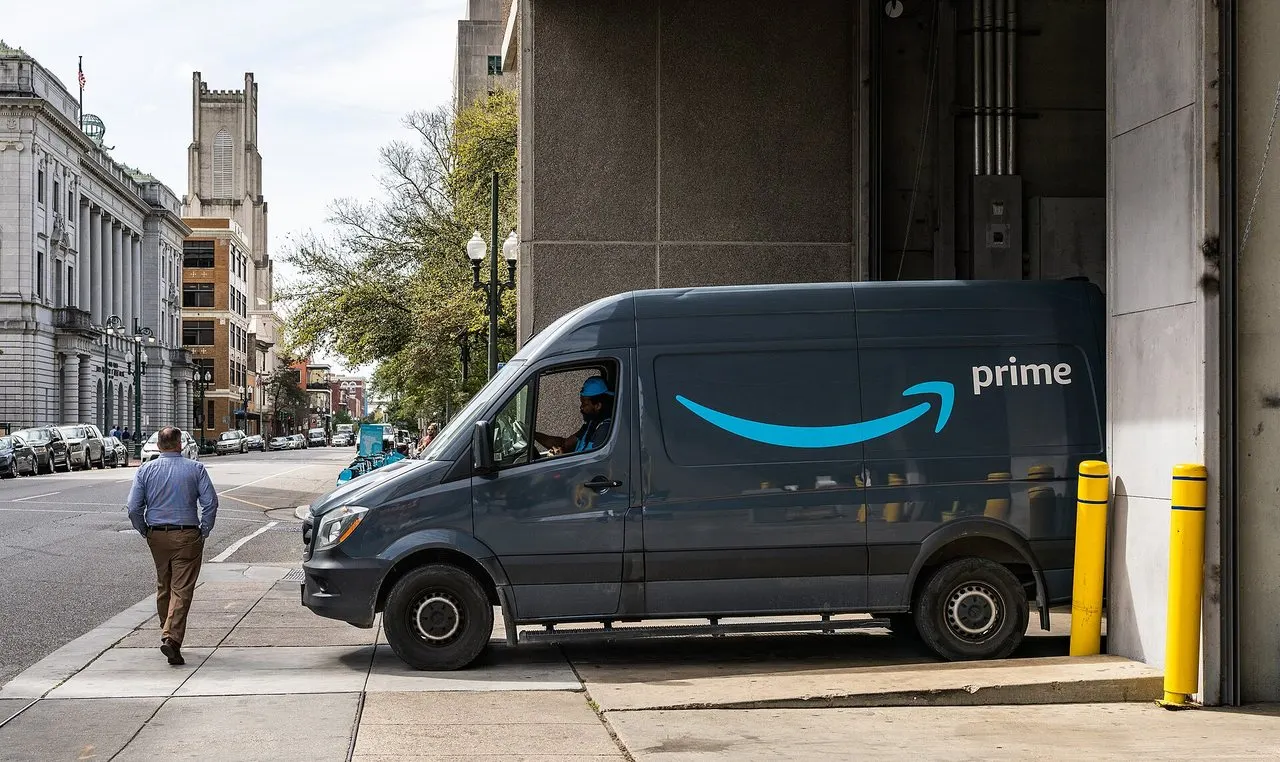
Amazon warns that the bill could force it to move its delivery operations outside New York City. That would mean vans starting their routes beyond the city line and driving in, which takes longer and costs more. The company says the extra cost is why fees would rise. City leaders answer that a company as large as Amazon can adapt, and that worker protections are worth the change. Read our gas prices report.
The City Council Vote That Decides the Amazon Delivery Fee
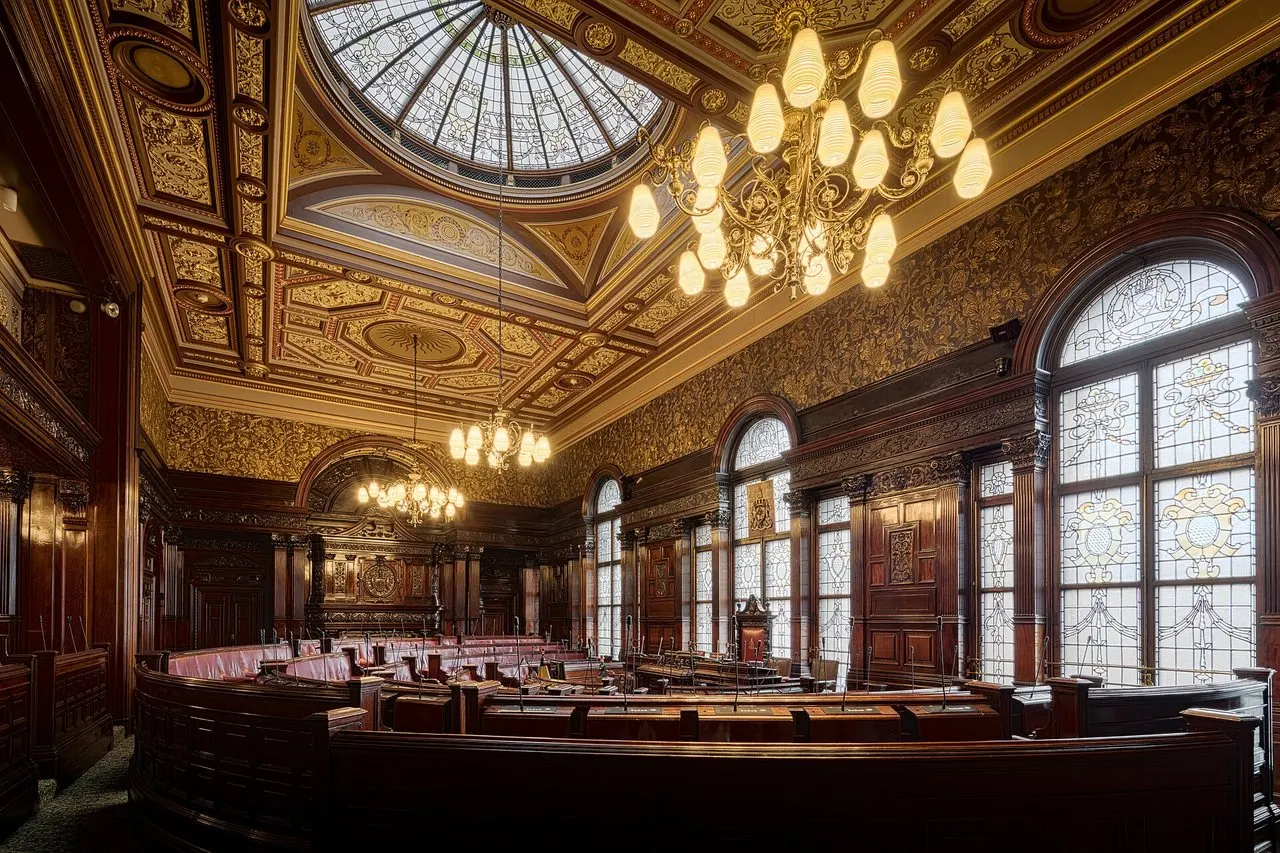
The Delivery Protection Act, known as Intro 518, now sits with the New York City Council, and its members will decide whether it becomes law. Council votes follow hearings, debate and amendments, and every member must weigh worker protections against higher costs for shoppers. Amazon and the mayor have both made their cases in public, so the vote will be watched closely. See our Ohio report.
Direct Employment Is the Heart of Intro 518

The core of Intro 518 is a simple change in who employs the driver. Today many delivery workers are hired by third-party firms that contract with Amazon. The bill would require the warehouse operator to employ them directly. Supporters say that brings clearer responsibility for pay, hours and safety. Opponents say it removes a flexible model that lets small firms take part. Read the second report on the no kids as bait act.
Trucks, Highways and the Longer Road Into Town
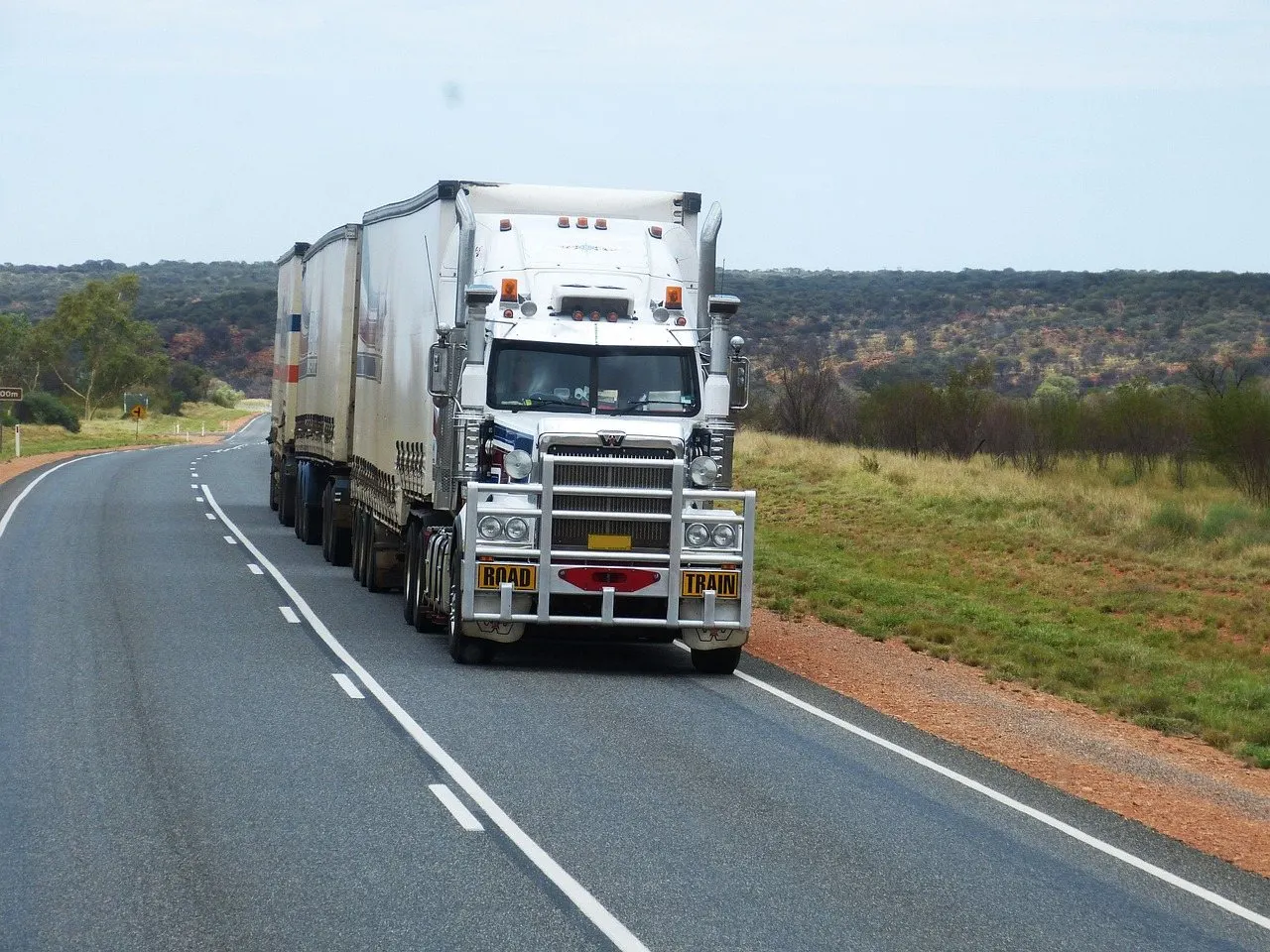
If Amazon moves its delivery work outside the city, more trucks would roll in from farther away each morning. Highways would carry the extra traffic, routes would grow longer and vans would spend more time on the road before the first delivery. That is part of why Amazon says costs would climb. Supporters of the bill say the warning is a negotiating tactic, not a firm plan. See our report on the detention center.
The Amazon Delivery Fee Could Cost a Household $664 a Year

Amazon says a $5 fee on every order could cost a household up to $664 in a year. That figure comes from adding the fee across all the orders a busy family places, from weekly groceries to gifts and home goods. For families watching every dollar, $664 is real money that could have gone to rent, food or savings. Critics of the warning say few households order that often. Read the birthday tribute to Alex Pretti.
Small Shops Watch the Fight Closely

Small shops across New York also rely on fast, cheap delivery, both to stock their shelves and to send goods to customers. If delivery fees rise, small owners may have to raise their own prices or absorb the cost. Many of them already work on thin margins, so even a small change matters. The 40 local delivery firms in the debate are small businesses too, with drivers and families of their own. See our lobster ban story.
City Hall Weighs the Amazon Delivery Fee Debate
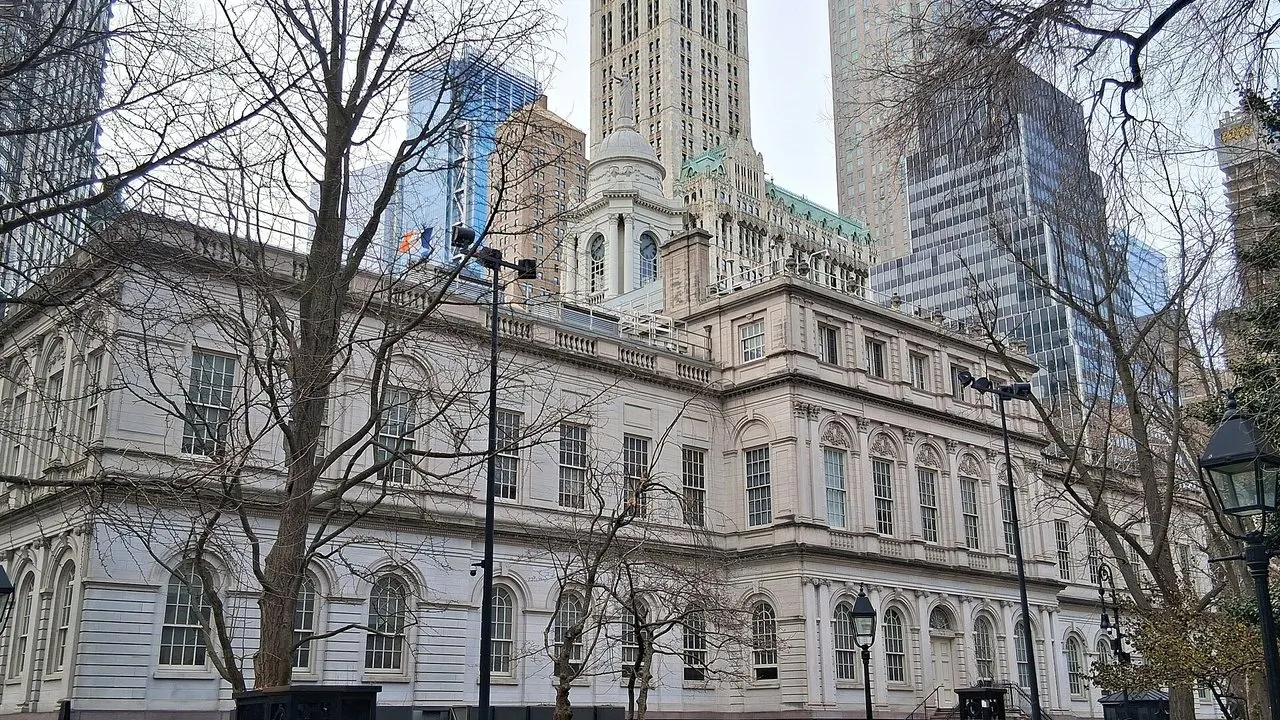
City Hall is where the licensing plan in the bill would take shape. Under Intro 518, companies running last-mile warehouses would need a city license, which gives the city a way to check who operates in New York and how they treat workers. Licensing is a common tool for the city, used for taxis, food vendors and many other trades. The question is whether it fits delivery warehouses too. Read the plan to close Rikers Island.
Mamdani Calls a Five Dollar Rise Greed, Not Cost
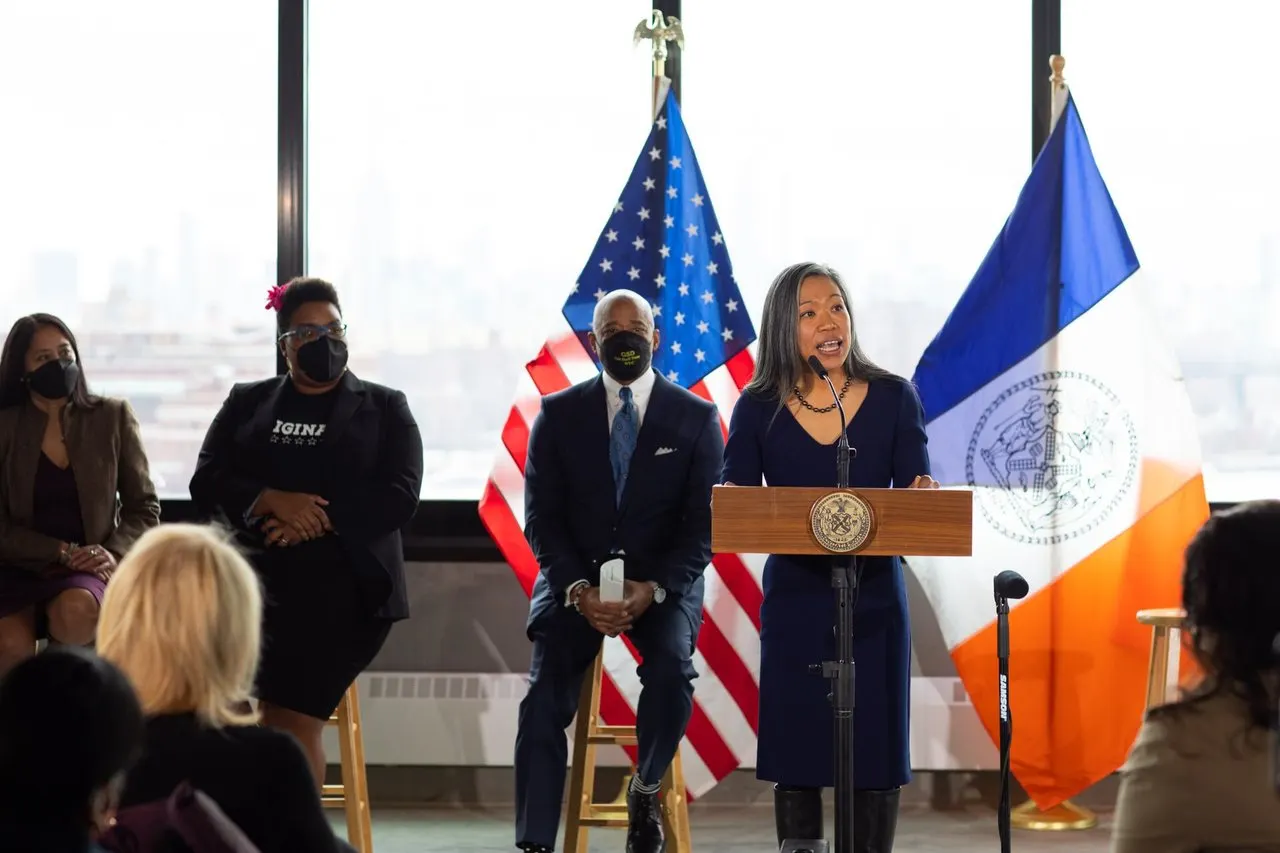
When Amazon warned of a $5 rise, Mayor Mamdani did not soften his answer. He said that if Amazon adds $5 to an order, it is greed, not the cost of protecting workers, and he urged the Council to pass the bill. His words frame the fight as a choice between company profit and worker rights. Amazon says the math is real and the fee would follow the law. Read the mayor’s grocery store remarks.
Stickers and the Amazon Delivery Fee Message on Your Box
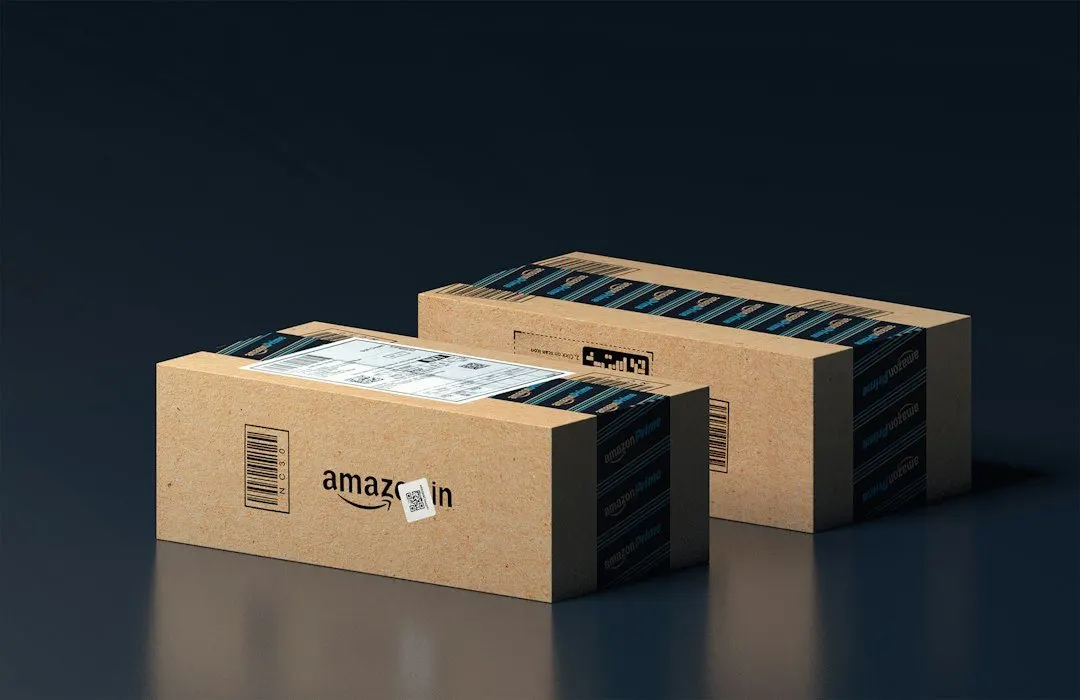
The debate has even reached the boxes themselves. Amazon has put stickers on packages delivered in New York City that carry a message against the Delivery Protection Act, turning each parcel into a small political mailer. Shoppers open a box and find a note about the bill inside the delivery they just paid for. It is a sign of how far both sides will go to win public opinion. See the NSA newspaper joke.
New York Orders Are Big Business for Amazon
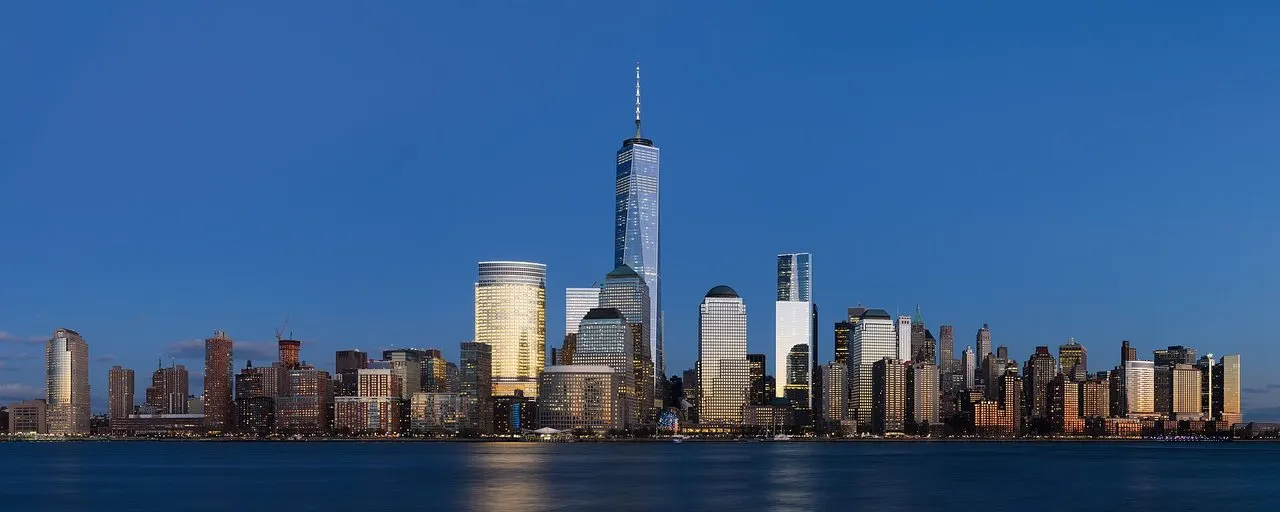
New York City is one of the largest markets in the country, with millions of people ordering online every week. Tall towers, busy streets and dense blocks make it a place where delivery is both a huge opportunity and a hard job. Amazon has built warehouses, hired drivers and put vans on the road to serve that demand. That scale is why a $5 fee here matters far beyond one city. Read the NSA newspaper joke.
Couriers on Bikes Keep the City Moving
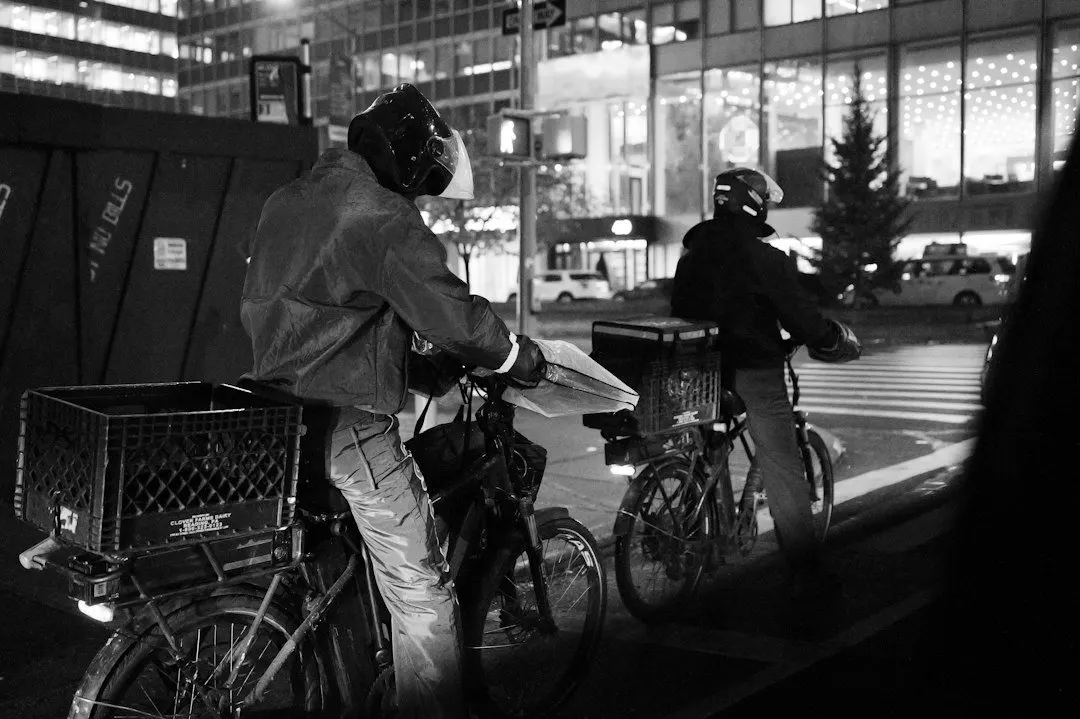
Not every delivery comes by van. Bike couriers weave through traffic with bags and boxes, reaching doors that large trucks cannot. In a crowded city they are often the fastest way to move a parcel the last few blocks. The bill focuses on warehouse operators, yet the whole delivery chain, from bikes to vans to trucks, shares the same streets and the same pressure to be fast. See the birthday tribute to Alex Pretti.
The Amazon Delivery Fee Starts With Third-Party Drivers
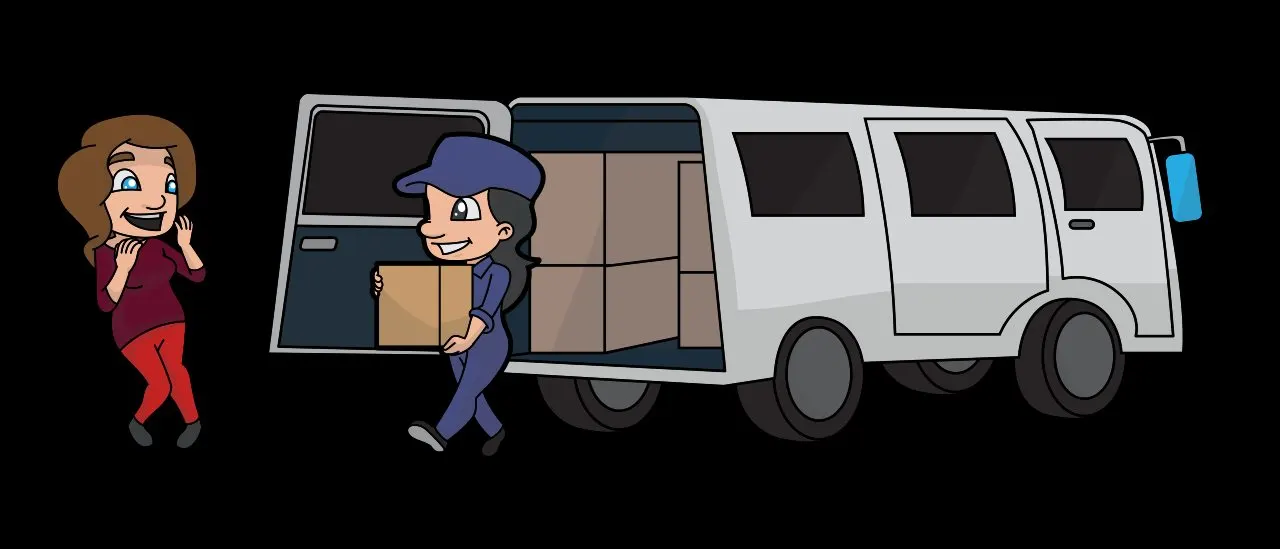
Many of the drivers who bring Amazon boxes to New York doors do not work for Amazon itself. They work for third-party delivery firms that contract with the company, a model used across the delivery industry. Those firms hire, train and schedule the drivers, and they take a share of the work. The bill would end that setup for last-mile warehouses in the city. Read the Poland zero migrants claim.
How a Bill Becomes Law in New York City
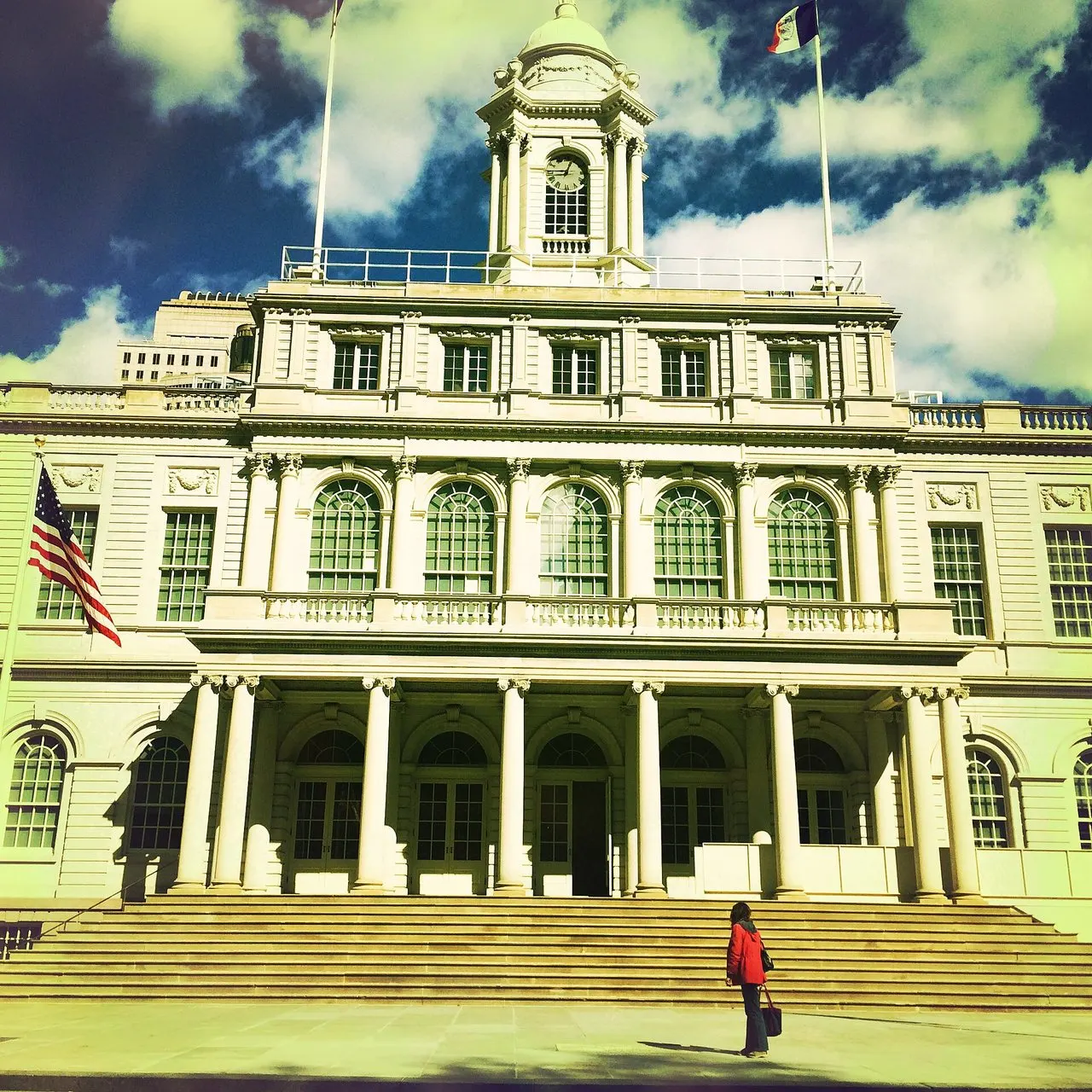
A bill in New York City starts as an introduction, like Intro 518, then moves through committee hearings where the public can speak. Council members debate it, change it and finally vote. If it passes, the mayor signs it into law. Each step gives both sides a chance to be heard, from Amazon and the mayor to workers, small firms and shoppers. See the Poland zero migrants claim.
What Shoppers Would Notice First
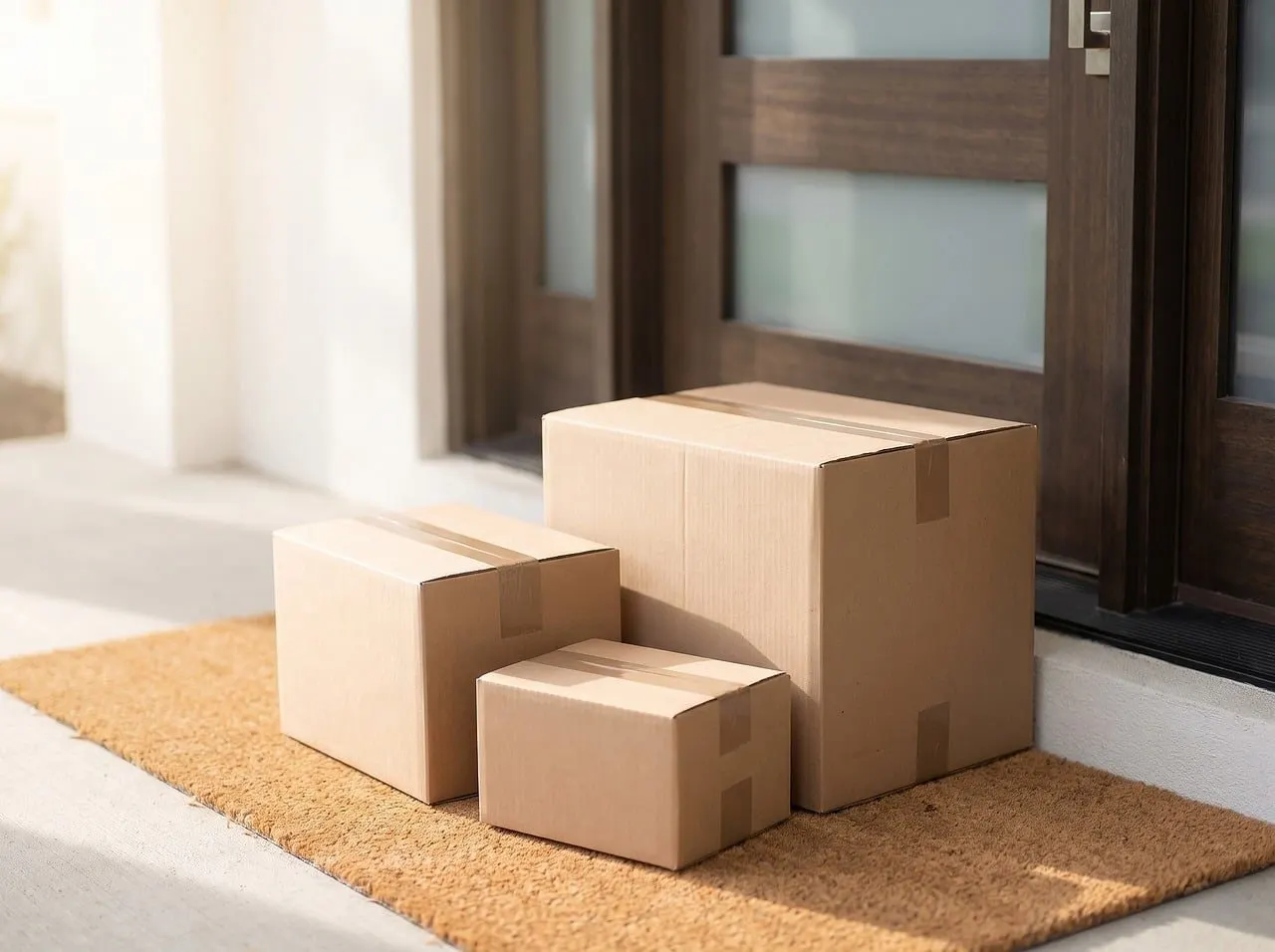
If the fee arrives, shoppers would notice it at checkout, where the total climbs by up to $5 before they press buy. Some would order less often, some would bundle items into fewer orders and some would look for free shipping deals. Habits change fast when a small charge appears on every order. That is why Amazon talks about the fee in dollars per order, not just in policy words. Read our report on the Willis case.
Shelves, Scanners and the Amazon Delivery Fee
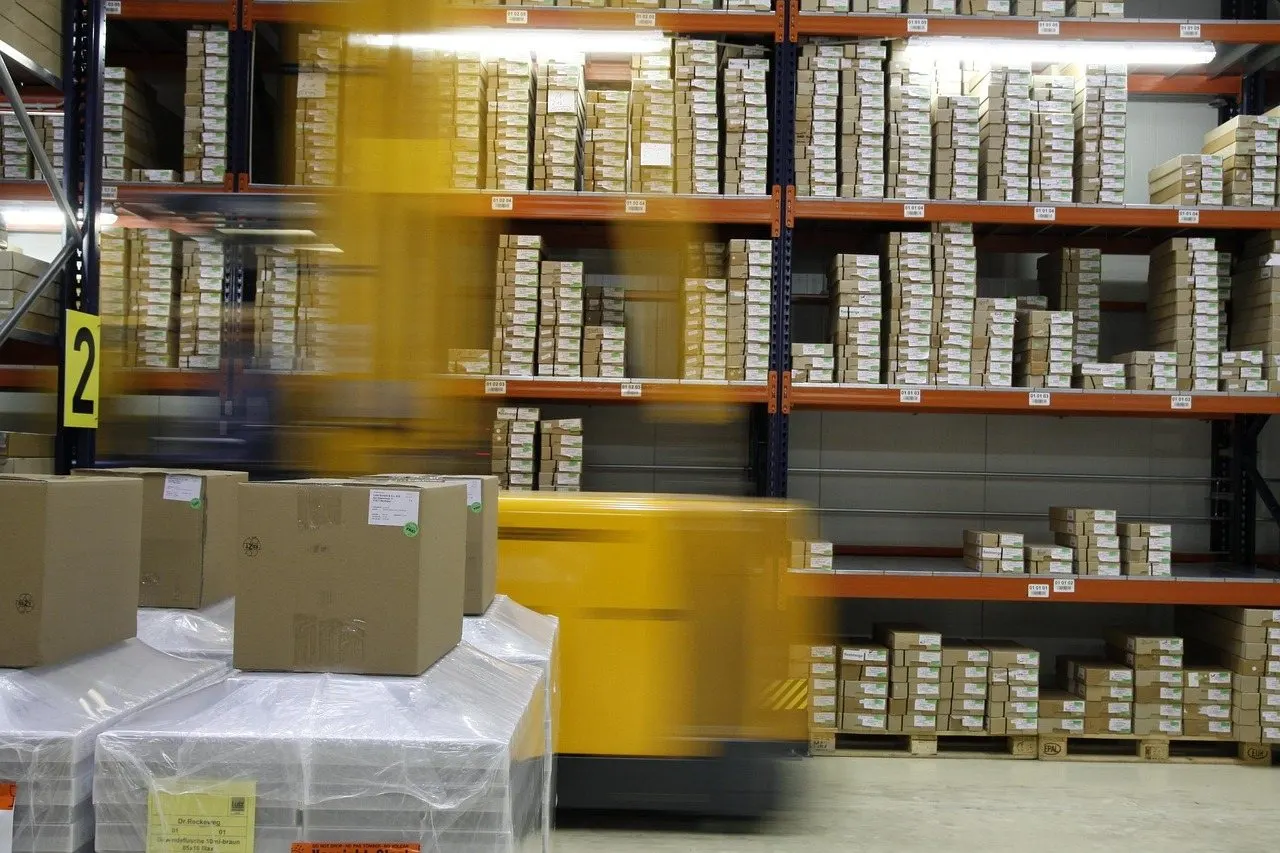
Inside a fulfillment center, shelves rise high with goods, scanners beep as workers pick items and boxes move along belts to be packed. It is a careful system built for speed, and every second saved helps the next van leave on time. The bill would not change the shelves or the scanners, yet it would change who employs the people at the end of the line. See the vintage bakes of Dylan Hollis.
More Than 5,000 Jobs Are on the Line
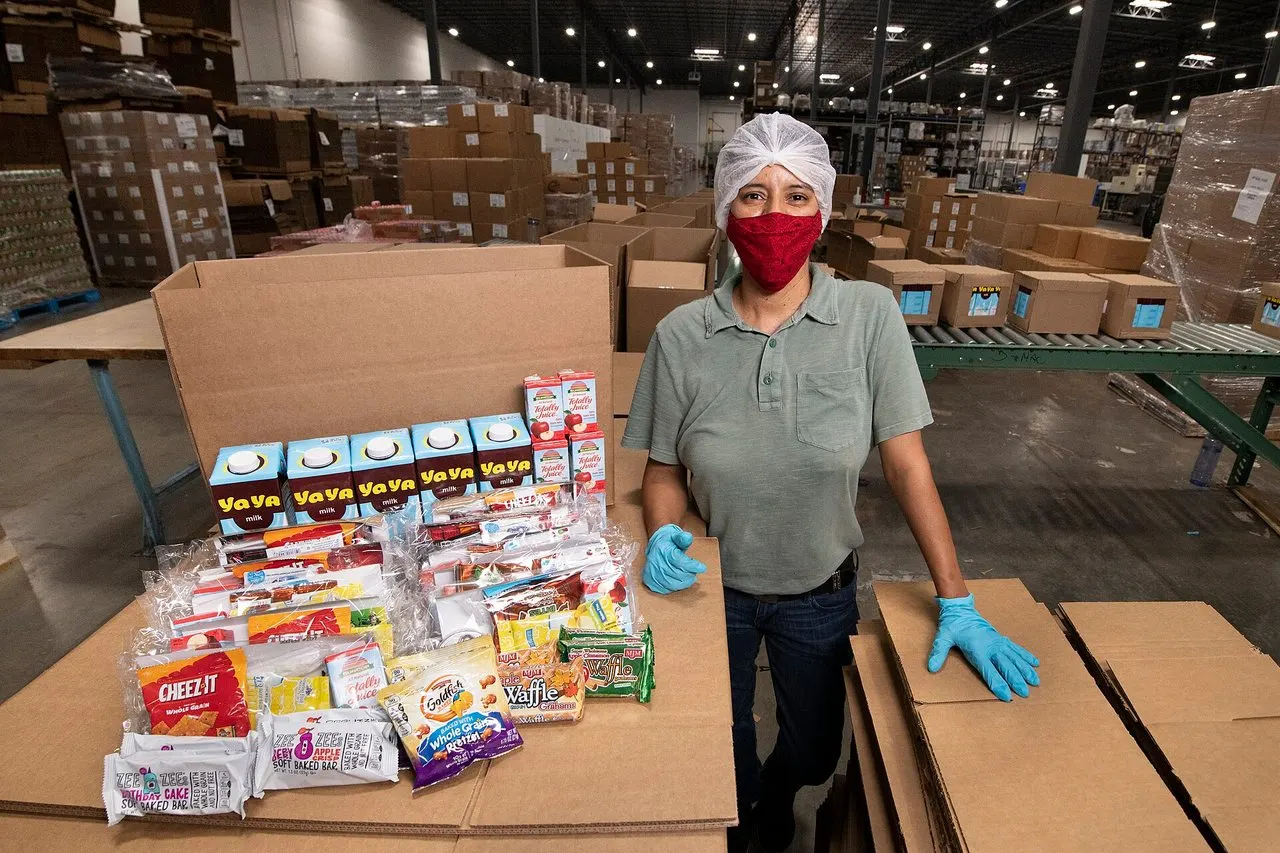
Amazon says more than 5,000 local jobs are at risk if the bill passes, from drivers and warehouse staff to the teams at the 40 partner firms. For those workers, the debate is not abstract. It is about rent, bills and the next shift. Supporters of the bill say the jobs would not vanish but change, with direct employment offering steadier work. Both sides claim to speak for workers. Read the fight over the largest ICE detention center.
The Amazon Delivery Fee Fight Is Far From Over
The Council has not yet voted, the mayor has not backed down and Amazon has not dropped its warning. Hearings, headlines and package stickers will keep the debate in front of shoppers for weeks to come. Whatever the Council decides, the result will shape how New York orders arrive and what they cost. For now, both sides are still making their case to the city. See our Pompey story.
What Do You Think About the Five Dollar Warning?
Amazon says a $5 fee is the price of the new law, while Mayor Mamdani says it is greed, not the cost of protecting workers. Shoppers, drivers and small firms all have a stake in what the Council decides next. What do you think about the five dollar warning? Would you pay $5 more per order if it meant steadier jobs for delivery workers, or should the city find another way? Share your thoughts in the comments below. Read our Pierce Brosnan story.